22 ways mail was sent before modern postal services
Long before sticky rectangles and curbside boxes, messages moved by muscle and memory. In many places, you hired a trusted messenger, pressed a token or seal into their hand, and hoped for the best. Some wrote on wax tablets or bark; others tied information into objects, like the Inca use of knotted quipu. In the ancient Mediterranean, clay and papyrus ruled; in East Asia, silk and early paper appeared. Payment was often ad hoc, and delivery times were measured in days, weeks, or seasons.
Costs and rules varied wildly. In early modern Europe, recipients might be charged on arrival, and distance, the number of sheets, and even encloses determined the fee. Many communities relied on institutions they already knew: temples, palaces, guilds, and caravans. What they had in common was trust backed by seals, signatures, and reputation. The idea that anyone could drop a prepaid letter into a public box would come much, much later.
Clay tablets on the go: Mesopotamian scribes and couriers
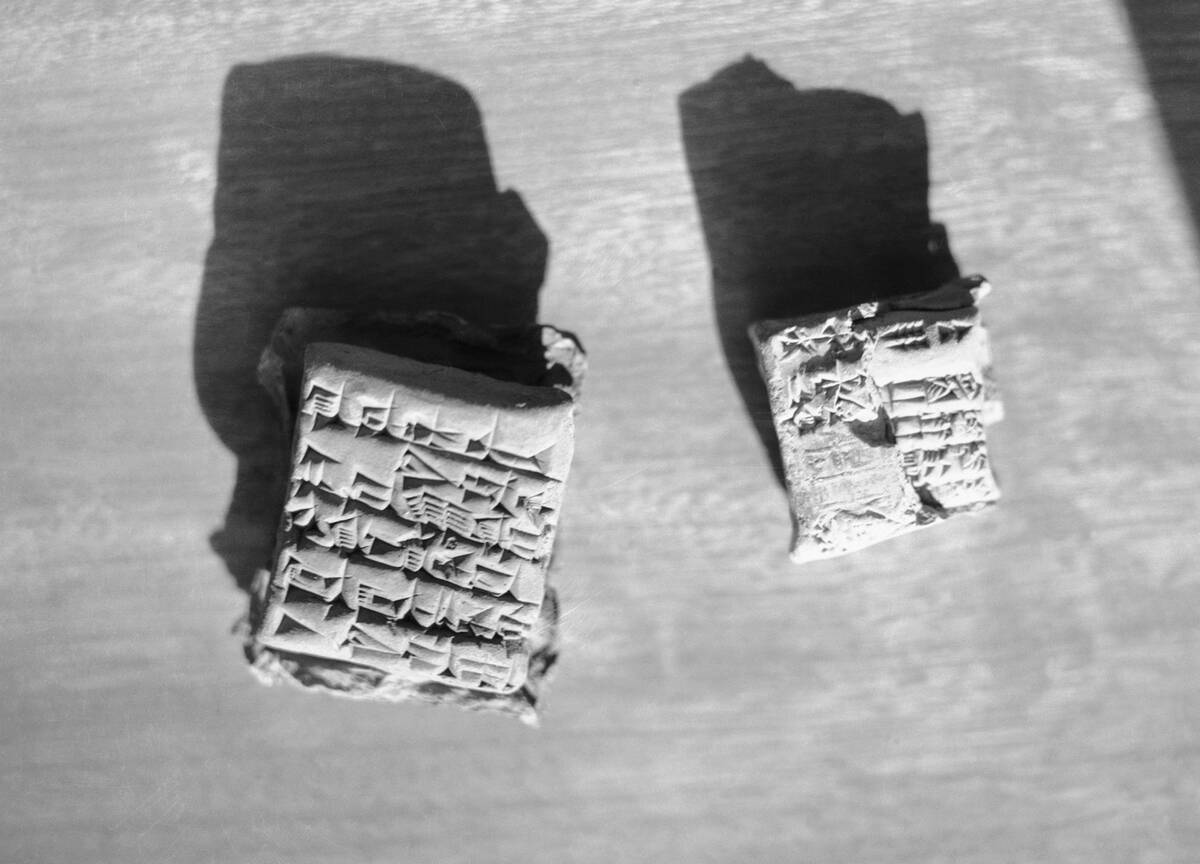
In Mesopotamia, a letter could be a palm-sized brick. Scribes impressed cuneiform into damp clay and, for sensitive notes, slipped the tablet into a clay envelope sealed with a cylinder seal. Archaeologists have found messenger receipts and routing instructions among the Mari letters from the 18th century BCE. Officials even had job titles for messengers, like mar sipri, the man of the message.
Once dried or baked, tablets were durable enough to survive millennia and the knocks of travel.
How did they move? On foot, by donkey, and by boat along the Tigris and Euphrates. Royal and temple administrations kept runners on retainer, and merchants hired their own. Directions could be painfully specific, listing canals, ferries, and waystations. The return address was literal: if a seal or name was impressed wrong, disputes followed. It was far from fast, but within a network of cities and estates, clay mail got business done.
Pharaohs and papyrus: Egypt’s official messengers
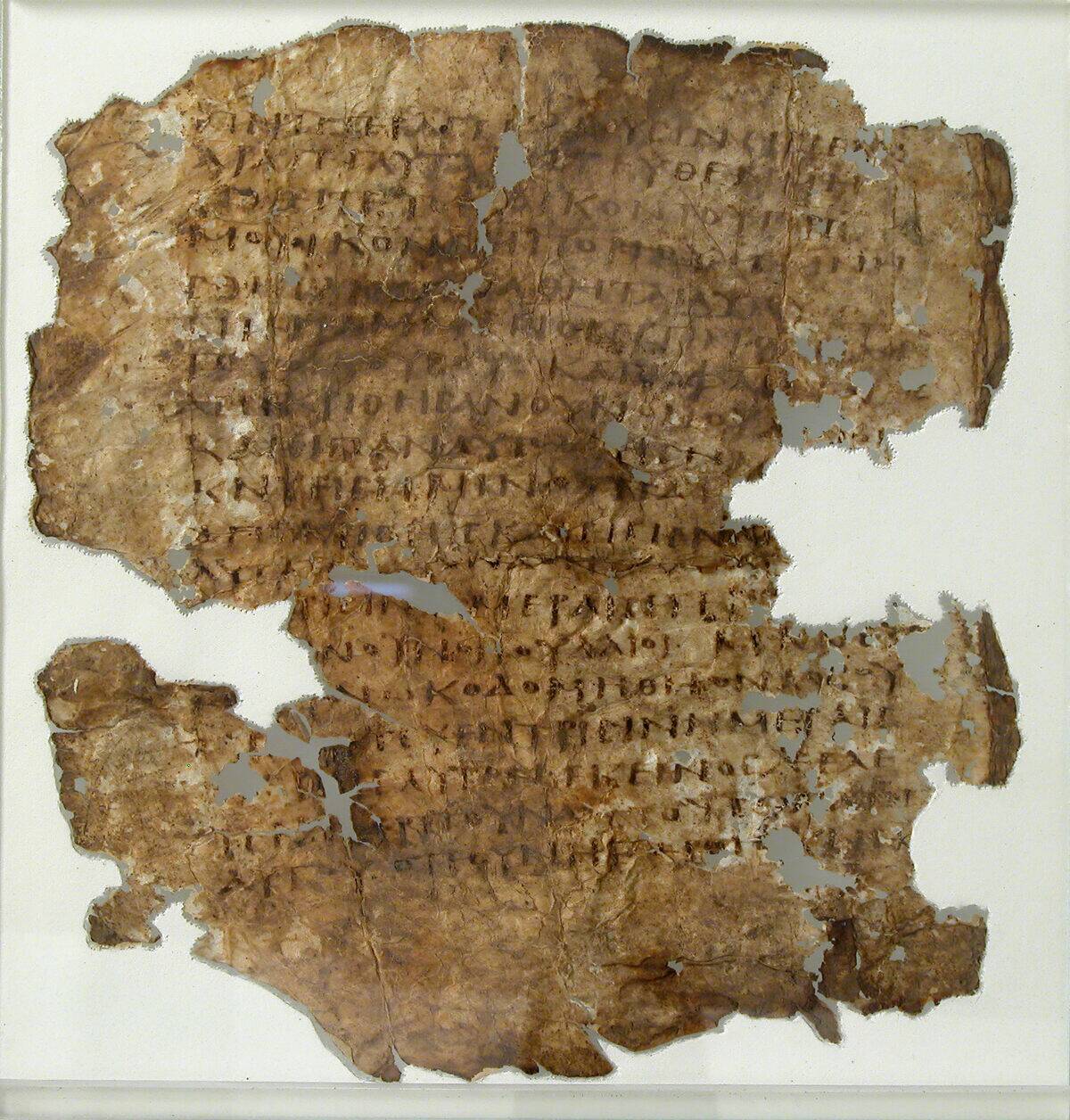
Along the Nile, papyrus turned administration into a paperwork superpower. Scribes wrote in hieratic on papyrus rolls for internal business, and on ostraca, broken pottery sherds, for quick notes or receipts. State messages traveled by riverboat, donkey, and on foot between Thebes, Memphis, and provincial centers. Pharaohs had officials dedicated to carrying orders, and archives preserve dispatches on supplies, labor, and security, each authenticated by docketing and seals.
When diplomacy called, Egypt joined the clay crowd.
The Amarna letters, from the 14th century BCE, are Akkadian cuneiform tablets exchanged with Near Eastern rulers. They show royal messengers operating internationally, bartering gifts and negotiating alliances. At home, couriers exploited the Nile’s rhythm, riding the annual flood for speed. The combination of reliable river routes, trained scribes, and state oversight made Egyptian correspondence remarkably organized for its time.
The Persian Royal Road: relay riders of the Angarium
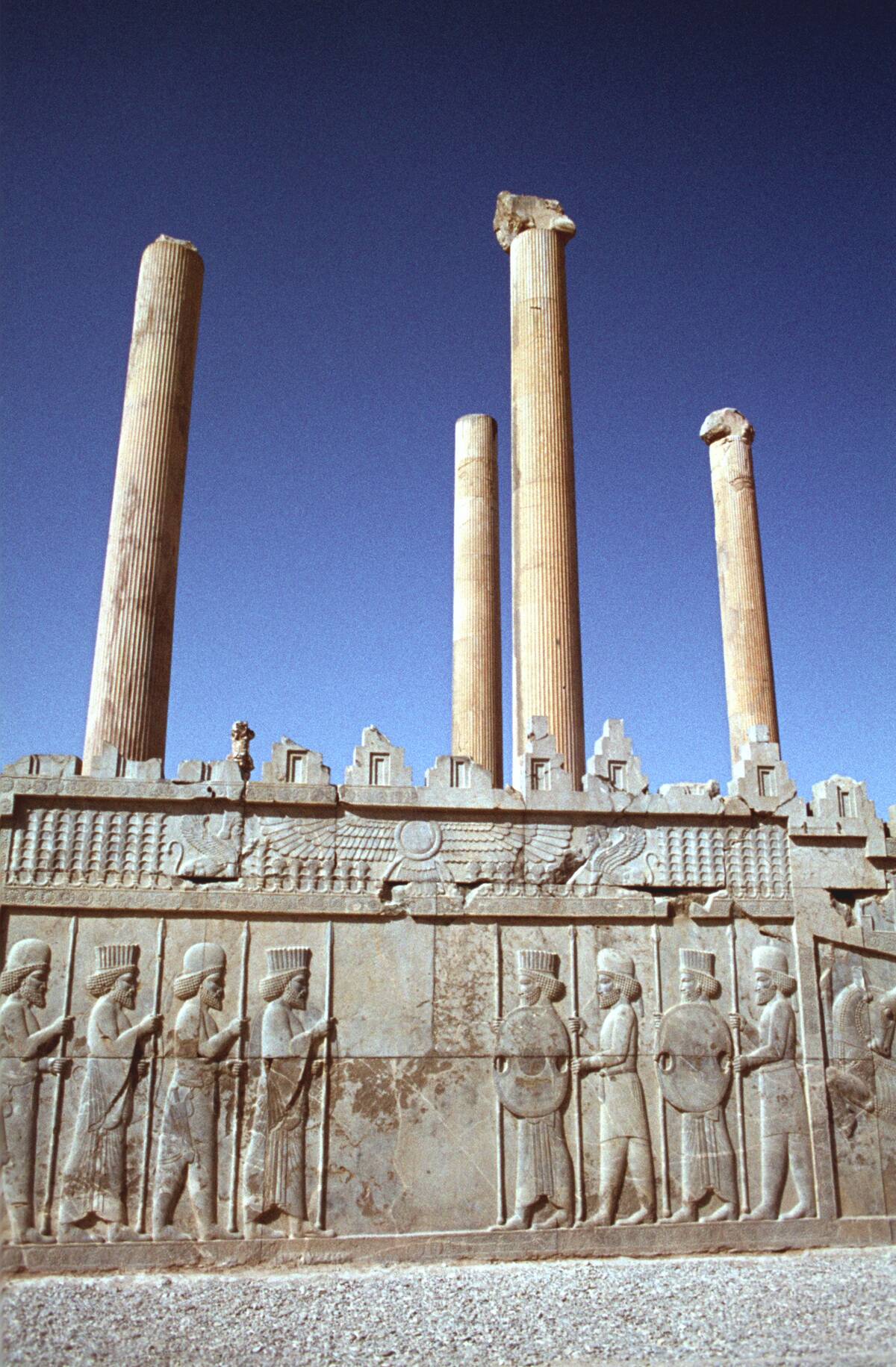
The Achaemenid Persians stitched their empire together with the Royal Road, famously described by Herodotus. Running roughly from Sardis in Anatolia to Susa in Iran, about 2,600 kilometers, it featured posting stations where fresh horses and riders waited. The Angarium, the royal courier service, moved official letters with a speed that impressed Greek observers. Herodotus’s line about neither snow nor rain nor heat nor gloom of night praises these riders’ persistence.
Practical details set it apart.
Waystations were spaced about a day’s ride, roads were maintained, and passes were secured. Couriers carried sealed dispatches, and provincial governors used the same network to report up the chain. Merchants sometimes piggybacked on this infrastructure, though availability depended on status and permission. The system did not abolish delays, but compared to purely ad hoc couriers, it was an imperial express lane.
Rome’s cursus publicus: the empire’s express lane
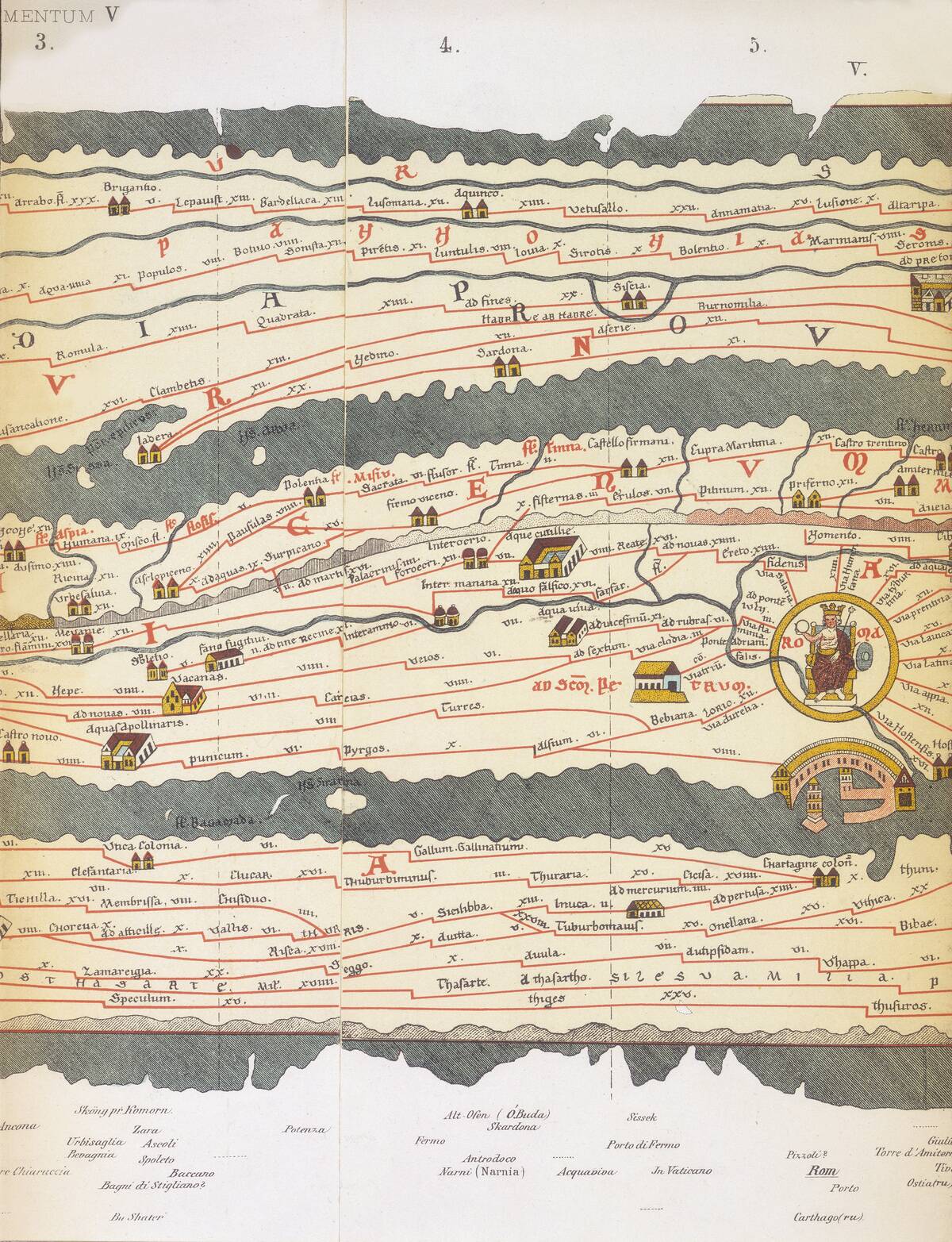
Augustus formalized Rome’s state post, the cursus publicus, to move officials, intelligence, and urgent goods. Along Roman roads, mutationes offered fresh animals and mansiones provided lodging. Bearers of diplomata, official warrants, could swap mounts and gallop ahead while others plodded. Even conservative estimates suggest over 50 miles per day was standard for official dispatches, with relay riding pushing much higher when truly urgent.
It was not for everyone.
Private citizens could sometimes pay to use it, but the system primarily served imperial business and was strictly regulated. Provincial communities were obliged to maintain stations and animals, an economic burden that emperors periodically tried to curb. Archaeology gives the network texture: milestones, waystation ruins, and wax-tablet correspondence from Vindolanda on Hadrian’s Wall show how letters, invitations, and supply notes traveled the empire’s arteries.
The Mongol Yam: post houses across the steppe
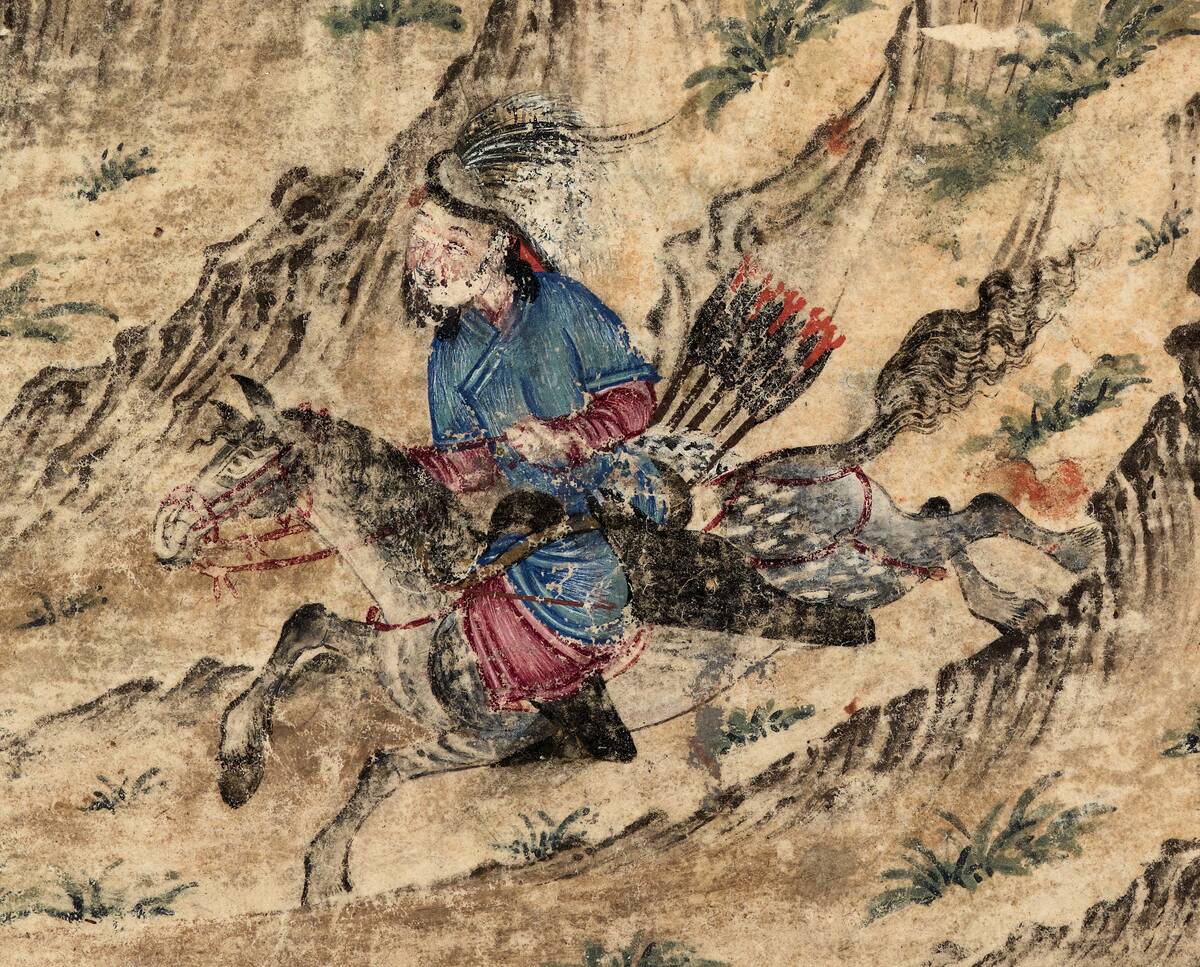
The Mongol Empire ran a relay network called the yam, stretching from Eastern Europe to East Asia in the 13th and 14th centuries. Post stations, often 25 to 40 miles apart, kept horses, food, and lodging ready. Officials traveled with paiza, metal tablets granting authority and access. The system stitched the steppe to cities, making imperial decrees, tax records, and intelligence move with astonishing regularity for such vast distances. Travelers noticed.
Marco Polo described how quickly orders leapt across the khan’s realm, with flags and horns announcing riders as they approached stations. The yam was logistical glue for conquest and governance: messengers could cross a province in days rather than weeks. Speed had rules, though; misuse of the paiza or exhausting stations brought penalties. The basic trick was timeless: a fresh horse and a good road, repeated over and over.
Incan chasquis: high-altitude runners with relay batons
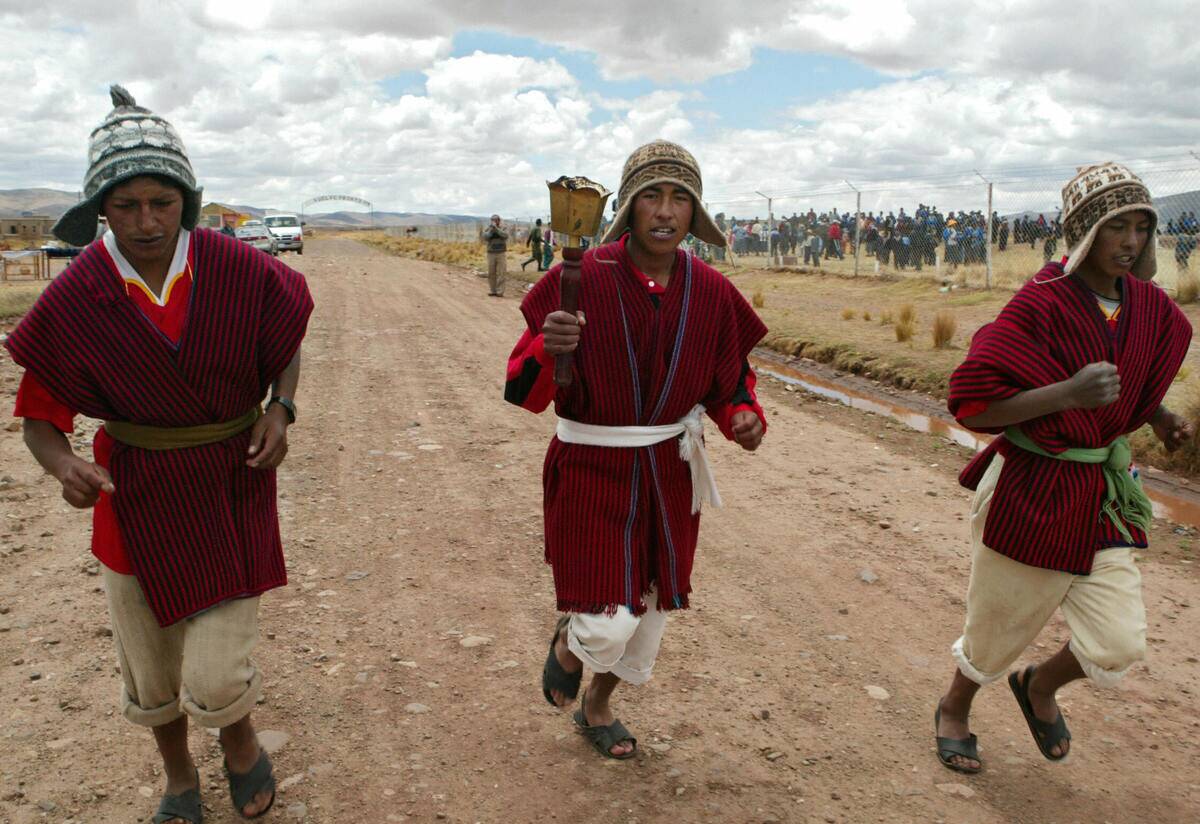
In the Andes, speed had lungs. The Inca road system, the Qhapaq Ñan, stretched roughly 25,000 miles across mountains and deserts. Chasquis, elite runners stationed at tambos, relayed messages using quipu and oral codes, sounding conch shells to signal an incoming runner. With constant relays, news could cross more than 150 miles in a day, a stunning pace considering the altitudes and terrain.
Chasquis did more than carry words. They transported small goods, royal delicacies, and time-sensitive orders, ensuring the Sapa Inca’s will reached distant valleys. Roads were engineered with stairways, suspension bridges, and waystations provisioned for runners and officials. Even without wheels or draft animals for transport, this human-powered network kept an empire coordinated from sea level to snowline.
Merchant letters on the Silk Road caravans

Caravans mixed business with news. Sogdian merchants, the great go-betweens of Central Asia, left a paper trail: the Ancient Letters, found by Aurel Stein near Dunhuang and dated to around 313 CE, describe trade woes and political shocks like the fall of Luoyang. These letters, written in Sogdian script, show private correspondence hitching rides with caravan leaders, guards, and innkeepers from oasis to oasis.
China’s early paper, standardized in the Han era after innovations credited to Cai Lun in 105 CE, made long letters lighter and cheaper than silk. Contracts, letters of introduction, and lists of goods moved in camel saddlebags and strongboxes. Timing depended on seasons and safety; a route from Samarkand to Chang’an could take months. At desert watchtowers like those near the Jade Gate, officials stamped documents, making the road a chain of approvals as much as a path.
Monks and abbeys: medieval Europe’s quiet courier network
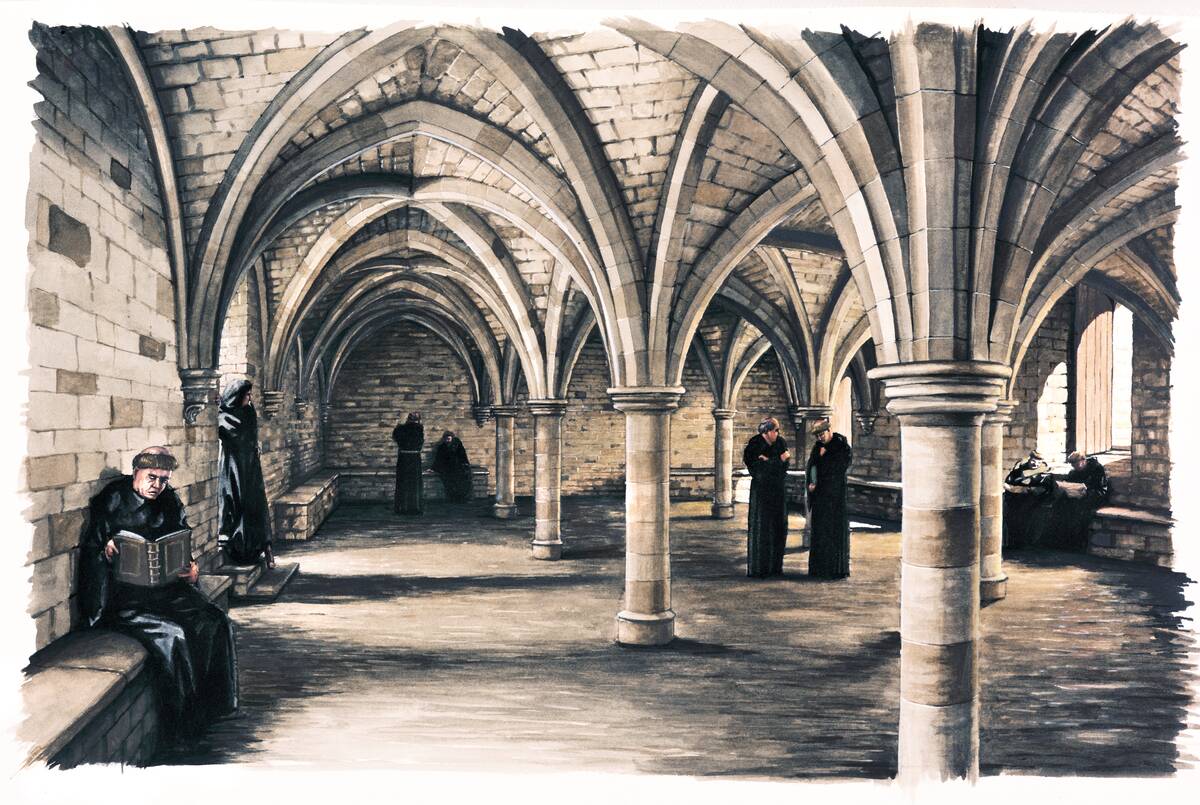
Medieval monasteries were hubs of paper and people. Orders like the Order of Saint Benedict and the Cistercian Order linked dozens, even hundreds, of houses that met, traded, and corresponded. Monastic couriers, sometimes lay brothers, carried letters between abbeys and to bishops or royal courts. Scriptoria produced copies with docketing notes that show where a letter went next, while guesthouses gave traveling messengers beds and bread.
Because they were trusted institutions, abbeys could also serve as secure intermediaries. A merchant might address a letter care of a monastery near a fair, and a bishop could route a delicate note via a friendly prior. The papacy’s own envoys, such as a Papal nuncio or Papal legate, tapped into monastic hospitality as they bore Papal bull sealed with lead. Quietly and steadily, tonsured networks helped Europe’s messages survive muddy roads and feudal frontiers.
Guilds, fairs, and the Hanseatic League’s private post
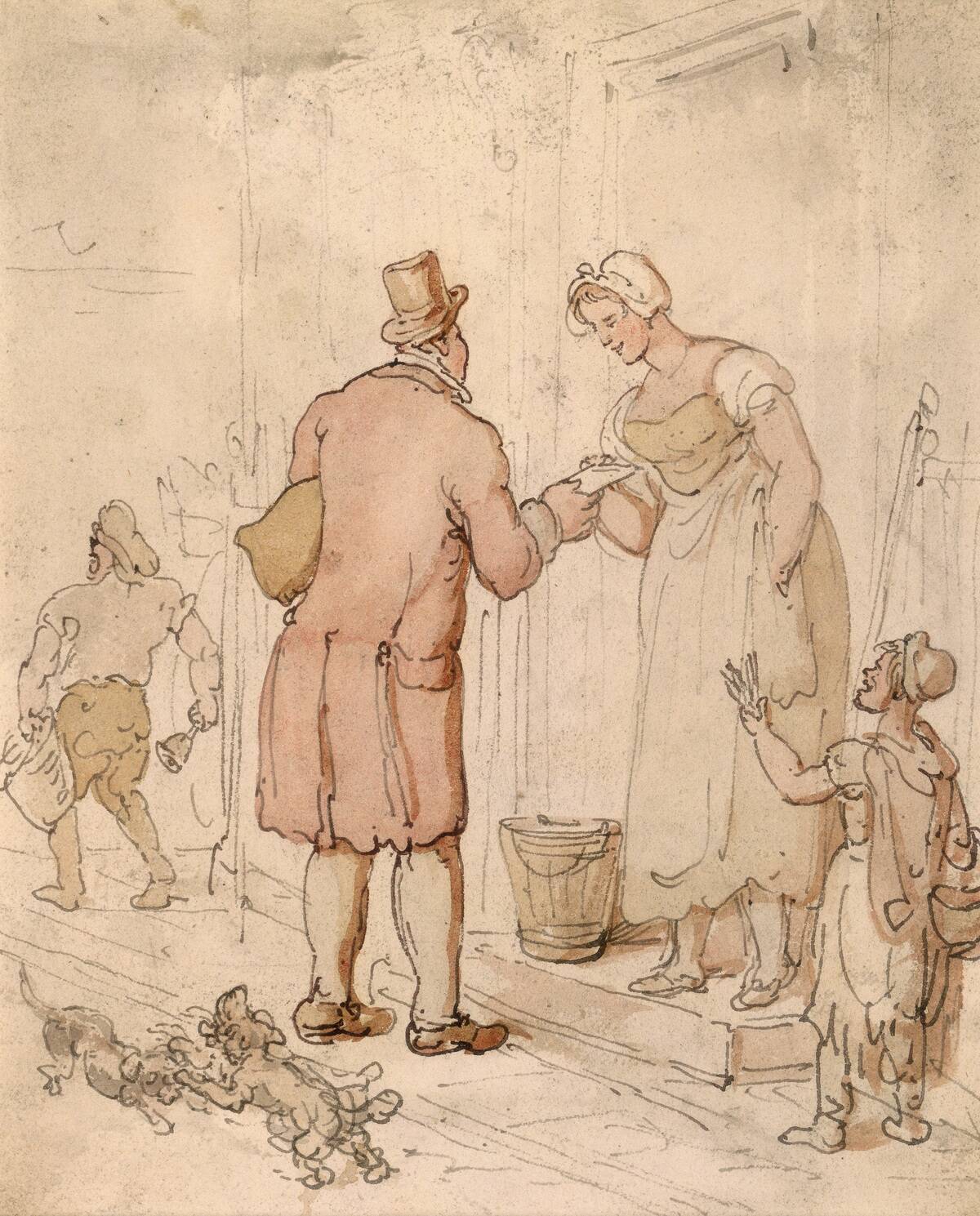
Merchants rarely waited for royal mail. In the 12th and 13th centuries, the Champagne fairs at Troyes, Provins, Lagny, and Bar-sur-Aube had notaries and messengers who shuttled contracts and letters between fairs and home cities. By the mid-13th century, bills of exchange let money move on paper while letters of advice traveled with trusted couriers, limiting how much silver actually clinked along the road.
Farther north, the Hanseatic League built its own rhythms.
Towns like Lübeck, Hamburg, and Danzig relied on Hanse messengers to carry city council letters, convoy schedules, and market news. Routes by land and by Baltic sea connected warehouses and countinghouses, and warnings about pirates or toll hikes spread quickly within the League. It was private post with a public purpose: keeping trade predictable across dozens of jurisdictions.
The Islamic barid: caliphs’ watchful courier system
Under the early caliphates, the barid carried letters and intelligence across a vast map from al-Andalus to Central Asia. Emerging under administrative reforms of the Umayyads and expanded by the Abbasids, the barid maintained post stations with fresh mounts and provisions. Riders used horses on good roads and dromedaries across desert stretches, delivering sealed orders and returning reports on provincial governors, taxes, public works, and local conditions.
Paper-making, introduced to the Islamic world in the 8th century, gradually lightened and stabilized correspondence, becoming more durable than parchment by the Abbasid period. Routes linking Damascus, Kufa, Fustat, Baghdad, and beyond bound a multilingual empire with disciplined logistics and an expectation that official news would move swiftly.
Stagecoaches, turnpikes, and tavern stops before national mail
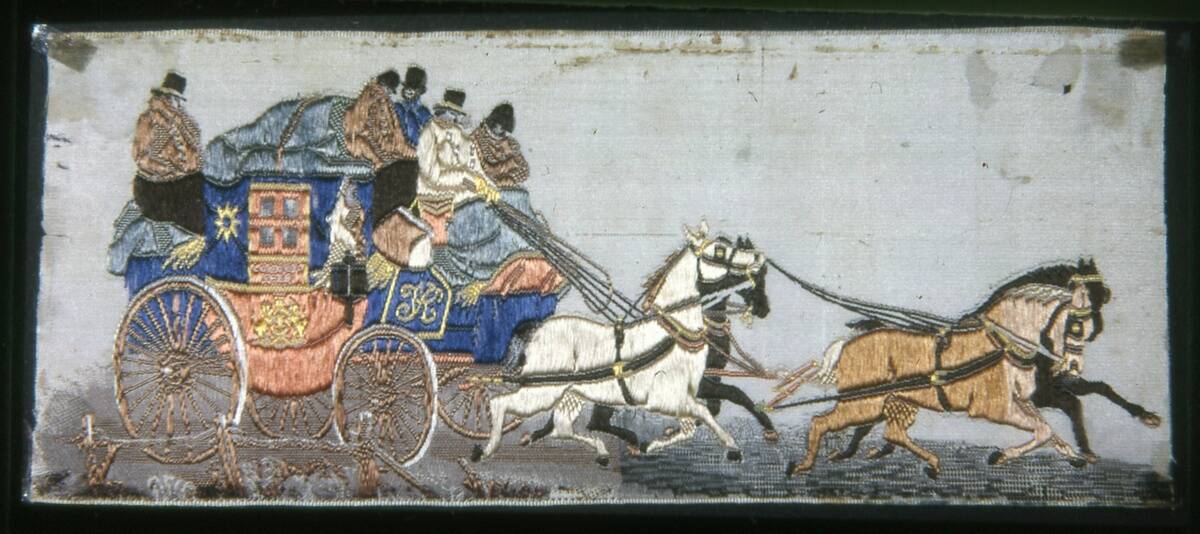
Before fully nationalized systems gelled, coaches and turnpikes set the pace. In England, stagecoaches multiplied in the 17th and 18th centuries as Turnpike Acts put toll money into better roads. Taverns like the Swan with Two Necks in London served as coach depots and informal post offices. The big leap came in 1784 when John Palmer’s trial mail coach from Bath to London slashed delivery time, proving speed and reliability could scale.
Across the Atlantic, colonial post riders followed designated post roads and handed letters over tavern bars that doubled as post stops. Schedules were printed in newspapers; passengers, parcels, and letters mixed in the same seats and luggage racks. Delays still happened, but milestones, mileposts, and timetables began to tame the calendar, turning hopeful guesses into real arrival windows.
Packet boats and sea-borne letters across empires
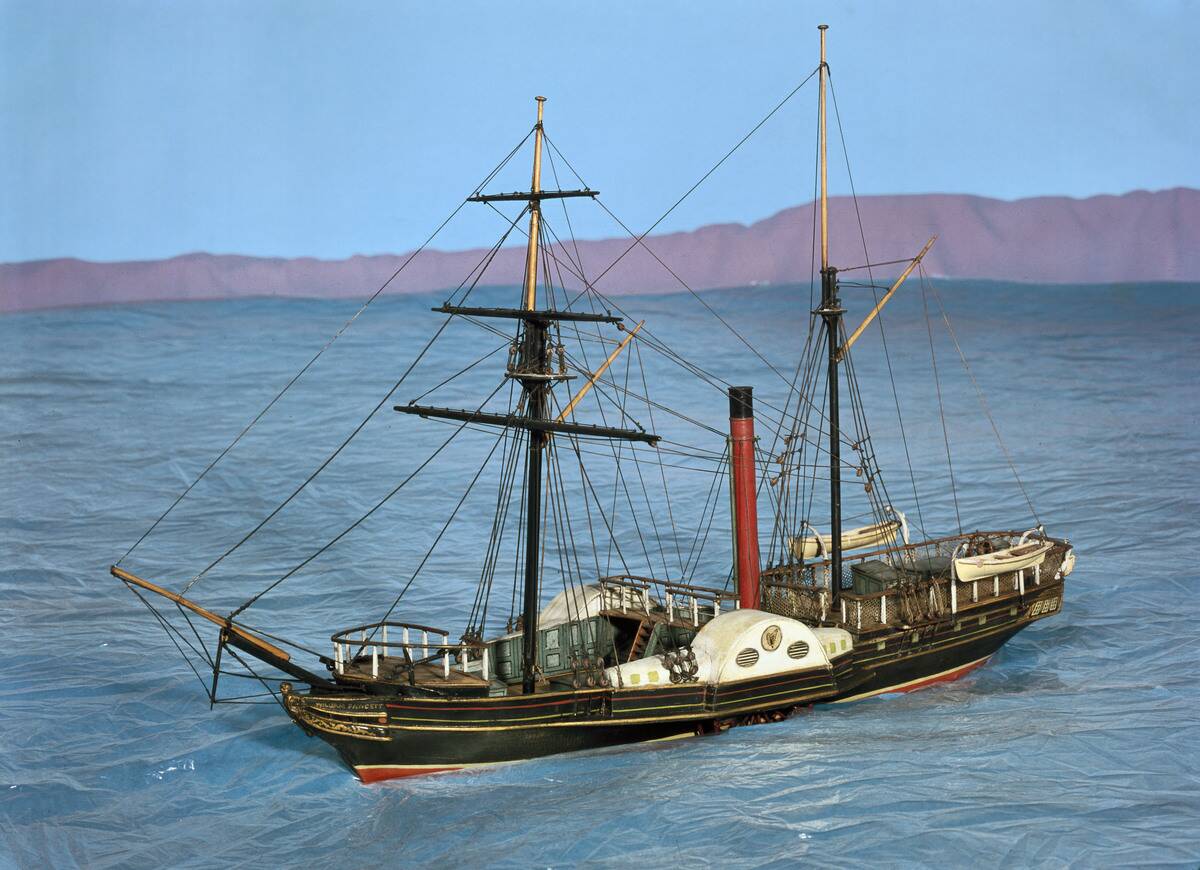
For ocean-spanning states, sailing packets were lifelines. Britain’s Falmouth Packet Service, established in 1689, sent armed mail vessels to the Iberian Peninsula, the Mediterranean, and the West Indies, ferrying diplomatic bags, newspapers, and private letters. Ship letter fees and schedules appeared in gazettes, letting correspondents time a note to catch the next departure and hope it dodged storms and privateers.
Others followed suit. Spanish and Portuguese crowns organized government packet routes to their Atlantic islands and American ports, while Dutch and French services tied colonies to European ministries. In the 1840s, steam tightened the net: Cunard’s transatlantic line began in 1840, making mail days a little less dependent on the wind. Even so, a letter could move from saddlebag to sea chest and back again before reaching the right desk.
Carrier pigeons: feathered airmail long before airplanes

Homing pigeons turned roofs into post offices. Used since antiquity to announce victories and market prices, they became surprisingly modern in the 19th century. In 1850, Paul Reuter famously flew pigeons between Aachen and Brussels to bridge a telegraph gap, speeding financial news to impatient traders. During the 1870–71 Siege of Paris, microfilmed messages devised by photographer René Dagron let pigeons carry tiny letters into the city.
Wartime proved their grit. In World War I, birds carried messages when lines were cut; Cher Ami, a U.S. Army Signal Corps pigeon, delivered a crucial note in 1918 despite severe injuries and was awarded the Croix de Guerre. A good bird could cover hundreds of kilometers at 50 to 80 km per hour, flying home without asking for oats up front. Quiet, fast, and hard to intercept, they were low-tech resilience at its finest.
Heralds, diplomats, and royal seals on urgent dispatches
Before modern embassies, heralds and royal messengers wore authority on their sleeves. In many kingdoms, they carried urgent writs and declarations, protected by custom and the fear of what a king might do if you delayed them. In England, King’s Messengers date back to at least the 15th century and still use a silver greyhound badge; their job was to move sealed dispatches quickly and discreetly.
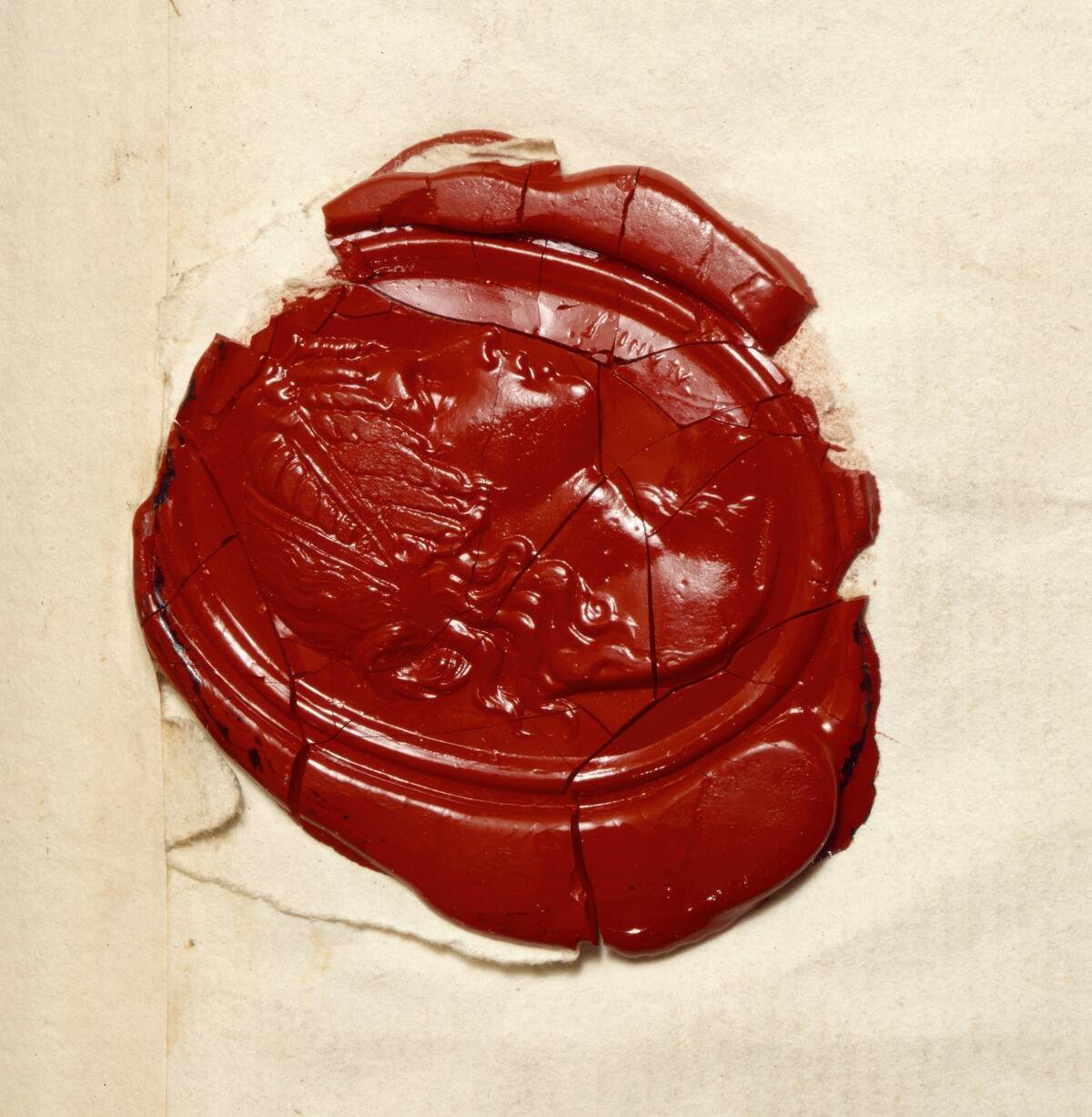
Seals made words tangible. Letters patent were sealed with great seals and read in public; letters close were sealed to be private. Signet rings and wax impressions authenticated a hand and made tampering obvious. Long before a treaty spelled out diplomatic bag immunity in the 20th century, the practice of respecting envoy mail was a pragmatic necessity that most rulers usually honored.
Friends, favors, and letters hitching rides with travelers
For ordinary folks, the cheapest courier was someone already going that way. Letters were endorsed per favor of a captain, a cousin, or a colleague, and made the journey in a saddlebag or sea chest. In 17th-century London, coffeehouses like Lloyd’s acted as informal mail drops for merchants, with notices pinned up and packets left behind bars for trusted skippers or coachmen.
Colonial ship letters worked much the same.
You addressed a note to a vessel due to sail, often paying a ship letter fee on arrival. In places where a government post existed, officials sometimes had franking privileges that waived charges, while everyone else relied on reciprocity. It was social capital turned logistical plan, and it worked well enough to knit communities long before uniform rates.
Secret inks, cipher codes, and wax seals to keep snoops out
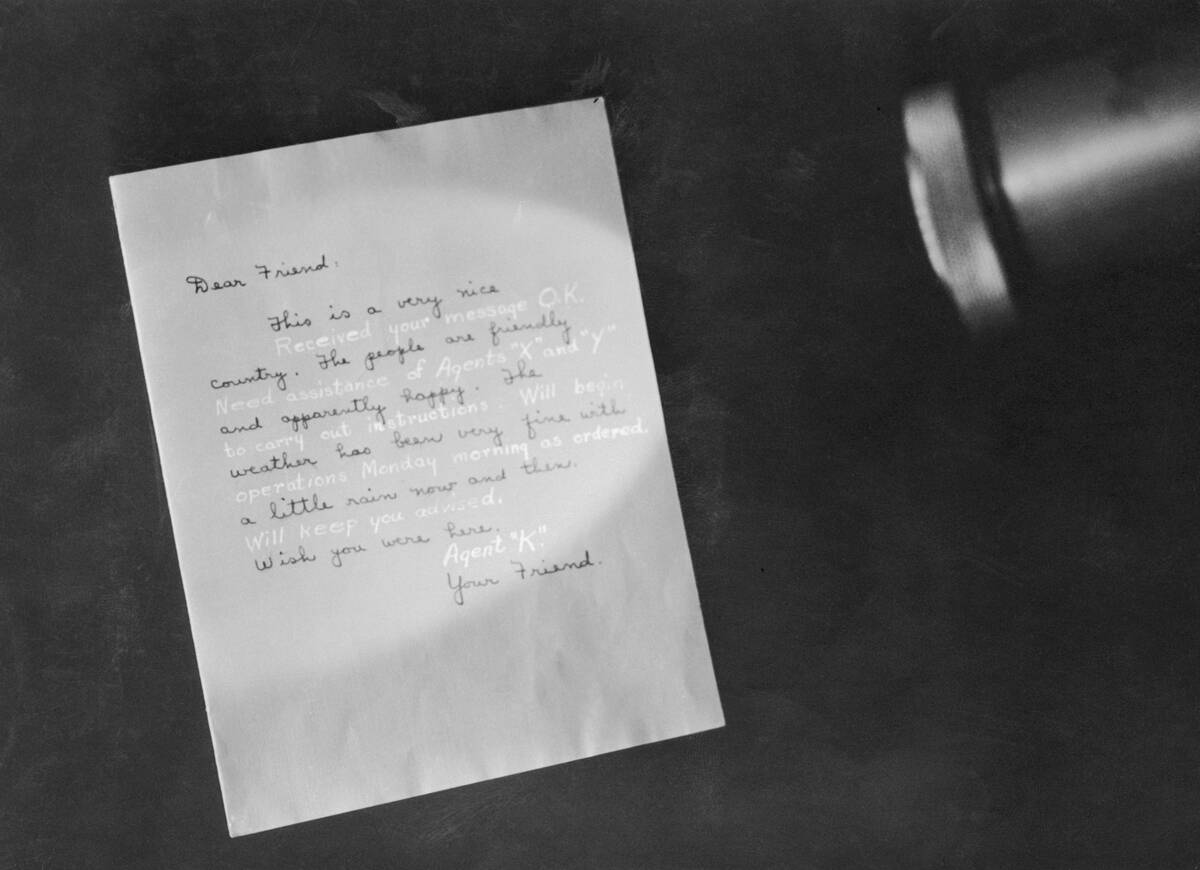
Privacy traveled with chemistry and math. Invisible inks based on citrus, milk, or iron gall could be revealed by heat or reagents; during the American Revolution, John Jay’s brother, James Jay, supplied an iron-gall sympathetic ink to Continental agents. Cipher systems ranged from simple substitution to the polyalphabetic ideas later described by Blaise de Vigenere in the 16th century, frustrating casual interceptors.
States fought back in secret rooms.
The Venetian Republic’s cipher office, and later European black chambers in places like Vienna and London, opened, copied, and resealed letters for intelligence. Francis Walsingham’s team cracked Mary, Queen of Scots’ cipher in 1586, sealing her fate. Wax seals served as tamper-evident locks; a broken impression or a mismatched signet could expose a compromise before a word was read.
Bandits, pirates, storms: the hazards of getting a letter through
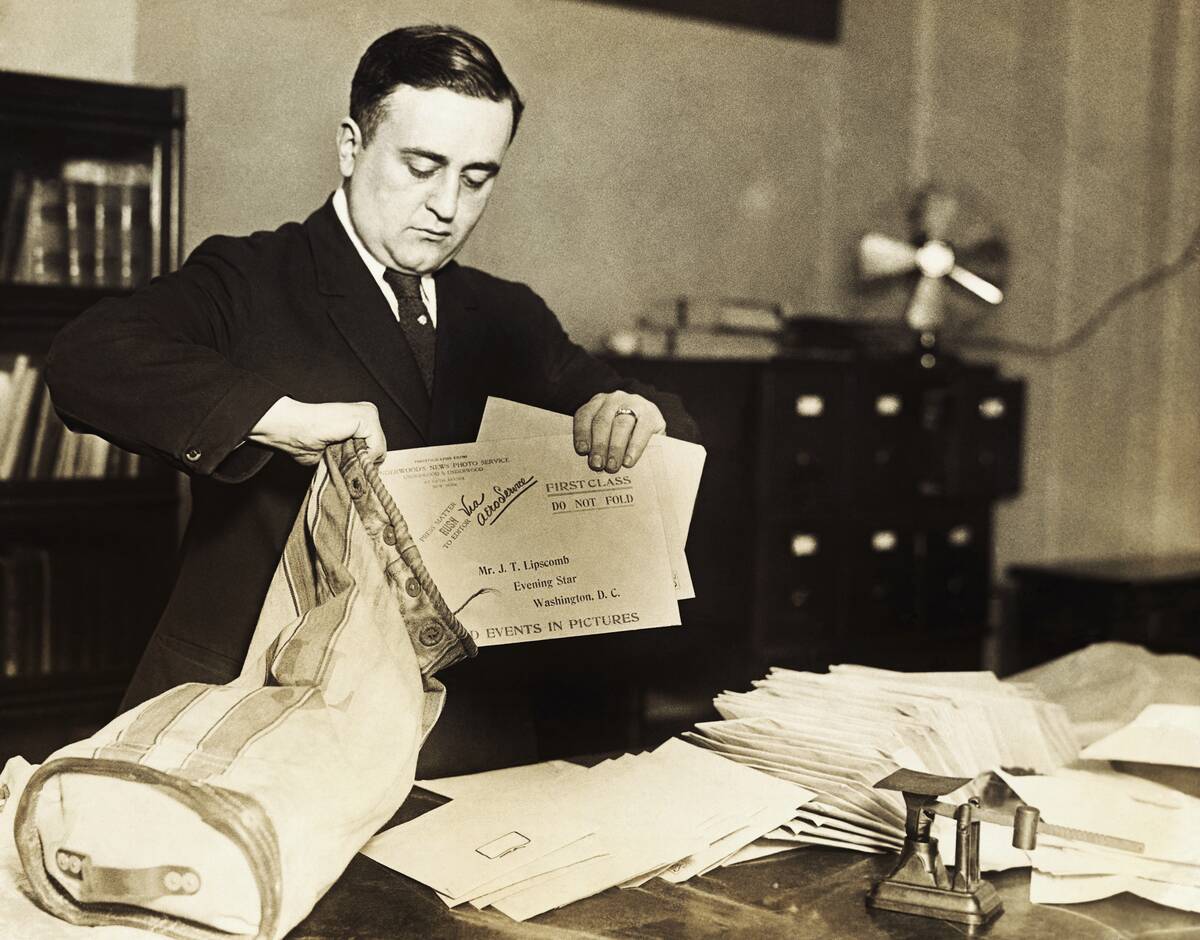
A mailbag’s worst enemies were often the landscape and its opportunists. On land, highwaymen targeted coaches; in Britain, robbing the mail became a capital crime in the 18th century as authorities tried to deter attacks. Winter floods, spring mud, and mountain passes routinely shrugged at timetables, turning a planned two-day journey into a five-day slog.
At sea, weather and war ruled.
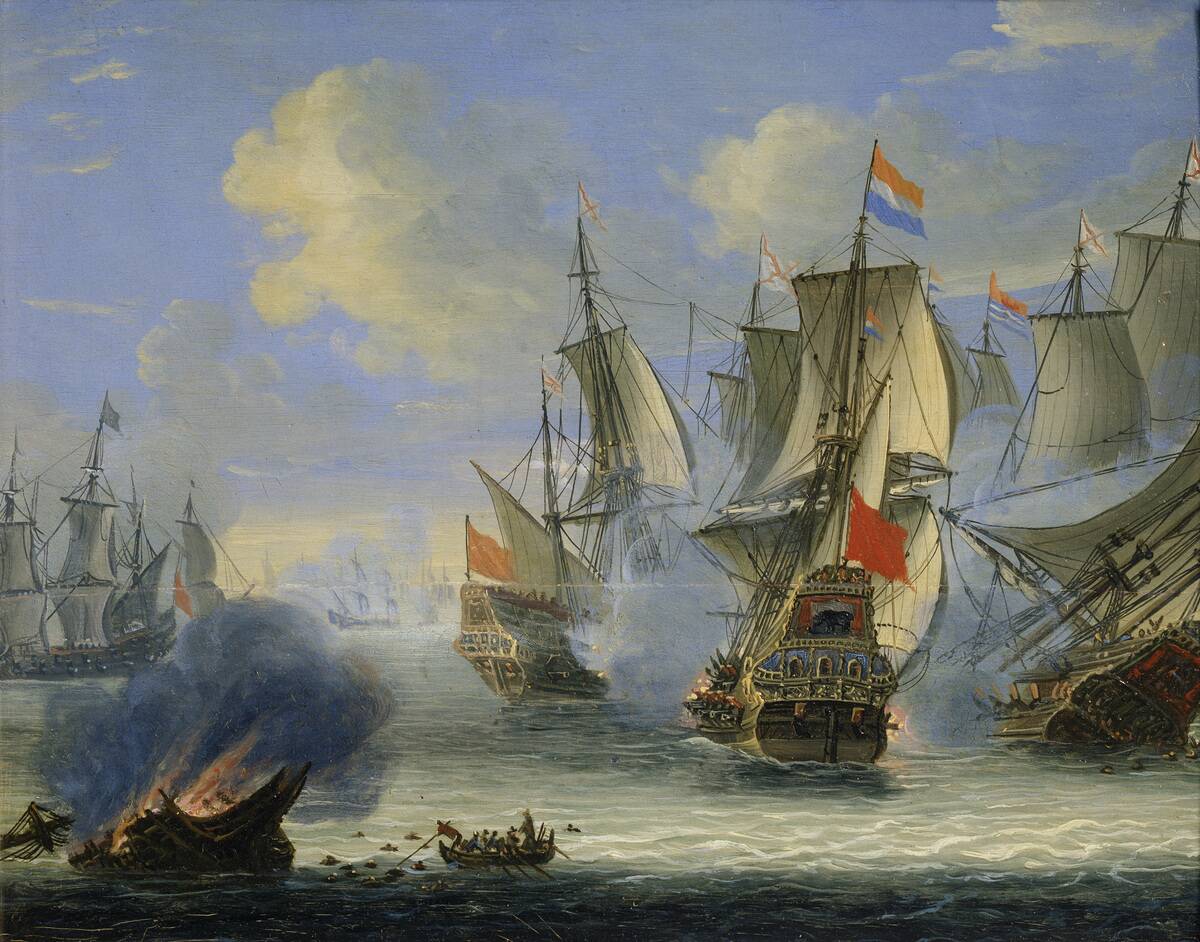
The Great Storm of 1703 wrecked scores of ships in the English Channel, and with them untold letters. Privateers and naval patrols seized mail packets in wartime, sometimes publishing captured correspondence to embarrass rivals. Governments offered rewards for recovering bags and issued detailed instructions on how captains should jettison or secure mails if capture loomed.
Message drums, signal fires, and when mail became a broadcast
Not every message needed a messenger. Beacon chains flashed warnings across distances: Greek sources describe fires that relayed news from Troy toward Mycenae, and England maintained coastal beacons that signaled the Spanish Armada in 1588. In China, beacon towers along frontiers sent smoke by day and fire by night to telegraph alarms faster than any courier could ride.
Across parts of Africa, talking drums reproduced speech patterns to send messages between villages, a local broadcast understood by trained ears. In the late 18th century, France’s Chappe semaphore towers turned shutters into an optical telegraph; by 1794 the Paris–Lille line was operational, sending state messages across hundreds of kilometers in minutes. When the point was speed and reach, a good signal beat a sealed envelope.
Inns, post houses, and the art of the quick horse swap
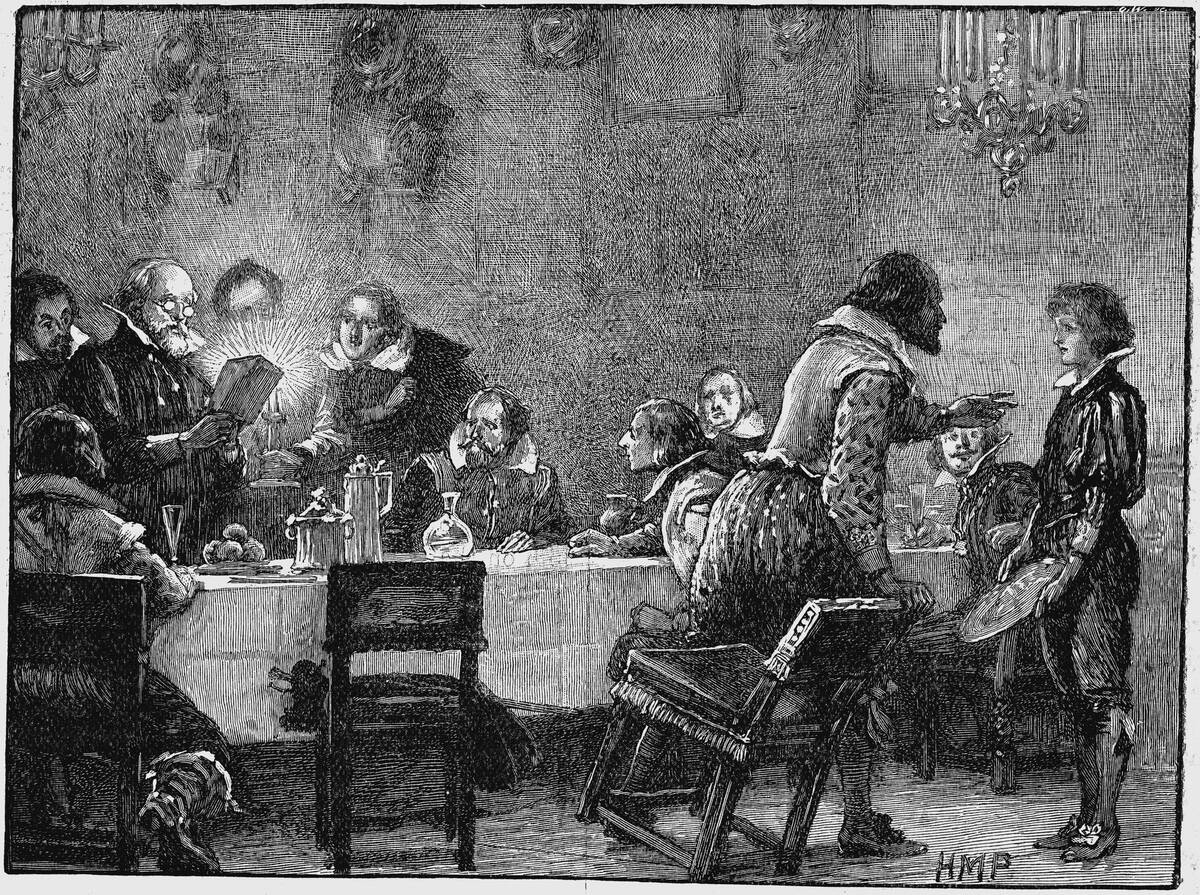
The difference between plodding and flying was often a stable door. In France, Louis XI’s 1464 reforms created royal relays, the relais de poste, with postmasters, postilions, and the iconic postal horn to clear the road. Typical gaps of a dozen or so miles let riders swap for a fresh mount before fatigue set in, turning distance into a series of manageable sprints.
Other realms had their versions.
Central Europe’s post houses offered beds, fodder, and timetables pinned to walls; Russia’s system, borrowing the word yam for stations, spread relays across enormous distances. Inns were more than shelter: they were booking offices, news hubs, and the place you learned which bridge was out and which ford was safe after last night’s rain.
City experiments: penny posts and local runners
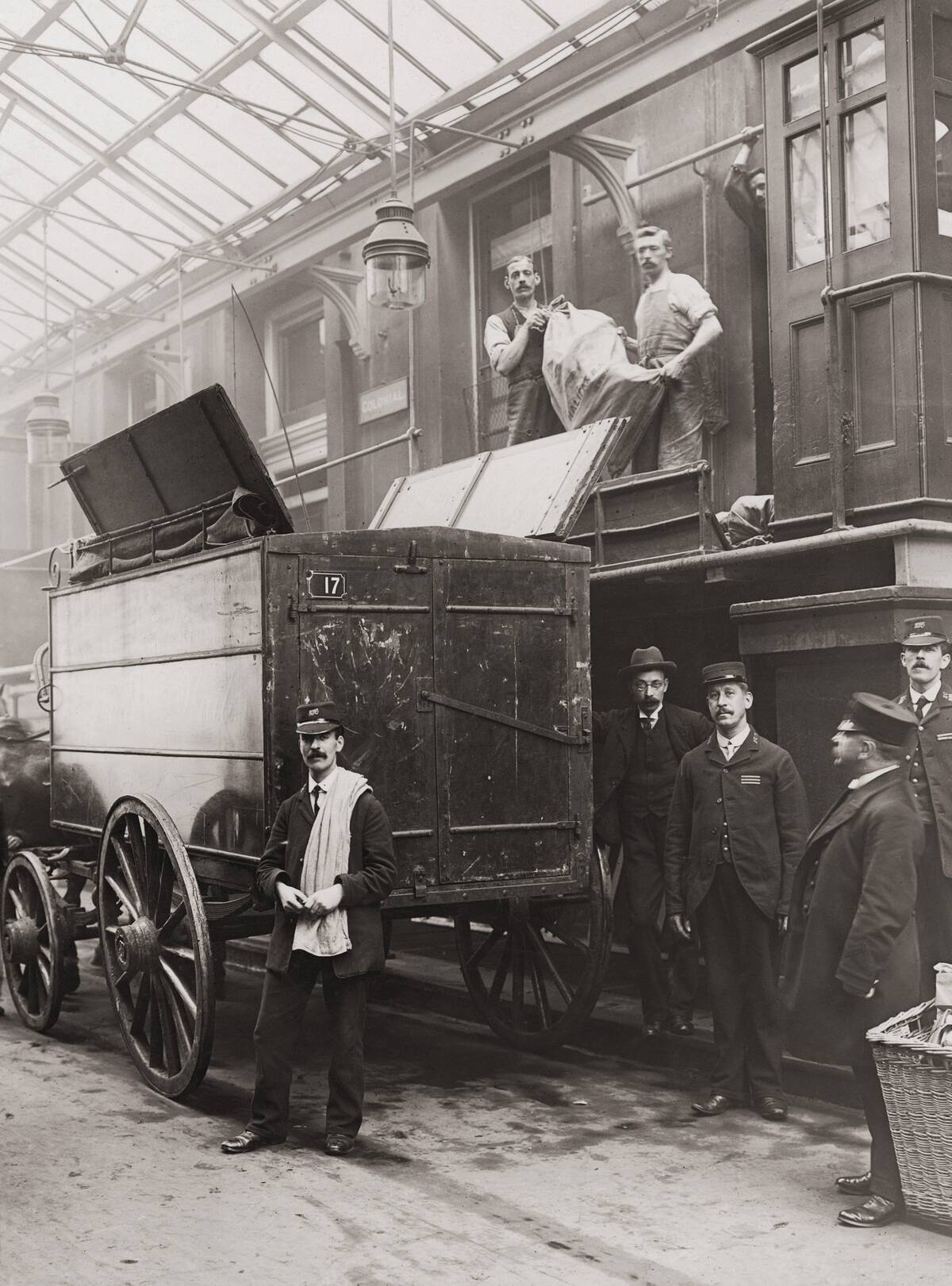
Urban life begged for local solutions. In 1680, William Dockwra’s London Penny Post offered same-city delivery for one penny, with multiple pickups and deliveries a day and a web of receiving houses. It marked letters with time-stamps to prove performance. The Crown folded it into the royal post in 1682, but the idea stuck: reliable, affordable intra-city mail could be a system, not a gamble.
Paris followed with the petite poste in 1760, launched by Claude Humbert Piarron de Chamousset. Uniform rates within the city, printed forms, and scheduled rounds made it easy for shopkeepers and clerks to send notes across arrondissements. Couriers on foot and horseback crisscrossed neighborhoods, turning dense streets into the testing ground for later national reforms.
The Pony Express myth vs. reality (and why it was so short-lived)
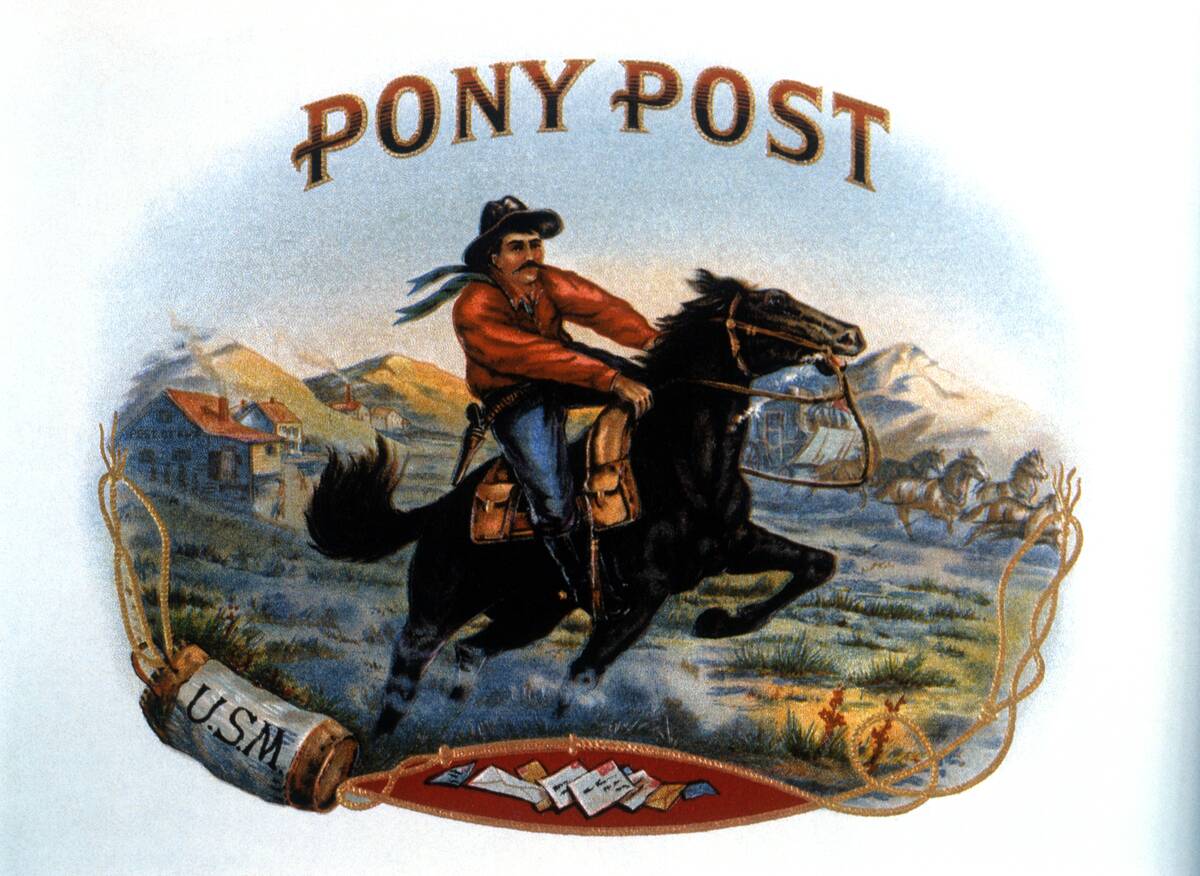
The Pony Express galloped into legend in just 18 months. Operating from April 1860 to October 1861, it linked St. Joseph, Missouri, to Sacramento, California, over roughly 1,900 miles with around 190 stations. Light riders swapped horses every 10 to 15 miles, using a leather mochila to slip mail on and off. Average delivery took about 10 days, with the fastest celebrated run carrying news of Abraham Lincoln’s inaugural address in just over 7 days.
Romance aside, it was a business stopgap.
Russell, Majors and Waddell launched it to win government mail contracts and outpace stage lines, but costs were brutal and revenues thin. The transcontinental telegraph was completed on October 24, 1861, and the Pony shut down almost immediately. It proved what relays could do across the continent, then yielded to copper wire that did it faster and cheaper.
What it cost—and who could actually afford to send a letter
Before prepaid stamps, price was a maze. In Britain, charges were based on distance and the number of sheets; multiple enclosures could multiply the fee. A long-distance letter could cost a shilling or more in the early 19th century, serious money for a laborer. In the United States, 1790s rates ran roughly 6 to 25 cents depending on distance, often payable by the recipient, which discouraged casual correspondence.
Reform changed the equation. Britain’s 1840 Uniform Penny Post set a flat rate of one penny per half ounce prepaid by stamp, exploding mail volume. In the U.S., the 1845 postal reform cut rates to 5 cents under 300 miles and 10 cents beyond, with later reductions. Before those shifts, merchants, officials, and the well-off were the most regular letter writers, while everyone else waited for a favor, a courier, or a windfall.