How TV news shaped American trust in media
Television news was born in the late 1940s, transforming the way Americans consumed information. Before TV, radio and newspapers were the primary sources of news, but the advent of television brought a new dimension to news reporting.
This innovative medium allowed audiences to see events unfold, creating a more immediate connection with the news. As a result, TV news quickly became a trusted source for many, shaping public opinion and fostering a sense of credibility that was unparalleled at the time.
The Dawn of Television: A New Era for News Media
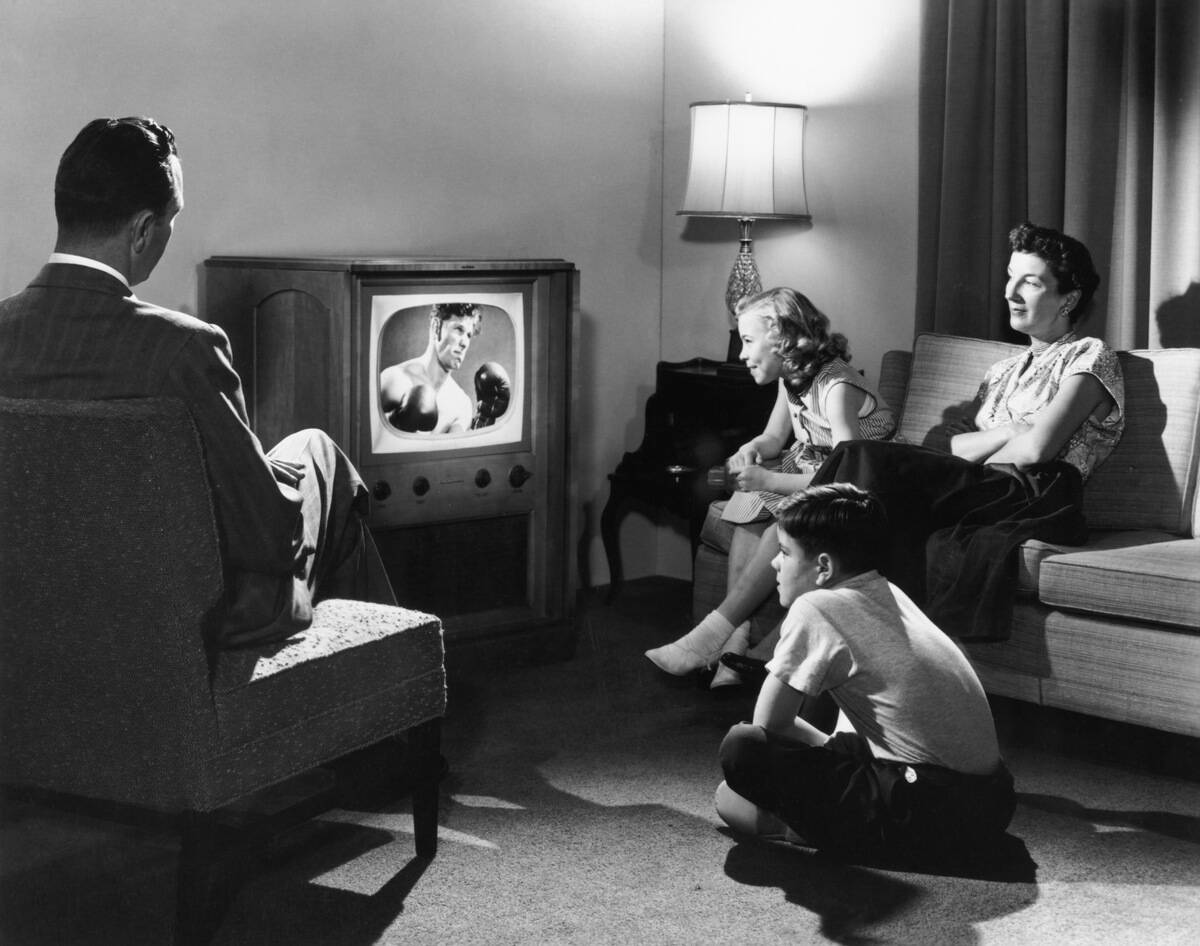
The first televised news broadcast occurred in 1940, marking the beginning of a revolutionary era in media. The combination of sight, sound, and motion offered a dynamic storytelling experience that was previously unimaginable.
This new format enabled viewers to witness historical moments as they happened, a stark contrast to waiting for the morning paper. Television’s ability to convey emotion and immediacy captured the public’s interest, setting the stage for a media landscape dominated by visual reporting.
The Magic of the Moving Image: How TV Captured Public Imagination
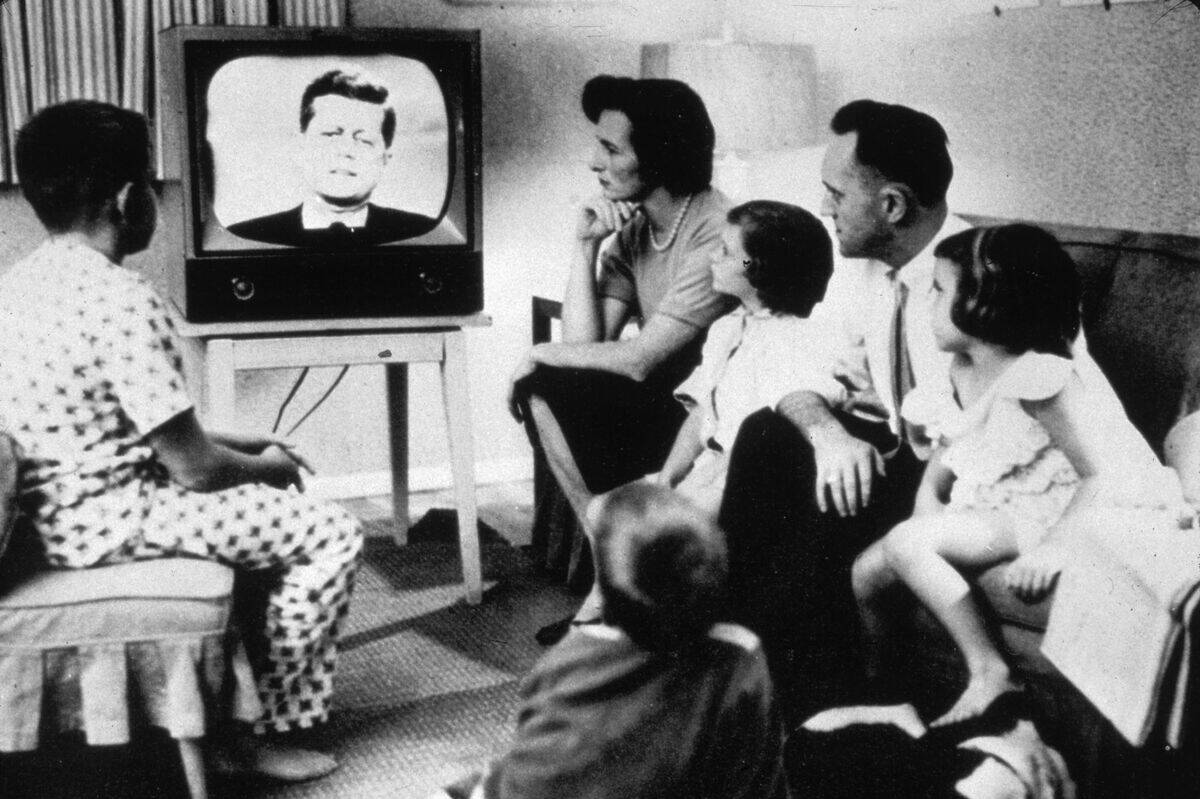
Television’s moving images brought stories to life in a way that print and radio never could. The visual impact of seeing events unfold in real-time added layers of context and emotion to news stories.
For example, the extensive live television coverage of the aftermath of President John F. Kennedy’s assassination in 1963 left an indelible mark on viewers, demonstrating the power of television to capture and convey the human experience. This ability to engage audiences visually helped television cement its role as a dominant news medium.
Icons of Early TV News: The Trusted Faces Behind the Camera
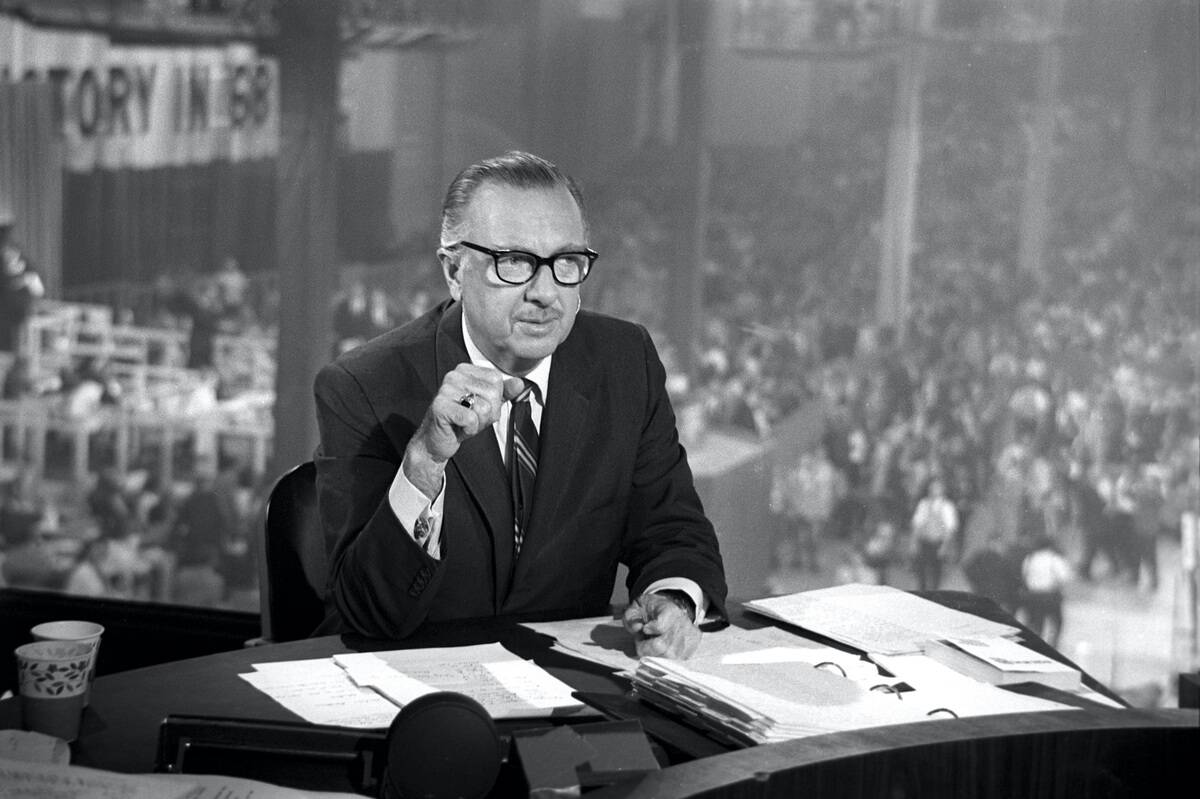
Early TV news icons like Walter Cronkite and Edward R. Murrow became household names, personifying trust and reliability. These anchors were not just newsreaders; they were respected journalists with a deep commitment to the truth.
Their calm and authoritative presence reassured viewers during turbulent times, earning them the moniker “most trusted man in America.” Their influence extended beyond the screen, shaping public discourse and setting high standards for journalistic integrity.
The Power of Live Broadcasting: Bringing Real-Time Events to Living Rooms

Live broadcasting was a game-changer, allowing audiences to experience events as they unfolded. The 1969 moon landing, broadcast live to millions, exemplified TV’s ability to bring the world together in shared moments of awe.
This immediacy made television an indispensable tool for news dissemination, as it could react and adapt to events in real-time. As a result, live broadcasts became a hallmark of television news, offering viewers a front-row seat to history.
The Role of Early News Anchors in Building Credibility
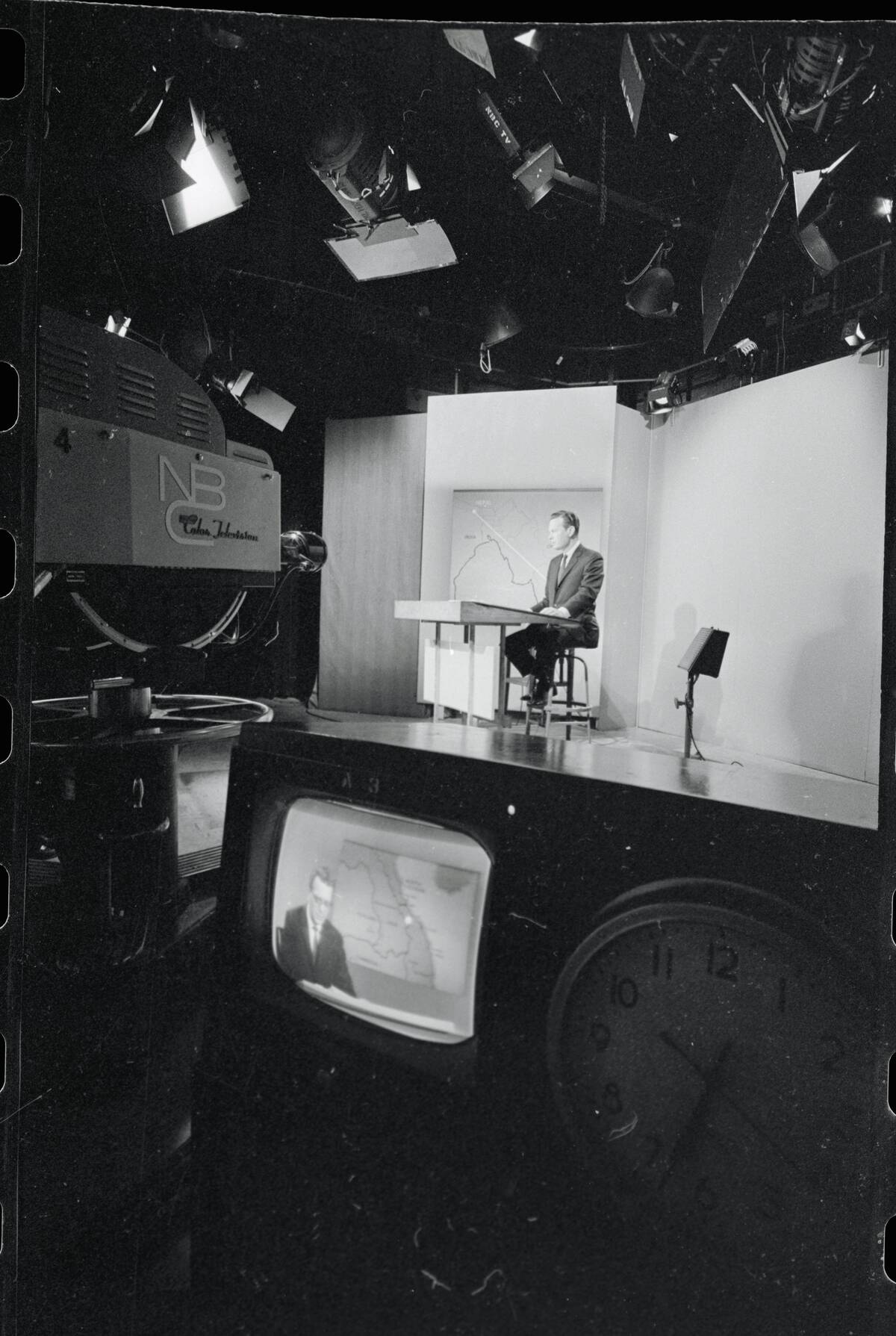
Anchors like Chet Huntley and David Brinkley played a crucial role in establishing television news as a credible source. Their engaging delivery and commitment to factual reporting helped build trust with audiences.
By presenting the news with integrity and accuracy, these anchors laid the groundwork for the credibility that television news would enjoy for decades. Their influence was significant, as viewers came to rely on their nightly broadcasts for reliable information and insights.
Television’s Influence on Public Perception During Major Events
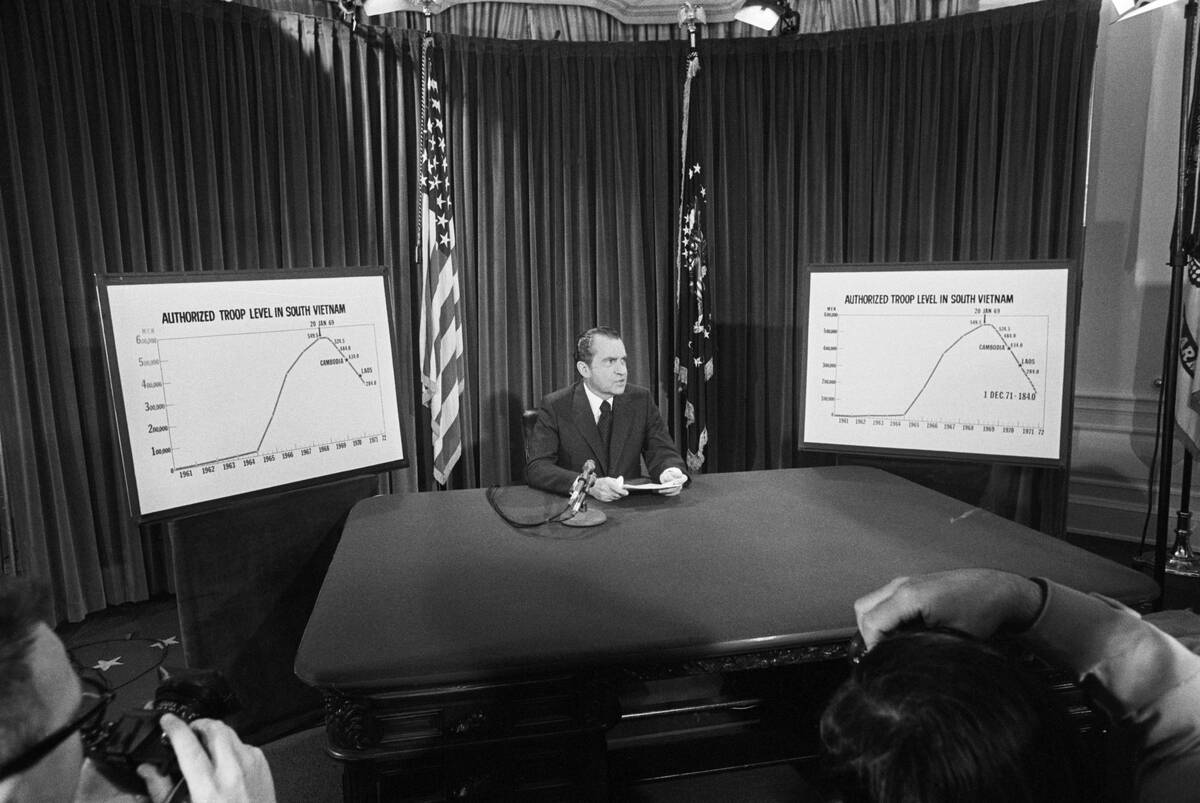
Television’s impact on public perception was most evident during major events like the Vietnam War and the civil rights movement. The visual coverage of protests and conflicts brought the realities of these events into American homes, influencing public sentiment.
TV news played a pivotal role in shaping how these issues were perceived, with its portrayal often swaying public opinion and prompting discussions. The medium’s ability to capture and present these moments underscored its power in shaping societal narratives.
The Rise of Investigative Journalism on TV
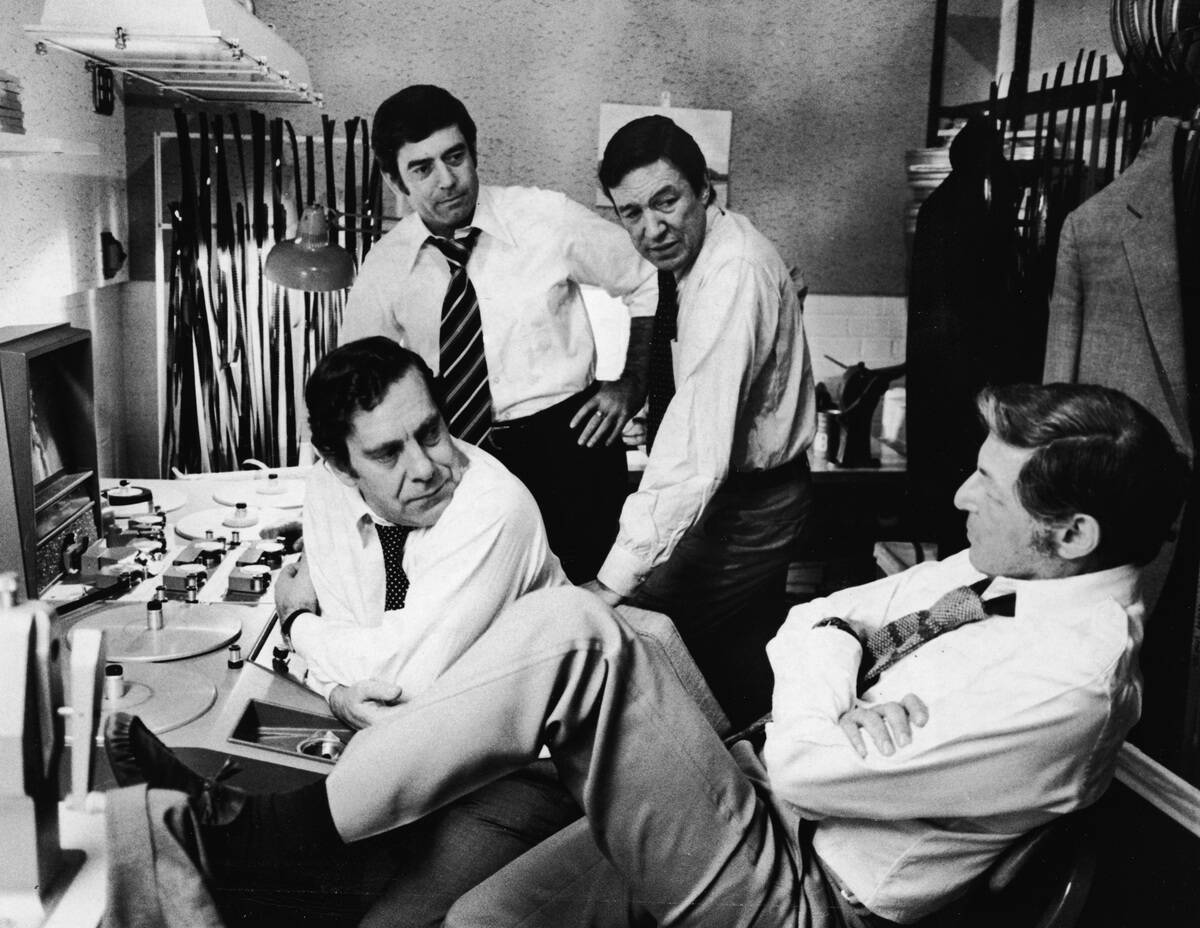
Investigative journalism found a new platform in television, with programs like “60 Minutes” leading the charge. Launched in 1968, “60 Minutes” set the standard for in-depth reporting, uncovering corruption and injustices.
The visual storytelling aspect of TV allowed for compelling narratives that captivated audiences, while the investigative rigor brought credibility. This combination elevated TV journalism, showcasing its potential to inform and provoke change through thorough and impactful reporting.
The Role of Technology in Shaping TV News Trustworthiness
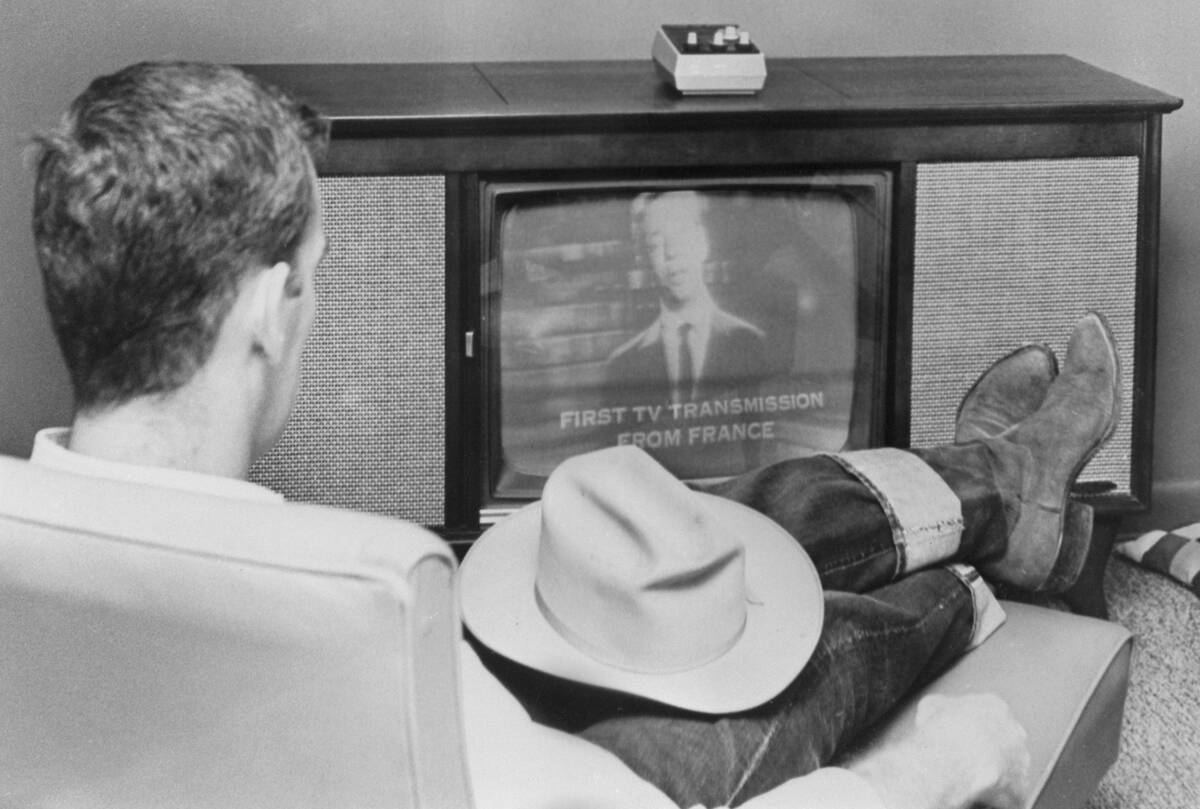
Advancements in technology, such as satellite broadcasting and color television, enhanced the speed, reach, and visual quality of TV news, which supported audience trust.
These innovations improved the quality and immediacy of news coverage, reinforcing the credibility of television as a reliable source of information. As technology continued to evolve, so too did the medium’s ability to deliver trustworthy news.
The Impact of TV News on Radio and Print Media
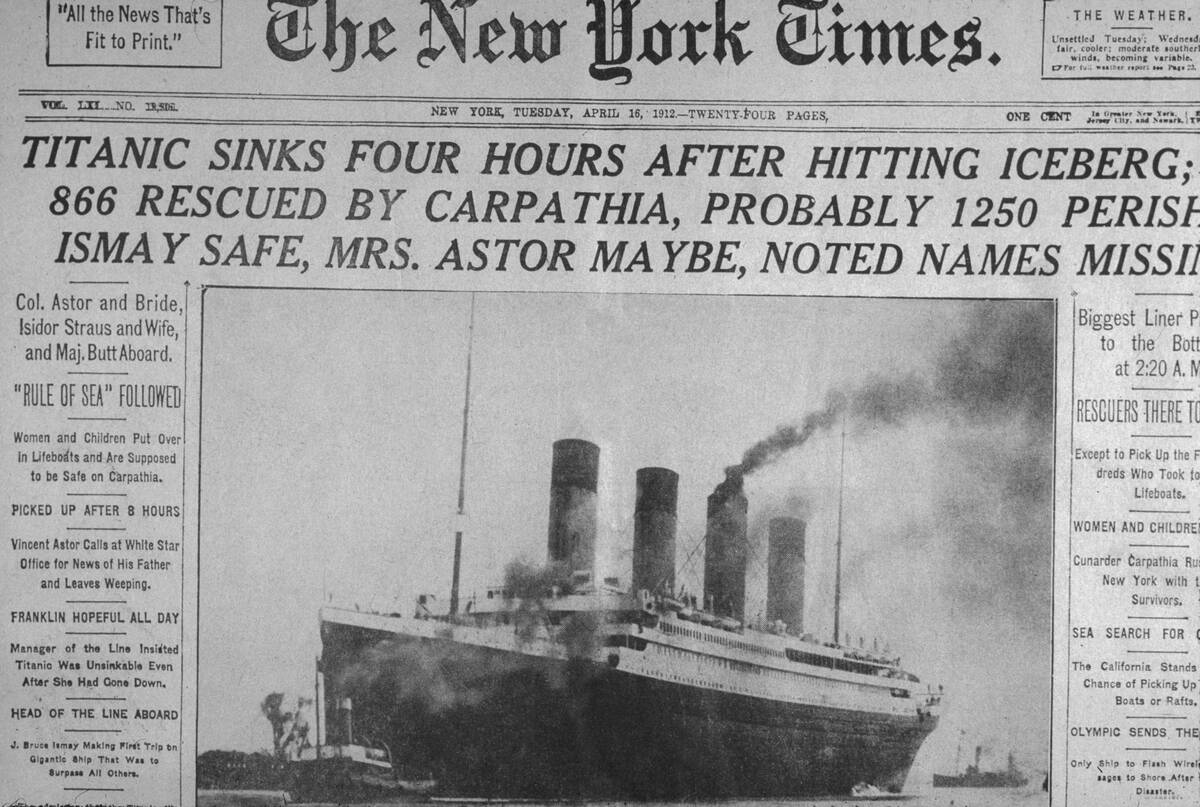
The rise of television news had a profound impact on radio and print media, altering the landscape of information dissemination. As TV became the primary source of news for many, radio and newspapers adapted by focusing on in-depth analysis and commentary.
While TV delivered the latest headlines with visual flair, print media provided context and detail. This shift forced traditional media to evolve, finding new ways to engage audiences and remain relevant in a changing media environment.
How TV News Adapted to Cover Breaking Stories
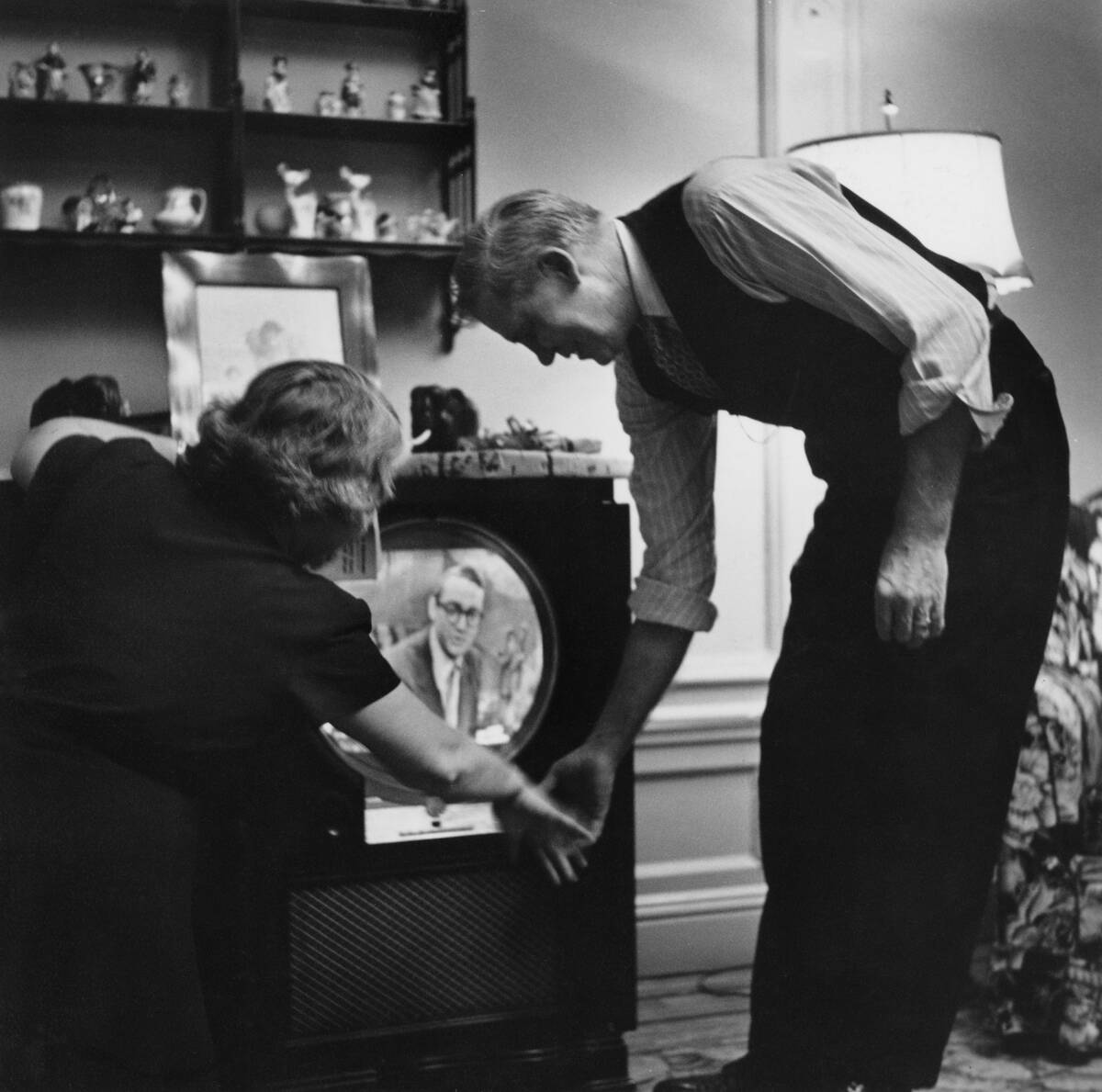
Covering breaking stories became a hallmark of TV news, with networks like CNN pioneering 24-hour news coverage in the 1980s. This dedication to real-time reporting meant audiences could stay informed around the clock, a stark contrast to scheduled bulletins.
Television networks developed the infrastructure and expertise to quickly adapt to unfolding events, ensuring timely and accurate coverage. This ability to deliver breaking news as it happened solidified TV’s role as a vital source of information.
The Emergence of News Networks: Building Brand Trust
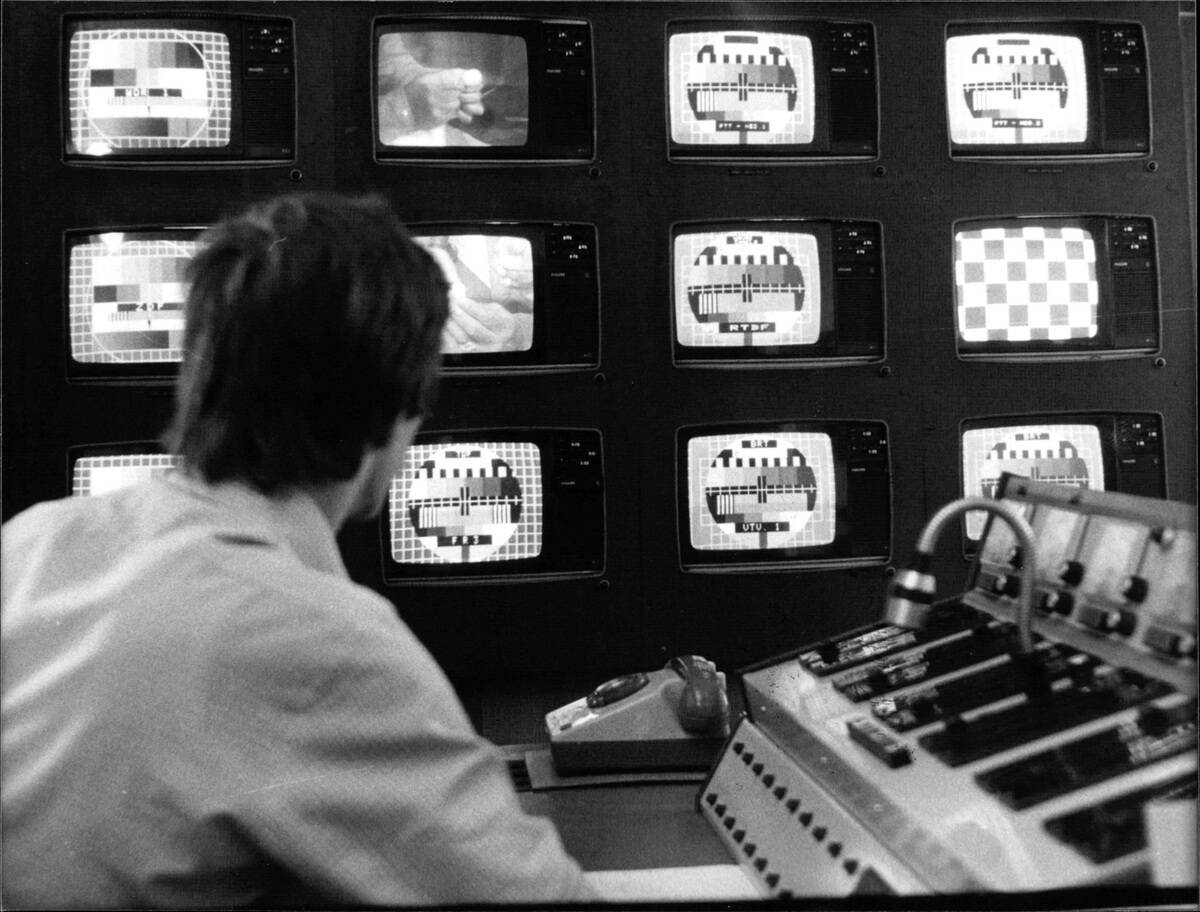
The proliferation of news networks in the latter half of the 20th century created a competitive landscape that emphasized building brand trust. Networks like NBC, CBS, and ABC worked hard to establish themselves as reliable sources of information, investing in top-tier journalism and recognizable anchors.
This brand loyalty translated into viewer trust, with audiences aligning themselves with networks that resonated with their values. The emergence of these networks underscored the importance of trust in media consumption.
Television News and Its Role in Political Campaigns
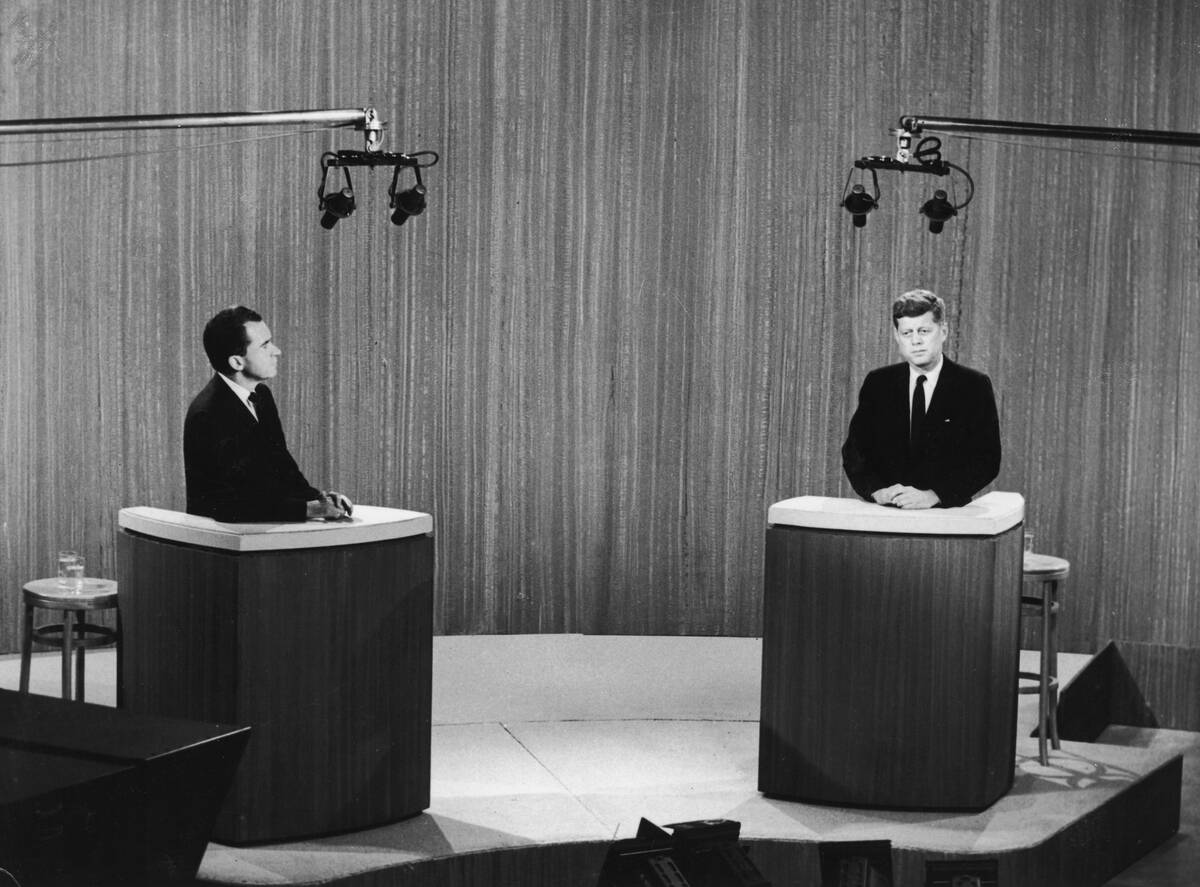
Television news transformed political campaigns by providing candidates with a direct line to voters. The first televised presidential debate in 1960 between Kennedy and Nixon highlighted television’s influence, as Kennedy’s telegenic presence contrasted with Nixon’s less polished appearance.
This debate underscored the importance of image and media savvy in political success. TV news coverage of campaigns allowed candidates to reach a wider audience, making television a crucial tool in shaping political narratives and influencing voter perception.
The Evolution of TV News Formats and Their Influence on Viewer Trust
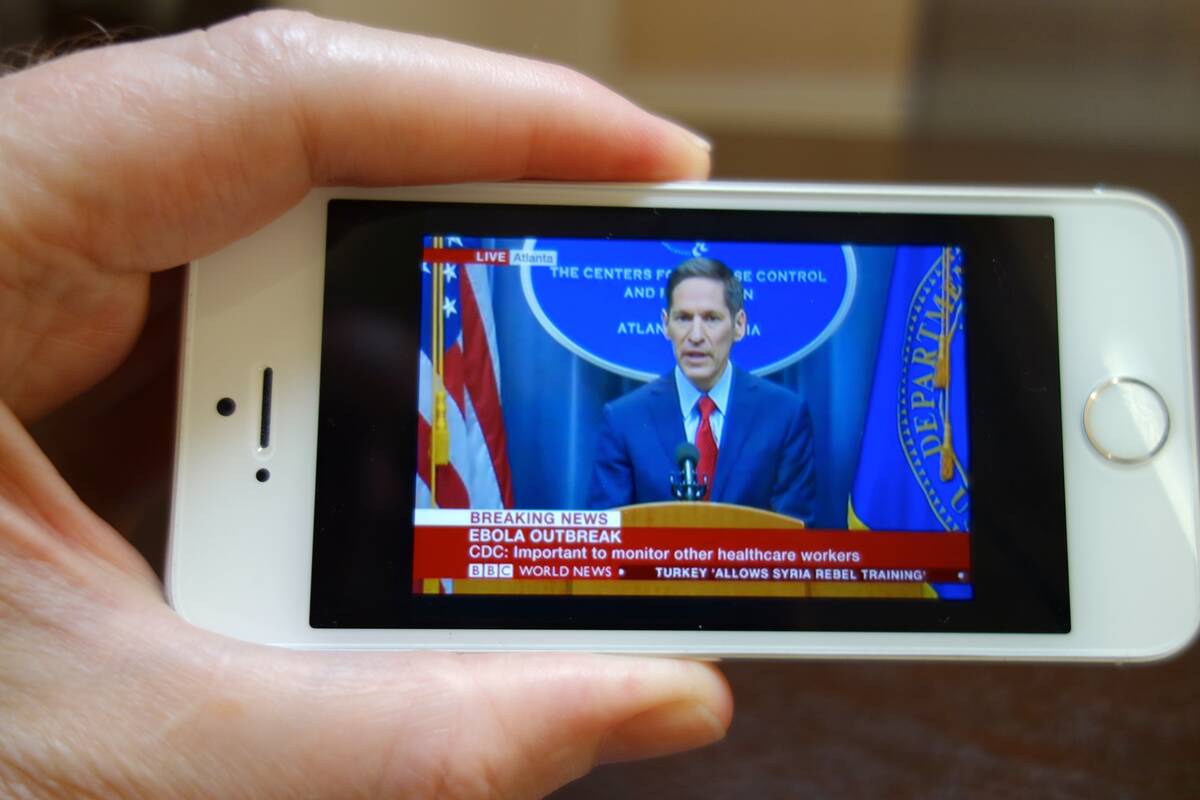
TV news formats have evolved over the years, adapting to changes in viewer preferences and technology. From the traditional nightly newscast to 24-hour cable news and online streaming, these formats have influenced how viewers consume news.
The rise of opinion-based programming and infotainment has challenged the traditional notion of objective reporting, impacting viewer trust. As formats continue to evolve, the balance between informative content and entertainment remains a critical factor in maintaining credibility.
The Cultural Impact of TV News on American Society

Television news has had a profound cultural impact on American society, shaping public discourse and influencing social norms. By bringing national and global issues into homes, TV news has played a role in raising awareness and prompting societal change.
From the civil rights movement to environmental issues, television has been instrumental in highlighting important causes. The medium’s ability to reach diverse audiences has made it a powerful tool for education and advocacy, leaving a lasting legacy on American culture.
The Legacy of Early Television News in Today’s Digital Age
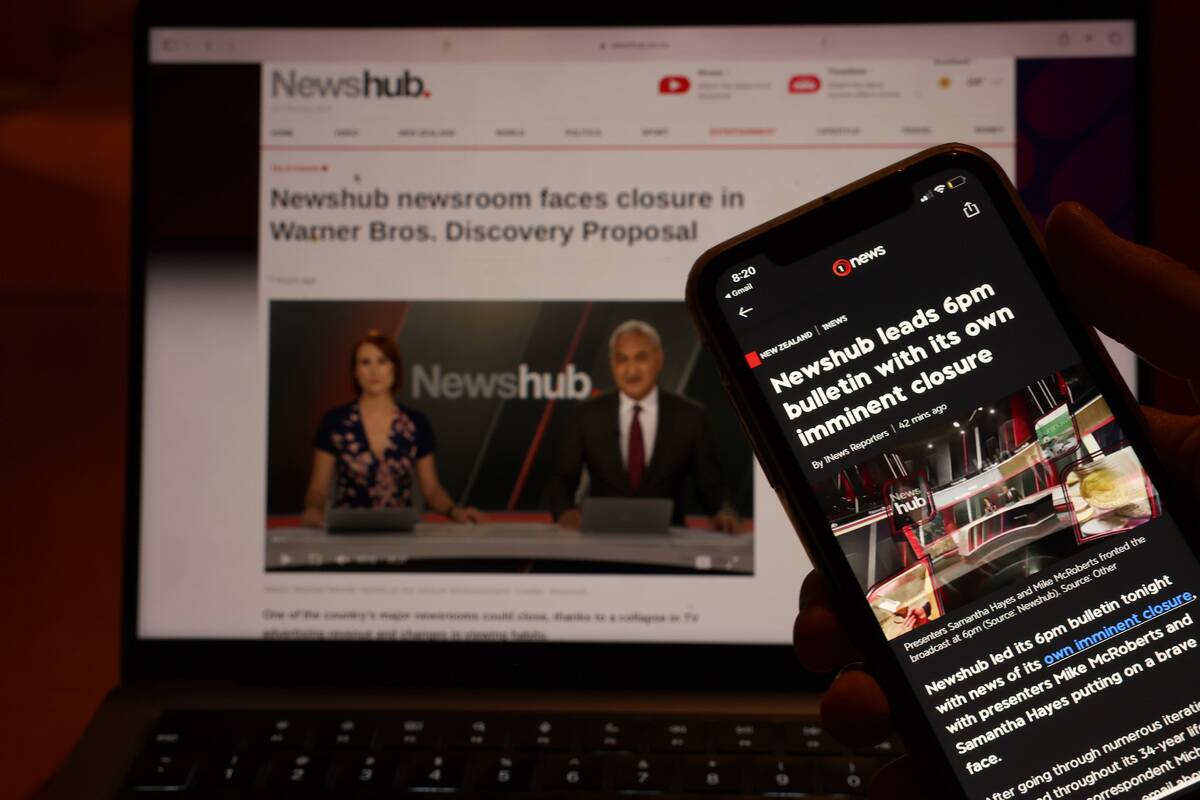
The legacy of early television news is evident in today’s digital age, where visual storytelling continues to dominate. Online platforms and social media have expanded the reach of news, but the fundamentals of TV news remain influential.
The emphasis on immediacy, credibility, and engaging content can be traced back to television’s pioneering days. As news consumption habits evolve, the principles established by early TV news continue to guide how information is presented and consumed in the digital era.




