How collective memory forms and becomes distorted
Collective memory is a fascinating concept that reflects how groups of people remember the past. It’s not just about individual recollections but rather a shared pool of knowledge and memories.
Imagine it as a tapestry woven from the threads of countless individual experiences, creating a picture of how societies perceive their history. This shared memory influences how communities understand their identity and navigate the future.
The Origins of Collective Memory
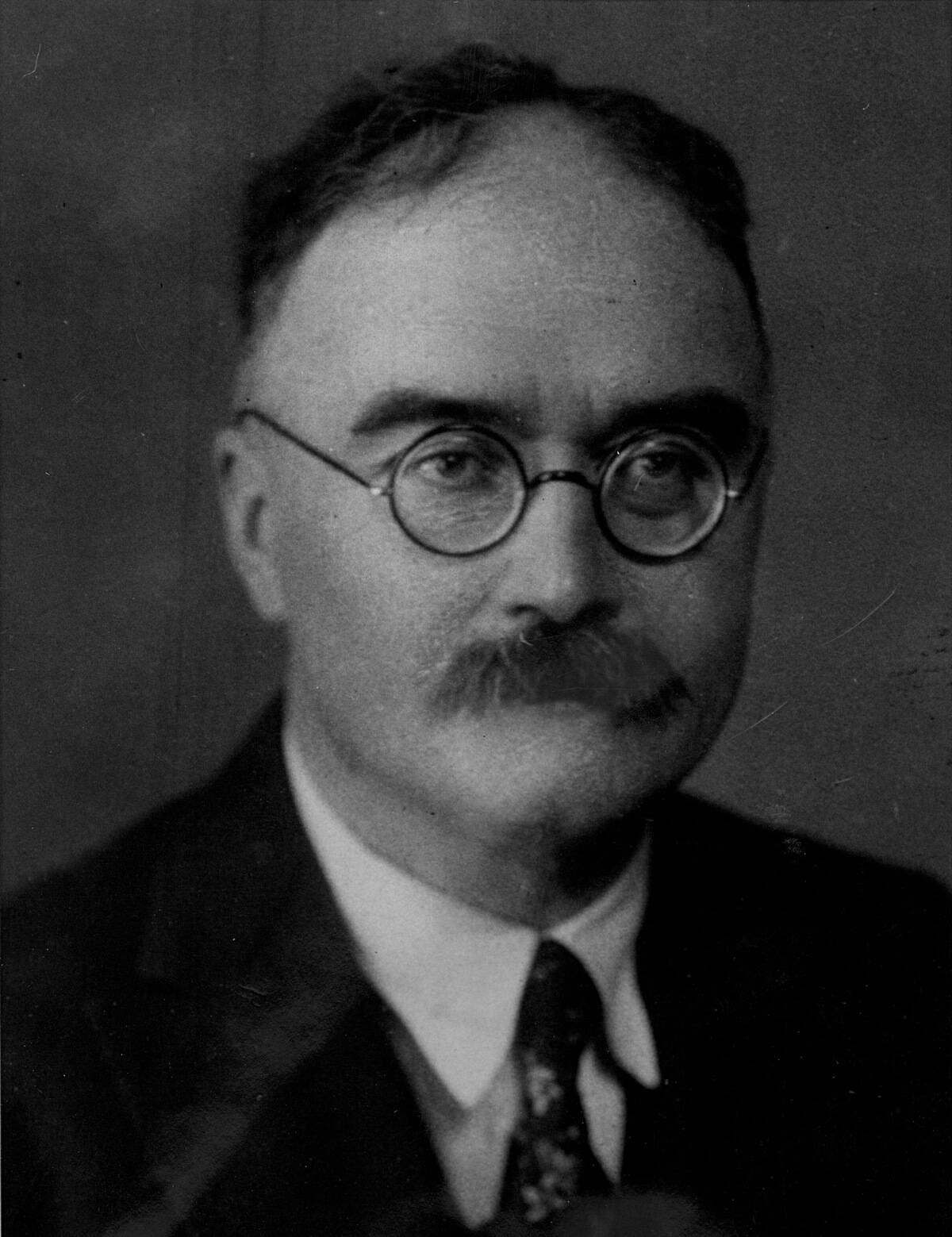
The concept of collective memory originates from the work of sociologist Maurice Halbwachs in the early 20th century. He argued that our memories are not solely personal but are shaped by the social contexts we live in.
Before Halbwachs, memories were often seen as individual phenomena, but his insights highlighted the communal aspects of remembering. This idea underscores how our surroundings and interactions with others help to construct our shared past.
The Role of Storytelling in Memory Formation
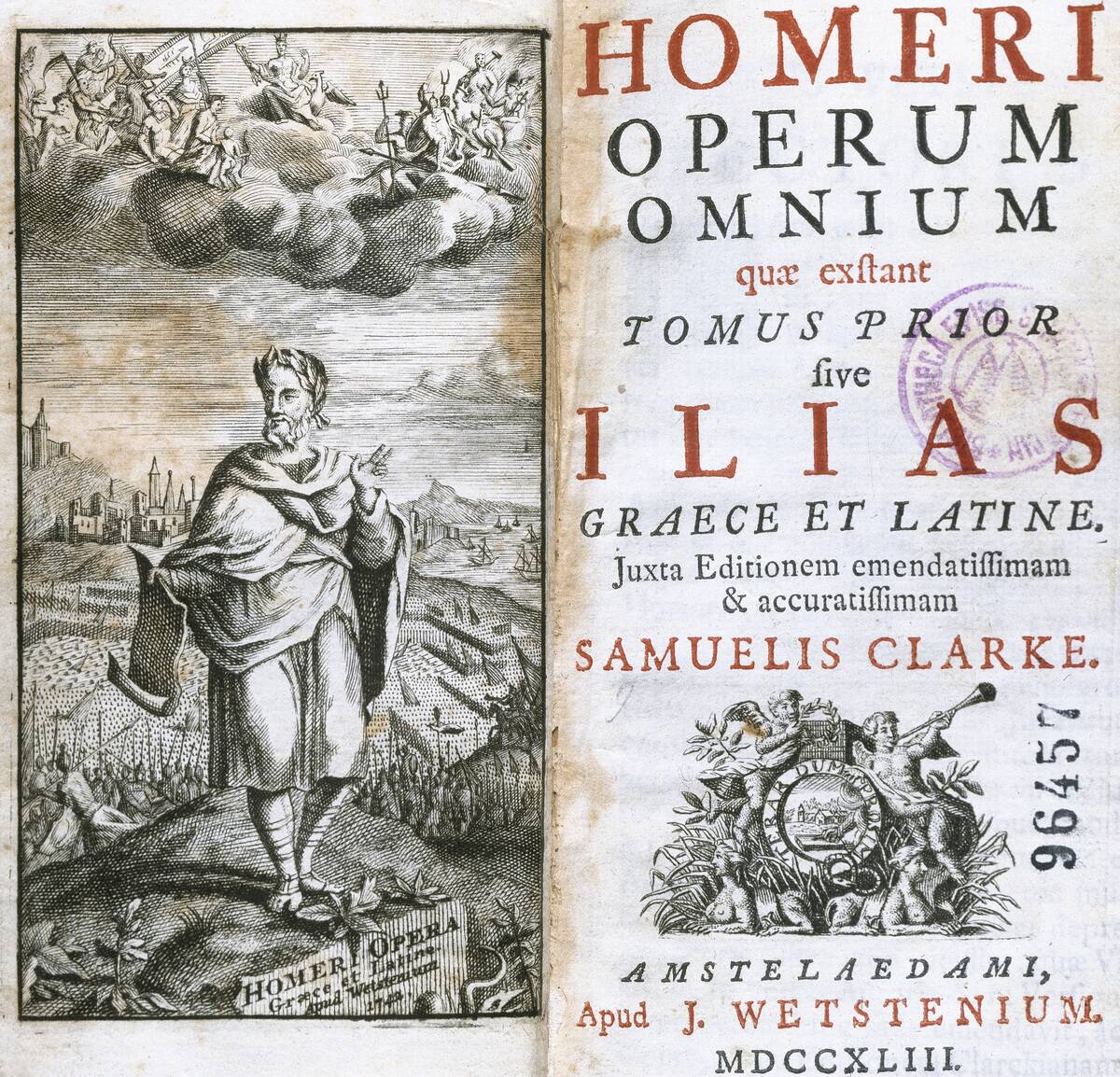
Storytelling has been central to the formation of collective memory throughout human history. Through tales passed down generations, communities preserve their values, beliefs, and histories.
Think of Homer’s ‘Iliad’ or the stories of Indigenous peoples; these narratives are vessels of cultural memory. They not only entertain but also serve as educational tools, embedding important lessons and communal memories in engaging and memorable ways.
How Cultural Narratives Shape Collective Memory
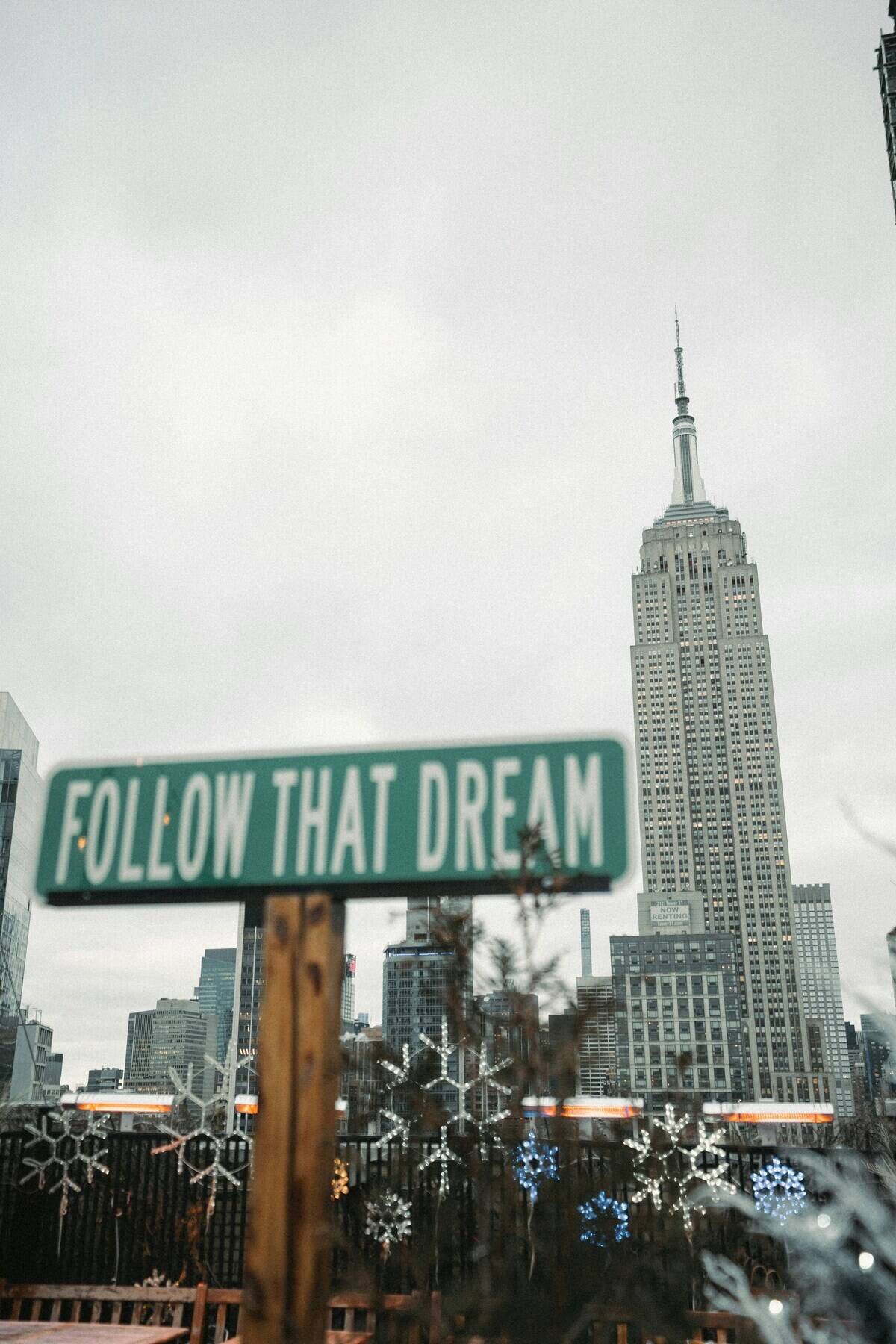
Cultural narratives are powerful shapers of collective memory, often dictating which events are remembered and how. These narratives can highlight certain historical events while omitting others, thereby influencing public perception.
For instance, in the United States, the narrative of the American Dream plays a significant role in shaping how the country’s history is remembered, focusing on themes of opportunity and success.
The Influence of Media on Shared Memories
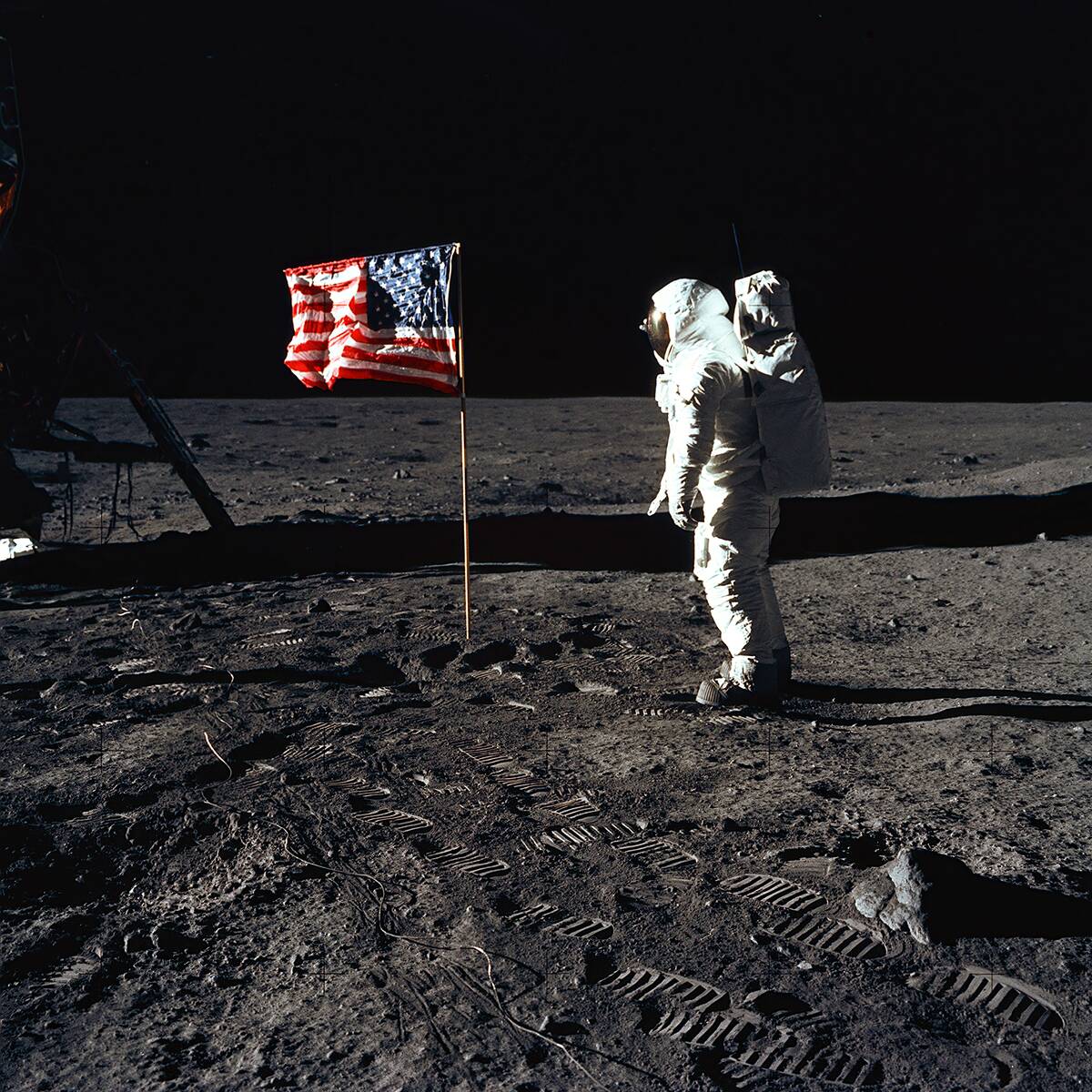
Media plays a crucial role in forming collective memories by framing how events are reported and remembered. From newspapers to television and social media, media outlets decide which stories gain prominence.
The way media covers significant events can affect public perception and memory, as seen in the extensive coverage of events like the moon landing or 9/11, which have become pivotal points in collective memory.
The Science Behind Memory Distortion

Memory distortion occurs when the details of memories are altered over time, often unconsciously. Cognitive psychologists have found that memories are not static; they are reconstructed each time they are recalled.
This malleability means that collective memories can change as they are retold, influenced by new information or societal changes. The famous ‘Mandela Effect’ illustrates how collective false memories can become widely accepted.
Case Study: Historical Events and Their Collective Memories
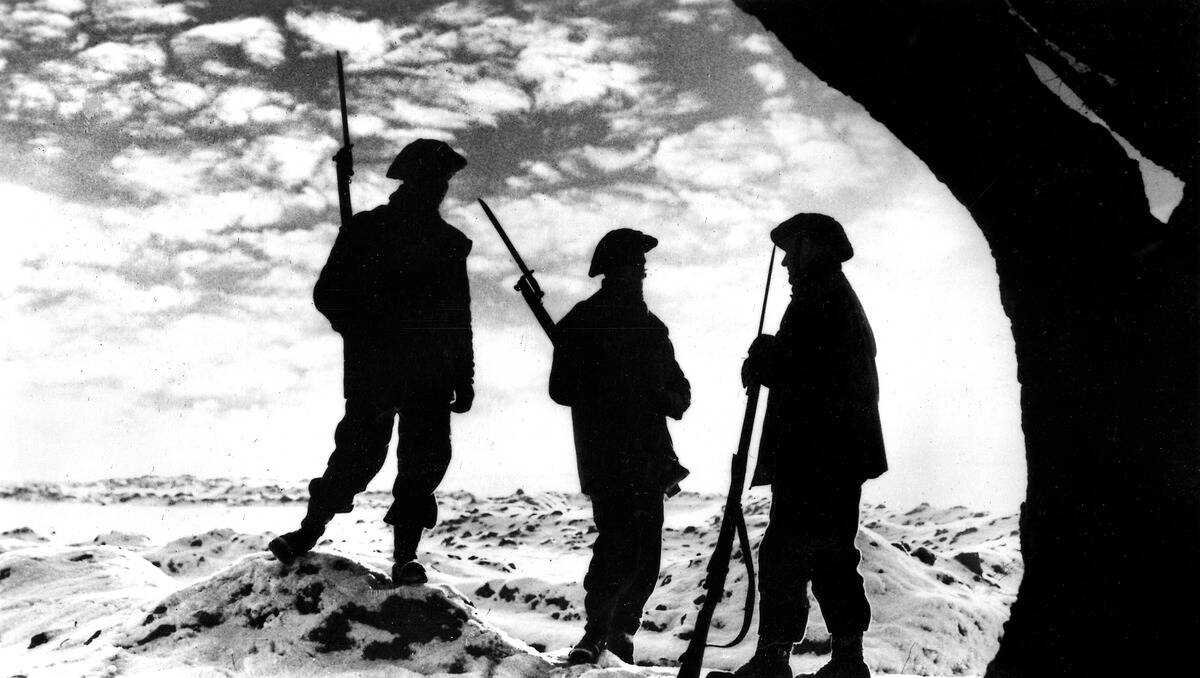
World War II is a prime example of how historical events shape collective memory across different cultures. In Germany, the memory of the war is often focused on reconciliation and remembrance, while in the UK, narratives of resilience and victory prevail.
These differing perspectives highlight how collective memory is influenced by national experiences and historical narratives, shaping how societies remember and learn from the past.
The Impact of Social Media on Memory Creation
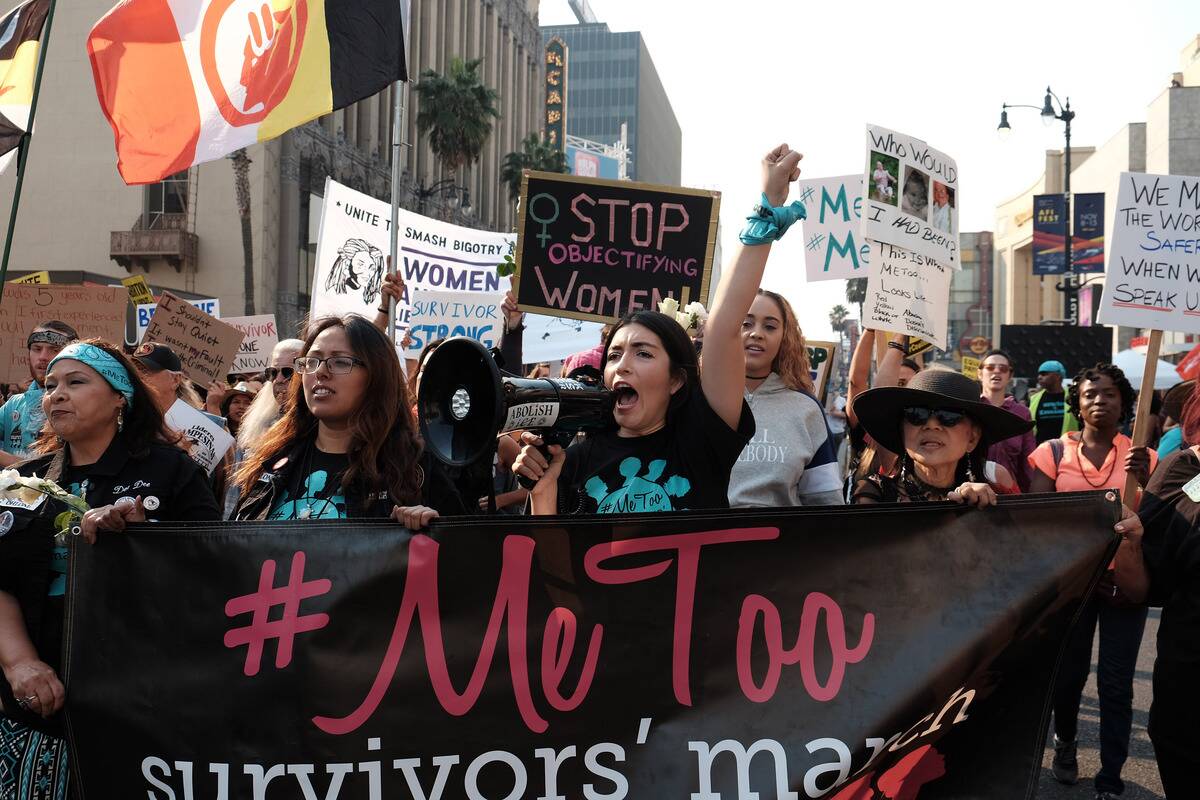
Social media platforms have transformed the way collective memories are created and shared. With the ability to instantly disseminate information globally, events become part of the collective consciousness much more rapidly.
Hashtags and viral trends can shape public discourse and memory, as seen in movements like #MeToo. However, the ephemeral nature of digital content also poses challenges for the longevity of these memories.
How Rumors and Misinformation Alter Collective Memory
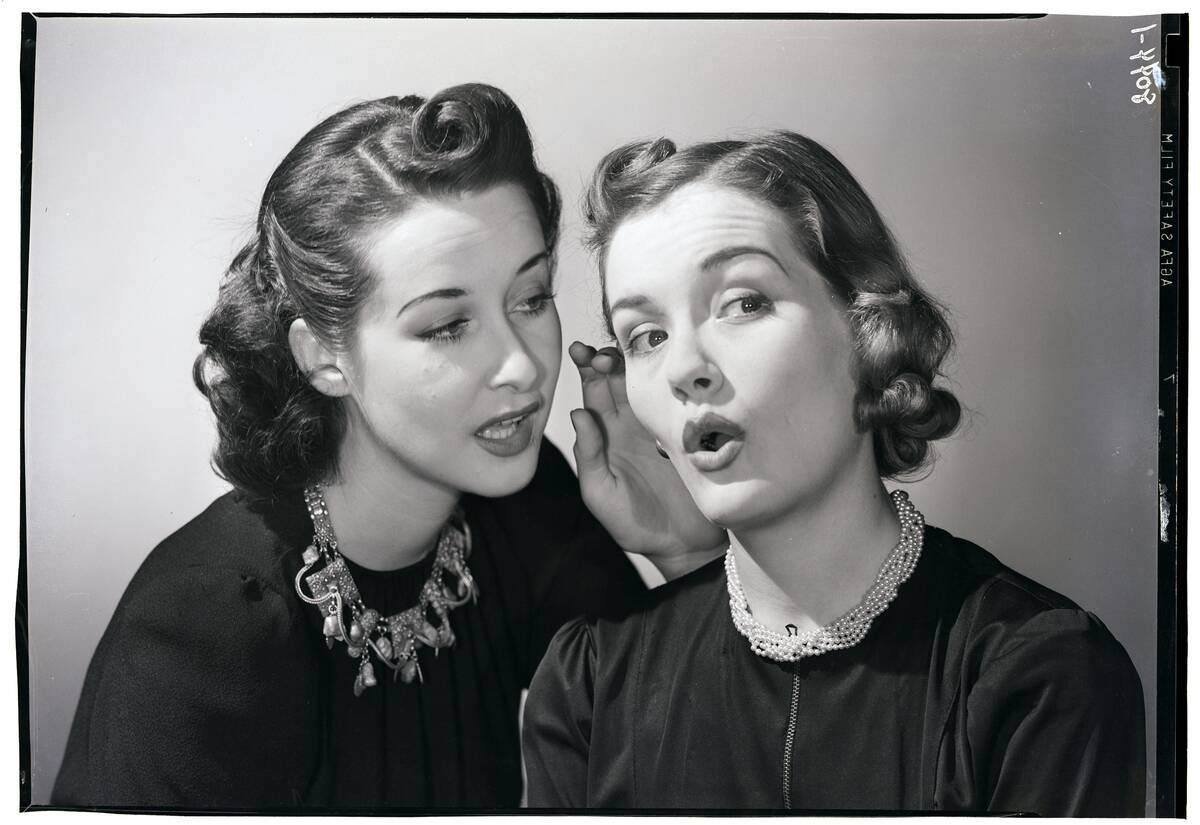
Rumors and misinformation have the potential to significantly alter collective memory, often spreading faster than verified facts. Once a false narrative takes hold, it can be challenging to correct, as seen with various conspiracy theories.
The persistence of misinformation can reshape public understanding of historical events, highlighting the importance of critical thinking and media literacy in preserving accurate collective memories.
The Role of Education in Shaping Shared Memories
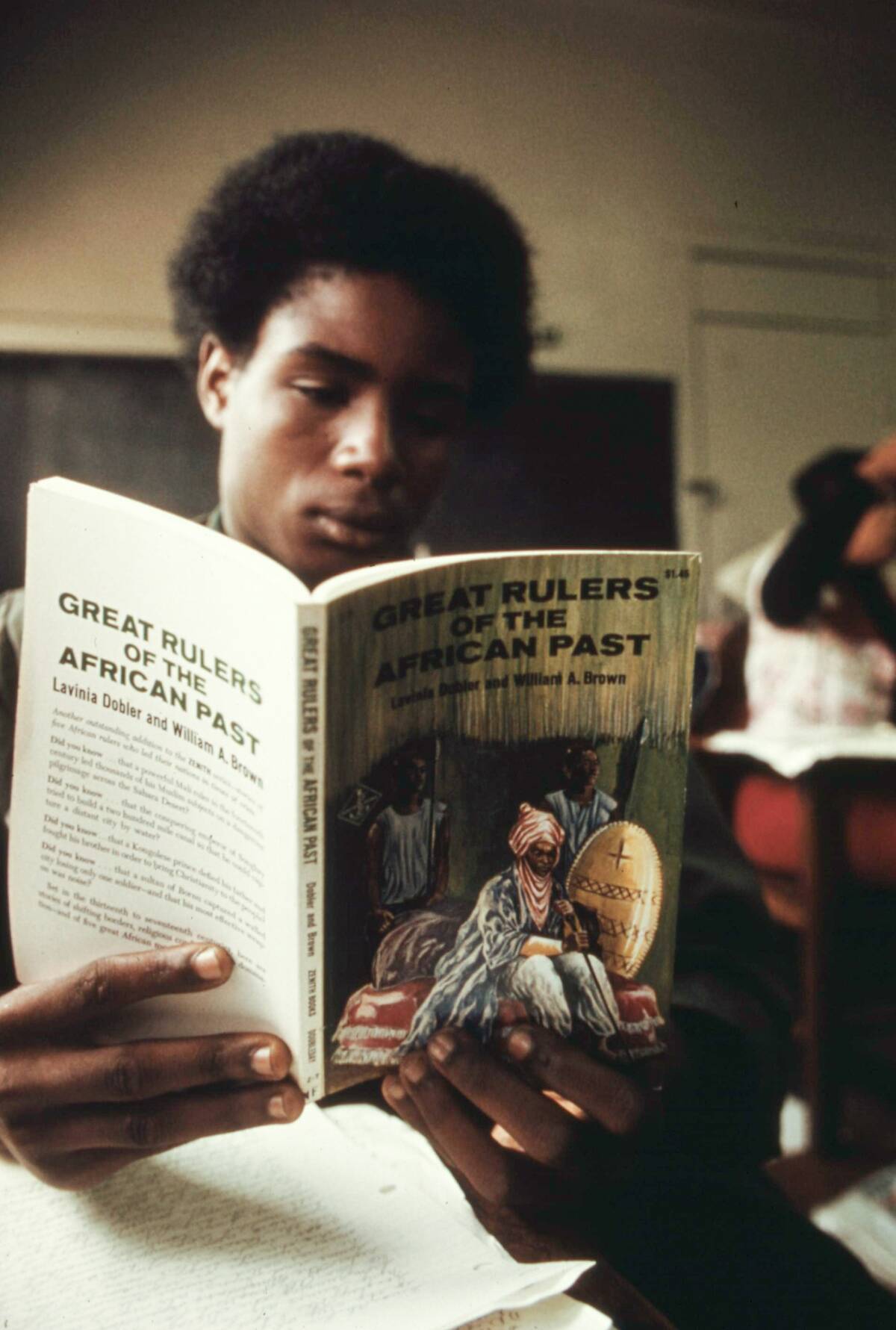
Education systems play a vital role in shaping collective memory by determining which historical events and perspectives are taught. Through curricula, educators influence how future generations remember the past and understand their cultural heritage.
For example, the way history is taught about colonialism or civil rights movements can vary dramatically between countries, impacting how these events are collectively remembered.
The Power of Symbolism in Memory Retention
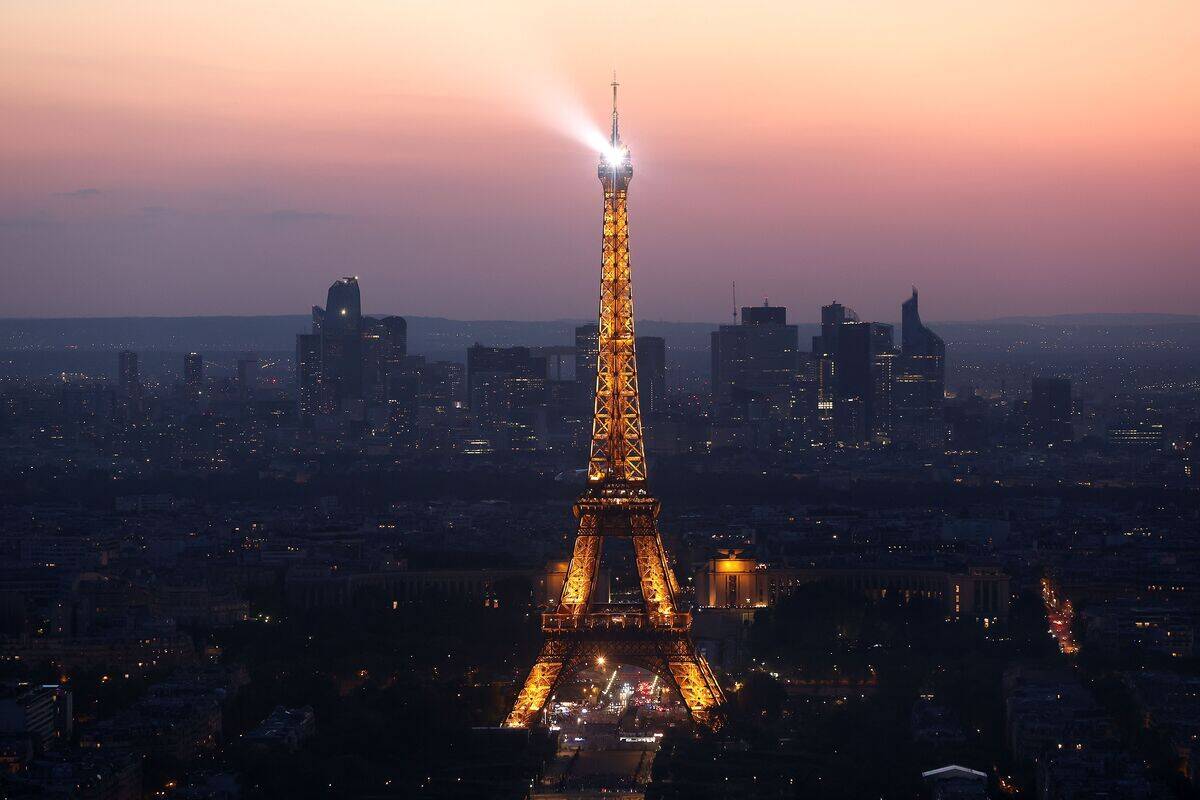
Symbols play a powerful role in the retention of collective memory by providing tangible representations of abstract ideas. National flags, monuments, and even logos can evoke strong emotional responses and memories.
The Eiffel Tower, for instance, is not just a landmark but a symbol of Paris and French identity, encapsulating a shared cultural memory that resonates worldwide.
Group Identity and Its Influence on Memory
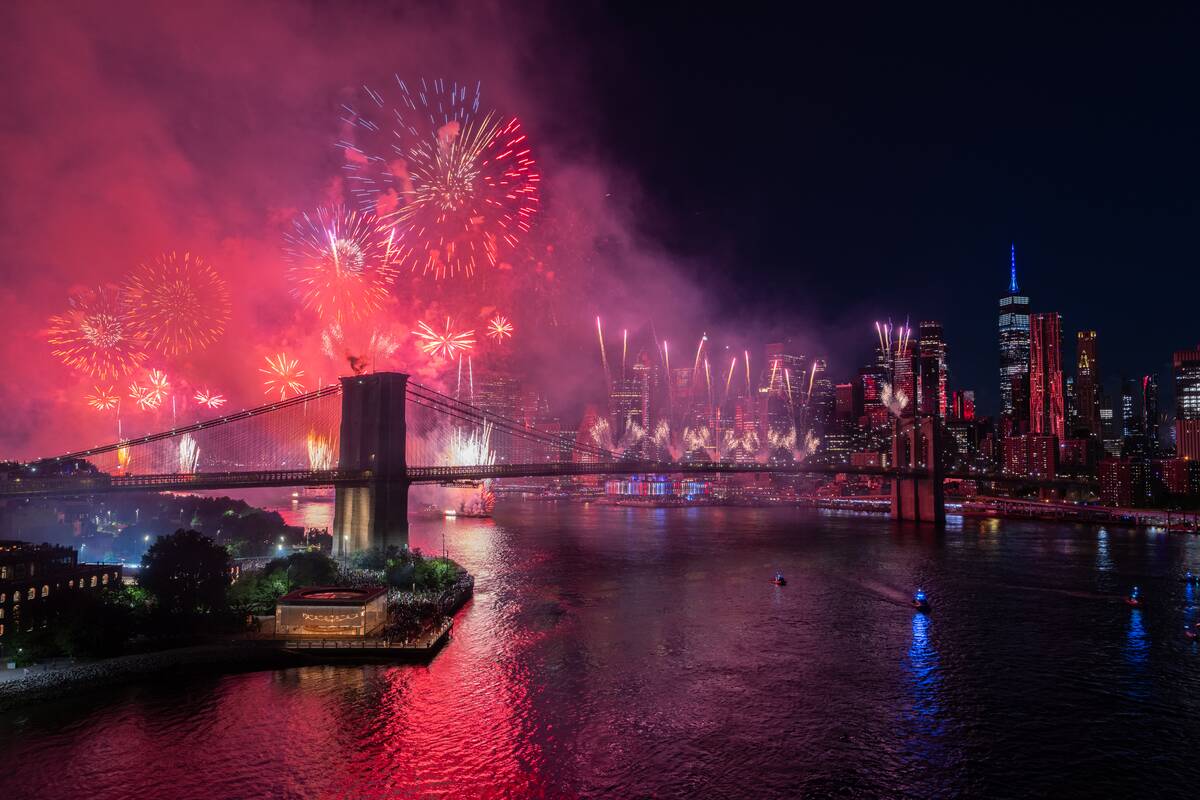
Group identity is closely linked to collective memory, as shared memories help define and reinforce the boundaries of a group. These memories contribute to a sense of belonging and common purpose.
For example, national holidays often commemorate significant historical events, strengthening national identity and unity through shared remembrance and celebration.
The Evolution of Myths and Legends in Collective Memory
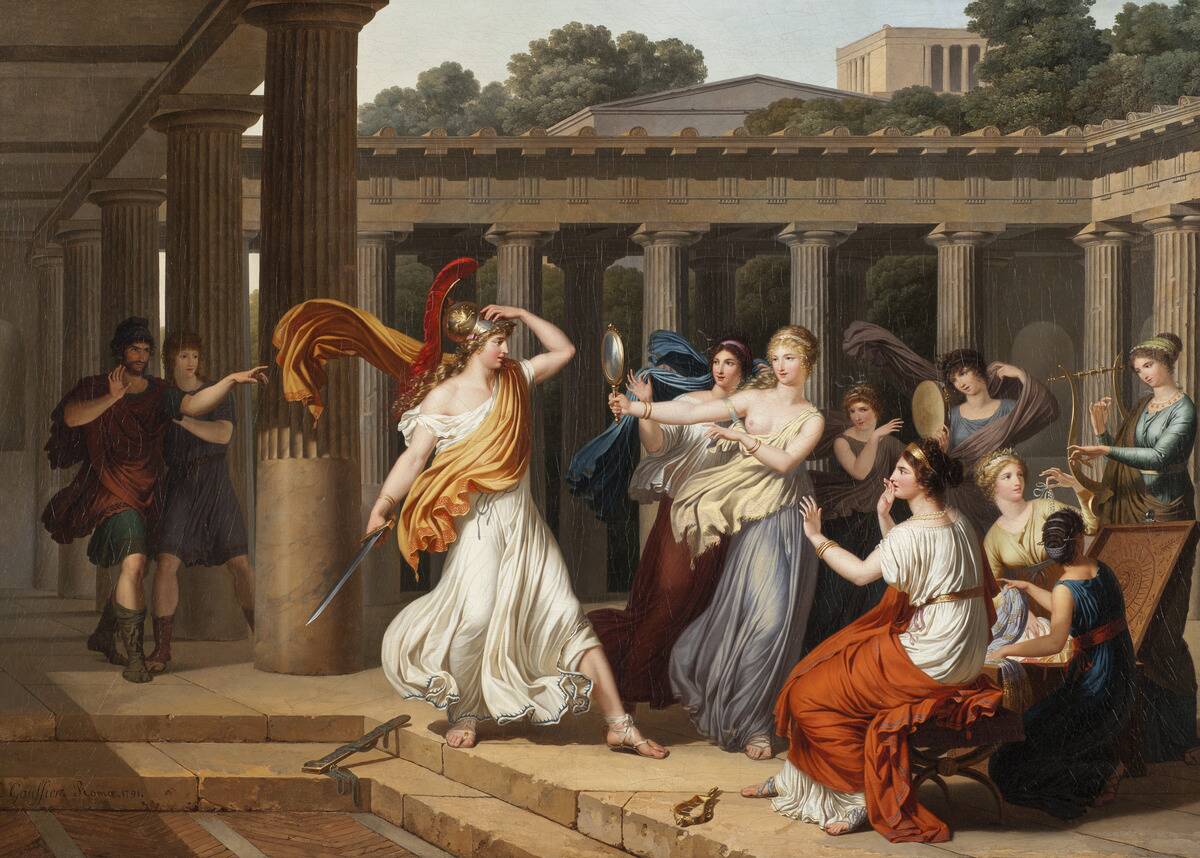
Myths and legends evolve over time, often becoming integral parts of a culture’s collective memory. These stories, like the Arthurian legends or Greek mythology, provide moral lessons and cultural insights.
While they may not be historically accurate, they offer a lens through which societies understand their origins and values, persisting across generations as foundational elements of cultural identity.
Emotional Factors in Memory Distortion

Emotions play a significant role in how memories are formed and distorted. Highly emotional experiences often lead to stronger memories, though they may not always be accurate.
Emotional arousal can enhance memory retention but can also lead to the embellishment of details, as seen in eyewitness testimonies where confidence doesn’t always correlate with accuracy. This underscores the complex interplay between emotion and memory.
How Time Alters Shared Memories
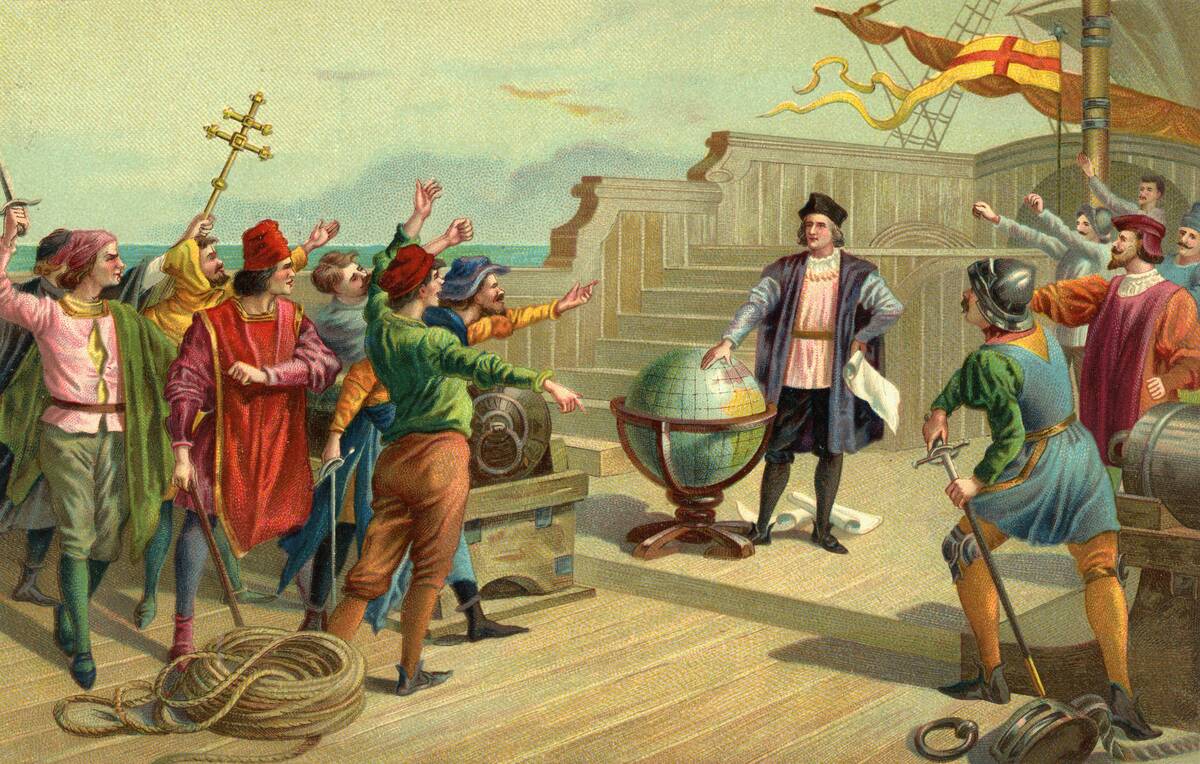
Over time, collective memories can change as new generations reinterpret past events. This process can lead to the fading of certain details while others are highlighted, often influenced by contemporary values and perspectives.
For example, the memory of historical figures like Christopher Columbus has shifted over time, with modern discussions focusing more on the impact of colonization than on his voyages.
The Interplay Between Collective Memory and Individual Memory
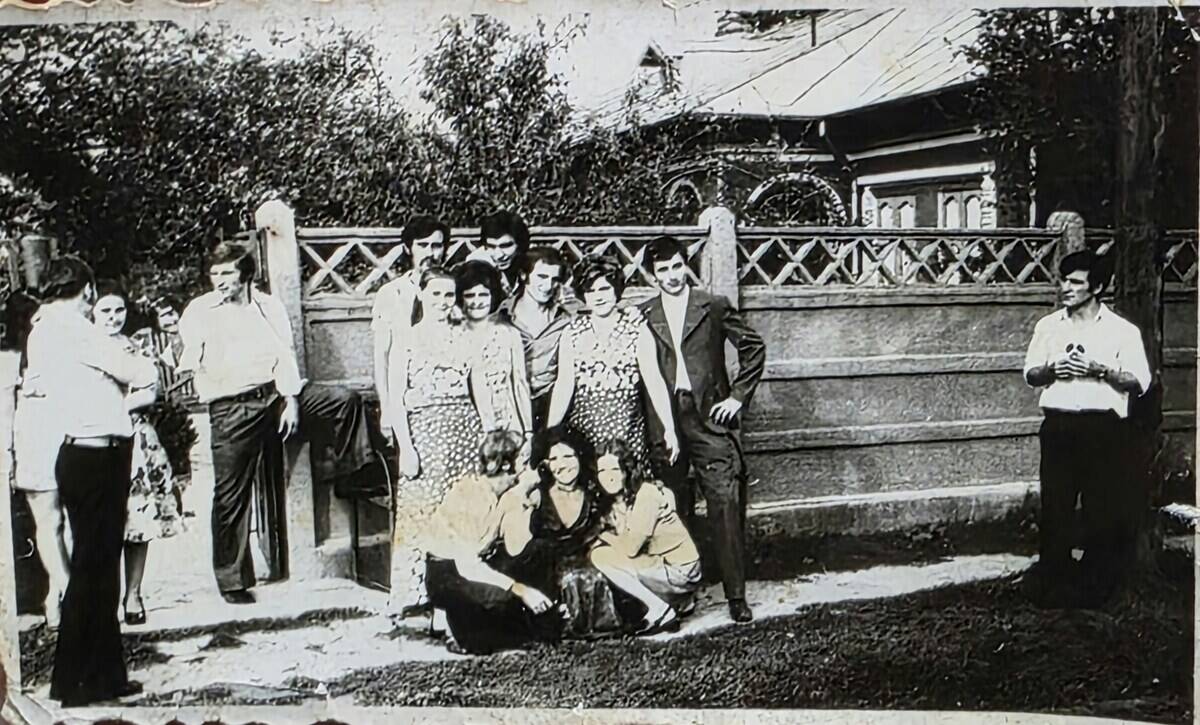
There’s a dynamic interplay between collective memory and individual memory, as personal experiences contribute to and are shaped by the collective. While individuals bring their unique perspectives to shared memories, these memories also influence personal identity and worldviews.
This symbiotic relationship highlights how collective memories are both a product of and a contributor to individual experiences, creating a continuous cycle of influence.
Collective Memory in Different Cultures
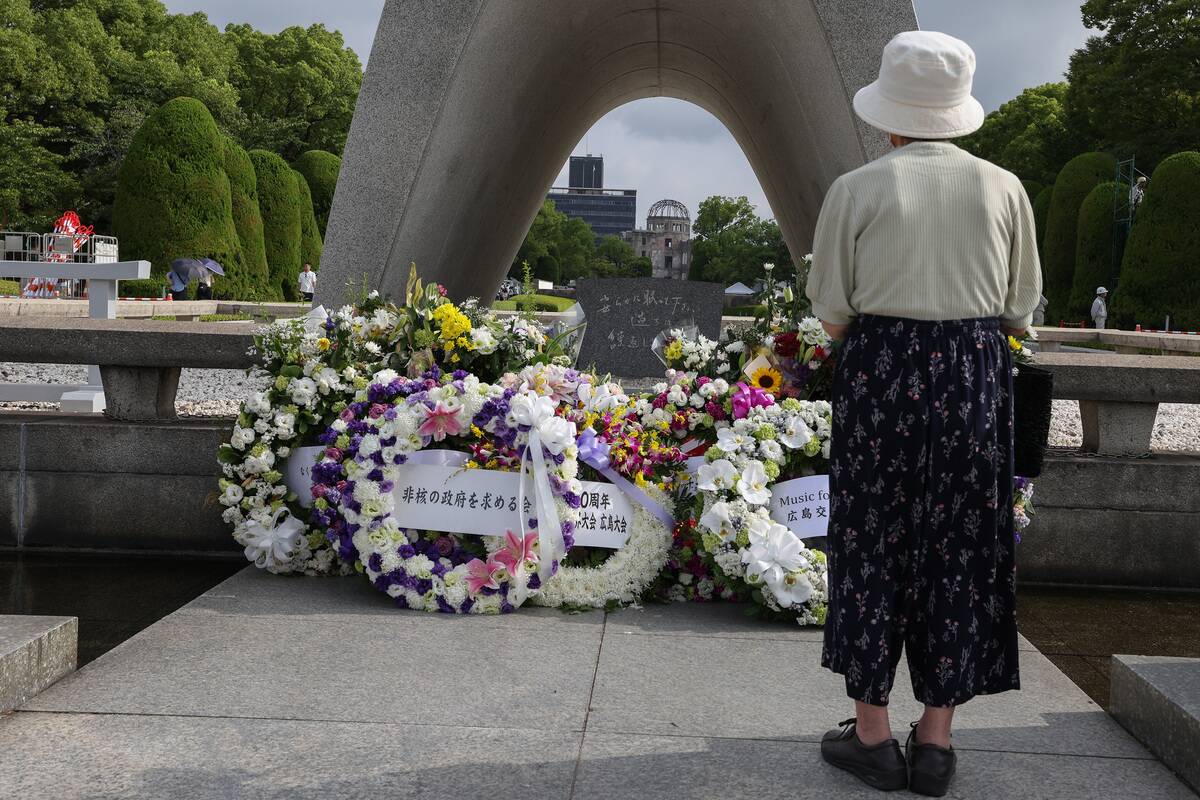
Collective memory can vary significantly across cultures, reflecting diverse historical experiences and societal values. In Japan, the memory of Hiroshima and Nagasaki plays a crucial role in shaping national identity and attitudes toward peace.
In contrast, in many African nations, collective memories of colonialism and independence movements are central to understanding contemporary social and political dynamics, illustrating the rich tapestry of global histories.
The Role of Monuments and Memorials in Memory Formation
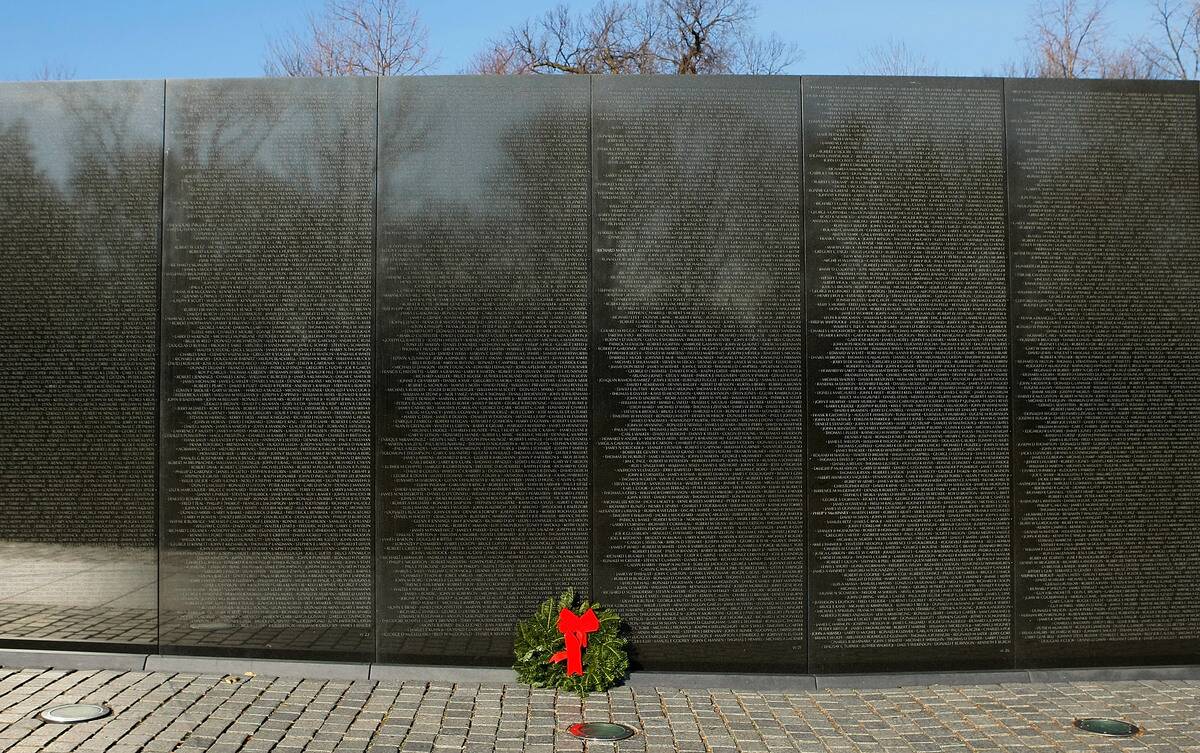
Monuments and memorials serve as physical embodiments of collective memory, providing spaces for reflection and remembrance. They commemorate significant events, individuals, or movements, helping societies to honor their past.
The Vietnam Veterans Memorial in Washington D.C., for example, offers a poignant space for remembering and healing, symbolizing the complex emotions and memories associated with the Vietnam War.
Challenges in Preserving Accurate Collective Memory
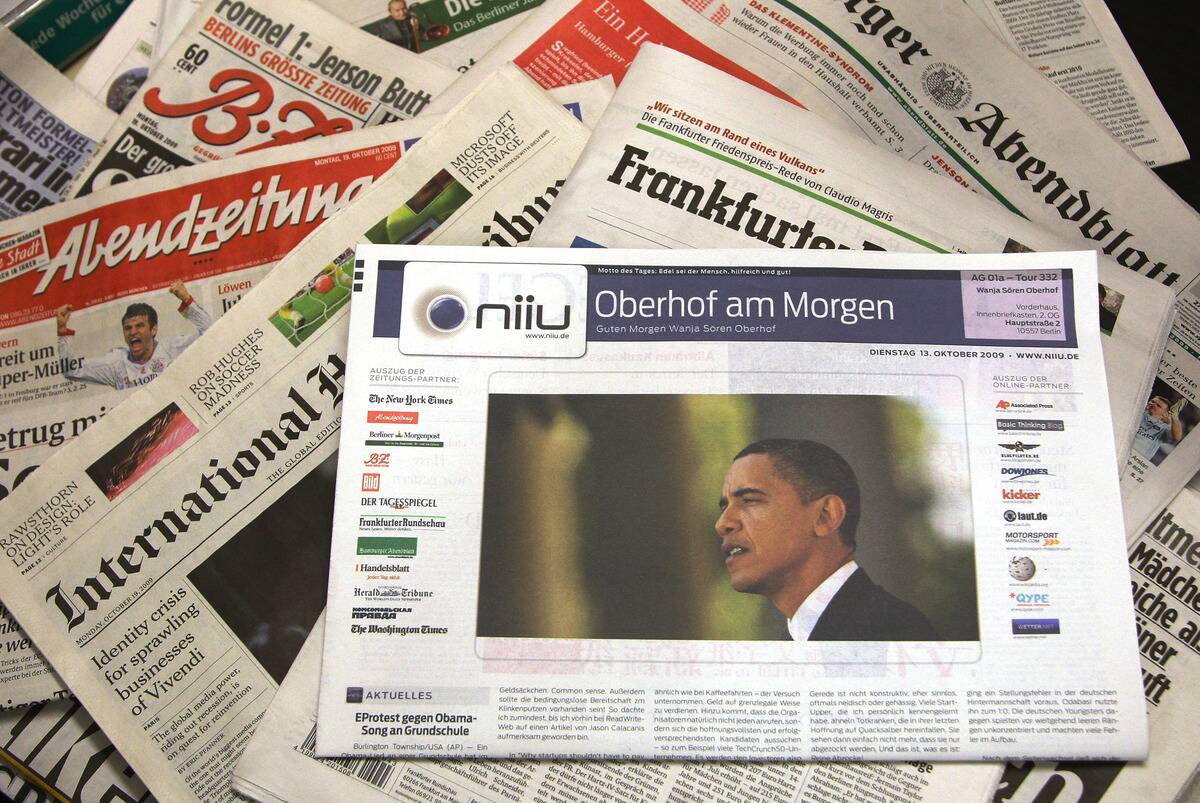
Preserving accurate collective memory poses several challenges, particularly in an age of information overload and misinformation. Historians and educators strive to maintain factual integrity, but biases and political influences can distort the historical narrative.
Ensuring diverse perspectives and critical engagement with the past is essential for fostering a well-rounded understanding of history, allowing for a more nuanced and inclusive collective memory.




