How early civilizations mapped the stars
From the dawn of time, humans have been intrigued by the vast expanse above. The night sky, with its twinkling stars and inexplicable patterns, has long served as a canvas for human curiosity. Ancient civilizations, lacking the technology we have today, used their ingenuity to interpret and understand the celestial sphere.
This fascination laid the foundation for astronomy and astrology, blending science and mysticism in ways that continue to captivate us. Our journey through ancient stargazing reveals how our ancestors connected with the cosmos.
The Early Observers: Who Were They?
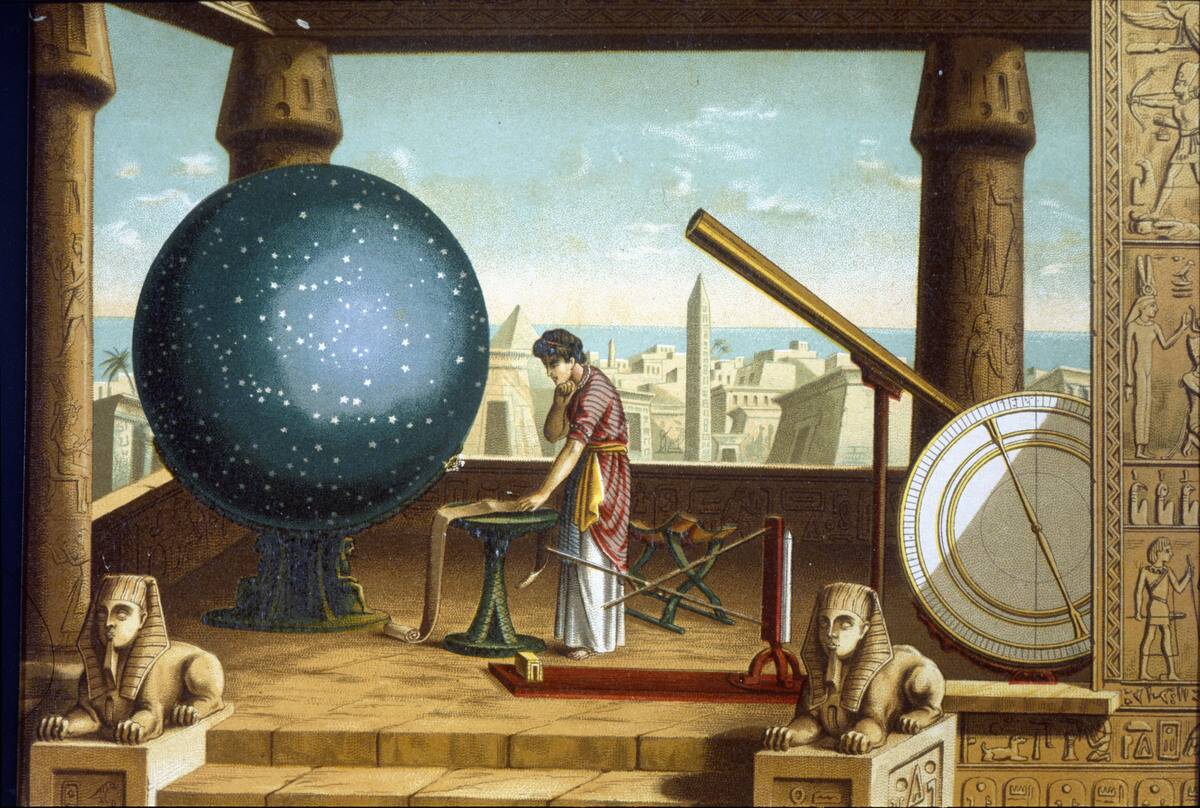
The earliest known astronomers were not confined to a single region. In Mesopotamia, the Sumerians documented celestial events as early as 3000 BCE. Their observations laid the groundwork for future astronomers.
Meanwhile, in ancient China, stargazers meticulously recorded solar and lunar eclipses. These records were not only for scientific understanding but also for predicting agricultural outcomes. People across the globe, from diverse cultures, shared a common bond in their celestial curiosity, seeking to unravel the mysteries of the night sky.
Stonehenge: More Than Just a Bunch of Rocks
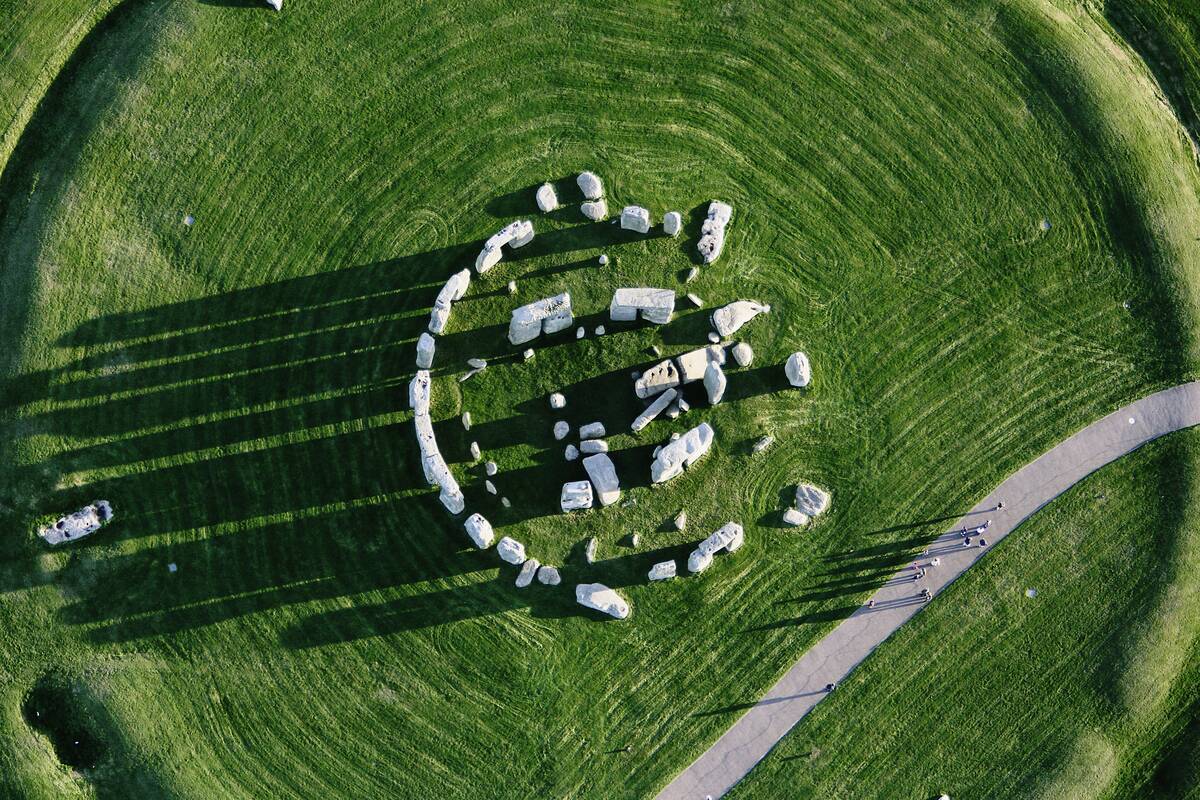
Stonehenge is one of the world’s most famous prehistoric monuments, thought to have been constructed between 3000 and 2000 BCE. This iconic structure in England is aligned with the solstices, suggesting its use as an ancient calendar.
The stones’ arrangement points to a sophisticated understanding of the solar cycle, possibly used to mark the changing seasons. To this day, the true purpose of Stonehenge remains a subject of intrigue, but its celestial alignments hint at its role in connecting the earth with the heavens.
Ancient Egyptian Star Maps
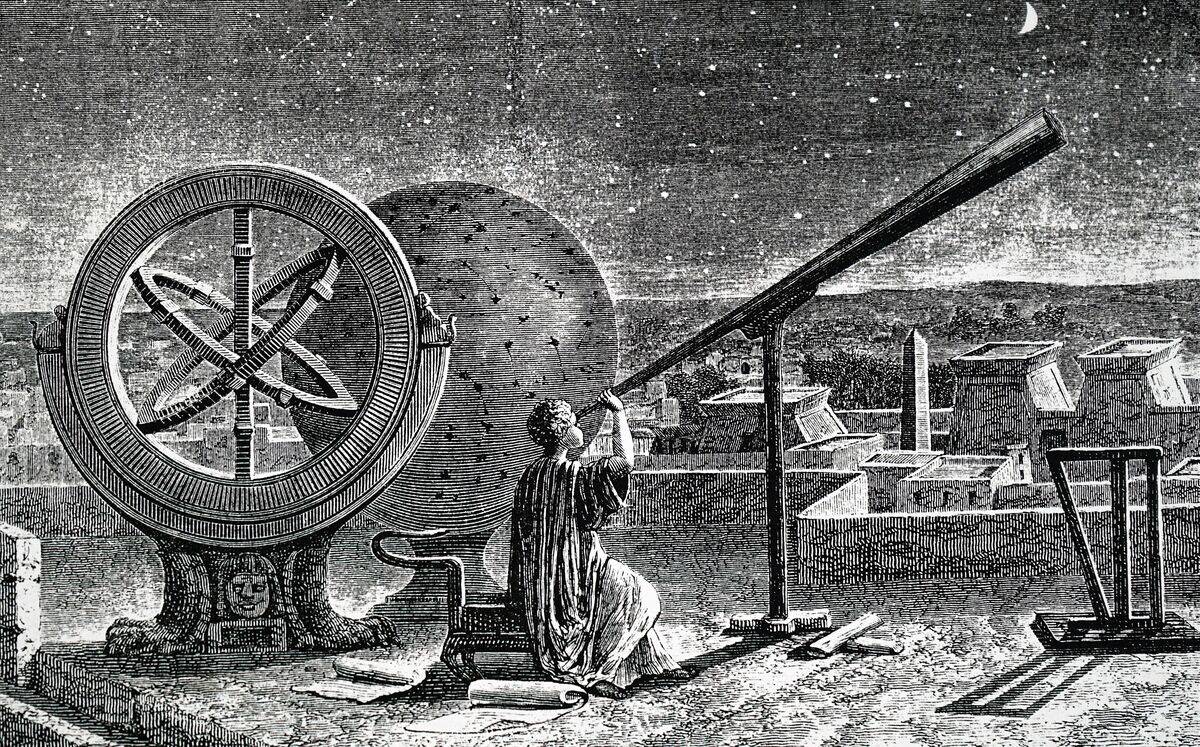
The ancient Egyptians were prolific stargazers, and their star maps are a testament to their astronomical prowess. The ceilings of tombs, such as those in the Valley of the Kings, are adorned with detailed celestial charts. These maps not only guided the deceased to the afterlife but also reflected the Egyptians’ deep connection with the stars.
The decans, or star clusters, were used to mark the hours of the night, demonstrating a sophisticated understanding of timekeeping through the stars. Their legacy in astronomy is etched in the very stones of their monuments.
The Mystical Maya and Their Celestial Calendar
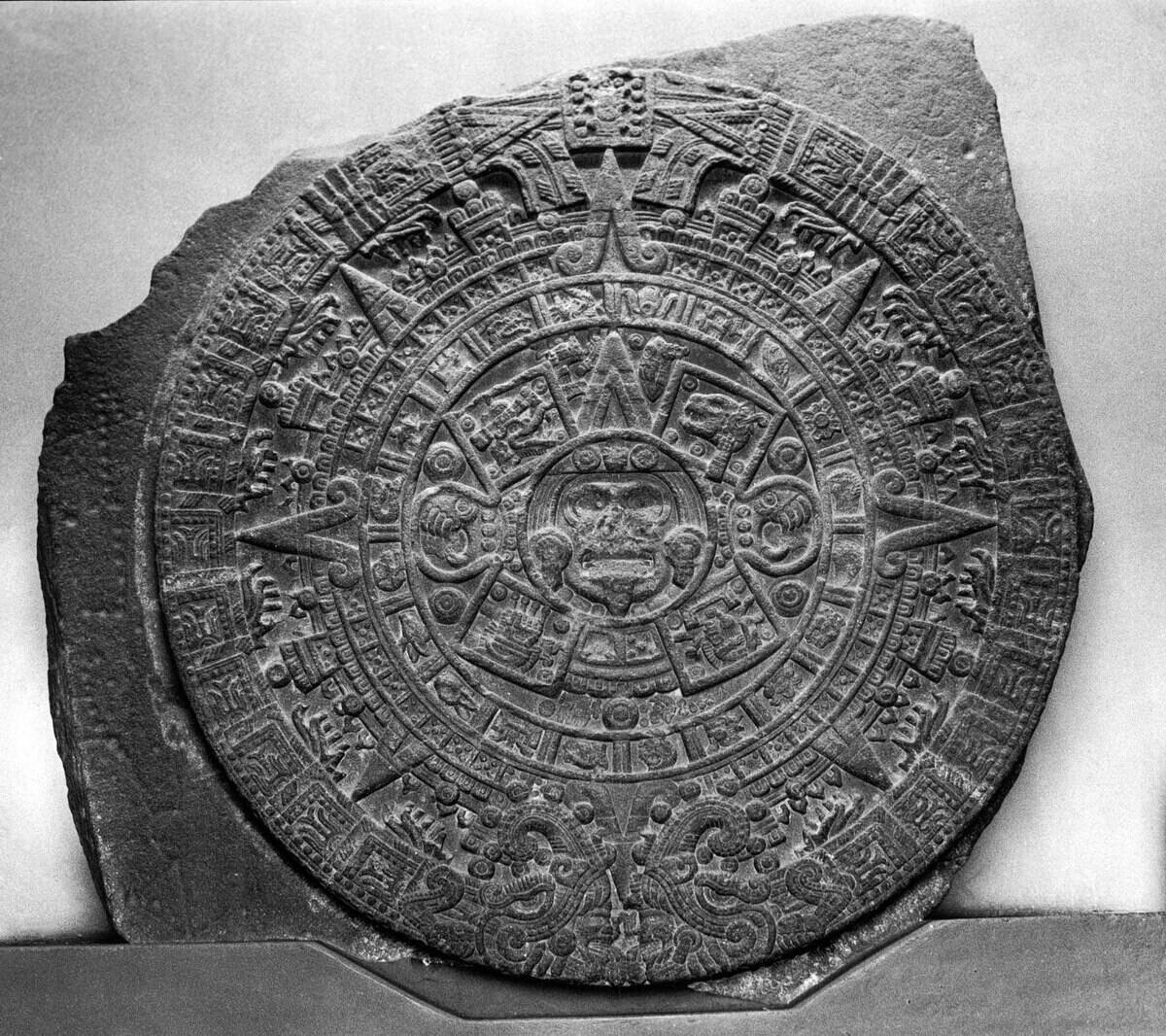
The Maya civilization, known for its advanced knowledge of astronomy, created a calendar system that was intricately linked to celestial events. The Maya calendar, which includes the Tzolk’in and Haab’, was used to predict solar eclipses and track the movement of celestial bodies.
Their observatories, like those found in Chichén Itzá, were strategically positioned to align with equinoxes and solstices. The Maya’s deep understanding of the cosmos was not only a testament to their observational skills but also integral to their cultural and religious practices.
Indigenous American Star Stories

Indigenous peoples of North America have rich oral traditions that include star stories passed down through generations. The Lakota Sioux, for example, have the “Seven Sisters” tale, which corresponds to the Pleiades star cluster. These stories often served as both navigational aids and moral lessons.
In the Southwest, the Navajo’s creation stories and constellations are closely tied to their cosmology and rituals. Through these narratives, indigenous cultures have preserved their unique interpretations of the night sky, blending myth and astronomy.
Babylonian Beginnings: The Birth of Astrology
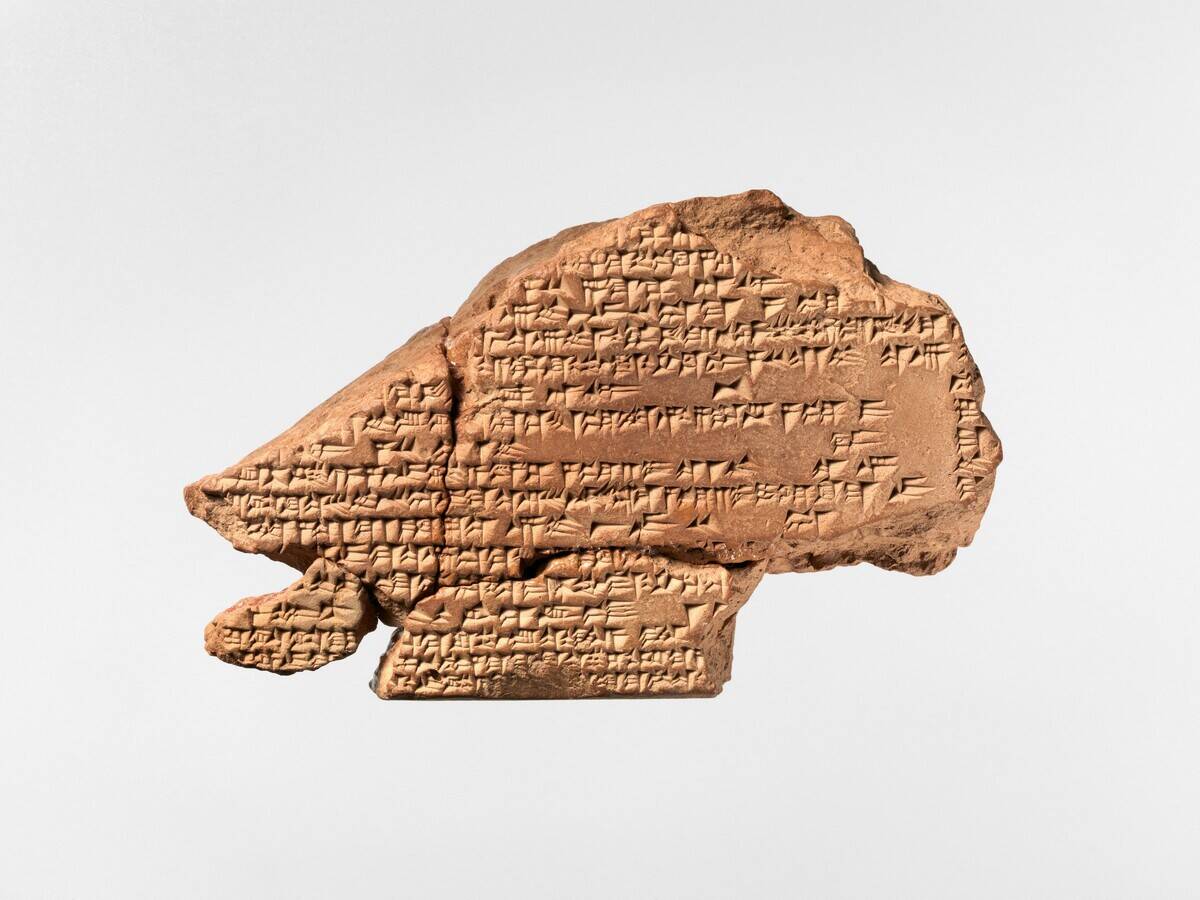
In ancient Babylon, astrology and astronomy were intertwined, with the Babylonians pioneering the zodiac system still used today. By the 5th century BCE, they had identified twelve zodiac signs, each corresponding to a constellation. This system was used to predict celestial events and interpret their significance on human affairs.
The Babylonians meticulously recorded planetary movements on clay tablets, such as the famous Enuma Anu Enlil, which compiled omens and astronomical data. Their legacy lives on in the astrological practices that have evolved over millennia.
Chinese Stargazing: Beyond the Great Wall
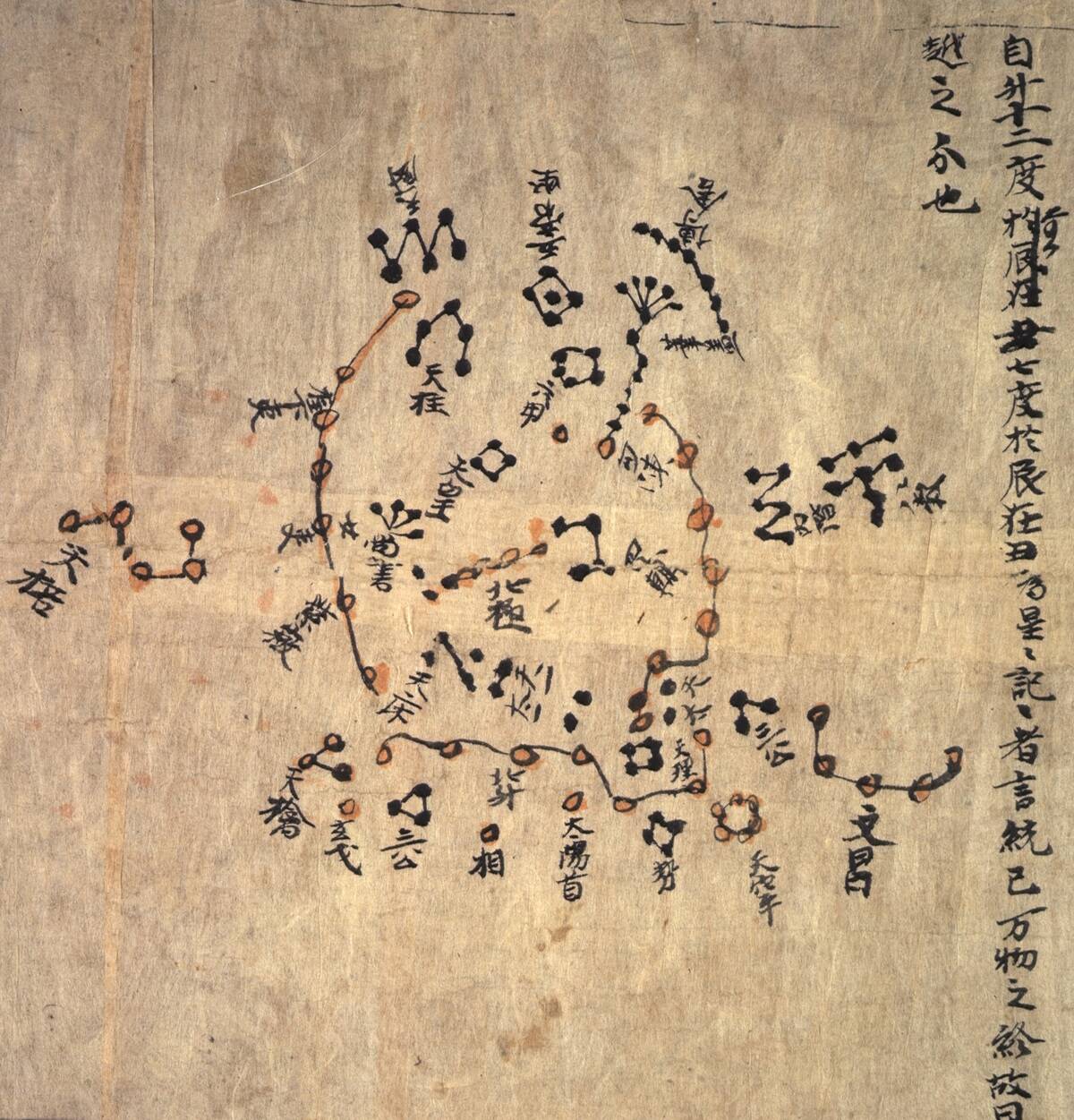
Ancient Chinese astronomers were meticulous in their observations, contributing significantly to the field of astronomy. They recorded supernovae, comets, and detailed star catalogs, with detailed star catalogs dating back to the Han dynasty, while the earliest surviving complete star map is the Dunhuang Star Chart from the Tang dynasty
The Chinese developed the 28 lunar mansions, a system akin to the zodiac, guiding both agricultural practices and imperial decisions. Their integration of astronomy into everyday life reflects a culture deeply attuned to the rhythms of the cosmos, influencing everything from timekeeping to governance.
The Greek Philosophers: Mapping the Heavens
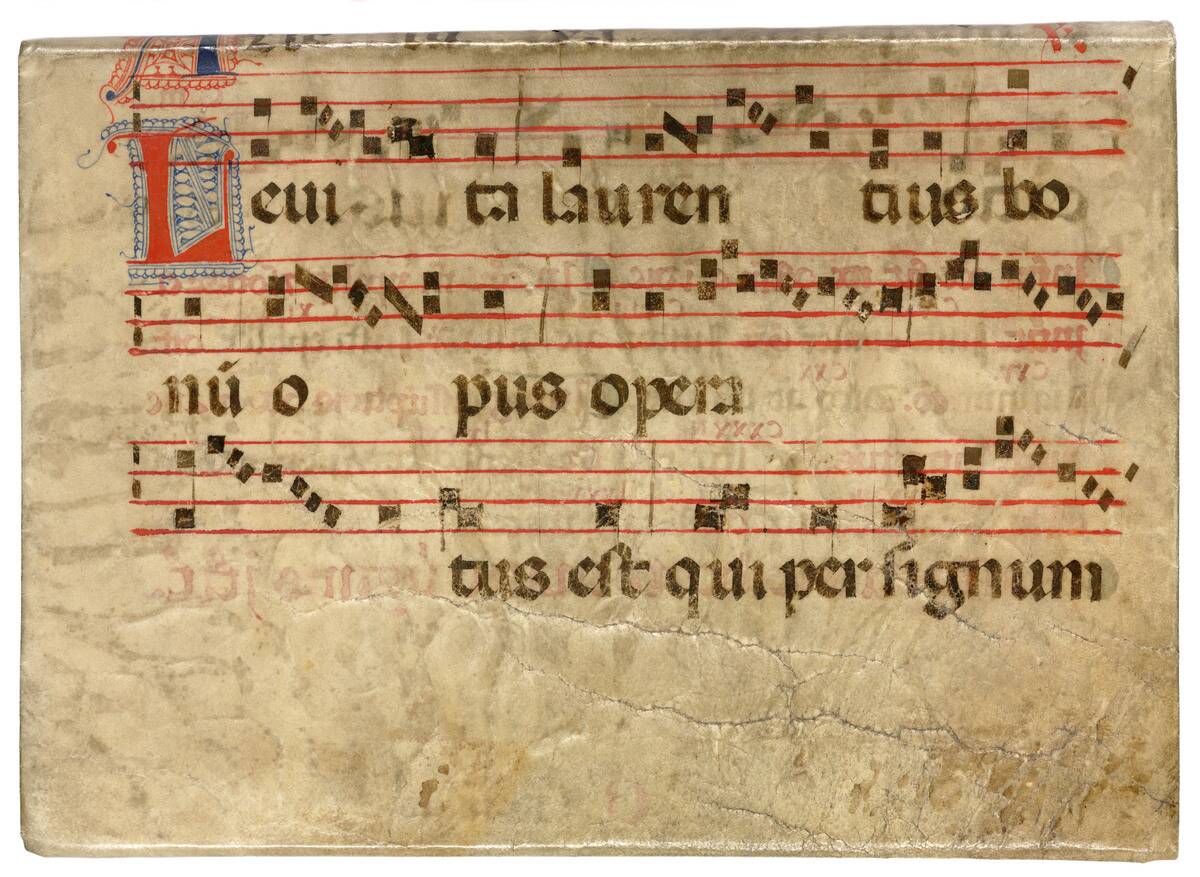
The ancient Greeks made profound contributions to astronomy, with philosophers like Ptolemy and Hipparchus leading the charge. Ptolemy’s Almagest, a comprehensive treatise on the motions of stars and planets, remained influential for centuries.
The Greeks’ geocentric model, placing Earth at the center, was a cornerstone of their cosmology. Their philosophical inquiries into the nature of the universe laid the groundwork for future astronomical discoveries. Greek stargazers, blending observation with theory, carved a path for the scientific exploration of the cosmos.
Astronomical Alignments in Ancient Indian Temples
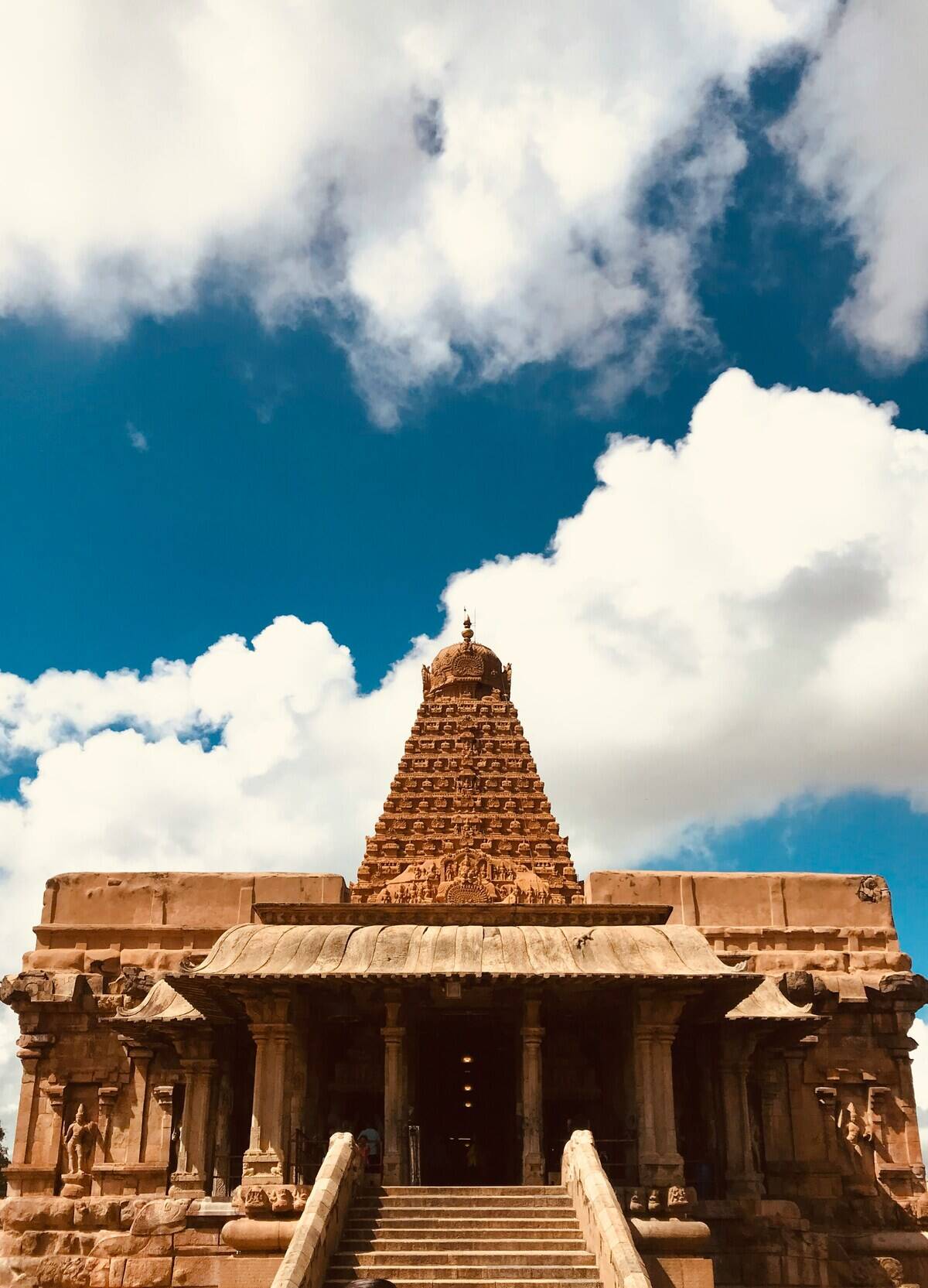
Ancient Indian temples are marvels of architectural and astronomical precision. The Brihadeeswarar Temple, for example, is perfectly aligned with the cardinal directions, demonstrating advanced knowledge of solar and celestial alignments.
Temples often served as observatories, with structures designed to mark the passage of time through solstices and equinoxes. The integration of astronomy with spirituality in Indian culture is evident in these celestial alignments, showcasing a harmonious blend of science, art, and religion that continues to inspire awe.
The Incan Intihuatana: Hitching Post of the Sun
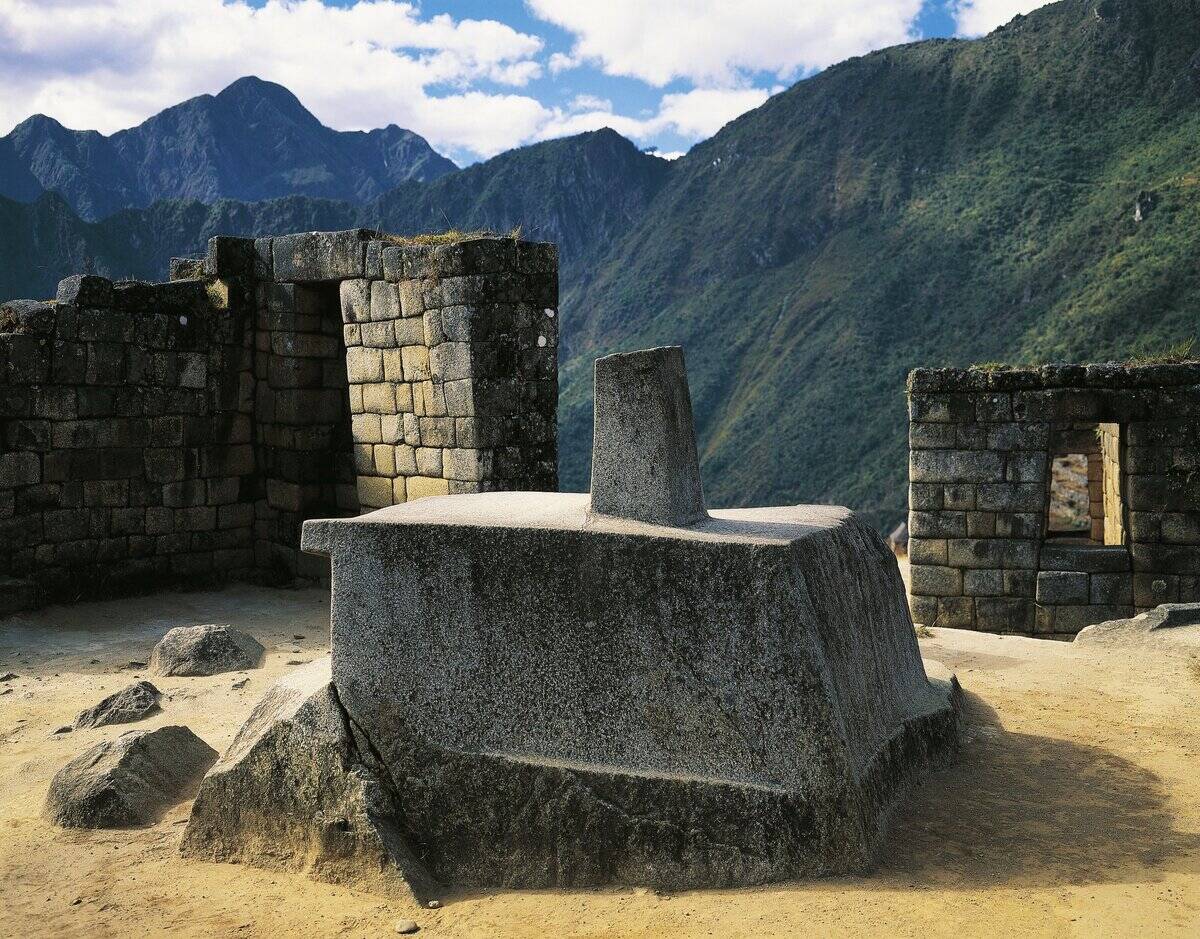
The Intihuatana stone at Machu Picchu is a remarkable example of Incan ingenuity. This carved rock pillar was used as an astronomical clock, helping the Incas determine solstices and equinoxes.
The name “Intihuatana” translates to “hitching post of the sun,” reflecting its purpose in tying the sun to its seasonal path. The Incas’ deep understanding of solar cycles was crucial for agricultural planning, ensuring their survival in the challenging Andean environment. This blend of astronomy and practicality is a testament to their innovative spirit.
Norse Navigation by the Stars

The Vikings, renowned seafarers, relied heavily on the stars for navigation. Without the aid of modern tools, they used the North Star, Polaris, as a constant guide during their voyages across the North Atlantic.
The Sunstone, a crystal believed to have helped locate the sun on cloudy days, further demonstrates their navigational prowess. Norse mythology, rich with celestial references, reflects this deep connection to the stars, weaving tales of gods and heroes against the backdrop of the night sky.
Aboriginal Australian Dreamtime and the Cosmos

Aboriginal Australians have a profound connection to the cosmos, with star stories forming an integral part of their Dreamtime mythology. The Emu in the Sky, a dark constellation outlined by the Milky Way’s dust clouds, is one such example.
These narratives serve as both cultural lore and practical knowledge, guiding seasonal activities like hunting and gathering. Aboriginal astronomy is a testament to a deep understanding of the natural world, where the sky is not just a map but a living storybook.
The Mysterious Nasca Lines and Celestial Connections
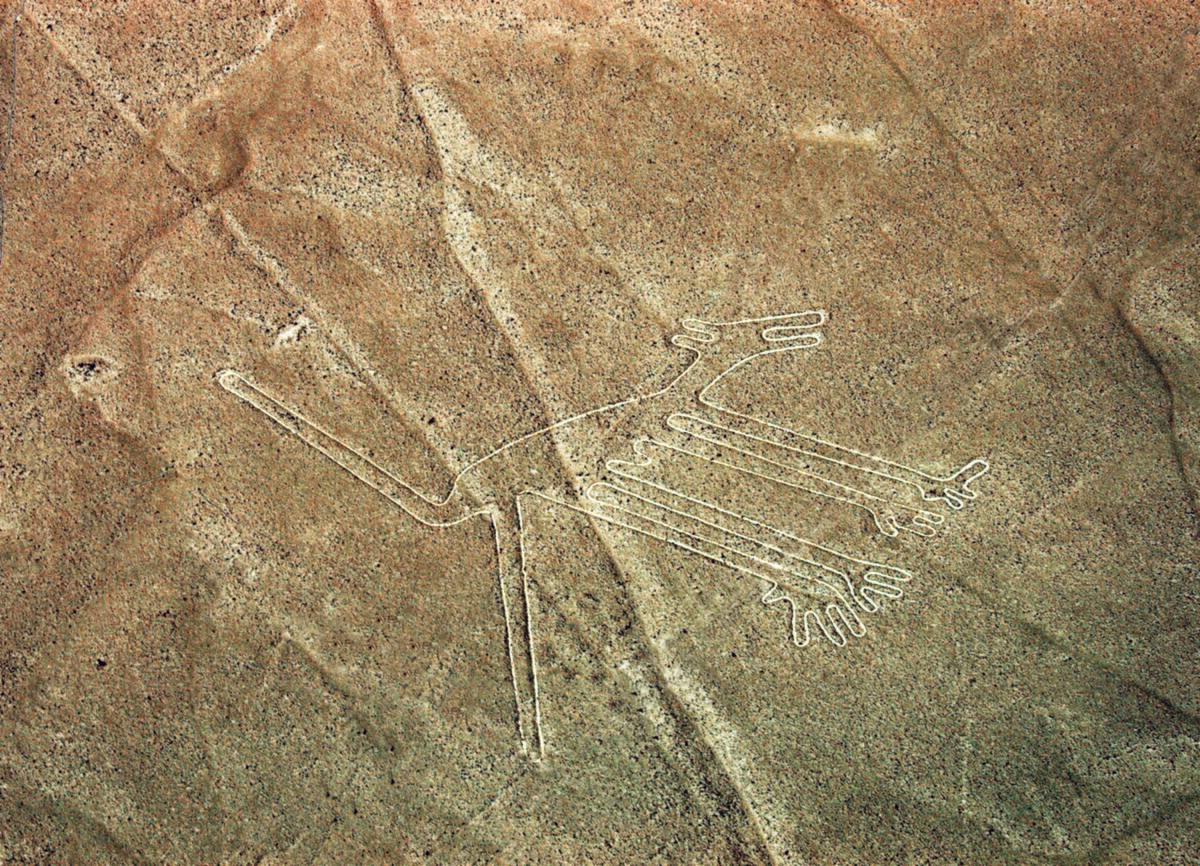
The Nasca Lines in Peru have sparked intrigue and speculation for decades. These massive geoglyphs, etched into the desert floor, depict animals, plants, and geometric shapes. Some researchers propose that they have astronomical significance, aligning with celestial events like solstices and equinoxes.
The Nasca people may have used these lines as part of ritualistic practices tied to the stars. Despite numerous theories, the true purpose of the Nasca Lines remains a mystery, leaving us to ponder the celestial intentions of their creators.
The Role of Astronomy in Ancient Agriculture
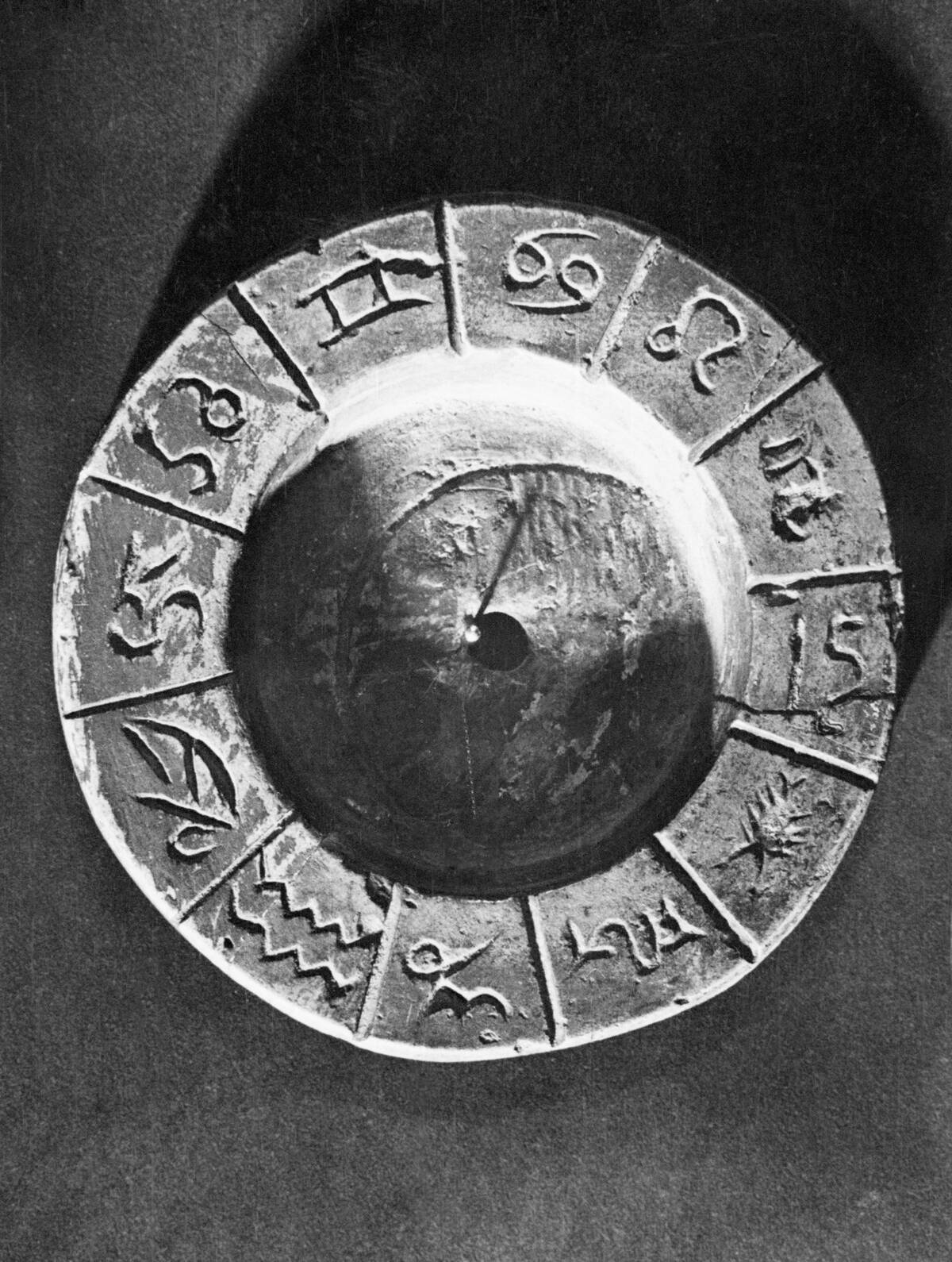
Astronomy played a crucial role in ancient agriculture, with celestial cycles guiding planting and harvesting. The ancient Egyptians relied on the heliacal rising of Sirius, which signaled the annual flooding of the Nile, essential for agriculture.
Similarly, the Maya used their calendar to predict seasonal changes, ensuring successful crop yields. Across cultures, the stars served as a cosmic calendar, timing agricultural activities to the rhythms of the earth and sky, underpinning the survival and prosperity of civilizations.
Starry Myths and Legends Across Cultures
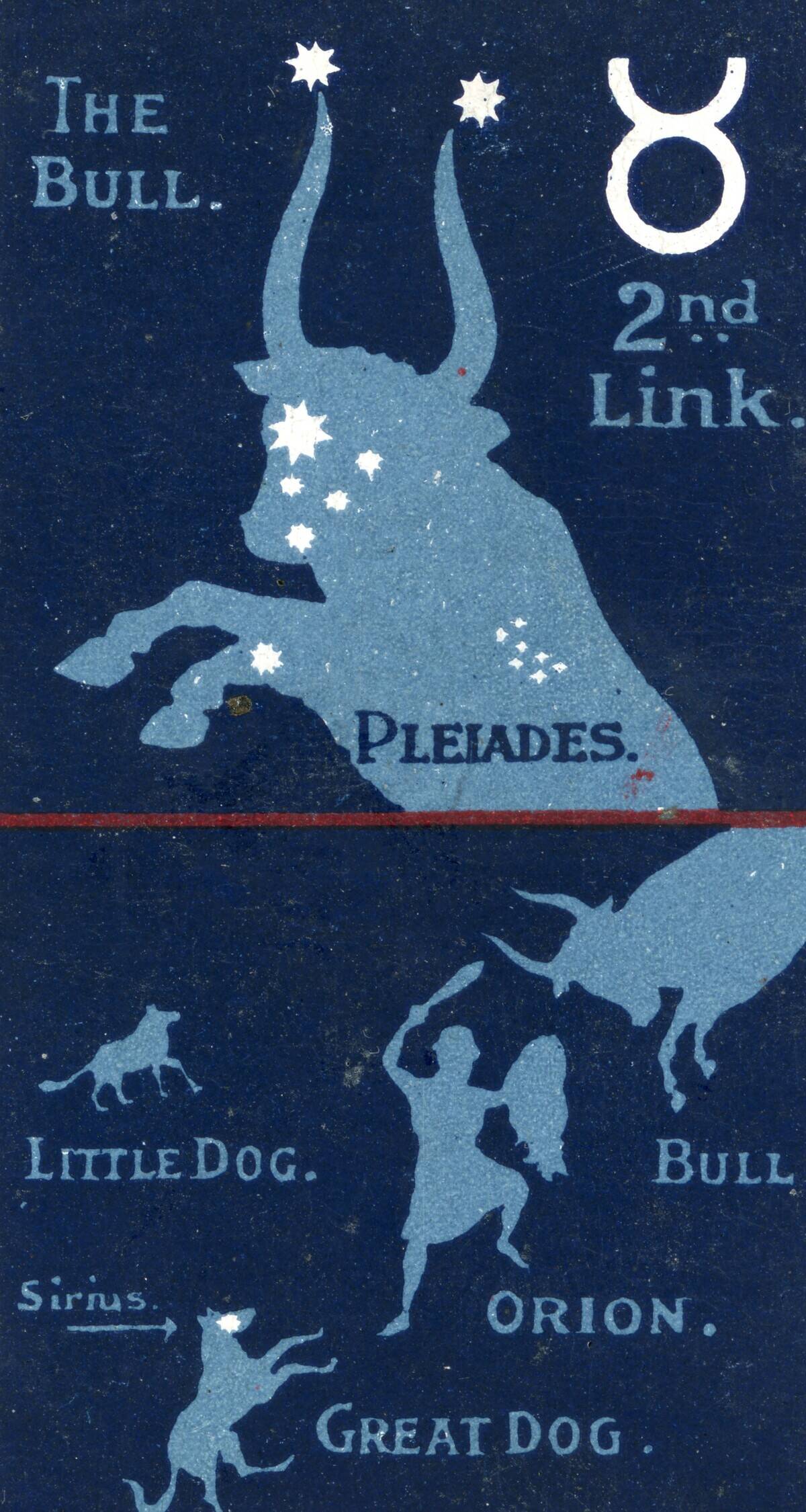
Throughout history, cultures worldwide have woven myths and legends around the stars. The Greek myth of Orion, the hunter, is mirrored in the stories of many indigenous peoples. In Asia, the tale of the Weaver Girl and the Cowherd tells of separated lovers represented by Vega and Altair, stars in the summer triangle.
These stories reflect a universal human desire to connect with the cosmos, using the night sky as a canvas for storytelling and cultural expression, bridging the earthly and the divine.
Tools of the Trade: Early Astronomical Instruments
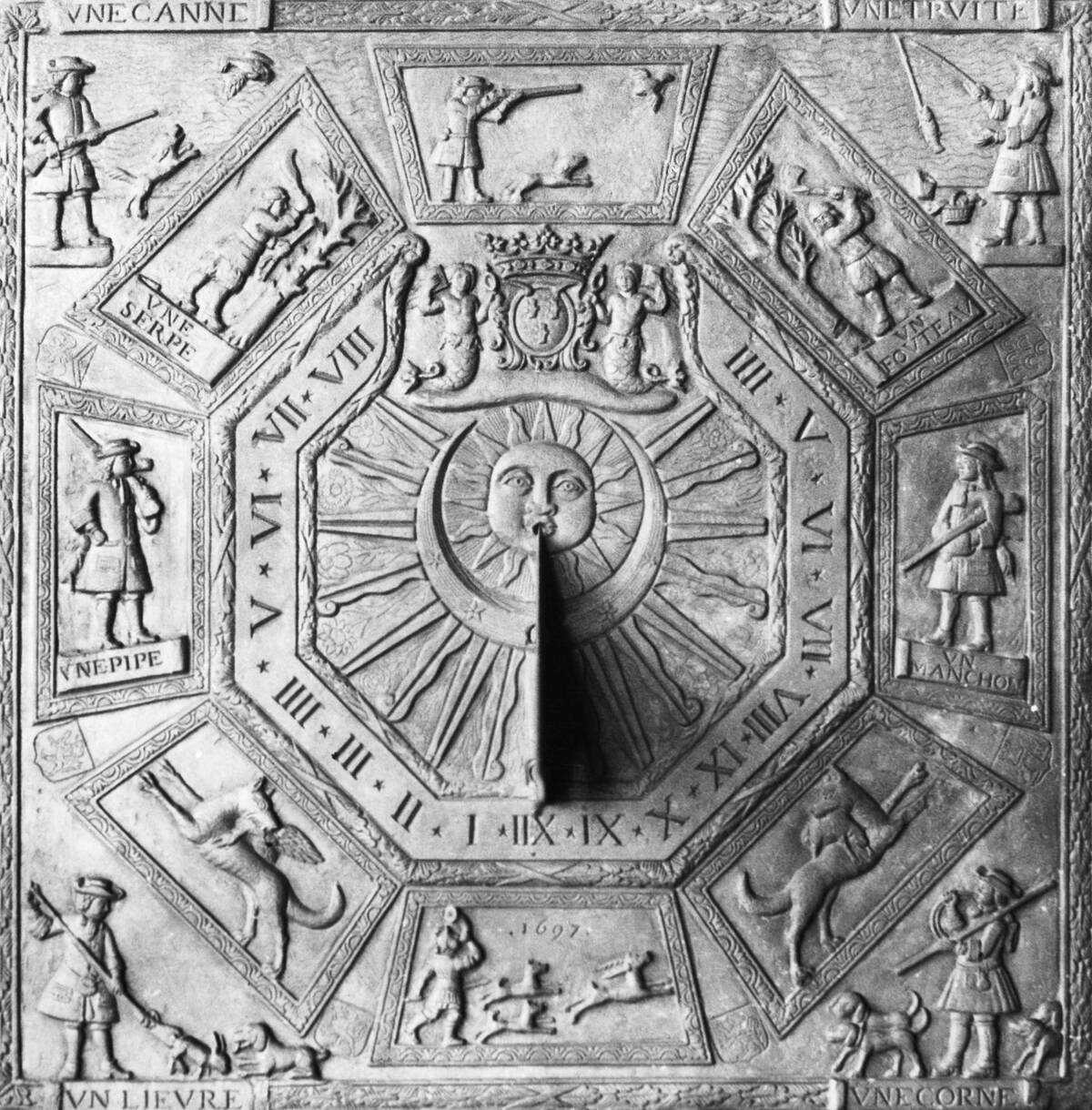
Early astronomers developed ingenious tools to study the stars, laying the groundwork for modern astronomy. The astrolabe, an ancient instrument used by Greek and Islamic astronomers, allowed for measuring the altitude of stars above the horizon.
Sundials, found in cultures from Egypt to China, harnessed the sun’s movement to keep time. These early tools, crafted with precision and creativity, reveal the lengths to which our ancestors went to understand the cosmos, bridging the gap between observation and interpretation.
The Influence of the Cosmos on Ancient Architecture
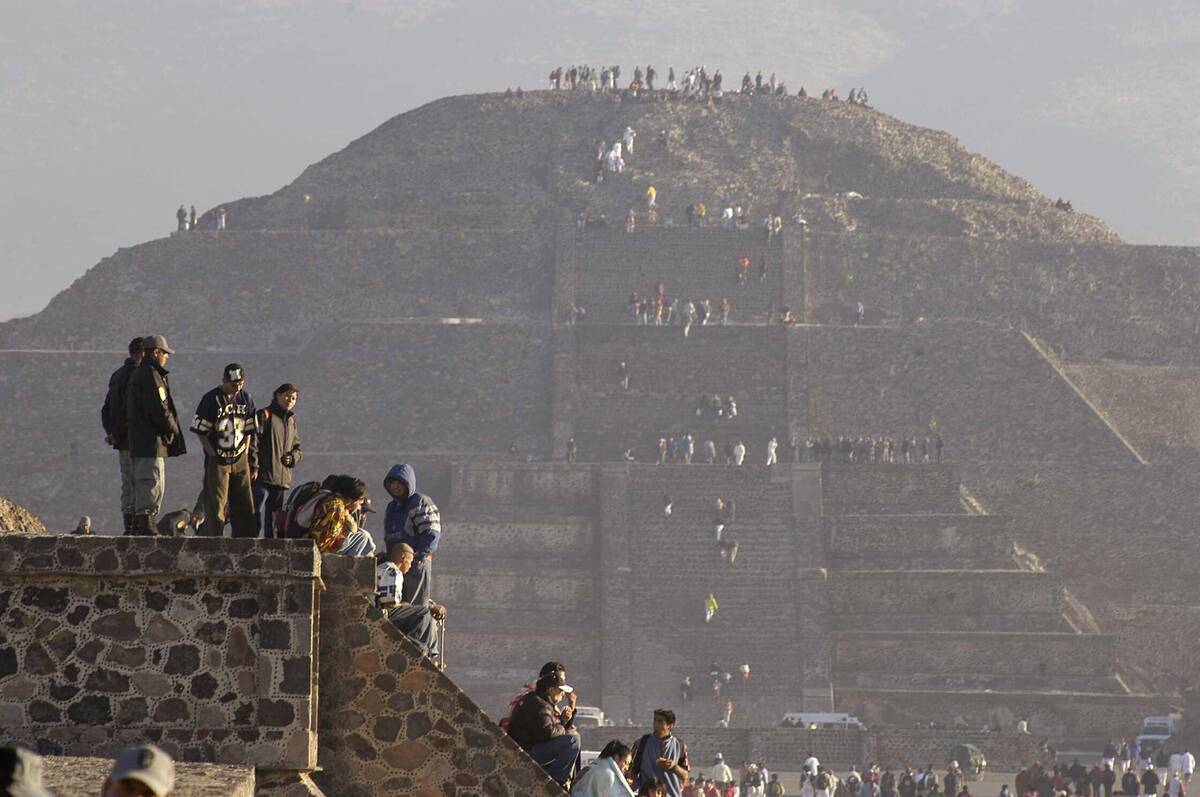
The cosmos played a significant role in shaping ancient architecture, with many structures designed to align with celestial events. The Great Pyramid of Giza is famously aligned with the cardinal points, while its internal passages align with specific stars.
In Mexico, the Pyramid of the Sun at Teotihuacan aligns with the setting sun on certain days of the year. These alignments reflect a profound understanding of astronomy and a desire to connect the terrestrial with the celestial, creating monuments that echo the rhythms of the universe.




