Ancient engineering behind early water systems
Throughout history, water has been a crucial element in the survival and development of civilizations. Ingenious ancient societies engineered remarkable systems to harness, manage, and distribute this precious resource, paving the way for modern water management technologies.
From the earliest irrigation systems to sophisticated aqueducts, these achievements reveal the creativity and resilience of our ancestors. Their legacies continue to inspire today’s engineers and environmentalists, showcasing the timeless importance of sustainable water management.
Mesopotamia: Birthplace of Irrigation Systems
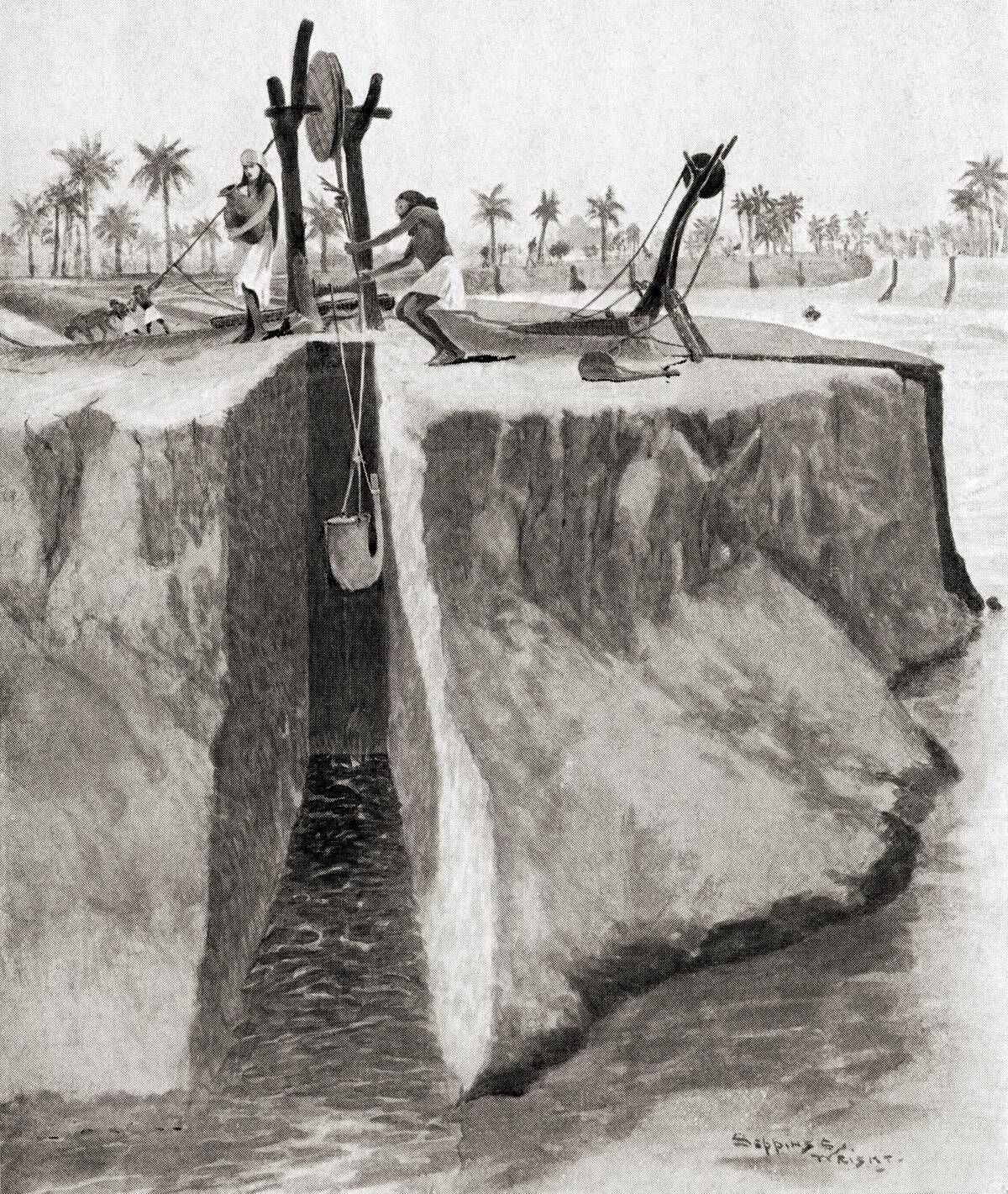
Mesopotamia, often referred to as the cradle of civilization, was home to some of the first known irrigation systems dating back to around 6000 BCE. These early techniques involved diverting water from the Tigris and Euphrates rivers through a complex network of canals, dikes, and reservoirs.
This innovation allowed the region to sustain agriculture in otherwise arid conditions, enabling the growth of cities like Babylon and Ur. The ingenuity of these early engineers laid the groundwork for future irrigation practices worldwide.
Egypt: Harnessing the Nile’s Bounty
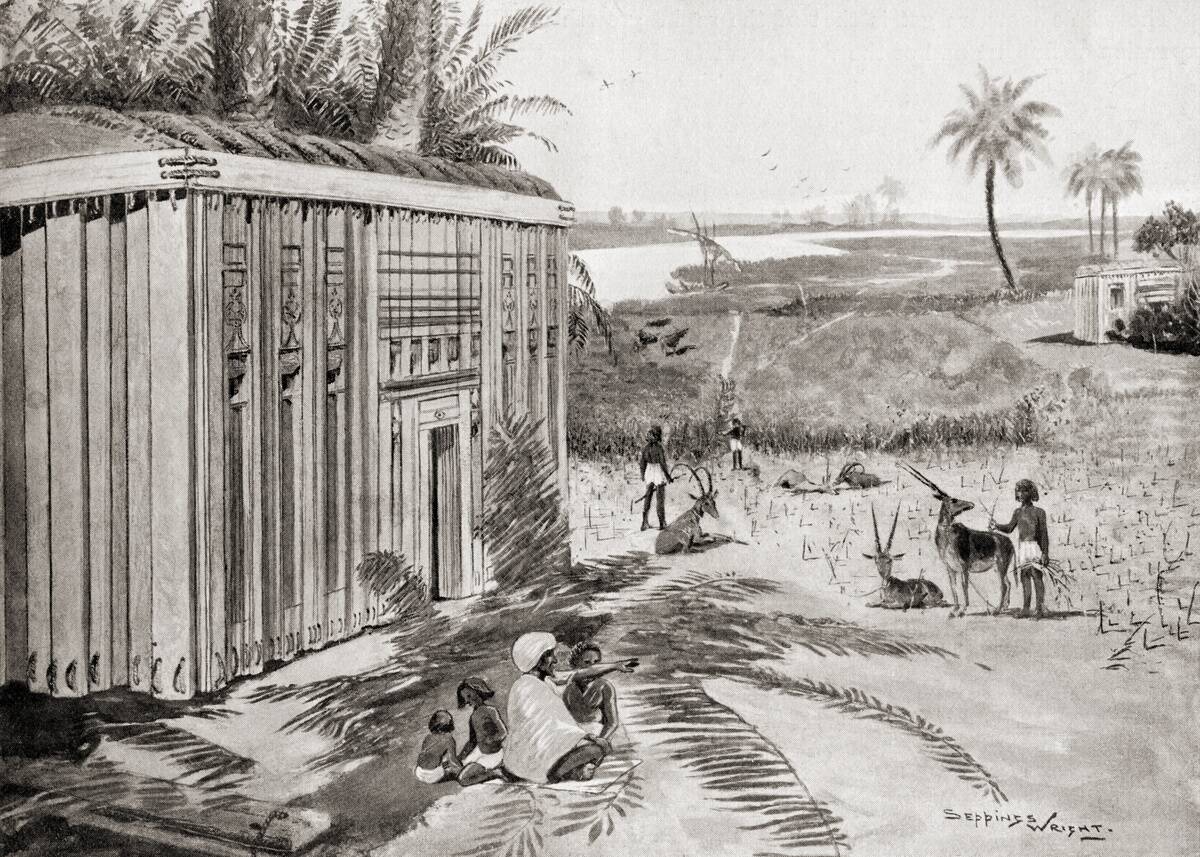
Ancient Egyptians mastered the art of harnessing the Nile River’s annual floods to sustain their agricultural society. They developed a basin irrigation system, which captured floodwaters in basins to irrigate crops throughout the dry season.
This system supported the growth of the civilization, allowing Egypt to become a prominent power in the ancient world. The Nile’s predictable flooding cycle was a natural gift, but it was Egyptian innovation that maximized its benefits, ensuring food security for centuries.
The Indus Valley: Advanced Urban Water Planning
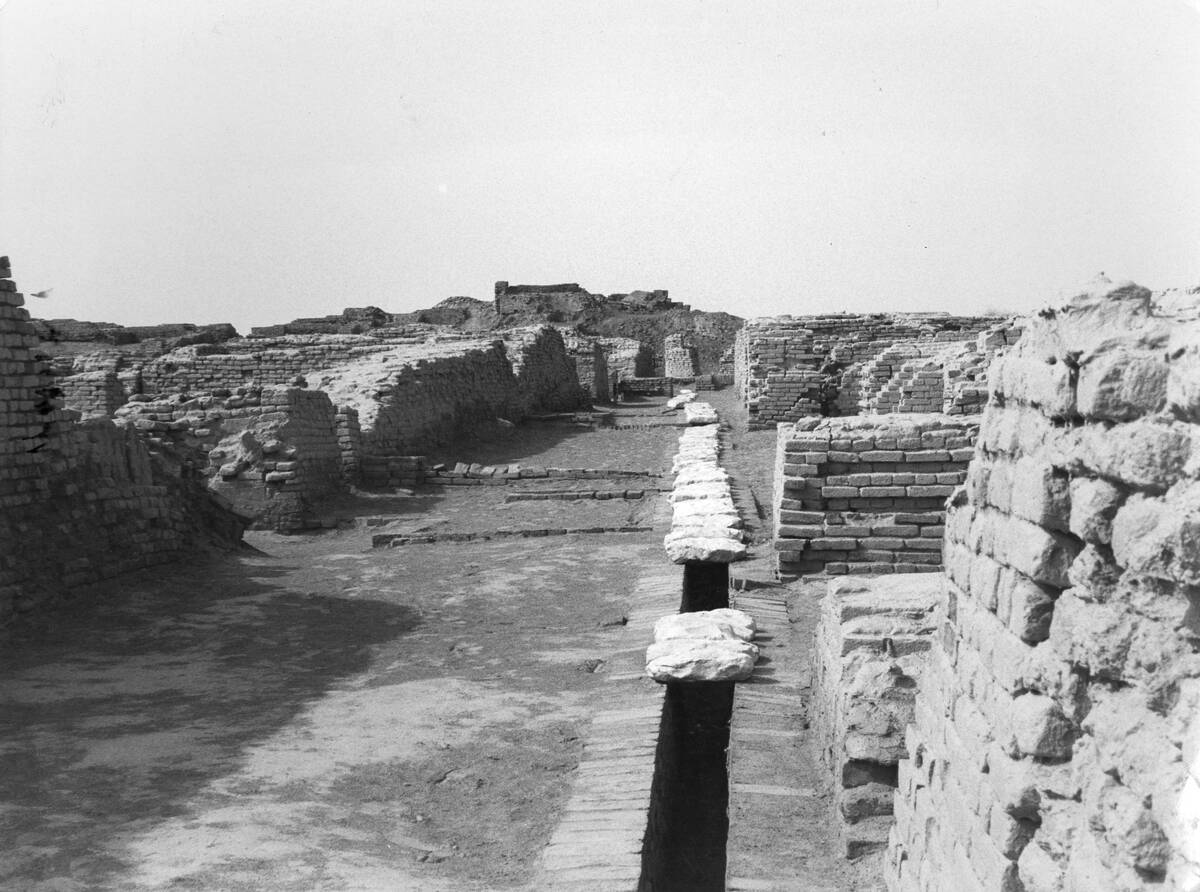
The Indus Valley Civilization, flourishing around 2600 BCE, showcased advanced urban planning with elaborate water management systems. Cities like Mohenjo-Daro and Harappa featured sophisticated drainage systems, public baths, and wells.
These innovations ensured sanitation and minimized flood risks, highlighting the civilization’s emphasis on public health and infrastructure. The engineering prowess of the Indus Valley remains evident through the archaeological remains, offering insights into their daily life and societal priorities.
China’s Ingenious Waterworks and Canals

Ancient China was renowned for its remarkable waterworks, including the construction of the Grand Canal, the world’s longest artificial river. Started in the 5th century BCE and expanded over centuries, this canal facilitated trade and transportation, connecting major cities across the empire.
Additionally, the Dujiangyan irrigation system, built in 256 BCE, is a testament to Chinese engineering, diverting river water to farmlands without the need for dams. These projects exemplify China’s ability to balance functionality with environmental harmony.
The Aqueducts of Ancient Rome: Engineering Mastery
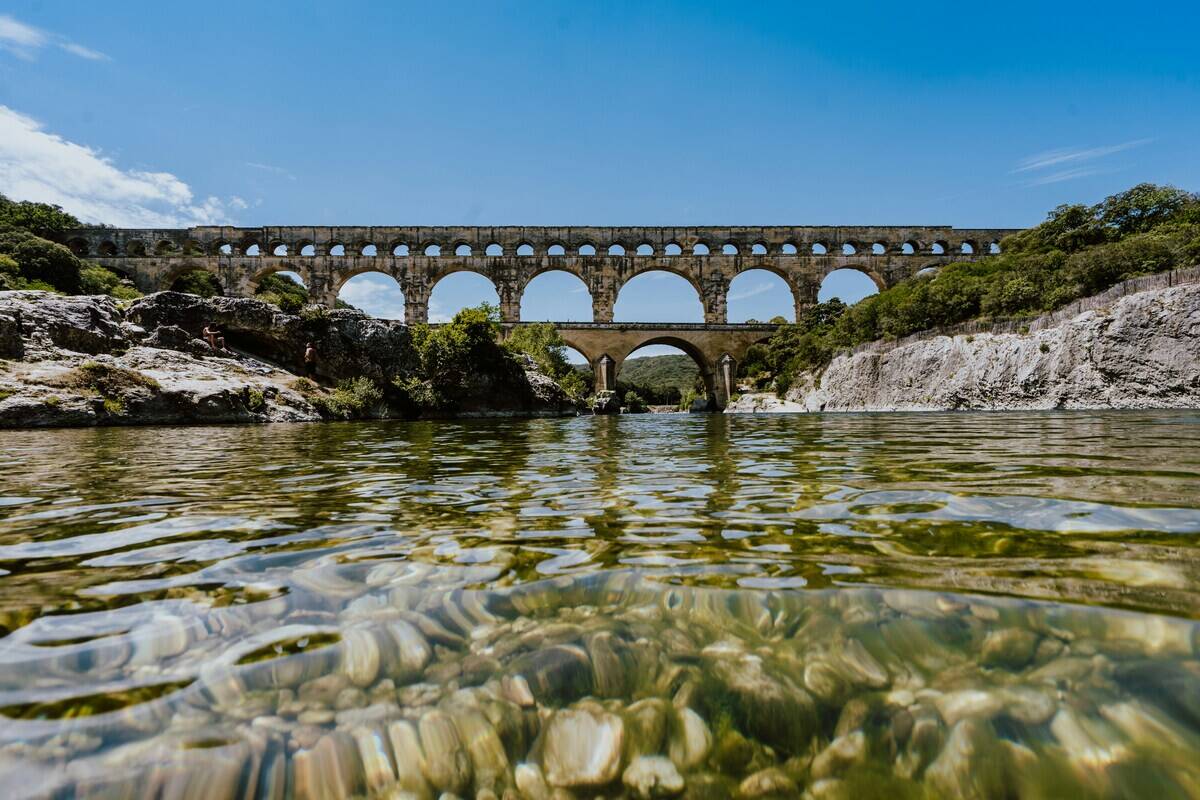
Roman aqueducts are iconic symbols of engineering excellence, with structures like the Pont du Gard in France showcasing their architectural brilliance. These aqueducts, built from 312 BCE onwards, transported water over vast distances to supply cities with fresh water.
The Romans perfected the use of gravity to move water efficiently, employing precise gradients in their constructions. This mastery not only supported urban growth but also set standards for water delivery systems that influence modern infrastructure.
Greece: Pioneers of the Cistern and Well Systems
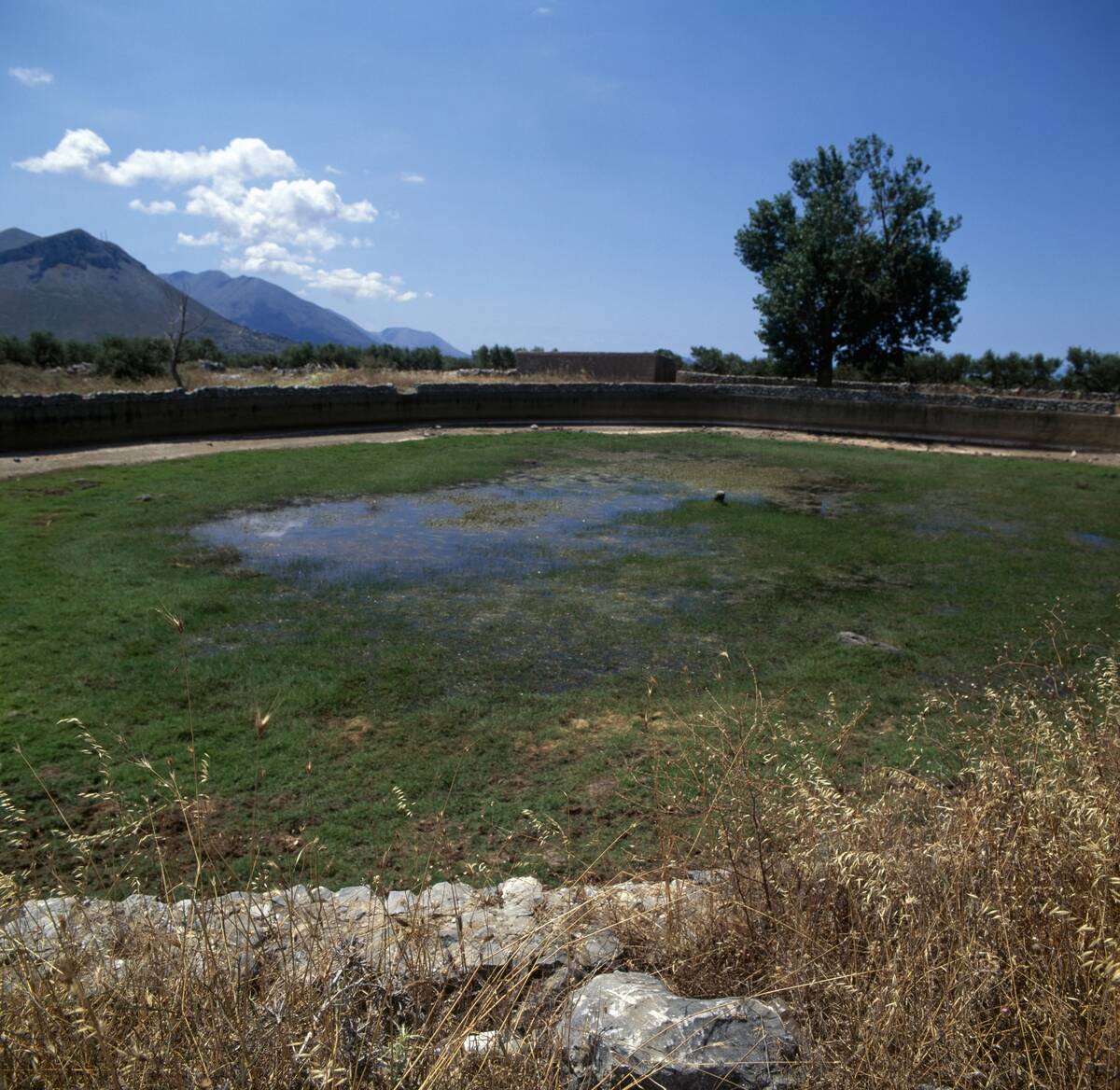
Ancient Greece was a pioneer in developing cisterns and well systems to manage their water needs. These early Greeks built extensive networks to collect and store rainwater, ensuring a steady supply during dry periods.
The Minoans on Crete, for example, constructed intricate aqueducts and terracotta pipes as early as 2000 BCE. Greek advancements in hydraulic engineering were crucial for urban planning and helped sustain their famously vibrant city-states, influencing water management practices throughout the Mediterranean.
The Persian Qanat: An Underground Aqueduct Innovation
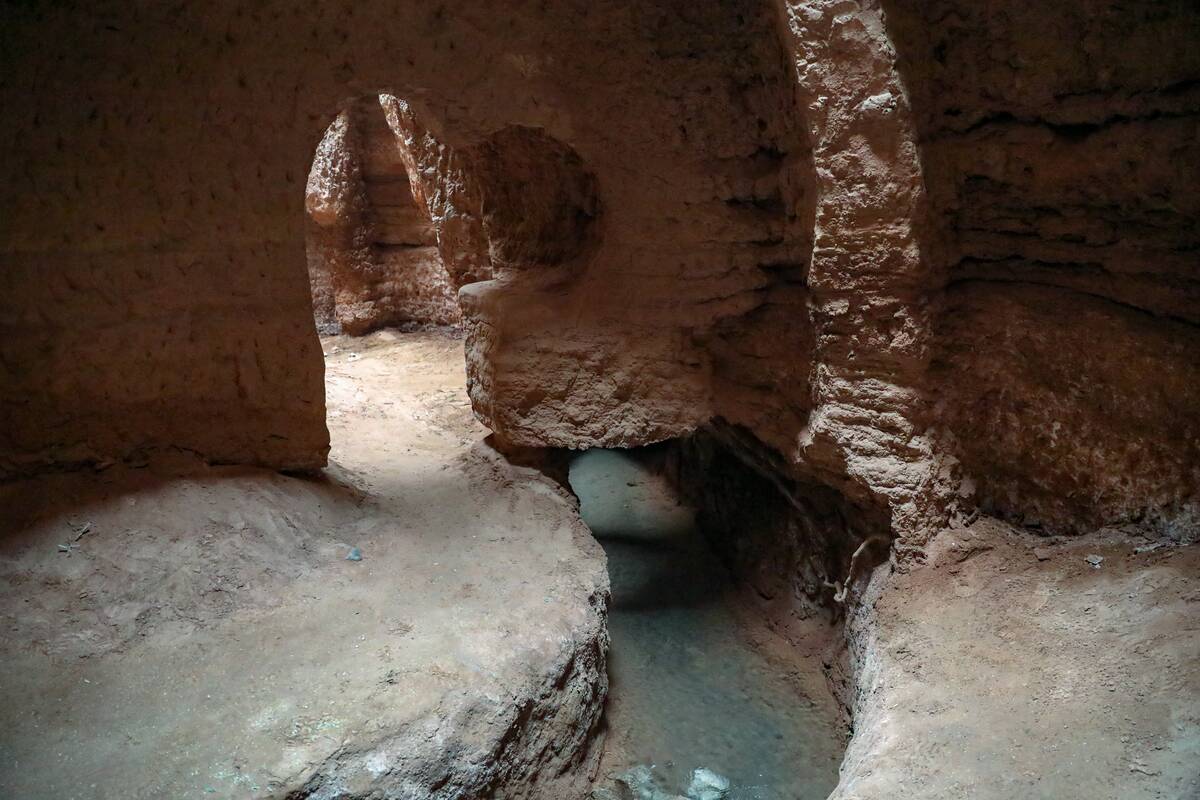
The Persian qanat system, developed around 1000 BCE, was an ingenious method of tapping underground water sources. By constructing gently sloping tunnels, Persians transported water from aquifers to surface channels, supporting agriculture and settlements in arid regions.
This technique allowed for the sustainable use of water, minimizing evaporation and ensuring a reliable supply. Qanats were critical in transforming the Iranian plateau into a fertile oasis, demonstrating the importance of innovative solutions in challenging environments.
Mayan Water Management: Reservoirs and Canals
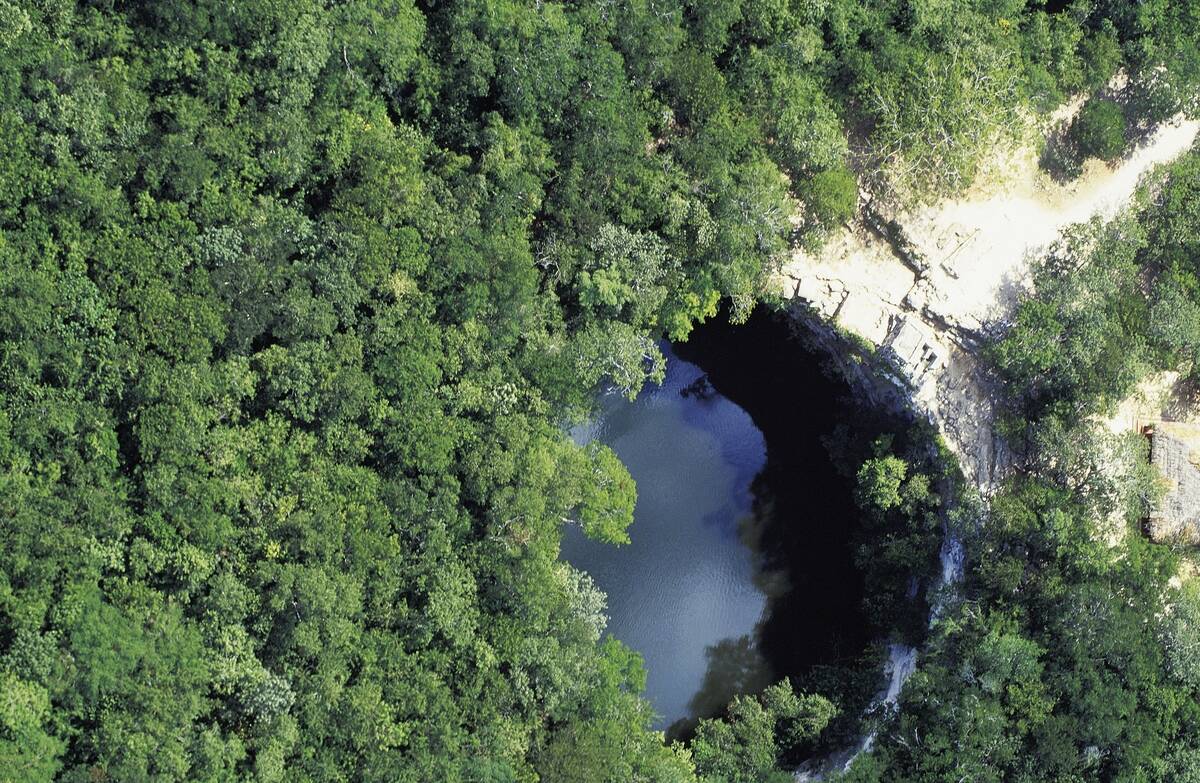
The Maya civilization, thriving in the rainforests of Mesoamerica, developed sophisticated water management systems to overcome seasonal variability. They constructed reservoirs and canals to capture and store rainwater, ensuring a consistent supply for agriculture and daily use.
Prominent cities like Tikal featured elaborate water storage and filtration systems, reflecting the Maya’s deep understanding of their environment. These innovations allowed the civilization to flourish in a challenging landscape, underscoring their adaptability and resourcefulness.
The Ingenious Water Lifting Devices of Ancient India
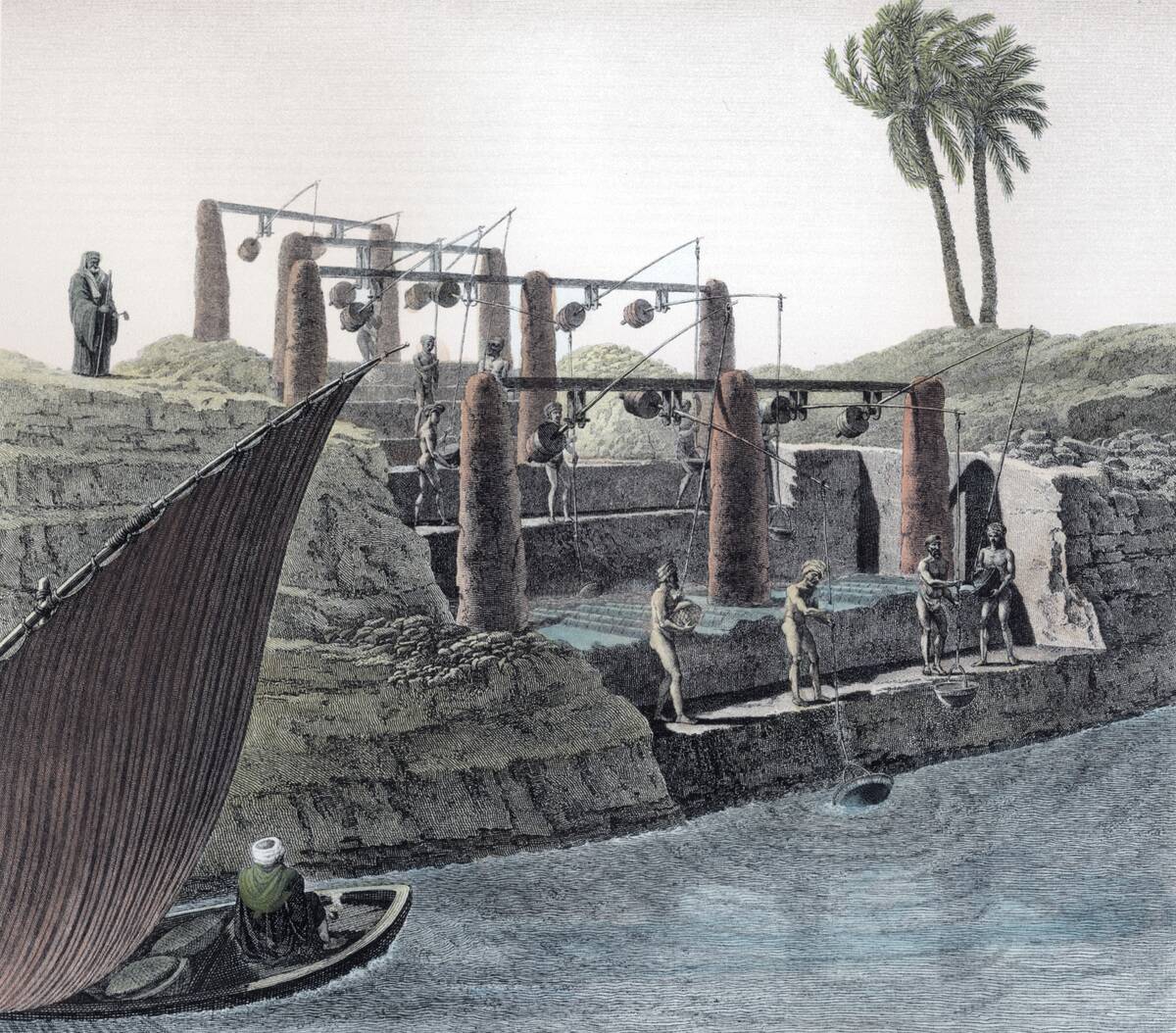
Ancient India was home to various innovative water lifting devices, such as the Persian wheel, used extensively for irrigation. The Persian wheel, introduced later, used animal power to raise water, enhancing agricultural productivity.
These devices highlight the practical ingenuity of Indian engineers, facilitating the growth of prosperous agrarian societies across the subcontinent.
The Nabataeans: Masters of Desert Water Conservation
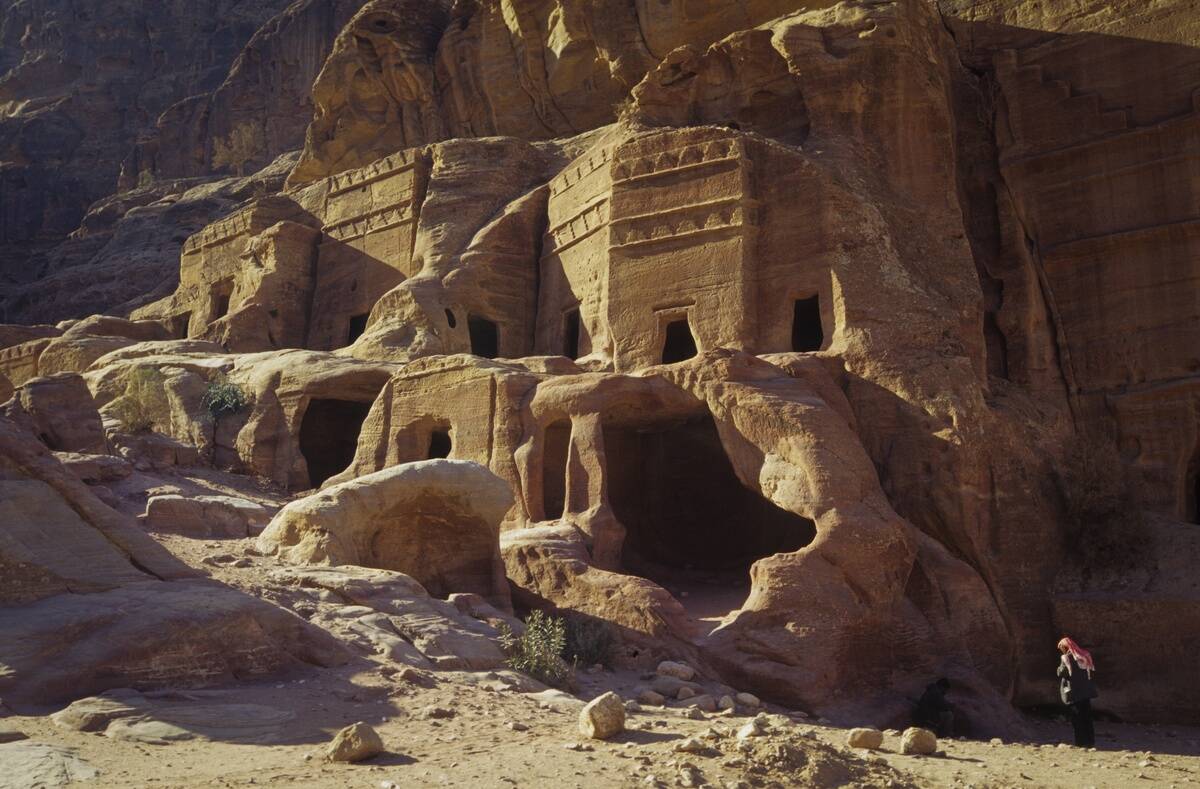
The Nabataeans, renowned for their rock-cut architecture in Petra, were also masters of water conservation in the desert. They developed an intricate network of dams, cisterns, and channels to capture and store rainwater, sustaining their civilization in one of the driest regions on Earth.
This effective water management supported agriculture and trade, transforming Petra into a thriving oasis. The Nabataeans’ ability to adapt to their harsh environment serves as a testament to human resilience and innovation.
How Ancient Water Systems Influenced Modern Engineering
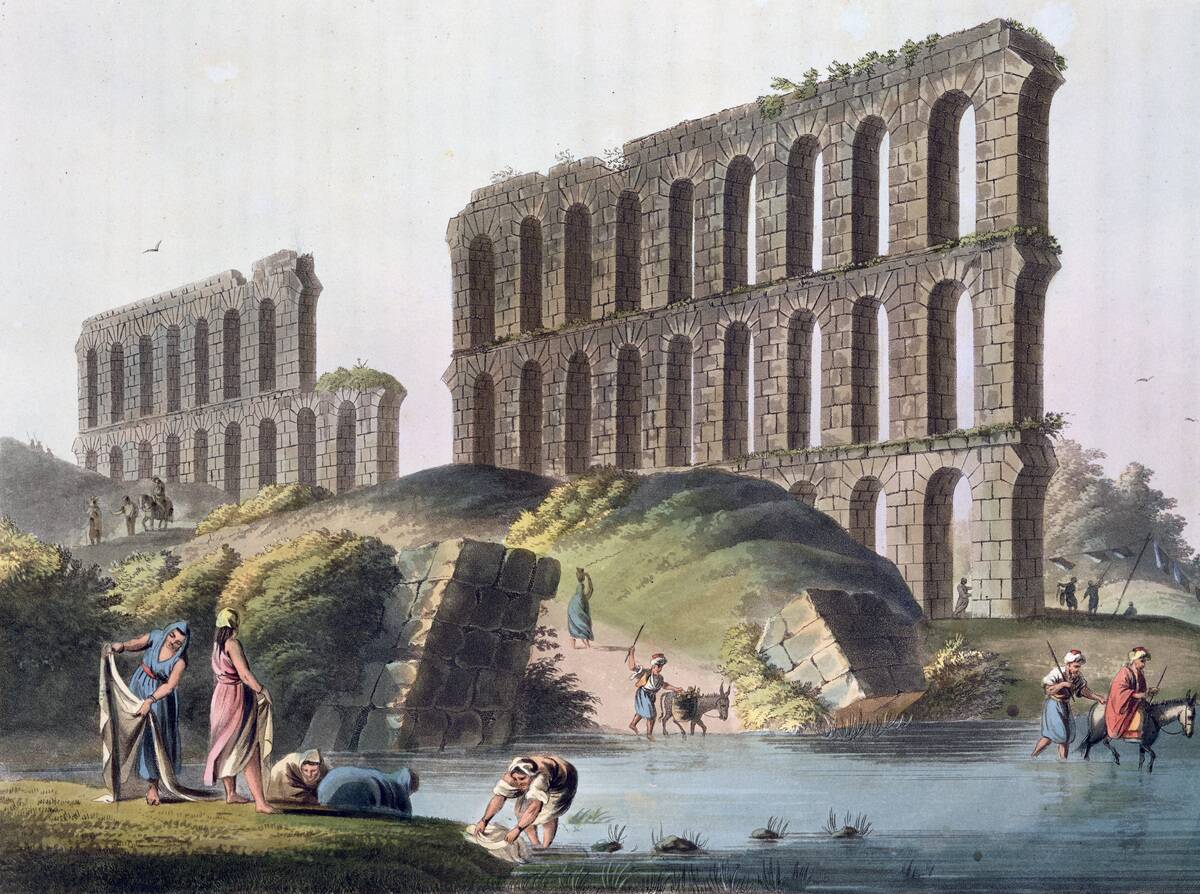
Ancient water systems have had a lasting impact on modern engineering, providing valuable insights into sustainable water management. Techniques like aqueducts, qanats, and irrigation systems have been adapted and refined, shaping contemporary practices.
The principles of gravity flow and water conservation explored by ancient engineers continue to inform modern infrastructure projects. These historical precedents emphasize the importance of learning from past innovations to address current and future challenges in water management.
Lessons from the Past: Sustainable Water Management Today
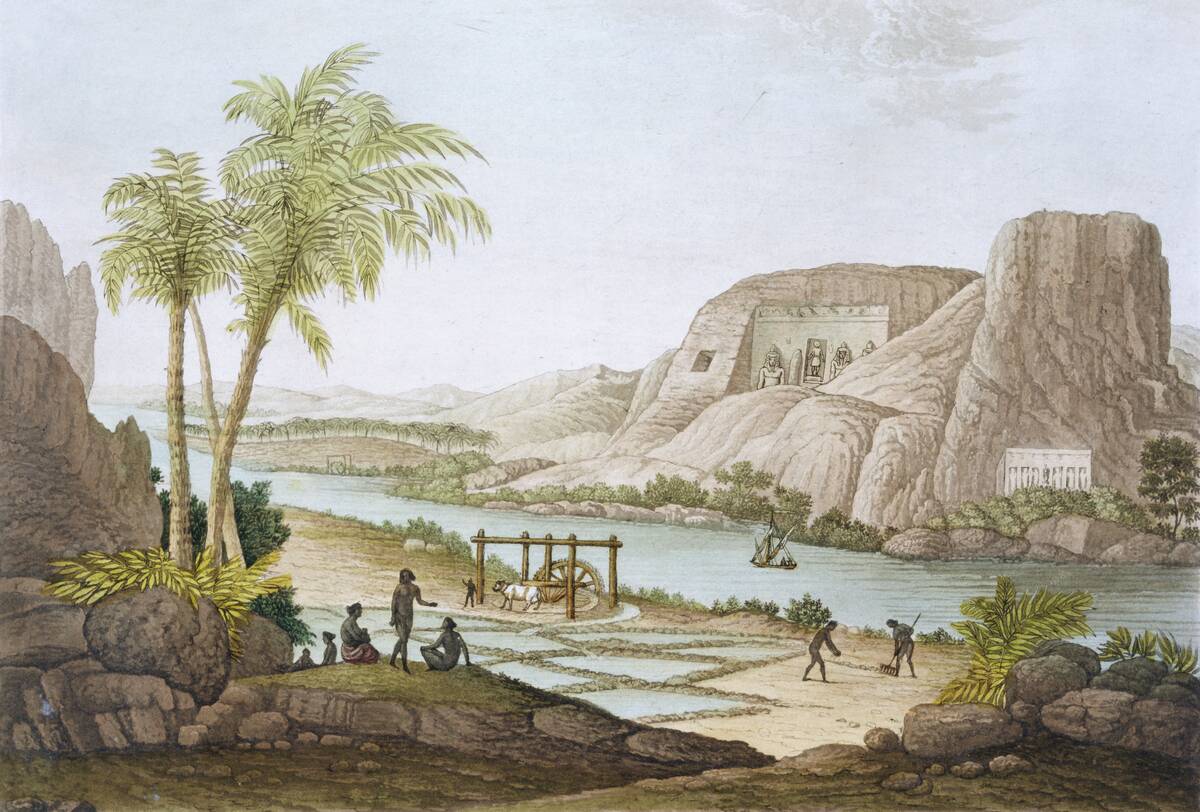
Ancient water management systems offer valuable lessons for today’s challenges in sustainability and resource management. The emphasis on efficiency, adaptability, and environmental harmony in these systems is particularly relevant in the face of climate change and growing populations.
By integrating traditional knowledge with modern technology, we can develop innovative solutions that honor the past while ensuring a secure water future. Ultimately, these lessons remind us of the enduring importance of thoughtful stewardship of our planet’s resources.




