How weather changed the course of history
Weather has played an unexpected yet significant role in shaping the course of history. From devastating storms to extreme droughts, the elements have often dictated the rise and fall of empires and civilizations.
These meteorological events have not only impacted the immediate environment but have also left lasting effects on human society, influencing migrations, economic conditions, and military strategies. Understanding the history of weather can provide insight into how it continues to affect our world today.
The Little Ice Age and its Global Impact
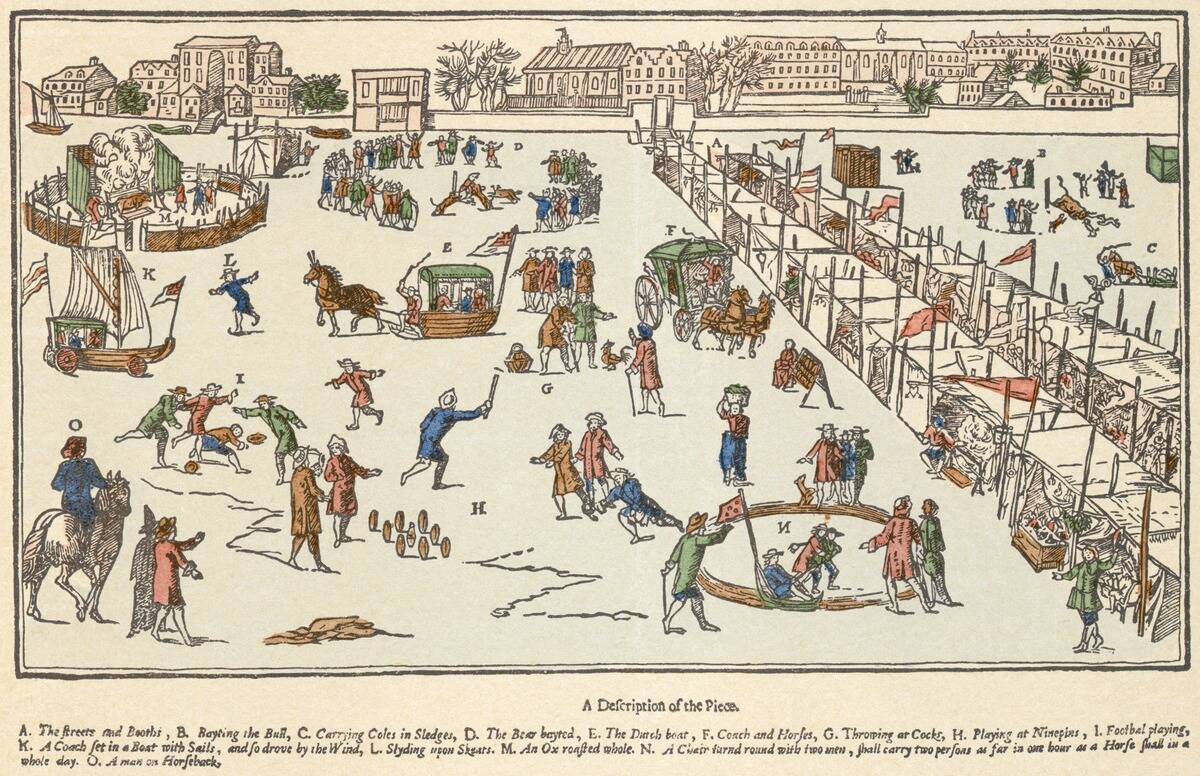
The Little Ice Age, spanning from the 14th to the 19th century, was a period of cooler temperatures that affected much of the Northern Hemisphere. This climatic shift led to harsh winters and shorter growing seasons, contributing to widespread food shortages and famines.
In Europe, the cooler climate exacerbated social tensions, such as those seen in the English food riots. The Little Ice Age also influenced the art and culture of the time, evident in the somber tones of Dutch landscape paintings.
The Great Storm of 1703: A Maritime Catastrophe
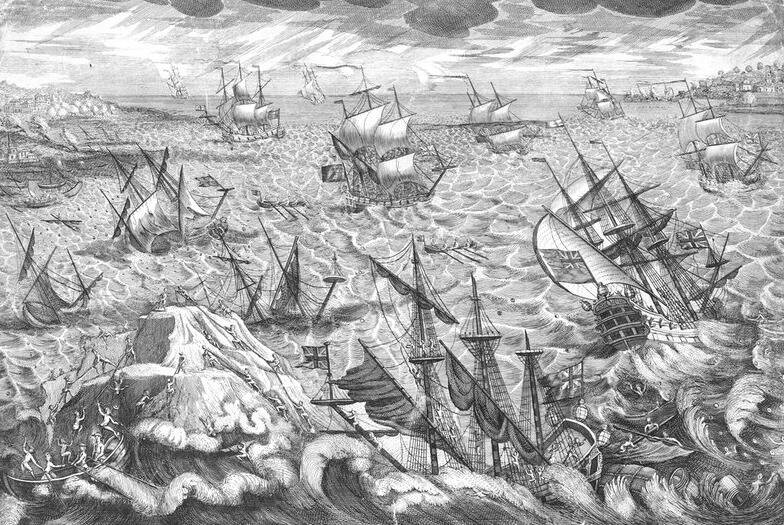
The Great Storm of 1703 was one of the most violent weather events ever recorded in the British Isles. Lasting for days, it caused immense destruction, claiming over 8,000 lives. The storm devastated the Royal Navy, with dozens of ships lost at sea, highlighting the vulnerability of wooden vessels to nature’s fury.
The storm’s impact was so profound that it prompted the first-ever government relief effort in Britain, setting a precedent for future disaster responses.
Weather and the Demise of the Spanish Armada
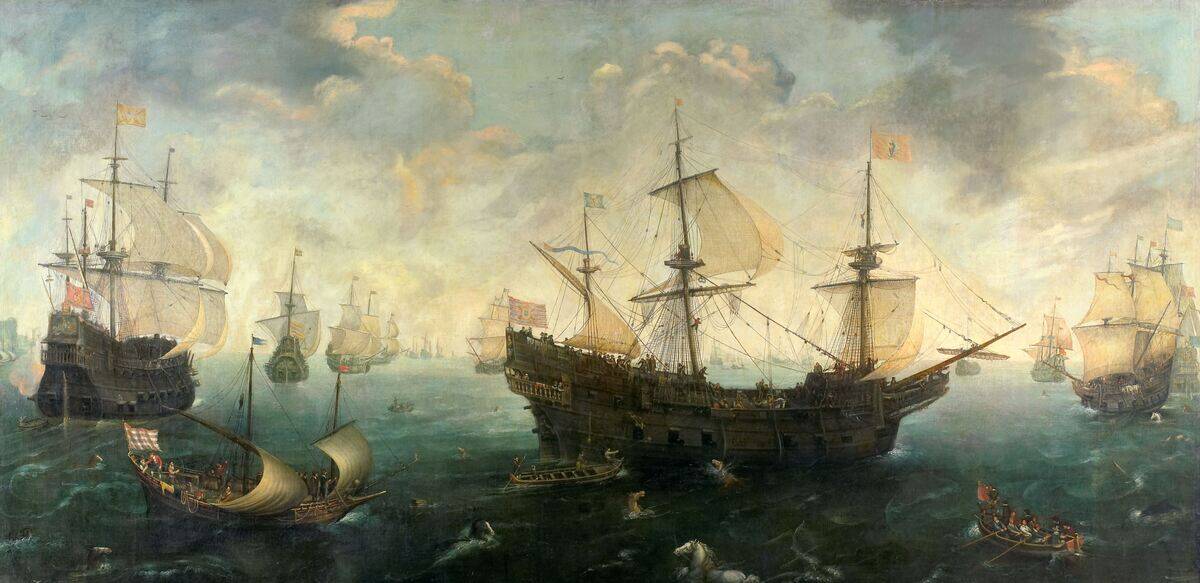
In 1588, the Spanish Armada set sail to invade England, but it was met with fierce resistance from both the English navy and the weather. Violent storms scattered the Spanish fleet, causing significant losses and forcing them to retreat.
The adverse weather not only aided the English in defending their coast but also marked the decline of Spain’s naval dominance. The defeat of the Armada shifted the balance of power in Europe, paving the way for England’s rise as a maritime power.
Napoleon’s Fateful Winter Retreat from Russia
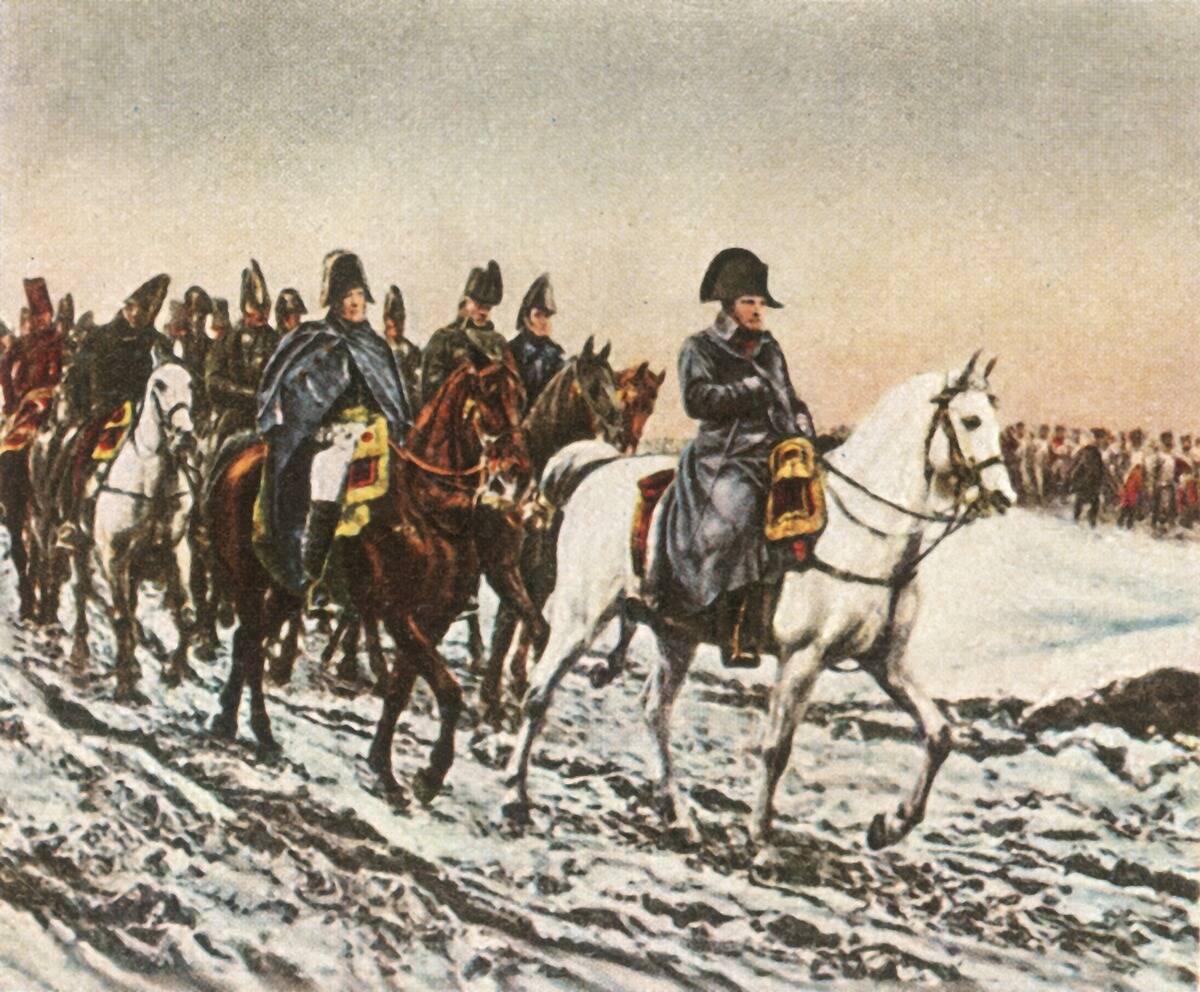
Napoleon’s invasion of Russia in 1812 is a classic example of how weather can alter military outcomes. The French army, unprepared for the harsh Russian winter, faced brutal conditions as temperatures plummeted to -30 degrees Celsius.
The cold decimated Napoleon’s troops, with starvation and hypothermia taking a heavy toll. This disastrous retreat marked a turning point in the Napoleonic Wars, leading to the eventual downfall of Napoleon’s empire and reshaping European geopolitics.
The Dust Bowl: A Decade of Drought
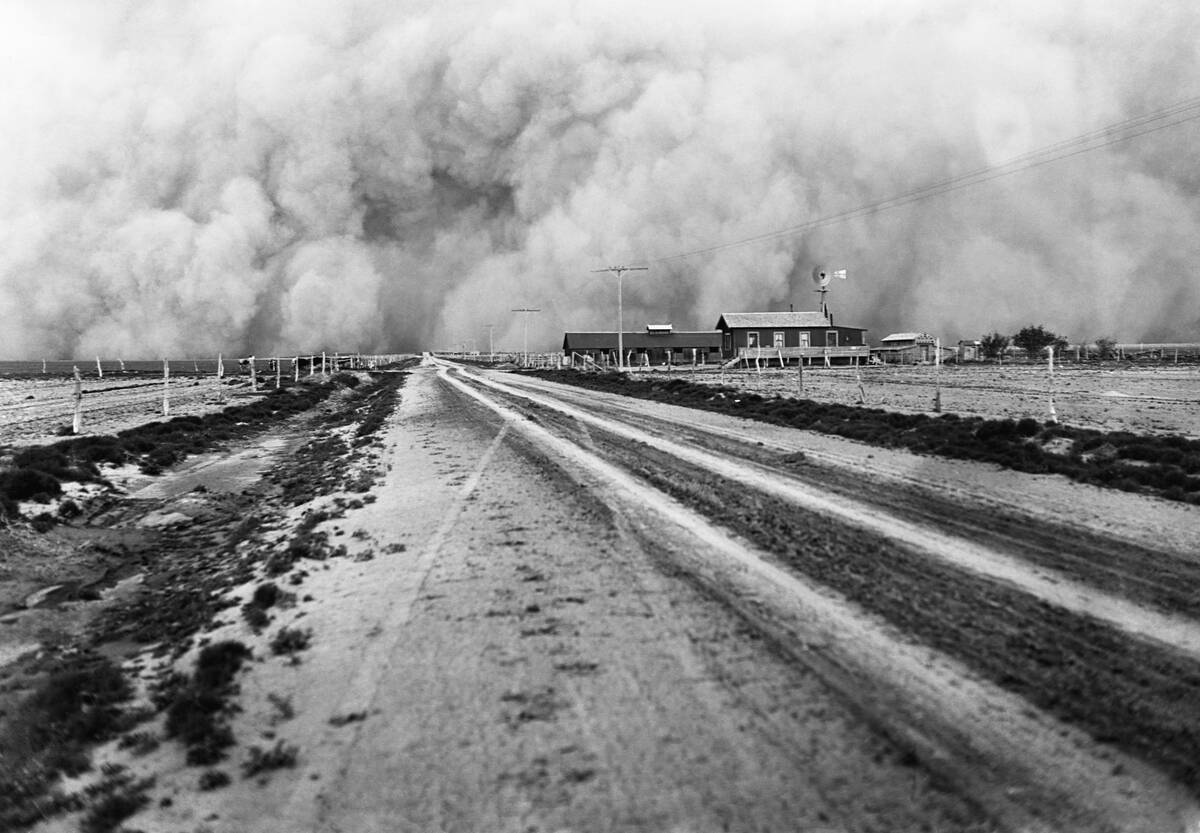
The Dust Bowl of the 1930s was a period of severe dust storms and drought that devastated the American Great Plains. Poor agricultural practices, combined with prolonged drought, turned fertile land into barren dust, displacing thousands of families.
Known as “Okies,” many migrated westward to California in search of work. The Dust Bowl highlighted the need for sustainable farming practices and led to significant changes in U.S. agricultural policy, including the establishment of soil conservation programs.
The Scorching Summer of 1976 in Europe

The summer of 1976 was one of the hottest on record in Europe, resulting in widespread drought and water shortages. The extreme heat persisted for months, with temperatures soaring above 32 degrees Celsius.
In the UK, a lack of rainfall led to standpipes being installed in the streets as reservoirs dried up. This heatwave prompted governments to reassess their water management strategies, leading to better drought preparedness and awareness of climate change implications.
The Blizzard of 1888: Paralyzing the Northeast
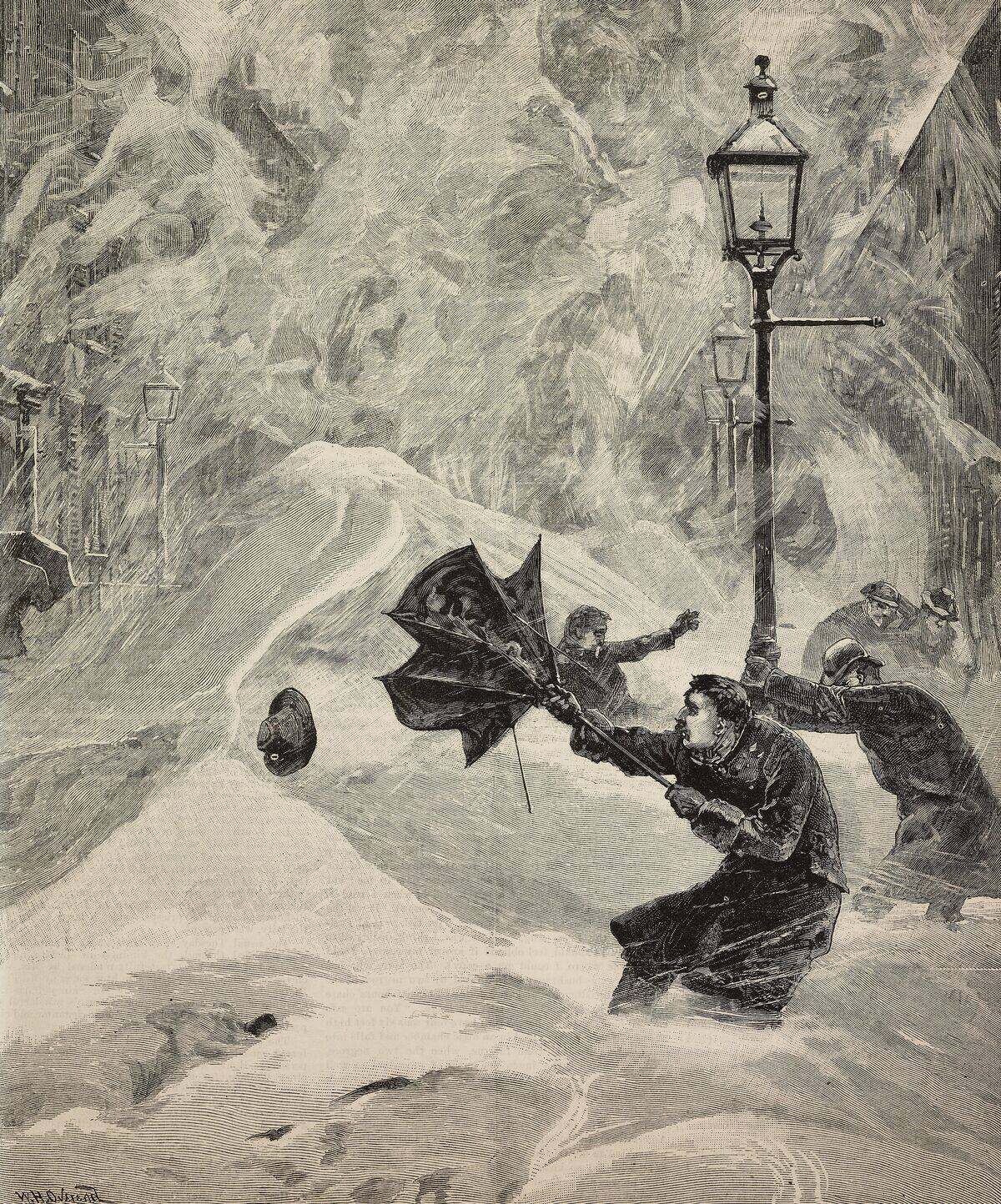
In March 1888, a massive blizzard struck the northeastern United States, paralyzing cities like New York and Boston. The storm dumped up to 55 inches of snow in some areas, accompanied by powerful winds and freezing temperatures. Transportation came to a standstill, with trains buried under snowdrifts and telegraph lines downed.
The blizzard underscored the need for better urban infrastructure, spurring the development of underground transit systems and improved weather forecasting methods.
The Eruption of Mount Tambora and the Year Without a Summer
The eruption of Mount Tambora in 1815 was one of the most powerful volcanic events in recorded history. The explosion spewed vast amounts of ash into the atmosphere, blocking sunlight and causing global temperatures to drop.
The following year, 1816, became known as the “Year Without a Summer,” with widespread crop failures in Europe and North America. This climatic anomaly led to food shortages, price inflation, and even inspired literary works like Mary Shelley’s “Frankenstein,” written during the cold, gloomy summer.
Hurricane Katrina’s Lasting Impact on New Orleans
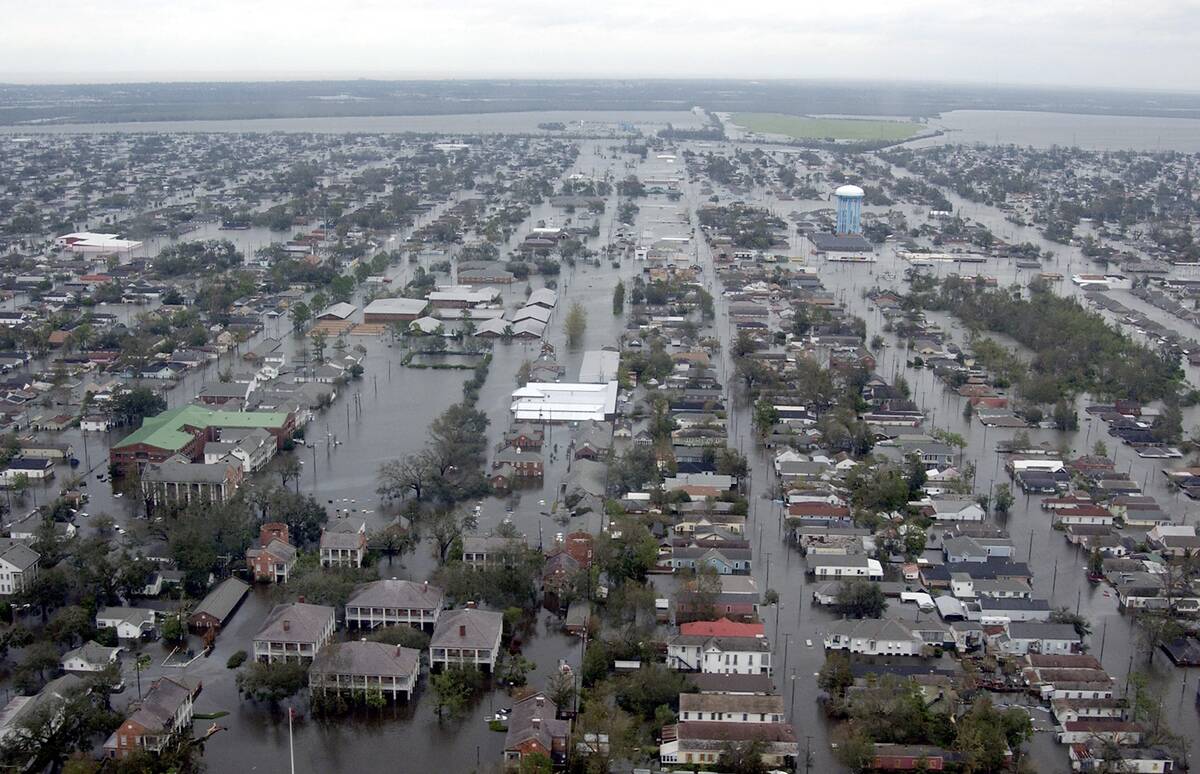
In August 2005, Hurricane Katrina struck the Gulf Coast, causing catastrophic damage to New Orleans and surrounding areas. The storm surge breached levees, flooding 80% of the city and displacing hundreds of thousands of residents.
The disaster exposed weaknesses in infrastructure and emergency response, prompting significant policy reforms. The lasting impact of Katrina is seen in the ongoing efforts to rebuild and fortify the region against future hurricanes, as well as the heightened awareness of climate change and its effects on coastal cities.
The Ice Storm of 1998 in North America
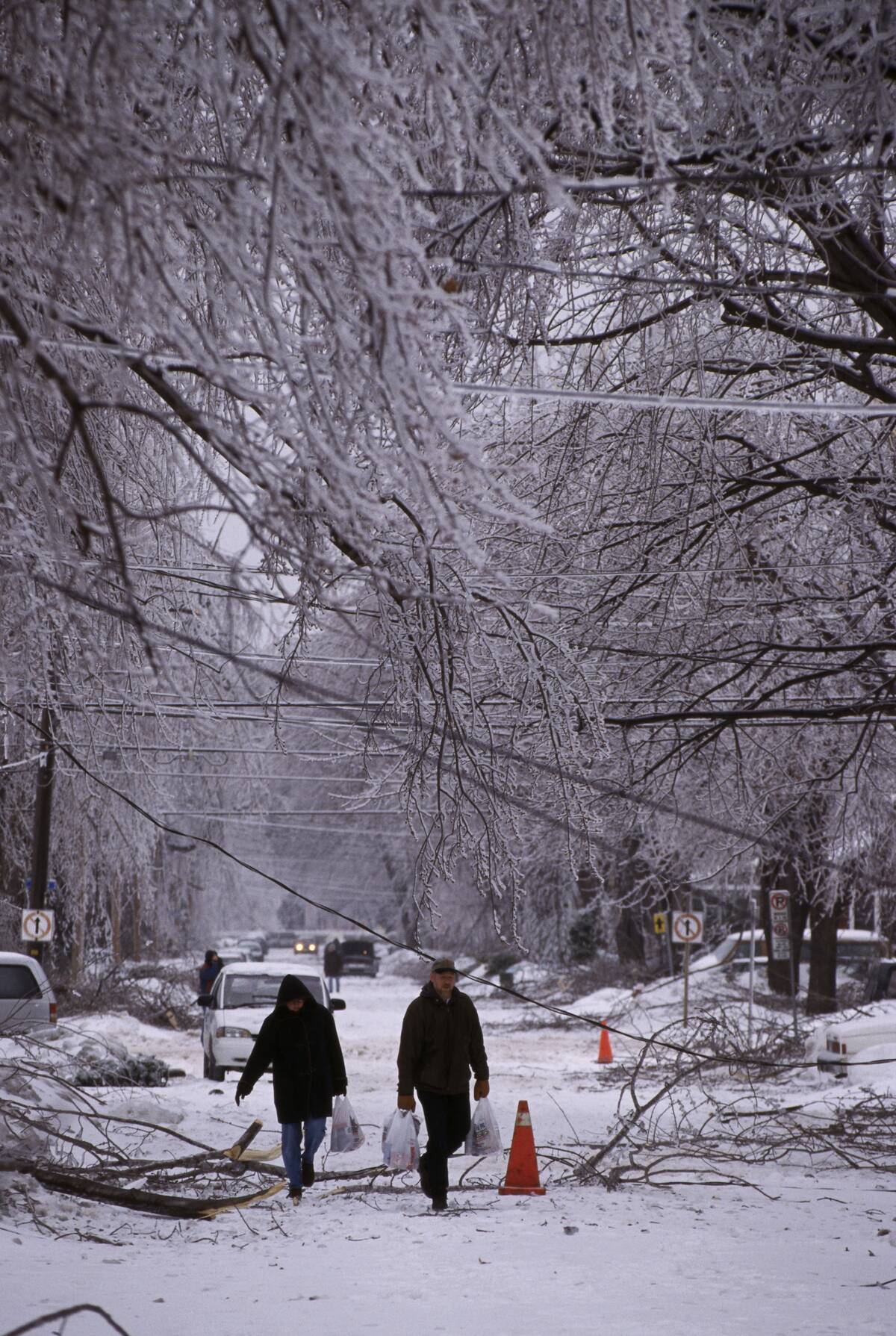
The Ice Storm of 1998 was a massive freezing rain event that affected parts of Canada and the northeastern United States. For several days, thick layers of ice accumulated on power lines and trees, causing widespread outages and damage.
Over four million people lost power, some for weeks, in the cold of winter. The storm highlighted the vulnerability of infrastructure to extreme weather and led to improved emergency preparedness and response strategies in affected regions.
The Great Mississippi Flood of 1927
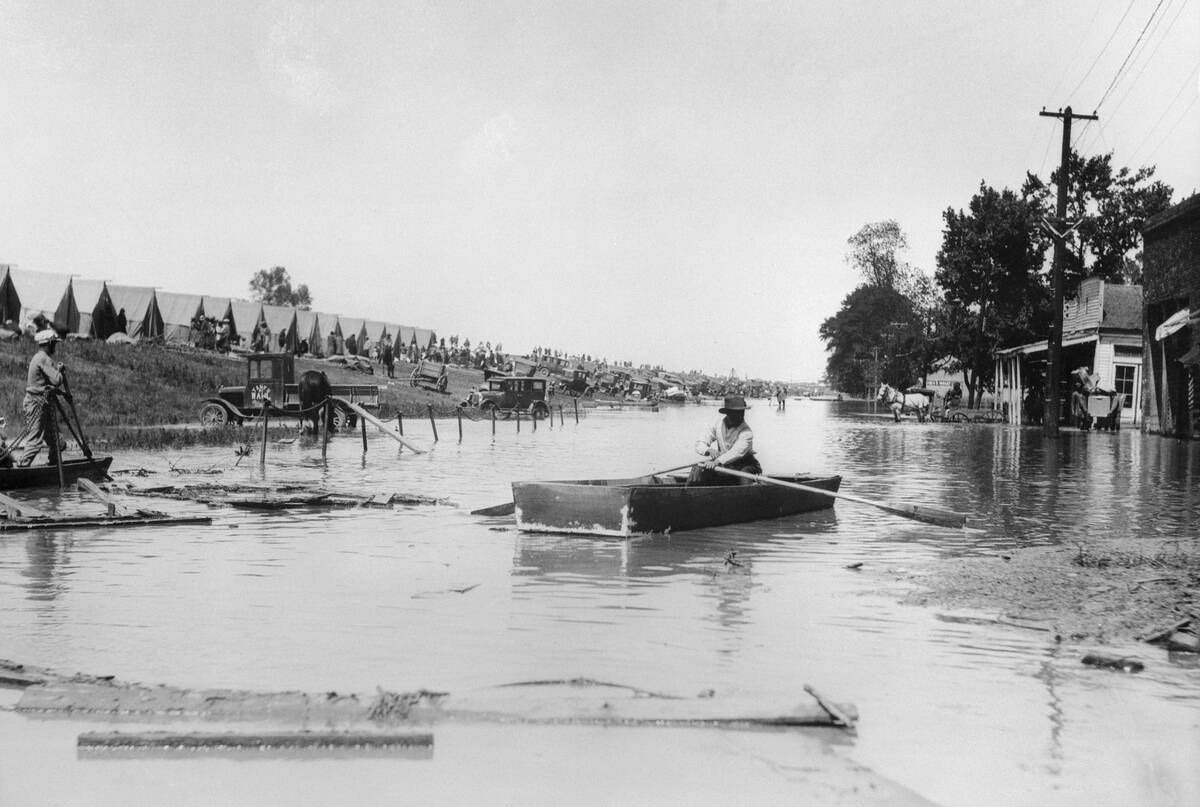
The Great Mississippi Flood of 1927 was one of the most destructive river floods in U.S. history. Swollen by heavy spring rains, the Mississippi River breached levees, inundating 27,000 square miles and displacing hundreds of thousands of people.
The flood had a profound effect on African American communities in the South, many of whom migrated north in its aftermath. The disaster also led to federal intervention in flood control, resulting in the construction of the Mississippi River levee system and other infrastructure projects.
The Perfect Storm: A Modern Maritime Legend
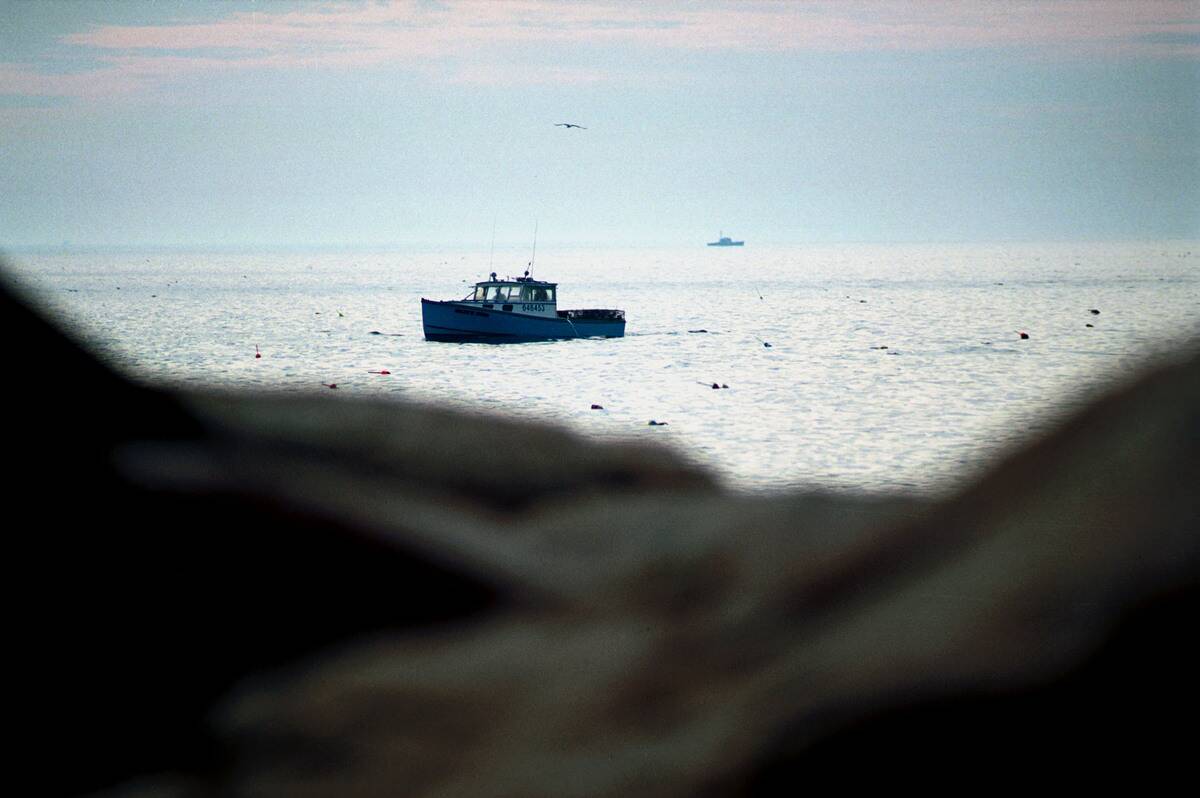
The “Perfect Storm” of 1991 was a rare confluence of weather systems that resulted in a formidable nor’easter off the coast of New England. The storm reached legendary status due to the book and film adaptation about the fishing vessel Andrea Gail, which was lost at sea during the storm.
The event underscored the unpredictability of oceanic weather and its dangers to maritime activities, leading to advancements in forecasting technology and safety measures for seafarers.
The Typhoon that Protected Japan from Invasion
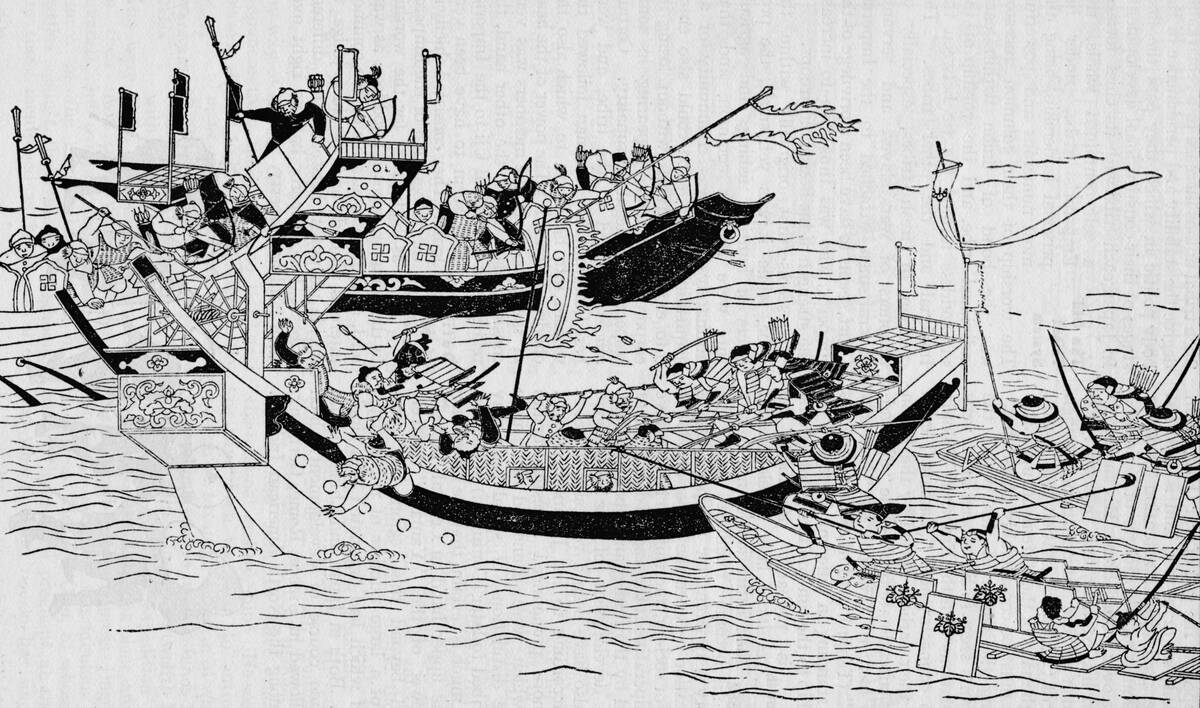
In 1281, the Mongol Empire attempted to invade Japan but was thwarted by a powerful typhoon, known as the “kamikaze” or “divine wind.” The storm decimated the Mongol fleet, protecting Japan from conquest.
This event reinforced the belief in divine protection and became a part of Japanese cultural identity. The term “kamikaze” was later used during World War II to describe Japanese suicide pilots, symbolizing their willingness to sacrifice for the nation’s protection.
The Role of Weather in D-Day’s Success
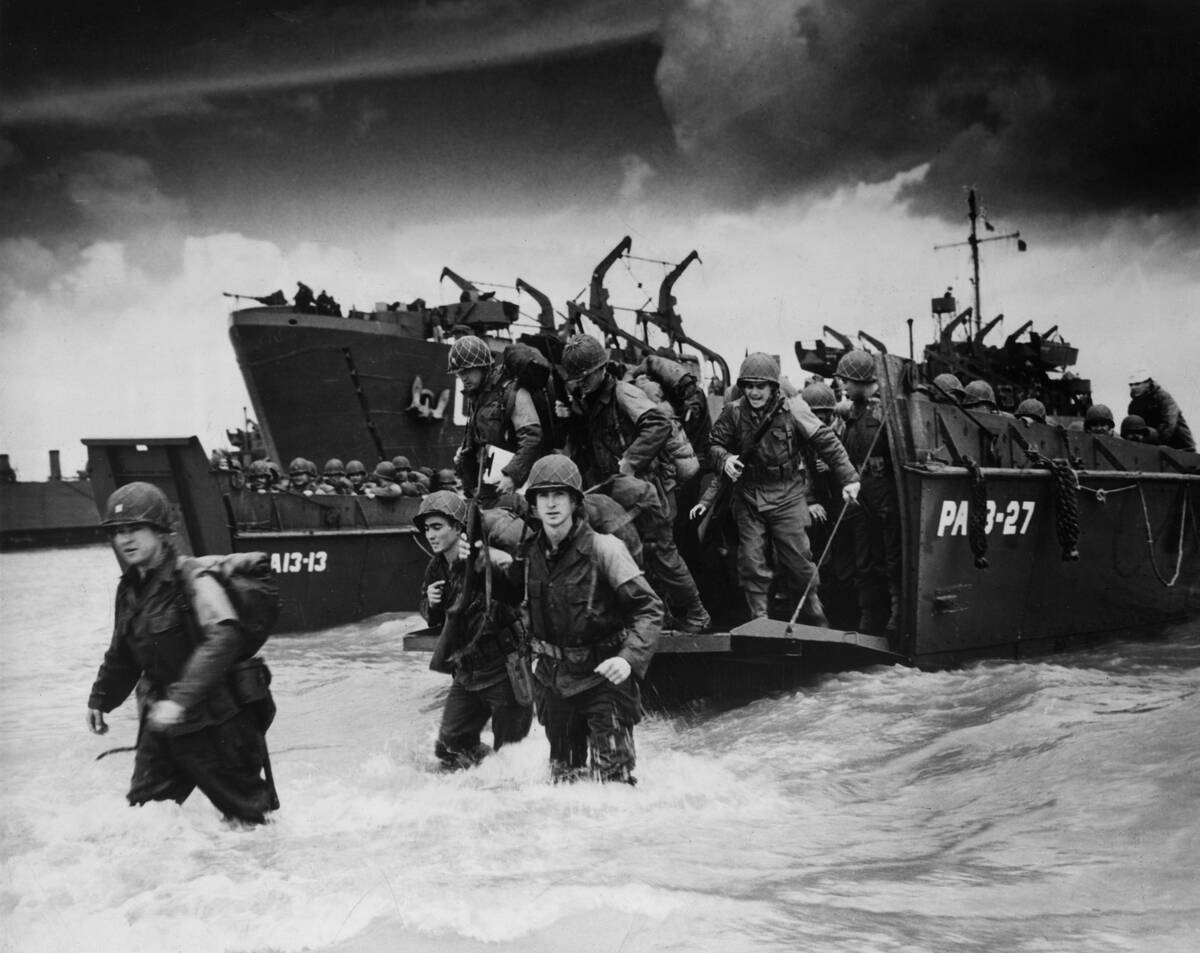
Weather played a critical role in the success of the D-Day invasion on June 6, 1944. Allied forces relied on precise weather forecasts to choose an optimal window for the assault on Normandy beaches.
Despite challenging conditions, the decision to proceed with the invasion was based on a brief break in stormy weather. This strategic choice was crucial in catching German defenses off-guard, contributing to the operation’s success and ultimately hastening the end of World War II.




