Trends that recurred throughout history
History is like a giant tapestry, woven with threads of recurring themes and patterns. As we journey through time, we often notice how certain trends repeat themselves, leaving an indelible mark on society.
From the rise and fall of empires to the resurgence of age-old fashion, these cycles are fascinating. Delving into history reveals that what once was often becomes what is again, offering insights into our past, present, and even our future.
The Rise and Fall of Empires
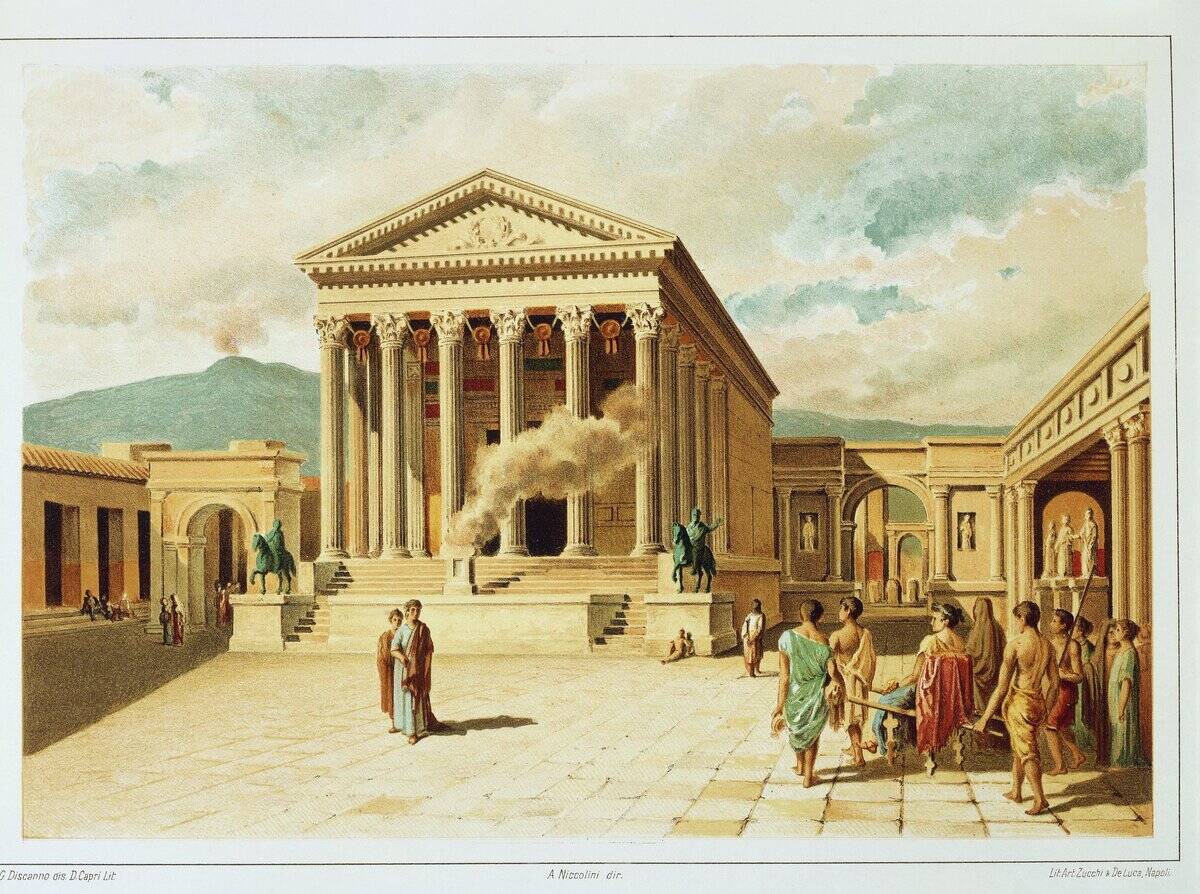
Empires have risen and fallen like the tides, from the grandeur of Rome to the vast reach of the British Empire. These colossal powers often expanded through conquest and innovation, only to crumble under their own weight.
The reasons for their decline are numerous, including economic strain, political corruption, and external pressures. Yet, each empire leaves behind a legacy that shapes the world long after its decline, influencing governance, culture, and global relations.
Fashion Trends: What Goes Around Comes Around

Fashion is a perfect example of history repeating itself. From bell-bottoms to high-waisted jeans, trends from the past frequently make a comeback. The 70s’ bohemian style, once thought outdated, is now embraced by modern fashionistas.
This cycle shows how fashion not only reflects the spirit of an era but also its nostalgia. It’s a testament to how society constantly revisits and reinvents the past, creating a blend of old and new.
Economic Booms and Busts
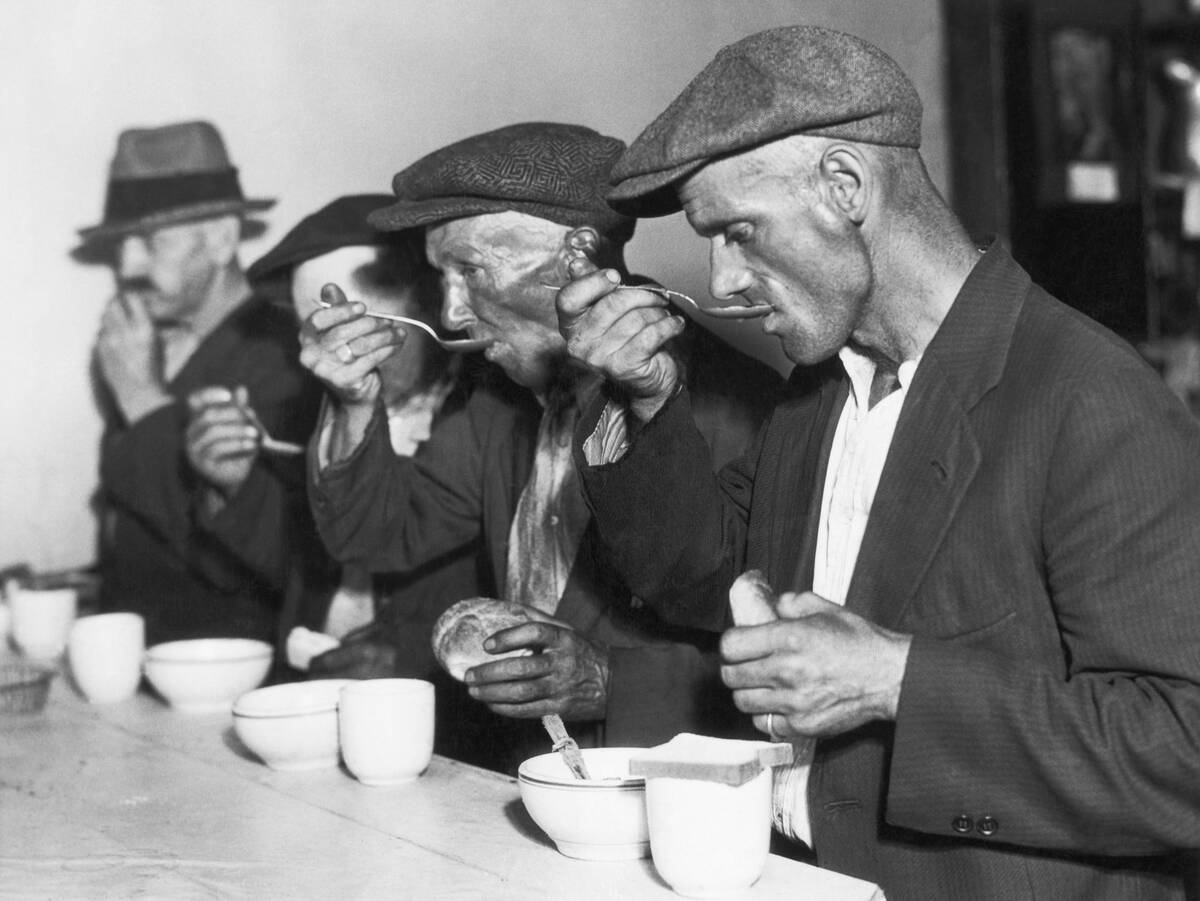
The global economy is no stranger to cycles of boom and bust. The Roaring Twenties, characterized by economic prosperity, was followed by the Great Depression in the 1930s. Similarly, the 2008 financial crisis echoed past economic downturns, reminding us of the fragile nature of financial systems.
These cycles often result from speculative bubbles, market misjudgments, and shifts in consumer confidence, highlighting the importance of economic foresight and regulation.
The Everlasting Influence of Art and Music
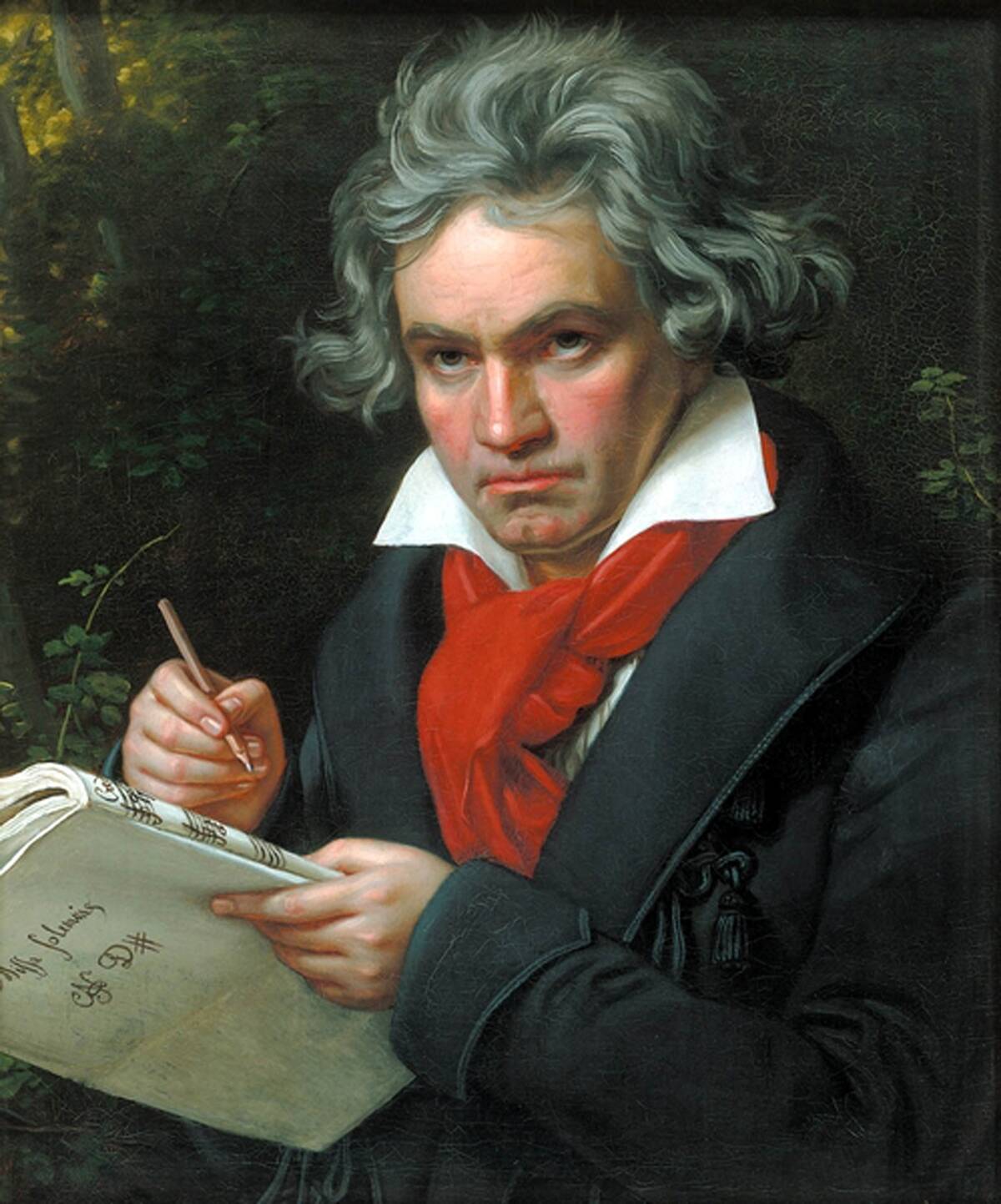
Art and music transcend time, influencing generations long after their creation. The Renaissance period, with its masterpieces by artists like Leonardo da Vinci, continues to inspire modern creators.
Similarly, the symphonies of Beethoven echo through contemporary music. This continuity shows how art and music are not just reflections of their time but also universal expressions of human emotion and experience, capable of resonating across centuries.
Political Revolutions and Their Ripple Effects
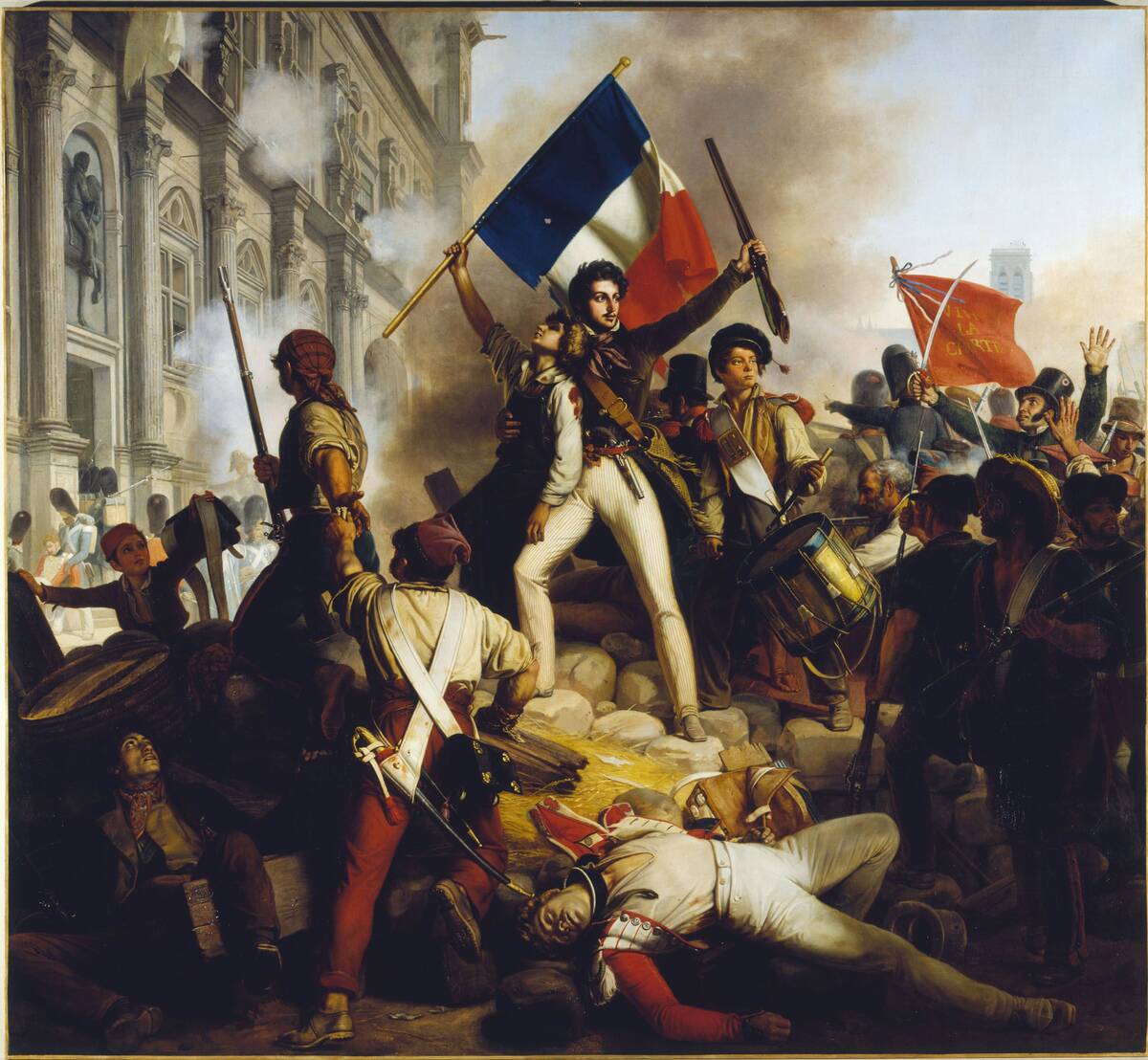
Political revolutions have reshaped nations, leaving lasting impacts on global politics. The French Revolution, with its cries for liberty, equality, and fraternity, inspired democratic movements worldwide.
Similarly, the fall of the Berlin Wall marked the end of the Cold War, symbolizing a shift towards political freedom. These revolutions often arise from social unrest and desire for change, demonstrating the power of collective action in rewriting history.
Technological Innovations and Their Echoes
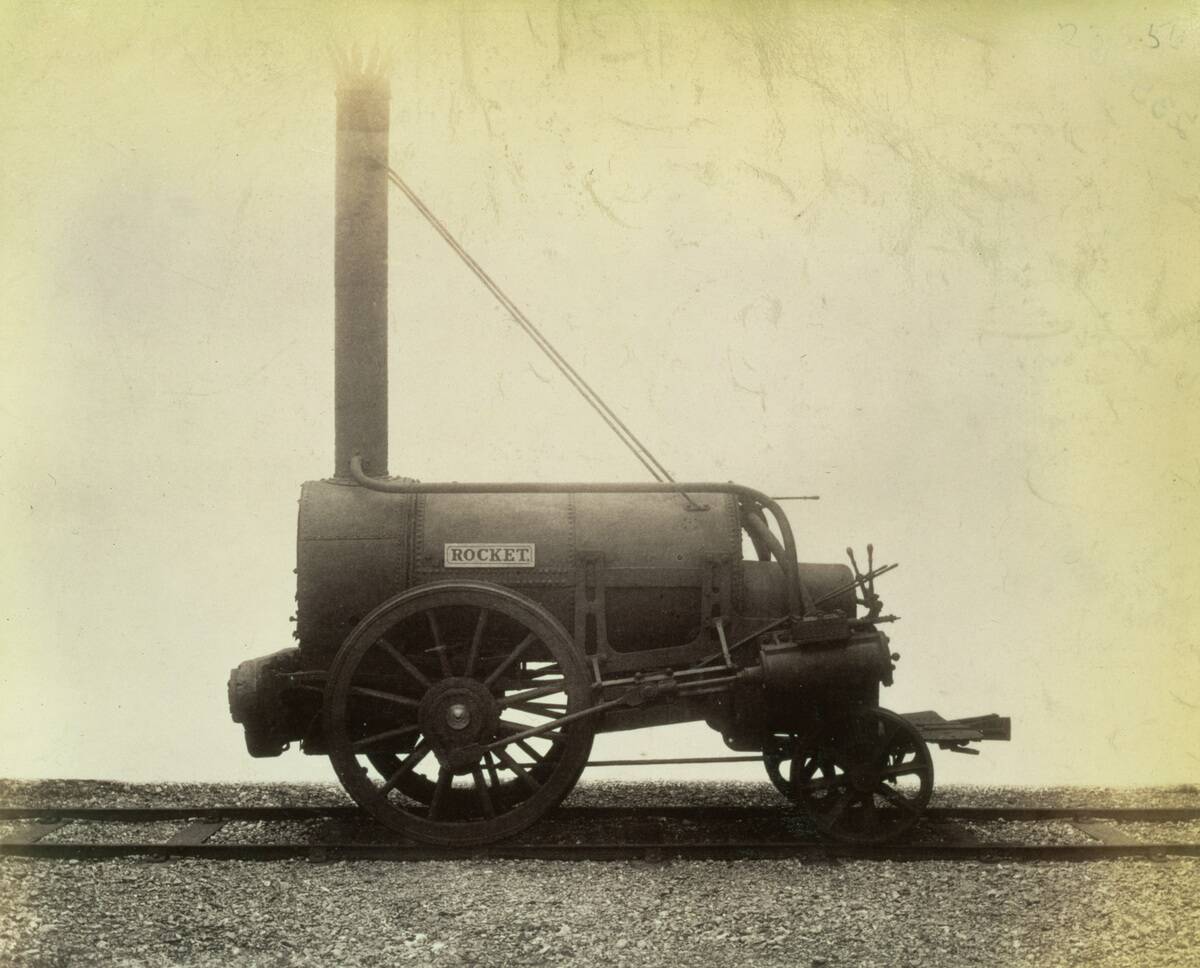
Technological innovations have consistently transformed society. The Industrial Revolution introduced machinery that revolutionized production, akin to today’s digital revolution reshaping communication and information.
Inventions like the steam engine or the internet have propelled humanity forward, altering how we live and work. These echoes of innovation highlight the continuous quest for improvement and the profound impact technology has on societal evolution.
Architectural Styles Making a Comeback
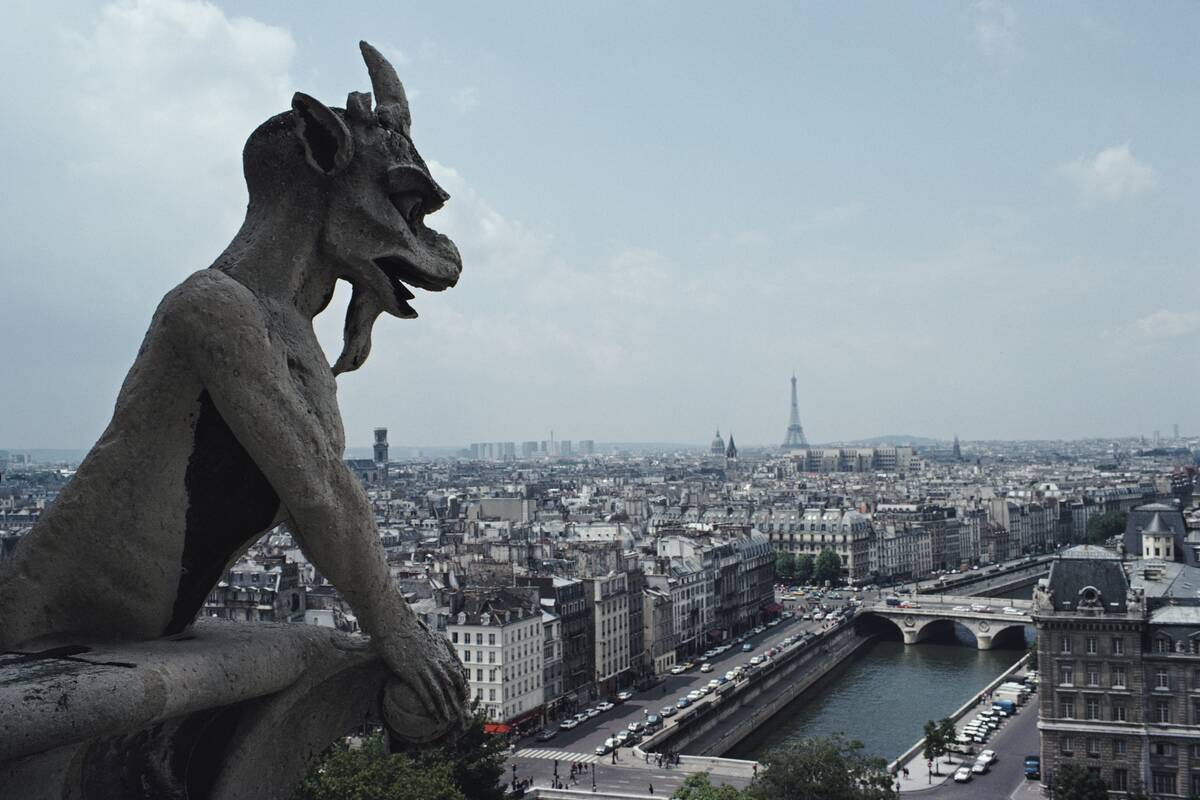
Architectural styles often make a resurgence, blending old techniques with new technologies. The Gothic Revival of the 19th century revisited medieval design, similar to today’s fascination with mid-century modern aesthetics.
These revivals reflect a yearning for nostalgia, heritage, and sustainability. They demonstrate how architecture is not just about building structures but also about preserving cultural identity and historical continuity.
The Cycle of War and Peace

History is punctuated by cycles of war and peace, each shaping the geopolitical landscape. The World Wars of the 20th century, followed by periods of relative peace, illustrate this cycle.
These conflicts often arise from political tensions and competing ideologies, while peace is pursued through diplomacy and treaties. Understanding this cycle is crucial for fostering lasting peace and learning from the past to prevent future conflicts.
Philosophical Movements and Their Impact
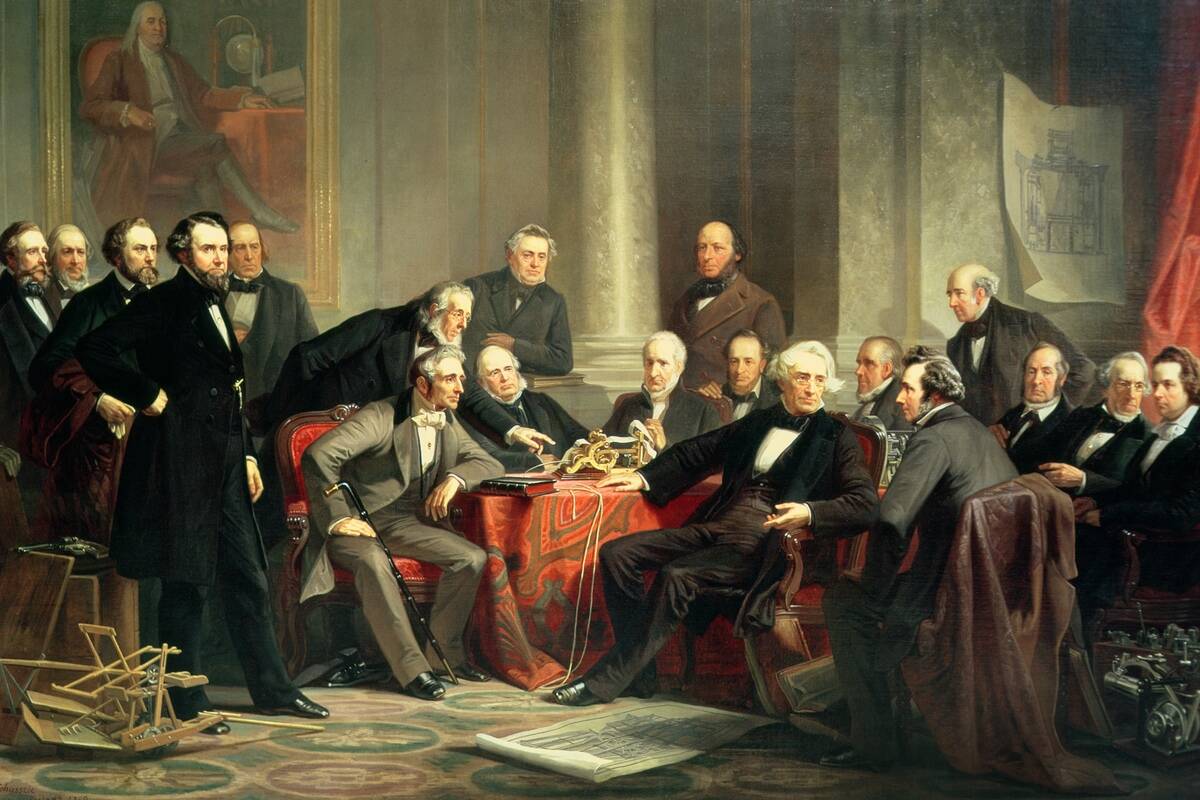
Philosophical movements have deeply influenced the intellectual landscape. The Enlightenment, with its emphasis on reason and individualism, paved the way for modern democratic thought.
Similarly, existentialism questioned human existence in the 20th century, impacting literature and art. These movements challenge prevailing norms, offering new perspectives and insights into human nature and society, often sparking significant cultural and intellectual shifts.
Social Movements That Changed Society

Social movements have been pivotal in driving societal change. The Civil Rights Movement in the United States fought against racial segregation and discrimination, leading to significant legislative changes.
Similarly, the suffragette movement paved the way for women’s voting rights. These movements highlight the power of collective action and advocacy in challenging injustice and shaping a more equitable society, leaving a lasting impact on future generations.
The Recurring Themes in Literature
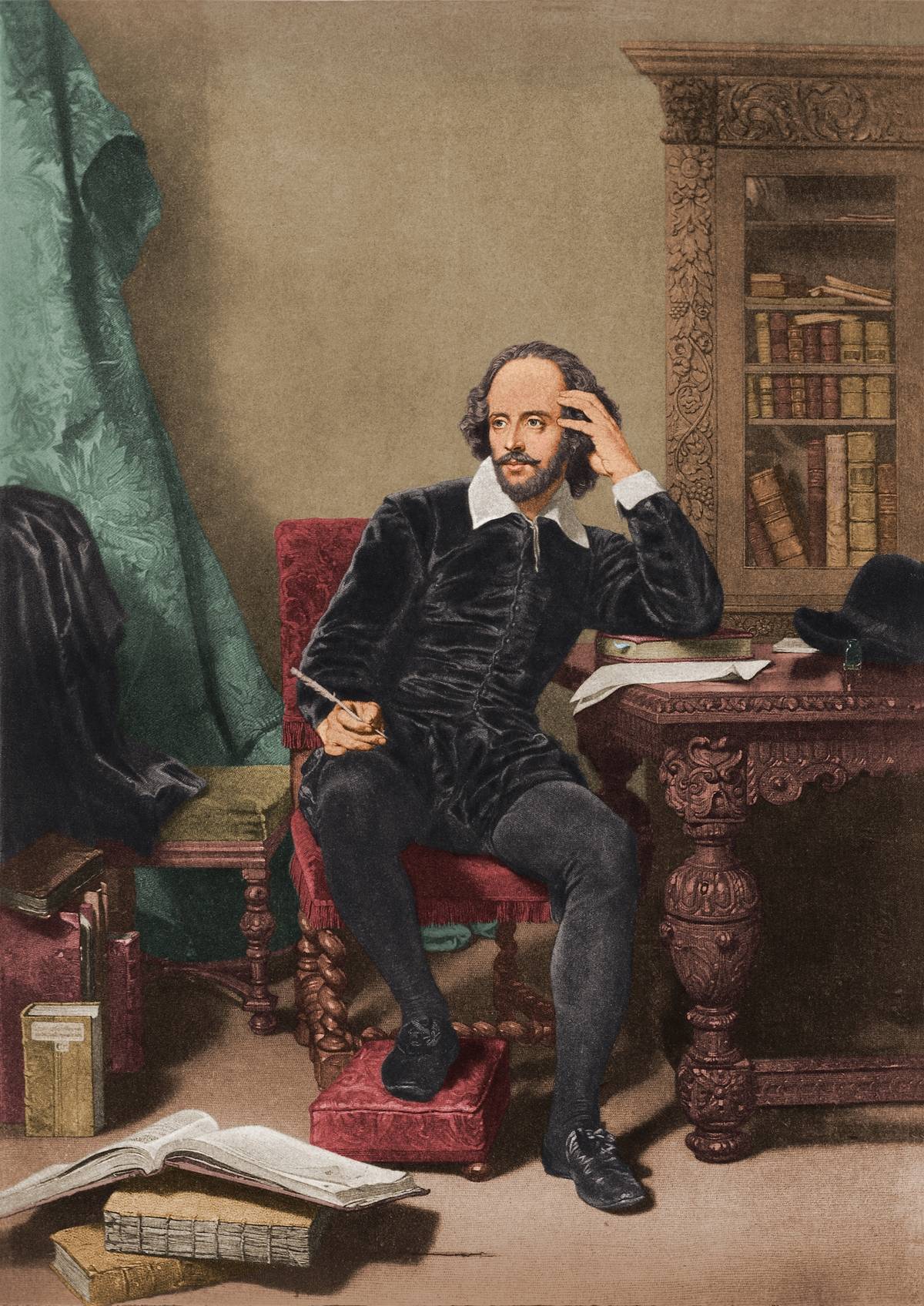
Literature is a reflection of the human condition, often revisiting timeless themes such as love, power, and identity. From Shakespeare’s exploration of ambition in “Macbeth” to Orwell’s warnings of totalitarianism in “1984,” these themes resonate across cultures and eras.
Literature serves as a mirror, offering insights into societal values and human emotions, while also providing a medium for questioning and understanding the world around us.
Health Crises and How They Shaped History

Health crises have repeatedly altered the course of history. The Black Death in the 14th century decimated Europe’s population but also led to significant social and economic transformations.
More recently, the COVID-19 pandemic has reshaped global health policies and societal norms. These crises underscore the importance of medical advancements and public health strategies, highlighting the interconnectedness of health and societal stability.
Scientific Discoveries That Paved the Way

Scientific discoveries have consistently paved the way for progress. The theory of relativity revolutionized physics, much like the discovery of penicillin transformed medicine. These breakthroughs challenge existing paradigms, driving innovation and expanding human understanding.
They illustrate the relentless pursuit of knowledge, showing how science not only solves problems but also opens new frontiers, fundamentally altering how we perceive and interact with the world.
The Evolution of Communication Methods
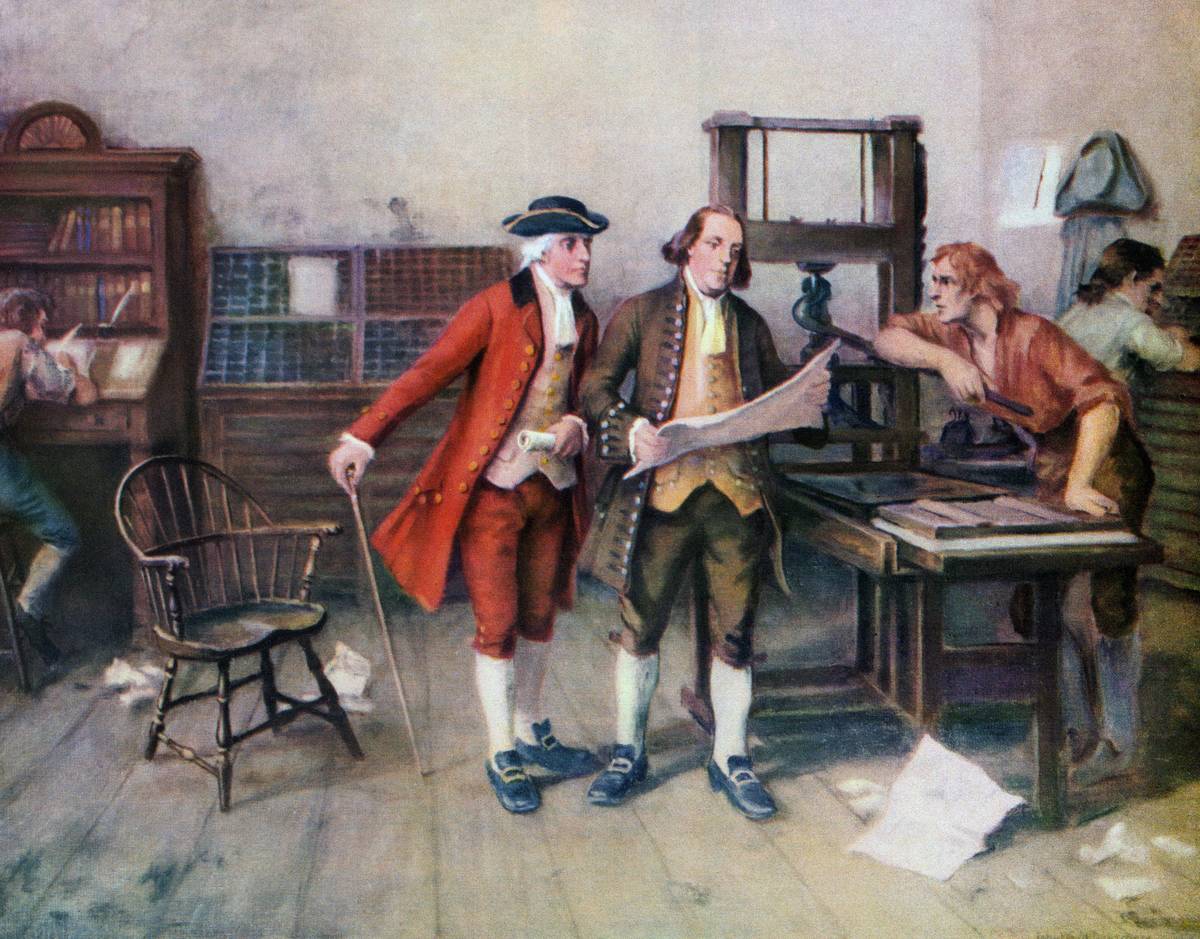
Communication methods have evolved dramatically, from smoke signals to instant messaging. The invention of the printing press democratized information, just as the internet has today.
These advancements have shrunk the world, enabling instant global communication and fostering cultural exchange. This evolution reflects society’s ongoing quest for connectivity and understanding, highlighting the transformative power of communication in bridging distances and disseminating ideas.
Religious Revivals and Their Influence
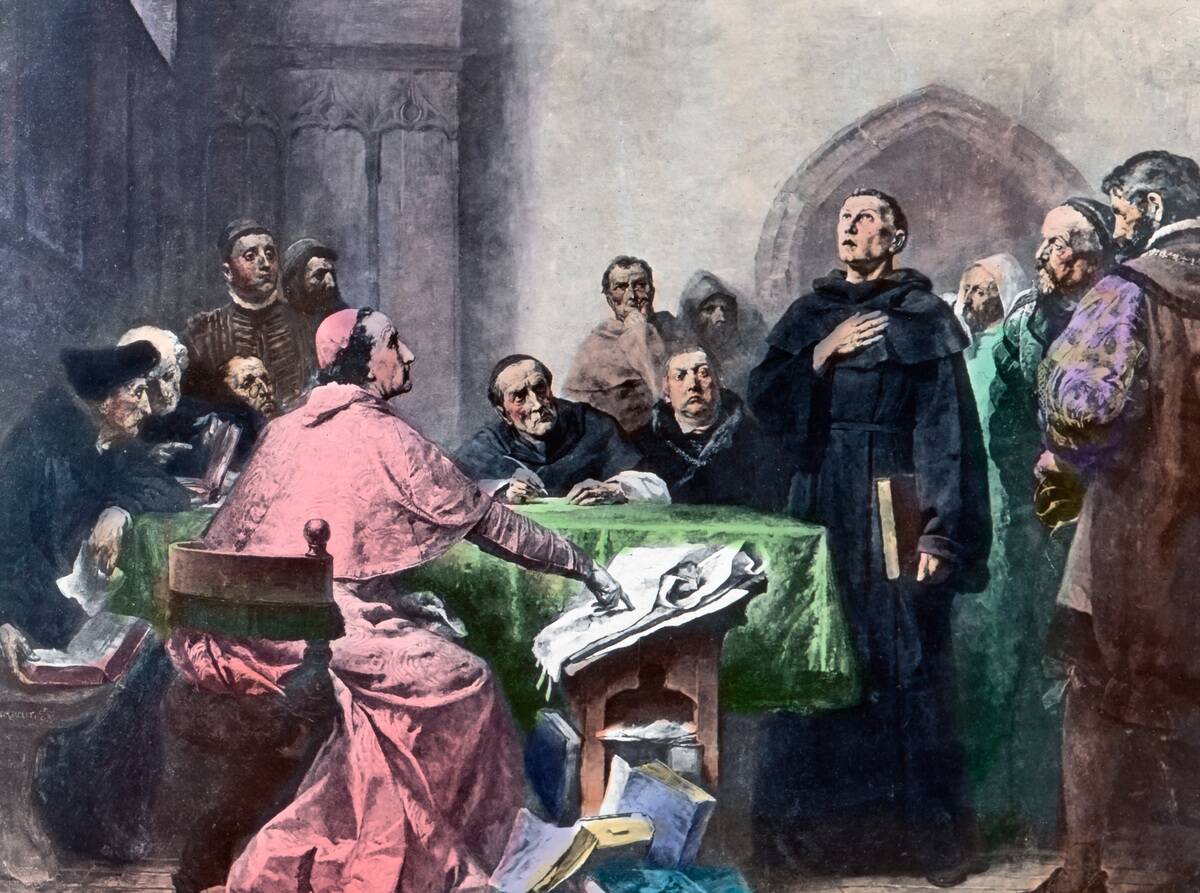
Religious revivals have periodically renewed faith and influenced cultural landscapes. The Protestant Reformation reshaped Christianity, leading to diverse denominations and theological debates. Similarly, the Great Awakening in America reignited religious fervor, impacting social and political realms.
These revivals emphasize the enduring role of religion in shaping moral values and community identities, often sparking broader societal transformations and dialogues on faith and spirituality.
Culinary Trends: From Ancient Kitchens to Modern Tables

Culinary trends often bring the past to our plates. Ancient grains like quinoa have gained popularity as modern superfoods, echoing ancient diets. The resurgence of fermentation techniques, once a necessity, now caters to contemporary tastes.
These trends highlight a return to traditional practices, emphasizing sustainability and health. They show how culinary arts not only nourish but also connect us to history, offering a taste of heritage and innovation.




