Leaders who overcame incredible challenges in history
History is replete with individuals who have overcome enormous challenges to lead their nations and influence the world. These resilient leaders come from varied backgrounds and times, yet they share a common trait: an indomitable spirit.
From battling societal norms to facing personal adversities, they have shown that true leadership often involves courage and perseverance. Join us as we explore the lives and legacies of some of history’s most relentless figures.
Abraham Lincoln: From Log Cabin to the White House
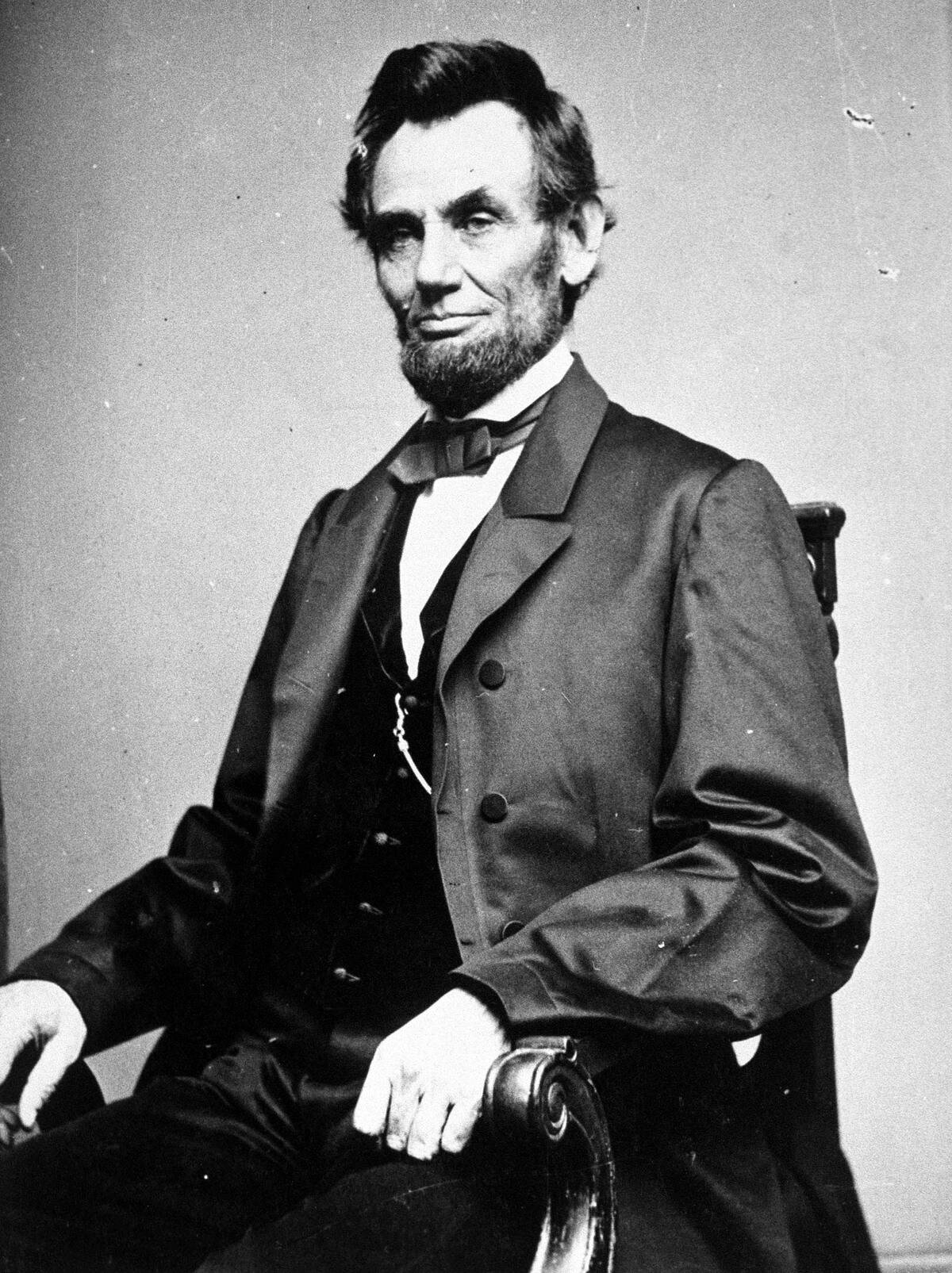
Born in a simple log cabin in Kentucky, Abraham Lincoln faced numerous hardships on his way to becoming the 16th President of the United States. Growing up in poverty, he educated himself and eventually pursued a career in law and politics.
Lincoln’s leadership during the Civil War and his commitment to ending slavery cemented his legacy as one of America’s greatest presidents. His journey from humble beginnings to the White House is a testament to the power of perseverance.
Winston Churchill: The Man Who Never Gave Up
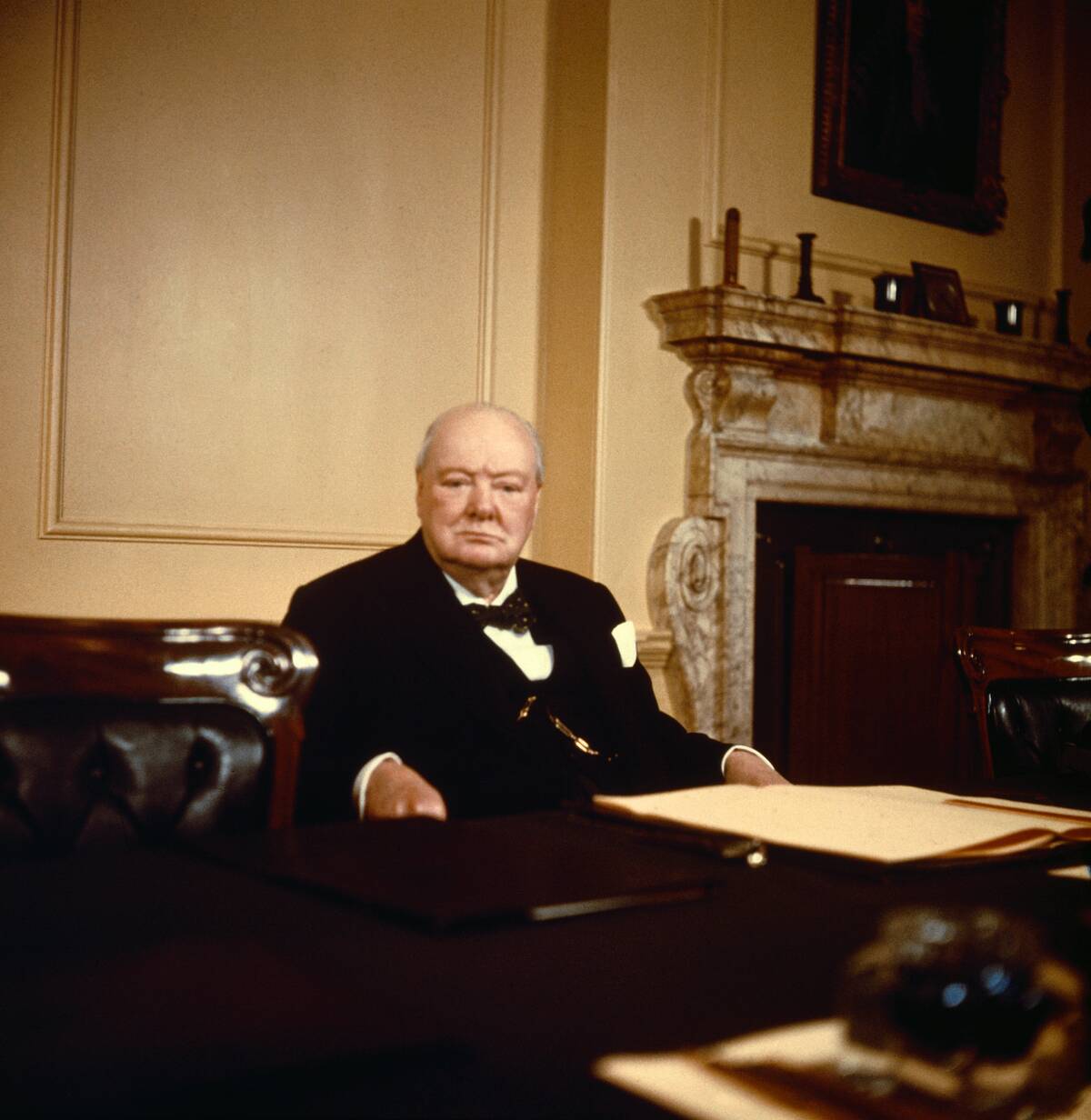
Winston Churchill, renowned for his leadership during World War II, was a man of resilience and determination. Despite facing political failures early in his career, he rose to become Britain’s Prime Minister.
His inspiring speeches and unwavering resolve bolstered the British spirit during the darkest days of the war. Churchill’s ability to lead with tenacity and optimism earned him a place in history as a symbol of steadfast leadership and courage.
Nelson Mandela: From Prisoner to President
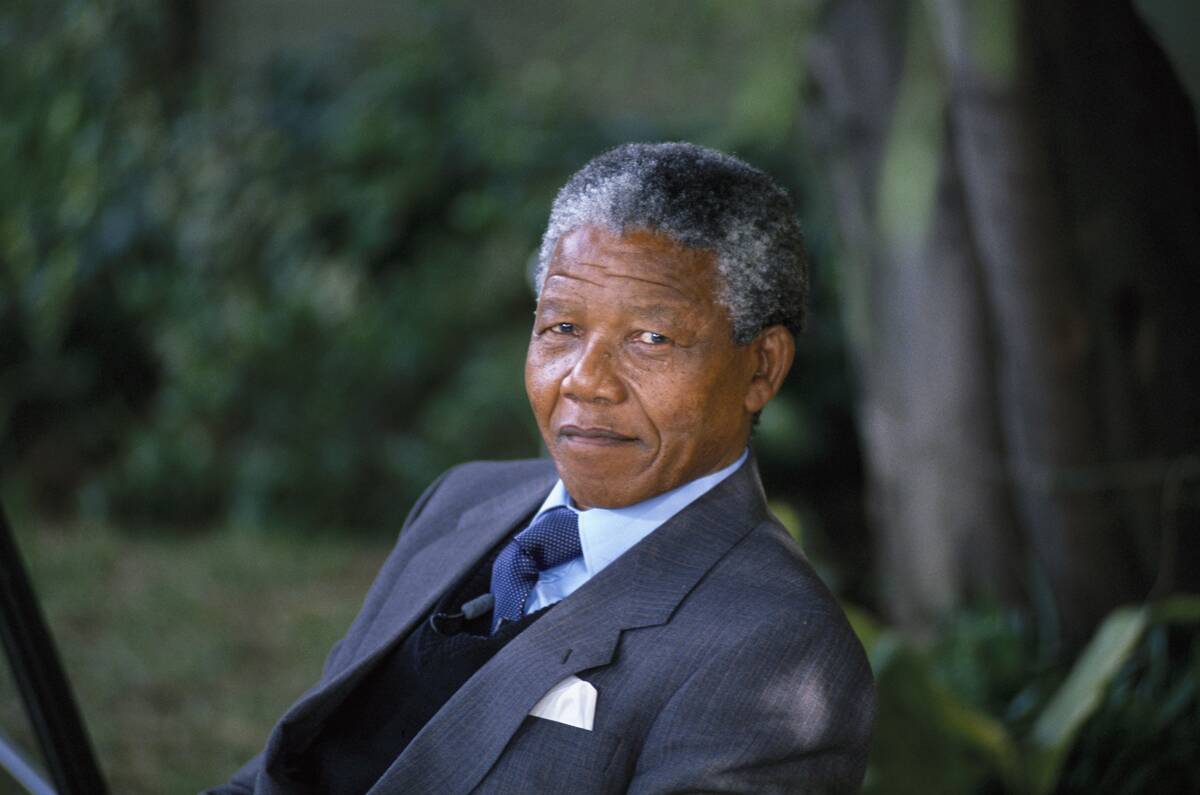
Nelson Mandela’s journey from a prisoner to the President of South Africa is a story of incredible resilience and forgiveness. Imprisoned for 27 years due to his fight against apartheid, Mandela emerged with a vision of reconciliation and unity.
Elected as South Africa’s first black president in 1994, he led the nation towards healing and democracy. His legacy endures as a beacon of hope and a testament to the power of forgiveness and resilience.
Elizabeth I: The Virgin Queen Who Ruled with Wisdom
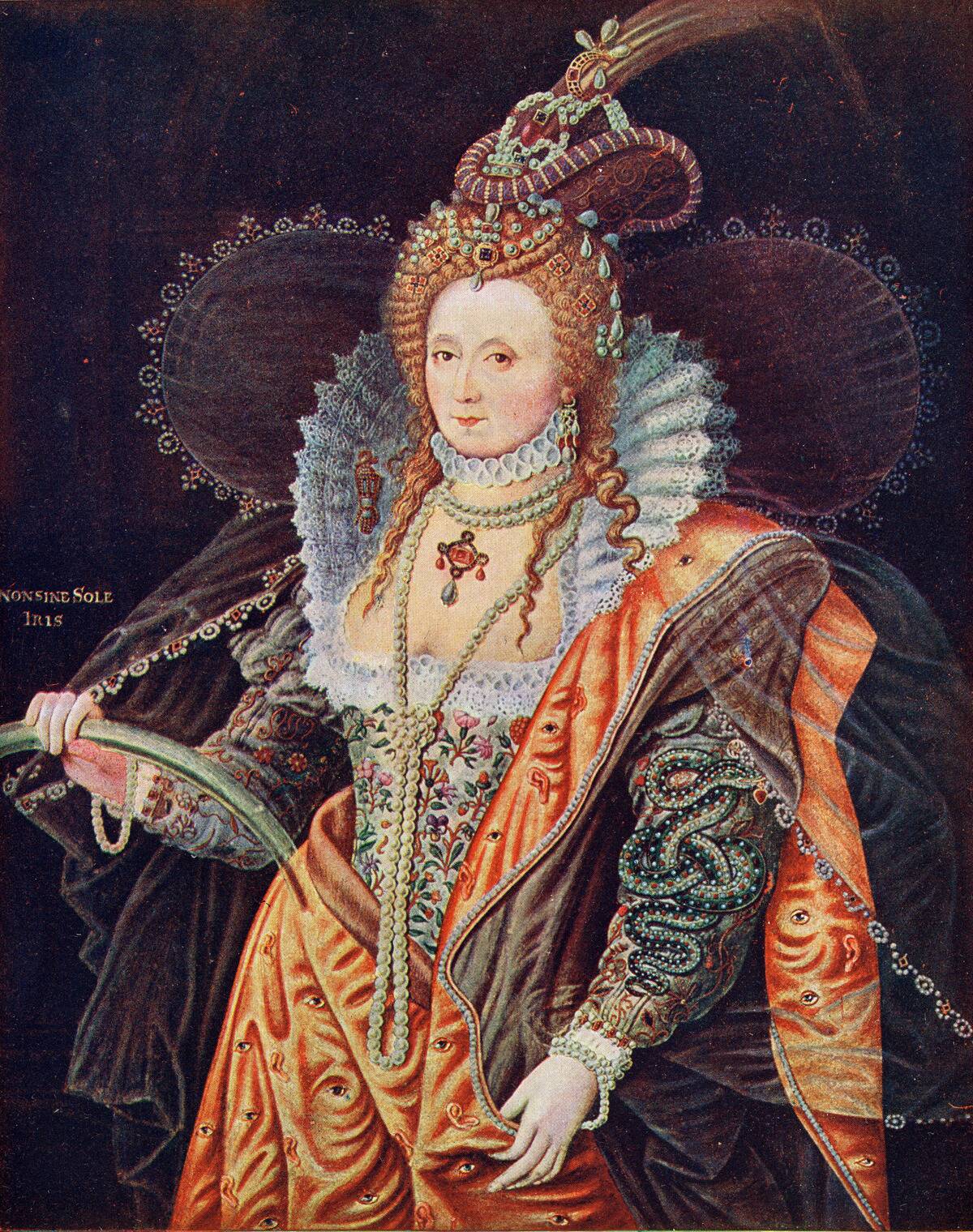
Elizabeth I ascended the English throne in 1558 and became one of its most celebrated monarchs. Her reign, known as the Elizabethan Era, was marked by stability, prosperity, and the flourishing of the arts.
Despite the challenges of being a female ruler in a male-dominated society, she navigated political pressures with astuteness and diplomacy. Elizabeth’s ability to maintain her sovereignty and inspire her subjects cemented her status as a formidable leader.
Genghis Khan: The Rise of the Mongol Empire
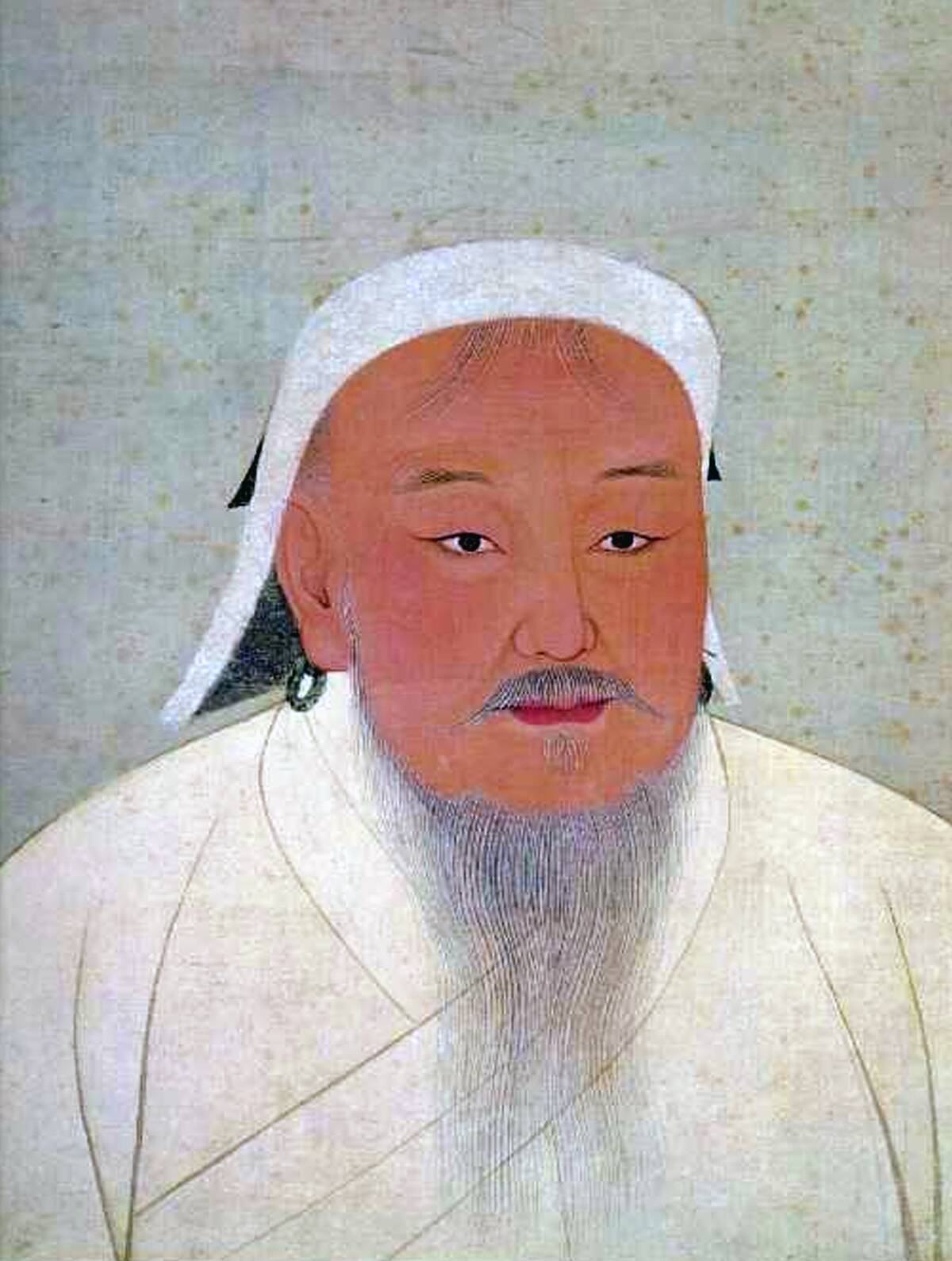
Genghis Khan, born as Temujin, overcame childhood hardships to unify the Mongol tribes and establish one of the largest empires in history. His military genius and innovative tactics allowed him to conquer vast territories across Asia and Europe.
Despite his reputation for brutality, Genghis Khan implemented merit-based governance and religious tolerance, laying the foundation for a sprawling empire. His legacy is a testament to the power of strategic leadership and adaptability.
Harriet Tubman: The Conductor of Freedom
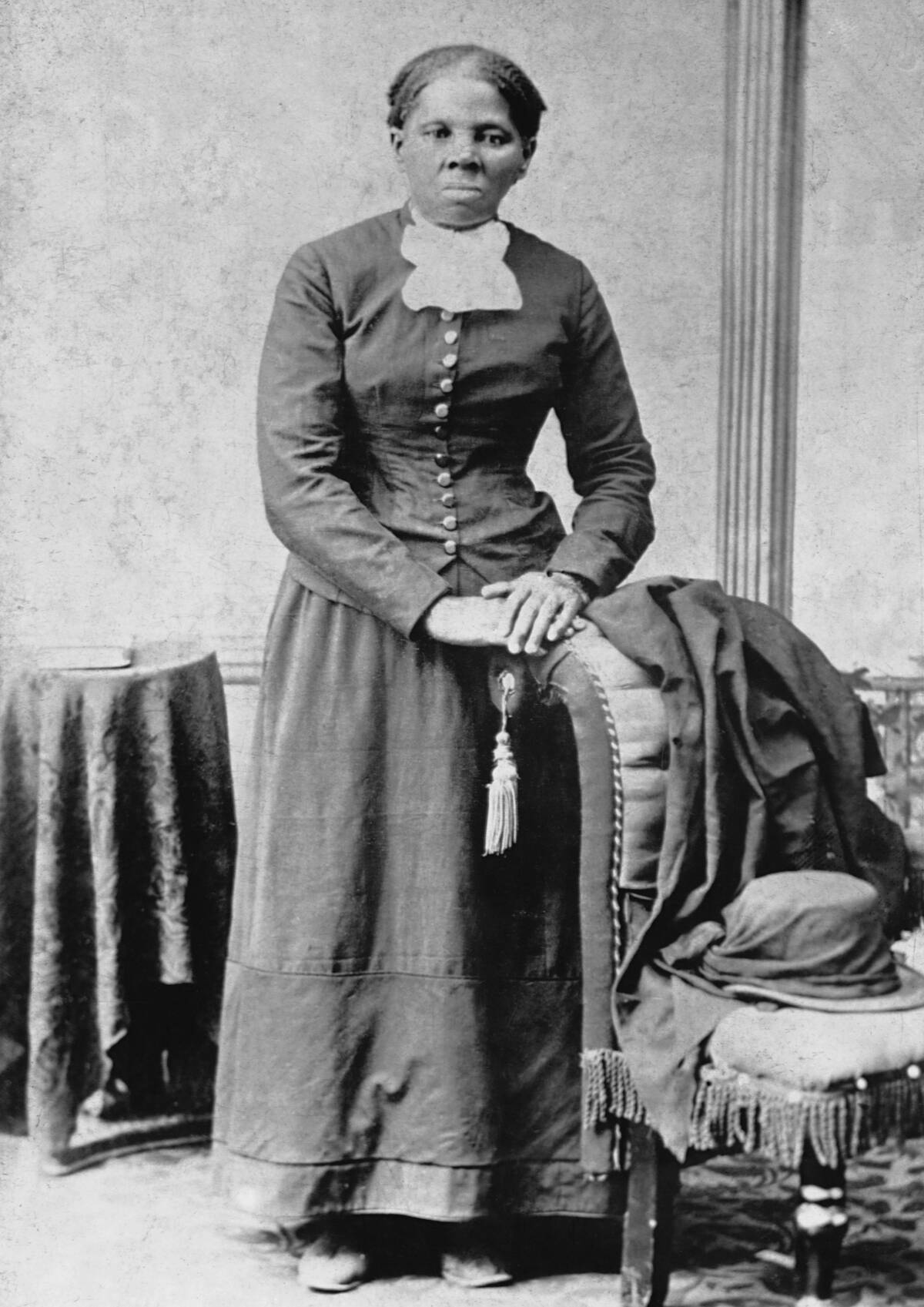
Harriet Tubman, born into slavery in Maryland, became a leading figure in the Underground Railroad, guiding countless enslaved people to freedom. Despite the immense danger, she never lost a passenger and earned the nickname “Moses.”
Tubman’s courage extended beyond the Underground Railroad, as she also served as a nurse and spy during the Civil War. Her unwavering commitment to freedom and justice continues to inspire generations.
Mahatma Gandhi: The Peaceful Revolutionary
![Mahatma [redacted]](https://media.tellmebest.com/wp-content/uploads/2024/11/mahatma-gandhi-28048.jpeg)
Mahatma Gandhi, a leader of India’s independence movement, championed nonviolent resistance as a powerful tool for social change. Educated in law, Gandhi’s experiences in South Africa shaped his philosophy of satyagraha, or truth force.
Leading India’s struggle for independence from British rule, he inspired millions with his commitment to peace and justice. Gandhi’s legacy as a peaceful revolutionary endures, influencing civil rights movements around the world.
Alexander the Great: Conqueror of the Known World
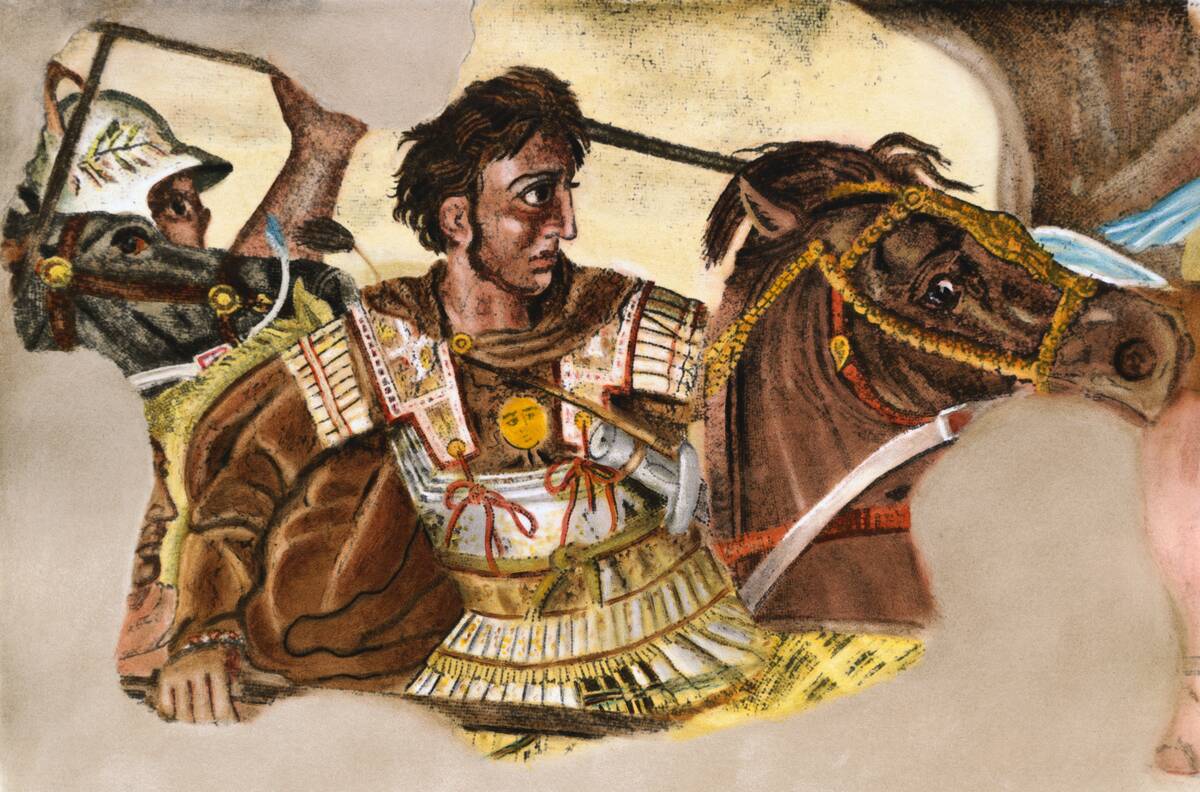
Alexander the Great, the Macedonian king, embarked on an unprecedented campaign to conquer the known world by the age of 30. Educated by Aristotle, he possessed both a keen intellect and a strategic mind.
His empire stretched from Greece to Egypt and as far east as India. Alexander’s innovative tactics and charismatic leadership left a lasting impact on the cultures he encountered, spreading Hellenistic influences across continents.
Queen Victoria: The Monarch Who Survived Personal Tragedy
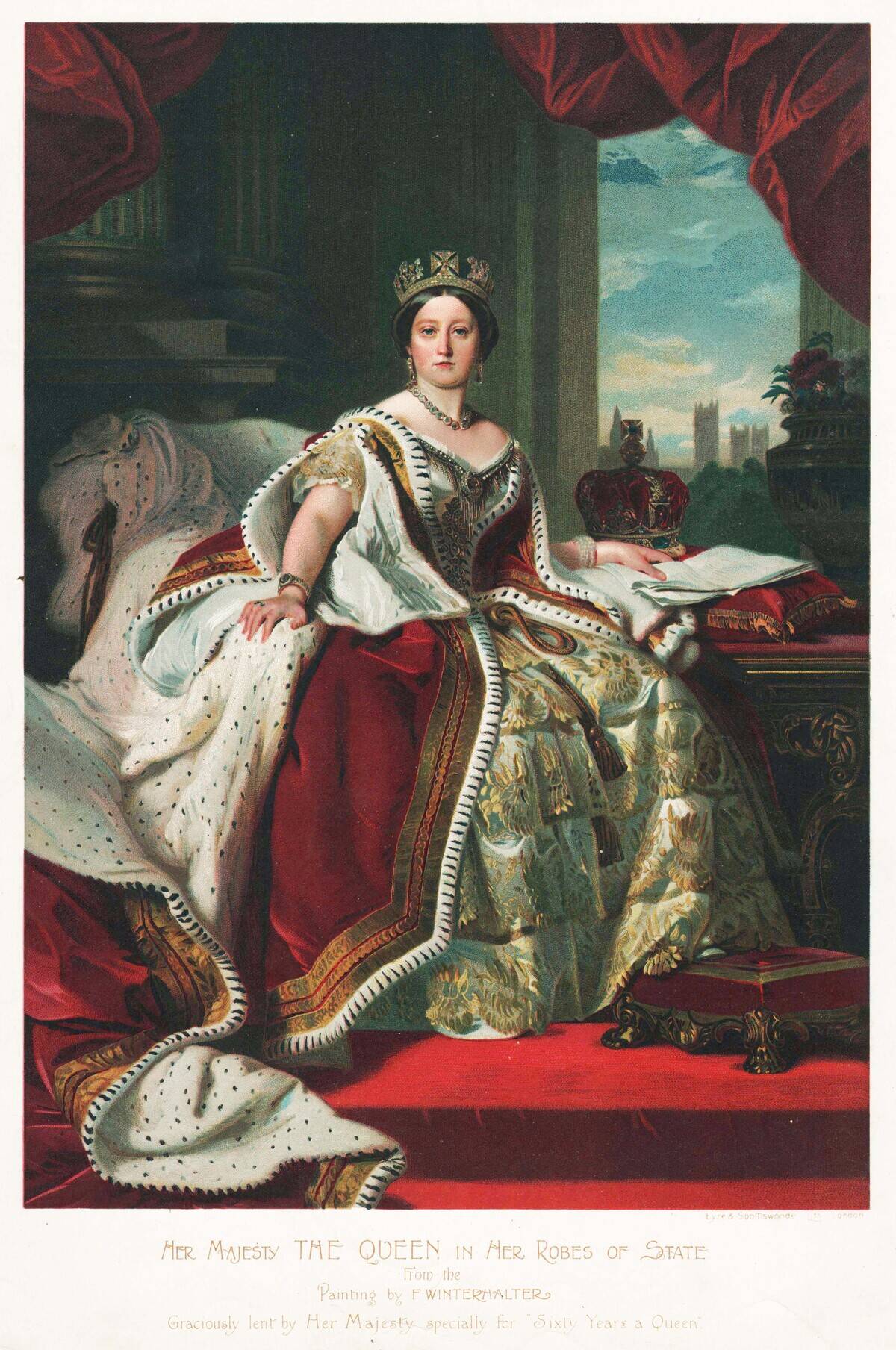
Queen Victoria ruled the British Empire for 63 years, presiding over a period of industrial, cultural, and political change. Despite facing personal tragedies, including the loss of her husband Prince Albert, she remained a steadfast leader.
Her reign, known as the Victorian Era, saw the expansion of the British Empire and significant advancements in science and industry. Victoria’s resilience in the face of adversity solidified her legacy as a beloved and enduring monarch.
Simon Bolivar: The Liberator of South America
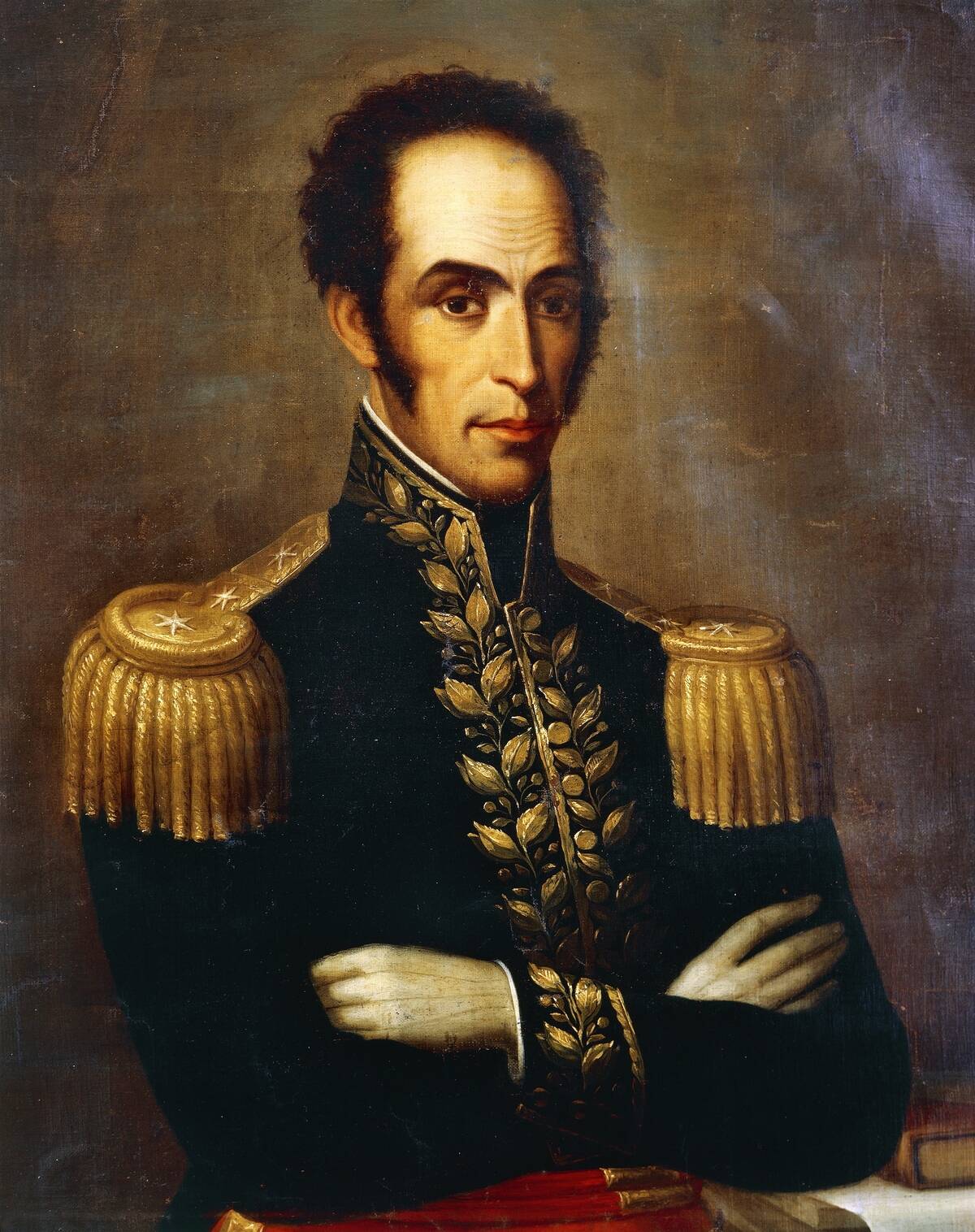
Simon Bolivar, known as “El Libertador,” played a crucial role in the independence of several South American countries from Spanish rule. Born into a wealthy Venezuelan family, Bolivar was inspired by Enlightenment ideals and led military campaigns across the continent.
His vision of a united Latin America was ambitious, though ultimately unrealized. Bolivar’s determination and leadership continue to be celebrated as foundational to the region’s history of independence.
Theodore Roosevelt: Overcoming Adversity for the Greater Good
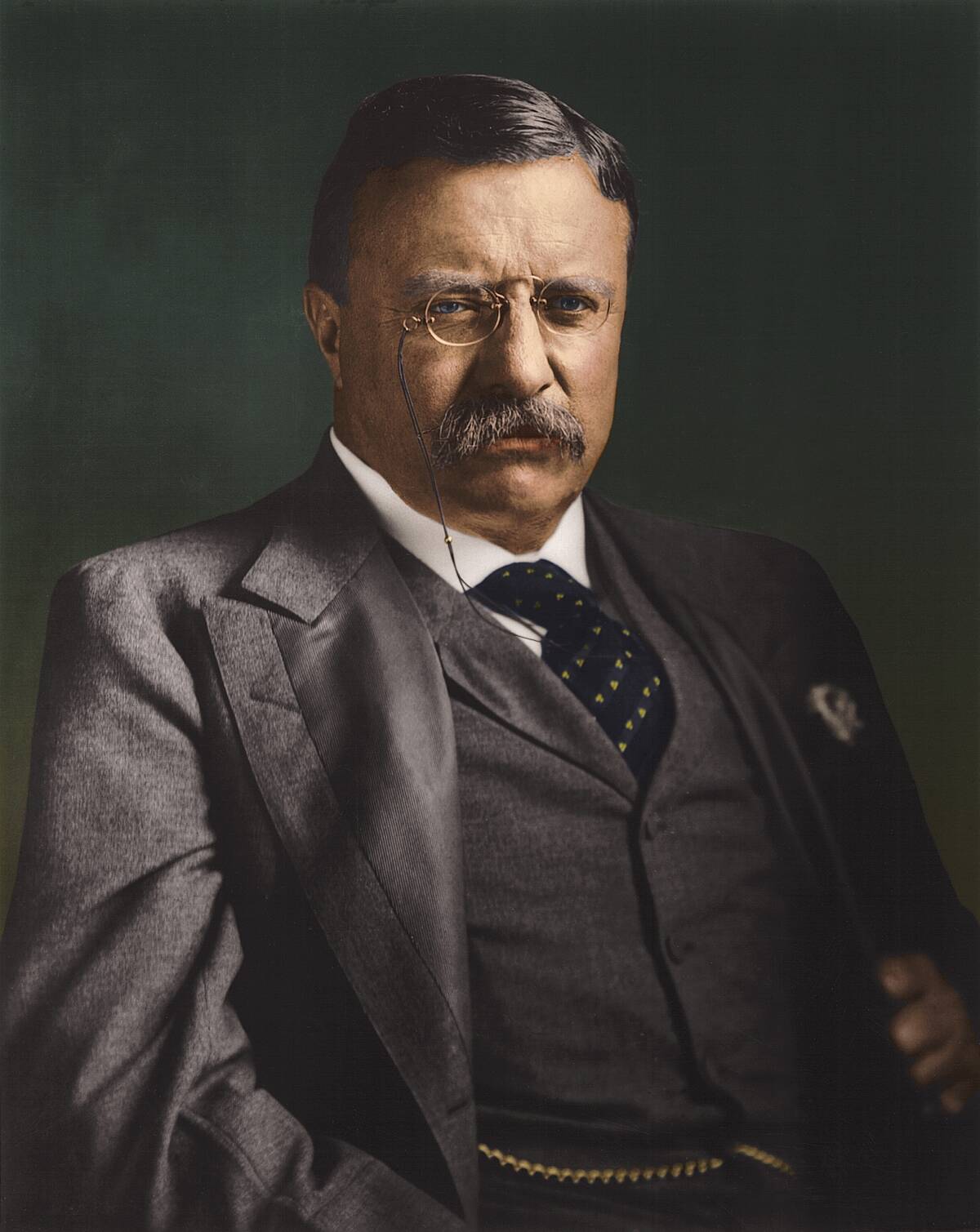
Theodore Roosevelt, the 26th President of the United States, overcame significant personal challenges to become a transformative leader. Stricken with asthma as a child and facing the loss of his wife and mother on the same day, he found solace in public service and the great outdoors.
Roosevelt’s progressive policies and commitment to conservation reshaped the nation’s landscape. His resilience and vigor left an indelible mark on American history.
Catherine the Great: From German Princess to Russian Empress
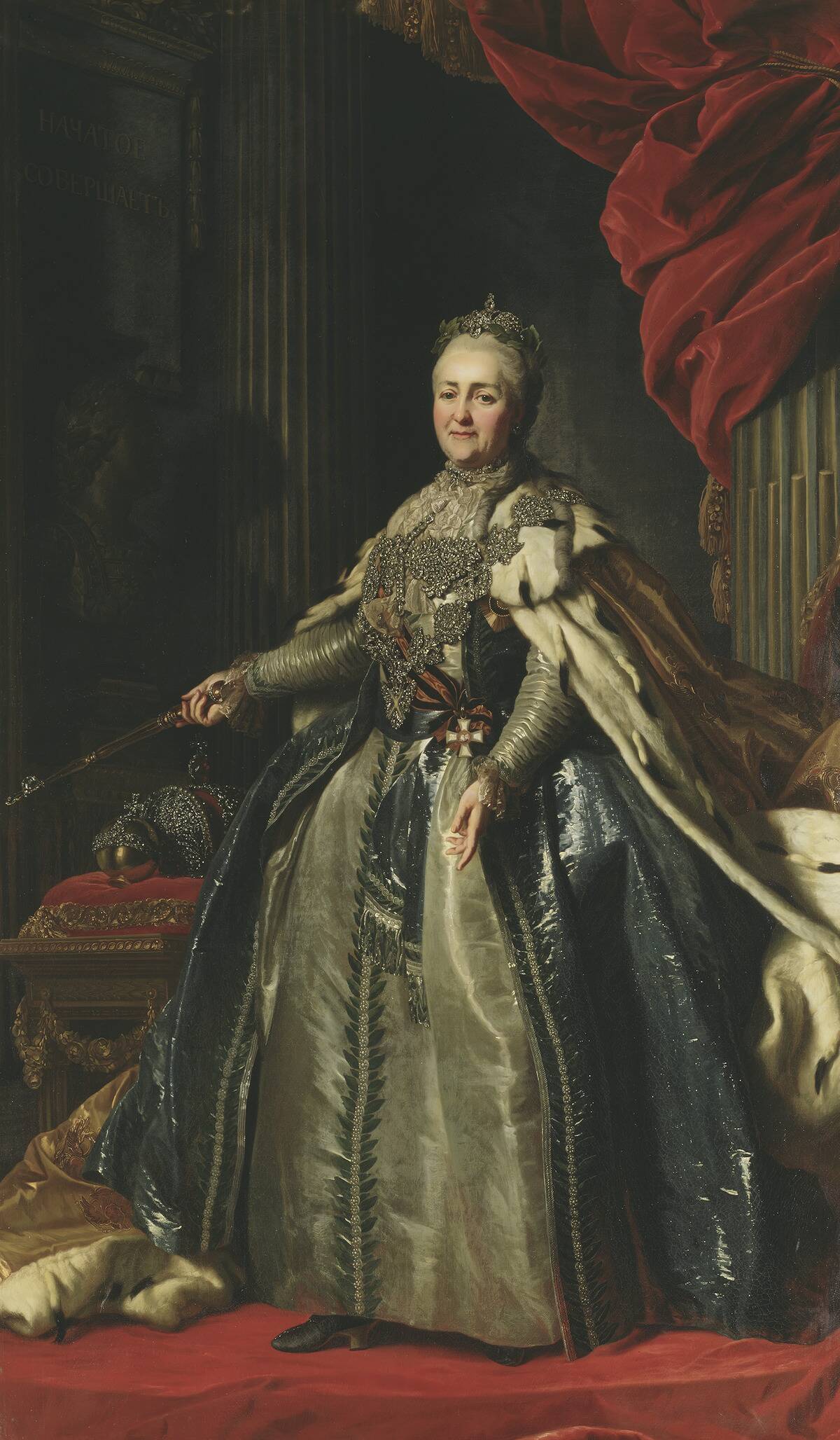
Catherine the Great, originally a German princess, became one of Russia’s most influential rulers. Ascending to the throne through a coup, she modernized Russia with Enlightenment ideals and expanded its territory.
Catherine’s reign saw the flourishing of Russian culture and the strengthening of its position in Europe. Her ability to navigate court politics and implement reforms showcased her as a formidable and innovative leader.
Frederick Douglass: From Slavery to Statesmanship
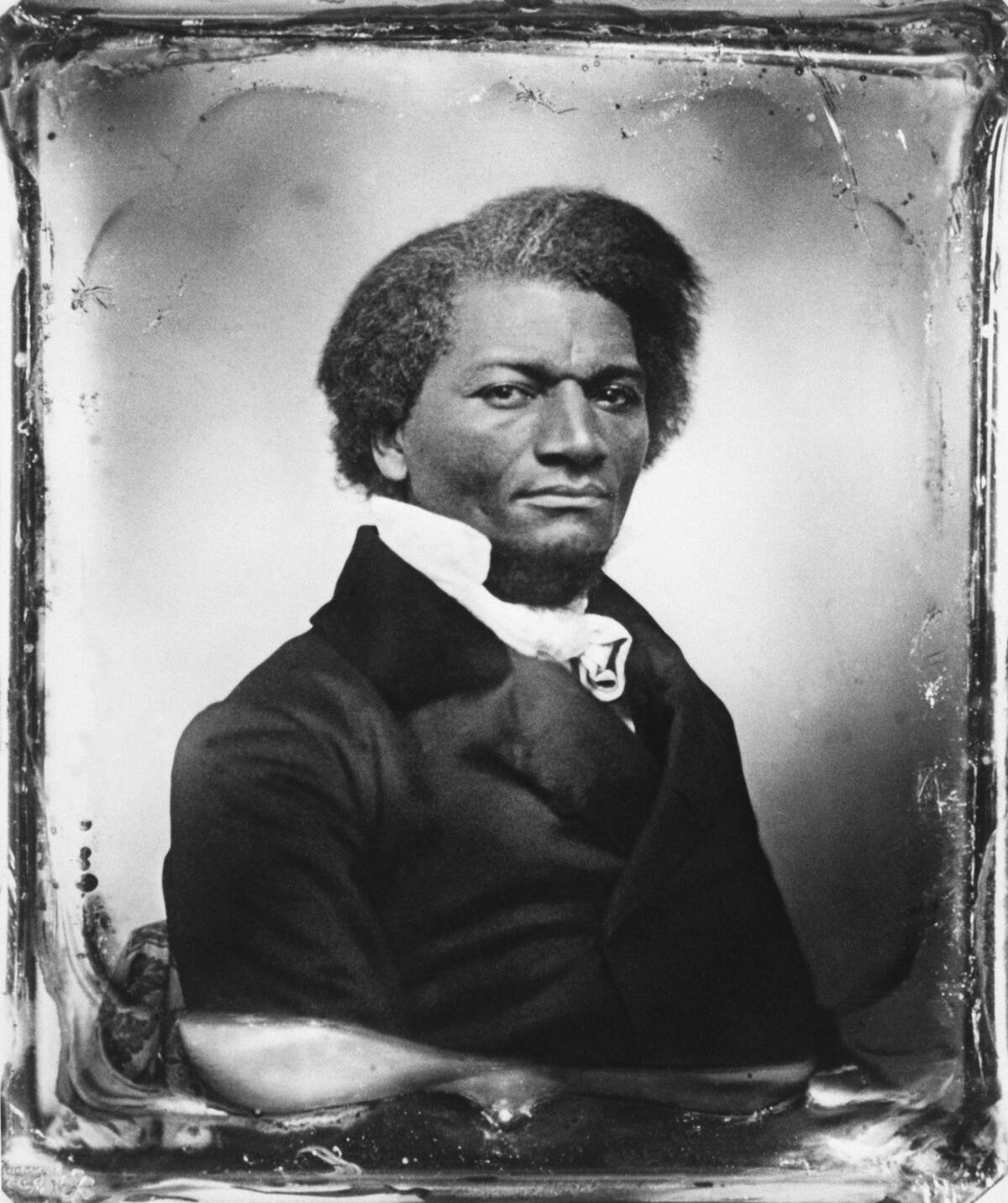
Frederick Douglass, born into slavery, became a leading voice in the abolitionist movement in the United States. Escaping to the North, he used his eloquence and writing to fight for the freedom and rights of African Americans.
Douglass advised presidents and championed equal rights for all, leaving a legacy as a pioneering advocate for justice. His journey from slavery to statesmanship is a powerful testament to the pursuit of equality.
Cleopatra: The Last Pharaoh of Ancient Egypt
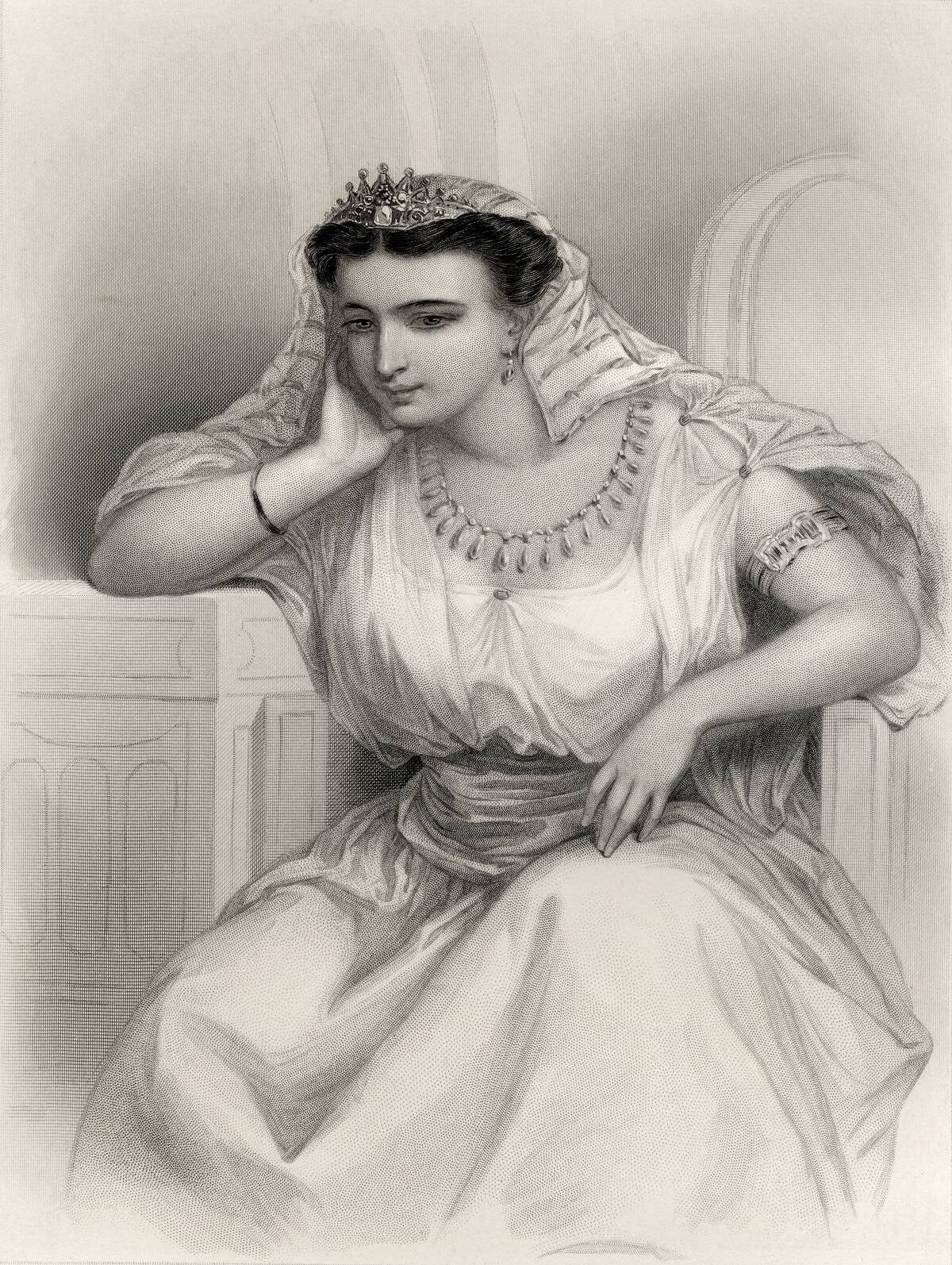
Cleopatra VII, the last active ruler of the Ptolemaic Kingdom of Egypt, was a charismatic and politically astute leader. Fluent in multiple languages, she used her intelligence and alliances with powerful Roman figures like Julius Caesar and Mark Antony to maintain her kingdom’s independence.
Cleopatra’s reign was marked by both political and romantic intrigue, and her legacy endures as a symbol of female power and resilience in a male-dominated world.
Conclusion: Lessons in Resilience from History’s Greatest Survivors
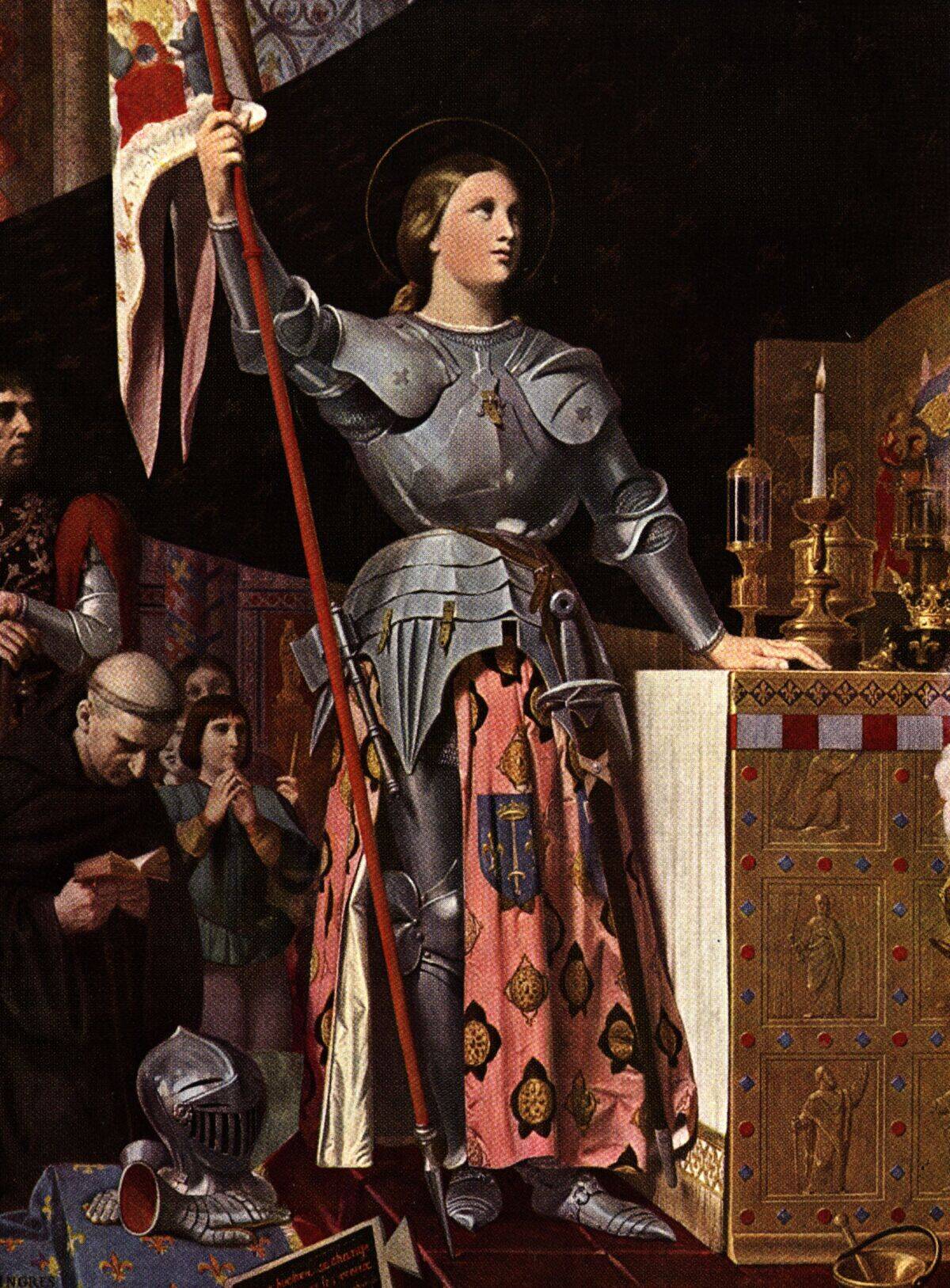
The stories of these leaders reflect the timeless lessons of resilience and the human spirit’s capacity to overcome adversity. Whether through sheer determination, strategic genius, or unwavering ethical convictions, they have shaped history in profound ways.
Their legacies inspire us to face our own challenges with courage and tenacity. In a world that often tests our resolve, these historical figures remind us that resilience is not just a trait but a path to greatness.




