Inventions that fixed problems of the past
In a world dominated by technology, it’s fun to remember the clever inventions of the past that laid the groundwork for our modern conveniences. From keeping food fresh to capturing memories, these old-school solutions were not only functional but also held a certain charm.
Join us as we explore a time when innovation meant getting creative with the resources available, and simplicity was the key to daily life.
The Icebox: Keeping It Cool Before Refrigerators
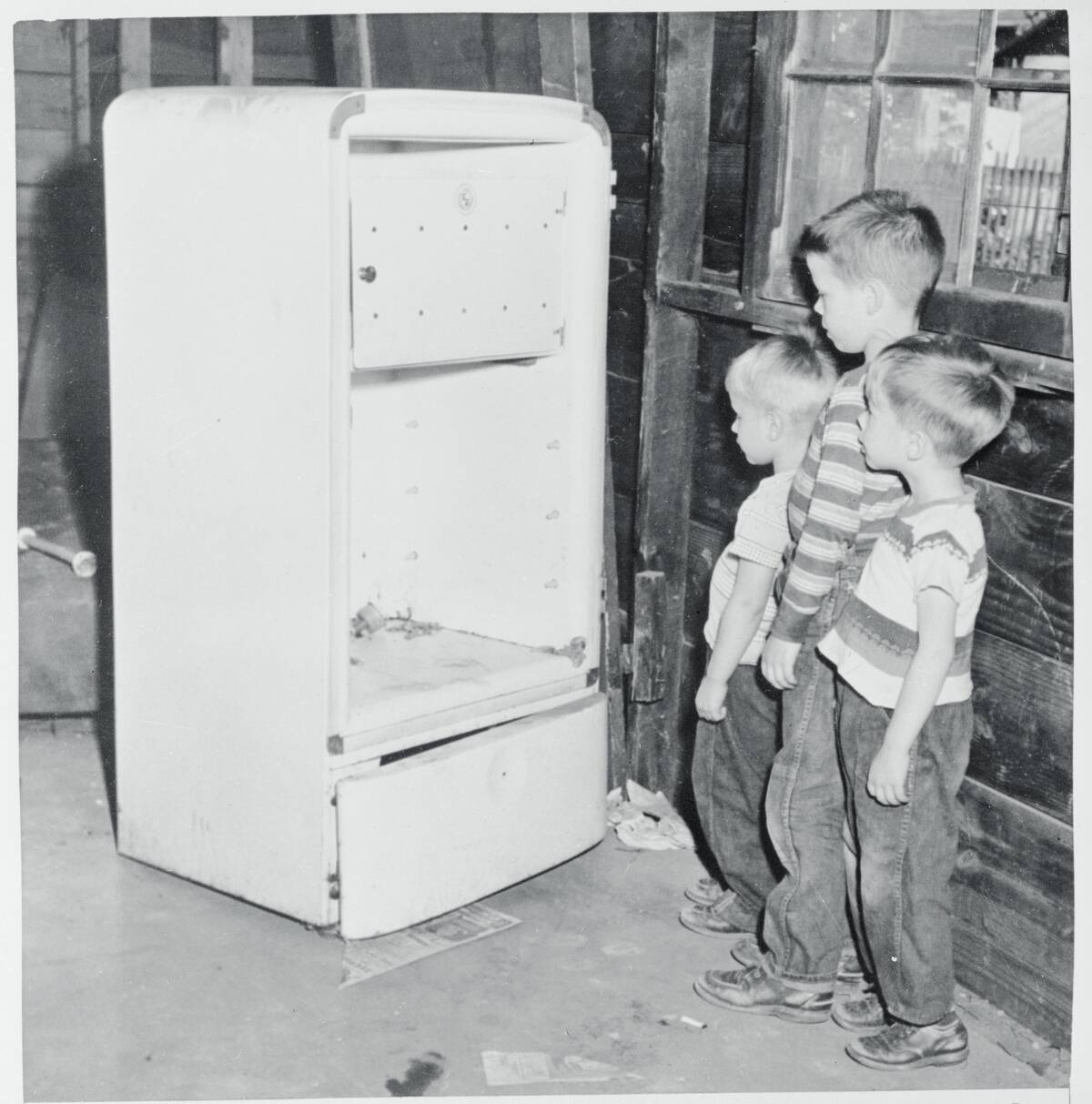
Before the hum of modern refrigerators, the icebox was the hero of the kitchen. Essentially an insulated wooden cabinet, it kept perishables cool with large blocks of ice delivered by the iceman.
These boxes were lined with tin or zinc to ensure maximum efficiency, making them indispensable during warmer months. While it seems like a cumbersome process today, the icebox was a revolutionary step in food preservation at the time.
The Telegraph: The Original Instant Messenger
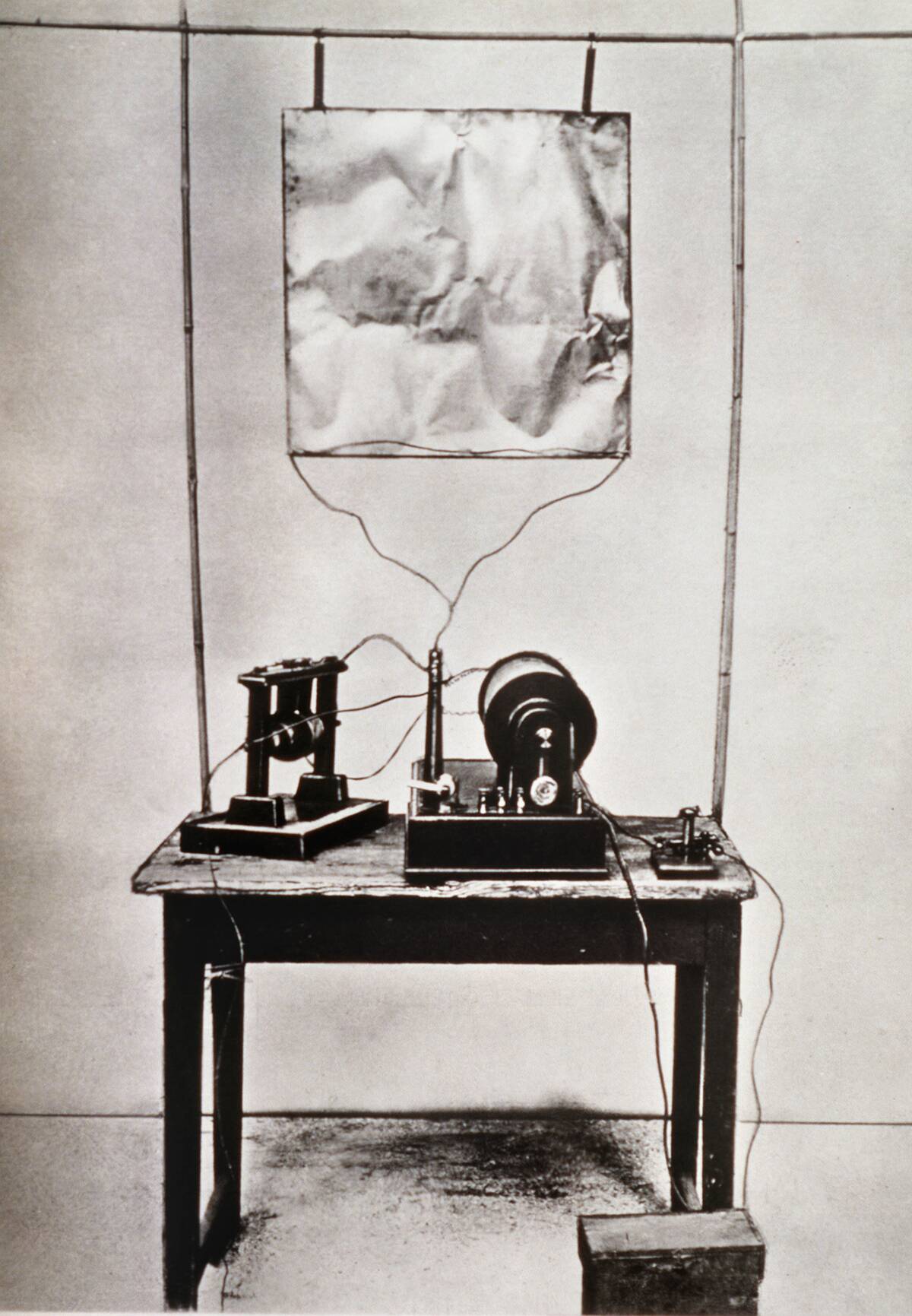
Long before texting, the telegraph was the way to send messages over long distances. Invented in the early 19th century, it used a system of dots and dashes known as Morse code to transmit messages via electrical signals.
By the 1860s, telegraph networks spanned continents, revolutionizing communication. It allowed for near-instantaneous communication, forever changing how news and information were shared globally.
The Horse-Drawn Carriage: Commuting in Style
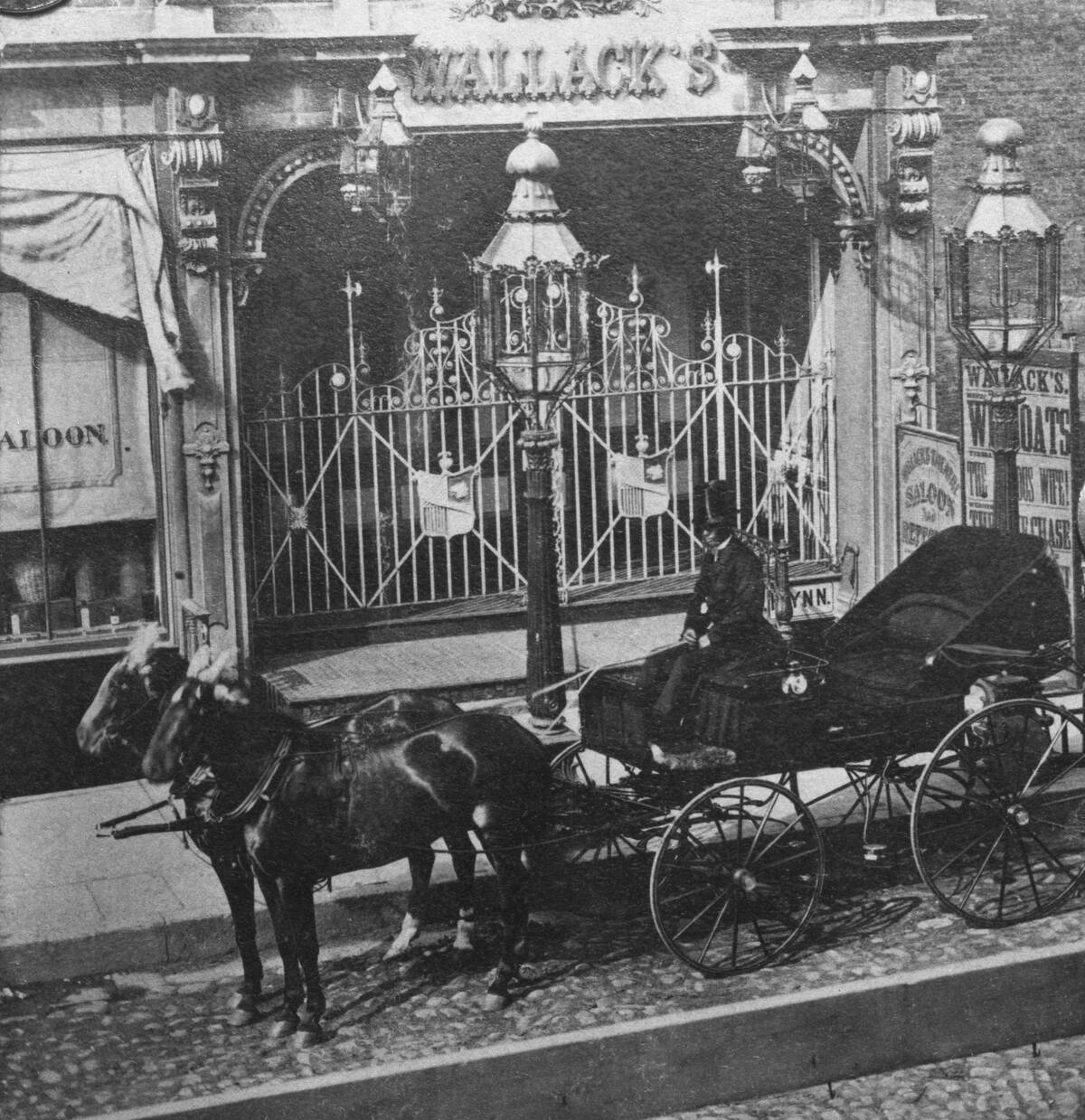
Before automobiles took over the roads, horse-drawn carriages were the epitome of transportation elegance. These vehicles, often adorned with intricate designs, provided a comfortable and stylish way to travel.
Depending on the number of horses and the type of carriage, they could accommodate anything from a single passenger to a whole family. For centuries, they were a symbol of wealth and status, particularly in urban settings.
The Manual Coffee Grinder: Brewed to Perfection by Hand
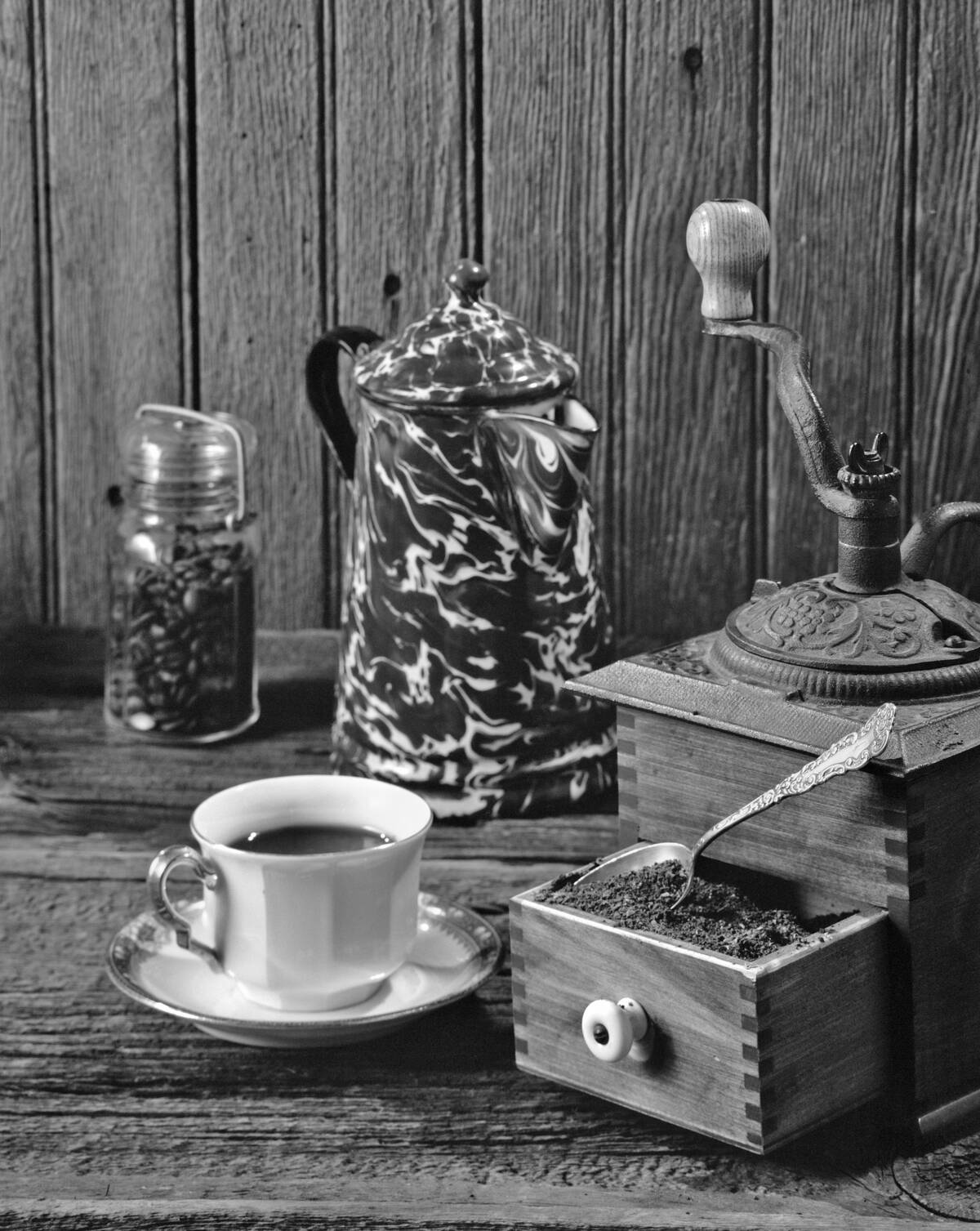
For coffee aficionados of the past, the manual coffee grinder was a kitchen staple. This hand-cranked device allowed users to grind beans to their preferred consistency, ensuring a fresh and flavorful brew.
The design varied from simple wooden boxes to ornate metal contraptions, each with its own charm. Today, manual grinders are making a comeback among enthusiasts who appreciate the artisanal touch they bring to the coffee-making process.
The Hand-Cranked Sewing Machine: Fashioning the Future
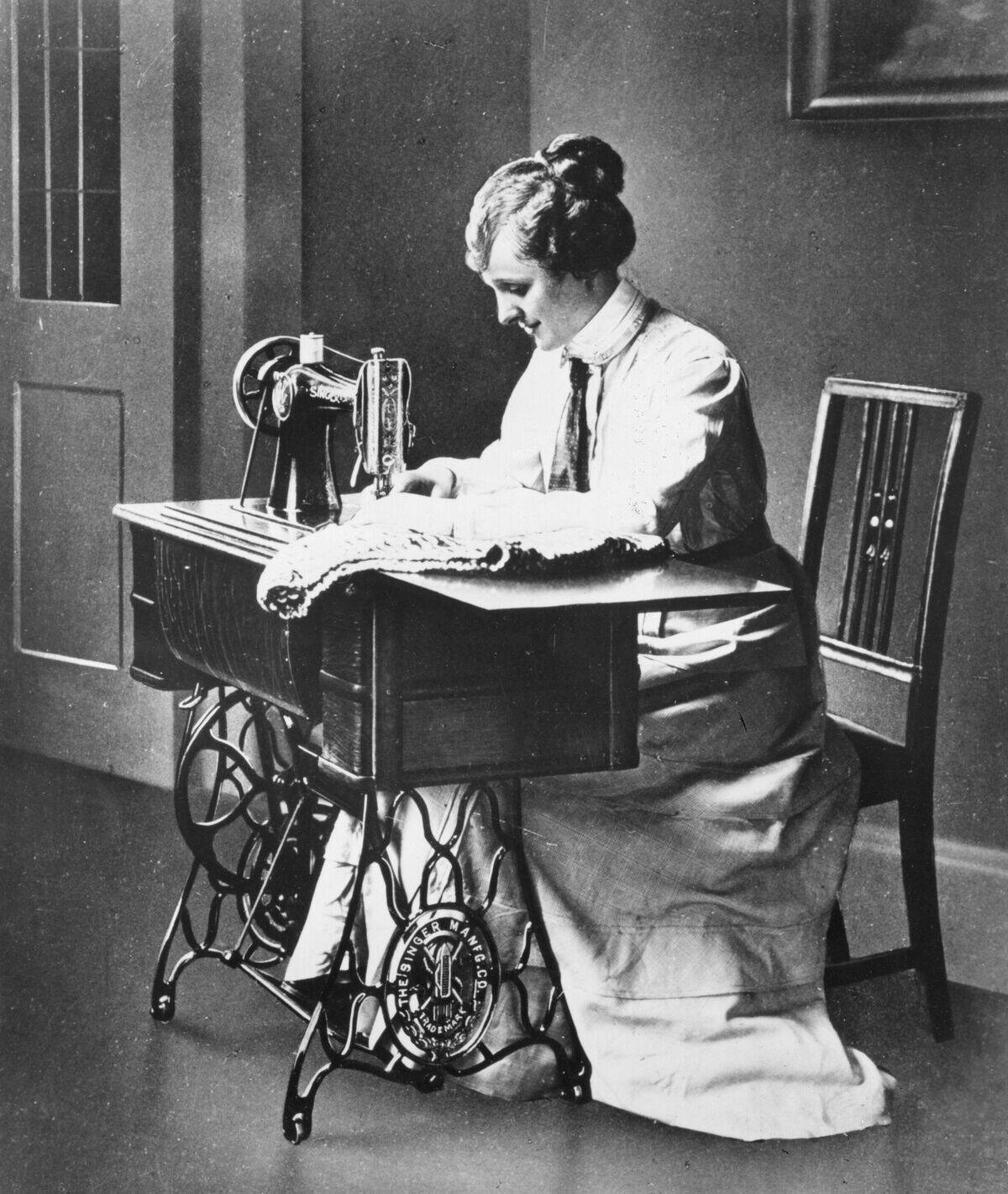
Sewing machines today are electric marvels, but their ancestors required a bit of elbow grease. The hand-cranked sewing machine, a staple of 19th-century households, revolutionized the way clothes were made.
By turning a small crank, users could sew at a consistent speed, making it easier to produce garments quickly and efficiently. These machines were not only practical but also beautifully crafted, often doubling as decorative pieces.
The Abacus: Calculating Before Calculators
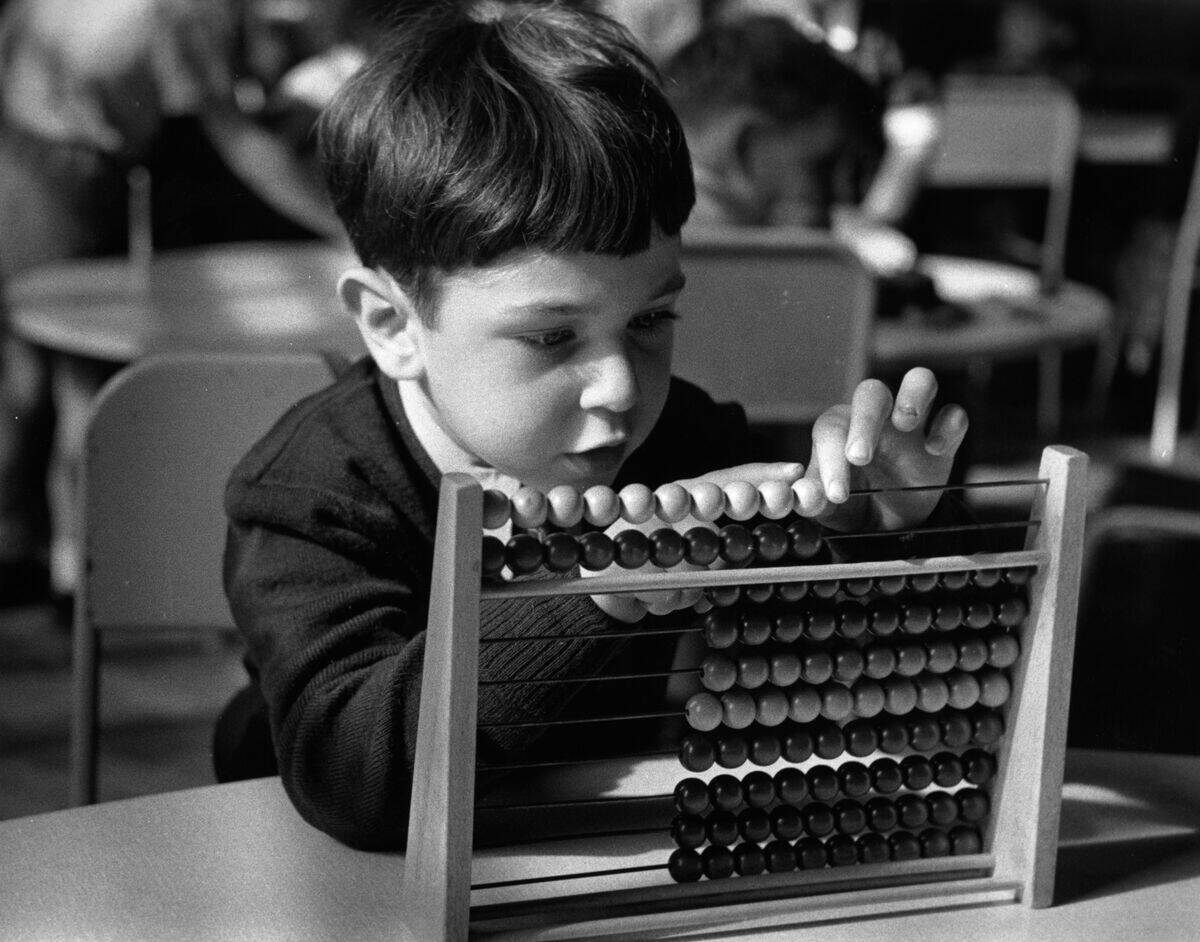
Long before digital calculators, the abacus was the tool of choice for quick calculations. Originating in ancient civilizations like the Romans and Chinese, this counting frame used beads sliding on rods to perform arithmetic operations.
Despite its simplicity, the abacus is incredibly efficient, and even today, it’s used in some parts of the world for teaching basic math skills. Its enduring presence is a testament to its functionality and brilliance.
The Sundial: Telling Time with Shadows
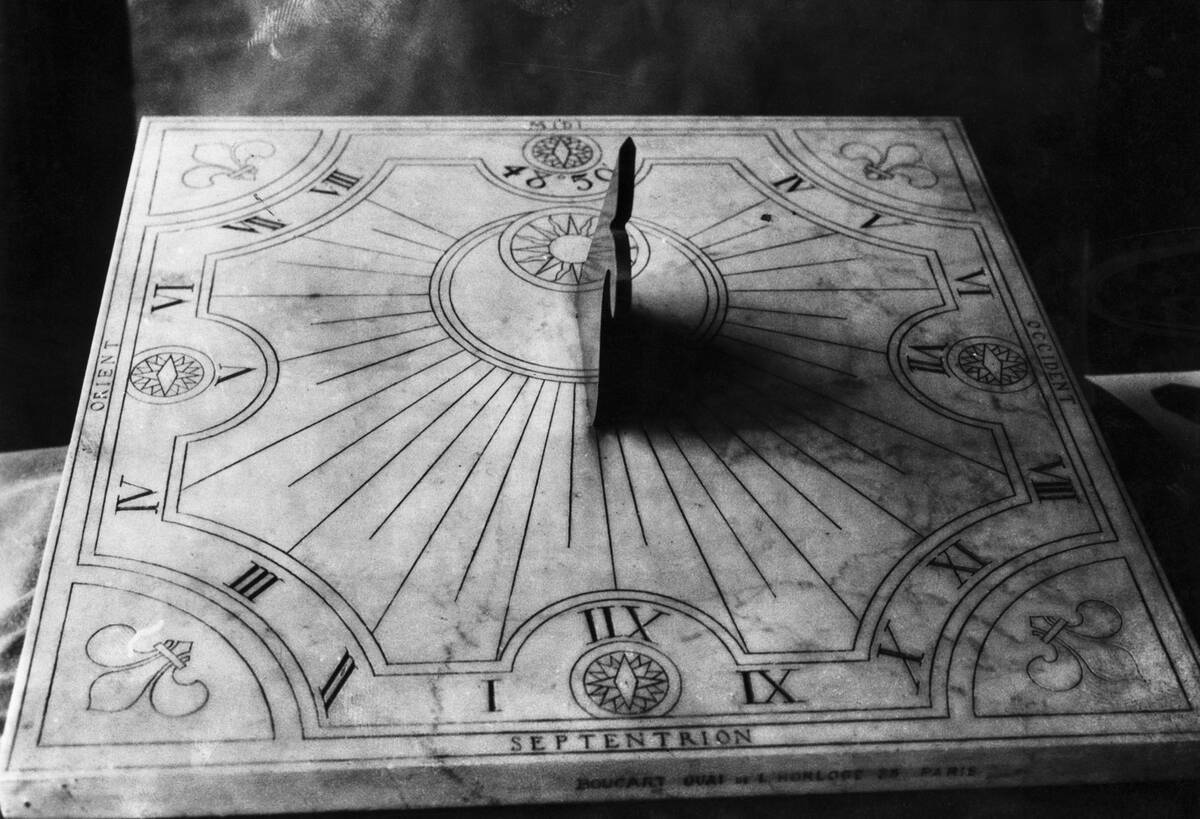
Before the invention of clocks, people relied on sundials to measure time. By casting a shadow on a marked surface, sundials indicated the hour based on the sun’s position in the sky.
Used by ancient Egyptians and Greeks, these devices were not only practical but also served as beautiful garden ornaments. Although they fall short on cloudy days, sundials were a remarkable achievement in the quest to understand and quantify time.
The Phonograph: Music on the Move
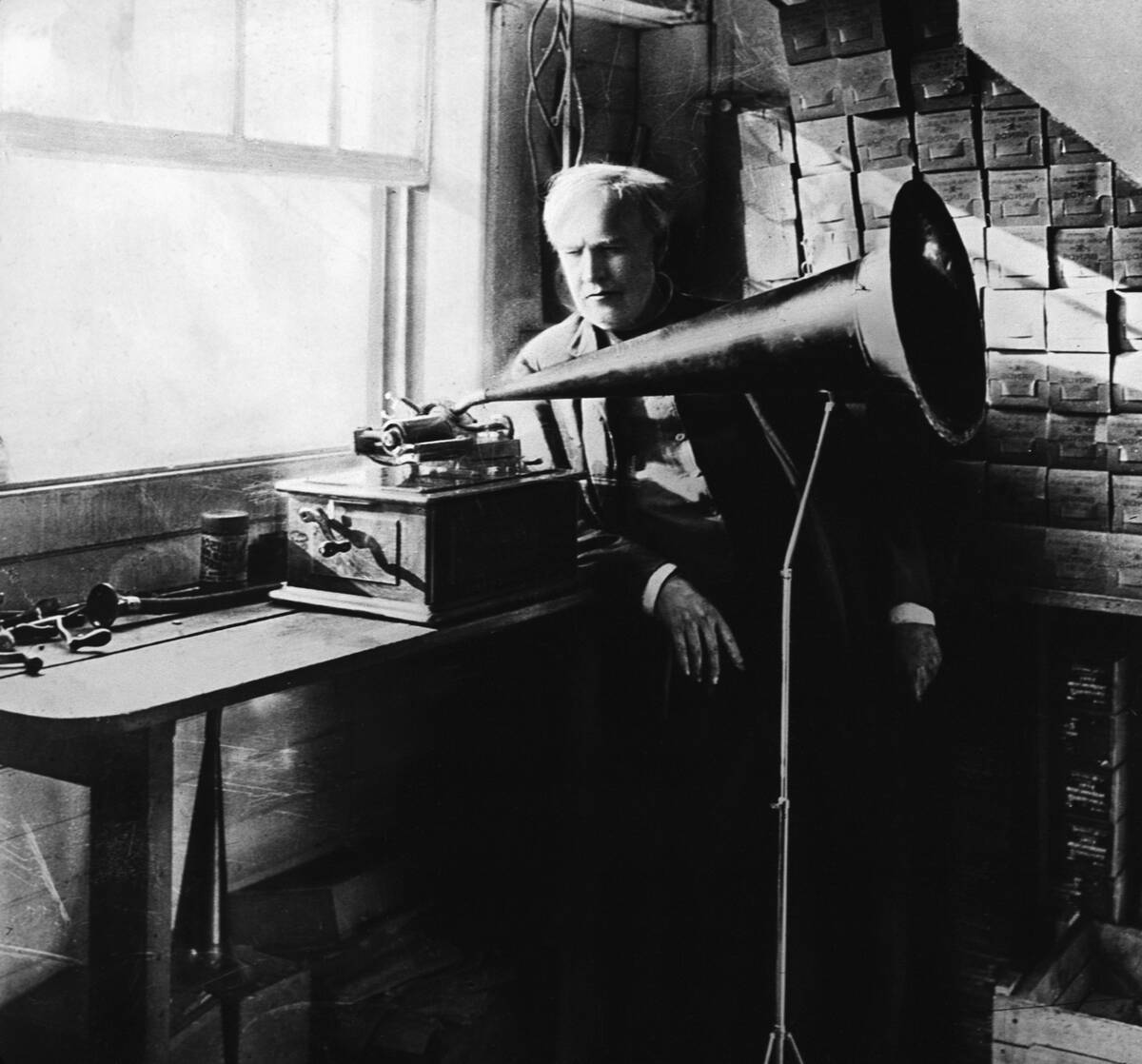
The phonograph was a groundbreaking invention that brought music into homes for the first time. Developed by Thomas Edison in 1877, it used a needle to trace grooves on a rotating cylinder, producing sound.
This machine allowed people to listen to music and recorded sound, transforming the entertainment landscape. The phonograph set the stage for modern music players and remains a beloved piece of audio history.
The Candle: Brightening Up the Night
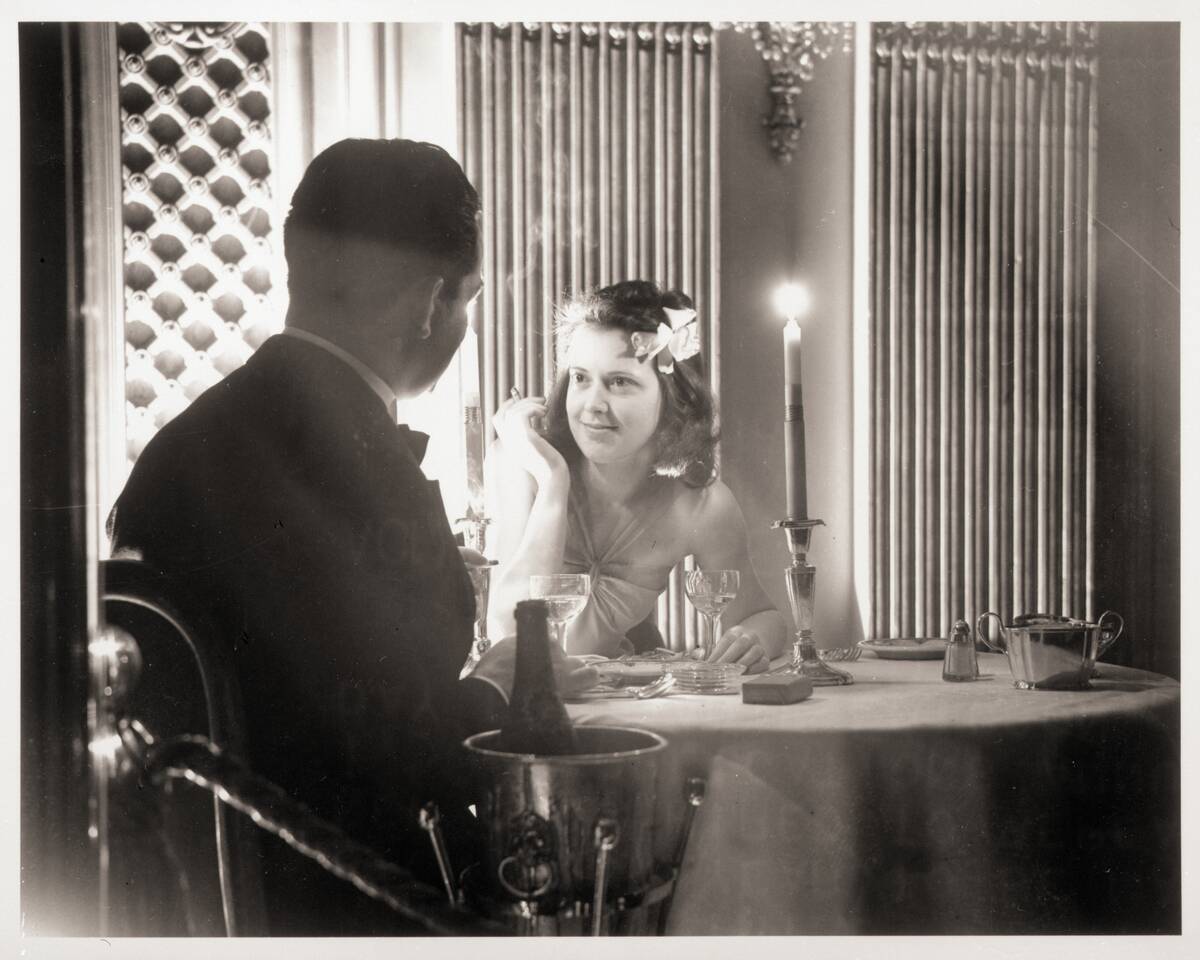
Before electric lights illuminated our nights, candles were the primary source of light after dark. Made from tallow or beeswax, these flickering flames provided warmth and ambiance.
Candles have been used since ancient times, with evidence of their use dating back to the Romans. Even today, candles are cherished for their simplicity and are often used in ceremonies, celebrations, and to create a cozy atmosphere.
The Quill Pen: Writing with Feather and Ink
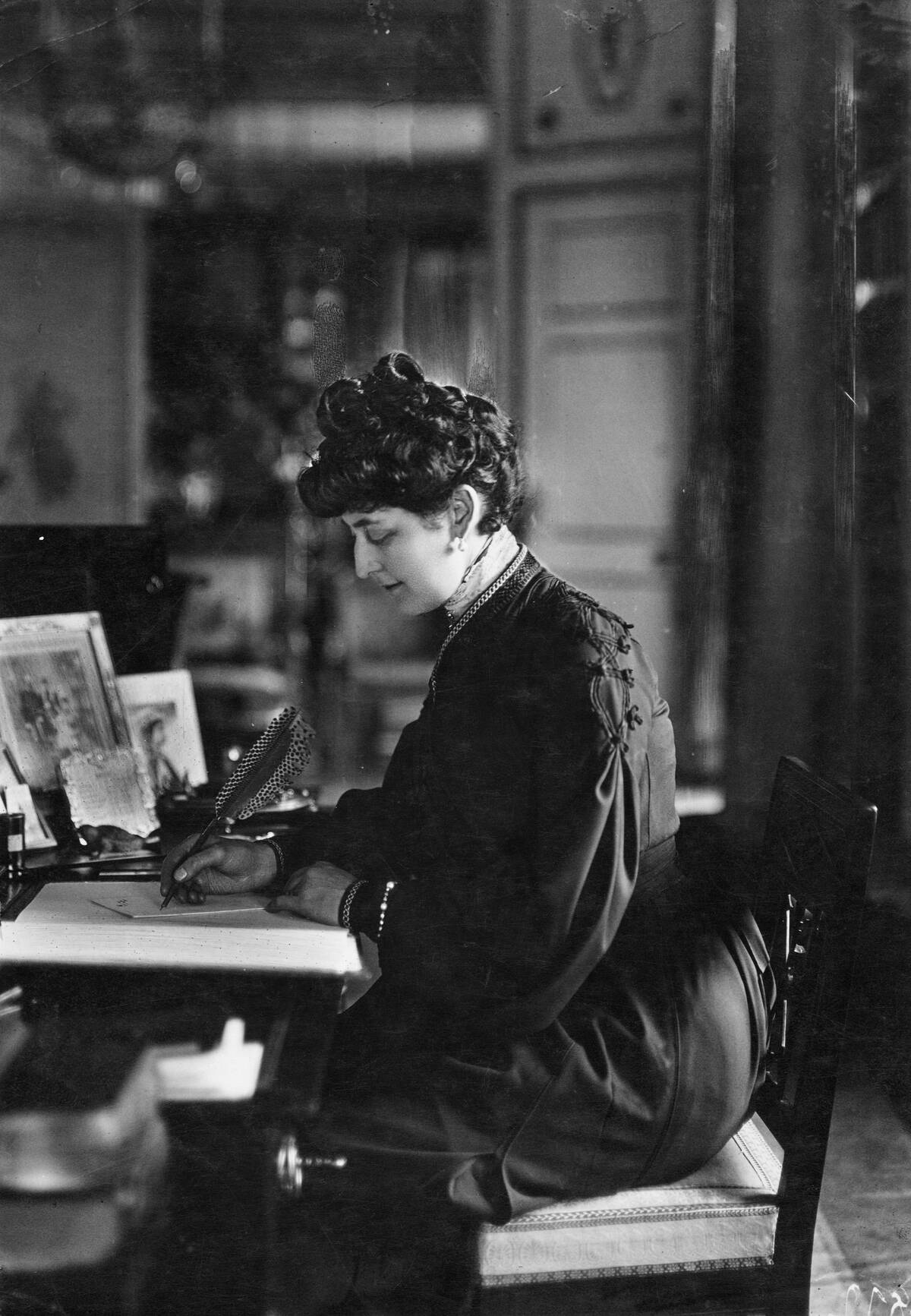
Long before ballpoint pens, the quill pen was the tool of choice for writers and scribes. Made from bird feathers, typically goose or swan, these pens were dipped in ink to write.
Despite being a bit messy, quill pens were cherished for their ability to produce fine script and were used in creating some of the most important documents in history, including the Magna Carta and the Declaration of Independence.
The Morse Code: Tapping Messages Across the Miles
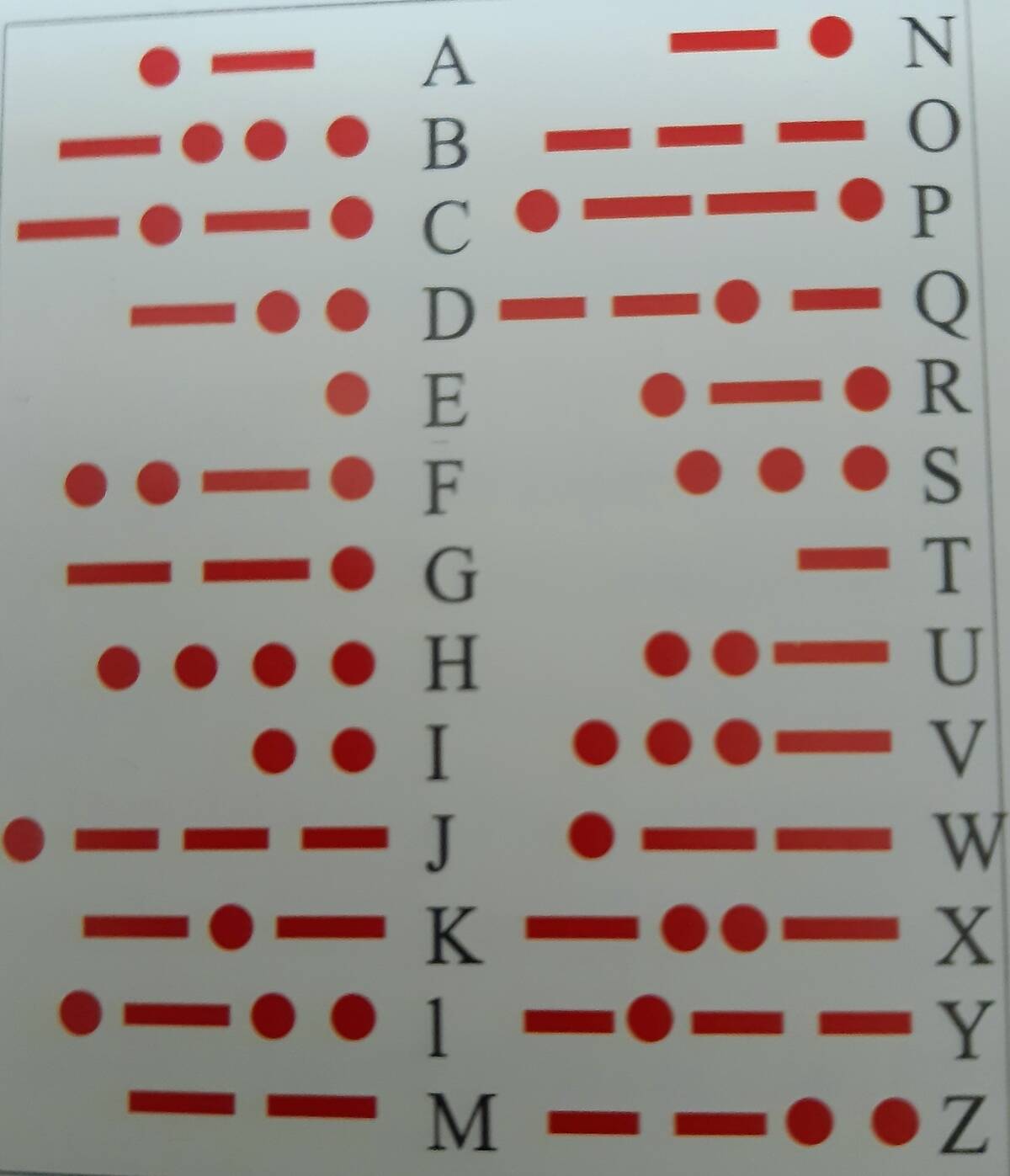
Morse code is a language of dots and dashes that revolutionized long-distance communication. Developed by Samuel Morse and Alfred Vail in the 1830s, it allowed messages to be sent over telegraph lines with unprecedented speed.
Each letter of the alphabet is represented by a unique sequence, making it a versatile and efficient way to convey information. Morse code played a crucial role in both world wars, showcasing its enduring impact.
The Wind-Up Alarm Clock: Starting the Day with a Twist

Before digital alarms, the wind-up alarm clock was the trusty companion of early risers. These mechanical marvels required a daily winding to keep their gears ticking and their bells ringing at the desired time.
With their charming ticking sound and classic design, wind-up alarm clocks were a staple on bedside tables worldwide. Their reliability and simplicity made them a beloved tool for decades before electronic versions took over.
The Washing Board: Scrubbing Up Before Machines
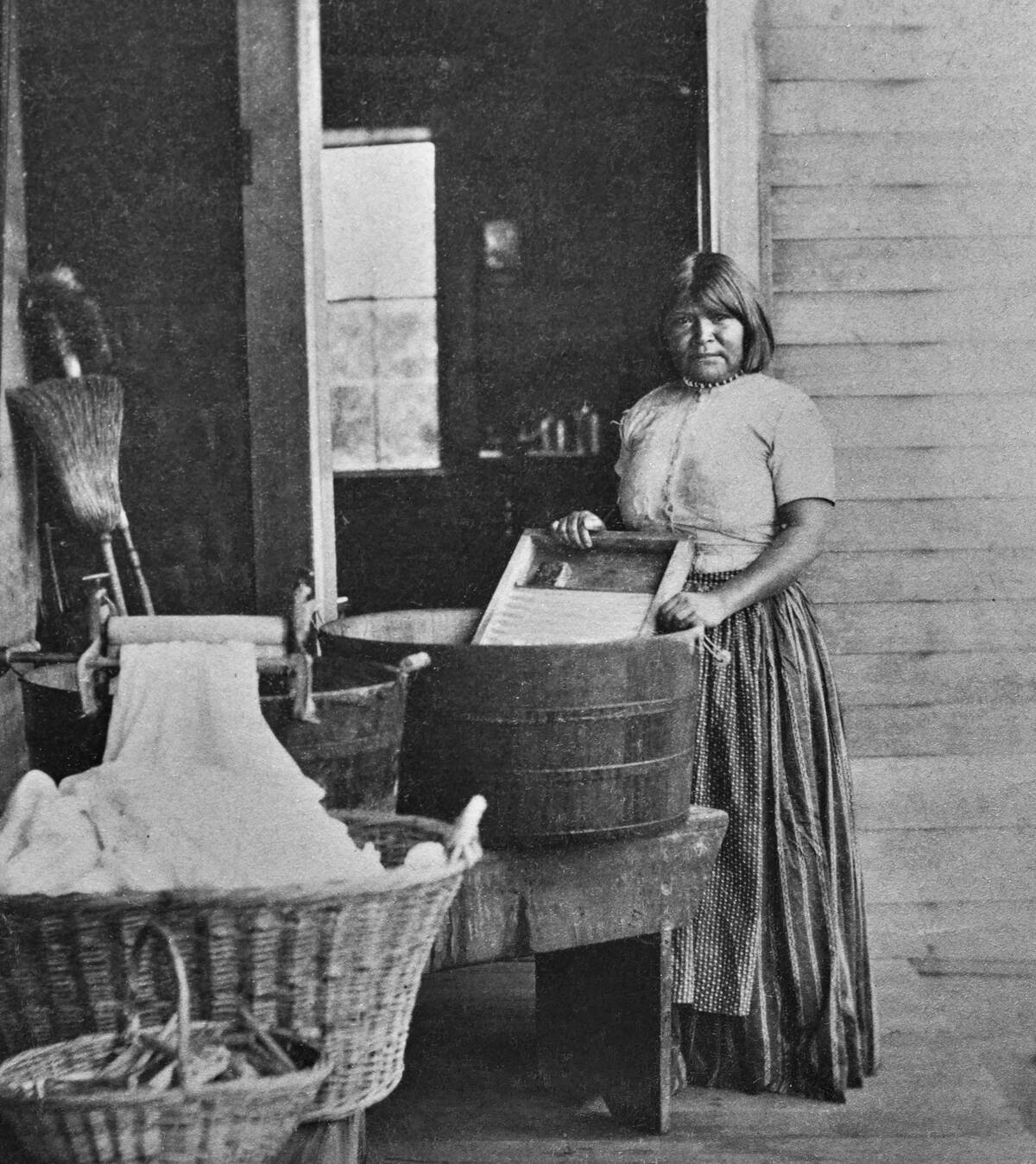
In the days before washing machines, the washboard was the go-to tool for laundry. Made from wood or metal, these boards had ridges that allowed users to scrub clothes clean with soap and water.
Though labor-intensive, washboards were effective and portable, making them a household staple. Today, they serve as a nostalgic reminder of simpler times and have even made a comeback as musical instruments in folk bands.
The Horse-Powered Plow: Farming the Old-Fashioned Way
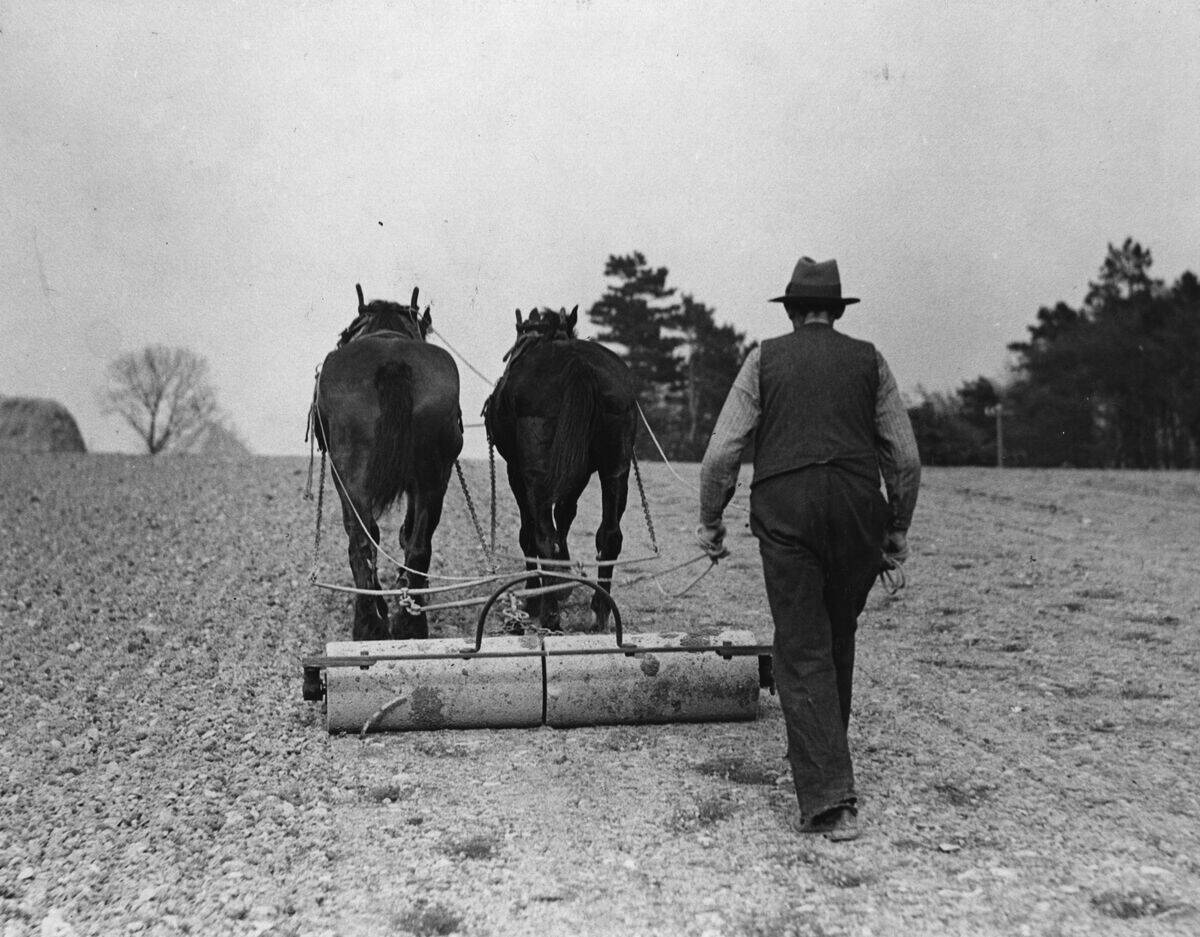
Before tractors roamed the fields, horse-powered plows were essential for agriculture. These plows, pulled by strong horses, broke up the soil to prepare it for planting. This method of farming was not only efficient for its time but also sustainable, relying on the natural strength of horses rather than fuel.
Even with modern machinery, the image of a horse-drawn plow remains an enduring symbol of traditional farming.
The Pneumatic Tube: Air-Powered Parcel Delivery
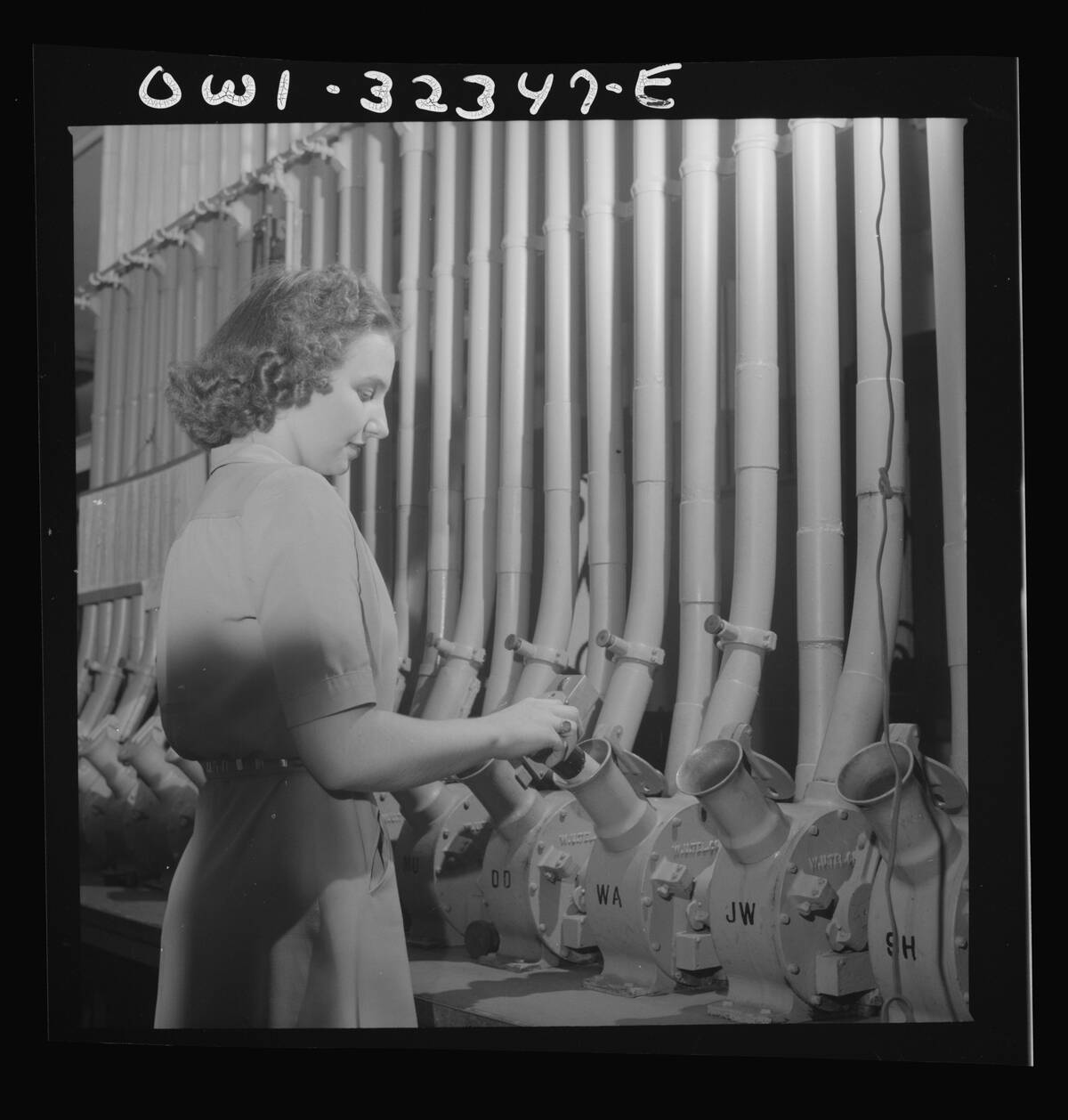
Pneumatic tubes were an ingenious way to send messages and small parcels across distances quickly. Operating on a system of air pressure, these tubes transported canisters through a network of pipes, commonly used in banks and offices in the late 19th and early 20th centuries.
While their use has diminished, the concept of the pneumatic tube remains alive in some places, a testament to its innovative design and functionality.
The Kodak Brownie Camera: Capturing Moments the Vintage Way
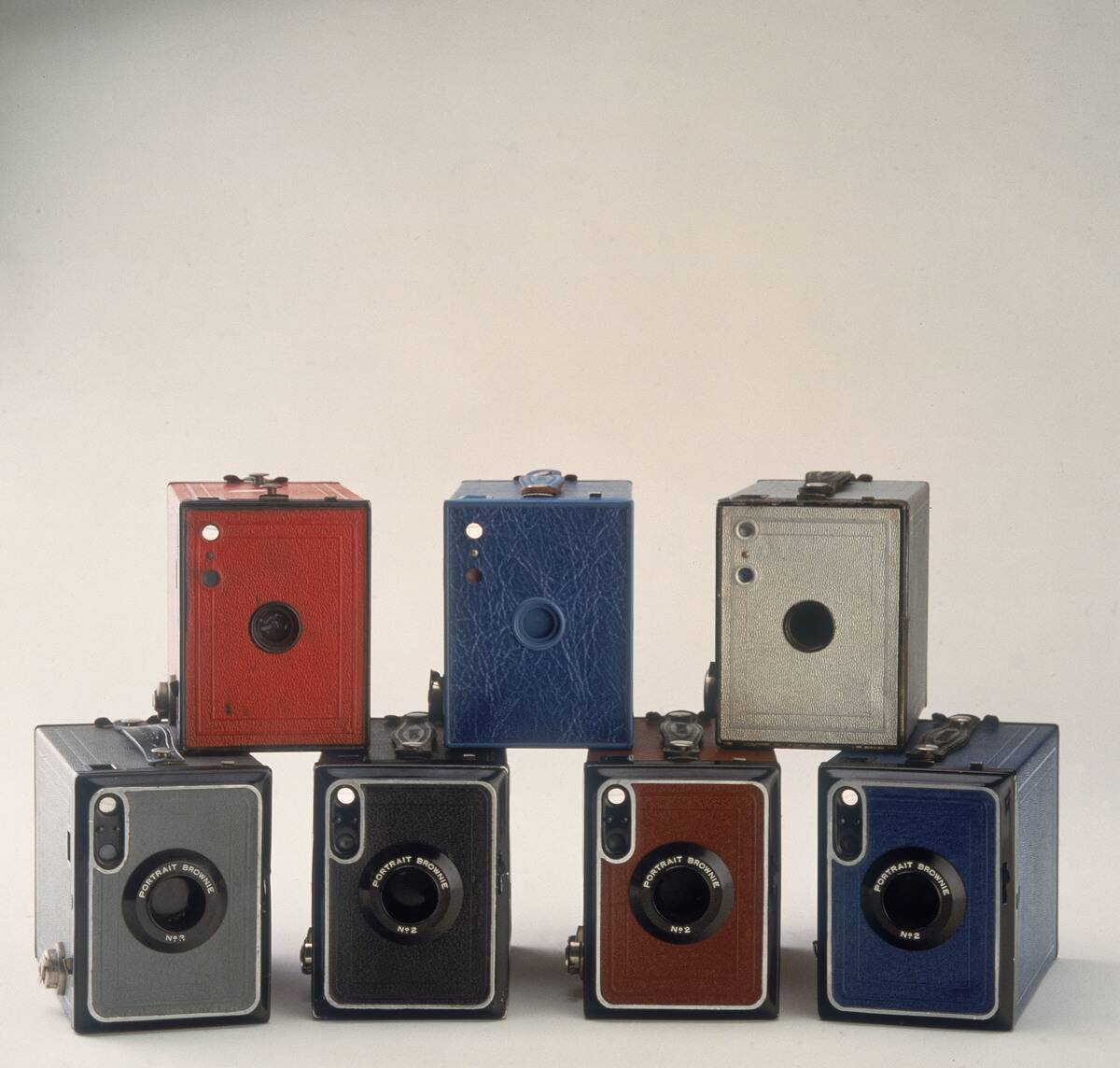
The Kodak Brownie camera, introduced in 1900, made photography accessible to the masses. Its simple design and affordable price allowed anyone to capture memories on film.
With its iconic box shape and ease of use, the Brownie became a cultural phenomenon, inspiring a new generation of amateur photographers. It revolutionized the way people documented their lives and laid the foundation for the modern photography industry.




