Historical figures erased from official records
History is a vast tapestry woven with countless threads of stories and achievements. Yet, some figures are often hidden in the shadows, their stories overshadowed by more prominent narratives.
These individuals, though pivotal in their own rights, have tales that intrigue and mystify. In this exploration, we’ll uncover the lesser-known histories of some historical figures and the fascinating mysteries surrounding their lives. From vanishing acts to overlooked contributions, these stories reveal the complex layers of history.
The Mysterious Disappearance of Pharaoh Akhenaten
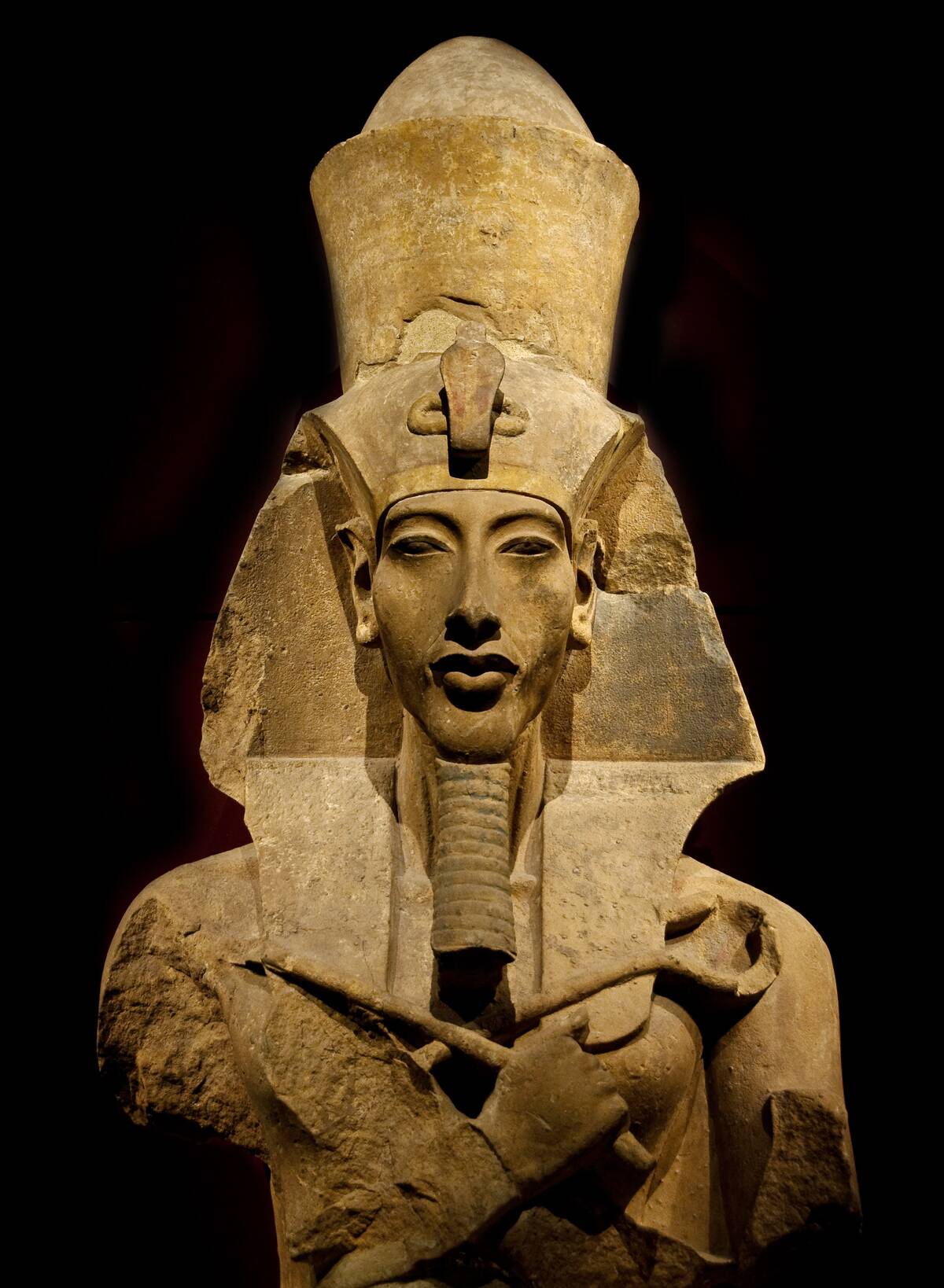
Pharaoh Akhenaten was a revolutionary figure in ancient Egypt’s history. Known for his attempt to shift Egypt’s polytheistic beliefs to monotheism, he worshipped the sun disk, Aten. Yet, after his death, records of his existence were systematically erased, leading to his mysterious disappearance from history.
Scholars believe this erasure was due to the religious upheaval he caused. His successor, Tutankhamun, restored the traditional gods, relegating Akhenaten’s reign to obscurity, and leaving historians piecing together fragments of his life.
The Vanishing Act of Empress Matilda
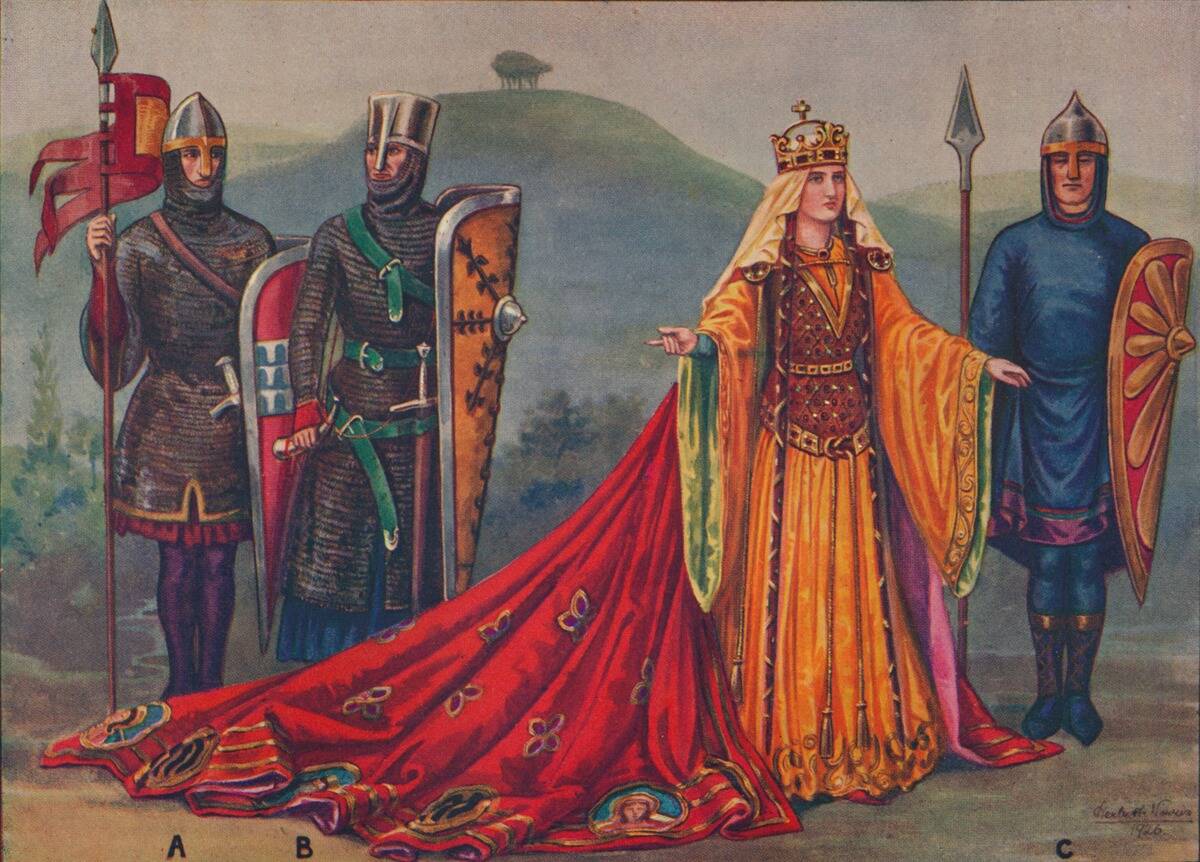
Empress Matilda, a key figure in the English succession crisis known as The Anarchy, was nearly queen. Her claim to the throne was contested by her cousin Stephen, leading to a civil war. Despite her efforts, Matilda never officially ruled England.
A dramatic escape from Oxford Castle, dressed in white to blend with the snow, adds to her legend. Her son, Henry II, eventually ascended the throne, but Matilda’s near reign remains a testament to her resilience in a male-dominated era.
The Forgotten Reign of Emperor Elagabalus
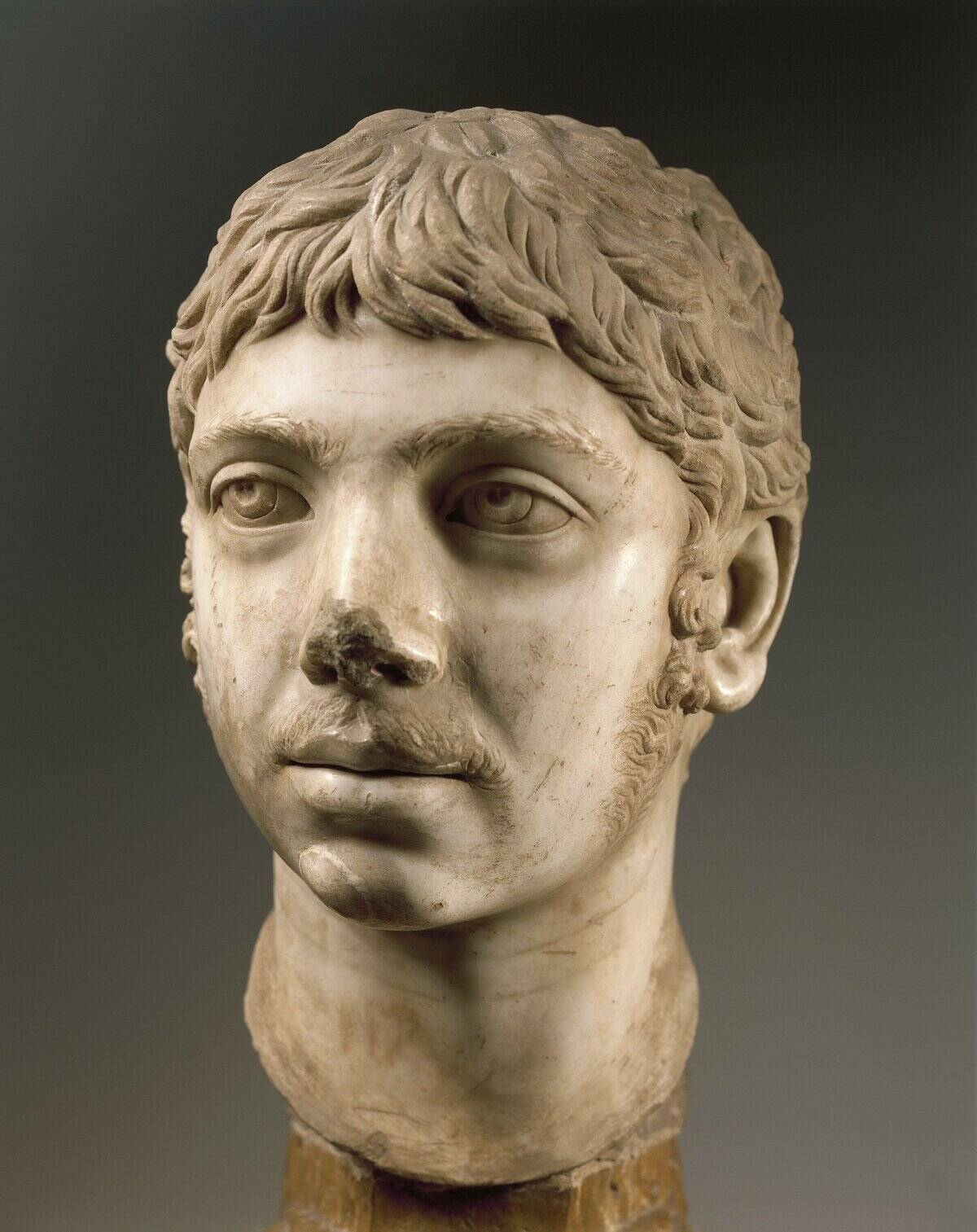
Elagabalus, a Roman emperor in the 3rd century, is often remembered for his eccentricities rather than his political achievements. He was a teenager when he ascended the throne, and his reign was marked by religious controversy as he prioritized the worship of the sun god Elagabal over traditional Roman deities.
His disregard for Roman traditions and scandalous behavior led to his downfall. Posthumously, his reign was largely erased from Roman records, leaving behind a legacy shrouded in scandal and intrigue.
The Overlooked Contributions of Rosalind Franklin

Rosalind Franklin played a crucial role in discovering the DNA’s double helix structure. Her X-ray diffraction images provided key insights that led Watson and Crick to their famous model.
However, due to the gender biases of her time, Franklin’s contributions were largely unrecognized during her life. Posthumously, her work is celebrated, highlighting her as a pioneer in molecular biology. Her story underscores the challenges faced by women in science and the importance of acknowledging contributions regardless of gender.
The Silenced Voice of Nefertiti
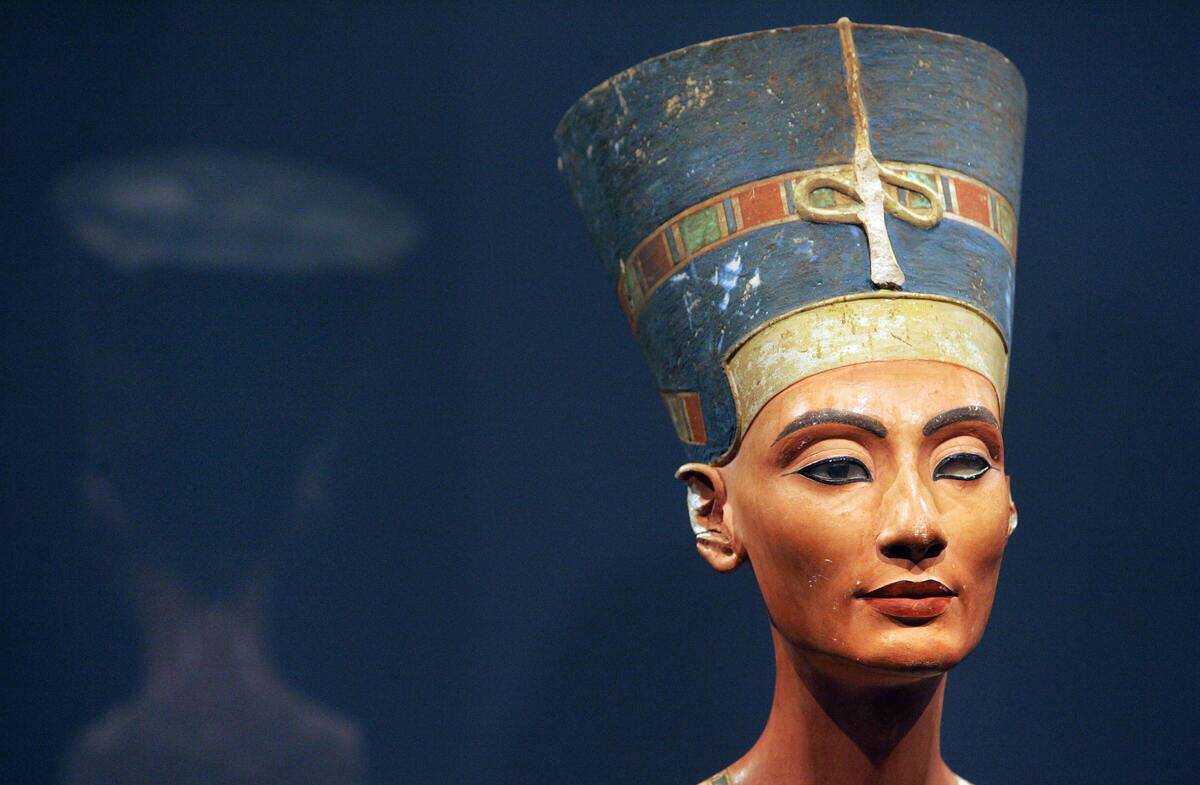
Nefertiti, the Great Royal Wife of Pharaoh Akhenaten, is one of ancient Egypt’s most famous queens. Renowned for her beauty and depicted in iconic busts, her influence extended beyond aesthetics.
Nefertiti played a significant role in the religious revolution alongside Akhenaten. Yet, her fate remains a mystery. Some speculate she ruled as a pharaoh in her own right before vanishing from historical records. Her disappearance intrigues historians, leaving questions about her ultimate influence and legacy.
The Hidden Achievements of Katherine Johnson

Katherine Johnson, a brilliant mathematician, played a pivotal role in NASA’s early space missions. Her calculations ensured the success of the first American manned spaceflights. Despite her critical contributions, she faced racial and gender barriers throughout her career.
Johnson’s story gained broader recognition with the release of the film Hidden Figures, highlighting her and her colleagues’ essential roles in NASA’s achievements. Her legacy serves as inspiration, showcasing the impact of determination and intellect in overcoming adversity.
The Legacy of Anne Boleyn
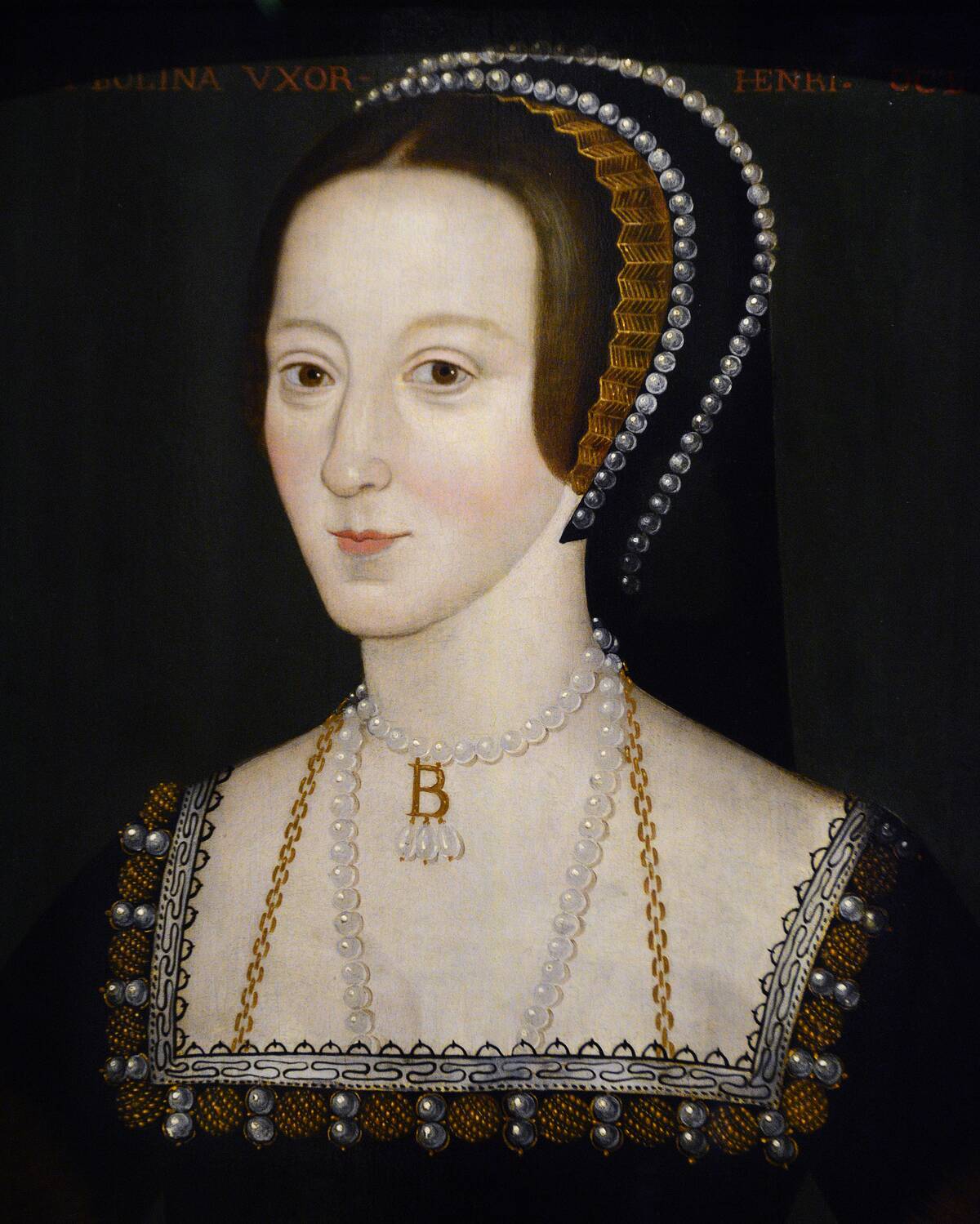
Anne Boleyn, the second wife of King Henry VIII, is one of history’s most infamous queens. Her marriage to Henry led to England’s break from the Catholic Church. Yet, her downfall was rapid and tragic, culminating in her execution.
Although her legacy survived and was reconsidered upon Elizabeth I’s ascension to the throne, Henry VIII had her portraits destroyed in an attempt to erase her from history. Anne’s life and death continue to captivate, reflecting the volatile nature of Tudor politics and the perilous position of queenship.
The Overwritten Story of Thomas Paine
![[redacted]](https://media.tellmebest.com/wp-content/uploads/2023/09/thomas-paine-40688.jpeg)
Thomas Paine, a political activist and philosopher, was instrumental in the American and French Revolutions. His pamphlets, like Common Sense, galvanized public opinion against British rule.
Despite his influence, Paine’s later life was marked by poverty and obscurity. His critiques of organized religion in The Age of Reason alienated many supporters, as did his criticisms of George Washington. Today, his contributions to democratic ideals are acknowledged, yet his complex legacy often remains overshadowed by more prominent figures of his time.
The Vanished Influence of Hypatia of Alexandria
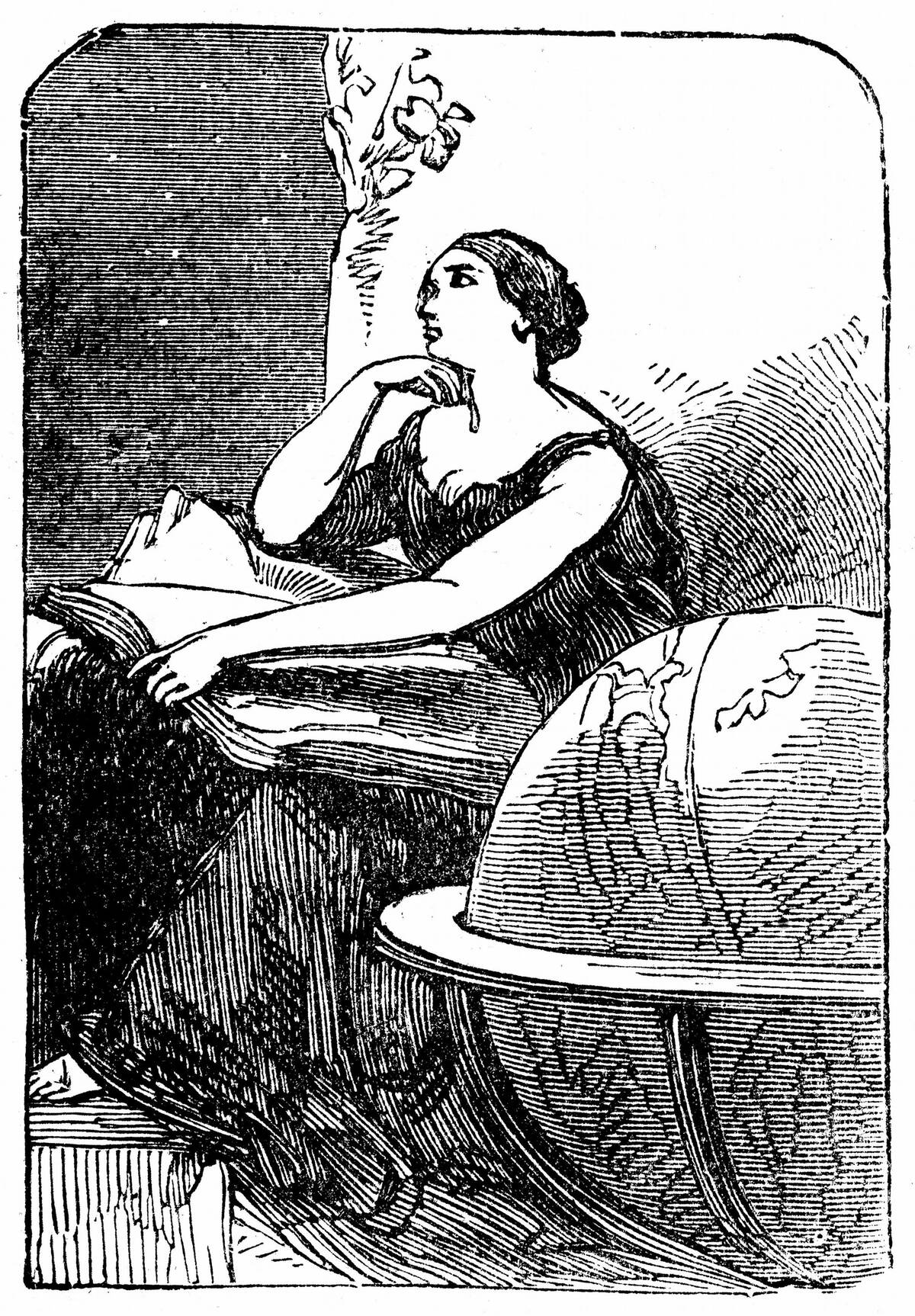
Hypatia of Alexandria, a renowned philosopher and mathematician, lived in a time of religious and political upheaval. As a leading thinker, she taught astronomy and philosophy, attracting students from across the ancient world.
Her murder by a mob in 415 AD marked a significant point in the decline of classical scholarship in Alexandria. Hypatia’s life and tragic death have been re-examined as symbols of the struggle between science and religious dogma, highlighting her enduring influence on intellectual history.
The Unrecorded Brilliance of Ada Lovelace
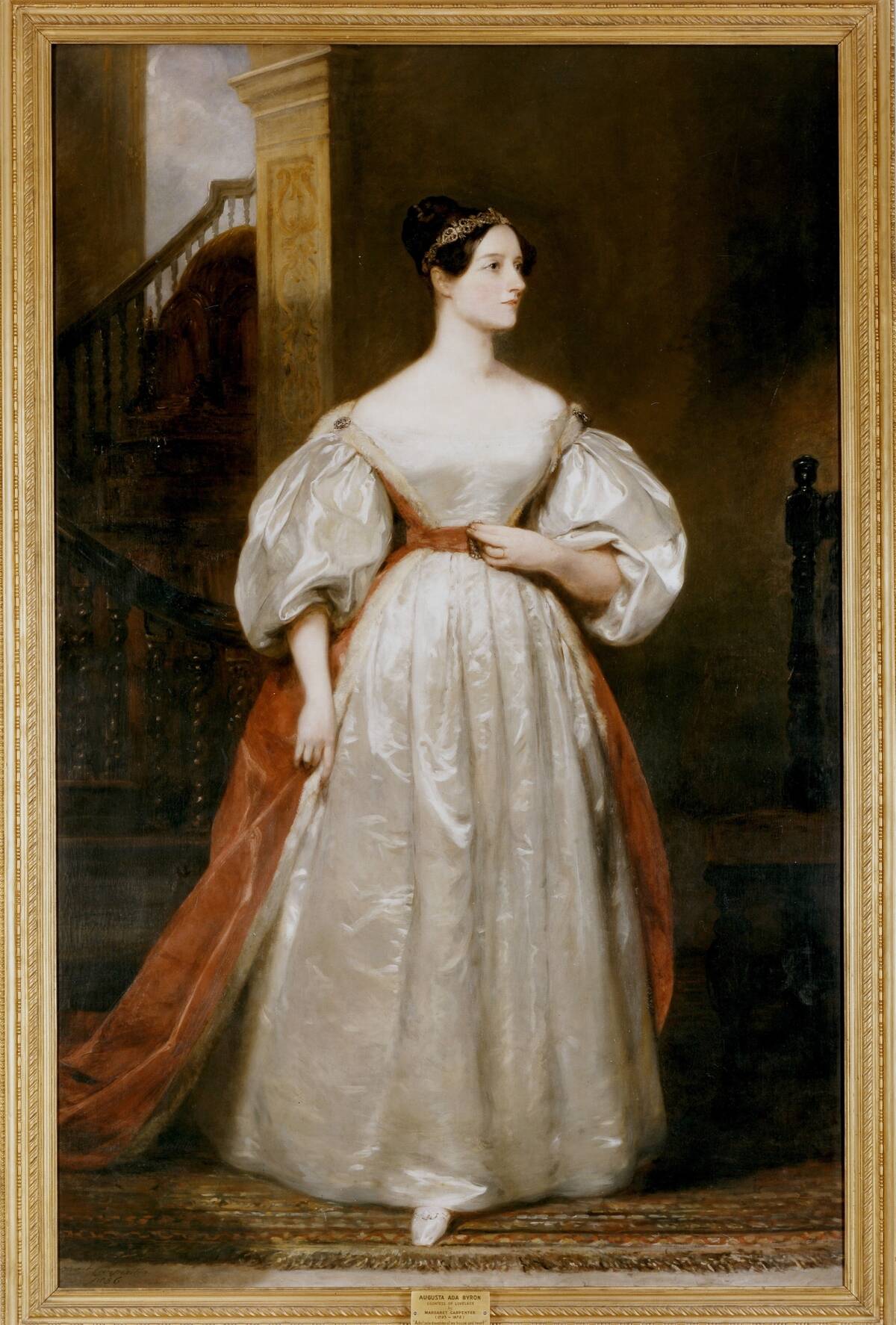
Ada Lovelace, often celebrated as the first computer programmer, worked with Charles Babbage on his Analytical Engine. Her visionary notes on the machine outlined principles of computing that predated modern computers.
Despite her groundbreaking insights, her contributions went largely unrecognized for decades. Today, Lovelace is celebrated for her foresight in computing, with Ada Lovelace Day honoring women in STEM fields. Her story underscores the importance of recognizing the contributions of women in the development of technology.




