19 people who altered history accidentally
History isn’t just plans and blueprints; it’s also detours, spills, and “uh‑oh” moments that changed everything. The word serendipity itself was coined by Horace Walpole in 1754 to describe discoveries made by accident and sagacity. Louis Pasteur later put it neatly: chance favors the prepared mind.
From laboratories to kitchens and mountain roads, fortunate errors have nudged science, technology, and culture in new directions.
Across twenty tales here, you’ll meet melted chocolate bars inspiring new appliances, messy petri dishes launching antibiotics, and cosmic pigeon poop helping confirm the Big Bang. These aren’t myths polished by time; they’re documented turn‑on‑a‑dime moments with receipts—dates, patents, and lab notes—where curiosity met a mistake and ran with it. Ready to see how the wrong turn often proved exactly right?
Christopher Columbus: Sailing for spices, stumbling on a new world
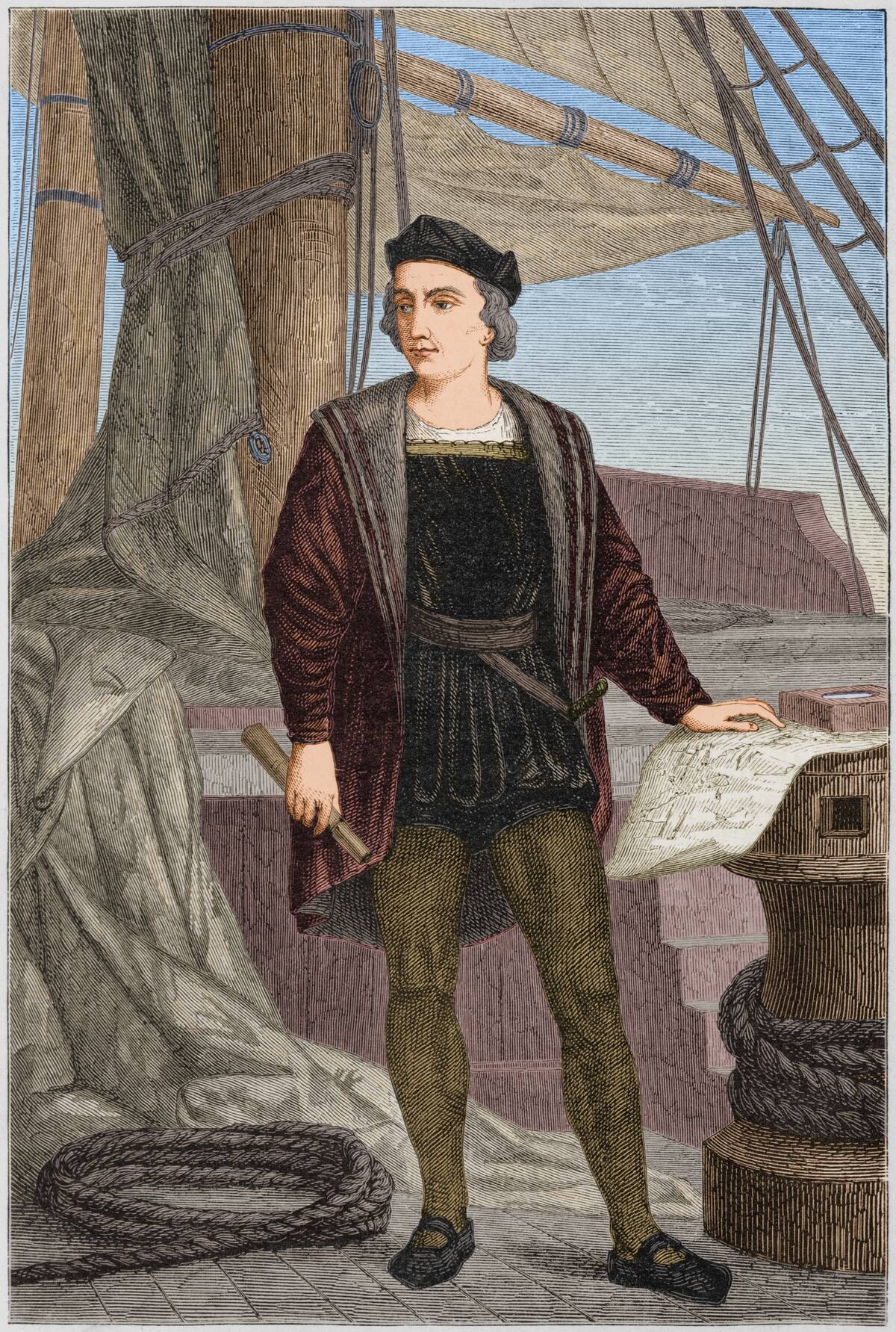
In 1492, Christopher Columbus sailed under the Spanish crowns of Ferdinand and Isabella seeking a westward route to Asia’s spice markets. Aiming for Cipangu (Japan) and the Indies, he set off with the Niña, the Pinta, and the Santa María. Instead, on October 12, 1492, he made landfall in the Bahamas—on an island he named San Salvador—encountering the Taíno. Believing he’d reached the outskirts of Asia, he called the people “Indios,” a misunderstanding that stuck.
The voyage didn’t find cloves or pepper, but it did open sustained contact between Europe and the Americas. Columbus returned on three more voyages (1493–1504), visiting Hispaniola, Cuba, and parts of Central and South America. He died in 1506 still insisting he had reached Asia’s fringes. Whatever the intention, the detour redrew maps, refashioned trade, and set off exchanges—plants, animals, diseases—later labeled the Columbian Exchange.
Gavrilo Princip: A wrong turn and a chance encounter that sparked WWI
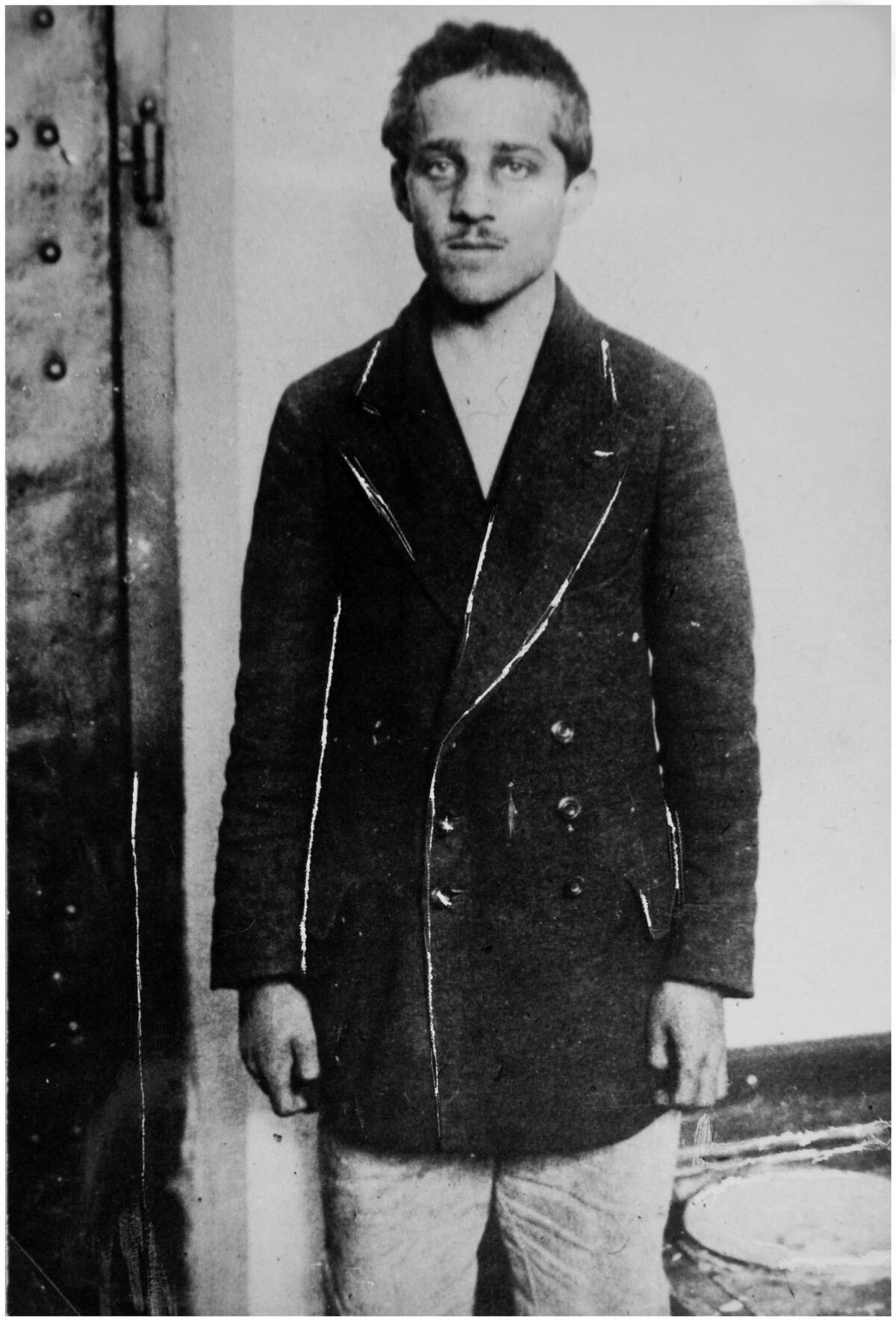
On June 28, 1914, Archduke Franz Ferdinand visited Sarajevo. Earlier that morning, conspirators from Young Bosnia, aided by elements of the Black Hand, bungled attacks along the route. Later, the Archduke’s driver mistakenly turned onto Franz Josef Street—right past Schiller’s Delicatessen—where Gavrilo Princip happened to be standing after the failed attempts. Princip seized the chance, firing an FN Model 1910 pistol and fatally wounding the Archduke and his wife, Sophie.
The shots triggered the July Crisis and, within weeks, World War I. Princip was 19 and thus ineligible for the death penalty under Austro‑Hungarian law; he received 20 years and died of tuberculosis in 1918. The war’s cascade—alliances, mobilizations, and declarations—owed its spark to that errant turn, proof that geopolitics can pivot on a driver’s mistake and a sandwich stop.
Alexander Fleming: The messy petri dish that discovered penicillin
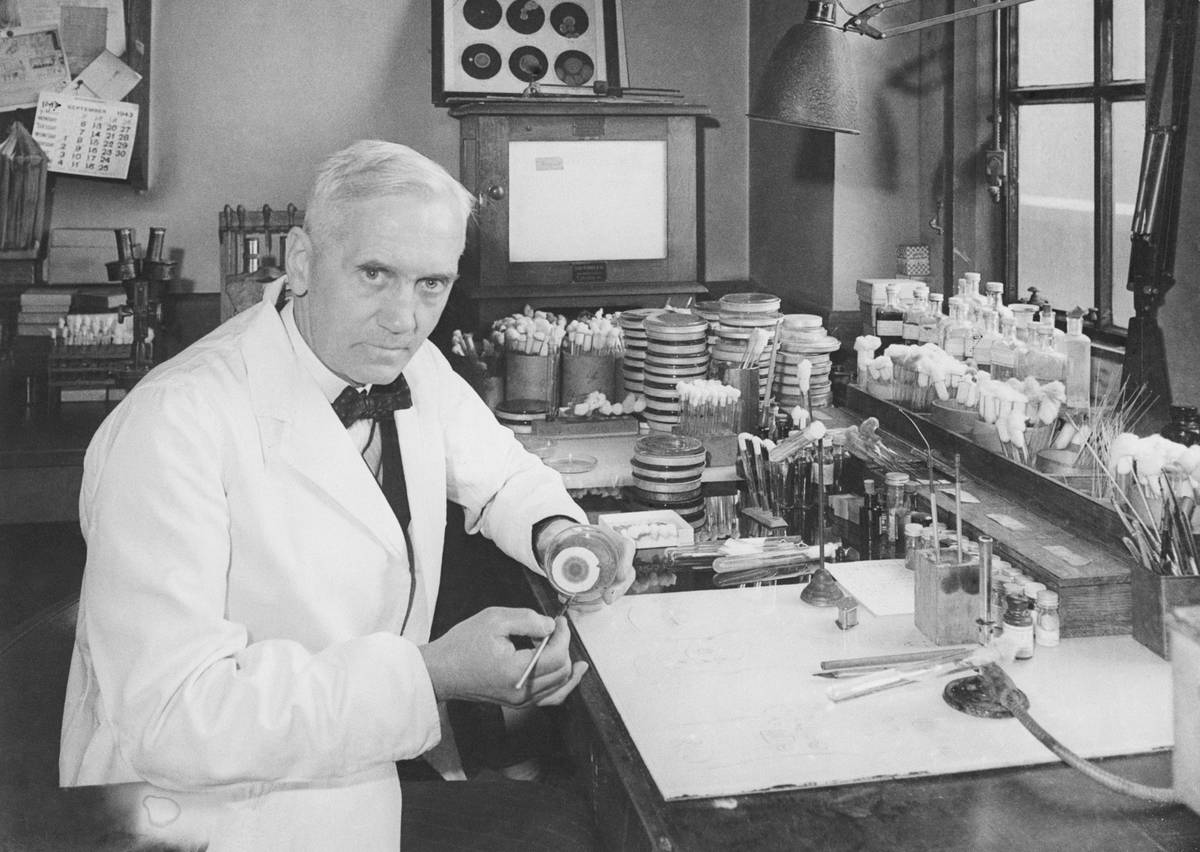
In 1928 at St. Mary’s Hospital in London, bacteriologist Alexander Fleming returned from holiday to a cluttered lab. He noticed a Petri dish of Staphylococcus aureus contaminated with a mold, later identified as Penicillium notatum. Around the mold, the bacteria had been lysed—a crisp halo of inhibition that caught his eye.
Fleming published his findings in 1929, coining the substance “penicillin,” but he lacked a method to purify and mass‑produce it.
A decade later, Howard Florey, Ernst Chain, and colleagues at Oxford solved the production puzzle, scaling penicillin during World War II and saving countless lives from sepsis and pneumonia. In 1945, Fleming, Florey, and Chain shared the Nobel Prize in Physiology or Medicine. A stray spore on an untidy bench became the antibiotic era’s opening chapter.
Wilhelm Röntgen: A mysterious glow that unveiled X‑rays
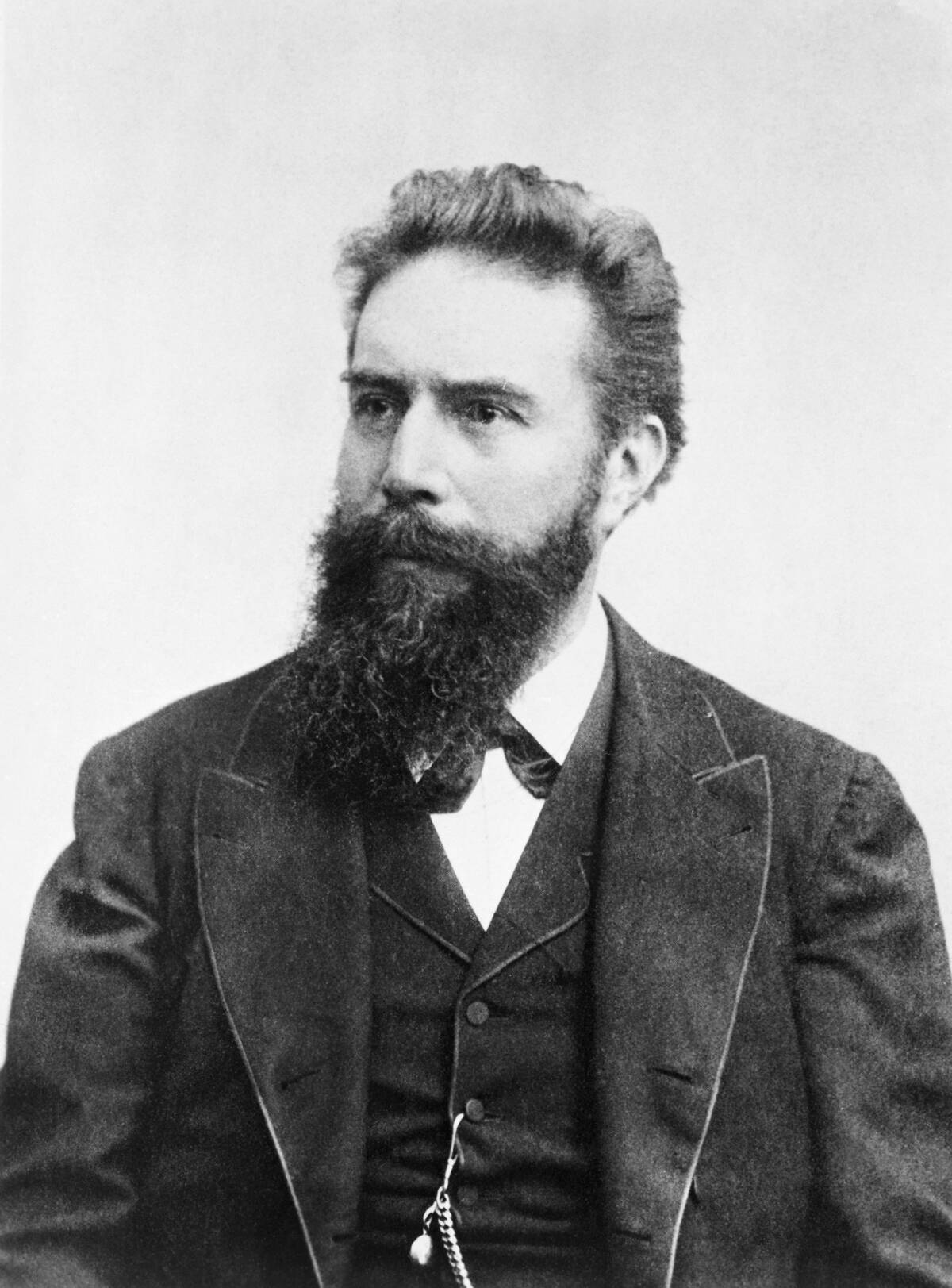
In November 1895, physicist Wilhelm Röntgen was experimenting with cathode rays in Würzburg when he noticed a barium platinocyanide screen glowing from across the room—despite being shielded. Something invisible was streaming through. He called the unknown radiation “X‑rays,” took a haunting radiograph of his wife’s hand showing bones and wedding ring, and sent shockwaves through medicine and physics.
Within months, surgeons used X‑rays to locate bullets and fractures, revolutionizing diagnostics. Röntgen refused to patent his discovery and donated much of his Nobel Prize in Physics (the first ever awarded, in 1901) to research. From a chance glow to a new window into the body, the leap was as fast as a shutter click.
Percy Spencer: A melted candy bar and the birth of the microwave oven
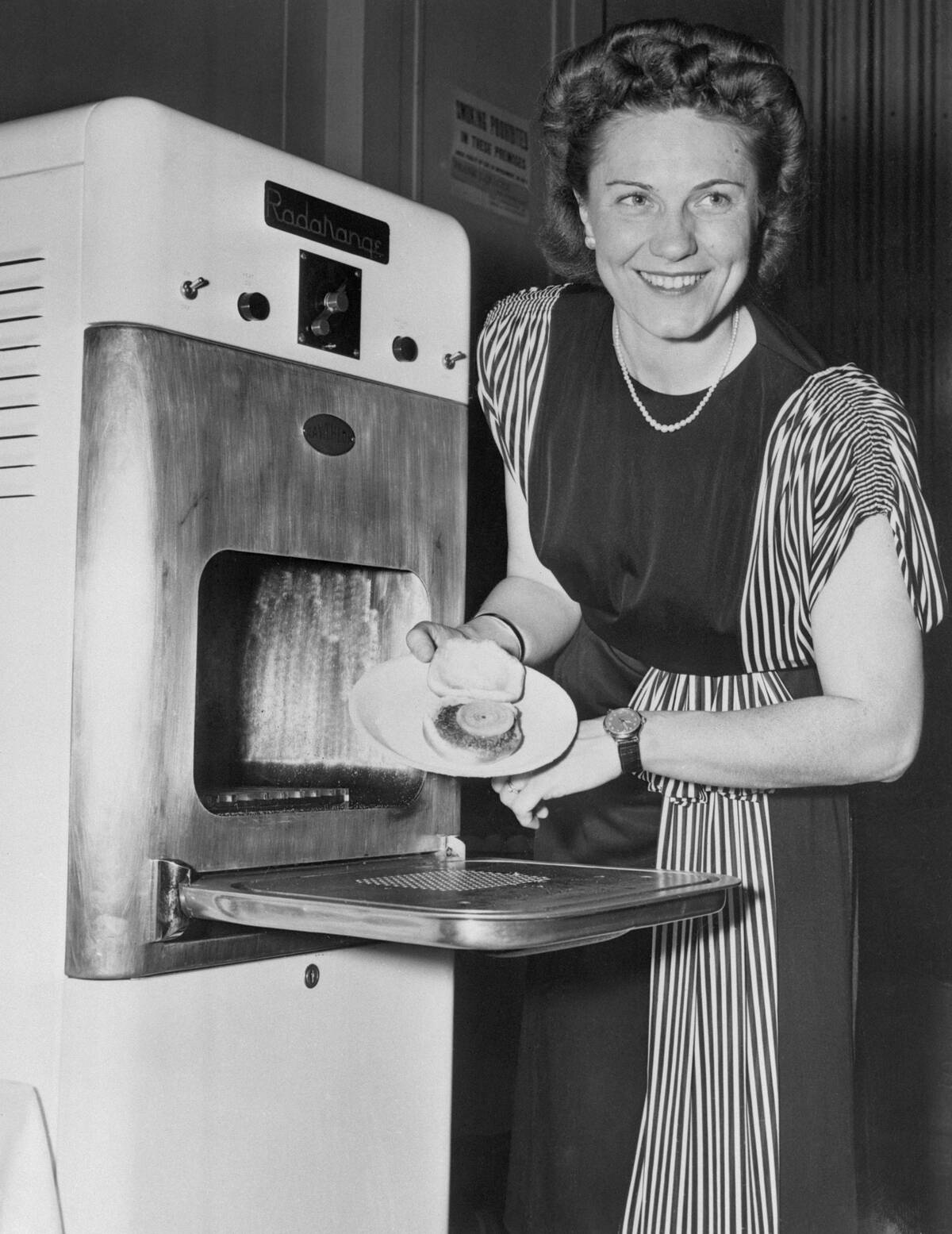
At Raytheon in 1945, engineer Percy Spencer stood near an active magnetron—the heart of radar—when a chocolate bar in his pocket softened unexpectedly. Intrigued, he aimed microwaves at popcorn (it popped) and an egg (it exploded). Spencer built a metal box to contain the radiation and cook food safely.
Raytheon filed patents that year, and by 1947 the first commercial Radarange arrived.
Those early units were giants—over five feet tall, water‑cooled, and weighing around 340 kilograms—costing about $5,000. The breakthrough for homes came in 1967 with the Amana Radarange countertop model at $495. A sweet mess evolved into a weekday workhorse, heating leftovers in minutes.
Charles Goodyear: A hot stove oops that toughened rubber
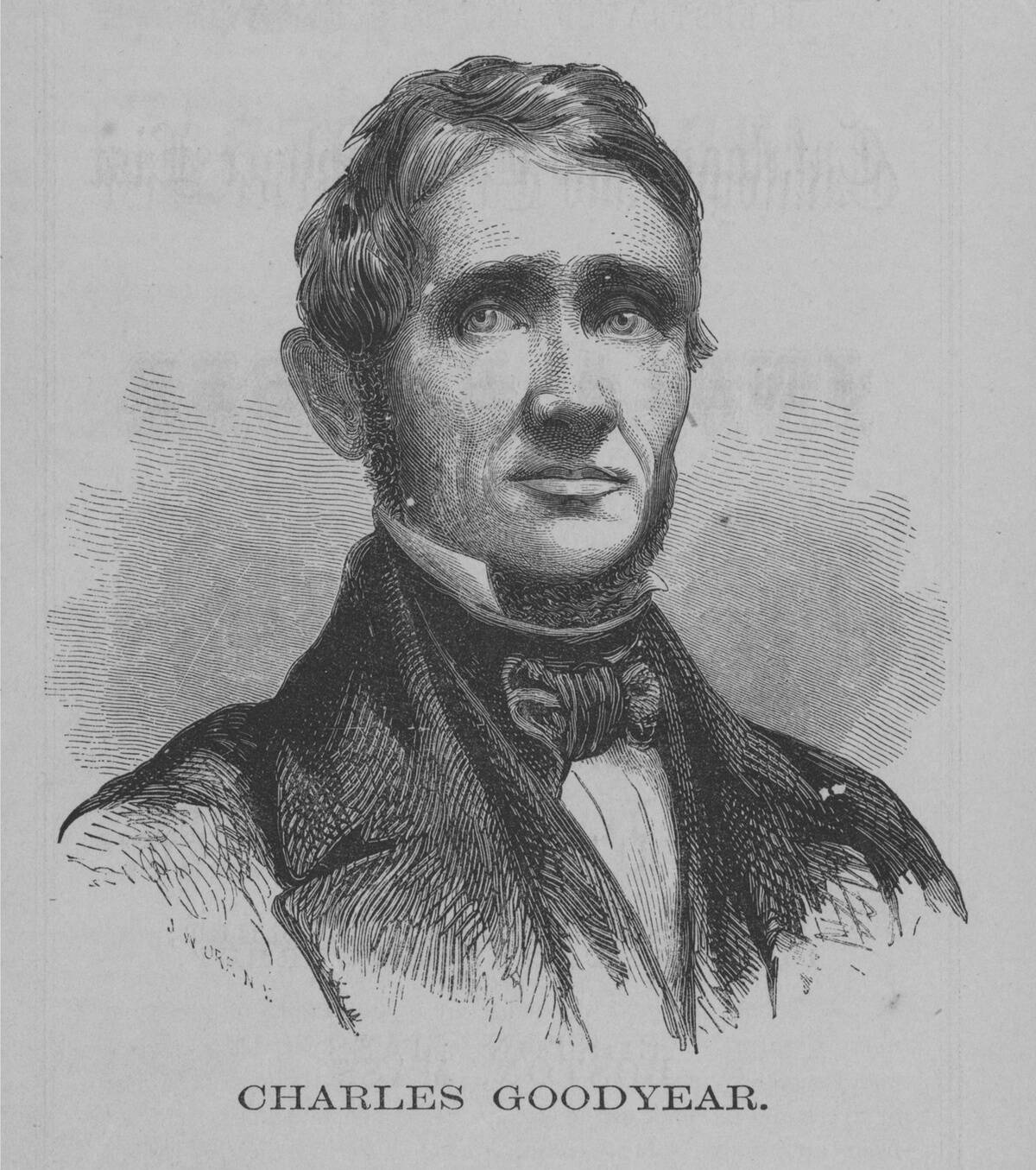
Natural rubber in the early 1800s was fickle—sticky in summer, brittle in winter. Charles Goodyear tinkered obsessively with additives to tame it. In 1839, legend has him dropping a sulfur‑rubber mix onto a hot stove and finding it charred yet still elastic. He had stumbled onto vulcanization: cross‑linking polymer chains with sulfur to stabilize rubber’s behavior across temperatures.
Goodyear secured a U.S. patent in 1844, but he never got rich; lawsuits and debts dogged him until his death in 1860. Decades later, the Goodyear Tire & Rubber Company (founded 1898) honored him in name, not by origin. His overheated accident underpins tires, gaskets, and countless elastic goods.
Roy Plunkett: Teflon slips into the world by chemical surprise
On April 6, 1938, DuPont chemist Roy Plunkett was experimenting with tetrafluoroethylene gas to make new refrigerants at the Jackson Laboratory in Deepwater, New Jersey. Tanks that should have contained gas were mysteriously empty—but weighed the same. Inside, the gas had polymerized into a slick, white solid: polytetrafluoroethylene (PTFE).
It was incredibly inert, with one of the lowest coefficients of friction known.
DuPont trademarked Teflon in 1945. PTFE soon found critical wartime roles, lining pipes that handled corrosive uranium hexafluoride in the Manhattan Project. In the 1950s and 60s, it slid into kitchens via nonstick cookware—famously through Tefal in France—making stuck eggs and burned sauces easier to avoid. A sealed cylinder birthed the slipperiest of helpers.
William Henry Perkin: Failed quinine quest that dyed the world mauve
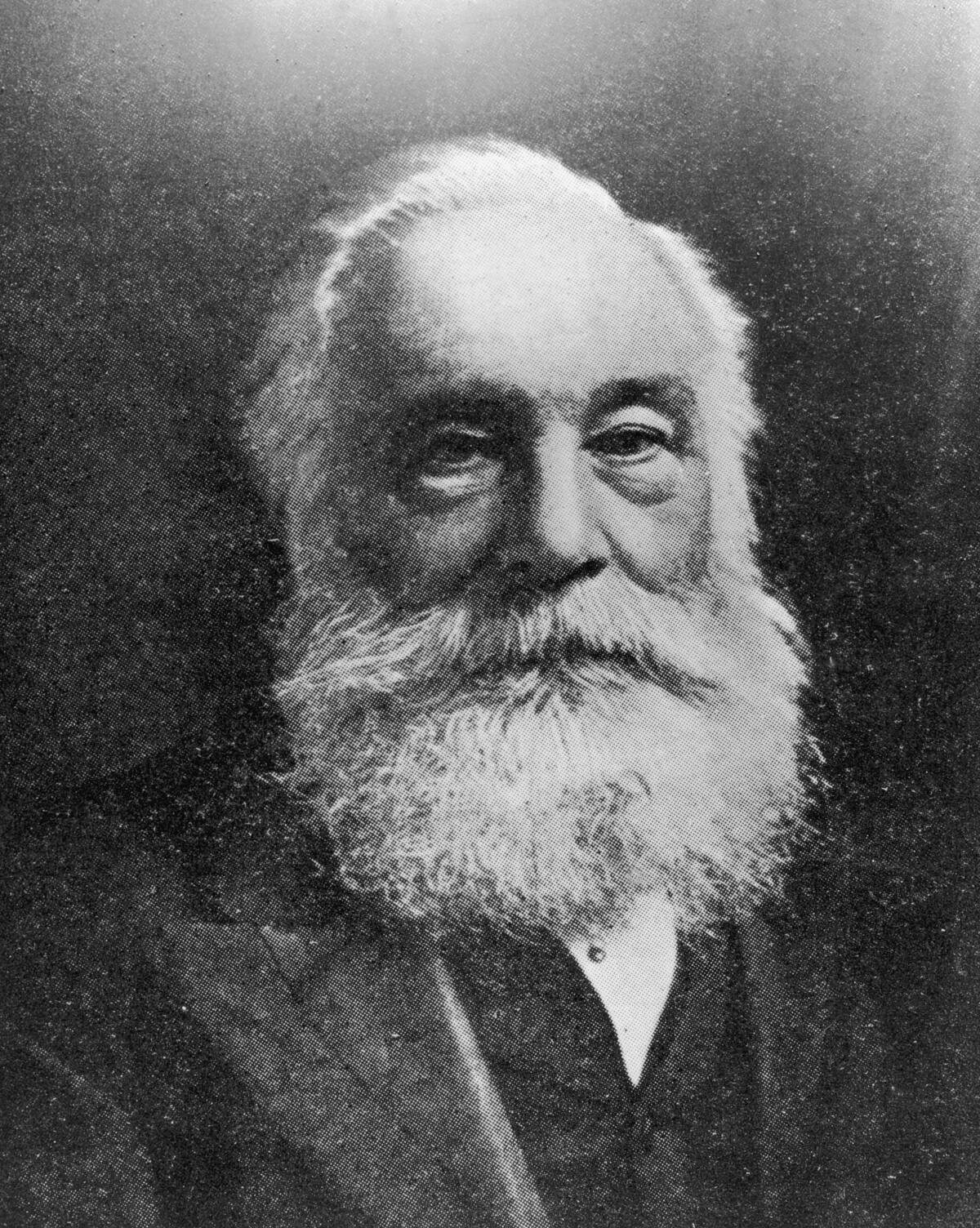
In 1856, 18‑year‑old William Henry Perkin, a student of August Wilhelm von Hofmann in London, tried to synthesize quinine from coal‑tar derivatives. His experiment failed medically but succeeded chromatically: an intense purple residue that dyed silk brilliantly. Perkin had created mauveine, the first aniline dye, and quickly patented it.
He built a factory in Greenford and launched a fashion frenzy. When Queen Victoria wore a mauve gown at the 1862 International Exhibition, demand exploded. Perkin’s accident ignited the modern chemical industry, paving the way for synthetic dyes, pharmaceuticals, and the rise of Germany’s dye giants later in the century.
Arno Penzias and Robert Wilson: Cosmic static (and pigeons) confirming the Big Bang
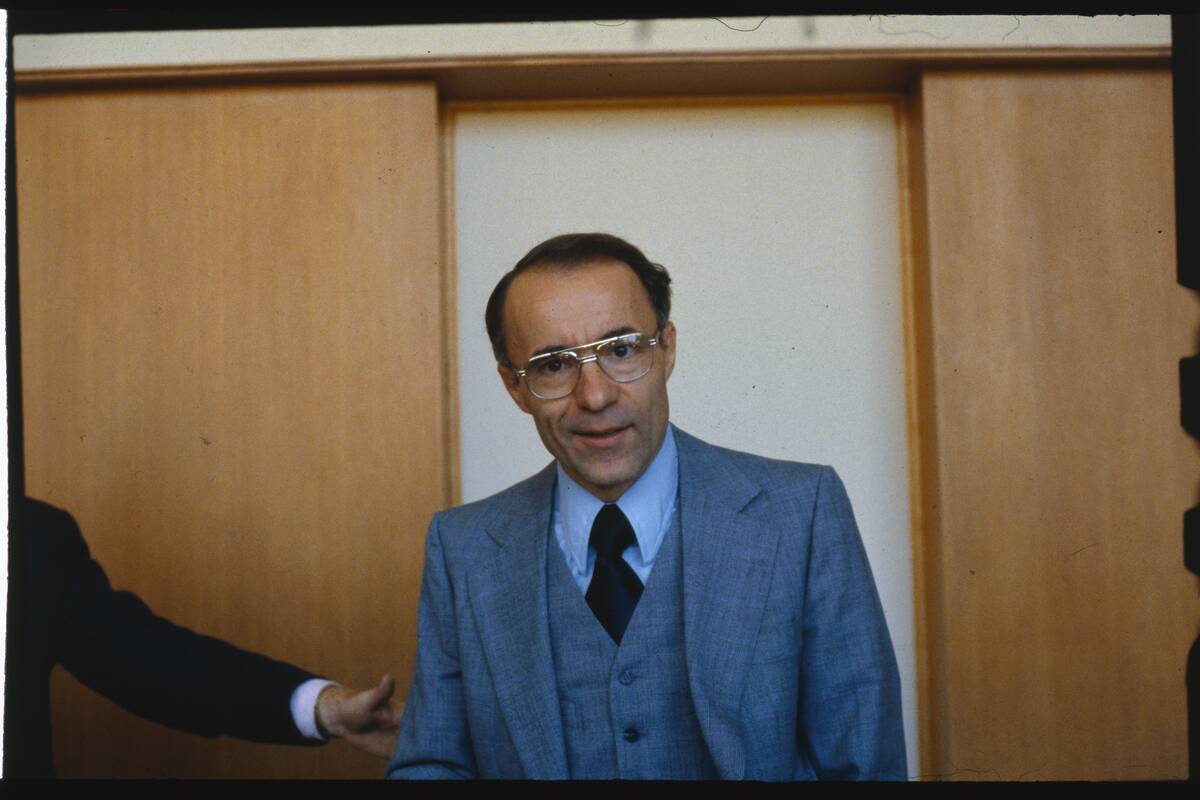
In 1964–65 at Bell Labs’ Holmdel Horn Antenna in New Jersey, Arno Penzias and Robert Wilson chased a persistent hiss at microwave frequencies. They ruled out equipment noise, atmospheric effects, and even evicted pigeons roosting in the horn—scraping away “white dielectric material.” The static remained, uniform in every direction.
They had detected the cosmic microwave background, a relic glow of the Big Bang at roughly 3 kelvins, matching predictions by theorists including Ralph Alpher and Robert Herman. Published in 1965, the finding helped tip cosmology toward the Big Bang model. Penzias and Wilson won the 1978 Nobel Prize in Physics for hearing the universe’s after‑echo.
Harry Coover: Superglue sticking around after a failed WWII project
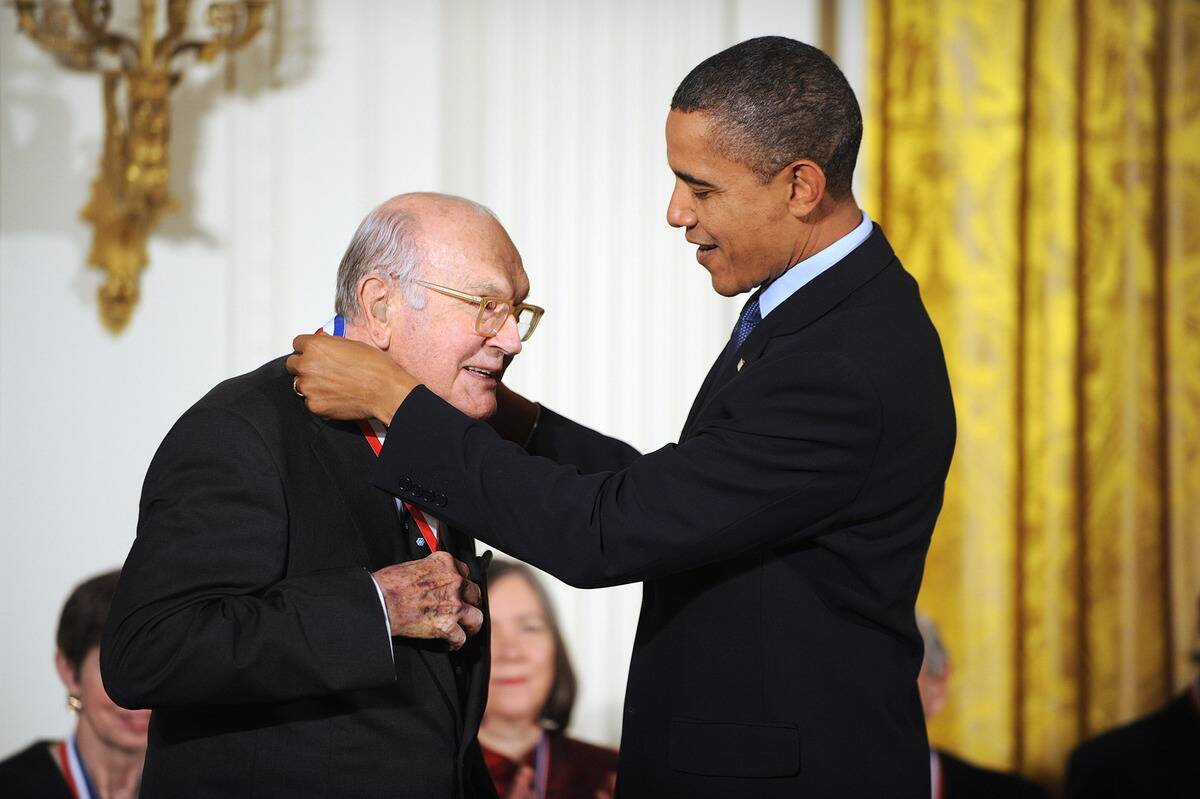
In 1942, Harry Coover at Eastman Kodak investigated cyanoacrylates for clear plastic gunsights. The monomers stuck to everything and were shelved as a nuisance. In 1951, Coover and colleague Fred Joyner revisited them and realized the stickiness was the feature: a fast‑curing, moisture‑activated adhesive that bonded without heat.
Launched as Eastman 910 in 1958, the world met it as Super Glue. Beyond household fixes, cyanoacrylate sprays were used by medics during the Vietnam War to control bleeding in emergencies. Decades later, Coover received the National Medal of Technology and Innovation in 2010. A wartime miss became a peacetime fix‑all.
Wilson Greatbatch: The wrong resistor that jump‑started the pacemaker
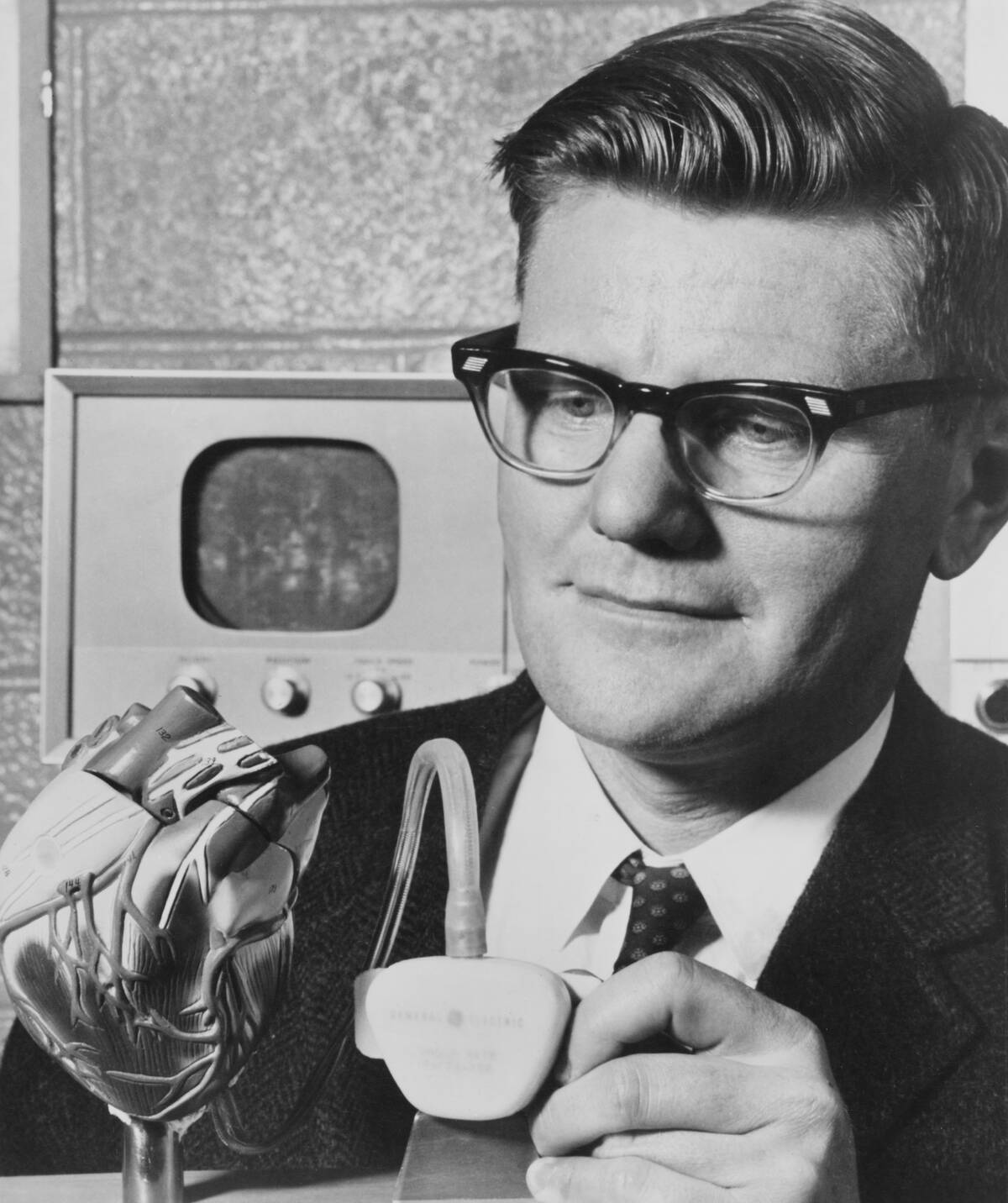
While building a heart‑rhythm recorder around 1956, engineer Wilson Greatbatch accidentally installed a 1‑megaohm resistor instead of a 10‑kilohm part. The circuit produced steady electrical pulses—eerily heartlike. He realized they could pace a faltering heartbeat and set about miniaturizing and sealing the device.
Working with surgeon William Chardack, he developed an implantable unit; in 1960, the Chardack‑Greatbatch pacemaker was successfully implanted in a patient in Buffalo. Greatbatch’s designs and later lithium‑iodide batteries extended device lifetimes dramatically. A misplaced component value brought a lifesaving rhythm to millions.
Spencer Silver and Art Fry: The “failed” glue that became Post‑it Notes

In 1968 at 3M, chemist Spencer Silver created a pressure‑sensitive adhesive of tiny acrylate microspheres. It was unusual: low‑tack, reusable, and stubbornly refused to form a permanent bond—hardly ideal for industrial uses.
Silver evangelized the “solution in search of a problem” inside 3M for years.
Colleague Art Fry found that problem in 1974 while marking hymns; bookmarks kept falling out. He dabbed Silver’s adhesive onto notepaper, and the notes stuck without tearing pages. Tested in 1977 as “Press ’n Peel,” the product launched nationally in 1980 as Post‑it Notes. The canary yellow? Simply the color of scrap paper on a nearby lab desk.
John Walker: A scraped stick that lit the first friction matches
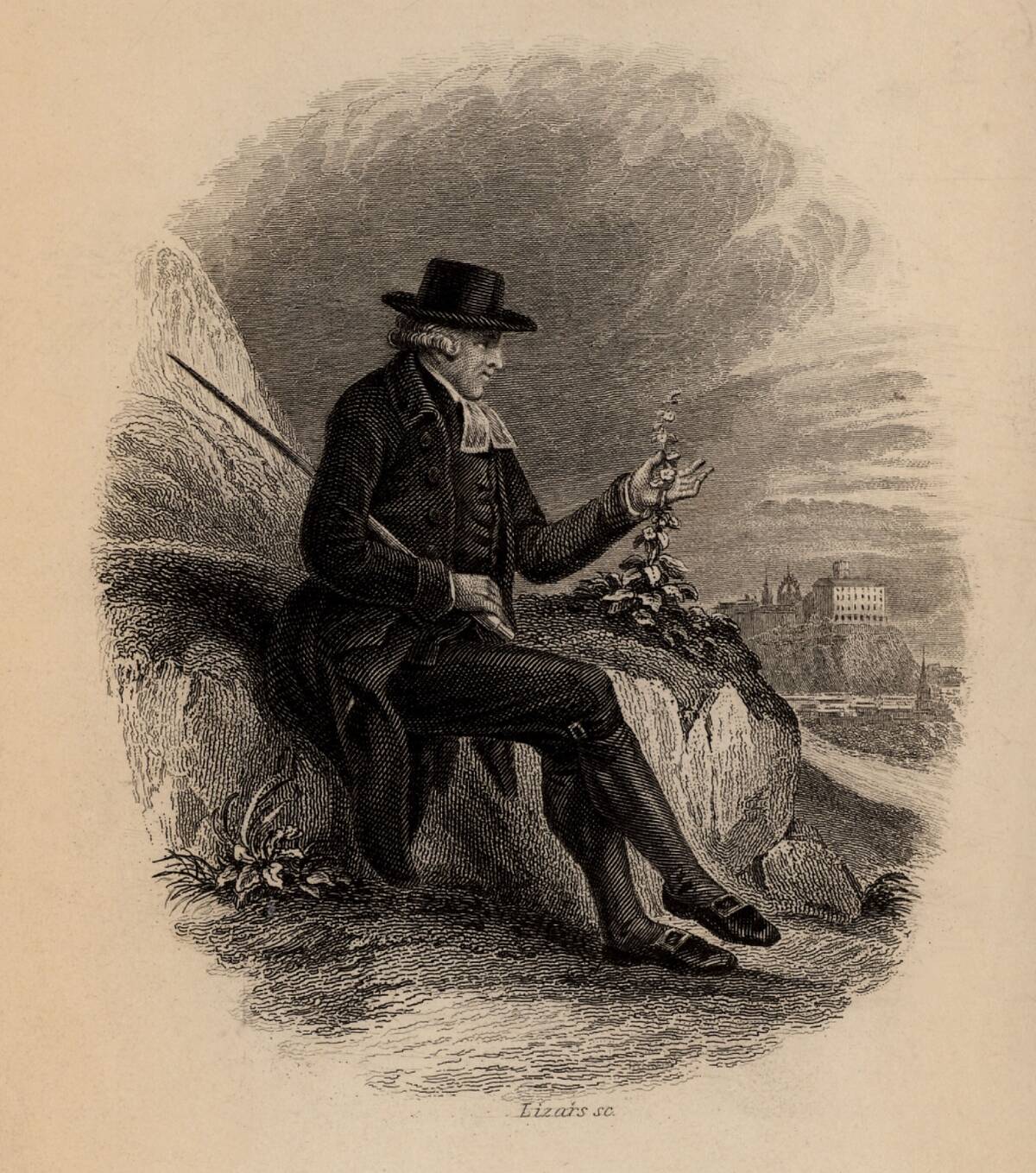
In 1826, English chemist John Walker mixed antimony sulfide, potassium chlorate, gum, and other ingredients into a paste. Scraping a coated stick against his hearth produced a sudden flare—the first friction match. He sold them in his Stockton‑on‑Tees shop as “friction lights,” but declined to patent the invention.
Others quickly commercialized the idea; by 1829, Samuel Jones was selling “Lucifers” in London. Safety matches came later, with Gustaf Erik Pasch’s 1844 patent (and the Lundström brothers’ improvements), separating red phosphorus to the striking surface. A chance scrape lit the way for portable fire.
James Wright: Silly Putty bouncing out of a rubber experiment
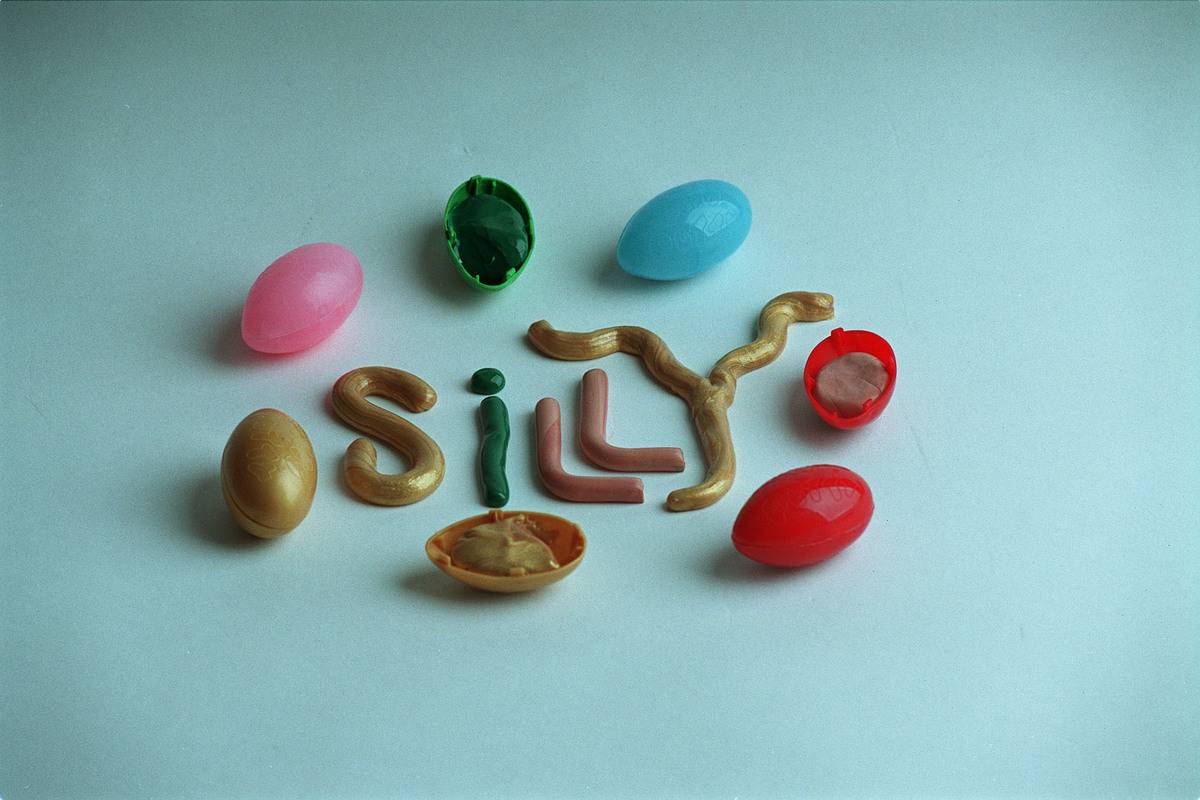
During World War II, natural rubber was scarce. In 1943, General Electric engineer James Wright mixed boric acid with silicone oil and got a strange goo that bounced, stretched, and picked up newsprint ink—but didn’t replace rubber in tires.
The material languished as a curiosity.
In 1950, marketer Peter Hodgson packaged the compound in plastic eggs, priced it affordably, and dubbed it Silly Putty. It became a toy sensation, later even accompanying Apollo 8 to keep tools steady in zero‑g. A failed polymer became a fidget favorite with surprising tricks.
Hennig Brand: Alchemy gone wrong, phosphorus discovered (the, uh, smelly way)
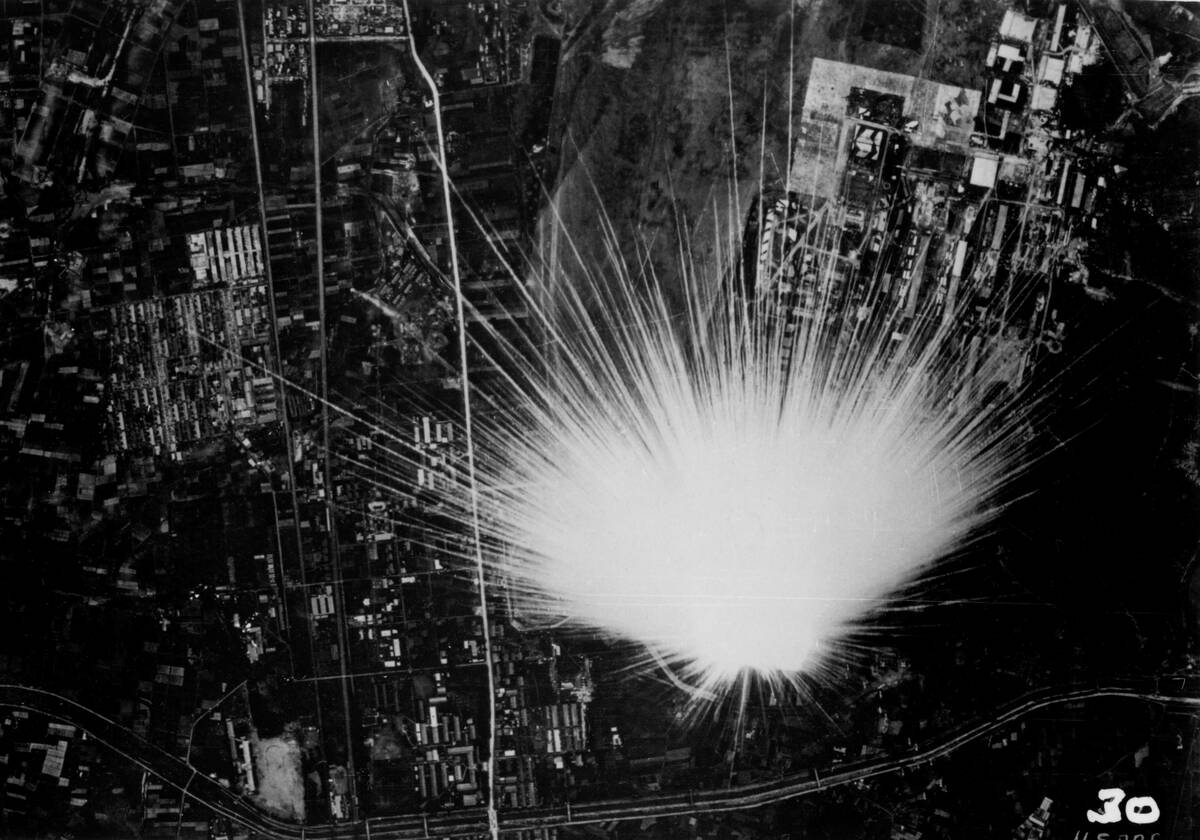
Around 1669 in Hamburg, German alchemist Hennig Brand boiled and distilled vast quantities of urine—reportedly dozens of buckets—seeking the philosopher’s stone. Instead, he isolated a waxy, white substance that glowed in the dark and ignited spontaneously in air: elemental phosphorus. Its name, from Greek for “light‑bearer,” fit the eerie luminescence.
Robert Boyle learned of Brand’s secretive method and published an improved preparation by 1680, spreading knowledge across Europe. Phosphorus later proved essential in matches, fertilizers, and biochemistry (think DNA backbones). A malodorous quest lit up a new element on the periodic stage.
Édouard Bénédictus: A dropped flask inspiring shatterproof glass
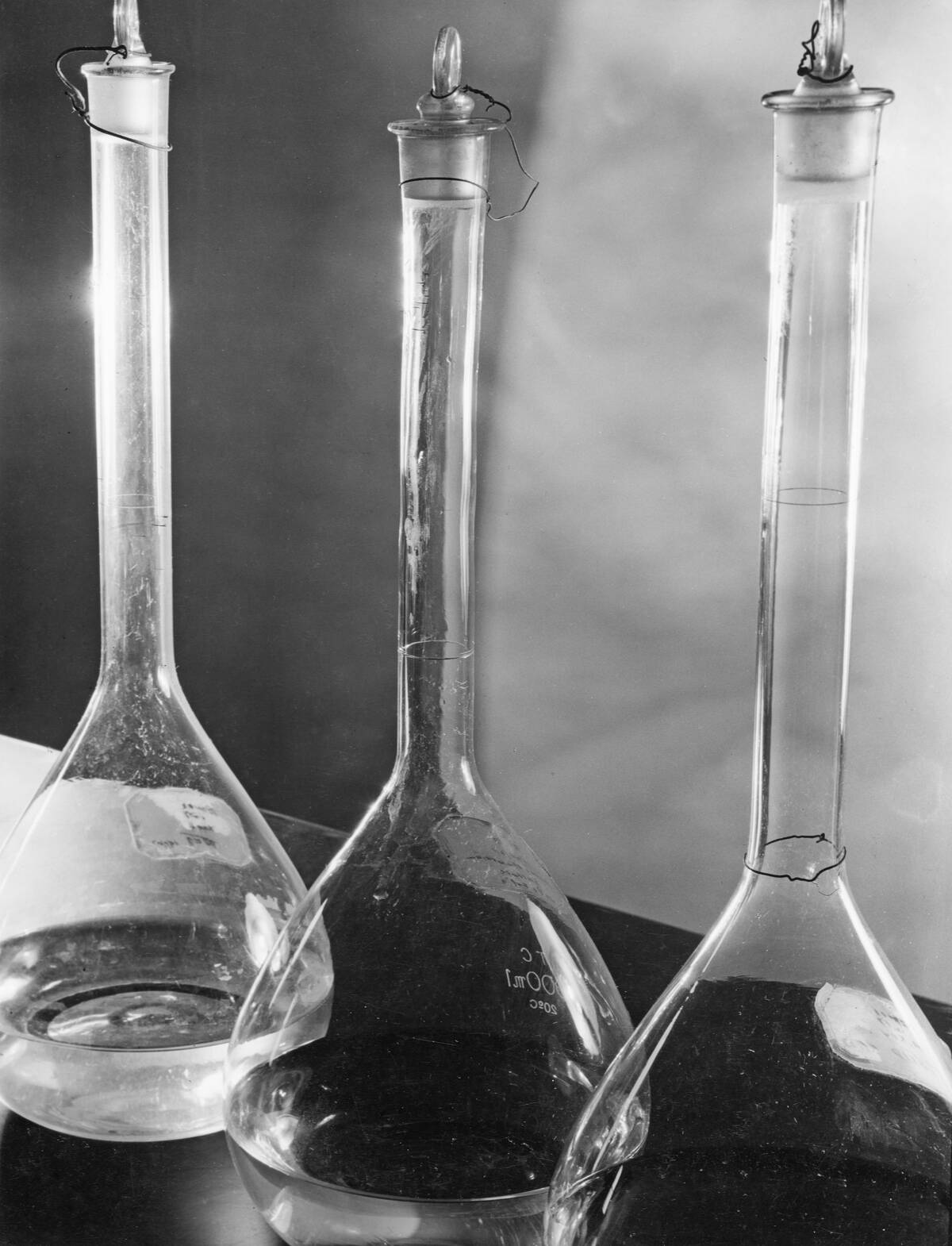
In 1903, French chemist and artist Édouard Bénédictus knocked a glass flask off a shelf. To his surprise, it cracked but didn’t scatter—the interior had been coated with dried cellulose nitrate, holding shards together.
He recognized the safety potential in that sticky skin.
Bénédictus patented laminated glass in 1909 and promoted it for windshields. By the 1920s, “Triplex” safety glass—layers of glass bonded with a plastic interlayer—was reducing lacerations in car accidents. Today’s versions use polyvinyl butyral or similar films, all stemming from one fortunate drop.
Frank Epperson: A frosty accident inventing the Popsicle
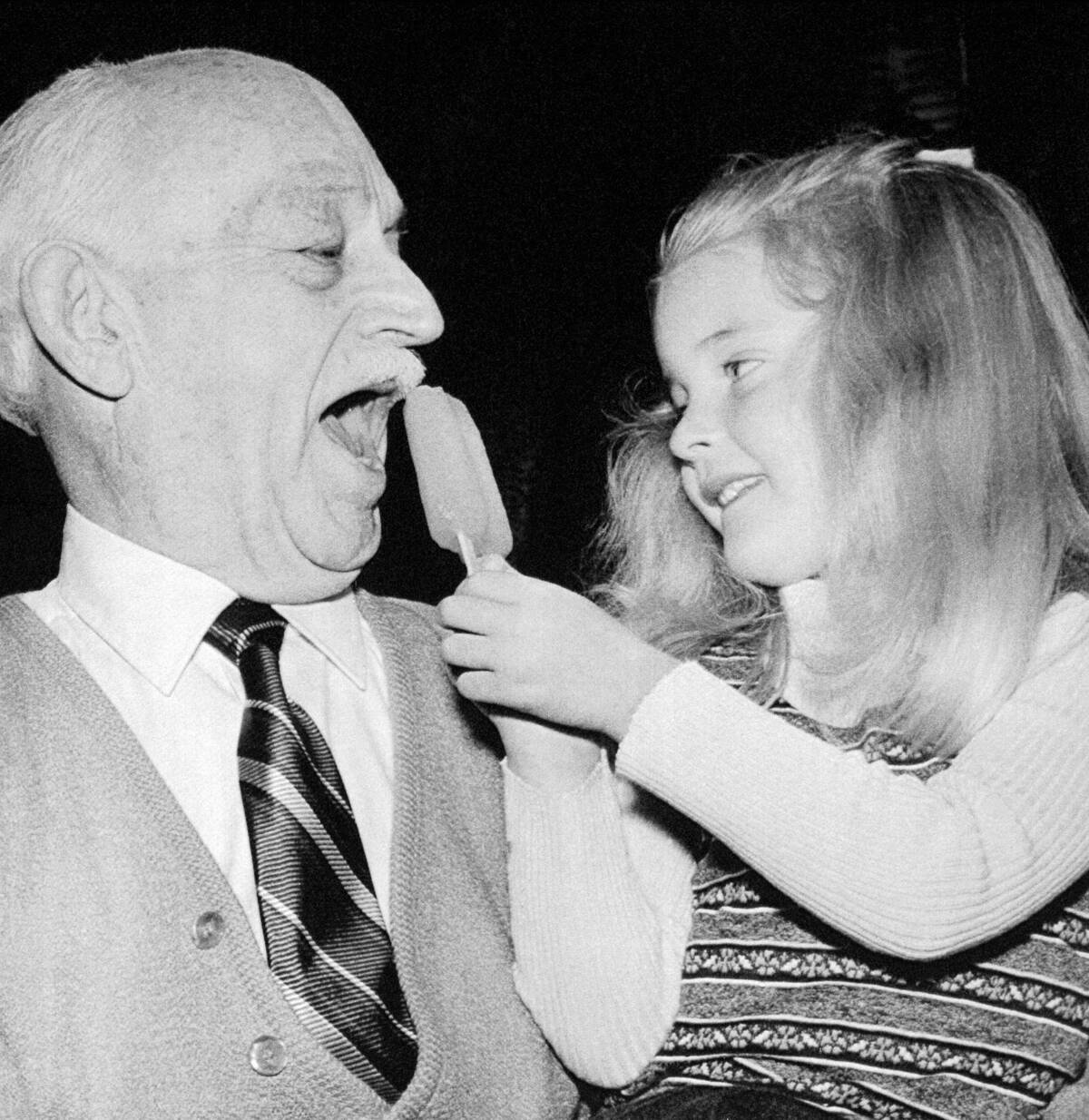
In 1905, 11‑year‑old Frank Epperson of the San Francisco Bay Area mixed powdered soda and water, left it on his porch with a stirring stick in the cup, and forgot it overnight. A cold snap froze the mixture solid around the stick.
He’d made a frozen treat on a handle—no drips on fingers required.
Epperson patented the “Epsicle” in 1923 and soon rebranded it “Popsicle.” He sold them at Alameda’s Neptune Beach amusement park, where they became a summer hit. A child’s oversight turned into a classic concession stand staple.
Albert Hofmann: An unexpected bike ride that put LSD on the map
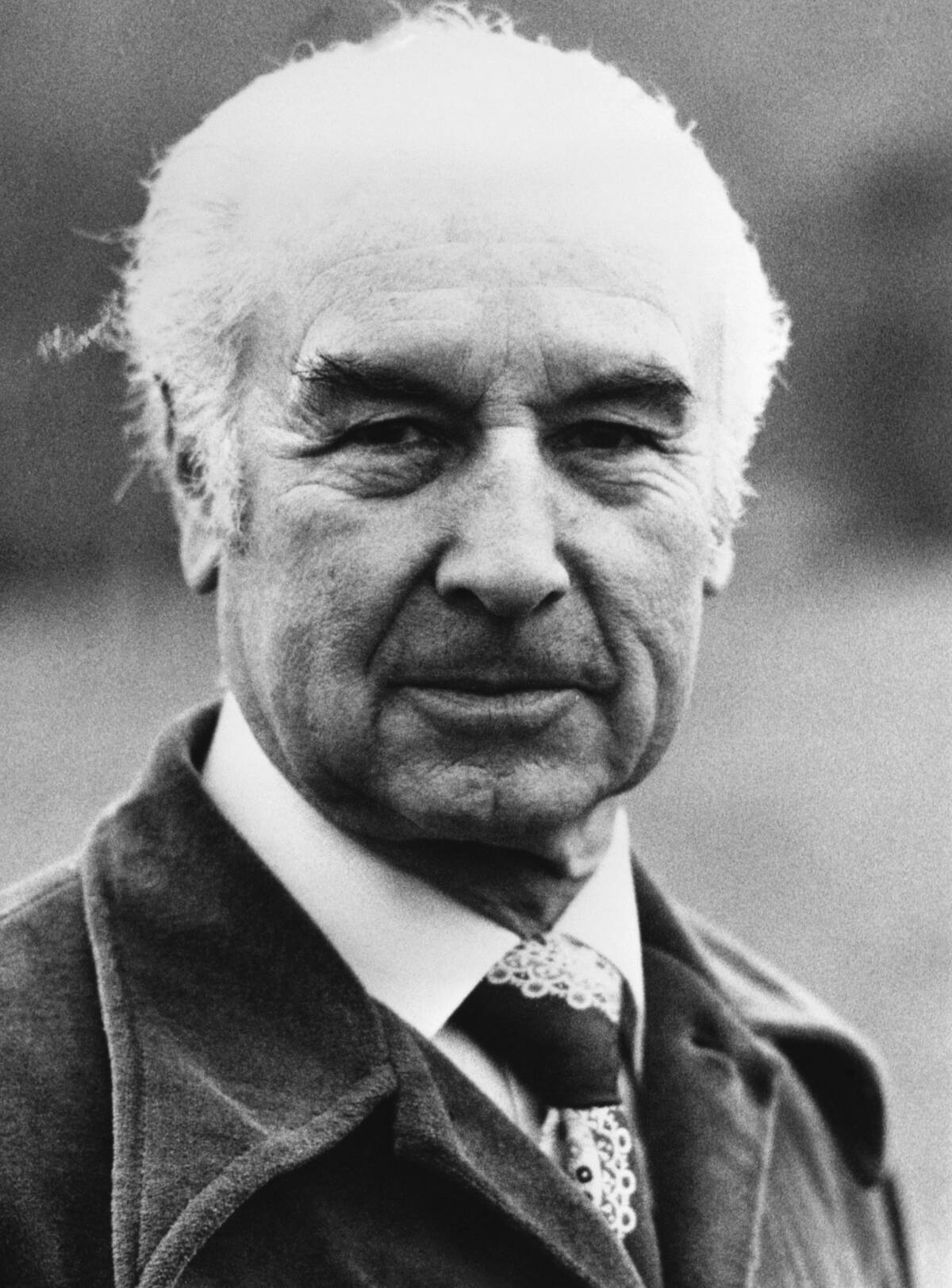
At Sandoz Laboratories in Basel, chemist Albert Hofmann synthesized lysergic acid diethylamide (LSD‑25) in 1938 while studying ergot alkaloids. The compound was shelved, then revisited in 1943. On April 16, Hofmann accidentally absorbed a small amount and noticed unusual sensations.
Curious, he self‑experimented with 250 micrograms on April 19 and cycled home—the famous “Bicycle Day.”
Sandoz later introduced Delysid in 1947 for psychiatric research, and LSD’s potent effects shaped decades of neuroscience and culture. What began as a meticulous synthesis turned into one of the most storied serendipities in psychopharmacology.
John Pemberton: A pharmacy syrup fizzing into Coca‑Cola
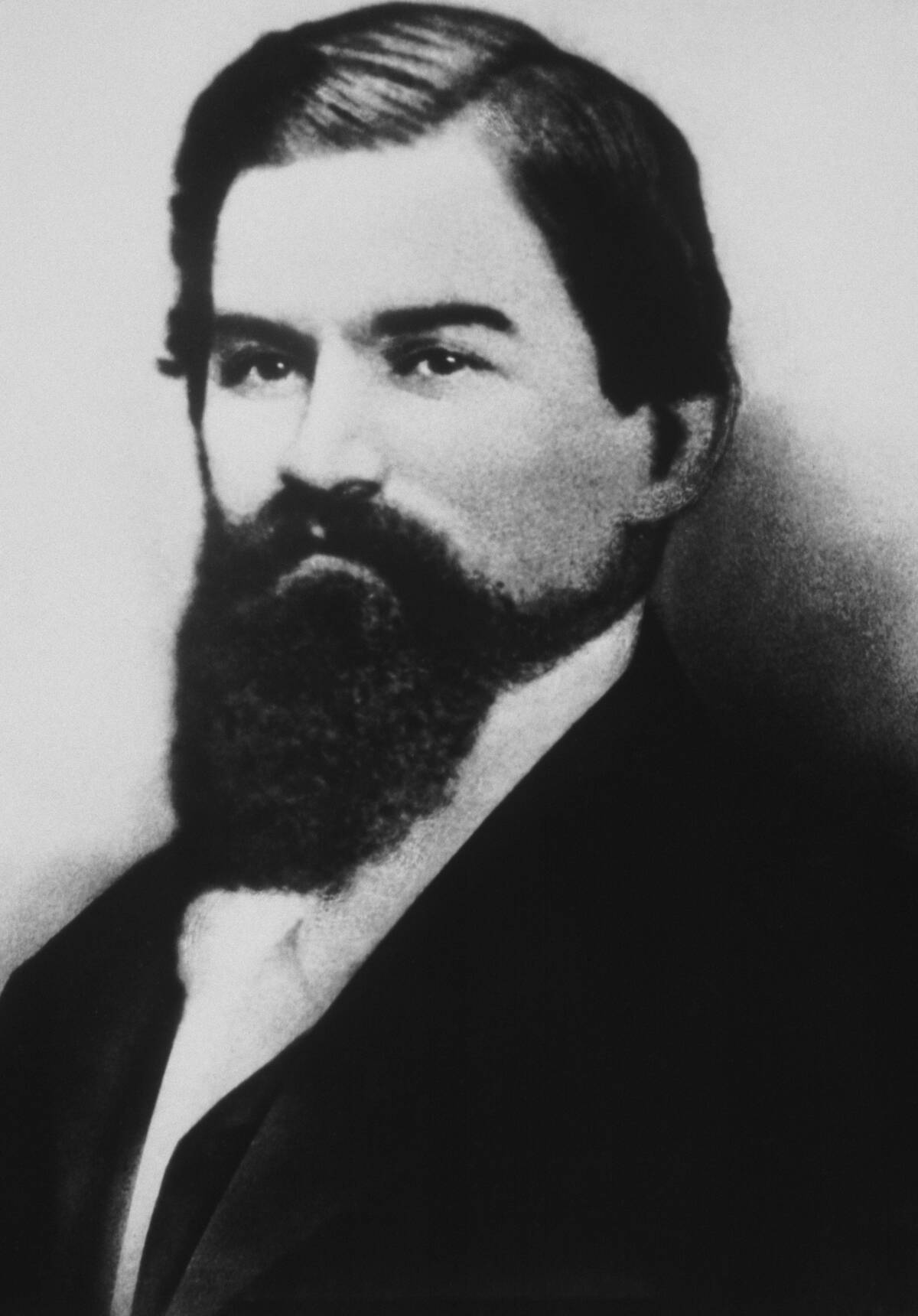
In 1886, Atlanta pharmacist John Pemberton concocted a caramel‑colored syrup from coca leaf extract, kola nut caffeine, and flavorings. At Jacob’s Pharmacy, a clerk mixed the syrup with carbonated water by mistake—or happy trial—and customers liked the sparkle.
Sold for five cents a glass, Coca‑Cola reportedly averaged about nine servings per day in its first year.
Businessman Asa Candler later acquired control (late 1880s–1890s) and scaled distribution. The formula evolved, including the shift to decocainized coca leaf by the early 20th century. A medicinal tonic pivoted into one of the world’s most recognizable beverages.




