Historical diaries revealing everyday life
Diaries offer us a fascinating window into the past, revealing the intricacies of daily life through personal perspectives. These intimate records capture moments of joy, sorrow, and everything in between, providing vivid snapshots of history.
From the mundane to the extraordinary, diaries allow us to experience the world as it was, through the eyes of those who lived it. They invite us to walk in the footsteps of historical figures and understand the context of their times.
The Diary of Samuel Pepys: A Glimpse into 17th Century London
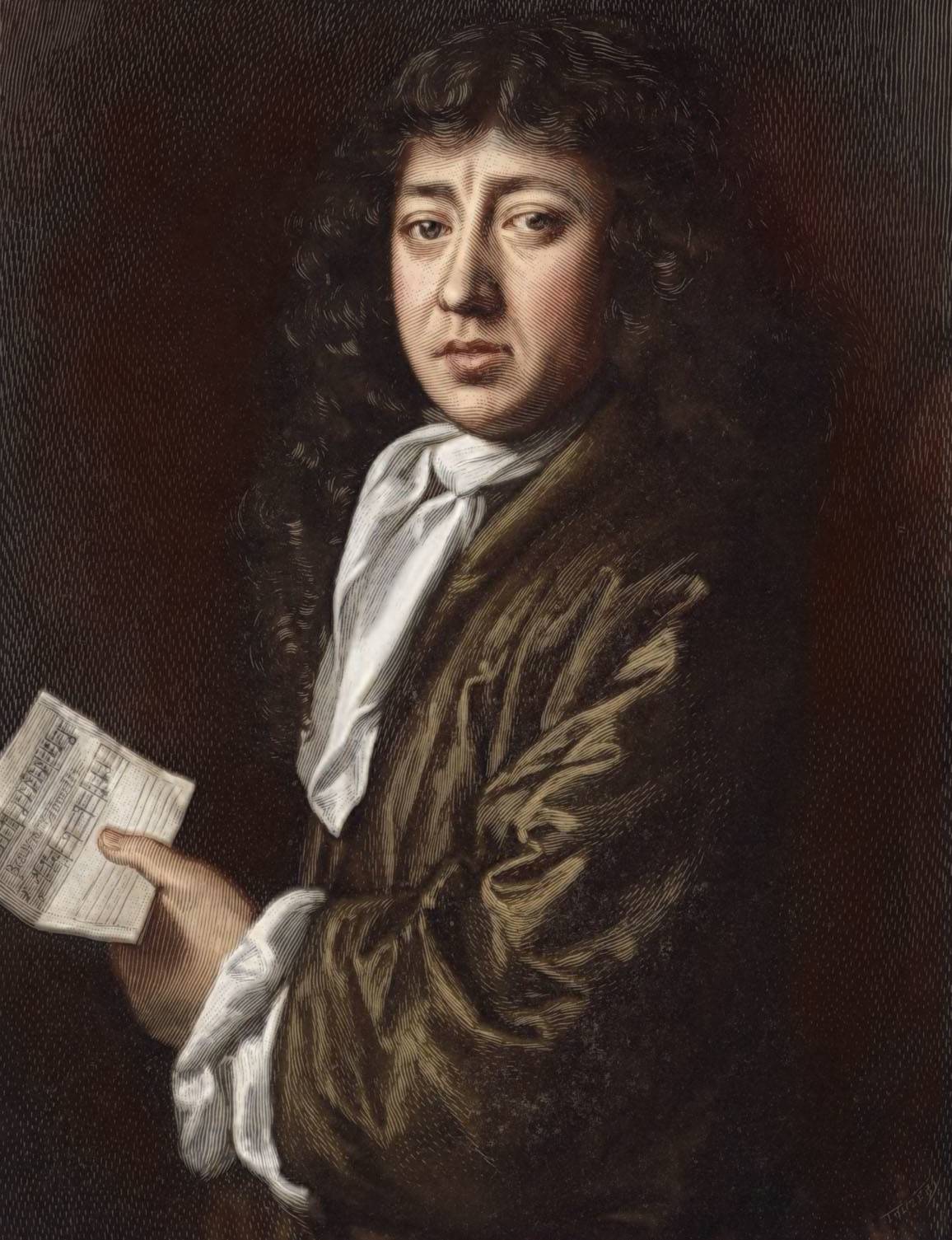
Samuel Pepys, a British naval administrator, penned one of the most famous diaries in history, documenting life in London from 1660 to 1669. His writings provide insights into major events like the Great Fire of London and the bubonic plague.
Pepys was meticulous, recording his daily activities, thoughts, and even gossip. His diary offers a candid look at both public events and personal affairs, capturing the essence of Restoration-era England with remarkable detail.
Anne Frank’s Diary: Life in Hiding during World War II
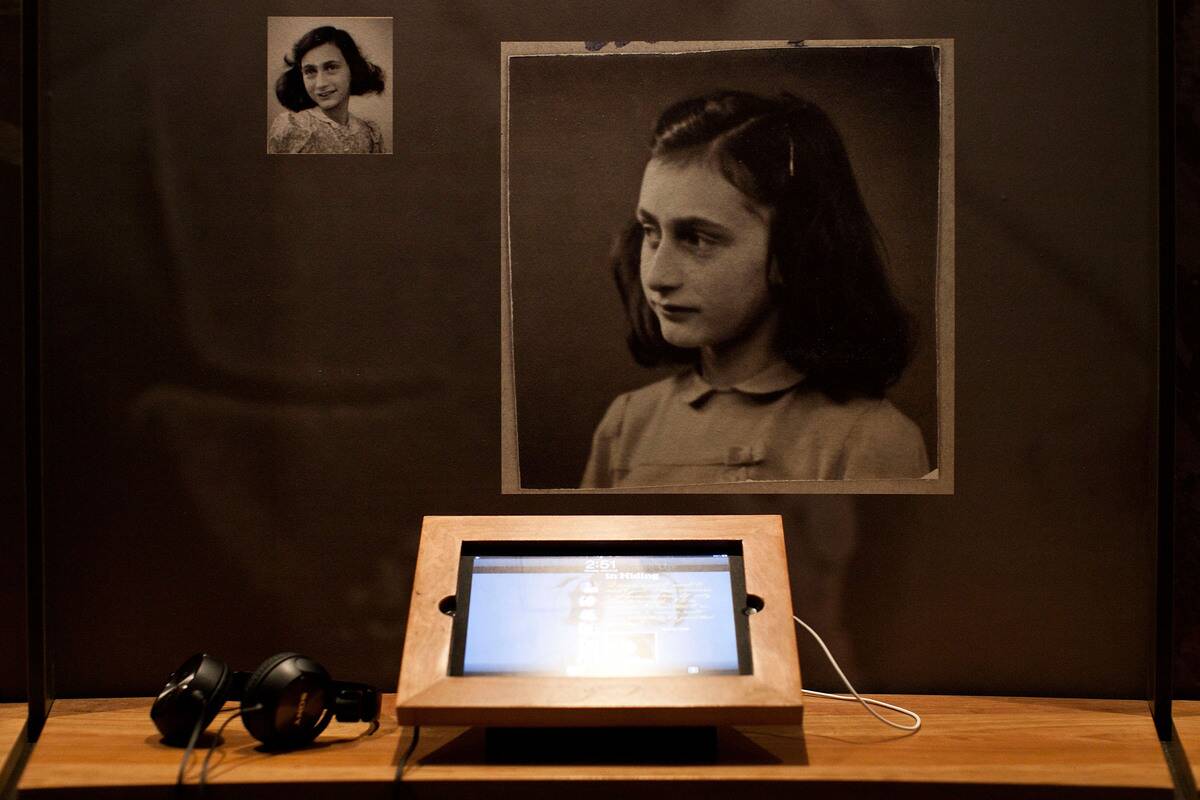
Anne Frank’s diary is a poignant account of her life in hiding from 1942 to 1944 during the Nazi occupation of the Netherlands. Her writings offer a vivid portrayal of a young girl’s resilience and hope amidst the horrors of war.
Anne’s diary entries convey her thoughts, fears, and dreams, providing a unique perspective on the human impact of World War II. Her words continue to resonate, highlighting the enduring power of courage and hope in the darkest times.
The Intimate Chronicles of Virginia Woolf
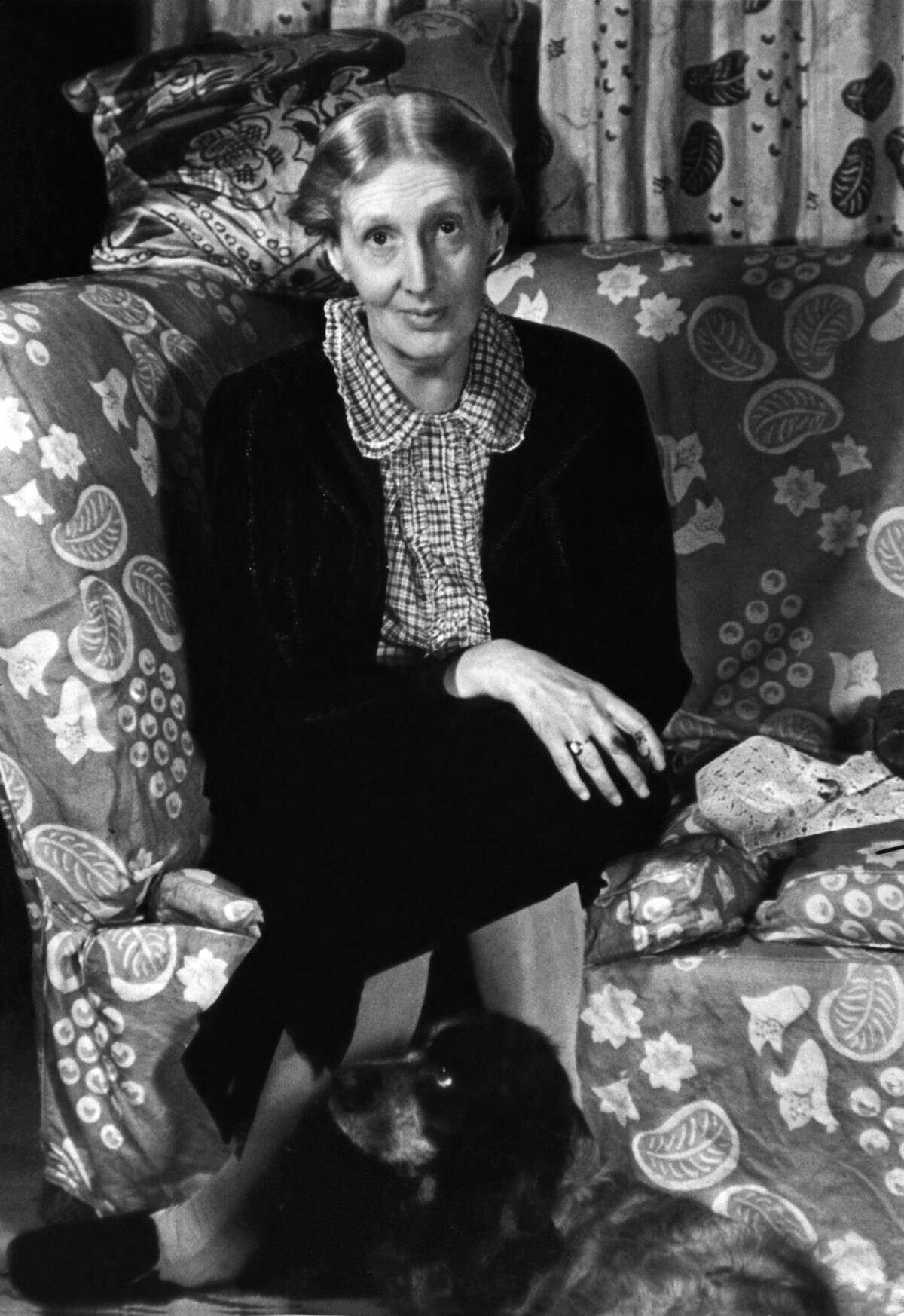
Virginia Woolf’s diaries are a treasure trove of insight into the life of one of the 20th century’s most celebrated authors. Spanning from 1915 to 1941, her entries reveal her thoughts on writing, personal relationships, and the socio-political landscape of her time.
Woolf’s introspective nature and eloquent prose offer readers a deep understanding of her creative process and the challenges she faced. Her diaries are an invaluable resource for anyone interested in the intersection of literature and life.
Lewis Carroll’s Diaries: The Mind Behind Wonderland
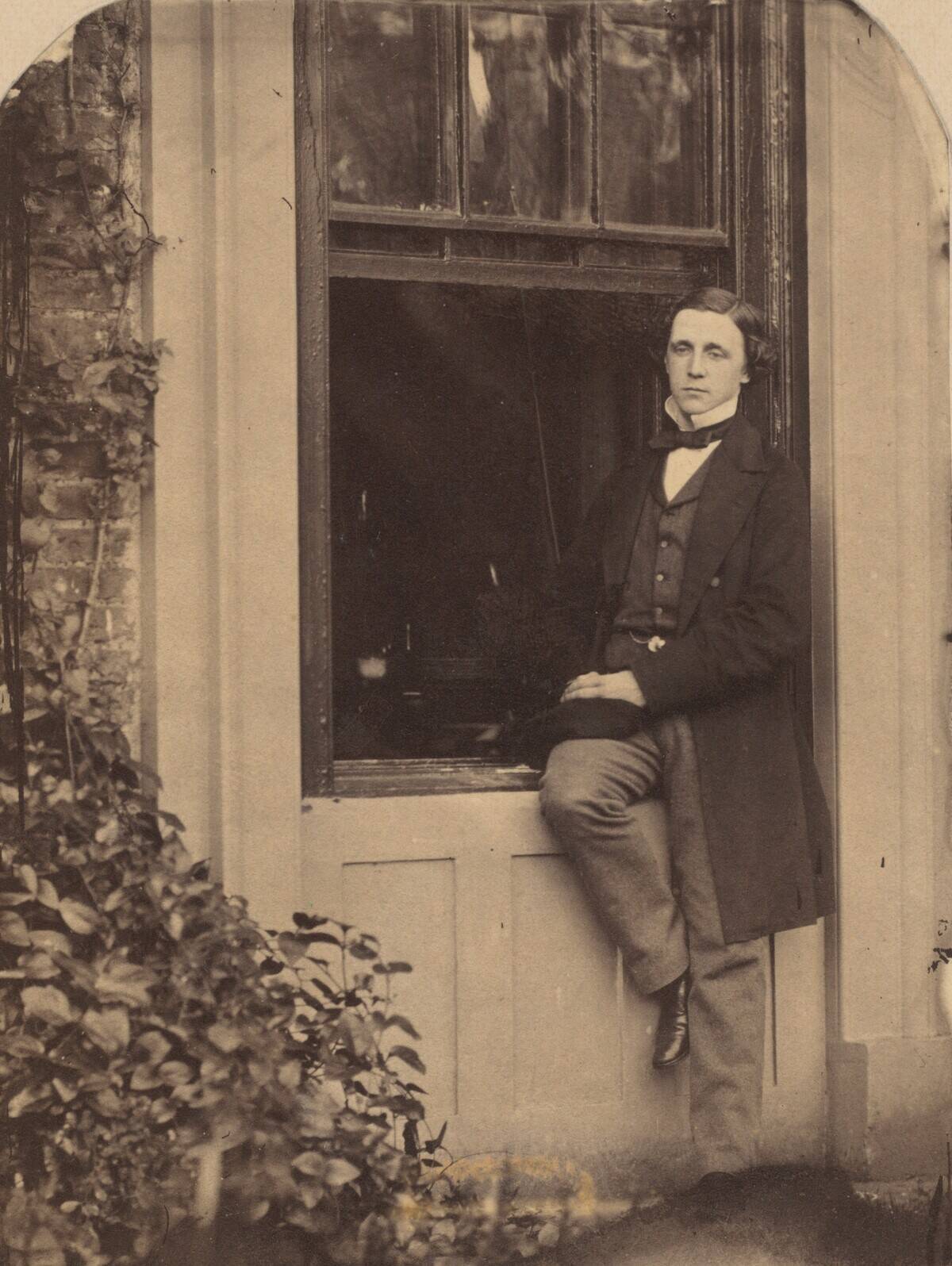
Lewis Carroll, known for his whimsical stories like ‘Alice’s Adventures in Wonderland,’ also kept detailed diaries throughout his life. These diaries reveal the mind of a mathematician and writer whose creativity knew no bounds.
Carroll’s entries provide glimpses into his friendships, inspirations, and the Victorian society he inhabited. Through his diaries, we gain a better understanding of the man behind the fantastical tales, discovering how his observations of the world translated into beloved literary classics.
The Observations of Henry David Thoreau at Walden Pond
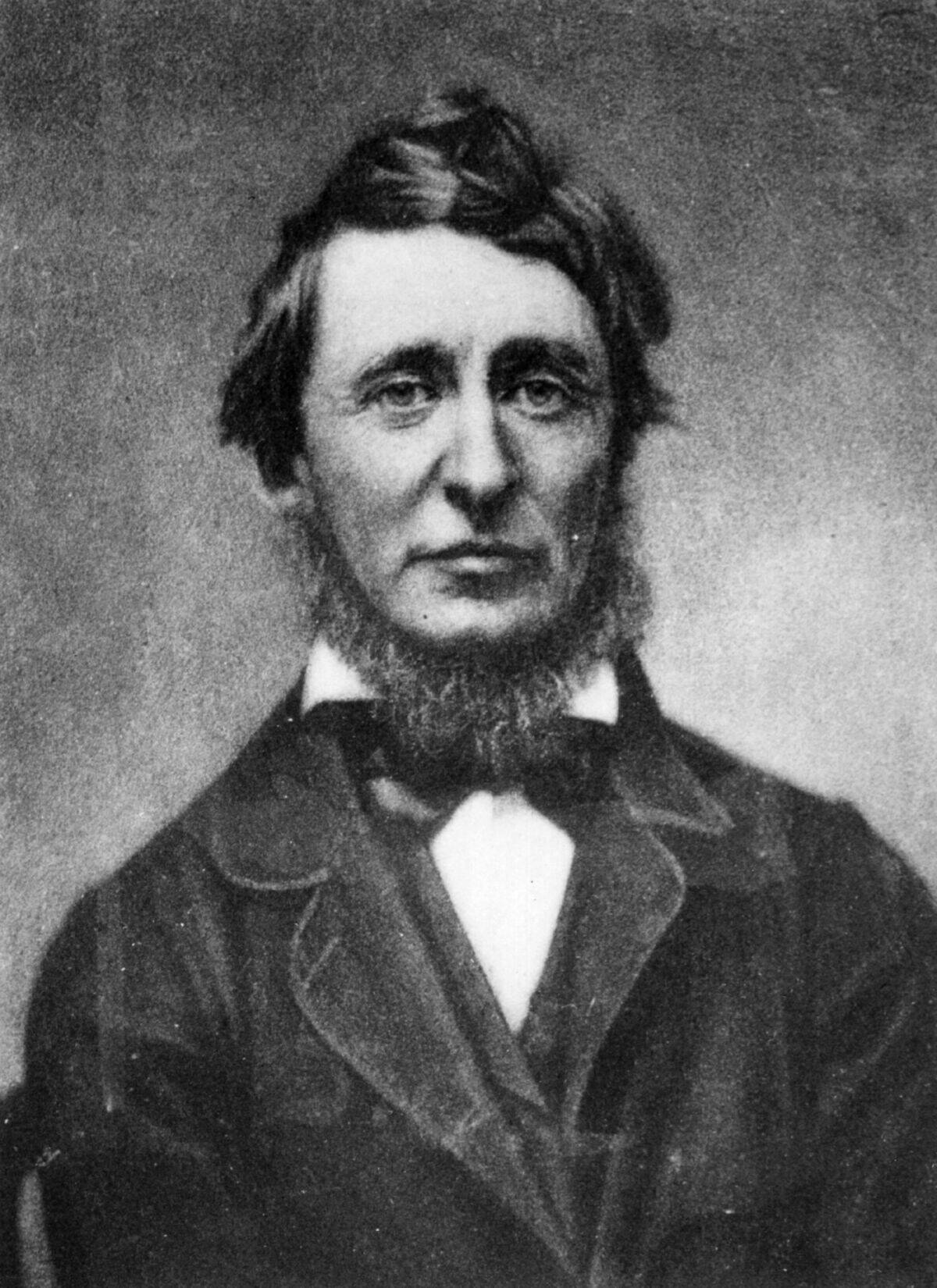
Henry David Thoreau’s journals are a testament to his philosophical and environmental musings during his time at Walden Pond. Living simply in the woods, Thoreau documented the changing seasons, wildlife, and his reflections on society.
His writings emphasize the importance of nature and self-reliance, offering a blueprint for sustainable living. Thoreau’s observations encourage readers to appreciate the natural world and question the conventions of modern life, making his journals as relevant today as they were in the 19th century.
Frida Kahlo’s Diary: Art, Pain, and Passion
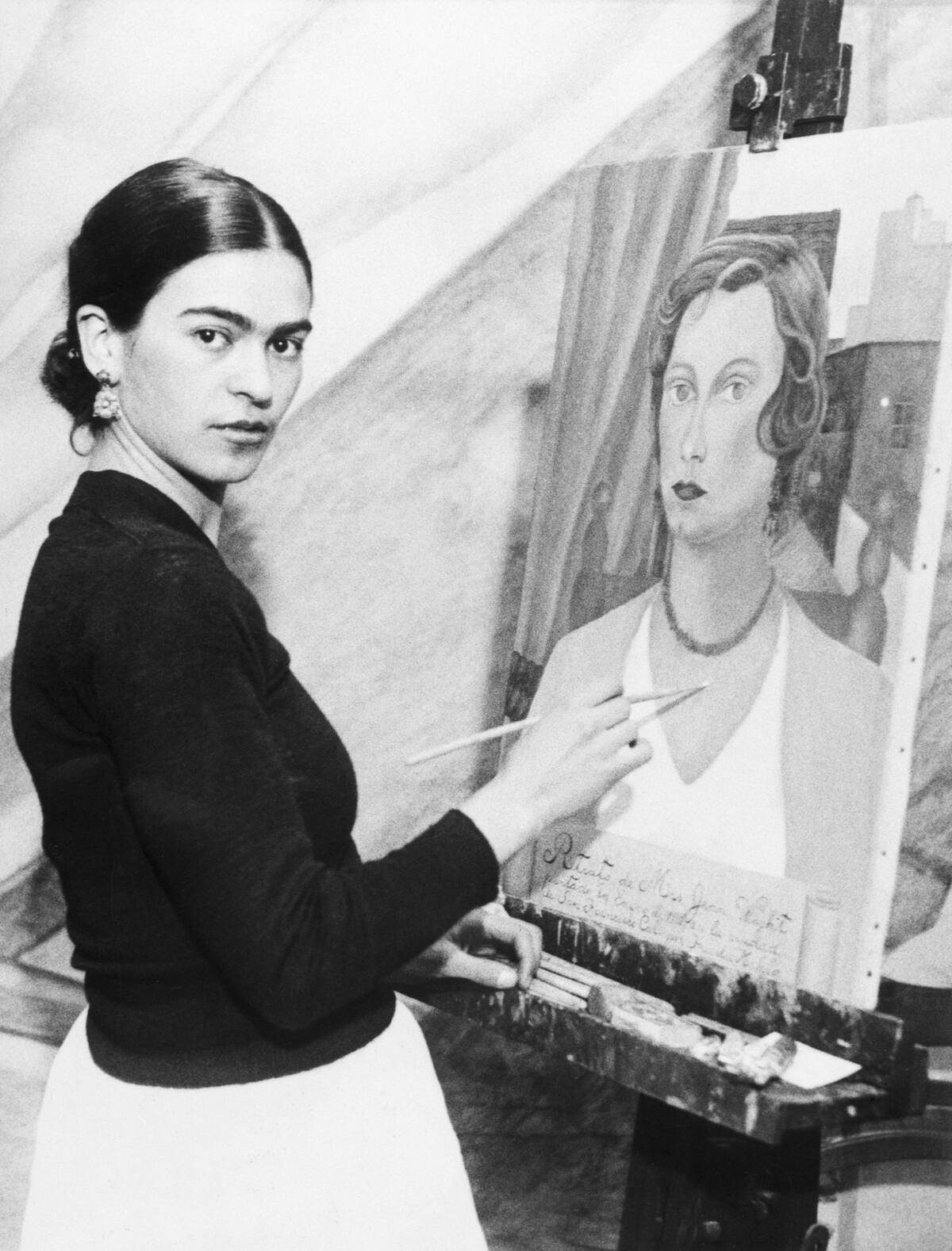
Frida Kahlo’s diary is an intimate reflection of her life as an artist filled with vibrant illustrations and candid thoughts. Her journal spans the last decade of her life, revealing her struggles with pain and passion for her art and politics.
Kahlo’s entries are raw and evocative, mirroring the intensity and color of her paintings. Her diary not only offers insight into her creative process but also sheds light on the personal experiences that shaped her iconic works.
The Journals of John Evelyn: A Contemporary of Pepys
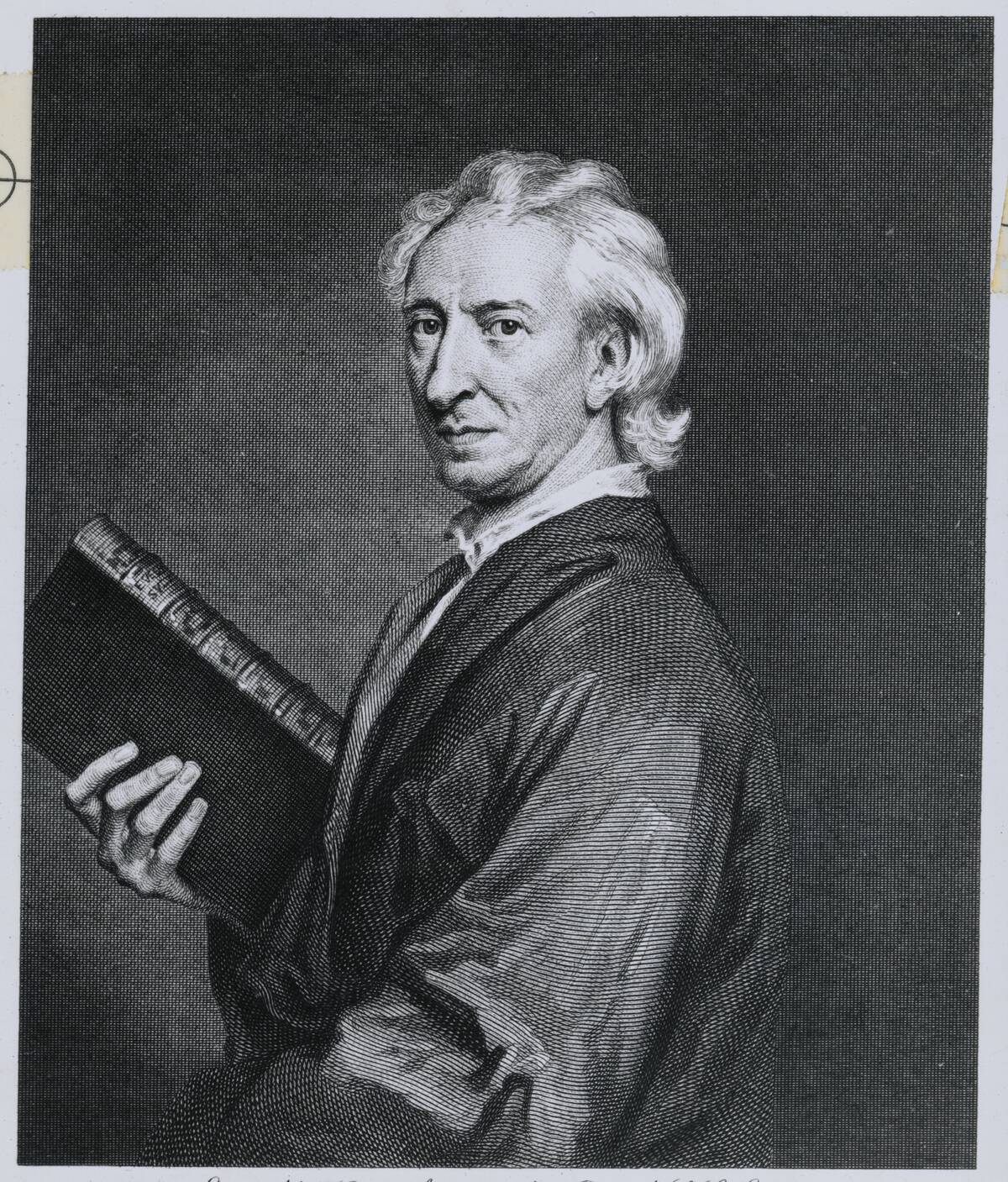
John Evelyn, a contemporary of Samuel Pepys, kept extensive diaries from the mid-17th to early 18th century. His journals provide a complementary perspective to Pepys’, covering events such as the Restoration of Charles II and the scientific advancements of the era.
Evelyn’s writings delve into his interests in gardening and architecture, reflecting a life of intellectual curiosity. His diaries offer a broader view of the cultural and political landscape of England, enriching our understanding of this transformative period.
The Diary of a Young Girl: Zlata Filipović in Sarajevo
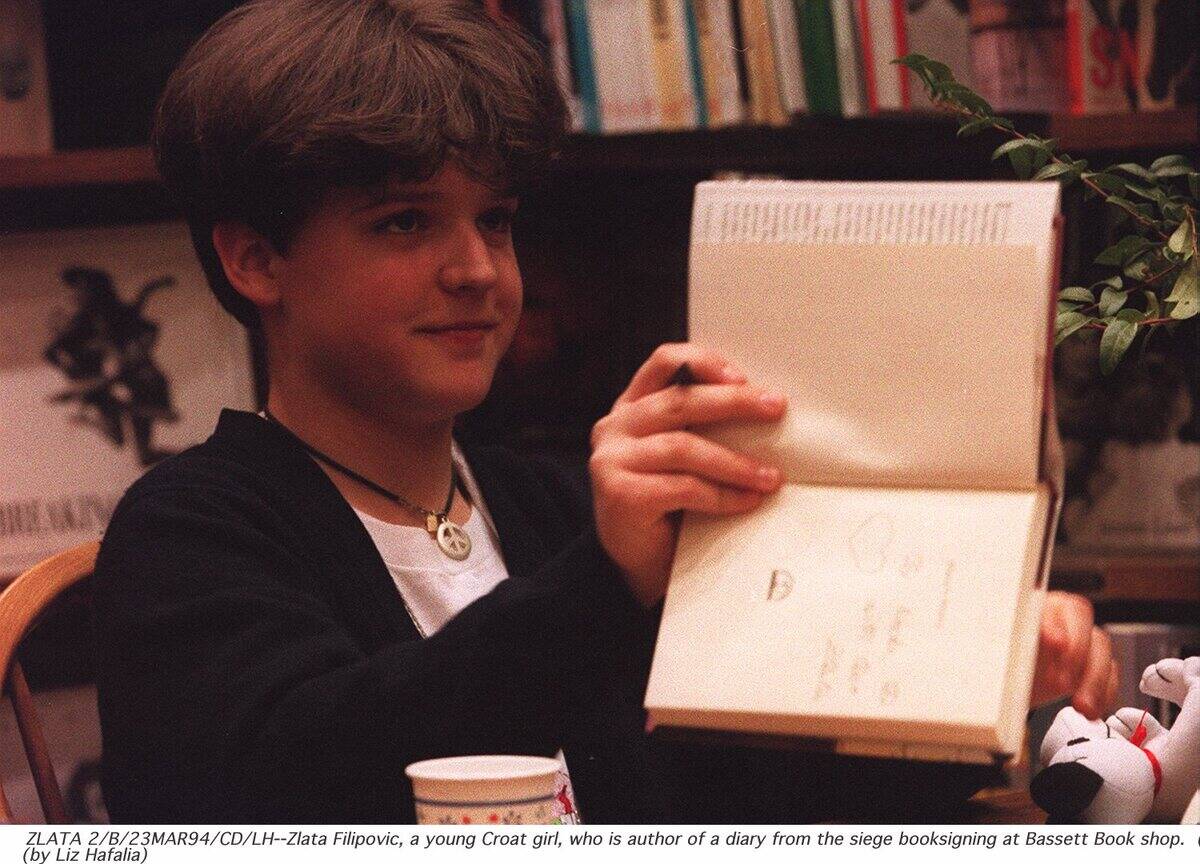
Zlata Filipović’s diary, often compared to Anne Frank’s, captures her experiences as a child during the Bosnian War. Written between 1991 and 1993, her entries detail the siege of Sarajevo and its impact on her family and community.
Zlata’s youthful voice brings an immediacy to the horrors of war, yet her hope and resilience shine through. Her diary not only documents the struggles of living in a war zone but also serves as a powerful plea for peace and understanding.
The Candid Writings of Fanny Burney
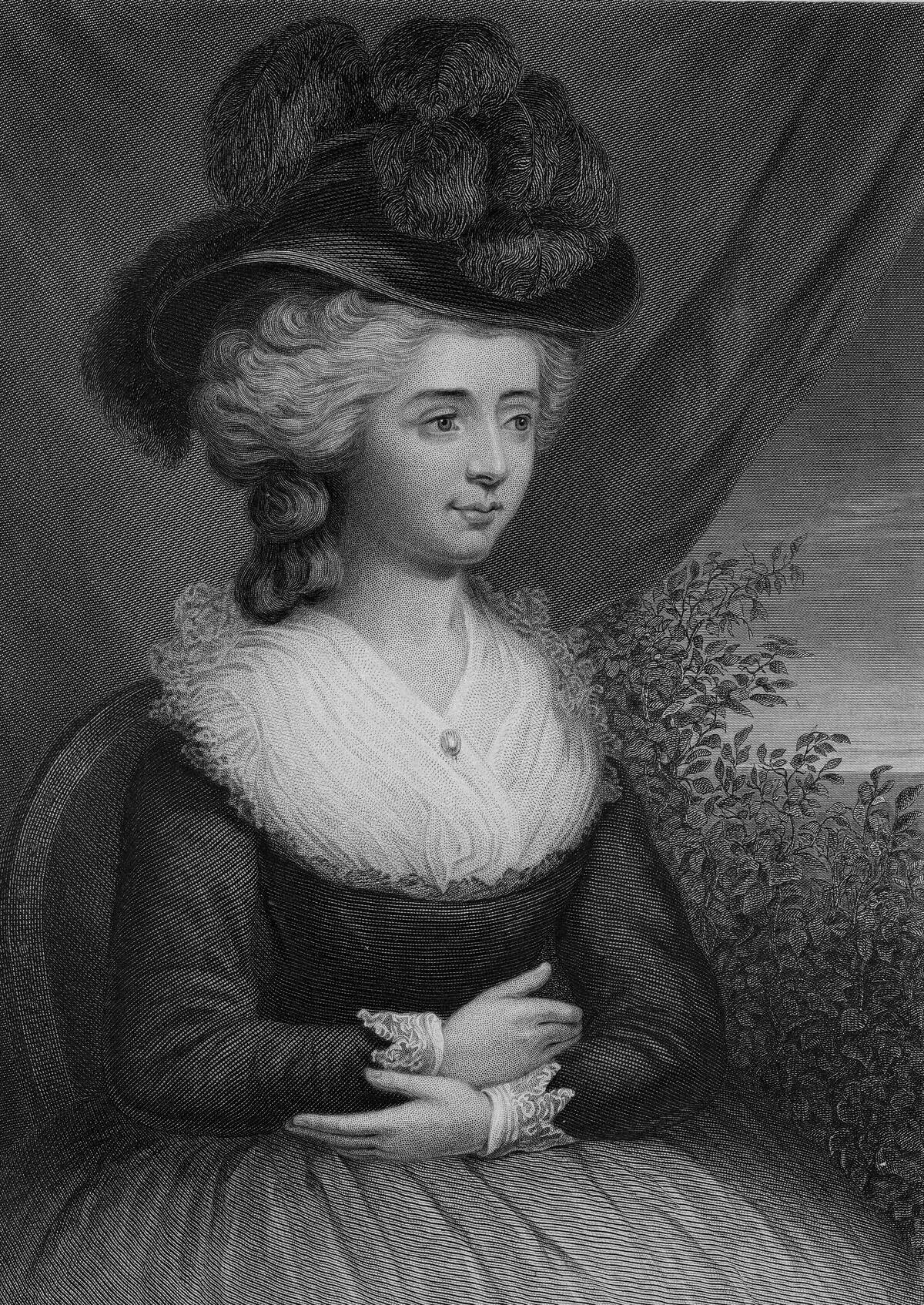
Fanny Burney, a novelist and playwright, kept diaries that provide an insightful look into 18th-century British society. Her writings capture encounters with literary figures like Samuel Johnson and her experiences at court as the Queen’s Keeper of the Robes.
Burney’s diaries are filled with wit and keen observations, offering a unique perspective on the social and cultural dynamics of her time. Her candid accounts reveal her literary ambitions and the challenges faced by women writers in a male-dominated world.
Travel Through Time with Marco Polo’s Journals
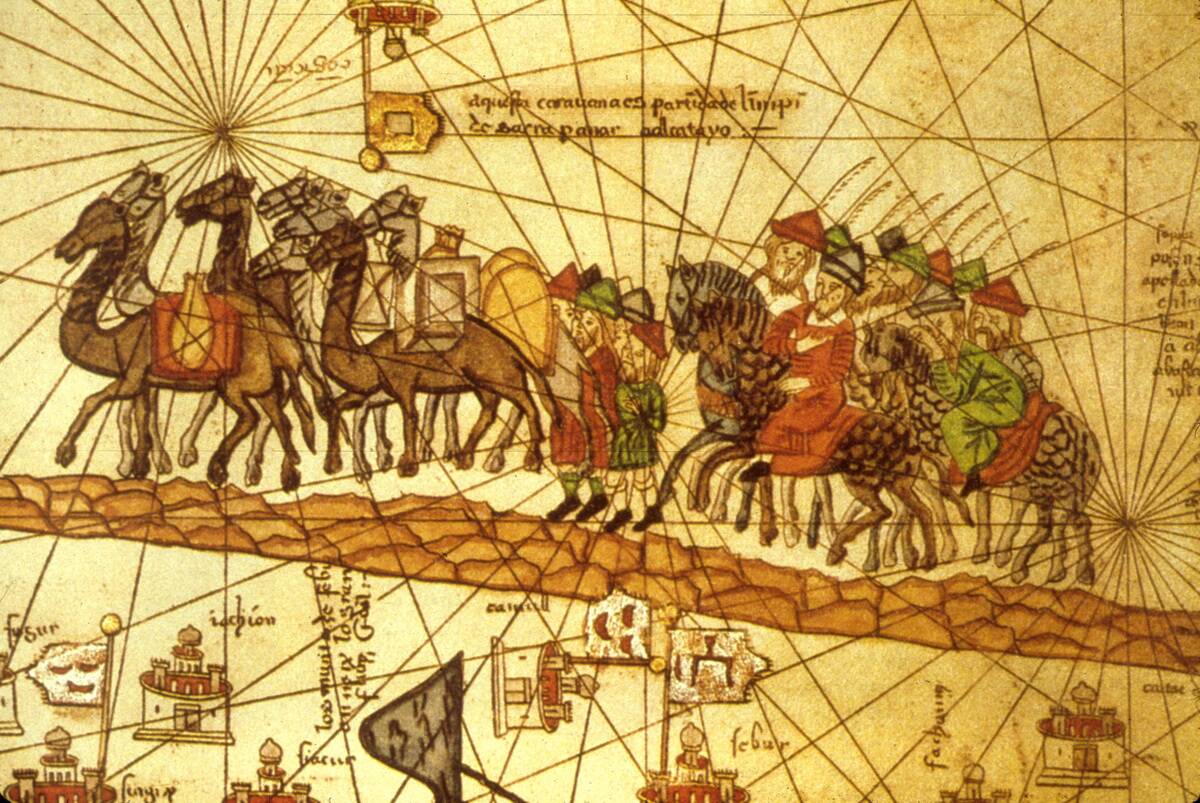
Marco Polo’s journals chronicle his epic journey along the Silk Road to China, providing a detailed account of the cultures and landscapes he encountered. Written in the late 13th century, these journals were groundbreaking, offering Europeans a glimpse into distant lands and customs previously unknown.
Polo’s vivid descriptions of the riches and wonders of the East sparked the imagination of his contemporaries and influenced explorers for generations. His writings remain a captivating testament to the spirit of adventure and discovery.
The Private Diary of Queen Victoria
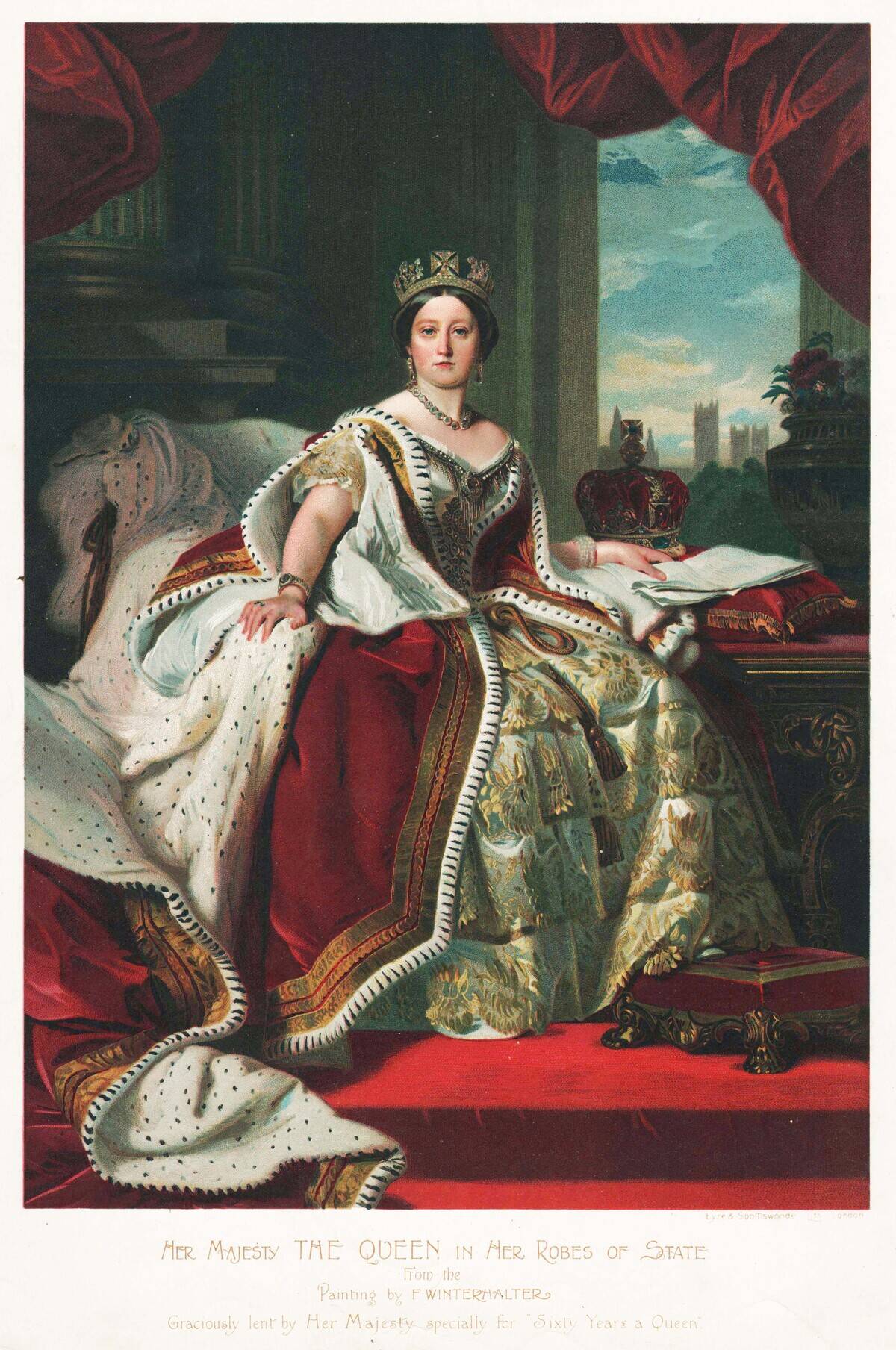
Queen Victoria’s diaries, spanning from her adolescence to her reign, offer an intimate portrait of her life and reign. Her entries reveal her thoughts on politics, family, and the responsibilities of monarchy.
Victoria’s candid reflections provide a personal dimension to the public figure, highlighting her joys, sorrows, and the challenges of ruling an empire. Her diaries not only document historical events but also illuminate the character and concerns of one of Britain’s longest-reigning monarchs.
The Adventures of Christopher Columbus: A Navigator’s Account
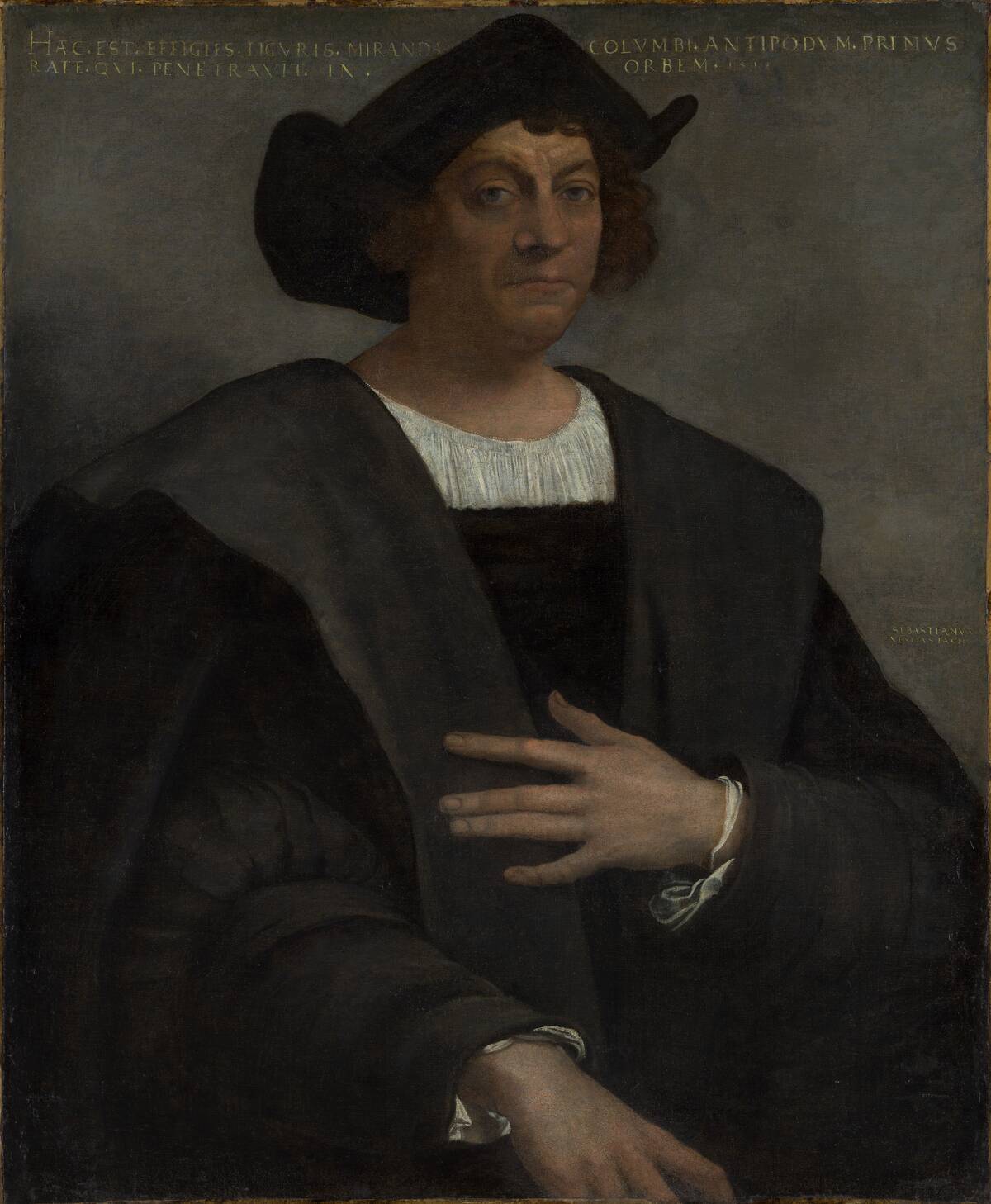
Christopher Columbus’s journals provide a firsthand account of his voyages across the Atlantic, capturing the excitement and challenges of exploration. His writings document encounters with indigenous peoples, navigational triumphs, and the harsh realities of sea travel in the late 15th century.
Columbus’s diaries offer insight into his motivations and the mindset of European explorers during the Age of Discovery. They remain a critical resource for understanding the complexities and consequences of these early transatlantic expeditions.
The Diary of Alice James: A Victorian Woman’s Perspective

Alice James, sister of novelist Henry James, kept a diary that provides a poignant look at her life during the Victorian era. Her entries reveal her struggles with illness and the limitations placed on women of her time.
Despite her challenges, Alice’s wit and intelligence shine through her writings. Her diary offers a unique perspective on the societal expectations of women, capturing both the constraints and the inner strength she possessed in navigating her world.
The Observant Eye of Charles Darwin in South America
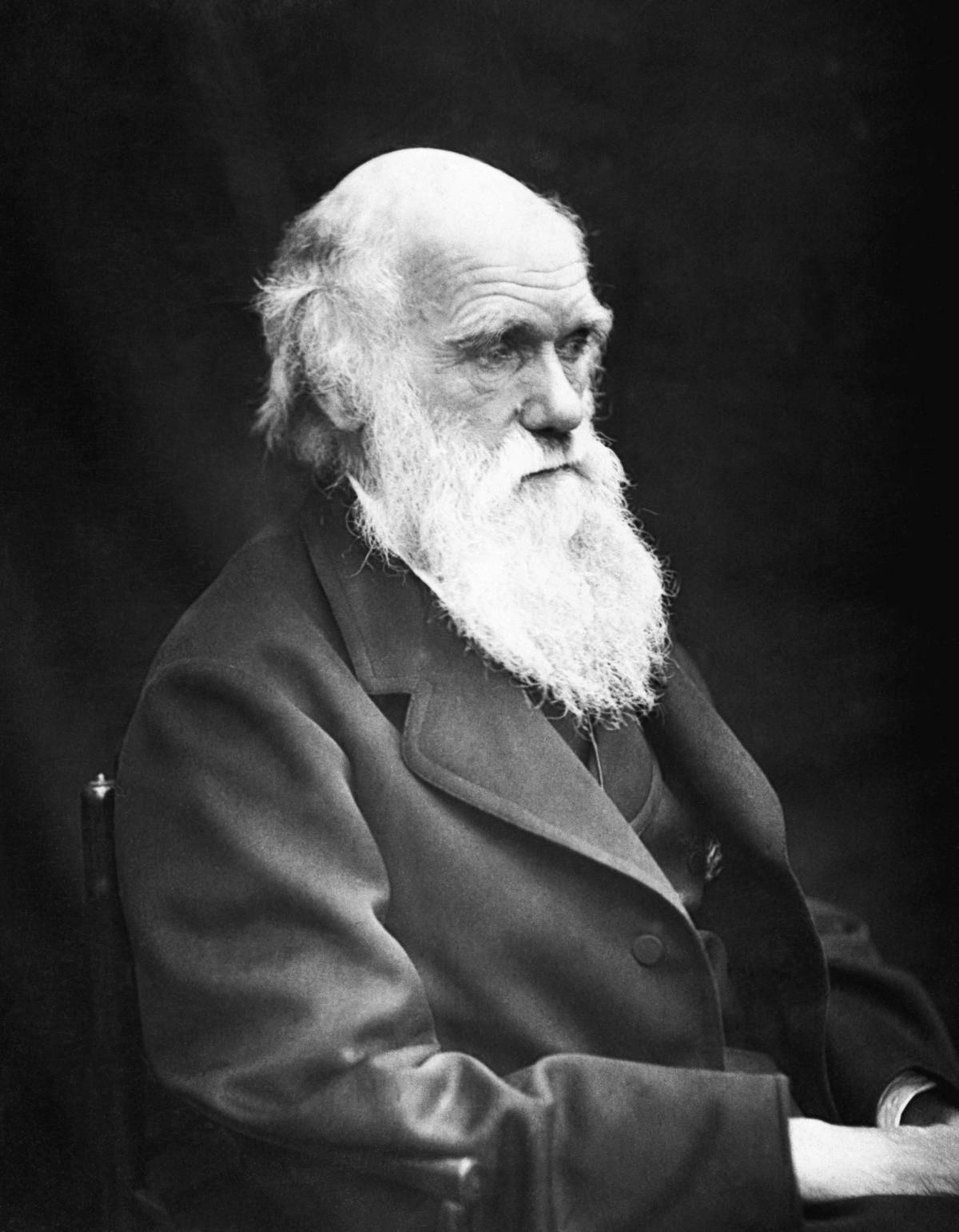
Charles Darwin’s journals from his voyage on the HMS Beagle are a cornerstone of scientific literature, documenting his observations of the natural world. His meticulous notes and sketches from South America and the Galápagos Islands laid the groundwork for his theory of evolution.
Darwin’s keen eye for detail and curiosity about nature are evident in his writings, which continue to inspire scientists and naturalists. His journals offer a window into the mind of one of history’s greatest thinkers.
The Confessions of Jean-Jacques Rousseau
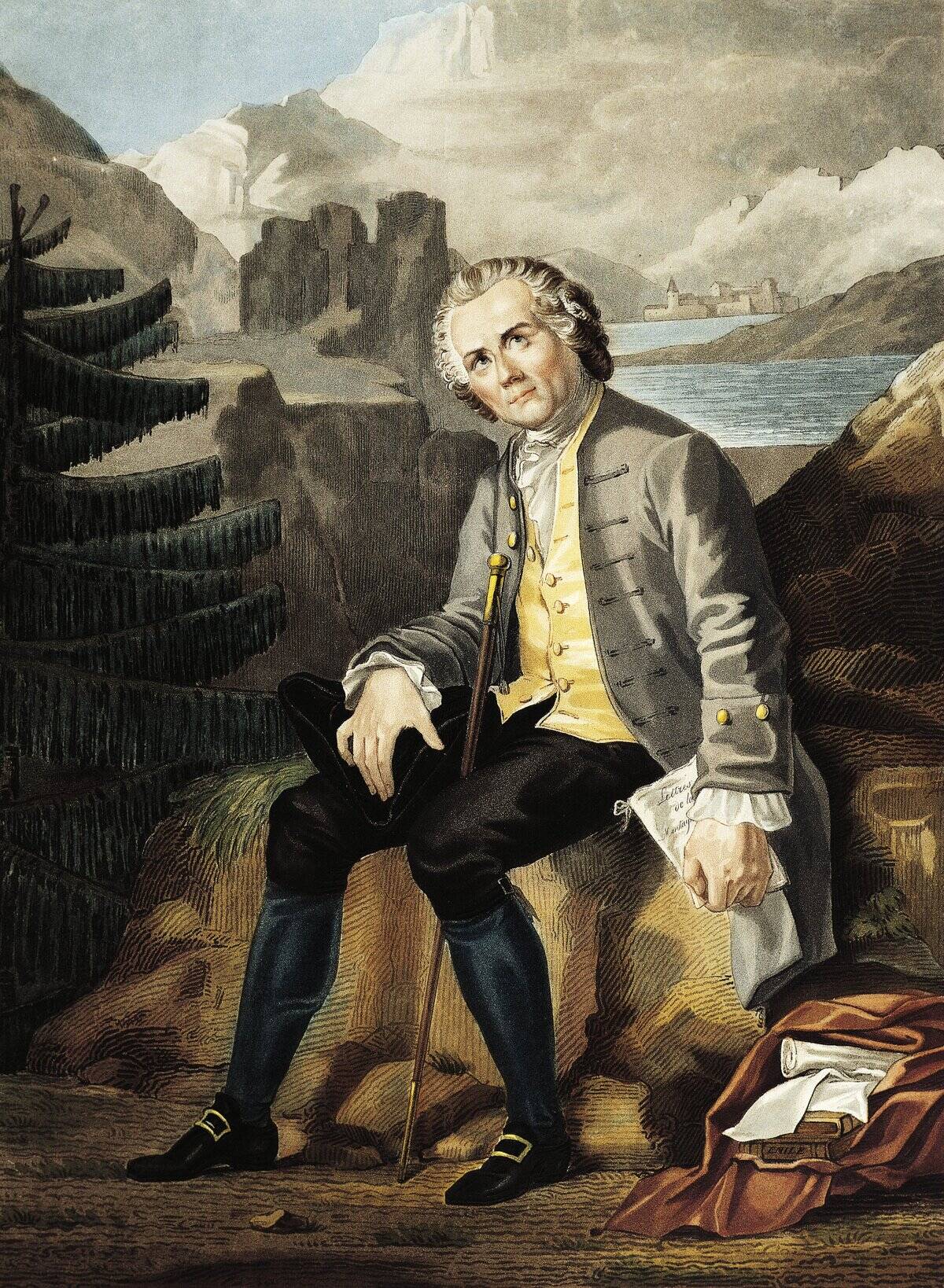
Jean-Jacques Rousseau’s autobiographical work, ‘Confessions,’ is a bold and introspective account of his life and thoughts. Written in the 18th century, it broke new ground in its candid exploration of personal experience and emotion.
Rousseau’s confessions reveal his philosophical ideas, relationships, and struggles, offering insight into the mind of a revolutionary thinker. His writings challenge readers to reflect on the nature of self-awareness and authenticity, making ‘Confessions’ a seminal work in the history of autobiography.
The Diary of a Nobody: A Humorous Take by George and Weedon Grossmith
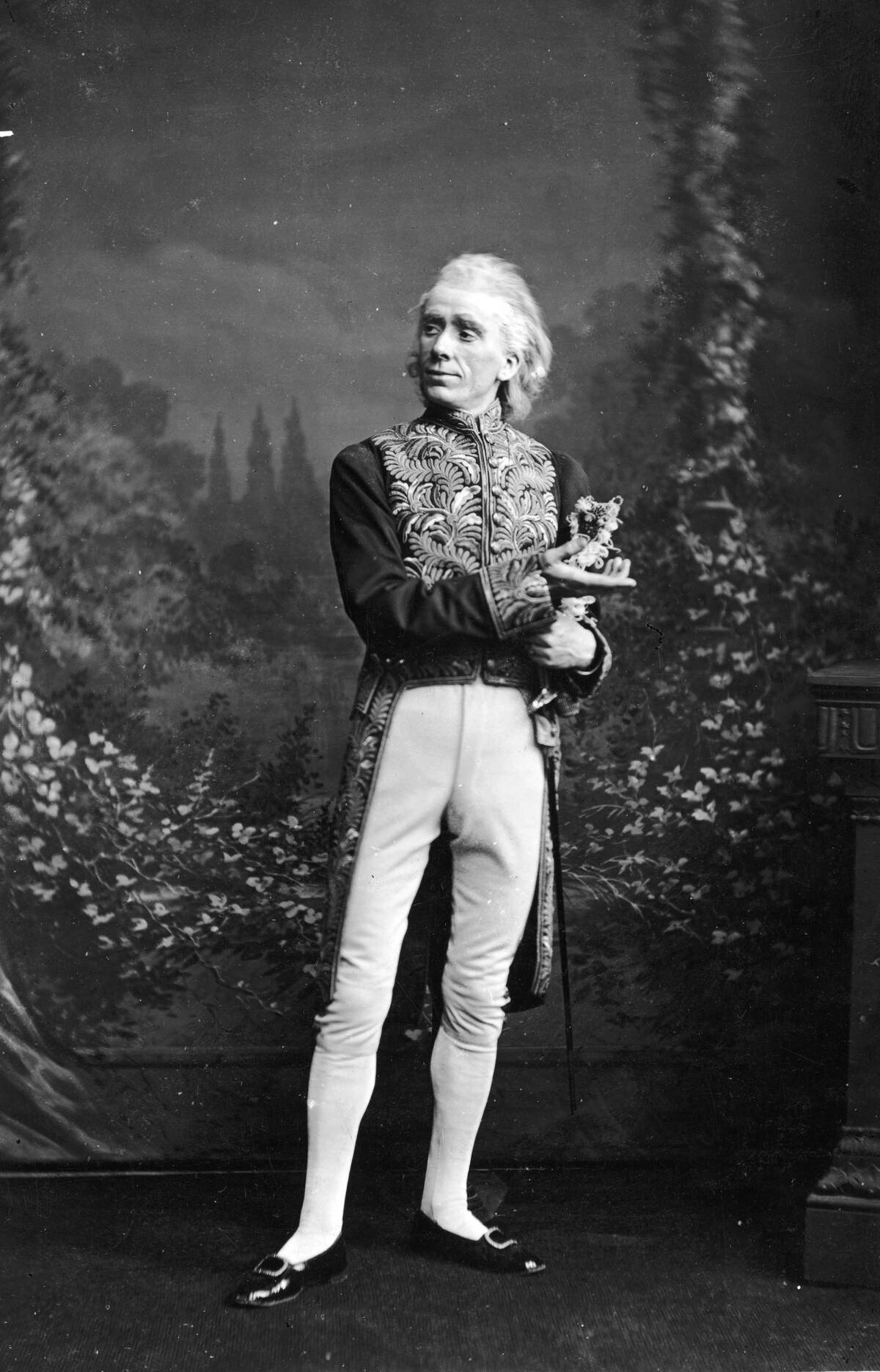
George and Weedon Grossmith’s ‘The Diary of a Nobody’ is a comedic gem that satirizes the everyday life of a middle-class Englishman named Charles Pooter. Published in the late 19th century, the diary humorously details Pooter’s mundane experiences and minor mishaps.
The Grossmiths’ witty portrayal of the trivialities of suburban life resonates with readers, highlighting the universal absurdities of social conventions. This parody of diary writing remains an enduring classic, celebrated for its charm and humor.




