15 geological transformations through the ages
Welcome to an exhilarating journey through the vast chronicles of Earth’s geological history! Our planet has witnessed an incredible array of events, from the fiery beginnings to the rise of life and the sculpting of landscapes.
Each chapter of Earth’s past reveals a story that sheds light on the present and hints at the future. So, fasten your seatbelts as we travel through time, exploring the fascinating epochs that have shaped the world we know today.
The Mysterious Beginnings: Hadean Eon
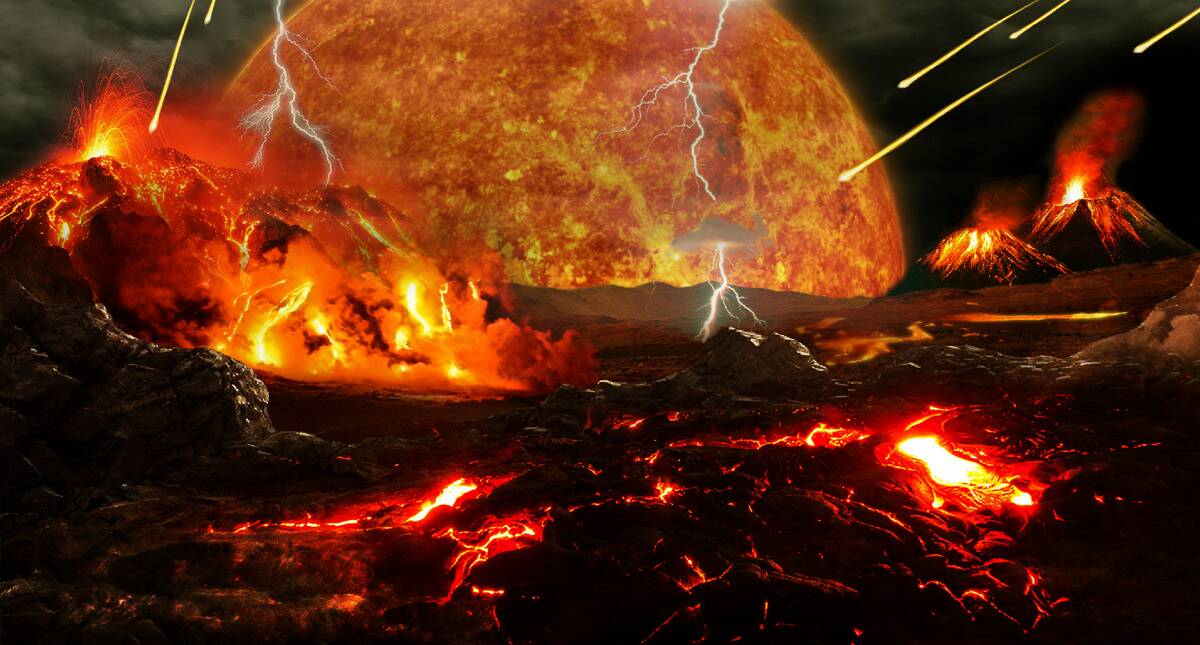
The Hadean Eon marks Earth’s earliest chapter, beginning around 4.5 billion years ago. During this time, our planet was a molten mass, constantly bombarded by asteroids and comets.
The surface was a chaotic mix of magma and lava, with little hope for life. However, this tumultuous era laid the groundwork for Earth’s development, including the formation of its initial crust and the eventual condensation of water vapor into oceans. It’s a testament to the resilience of nature amidst chaos.
The Dawn of Life: Archean Eon Inspirations
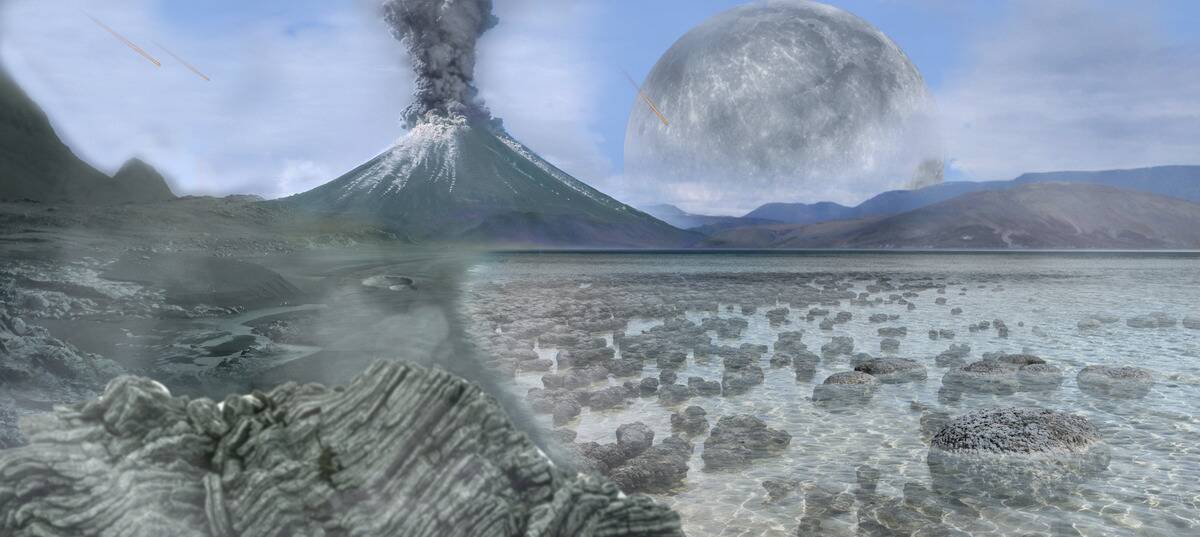
The Archean Eon, spanning from 4 to 2.5 billion years ago, is when life began to make its first appearance. Microbial life, primarily composed of simple single-celled organisms like cyanobacteria, thrived in the oceans.
These organisms played a crucial role in oxygenating the atmosphere through photosynthesis. Stromatolites, layered structures formed by microbial mats, are some of the oldest fossils from this era, offering insights into the early conditions that fostered life on Earth.
Proterozoic Eon: A World of Oxygen and Ice

The Proterozoic Eon, lasting from 2.5 billion to 541 million years ago, saw significant changes. This era introduced the Great Oxidation Event, which dramatically increased atmospheric oxygen, paving the way for more complex life forms.
The planet also experienced its first known ice age, the Huronian glaciation, where ice sheets may have reached the equator. These shifts set the stage for later biological evolution, highlighting how climatic and atmospheric changes have always been crucial drivers of life.
Paleozoic Era: From Cambrian Explosion to Permian Extinction
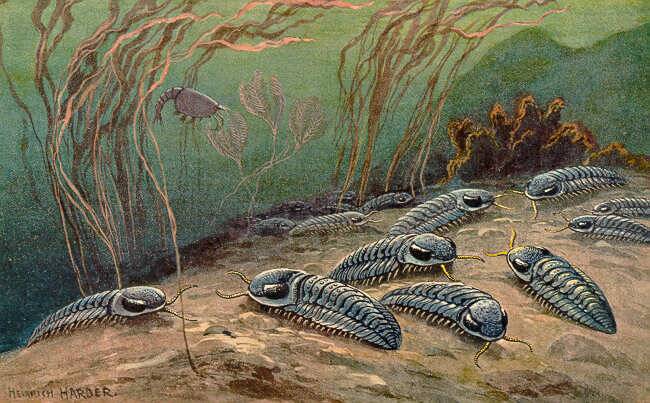
The Paleozoic Era, spanning from 541 to 252 million years ago, was a time of tremendous biodiversity. It began with the Cambrian Explosion, a period of rapid evolutionary development that saw the rise of most major animal phyla.
However, this era ended with the Permian Extinction, the largest mass extinction in Earth’s history, wiping out approximately 96% of marine species. This juxtaposition of growth and loss underscores the dynamic nature of life on our ever-changing planet.
The Rise of Dinosaurs: Mesozoic Era Marvels
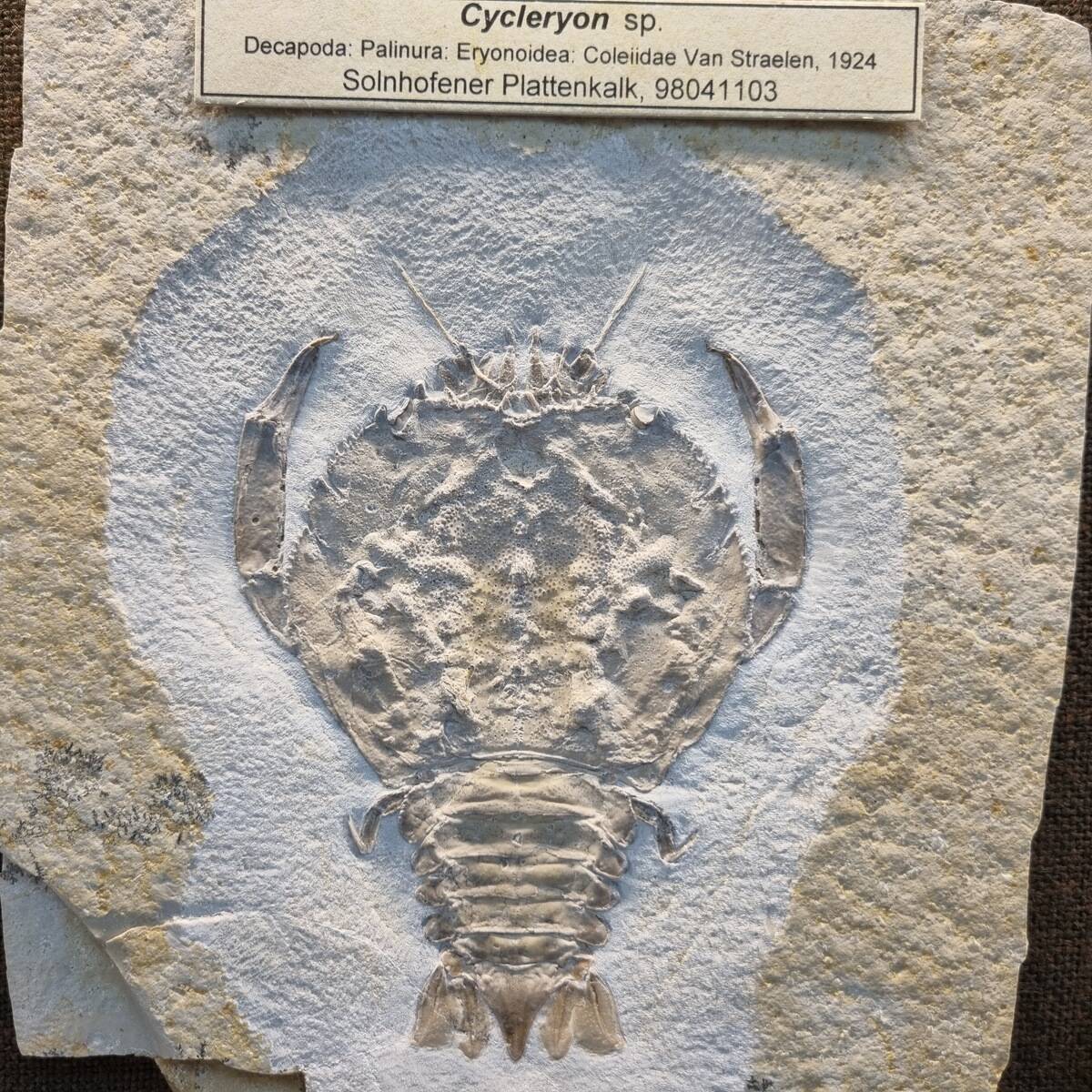
The Mesozoic Era, known as the Age of Reptiles, spanned from 252 to 66 million years ago. During this time, dinosaurs dominated the land, adapting to various environments, from lush forests to arid deserts.
The era is divided into the Triassic, Jurassic, and Cretaceous periods, each marked by evolutionary advancements and diversification. The appearance of the first birds and flowering plants added to the rich tapestry of life, showcasing the intricate balance of ecosystems during this era.
Pangea: The Supercontinent That Was
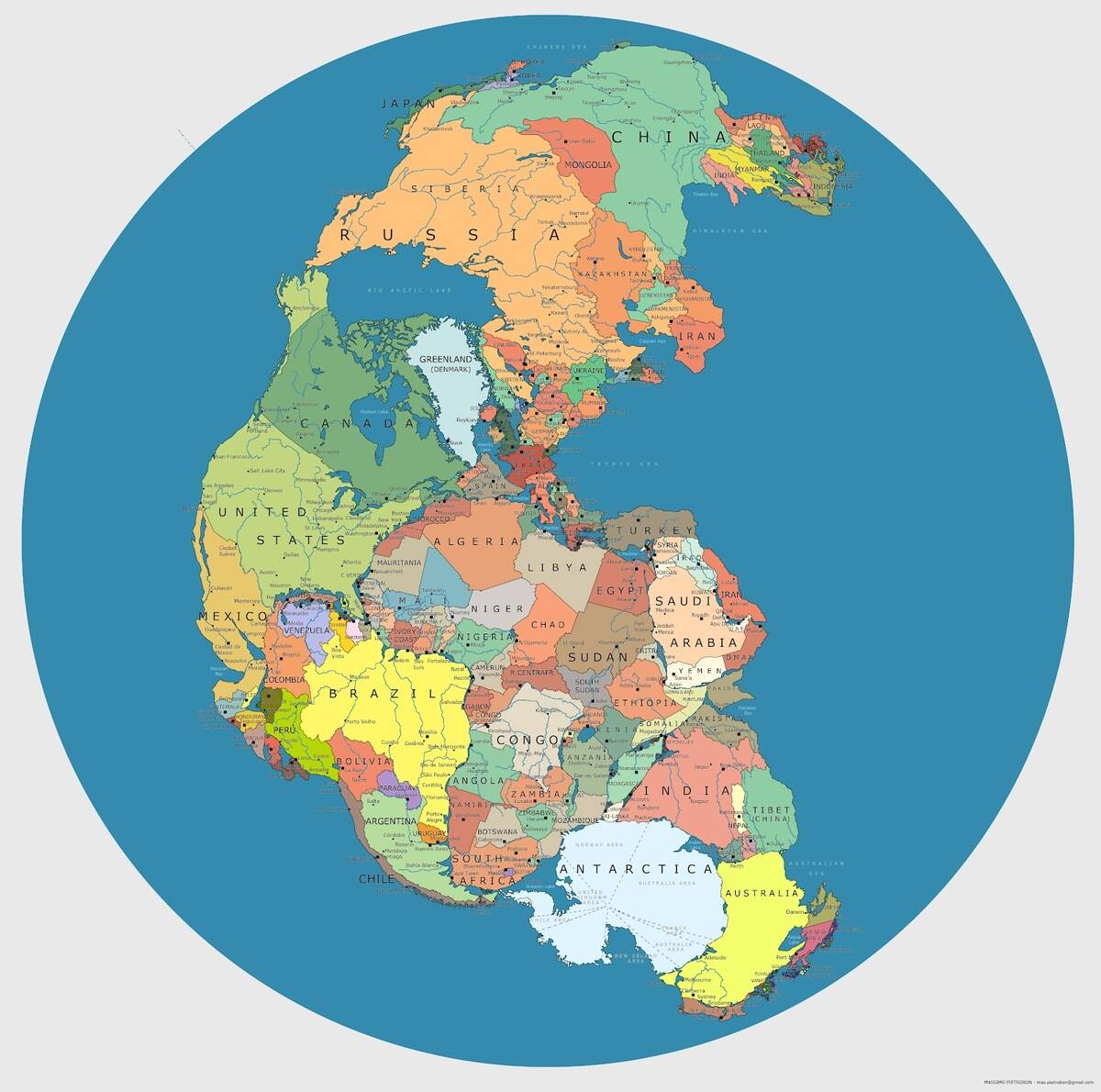
Around 335 million years ago, during the late Paleozoic and early Mesozoic eras, Earth’s landmasses were locked together to form Pangea. This supercontinent altered global climate patterns and ocean currents, impacting the evolution of life.
Its eventual breakup, beginning about 175 million years ago, created the continents we recognize today. The story of Pangea highlights the dynamic nature of plate tectonics and its profound influence on Earth’s geological and biological history.
The Cretaceous-Paleogene Extinction: A Star-Crossed Event
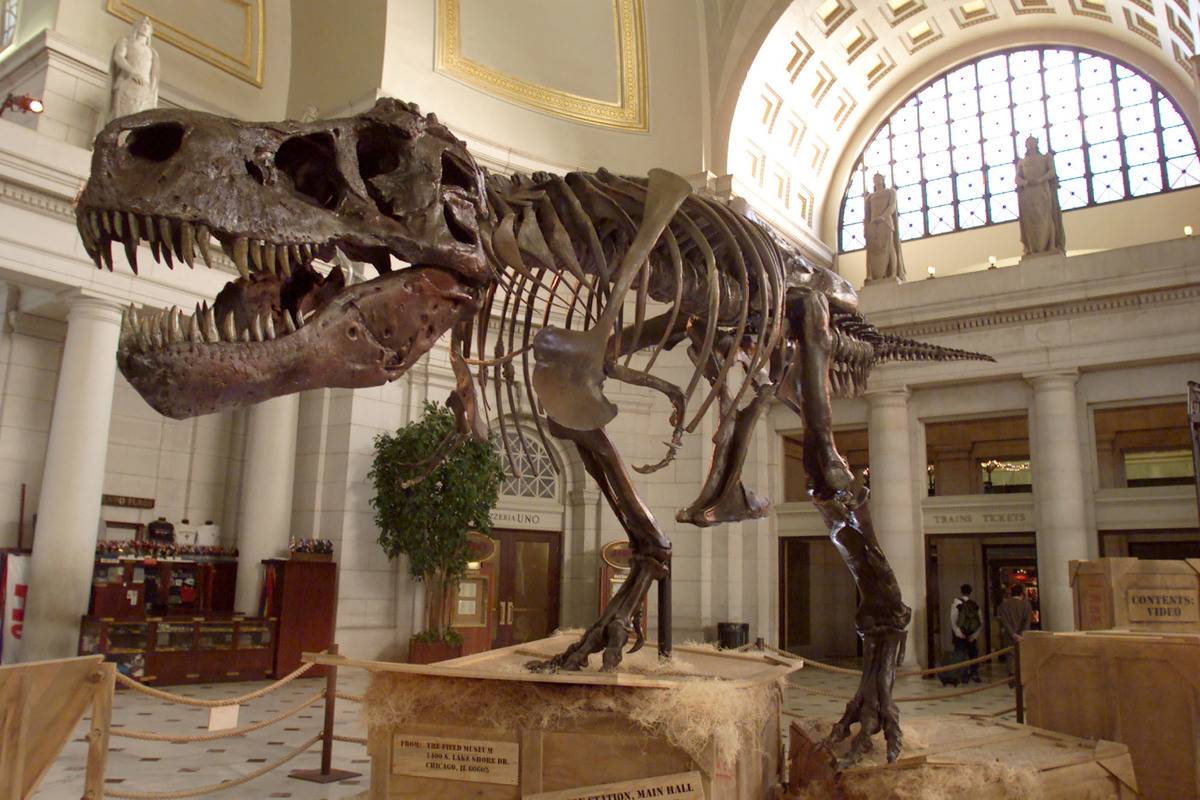
Approximately 66 million years ago, the Cretaceous-Paleogene extinction event marked the end of the dinosaurs. A massive asteroid impact near present-day Yucatán Peninsula in Mexico is widely believed to have triggered this catastrophic event.
It caused widespread fires, a “nuclear winter” effect, and a collapse in food chains. Despite the devastation, this extinction paved the way for mammalian diversification and the eventual rise of humans, illustrating nature’s resilience and adaptability in the face of adversity.
Cenozoic Era: The Age of Mammals and More
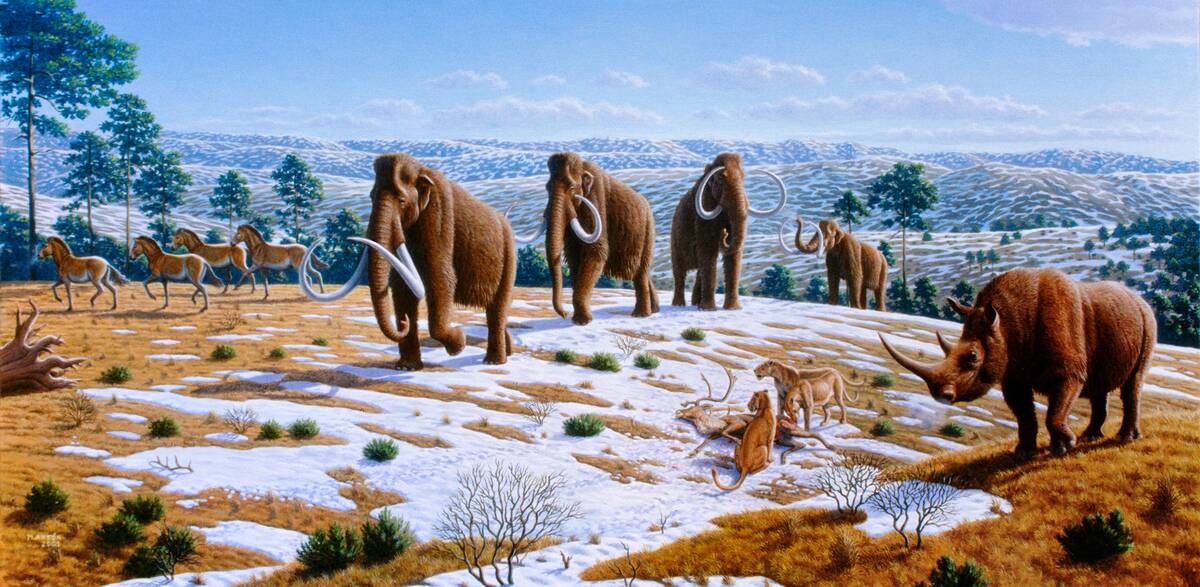
The Cenozoic Era, beginning 66 million years ago, is characterized by the rise of mammals and birds. Following the extinction of the dinosaurs, mammals diversified rapidly, occupying ecological niches left vacant.
This era saw the evolution of primates and the eventual emergence of humans. The climate shifted from tropical warmth to cooler temperatures, leading to the development of grasslands and the spread of ice sheets. It’s a testament to the adaptability and evolution of life over time.
The Ice Ages: Earth’s Cool Transformations
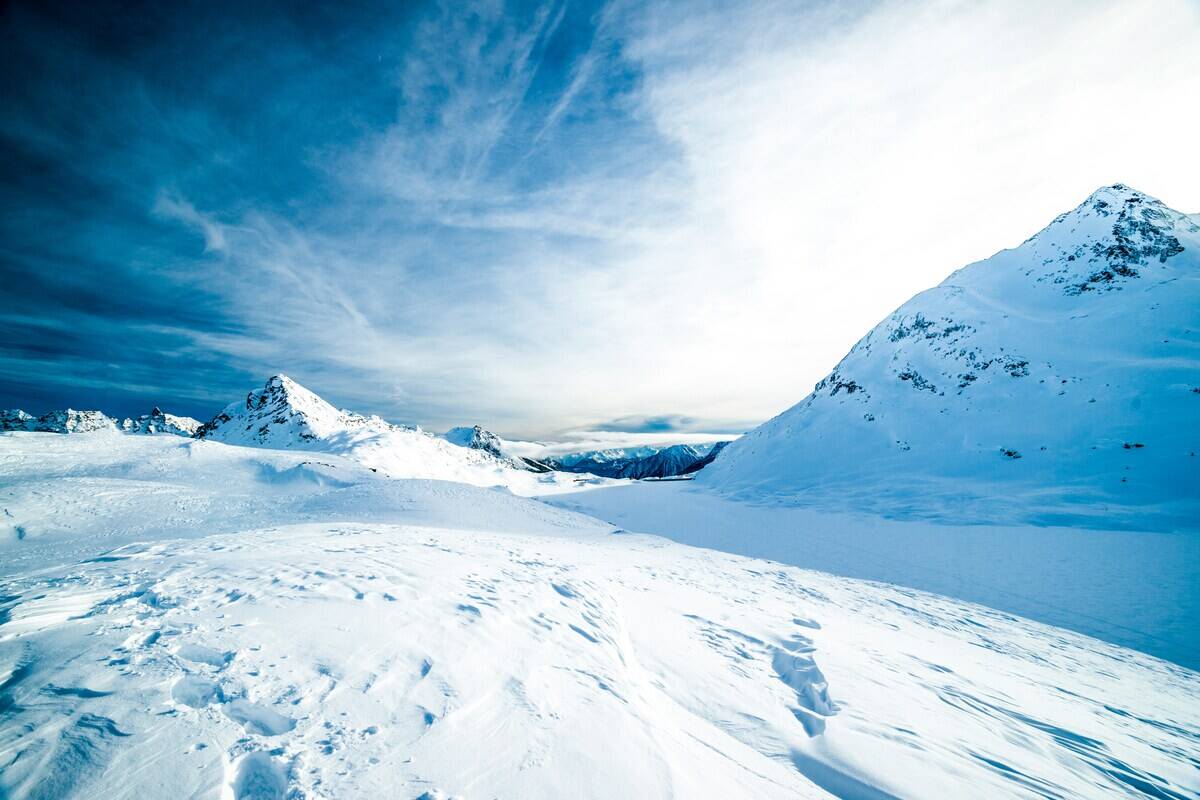
The Ice Ages, occurring over the past few million years, featured cycles of glacial and interglacial periods. Massive ice sheets advanced and retreated, sculpting landscapes and altering sea levels.
These conditions influenced migration patterns and the development of ecosystems. The last glacial period, known as the Last Glacial Maximum, peaked around 20,000 years ago. As the ice melted, it shaped rivers and valleys, leaving behind a legacy of natural beauty and fertile lands.
Tectonic Tales: The Dance of the Continents

The movement of Earth’s tectonic plates is a slow yet powerful force, driving the formation and breakup of continents over millions of years. This “dance” has created mountain ranges, ocean basins, and volcanic activity.
The Himalayas, formed by the collision of the Indian and Eurasian plates, continue to rise even today. These tectonic activities demonstrate the dynamic nature of our planet, constantly reshaping its surface and impacting life in profound ways.
Volcanic Wonders: How Eruptions Shaped Our World
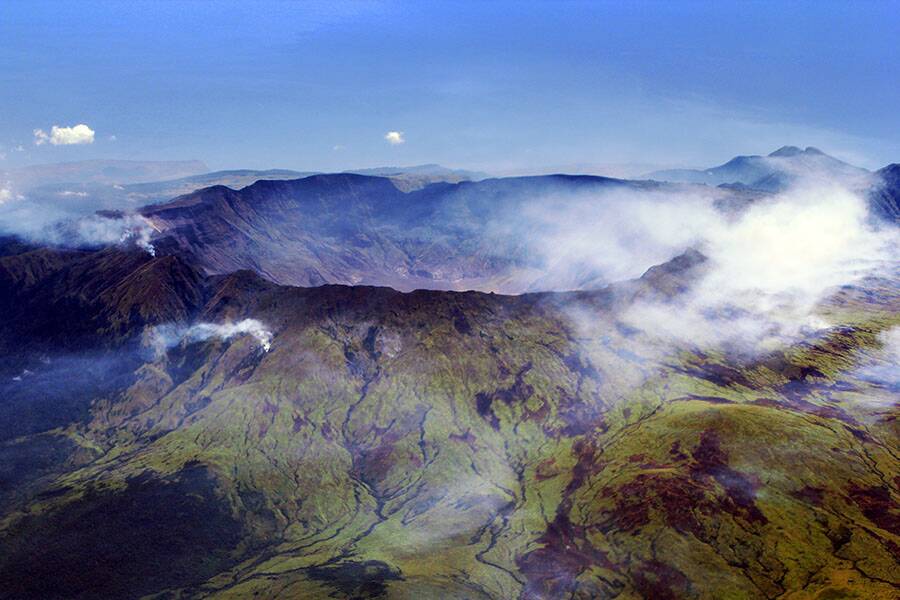
Volcanoes have played a crucial role in shaping Earth’s landscape and atmosphere. Eruptions can create new landforms, such as islands and mountains, while also releasing gases that impact climate.
The eruption of Mount Tambora in 1815 led to the “Year Without a Summer,” highlighting the far-reaching effects of volcanic activity. These natural phenomena remind us of the immense power beneath our feet and their ability to alter the course of history and evolution.
Earth’s Great Sculptors: Wind and Water Erosion
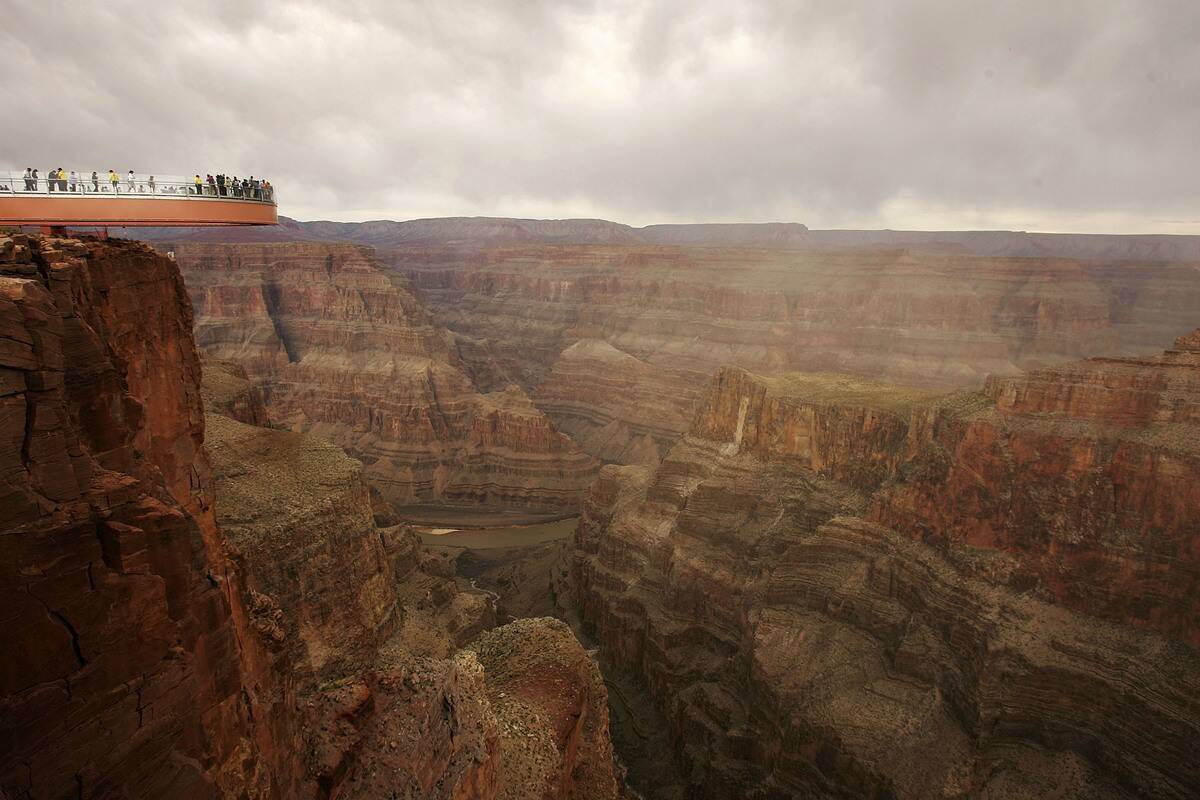
Wind and water are powerful forces that have sculpted Earth’s surface over millennia. Erosion by these elements creates stunning landscapes, such as the Grand Canyon and the intricate formations of Arches National Park.
Rivers carve valleys, while winds shape dunes and rock formations. These processes continue to transform our planet’s surface, illustrating the ongoing interplay between natural forces and the environment, constantly reshaping the world around us.
Fossils: The Storytellers of Ancient Times
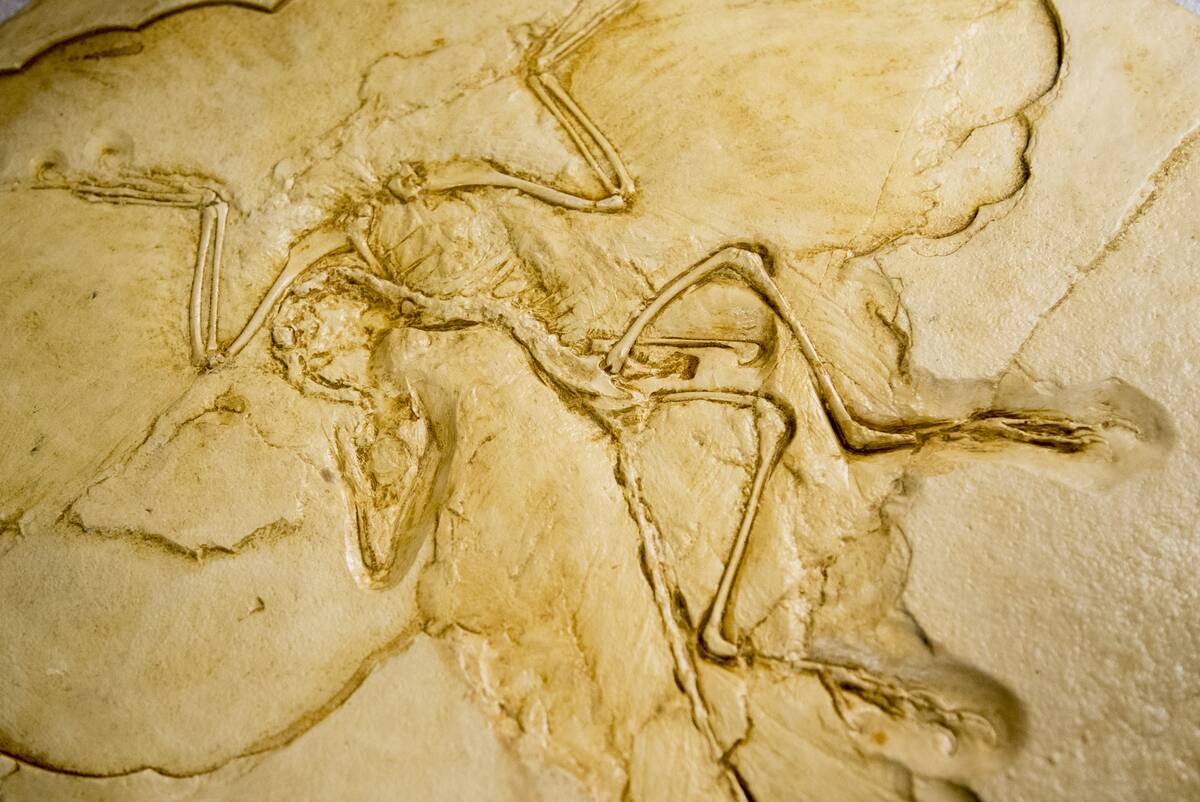
Fossils are the remnants of ancient life, providing a window into Earth’s distant past. They help scientists understand evolutionary processes, past climates, and ecosystems. The discovery of transitional fossils, like Archaeopteryx, offers insights into the evolution of birds from theropod dinosaurs.
Fossilized remains, from tiny trilobites to massive dinosaurs, continue to captivate our imagination, connecting us to the history of life and the ever-evolving narrative of our planet.
Human Influence: A New Chapter in Geological Transformation
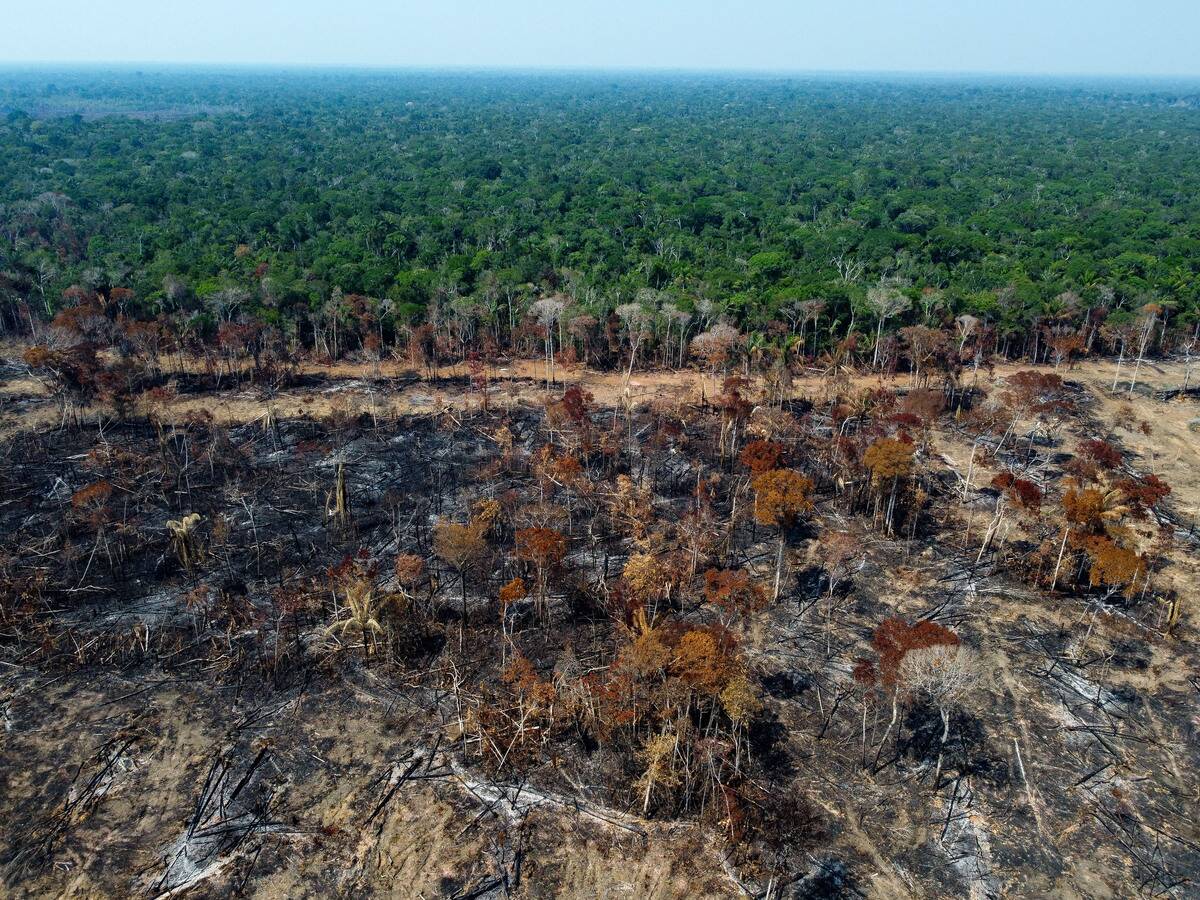
In recent centuries, human activity has become a significant geological force, marking the dawn of the Anthropocene epoch. Urbanization, deforestation, and pollution have altered Earth’s landscapes and ecosystems.
The extraction of resources and the burning of fossil fuels have accelerated climate change, leading to unprecedented global impacts. As stewards of the planet, humanity’s challenge is to balance development with conservation, ensuring a sustainable future for the generations to come.
The Future of Earth’s Geology: What’s Next?

Predicting the future of Earth’s geology involves understanding current patterns and potential scenarios. Climate change, driven by human activity, will likely continue to influence geological processes. Rising sea levels, increased erosion, and shifting habitats are expected.
Advances in technology and science offer hope for mitigating these changes and understanding our planet’s intricate systems. As we look ahead, the challenge lies in harnessing knowledge and innovation to preserve Earth’s legacy for future generations.




