Fossil evidence of early humans using tools and symbols
Imagine stumbling upon a dusty corner of history where our ancestors’ secrets lie buried. Archaeologists have been doing just that, unearthing not just bones but the tools that tell tales of survival and ingenuity.
These discoveries reveal how early humans adapted to their environments. The hunt for these ancient toolkits is like piecing together a jigsaw puzzle, with each tool serving as a clue to understanding how our ancestors lived.
The Fascinating World of Early Human Relatives

Our early human relatives, like Homo habilis and Australopithecus, were more than just primitive figures in our evolutionary history. They were pioneers, using their surroundings creatively to make life a bit easier.
These early hominins roamed the African savannas, adapting to changing climates and food sources. Their ability to innovate and evolve laid the groundwork for the diverse species we are today.
What Counts as a Tool? Defining the Basics

When we think of tools, we might imagine something crafted with precision, but for our ancestors, the definition was broader. A tool could be as simple as a rock used for smashing open nuts or a stick for digging.
The basic requirement? Anything that extends the user’s capabilities to modify features of their environment. This fundamental concept of tool use is what sets humans apart and gives them an edge in the wild.
The First Stone Tools: A Chipping Good Time

The earliest stone tools, discovered in Tanzania’s Olduvai Gorge, date back about 2.9 million years. Known as the Oldowan tools, they were simple yet effective.
These tools were made by striking one rock against another to create a sharp edge, perfect for cutting meat. This breakthrough in tool-making allowed early humans to access new food sources and expand their diet.
Animal Bones and the Art of Tool Making
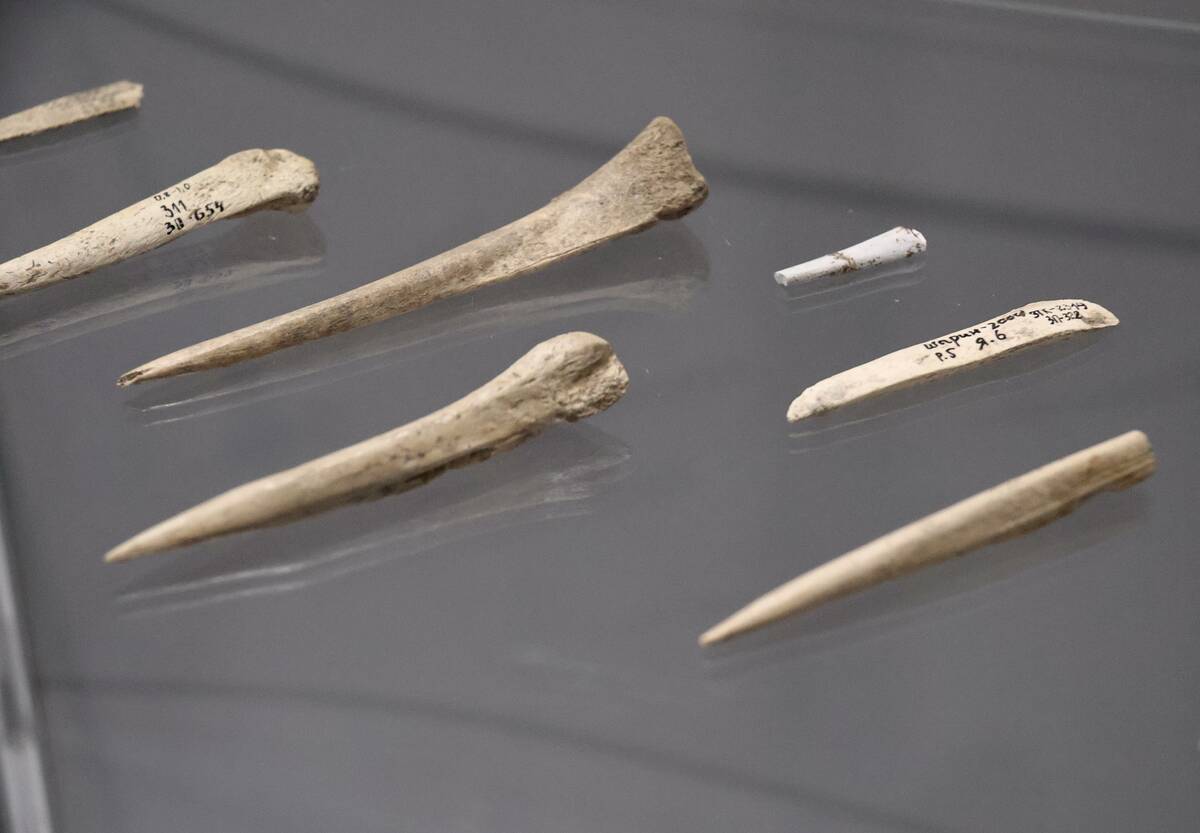
Animal bones weren’t just leftovers from dinner; they were valuable resources. Early humans used bones to craft tools like awls and needles, essential for sewing hides and making clothing.
This innovation marked a significant step in human evolution, allowing them to thrive in colder climates and adapt to various environments. The versatility of bone tools showcases our ancestors’ resourcefulness.
Oldowan Culture: The Original Makers

The Oldowan culture, named after the Olduvai Gorge, is considered the earliest known stone tool culture. This era marks a pivotal moment in human history, where tool-making became an integral part of life.
The simplicity of these tools belies their impact, as they laid the foundation for more complex technologies that would follow. The Oldowan legacy is a testament to the ingenuity of our early ancestors.
The Acheulean Handaxe: A Prehistoric Multi-tool
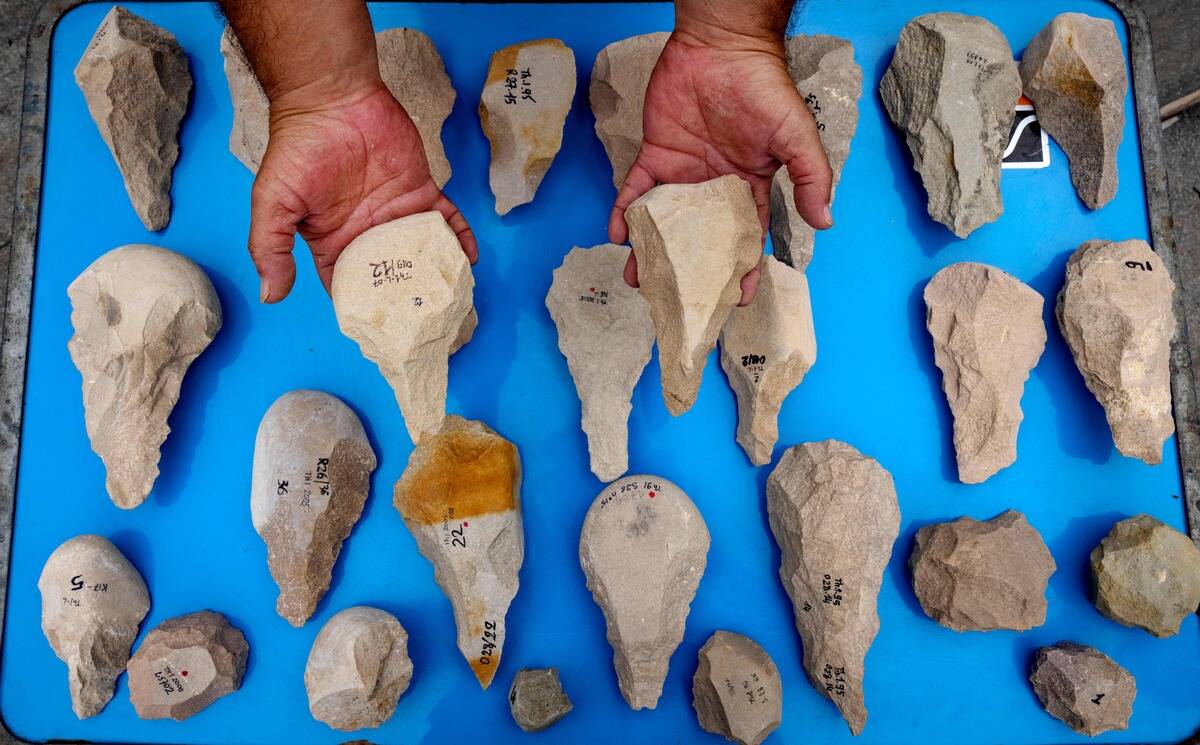
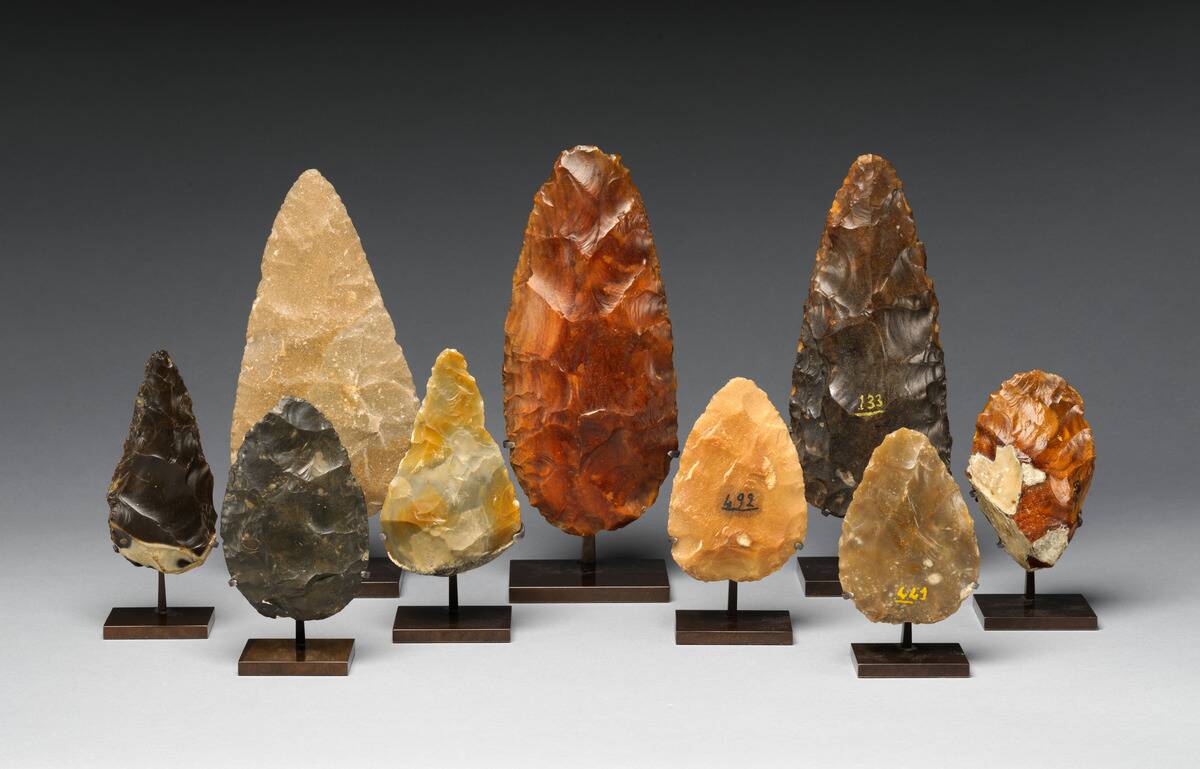
The Acheulean handaxe, often dubbed the Swiss Army knife of the Stone Age, was a versatile tool used by Homo erectus. These handaxes were more sophisticated than Oldowan tools, featuring symmetrical shapes and sharp edges.
They were used for chopping wood, butchering animals, and even digging. The craftsmanship of these tools reflects a leap in cognitive abilities and technological advancement.
Cave Carvings: The Birth of Symbolic Thought

Cave carvings and engravings mark the dawn of symbolic thought in human history. These early artworks, found in caves across Europe and Africa, showcase the creativity and imagination of our ancestors.
Carvings of animals, human figures, and abstract patterns reveal a burgeoning capacity for expression and communication. This artistic expression was a crucial step towards the development of language and culture.
The Role of Tools in Communication
Tools weren’t just for survival; they also played a role in communication. The process of making and using tools required cooperation and knowledge-sharing among early humans.
This interaction fostered social bonds and helped convey complex ideas. As tool-making skills were passed down through generations, they became a medium for teaching and learning, laying the groundwork for the development of language.
Earliest Evidence of Symbolic Behavior
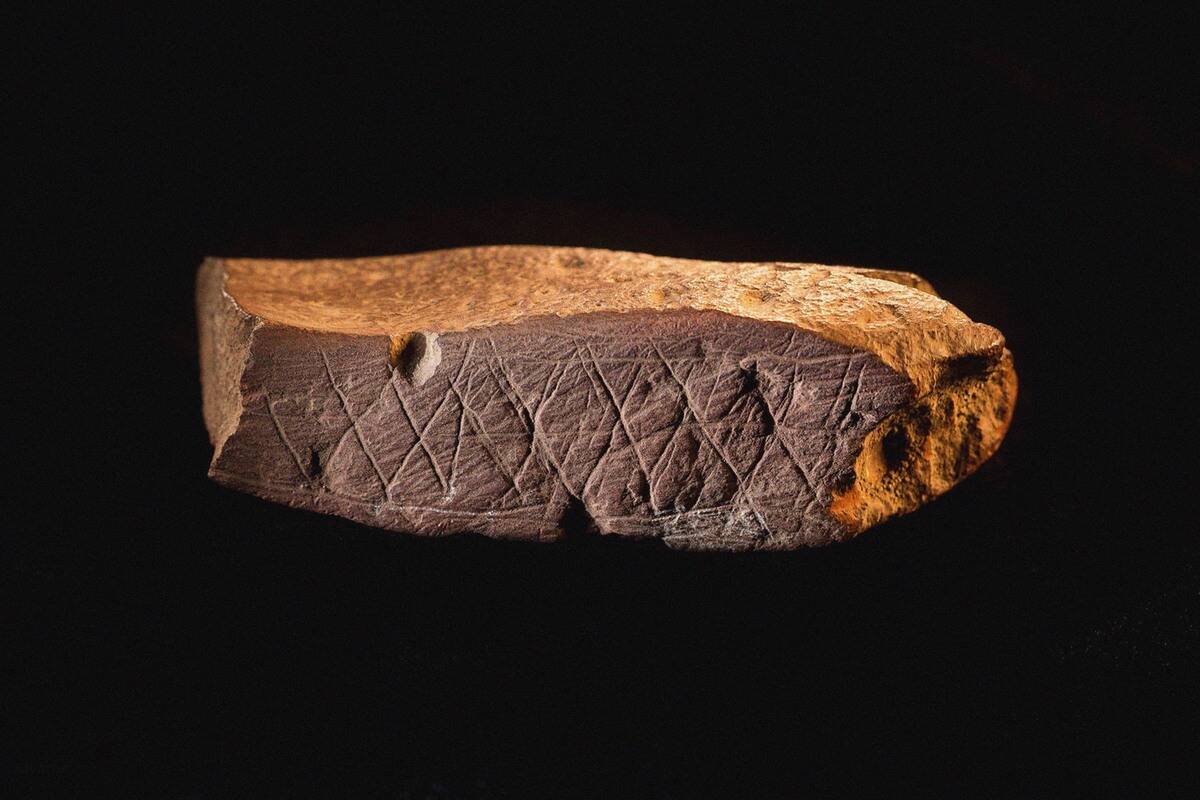
The earliest evidence of symbolic behavior dates back to about 77,000 years ago. Artifacts like engraved ochre and shell beads found in Africa suggest that early humans engaged in symbolic activities.
These objects were likely used for personal adornment or ritual purposes, as researchers believe there was information etched into their designs rather than simple decorative flourishes. This behavior marks a significant milestone in human cognitive evolution.
How Tools Changed Early Human Diets
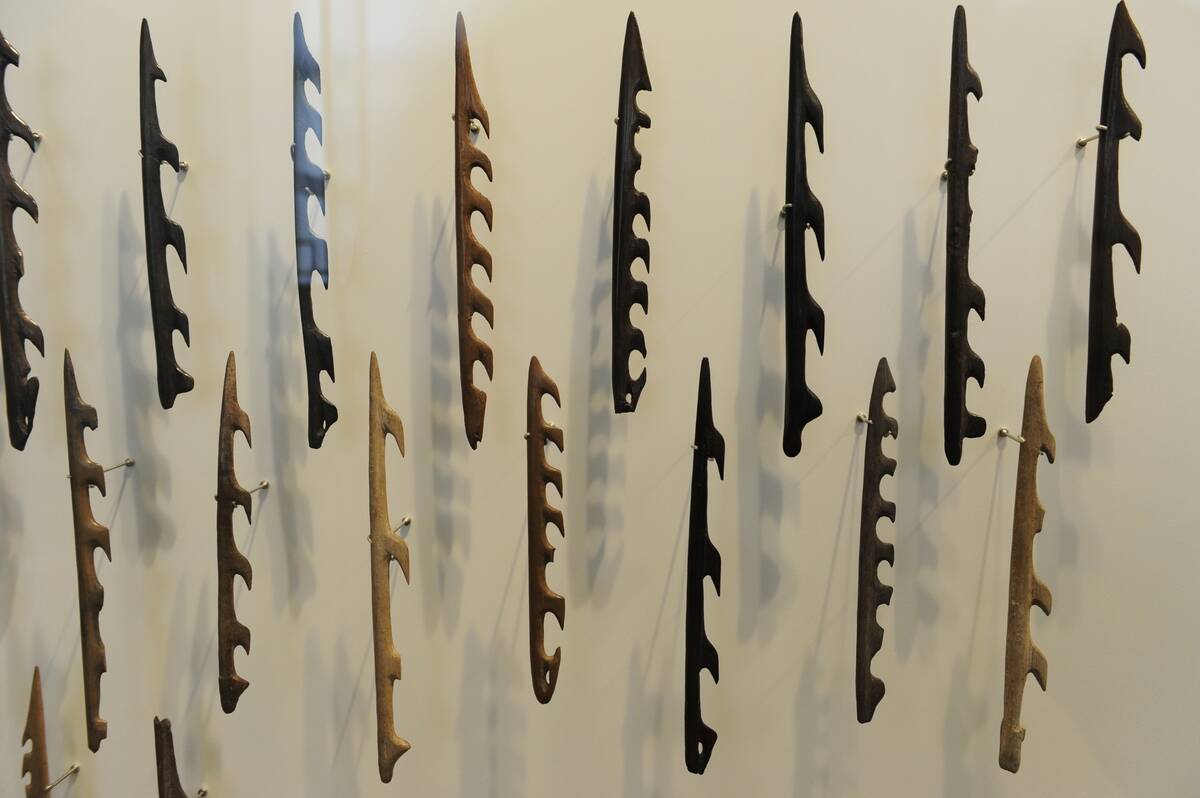
Tools transformed the diets of early humans, giving them access to a broader range of foods. The ability to cut meat and crack bones for marrow provided essential nutrients that supported brain growth.
Over time, humans developed more specialized tools for hunting, fishing, and gathering, allowing them to exploit new food sources. These dietary changes played a crucial role in the evolution of our species.
Tools and the Advent of Cooperative Living

The development of tools was closely linked to the advent of cooperative living. Group hunting and food sharing required communication and planning, fostering social cohesion.
Tools enabled early humans to work together more effectively, whether in building shelters or protecting their communities. This cooperation laid the foundation for the complex social structures that define human societies today.
From Tools to Technology: The Evolutionary Leap

The journey from simple stone tools to advanced technology is a testament to human ingenuity. Each innovation built upon the last, leading to the development of agriculture, metallurgy, and eventually, modern technology.
This evolutionary leap was driven by our ancestors’ relentless curiosity and problem-solving abilities. The legacy of these early tools is evident in every piece of technology we use today.
Fossil Finds: A Timeline of Tool Use
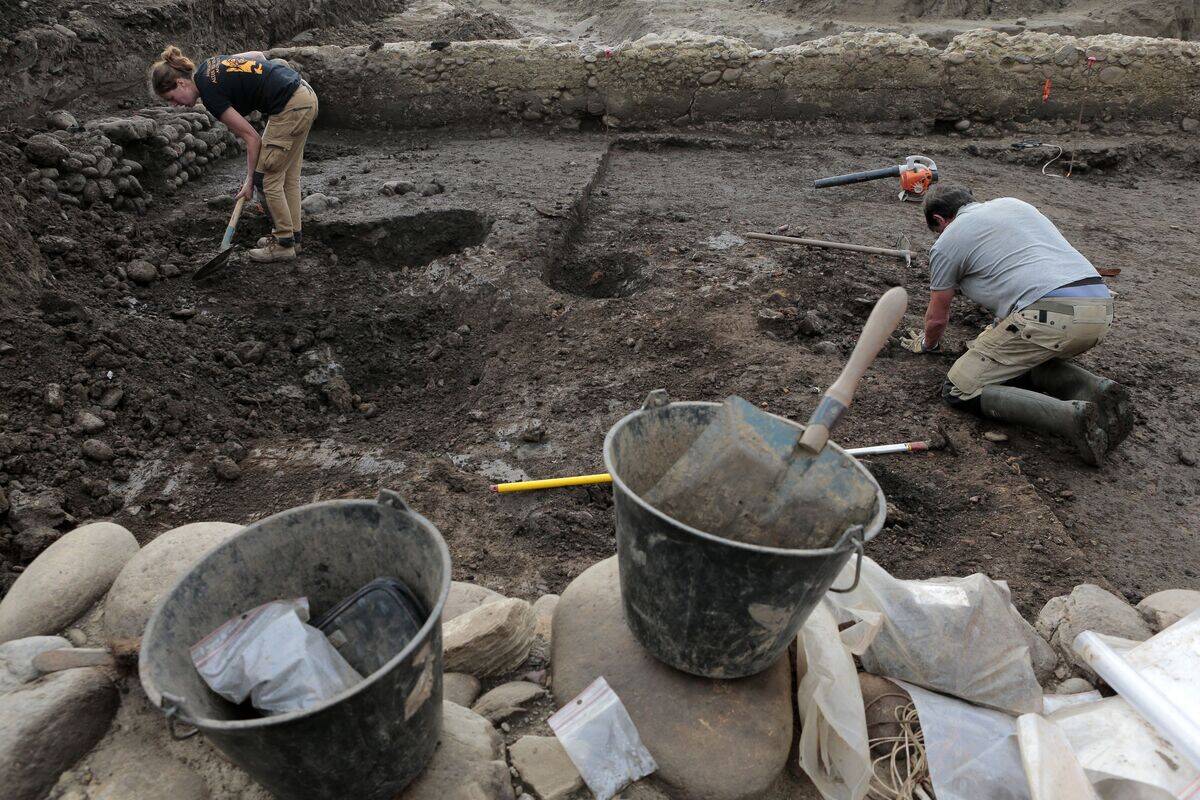
Fossil finds provide a timeline of tool use, shedding light on the evolution of human technology. From the rudimentary Oldowan tools to the more sophisticated Acheulean handaxes, each discovery paints a picture of technological advancement.
These finds are crucial for understanding the pace and nature of human evolution. They reveal how our ancestors adapted to their environments and overcame challenges through innovation.