19 forgotten inventions that aimed to change the world
We’re wired to love shiny novelties. Psychologists talk about novelty bias, and tech analysts sketch it as the Gartner Hype Cycle—coinage from 1995—where expectations rocket to a “peak of inflated expectations” before sliding into a “trough of disillusionment.” Meanwhile, Everett Rogers’ 1962 Diffusion of Innovations reminds us adoption hinges on perceived advantage, compatibility, and simplicity. When any of those falter, even brilliant ideas stall.
History’s graveyard of near-misses proves it. Some failed on price (Concorde), others on infrastructure (personal transit pods), timing (AT&T’s Picturephone), or competing standards (quadraphonic sound). A few dazzled in demos yet wilted in daily life: jetpacks, rocket belts, and backpack copters dazzled crowds but fought physics, fuel, and safety. It’s not that they weren’t clever—it’s that clever alone rarely wins.
AT&T’s Picturephone: FaceTime before we were ready to face time

Bell Labs showed off the Picturephone at the 1964 New York World’s Fair, including a televised chat with President Lyndon Johnson from Washington, D.C. Early sets had tiny screens—about five inches—and fixed cameras that highlighted every awkward angle. It was a technological feat for a network built for voices, not faces, and the wow factor in pavilions was undeniable.
Real life wasn’t as charmed. Commercial service launched in Pittsburgh in 1970, then Chicago and Washington, D.C. Fewer than 500 subscribers signed up by 1973. The service was pricey, the hardware bulky, and—crucially—video calls suffer from network effects: if your friends and clients don’t have it, why should you? AT&T wound it down by 1974. Decades later, webcams, broadband, and smartphones quietly delivered the promise.
The Segway: the two-wheeled revolution that took the scenic route
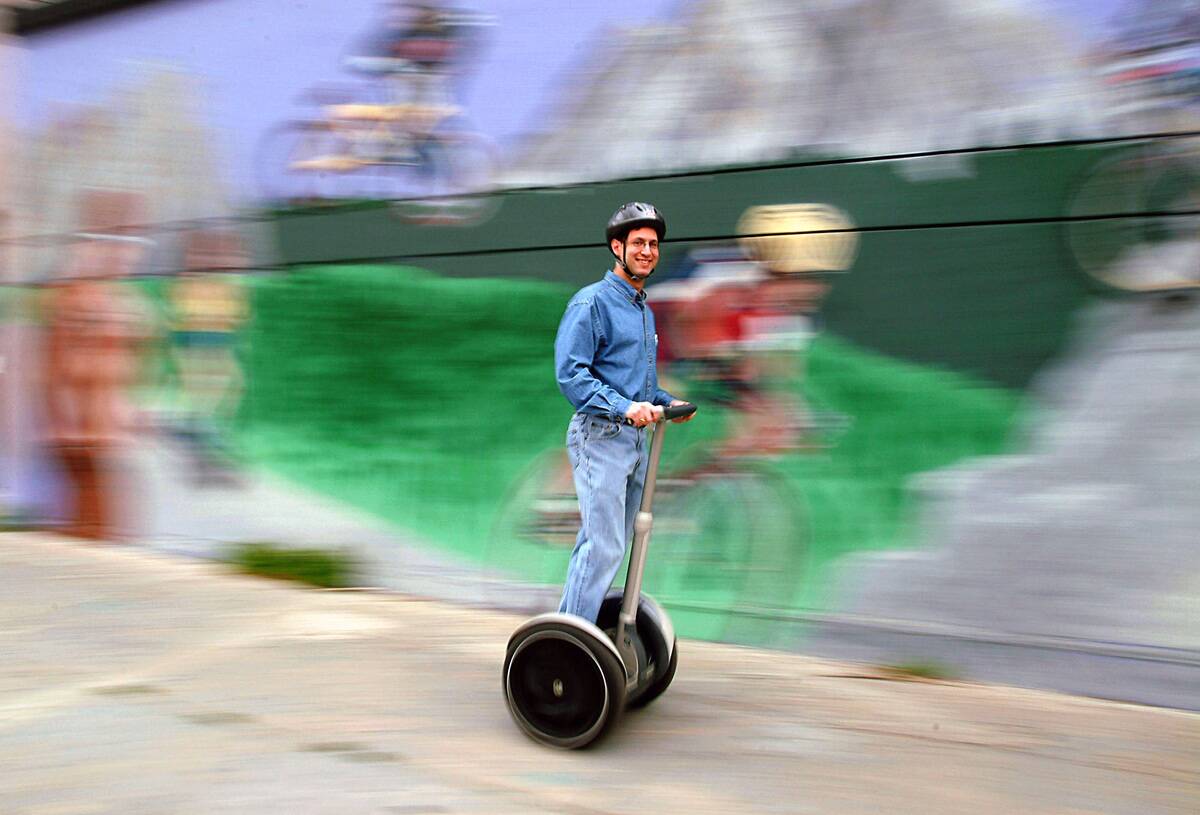
Dean Kamen’s Segway PT arrived in December 2001 with sky-high expectations after months of code-name buzz as “Ginger.” Its self-balancing magic came from gyroscopes and clever control algorithms, whisking riders up to about 12.5 mph (20 km/h). Steve Jobs and Jeff Bezos reportedly previewed it, and the press mused about cities reshaped around whisper-quiet scooters.
But at around $5,000 a unit, adoption struggled. Sidewalk rules were murky, and a 2006 recall addressed software that could trigger sudden reverse. The company changed hands—acquired by China’s Ninebot in 2015—and halted production of the original PT in 2020. The tech lives on in warehouse robots, last-mile scooters, and self-balancing platforms, but the grand urban reset arrived by bike lanes and e-scooter sharing instead of one iconic device.
Jetpacks and rocket belts: commuting on a 30-second fuel tank

Bell Aerosystems’ Rocket Belt first flew in 1961 on concentrated hydrogen peroxide, producing roaring thrust—and flights that lasted roughly 20–30 seconds. It wowed crowds at the 1964 New York World’s Fair and became a pop-culture staple. Short hops were feasible; commuting, not so much. Every second aloft drained precious propellant and demanded expert piloting.
The spectacle continued—famously at the 1984 Los Angeles Olympics—yet practicality lagged. Newer turbine jetpacks from firms like JetPack Aviation can manage a few minutes and hundreds of feet of altitude, but they’re loud, hot, and niche, with regulatory hurdles. New Zealand’s much-hyped Martin Jetpack, a ducted-fan approach, folded in the late 2010s. Turns out gravity, fuel density, and neighbors’ ears are stubborn gatekeepers.
Monowheels: the future balanced on one big tire
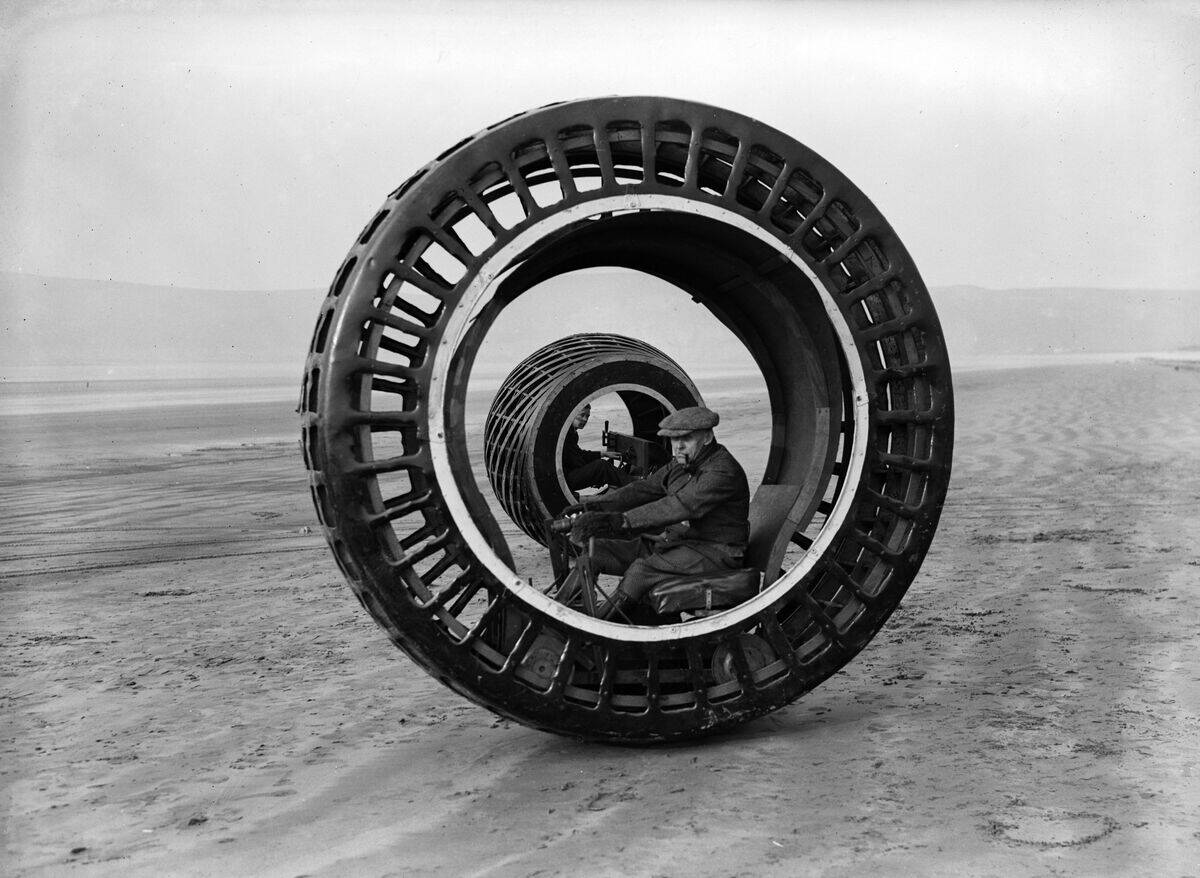
The dream of rolling inside one giant wheel dates to the 19th century. In the early 1930s, Dr. J. A. Purves’ Dynasphere—essentially a huge ring with a cabin—reportedly hit around 30 mph during tests on British beaches. The visual drama was unmatched: passengers perched within a spinning halo, like time travelers who overshot the landing pad.
Modern monowheel hobbyists proved it’s more than a publicity stunt.
Kerry McLean’s sleek designs set speed marks, and Guinness World Records lists a monowheel motorcycle topping roughly 98 km/h. Still, “gerbiling”—when the inner frame rotates unexpectedly relative to the outer wheel—can make hard braking and hills treacherous. As daily transport, they’re showstoppers; as practical commuters, they’re mostly parade material.
Amphibious cars: splashy commutes that didn’t make waves

Germany’s Amphicar Model 770 (1961–1968) tried to be a sedan and a speedboat. About 3,878 were built, with twin props and a top speed around 7 knots on water and 70 mph on land—hence “770.” President Lyndon Johnson loved pranking ranch guests by driving downhill into a lake before casually flipping the marine switches and puttering away.
More advanced entrants showed real performance.
The Gibbs Aquada, demonstrated in the early 2000s, skimmed water at planing speeds and hit highway pace on land. In 2004, Richard Branson crossed the English Channel in an Aquada in 1 hour 40 minutes and 6 seconds, setting a record at the time. Even so, regulations, cost, and maintenance complexity kept amphibians niche—great for stunts, awkward for daily errands.
Smell-O-Vision (and AromaRama): cinema you could sniff
In 1959, AromaRama piped scents through a theater’s ventilation during the documentary Behind the Great Wall. The idea: match smells to scenes and deepen immersion. In practice, odors lingered, overlapped, and arrived at different times depending on your seat. Moving air is messy, and perfumes don’t fade on cue.
Smell-O-Vision followed in 1960 with Scent of Mystery, using tubes to deliver around 30 aromas to individual seats.
Reviewers griped about hisses, delays, and stray whiffs that spoiled plot reveals. The film was reworked and rereleased as Holiday in Spain without the odors. Decades later, scratch-and-sniff gags and theme-park “4D” effects kept the dream alive, but multiplexes stuck with sight and sound.
Pneumatic tube subways: whoosh-powered public transit
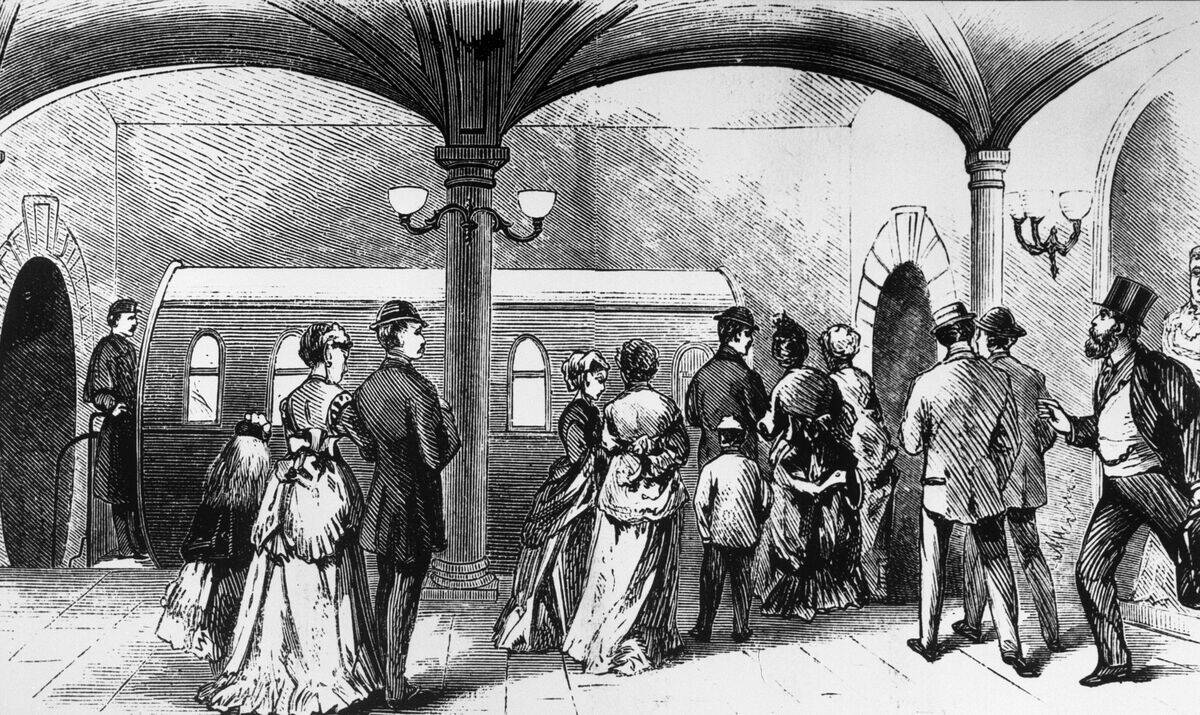
In 1870, Alfred Ely Beach secretly built a one-block pneumatic subway beneath Broadway in New York City. The Beach Pneumatic Transit shuttled a plush car through a 312‑foot tunnel using a giant fan nicknamed the Western Tornado. For a five‑cent fare, Victorians experienced silent, whooshing travel and ornate station decor—complete with a grand piano.
Politics and economics stalled it. Tammany Hall boss William Tweed opposed Beach, and the Panic of 1873 choked financing. The tunnel was sealed and largely forgotten until workers rediscovered it during subway construction in 1912. Pneumatic tubes thrived for mail and office canisters, but full‑scale people‑moving needed electric traction and steel. Whoosh power remained a charming detour.
Personal Rapid Transit pods: traffic-free cities that never scaled
West Virginia University’s Morgantown PRT opened in 1975 and still runs, linking campus stations with small, automated vehicles. The system spans roughly 8–9 miles and can dispatch cars on demand, carrying thousands of riders daily during the school year. It’s a rare, long‑lived proof that point‑to‑point pods can work in a controlled corridor.
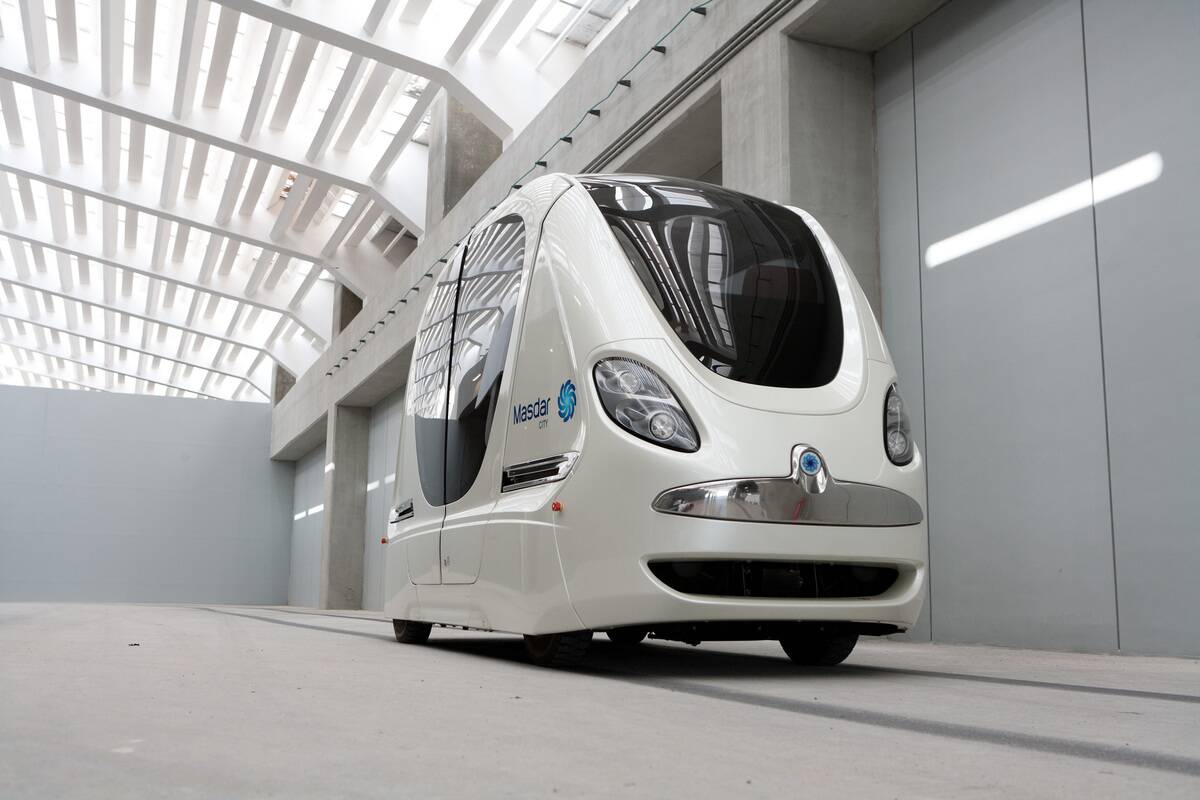
Scaling to cities proved harder. London Heathrow’s ULTra pods began serving Terminal 5’s remote parking in 2011 and moved millions, but broader rollouts never came and service changes arrived in the 2020s. Masdar City in Abu Dhabi tested a similar concept around 2010, then shifted to more conventional transport. Pods shine where routes are fixed and stations few; complex urban grids favor flexible buses and trains.
Concorde and supersonic flight: faster than the future, shorter than expected
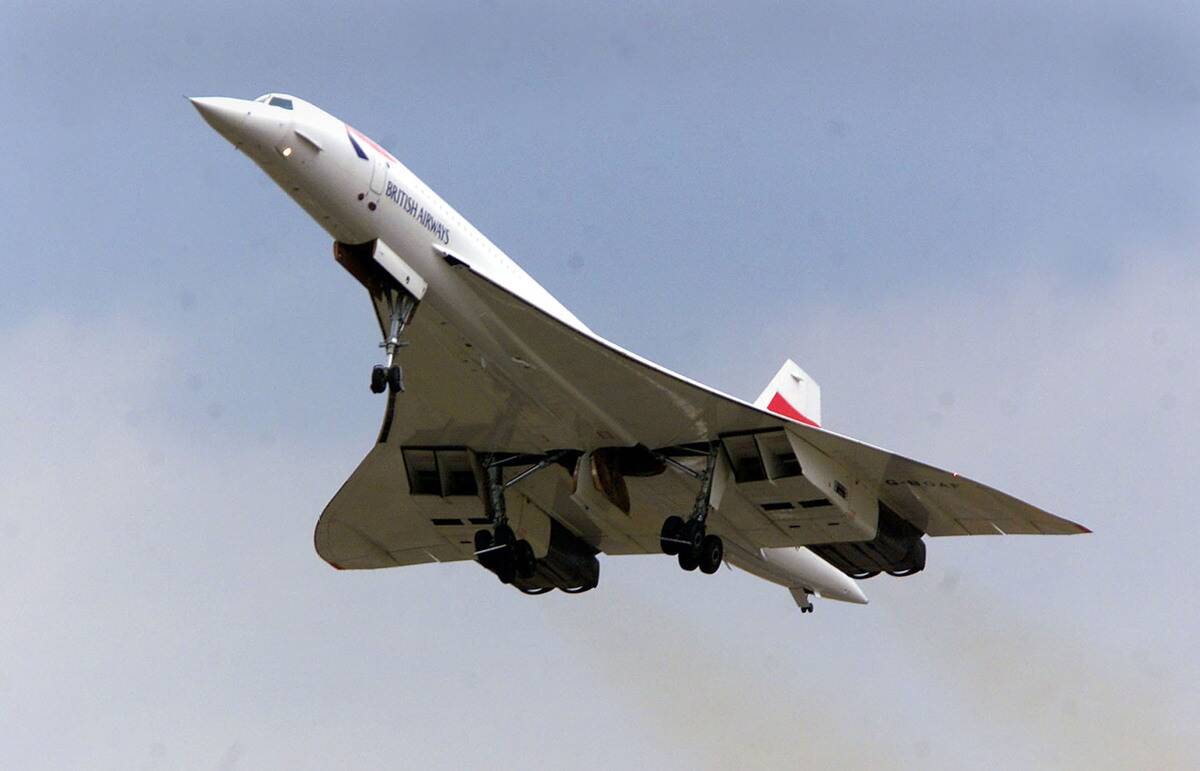
Concorde entered service in 1976, slicing New York–London trips to around 3.5 hours while cruising near Mach 2.04 at about 60,000 feet. Its ogival delta wings and droop‑nose were engineering art, and only 14 aircraft ever flew commercially, split between British Airways and Air France. Champagne, caviar, and curved windows made speed feel like ceremony. But sonic booms banned overland supersonic routes in many countries, fuel bills were punishing, and fleets were tiny.
After the fatal 2000 Air France Flight 4590 crash and a post‑9/11 travel downturn, both airlines retired Concorde in 2003. New projects—like Boom’s proposed Overture—promise quieter, efficient supersonics, yet certification, economics, and noise rules remain steep hurdles.
Minitel and Videotex: the pre-internet internet you dialed into
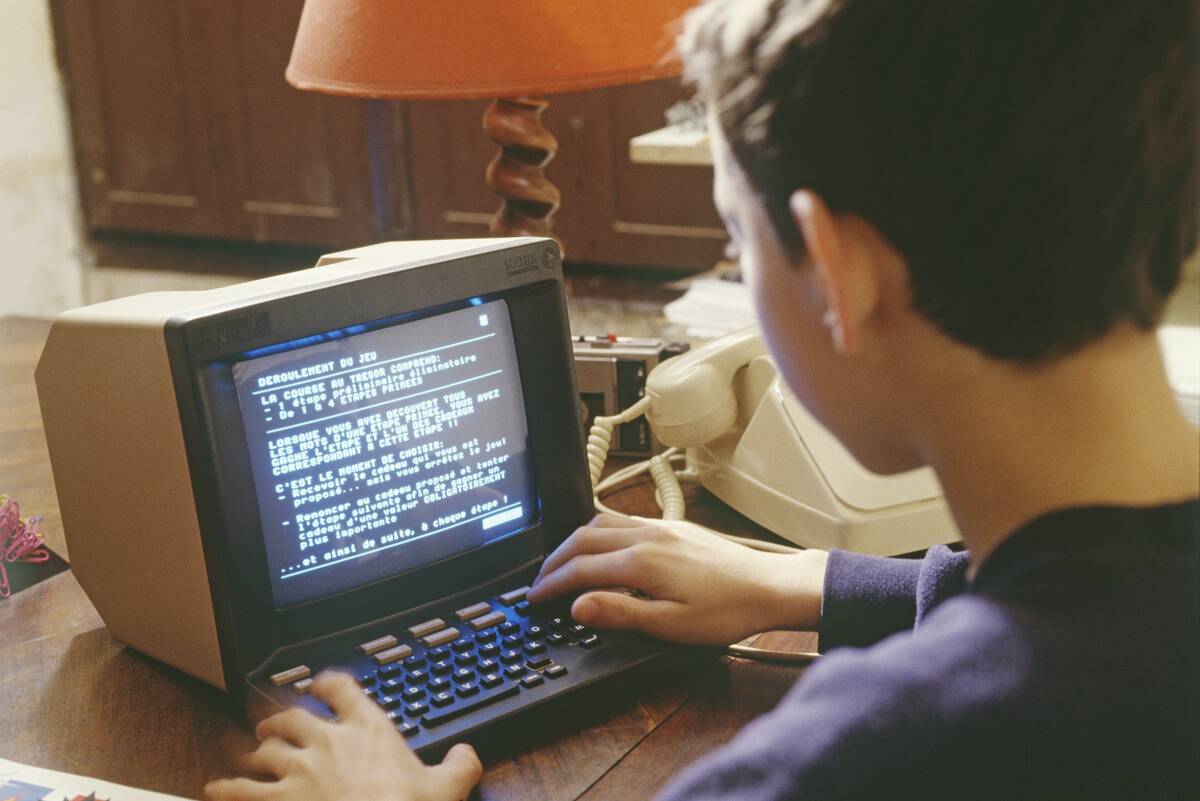
France’s Minitel launched nationwide in the early 1980s, with millions of free terminals replacing printed phone directories. Users tapped into services via short codes like 3615 for chat, banking, train tickets, and more. By the late 1990s there were roughly 9 million terminals and over 20 million users accessing tens of thousands of services billed by the minute.
Other countries tried Videotex too. Britain’s Prestel debuted in 1979 but struggled with costs and limited content. The open internet eventually steamrolled walled gardens, and Minitel signed off on June 30, 2012. Still, its micro‑payments, classifieds, and real‑time messaging anticipated today’s online habits—just in blocky, beige plastic.
LaserDisc: cinema-quality at home on dinner-plate discs

Introduced in the U.S. in 1978 as DiscoVision, LaserDisc stored analog video on 12‑inch optical platters with striking clarity versus VHS. CAV mode enabled perfect freeze‑frames and slow motion; CLV extended playback time. Enthusiasts prized crisp transfers, letterbox presentations, and early commentary tracks, especially from the Criterion Collection.
Despite technical perks, LaserDisc stayed niche in America while thriving more in Japan. Players and discs were pricey, and the format wasn’t recordable. Dolby Digital 5.1 (AC‑3) even arrived via special RF outputs on some discs, but DVD’s compact size and lower cost steamrolled the market starting in 1997 in the U.S. Pioneer finally ended LaserDisc player production in 2009.
CueCat: the barcode gizmo that tried to clickify print
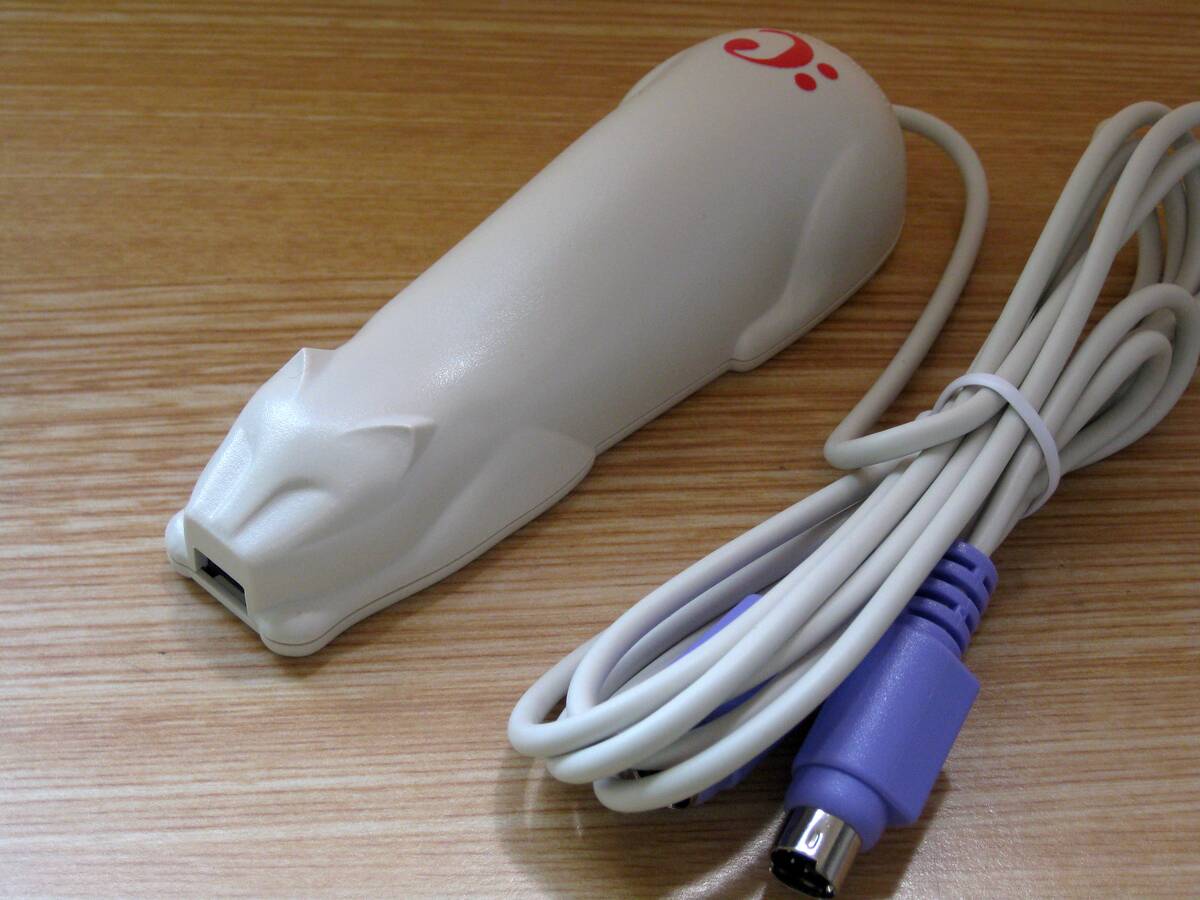
In 2000, Digital Convergence mailed millions of free CueCat scanners and partnered with outlets like RadioShack, Forbes, and Wired. Shaped—controversially—like a cat, the USB/PS/2 wand let readers swipe special barcodes in magazines to open web pages instantly, bridging glossy ads and the nascent dot‑com world.
But each device carried a unique ID, sparking privacy outcry as scans could be linked to users. Adoption lagged, the bubble burst, and by 2001 the company had pivoted and wound down services. Time later ranked CueCat among its “50 Worst Inventions.” The core idea lived on, quietly, in camera‑scannable QR codes and retailer apps that finally made print‑to‑web effortless.
Solar roadways: highways that wanted to be power plants
The Solar Roadways concept went viral in 2014, raising about $2.2 million on Indiegogo to embed rugged solar panels with LEDs into pavement. A public pilot in Sandpoint, Idaho, showcased hexagonal panels lighting a plaza. The pitch was irresistible: generate power where cars already roll, melt snow, and program your lanes like a video game.
Physics pushed back.
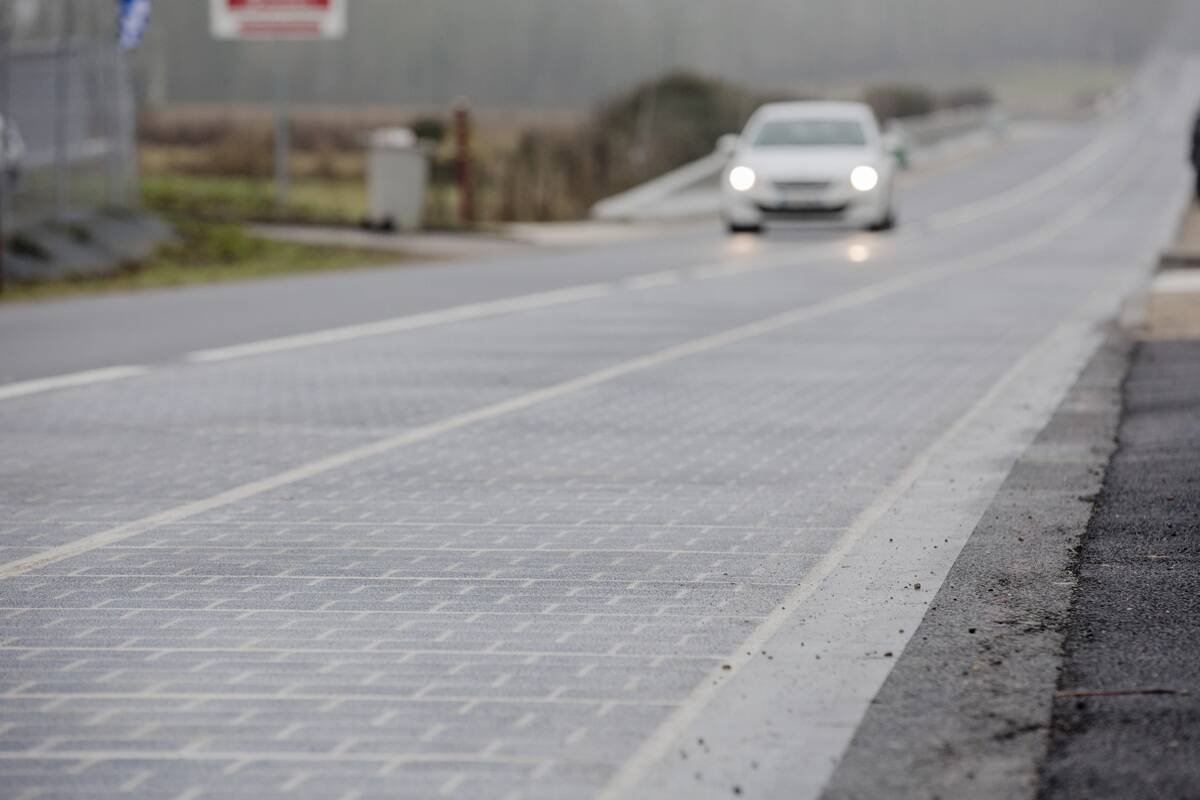
Panels lie flat, gather grime, heat up, and face tire wear—none ideal for photovoltaics. France’s 1‑kilometer Wattway road at Tourouvre‑au‑Perche opened in 2016 but underperformed and degraded, with sections later removed. The industry consensus favors mounting solar beside roads or on canopies, where tilt, cooling, and maintenance are kinder to electrons—and to budgets.
Ford Nucleon: the atomic family car that stayed a model
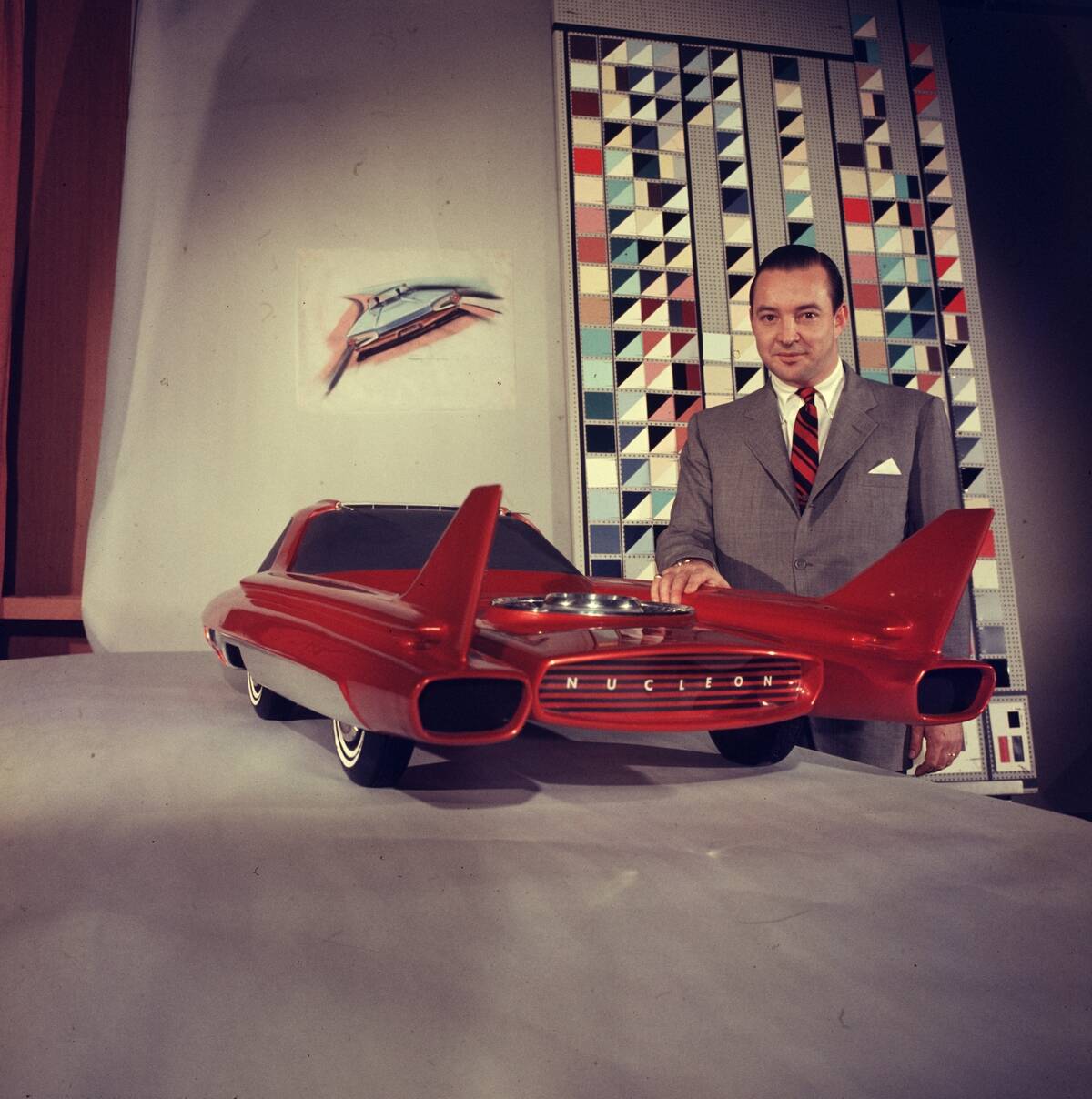
In 1958, Ford designers imagined the Nucleon, a car powered by a swappable, miniature nuclear reactor. Only a 3/8‑scale model was built, now displayed at The Henry Ford museum. The concept predicted modular power packs and almost unlimited range—service stations would trade isotopes, not gasoline.
Reality weighed a ton—literally. Shielding even a very small reactor from radiation would add several tons, wrecking performance and safety. Reactor miniaturization for automobiles never penciled out, and public tolerance for fender‑bender fission was (reasonably) low. The Nucleon remains a stylish artifact of the Atomic Age, when tomorrow gleamed in tailfins and stainless trim.
Hiller flying platforms and backpack copters: stand-up aviation grounded
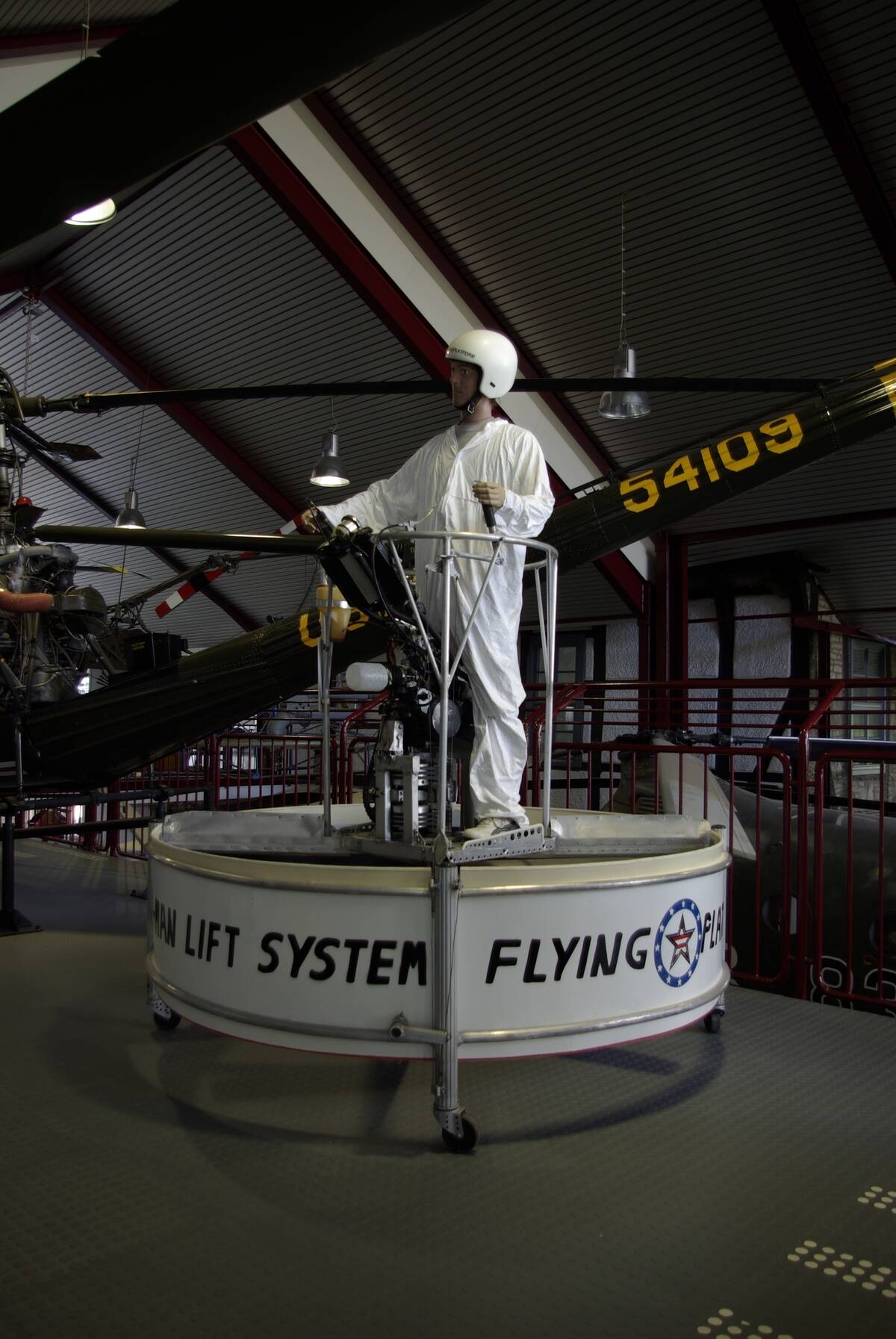
Hiller’s VZ‑1 Pawnee in the 1950s put a pilot standing atop counter‑rotating ducted fans. The U.S. Army tested it as a low‑altitude scout that was simple to fly, even claiming the platform’s airflow would self‑stabilize. Tethered trials worked; free flight proved twitchy, and the program was shelved by 1959.
De Lackner’s HZ‑1 Aerocycle tried a different dare: the pilot stood above a single rotor, steering by leaning. Unsurprisingly, blade strikes and control issues followed, and crashes ended hopes. Modern backpack copters and multicopter “jetpacks” occasionally fly short hops, but vibration, noise, training, and certification keep them at the demo stage—not the morning commute.
Quadraphonic sound: surround before surround stuck
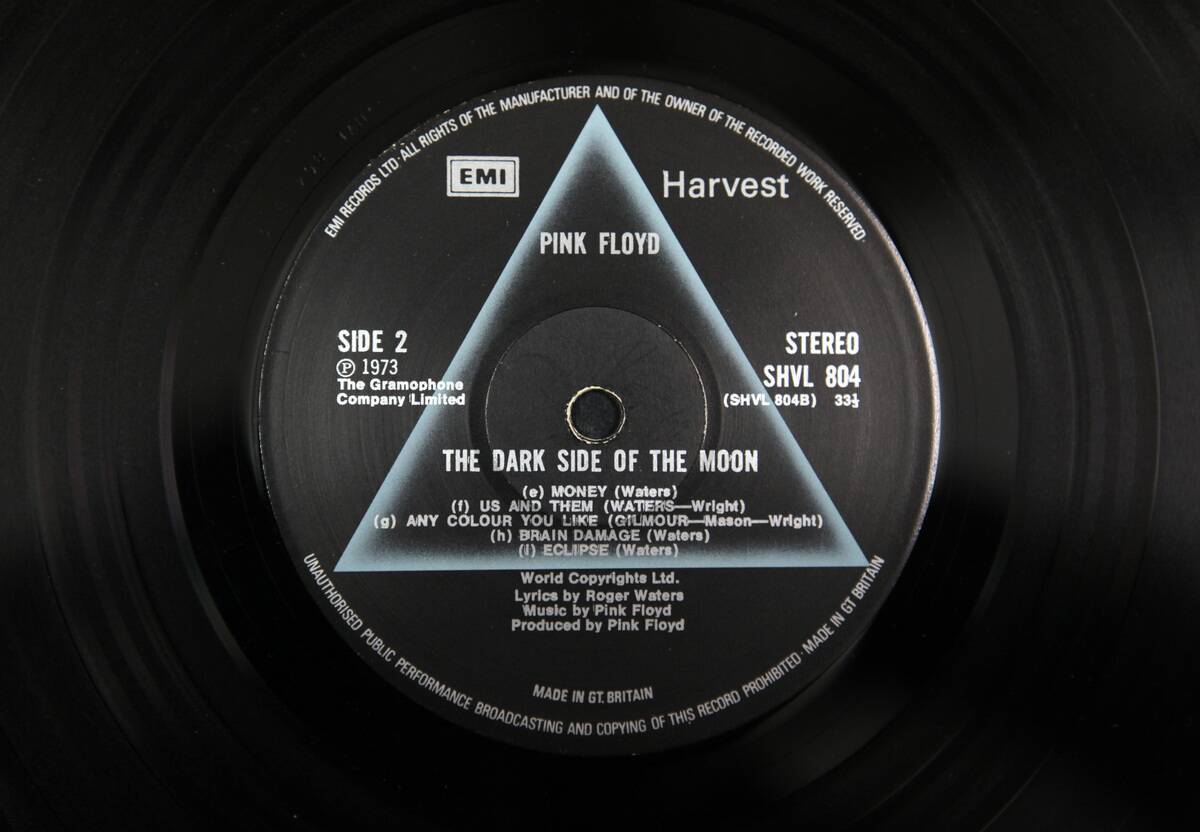
The 1970s brought four‑channel home audio in competing flavors: matrix systems like SQ (CBS) and QS (Sansui), and discrete JVC/RCA CD‑4 that needed special cartridges and demodulators. Labels issued “Q8” quad 8‑tracks and vinyl that promised a concert in your living room—if you bought two more speakers and a tangle of decoders.
Conflicting standards, cost, and finicky setup doomed the party. Still, artists delivered gems—Pink Floyd’s The Dark Side of the Moon (1973) and Mike Oldfield’s Tubular Bells got quad mixes. The idea resurfaced cleanly in the 1990s with Dolby Digital 5.1 and DTS on DVD and in theaters, proving surround sound’s problem wasn’t immersion—it was format chaos.
Mechanical television: spinning disks that almost televised the world
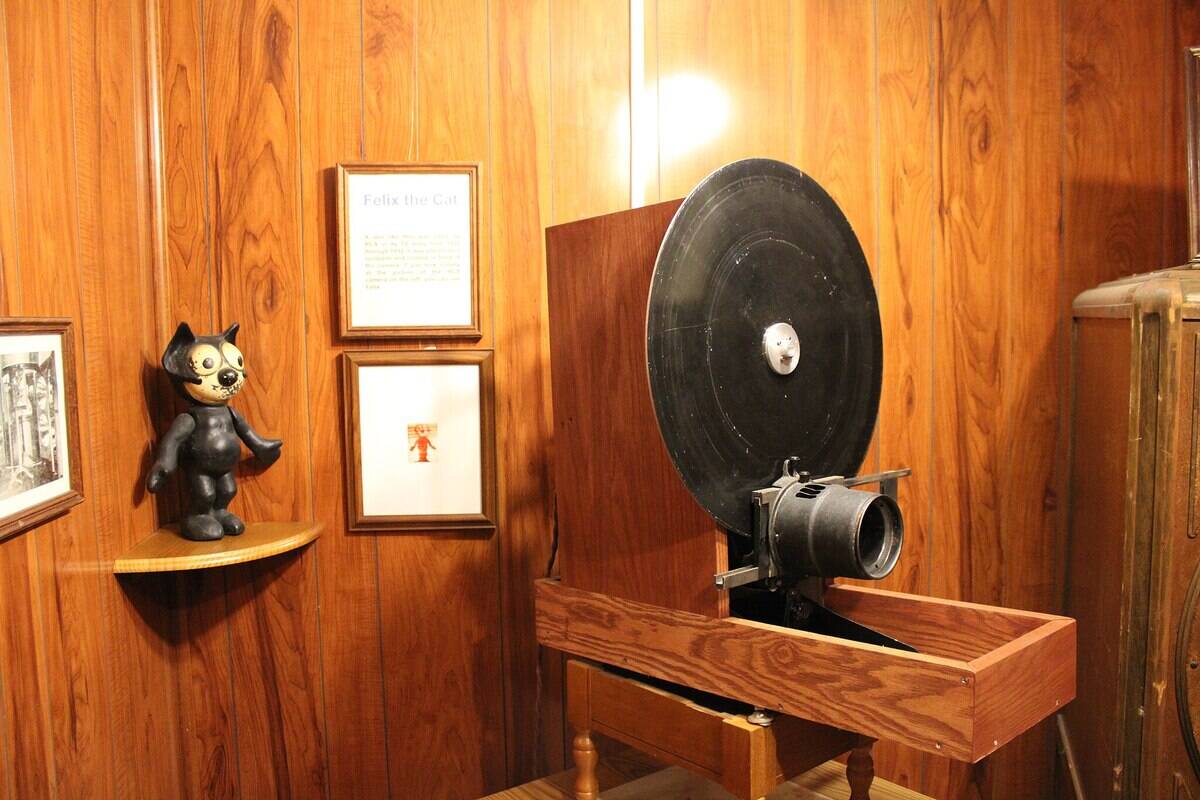
Paul Nipkow patented his scanning disk in 1884, a spinning perforated wheel that carved images into lines for transmission. In 1925, John Logie Baird demonstrated 30‑line moving images—famously using a ventriloquist’s dummy named Stooky Bill—in his London lab. Viewers peered through neon‑lit receivers with postage‑stamp pictures that jittered like haunted flipbooks.
Progress was swift and then sudden. Baird sent the first transatlantic television signal in 1928, and Britain’s BBC ran experimental broadcasts. But by 1936, the BBC adopted a 405‑line fully electronic system from EMI/Marconi at Alexandra Palace. Mechanical sets faded before World War II, swept aside by cathode‑ray tubes’ steady, scalable glow.
The Telharmonium: streaming music by switchboard, circa 1906
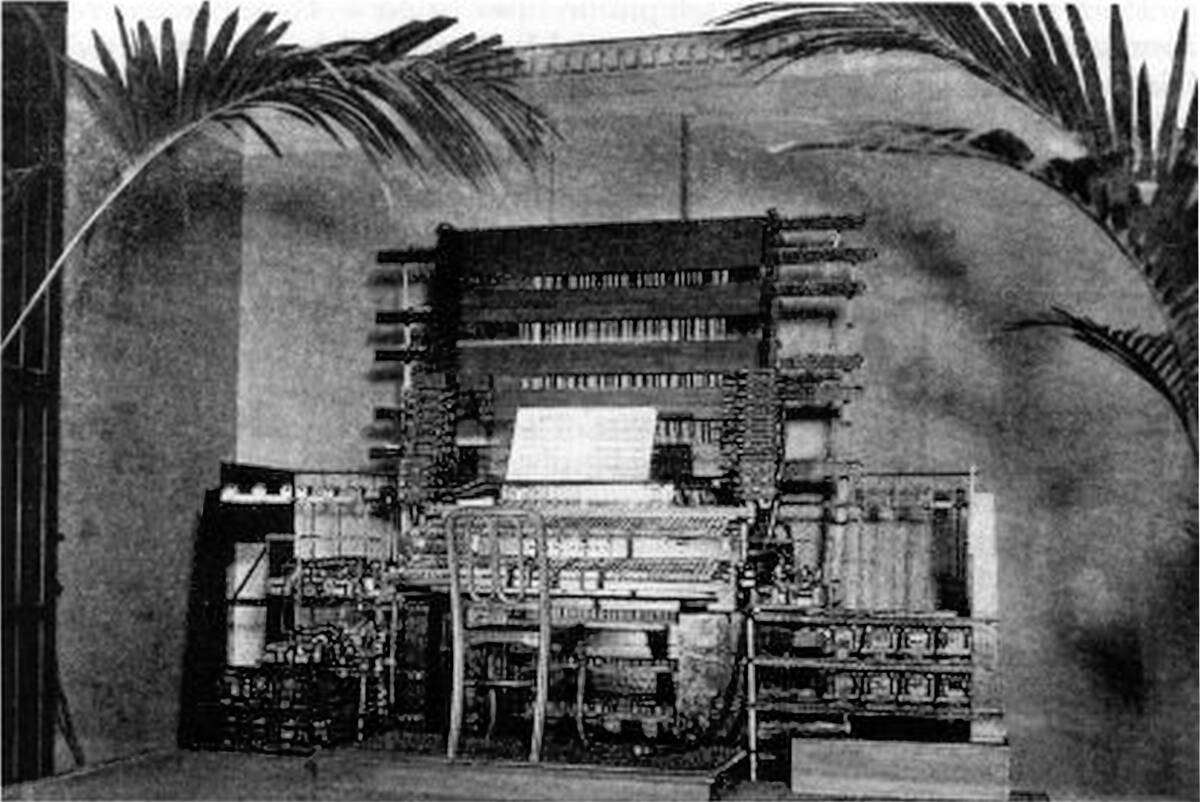
Inventor Thaddeus Cahill envisioned electrified music piped over telephone lines. His massive Telharmonium—early versions weighing around 200 tons—generated tones with spinning metal “tone wheels” and sent concerts to subscribers and hotels. In 1906, New York’s Telharmonic Hall offered keyboardists playing organ‑like consoles that could emulate orchestral timbres.
The glitches were legendary. Music bled into unintended phone calls, power demands were huge, and maintaining the behemoth was a nightmare. By about 1916 the venture collapsed. Even so, it foreshadowed muzak (launched in the 1930s), Hammond organs’ tone wheels, and the idea that sound can be a utility, delivered by wire—long before buffering wheels spun on screens.
Giant airships: floating hotels punctured by reality
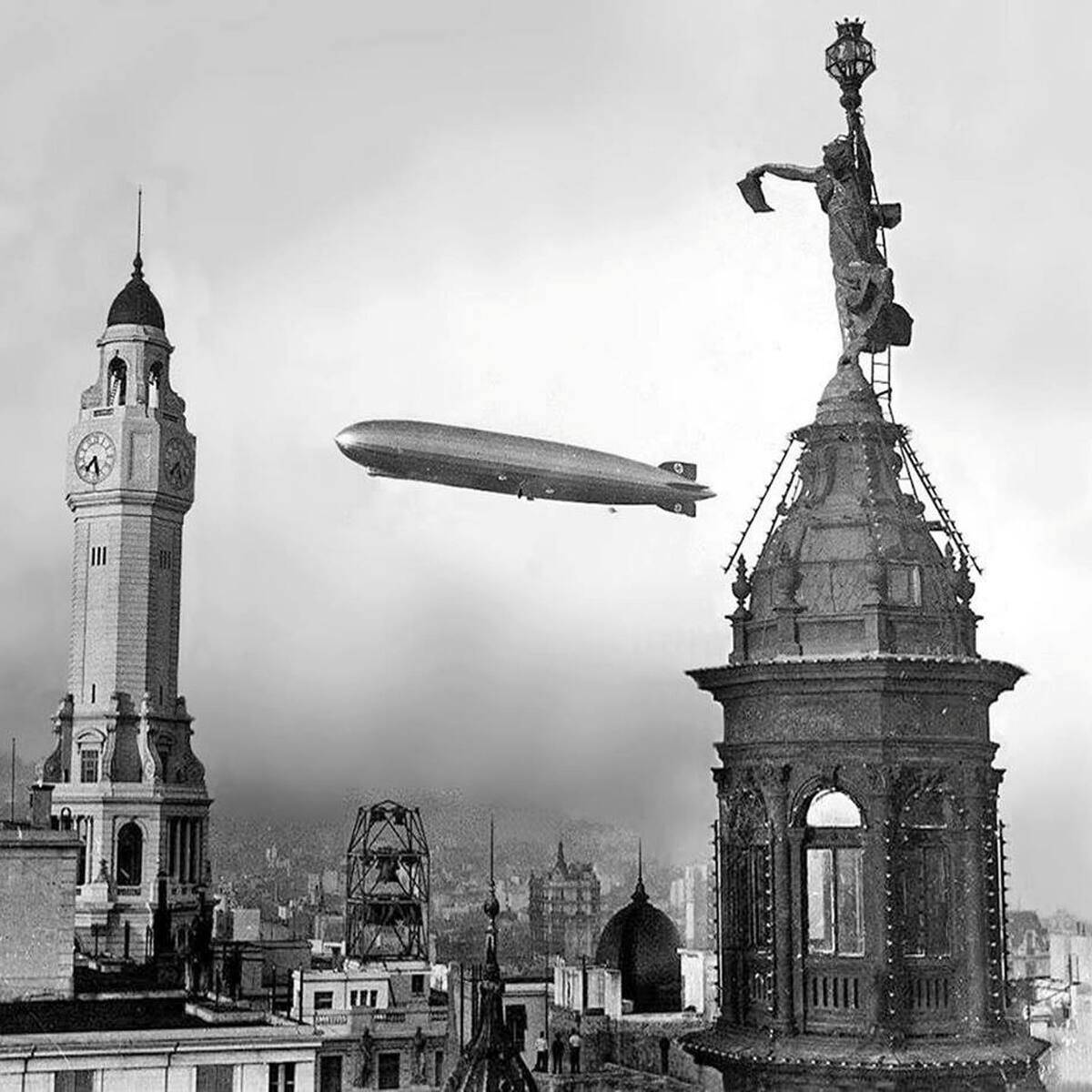
Count Zeppelin’s rigid airships once bested airplanes at range and comfort. The Graf Zeppelin (LZ 127) flew over a million miles from 1928 to 1937, including a round‑the‑world voyage in 1929. The era ended in horror when the hydrogen‑filled Hindenburg (LZ 129) ignited over Lakehurst, New Jersey, on May 6, 1937, killing 36 and searing the public memory.
Other calamities piled on: Britain’s R101 crashed in 1930, and the U.S. Navy’s helium‑filled USS Akron went down in 1933. Airplanes grew faster, safer, and cheaper. Modern hybrids like Hybrid Air Vehicles’ Airlander 10 flew test hops in 2016–2017, including a hard landing, and aim at cargo and luxury tourism. Romance floats; economics keep it tethered.