12 Facts about the shortest wars ever fought
In the grand tapestry of history, wars are often remembered for their length and devastation. However, not all conflicts drag on for years. Some are surprisingly short, yet no less significant.
These brief wars often involve rapid-fire decisions and swift resolutions that capture the imagination. They remind us that the intensity of a conflict isn’t always measured by its duration, but by its impact and the stories left behind.
The Anglo-Zanzibar War: The 38-Minute Conflict
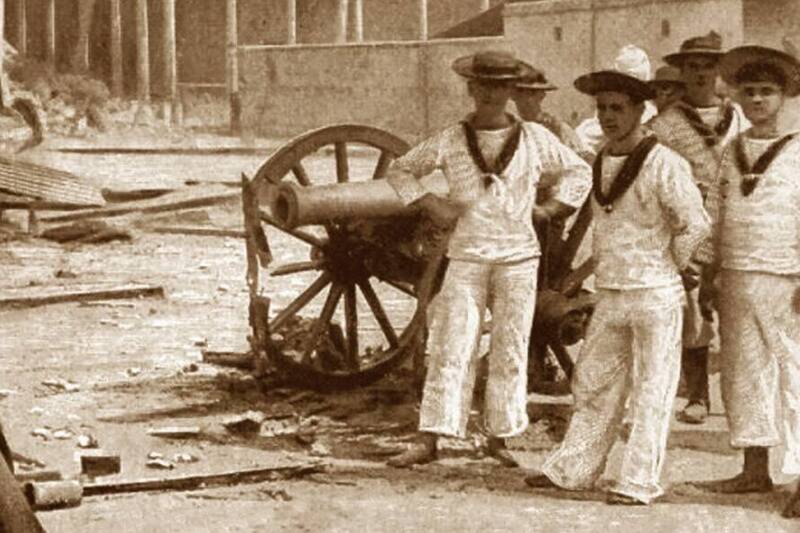
The Anglo-Zanzibar War holds the record for the shortest recorded war in history, lasting a minimum of 38 minutes on August 27, 1896. The conflict arose when Sultan Khalid bin Barghash seized power in Zanzibar, defying British orders.
The British forces responded with a swift naval bombardment. The outcome was decisive, with the Sultan fleeing to the German consulate, marking an end almost as quickly as it began.
The Six-Day War: Swift and Decisive
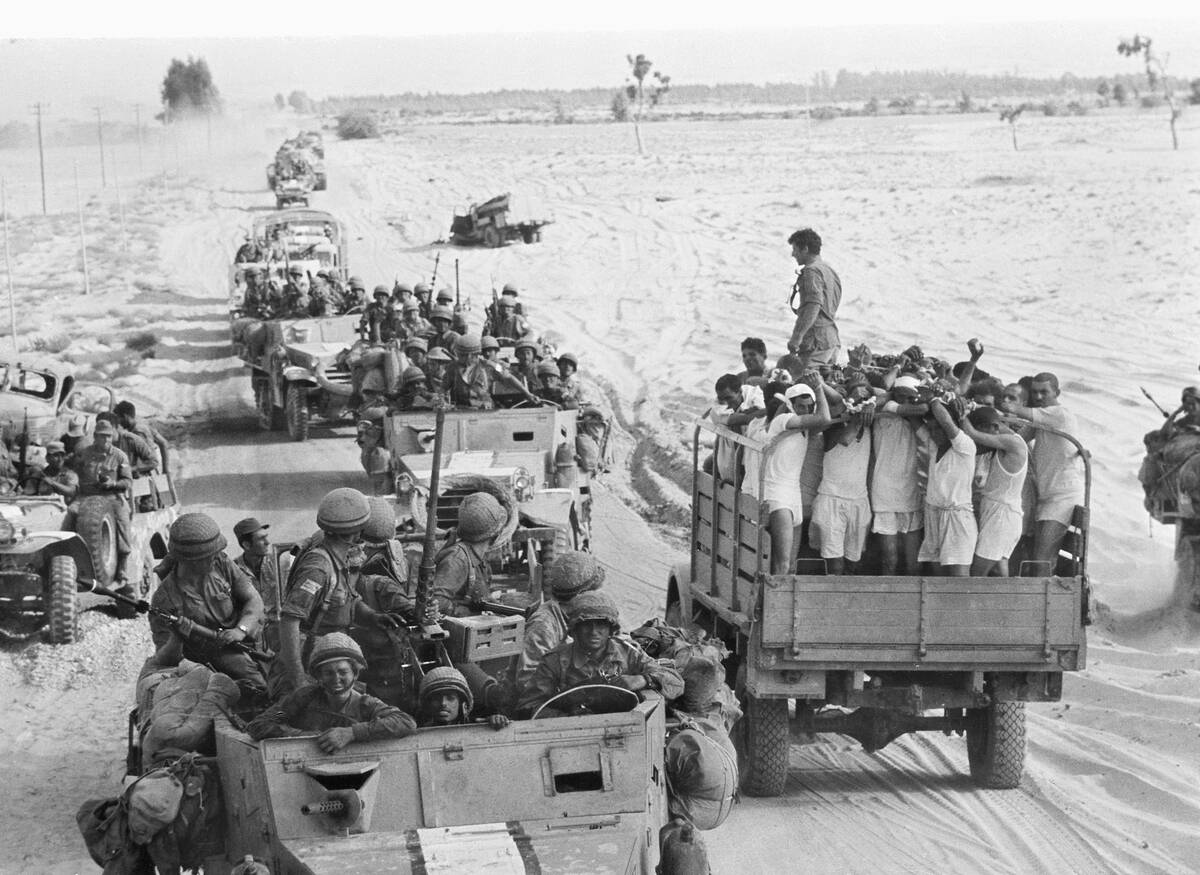
In June 1967, the Six-Day War unfolded between Israel and its neighboring states of Egypt, Jordan, and Syria. Within six days, Israel launched a series of preemptive strikes that reshaped the Middle Eastern landscape.
The war ended with a significant territorial expansion for Israel, including the Golan Heights, West Bank, and Sinai Peninsula. This short conflict had long-lasting geopolitical ramifications still felt today.
The Football War: Old Hostilities Ignite During The World Cup
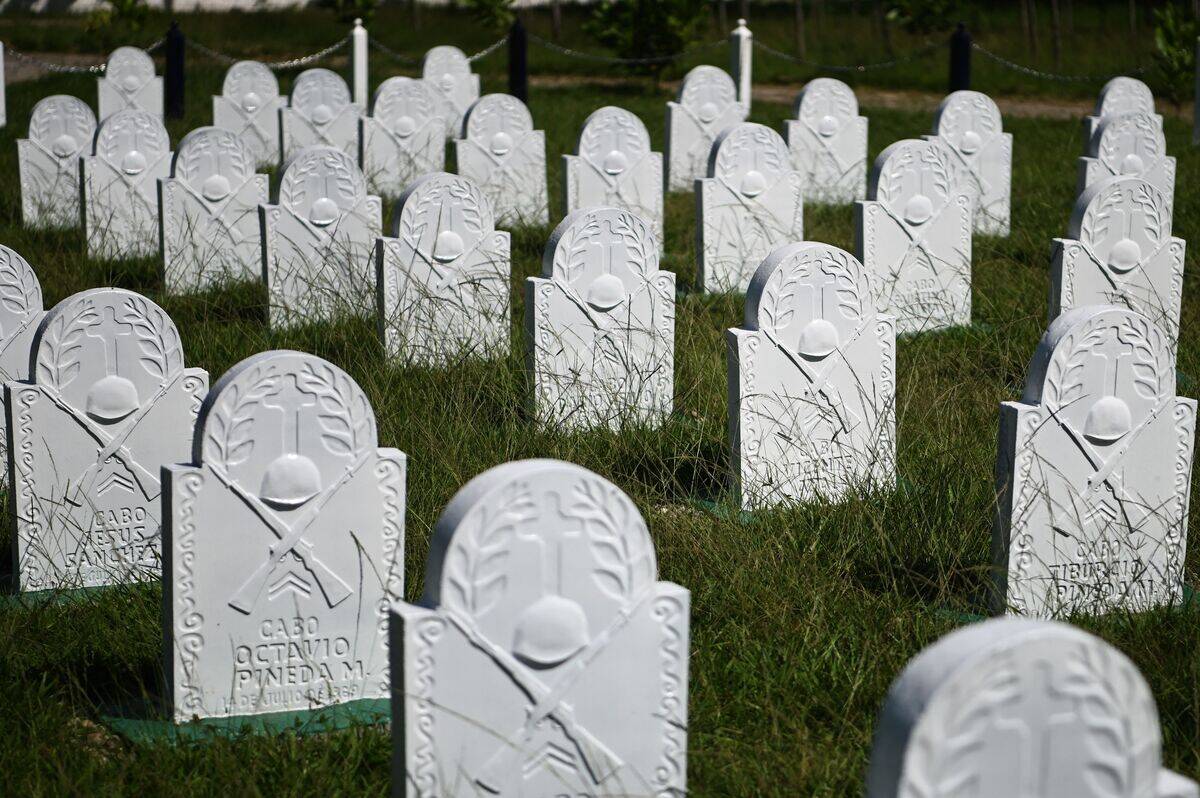
The Football War, also known as the 100-hour war, erupted in 1969 between El Salvador and Honduras. Tensions rose during a series of World Cup qualifiers, but the war was actually about immigration and land reform disputes.
The war lasted just four days, resulting in significant casualties and displacement. Despite the brief hostilities, the war left a lasting impact on the relations between the two nations.
The Russo-Georgian War: A 16-Day Flashpoint
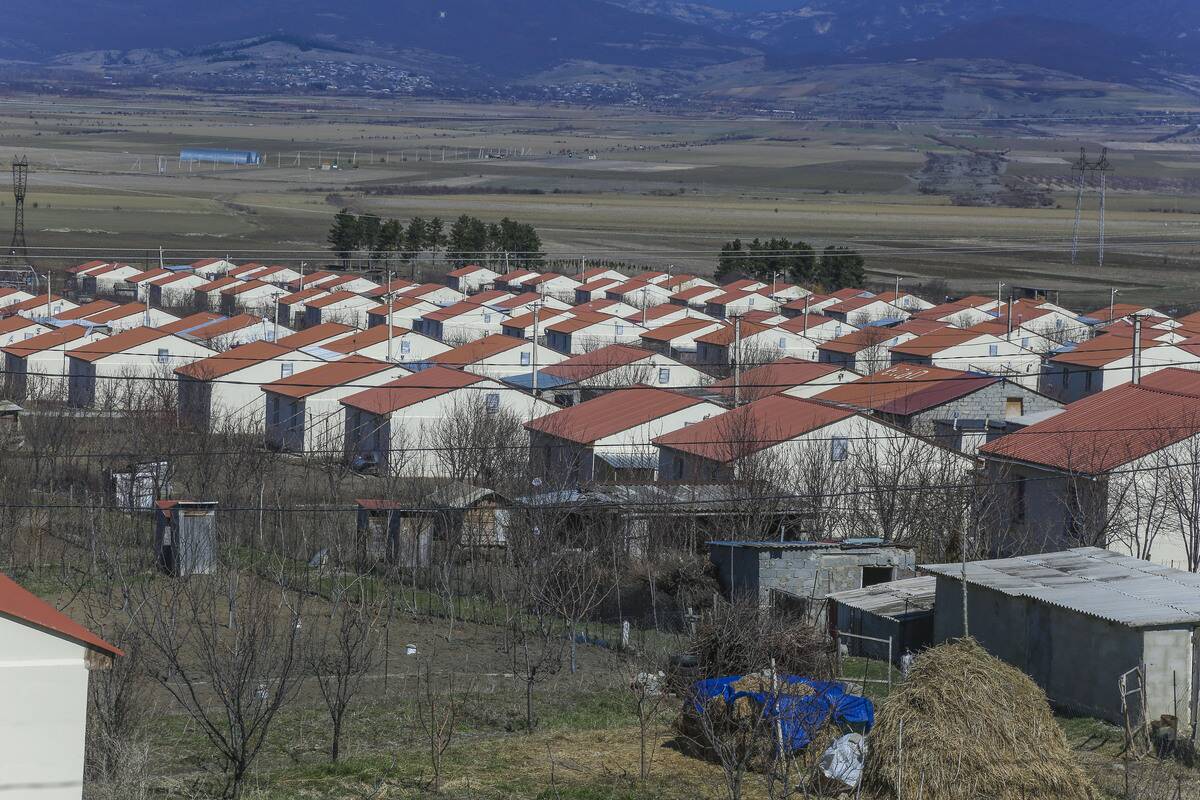
In August 2008, the Russo-Georgian War broke out over the contested regions of South Ossetia and Abkhazia. The conflict was characterized by rapid military maneuvers and a significant show of force by Russia.
Although it lasted only 16 days, the war highlighted the geopolitical tensions in the region. It ended with a ceasefire agreement, but the underlying issues remain unresolved, keeping the area tense.
The Indo-Pakistani War of 1971: A Two-Week Clash
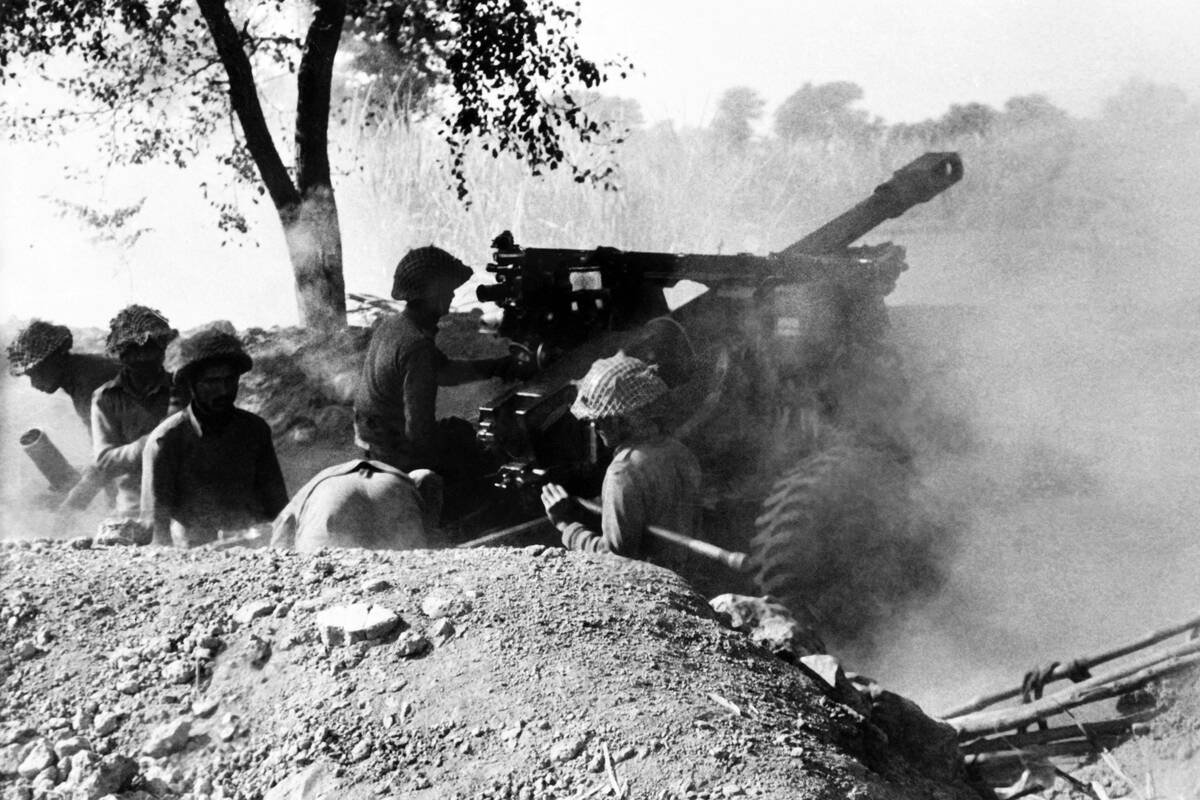
The Indo-Pakistani War of 1971 was a brief yet pivotal conflict that lasted from December 3 to December 16. The war was triggered by political tensions in East Pakistan (now Bangladesh) and resulted in the secession of Bangladesh.
The swift military campaign led to a decisive victory for India and the formal recognition of Bangladesh’s independence. This short conflict reshaped the South Asian political landscape.
The Falklands War: A Ten-Week Island Battle
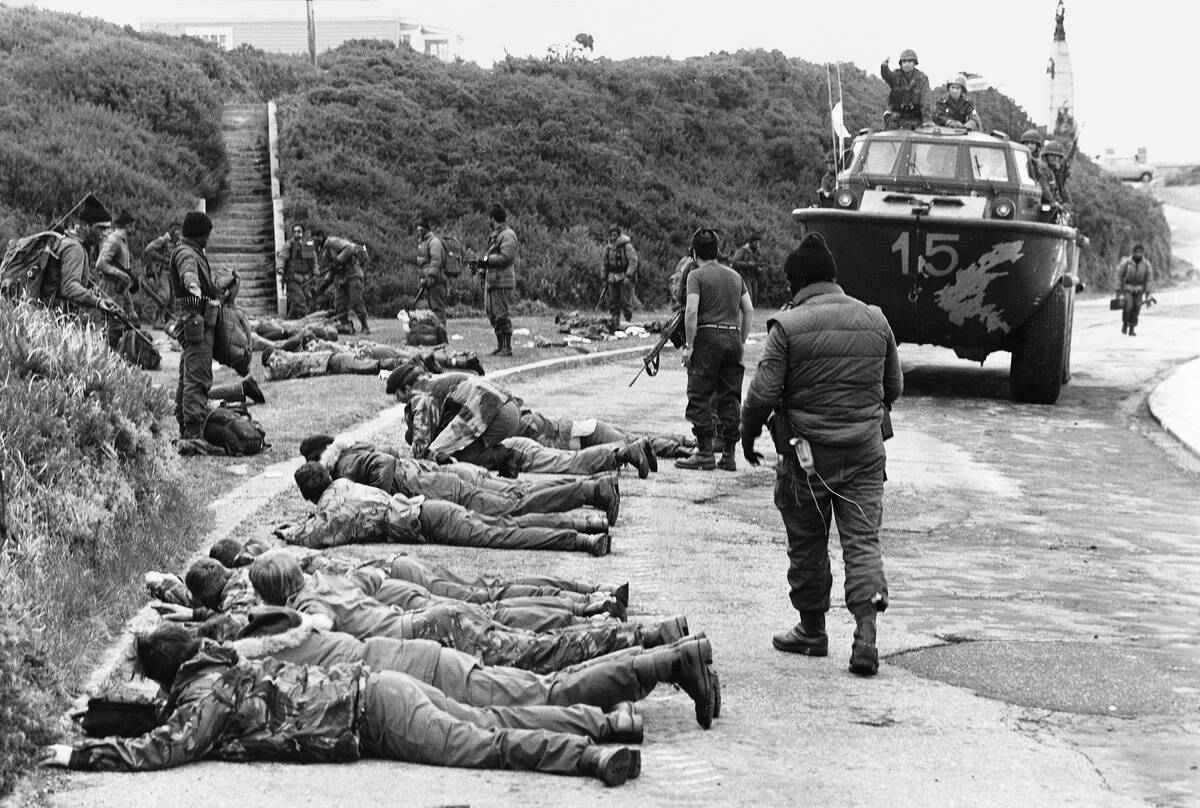
The Falklands War in 1982 was a ten-week conflict between Argentina and the United Kingdom over the disputed Falkland Islands. The war began when Argentina invaded the islands, prompting a swift military response from the UK.
Despite the brief duration, the war was intense and involved significant naval and air battles. The conflict ended with a British victory, solidifying their control over the islands.
The Greco-Turkish War of 1897: A Month-Long Encounter
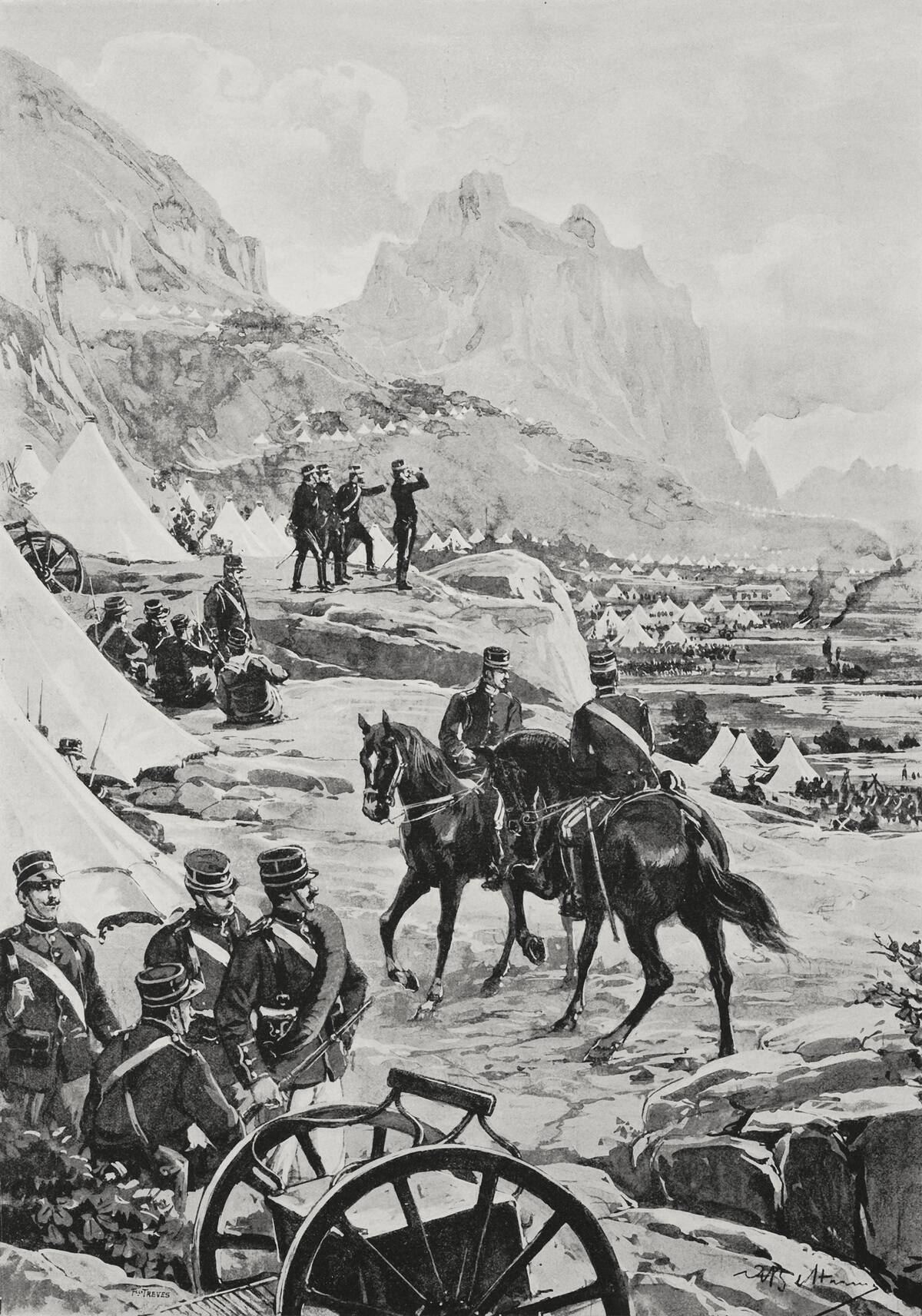
The Greco-Turkish War of 1897, also known as the Thirty Days’ War, lasted from April to May 1897. The conflict was ignited by Greece’s support for the Cretan uprising against Ottoman rule.
Despite being outmatched, Greek forces put up a spirited defense. The war ended with an armistice brokered by European powers, leading to eventual autonomy for Crete, marking a significant moment in Greek-Ottoman relations.
The Serbo-Bulgarian War: A Brief Balkan Bout
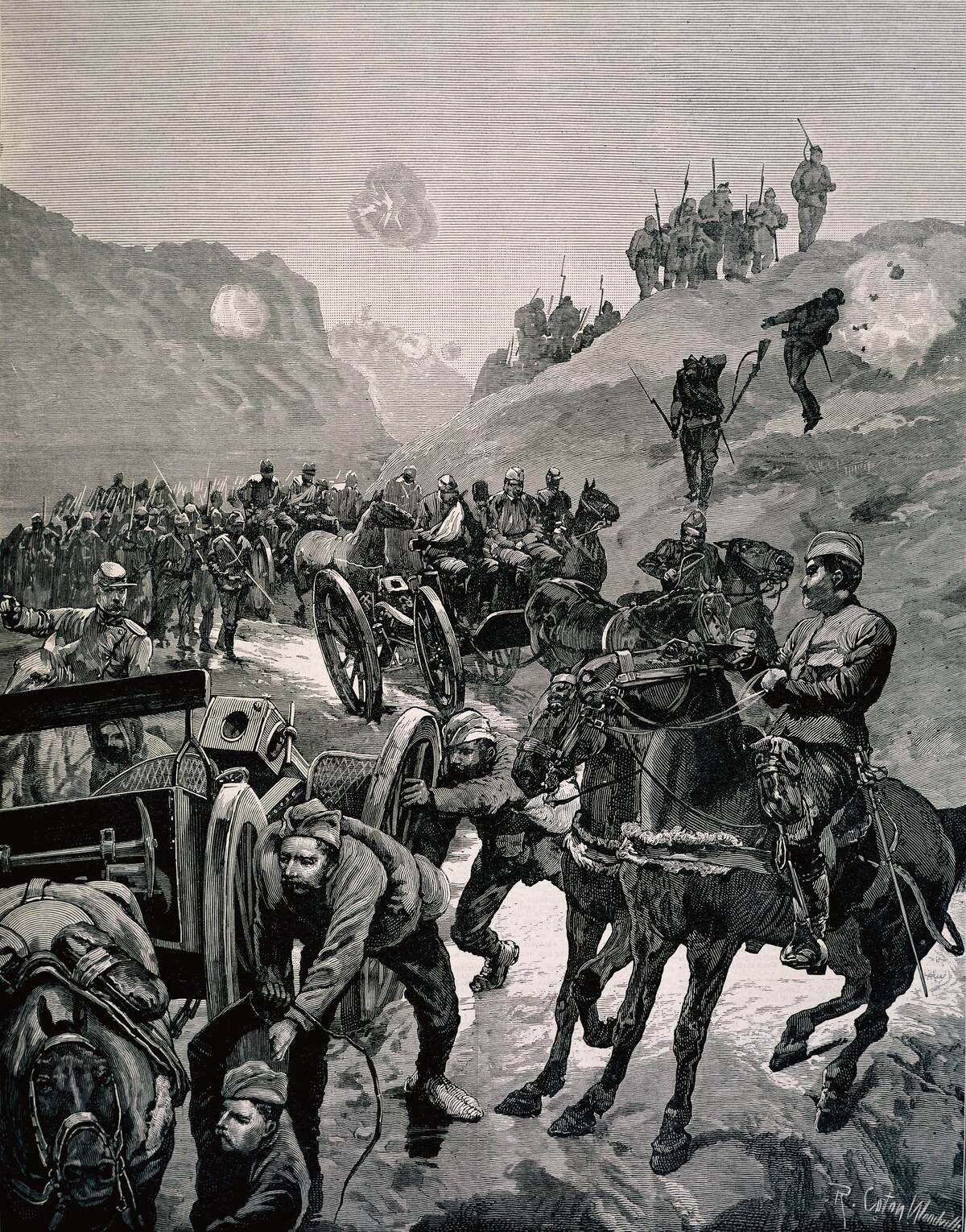
The Serbo-Bulgarian War of 1885 was a short yet impactful conflict that lasted less than a month. It began when Serbia invaded Bulgaria, hoping to capitalize on Bulgaria’s unification with Eastern Rumelia.
Despite being caught off guard, Bulgarian forces quickly regrouped and successfully defended their territory. The war ended with the Treaty of Bucharest, solidifying Bulgaria’s position and altering the balance of power in the Balkans.
The Sino-Vietnamese War: A 27-Day Struggle
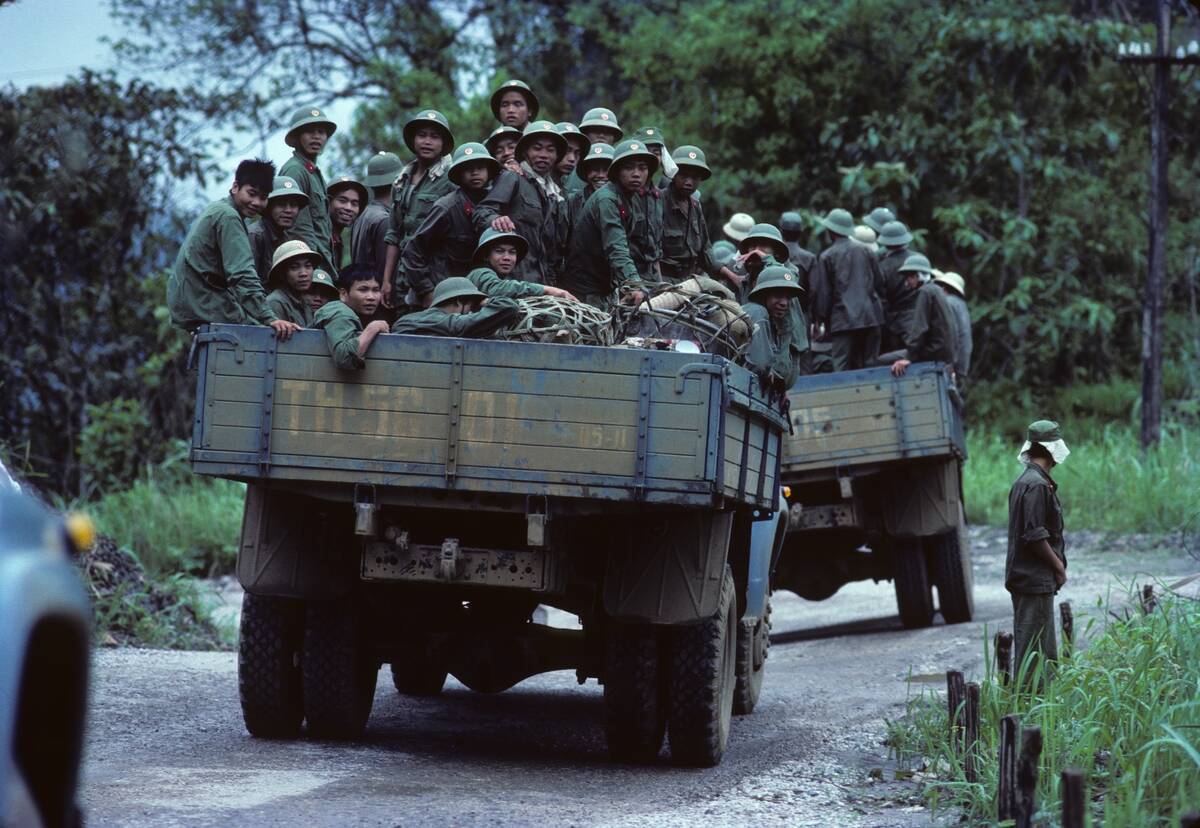
The Sino-Vietnamese War erupted in February 1979, lasting just 27 days. The conflict was sparked by Vietnam’s invasion of Cambodia, which toppled the Khmer Rouge, a Chinese ally.
In response, China launched a brief but intense invasion of northern Vietnam. Despite the short duration, the war was fierce, with both sides incurring heavy casualties. The conflict ended with Chinese withdrawal, but tensions between the two nations persisted.
The First Balkan War: A Two-Month Campaign
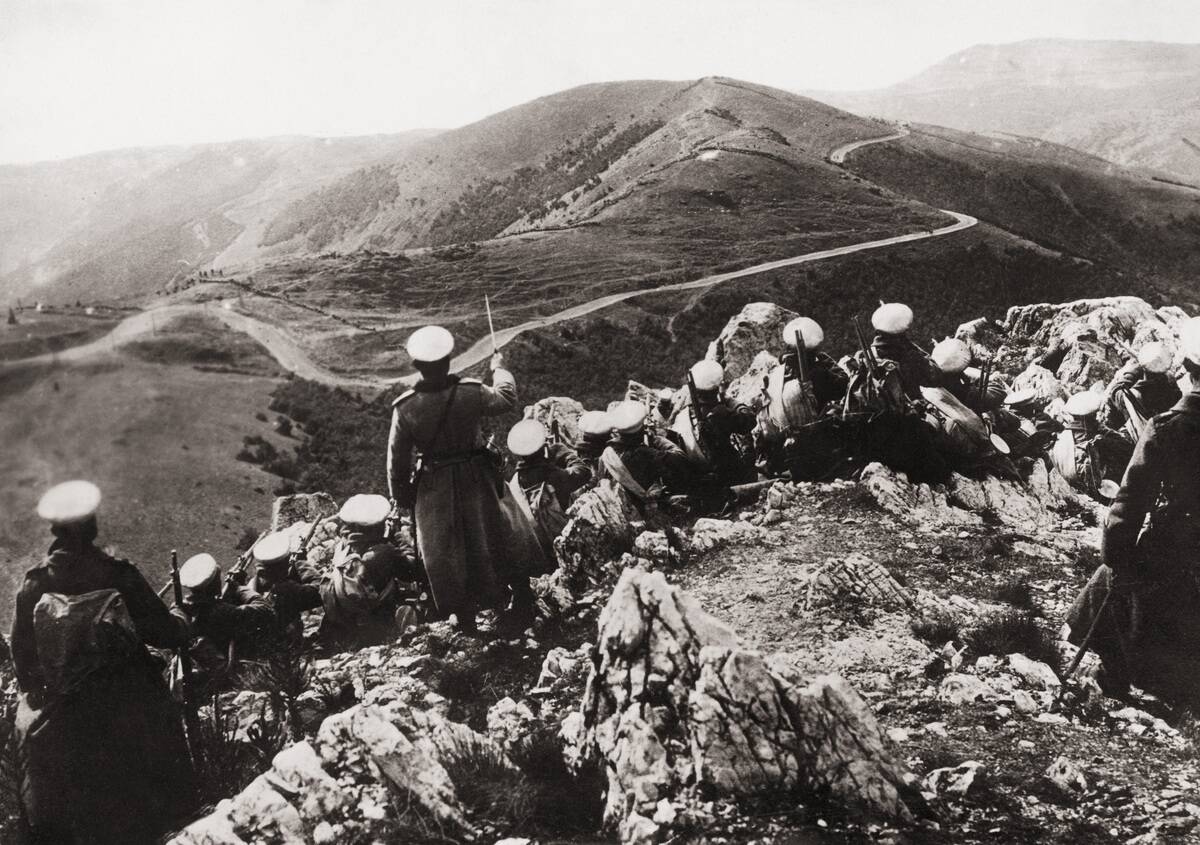
The First Balkan War, which lasted from October 1912 to May 1913 was a short but significant conflict involving the Balkan League against the Ottoman Empire.
The war aimed to free Balkan territories from Ottoman control. Despite its brief duration, the war reshaped the map of Southeast Europe, with the Ottomans losing most of their European territories. This set the stage for further regional conflicts and changes.
The Ten-Day War in Slovenia: The Prelude to Yugoslavia’s Breakup
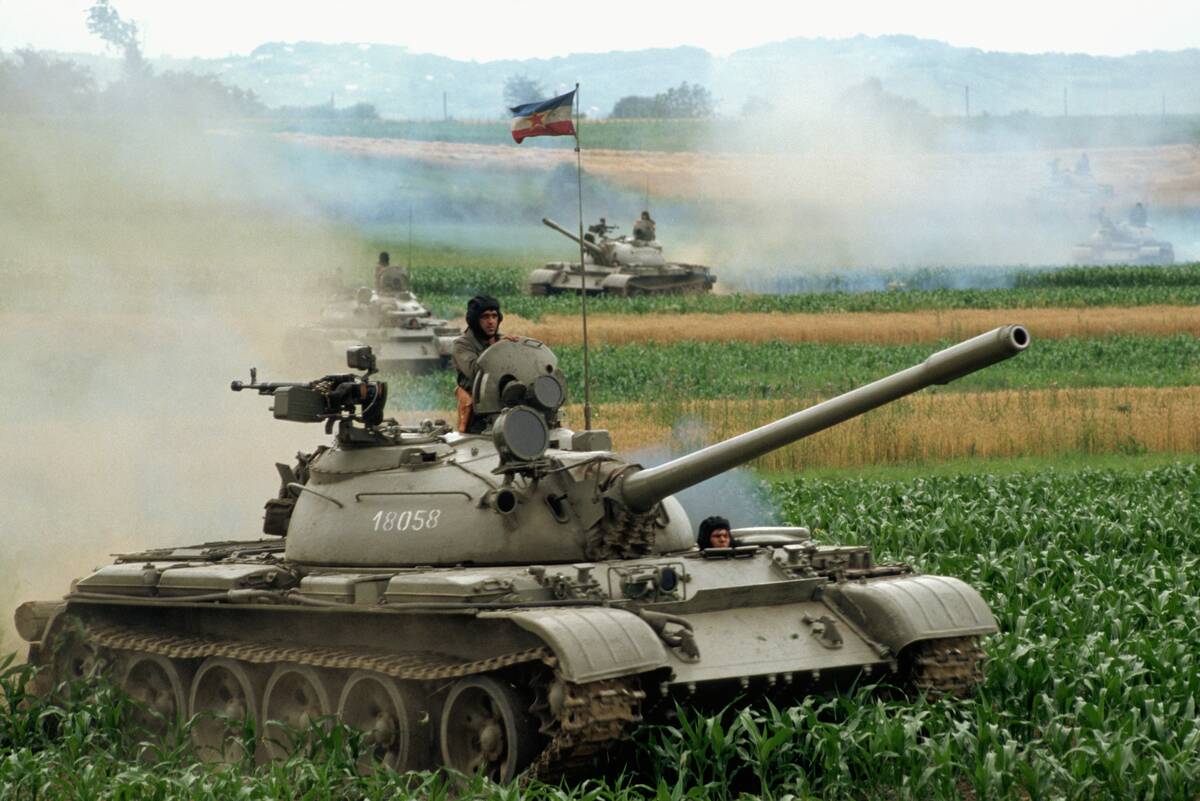
The Ten-Day War in Slovenia occurred in June 1991 as Slovenia sought independence from Yugoslavia. The conflict was remarkably short, lasting only ten days, and involved brief skirmishes between Slovenian forces and the Yugoslav People’s Army.
The war ended with a ceasefire and the Brioni Agreement, paving the way for Slovenia’s independence. This brief conflict marked the beginning of Yugoslavia’s dissolution and the Balkan conflicts of the 1990s.
The Turbot War: A Fishy Feud Between Canada and Spain
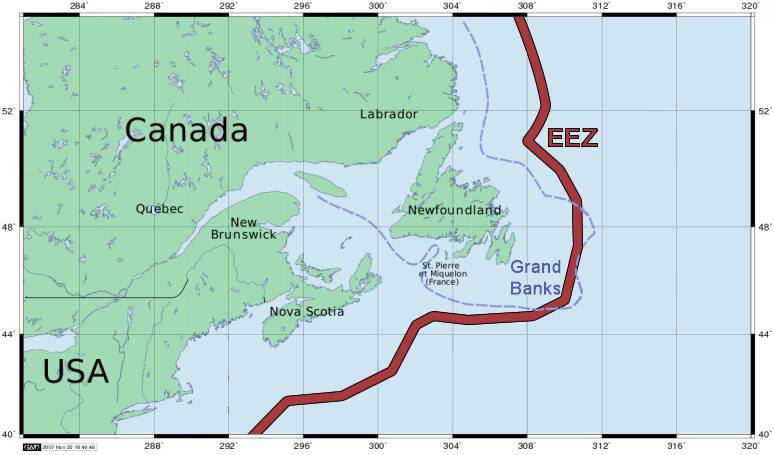
The Turbot War in 1995 was a brief conflict between Canada and Spain over fishing rights in the North Atlantic. The dispute centered around the conservation of turbot stocks, leading Canada to enforce stricter regulations.
Tensions escalated when Canadian authorities seized a Spanish fishing vessel, prompting diplomatic protests. The conflict was resolved through negotiations, highlighting the complexities of international fishing rights and maritime conservation efforts.