15 facts about underground cities built for survival
Underground cities might sound like something straight out of a sci-fi movie, but they are very much a part of our world. These hidden metropolises offer a unique blend of mystery and practicality, often serving as a solution to modern urban challenges.
With climate change and overpopulation becoming pressing issues, the idea of living underground is gaining traction, blending ancient ingenuity with modern technology.
The Concept of Underground Cities: An Ancient Inspiration
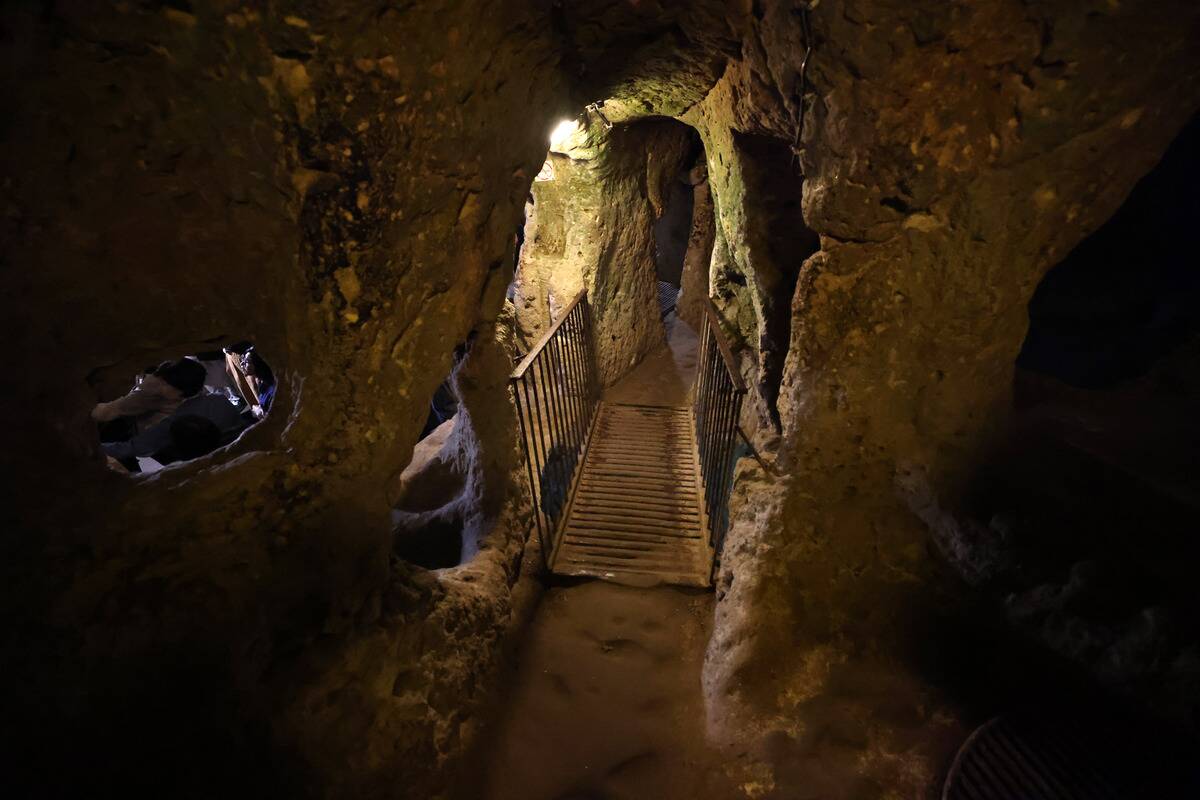
The concept of underground cities is not new; ancient civilizations like the Cappadocians in Turkey built extensive subterranean networks. These underground havens served as protection against invaders and harsh climates.
Derinkuyu, one of the most famous ancient underground cities, is a testament to human adaptability and resourcefulness, showcasing how ancient people utilized limited resources to create complex living spaces beneath the earth.
Modern Motivations for Building Underground
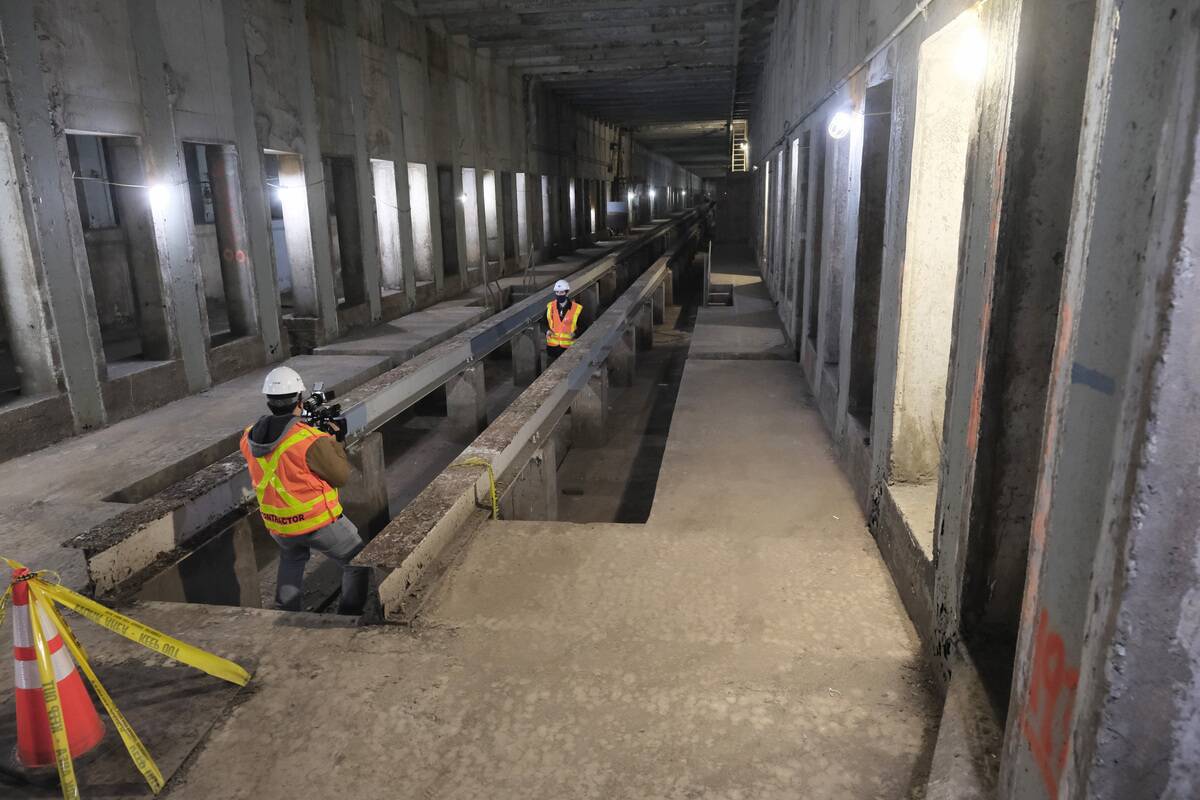
Today, the motivations for building underground have evolved but remain rooted in necessity. Urban sprawl, rising real estate prices, and environmental concerns push architects and city planners to think below the surface.
Building underground can also offer energy efficiency, as the earth’s temperature regulation reduces heating and cooling costs. It’s a forward-thinking approach that addresses both spatial limitations and sustainability.
Not Just a Myth: Real-Life Hidden Cities
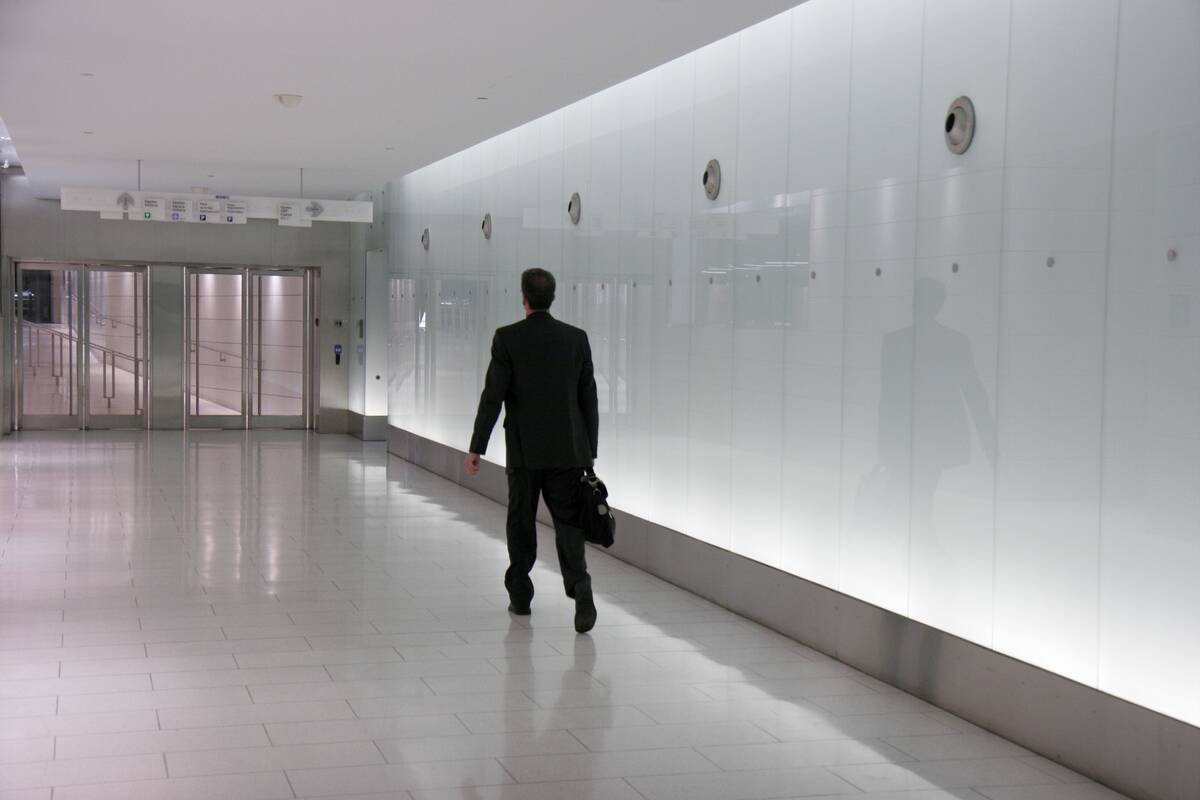
Hidden cities aren’t just myths or legends; they exist all over the globe. Montreal’s RESO, also known as the Underground City, spans over 33 kilometers of tunnels. It’s a bustling hub of commercial activity, with shops, hotels, and universities all connected below ground.
Meanwhile, Helsinki has developed an extensive subterranean network that includes swimming pools and hockey rinks, showing that these cities are vibrant and functional.
The Engineering Marvels Behind Subterranean Metropolises
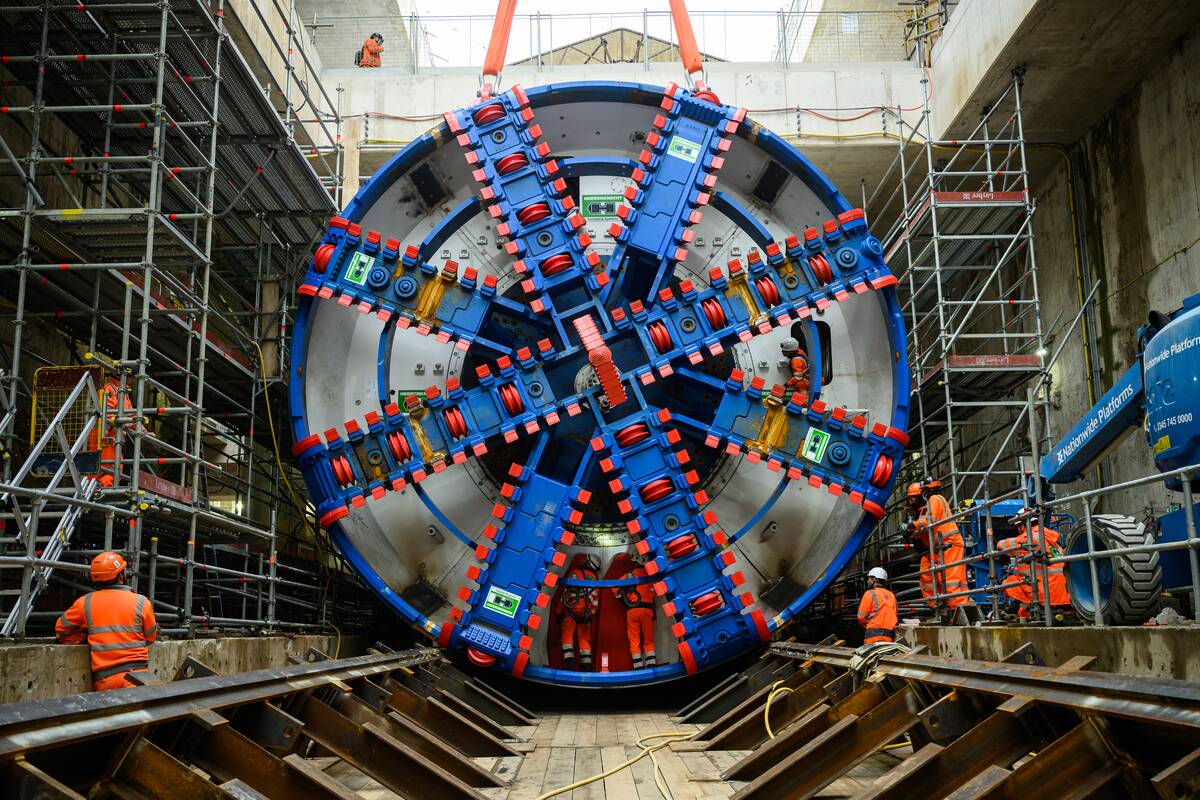
Building underground cities requires remarkable engineering feats. Advances in tunneling technology, like tunnel boring machines, have made it possible to carve out vast underground spaces efficiently.
Engineers also employ advanced ventilation and lighting systems to ensure these spaces are habitable. These innovations allow for the seamless integration of underground environments with their above-ground counterparts, making them livable and sustainable.
Exploring the Depths: How Deep Do These Cities Go?
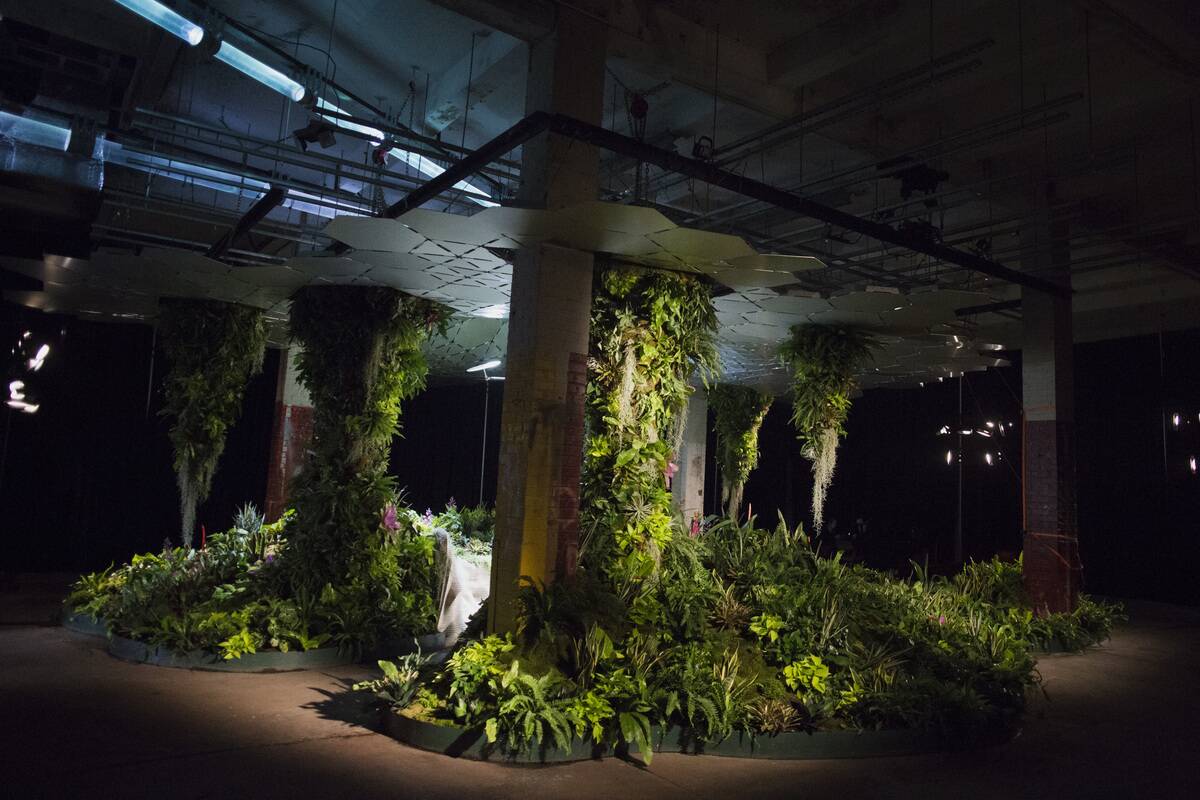
Underground cities can vary significantly in depth, depending on their purpose and design. For example, the underground city of Derinkuyu in Turkey descends approximately 60 meters.
Modern constructions like the Lowline in New York City don’t go as deep but are designed to bring natural light below ground through innovative solar technology. Depth is a crucial factor in planning, affecting everything from construction costs to livability.
A Glimpse into the Largest Underground City: Derinkuyu
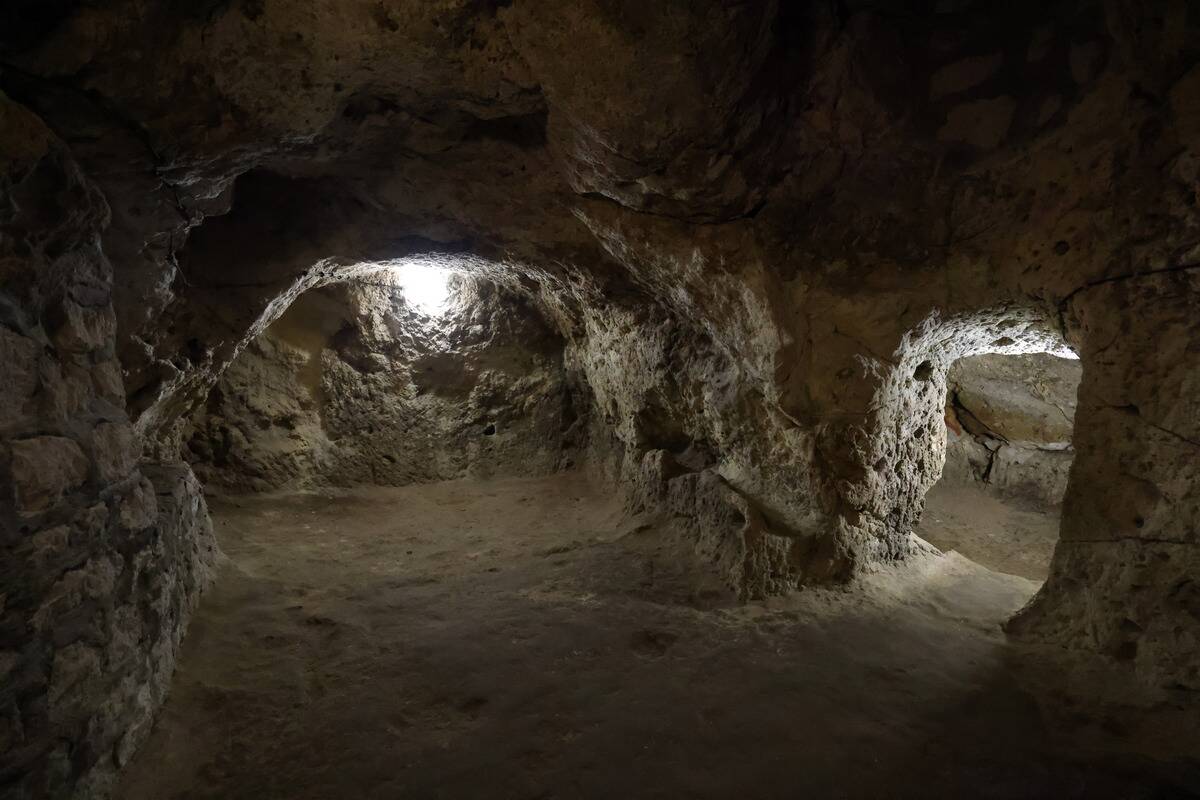
Derinkuyu, located in Turkey, is the largest excavated underground city and can accommodate up to 20,000 people. It features numerous passageways, chambers, and even a ventilation system, which highlights the ingenuity of its ancient builders.
This subterranean city served multiple purposes, including as a refuge from invasions. Its intricate construction and preservation provide valuable insights into the lives of those who lived there.
High-Tech Hideaways: The Role of Technology in Modern Builds
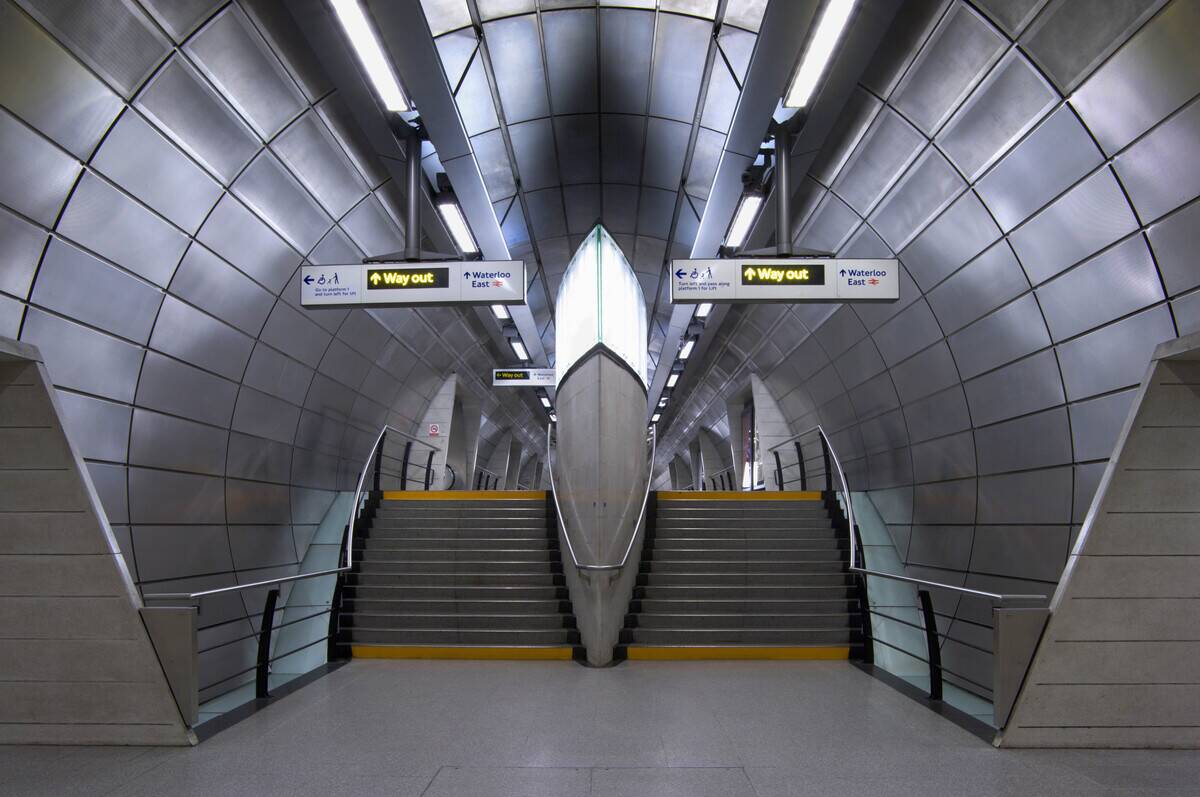
Modern underground cities leverage cutting-edge technology to enhance livability. Smart lighting systems mimic natural daylight cycles, while advanced HVAC systems maintain comfortable temperatures.
Additionally, technologies like augmented reality can transform these spaces, enhancing user experiences. This blend of innovation and design ensures that underground living is not only feasible but also enjoyable, offering a glimpse into the future of urban planning.
Strategic Locations: Where Are These Cities Being Built?
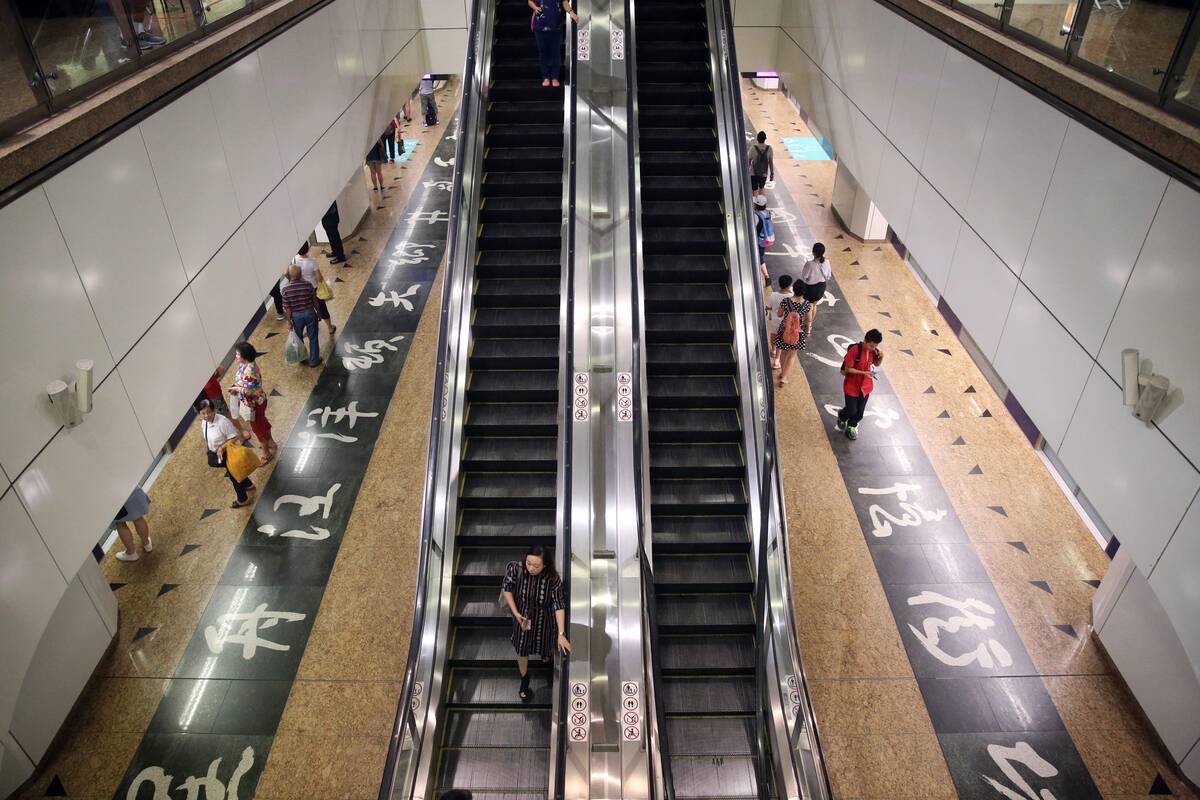
Underground cities are strategically located in areas where space and resources are limited. Urban centers like Singapore, known for their land scarcity, have explored subterranean solutions.
Similarly, in cities like Beijing, underground developments provide extra space for commercial and, in some cases, shelter or temporary residential accommodation. The choice of location is critical, taking into account geological stability and accessibility to ensure safety and functionality.
Living Conditions: What Life Underground is Really Like
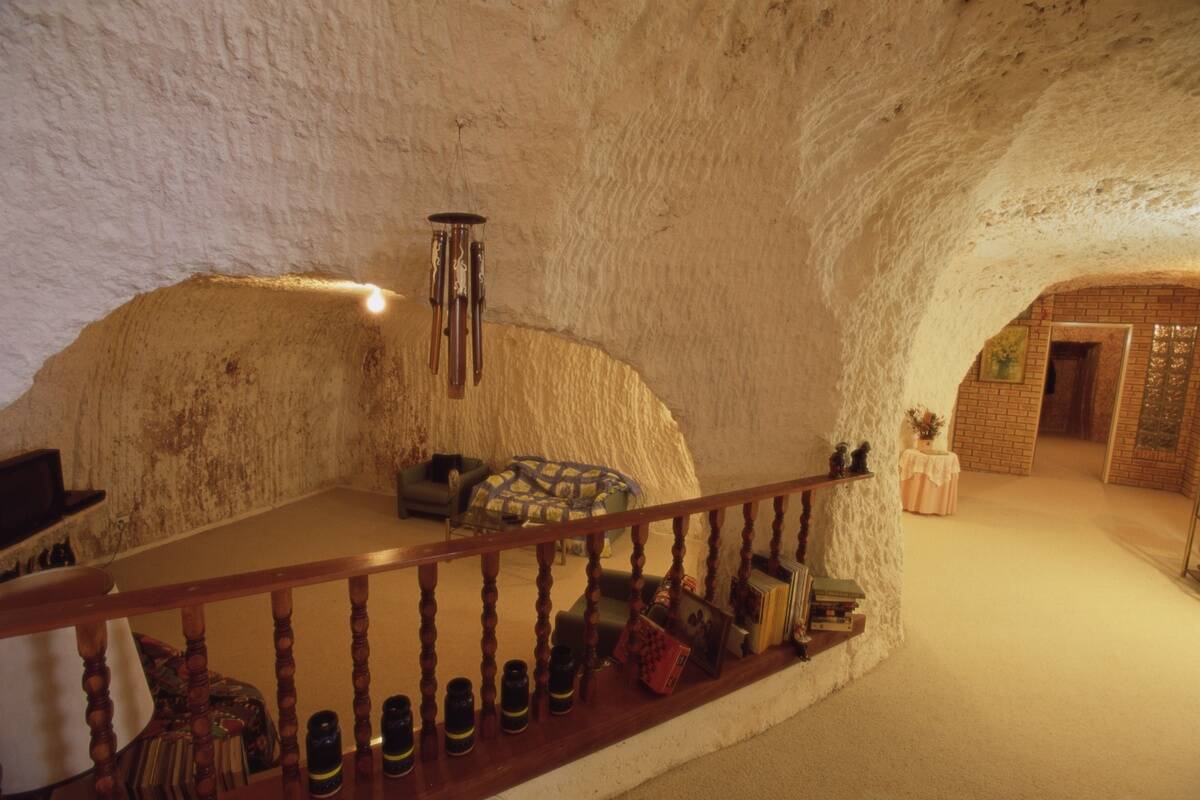
Living underground might seem claustrophobic, but modern designs prioritize comfort and aesthetics. Natural light can be introduced through light wells or solar light-channeling systems, while artificial lighting may simulate daylight cycles, and interior spaces are designed to feel open and airy.
Noise reduction is another benefit, with the earth acting as a natural insulator. Residents can enjoy all the amenities of above-ground living without some of the nuisances, making underground life increasingly appealing.
The Eco-Friendly Aspect: Sustainability in Underground Living

Sustainability is a significant advantage of underground living. The earth provides natural insulation, reducing energy consumption for heating and cooling. Additionally, these cities often incorporate sustainable technologies such as geothermal energy and advanced waste management systems.
By minimizing the ecological footprint, underground cities offer a greener alternative to traditional urban development, aligning with global initiatives to combat climate change.
The Role of Underground Cities in Disaster Preparedness
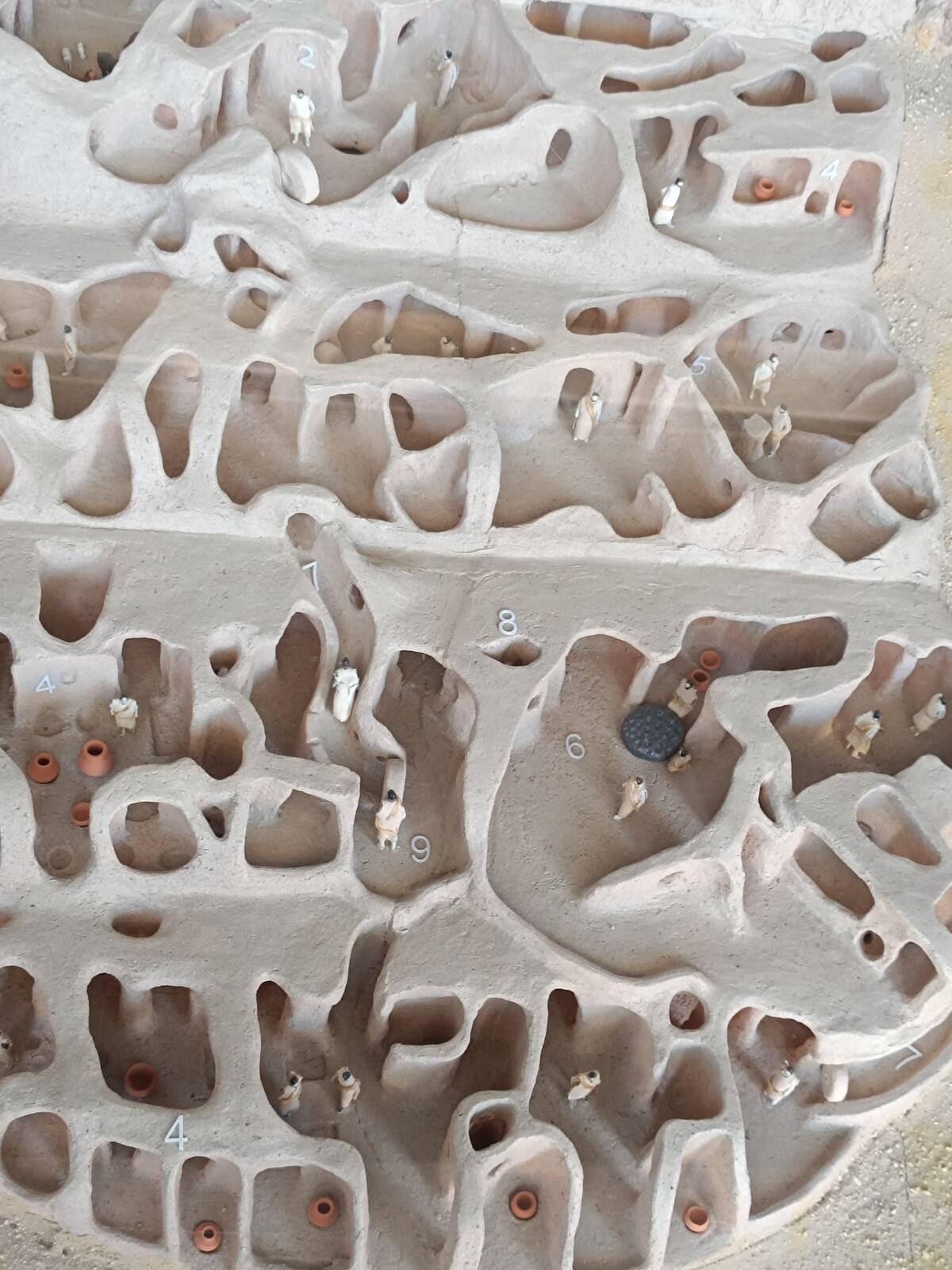
Underground cities can play a crucial role in disaster preparedness. They offer protection from natural disasters like earthquakes and extreme weather, thanks to their robust construction and strategic design.
In events of nuclear or chemical threats, they serve as potential shelters, offering a secure refuge. By integrating disaster-ready features, these cities enhance urban resilience, offering a safe haven during emergencies.
Cultural and Historical Significance of Subterranean Cities
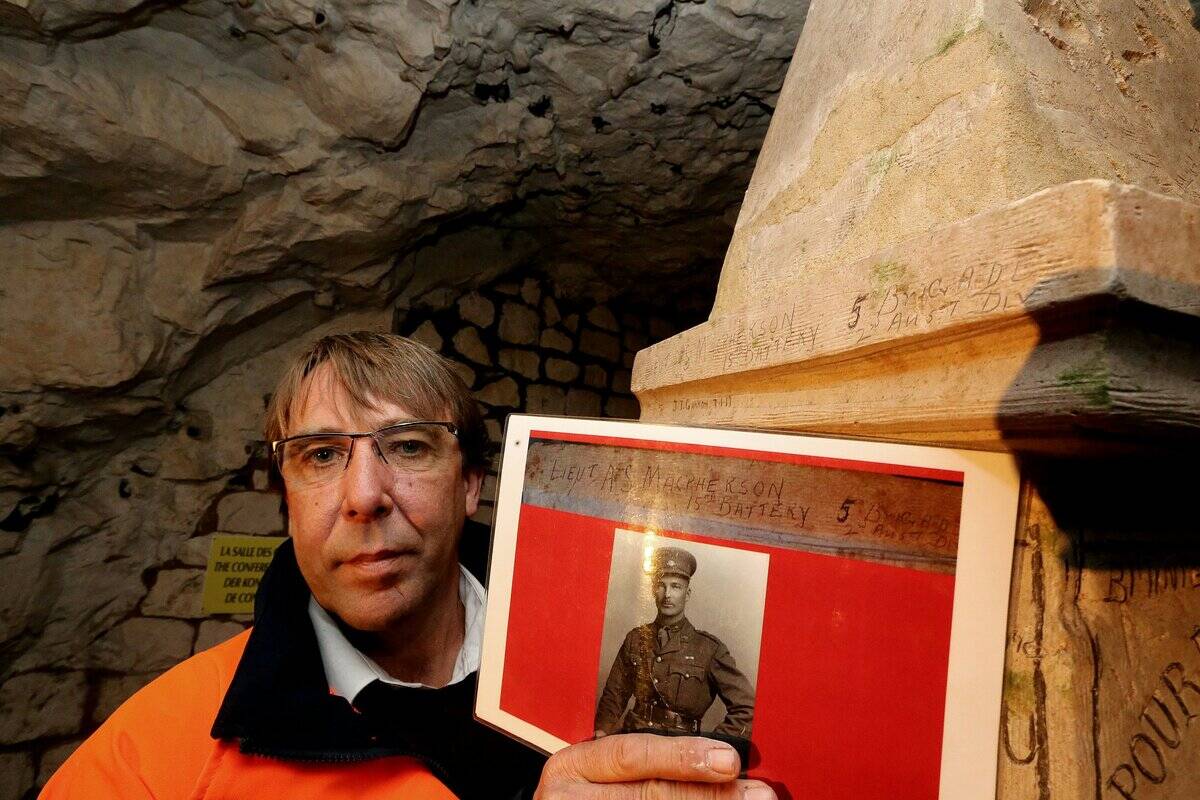
Subterranean cities hold significant cultural and historical value. They preserve ancient building techniques and offer insights into past civilizations.
For instance, the underground city of Naours in France was used during World War I as a shelter, highlighting its strategic importance. These cities are living museums, offering a glimpse into human history and the evolution of urban living, enriching our understanding of cultural heritage.
Tourists Welcome: Visiting the World’s Most Famous Underground Cities
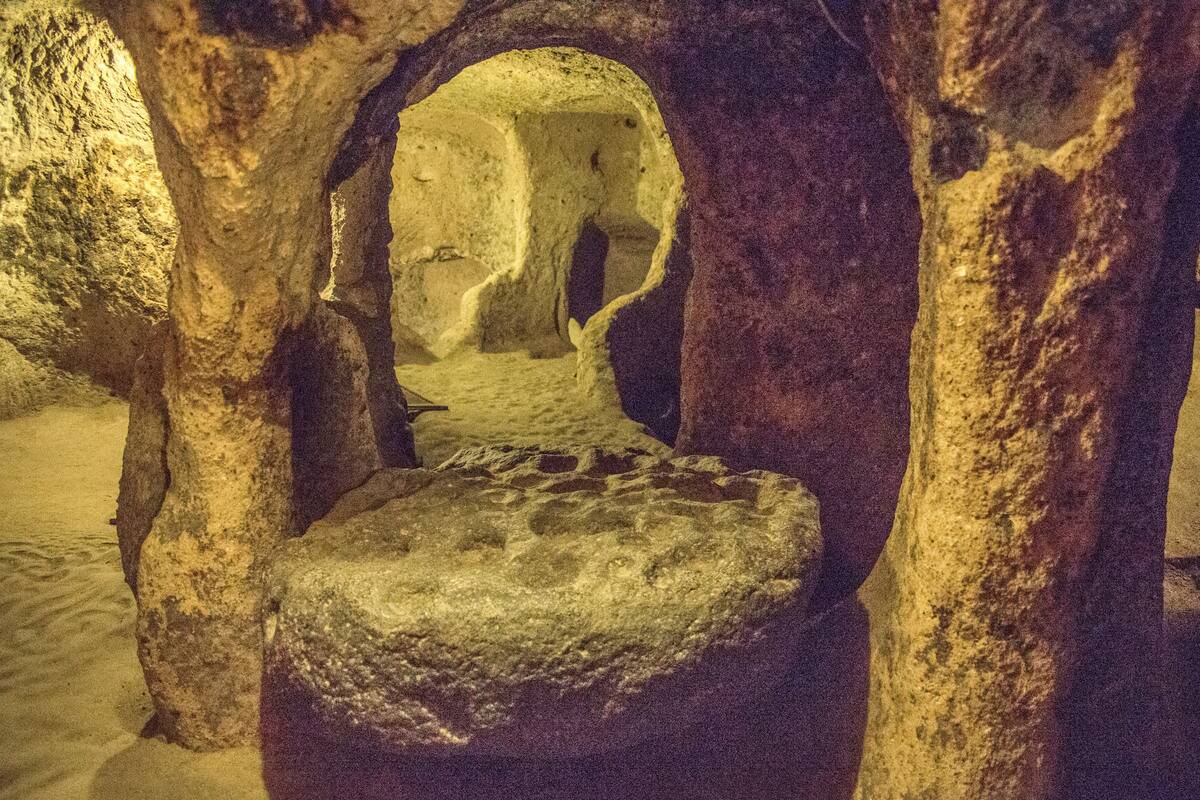
Underground cities have become popular tourist attractions, offering unique experiences for visitors. Places like Montreal’s Underground City attract tourists with their extensive networks of shops and restaurants.
In Cappadocia, visitors can explore the ancient tunnels of Derinkuyu and Kaymakli, marveling at their historical significance. These destinations blend adventure with education, allowing tourists to explore the hidden depths of urban landscapes.
The Future of Underground Living: What’s Next?

The future of underground living is bright, with advancements in technology and design paving the way for new developments. Innovations like vertical farms and smart infrastructure promise to enhance the functionality of these spaces.
As urban populations grow, the demand for sustainable, efficient living solutions will increase. Underground development may complement future urban growth strategies, though fully realized underground cities remain limited and largely experimental.
Underground Agriculture: Growing Food Below the Surface
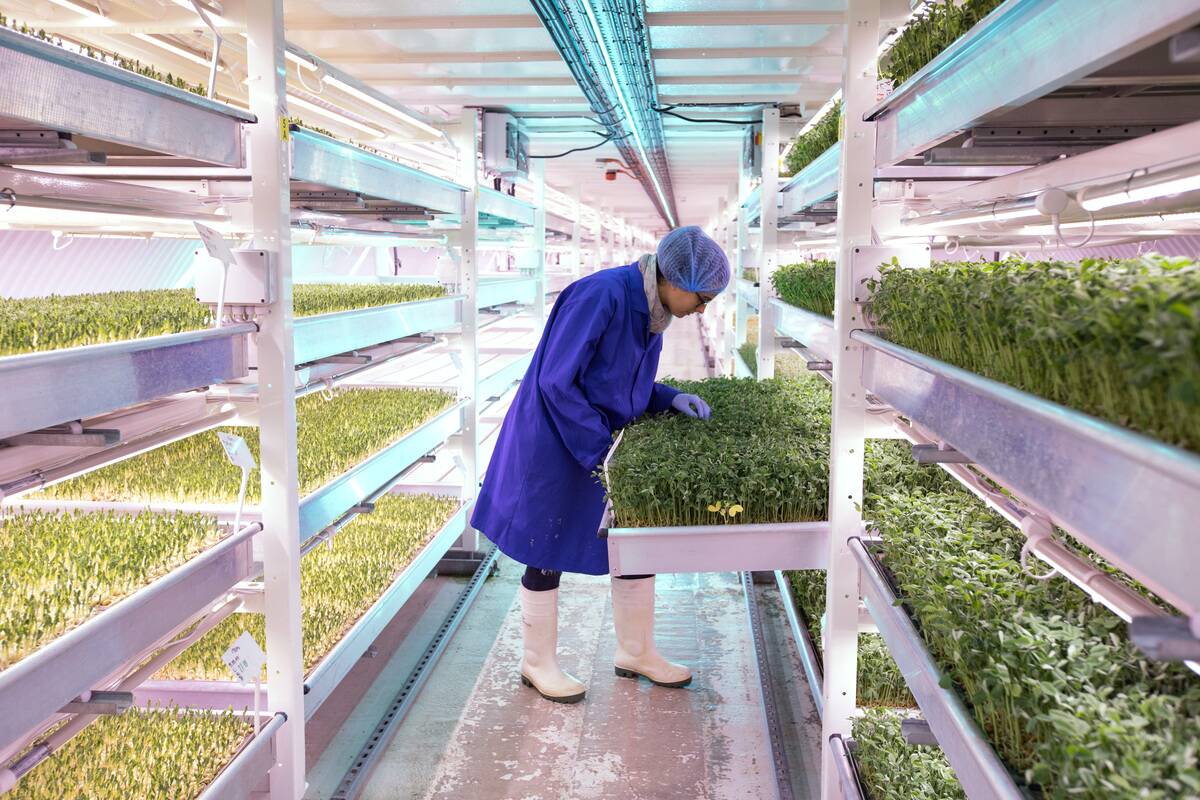
Underground agriculture presents a novel solution to food production challenges. By utilizing vertical farming techniques and controlled environments, these farms can produce food year-round, independent of climate conditions.
This method reduces the carbon footprint associated with traditional agriculture and can provide fresh produce to urban areas. As space above ground becomes scarce, underground agriculture offers a sustainable alternative to meet growing food demands.