17 photos revealing secret passages in iconic landmarks
Secret passages have long captured the human imagination, offering a tantalizing blend of mystery and adventure. From ancient tales of hidden doorways to modern-day discoveries, these covert paths beckon us to explore the unknown.
Their allure lies not only in their secrecy but in the promise of hidden stories and untold histories waiting to be uncovered. Whether they’re concealed within ancient castles or hidden beneath bustling cities, secret passages continue to fascinate us.
The Allure of Hidden Pathways
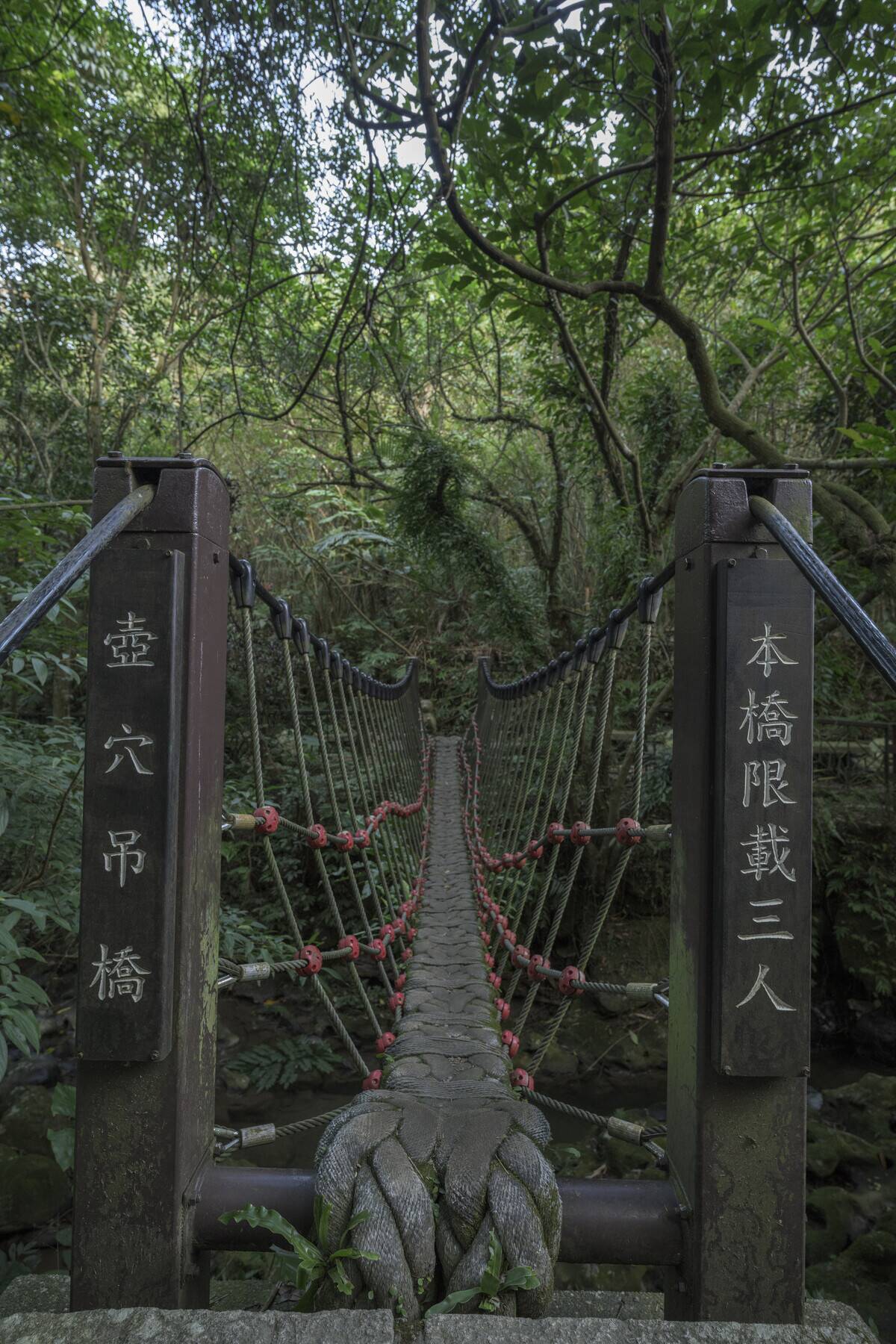
The charm of hidden pathways is rooted in their ability to transform ordinary spaces into places of wonder and intrigue. These secret corridors often evoke images of clandestine meetings, daring escapes, and forgotten treasures.
They allow us to imagine a world where the unexpected lurks just beyond a hidden door. For those who stumble upon them, these pathways can offer a unique glimpse into a past shrouded in mystery and a future full of possibilities.
The Secret of the Eiffel Tower’s Hidden Staircase
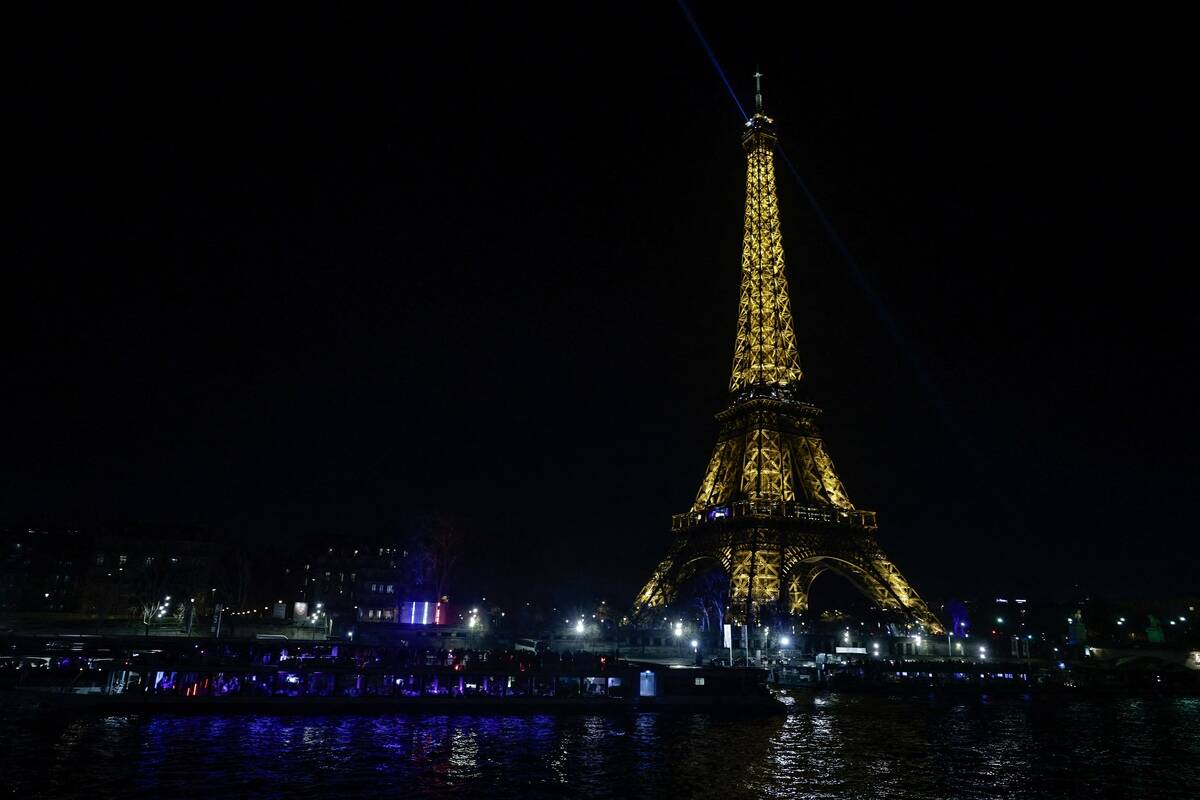
The Eiffel Tower, an iconic symbol of France, harbors a lesser-known secret: a hidden staircase ascending to a private apartment. Originally built for the tower’s architect, Gustave Eiffel, this apartment offers panoramic views of Paris.
While not accessible to the public, it showcases Eiffel’s personal touch and serves as a reminder of the tower’s rich history. The secret staircase adds another layer of allure to this architectural masterpiece.
Unlocking Mysteries at the Vatican’s Passetto di Borgo
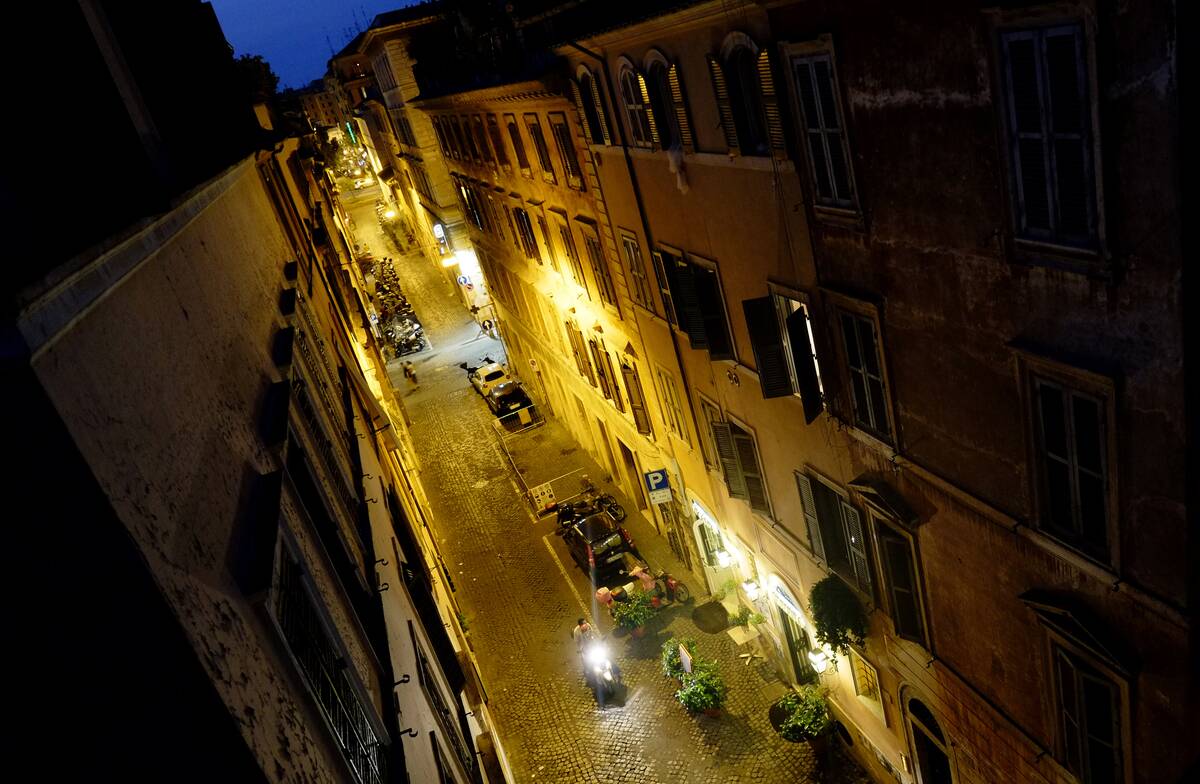
The Passetto di Borgo in the Vatican is a fascinating example of a secret passage with historical significance. This elevated walkway connects the Vatican City to Castel Sant’Angelo and was used by popes as an escape route during times of danger.
The passageway, stretching nearly a mile, allowed for a secure and swift retreat. Today, it stands as a testament to the Vatican’s rich history and the strategic importance of secret passages.
The Tower of London’s Secretive Inner Sanctum
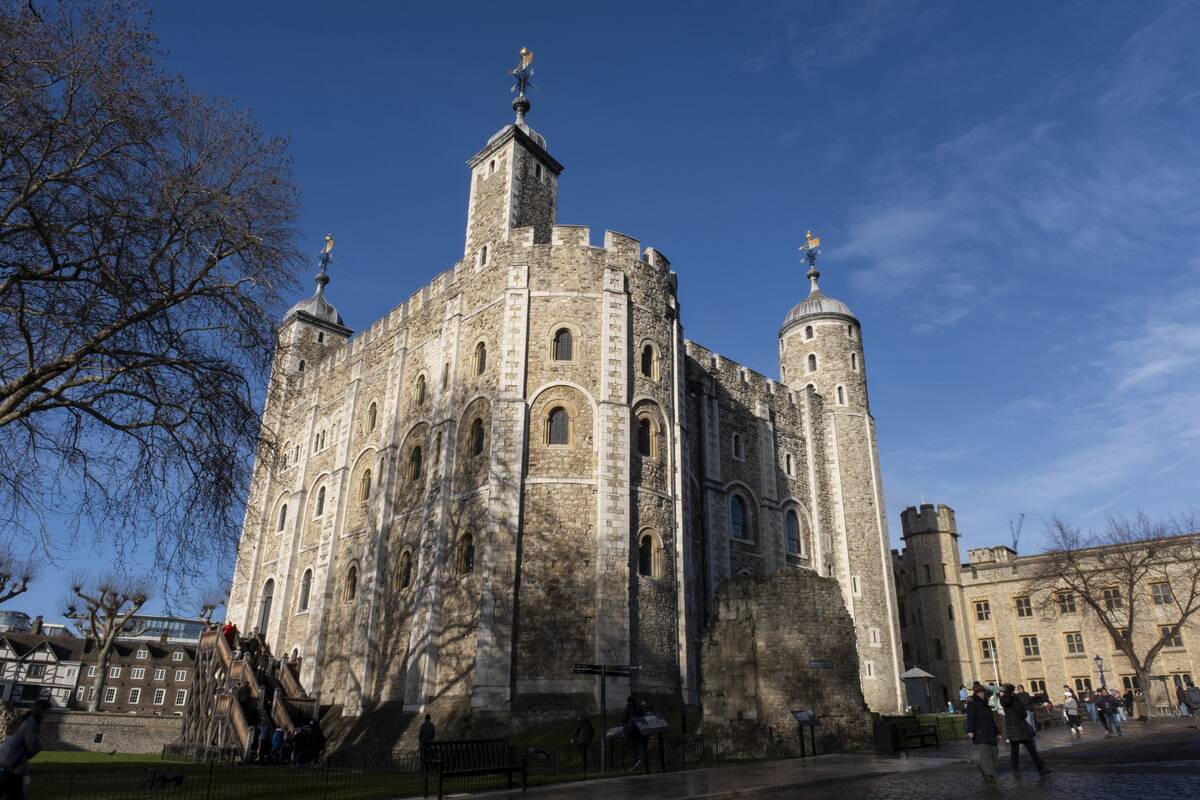
The Tower of London, steeped in history and mystery, houses its own secretive inner sanctum. Hidden within its formidable walls are passageways that have witnessed countless tales of intrigue and betrayal.
Used throughout history for clandestine activities, these passages have been pivotal in the Tower’s storied past. They are a reminder of the Tower’s role as both a royal residence and a notorious prison, shrouded in secrets and legends.
Whispered Tales of Passageways in the White House
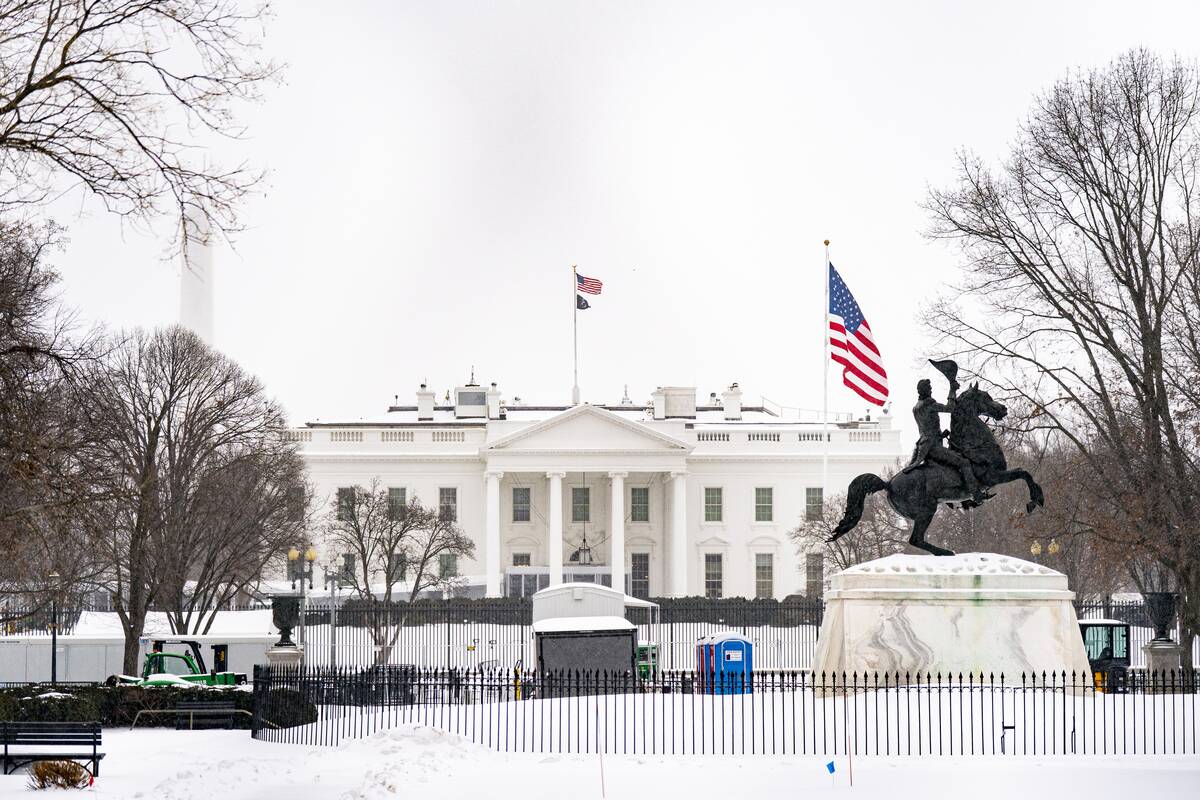
The White House, home to the President of the United States, has its own network of secret passageways. These whispered tales suggest tunnels used for security and privacy.
While details remain elusive, the existence of secret exits and entrances adds to the building’s mystique. These passages reflect the need for discretion and security in one of the world’s most powerful residences, ensuring the president’s privacy and safety.
The Intriguing Secret Tunnels of the Great Wall of China
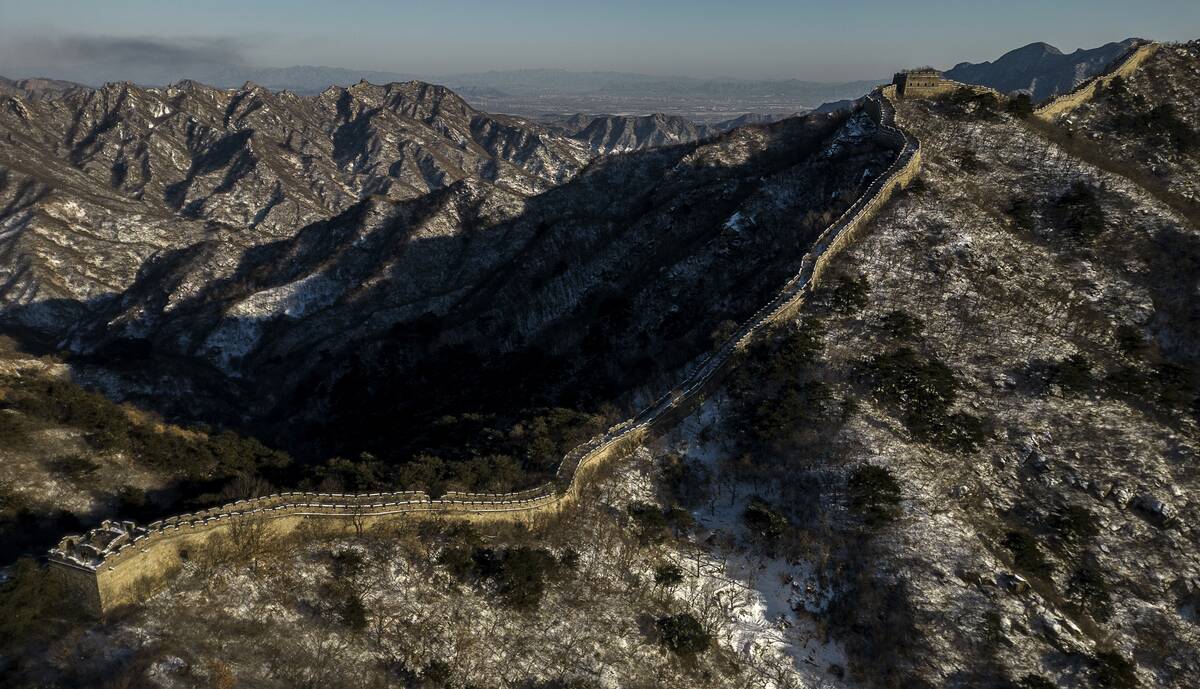
The Great Wall of China, a marvel of engineering, conceals a network of secret tunnels. These passageways were strategically designed for military purposes, allowing soldiers to move undetected.
They provided crucial advantages in defending against invasions, offering hidden routes for communication and surprise attacks. The tunnels exemplify the ingenuity and foresight of the wall’s builders, revealing a hidden layer of complexity beneath this ancient wonder.
Discovering Hidden Doors in the Palace of Versailles
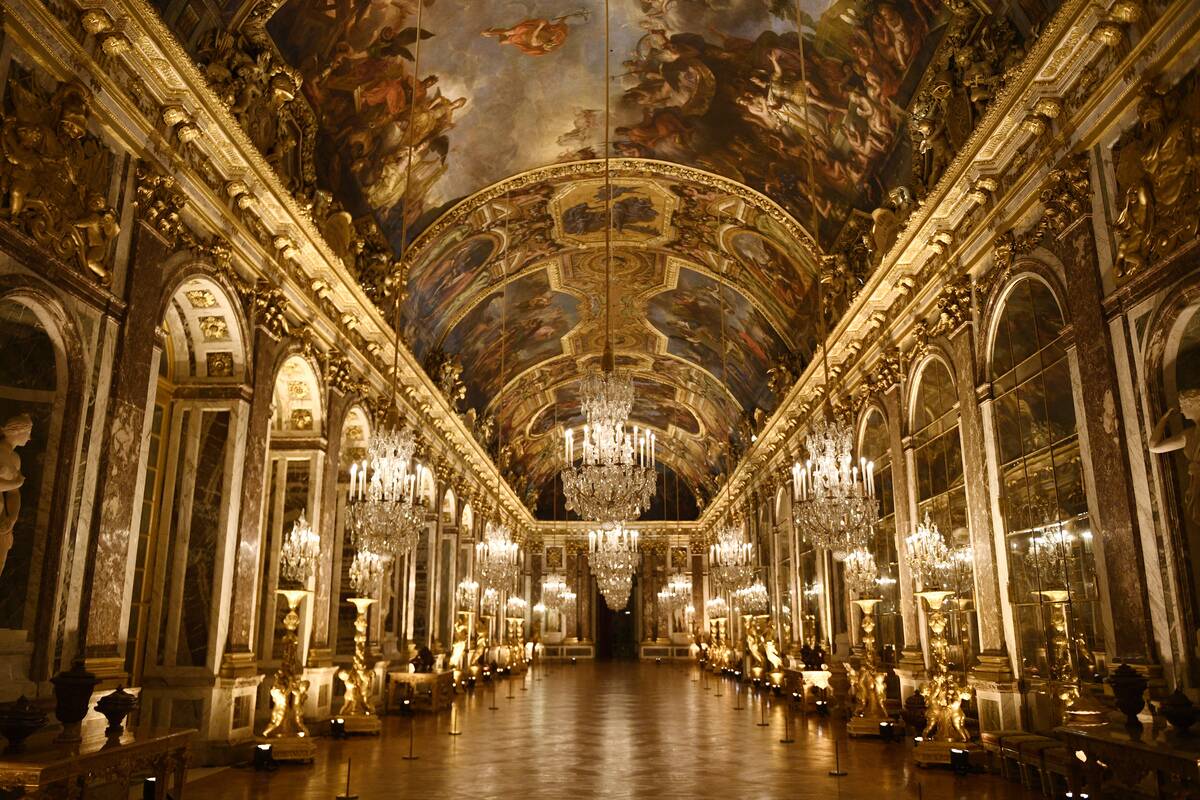
The Palace of Versailles, a symbol of opulence and grandeur, hides a labyrinth of secret doors and hidden passageways. These discreet routes allowed for private meetings and swift movements away from public eyes.
Used by royalty and courtiers, the passageways ensured privacy amid the palace’s bustling life. The hidden doors are a testament to the palace’s intricate design, where the art of discretion was as important as the display of luxury.
Unveiling the Secret Routes of Edinburgh Castle
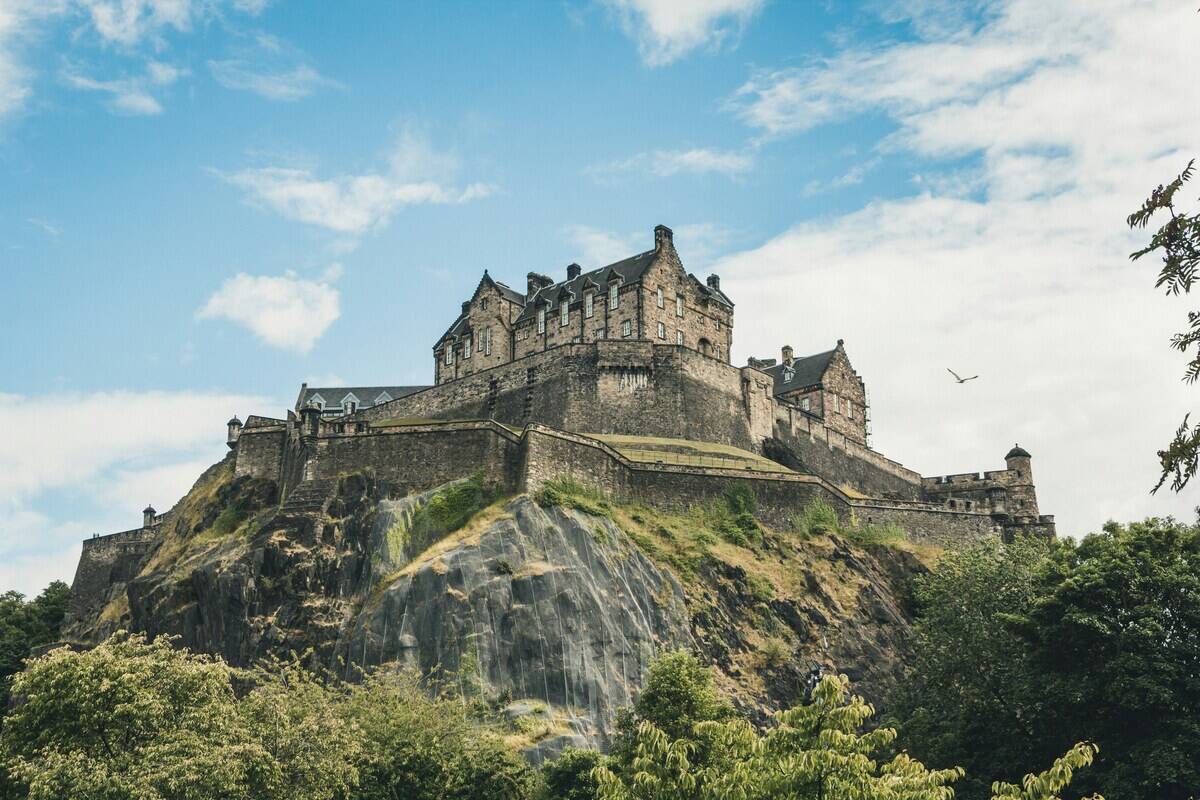
Edinburgh Castle, perched atop Castle Rock, boasts secret routes steeped in history. These passageways provided strategic advantages during sieges, offering hidden access points and escape routes.
The castle’s location and design made it a formidable fortress, with secret tunnels playing a crucial role in its defense. Today, these routes are a captivating part of the castle’s allure, inviting visitors to explore the mysteries that lie beneath its ancient stones.
The Forbidden City: A Labyrinth of Hidden Passageways
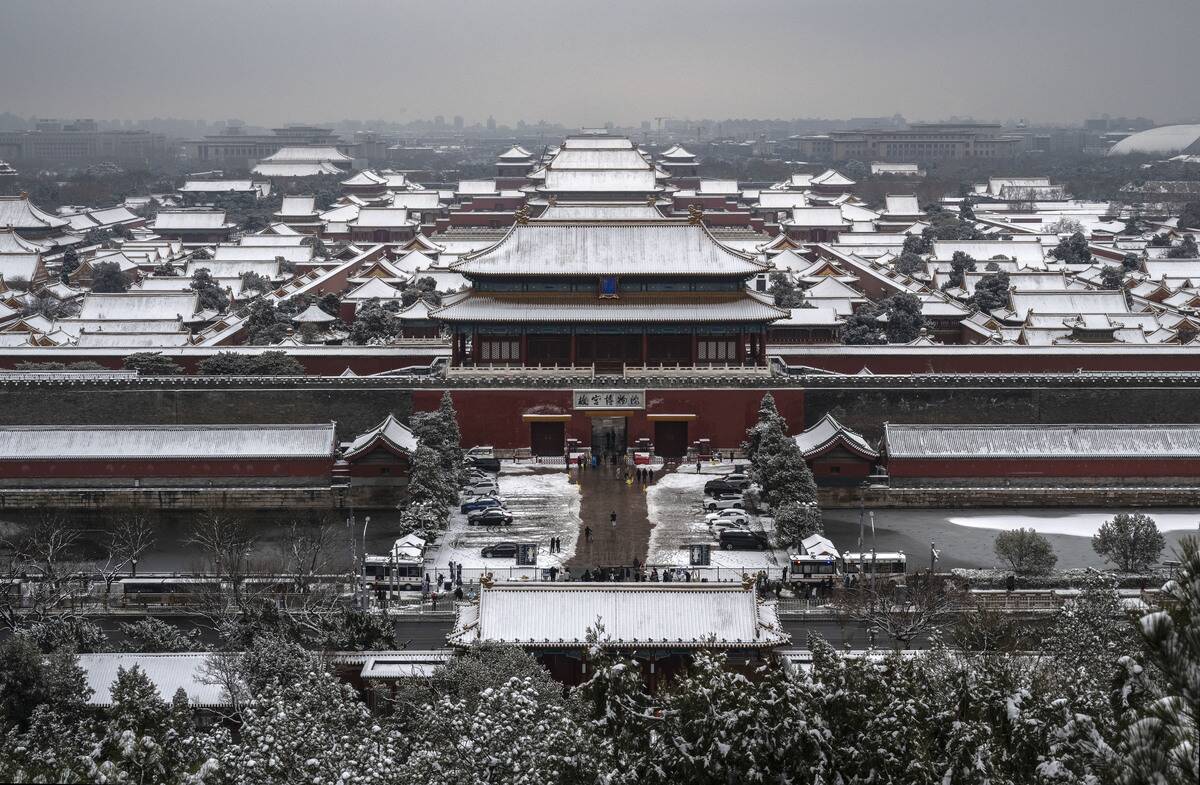
The Forbidden City in Beijing, once the imperial palace of Chinese emperors, is a labyrinth of hidden passageways. These secret routes were designed to ensure the safety and privacy of the emperor and his court.
The passageways facilitated discreet movement throughout the sprawling complex, away from prying eyes. They are a testament to the intricate planning and security measures that defined the imperial era, adding to the city’s mystique.
Secrets of the Hidden Chamber in the Pyramids of Giza
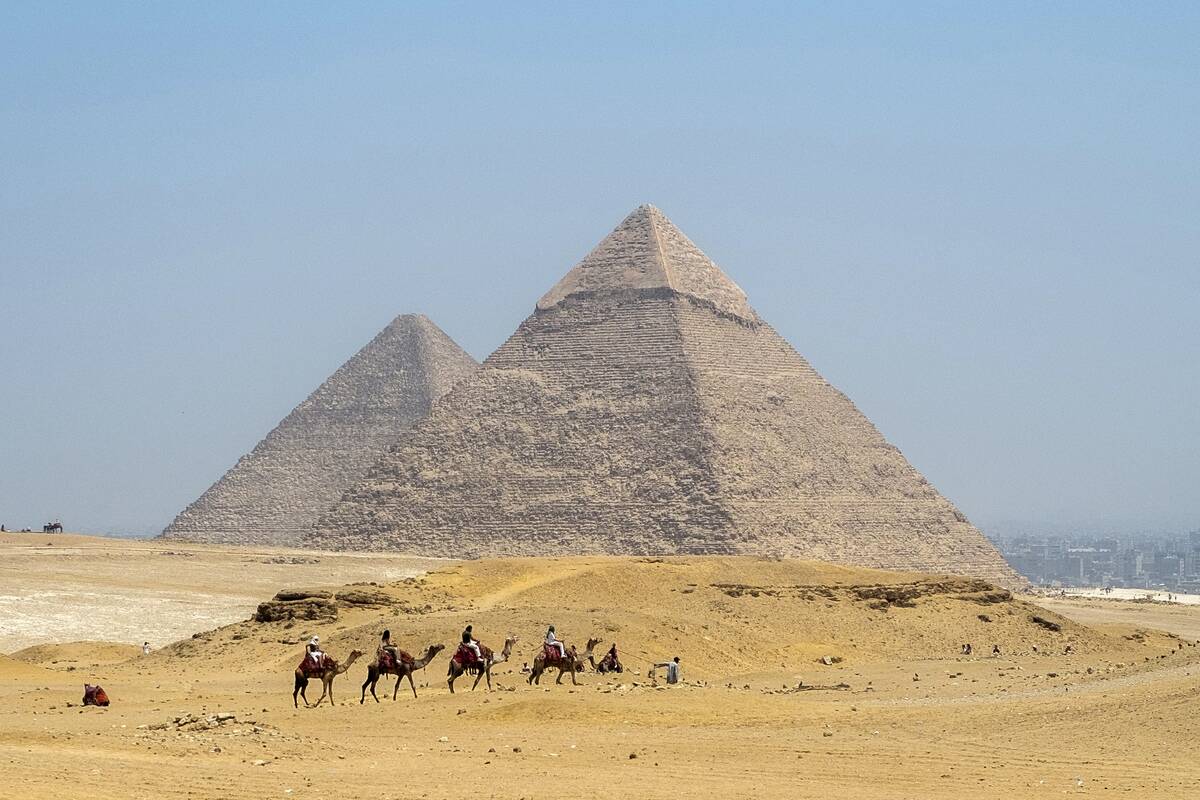
The Pyramids of Giza, ancient wonders of the world, harbor secrets within their massive stone structures. Recent discoveries hint at hidden chambers and passageways, sparking intrigue and speculation.
These concealed spaces may have been used for ritualistic purposes or as tombs for pharaohs. The ongoing exploration of the pyramids’ secrets continues to captivate archaeologists and historians, offering glimpses into the mysteries of ancient Egypt.
The Mysterious Passageways of Neuschwanstein Castle
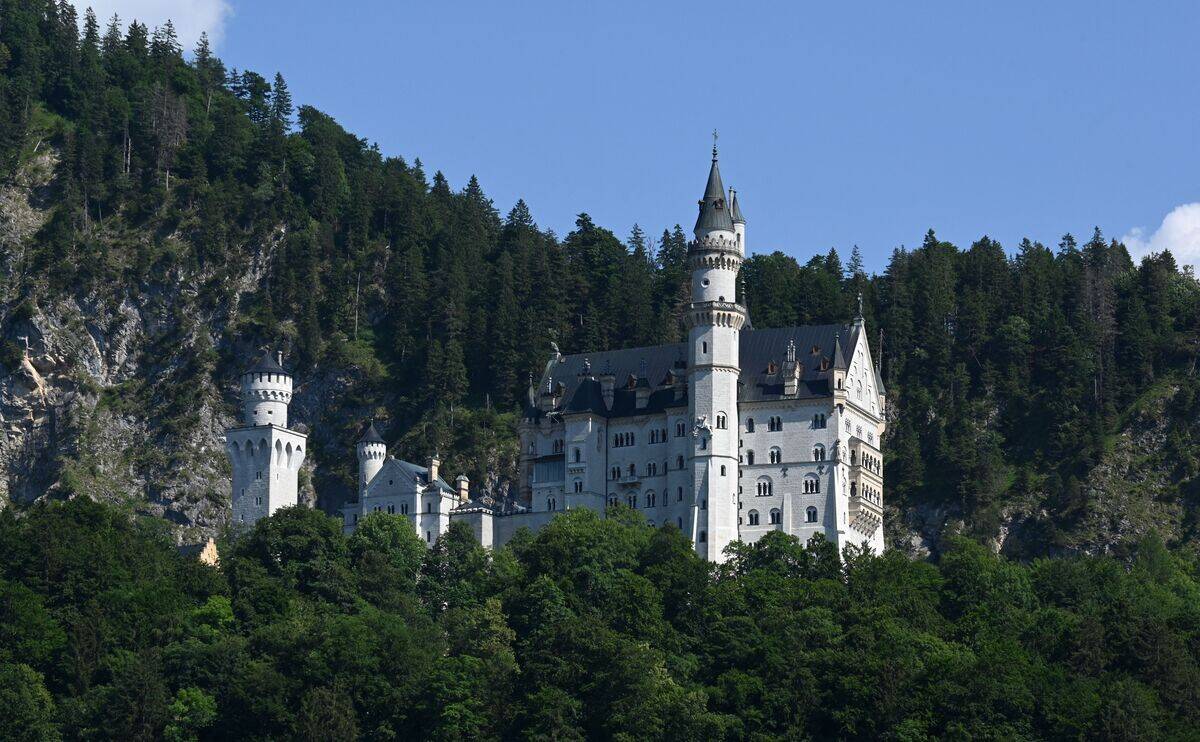
Neuschwanstein Castle in Bavaria, Germany, is renowned for its fairy-tale architecture and mysterious passageways. Built by King Ludwig II, the castle features hidden routes that reflect the king’s fascination with secrecy and fantasy.
These passageways allowed for private access and served as a means of escape. Neuschwanstein’s enchanting design, coupled with its secret corridors, continues to draw visitors eager to experience its magical allure.
Exploring the Secret Corridors of the Colosseum
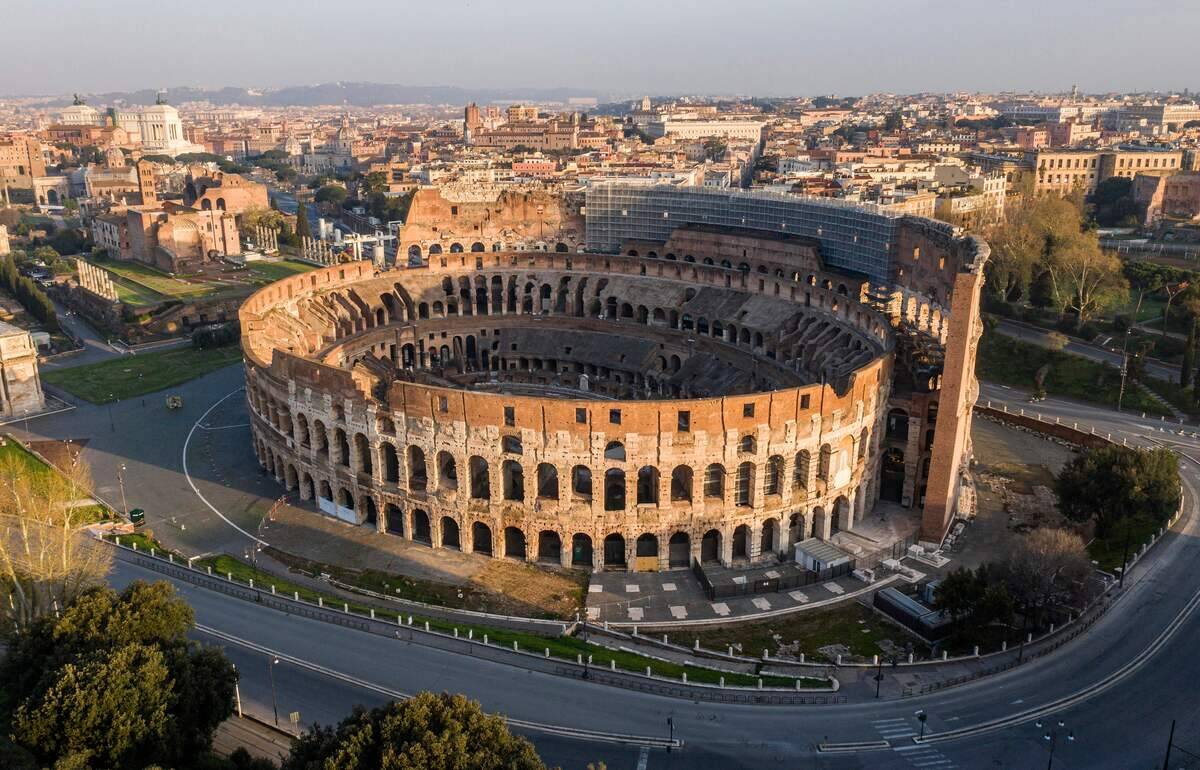
The Colosseum in Rome, an ancient amphitheater, conceals secret corridors that once facilitated the movement of gladiators and animals. These underground passages were essential to the spectacles that took place above, allowing for dramatic entrances and efficient logistics.
The labyrinthine network of tunnels offers a glimpse into the complex operations behind the grand performances, adding depth to the history of this iconic structure.
Uncovering Hidden Tunnels in the Paris Catacombs
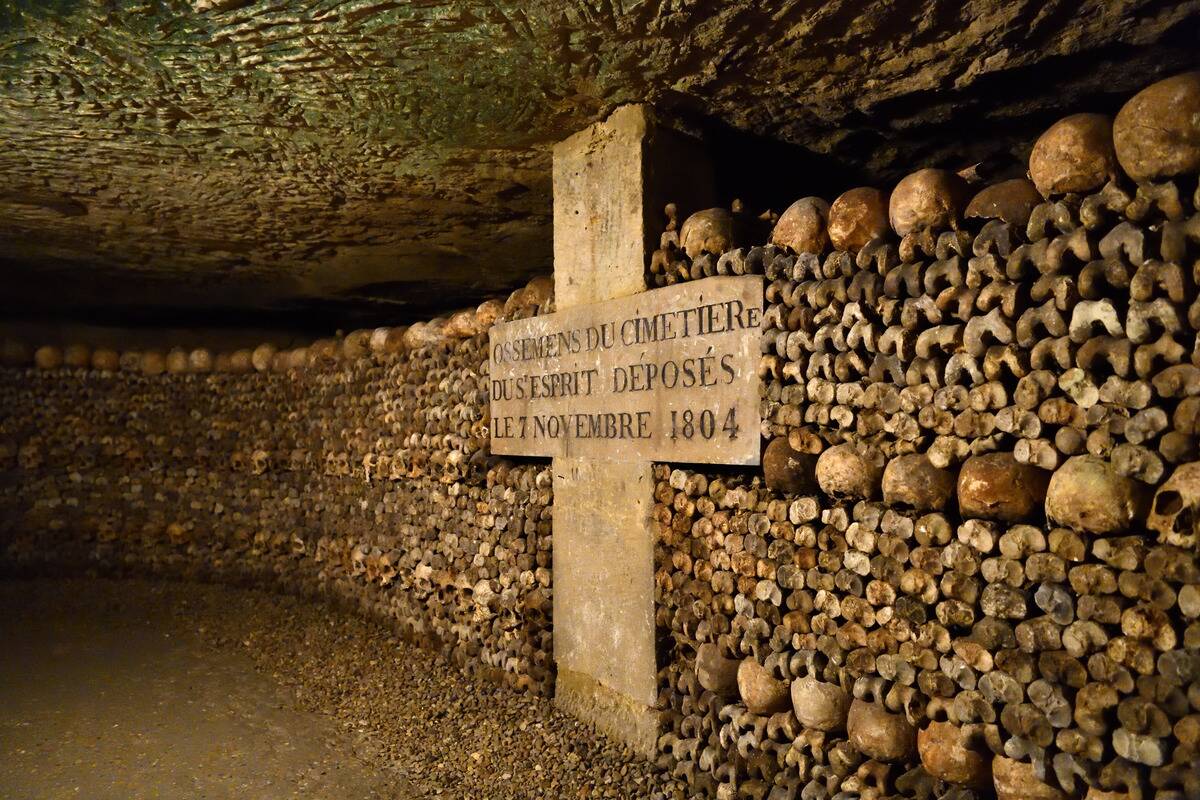
The Paris Catacombs, a vast underground ossuary, are riddled with hidden tunnels and passageways. Originally created to consolidate the city’s overflowing cemeteries, the catacombs now hold the remains of over six million people.
The secretive nature of these tunnels has inspired countless tales of adventure and ghostly encounters. Exploring the catacombs offers a haunting yet fascinating journey into the depths of Parisian history.
The Undercover Routes of Windsor Castle
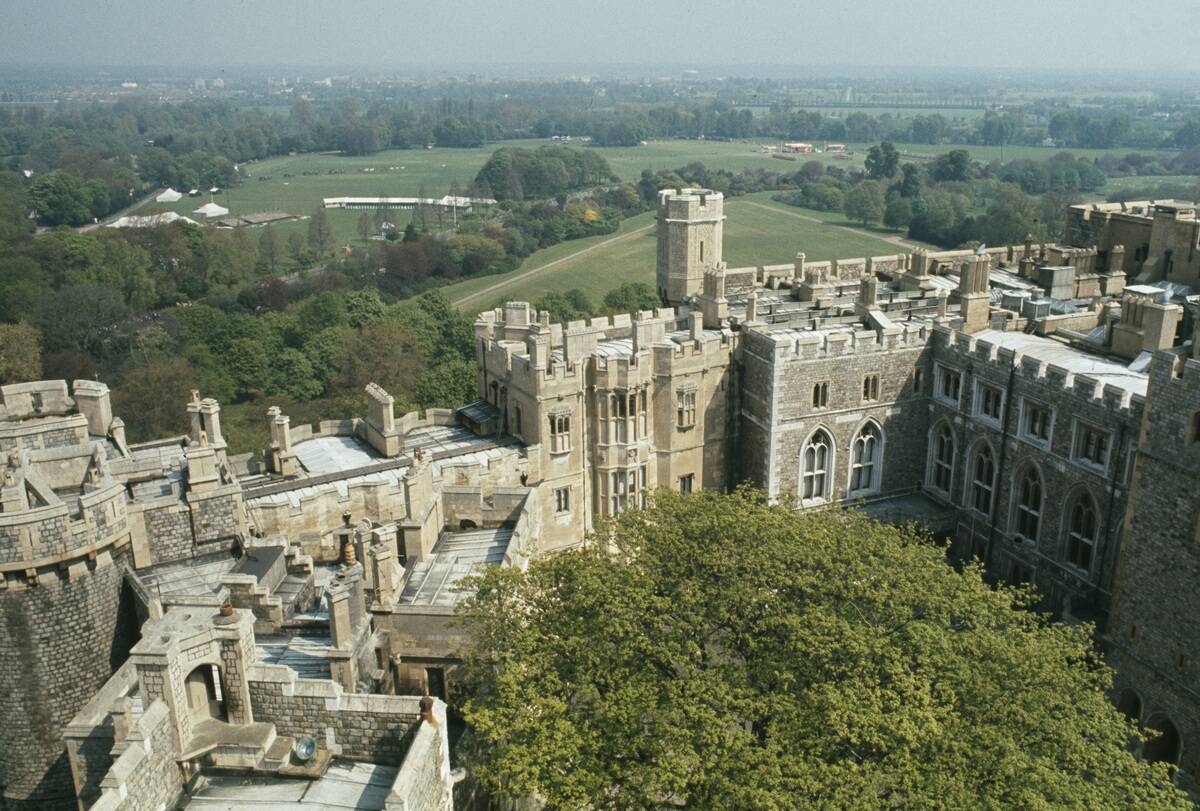
Windsor Castle, a royal residence with a rich history, is said to contain undercover routes and secret passageways. These discreet paths have been used by royal family members for private movement within the castle.
Their existence underscores the need for privacy and security in royal life, allowing for strategic retreats and secretive comings and goings. Windsor’s hidden routes add to the castle’s mystique, reflecting centuries of royal intrigue.
The Secret Basement of the Statue of Liberty

The Statue of Liberty, a symbol of freedom and hope, conceals a secret basement beneath its pedestal. This hidden area was designed with maintenance and structural integrity in mind.
While not open to the public, the basement underscores the complexity involved in the statue’s construction and upkeep. It serves as a reminder of the engineering marvels that support such iconic landmarks, hidden from the view of the millions who visit.
The Mysterious Secret Passages of Prague Castle
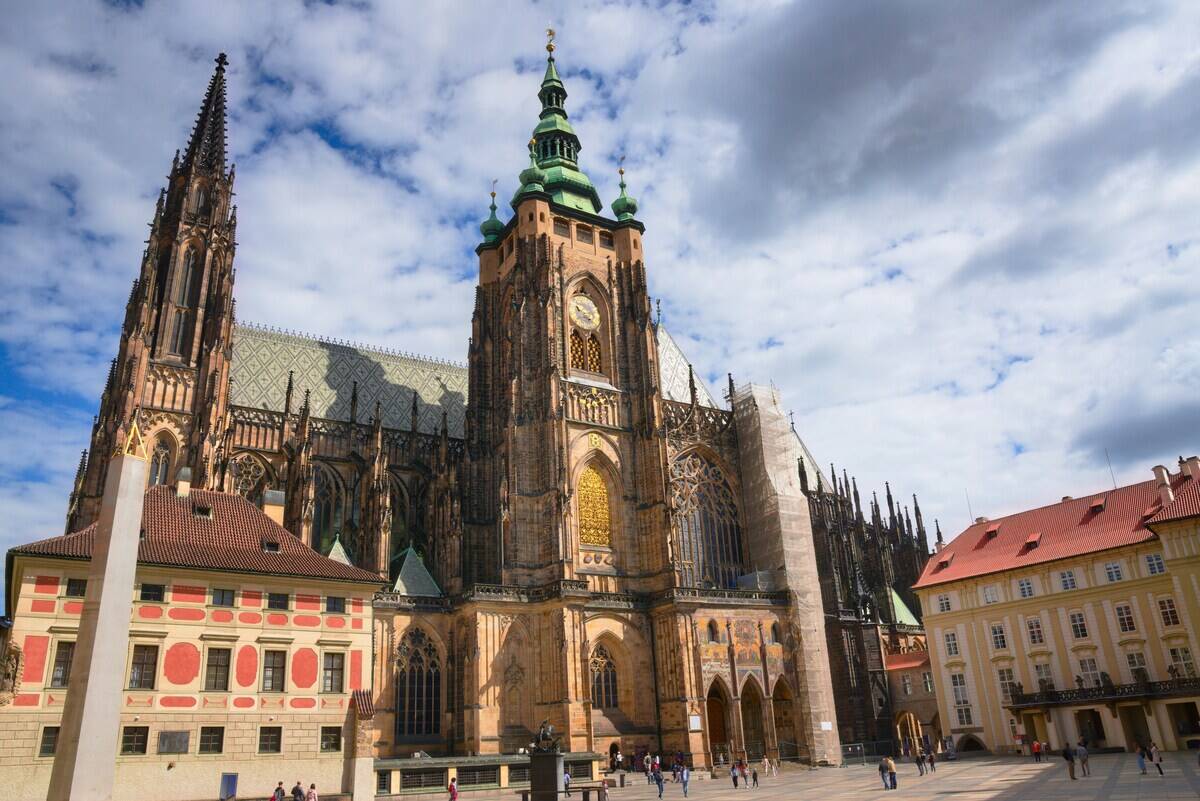
Prague Castle, a historic jewel in the Czech Republic, is replete with mysterious secret passages. These hidden routes could have served various purposes over the centuries, from safe retreats for royalty to strategic military routes.
The passages wind through the castle’s sprawling complex, adding layers of intrigue to its storied past. Exploring these secretive paths offers a unique lens into the castle’s rich history and enduring mystique.
Behind the Scenes: Secret Paths in Buckingham Palace
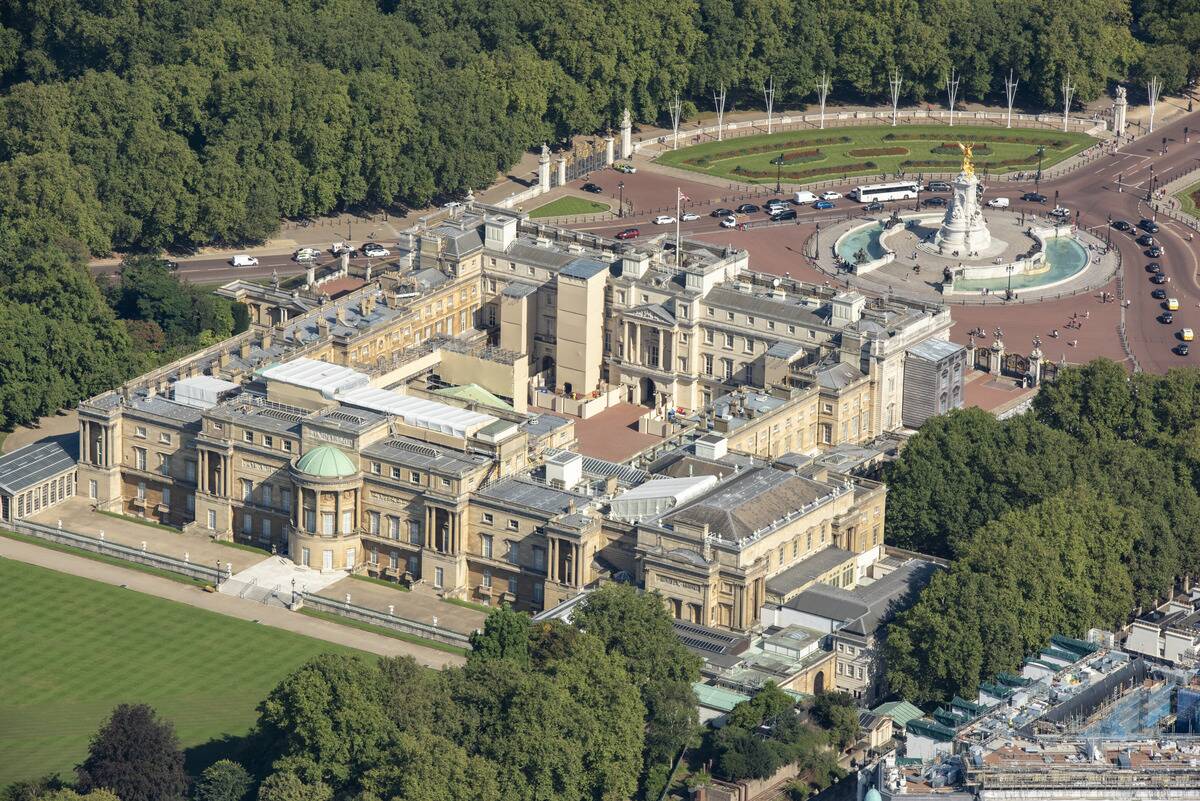
Buckingham Palace does contain service corridors, secondary staircases, and restricted internal routes that allow members of the royal household and staff to move discreetly through the palace. These features are common in large historic palaces and are designed to support privacy, security, and efficient operation, especially during public events and state functions.
While details remain sparse, the existence of such paths highlights the balance between public duty and private life. Buckingham Palace’s secret paths add an element of intrigue to the regal setting, reflecting the complexities of royal life.




