14 pandemics with lasting global impact
Throughout history, pandemics have reshaped societies, economies, and even the course of empires. These outbreaks aren’t just medical events; they are social phenomena that impact every facet of human life.
From ancient times to the modern era, understanding the effects of these pandemics helps us appreciate the resilience and adaptability of human societies. Let’s explore some of the most significant pandemics and their lasting legacies on the world stage.
The Plague of Athens: A Mysterious Ancient Outbreak

In 430 BC, the Plague of Athens struck the city during the Peloponnesian War, killing nearly a third of its population. Thucydides, the historian who chronicled the outbreak, described symptoms such as fever, thirst, and ulcers, leaving historians puzzled over the exact nature of the disease.
Some speculate it could have been typhus or smallpox. The plague weakened Athens, contributing to its eventual defeat by Sparta, demonstrating how illness can alter the course of history.
The Antonine Plague: How a Pandemic Shaped the Roman Empire
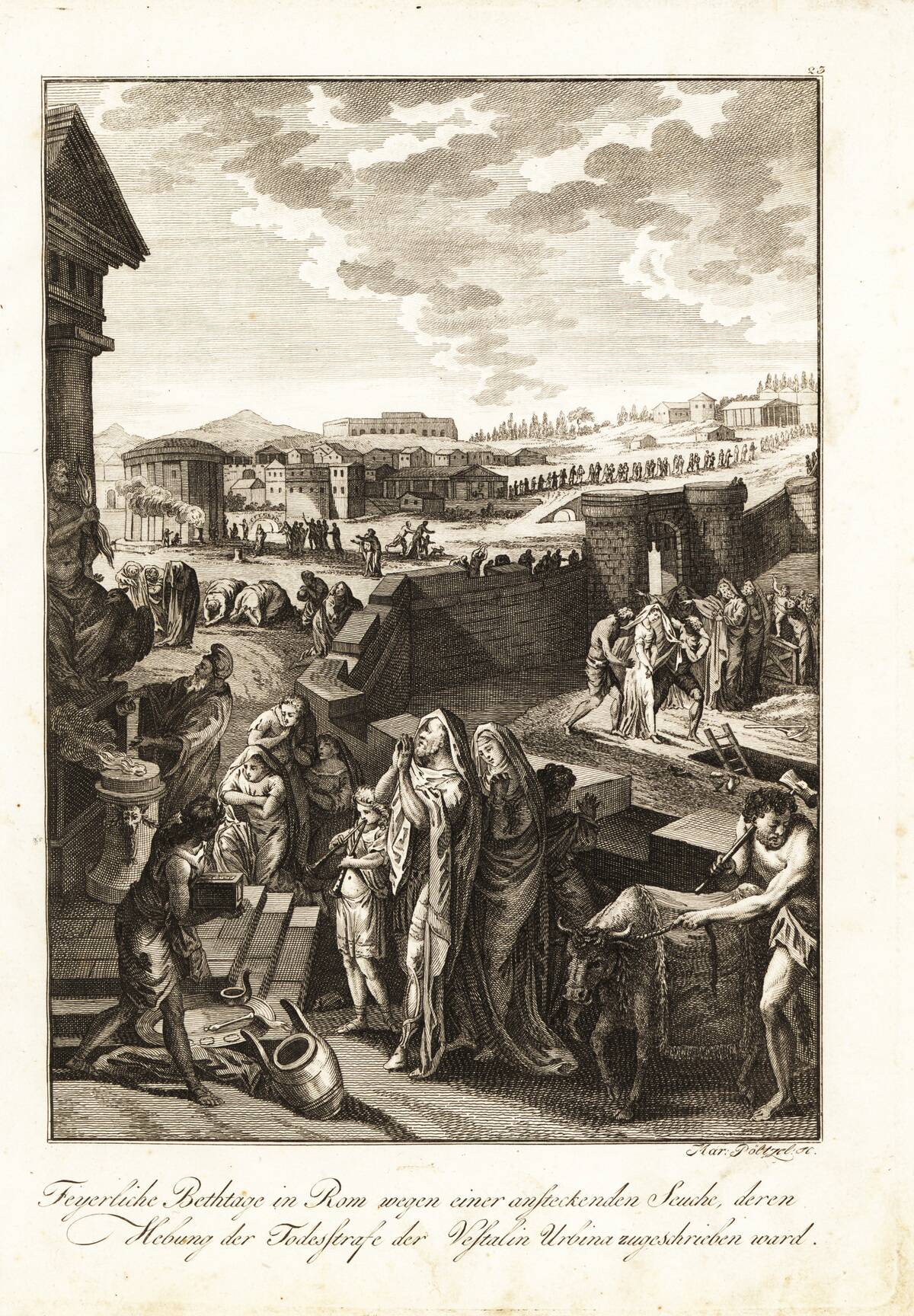
The Antonine Plague, believed to be either smallpox or measles, swept through the Roman Empire between 165 and 180 AD. It claimed the lives of up to five million people, including the Roman Emperor Lucius Verus.
The epidemic severely weakened the Roman legions, making it difficult to defend the empire’s vast borders. This pandemic exposed the vulnerabilities of large, interconnected empires, reminding us of the profound impact disease can have on military and political stability.
The Justinian Plague: The First Bubonic Pandemic
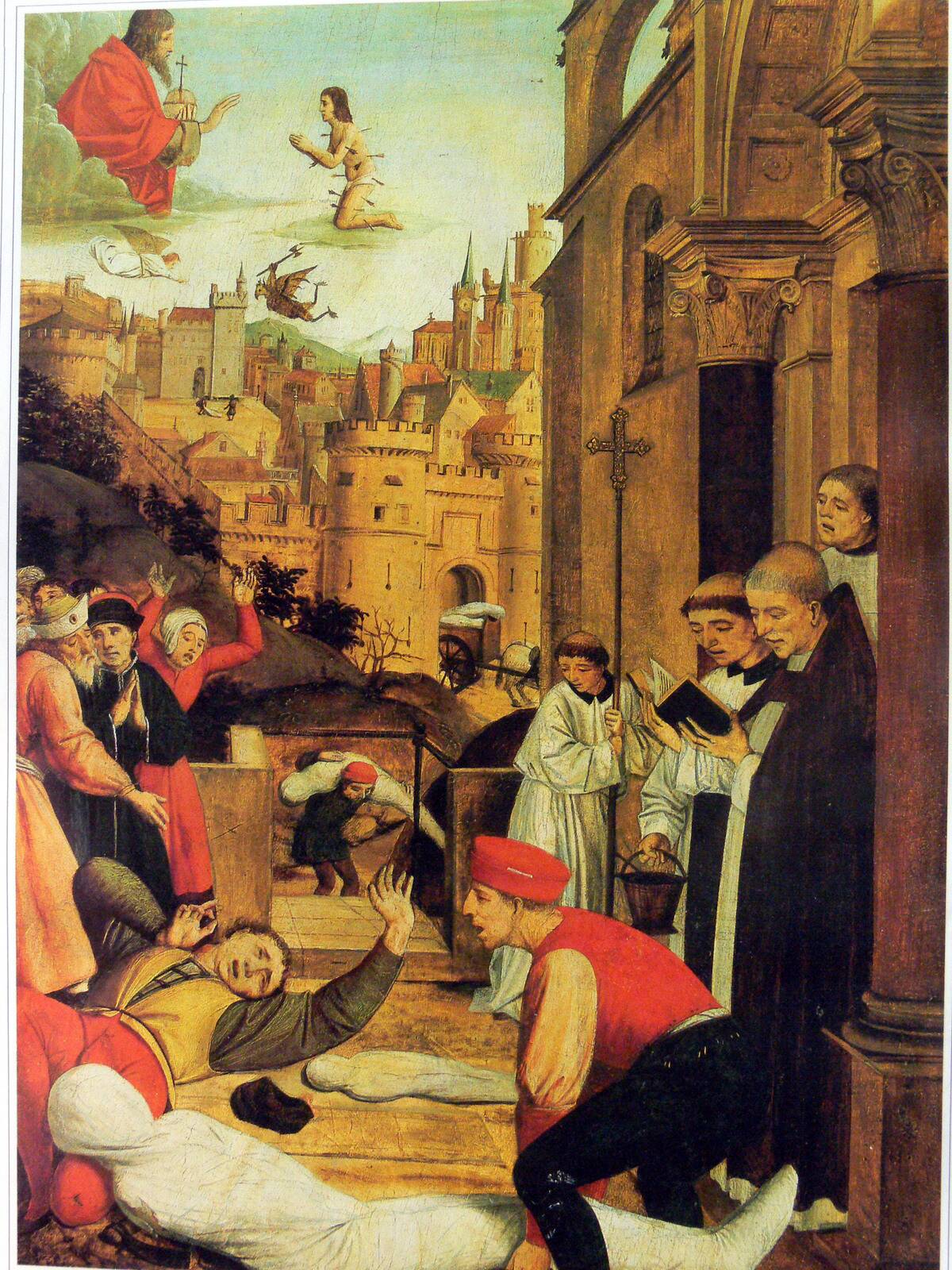
The Justinian Plague, which began in 541 AD, is considered the first recorded instance of the bubonic plague. Originating in the Eastern Roman Empire, it spread rapidly, killing an estimated 25-50 million people over two centuries.
The outbreak devastated urban populations and disrupted trade, contributing to the decline of the Byzantine Empire. The Justinian Plague serves as a somber reminder of the devastating power of pandemics in shaping historical events and societal structures.
The Black Death: Europe’s Devastating Pandemic
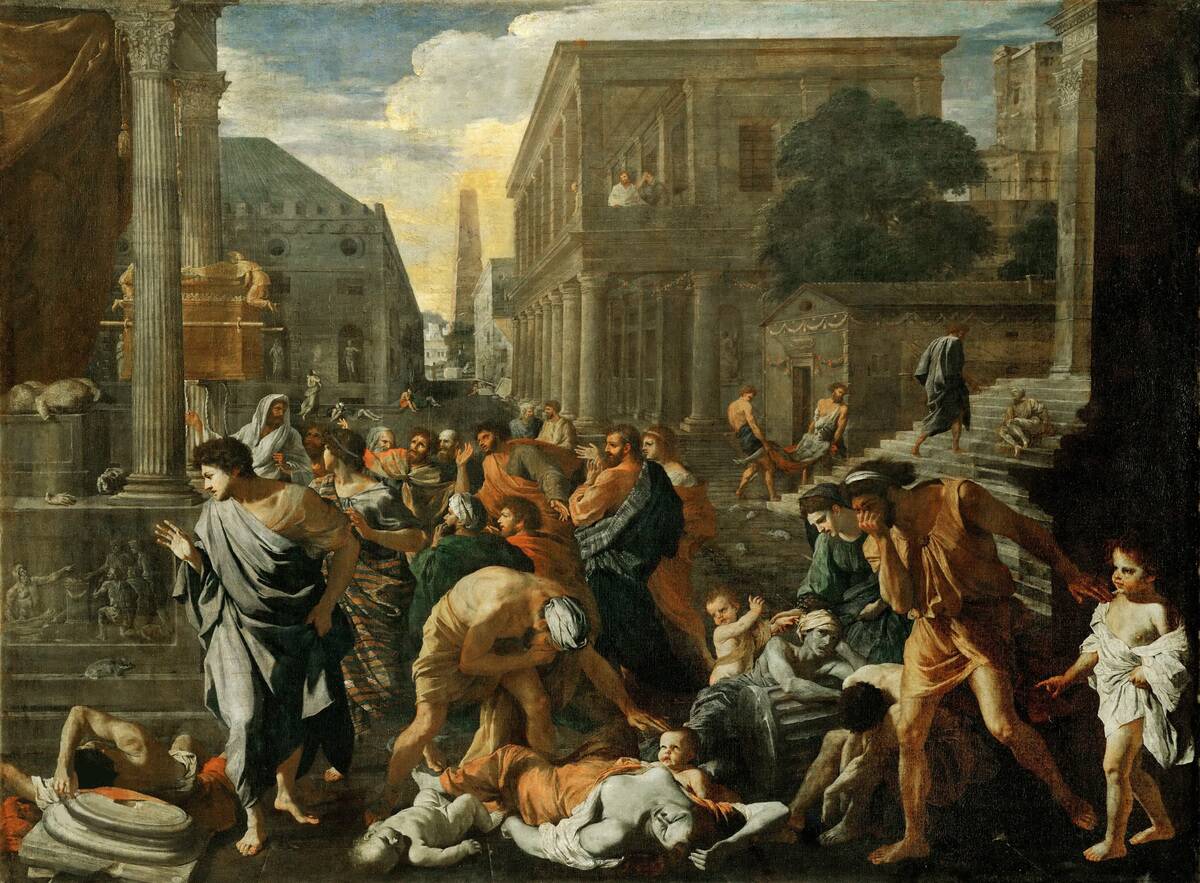
The Black Death, which struck Europe between 1347 and 1351, reduced the continent’s population by an estimated 30-60%. Caused by the bacterium Yersinia pestis, the disease was transmitted through fleas living on rats.
The pandemic led to significant social and economic upheaval, with labor shortages and shifts in power dynamics. The Black Death also prompted advancements in public health practices, as societies struggled to cope with the massive loss of life and its aftermath.
The Cocoliztli Epidemic: A Deadly New World Phenomenon
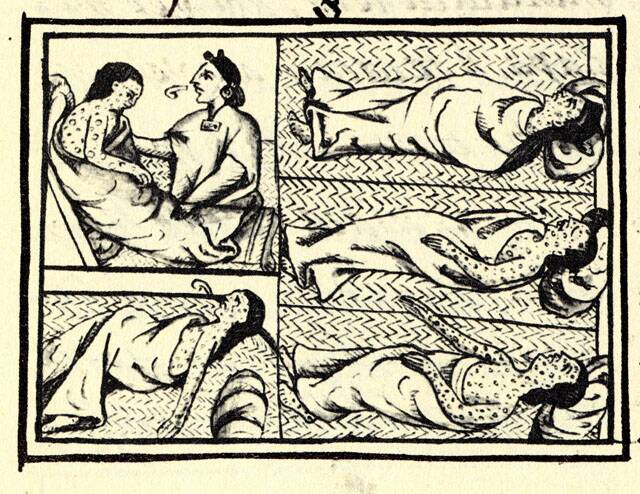
In the 16th century, the Cocoliztli Epidemic devastated the indigenous populations of present-day Mexico, killing millions. The exact cause remains uncertain, though some researchers suggest a viral hemorrhagic fever compounded by drought and malnutrition.
The epidemic significantly reduced the native population, facilitating Spanish colonization efforts. The Cocoliztli Epidemic highlights the catastrophic impact of disease on societies lacking immunity, as well as the role of pandemics in altering global power dynamics.
The Great Plague of London: A City in Crisis
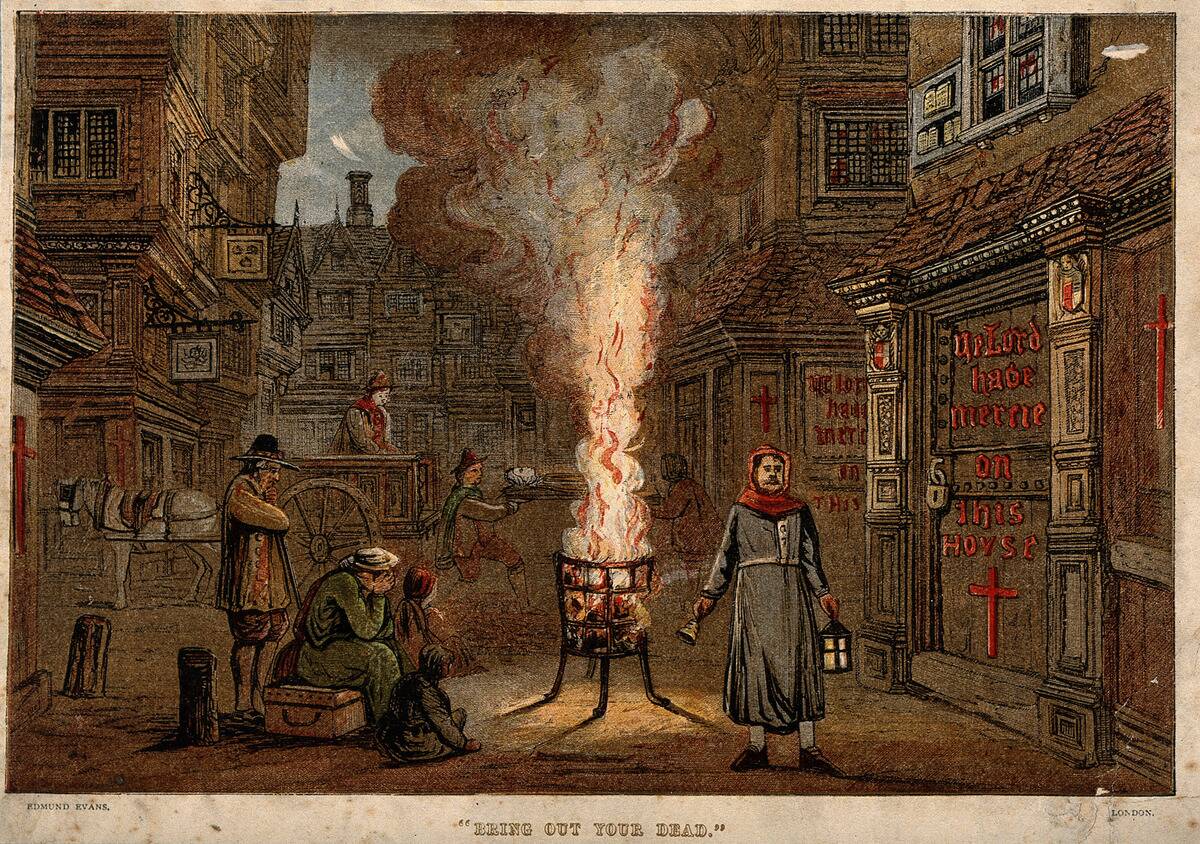
The Great Plague of London in 1665 was the last major outbreak of the bubonic plague in England, killing about 100,000 people, nearly a quarter of the city’s population. As the disease spread, mass graves became common, and public health measures, such as quarantine and the killing of stray animals, were implemented.
The outbreak ended with the Great Fire of London in 1666, which destroyed much of the city and its rat-infested areas, inadvertently helping to curb the spread.
The First Cholera Pandemic: The Birth of Modern Epidemiology
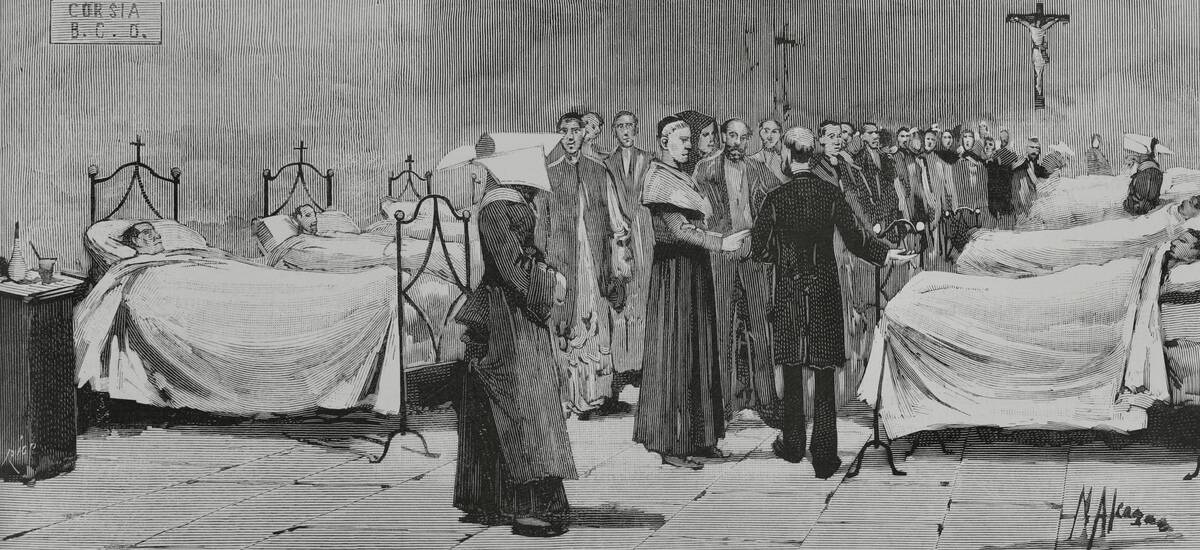
The first cholera pandemic began in 1817 in India, spreading rapidly along trade routes. As it reached Europe and the Americas, it claimed hundreds of thousands of lives.
The pandemic led to the development of modern epidemiology, as physicians like John Snow in London began to study the disease’s transmission patterns. This outbreak underscored the importance of clean water and sanitation, sparking public health reforms that have saved countless lives in the years since.
The Russian Flu: A Forgotten 19th Century Scourge
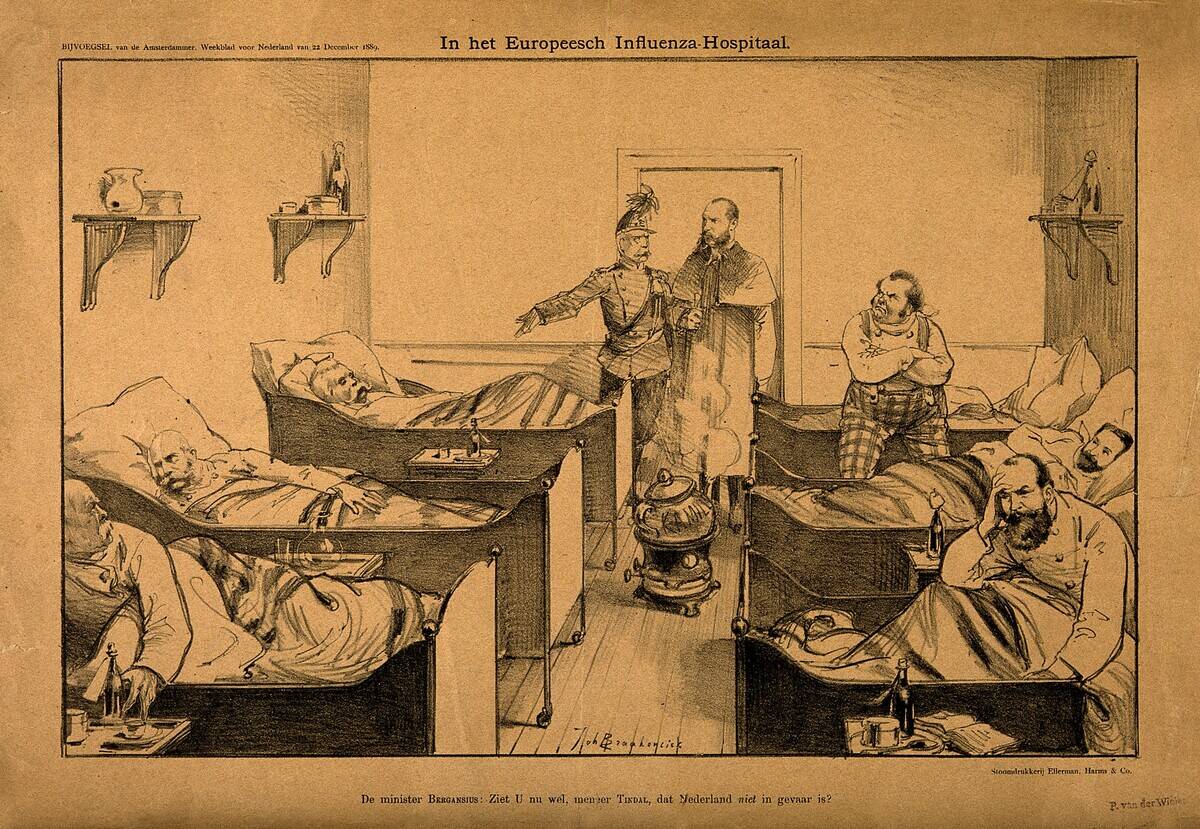
The Russian Flu of 1889-1890 is often overshadowed by other pandemics, yet it was the first to spread rapidly via new transportation networks like railways and steamships. Thought to be caused by an H2N2 influenza virus, it infected approximately 40% of the global population.
Despite its name, the pandemic likely began in Central Asia. The Russian Flu serves as a reminder of how technological advancements can facilitate the rapid spread of infectious diseases worldwide.
The Spanish Flu: The 20th Century’s Global Crisis
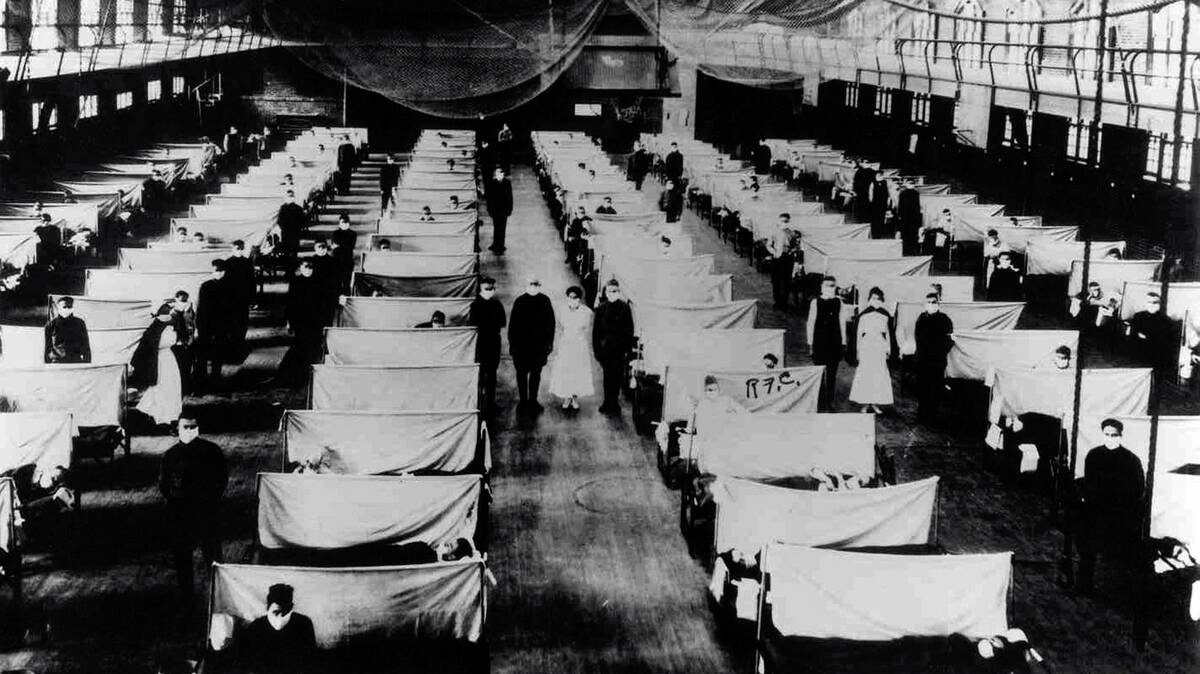
The Spanish Flu pandemic of 1918-1919 infected one-third of the global population and resulted in the deaths of at least 50 million people. Unlike previous flu outbreaks, it disproportionately affected young, healthy adults.
The pandemic coincided with the end of World War I, exacerbating its impact on a world already in turmoil. Despite its name, the virus did not originate in Spain; the country was simply one of the first to report on the outbreak due to its neutral status in the war.
The Asian Flu: A Modern Pandemic Wave
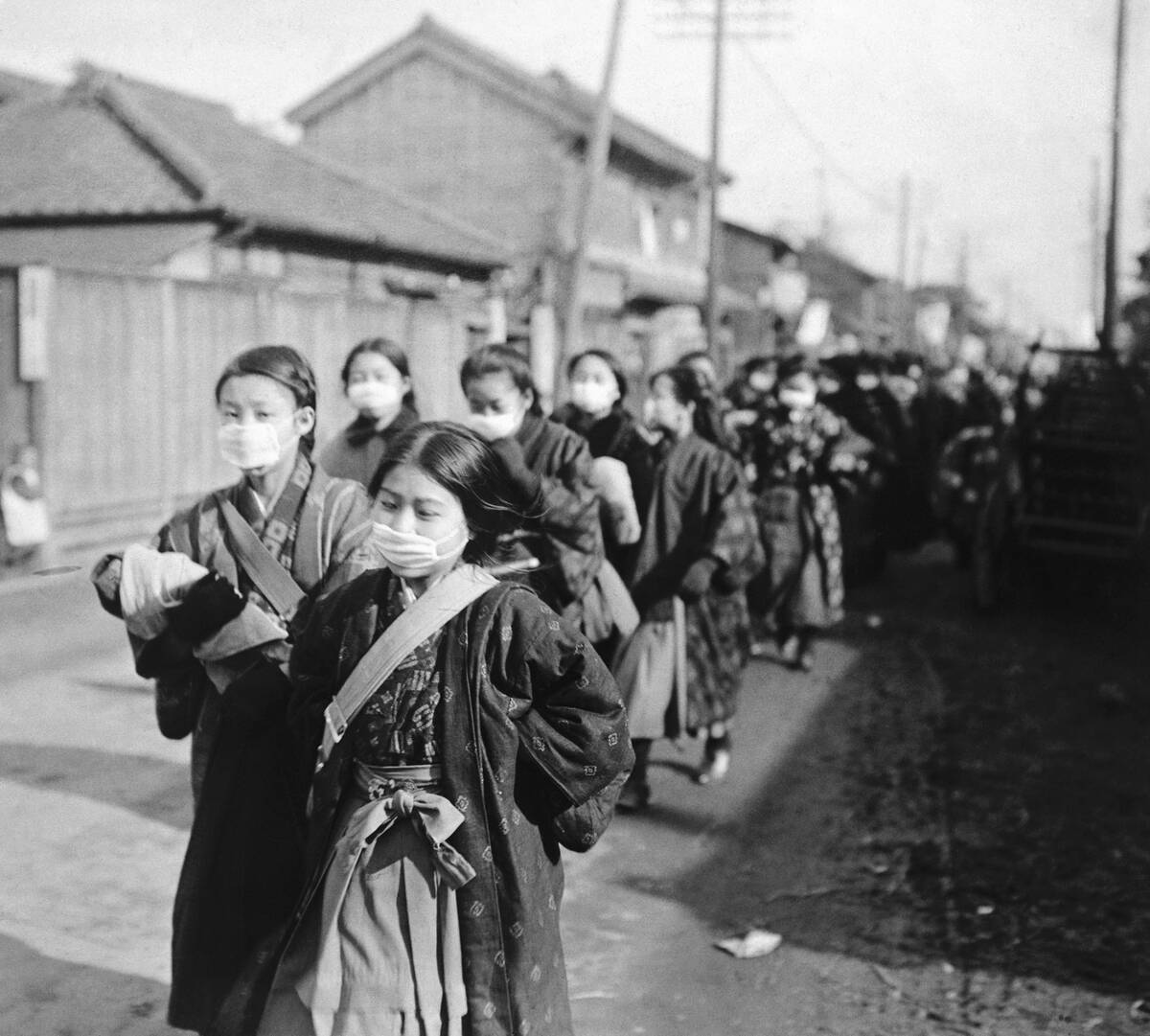
The Asian Flu pandemic of 1957-1958 originated in East Asia and was caused by an H2N2 influenza virus. It quickly spread globally, resulting in an estimated 1-2 million deaths. The pandemic prompted the development of the first flu vaccine, which helped mitigate its impact.
The Asian Flu demonstrated the importance of international cooperation and rapid response in controlling infectious disease outbreaks, setting a precedent for future pandemic preparedness efforts.
The Hong Kong Flu: The Pandemic of the Swinging Sixties

The Hong Kong Flu of 1968-1969, caused by an H3N2 influenza virus, was the third flu pandemic of the 20th century. It led to the deaths of approximately one million people worldwide. Despite its widespread impact, the pandemic was relatively mild compared to earlier outbreaks.
The availability of vaccines and antibiotics, along with improved healthcare infrastructure, helped contain the virus. The Hong Kong Flu highlighted the ongoing challenges of flu pandemics in a rapidly changing world.
The HIV/AIDS Pandemic: A Global Health Challenge
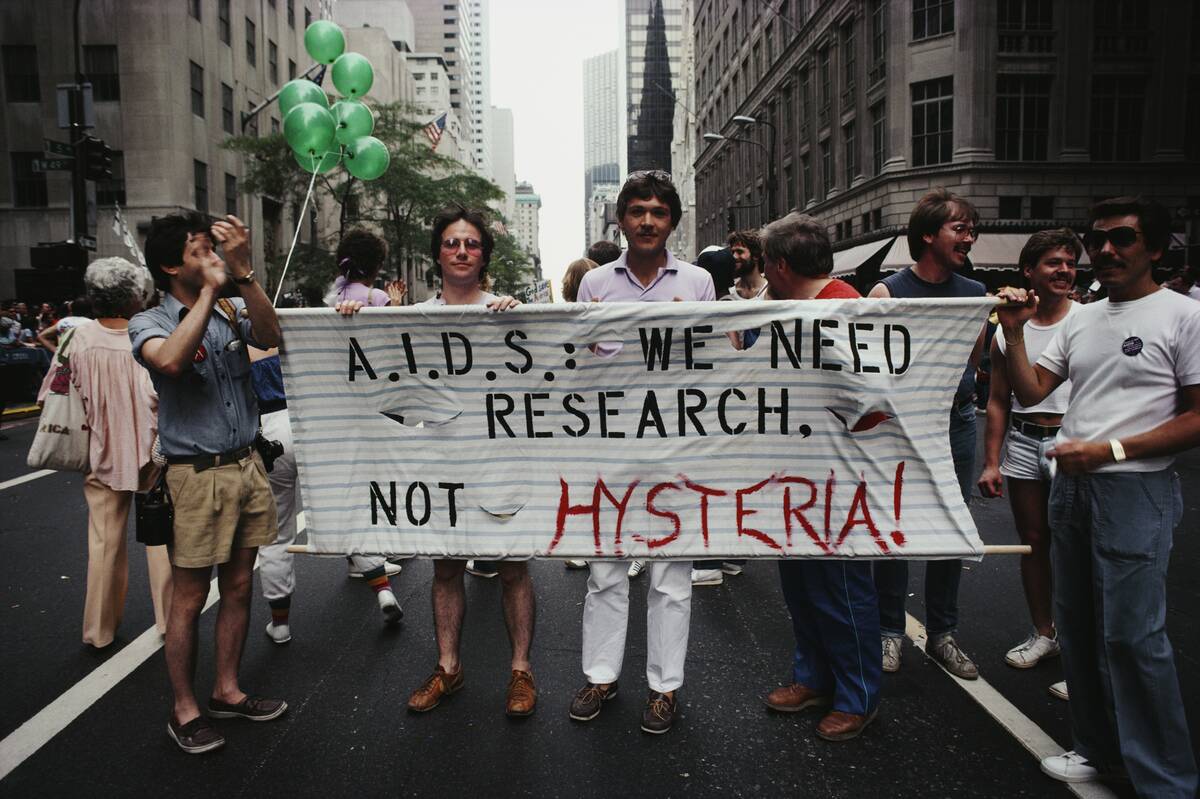
The HIV/AIDS pandemic, first identified in the early 1980s, has claimed the lives of over 40 million people globally. The virus primarily spreads through unprotected sex, contaminated needles, and from mother to child.
Advances in antiretroviral therapy have transformed HIV from a fatal disease to a manageable chronic condition, but stigma and access to treatment remain significant challenges. The pandemic has spurred global efforts in public health education and research, as well as advocacy for marginalized communities.
The H1N1 Pandemic: The Swine Flu Scare
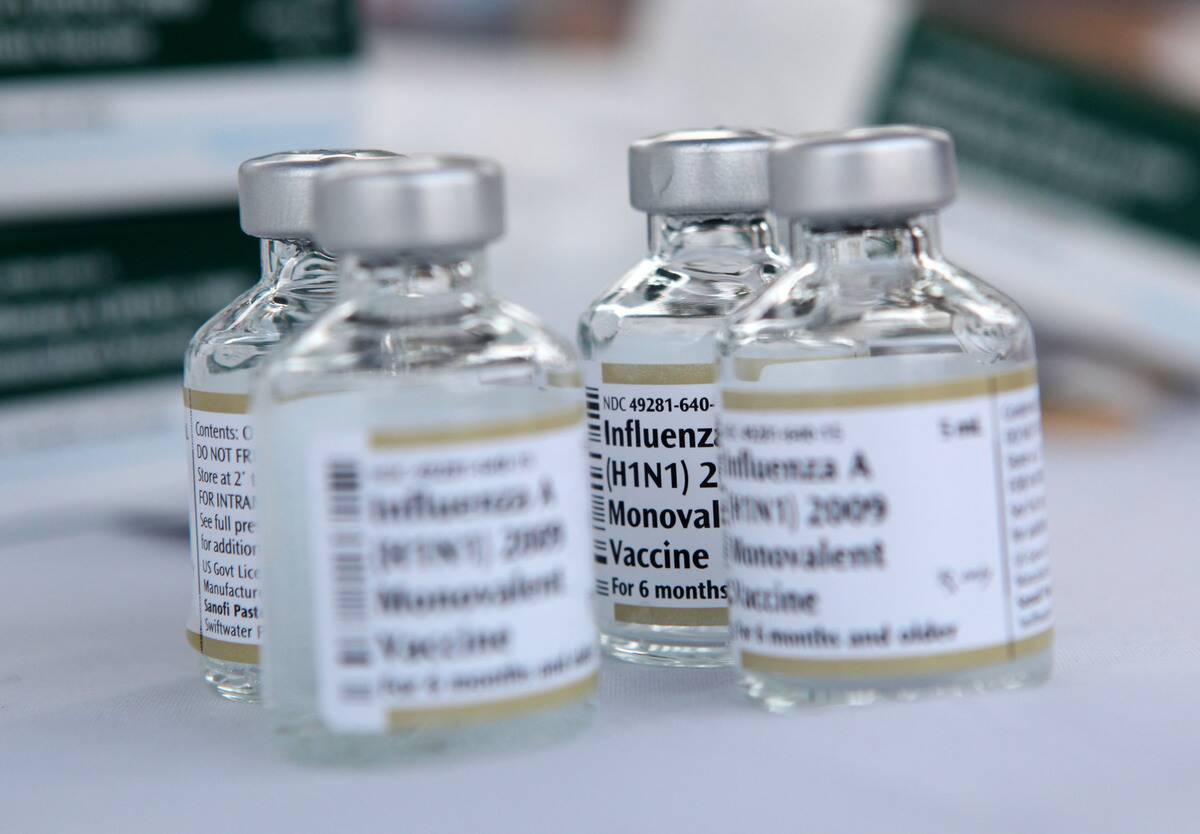
The H1N1 pandemic of 2009, commonly known as the swine flu, first identified in Mexico and spread rapidly across the globe. It was caused by a novel influenza virus with genetic material from swine, avian, and human flu viruses.
The pandemic resulted in an estimated 151,700 to 575,400 deaths worldwide. The swift development and distribution of a vaccine highlighted the improvements in pandemic response and preparedness. The H1N1 pandemic underscored the need for ongoing vigilance and adaptability in the face of emerging infectious diseases.
The COVID-19 Pandemic: A Contemporary Global Disruption

The COVID-19 pandemic, caused by the SARS-CoV-2 virus, emerged in late 2019 and has since affected every corner of the globe. It has resulted in millions of deaths and unprecedented social and economic disruption. The pandemic has highlighted the critical importance of global cooperation, scientific research, and public health infrastructure.
The rapid development of vaccines and therapeutics offers hope, but challenges such as vaccine distribution, variants, and misinformation persist. COVID-19 has reshaped how societies function, underscoring the interconnectedness of our world.




