16 Historical diaries that predicted the future
Diaries have long captivated our imaginations, offering glimpses into the personal thoughts and predictions of historical figures. These intimate writings often contain forecasts that seem to transcend time, sparking curiosity about the nature of foresight.
From cryptic notes to detailed visions, the allure lies in their mysterious ability to predict future events. Whether these predictions are the result of intuition, observation, or coincidence, they continue to fascinate and inspire modern readers.
Nostradamus: The Diary That Foretold Centuries
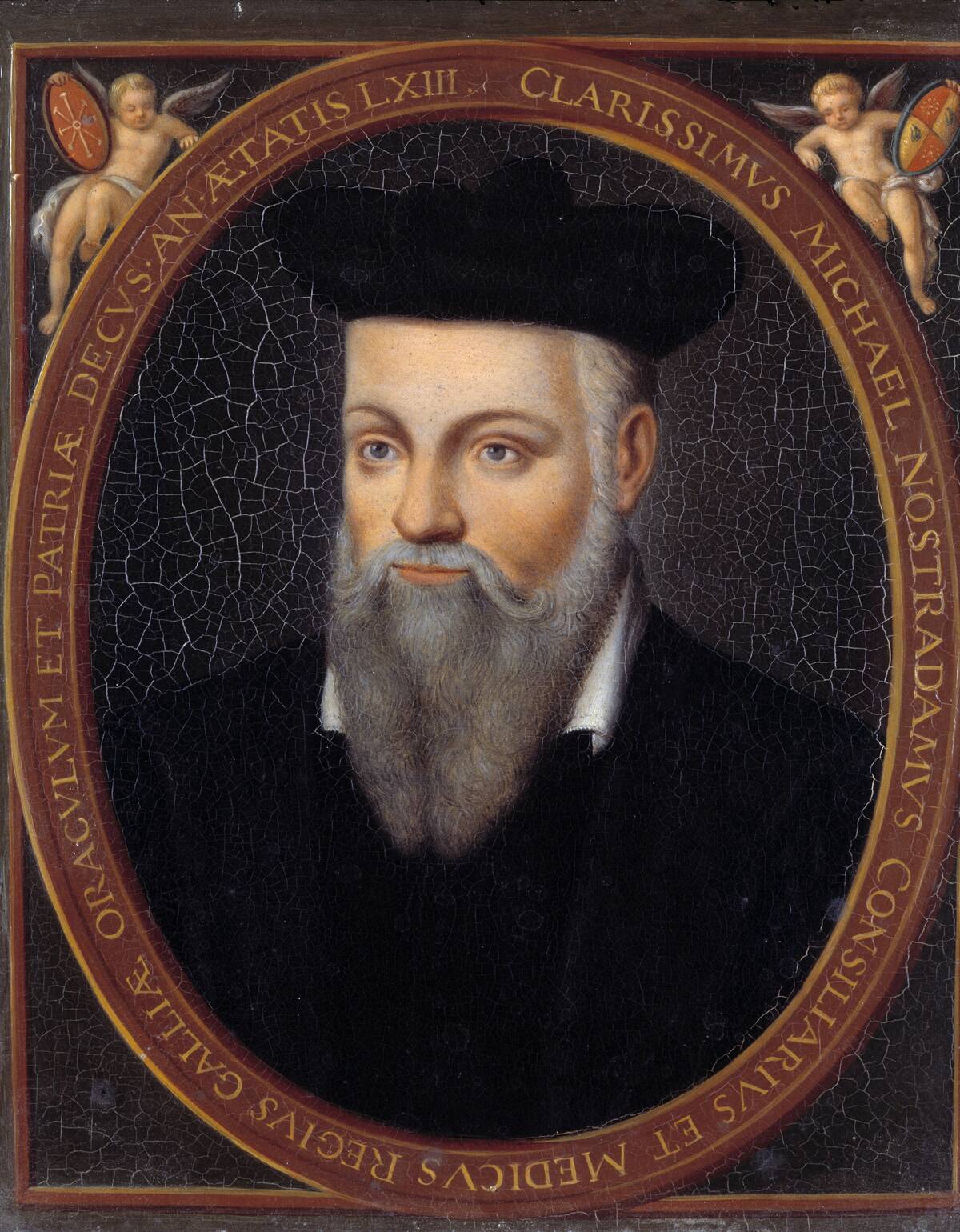
Nostradamus, a 16th-century French astrologer, penned ‘Les Prophéties,’ a collection of quatrains that have intrigued readers for centuries. His predictions reportedly foretell events like the French Revolution and World War II.
While skeptics argue the prophecies are vague, believers find uncanny correlations between his writings and historical events. The debate over Nostradamus’s accuracy only fuels interest in his work, keeping his name alive in popular culture.
The Prophetic Pages of Leonardo da Vinci
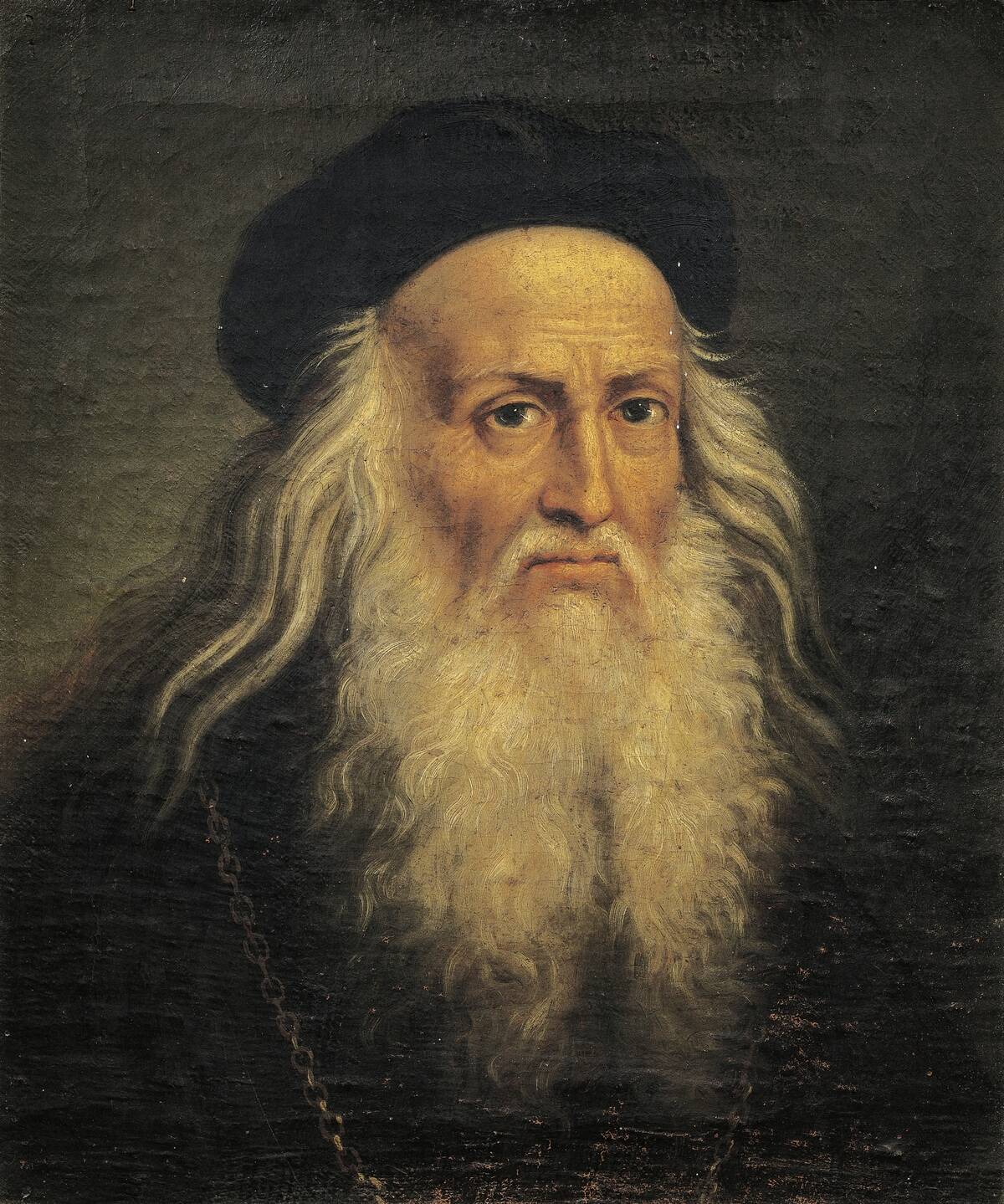
Leonardo da Vinci, renowned for his art and inventions, also left behind notebooks filled with futuristic musings. His sketches of flying machines eerily resemble modern helicopters, showcasing his visionary mind.
Da Vinci’s notes on anatomy and engineering demonstrate a profound understanding of science beyond his time. These diaries not only highlight his genius but also suggest an almost prophetic glimpse into the technological future that awaited humanity.
Mother Shipton: The Yorkshire Seer’s Remarkable Visions
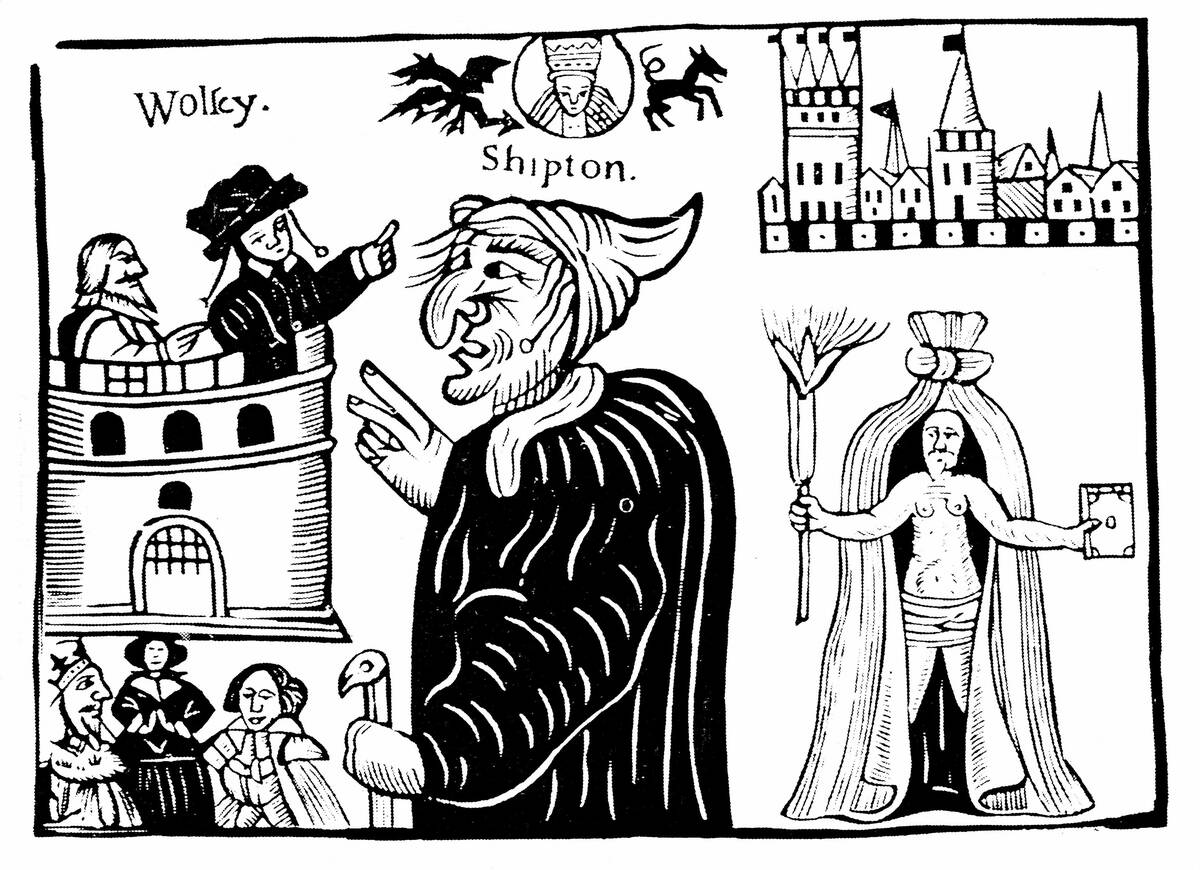
Mother Shipton, a legendary English prophetess from the 16th century, is famed for her poetic predictions. Her verses purportedly foretold the Great Fire of London and the invention of iron ships.
Though historical evidence of her existence is sparse, tales of her prophecies persist. Shipton’s story captivates as it melds folklore with historical events, creating a mystical aura around her supposed foresight.
The Eerie Accuracy of The Lady of Fatima’s Predictions
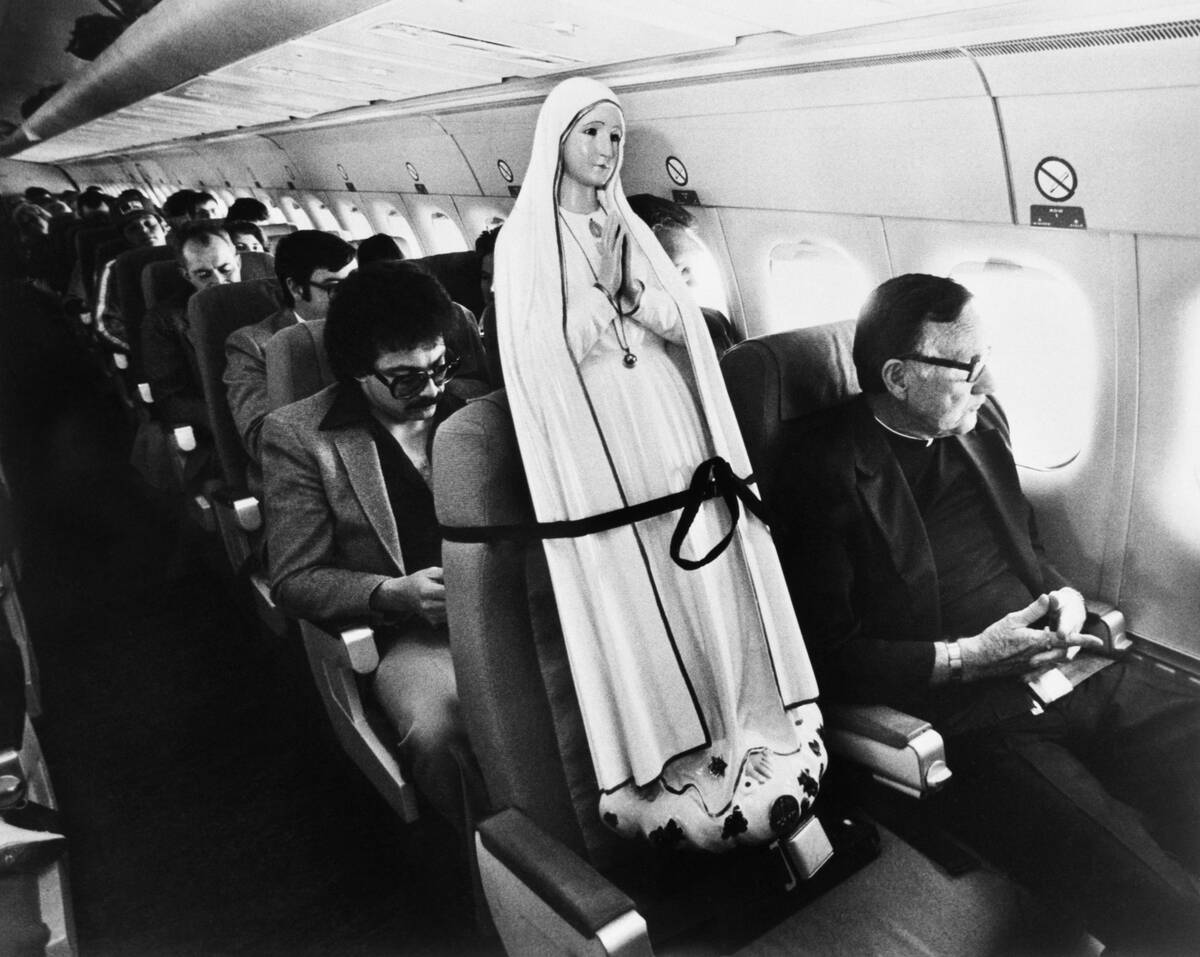
In 1917, three children in Fatima, Portugal, reported visions of the Virgin Mary, who revealed three secrets. These secrets, later interpreted as prophecies, are said to include predictions of World War II and the assassination attempt on Pope John Paul II.
The Vatican eventually confirmed the visions, adding to the aura of mystery. The Fatima prophecies continue to intrigue religious scholars and believers alike, as they ponder their implications.
Samuel Pepys: Chronicler of the Great Fire and More
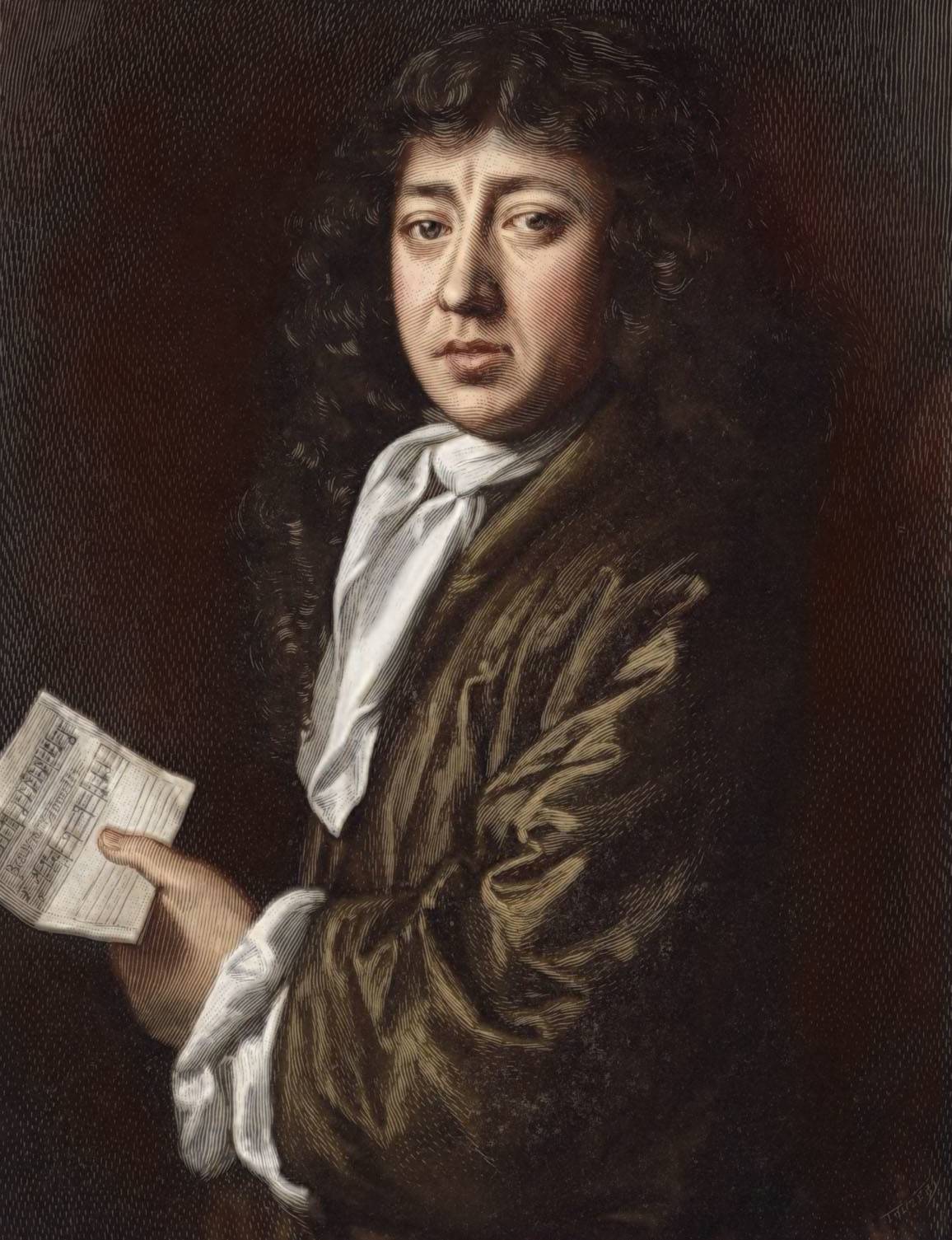
Samuel Pepys, an English naval administrator, documented daily life in his diaries during the 17th century. His firsthand accounts of the Great Fire of London in 1666 provide invaluable historical insights.
Pepys’s diaries reveal not only his personal experiences but also the social and political climate of the time. His detailed observations make his writings a fascinating window into the past, highlighting the power of diaries as historical records.
Mark Twain’s Time-Traveling Dreams
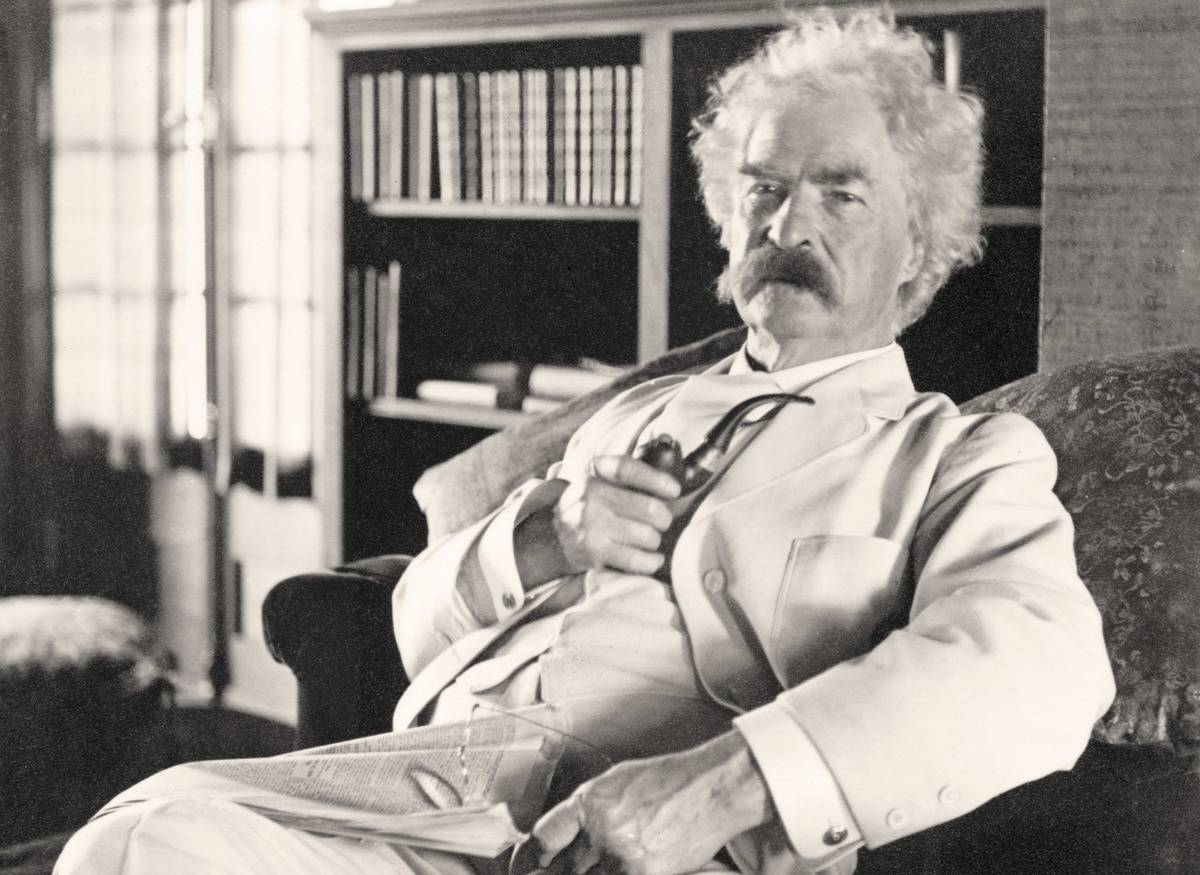
Mark Twain, the celebrated American author, often explored themes of time travel in his works. While not a diary, his novel ‘A Connecticut Yankee in King Arthur’s Court’ reflects his fascination with the concept.
Twain’s imaginative tales blur the lines between fiction and prediction, as they ponder the possibilities of journeying through time. His works continue to inspire readers with their whimsical yet thought-provoking narratives.
The Mysterious Visions of Nikola Tesla
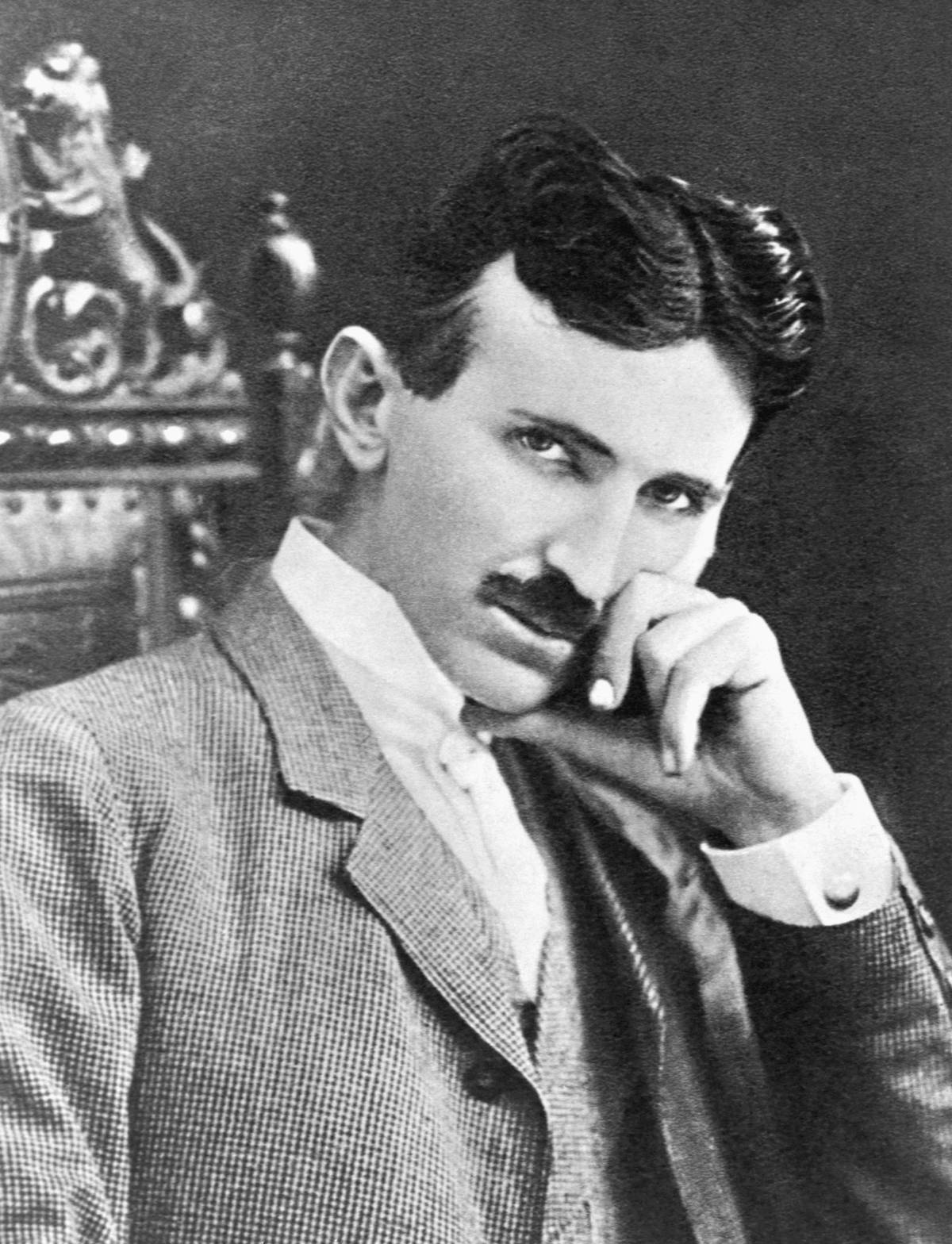
Nikola Tesla, the brilliant inventor, is known for his groundbreaking work in electricity and wireless communication. Tesla claimed to have visions of future inventions, such as smartphones and wireless energy.
His diaries, though focused on scientific exploration, hint at a mind capable of seeing beyond the present. Tesla’s visionary ideas continue to influence modern technology, cementing his legacy as a pioneer of innovation.
The Oracles of Edgar Cayce’s Writings
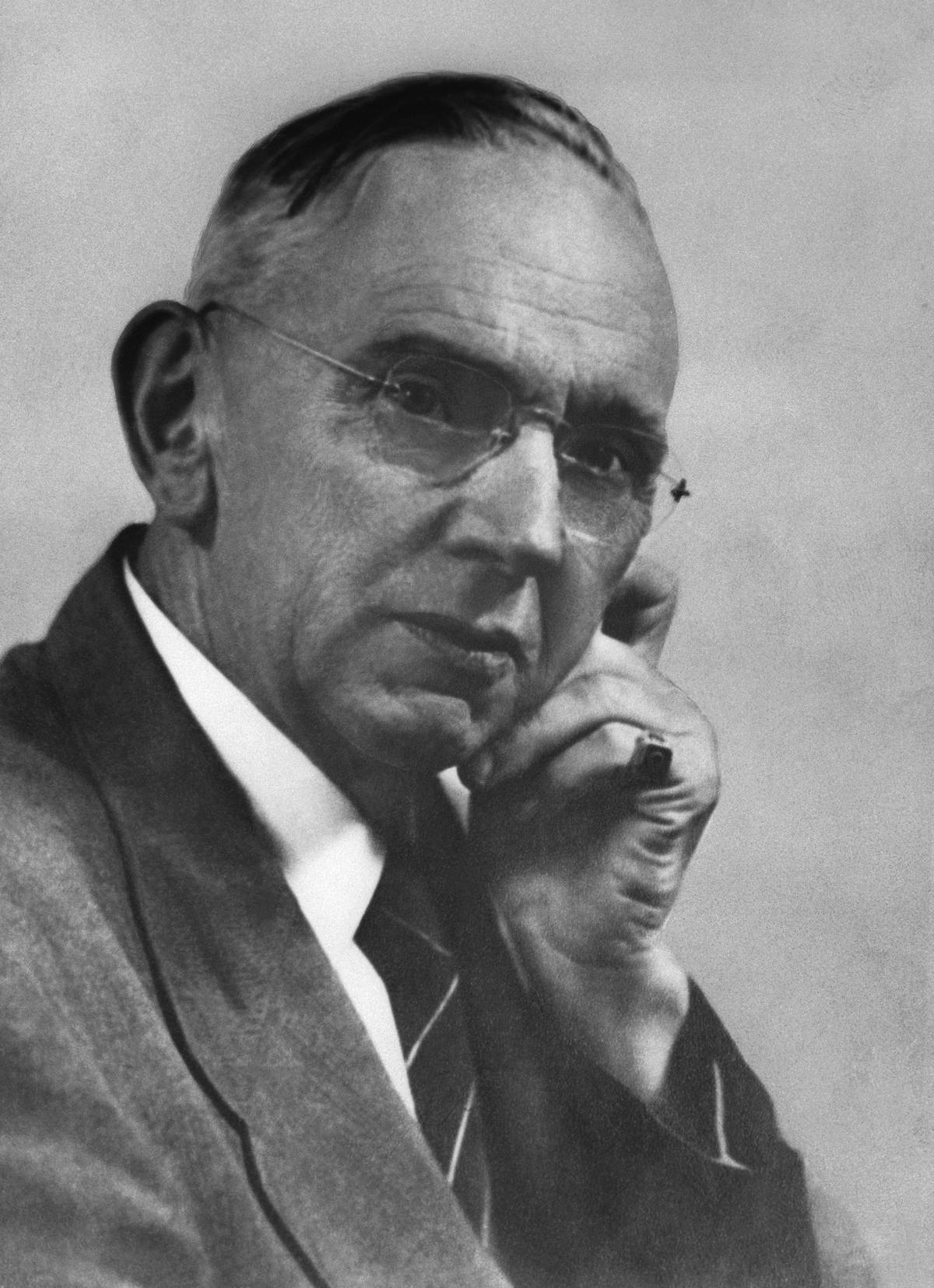
Edgar Cayce, often referred to as the ‘Sleeping Prophet,’ claimed to channel information during trances. His writings cover a range of topics, from health to historical mysteries.
Cayce’s predictions, such as the discovery of the Dead Sea Scrolls, have intrigued believers and skeptics alike. Regardless of one’s stance, his work remains a source of fascination for those interested in the potential of the human mind.
Maria Anna Mozart: Predictions from a Musical Genius
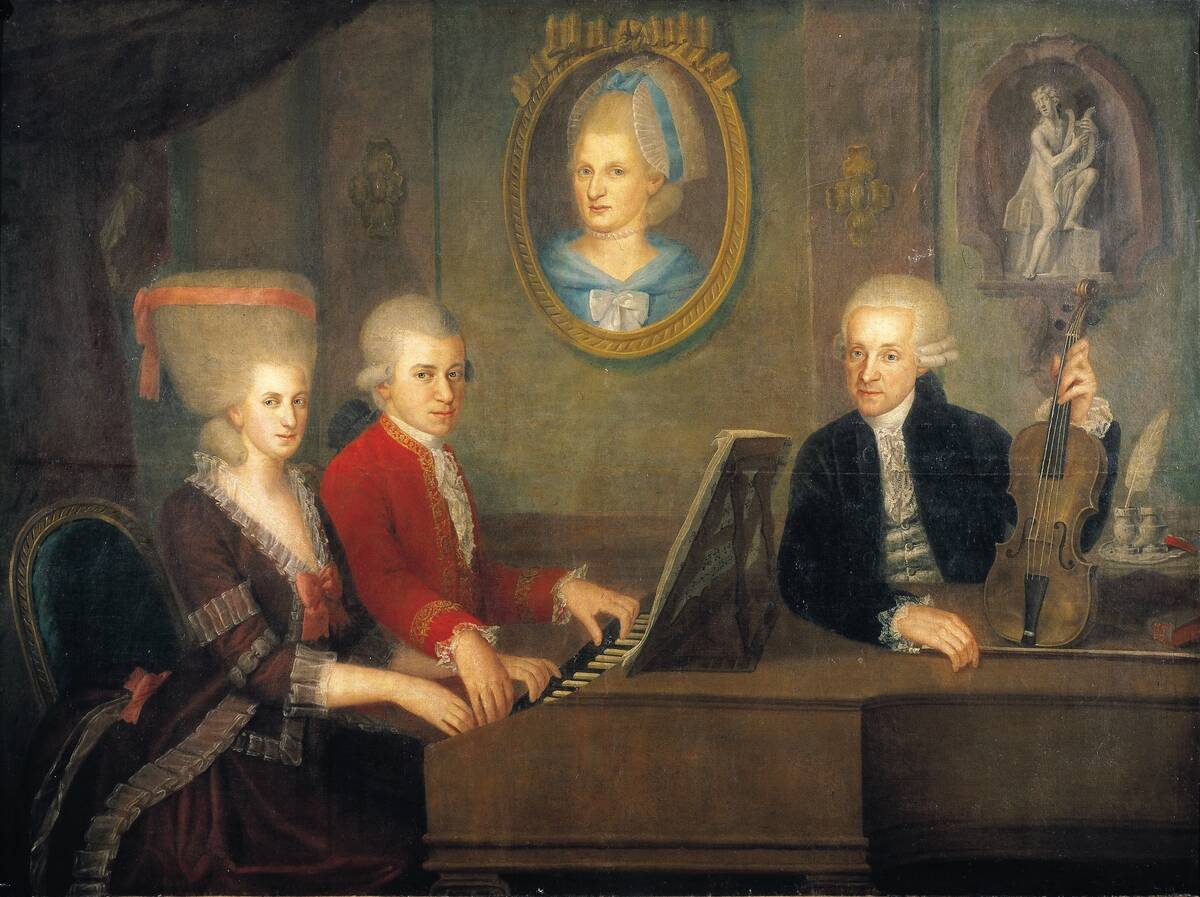
Maria Anna Mozart, sister of the famed composer Wolfgang Amadeus Mozart, showed prodigious musical talent. While her predictions aren’t as well-known, her letters and diaries reveal insights into the music world of her time.
Maria Anna’s writings offer a glimpse into the life of a female musician in the 18th century, shedding light on the challenges and triumphs she faced. Her story adds depth to the Mozart legacy, highlighting her own contributions to music.
The Diary of a Young Girl: Anne Frank’s Hopes and Realities
![The new [redacted] exhibit will open 1](https://media.tellmebest.com/wp-content/uploads/2024/11/the-new-anne-frank-exhibit-will-open-1-50822.jpeg)
Anne Frank’s diary, written while hiding from the Nazis during World War II, remains a poignant testament to hope and resilience. Her writings capture the everyday struggles and dreams of a young girl facing unimaginable circumstances.
Anne’s diary not only provides historical insights but also serves as a powerful reminder of the human spirit’s ability to endure. Her words continue to inspire generations with their honesty and courage.
The Astounding Predictions of William Lilly
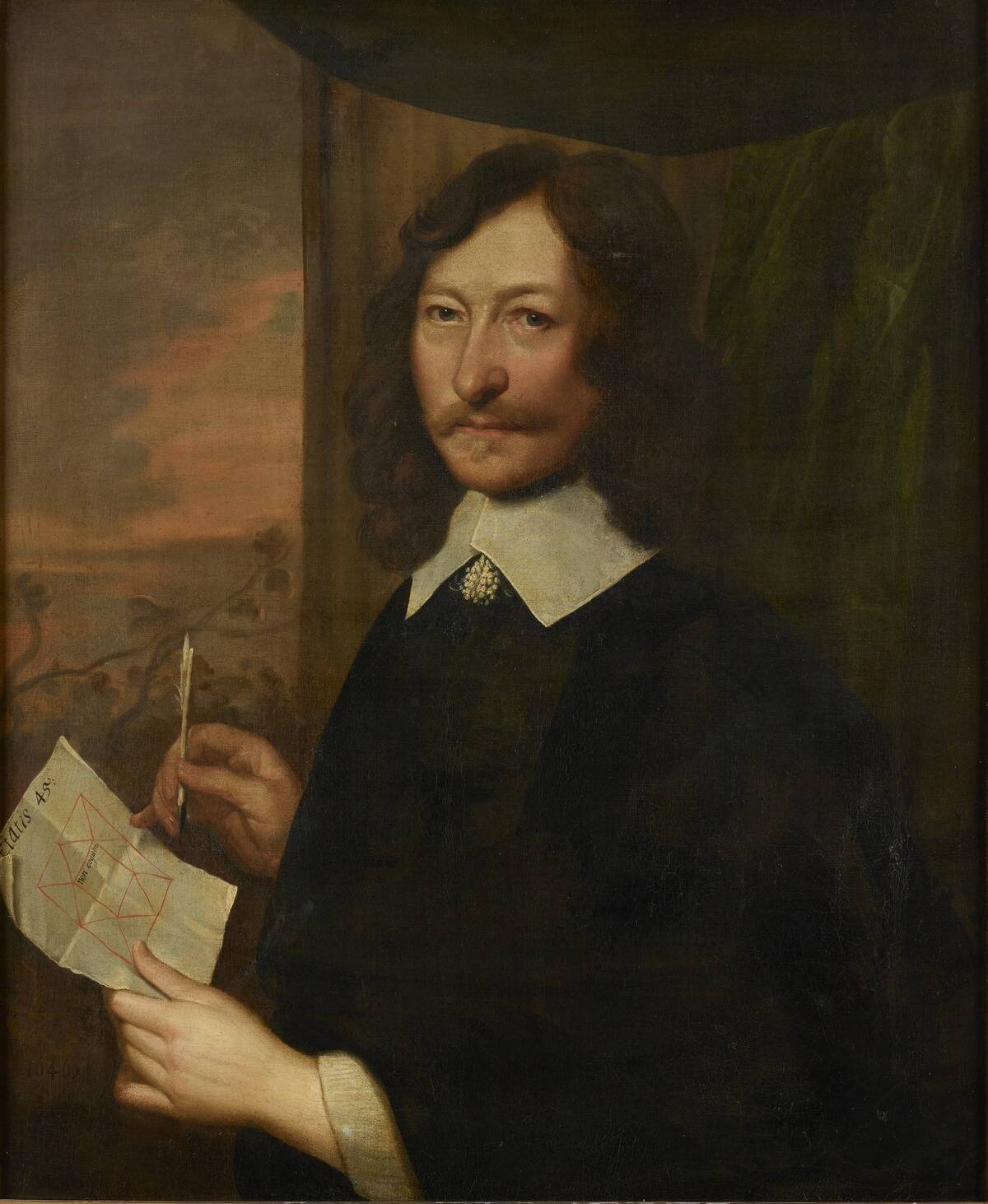
William Lilly, a 17th-century English astrologer, gained fame for his ‘Merlinus Anglicus Junior,’ an almanac that included predictions such as the Great Fire of London.
His astrological insights were highly regarded in his time, influencing both public opinion and political decisions. While astrology’s credibility is often questioned today, Lilly’s work highlights the historical significance of celestial interpretations in shaping beliefs and events.
The Prophecies Embedded in Jules Verne’s Adventures
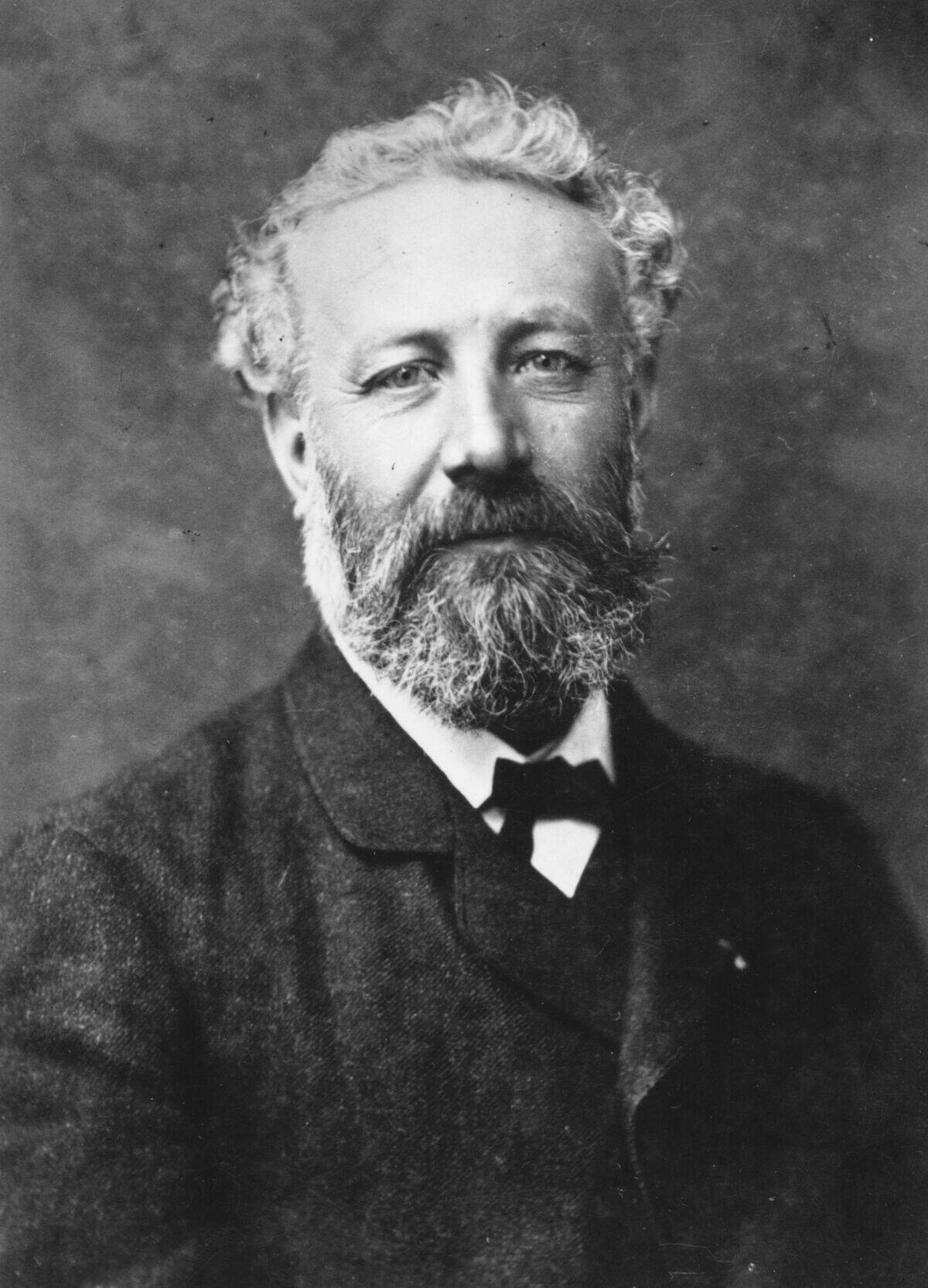
Jules Verne, known as the ‘Father of Science Fiction,’ penned novels that seemingly predicted future technologies. Works like ‘From the Earth to the Moon’ and ‘Twenty Thousand Leagues Under the Sea’ envisioned space travel and submarines long before their invention.
Verne’s imaginative foresight continues to captivate readers, illustrating the power of fiction to foresee scientific advancements. His legacy endures as a testament to the intersection of creativity and innovation.
The Visionary Notes of Ignatius L. Donnelly
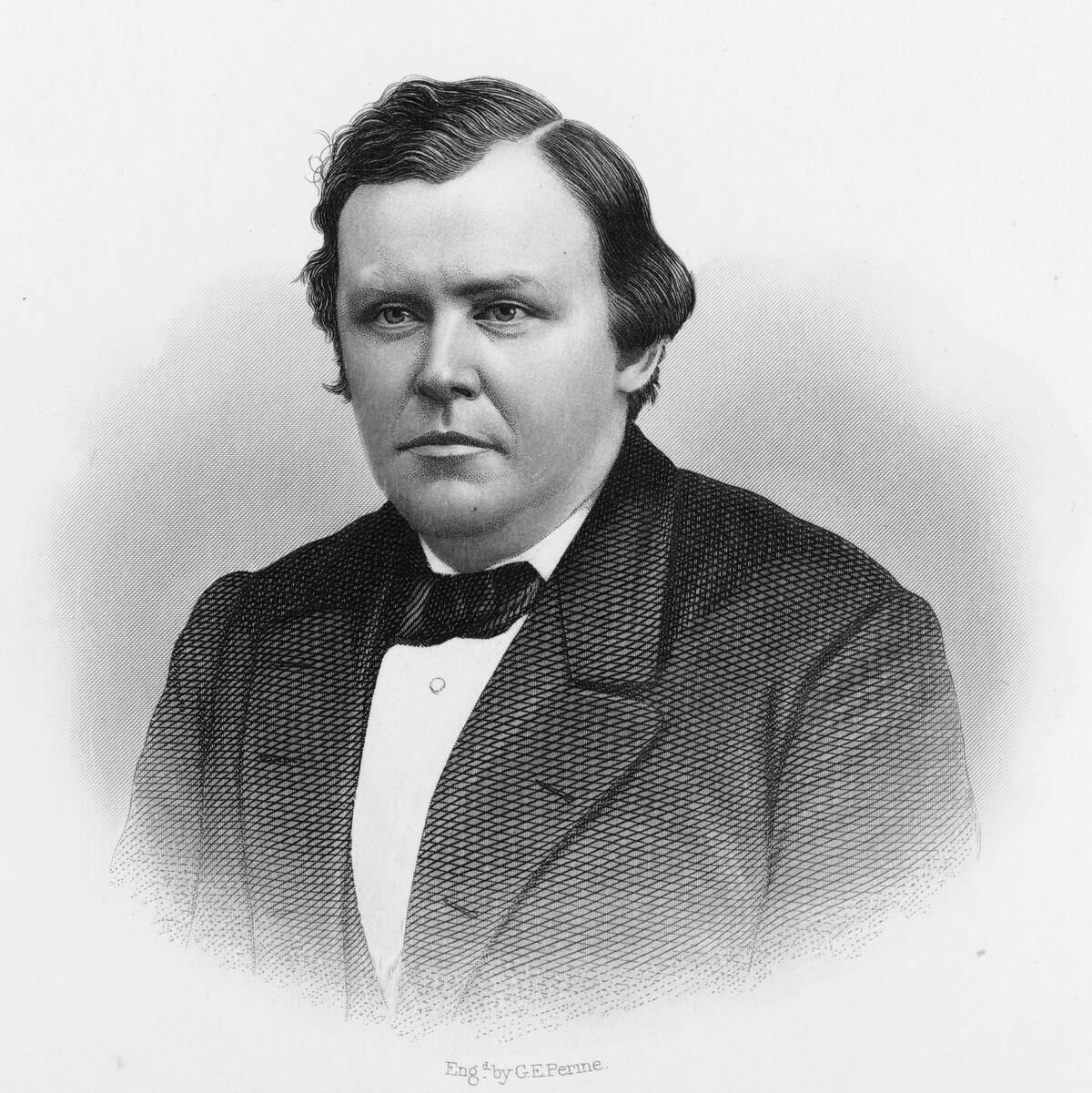
Ignatius L. Donnelly, a 19th-century American congressman, authored works that speculated on Atlantis and the impact of comets. His book ‘Ragnarok: The Age of Fire and Gravel’ proposed theories on cataclysmic events shaping Earth.
Donnelly’s writings, though speculative, influenced later scientific and literary explorations of ancient myths and cosmic impacts. His legacy lies in his ability to inspire curiosity about the mysteries of our planet’s past.
The Uncanny Forecasts of Theobald von Bethmann-Hollweg
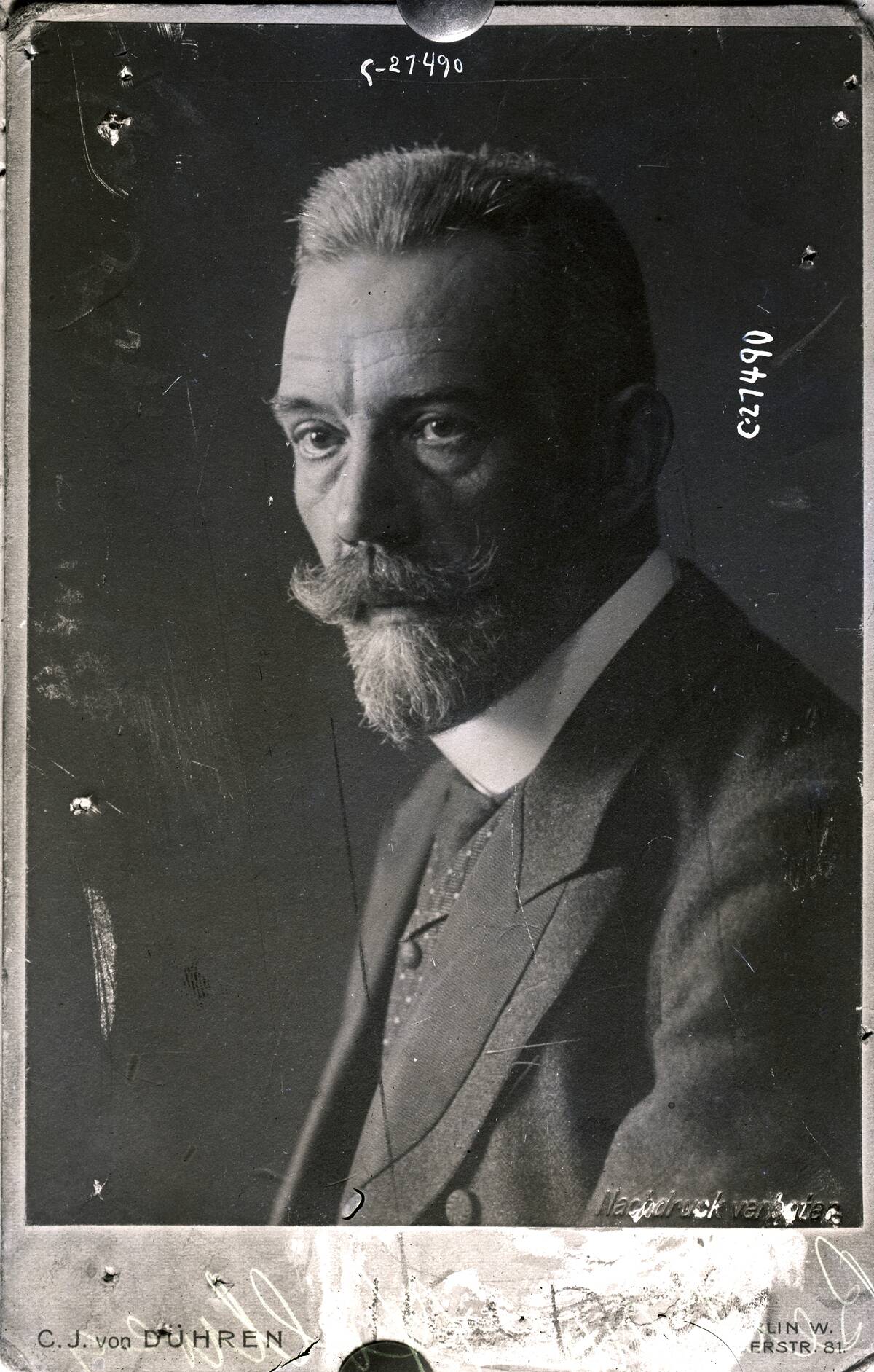
Theobald von Bethmann-Hollweg, a German statesman, reportedly made predictions about World War I and its aftermath. His writings, though politically focused, contained insights that seemed to foresee the war’s impact on Europe.
Bethmann-Hollweg’s forecasts add a layer of intrigue to historical analysis, as they reflect the complexities of political foresight and the challenges of navigating turbulent times.
The Curious Case of John of Leiden’s Predictions
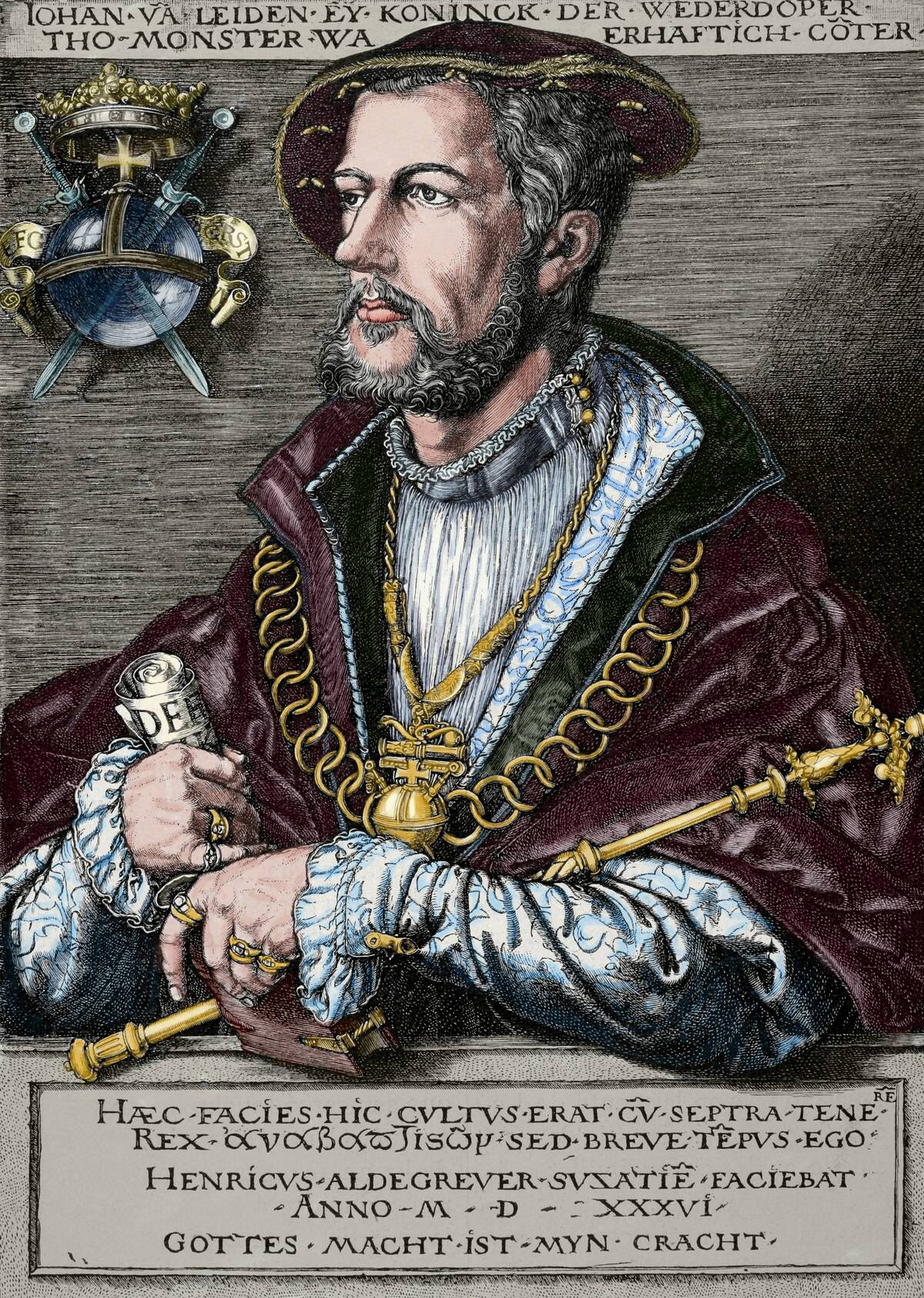
John of Leiden, a 16th-century Anabaptist leader, claimed divine visions that guided his actions during the Münster Rebellion. His predictions and charismatic leadership led to the establishment of a short-lived theocratic regime.
While his visions ultimately resulted in tragedy, they highlight the powerful role of prophecy in shaping historical events. John of Leiden’s story serves as a cautionary tale of the intersection between faith and power.
The Diary of a Space Age Prophet: Arthur C. Clarke
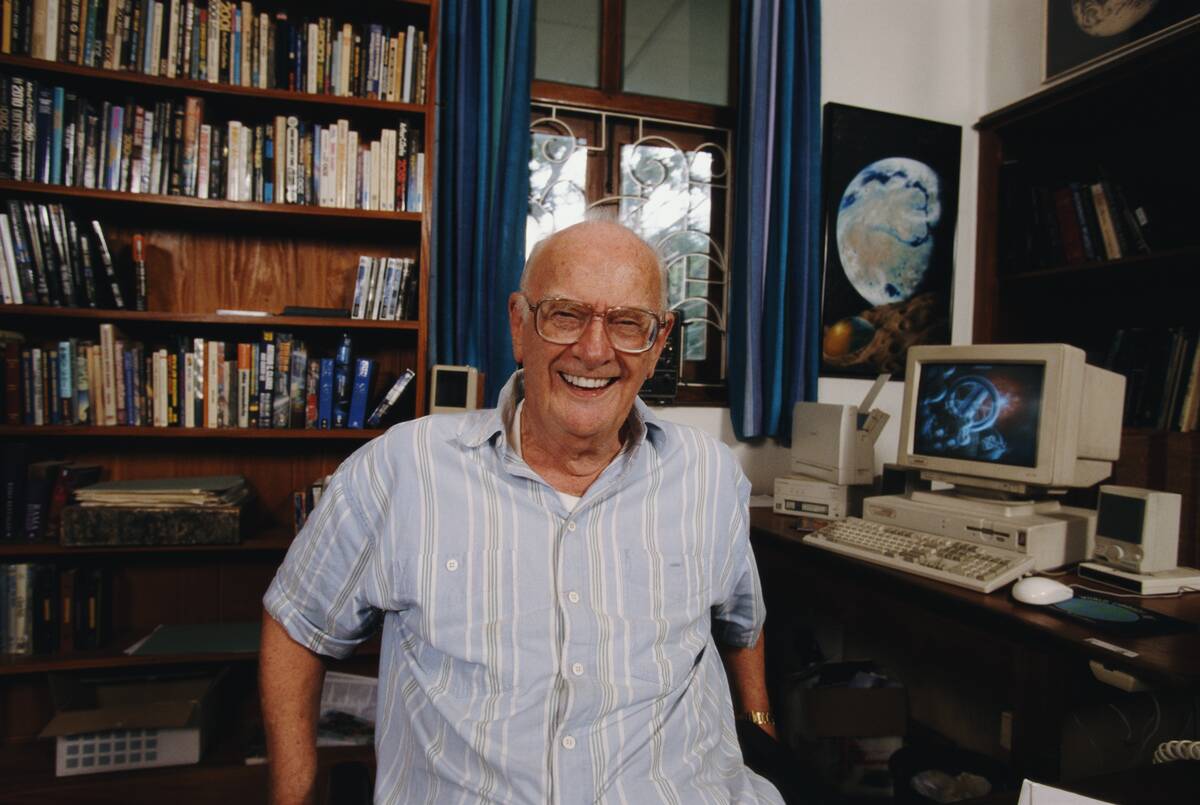
Arthur C. Clarke, a visionary science fiction writer, predicted numerous technological advancements, including satellite communication and space exploration. His works, such as ‘2001: A Space Odyssey,’ explore the possibilities of human progress and the future of space travel.
Clarke’s ability to foresee technological trends has earned him a reputation as a modern-day prophet, inspiring scientists and dreamers alike to reach for the stars.




