12 Photos showing Olympic events history forgot
The Olympics are a grand event celebrated worldwide for showcasing human athleticism and diverse sports. Yet, beyond the well-known events, the Games have a quirky side, filled with unusual sports that once graced the Olympic stage.
Let’s dive into these peculiar events that added a touch of whimsy and left us scratching our heads, wondering how they ever made the cut. From oddball races to peculiar performances, these sports are a testament to the ever-evolving nature of the Olympics.
Tug of War: When the Olympics Got Down and Dirty
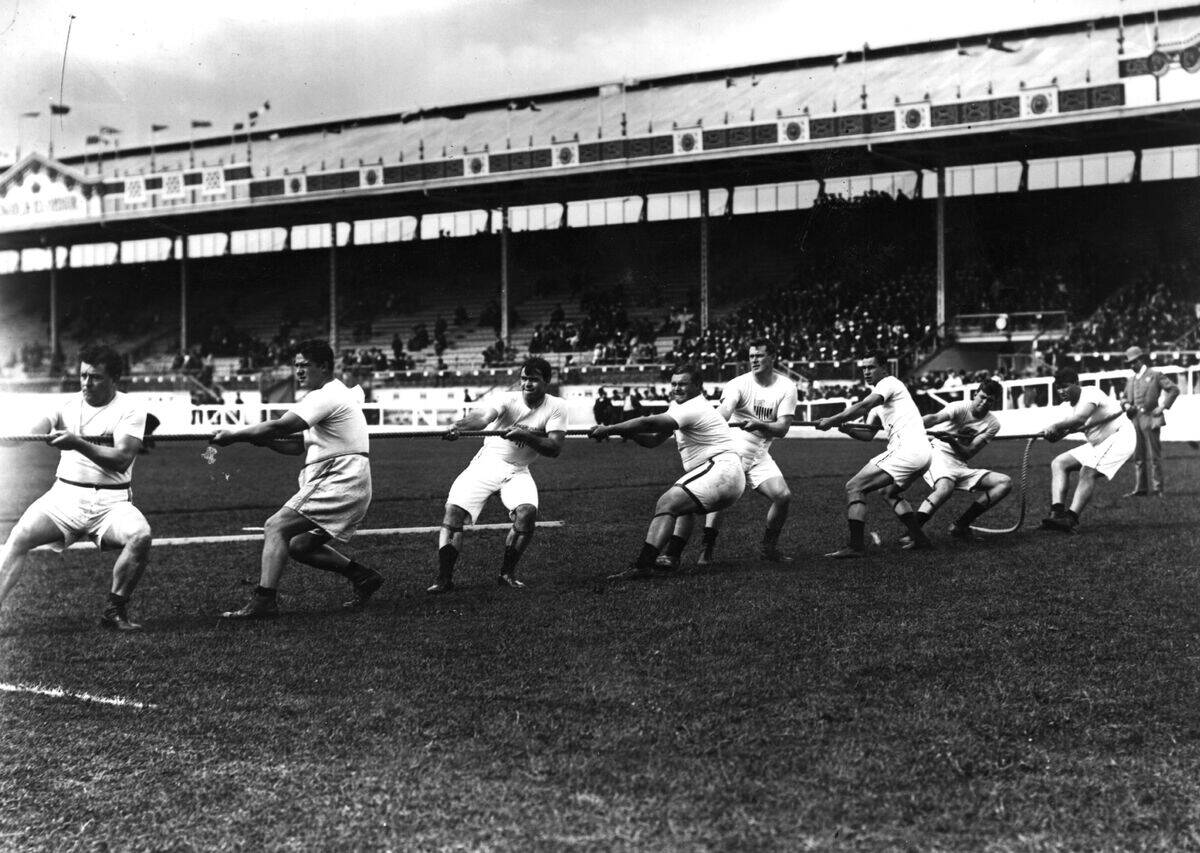
Tug of War was once an official Olympic sport, making an appearance from 1900 to 1920. Teams of eight would dig in their heels and pull with all their might, aiming to drag their opponents across a line.
Surprisingly, the sport was dominated by teams from Great Britain, who took home the gold in 1908. The event added a rustic charm to the Games, reminding us that sometimes, it’s about raw strength and teamwork, not just finesse and technique.
Plunge for Distance: The Slowest Race in Olympic History
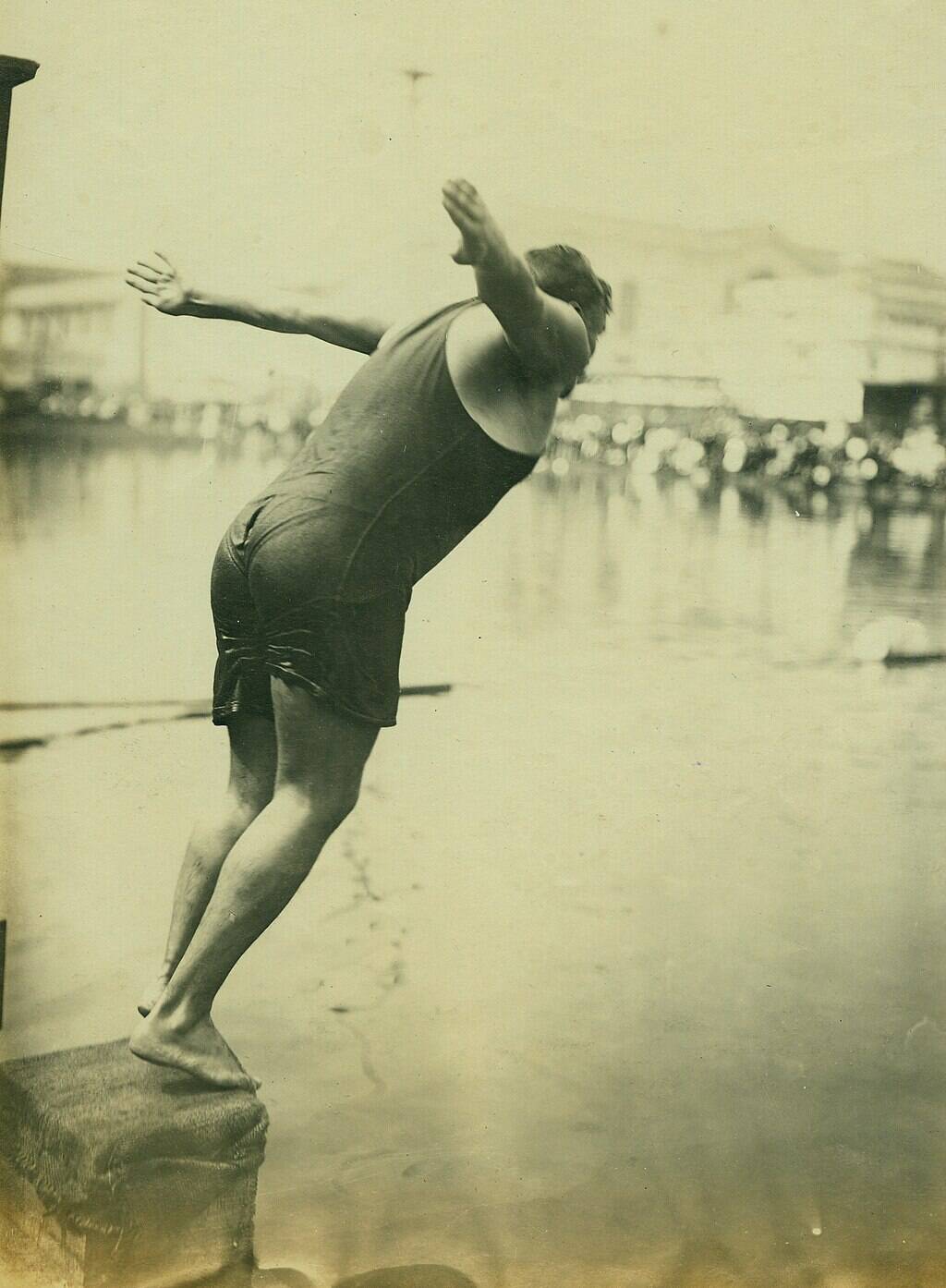
Imagine a race where speed is irrelevant—enter Plunge for Distance, an Olympic event in 1904. Competitors would dive into a pool and glide as far as possible without moving their limbs. The winner was the one who traveled the farthest in 60 seconds.
This peculiar event highlighted a different kind of skill, where stillness was key. Although it only appeared once, Plunge for Distance showcased the diverse range of athletic abilities that the Olympics celebrated.
Live Pigeon Shooting: A Sport That Didn’t Fly
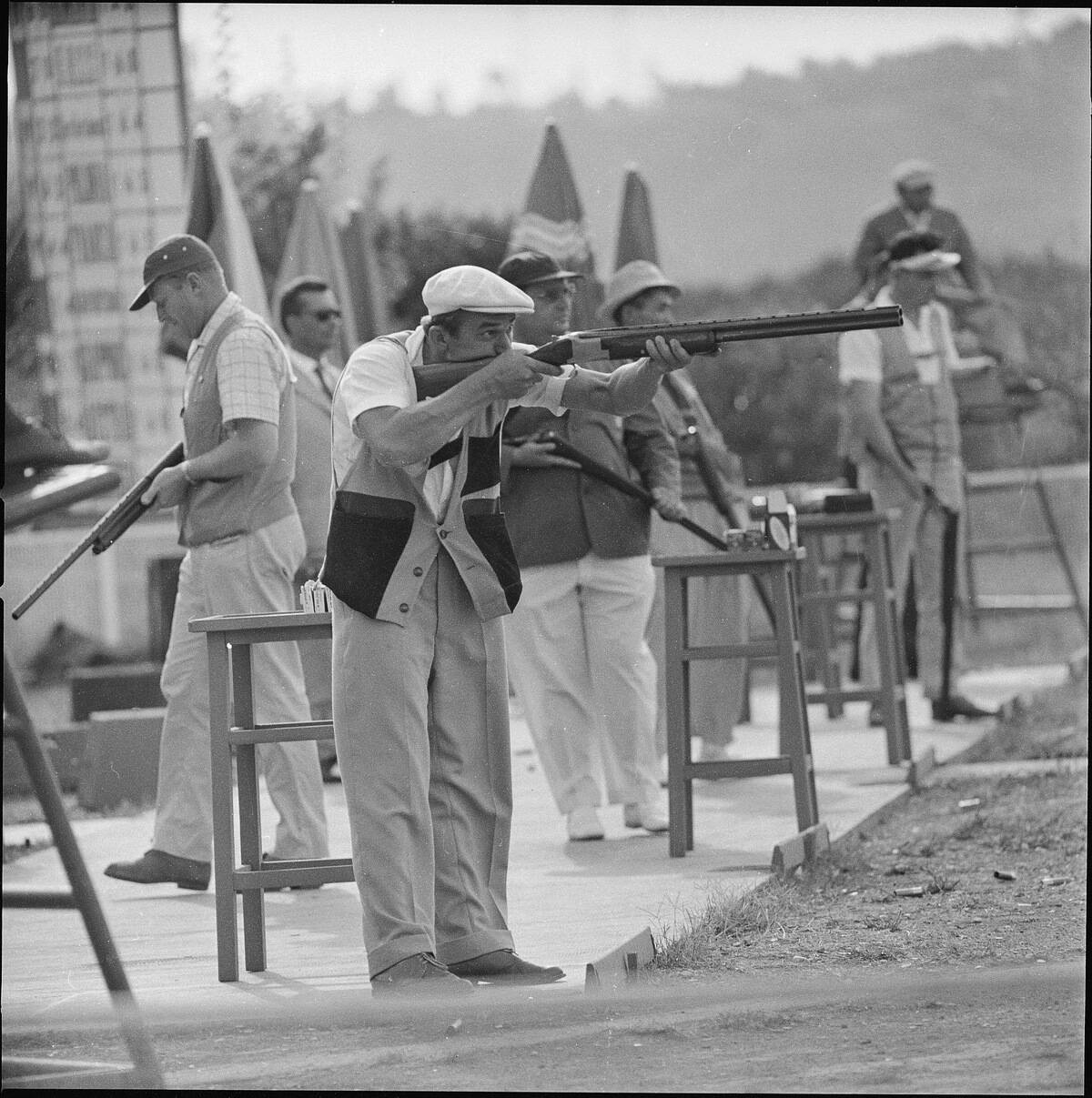
In 1900, the Paris Olympics featured Live Pigeon Shooting, an event that stirred controversy. Competitors aimed to shoot as many pigeons as possible, with the winner bagging 21 birds.
It was the only time in Olympic history that animals were killed intentionally for sport, leading to a public outcry. The event was soon removed, replaced by clay pigeon shooting, which maintained the challenge but spared the lives of birds.
Solo Synchronized Swimming: When One Is the Loneliest Number
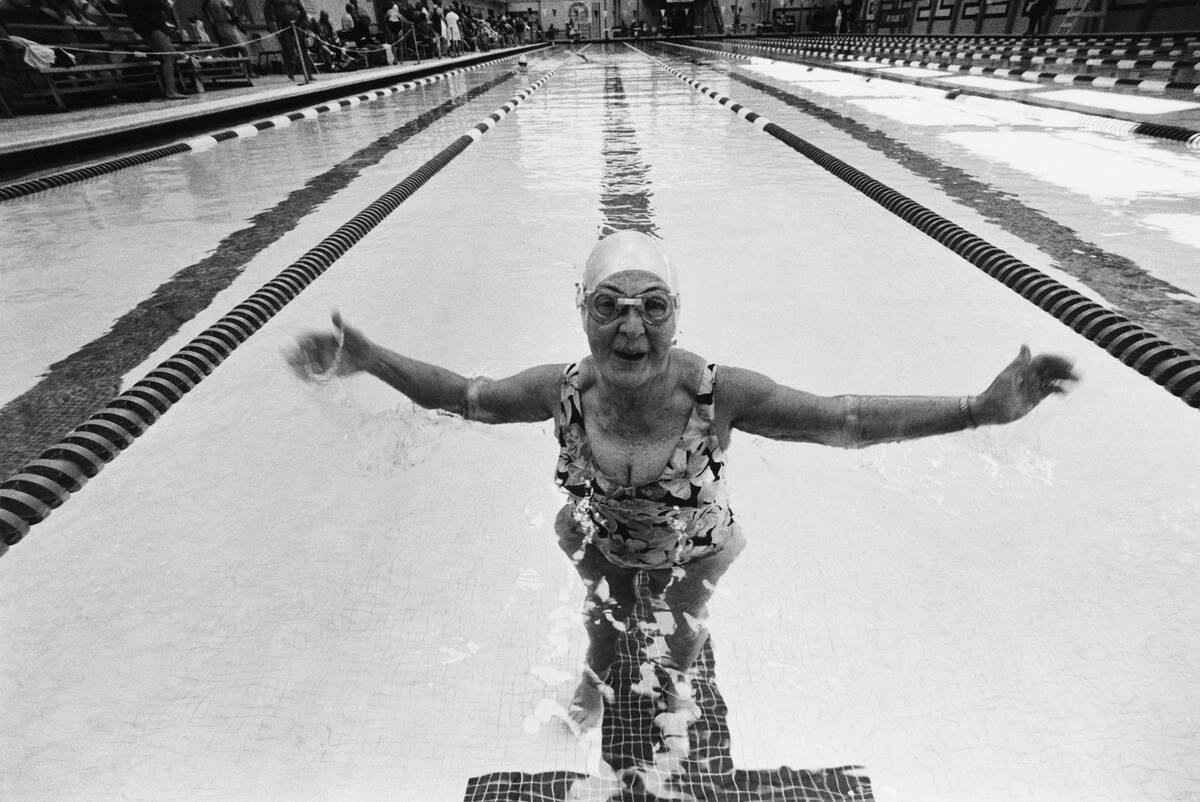
Solo Synchronized Swimming sounds like an oxymoron, yet it was part of the Olympics from 1984 to 1992. Swimmers performed routines set to music, striving for grace and precision. The challenge lay in synchronizing with imaginary teammates, creating a captivating yet solitary spectacle.
Despite its artistic merit, the event was eventually phased out, as the decision was made to focus on team-based events that truly captured the essence of synchronization.
Rope Climbing: From Gym Class to the Olympic Stage
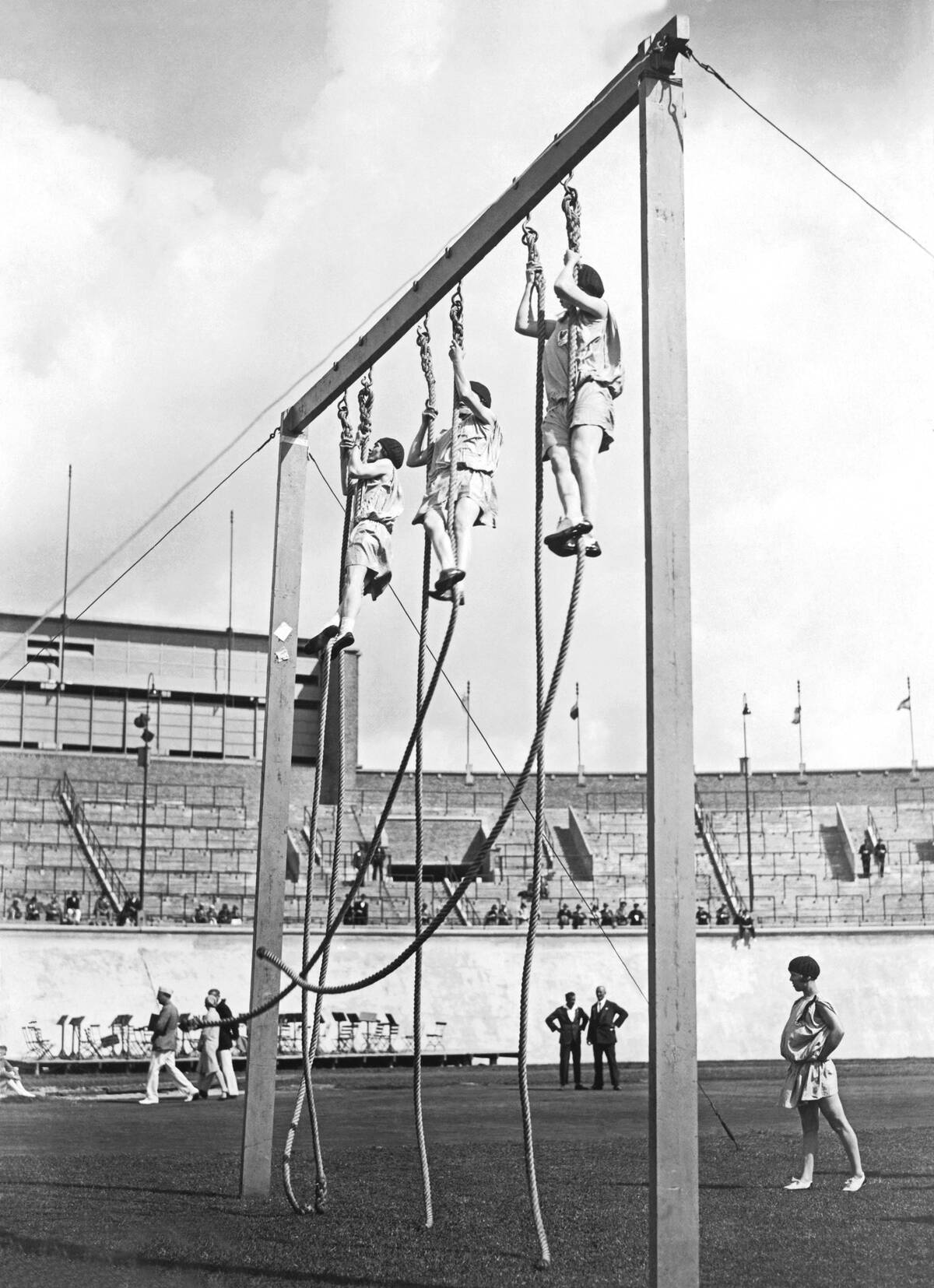
Rope Climbing made its Olympic debut in 1896, returning intermittently until 1932. Athletes competed to ascend a vertical rope as quickly as possible, relying on upper body strength and technique.
The event harkened back to school gym classes, proving that even simple exercises could reach Olympic heights. As gymnastics evolved, Rope Climbing was eventually dropped, yet it remains a nostalgic reminder of the sport’s humble beginnings.
Croquet: The Gentleman’s Game with a Short Olympic Stint
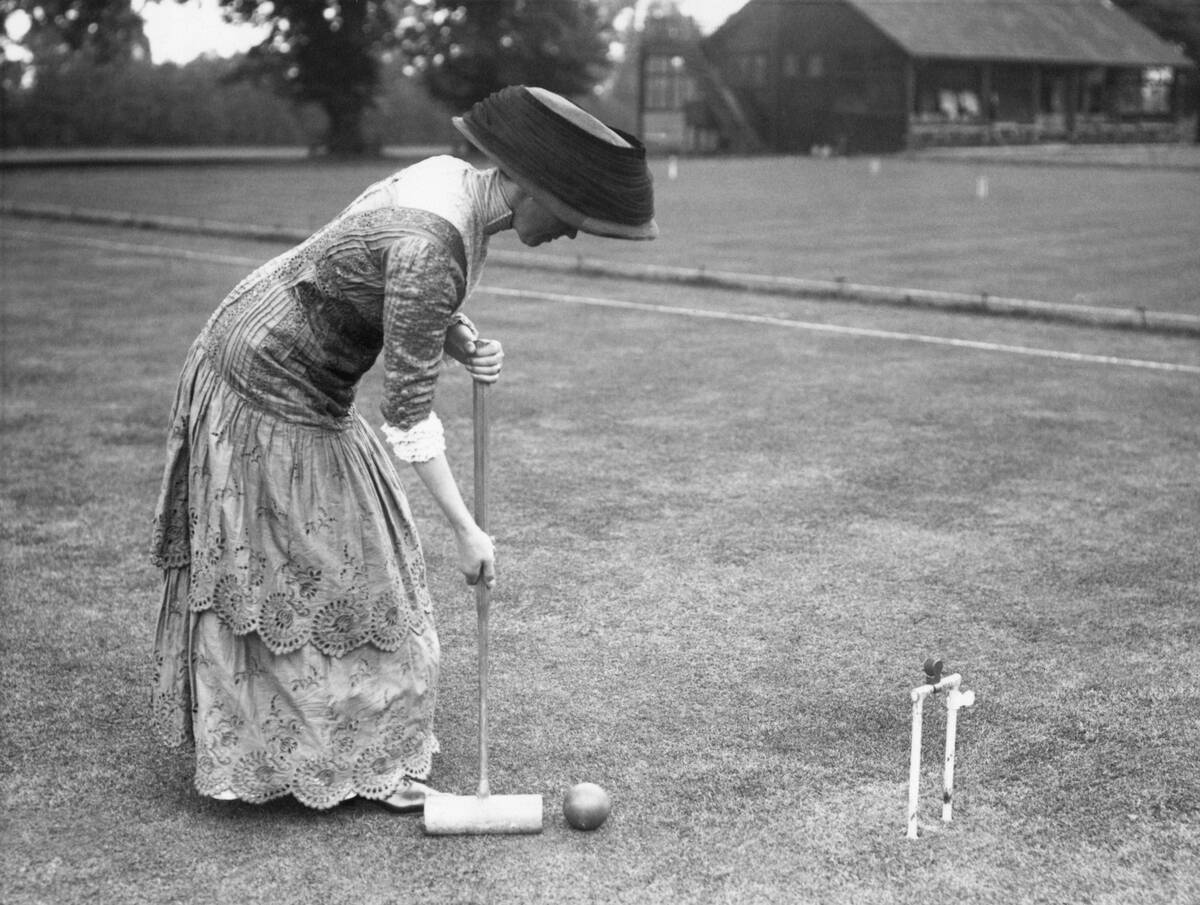
Croquet, often associated with leisurely afternoons, had a brief Olympic appearance in 1900. It was the first Olympic event open to women, though only French competitors participated. The event was not a spectator favourite, with only one paying viewer reportedly attending.
Despite its short-lived Olympic journey, Croquet’s inclusion highlighted the Games’ early attempts to embrace a wider variety of sports, even those considered more genteel.
Swimming Obstacle Race: The Water-Based Obstacle Course
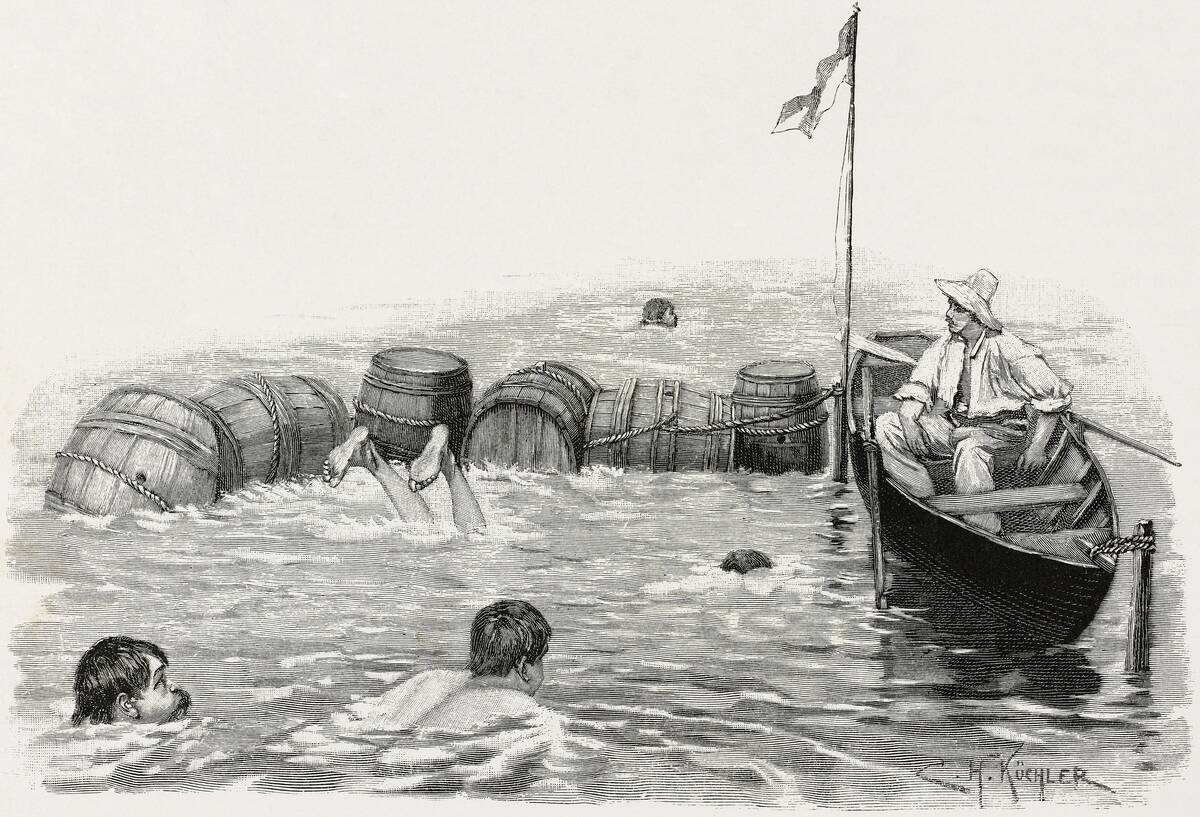
The 1900 Paris Olympics saw the Swimming Obstacle Race, a unique blend of swimming and obstacle navigation. Competitors swam through a 200-meter course filled with hurdles, including poles and boats.
The event tested both swimming speed and agility, offering a thrilling spectacle. Although it never returned, this imaginative race showcased the playful side of the Games, where innovation and challenge went hand in hand.
Club Swinging: The Forgotten Art of Gymnastics
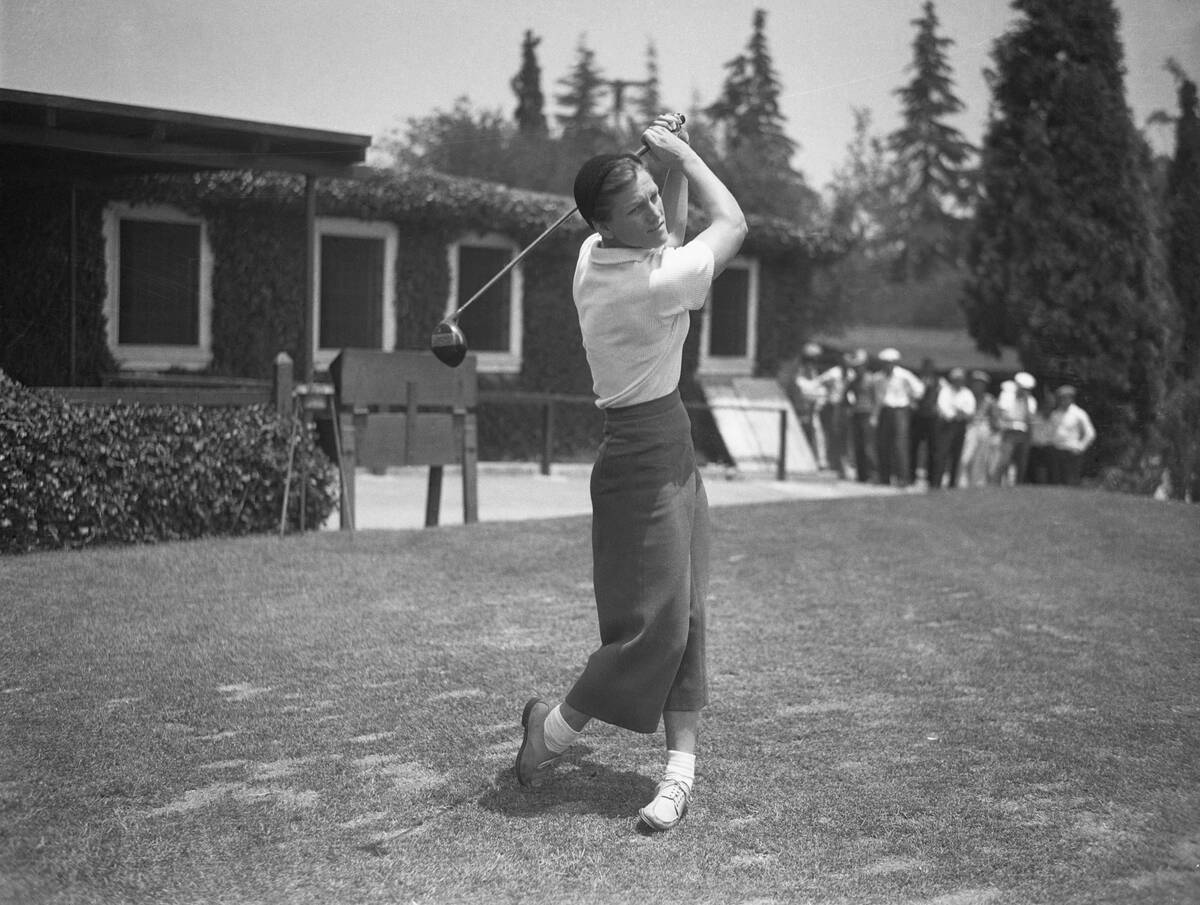
Club Swinging, part of the gymnastics events in the early 1900s, involved athletes performing routines with weighted clubs. This discipline required dexterity and rhythm, as competitors twirled clubs in intricate patterns.
Although it faded from the Olympic roster, Club Swinging contributed to the development of rhythmic gymnastics. It remains a fascinating example of how gymnastic disciplines have evolved over the decades, blending artistry with athleticism.
Horse Long Jump: A Leap of Faith for Equestrians
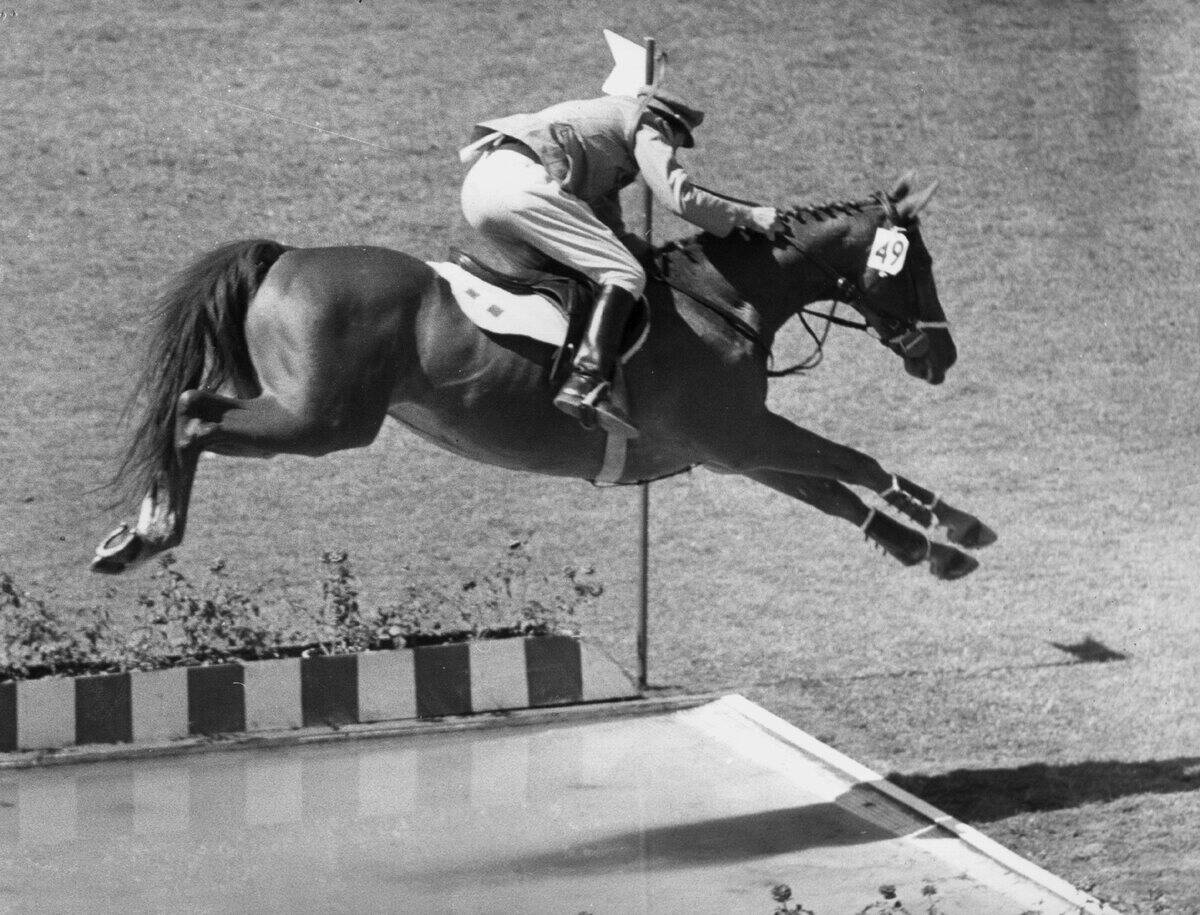
The 1900 Paris Olympics featured the Horse Long Jump, a twist on the traditional track and field event. Riders and their horses leaped as far as possible, with the longest jump recorded at 6.10 meters.
Despite its excitement, the event was never repeated, likely due to the difficulty and risk involved. The Horse Long Jump showcased the bond between rider and steed, a relationship central to equestrian sports.
Underwater Swimming: Holding Breath for Gold
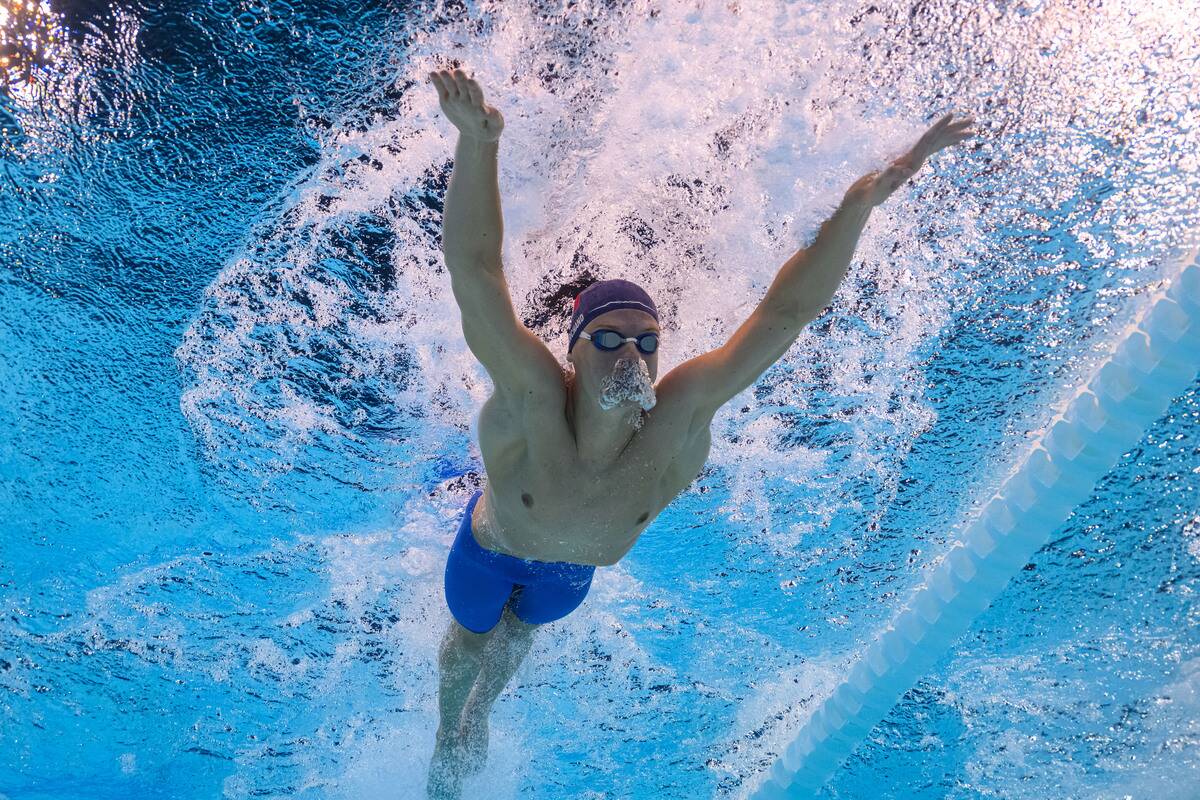
The 1900 Olympics introduced Underwater Swimming, a test of breath-holding and aquatic endurance. Competitors aimed to swim the farthest distance underwater, with points awarded for distance and time submerged.
It was a unique event that required calmness and lung capacity. Although it didn’t return, Underwater Swimming highlighted the diverse challenges athletes faced, pushing the limits of what could be considered a competitive sport.
Motorboating: When Speedboats Tried to Make Waves
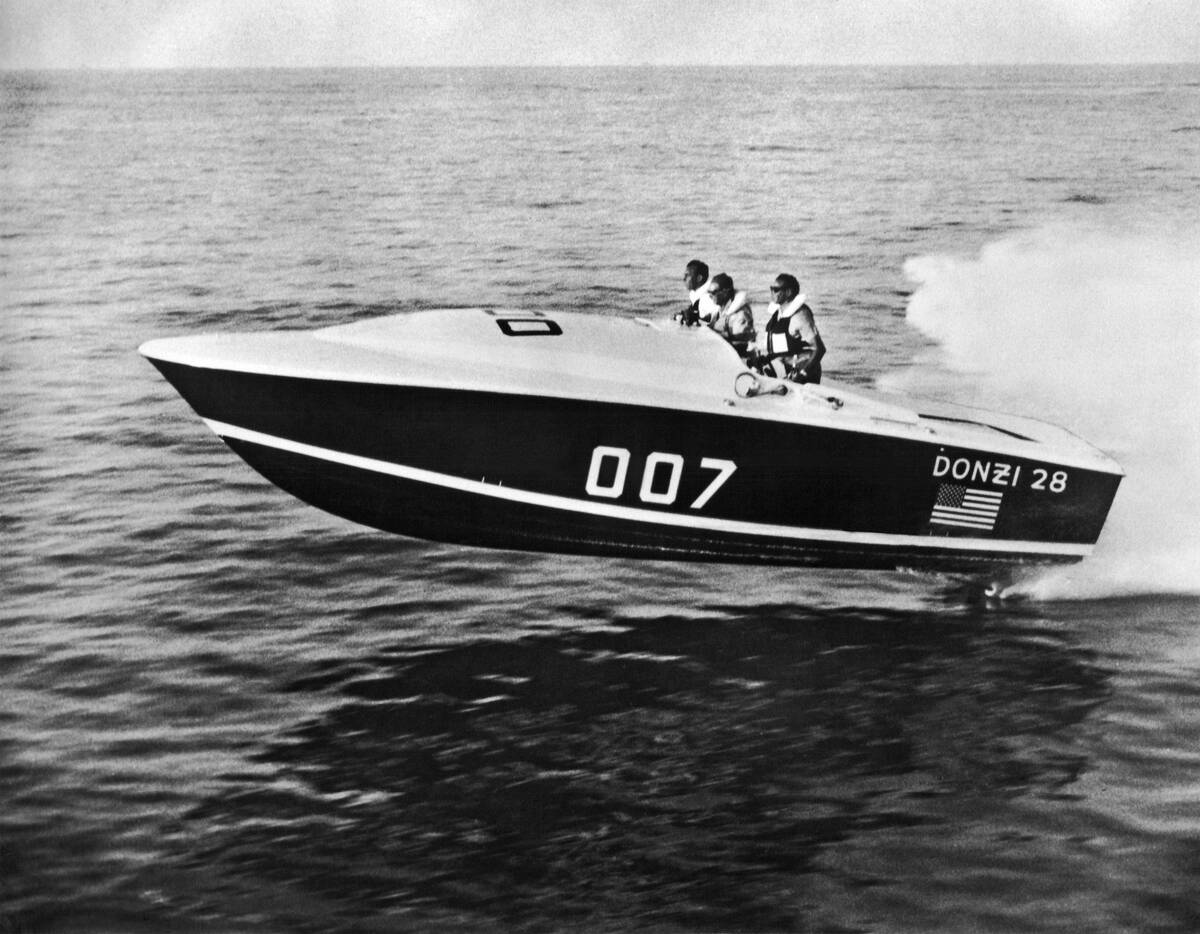
Motorboating raced into the Olympics in 1908, featuring three classes based on boat size. Competitors navigated through challenging courses on open water, battling rough waves and weather conditions.
Unfortunately, the event was plagued by poor visibility and high costs, leading to its discontinuation. Despite its brief Olympic tenure, Motorboating was a testament to the era’s fascination with speed and technology, offering a glimpse into the future of maritime sports.
Town Planning: Designing the Future in the Olympic Arena
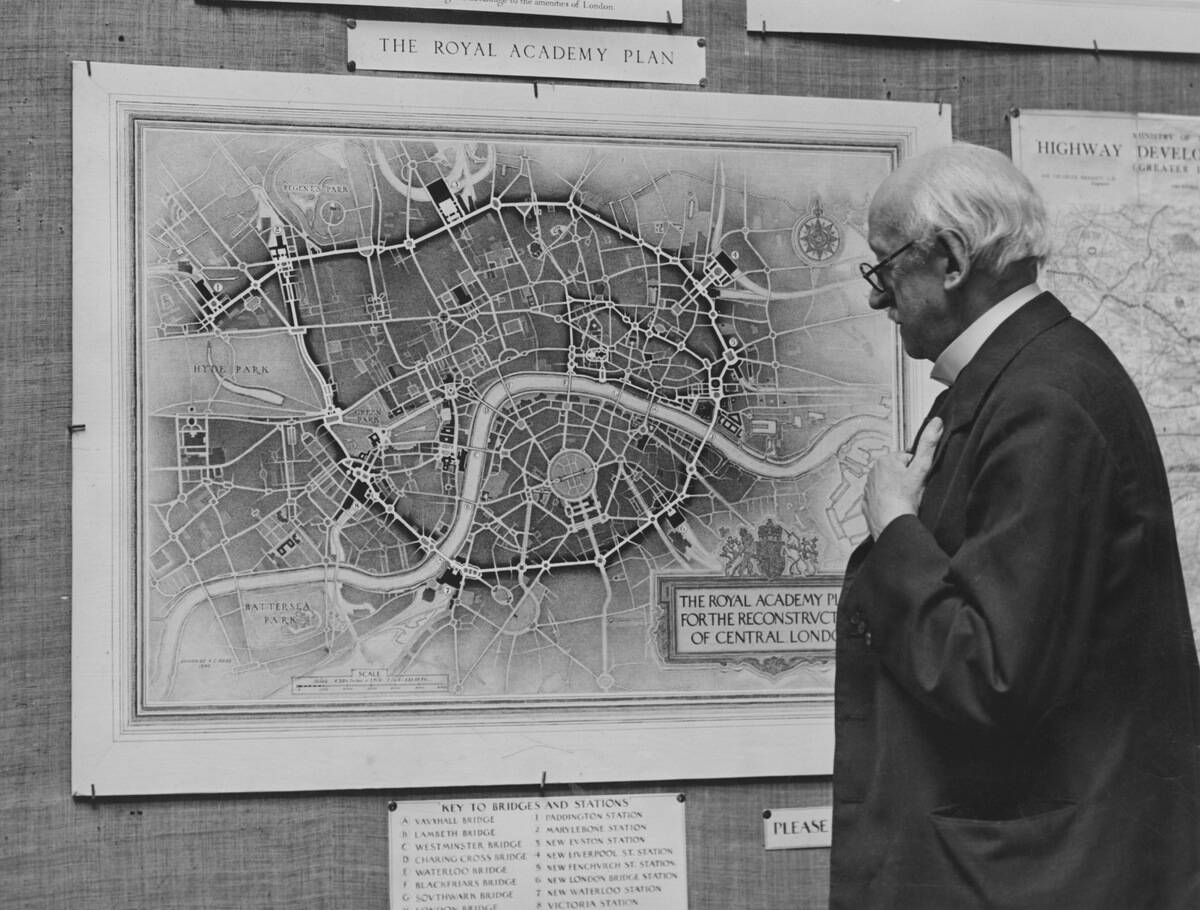
Believe it or not, Town Planning was part of the Olympic Arts Competitions between 1928 and 1948. Architects submitted designs for urban development, competing for medals in creativity and functionality.
This event was part of a broader effort to blend art and sport, celebrating human ingenuity in various forms. Though it eventually faded from the Olympic scene, Town Planning remains a fascinating chapter in the Games’ history, showing that creativity knows no bounds.




