17 Forgotten inventions that could have changed the world
Welcome to a journey through time where we rediscover some of the most intriguing technological innovations that never quite made it into the mainstream. These fascinating inventions, often ahead of their era, challenge our understanding of progress and innovation.
As we delve into these stories, we’ll uncover ideas that were perhaps too ambitious for their time, yet still spark curiosity and wonder today. Let’s explore these remarkable concepts that remind us of the boundless nature of human imagination.
The Solar-Powered Motorway: A Bright Idea Ahead of Its Time

In the mid-20th century, the concept of solar-powered motorways seemed like a dream. Imagine roads that could harness the sun’s energy to power electric vehicles as they drive over them.
Although this idea was ahead of its time, modern technological advancements like solar panels and electric cars have brought us closer to realizing this vision. Today, solar roadways are being tested in various locations, proving that yesterday’s dreams can indeed become tomorrow’s reality.
The Pneumatic Subway: The Underground Revolution That Never Was
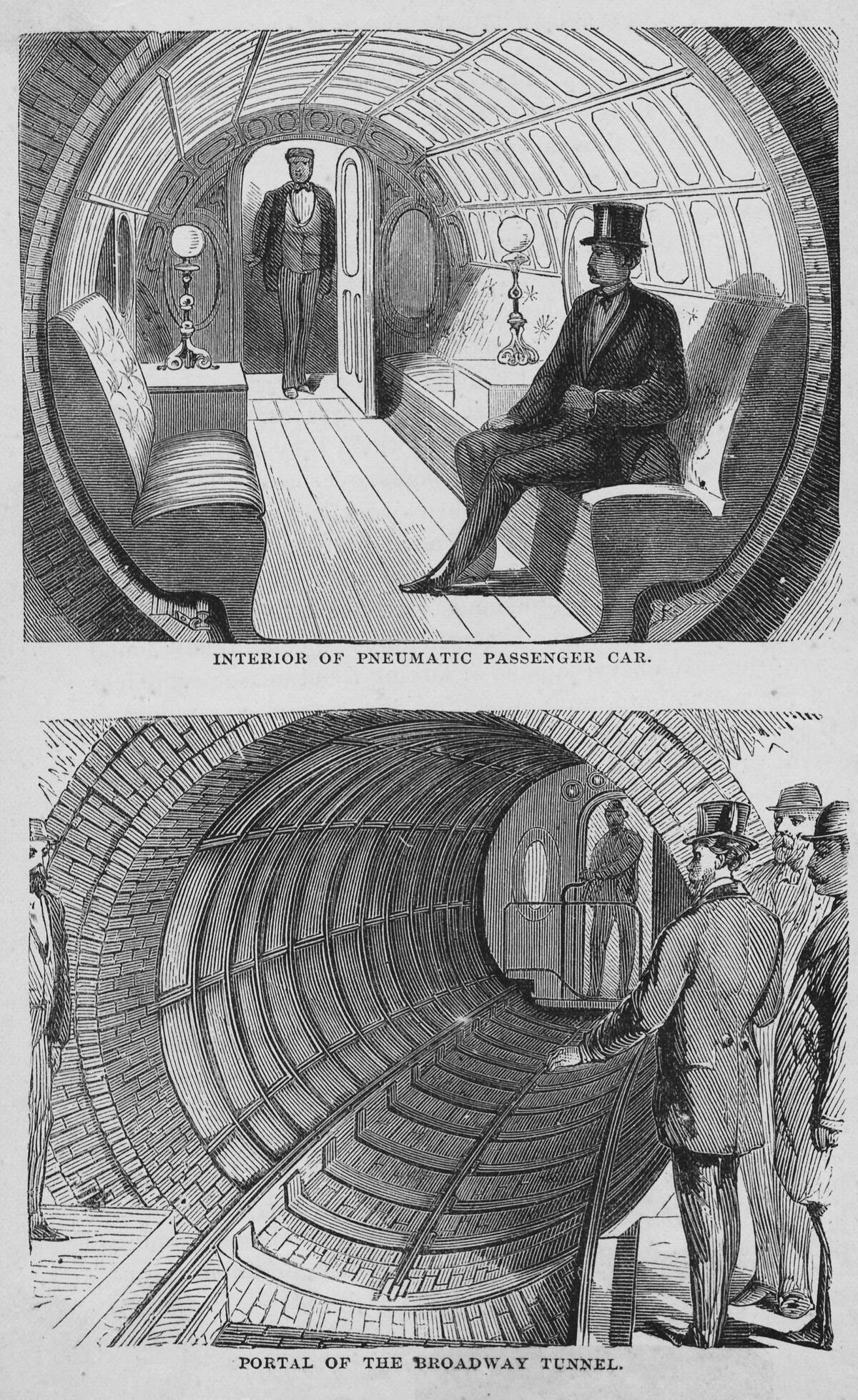
Back in the 1860s, visionary Alfred Ely Beach proposed the concept of a pneumatic subway beneath New York City. This innovative system used air pressure to propel train cars through tunnels.
Although a prototype was built and operated, financial constraints and political obstacles prevented it from becoming widespread. Today, we can appreciate Beach’s inventive spirit, as pneumatic tubes are now used in various modern applications, from mail delivery to medical systems.
The Steam-Powered Car: When Steam Was King
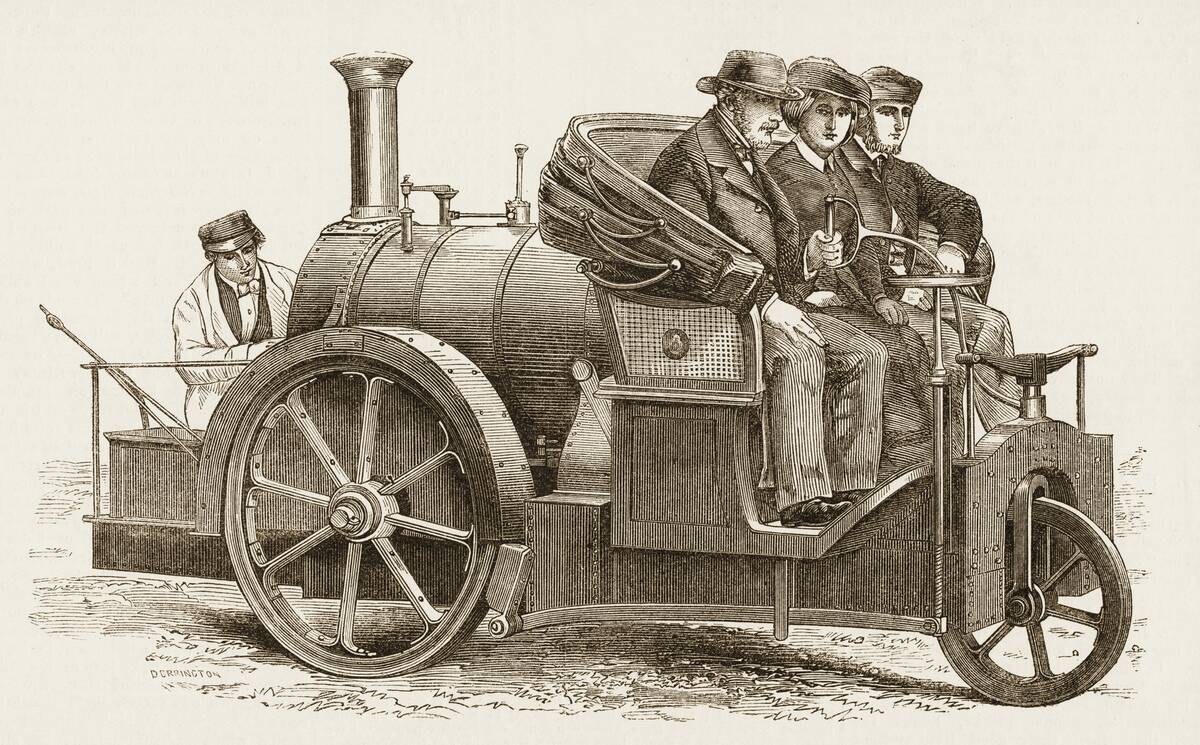
Steam-powered cars were all the rage in the late 19th and early 20th centuries. These vehicles offered a smooth ride and were relatively easy to operate. The Stanley Steamer, for instance, was a popular model that could reach impressive speeds for its time.
However, the advent of the internal combustion engine soon overshadowed steam technology. While steam cars are mostly a relic of the past, they remain a fascinating chapter in automotive history.
The Tesla Oscillator: A Forgotten Vibrational Wonder
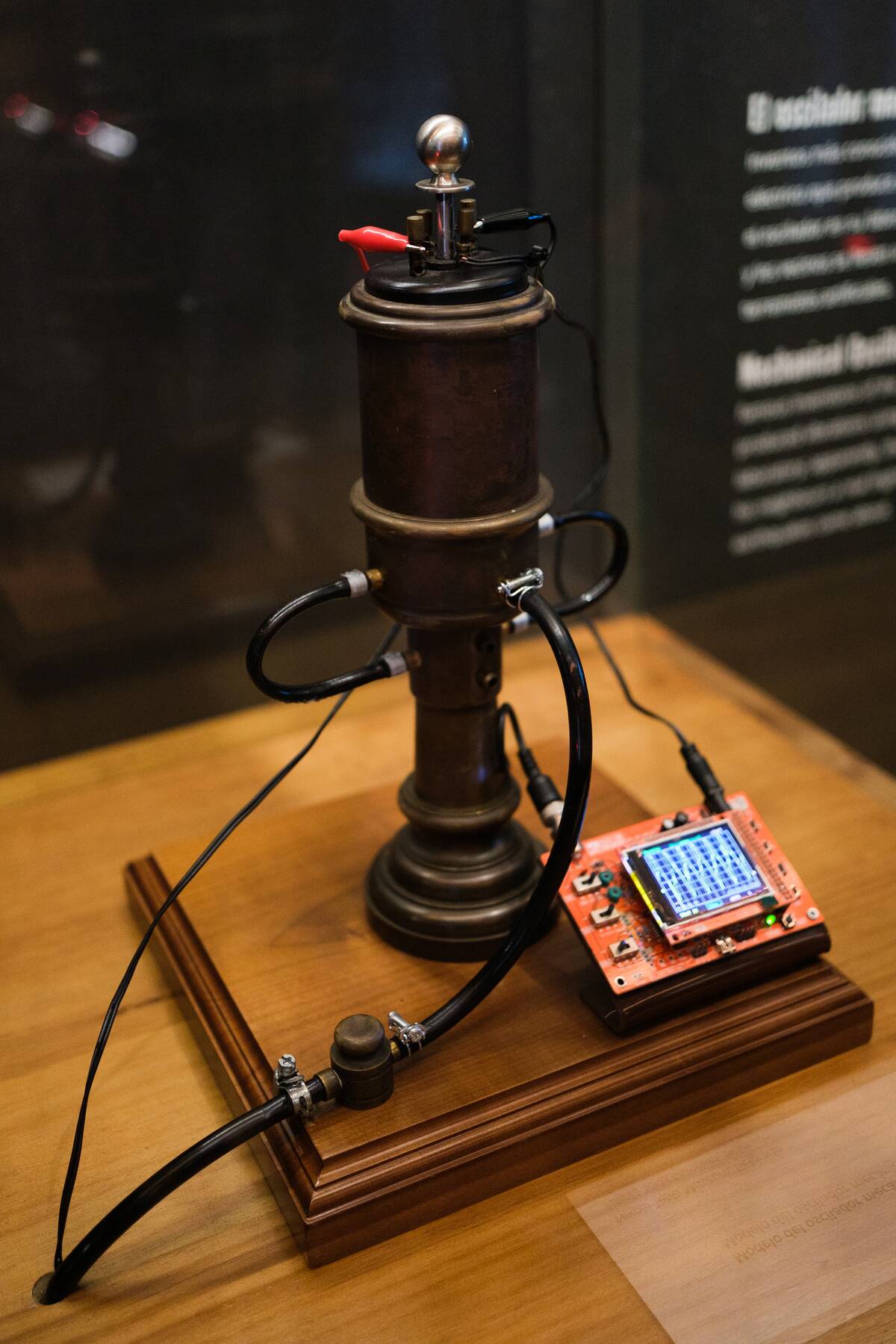
Nikola Tesla, the genius inventor, once developed a small, powerful mechanical oscillator that could produce seismic effects. Legend has it that this device, known as the Tesla Oscillator, could shake buildings and cause tremors.
While it’s unclear how effective it truly was, Tesla’s work on vibration and resonance continues to influence modern engineering. His contributions remind us that exploration and curiosity can lead to unexpected discoveries.
The Chronovisor: Peering into the Past with a Mystical Machine

The Chronovisor, a supposed invention from the 20th century, claimed to capture images from the past. According to accounts, it was created by a team of scientists led by Father Pellegrino Ernetti.
While no physical evidence of the Chronovisor exists, it has fueled numerous theories and speculative fiction. This mysterious device captures our imagination, blurring the lines between science and fantasy, and prompting us to ponder the possibilities of time travel.
The Monowheel: A One-Wheeled Wonder on the Move
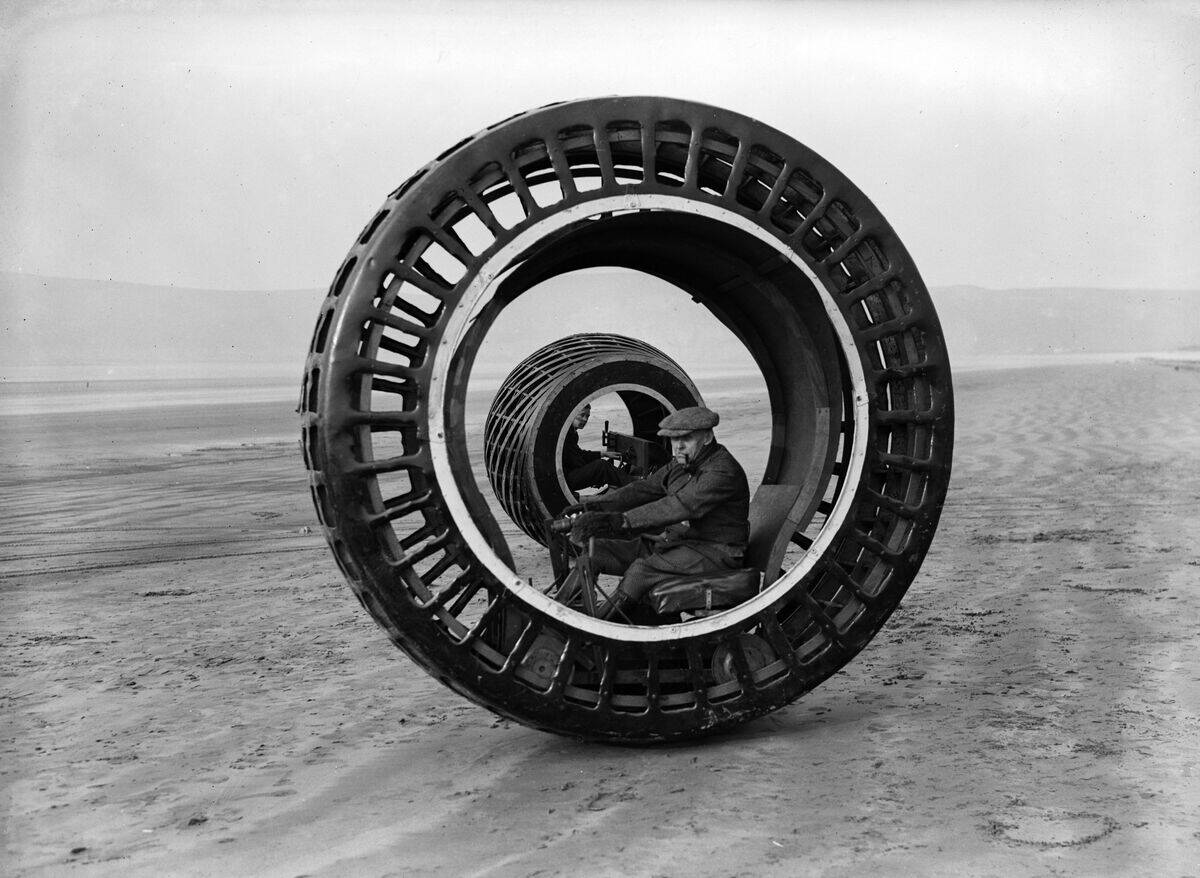
The monowheel, a single-wheeled vehicle, captured the imagination of inventors in the late 19th and early 20th centuries. Riders sat inside the wheel, steering with handlebars. Despite its unique design, the monowheel faced stability and maneuverability challenges, leading to its decline in popularity.
However, modern versions have emerged as quirky, attention-grabbing personal transportation devices, proving that even the most unusual ideas can find a place in the world of invention.
The Water-Fueled Automobile: When Cars Could Have Run on H2O
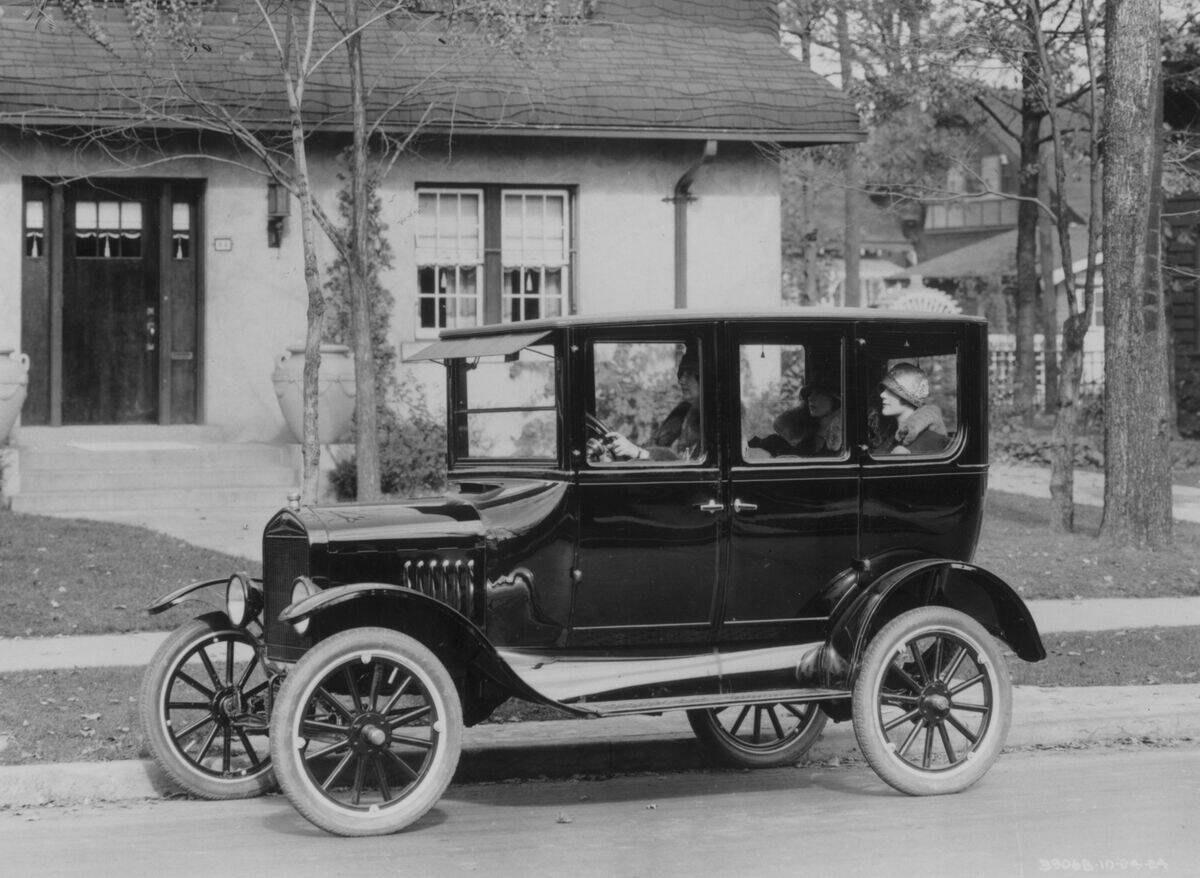
The concept of a water-fueled car has long fascinated inventors. In the 1930s, Charles Garrett claimed to have created a vehicle that ran on water by using electrolysis to separate hydrogen from oxygen.
Although his claims were never fully substantiated, the idea of water as a clean energy source persists. Today, hydrogen fuel cell technology is a promising area of research, potentially bringing us closer to a future where water-powered vehicles are a reality.
The Helio-Motor: Harnessing the Power of the Sun in the 19th Century
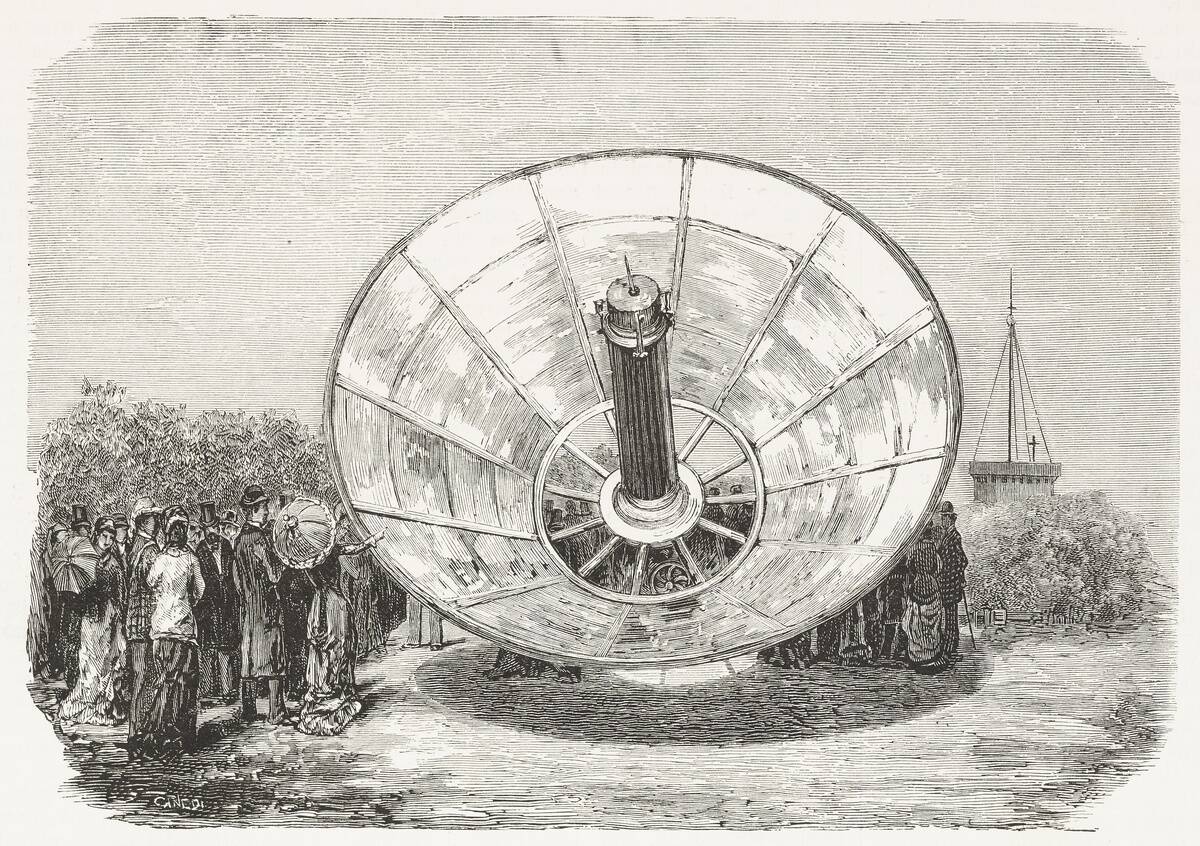
Back in 1860, Augustin Mouchot invented the helio-motor, an early solar-powered engine. This ingenious device used parabolic mirrors to concentrate sunlight and produce steam, which then powered machinery.
Although Mouchot’s work won acclaim at the 1878 Universal Exhibition in Paris, economic factors and the rise of fossil fuels curtailed further development. Today, Mouchot’s pioneering efforts are celebrated as precursors to modern solar energy technologies.
The Atmospheric Railway: Riding the Airwaves to Success

In the mid-19th century, the atmospheric railway concept was an innovative approach to train propulsion. It used air pressure to move carriages along tracks, eliminating the need for traditional locomotives.
Despite its initial success in places like London and Dublin, technical difficulties and high maintenance costs led to its decline. However, the idea of using air pressure for transportation continues to inspire new technologies, reminding us of the ingenuity of past engineers.
The Electric-Powered Airship: Lighter Than Air and Ahead of Its Time
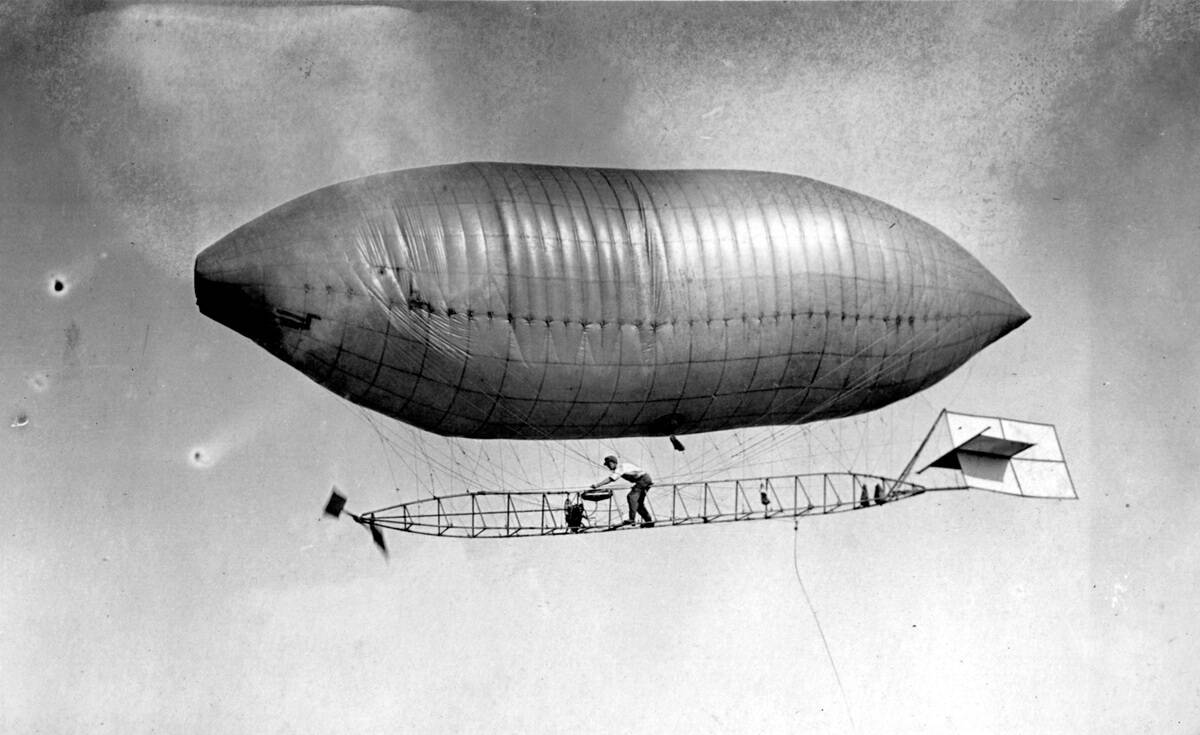
During the early 20th century, inventors like Alberto Santos-Dumont experimented with electric-powered airships. These lighter-than-air vehicles used electric motors for propulsion, offering a quieter and cleaner alternative to gasoline engines.
Although they were eclipsed by advancements in aviation, modern interest in sustainable transportation has revived the concept. Today, electric airships are being explored for applications in cargo transport and aerial surveillance, proving that old ideas can find new life.
The Bicycle Railway: Pedaling on the Tracks of Innovation

In the late 1800s, the bicycle railway emerged as a novel transportation concept. Combining bicycles with railway tracks, it allowed riders to pedal along guided paths. While the idea was practical for short distances, it struggled to compete with emerging transportation technologies.
Despite its short-lived popularity, the bicycle railway highlighted the potential of human-powered transport. Today, cycling infrastructure continues to evolve, with dedicated paths and bike-sharing programs in cities worldwide.
The Fuller Dymaxion Car: A Streamlined Vision of the Future
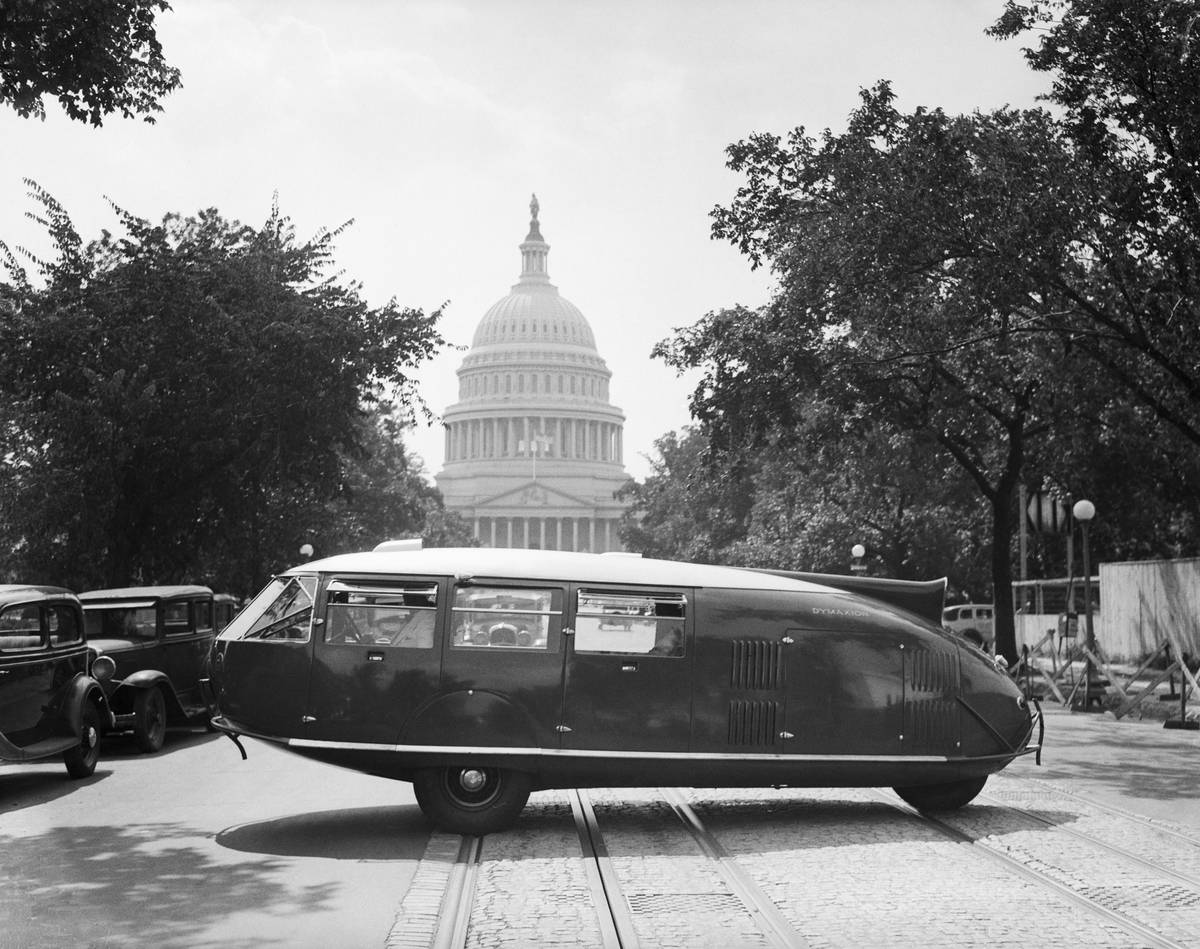
The Dymaxion car, designed by Buckminster Fuller in the 1930s, was a futuristic vehicle that combined aerodynamics and efficiency. Its teardrop shape and rear-wheel steering offered improved fuel economy and maneuverability.
Despite its innovative design, the Dymaxion car never reached mass production due to financial and technical challenges. Fuller’s visionary approach, however, continues to influence designers seeking to create sustainable and efficient transportation solutions for the future.
The Mechanical Television: The Flickering Images of Yesterday
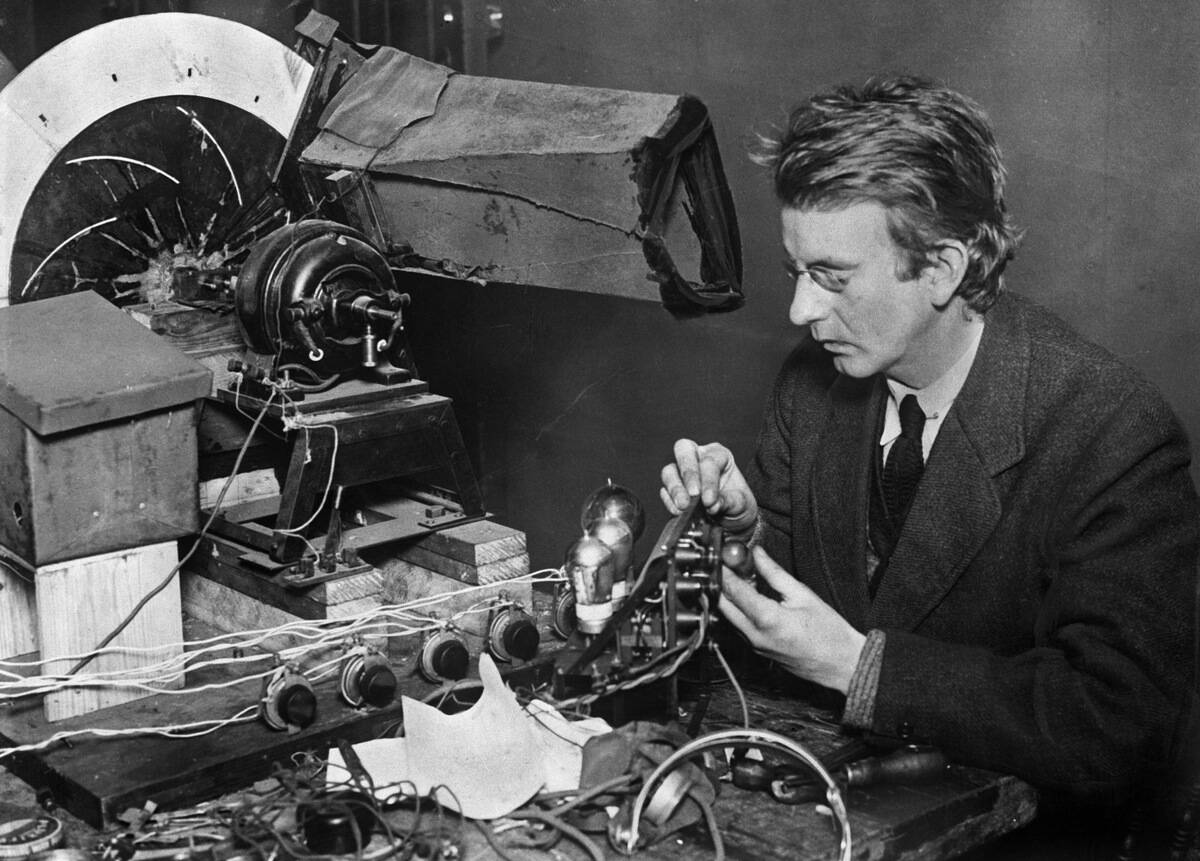
Before electronic television, mechanical television systems offered a glimpse into the future of broadcasting. Inventors like John Logie Baird developed mechanical systems using spinning disks and light to transmit images.
While the quality was rudimentary, these early attempts paved the way for modern television technology. Though mechanical televisions were eventually surpassed by electronic systems, they represent a pivotal moment in the history of visual media, highlighting the relentless pursuit of progress.
The Starlite Material: The Miracle Substance That Could Withstand Heat
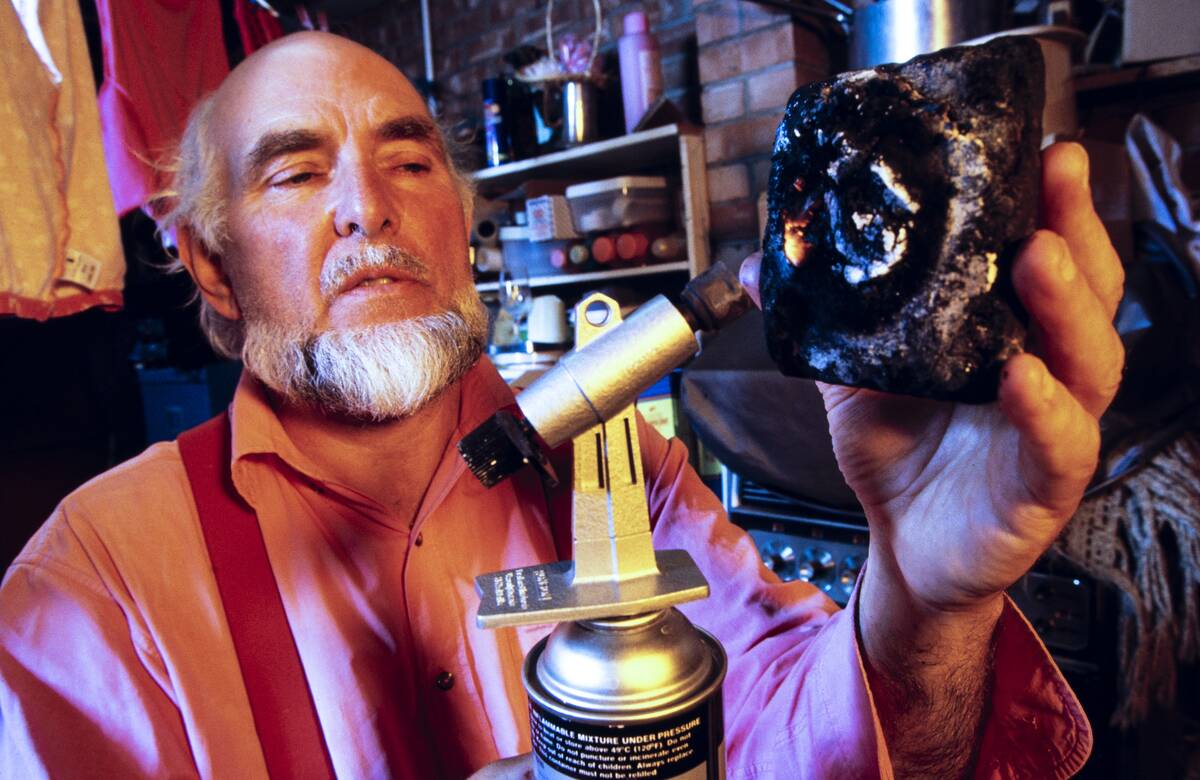
Starlite, invented by amateur chemist Maurice Ward in the 1980s, was a heat-resistant material capable of withstanding extreme temperatures. Demonstrations showed it protecting an egg from a blowtorch without cooking its contents.
Despite its remarkable properties, Starlite never reached commercial production due to Ward’s reluctance to reveal its composition. The mystery surrounding Starlite persists, sparking interest and speculation within the scientific community about its potential applications in fireproofing and aerospace.
The Perpetual Motion Machine: Chasing the Dream of Endless Energy
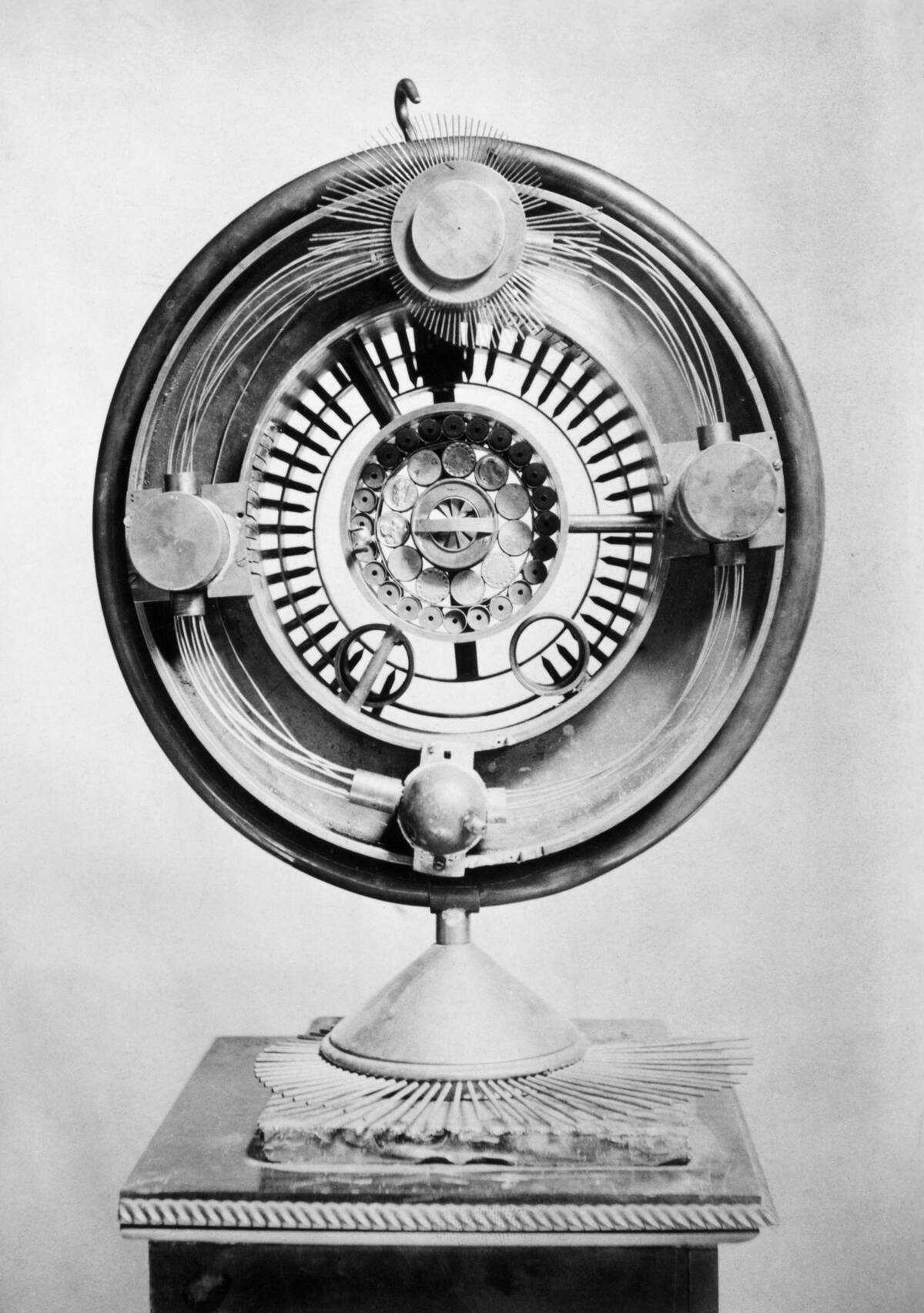
For centuries, inventors have pursued the elusive dream of creating a perpetual motion machine, a device that could operate indefinitely without an external energy source. Despite numerous attempts and claims, such machines defy the laws of physics, particularly the conservation of energy.
While perpetual motion remains impossible, the quest for sustainable energy continues to drive innovation. This age-old pursuit inspires researchers to explore new ways of harnessing and conserving energy for future generations.
The Rocket Belt: Personal Flight with a Jet-Powered Twist

The rocket belt, or jetpack, emerged in the mid-20th century as a vision of personal flight. Developed by Bell Aerosystems, it used hydrogen peroxide-fueled rockets to propel the wearer into the air.
Although its flight time was limited to mere seconds, the rocket belt captured the public’s imagination, appearing in movies and exhibitions. Today, advancements in technology have led to more practical jetpack designs, proving that the dream of personal flight continues to inspire innovation.
The Weather Modification Machine: Playing God with the Skies

Weather modification has been a topic of interest for decades. In the mid-20th century, scientists experimented with cloud seeding, using chemicals like silver iodide to induce precipitation.
While weather modification remains controversial due to ethical and environmental concerns, it has practical applications in agriculture and water management. As climate change continues to impact weather patterns, the debate over humanity’s role in manipulating the skies persists, raising questions about our responsibility towards the environment.




