16 forgotten empires that rivaled Rome in power
History is filled with stories of empires that once wielded immense power but have since faded into obscurity. These empires, though largely forgotten by the modern world, played pivotal roles in shaping their eras.
From the bustling markets of Carthage to the vast steppes ruled by the Huns, each of these empires left a mark on history. Let’s delve into the fascinating tales of these ancient powerhouses and discover their achievements and legacies.
The Rise of the Carthaginian Empire
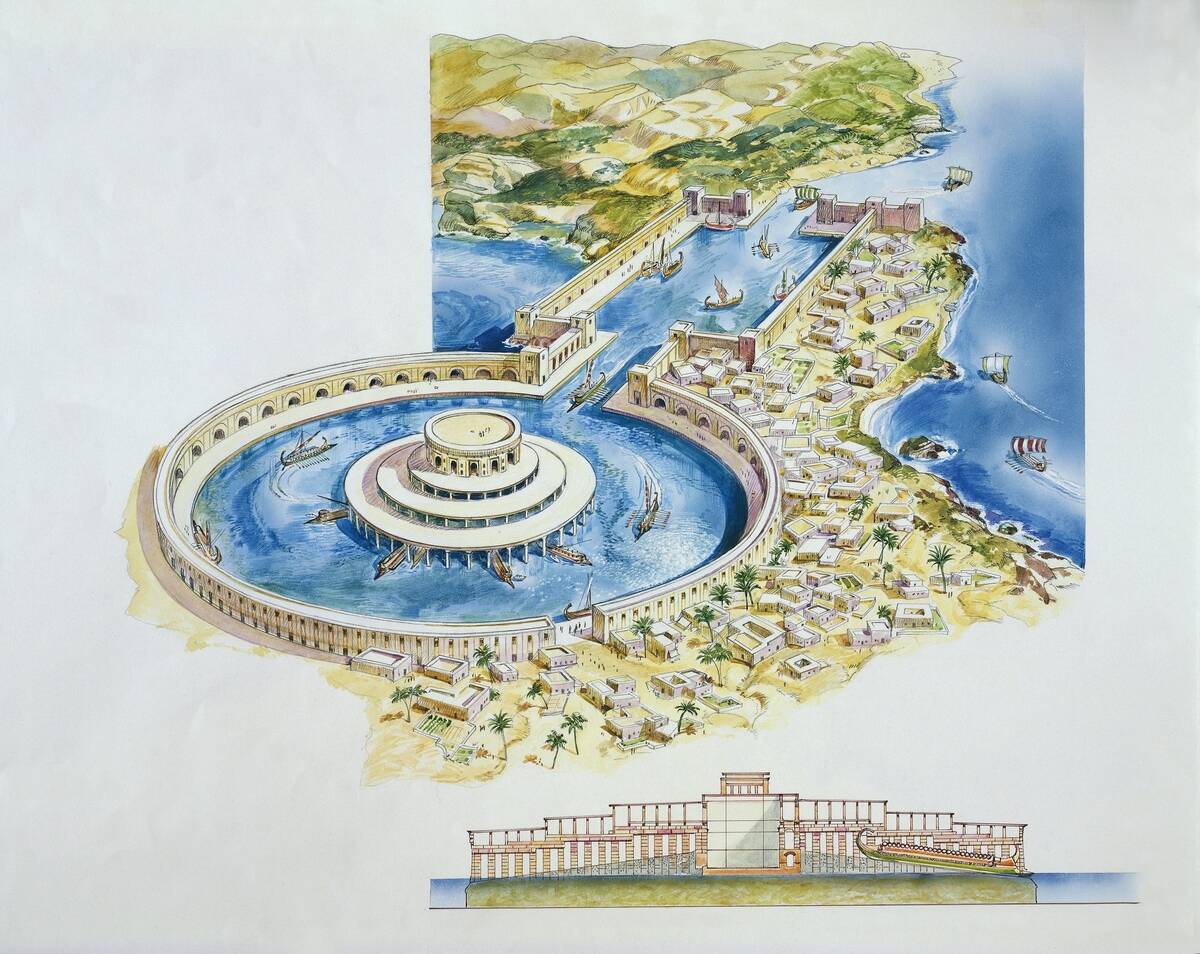
Carthage, situated in present-day Tunisia, began its rise in the 9th century BCE as a Phoenician colony. Its strategic location on the Mediterranean allowed it to become a dominant maritime power.
Carthage’s influence stretched across the western Mediterranean, with a formidable navy safeguarding its trade routes. The city-state’s wealth and power attracted envy and rivalry, setting the stage for epic confrontations with Rome.
Carthage: Rome’s Formidable Rival
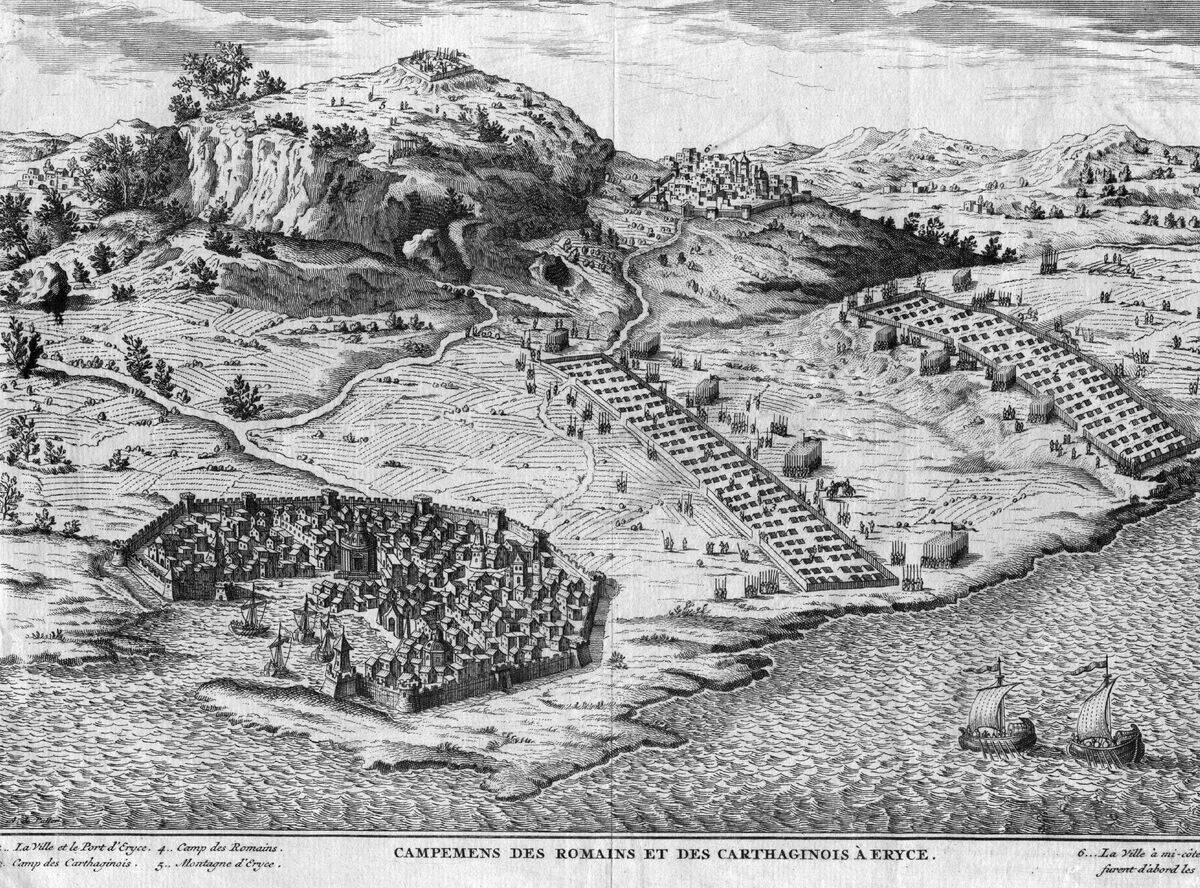
Carthage was a thorn in Rome’s side, especially during the Punic Wars. The most famous of these conflicts saw the legendary general Hannibal crossing the Alps with his war elephants.
Despite initial successes, including a stunning victory at Cannae, Carthage ultimately fell to Rome in 146 BCE. The city’s destruction marked the end of its dominance, but its legacy lived on through its remarkable military strategies and innovations.
The Powerful Parthian Empire
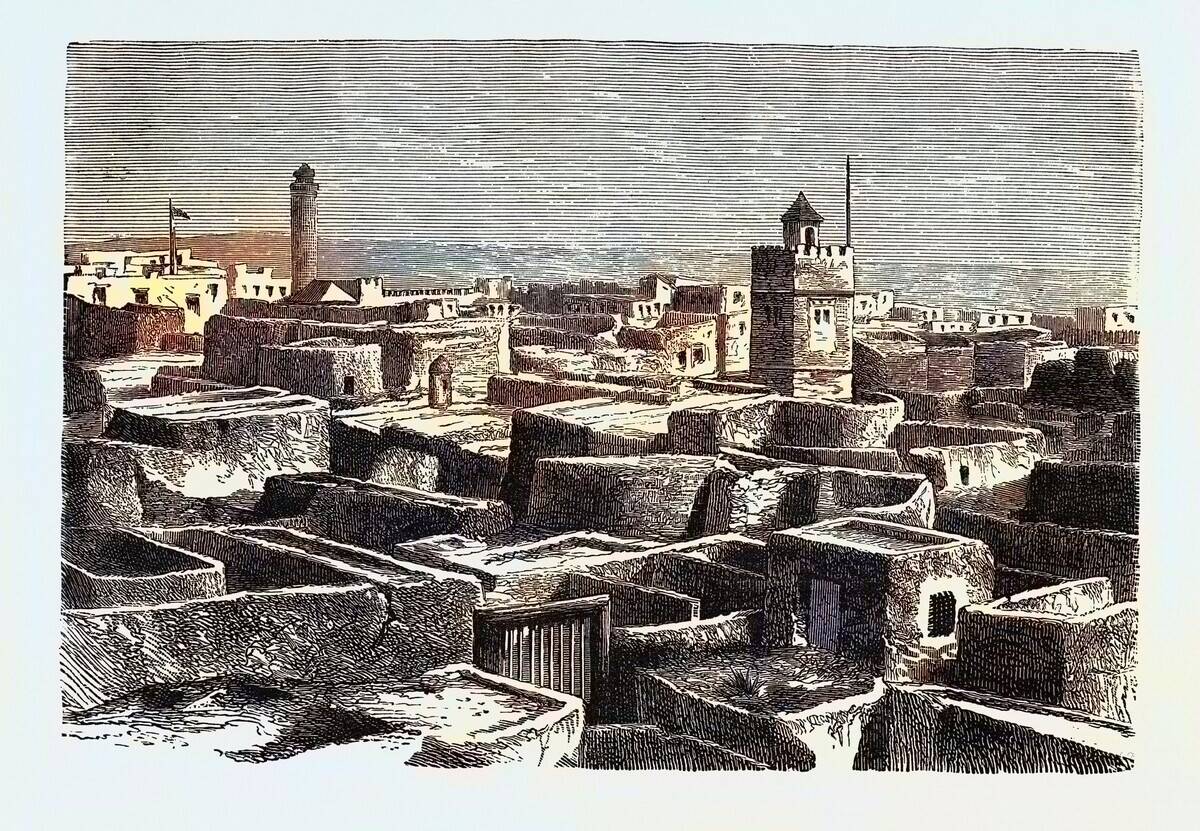
The Parthian Empire rose in the 3rd century BCE, occupying the lands of modern Iran and parts of Mesopotamia. Known for their horse archers, the Parthians effectively utilized hit-and-run tactics against their enemies.
Their empire became a cultural melting pot, blending Greek, Persian, and local influences. Parthia’s strategic location also made it a crucial player in the Silk Road trade, connecting East and West.
Parthia’s Triumphs Over Rome
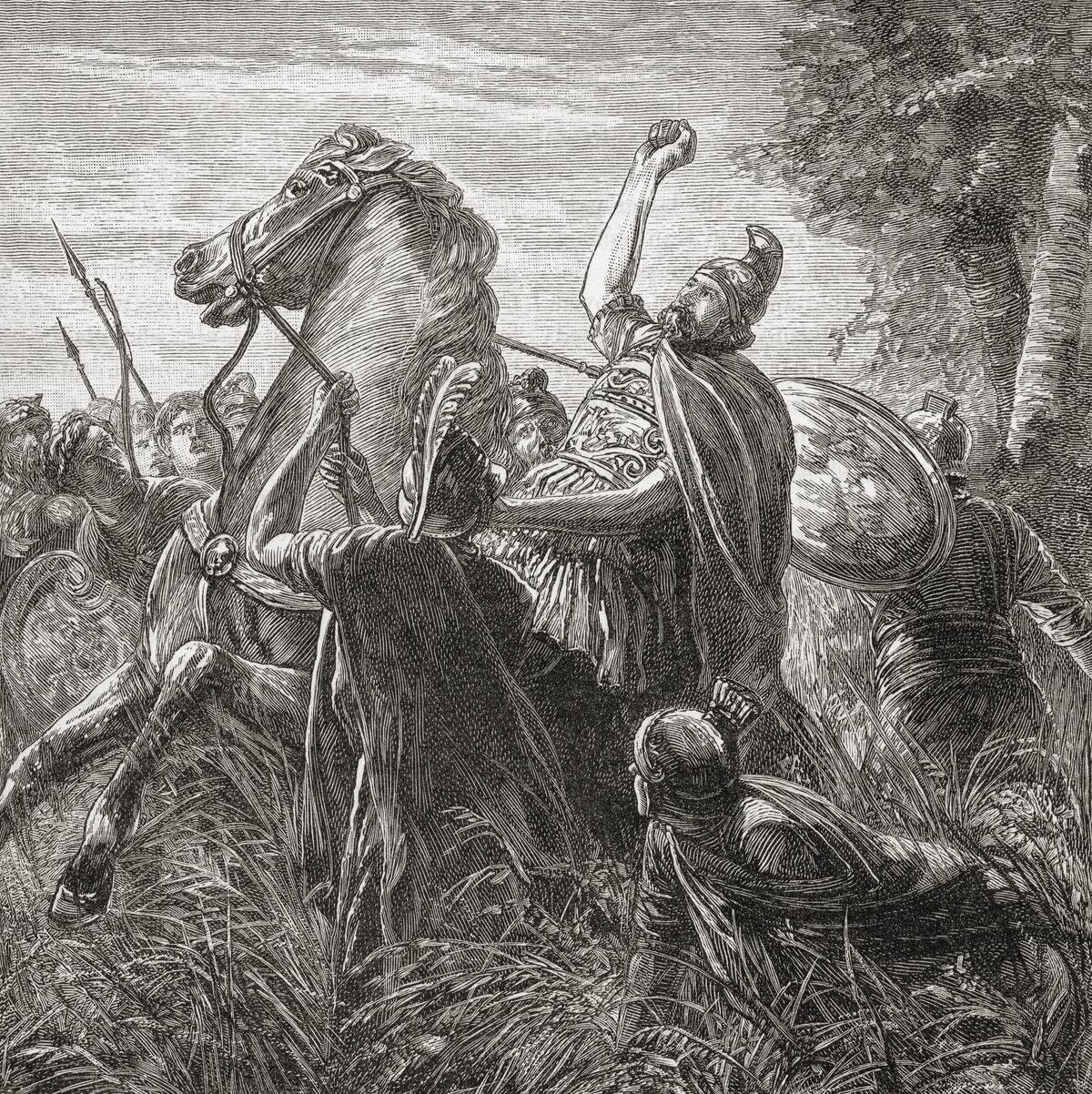
Parthia was one of the few empires to consistently challenge Rome’s eastern expansion. In 53 BCE, the Parthians famously defeated a Roman army at the Battle of Carrhae, capturing the Roman standards.
This victory solidified their reputation as a formidable military force. The Parthian resistance preserved their autonomy for centuries, ensuring their cultural and political influence remained strong in the region.
The Influential Kingdom of Kush
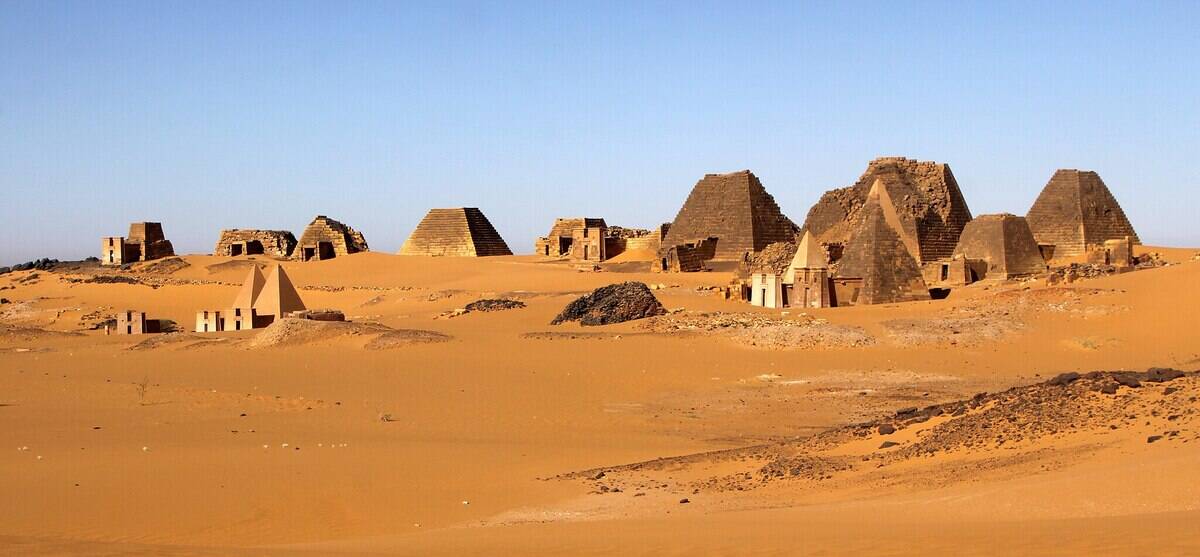
The Kingdom of Kush, located in what is now Sudan, flourished from around 1070 BCE to 350 CE. Known for its rich deposits of gold and iron, Kush became a center of wealth and power in Africa.
The kingdom’s capital, Meroë, was a hub of architectural and artistic innovation. Kushite rulers even held sway over Egypt for a time, establishing the 25th Dynasty, which was marked by significant cultural and political achievements.
Kush: A Nexus of Trade and Culture
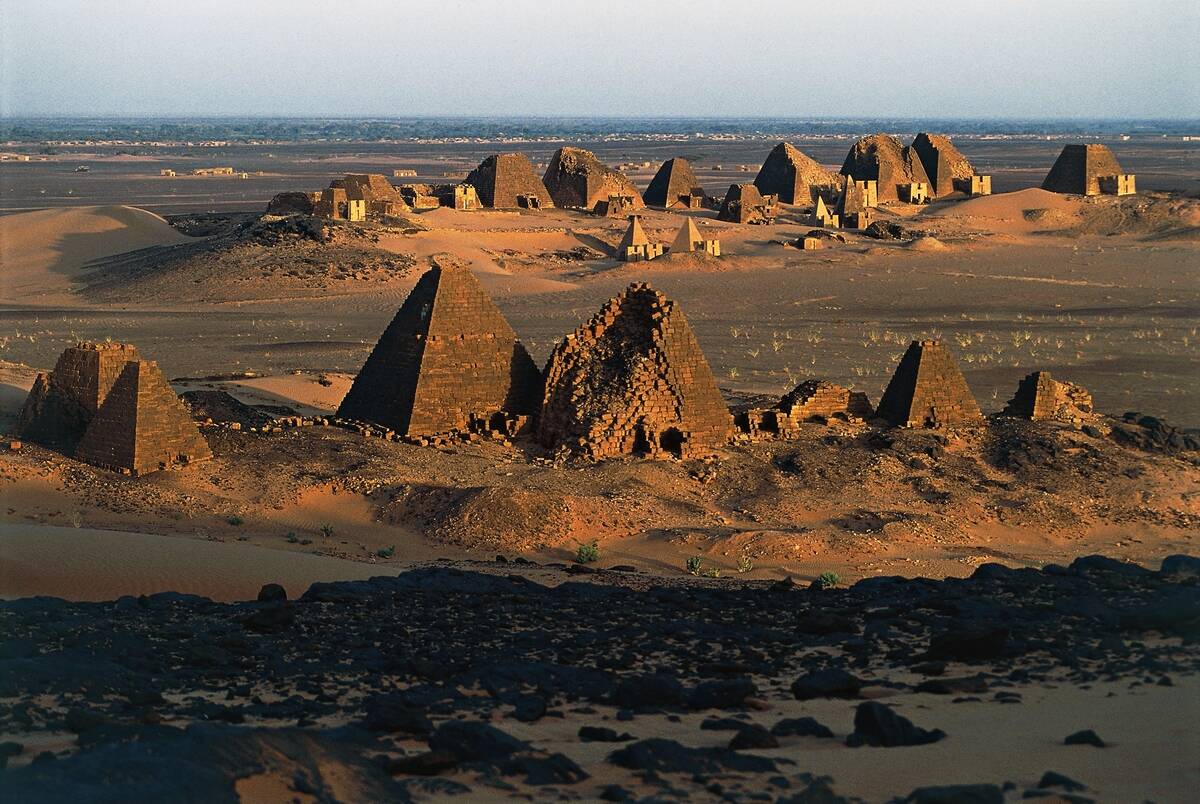
Kush was strategically positioned along the Nile River, making it a pivotal trade link between sub-Saharan Africa and the Mediterranean world. The kingdom’s artisans produced exquisite jewelry and pottery, while its merchants traded ivory, ebony, and incense.
Kush also adopted and adapted many Egyptian customs, which is evident in their pyramids and temples. This cultural exchange enriched the region and left a lasting impact on African history.
The Prosperous Sassanian Empire
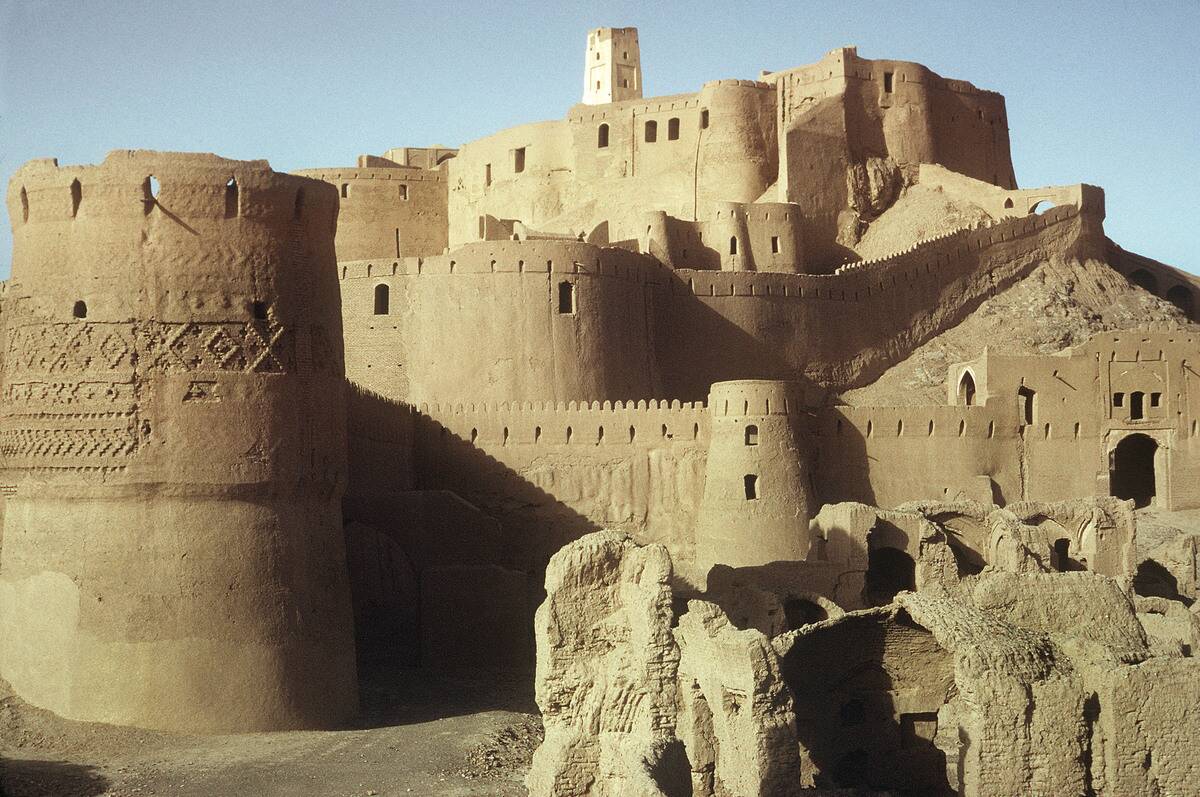
The Sassanian Empire, founded in 224 CE, emerged as a dominant force in the Middle East, succeeding the Parthians. This empire was known for its architectural marvels, including the grand city of Ctesiphon.
The Sassanians were also patrons of art and culture, with their intricate silverwork and textiles highly prized. Their administrative reforms and infrastructure developments helped maintain a stable and prosperous society.
Sassanian Achievements and Innovations
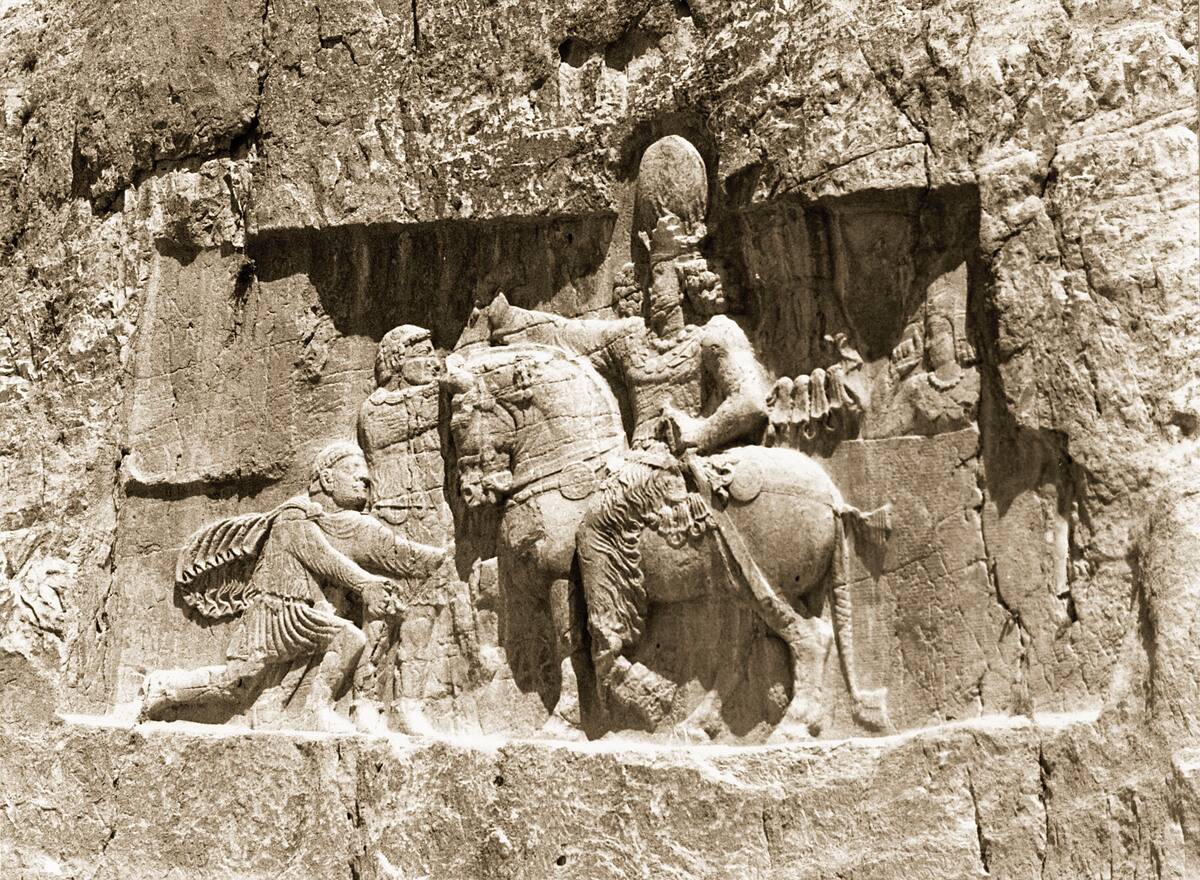
The Sassanians excelled in various fields, from engineering to medicine. They built the oldest known windmills and developed advanced irrigation systems. The Academy of Gondishapur became a renowned center of learning, attracting scholars from across the world.
Sassanian influence extended to art and architecture, with their distinctive style inspiring Islamic art in later centuries. Their legacy of innovation and cultural synthesis continues to be celebrated.
The Venerable Axumite Empire

The Axumite Empire, located in modern-day Ethiopia and Eritrea, thrived from around 100 CE to 940 CE. Renowned for its monumental obelisks, Axum was a center of trade and culture.
The empire adopted Christianity in the 4th century, making it one of the earliest Christian states. Axum’s coins, inscribed in Greek and Ge’ez, demonstrate its extensive trade networks and political reach, linking Africa, Arabia, and the Mediterranean.
Axum’s Role in Ancient Trade Routes
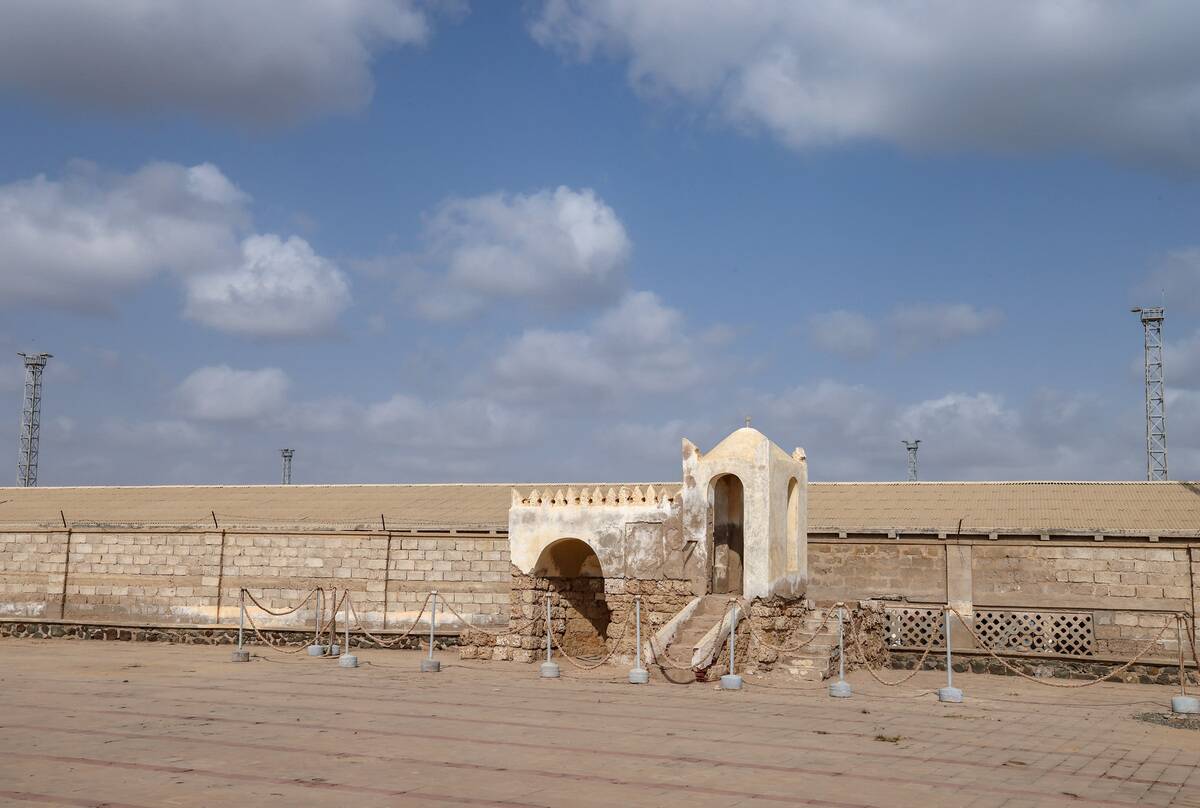
The strategic location of Axum allowed it to control trade routes connecting the Roman Empire and India. Its ports on the Red Sea facilitated the exchange of goods like ivory, gold, and spices.
Axumite merchants were key players in the ancient world economy, fostering connections between diverse cultures. This trade prosperity helped Axum become a major player in the region, influencing the political and cultural landscape of Northeast Africa.
The Mighty Hunnic Empire
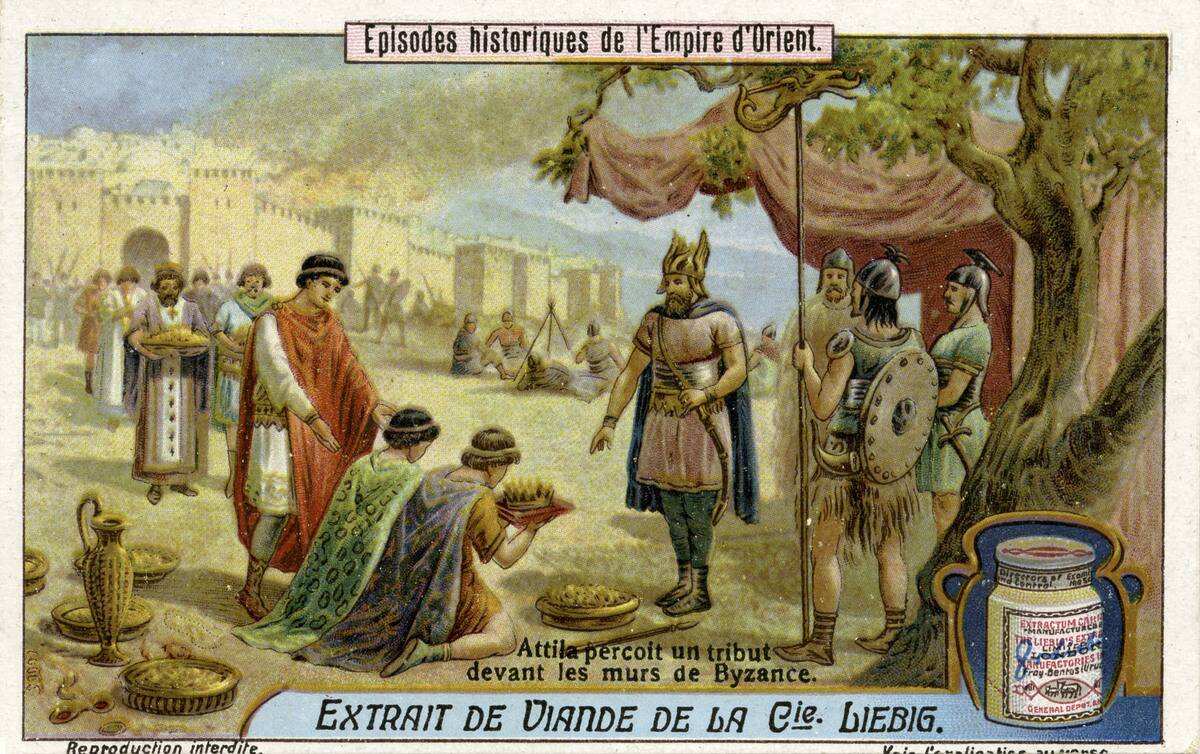
The Hunnic Empire, under the leadership of Attila, struck fear into the hearts of Europeans during the 5th century. Originating from the steppes of Central Asia, the Huns were master horsemen known for their swift cavalry tactics.
Their empire extended from the Black Sea to the Ural River, challenging the might of Rome and other established powers. The Huns’ ferocity and speed left a lasting impression on the history of Europe.
Attila the Hun: Scourge of Rome
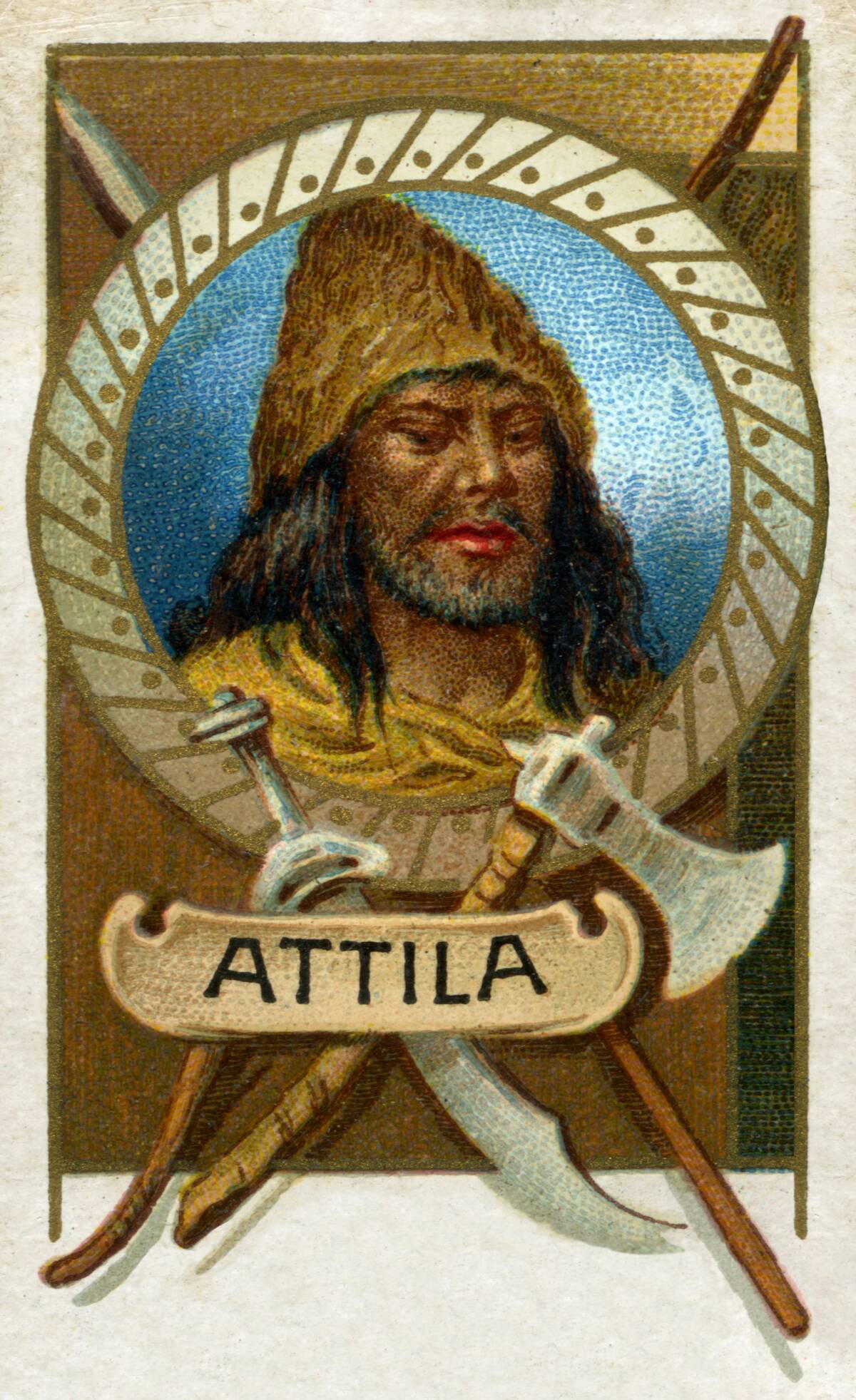
Attila, often referred to as the Scourge of God, was one of the most feared leaders of his time. His campaigns against the Western and Eastern Roman Empires are legendary. In 451 CE, Attila’s forces clashed with a Roman-led coalition at the Battle of the Catalaunian Plains, marking one of the few defeats he faced.
Despite his destructive raids, Attila’s unexpected death in 453 CE led to the rapid disintegration of the Hunnic Empire.
The Commanding Maurya Dynasty
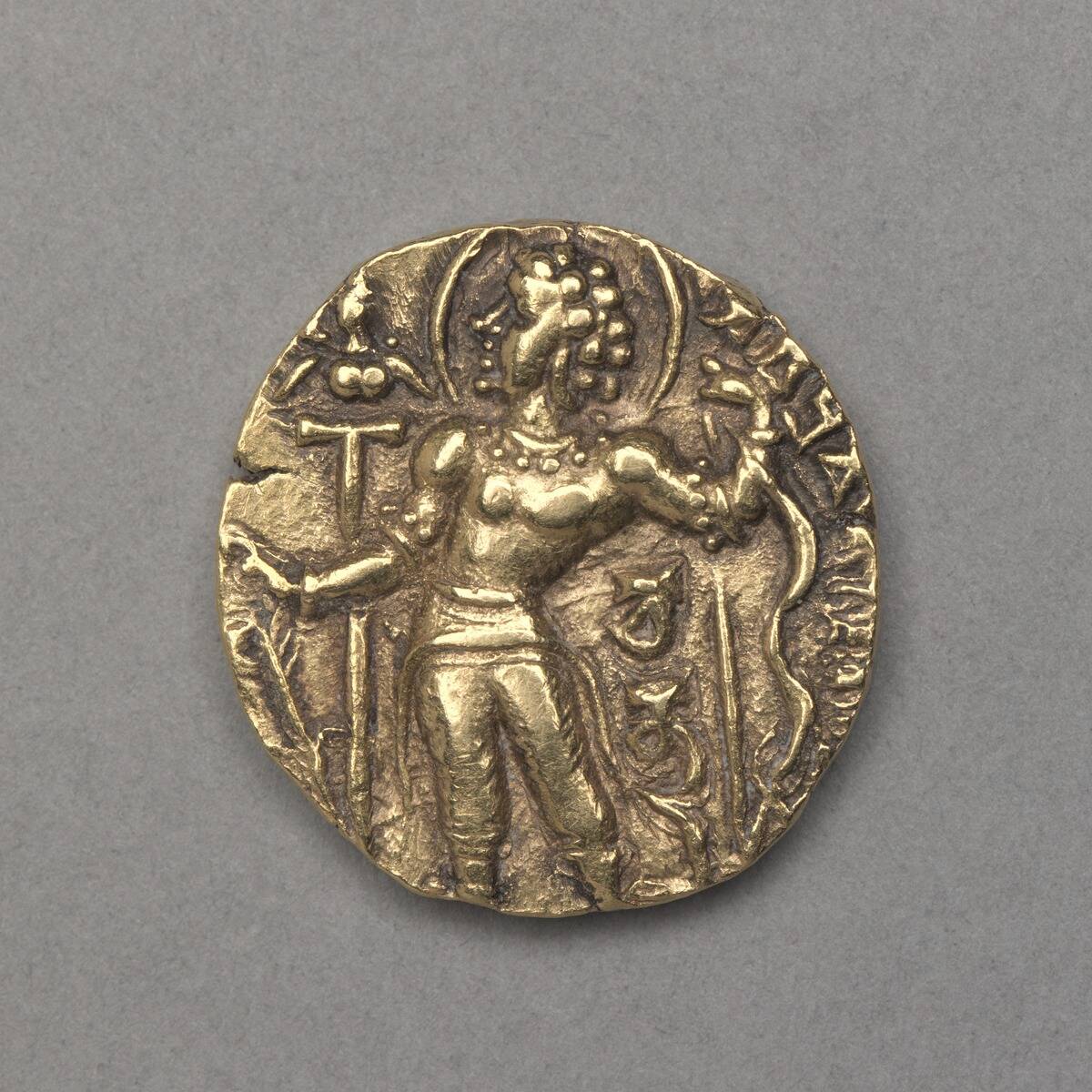
Founded by Chandragupta Maurya in 322 BCE, the Maurya Dynasty became one of the largest empires in ancient India. Under the guidance of advisor Chanakya, the Mauryan administration was highly organized, with a centralized government that promoted trade and agriculture.
The dynasty’s most famous ruler, Ashoka, embraced Buddhism and spread its teachings across Asia. His reign marked a period of peace and cultural flourishing in the Indian subcontinent.
The Mauryan Influence on Ancient India

The Mauryan Empire’s impact on India was profound, laying the foundations for a unified Indian state. The Arthashastra, an ancient treatise on statecraft written by Chanakya, remains influential even today.
Ashoka’s inscriptions, known as the Edicts of Ashoka, promoted moral governance and religious tolerance. The Mauryan period saw advancements in art, architecture, and science, and its legacy continues to shape India’s cultural and historical identity.
The Illustrious Seleucid Empire
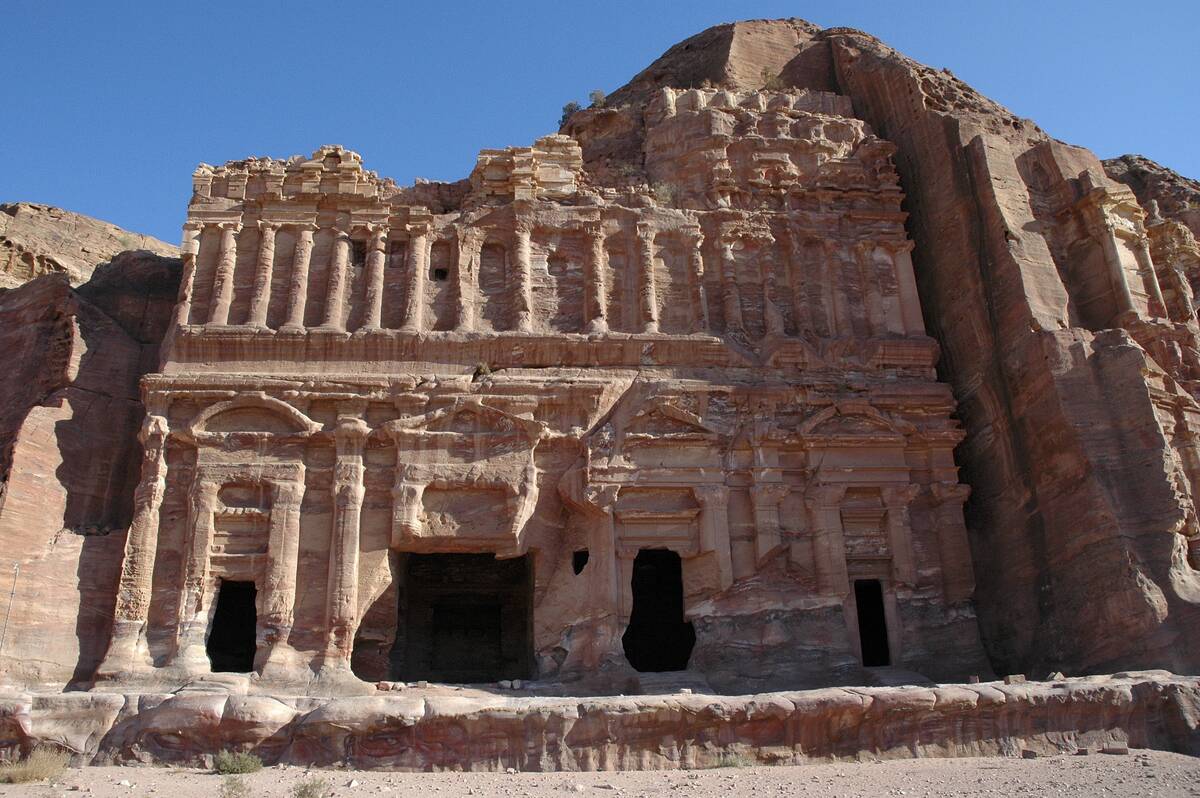
The Seleucid Empire, established by one of Alexander the Great’s generals, Seleucus I Nicator, spanned vast territories from the Mediterranean to India. Founded in the wake of Alexander’s conquests, the Seleucids played a crucial role in spreading Hellenistic culture.
Their capital, Antioch, became a vibrant center of trade and learning. The empire’s vast size and diverse population presented challenges, but it remained a key player in the ancient world.
Seleucid Contributions to Hellenistic Culture

The Seleucids were instrumental in the fusion of Greek and Eastern cultures, a hallmark of the Hellenistic period. They established cities with Greek-style architecture and promoted the use of the Greek language.
The empire’s patronage of the arts and sciences led to advancements in astronomy, philosophy, and medicine. Seleucid rule also facilitated the spread of Greek ideas and practices, which continued to influence the region long after their decline.




