Deserts that hide ancient fossilized forests
Deserts, with their vast stretches of sand and minimal vegetation, may seem barren and lifeless at first glance. However, beneath the surface lies a treasure trove of historical secrets waiting to be uncovered.
These arid landscapes hold remnants of ancient ecosystems, revealing that deserts were not always as we see them today. Through exploring fossilized forests, we can unravel the mysteries of how these regions transformed over millions of years.
The Surprising Existence of Fossilized Forests in Deserts
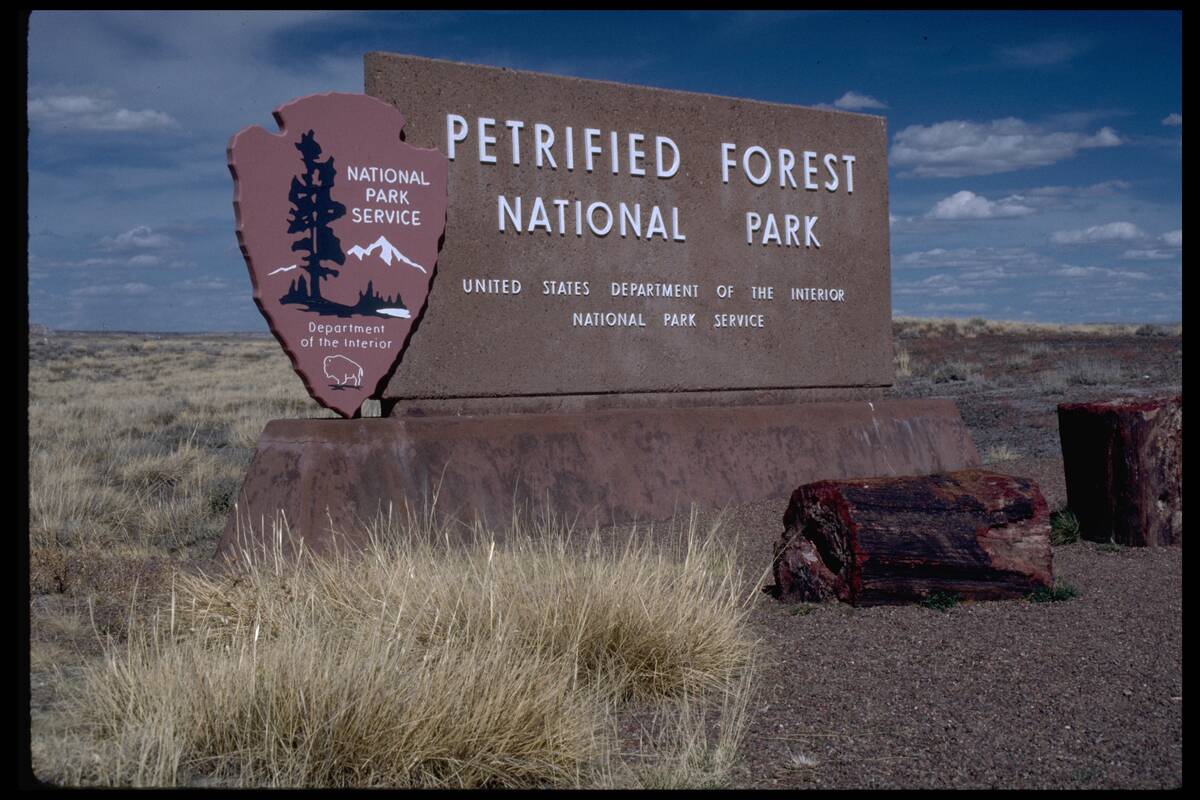
It’s hard to imagine deserts once teeming with lush forests, but fossilized remains tell us otherwise. These remnants, often petrified wood, are scattered across the globe, offering snapshots of ancient biodiversity.
In deserts like the Petrified Forest National Park in Arizona, visitors can witness these preserved wonders firsthand. These fossils are crucial in understanding the ecological history of areas now dominated by sand and heat.
How Deserts Were Once Lush, Thriving Forests
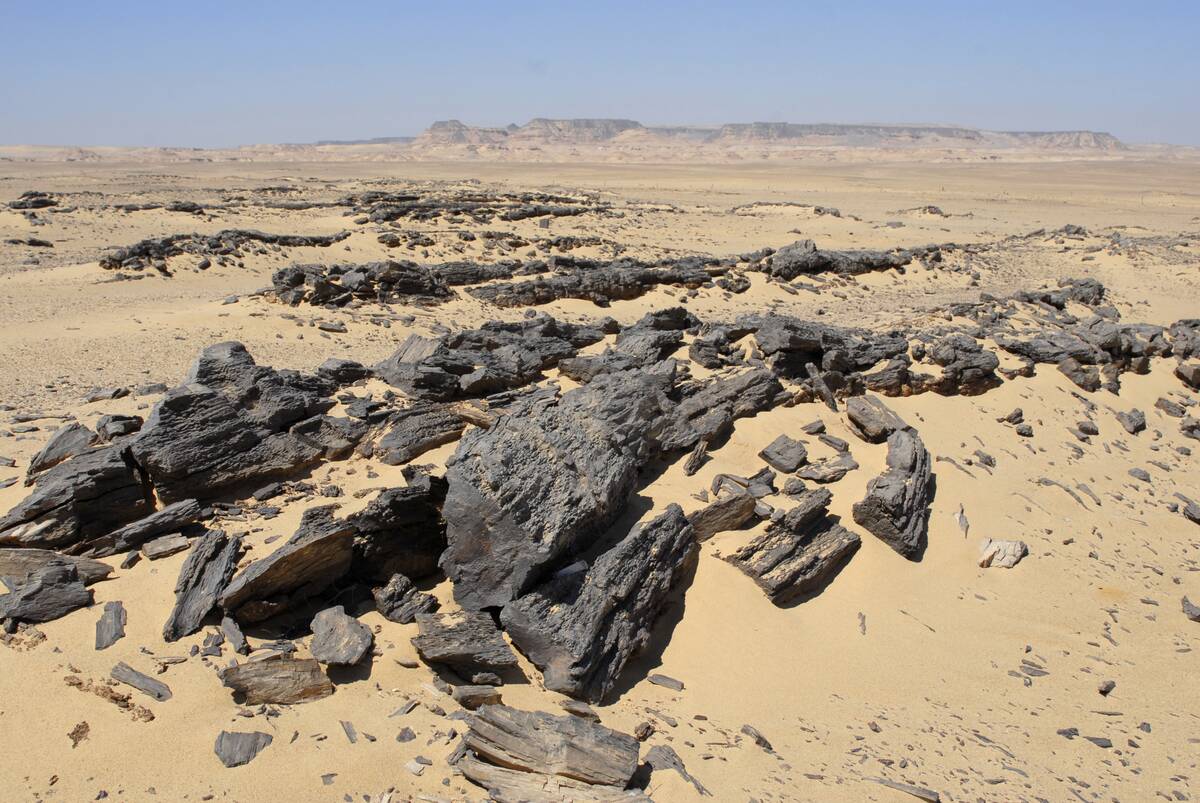
Millions of years ago, many of today’s deserts were thriving forests, hosting a variety of plant and animal life. Climate change and geological events gradually transformed these verdant landscapes into the arid deserts we know today.
Fossilized evidence suggests that regions like the Sahara were once green and full of life, with rivers flowing through what is now dry terrain. This transformation showcases nature’s dynamic ability to adapt and evolve over time.
The Process of Fossilization: Nature’s Time Capsule
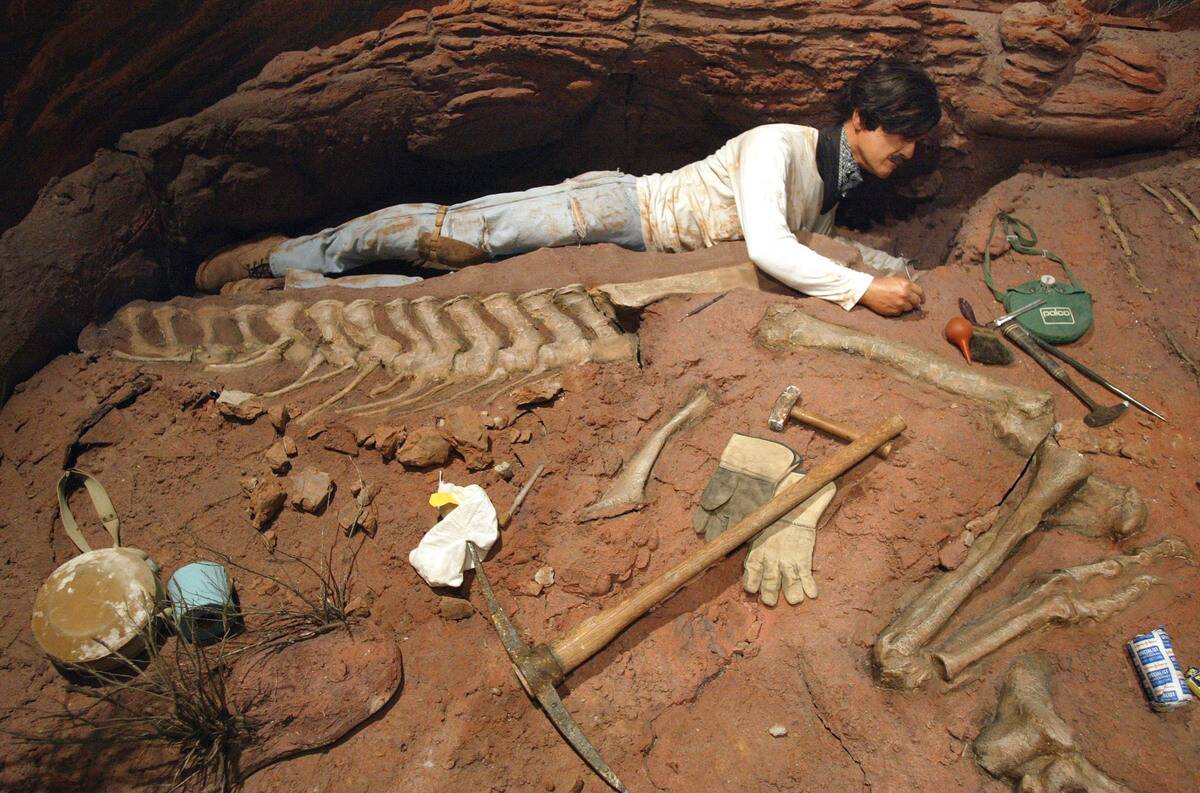
Fossilization is a fascinating process where organic material is replaced by minerals, turning once-living trees into stone-like structures over millions of years. This process creates a time capsule, preserving intricate details of the past.
Conditions must be just right for fossilization to occur, often involving rapid burial and mineral-rich waters. These preserved specimens provide invaluable insights into the Earth’s past environments and the organisms that inhabited them.
Geological Shifts: Transforming Forests into Deserts
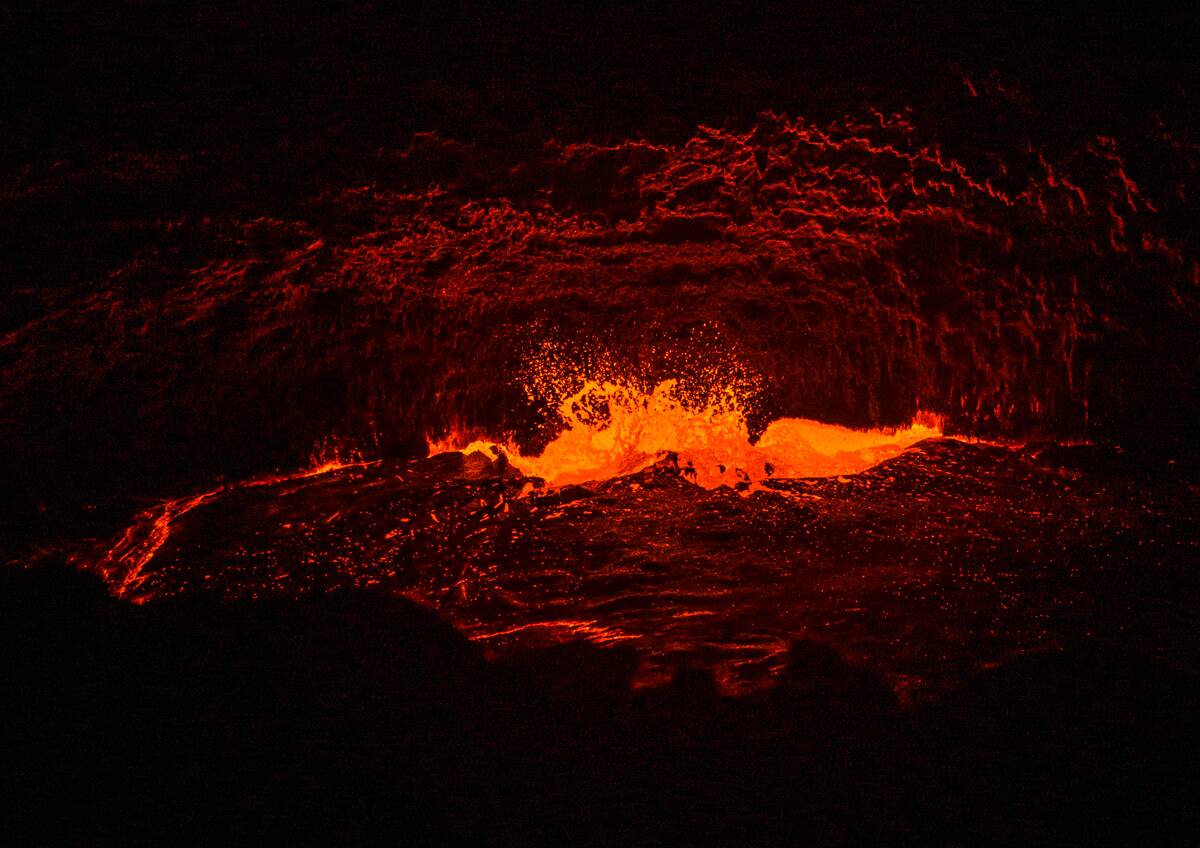
Geological events, such as tectonic plate movement and volcanic eruptions, have played critical roles in transforming forests into deserts. Over time, these shifts altered weather patterns, leading to changes in precipitation and temperature.
The uplift of mountain ranges can block moisture, creating rain shadows that contribute to desertification. These natural processes highlight the dynamic and ever-changing nature of our planet’s surface.
Famous Desert Fossil Sites Around the World
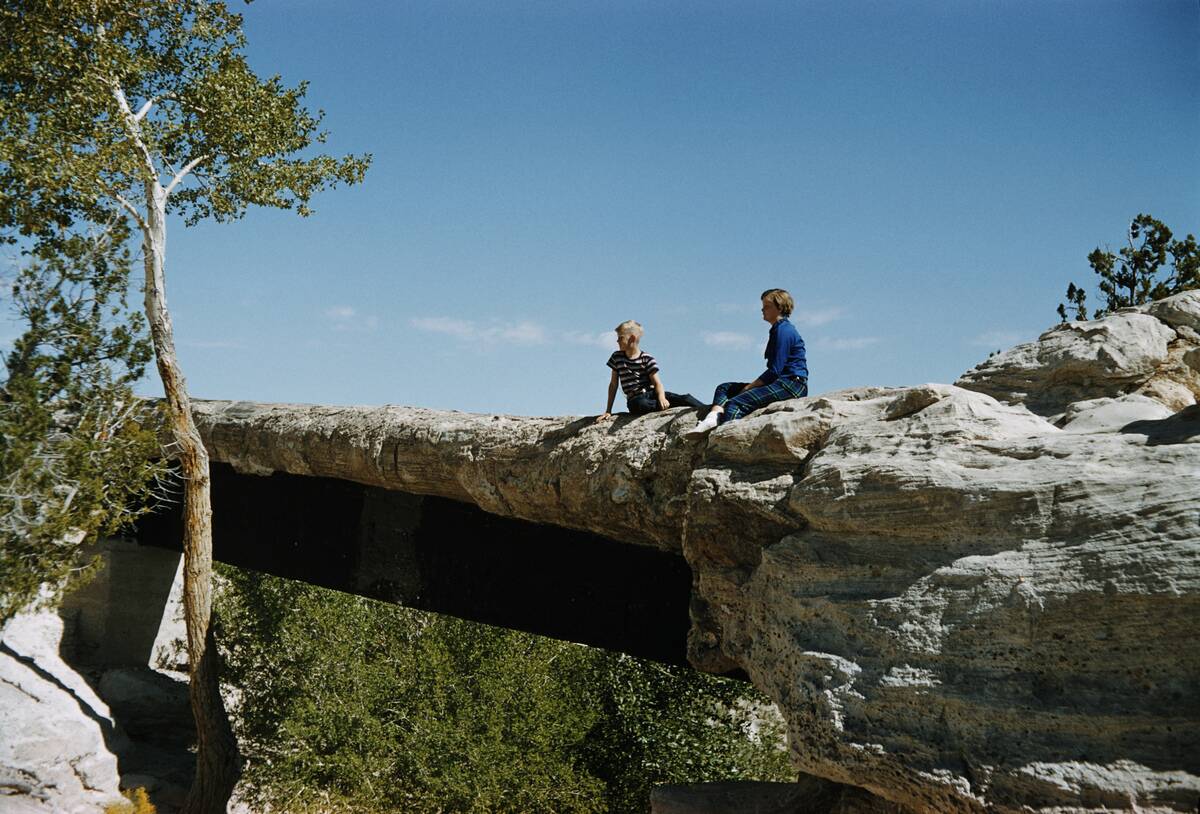
Several desert regions are renowned for their fossilized forests, each offering a unique glimpse into Earth’s ancient past. The Petrified Forest National Park in the United States is one such iconic site, boasting colorful petrified logs scattered across its landscape.
Meanwhile, the Petrified Forest in Namibia and the Gilboa Fossil Forest in New York reveal similar treasures. These sites attract scientists and tourists alike, eager to explore the remnants of prehistoric worlds.
The Sahara Desert: A Hidden Treasure Trove of Fossils
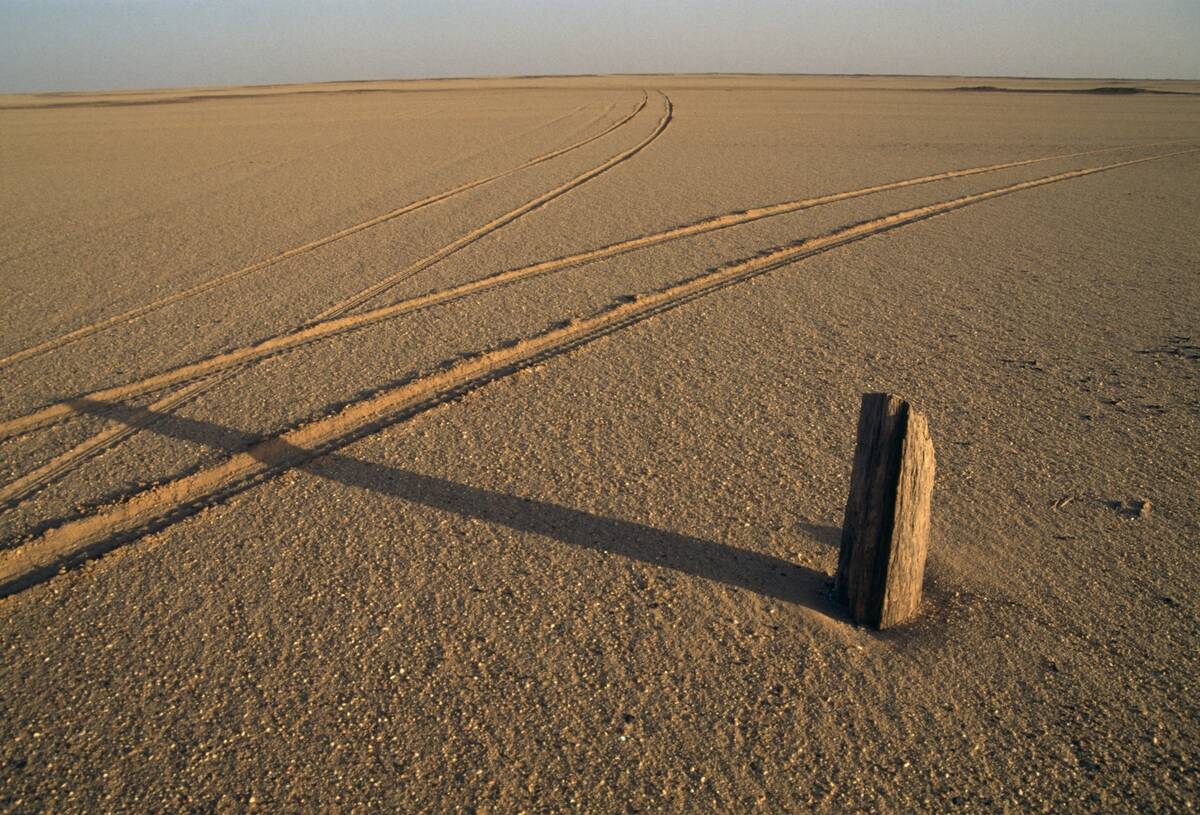
The Sahara Desert, known for its vast stretches of sand, is also home to a wealth of fossils. These include not only petrified wood but also remnants of ancient marine life from when the region was submerged under seas.
Paleontologists have uncovered fossils of early whales and other marine creatures, painting a vivid picture of the Sahara’s transformation from ocean to desert. These discoveries continue to captivate scientists and broaden our understanding of the Earth’s history.
The Gobi Desert: Uncovering Ancient Trees from a Lost Era
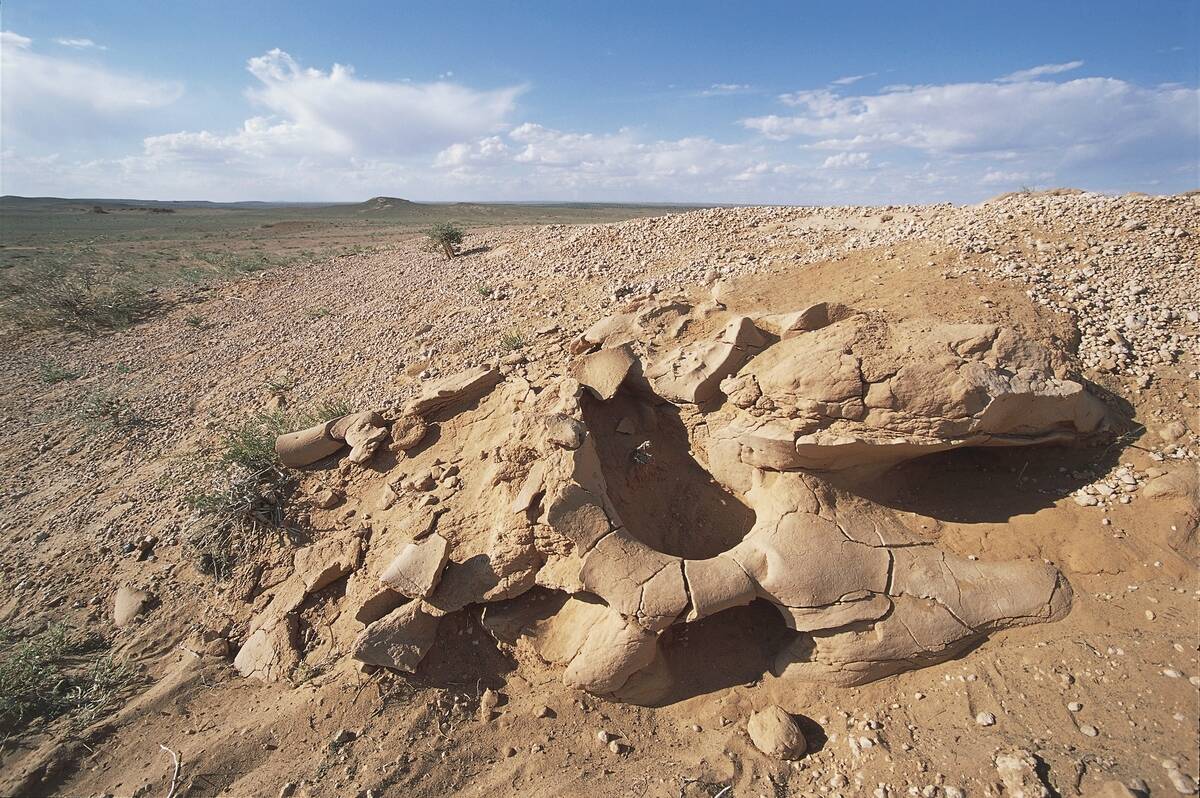
The Gobi Desert is another region where fossilized forests offer a window into a bygone era. This Asian desert is not only famous for its dinosaur fossils but also for its petrified wood, which speaks to a time when lush forests covered the landscape.
The preserved trees, some dating back over 150 million years, provide crucial evidence of ancient climatic conditions. These finds help piece together the ecological puzzle of Earth’s distant past.
The Atacama Desert: Fossils in the Driest Place on Earth
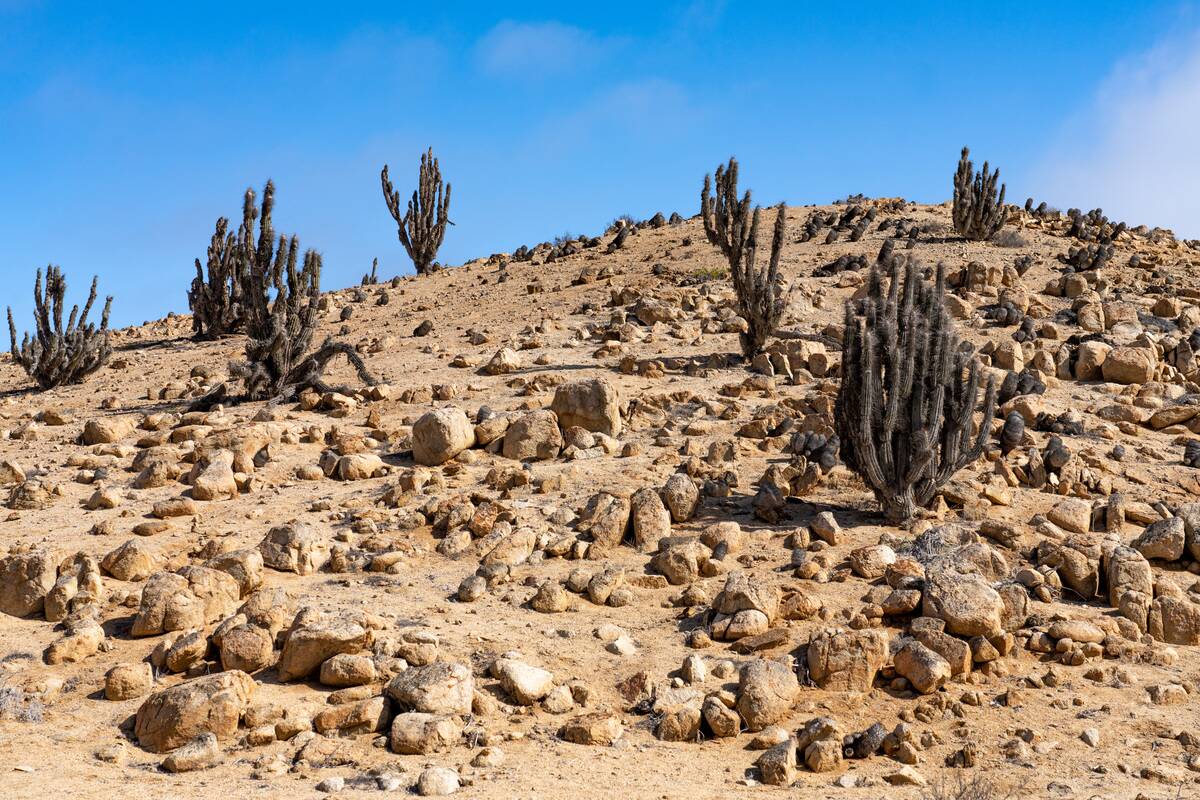
The Atacama Desert in Chile, often cited as one of the driest places on Earth, holds surprising fossilized secrets beneath its arid surface. This region’s fossilized remains include not just trees but also marine life, hinting at its wetter past.
The lack of moisture in the Atacama today makes it an excellent place for preserving these ancient specimens. This arid environment provides scientists with an ideal setting to study the fossilization process.
The Namib Desert: Ancient Forests Beneath the Sands
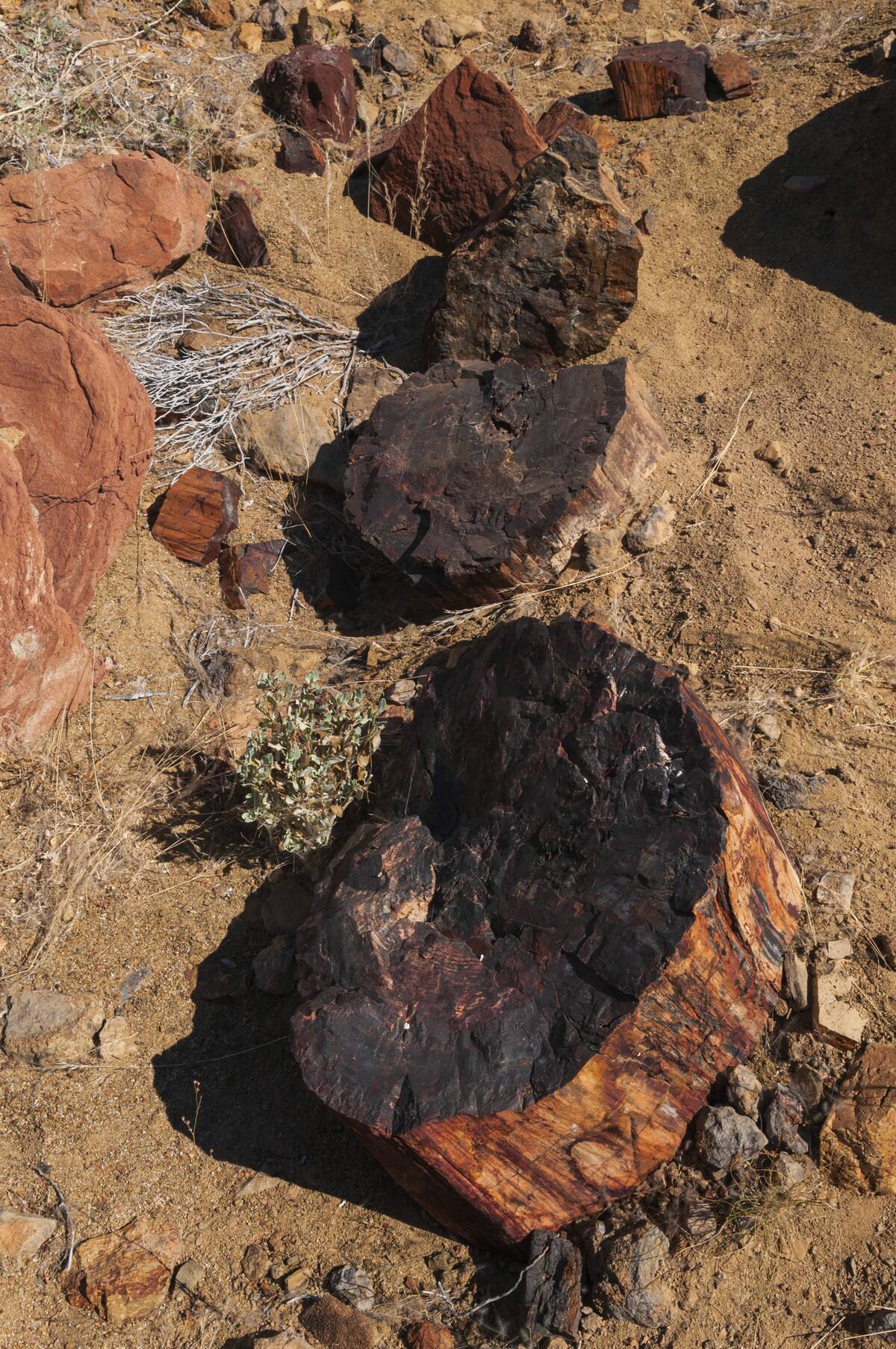
In the Namib Desert, one can find fossilized trees that whisper stories of an ancient forested landscape. This desert, one of the oldest in the world, contains petrified wood dating back millions of years.
The fossils here are a testament to the Namib’s ecological transformations over time. As scientists study these remnants, they gain insights into the climatic shifts and geological changes that have shaped the region’s history.
The Role of Paleobotanists: Detectives of Fossilized Forests
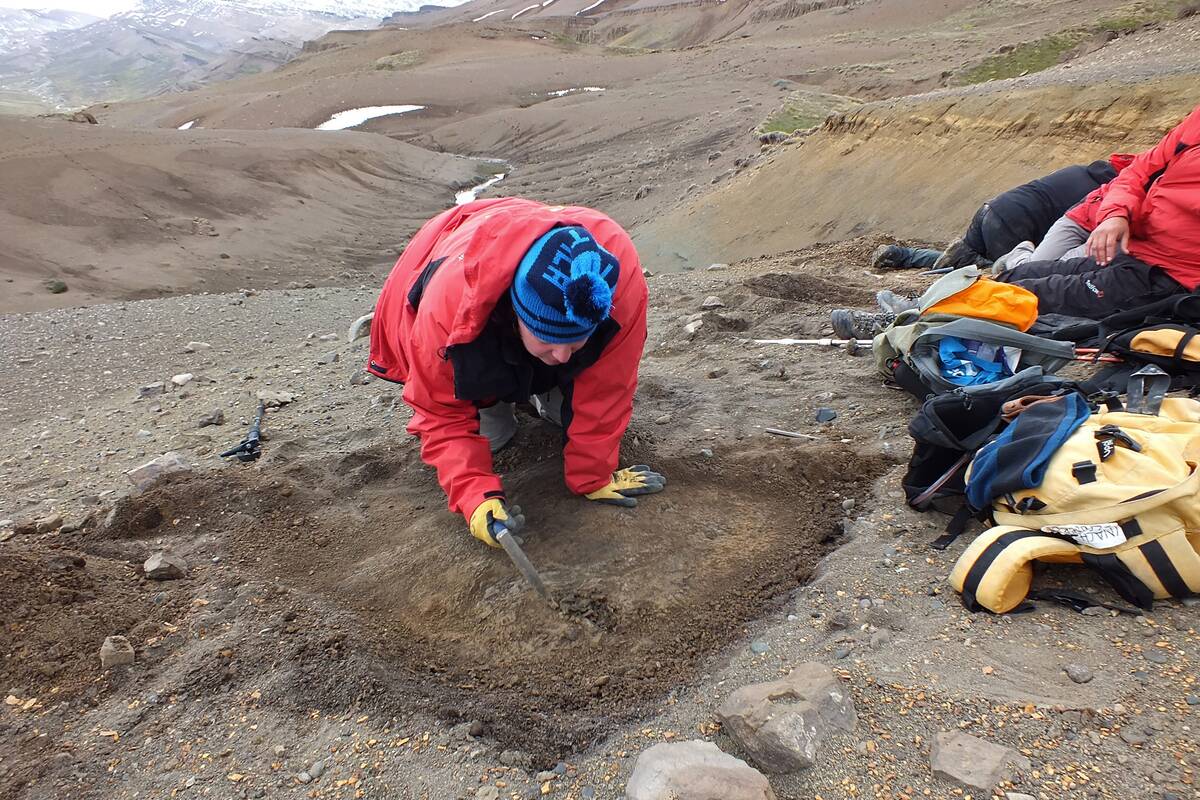
Paleobotanists play a crucial role in studying fossilized forests, acting as detectives piecing together the story of Earth’s botanical past. By examining petrified wood and plant fossils, they can reconstruct ancient ecosystems and understand how they responded to environmental changes.
Their work involves meticulous fieldwork and laboratory analysis, helping to decode the secrets locked within these natural time capsules. This research is vital for understanding the evolution of plant life on our planet.
What Fossilized Trees Tell Us About Earth’s Climate History
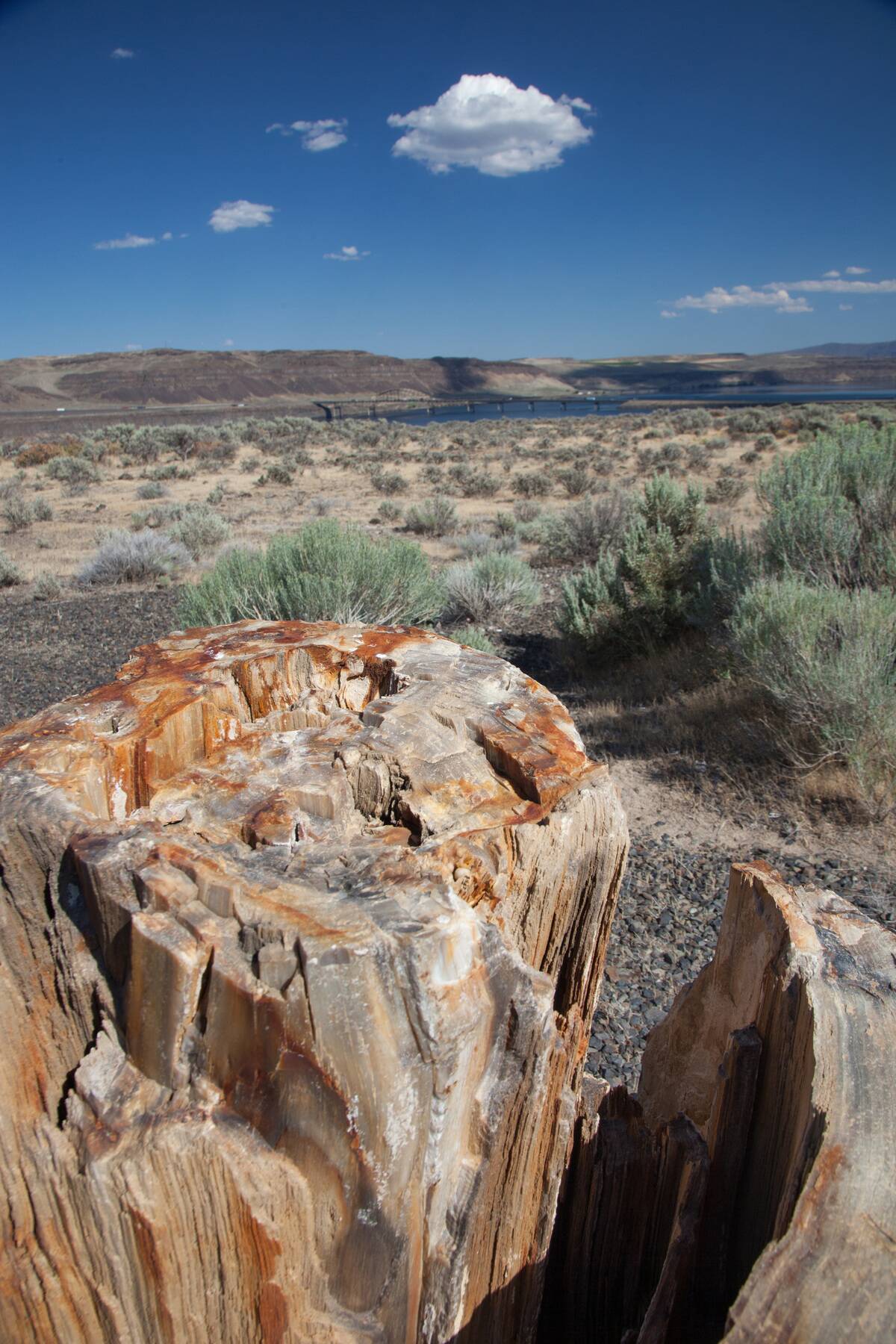
Fossilized trees serve as valuable records of Earth’s climate history, offering clues about past atmospheric conditions. The growth rings of these ancient trees, much like those of living trees, provide information on rainfall patterns and temperature fluctuations over time.
By analyzing these rings, scientists can identify periods of climatic stability or upheaval, shedding light on how ecosystems have adapted to changing conditions. This information is crucial for predicting future climate trends and their potential impacts.




