Photos of historic castles built to stop invaders
Castles have always fascinated us with their grandeur and mystery. Built predominantly during the medieval era, these massive structures were not just royal residences; they were fortresses designed to withstand sieges and attacks.
To this end, castles incorporated a variety of ingenious defenses. From hidden traps to secret passages, each feature was crafted to protect against invaders while inspiring awe in those who approached.
Moats: More Than Just Pretty Water Features
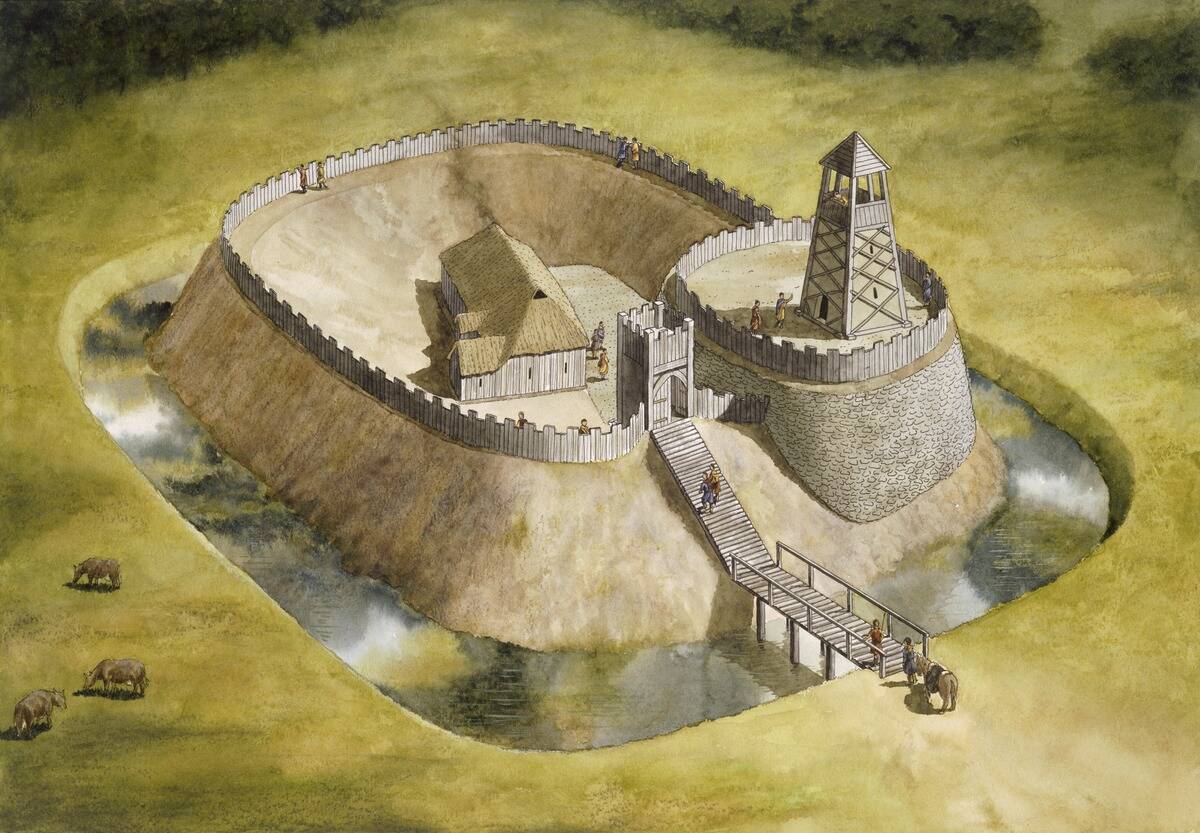
While moats often add a picturesque quality to castles, their primary function was defensive. These water-filled ditches made it difficult for enemies to approach the walls. Moats were typically filled with water or left dry as deep ditches.
They served to slow down attackers and expose them to defensive fire from the castle walls. Additionally, they often prevented siege weapons from being brought close enough to be effective.
Drawbridges: The Original Welcome Mat with a Twist
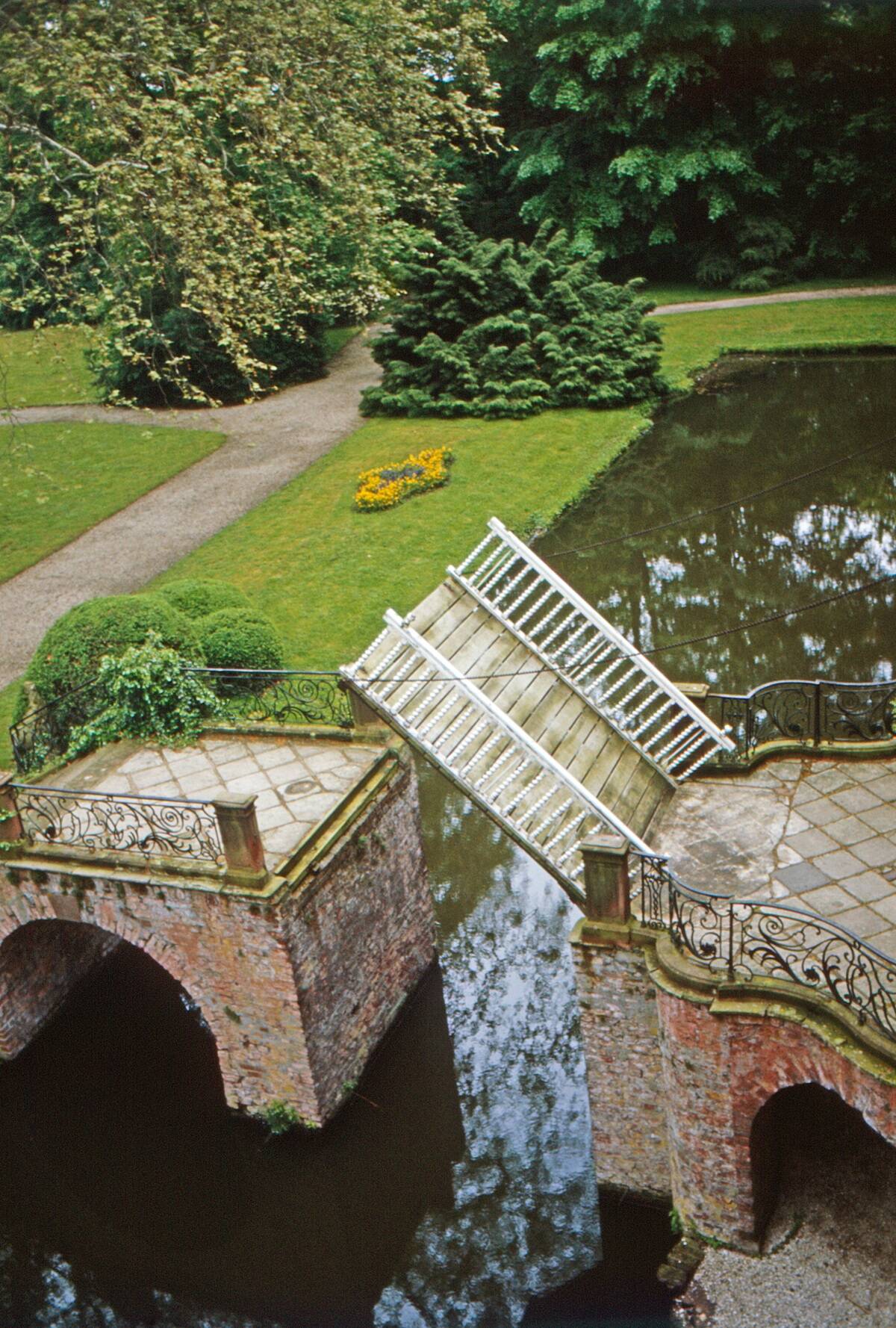
Drawbridges were a crucial component of castle security, providing controlled access over moats. These ingenious devices could be quickly raised or lowered to allow or deny entry. When raised, they formed an impassable barrier that protected the castle from invaders.
The drawbridge was not only functional but also symbolic, representing the castle’s willingness to welcome friends and repel foes, all with the pull of a rope.
Murder Holes: A Not-So-Welcoming Overhead Surprise
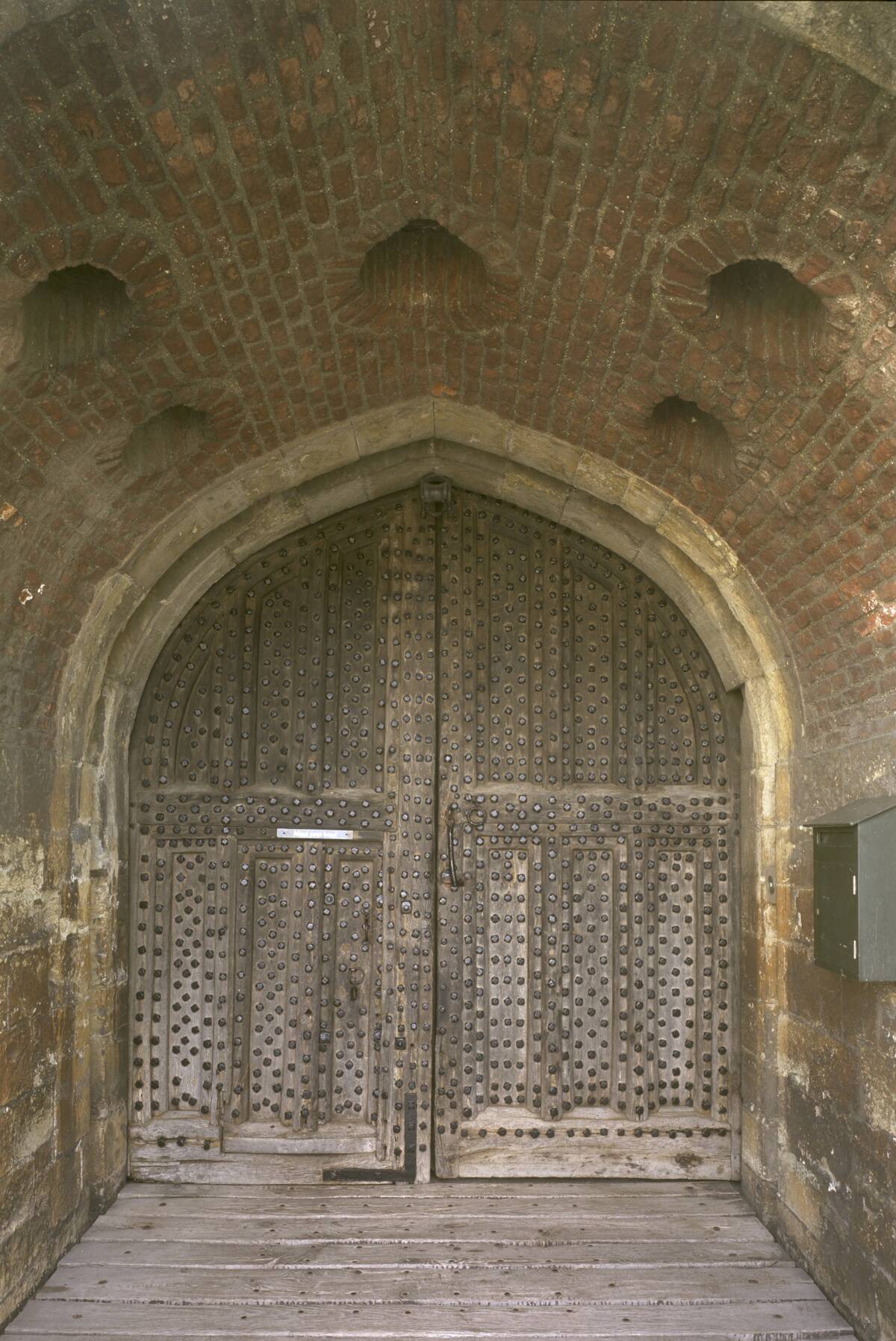
Murder holes were strategically placed openings in ceilings or walls, used to drop unpleasant surprises on attackers below. Located in gatehouses or passageways, they allowed defenders to pour boiling water, oil, or other harmful substances on enemies.
These brutal yet effective measures served to deter advances and protect the castle’s inner sanctum. The mere knowledge of their existence was enough to make attackers wary.
Portcullises: The Iron Curtain of the Middle Ages
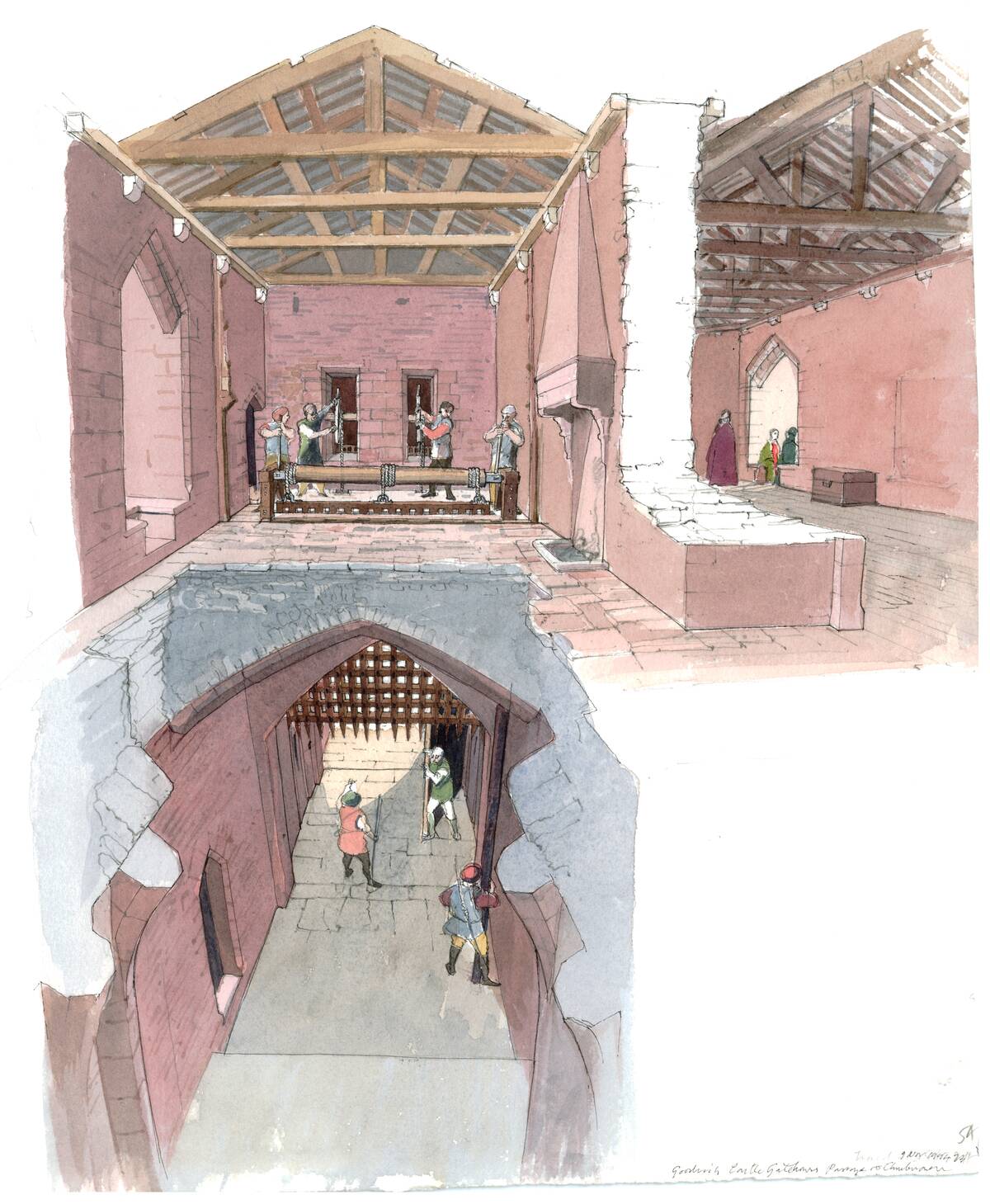
A portcullis was a heavy, iron-grated door that could be swiftly lowered to block a castle entrance. Suspended by chains or ropes, it slid vertically within grooves to secure the gateway.
The portcullis offered a formidable barrier against enemy advances, often working in tandem with other defenses like drawbridges and murder holes. Its imposing presence and quick deployment made it a cornerstone of medieval castle defense.
The Treacherous Spiral Staircase
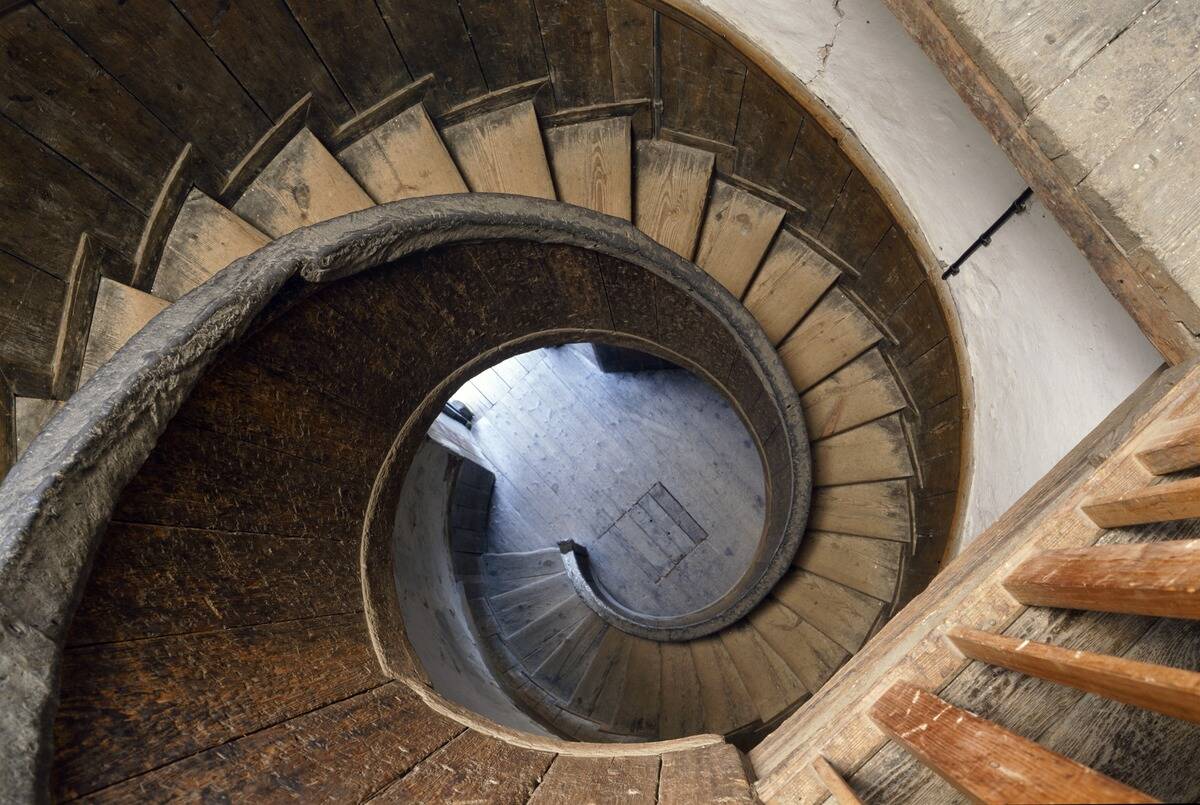
Spiral staircases were more than just architectural marvels; they were strategic defense mechanisms. These staircases typically ascended clockwise, which may have favored right-handed defenders descending from above.
The narrow and winding design also made it difficult for multiple enemies to ascend simultaneously, providing defenders with a tactical edge in close-quarters combat.
Secret Passages: The Ultimate Hide and Seek
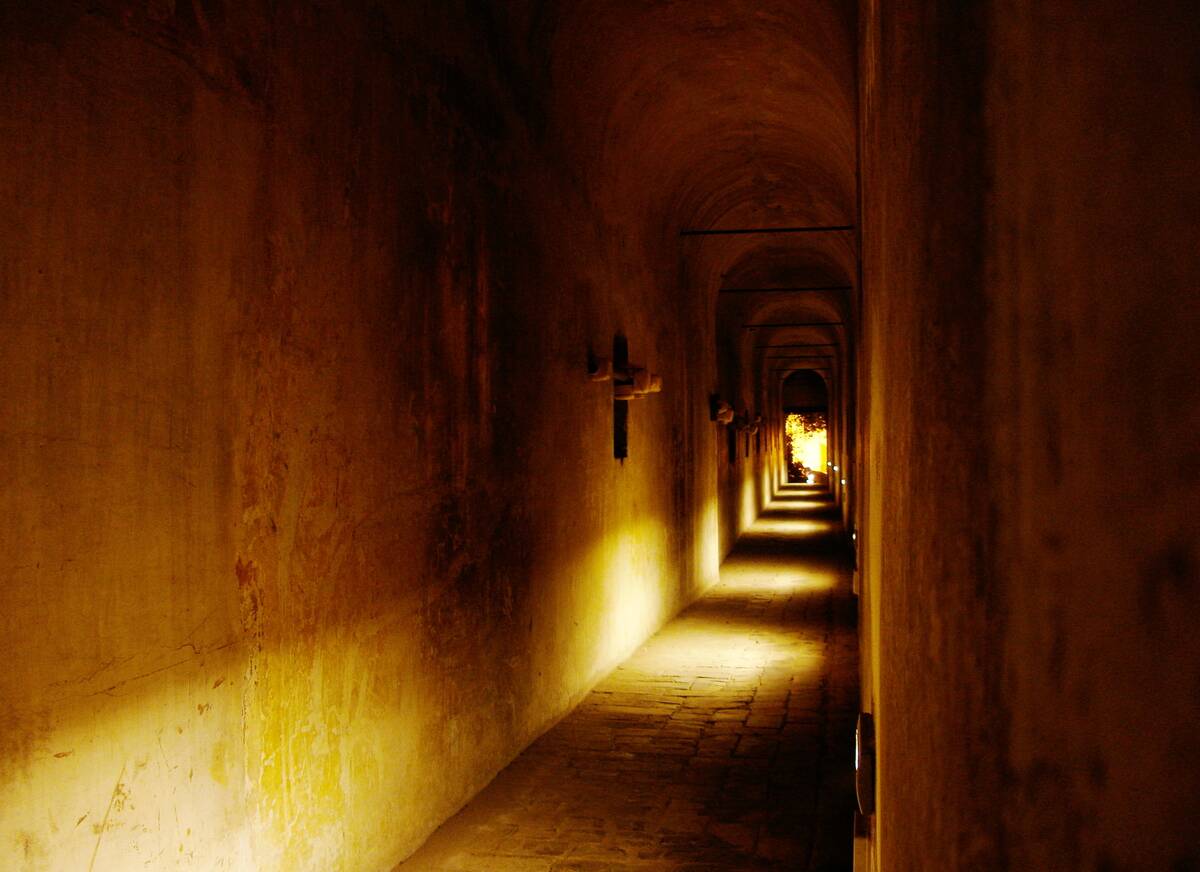
Secret passages were hidden routes within castles, offering clandestine escape or access paths. These concealed corridors allowed occupants to move undetected, crucial during sieges or surprise attacks.
The knowledge of these hidden pathways was often limited to trusted individuals, ensuring their effectiveness as defensive tools. Secret passages added an element of mystery and intrigue, often becoming the stuff of legends and lore.
The Deadly Embrace of the Caltrop
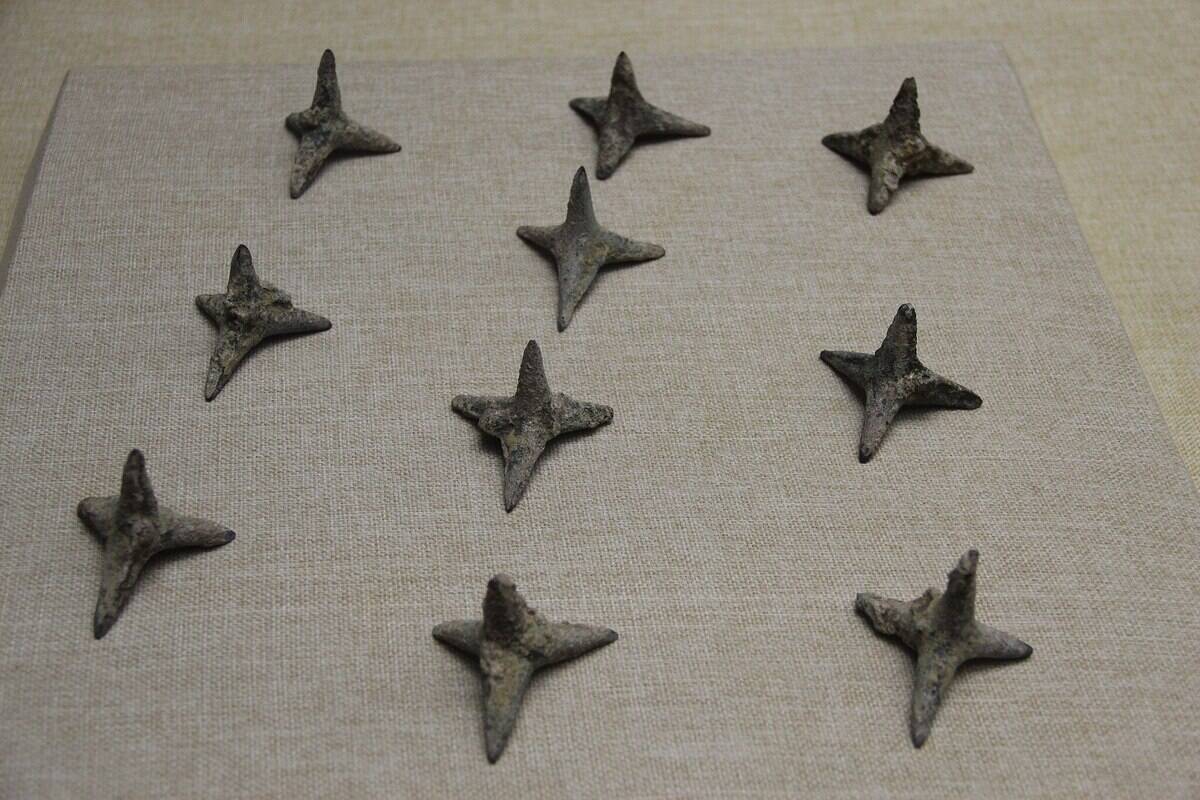
Caltrops were small, spiked devices scattered across the ground to hinder enemy movement. Their design ensured that a spike always pointed upwards, puncturing the feet of advancing troops or disabling horses.
This simple yet effective trap created chaos and slowed down enemy forces, providing defenders with a tactical advantage. Caltrops exemplified the ingenuity of medieval warfare, turning the terrain itself into a weapon.
Machicolations: Defense from Above
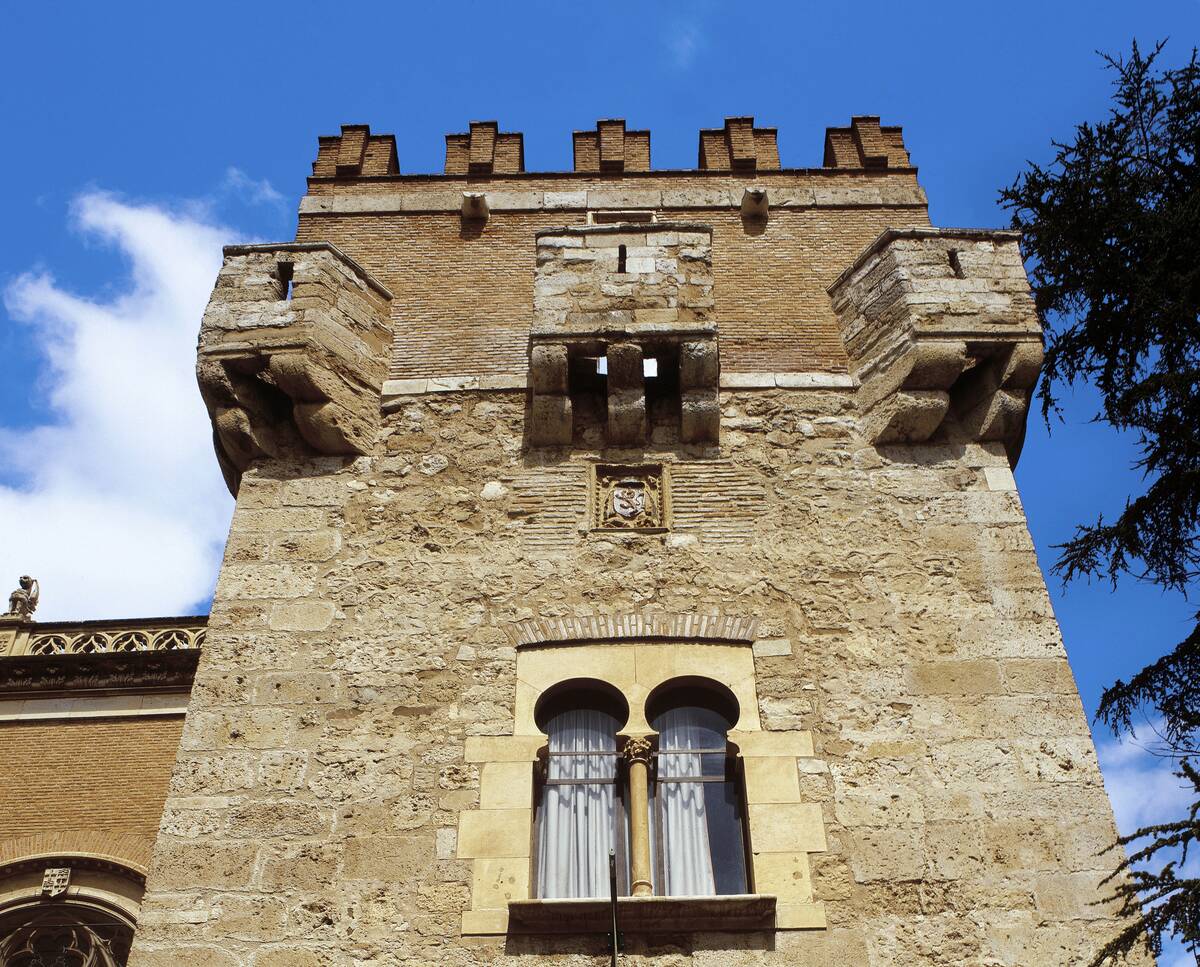
Machicolations were overhanging structures on castle walls, allowing defenders to drop projectiles on attackers below. These stone projections were fitted with openings through which rocks, arrows, or boiling liquids could be hurled.
Positioned high above ground level, they provided a safe vantage point for defenders to repel attacks. Machicolations were a testament to the strategic design of castles, utilizing height and gravity as defensive allies.
Battlements: Not Just For Scenic Views
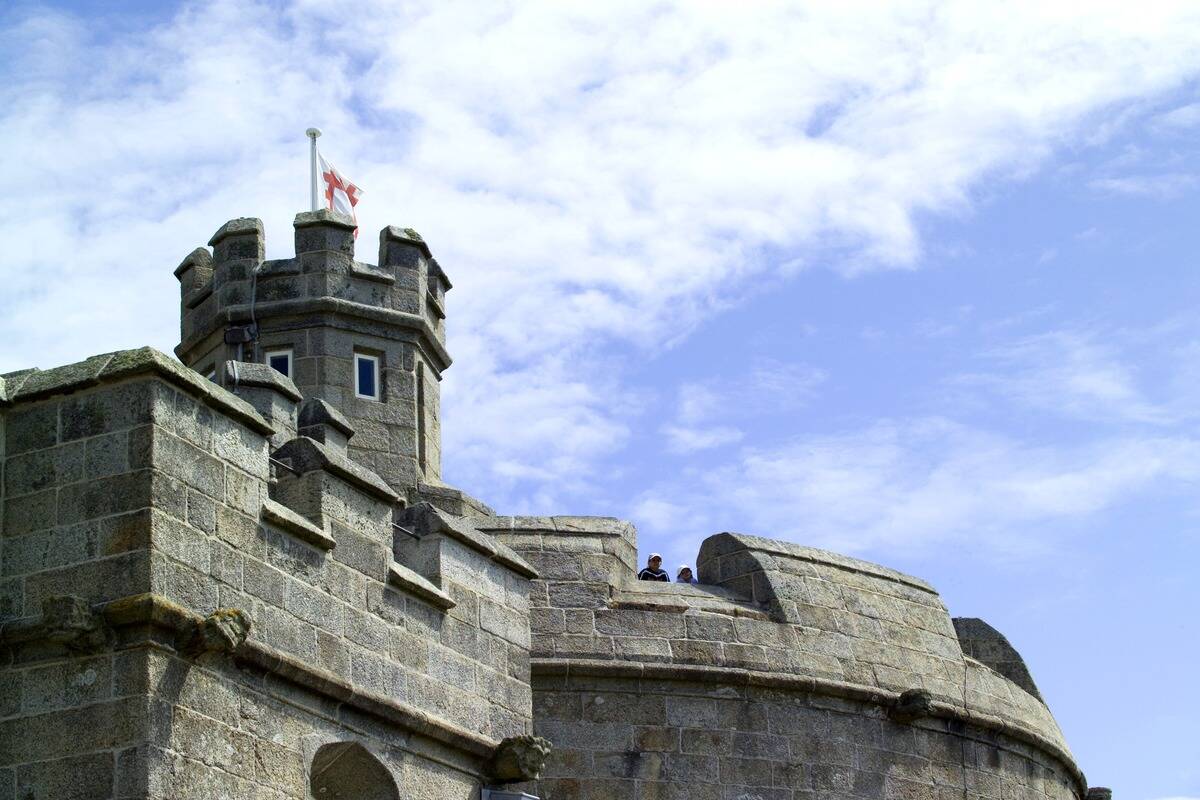
Battlements, with their iconic crenellated patterns, were primarily defensive features. The alternating high and low sections, known as merlons and embrasures, allowed defenders to shoot while remaining protected.
These structures provided a strategic advantage, enabling soldiers to fire on attackers while minimizing their exposure. Beyond their defensive function, battlements also contributed to the imposing aesthetic of castles, symbolizing strength and authority.
The Psychological Warfare of Traps
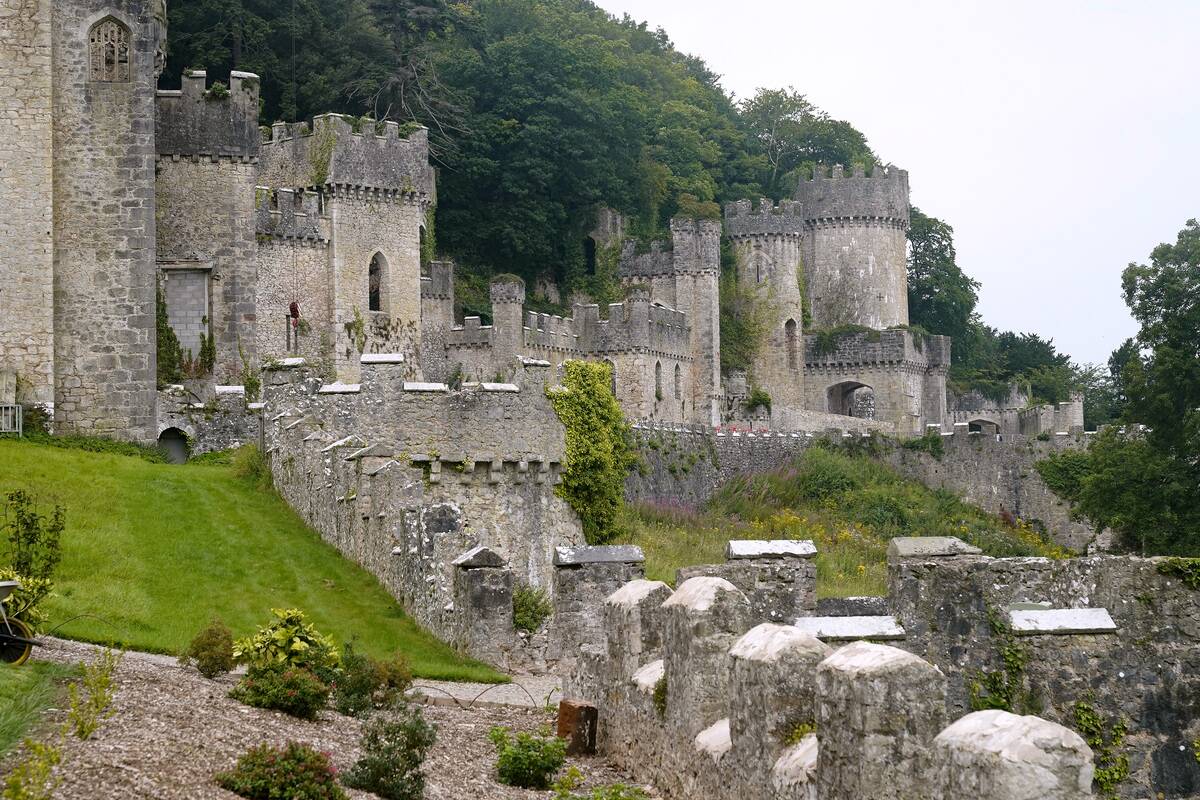
The psychological impact of traps was a critical component of medieval defense. The mere knowledge of hidden dangers created fear and hesitation among attackers. This psychological warfare often proved more effective than the physical traps themselves, as it sowed doubt and confusion.
By leveraging fear as a weapon, defenders could deter aggression and maintain control over their territory, illustrating the multifaceted nature of medieval military strategy.