12 photos of ancient weapons powered by fire
The crackle of flames and the smell of smoke were once common on the battlefields of the ancient world. Weapons that harnessed fire were fearsome tools of war, adding a new dimension to military tactics.
From flaming arrows to incendiary bombs, these fiery implements not only caused physical destruction but also struck terror into the hearts of enemies. Let’s journey through time to explore these scorching innovations that shaped warfare in fascinating ways.
The Origins of Fire-Based Weaponry

Fire has been a part of human life for millennia, and its use in warfare is as old as civilization itself. Early humans likely discovered the power of fire to frighten and disperse predators, which naturally extended to its use in conflicts.
The first recorded use of fire in battle dates back to ancient civilizations like the Egyptians, who employed burning pitch and oil to set enemy ships ablaze. This primitive yet effective tactic laid the groundwork for more sophisticated fire-based weapons.
Greek Fire: The Byzantine Empire’s Secret Weapon
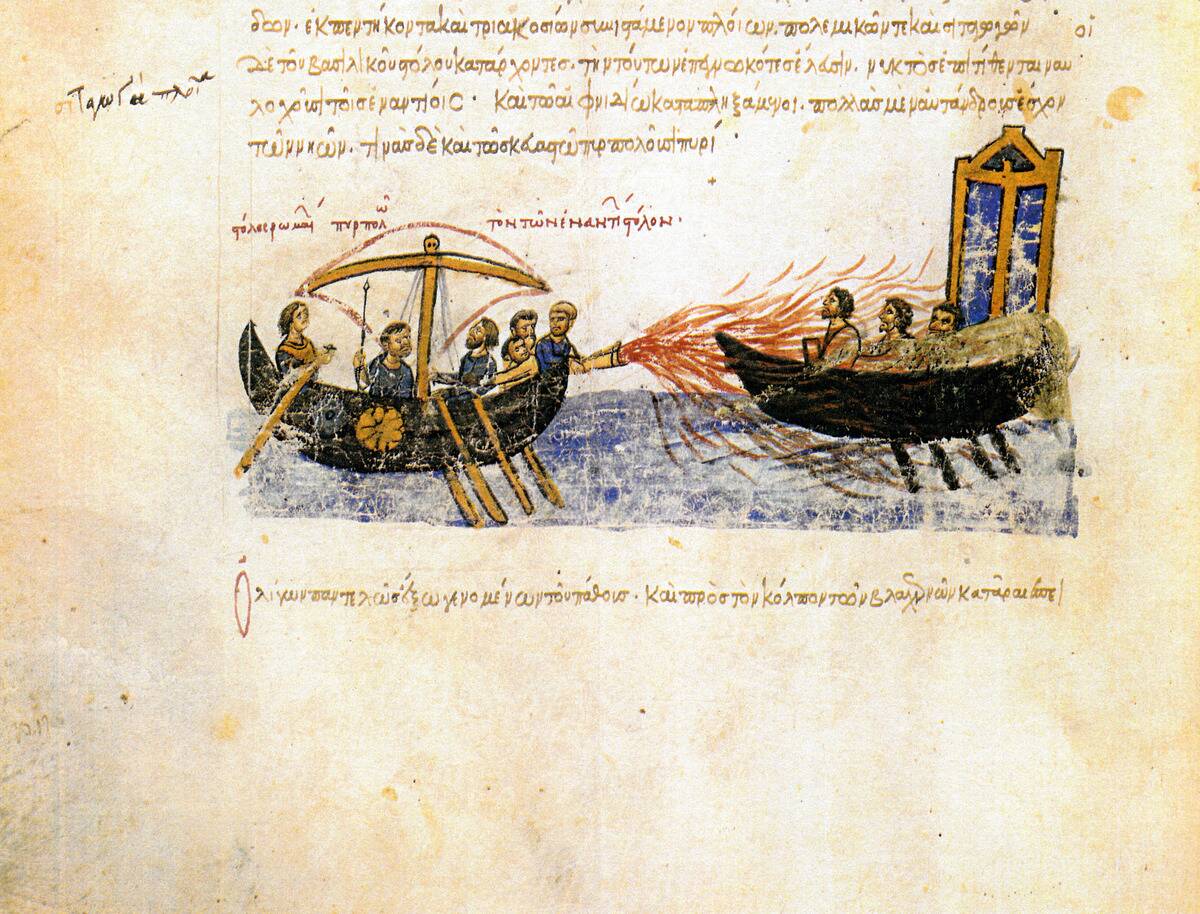
Greek Fire was a legendary incendiary weapon used by the Byzantine Empire, creating panic and destruction in naval battles. This powerful liquid could ignite upon contact with water, making it particularly devastating against enemy ships.
Its formula was so secretive that it remains unknown to this day, securing its place in history as one of the ancient world’s most mysterious and effective military technologies.
The Mystery Behind Greek Fire’s Composition
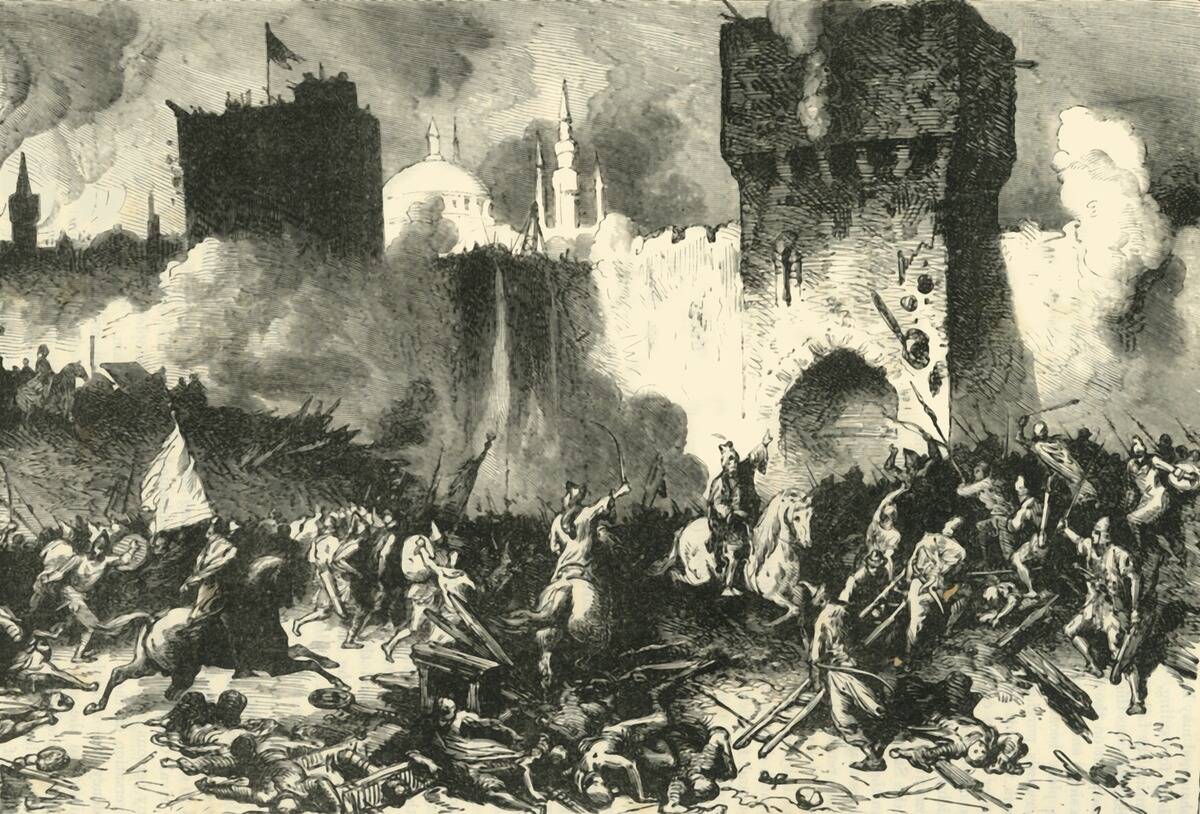
Despite centuries of speculation, the exact composition of Greek Fire remains a closely guarded mystery. Historians believe it may have included ingredients like oil, sulfur, and quicklime, but the precise recipe was lost with the fall of Constantinople.
The Byzantines took great care to keep its production secrets, ensuring that only a select few knew how to concoct this formidable weapon, which contributed to its legendary status.
Flaming Arrows: Simple Yet Effective
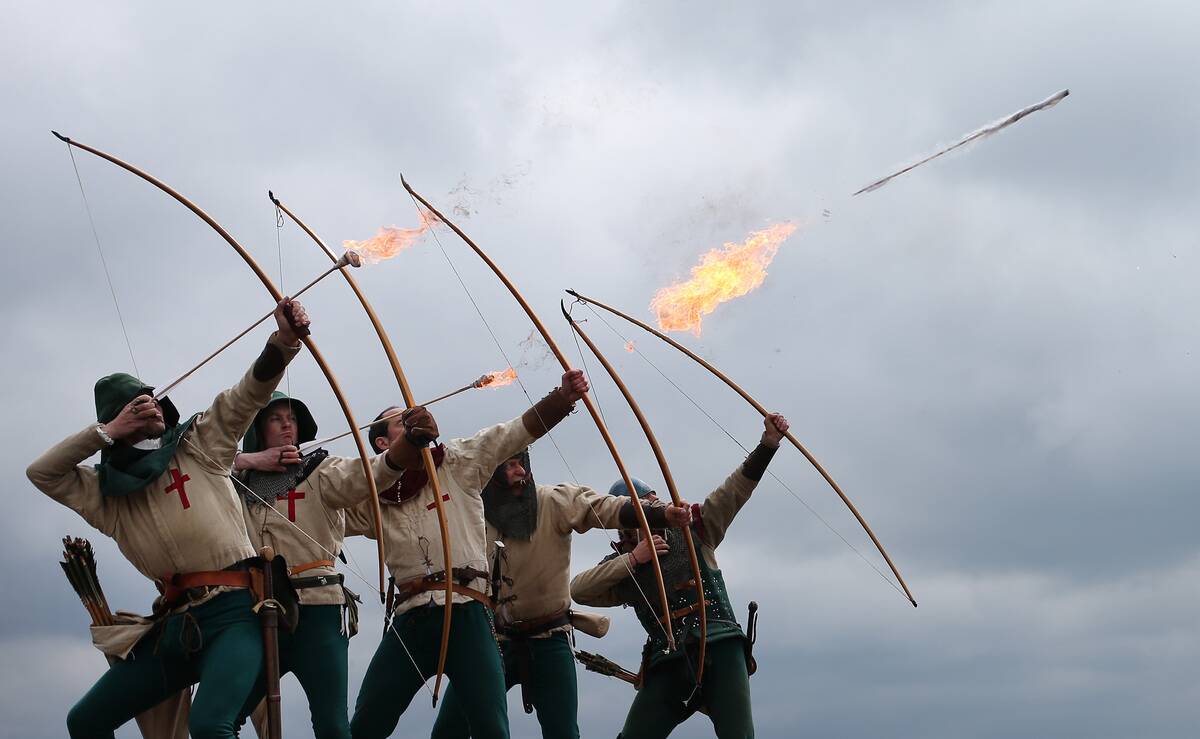
Flaming arrows were among the simplest yet most effective incendiary weapons. Soldiers would wrap the arrowheads in flammable materials, light them, and launch them toward enemy ranks or fortifications.
This tactic was widely used by various ancient armies, including the Greeks and Romans. The sight of a volley of flaming arrows cutting through the night sky was as terrifying as it was aesthetically striking, making it a beloved strategy in ancient warfare.
The Use of Fire Arrows in Ancient China
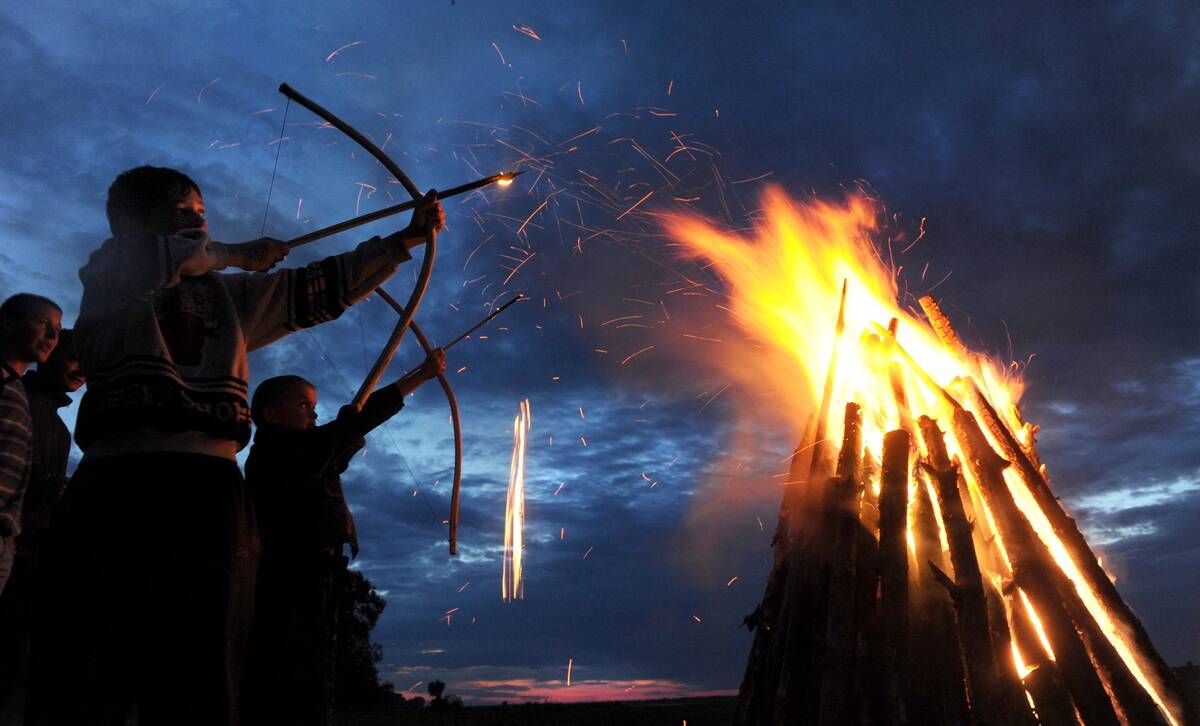
In ancient China, fire arrows were a staple of military strategy, especially during the Warring States period. Chinese archers were adept at using these incendiary projectiles to lay siege to enemy cities.
They would often dip the arrowheads in oil and ignite them before launching, causing chaos and destruction. The Chinese even developed multi-shot crossbows to increase the effectiveness of these fiery volleys, showcasing their innovative spirit in warfare.
Fire Pots: The Ancient Grenades
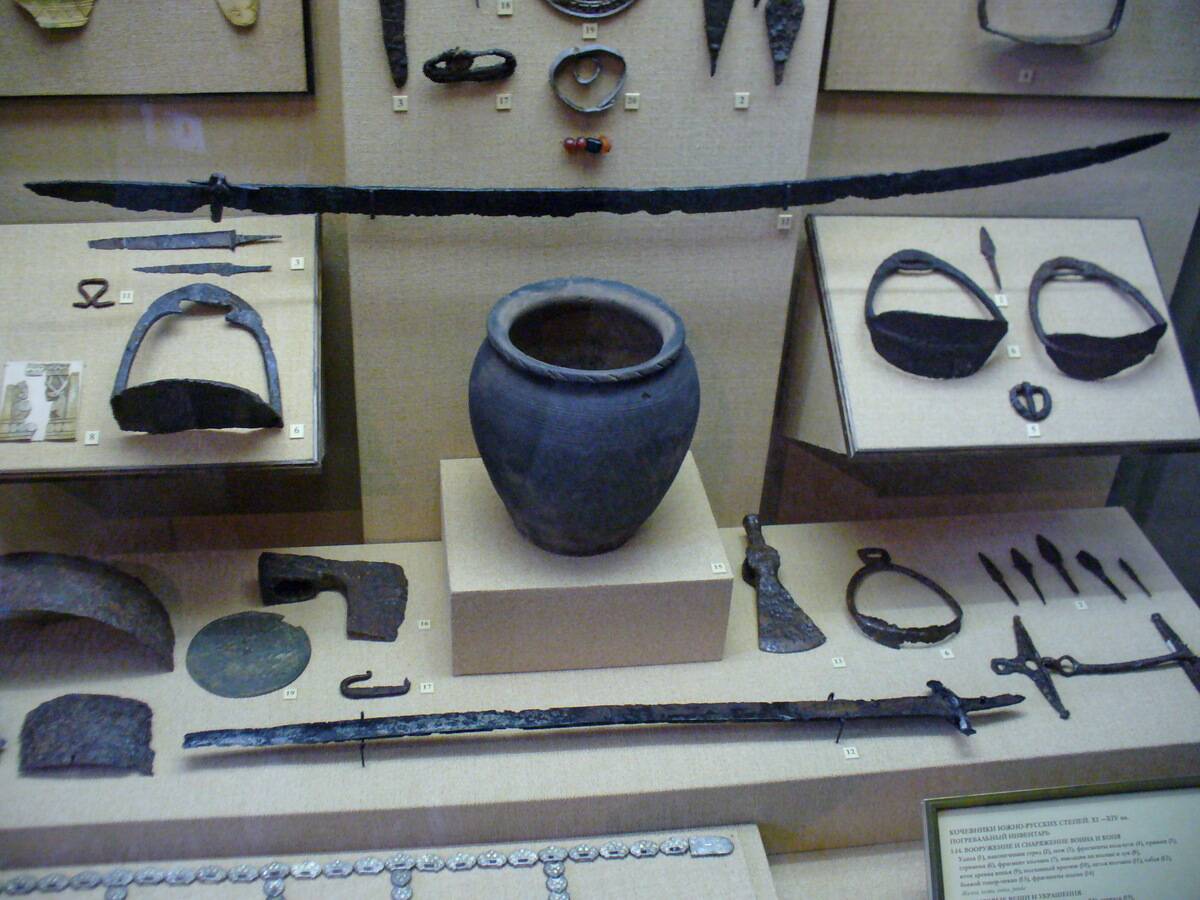
Fire pots were an ancient precursor to modern grenades, used to create havoc in enemy ranks. Made from ceramic or metal, these pots were filled with flammable substances and lit before being thrown at opponents.
The explosion of flame and smoke was both physically damaging and psychologically unsettling. Ancient Indian armies, for instance, utilized fire pots effectively, demonstrating their strategic importance in open battlefields and sieges alike.
The Role of Fire in Naval Warfare
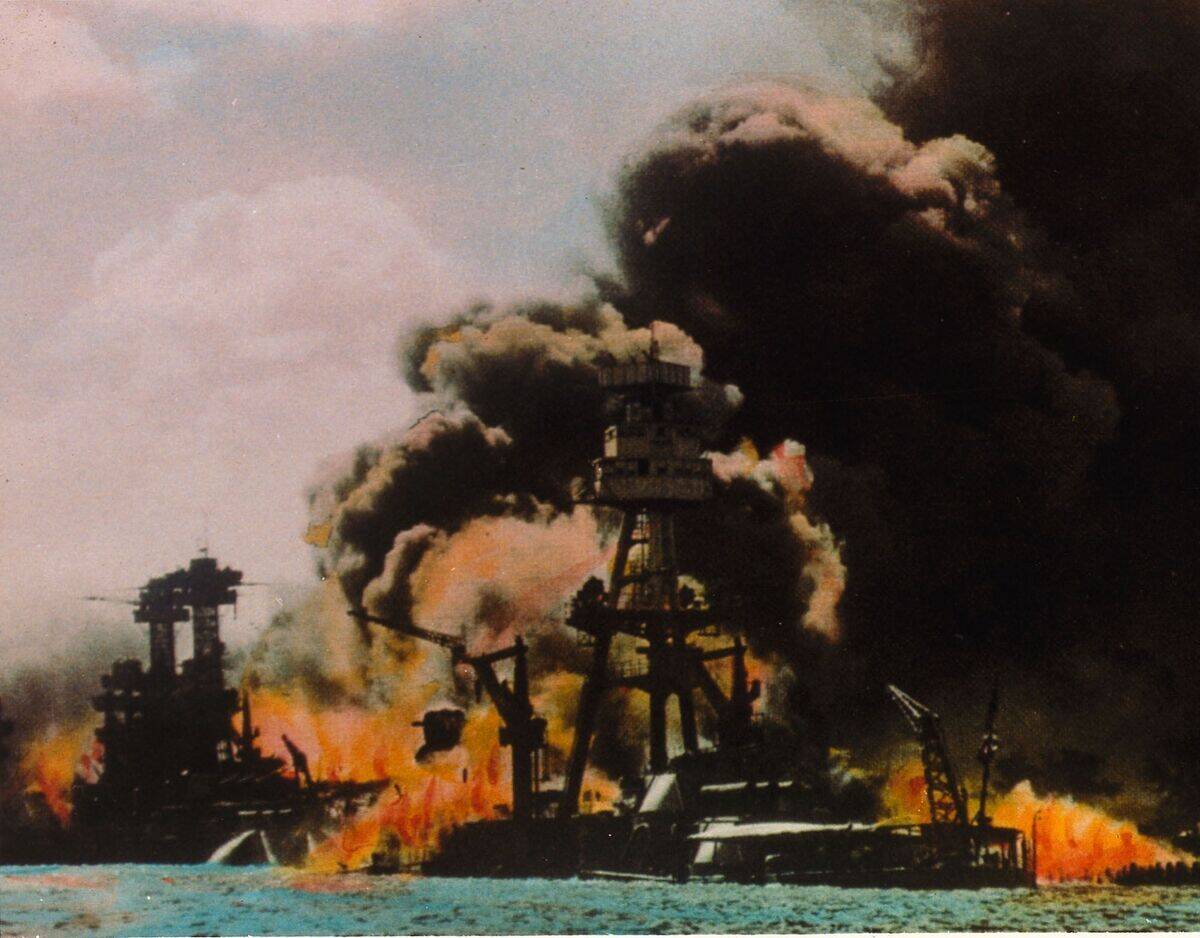
Naval battles in ancient times were particularly suited to the use of fire-based weapons. Flaming arrows and Greek Fire were favorites for disabling enemy fleets.
The use of fire at sea was not just about destruction; it was a psychological weapon, striking fear into sailors who knew that a burning ship was a death sentence. The Byzantines, in particular, mastered this art, using fire to dominate the Mediterranean and protect their empire.
Incendiary Bombs: Early Siege Weapons
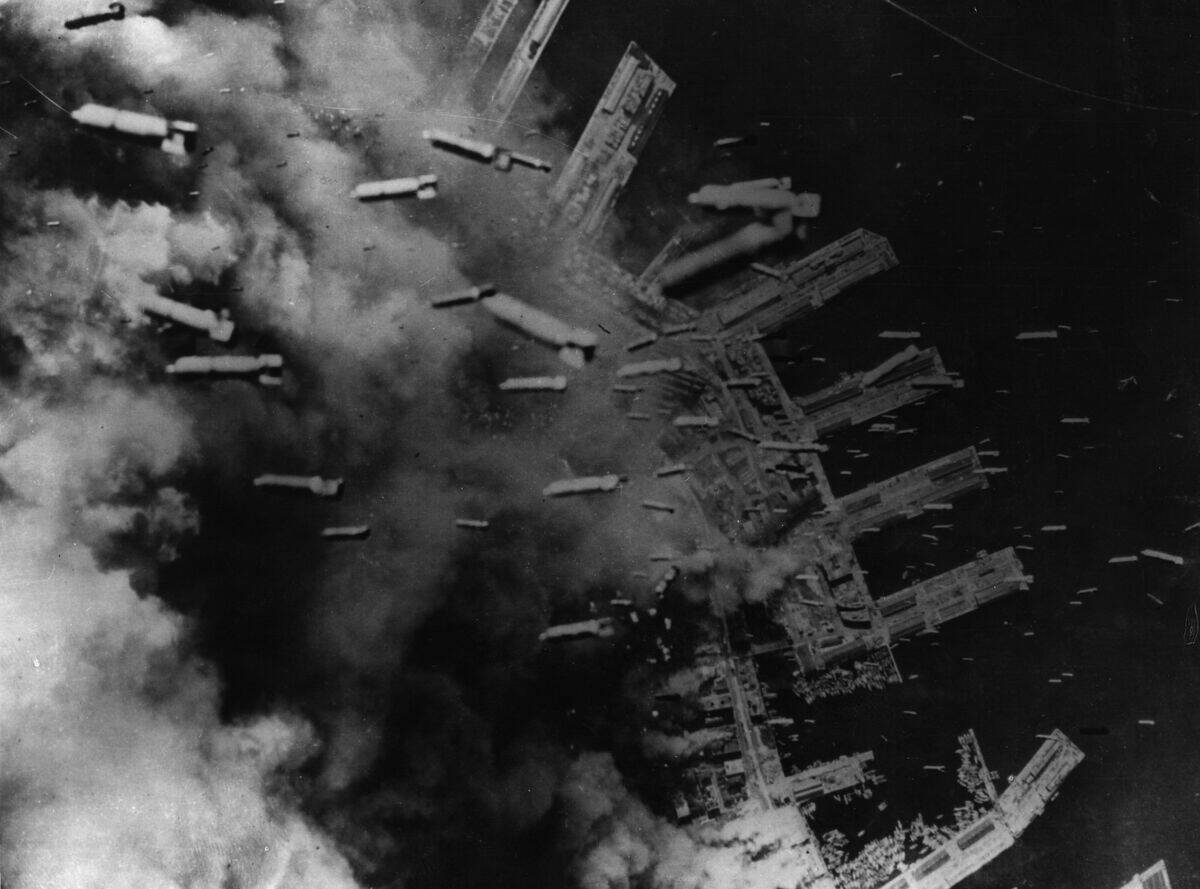
Incendiary bombs served as early siege weapons, designed to destroy fortifications and sow chaos within enemy ranks. Made from clay or metal, these bombs were filled with a cocktail of flammable materials that would ignite upon impact.
The Mongols were known for deploying such devices during their expansive conquests, showcasing their tactical ingenuity. These weapons were particularly effective in breaching city walls and creating openings for further assault.
The Psychological Impact of Fire in Battle
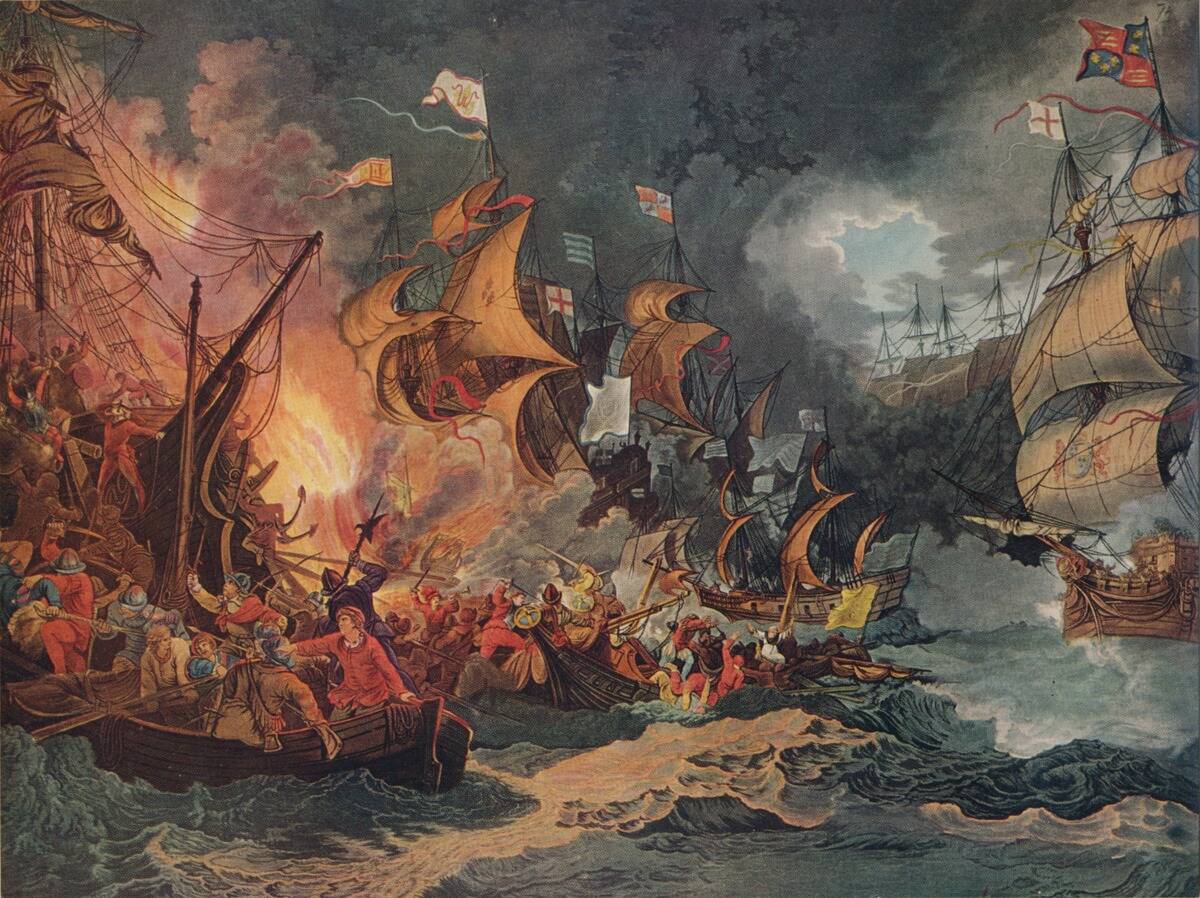
Fire’s psychological impact in warfare cannot be overstated. The sight of flames could demoralize troops and civilians alike, creating panic and confusion. Beyond the physical harm, fire’s unpredictable nature added to its terror.
Historical accounts often describe soldiers fleeing in fear at the mere sight of fire, proving its effectiveness as a psychological weapon. Its use in warfare was as much about breaking the enemy’s spirit as about inflicting physical damage.
The Mongols’ Fiery Tactics
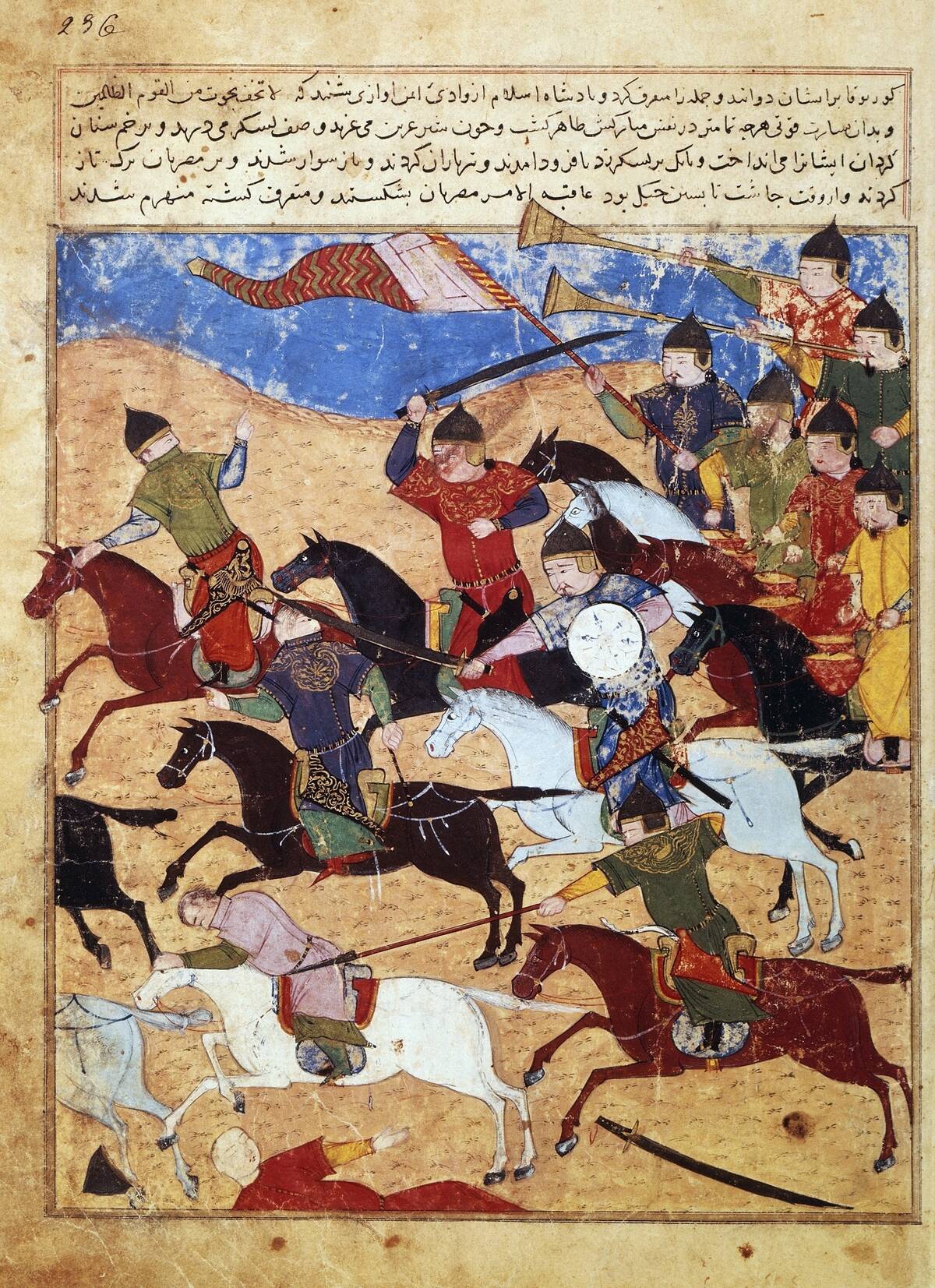
The Mongols were masters of using fire to enhance their already formidable military tactics. Known for their adaptability, they employed fire to instill fear in their enemies and to clear paths through fortified defenses.
Genghis Khan’s armies used fire pots and incendiary arrows to devastating effect, setting ablaze enemy encampments and fortifications. Their innovative use of firepower was a key component of their overwhelming success in conquering vast territories.
The Roman Use of Flaming Ammunition
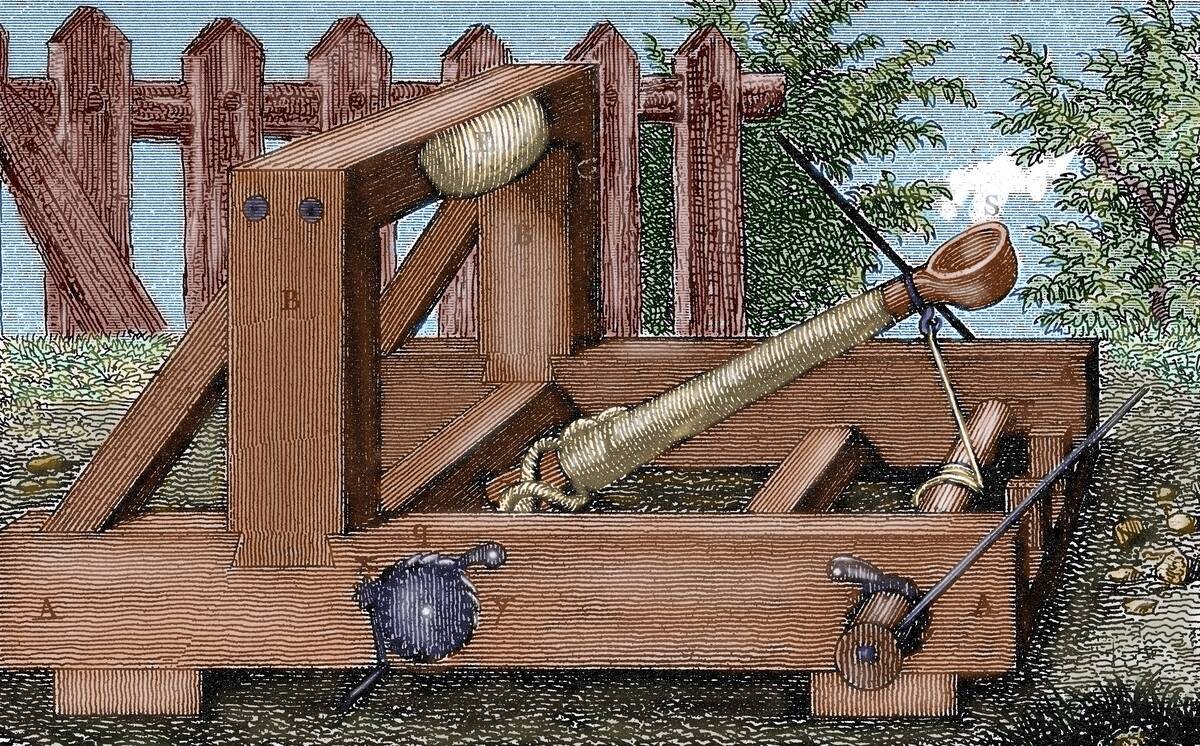
The Romans were no strangers to the use of flaming ammunition in their military campaigns. They employed a variety of incendiary weapons, including fire arrows and burning pitch, to weaken enemy defenses.
Roman siege engines were often equipped with these fiery projectiles, allowing them to set enemy fortifications on fire from a safe distance. This strategic use of firepower was instrumental in the expansion of the Roman Empire.
Fire and Religious Symbolism in Warfare
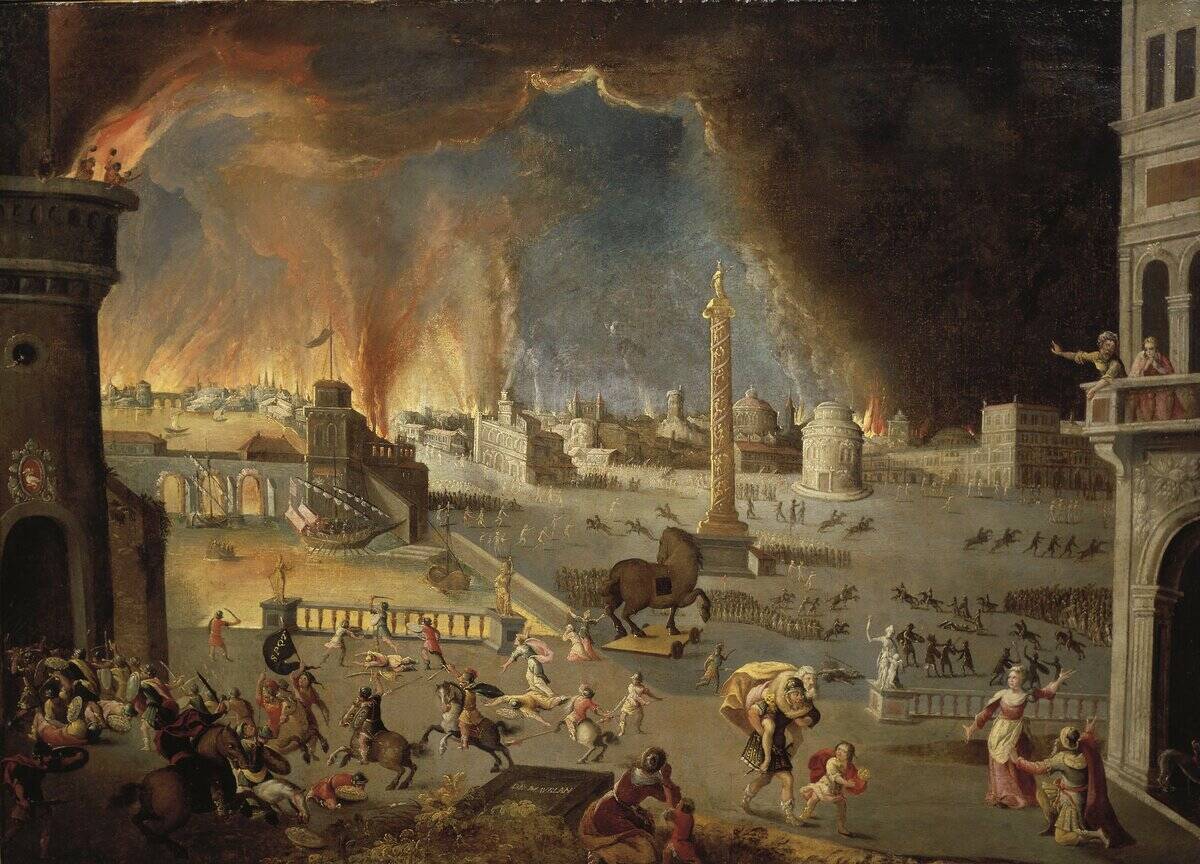
Fire has long held religious and symbolic significance, often seen as a divine instrument in warfare. Many cultures viewed fire as a purifying force or a tool of the gods, which added an element of spiritual warfare to its use.
In ancient battles, invoking the wrath of a deity through fire was believed to bring victory. This belief in fire’s divine power often strengthened the resolve of armies and justified the devastation it wrought.