Ancient weapons crafted from exotic materials
Ancient weapons are fascinating not only for their design but also for the exotic materials used in their creation. From stones to metals and even organic materials, our ancestors were incredibly resourceful.
These weapons were not just tools for survival but also a testament to the ingenuity and creativity of early civilizations. Understanding these materials gives us insights into the cultures and technologies of the past.
The Allure of Meteoric Iron: Weapons from the Sky
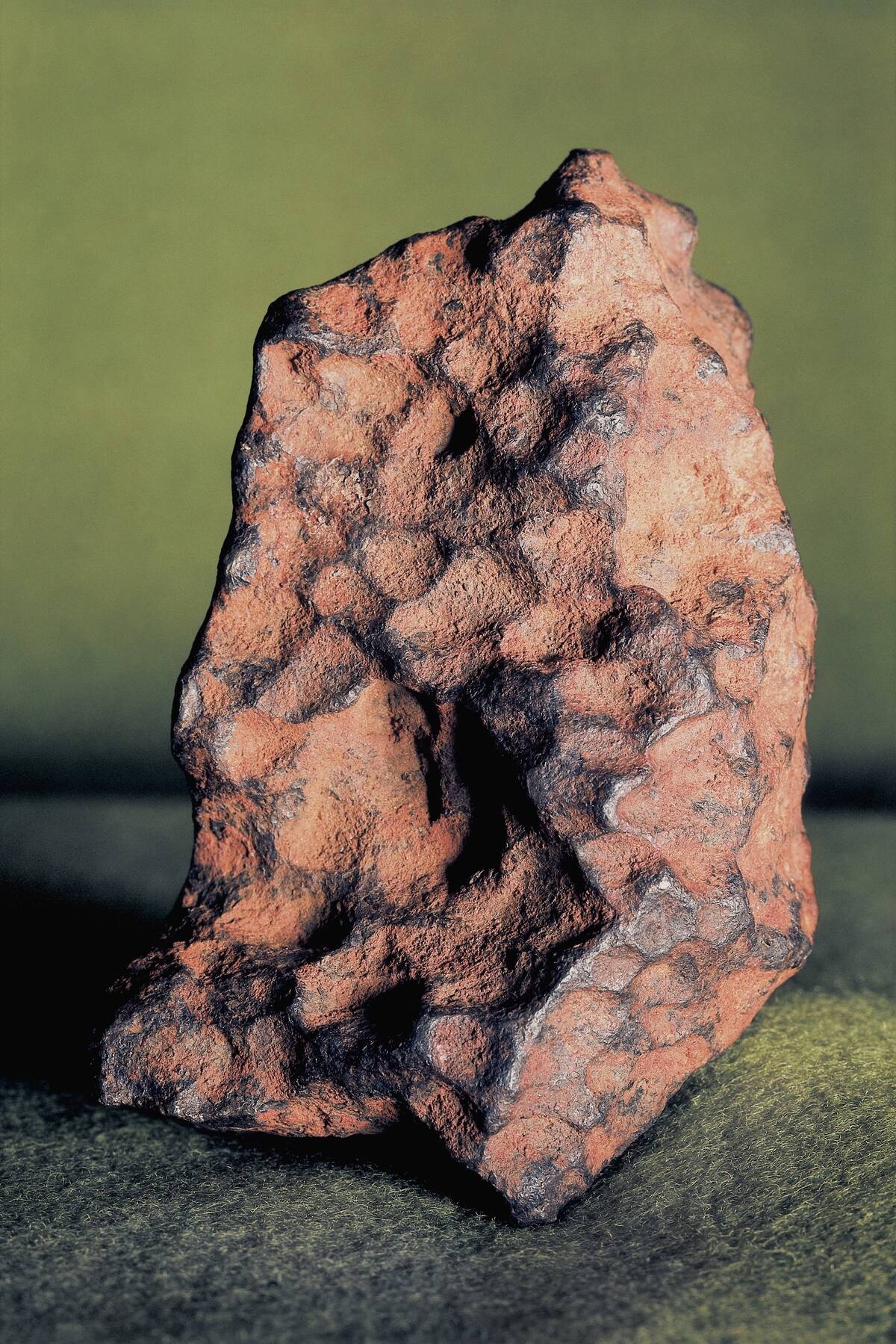
Meteoric iron, often referred to as ‘metal from the heavens,’ captivated ancient smiths with its rarity and celestial origin. This iron comes from meteorites that fell to Earth, making it a prized material.
The ancient Egyptians, for instance, valued meteoric iron above gold for its divine connotations. The metal’s high nickel content made it particularly durable, perfect for crafting weapons that were both functional and symbolic.
The Enigma of Damascus Steel: A Legendary Blend
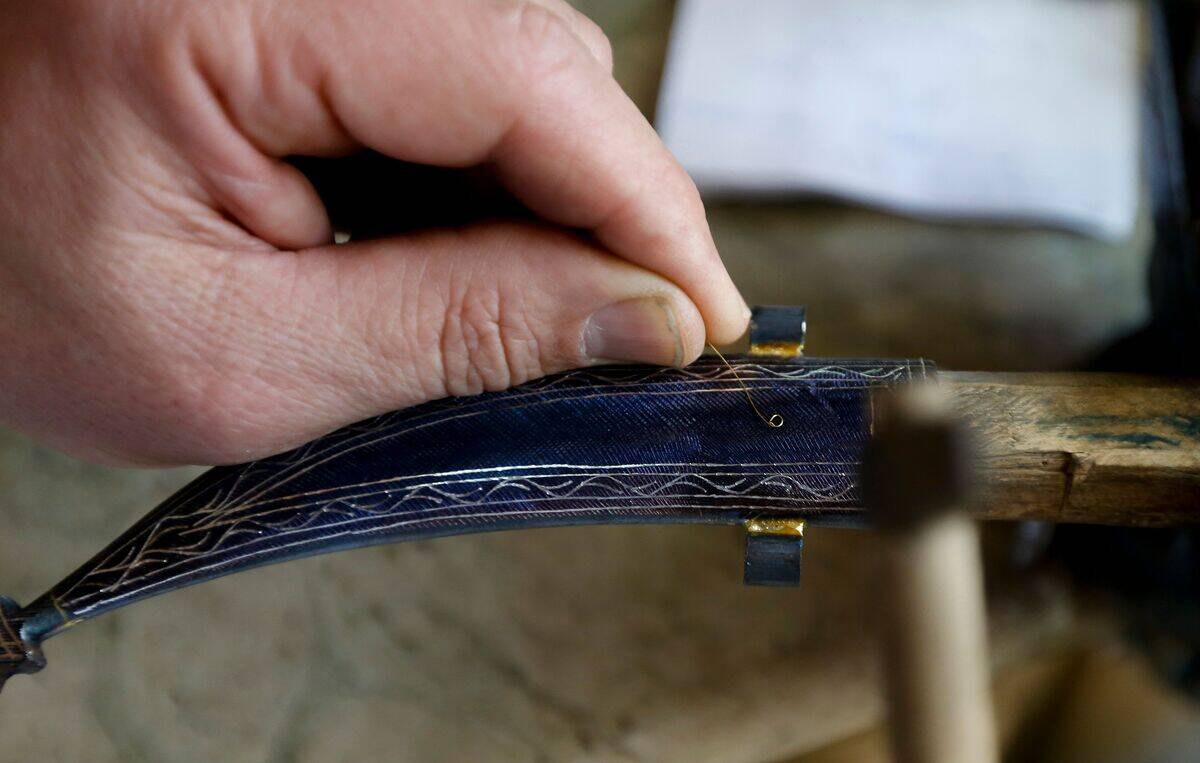
Damascus steel is renowned for its distinctive wavy patterns and incredible strength. Originating from the Near East, this steel was used to make swords that were both sharp and resilient.
The secret to its quality lies in the unique forging process. Despite centuries of attempts, the exact ancient methods remain a mystery, adding to the allure of Damascus blades.
Obsidian Blades: Sharpness from Volcanic Glass
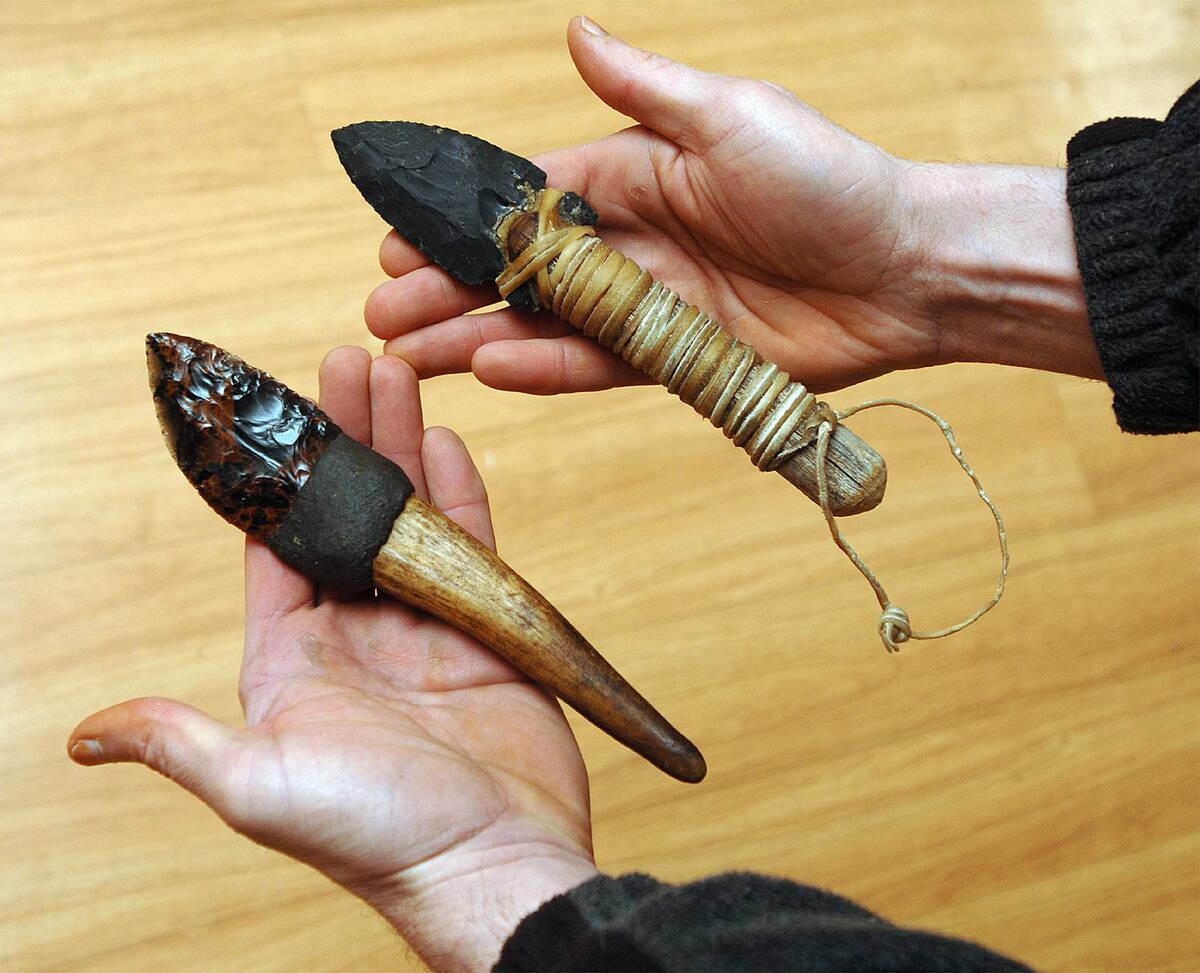
Obsidian, a naturally occurring volcanic glass, is famed for its exceptional sharpness. Ancient cultures, such as the Aztecs, used obsidian to craft blades that could slice with precision.
Despite its brittle nature, obsidian was a popular choice for tools and weapons due to its ability to produce edges sharper than even modern surgical steel. This made it invaluable in both warfare and ceremonial contexts.
Jade Axes: The Gemstone Tools of Ancient Cultures
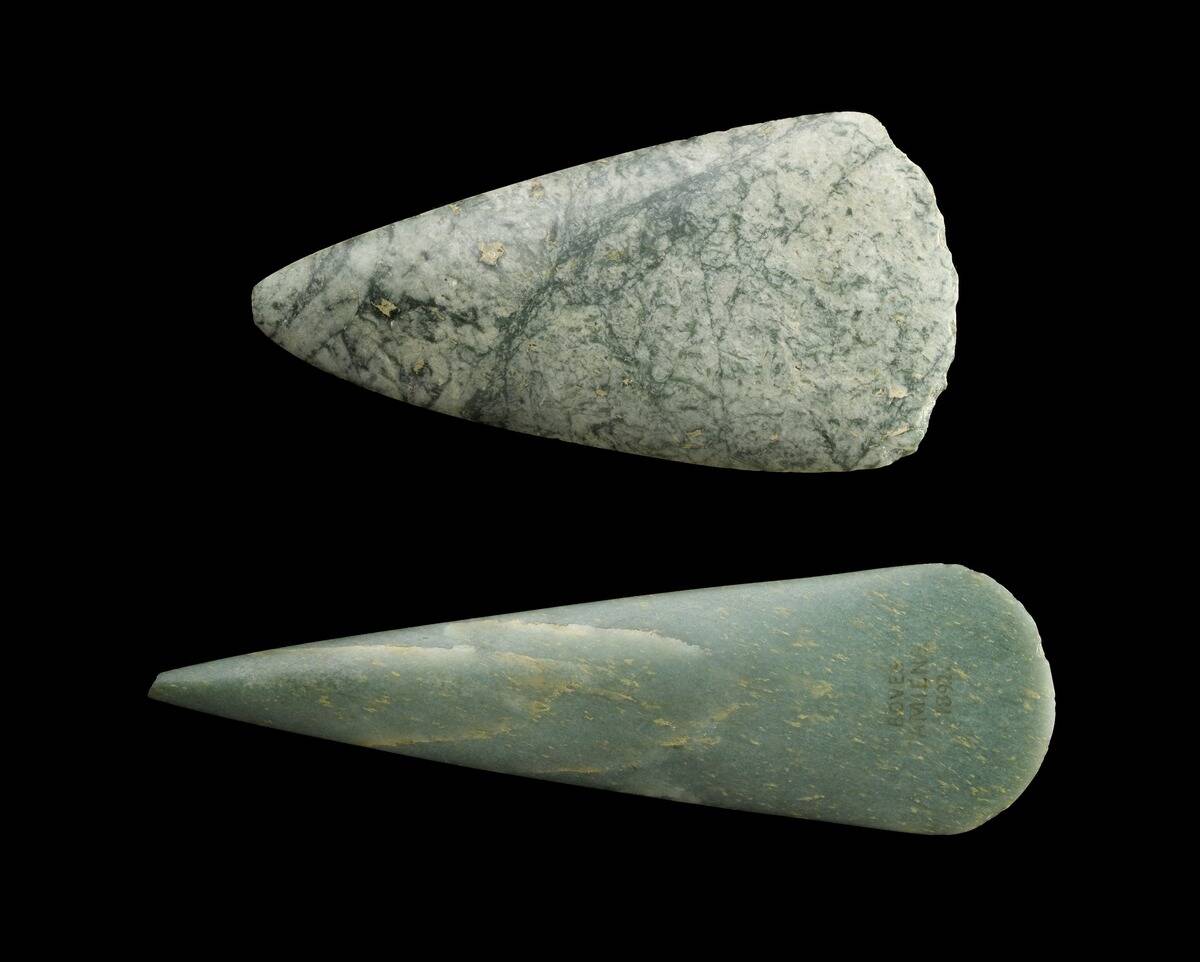
Jade, a beautiful and durable stone, was highly valued in ancient China and Mesoamerica for crafting tools and ceremonial objects. Jade axes were not only functional but also symbolized power and spiritual purity.
The stone’s toughness made it ideal for tools, while its aesthetic appeal ensured its place in rituals and as a status symbol, bridging the gap between utility and luxury.
The Mystique of Bronze: The Alloy that Changed Warfare
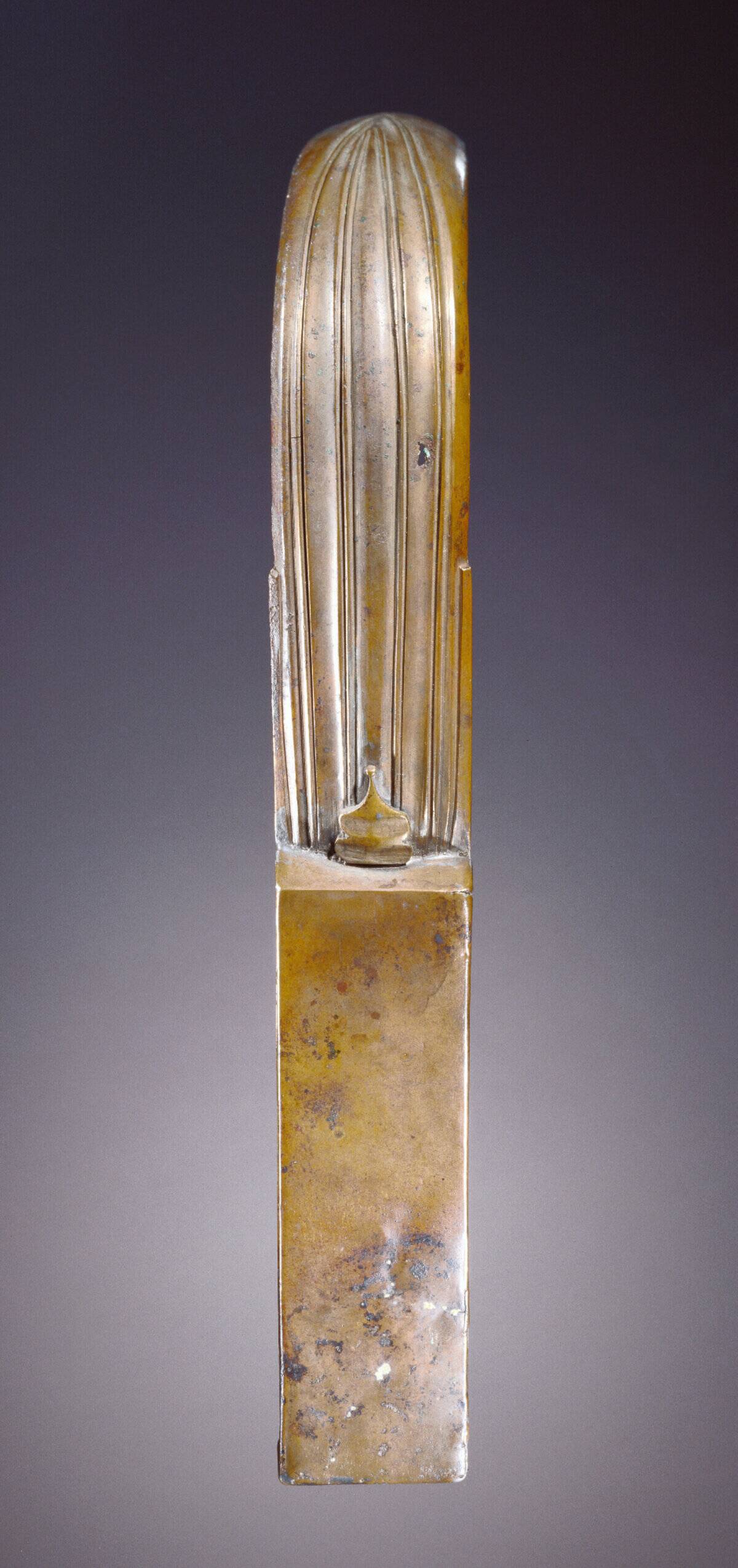
Bronze, an alloy of copper and tin, revolutionized ancient warfare with its superior strength and versatility. The Bronze Age marked a significant technological shift, where weapons and tools became more durable and effective.
Cultures from the Mediterranean to China harnessed bronze for swords, shields, and armor. This technological leap not only advanced military capabilities but also spurred trade and the exchange of ideas.
Bone Weaponry: Nature’s Unexpected Arsenal

Bone, a surprisingly versatile material, was widely used in prehistoric weaponry. Early humans crafted spears, knives, and arrowheads from the bones of animals they hunted. The material’s availability and ease of shaping made it an ideal choice for early communities.
Additionally, bone weapons were not just for survival; they also played roles in rituals, showcasing the deep connection between ancient peoples and their natural environment.
The Resilience of Bamboo: Eastern Martial Innovations

Bamboo, with its combination of strength and flexibility, was a staple in East Asian weaponry. Used to construct bows, arrows, and even spears, bamboo’s lightweight nature allowed for quick, agile weaponry.
Its ability to bend without breaking made it perfect for archery, where elasticity improved performance. Bamboo’s use in martial arts also highlights the resourceful adaptations of natural materials in crafting effective and sustainable weaponry.
Coral Weapons: Sea-Borne Tools of War

Coral, though not commonly thought of as a weapon material, was utilized by Pacific Island cultures for its hardness and availability. Weapons crafted from coral were often used in both combat and ceremonial contexts.
The distinctive appearance of coral weapons also served as a cultural symbol, representing the ocean’s integral role in the lives of island communities. This use of marine resources exemplifies the adaptive ingenuity of these societies.
The Role of Ivory in Ancient Armaments
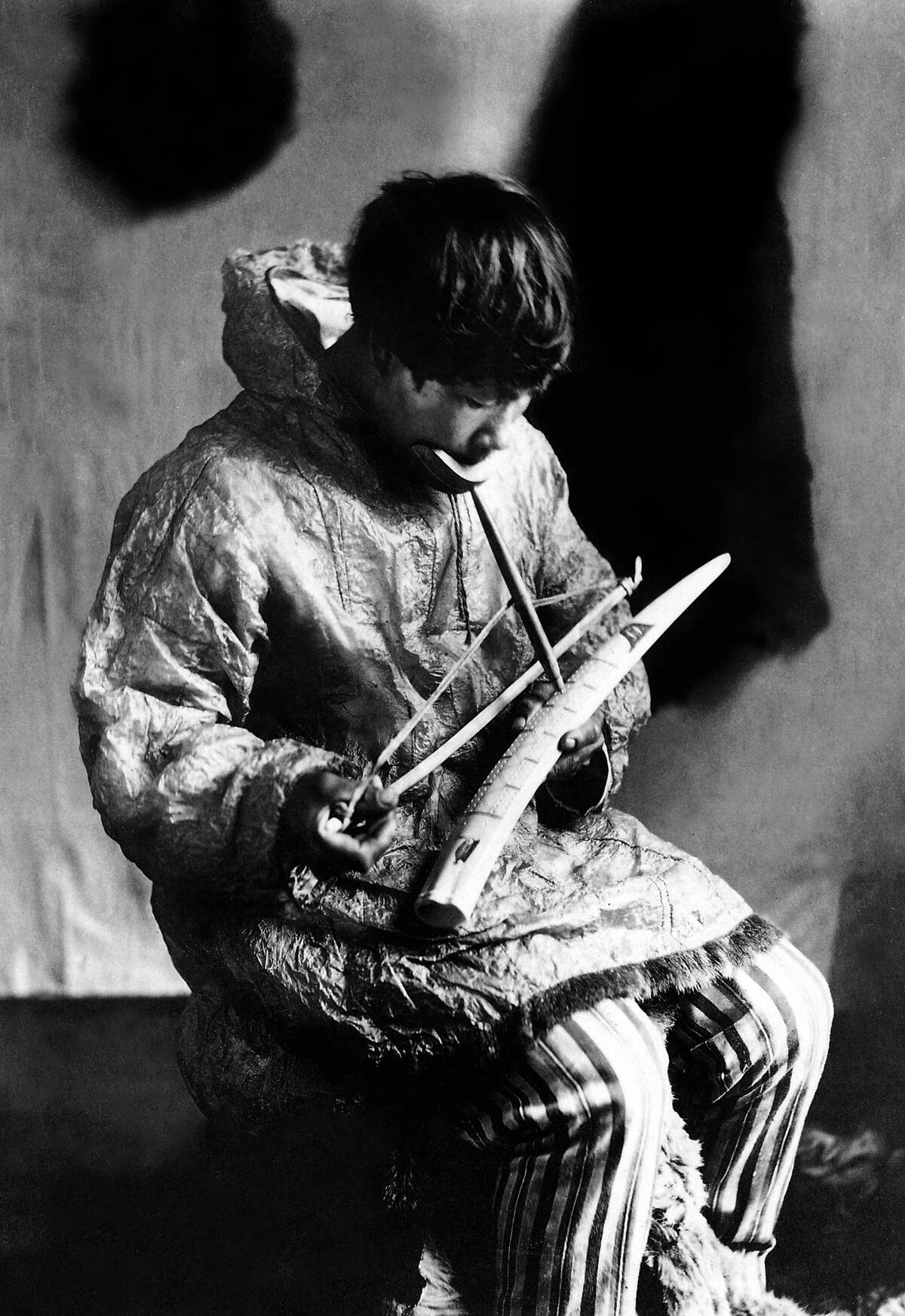
Ivory, sourced from tusks and teeth of large mammals, was prized for its beauty and workability. Ancient cultures, including the Egyptians and Greeks, used ivory to craft weapon grips, ornamental hilts, and ceremonial swords.
Its smooth texture allowed for intricate carvings, transforming weaponry into art. However, the demand for ivory also led to overhunting, reflecting a complex relationship between human aspirations and environmental impact.
Stone Age Ingenuity: Flint Knapping Techniques
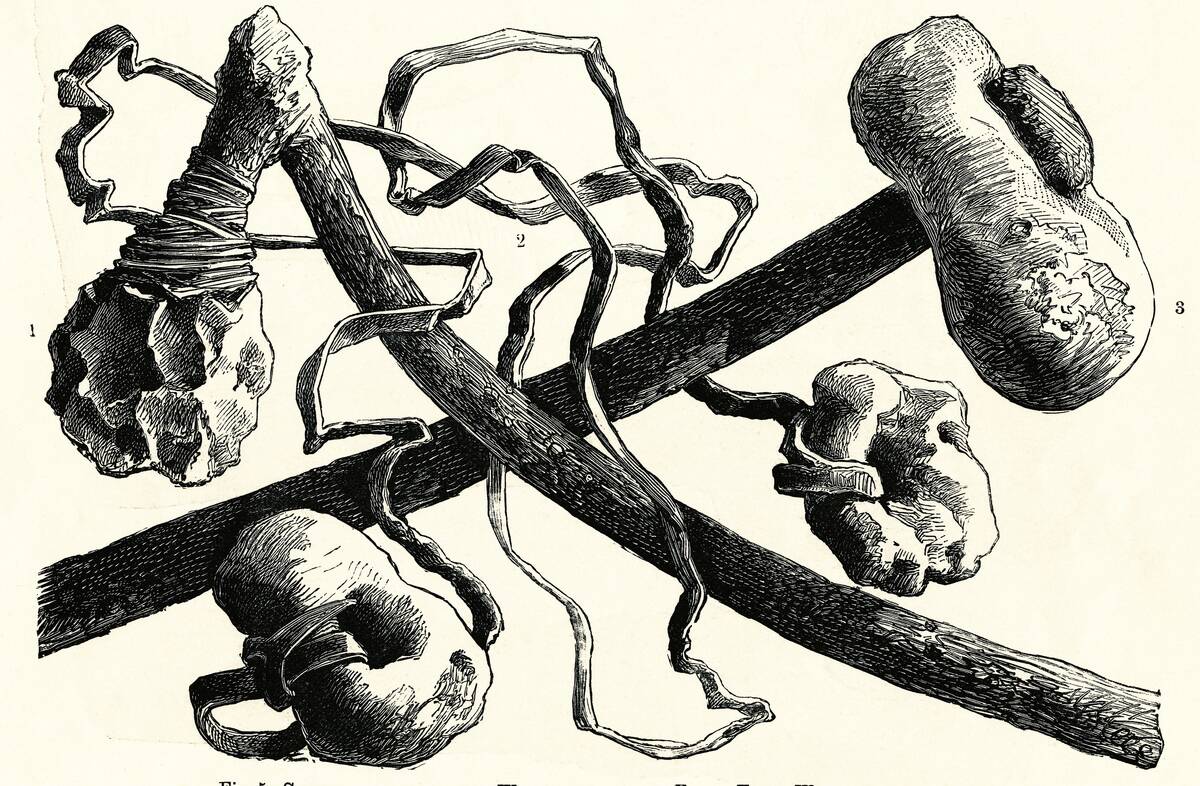
Flint knapping, the craft of shaping stone through controlled striking, was a cornerstone of Stone Age technology. This technique allowed early humans to create sharp-edged tools and weapons, such as arrowheads and knives, from flint and other cryptocrystalline rocks.
The precision required for flint knapping speaks to the skill of ancient artisans, whose work laid the foundation for future advancements in weaponry and tool-making.
Shark Tooth Swords: The Ocean’s Edge
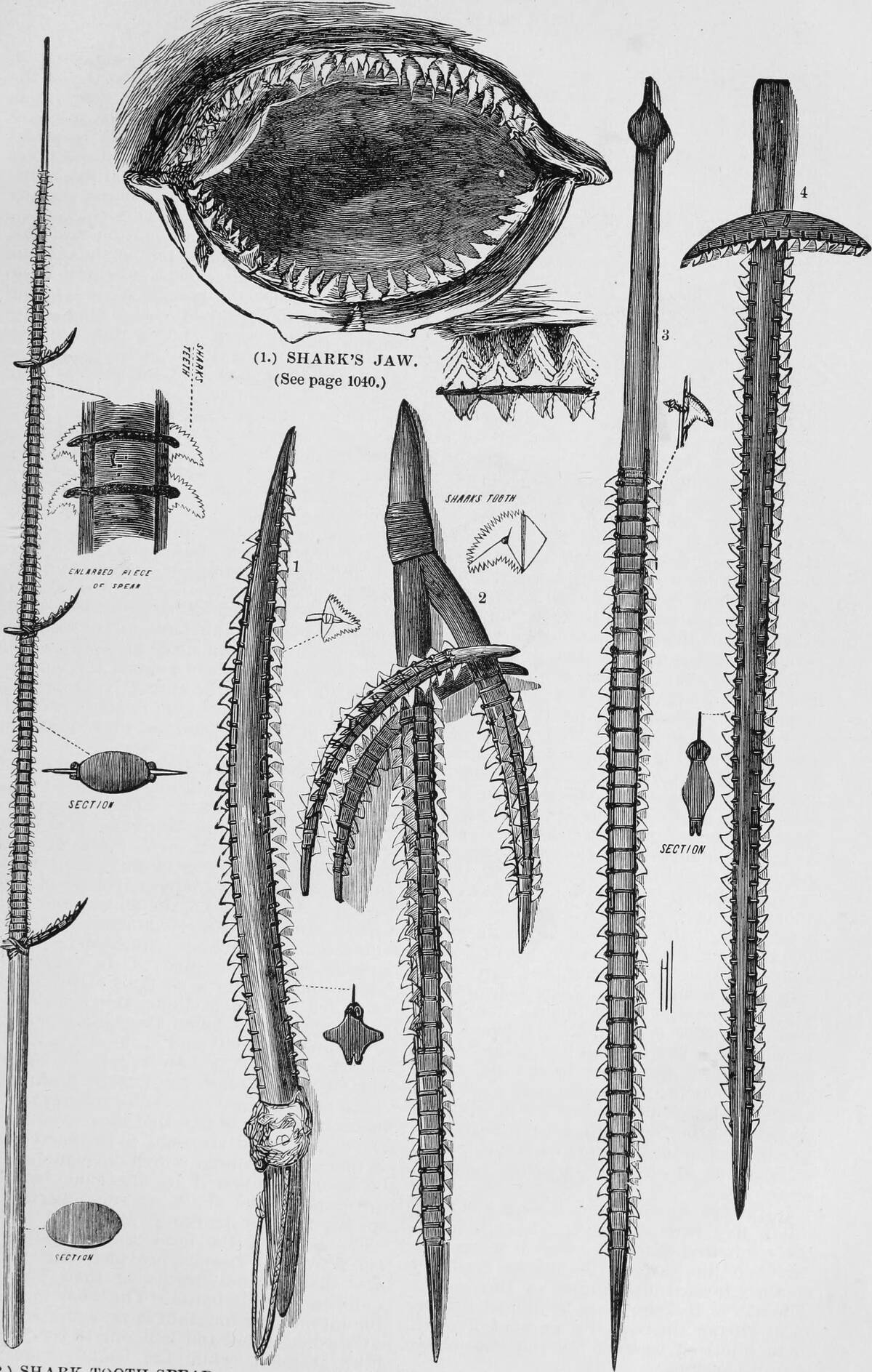
Shark tooth swords are a testament to the resourcefulness of Polynesian cultures. Crafted from wood and embedded with sharp shark teeth, these weapons were both lethal and symbolic.
The teeth’s serrated edges provided a formidable cutting surface, while their origin linked the weapon to the power of the ocean. Such weapons highlight the innovative use of available resources, turning nature’s gifts into effective tools of war.
Gold and Silver: Status Symbols in Ancient Warfare
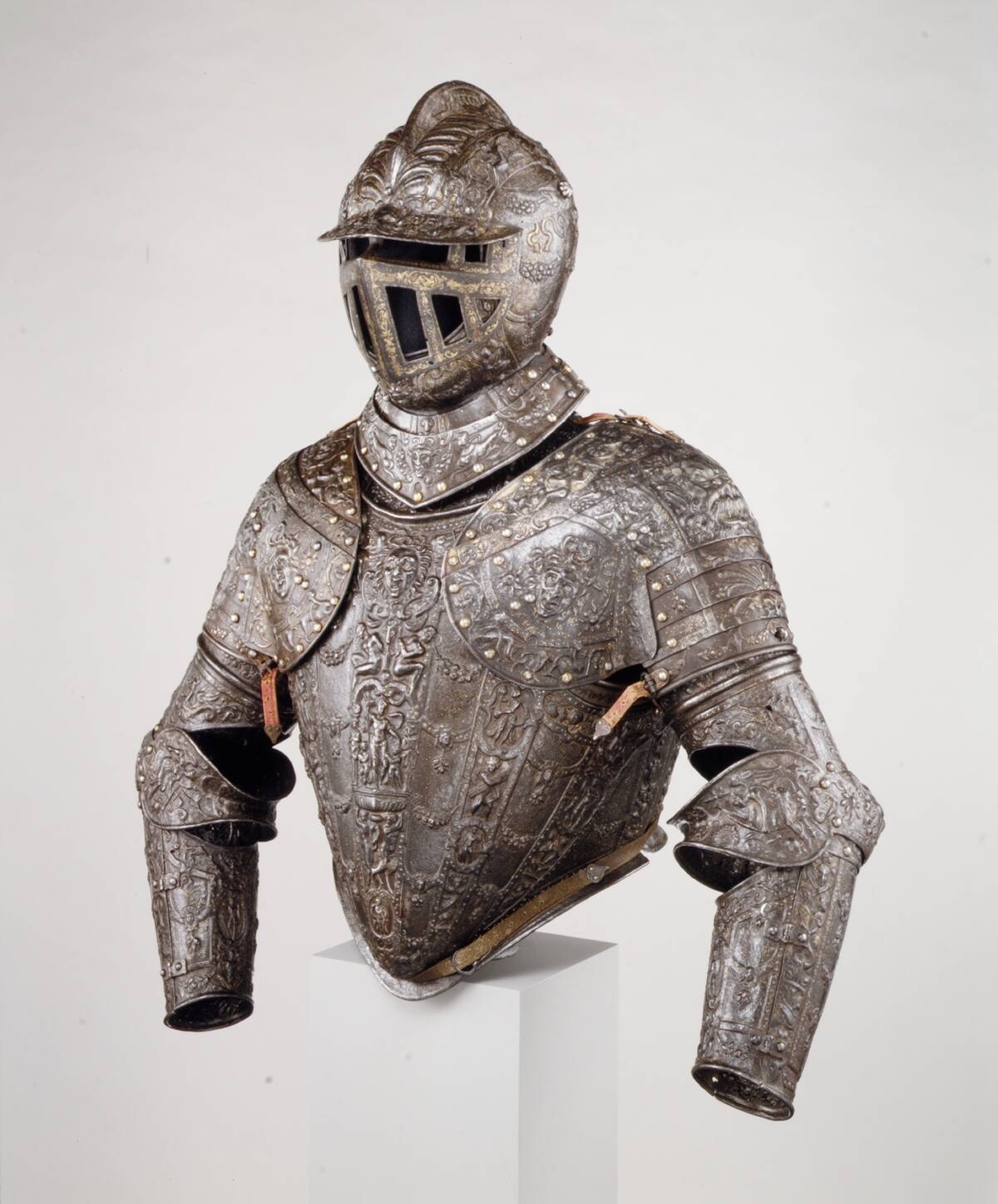
Gold and silver, while not practical for combat, were used in weaponry to signify status and power. Swords and armor adorned with these precious metals were often reserved for nobility or ceremonial purposes.
The Incas and Egyptians, among others, utilized gold and silver to embellish their weapons, transforming them into symbols of divine favor or royal authority. These metals elevated weapons from mere tools to objects of prestige.
The Echoes of Wood: The Foundation of Early Weaponry
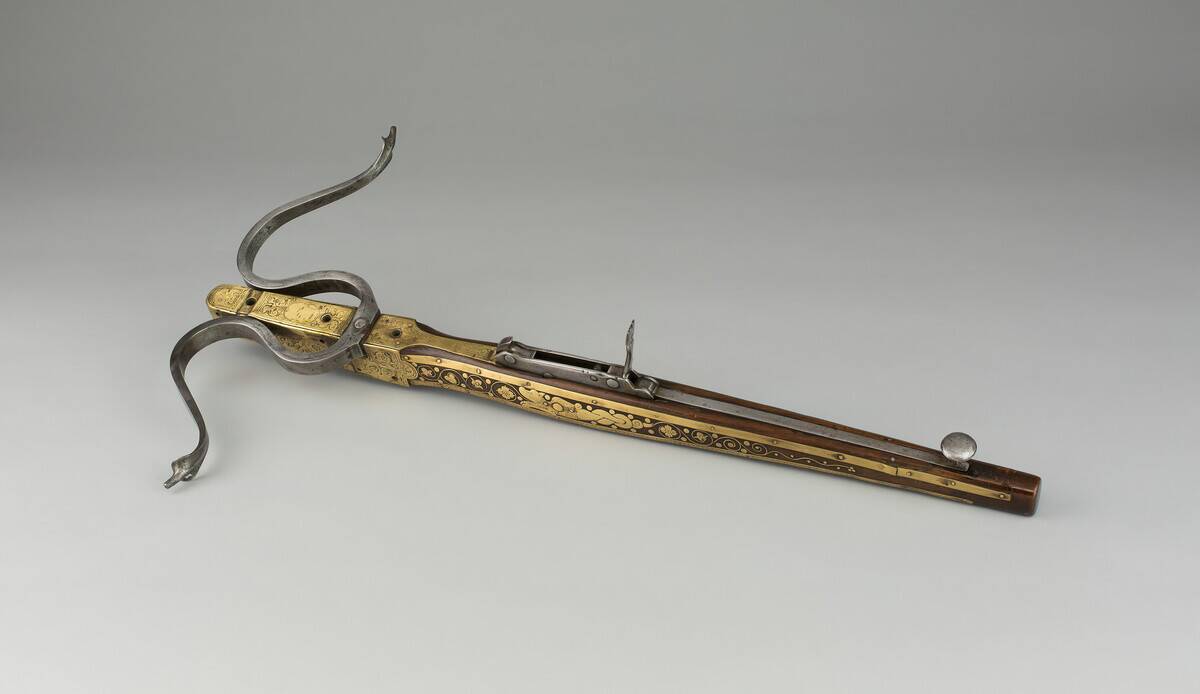
Wood, one of the most accessible materials, was fundamental in early weaponry. From simple clubs to complex bows, wood’s versatility and ease of use made it indispensable. Different wood types offered varying strengths and flexibilities, influencing the design and effectiveness of weapons.
The use of wood in weapon-making underscores the adaptability of ancient peoples, who turned a common resource into a cornerstone of their survival and warfare strategies.
Scorpion and Snake Venoms: Nature’s Lethal Additions

Venoms from scorpions and snakes were harnessed by ancient cultures to enhance the lethality of their weapons. Applied to arrowheads and darts, these poisons provided a deadly advantage in hunting and warfare.
The use of venom reflects a deep understanding of natural toxins and their potential, showcasing the blend of biology and technology in ancient armaments. Such practices highlight the innovative and sometimes ruthless strategies employed for survival.
Unique Wood Composites: Layering Techniques in Weapon Making
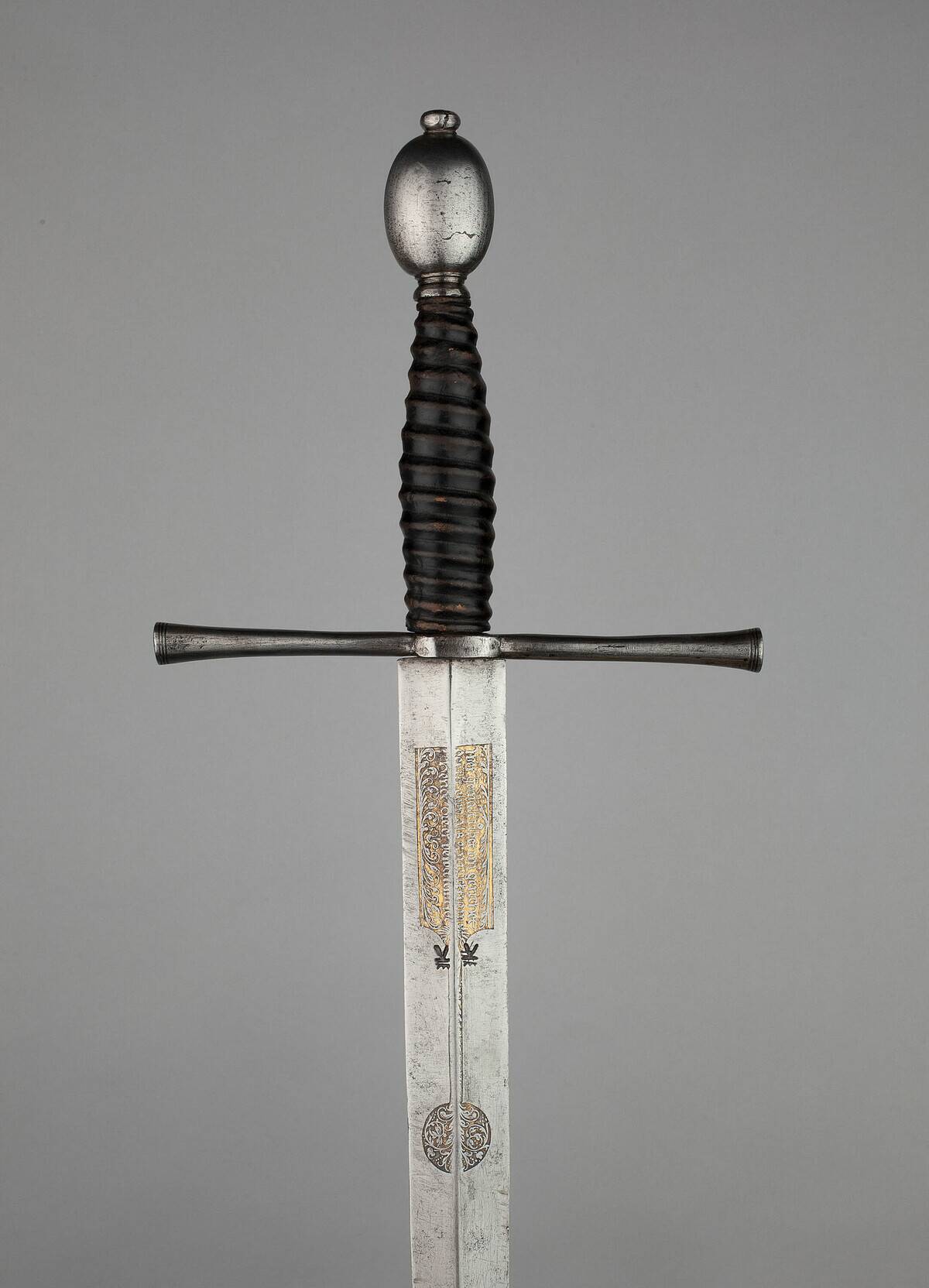
Layering techniques, such as those used in composite bows, combined different woods and materials to enhance weapon performance. These methods allowed ancient craftsmen to exploit the strengths of various materials, creating weapons that were both powerful and resilient.
The innovation of wood composites illustrates a sophisticated understanding of material properties, as well as an ability to optimize resources for maximum effectiveness in combat situations.
Reindeer Antlers: Arctic Adaptations in Weaponry
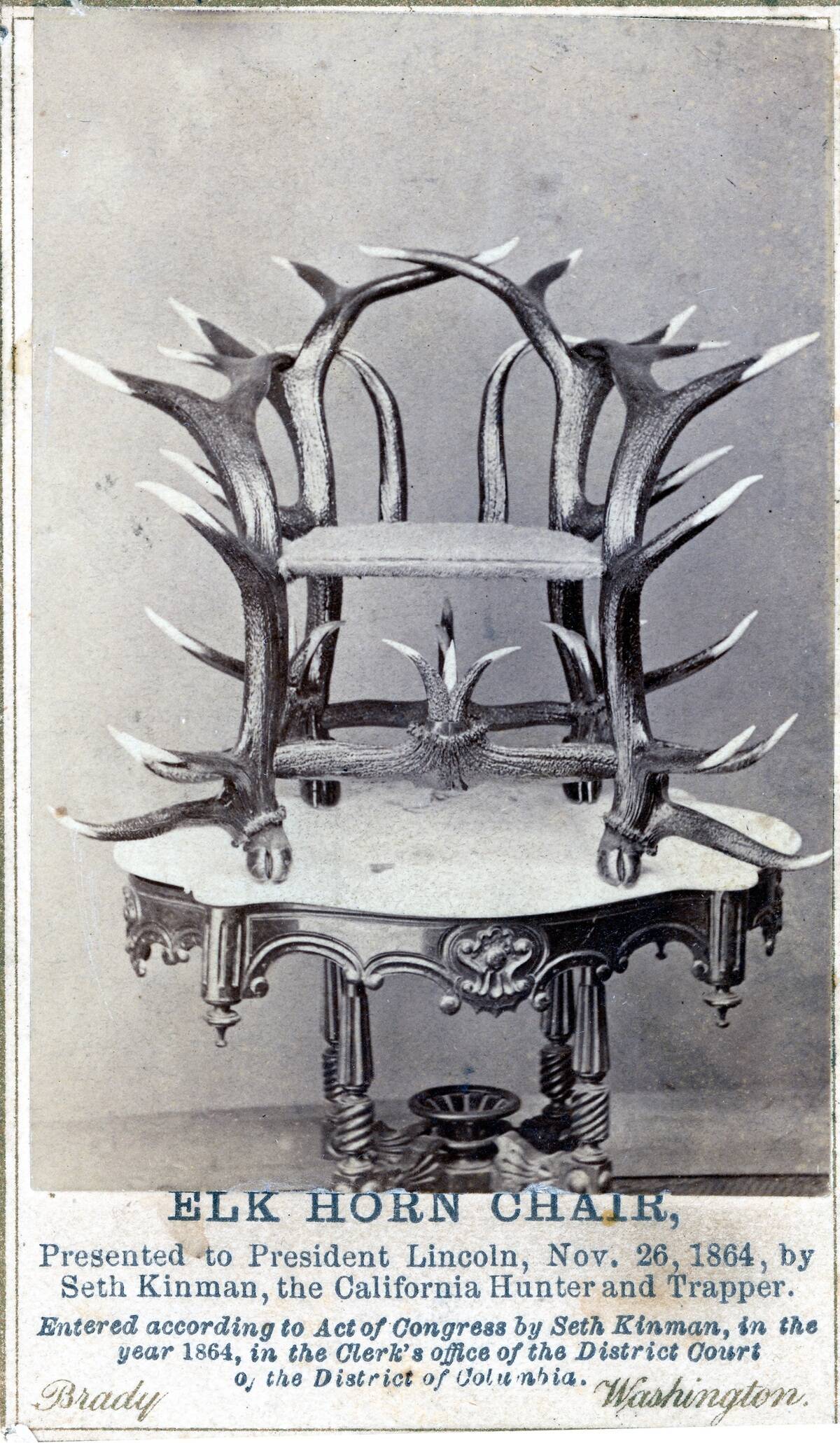
Reindeer antlers provided Arctic and sub-Arctic peoples with a durable and workable material for crafting weapons and tools. The antlers’ strength and availability made them ideal for creating harpoons, spear points, and other implements necessary for survival in harsh climates.
This use of reindeer antlers highlights the adaptability of these cultures, who skillfully utilized natural resources to meet their unique environmental challenges.
The Use of Leather: Flexibility and Strength in Ancient Shields
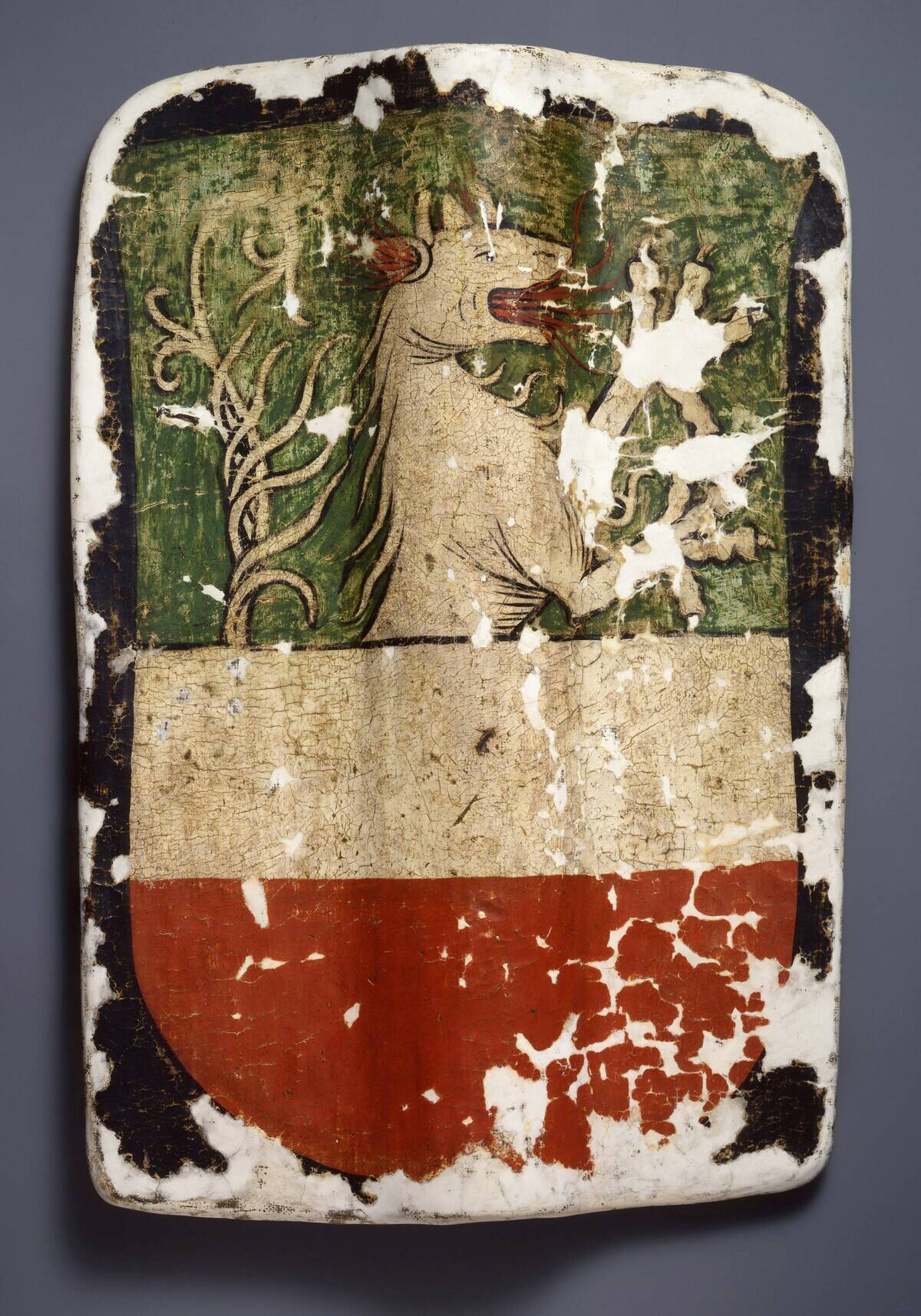
Leather, prized for its flexibility and durability, was a key component in the construction of ancient shields. By stretching and curing animal hides, cultures like the Greeks and Romans created shields that could absorb impacts while remaining lightweight.
Leather’s versatility also extended to armor and slings, where it provided both protection and agility. This material’s widespread use underscores its essential role in ancient defense strategies.
The Transformation of Clay: The Ceramic Sling Bullets

Clay, when shaped and fired, became a surprisingly effective material for sling bullets. Ancient armies, such as the Greeks, used these ceramic projectiles for their ease of production and aerodynamic properties.
The hard, dense clay allowed for precision and impact, making sling bullets a formidable weapon in ancient warfare. This transformation of a simple material into a strategic tool highlights the innovative military tactics of ancient societies.
The Influence of Myths and Legends on Exotic Weapons

Myths and legends have long influenced the perception and crafting of exotic weapons. Tales of magical swords and invincible shields often inspired real-life counterparts, blending myth with reality.
Legendary weapons like Excalibur or Thor’s hammer reflect humanity’s desire to imbue weapons with mystical powers, elevating them beyond mere tools. These stories not only shaped cultural identities but also left a lasting legacy on the design and significance of weaponry.




