16 Everyday sayings with shockingly weird origins
Have you ever wondered why we use certain phrases in our daily conversations? Many of these sayings have quirky origins that offer a glimpse into the past. From historical practices to cultural phenomena, the stories behind these expressions are as intriguing as they are amusing.
Let’s dive into the fascinating world of idioms and uncover the tales behind some of our most commonly used phrases.
“Bite the Bullet”: A Painful Necessity
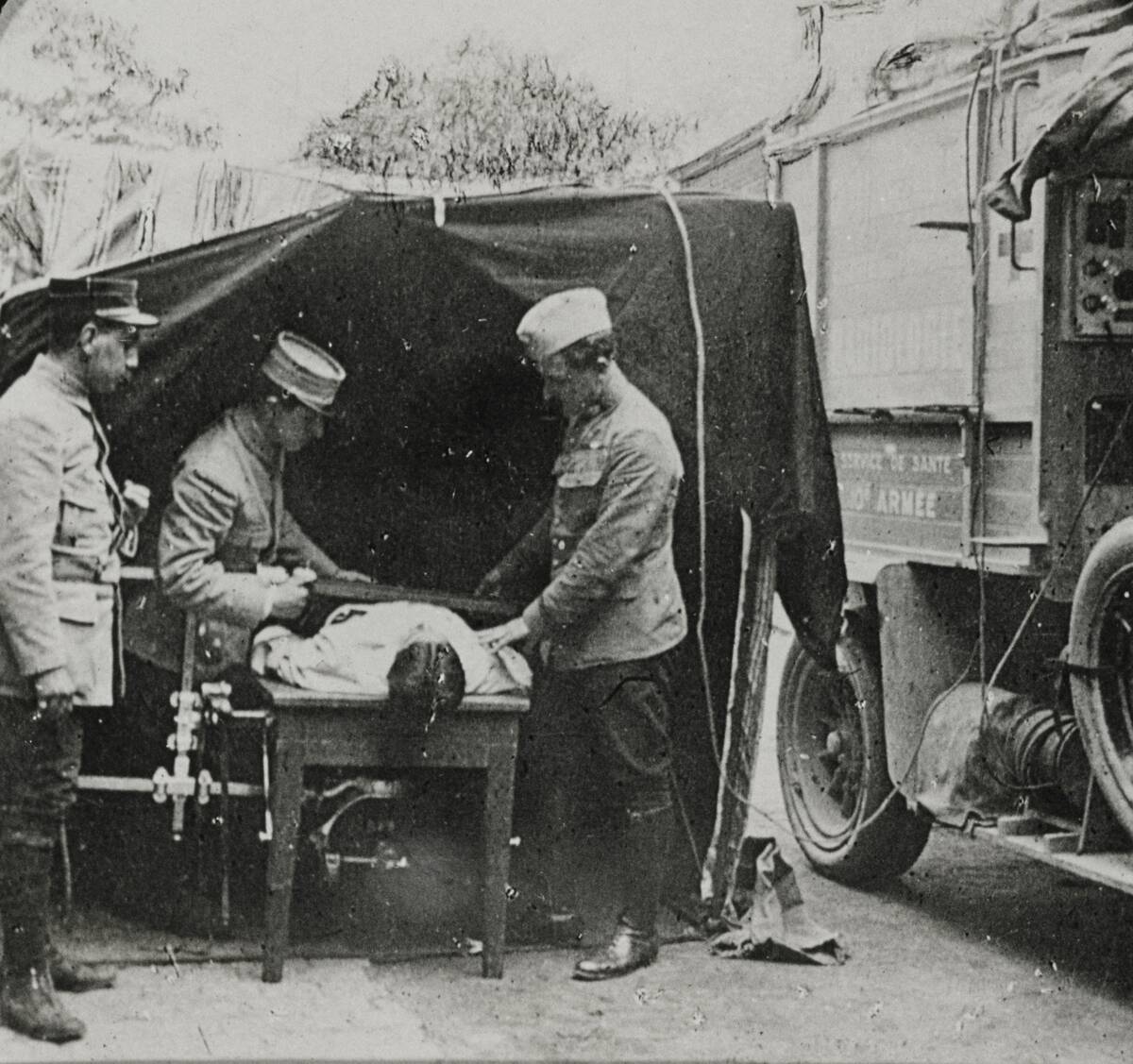
The phrase “bite the bullet” originates from the grim reality of battlefield surgery. In the absence of anesthesia, it’s said that soldiers would literally bite on a bullet to cope with the pain of surgery.
This practice, dating back to the 19th century, highlights the harsh conditions faced by soldiers. Today, the saying encourages us to endure unpleasant situations with courage, much like those who faced the surgeon’s knife with only a bullet between their teeth.
“Caught Red-Handed”: The Colorful Tale of Guilt

Getting “caught red-handed” has a rather vivid origin. This phrase dates back to 15th-century Scotland when poachers were caught with the blood of animals on their hands. The literal evidence of guilt made it hard to deny their crimes.
Nowadays, it serves as a metaphor for being caught in the act of wrongdoing. While modern-day transgressions might not involve actual blood, the saying remains a powerful reminder of undeniable proof.
“Break the Ice”: From Frozen Seas to Social Ease

The expression “break the ice” originally referred to ships navigating through frozen waters to create a passage for others. This was crucial for trade during the harsh winters of the North Sea.
Today, the phrase has taken on a more social meaning, referring to easing tension or starting a conversation. Just like those icebreaking ships, we aim to pave the way for smoother interactions in unfamiliar or tense situations.
“Butter Someone Up”: The Sticky Tradition of Flattery

The saying “butter someone up” has roots in ancient Indian customs where people would throw butter balls at statues of their gods to seek favor. This act of offering was believed to bring good fortune.
Flattery, much like those butter balls, is intended to smooth the path to someone’s approval. While the practice of buttering statues has faded, the metaphorical use of ‘buttering up’ endures in our quest to win others over.
“Let the Cat Out of the Bag”: A Tale of Market Deceit
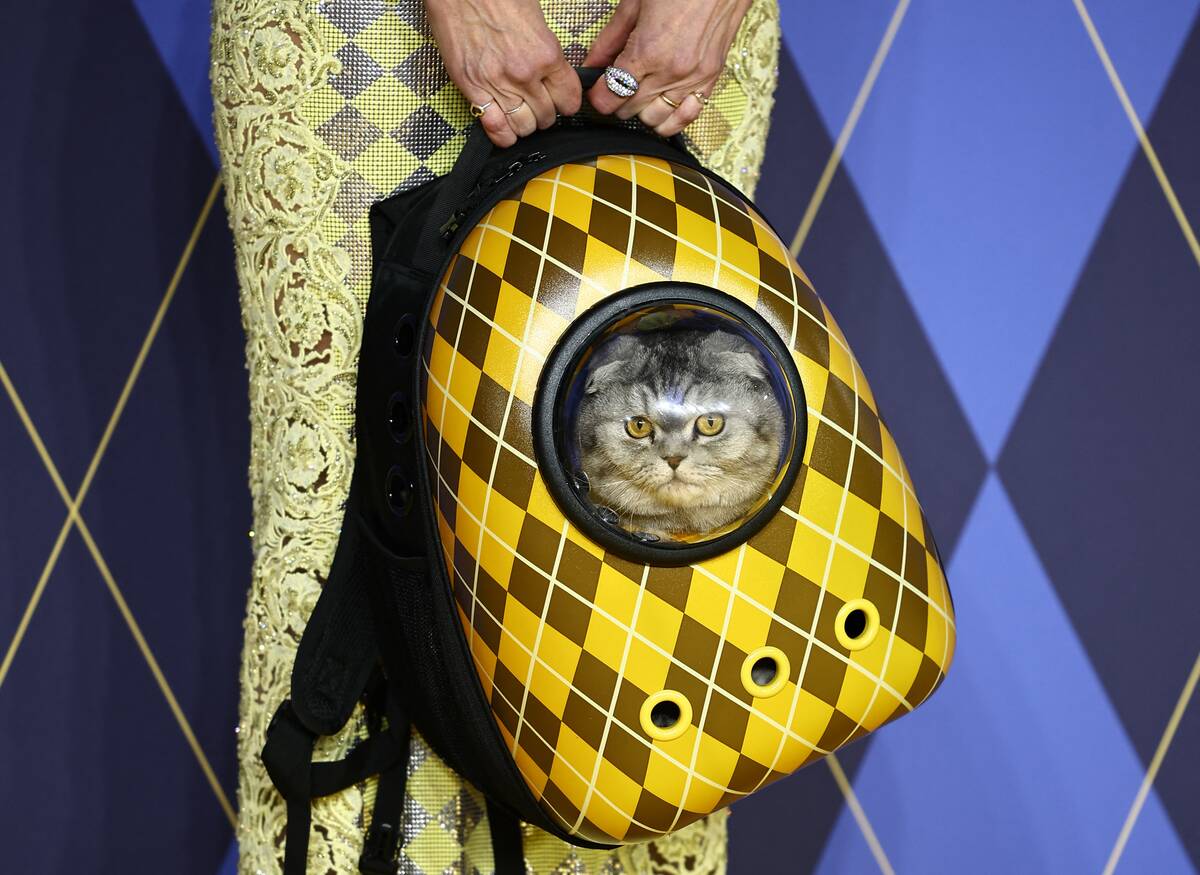
The phrase “let the cat out of the bag” harks back to medieval markets where unscrupulous sellers would replace piglets with cats in bags. Buyers who didn’t check their purchase until later would literally ‘let the cat out of the bag,’ revealing the deceit.
Today, it symbolizes the unintentional revelation of a secret. While we’re less likely to be duped by livestock swaps, the saying reminds us to be cautious with our secrets.
“Raining Cats and Dogs”: An Animalistic Deluge
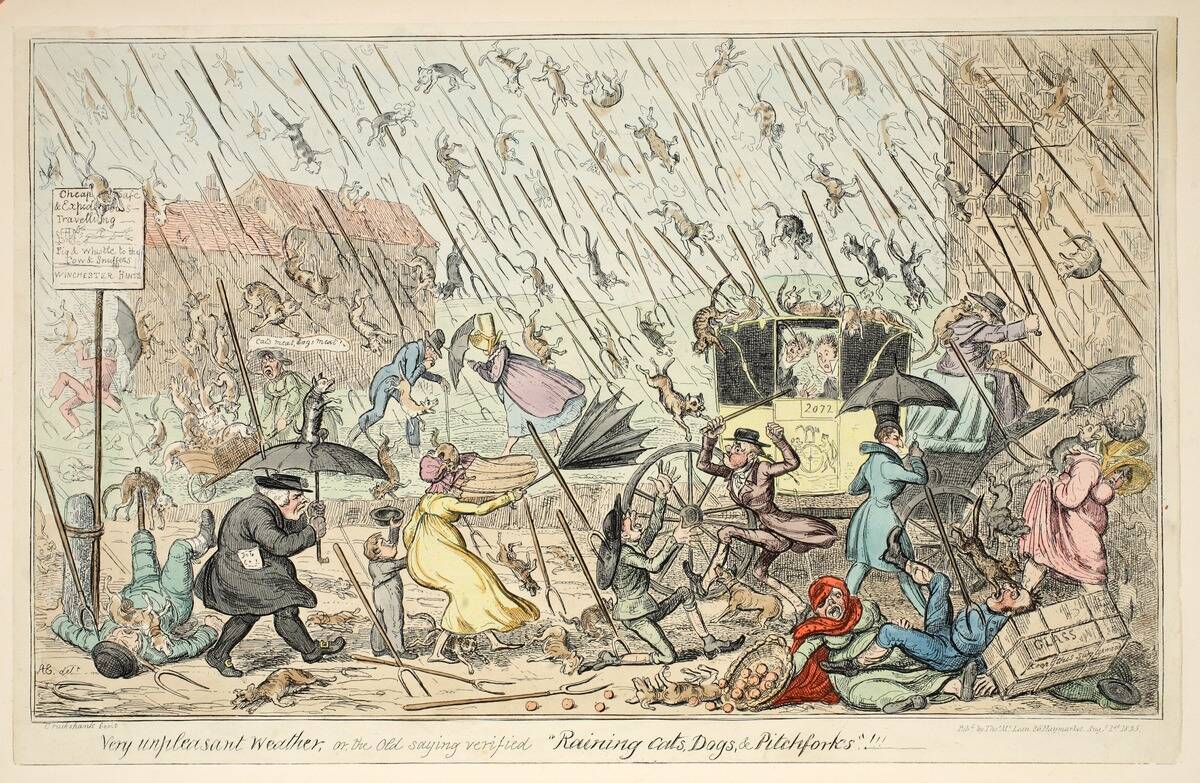
The phrase “raining cats and dogs” has puzzled linguists for years. One theory suggests it originates from the 17th-century England, where heavy rain would wash dead animals through the streets.
Another idea is that it comes from Norse mythology, where cats and dogs were associated with storms. Regardless of its true origin, the saying perfectly captures the chaos of torrential rain, even if no actual animals are involved.
“Bury the Hatchet”: A Peaceful Gesture with Native Roots

The phrase “bury the hatchet” comes from a Native American tradition of literally burying weapons as a sign of peace between tribes. This act symbolized the end of hostilities and the beginning of a peaceful relationship.
Today, we use the expression to indicate resolving a conflict or disagreement. While the original ritual involved actual hatchets, the modern use is a reminder of the power of reconciliation.
“The Whole Nine Yards”: A Mystery of Measurement
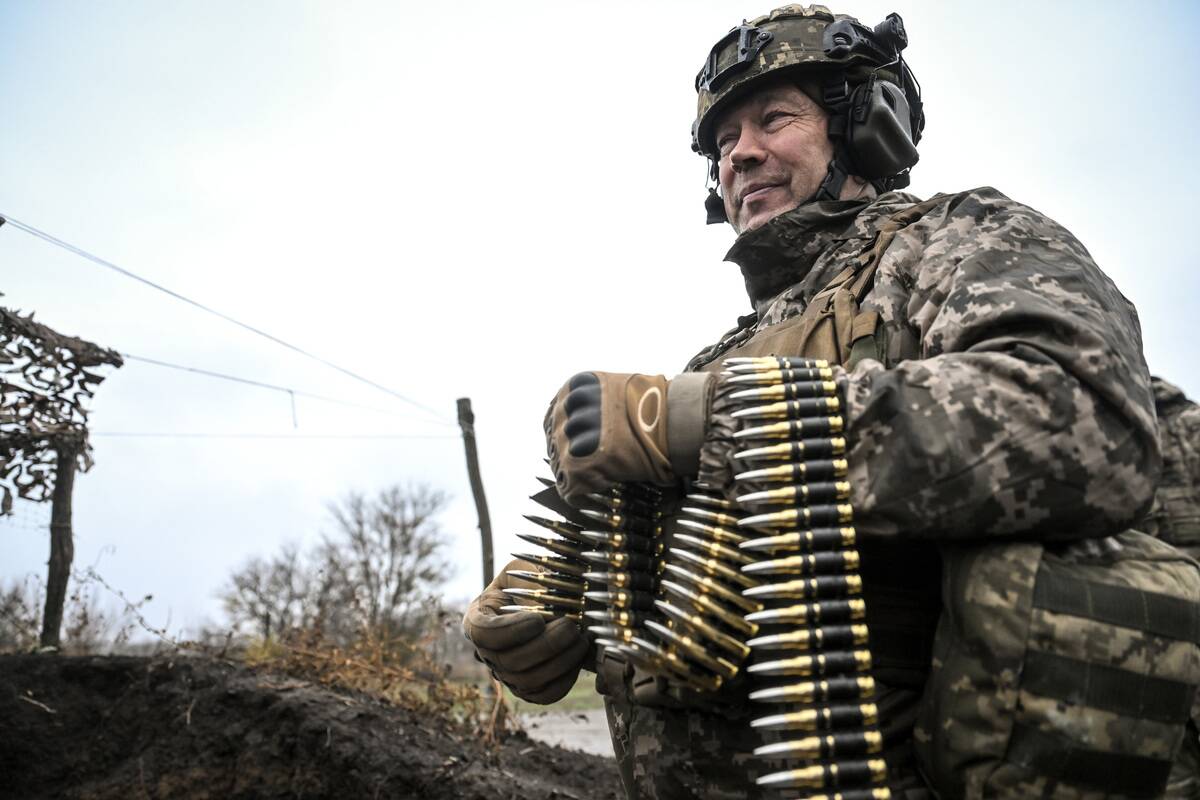
The origin of “the whole nine yards” is a bit of a mystery, but one popular theory ties it to World War II fighter pilots whose ammunition belts were nine yards long. To give it their all, they would use the entire belt during combat.
Others suggest it refers to the amount of fabric needed for a quality suit. Regardless of its roots, the phrase has come to mean giving everything you’ve got.
“Give the Cold Shoulder”: A Frosty Reception
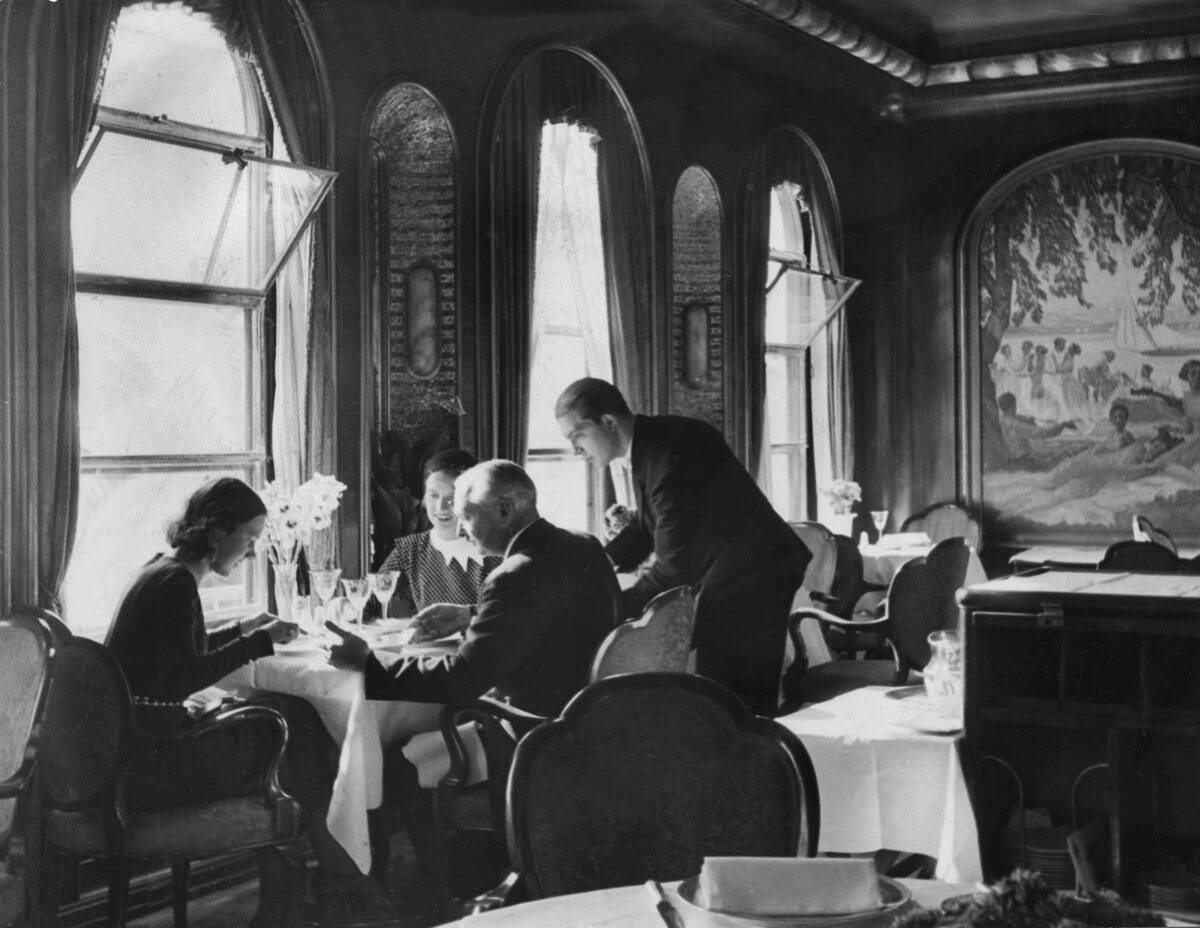
The term “give the cold shoulder” is believed to have originated in medieval England. Hosts would serve unwanted guests a cold shoulder of mutton as a subtle hint to leave. This chilly reception has since evolved into a metaphor for a lukewarm or indifferent response.
While the culinary practice has faded, the emotion behind the gesture remains a clear signal of disinterest.
“Pulling Someone’s Leg”: From Crime to Comedy
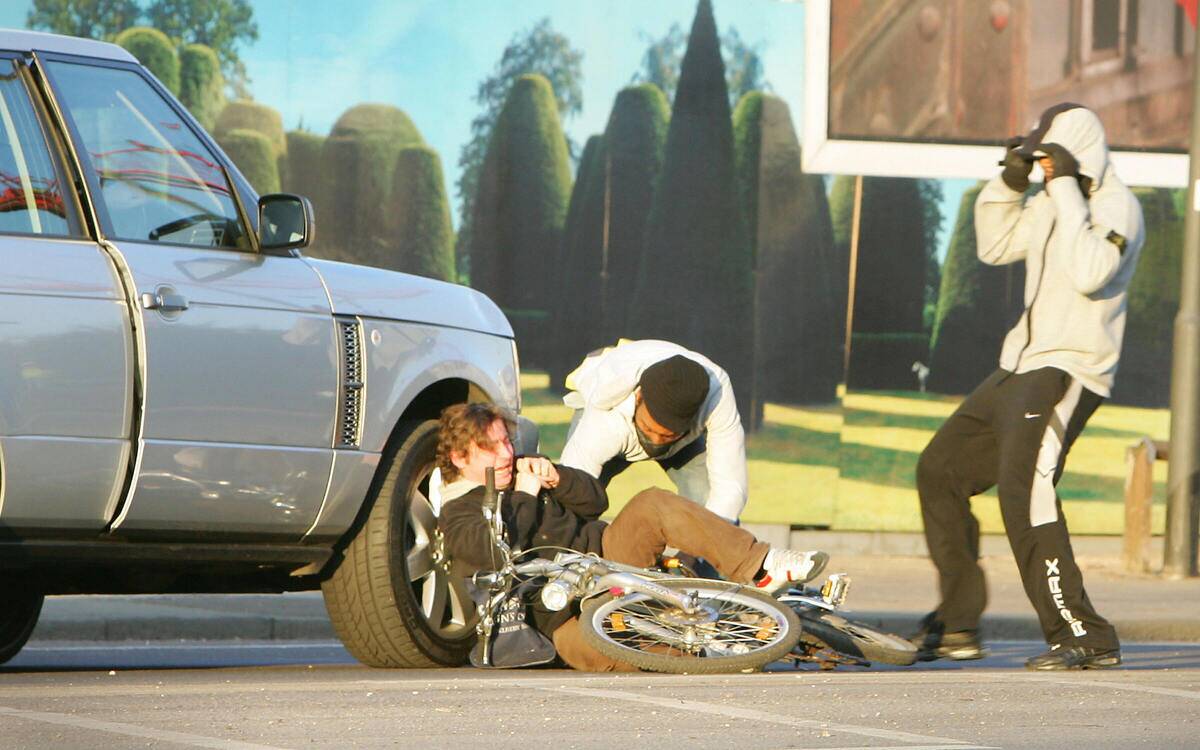
The phrase “pulling someone’s leg” might have sinister origins, with some suggesting it refers to thieves tripping victims to rob them. However, over time it has evolved into a playful expression for joking or teasing someone.
The transformation from crime to comedy is a testament to the evolving nature of language. Today, it’s all about humor and light-hearted deception, minus the criminal intent.
“Kick the Bucket”: A Grim yet Humorous Image
The saying “kick the bucket” may derive from the method of suicide by hanging, where the person would stand on a bucket and then kick it away. Despite its grim beginnings, the phrase has taken on a more humorous tone over time.
Nowadays, it’s used to refer to dying in a less serious context. It’s an example of how language can soften the blow of life’s inevitable end.
“Spill the Beans”: An Ancient Voting Mishap
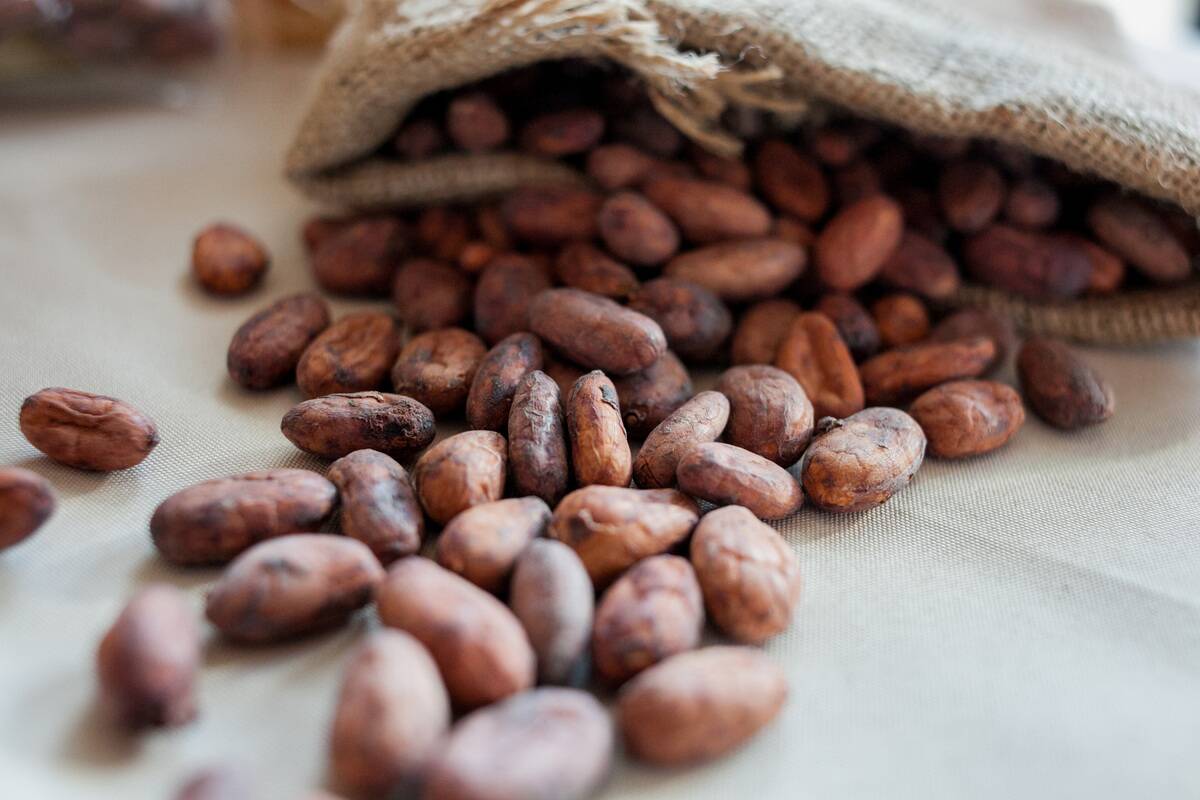
The phrase “spill the beans” has roots in ancient Greek voting practices where black and white beans were used to cast votes. Accidentally spilling the container would reveal the outcome prematurely.
This mishap gave birth to the expression we use today to describe revealing a secret. While our voting systems have evolved, the idea of inadvertently letting the truth slip out remains timeless.
“Under the Weather”: Nautical Origins of Illness
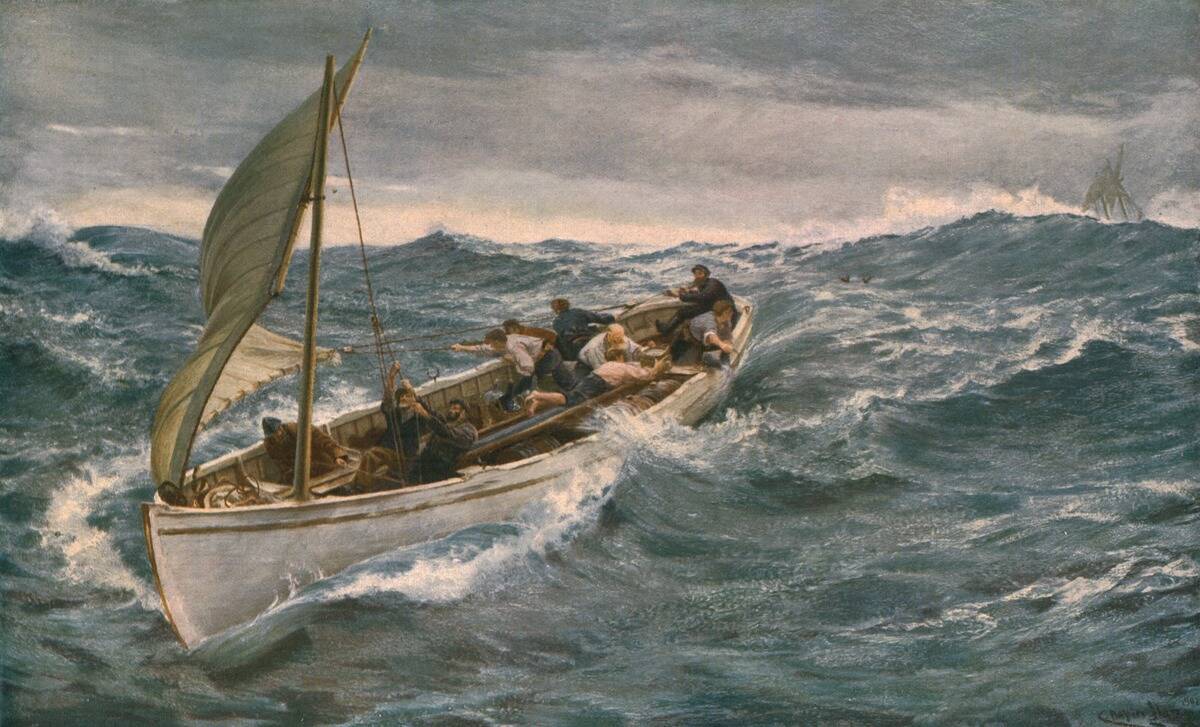
The term “under the weather” comes from 19th-century sailors who would go below deck to recover from illness during rough seas. The phrase has since come ashore and is used to describe feeling sick or unwell.
While most of us are not battling the high seas, the expression captures the feeling of needing to retreat and recuperate when we’re not at our best.
“Cost an Arm and a Leg”: The Price of Portraiture

The saying “cost an arm and a leg” may originate from the high price of 18th-century portraiture. To save on costs, subjects would commission portraits only showing their head and shoulders, as adding limbs was more expensive.
While the literal cost of arms and legs in paintings is no longer a concern, the phrase endures as a way to describe exorbitant expenses.
“Running Amok”: From Cultural Phenomenon to Common Phrase
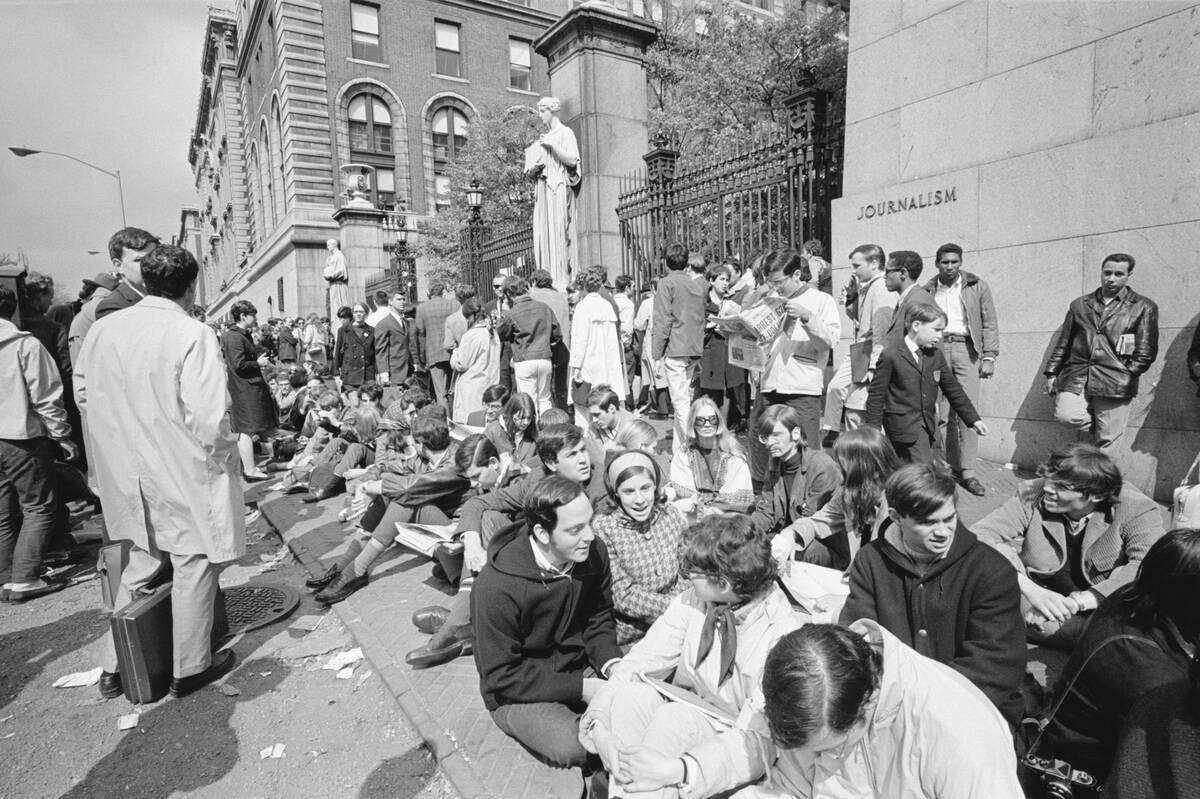
The phrase “running amok” has its roots in Southeast Asian culture, where it described a frenzied, uncontrollable behavior. The term was first introduced to English speakers in the 18th century by British colonizers observing the phenomenon.
Today, it describes chaotic or out-of-control actions, whether by individuals or groups. Its journey from cultural observation to everyday language is a fascinating tale of linguistic adoption.
“Mad as a Hatter”: The Toxic Truth Behind the Saying
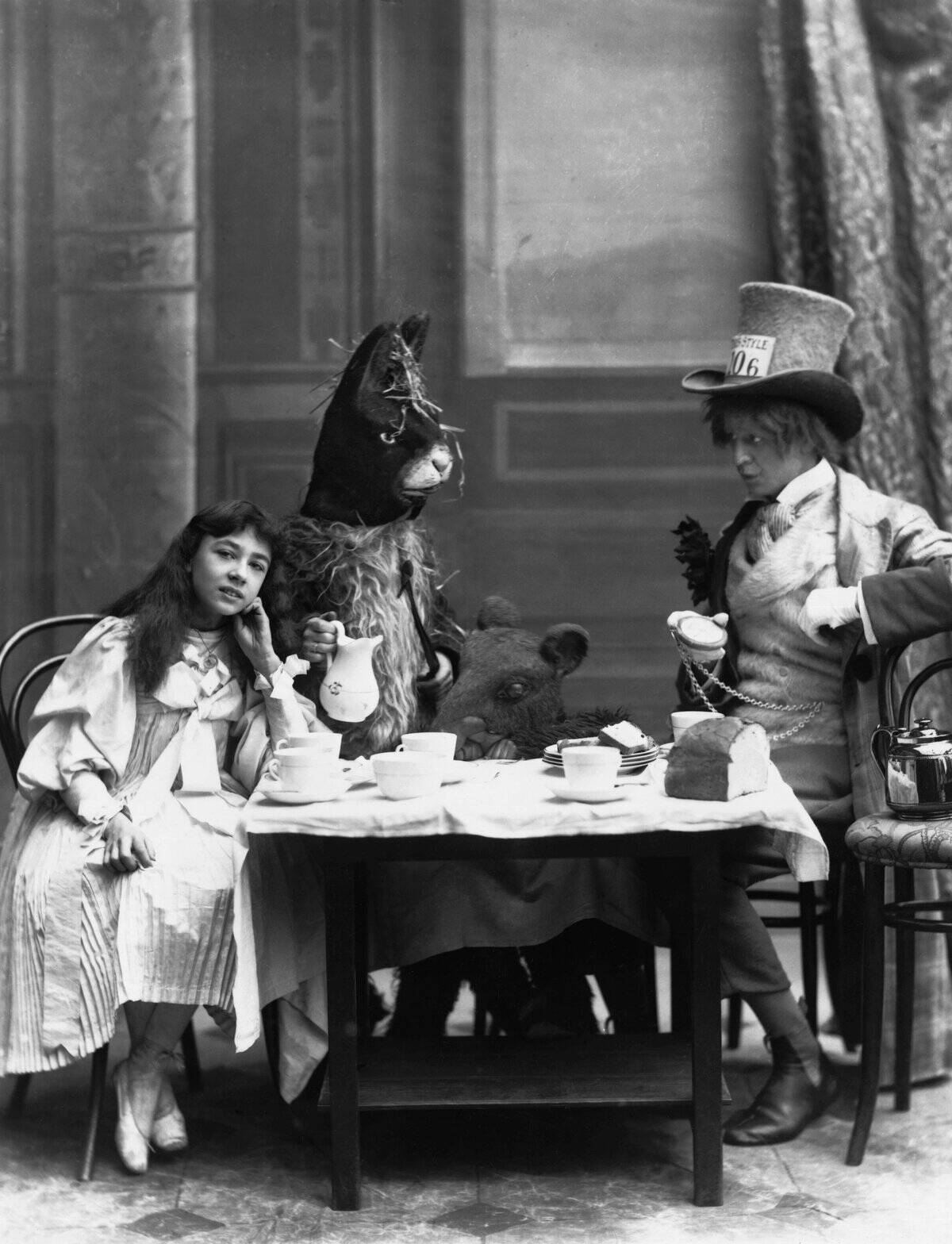
The expression “mad as a hatter” comes from the 18th and 19th centuries when hat makers often suffered from mercury poisoning due to the chemicals used in the hat-making process.
This exposure led to symptoms like tremors and hallucinations, making them appear ‘mad.’ While the hatting industry has long since changed its practices, the saying remains a colorful way to describe someone acting irrationally or eccentrically.




