17 household items used before modern plumbing
Before taps and flush handles, most households managed water and waste with a patchwork of tools and daily routines. In big cities, piped water and sewers arrived unevenly—London’s massive sewer overhaul under Joseph Bazalgette came in the 1860s, New York’s Croton Aqueduct opened in 1842, and many American and European homes still lacked indoor plumbing well into the early 20th century. Rural areas often waited longer, relying on wells, pumps, and outhouses while towns slowly laid mains and installed hydrants.
That meant basic tasks—washing, bathing, and answering nature’s call—were exercises in planning. Families kept pitcher-and-bowl sets for face-and-hand washes, lugged hot water from the stove for weekly tub baths, and used chamber pots or backyard privies at night. Waste didn’t vanish with a swoosh; it went to cesspits, ash-covered earth closets, or was collected by night-soil men. It wasn’t glamorous, but people honed strategies that worked with the tools and knowledge of the day.
Chamber Pots: The OG Nightstand Essential
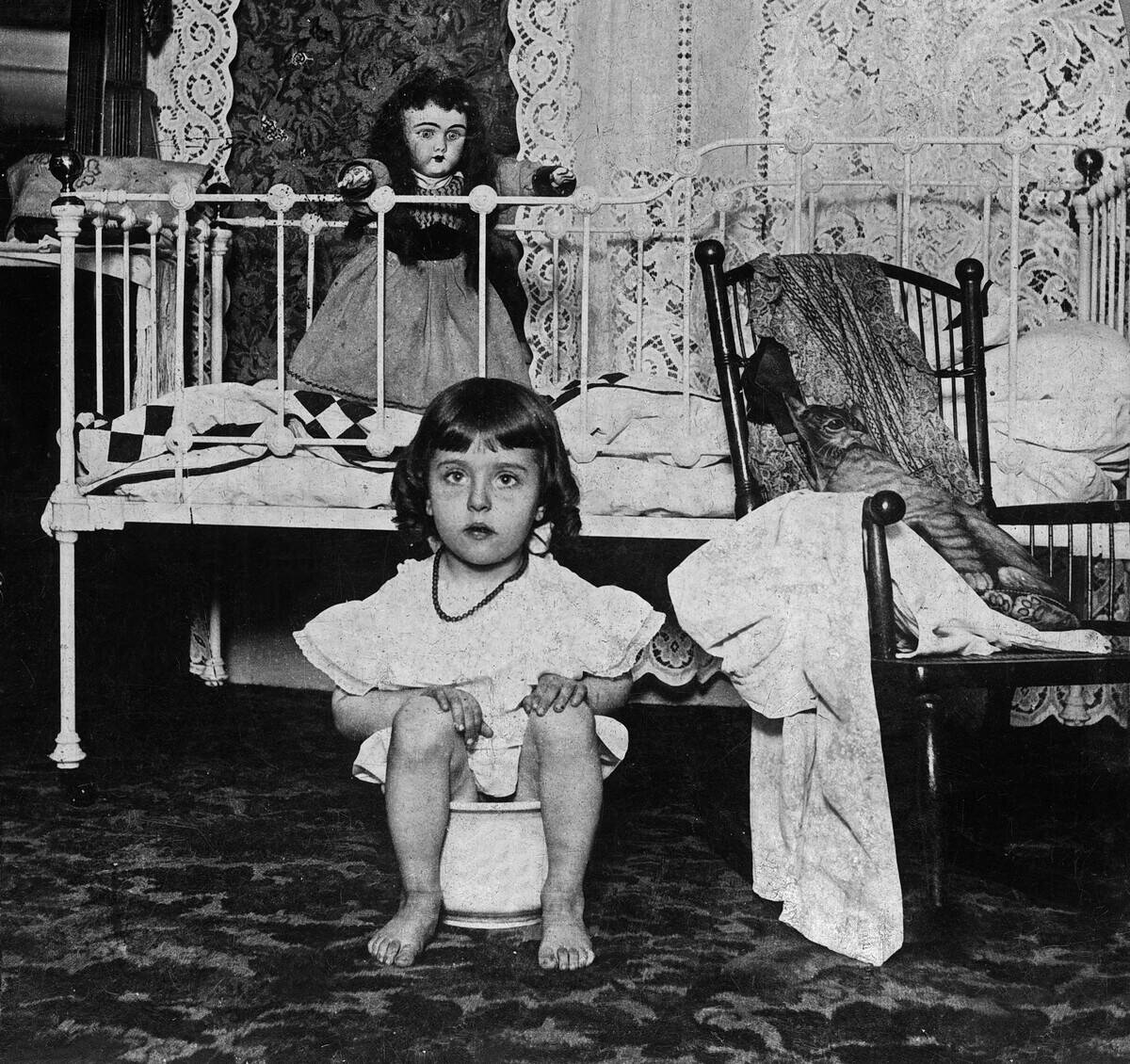
Chamber pots were the nighttime MVPs—kept under beds, in cupboard compartments of washstands, or behind a screen for a bit of dignity. They came in earthenware, porcelain, pewter, and later enamel-coated steel. Families often had multiple sizes, including smaller pots for children. Euphemisms abounded: “jordan” in Britain, “thunder mug” in the U.S. The morning routine was simple but necessary—empty, rinse, and, if you were tidy, scald with hot water to keep odors down.
Manufacturers treated even these utilitarian items with style. European potteries like Wedgwood, Spode, and French faience makers produced decorated examples, sometimes with transfer-printed motifs. Lids helped a lot, especially in shared rooms. Households usually poured contents into a slop jar or directly into a privy or cesspit. In cities before modern sewers, improper disposal could foul courtyards and drains, which is why regulations and fines gradually tried to rein in the mess.
Commode Chairs: Discreet Furniture With a Secret
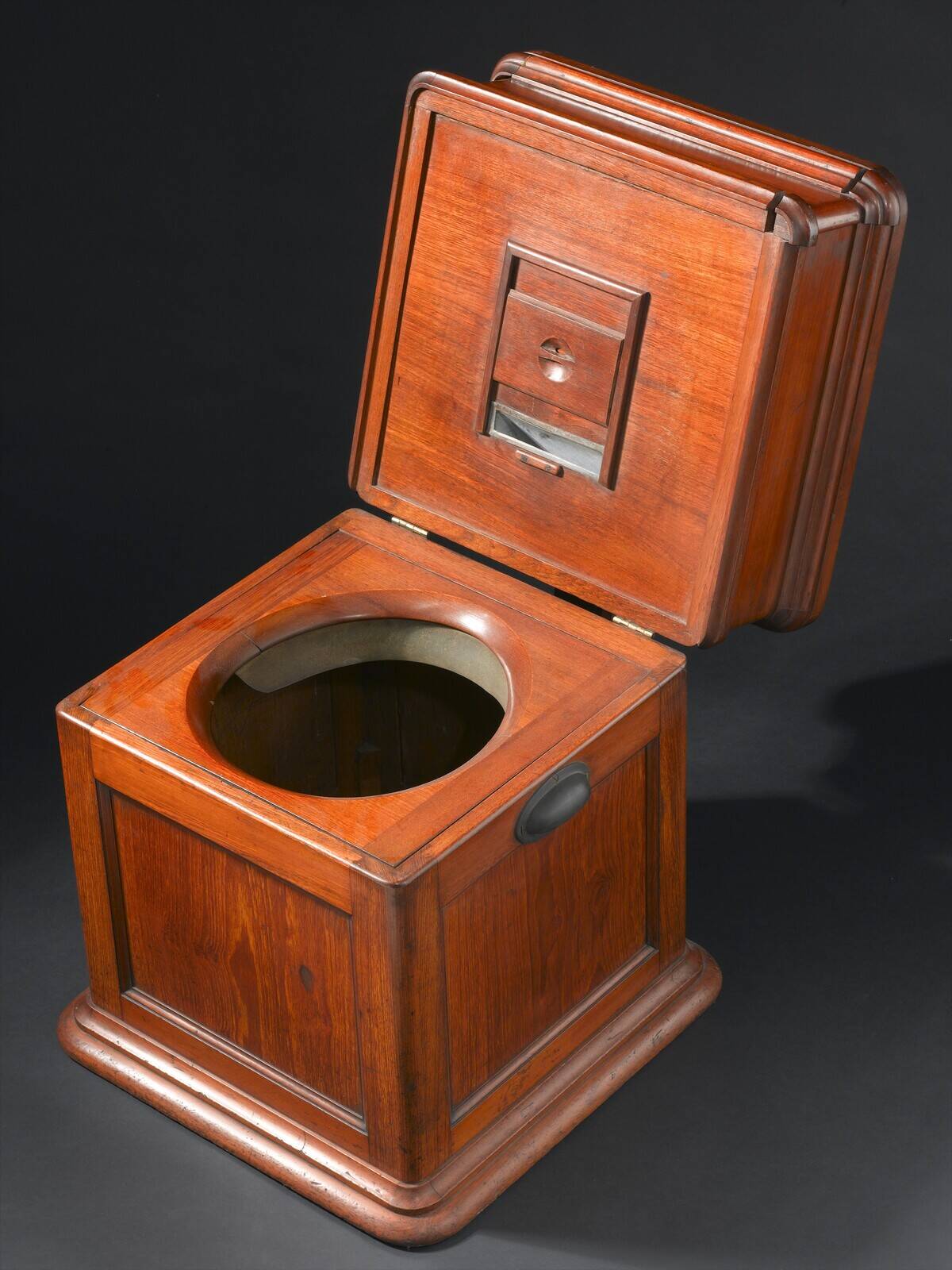
At first glance, a commode chair looked like a fine piece of furniture—carved wood, upholstery, perhaps even matching the parlor set. Lift the seat, and you’d find a fitted pot. Earlier versions were called “close stools,” and by the 18th and 19th centuries, designs ranged from plain pine to mahogany with brass hardware. Some included side compartments for paper or a sponge and a hinged lid to contain odors, making them a respectable fixture in bedrooms and sitting rooms.
These chairs served everyone from invalids to fashionable guests who didn’t relish a nighttime trek to the yard. In larger homes, screens or a small closet maintained privacy. Museums like the Victoria and Albert Museum hold examples that show how clever cabinetmakers integrated hygiene into decor. The idea continued into the 20th century with bedside commodes, eventually evolving alongside indoor plumbing into purpose-built bathroom fixtures and medical equipment.
Bedpans: Not Just for Hospitals Back Then
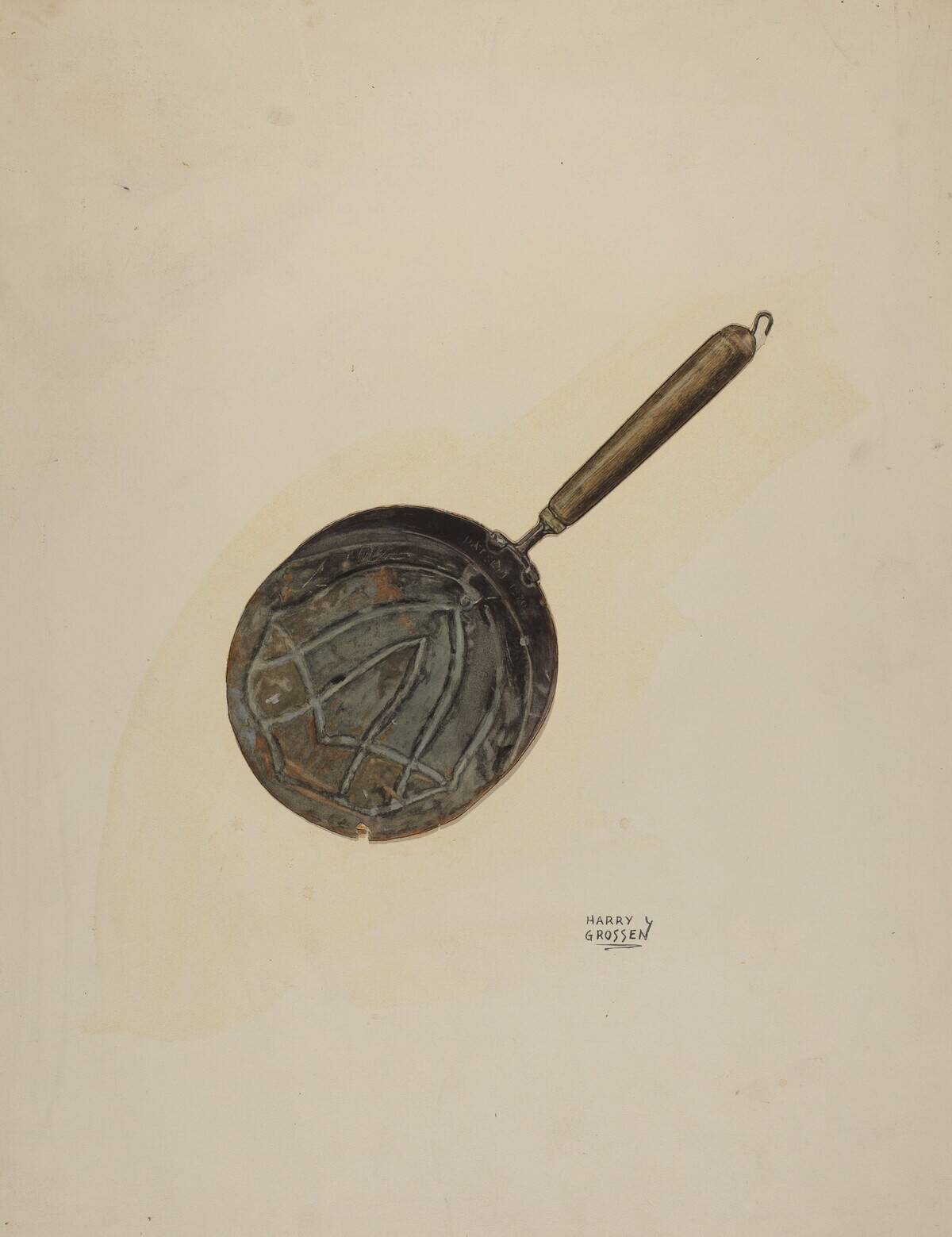
Before modern wards, bedpans were a standard home-care tool. Early versions were shallow metal pans—often pewter, brass, or copper—sometimes with lids. Later, glazed ceramic and enamel-coated steel made cleaning easier. Their flat, wide shape slid under patients who couldn’t get up, while matching urinals handled liquids. Housekeepers boiled them or scoured with lye to sanitize, and a dedicated stand or shelf kept them close but out of sight between uses.
It’s easy to confuse bedpans with warming pans, but they served very different purposes. Warming pans had long handles and lids for moving coals through bedclothes—absolutely not interchangeable. Bedpans, by contrast, prioritized smooth rims and stability. By the late 19th century, hospitals standardized sizes and materials to improve hygiene, but homes kept using whatever worked. Surviving examples in medical museums tell a practical story: function first, upgrades when available, and always a bucket of hot water nearby.
Outhouses and Privies: The Backyard Throne
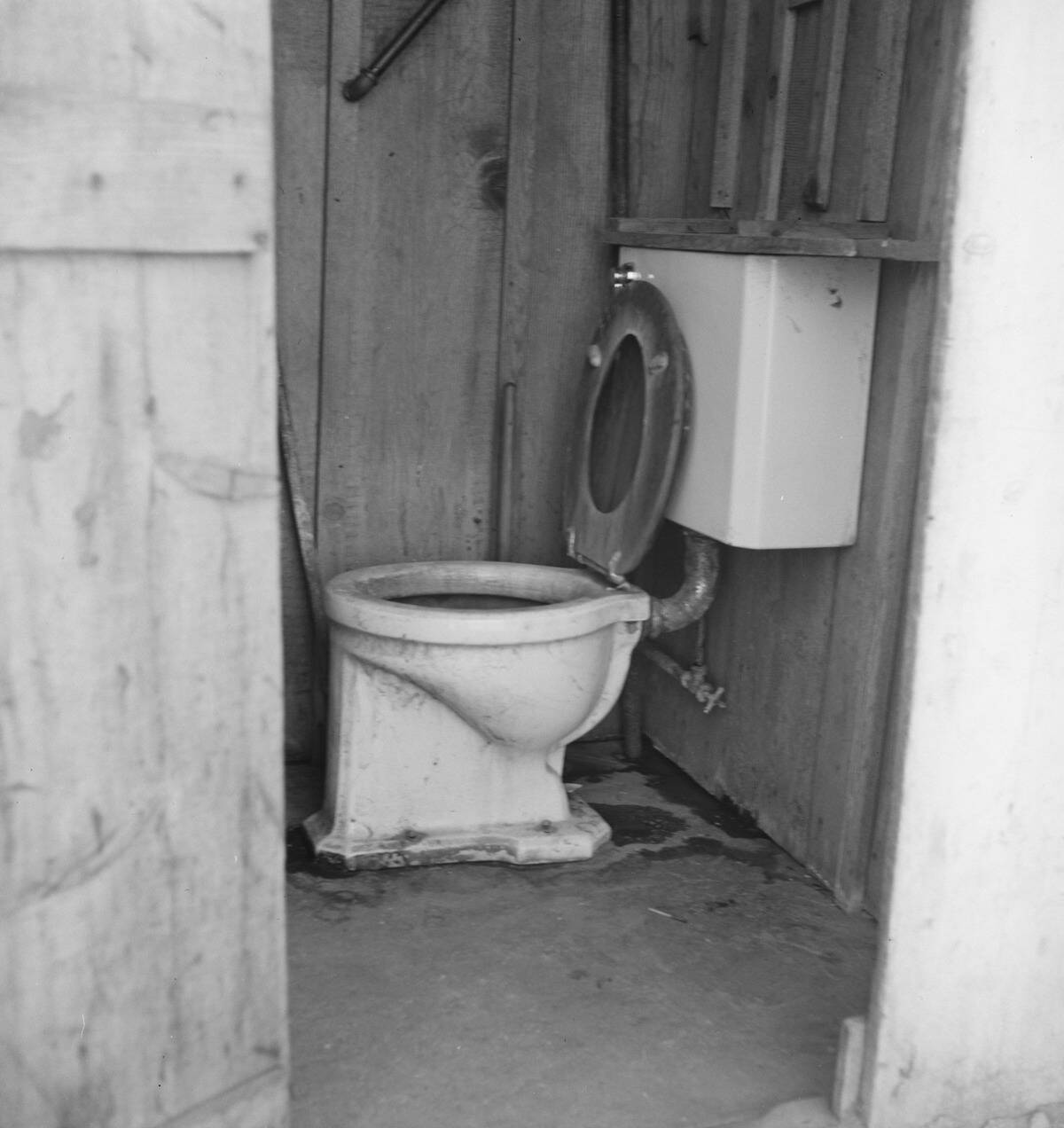
The classic privy was a small shed set over a pit, positioned away from the house and, crucially, away from the well. Pits were often a few feet wide and several feet deep, sometimes lined with brick or stone to reduce collapse. Family privies might have one, two, or even three seats—useful for managing kids or staggering usage—though privacy usually won out. Vent holes and gaps under the eaves helped airflow and light the interior during the day.
Practical placement mattered.
Household guides advised setting privies downhill and at a safe distance from water sources to reduce contamination. Period advice manuals recommended tossing in a scoop of dry soil, lime, or ash to suppress odors and flies. In cold climates, paths were kept shoveled in winter; in hot climates, a bit of shade was prized. As municipal sewerage expanded, urban privies were gradually replaced, but rural outhouses remained common in parts of the world well into the 20th century.
Cesspits and Night-Soil Buckets: Where It All Went
In dense towns before sewers, many houses relied on cesspits—brick or stone-lined pits designed to hold and, to an extent, leach liquid away through the surrounding soil. Solids accumulated and needed periodic emptying. That’s where the night-soil trade came in. Workers—called “nightmen” in 19th-century Britain and America and “gong farmers” earlier in England—emptied pits after dark to limit smells and street disruption, hauling waste to outlying dumps or fields.
Waste wasn’t always pure trash. In some regions, particularly in parts of Europe and Asia, human manure was valued as fertilizer, though it carried real disease risks without proper composting. Regulations crept in as cities learned hard lessons about cholera and typhoid. The arrival of water-flush toilets without matching sewers actually made things worse at first, overwhelming cesspits. Only when proper sewer networks expanded did cesspits and routine night-soil collection truly begin to disappear from city life.
The Tersorium, Rags, Leaves, and Corncobs: TP Alternatives
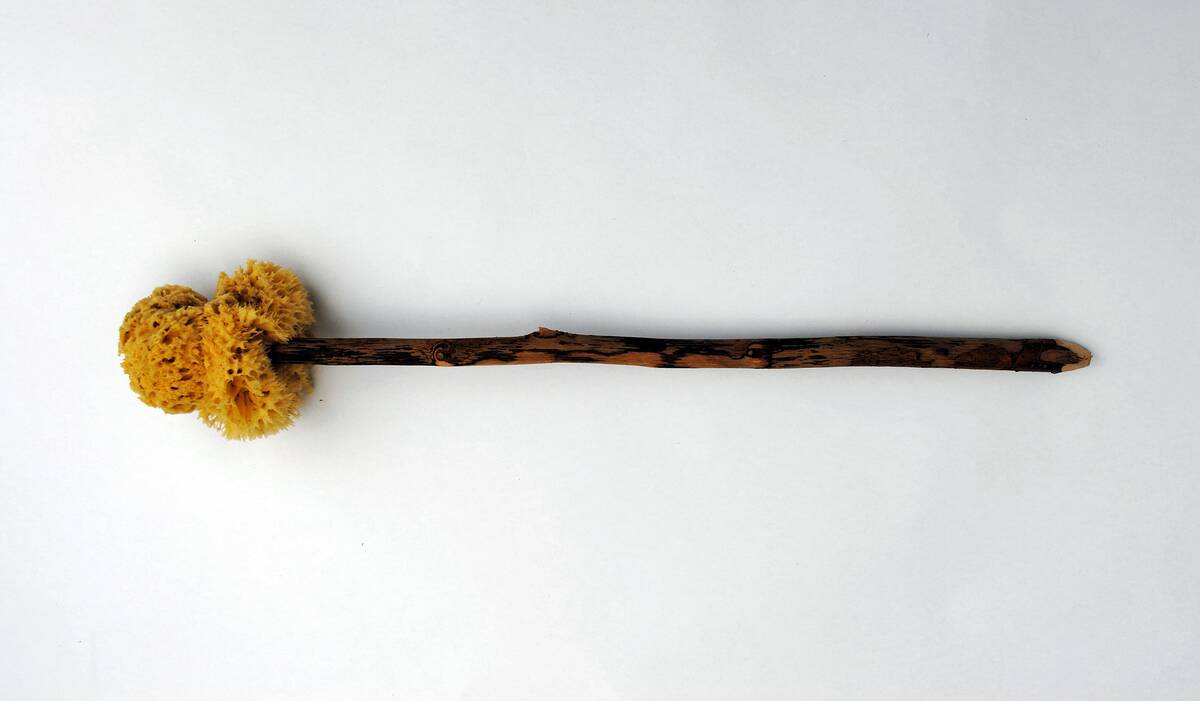
Toilet paper as we know it is a latecomer. In ancient Rome, public latrines provided the tersorium—a sponge fixed to a stick—rinsed in water, sometimes salted or vinegared between uses. Elsewhere and later, folks used what was handy: handfuls of straw, moss, smooth leaves, or scraps of cloth. In parts of North America, especially on farms, dried corncobs were a staple in outhouses before soft paper became affordable and common.
Commercial bathroom tissue arrived in the 19th century—Joseph Gayetty sold medicated paper in the U.S. in 1857, and perforated rolls took off after companies like Scott Paper began production in the 1890s. Even then, households often relied on newspapers and mail-order catalogs hung on a nail, which worked fine until glossy, clay-coated pages made them less absorbent. The moral of the story: people are resourceful, and comfort tends to follow cost and supply.
Wash Basins and Ewers: Splash-and-Dash Hygiene
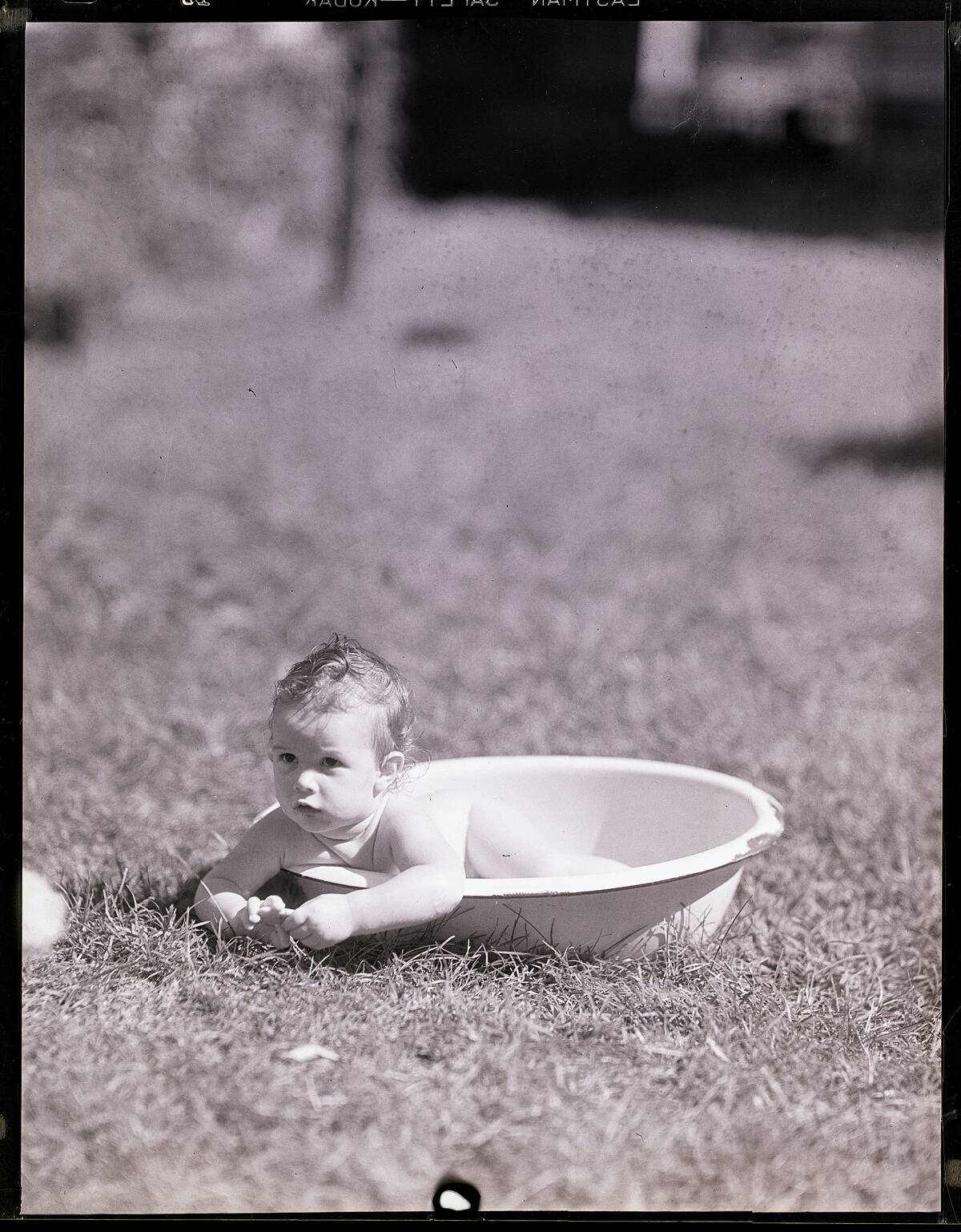
Daily washing revolved around the basin and ewer—matching jug and bowl sets that lived on a washstand. Ironstone, porcelain, and transfer-printed earthenware were common, and many sets included a soap dish and toothbrush holder. You’d pour a bit of water into the basin, scrub face and hands, then tip the greywater into a slop jar. Towels hung from a nearby rail, and a small mirror above the stand made shaving and hair-combing manageable.
The ritual was efficient because water was precious labor.
Someone had to haul it, heat it, and then carry it out again. Housekeepers planned refills around mealtimes or stove use so hot water was available for a quick splash. In winter, preventing ice in an unheated bedroom meant bringing the ewer closer to the hearth before bed. Decorative sets were popular wedding gifts, and you’ll still find them in antique shops, often with telltale hard-water rings inside the bowl.
Pitcher-and-Bowl Sets on the Dresser: Morning Routine Gear
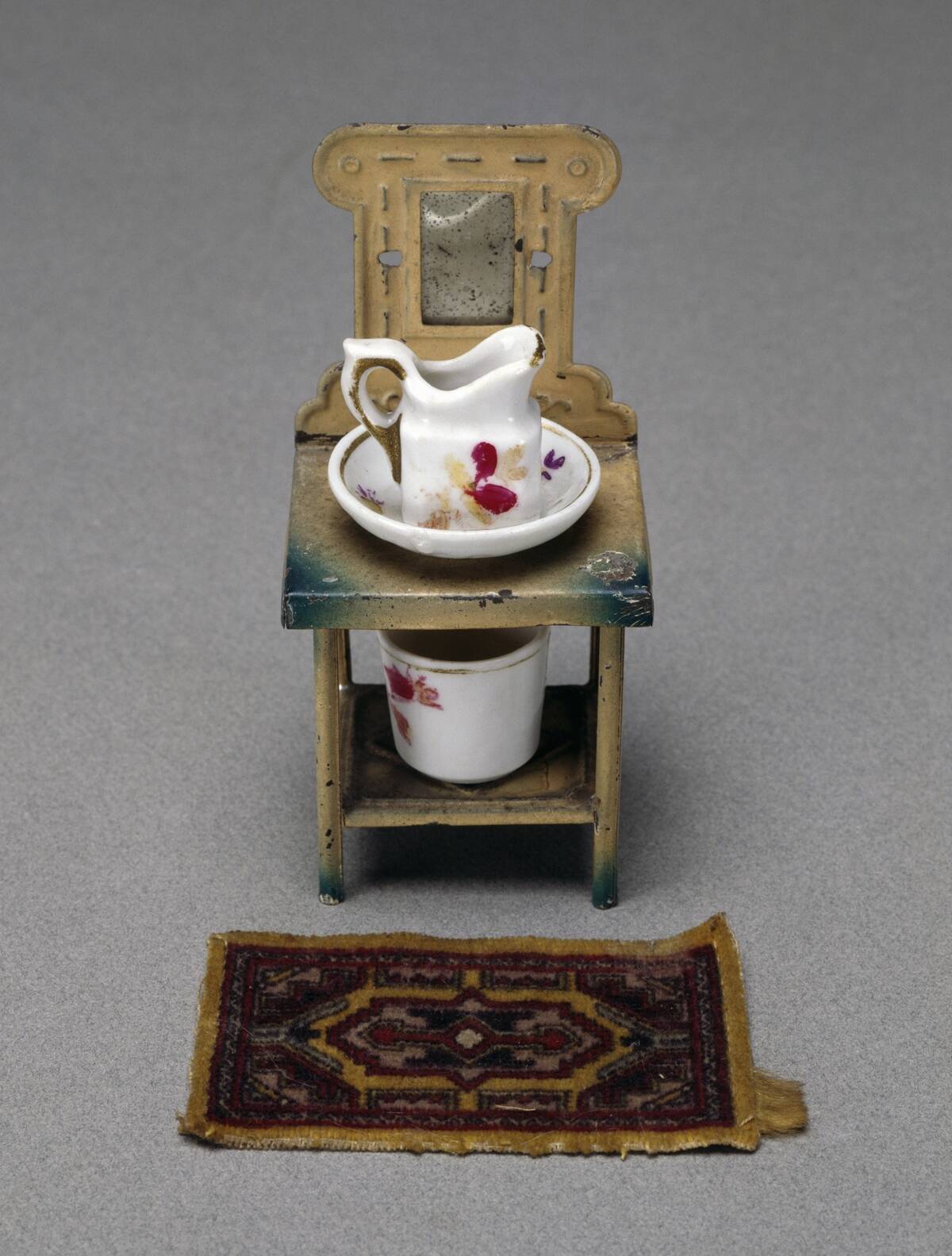
A washstand or dresser-top pitcher-and-bowl set was the center of the morning routine. Before the first sip of coffee or tea, someone fetched fresh water from a pump or kitchen tap (if lucky), poured it into the basin, and got to work. Many stands had a cupboard below for the slop jar and a drawer for combs and razors. Sturdy ironstone sets were designed to take daily knocks without chipping, and floral transfer prints brightened up chilly rooms.
The system encouraged small, frequent cleanups.
Without a bathroom sink, a face-and-hands wash after chores or before meals kept grit at bay. Travelers carried miniature versions—collapsible basins or enamel cups—when inns offered only a communal washstand. By the late 19th century, middle-class homes sometimes plumbed a cold-water tap to an upstairs washroom, but the pitcher-and-bowl remained in service until hot-and-cold basins became standard in the early 20th century.
Hip Baths and Tin Tubs: Bath Day in the Kitchen
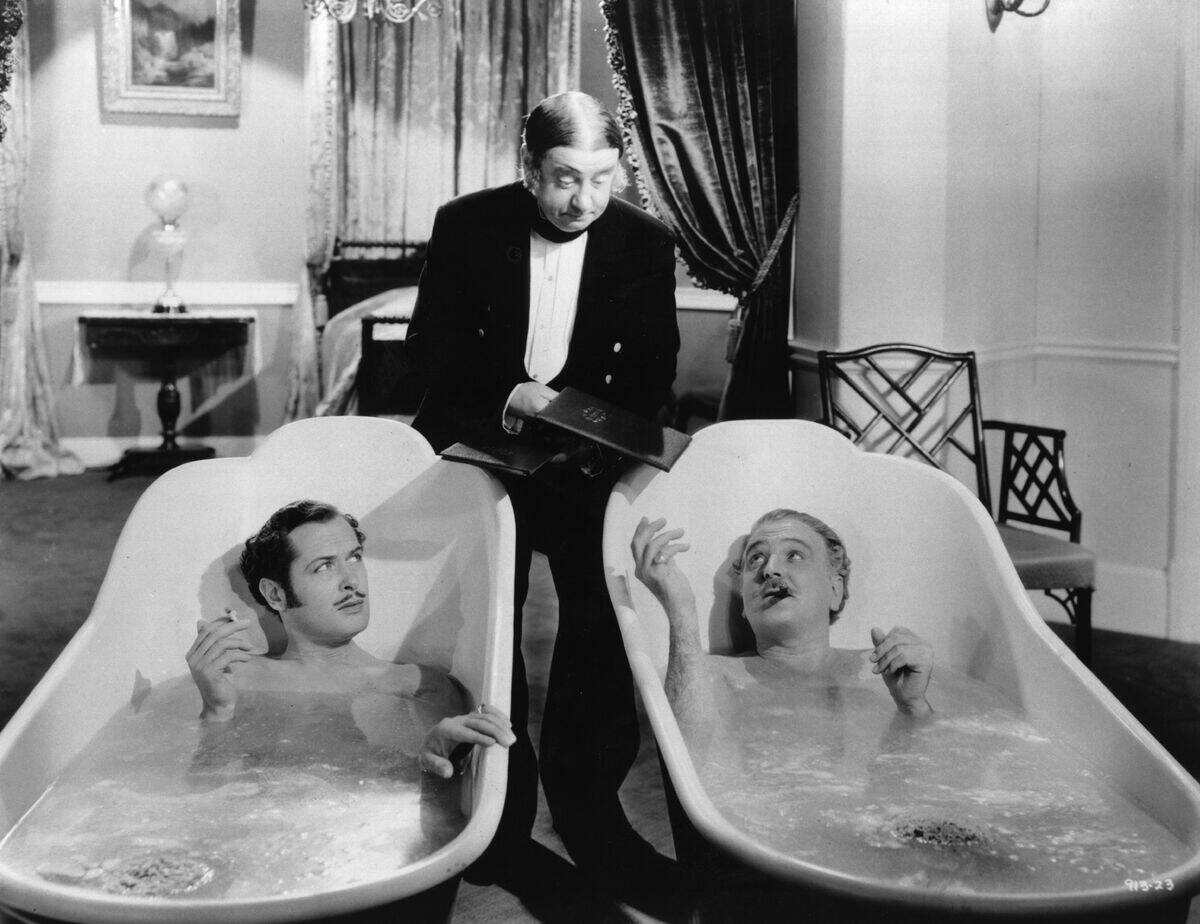
Full-body baths happened in portable tubs: oval hip baths you sat in with knees up, or larger galvanized or tin-lined wooden tubs dragged to the kitchen by the stove. Heating enough water took time, so families often declared a weekly “bath night,” with youngest children first and more hot water added as the evening wore on. Privacy came from a screen or a turned-back family, and a good fire kept goosebumps at bay.
Bath soaps were simple—homemade or purchased bars—and rinsing meant a teapot or dipper of clean water poured over hair and shoulders. Floors were protected with oilcloth, and waste water went out the back step. In towns with hard water, housekeepers complained about soap scum; in soft-water regions, lather came easy. As plumbed bathrooms spread, the big tub’s migration to a tiled room felt revolutionary: no hauling buckets, no steam fogging the pantry, and no race to bathe before the water cooled.
Kettles, Cauldrons, and Copper Boilers: Heating the Water
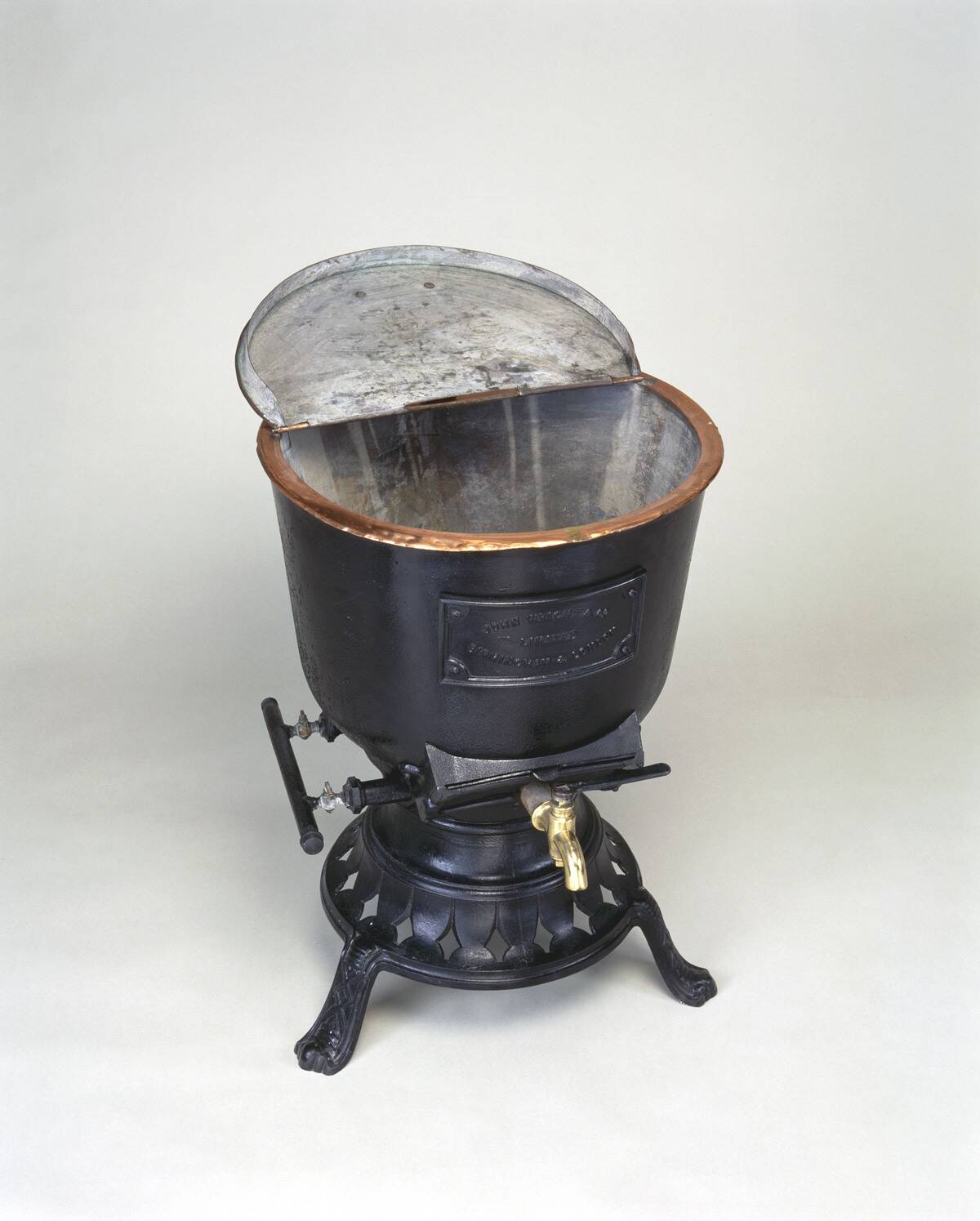
All that washing needed hot water, and stoves pulled double duty. Cast-iron ranges kept multiple kettles simmering, while large cauldrons or built-in copper boilers handled laundry day. In Britain, the “copper” in a scullery could heat a hefty volume, with a firebox beneath and a wooden lid on top. Boiling was not just about comfort—scalding water helped sanitize cloths, bedpans, and diapers before modern detergents and disinfectants.
Timing was everything. Housewives planned bathing around mealtime stoking, capitalizing on a hot fire when ovens were already roaring. Children learned to mind scalds, and wooden trivets and lifting hooks were kitchen essentials. In summer, the heat made bath night a sweaty affair; in winter, it was a treat. When gas water heaters and coil-on-stove heaters appeared in the late 19th and early 20th centuries, they were embraced because they cut hours of tending kettles to get a few gallons warm.
Sponge Baths and Washcloths: The Quick-Clean Standbys
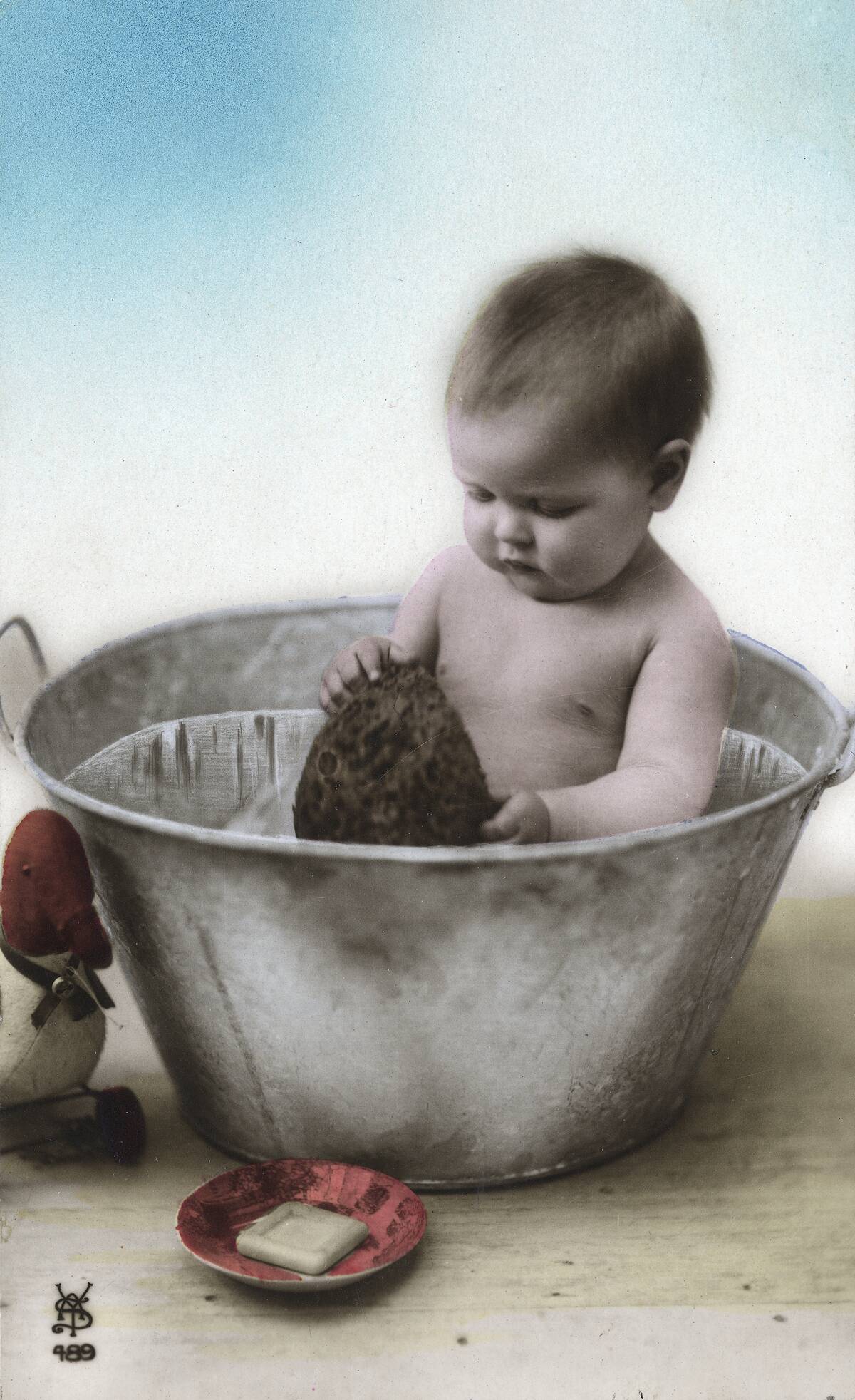
Not every day was bath day, so people relied on sponge baths—what some called a “bird bath.” A basin of warm water, a natural sea sponge or a sturdy washcloth, and a bar of soap could tidy face, neck, hands, armpits, and feet in minutes. It wasted less water, made less mess, and could be done by lamplight. Hotels and boarding houses catered to this with small basins in rooms, even when the only full tub was down the hall.
Sea sponges harvested in the Mediterranean and Caribbean were prized for softness, though knitted or crocheted washcloths were common and washable. Manuals on household management recommended a daily wipe-down even when a full bath wasn’t practical, linking cleanliness to health long before germ theory was fully accepted. Soldiers, travelers, and convalescents depended on sponge baths, too—proof that with a little hot water and cloth, you could stay respectable between tub days.
Hand Pumps and Yard Wells: BYO Water Source
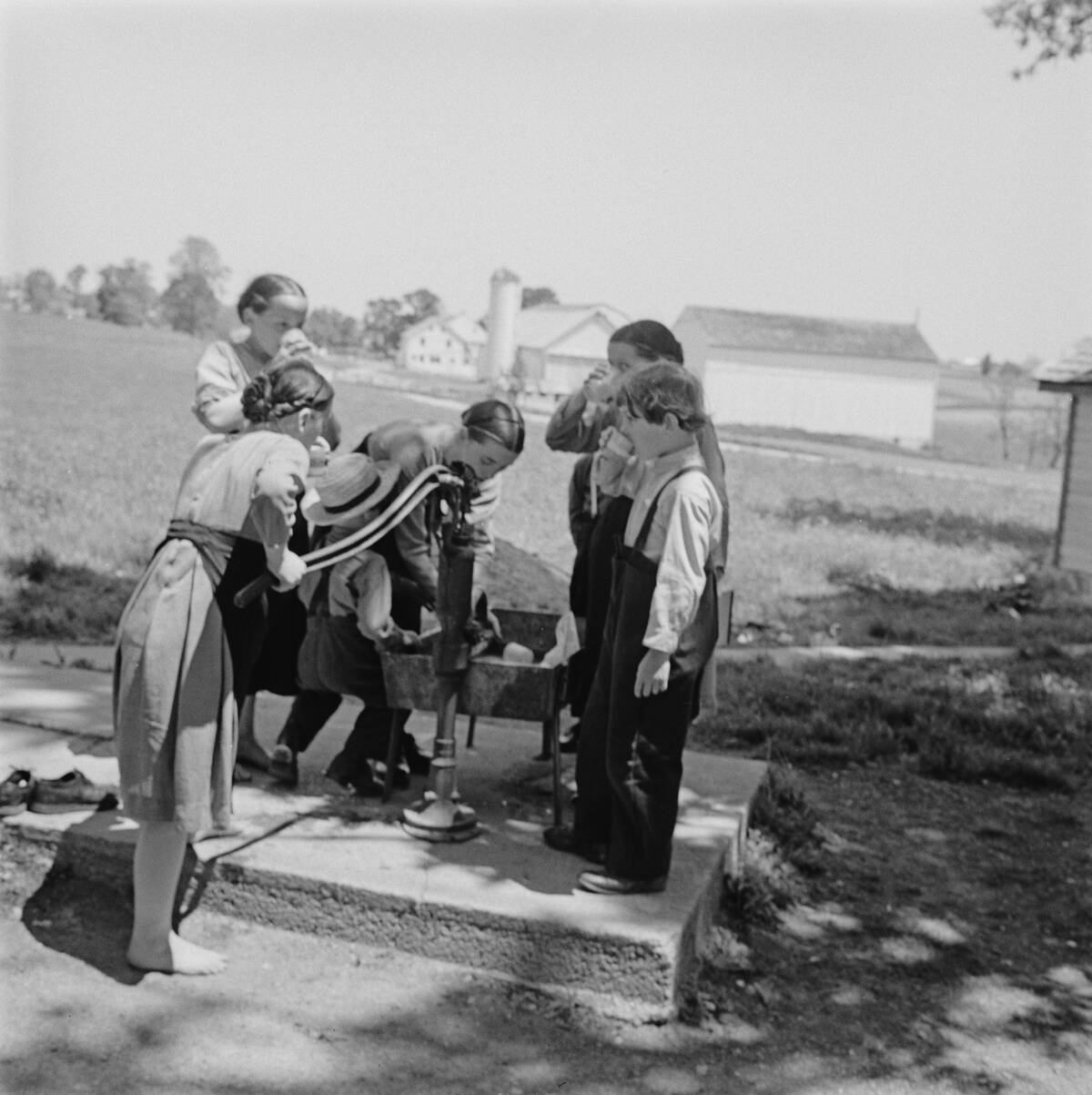
Before municipal taps, families drew water from wells—hand-dug and lined with stone, brick, or wood. A bucket-and-windlass was common, but the classic pitcher pump—mounted over a well or cistern—made quick work once primed. Priming meant pouring a little water down to swell the leather and seal air gaps, after which a few strokes sent a steady stream into a pail. In winter, a rag or wooden cover helped keep pumps from freezing.
Well placement and sanitation were critical.
Contamination from nearby privies caused disease outbreaks, and the 1854 Broad Street cholera investigation by John Snow famously linked a contaminated London pump to illness. As a result, health boards increasingly pushed setbacks and inspections. Even with a clean well, water was heavy: a full bucket can weigh around 40 pounds. No wonder homes tried to plan chores to minimize trips, and why children everywhere learned to carry two smaller pails to balance the load.
Rain Barrels and Cisterns: Saving Every Drop
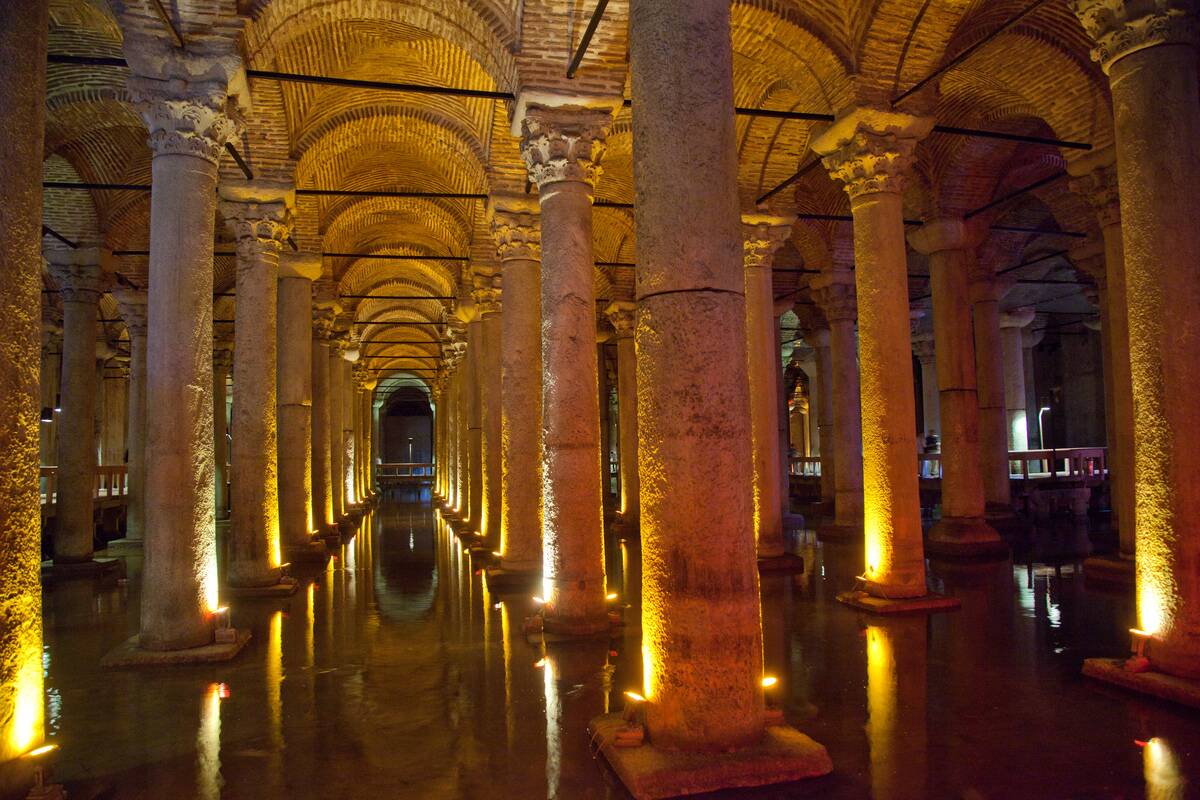
Rainwater catchment was a household habit. Gutters fed barrels by the back door or larger underground cisterns lined with brick or cement. People preferred rainwater for laundry because it’s naturally soft—fewer minerals mean better lather and less soap needed. Simple screens or cloth filters kept leaves and grit out, and lids discouraged mosquitoes and curious animals. In dry spells, a carefully hoarded barrel could mean clean shirts when the well ran low.
Cisterns served kitchens, too, with hand pumps drawing stored rainwater indoors. Maintenance mattered: periodic cleaning and re-liming of masonry kept the water from picking up tastes. In some coastal towns, salty wells made rain catchment almost a necessity. When municipal supplies expanded, barrels didn’t disappear—they still watered gardens and rinsed muddy boots. The idea outlived the era: modern rain barrels echo the same logic, though today’s systems add first-flush diverters and finer screens.
Carrying Yokes, Pails, and Buckets: Water-Toting Tech
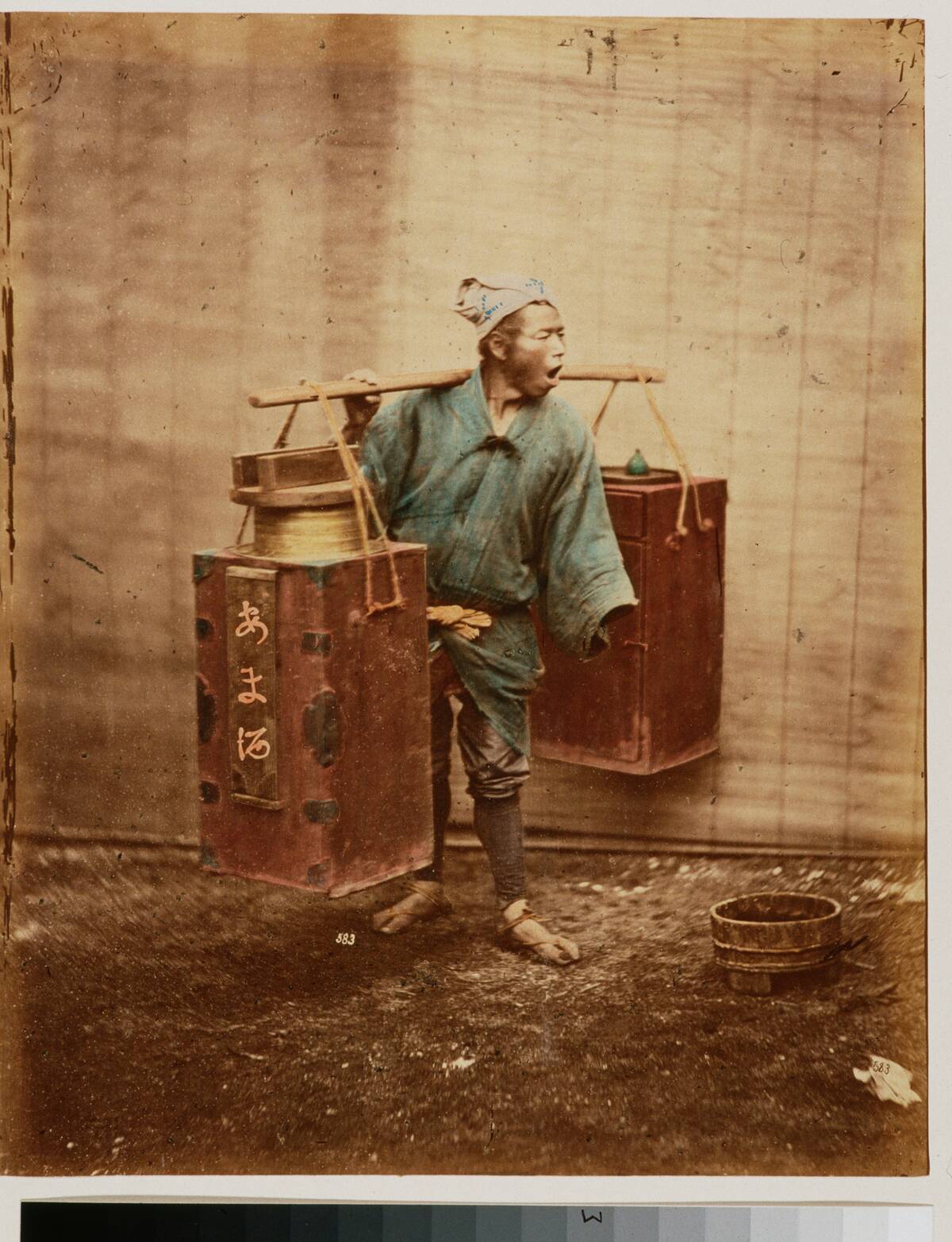
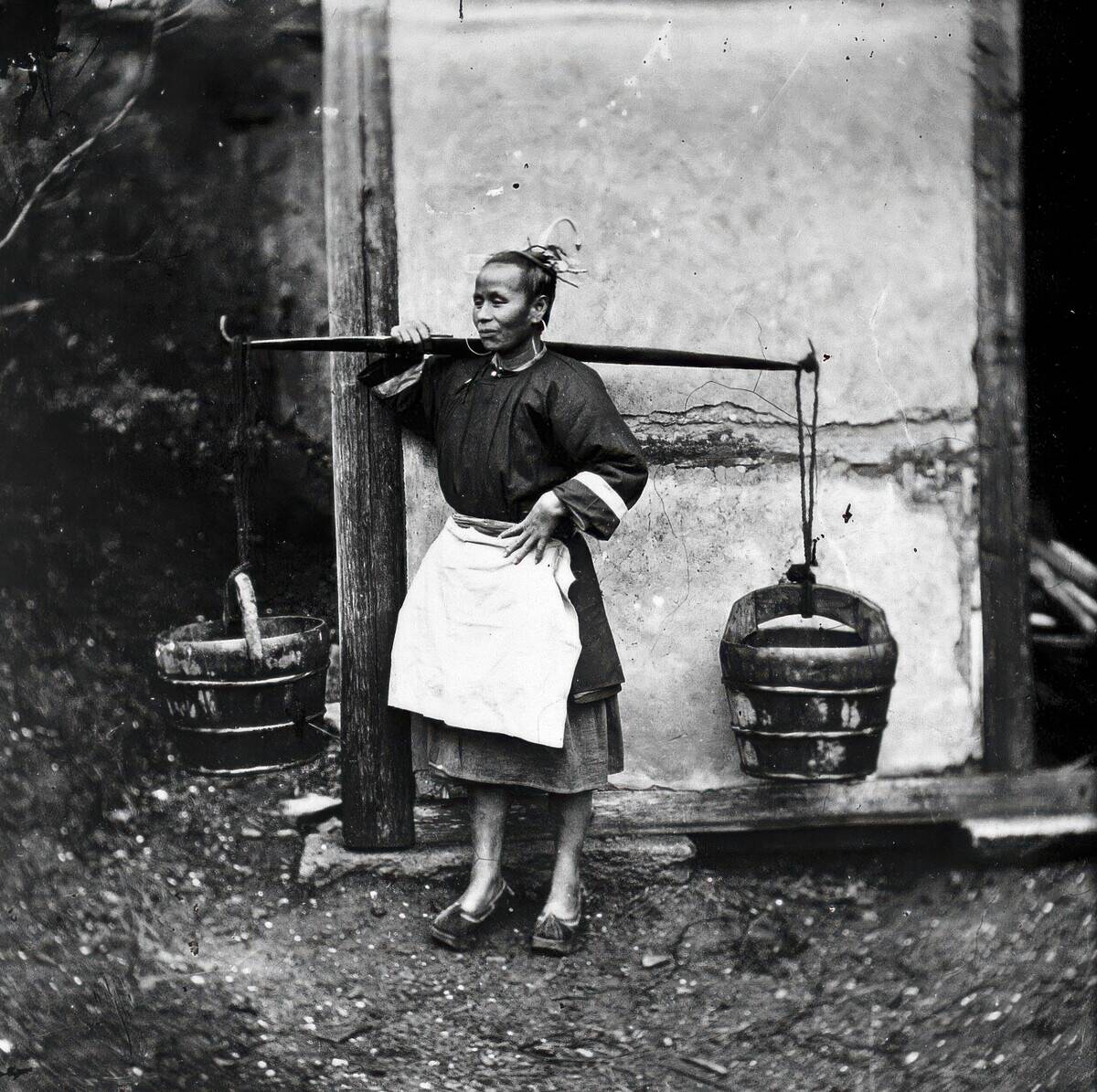
Hauling water efficiently is an art. A wooden shoulder yoke with chains or ropes let a person carry two full pails while keeping hands free and the load balanced. Where yokes weren’t used, people gripped bail handles on matched buckets to even out the sway. Early buckets might be wooden-staved with iron hoops; by the 19th century, galvanized steel pails became common because they were durable, lighter than wood, and resisted rust better than plain iron.
Little tricks made big differences: filling pails an inch shy prevented sloshing, and wrapping the bail handle with cloth saved palms on cold mornings. Steps were swept and tamped firm to avoid spills. For upstairs rooms, smaller pitchers spared your back. And because water was heavy labor, households batched jobs—filling the ewer, soaking beans, and setting a kettle—so each trip counted. It’s the original ergonomic design lesson, learned one staircase at a time.
Lye Soap, Ash, and Sand: Getting Clean Without a Tap
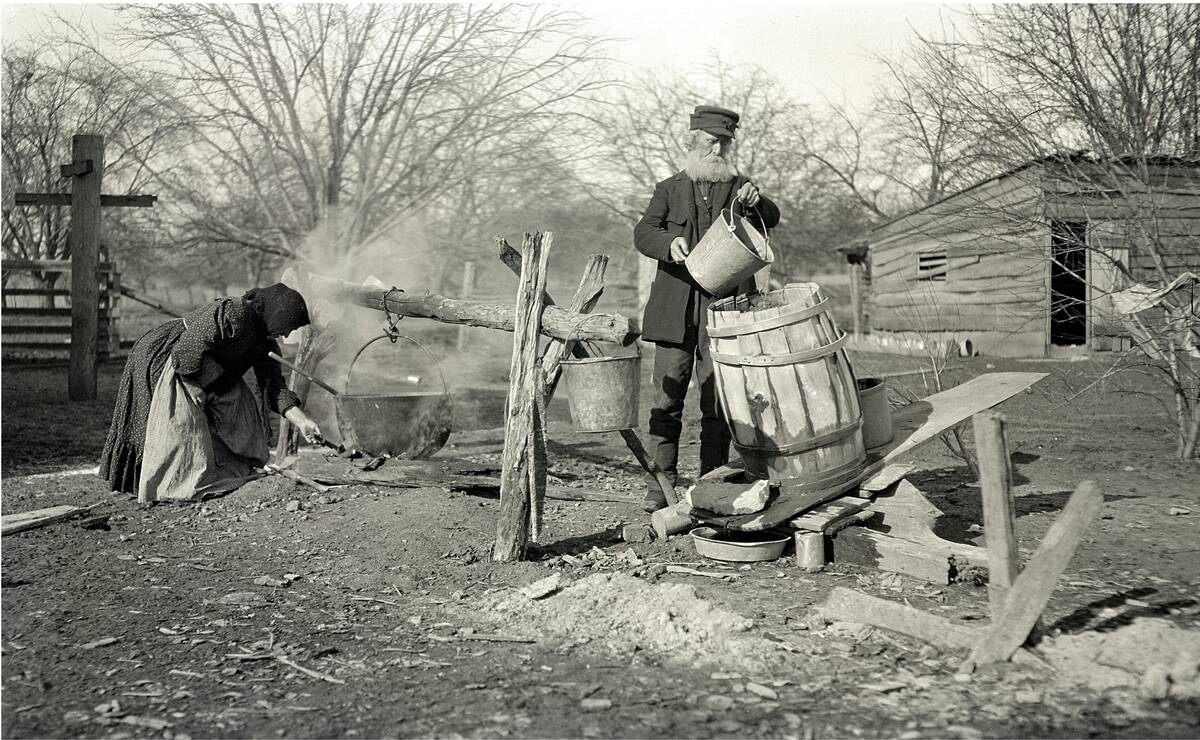
Homemade soap started with lye—alkali leached from hardwood ashes—combined with rendered animal fat. The chemical reaction, saponification, produced soft brown soap when potash (potassium hydroxide) dominated; commercial makers later used soda (sodium hydroxide) for harder bars. Families tested lye strength with a floating egg or potato and simmered mixtures in big kettles. Even modest batches took hours, and cured bars dried on shelves before they were firm enough to cut and store.
For scouring pots and scrub boards, abrasives helped. Ash paste cut grease on hearthware, while sand or finely ground pumice scoured metal pans and wooden tables. Fuller’s earth or whiting polished without scratching too deeply. Without modern detergents, elbow grease plus the right grit did wonders. Stepping into the 20th century, branded soaps and washing powders took over laundry day, but in many homes a stub of old-fashioned lye soap still handled stains and outdoor grime.
Earth Closets and Ash Buckets: Early Dry-Toilet Hacks
Long before composting toilets went mainstream, the 1860s saw clergyman J. Henry Moule promote the “earth closet,” which used a scoop of dry earth to cover waste and suppress odor. Some versions had a lever that dispensed soil from a hopper after each use. Schools, barracks, and rural homes adopted them where water was scarce or sewers absent. The dry cover absorbed moisture, reduced flies, and made later disposal safer than an open pit.
Ash did a similar job. Coal- and wood-burning stoves produced buckets of fine ash, and households sprinkled it into privies or chamber pots to tamp down smells. City bylaws often required covered ash cans—handy for dust control and for the night-soil men who dreaded a cloud of cinders on the job. These dry systems were stopgaps, but they worked, bridging the gap until flush toilets and sewer mains could reach every street and farmhouse.
Pomanders, Herbs, and Vinegar: Coping With the Smell
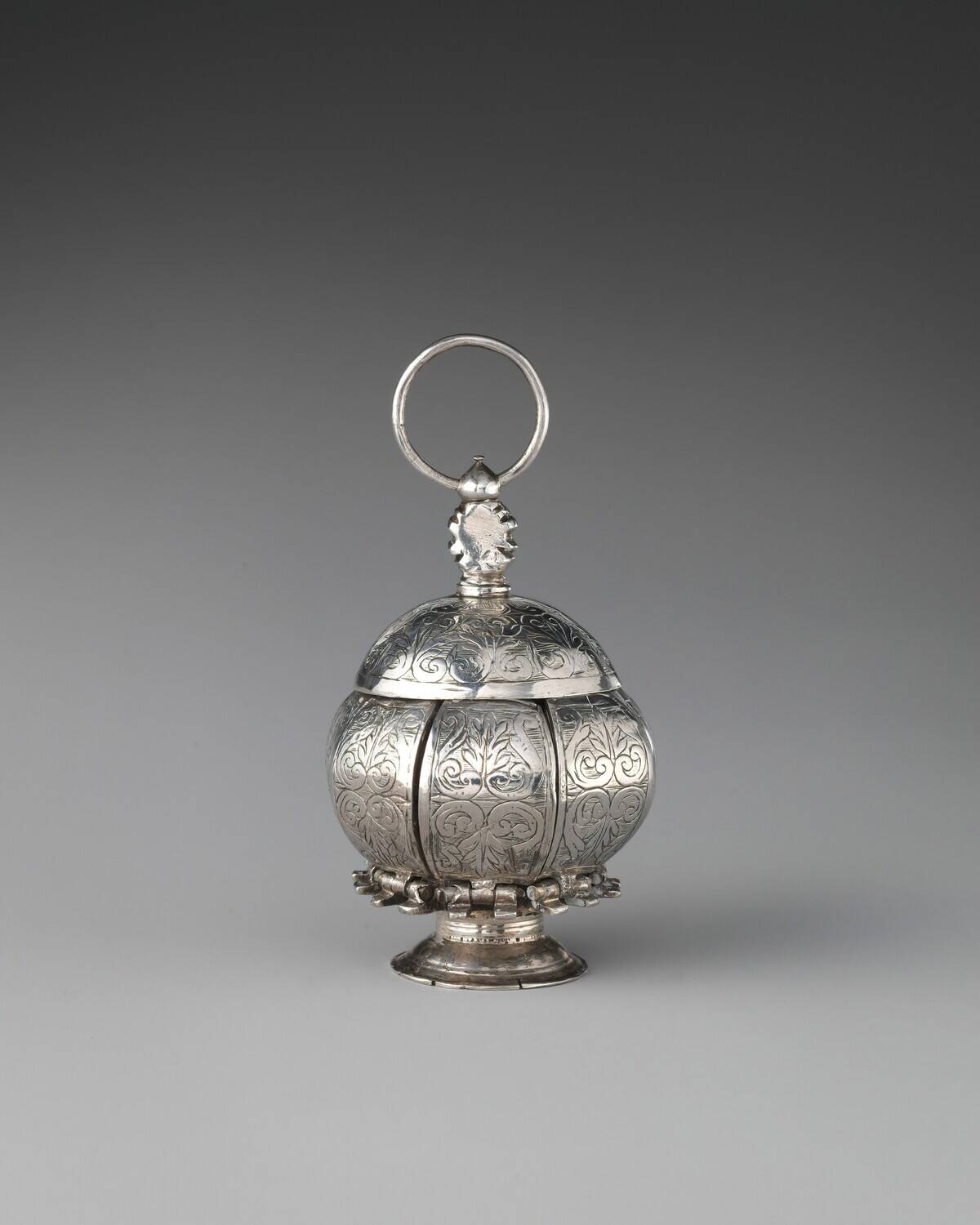
When ventilation failed, fragrance fought back. Pomanders—perfumed balls or oranges studded with cloves—date to medieval times and stayed popular into the 17th and 18th centuries. People tucked them into drawers, pockets, or bedside tables. Strewing herbs like lavender, rosemary, and sweet flag once carpeted floors in great houses, and later smaller bundles hung in privies. The scents didn’t purify air, but they made rooms more bearable, especially in crowded quarters.
The 18th and 19th centuries also loved vinaigrettes—small silver containers with a perforated lid and a sponge soaked in aromatic vinegar. A quick sniff masked unpleasantness or revived someone feeling faint. Housekeepers wiped vinegar across windowsills and chamber pots, believing it cut odors and germs; as germ theory gained ground, stronger disinfectants joined the toolkit. Still, a sprig of mint by the basin and a clove-studded orange on the mantel were simple comforts in a world before air freshener.