Engineering projects that didn’t go as planned
Engineering marvels often capture our imagination, but not every ambitious project hits its mark. Sometimes, despite the best intentions and planning, things go awry.
Whether due to oversight, unexpected challenges, or miscalculations, these projects serve as cautionary tales. Let’s explore some famous examples where engineering dreams met reality in unexpected ways, leading to fascinating stories of failure and redemption.
The Leaning Tower of Pisa: A Tilt into History
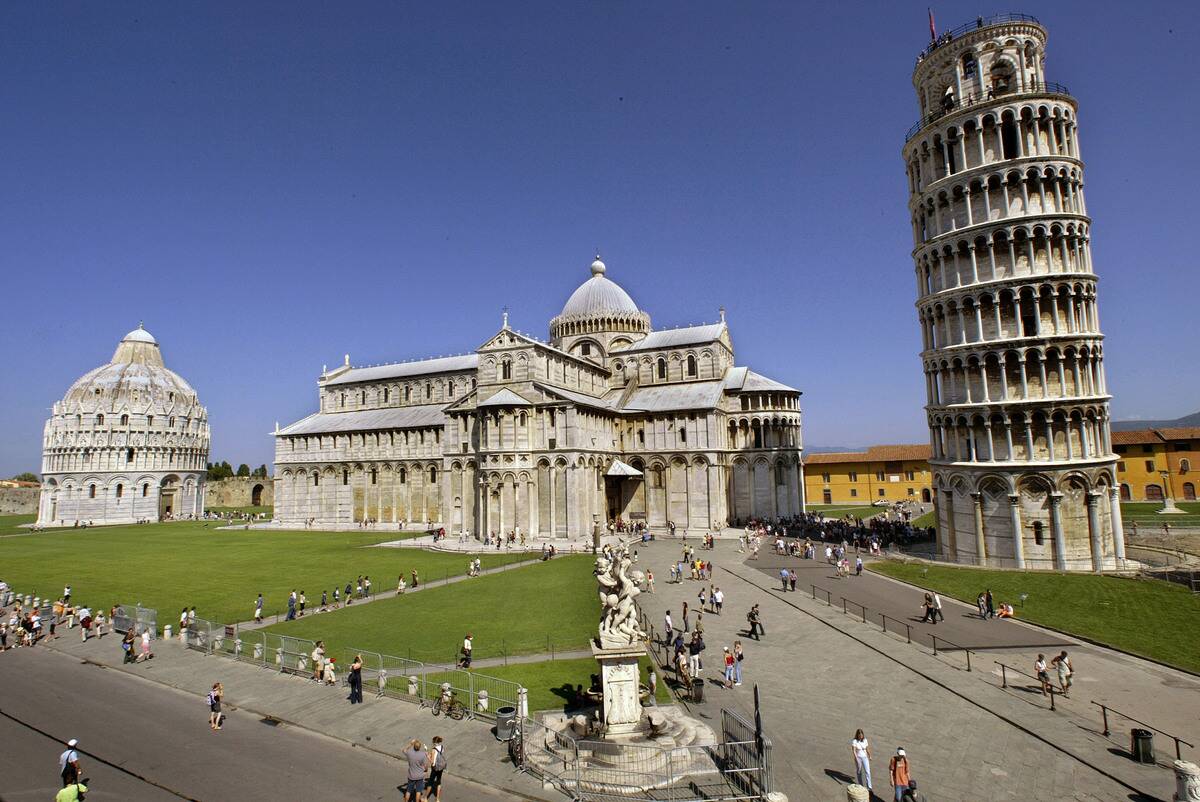
The Leaning Tower of Pisa is perhaps the world’s most famous engineering blunder. Construction began in 1173 on unstable soil, and it wasn’t long before the tower began to lean.
Despite its precarious angle, the tower has stood the test of time and is now a celebrated architectural icon. Recent stabilization efforts have ensured it will remain a tourist attraction for many more years, proving that even mistakes can become beloved landmarks.
Tacoma Narrows Bridge: The Wobbly Wonder
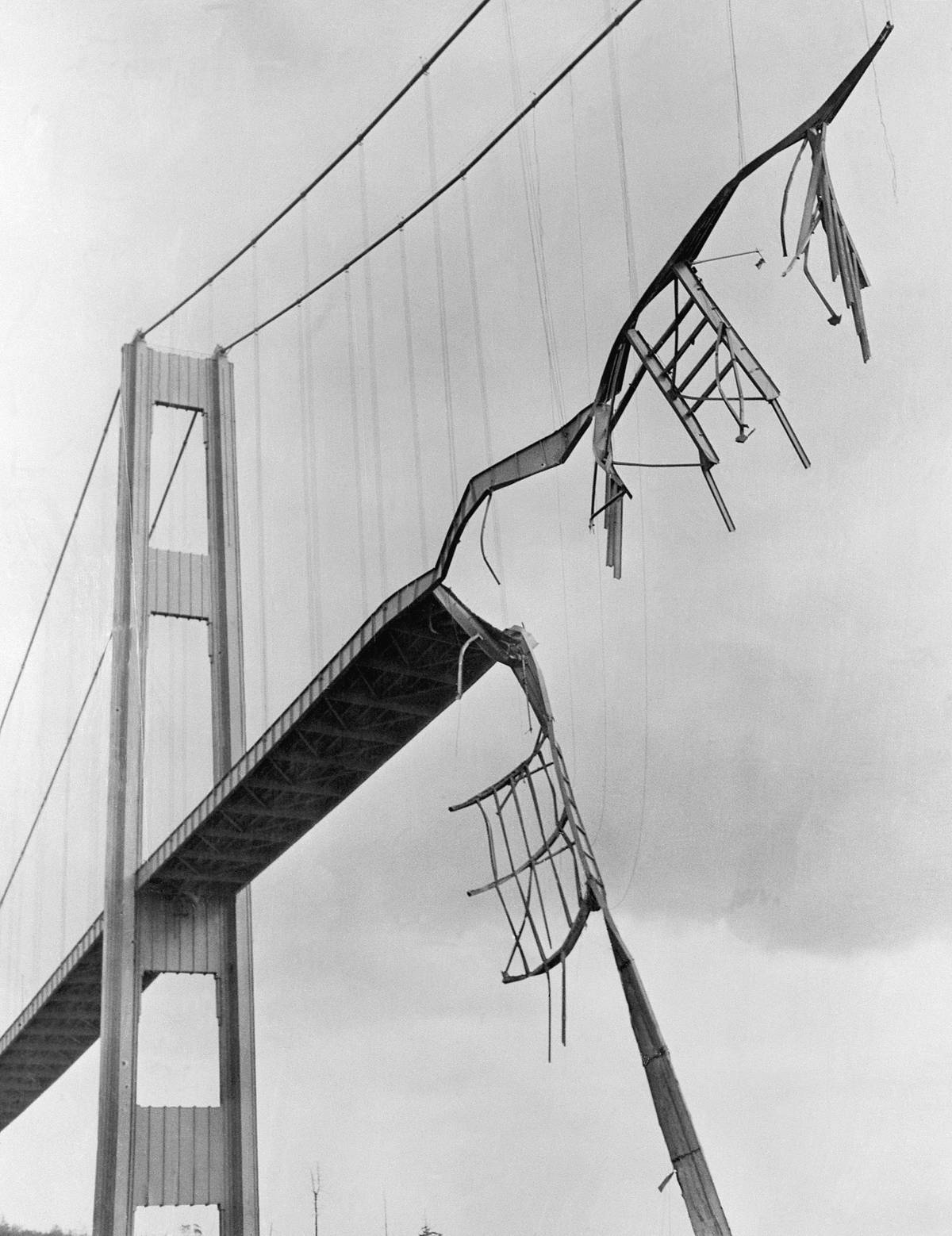
The Tacoma Narrows Bridge, nicknamed “Galloping Gertie,” became infamous for its dramatic oscillations. Built in 1940, the bridge collapsed just months after opening due to aeroelastic flutter.
Its failure taught engineers valuable lessons about aerodynamics and structural resonance. Today, it stands as a textbook example of the importance of wind tunnel testing in bridge design, ensuring future projects won’t meet the same fate.
The Titanic: The Unsinkable That Sank
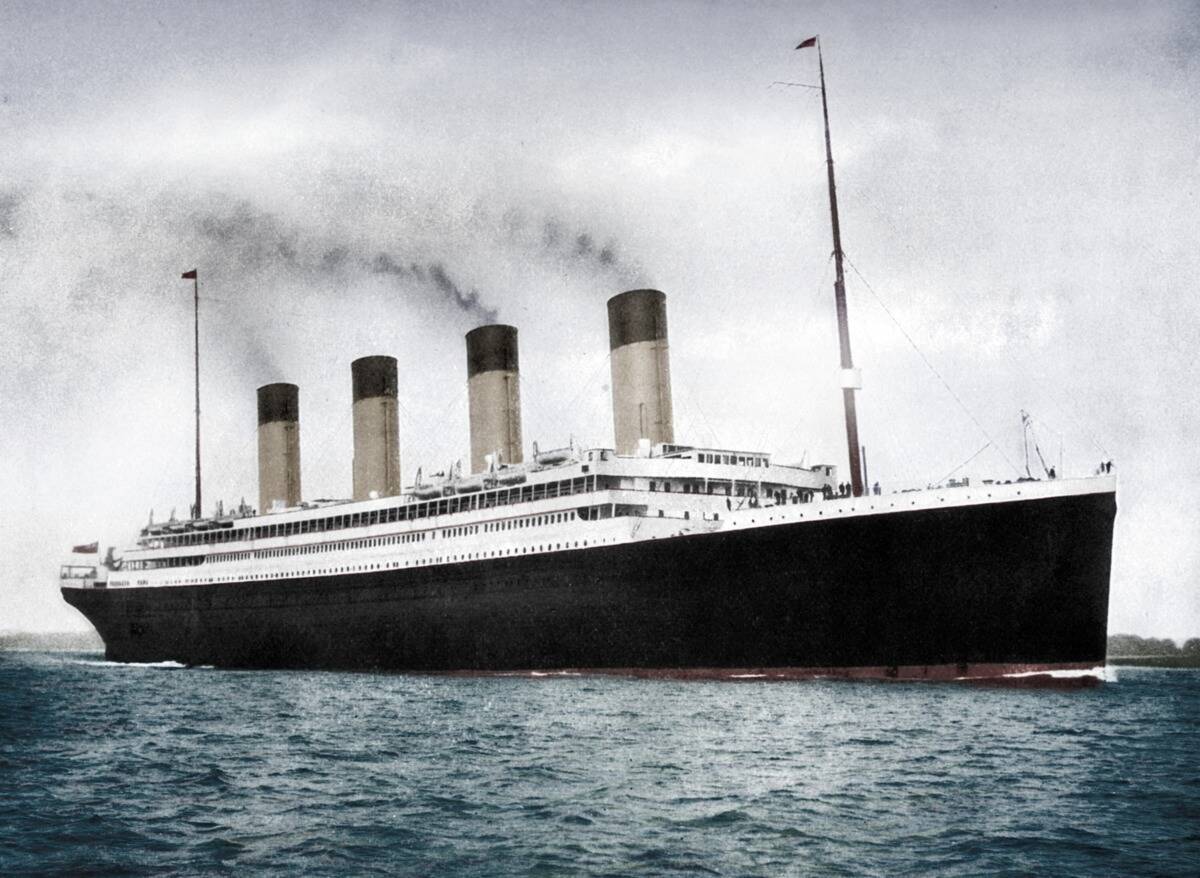
Heralded as the unsinkable ship, the Titanic’s tragic sinking in 1912 shocked the world. A combination of hubris, insufficient lifeboats, and flawed design contributed to the disaster.
The ship’s compartments, which were meant to keep her afloat, failed when breached. This catastrophe led to significant changes in maritime safety regulations, including the requirement for lifeboats for all passengers, making modern voyages much safer.
The Mars Climate Orbiter: Lost in Translation
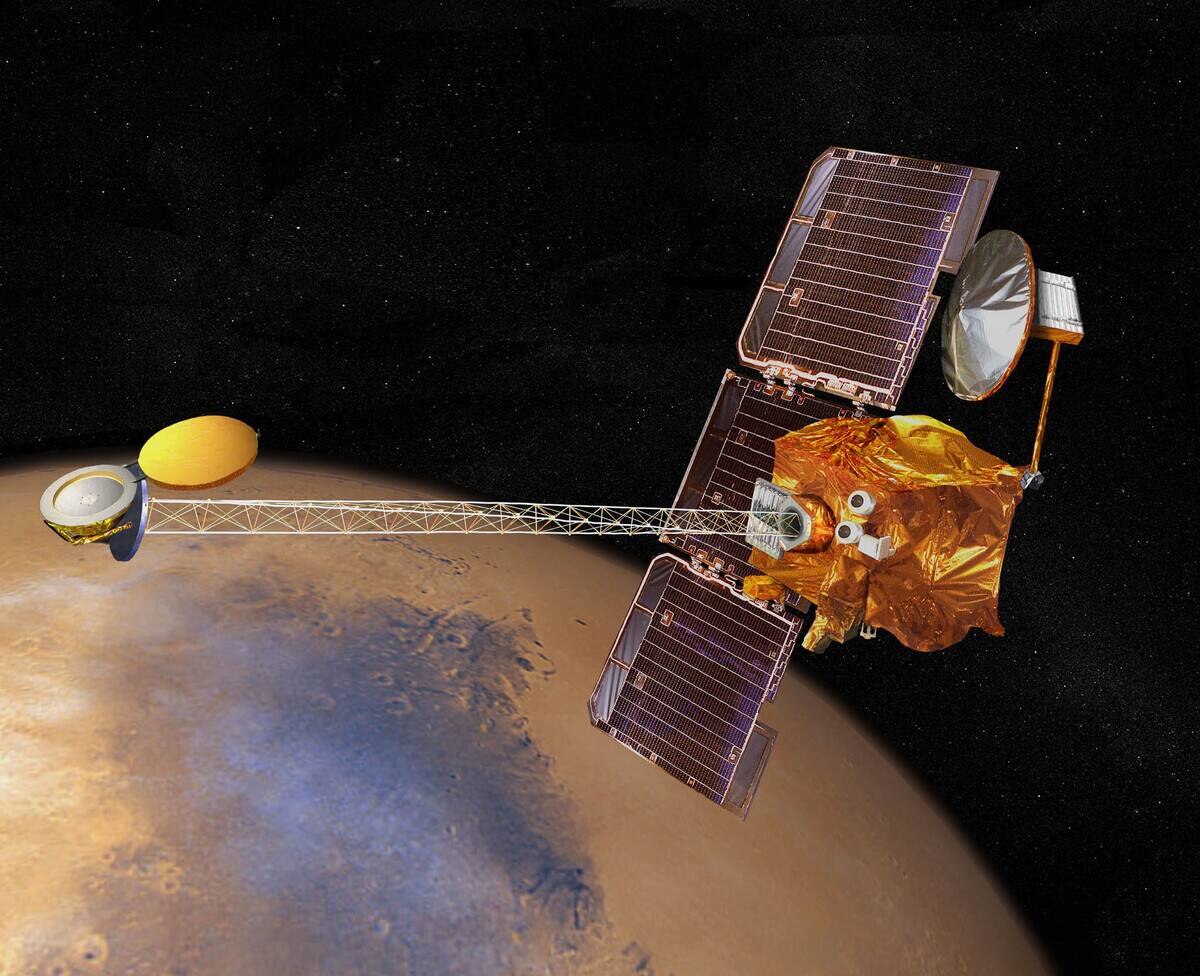
In 1999, NASA’s Mars Climate Orbiter was lost due to a simple yet costly error: a mix-up between metric and imperial units. This oversight caused the spacecraft to enter the Martian atmosphere at the wrong angle, leading to its destruction.
The incident highlighted the critical importance of unit consistency in engineering and scientific projects, prompting NASA to enforce stricter checks and balances to prevent future mishaps.
The Millennium Dome: A UK Spectacle or Snafu?
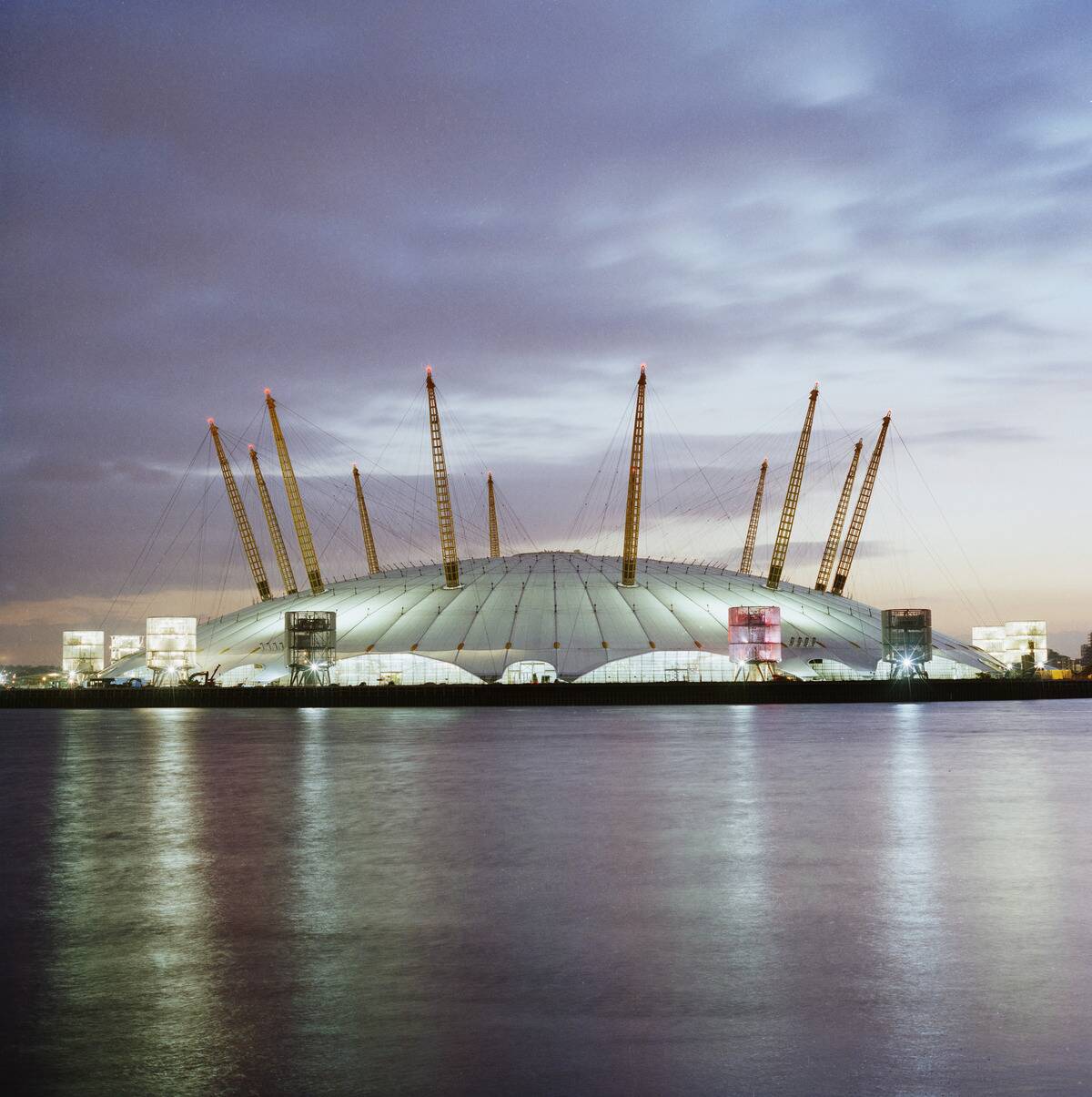
The Millennium Dome in London was designed as a grand celebration of the new millennium but faced criticism for its cost and lack of content. Opened in 2000, it struggled to attract visitors and was labeled a white elephant.
However, after its transformation into the O2 Arena, it became a successful entertainment venue. This turnaround showcases how adaptive reuse can redeem initially underwhelming projects.
The Sampoong Department Store Collapse: A Structural Nightmare
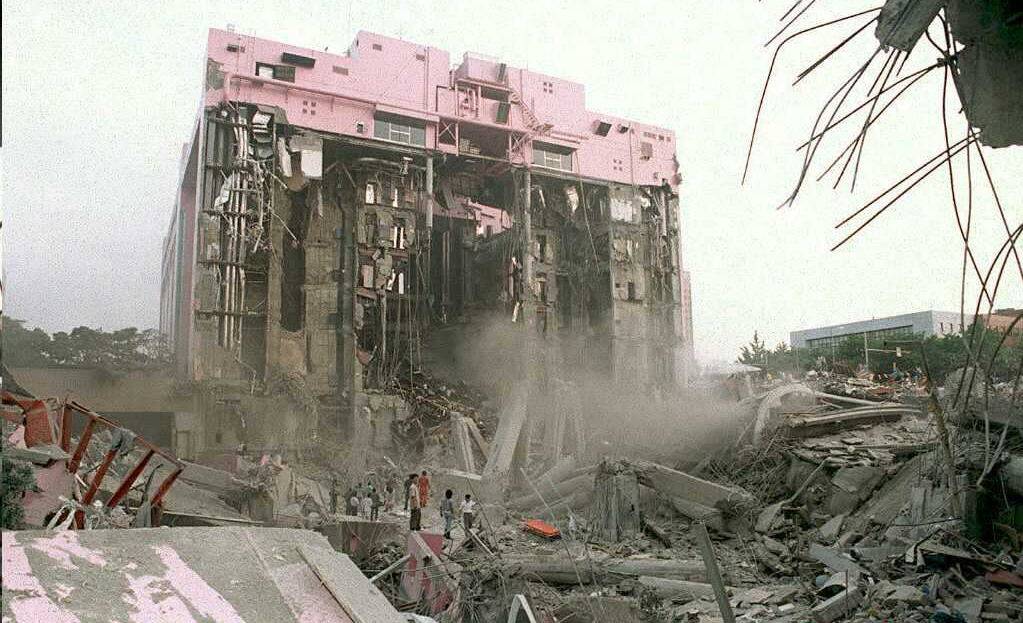
In 1995, the Sampoong Department Store in Seoul collapsed, resulting in 502 fatalities. The disaster was caused by a combination of poor construction practices and unauthorized alterations to the building’s design.
This tragedy underscored the importance of adhering to safety standards and regulations in construction. It led to stricter enforcement of building codes in South Korea, aimed at preventing similar disasters in the future.
The Vasa Warship: Sweden’s Top-Heavy Tragedy
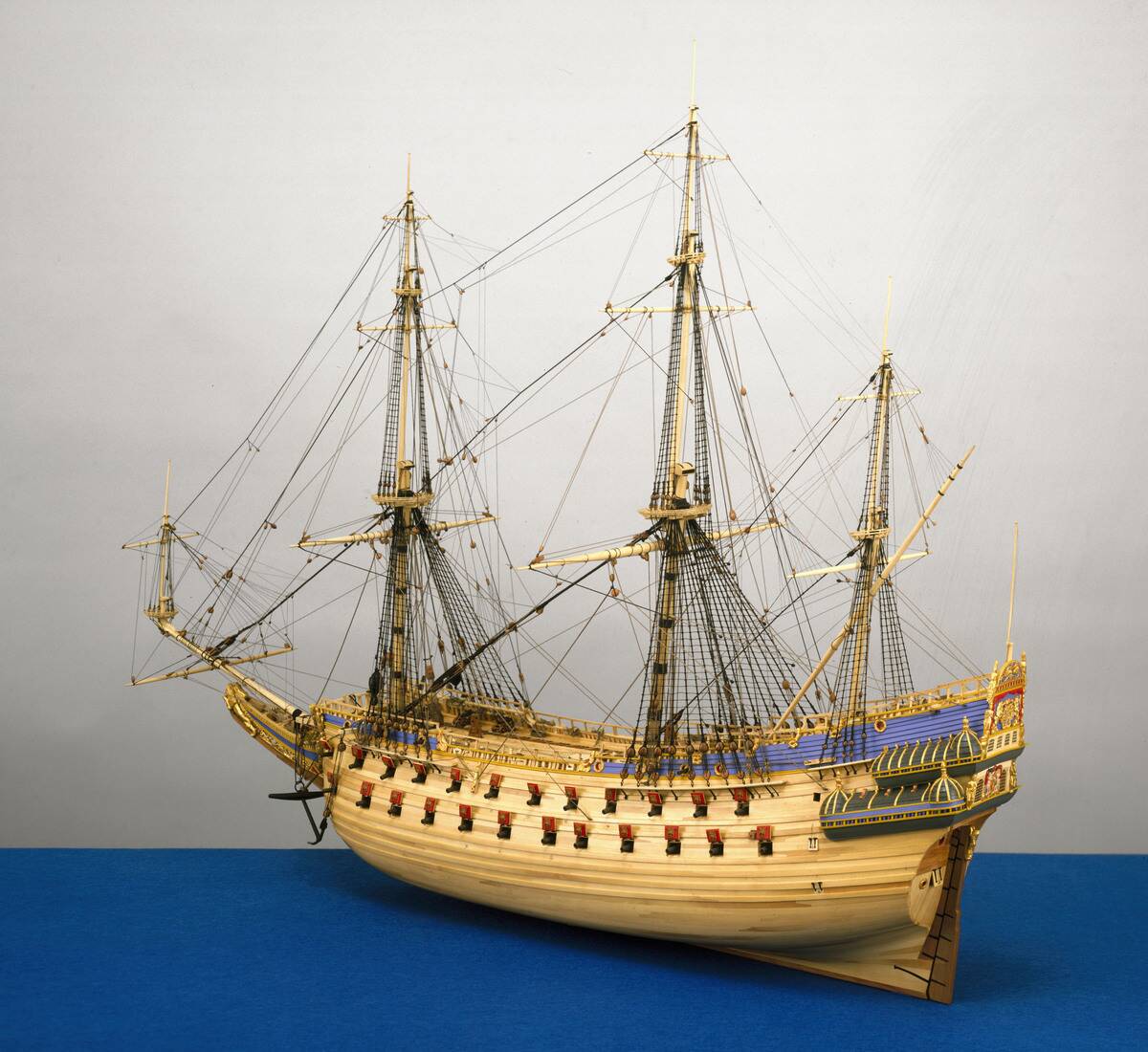
The Vasa warship sank on its maiden voyage in 1628, just a mile from the Stockholm port. Overloaded with artillery and lacking adequate ballast, it capsized in calm waters.
The ship was salvaged in the 20th century and is now a popular museum exhibit. Its story serves as a reminder of the perils of overambitious design and the importance of stability in naval architecture.
The DeLorean DMC-12: A Futuristic Flop
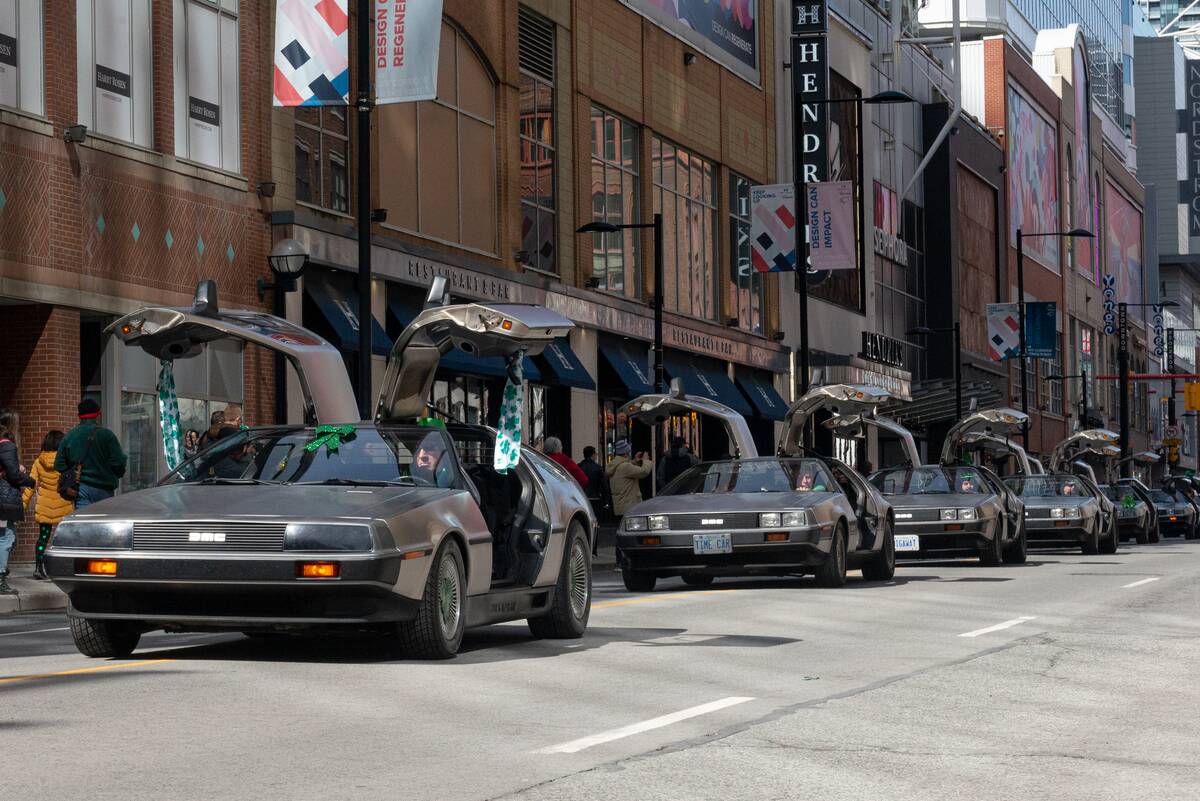
The DeLorean DMC-12, with its iconic gull-wing doors, promised a futuristic driving experience but failed commercially. Launched in the early 1980s, production issues and high costs plagued the car’s success.
Despite its failure, the DeLorean gained cult status, thanks to its starring role in the “Back to the Future” films. The car’s legacy endures, illustrating how cultural impact can outlast commercial disappointment.
The Hubble Space Telescope: A Blurred Vision
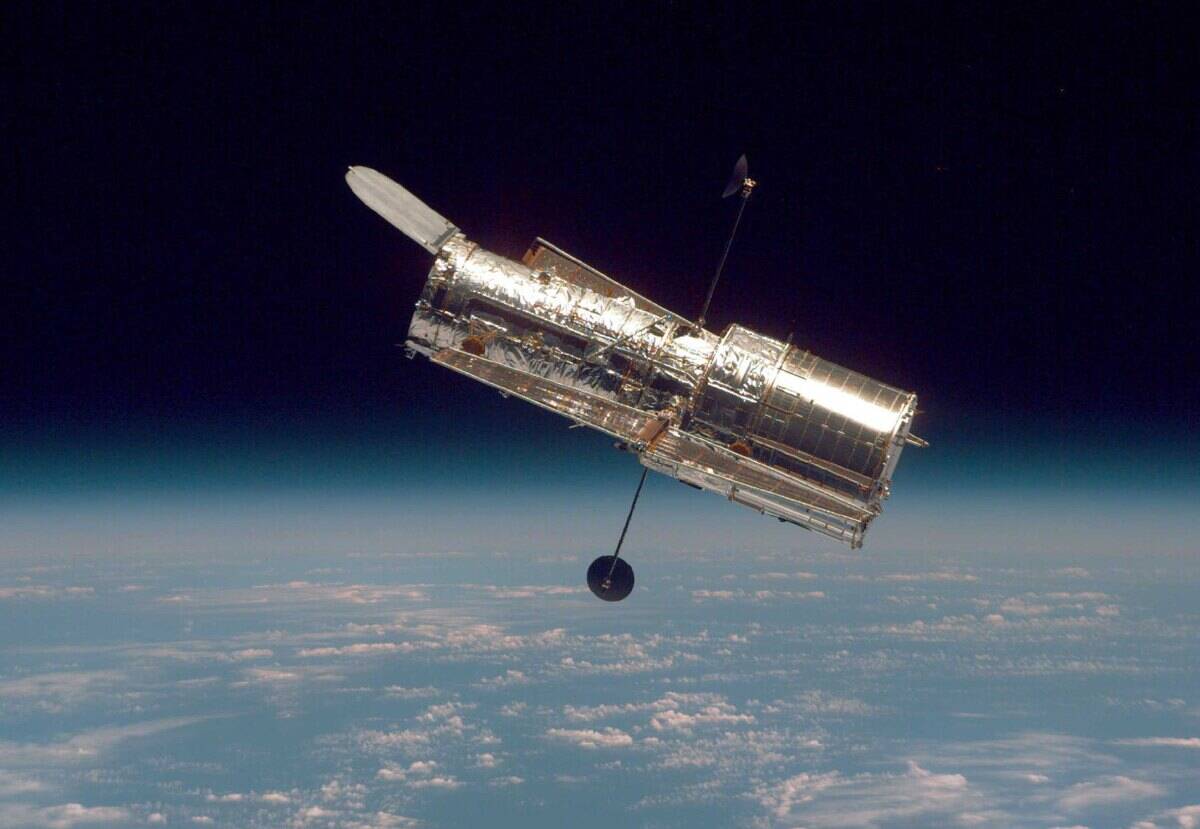
Launched in 1990, the Hubble Space Telescope initially suffered from a flawed mirror that blurred its images. A subsequent space mission corrected the error, transforming Hubble into a powerful tool for astronomical discovery.
This incident demonstrated the resilience and ingenuity of the scientific community, turning a near-failure into one of the most successful space observatories, contributing to our understanding of the universe.
The Sydney Opera House: Over Budget and Over Time
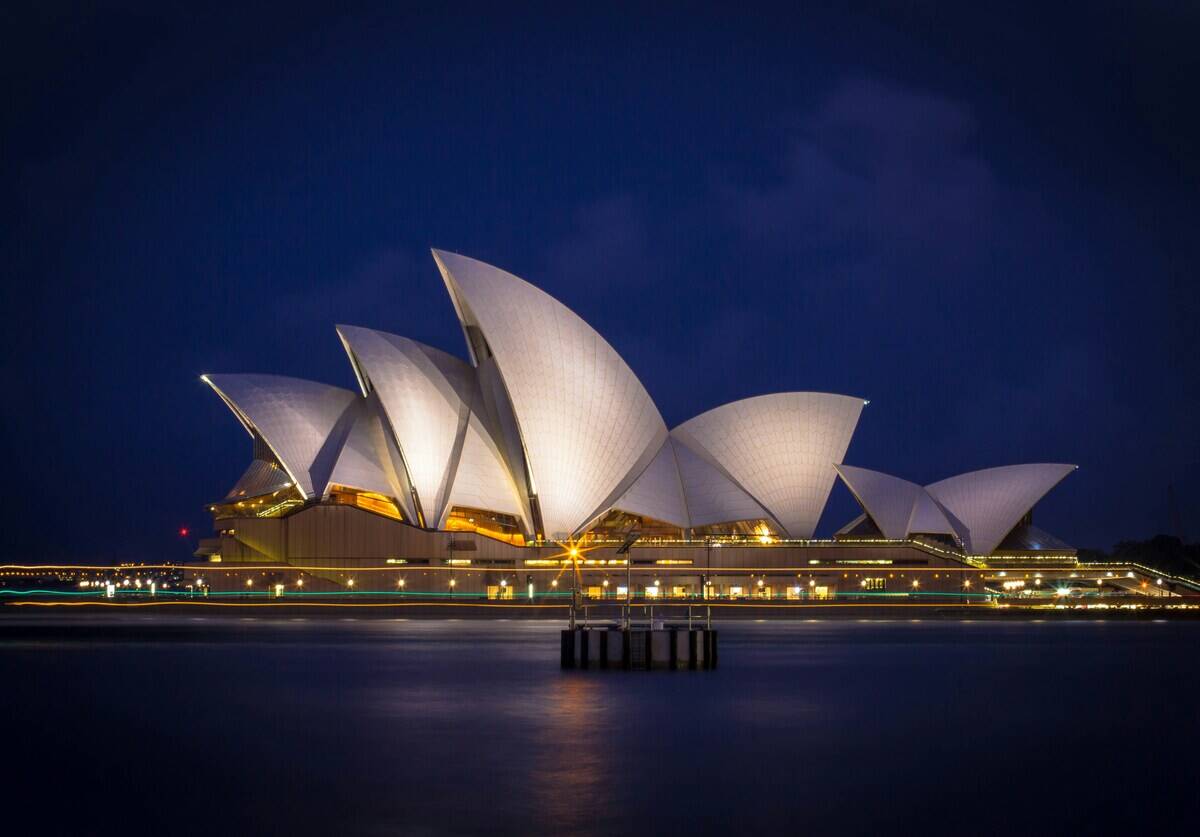
The Sydney Opera House is a masterpiece of modern architecture, but its construction was fraught with challenges. Originally estimated to cost A$7 million and completed in four years, it took 14 years and A$102 million.
Despite the setbacks, the opera house is now a UNESCO World Heritage Site and a symbol of Australia. Its story highlights the complexities of ambitious architectural projects and their potential for enduring success.
The Big Dig: Boston’s Costly Construction
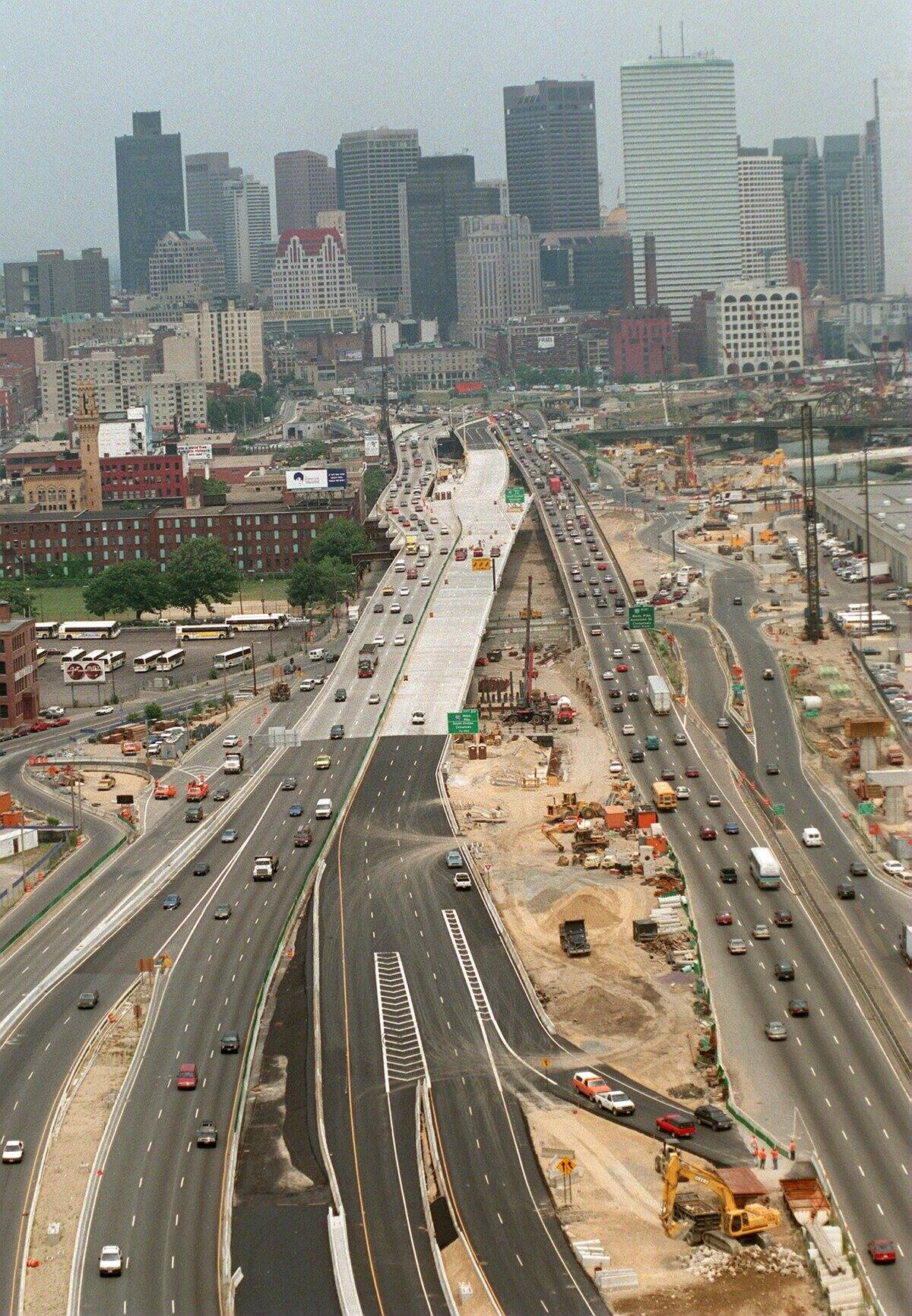
Boston’s Big Dig was one of the most expensive highway projects in the U.S., plagued by delays and cost overruns. Originally budgeted at $2.8 billion, it ballooned to nearly $15 billion.
Despite its challenges, the project successfully reconfigured Boston’s traffic system, improving congestion and revitalizing the city. The Big Dig serves as a lesson in the importance of realistic planning and budgeting for large-scale infrastructure projects.
The Citigroup Center: A Skyscraper’s Secret
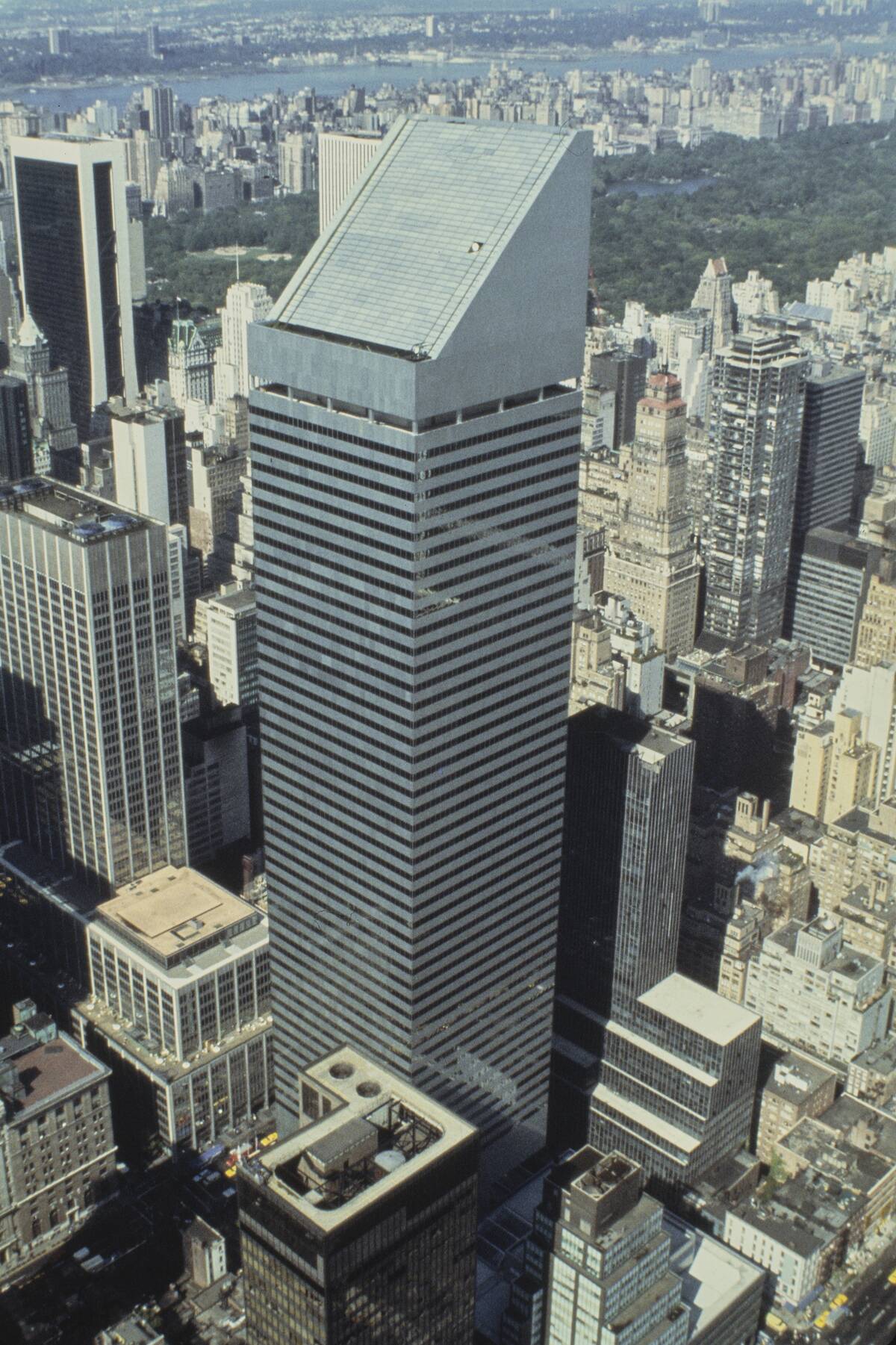
The Citigroup Center in New York faced a potential catastrophe due to a design flaw discovered a year after completion. The building’s unique stilt-like structure made it vulnerable to hurricane-force winds.
A covert nighttime retrofit was conducted to reinforce the building without alarming the public. This episode underscores the importance of rigorous structural analysis and the ability to respond swiftly to engineering oversights.
The Concorde: Supersonic Setback
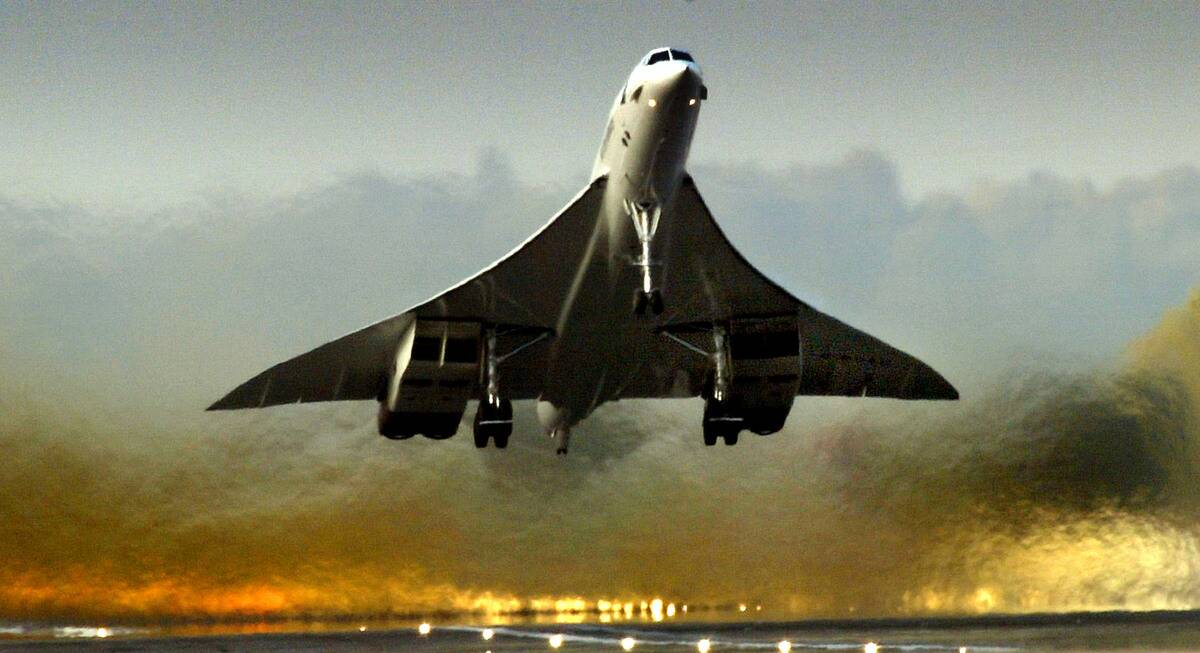
The Concorde was a marvel of aviation, offering supersonic travel from 1976 until 2003. However, high operating costs, noise restrictions, and a tragic crash in 2000 led to its retirement.
Despite these setbacks, the Concorde remains an icon of innovation, symbolizing the human desire to push the boundaries of technology. Its legacy continues to inspire efforts to develop new supersonic passenger planes.
The Hoverboard: Back to the Drawing Board
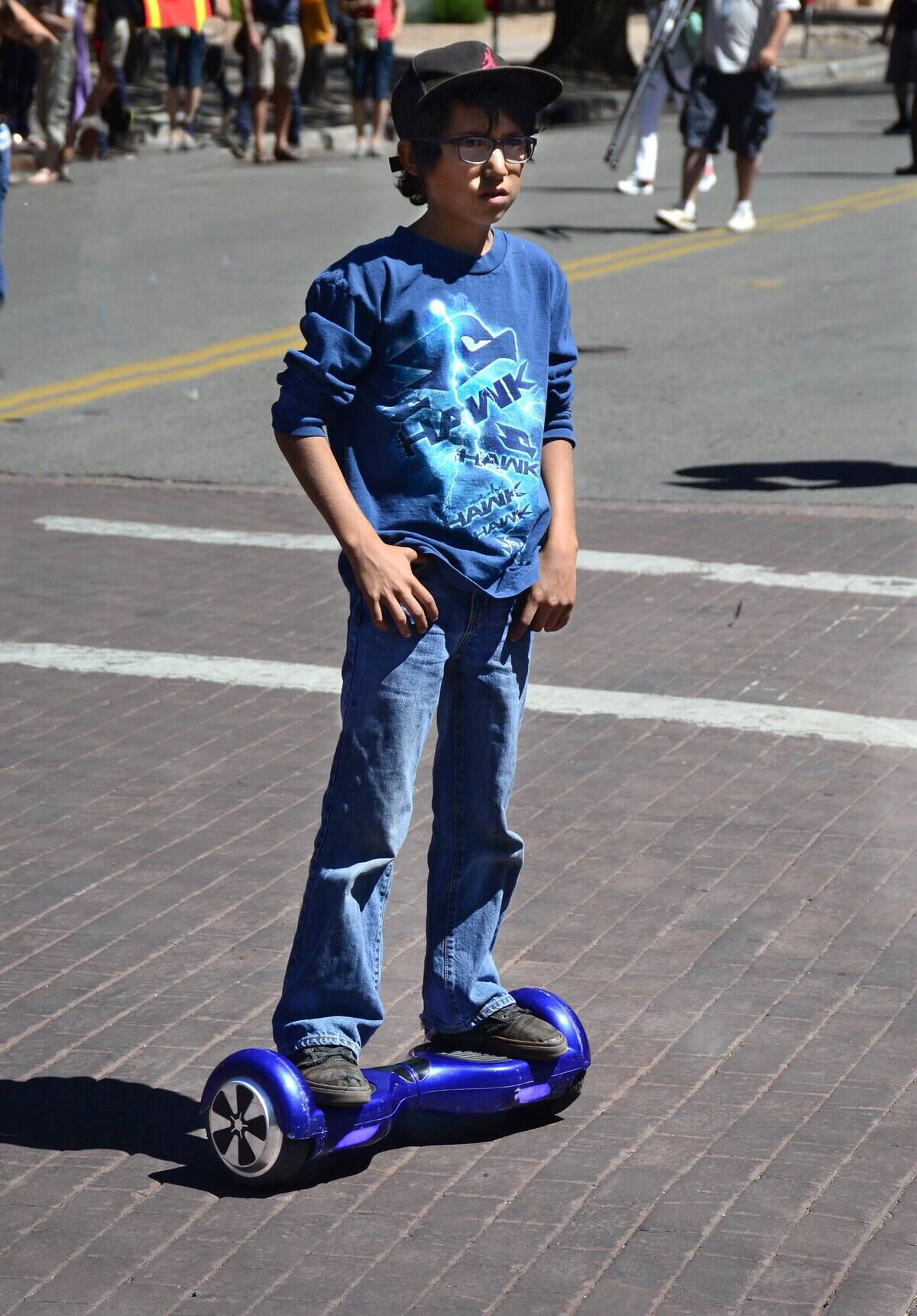
The hoverboard emerged as a must-have gadget, capturing imaginations with its promise of personal transportation. However, safety concerns, including reports of fires and falls, led to recalls and stricter regulations.
While the hoverboard didn’t revolutionize transportation as anticipated, it paved the way for further advancements in personal mobility devices, reminding us that innovation often requires iterations and improvements.
The Arecibo Observatory: A Cosmic Collapse
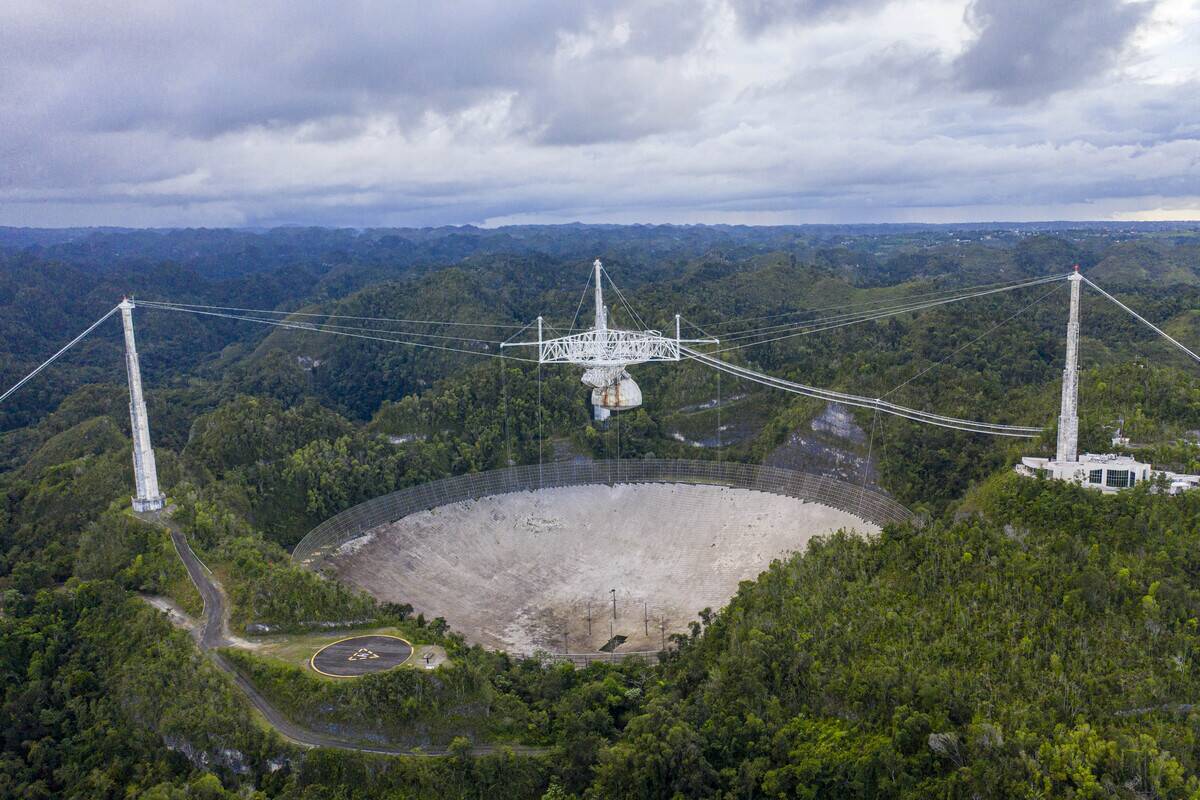
The Arecibo Observatory, once the world’s largest radio telescope, played a pivotal role in astronomical discoveries. However, in 2020, structural failures led to its collapse, marking the end of an era in space observation.
The loss of Arecibo was deeply felt in the scientific community, highlighting the need for continued investment in maintaining and advancing scientific infrastructure to prevent such losses in the future.




