Cities that once served as capitals
Embarking on a journey through the annals of history, former capitals of the world offer a fascinating glimpse into the past. These cities, once bustling centers of power, culture, and politics, have witnessed empires rise and fall.
Exploring them provides valuable insights into their legacies and continuing influence. From the shifting sands of time, these capitals tell stories of ambition, conquest, and resilience, inviting us to delve deeper into their rich histories.
The Rise and Fall of Constantinople
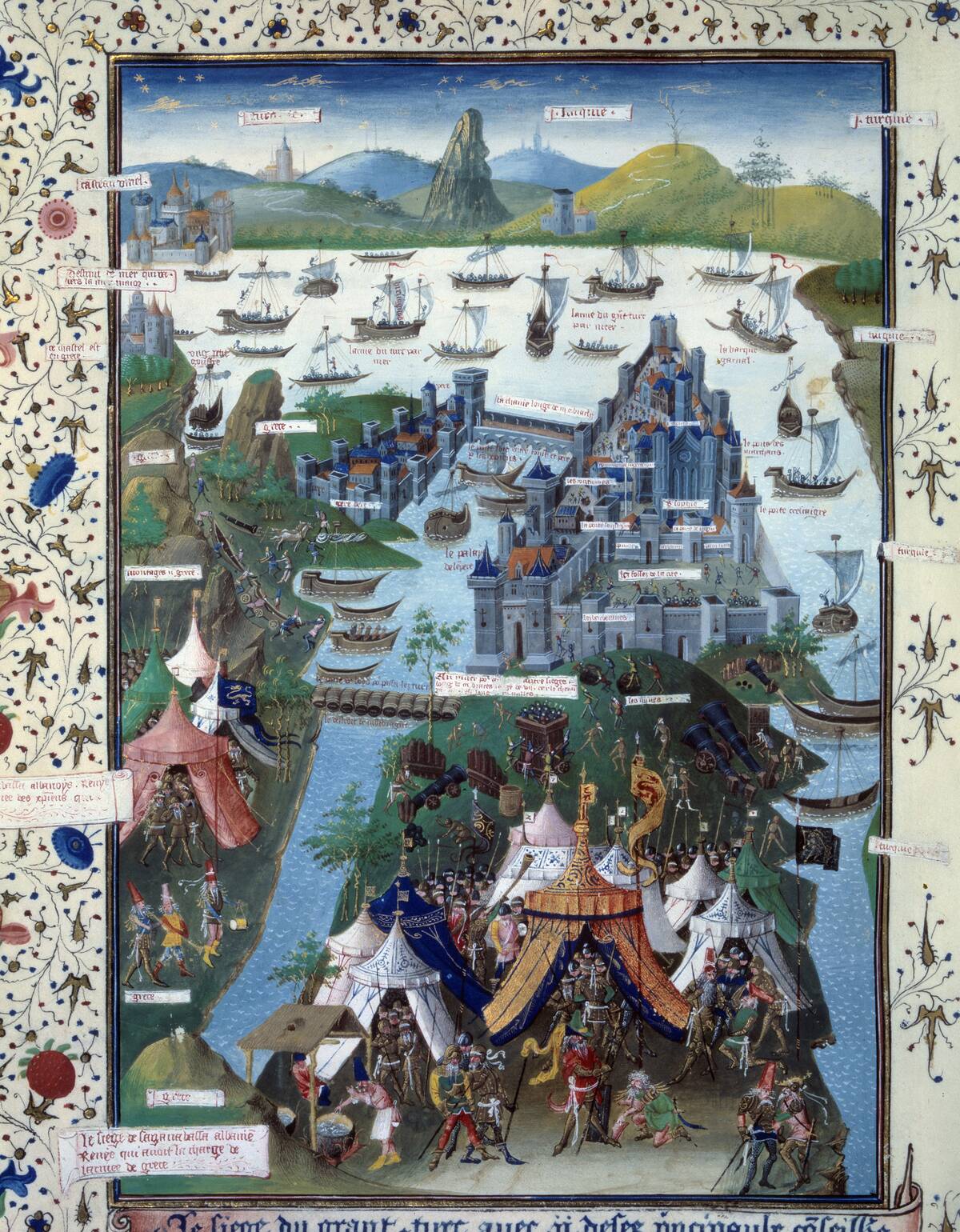
Constantinople, now known as Istanbul, was once the heart of the Byzantine Empire. Founded by Emperor Constantine the Great in 330 AD, it became a vital trade hub due to its strategic location.
The city withstood numerous sieges but ultimately fell to the Ottomans in 1453. This marked the end of the Byzantine Empire and a new era under Ottoman rule. The fall of Constantinople is often cited as a pivotal moment that led to the Renaissance in Europe.
The Historical Significance of Kyoto
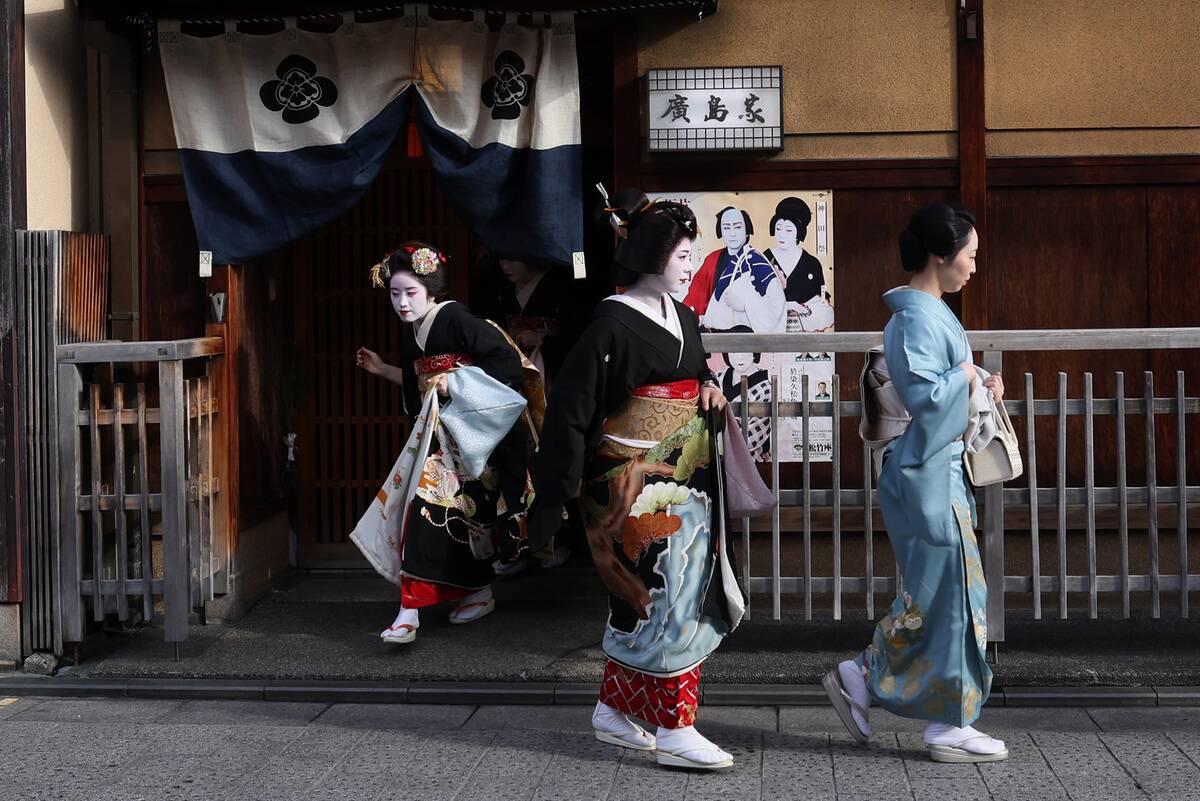
Kyoto served as Japan’s capital for over a thousand years, from 794 to 1868. It was the center of Japanese culture, religion, and politics. Many of Japan’s traditional art forms, such as tea ceremonies and flower arranging, originated in Kyoto.
Despite Tokyo becoming the capital in 1868, Kyoto remains a cultural treasure trove, home to 17 UNESCO World Heritage sites. Its blend of ancient temples and vibrant festivals continues to captivate visitors from around the globe.
Philadelphia: America’s Early Political Heart
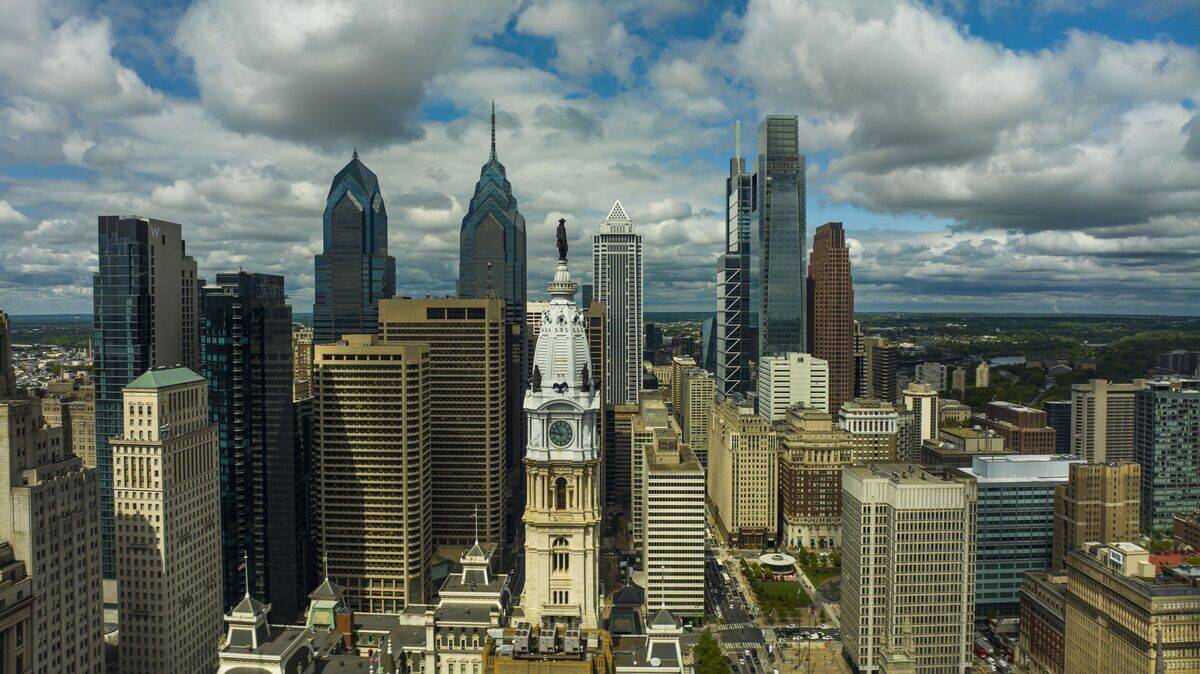
Philadelphia holds a special place in American history as the site of the signing of the Declaration of Independence in 1776. It served as the temporary U.S. capital from 1790 to 1800 (as well as several times before then) before Washington, D.C. was established.
The city was a melting pot for revolutionary ideas and played a crucial role in the formation of the United States. Today, Philadelphia is celebrated for its rich history, iconic Liberty Bell, and vibrant arts scene, making it a must-visit for history buffs.
Exploring the Legacy of St. Petersburg
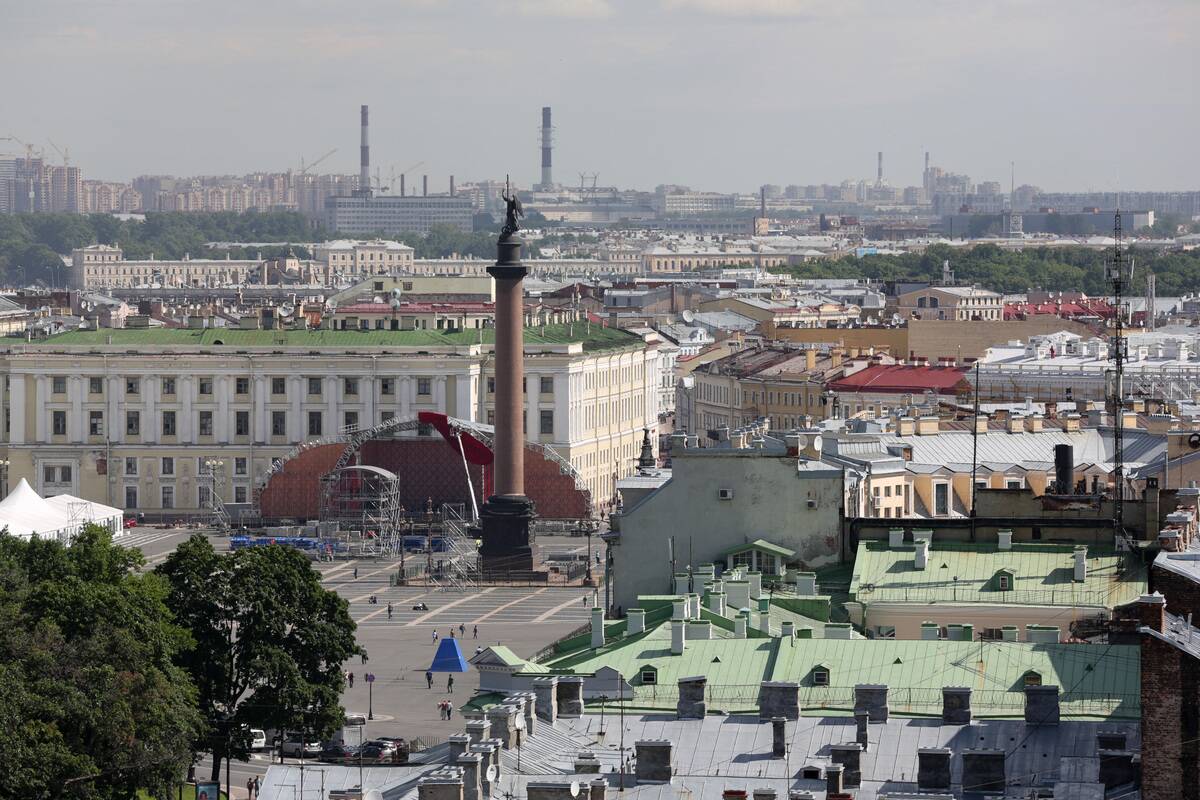
St. Petersburg, founded by Tsar Peter the Great in 1703, was the capital of the Russian Empire for over two centuries. Known for its stunning architecture and cultural institutions, it was the imperial seat until the Bolshevik Revolution in 1917.
The city was renamed Petrograd, then Leningrad, and finally reverted to St. Petersburg in 1991. Its rich legacy lives on through its grand palaces, museums, and the famous White Nights festival, drawing tourists worldwide.
From Capital to Cultural Hub: Rio de Janeiro
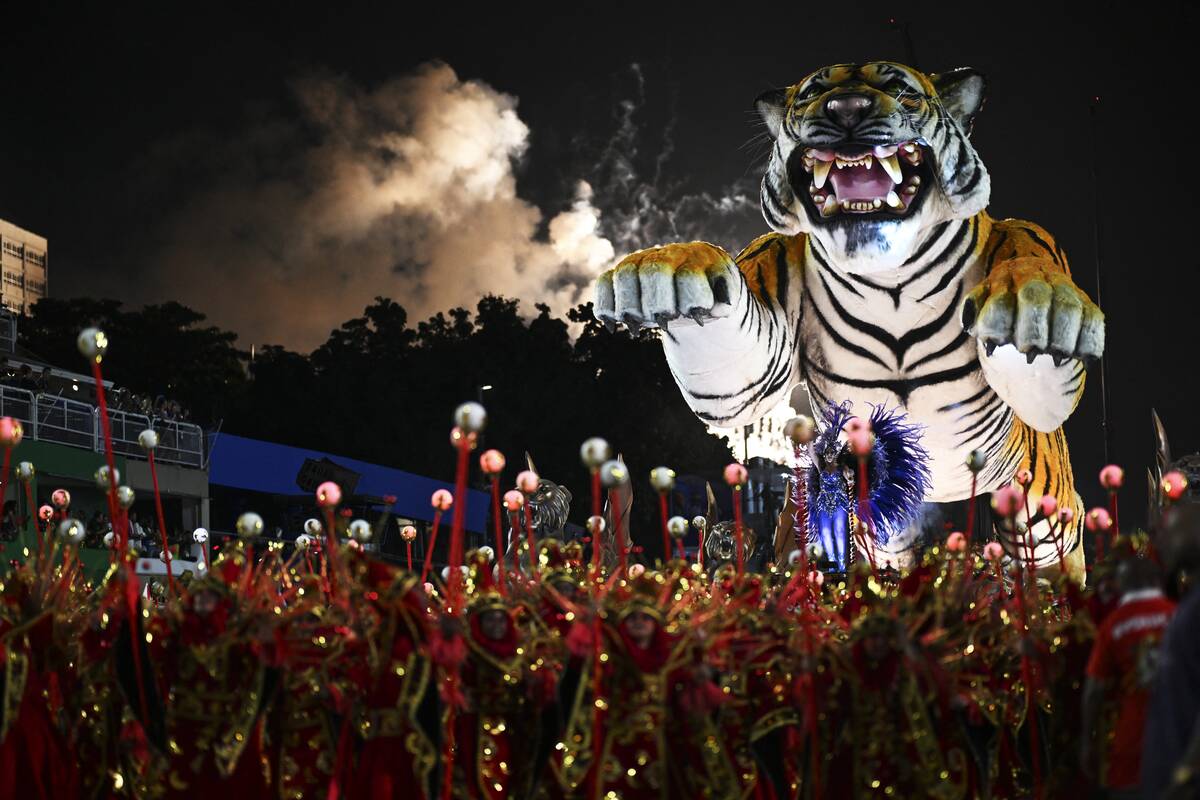
Rio de Janeiro was periodically Brazil’s capital from 1763 until 1960, when Brasília took the mantle. Nestled between mountains and beaches, Rio is known for its stunning landscapes and vibrant culture.
The city is famous for its annual Carnival, a dazzling display of music and dance that attracts visitors from across the globe. Today, Rio remains a cultural hub, showcasing Brazil’s rich heritage through its samba rhythms, iconic Christ the Redeemer statue, and lively communities.
Yangon: A Glimpse into Myanmar’s Past
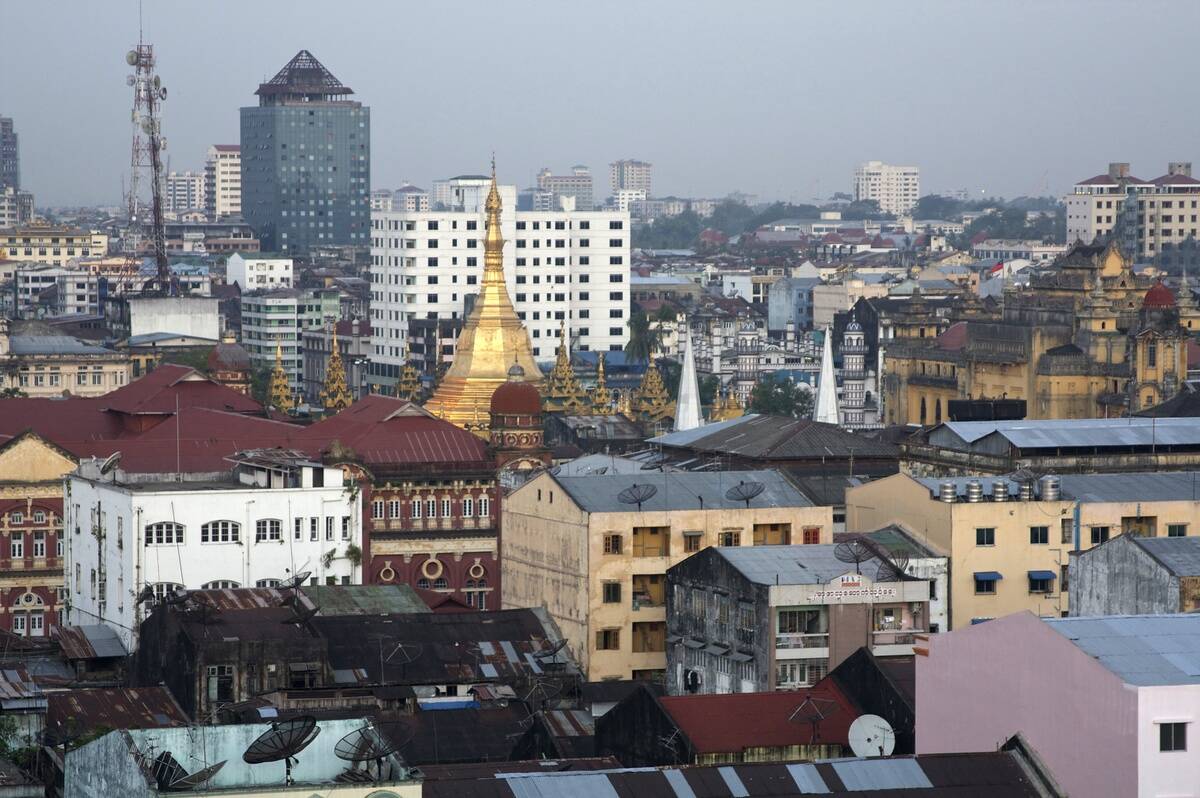
Yangon, formerly known as Rangoon, was Myanmar’s capital until 2006 when Naypyidaw was established. As the country’s largest city, Yangon is a showcase of colonial-era architecture and Buddhist pagodas, including the stunning Shwedagon Pagoda.
The city’s history is a tapestry of British colonial influence and Burmese culture. Despite losing its capital status, Yangon remains the economic and cultural heart of Myanmar, with bustling markets and rich culinary traditions.
The Story of Almaty: Kazakhstan’s Former Capital
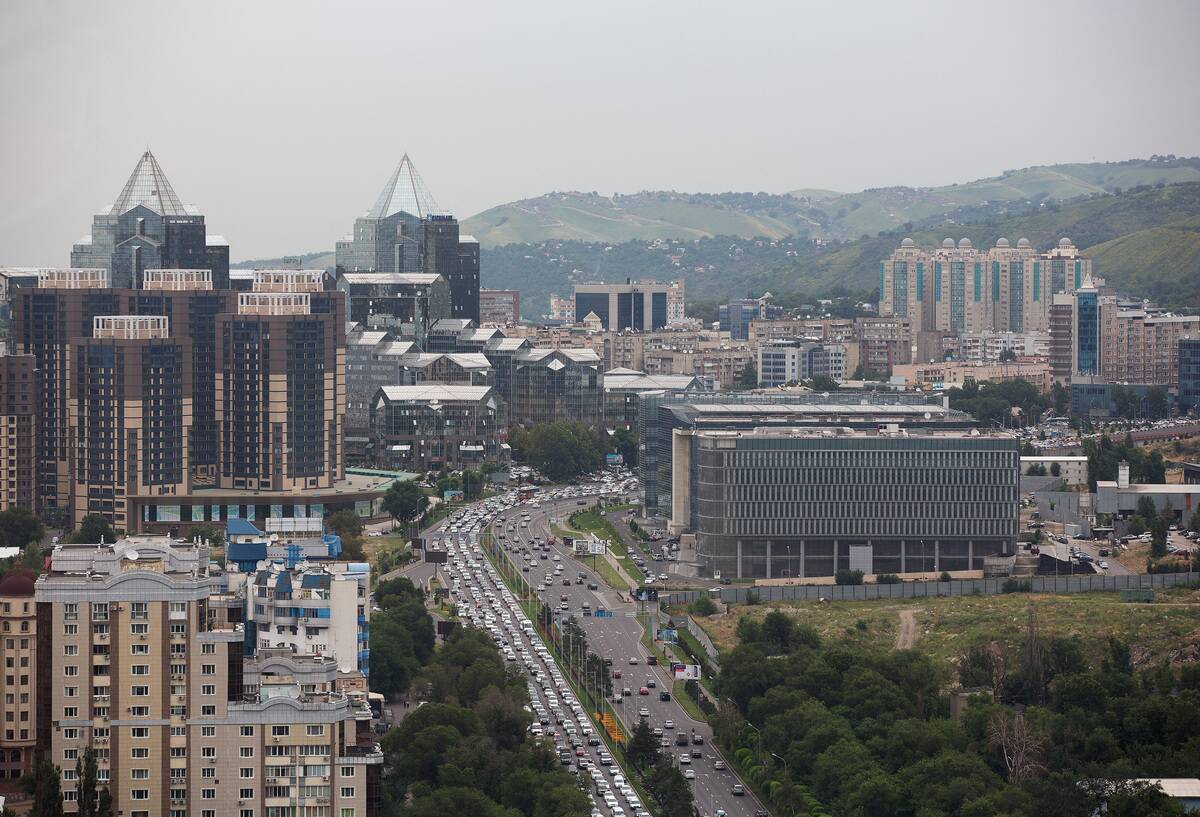
Almaty, Kazakhstan’s largest city, was the capital until 1997 when the government moved it to Astana. Nestled at the foot of the Trans-Ili Alatau mountains, Almaty is known for its beautiful landscapes and vibrant cultural scene.
It remains the financial center of Kazakhstan, offering a blend of modernity and tradition with its theaters, museums, and bustling bazaars. The city’s legacy continues to influence the cultural and economic landscape of Kazakhstan.
Kraków: Poland’s Medieval Powerhouse
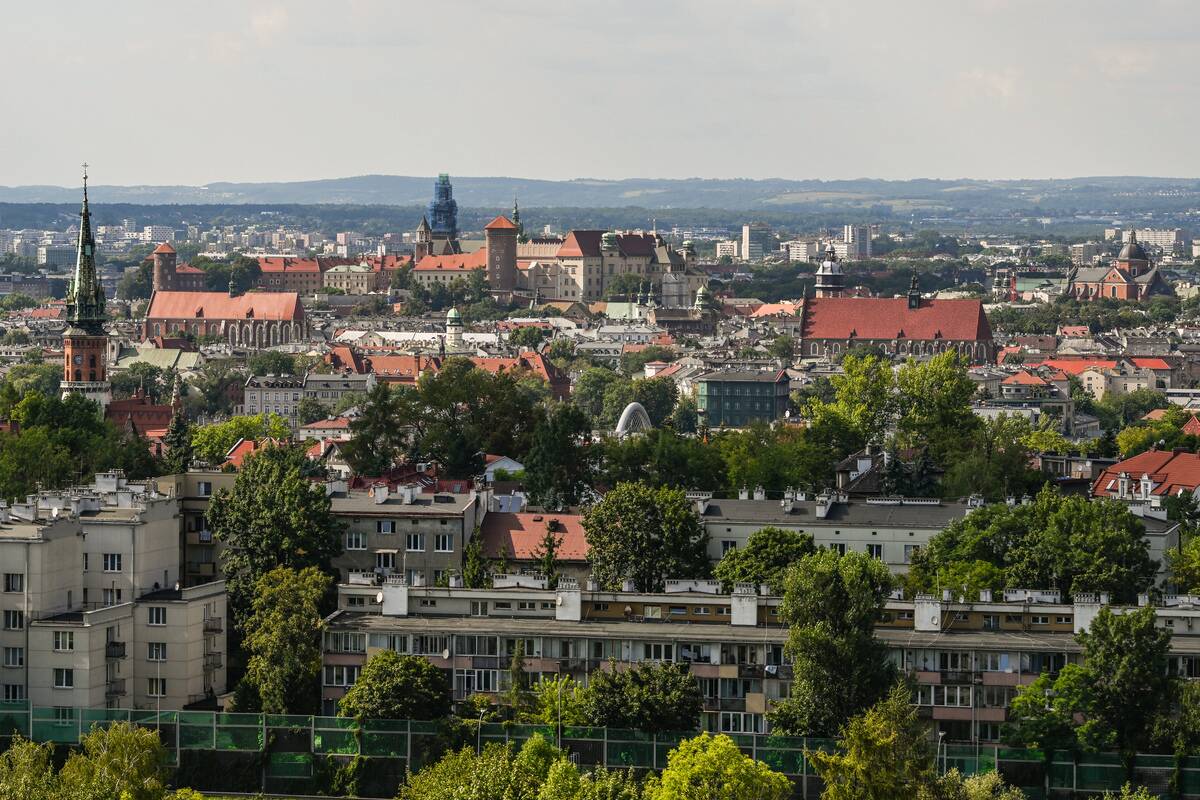
Kraków served as Poland’s capital until 1596, when Warsaw took over. Known for its medieval architecture and vibrant history, Kraków was a royal seat and a center of learning.
The city is home to the Wawel Castle and St. Mary’s Basilica, both symbols of Poland’s rich heritage. Today, Kraków is a UNESCO World Heritage site, attracting millions of tourists who come to explore its charming old town, renowned art collections, and lively cultural festivals.
The Transition from Lagos to Abuja
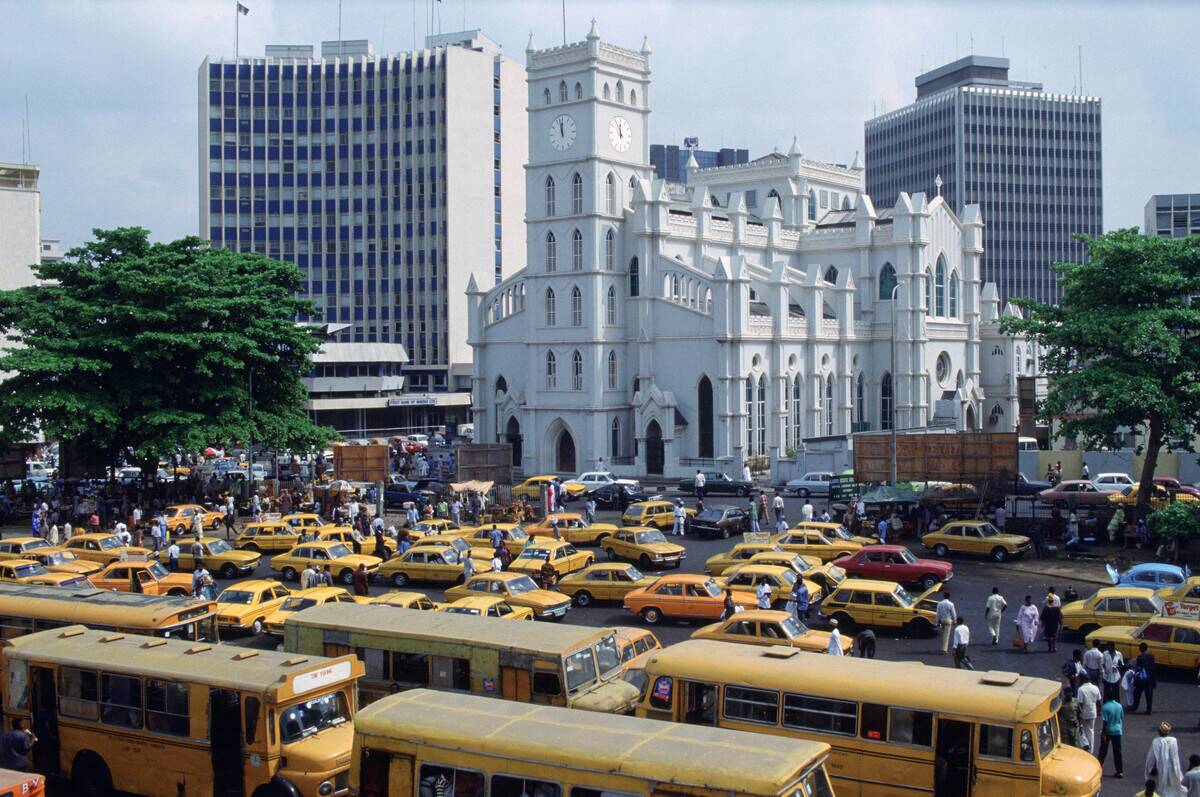
Lagos was Nigeria’s capital until 1991, when the government moved it to Abuja to promote national unity. Despite this transition, Lagos remains the country’s largest city and a major economic hub.
Known for its vibrant music scene and bustling markets, Lagos is a melting pot of cultures and traditions. The city’s dynamic energy and entrepreneurial spirit continue to drive Nigeria’s growth, making it a focal point for innovation and creativity in the region.
The Rich History of Bonn in Germany
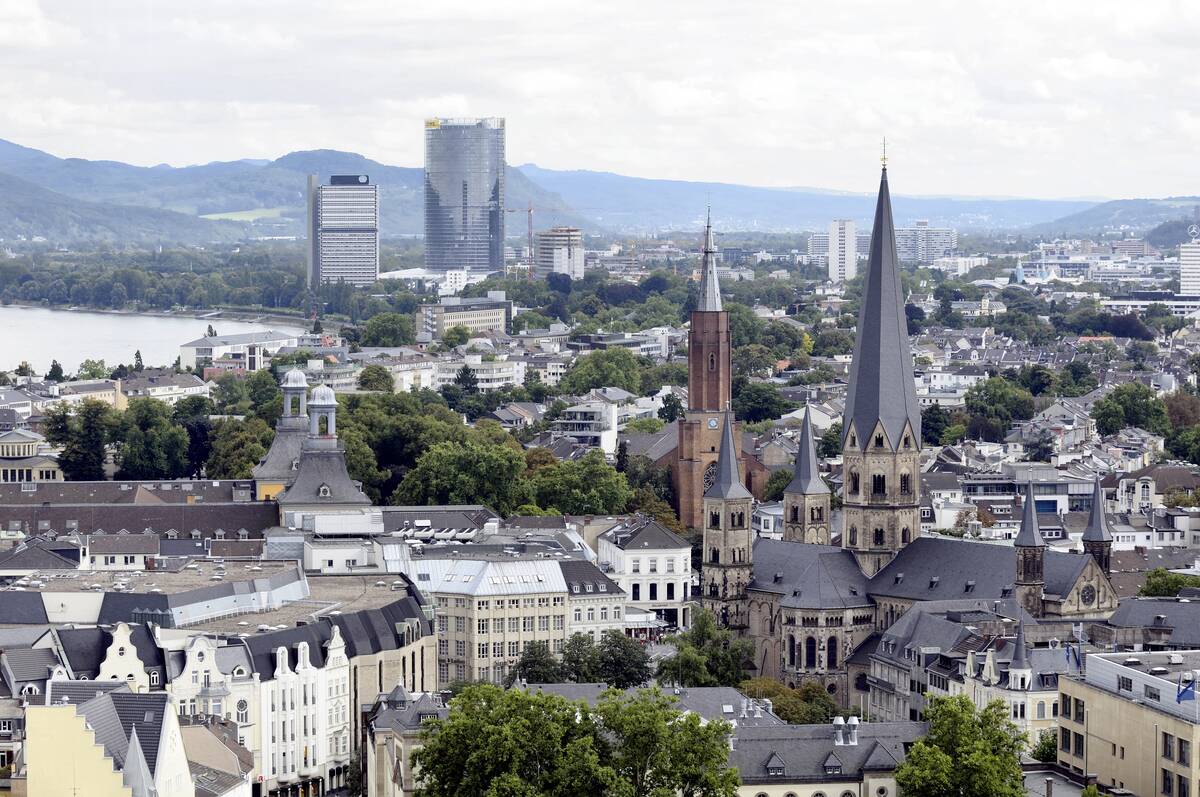
Bonn served as the capital of West Germany from 1949 until reunification in 1990. Known for its picturesque landscapes along the Rhine River, Bonn played a crucial role during the Cold War era.
The city is the birthplace of Ludwig van Beethoven, adding to its cultural significance. Today, Bonn remains an important administrative center and a hub for international organizations, while its rich history and cultural offerings make it a charming destination for visitors.
Auckland: New Zealand’s Original Capital
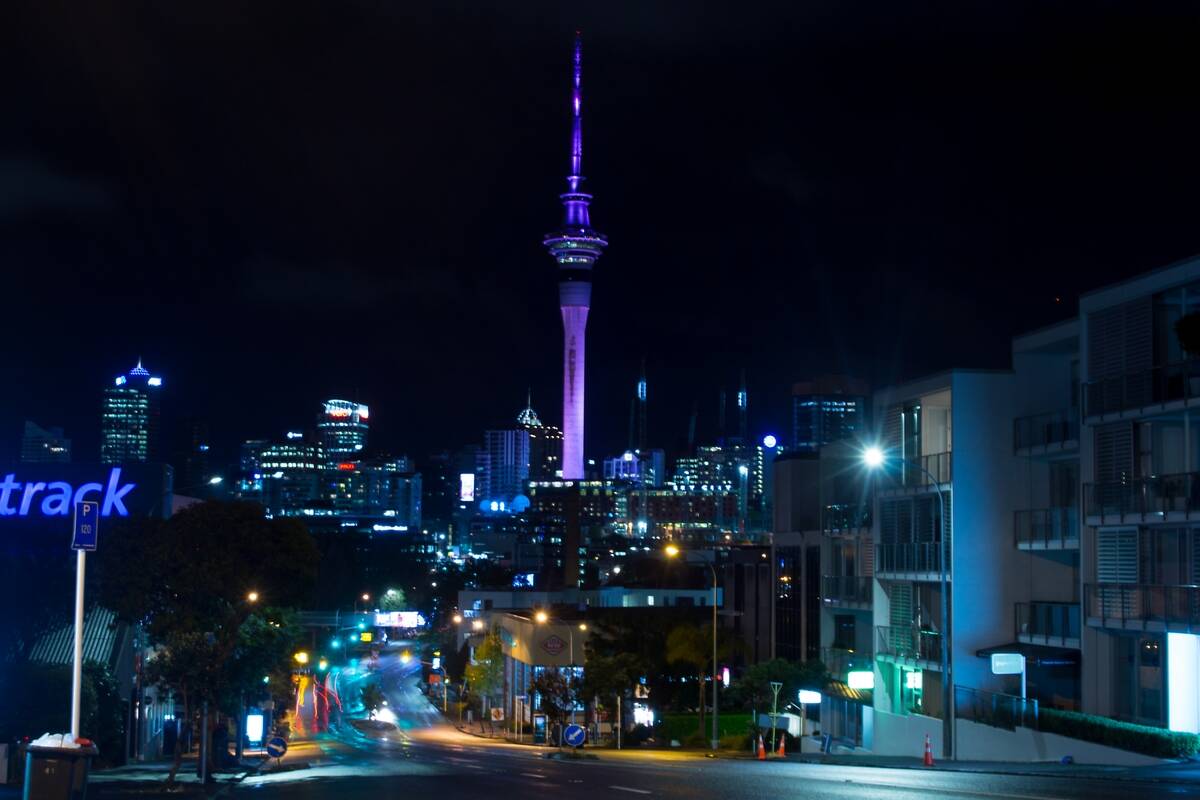
Auckland was New Zealand’s capital from 1841 until 1865, when the government moved to Wellington. The decision to relocate was influenced by Wellington’s central location on the North and South Islands.
Auckland remains New Zealand’s largest city, known for its stunning harbors, diverse culture, and vibrant arts scene. It is a gateway to exploring the country’s natural beauty, offering visitors a mix of urban sophistication and outdoor adventures.
Turku: Finland’s First Capital
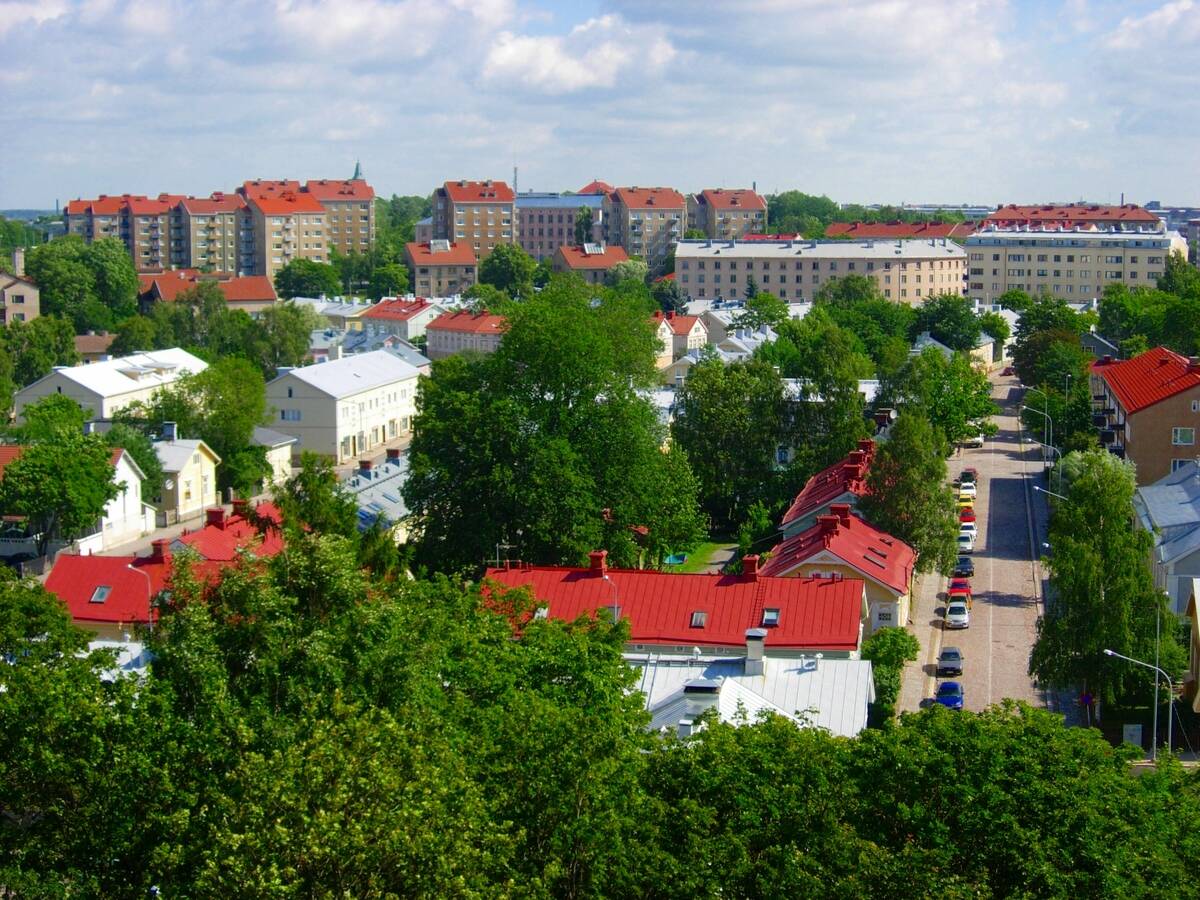
Turku, located in southwestern Finland, was the nation’s capital until 1812, before Helsinki took over. As Finland’s oldest city, Turku is steeped in history, with its medieval castle and cathedral being prominent landmarks.
The city played a crucial role as a center of trade and culture in the region. Today, Turku is known for its vibrant cultural scene, hosting numerous festivals and events, and continues to be a significant educational and economic hub in Finland.
Exploring Nanjing’s Role in Chinese History
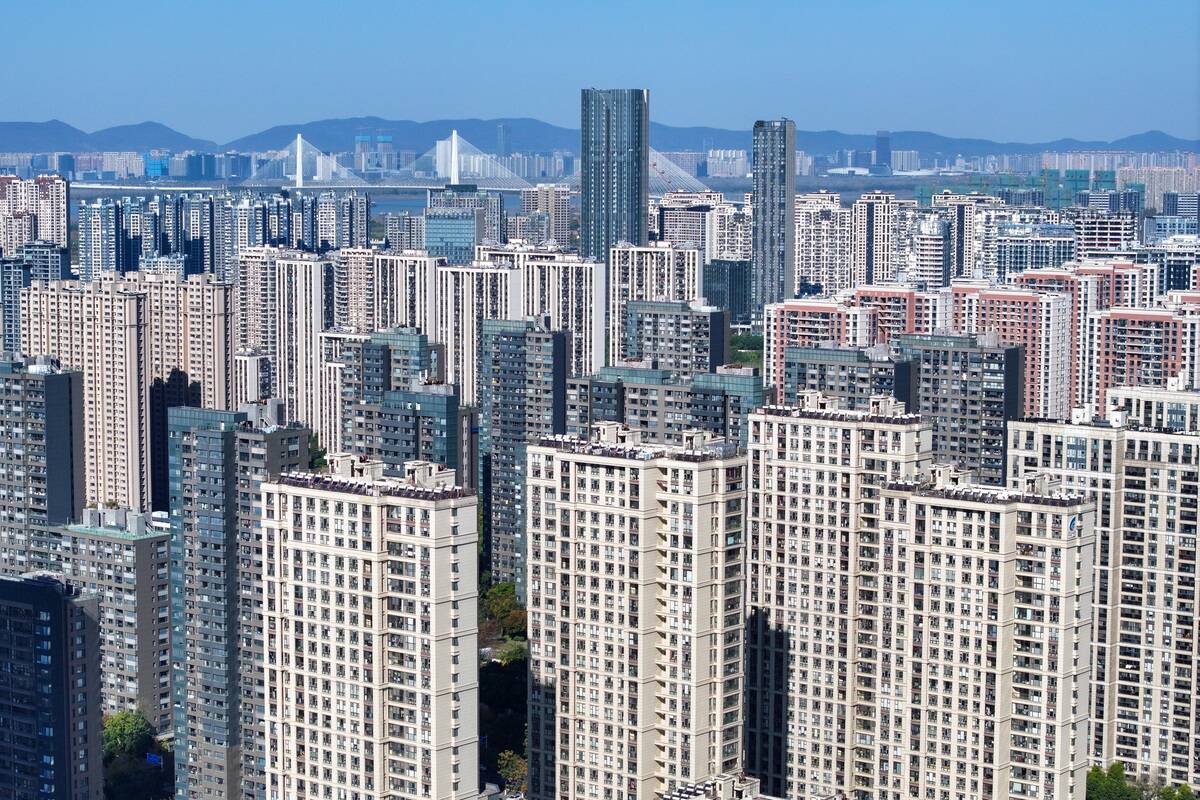
Nanjing has served as the capital of China several times throughout history, most notably during the Ming dynasty. The city is renowned for its historical landmarks, such as the Sun Yat-sen Mausoleum and the Ming Xiaoling Mausoleum.
Nanjing has been a center of education and culture, contributing significantly to China’s intellectual and cultural development. Today, it remains an important cultural and economic center, blending its rich past with modern advancements.
The Changing Capitals of India: Kolkata’s Era
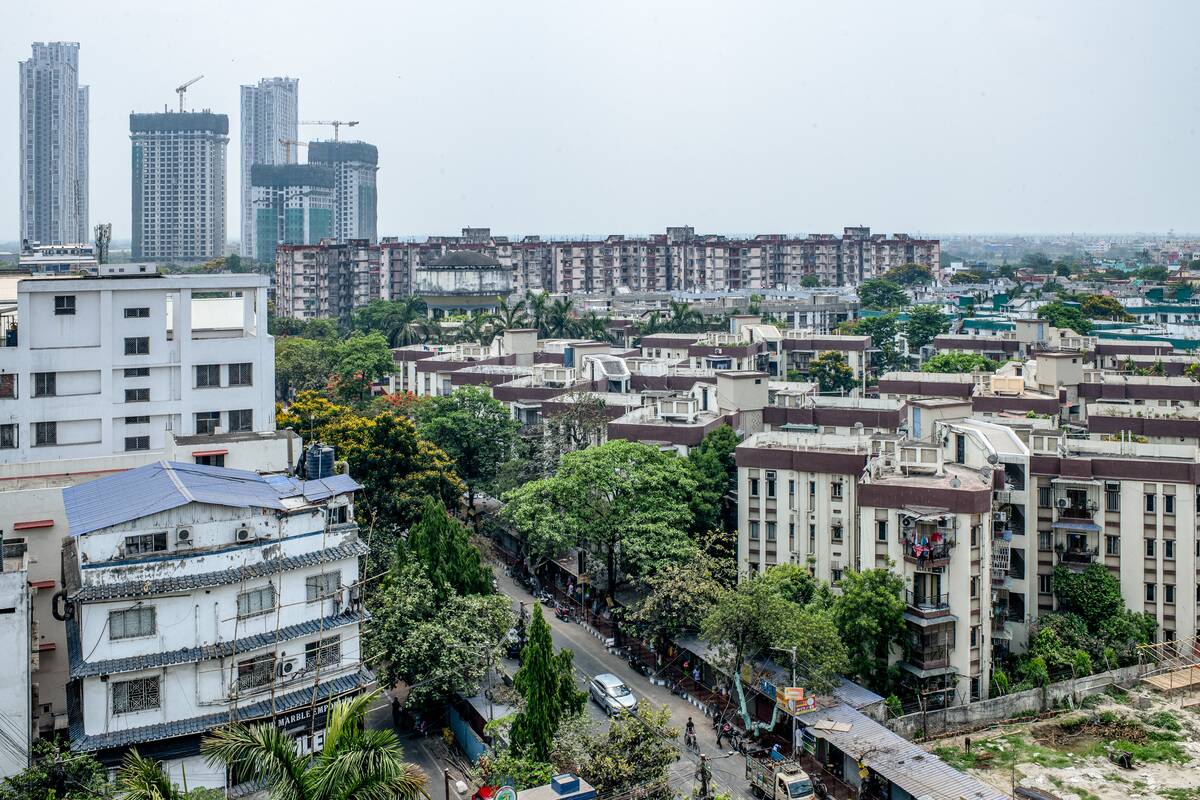
Kolkata, formerly known as Calcutta, was the capital of British India from 1773 to 1911. The city was a hub of education, culture, and politics, playing a pivotal role in the Indian independence movement.
Known for its colonial architecture and vibrant arts scene, Kolkata remains a cultural and intellectual center in India. The city’s rich history is reflected in its numerous museums, theaters, and literary festivals, continuing to inspire artists and thinkers from around the world.
A Look at Dar es Salaam in Tanzania
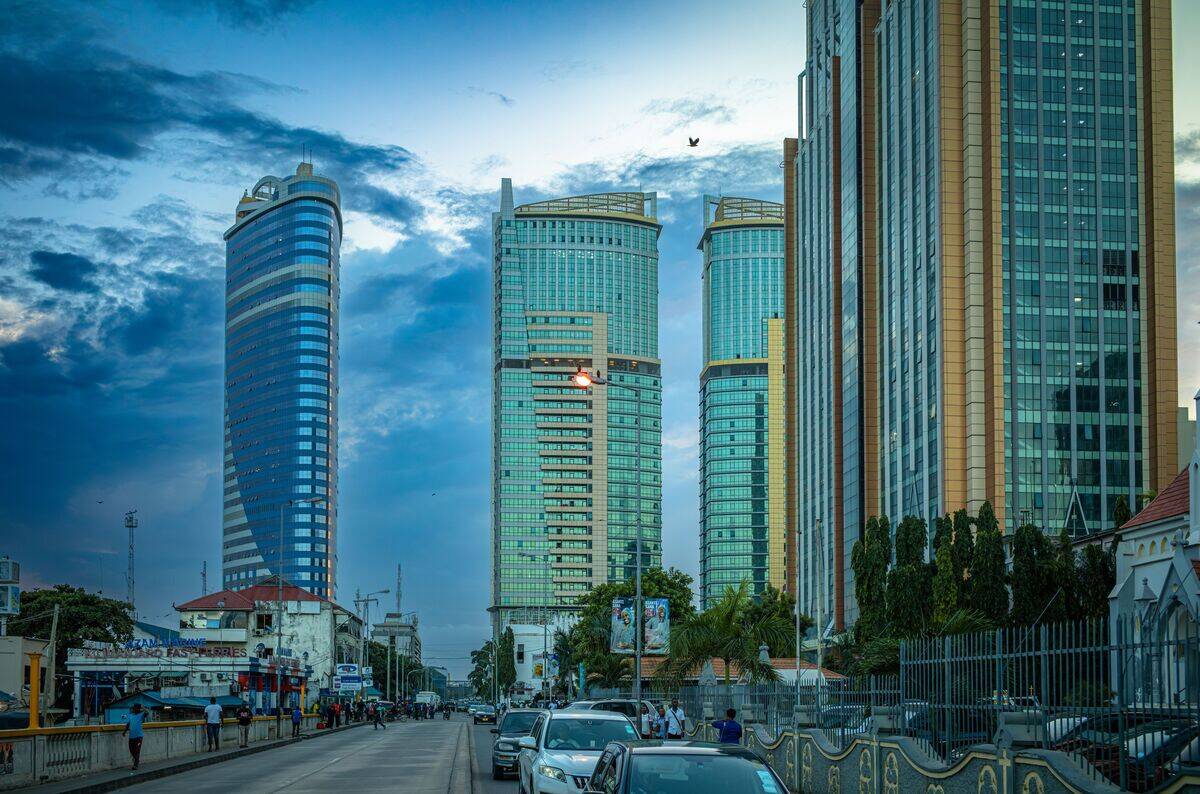
Dar es Salaam was Tanzania’s capital until 1996, when Dodoma was designated as the new capital. Despite this change, Dar es Salaam remains the largest city and the economic center of the country.
Known for its bustling port, diverse culture, and beautiful beaches, it is a melting pot of Swahili, Arab, and Indian influences. The city continues to thrive as a commercial hub, offering a vibrant mix of markets, museums, and cultural events.




