Cities that outpowered entire empires
City-states have always captured the human imagination, standing as unique political entities that often exerted influence far beyond their borders.
These miniature powerhouses have been the cradles of culture, commerce, and conflict, each weaving its own unique thread into the tapestry of history. From ancient times to the modern era, city-states have shaped global narratives and often punched well above their weight.
Ancient Athens: The Birthplace of Democracy and Its Global Reach

Athens, the cradle of democracy, was a beacon of freedom and philosophy in the ancient world. Its democratic system allowed citizens (though fewer of them than some may expect) to participate directly in governance, a novel idea that laid the groundwork for modern democratic systems.
Beyond politics, Athens was a cultural epicenter, home to philosophers like Socrates and Plato, whose ideas continue to resonate globally. The city’s architecture, epitomized by the Parthenon, stands as a testament to its enduring legacy.
Venice: The Maritime Powerhouse That Ruled the Waves
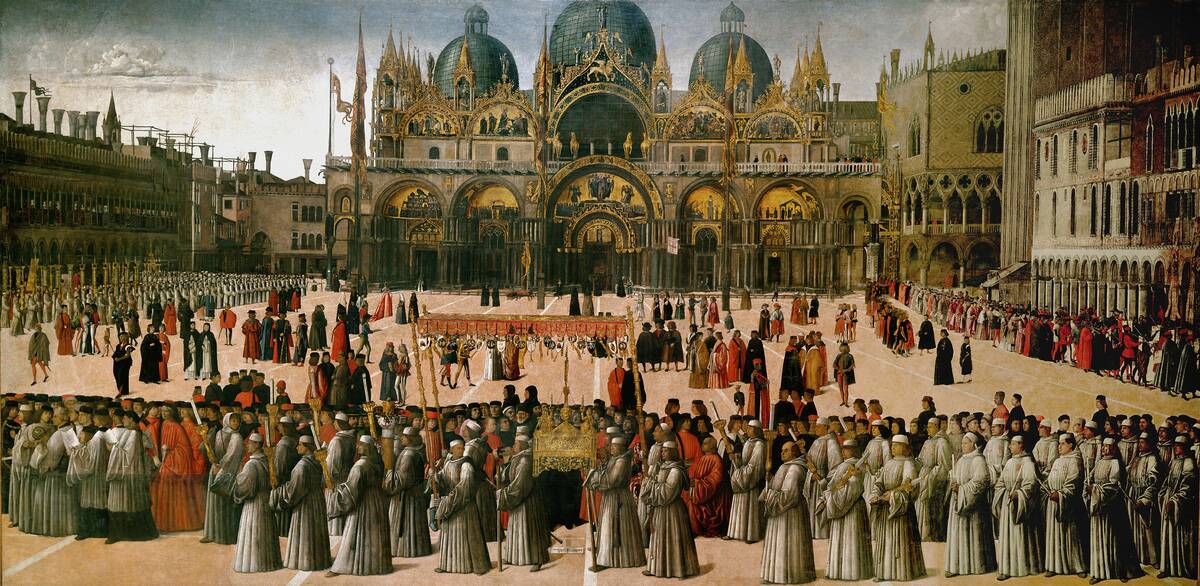
Venice rose from the marshes to become a dominant maritime power by the Middle Ages. Its strategic location allowed it to control key trade routes between Europe and Asia, making it incredibly wealthy.
The Venetian Republic was known for its impressive fleet and naval prowess, which ensured its dominance over the Mediterranean Sea. The city’s unique canals and stunning architecture, such as the iconic St. Mark’s Basilica, continue to draw admirers from around the world.
Florence: The Renaissance Beacon That Outshone Kingdoms
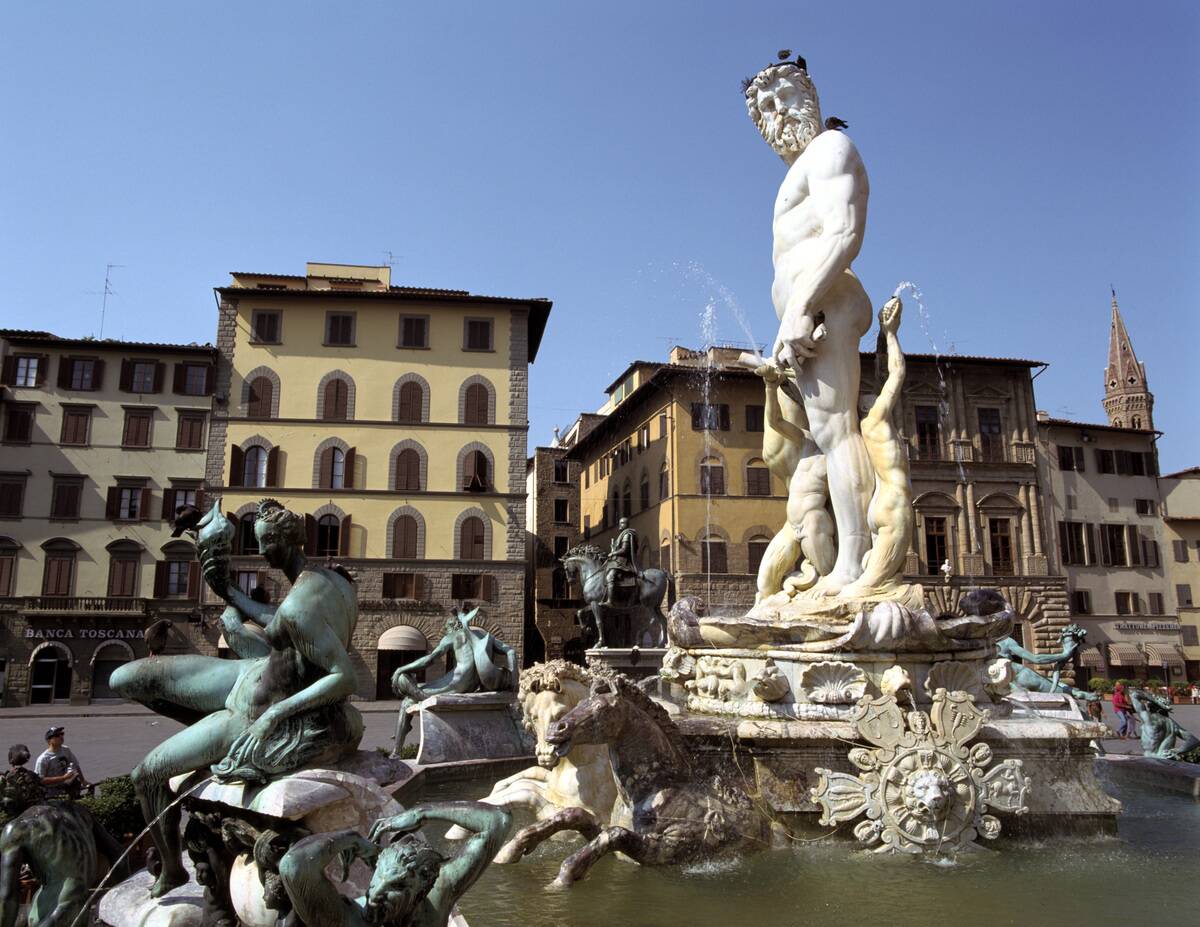
Florence was the heart of the Renaissance, a period of extraordinary cultural rebirth that profoundly influenced art, science, and politics. This city-state nurtured talents like Leonardo da Vinci and Michelangelo, who created timeless masterpieces.
The Medici family, Florence’s influential patrons, played a crucial role in supporting the arts and sciences, fostering an environment where creativity thrived. Florence’s legacy is immortalized in its stunning art and architecture, drawing millions to its historic streets.
Carthage: The Trading Titan That Challenged Rome
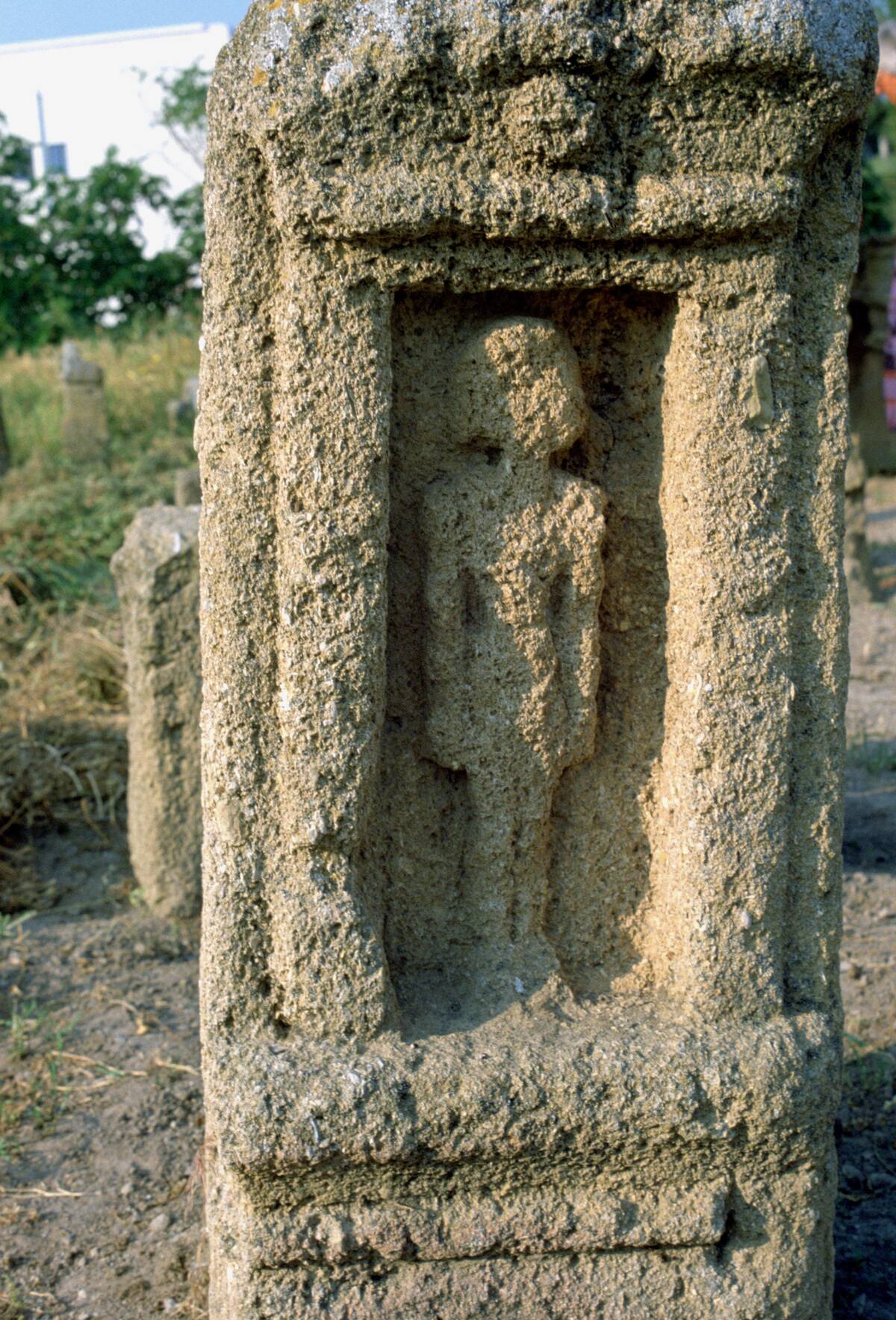
Carthage was a formidable city-state with a stronghold in the western Mediterranean, renowned for its wealth and naval strength. As a major trading hub, it connected various parts of the ancient world, from Africa to Europe.
The city is perhaps best known for its fierce rivalry with Rome, leading to the Punic Wars. Despite its eventual destruction, Carthage’s legacy endures, symbolized by the legendary military leader Hannibal and his audacious crossing of the Alps with war elephants.
Babylon: The Enigmatic City of Wonders and Its Vast Influence
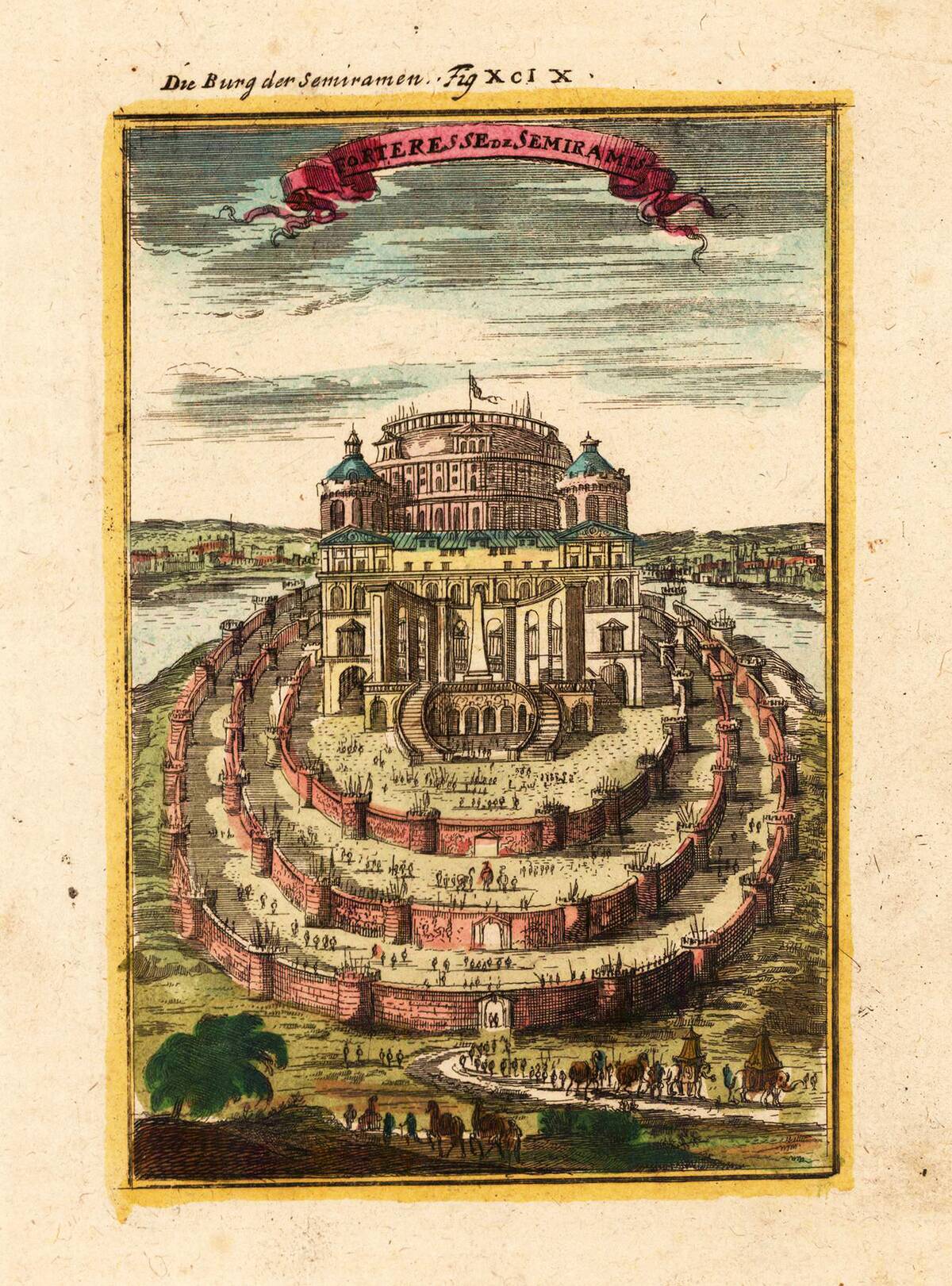
Babylon’s name conjures images of grandeur and mystique, with its famed Hanging Gardens often listed among the Seven Wonders of the Ancient World. As a center of learning and culture, it produced the Code of Hammurabi, one of the earliest and most comprehensive written legal codes.
Babylon’s astronomical and mathematical advancements were significant, influencing subsequent cultures. Its legacy is a blend of myth and history, leaving an indelible mark on the cultural and intellectual landscape of the ancient Near East.
Constantinople: The Strategic Hub of East Meets West
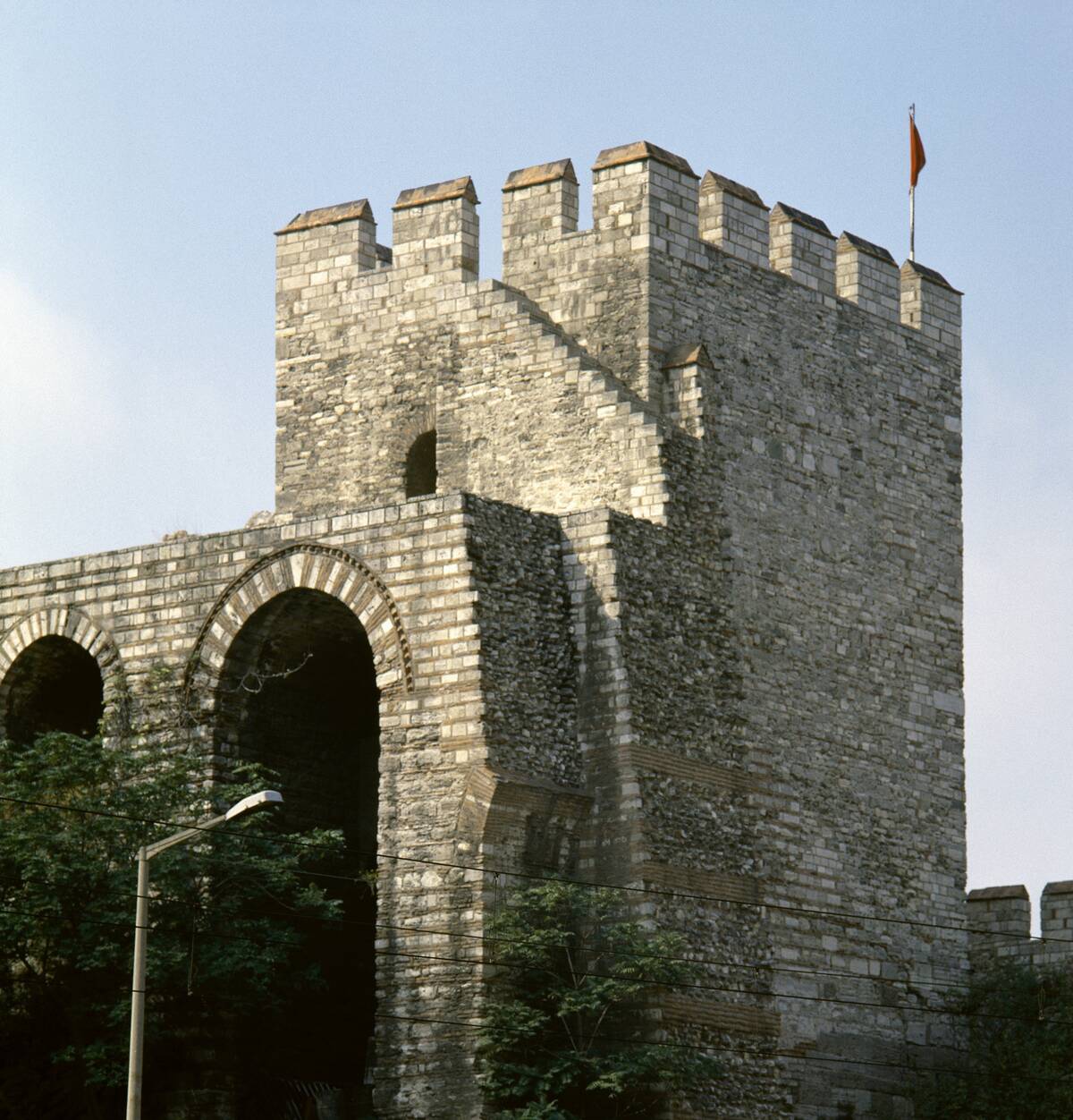
Constantinople, now Istanbul, was the jewel of the Byzantine Empire, strategically located between Europe and Asia. Its formidable walls protected the city for centuries, making it one of the most enduring cities in history.
As a center of trade and culture, Constantinople was a melting pot of languages and religions, influencing both Eastern and Western civilizations. The Hagia Sophia, with its stunning dome, remains a symbol of the city’s historical and architectural significance.
Tenochtitlán: The Aztec Metropolis That Dazzled Conquistadors
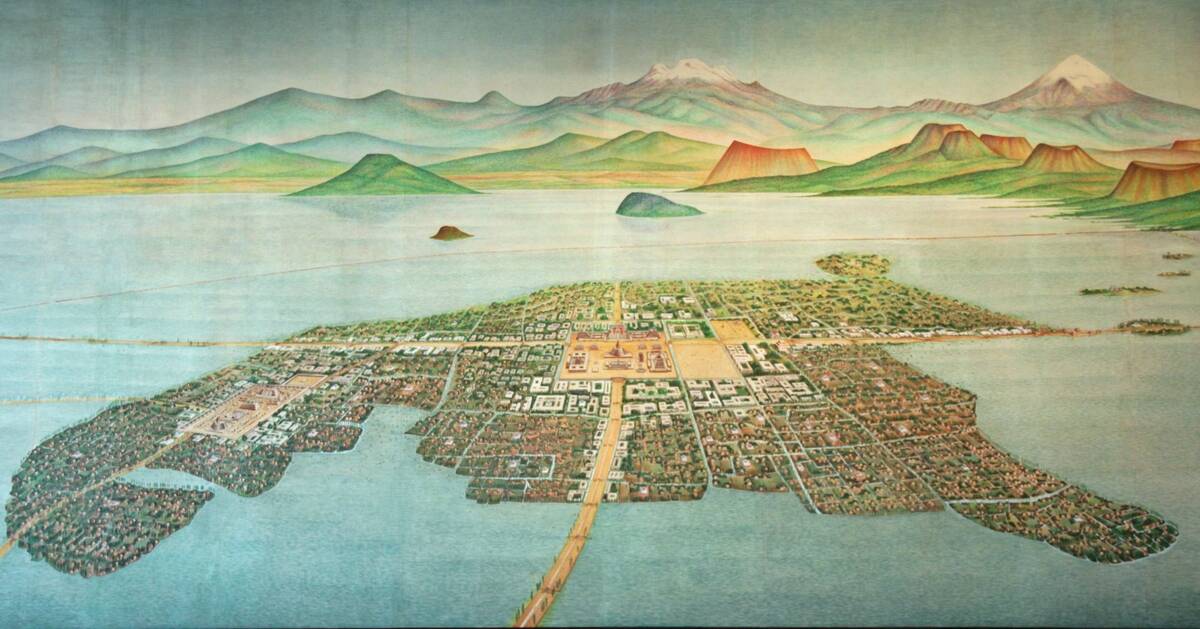
Tenochtitlán, the capital of the Aztec Empire, was an architectural marvel built on a series of islands in Lake Texcoco. Renowned for its complex canals and impressive temples, the city was a testament to Aztec engineering prowess.
At its peak, it was one of the largest cities in the world, captivating the Spanish conquistadors with its grandeur. Although it fell to Hernán Cortés in 1521, the site’s legacy lives on in modern-day Mexico City, which was built atop its ruins.
Ur: The Sumerian City That Laid Foundations for Civilization
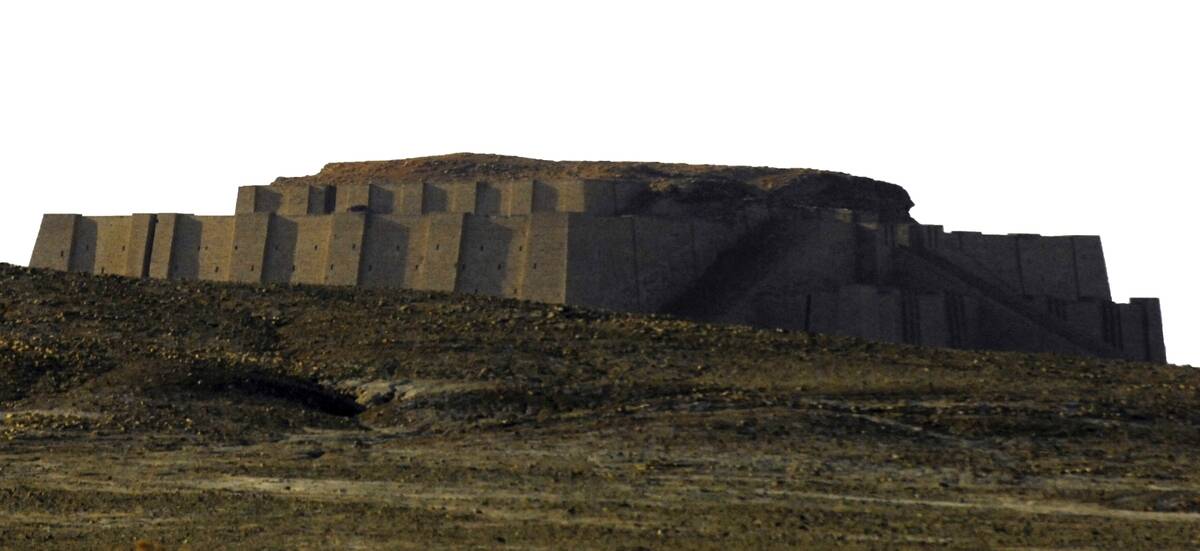
Ur, located in present-day Iraq, was one of the world’s first major cities and a cornerstone of Sumerian civilization. Renowned for its ziggurat, a massive terraced structure, Ur was a center of trade, culture, and religion.
Its residents engaged in agriculture, crafts, and trade, with evidence of extensive commercial networks. The city is also significant for its cuneiform writing, one of the earliest writing systems, which helped lay the foundation for recorded history and communication.
Timbuktu: The Intellectual Capital of the Islamic Golden Age
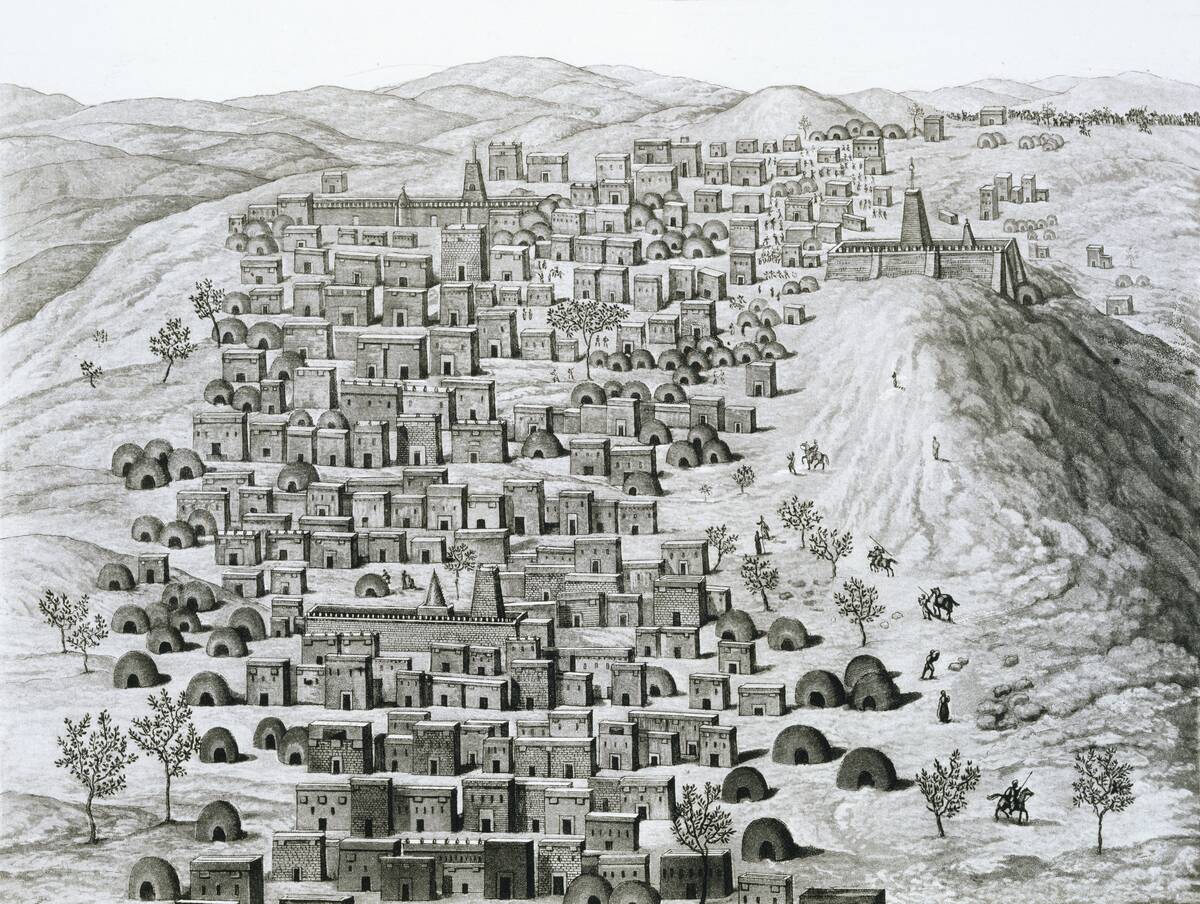
Timbuktu, on the edge of the Sahara Desert, was a vibrant center of trade and learning during the Islamic Golden Age. Renowned for its universities and libraries, it attracted scholars from across the Islamic world.
The city’s wealth stemmed from its strategic position on trans-Saharan trade routes, dealing in gold, salt, and other valuable commodities. Timbuktu’s legacy as a beacon of knowledge and culture remains, with its historic manuscripts still studied today.
Singapore: The Modern City-State That Punches Above Its Weight
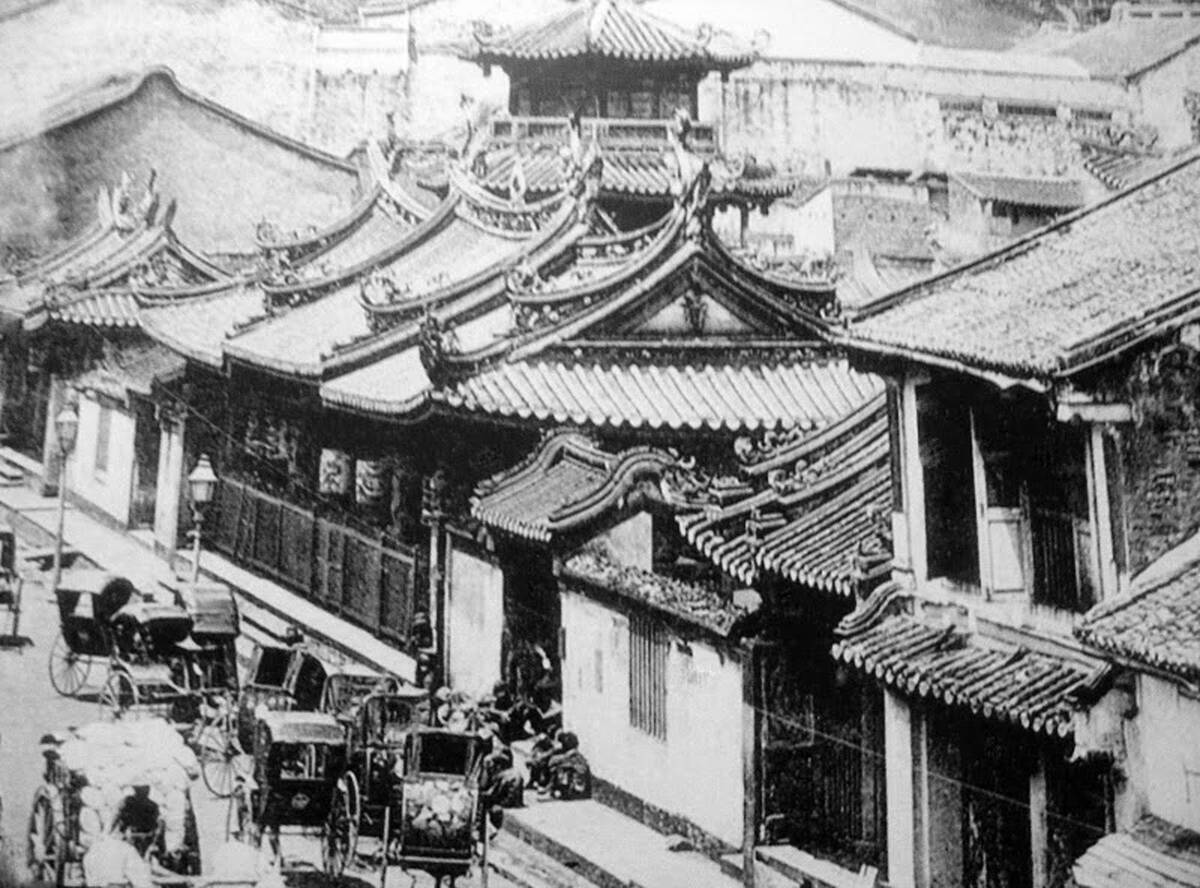
Singapore is a modern marvel, a city-state that transformed from a colonial outpost to a global economic powerhouse within a few decades. Its strategic location on maritime trade routes has been a key factor in its success.
Known for its efficient governance, robust economy, and high standard of living, Singapore consistently ranks highly in global competitiveness. Despite its small size, Singapore has a significant global impact, particularly in finance, technology, and innovation sectors.
Sparta: The Military Powerhouse That Shaped Greek Warfare
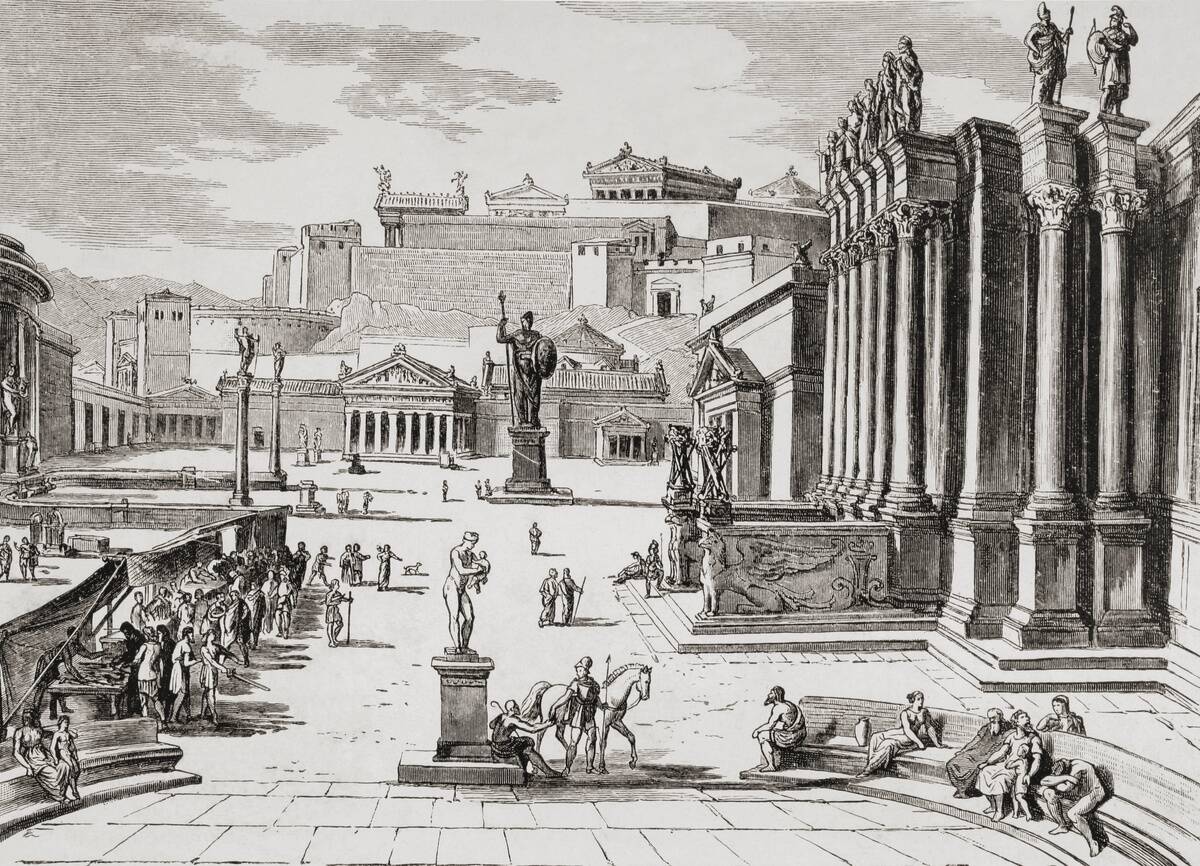
Sparta was synonymous with military prowess, renowned for its disciplined and formidable army. Unlike its cultural rival Athens, Sparta focused on training its citizens for warfare from a young age.
This rigorous military lifestyle allowed it to become a dominant force in ancient Greece, particularly during the Peloponnesian War. Despite its militaristic reputation, Sparta’s social system and governance also influenced Greek politics and culture, leaving a lasting legacy on Western military thought.
Alexandria: The Knowledge Epicenter of the Ancient World
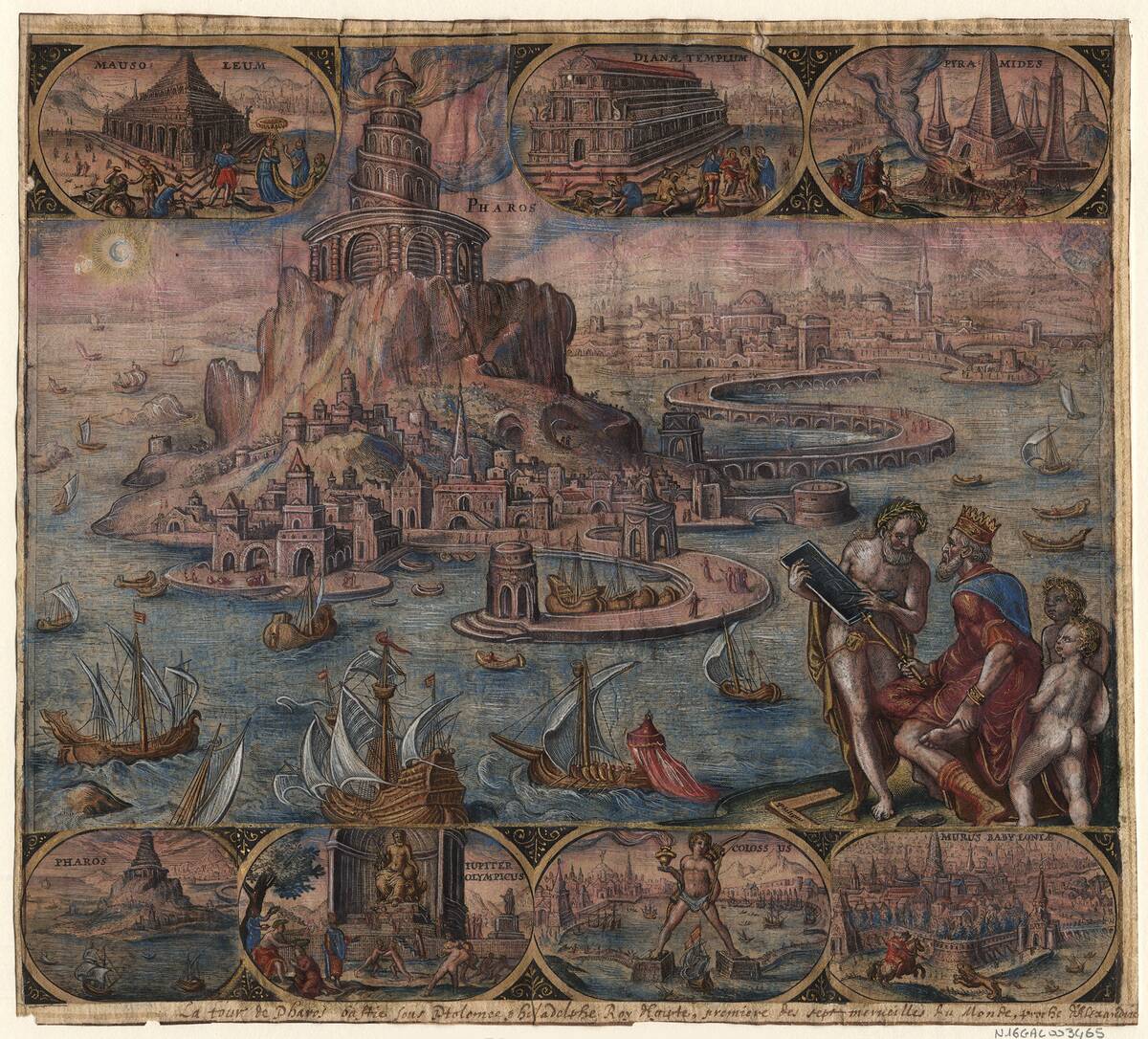
Founded by Alexander the Great, Alexandria was a center of learning and culture in the ancient world. Its Great Library, one of the largest of its time, sought to gather all human knowledge, attracting scholars from around the world.
The city was also known for the Lighthouse of Alexandria, one of the Seven Wonders of the Ancient World. As a melting pot of cultures and ideas, Alexandria played a crucial role in the spread of Hellenistic knowledge and innovation.
Kyoto: The Cultural Heart of Japan for Over a Millennium
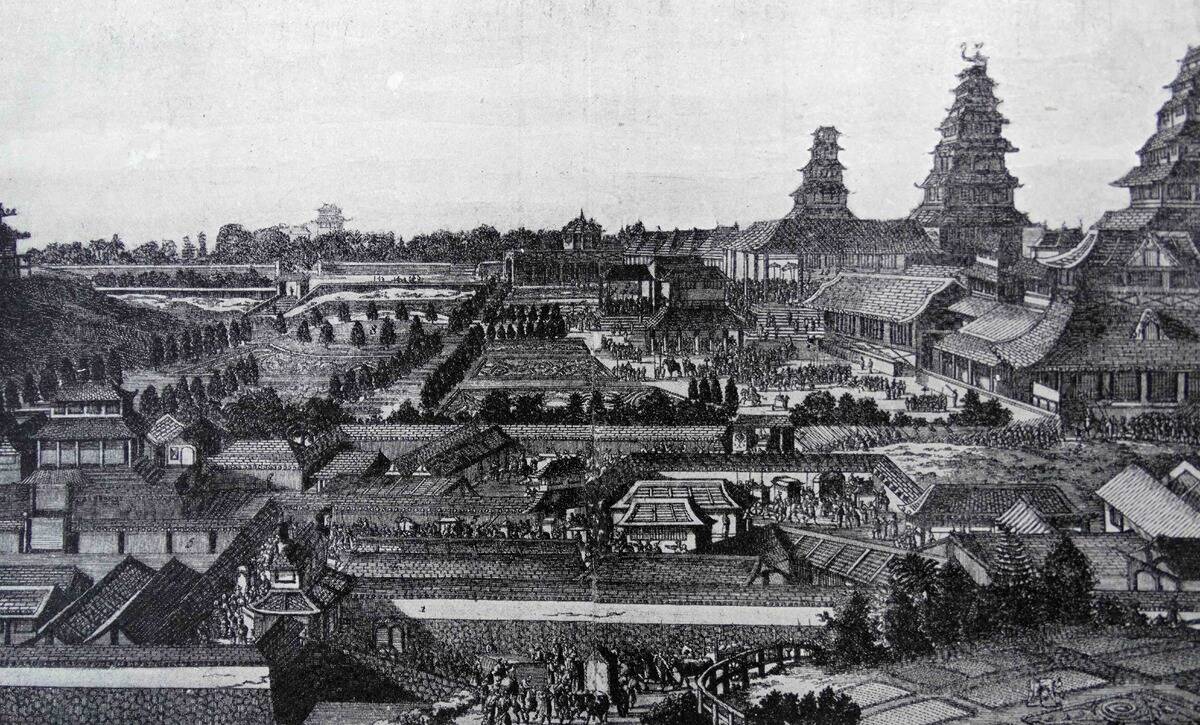
Kyoto served as Japan’s capital for over a thousand years, a city steeped in tradition and culture. Known for its classical Buddhist temples, gardens, and imperial palaces, Kyoto has been a center of art, craft, and ceremony.
Despite the modernization of Japan, Kyoto retains its historical charm, with numerous UNESCO World Heritage sites. Its cultural festivals and traditional tea ceremonies continue to attract visitors, preserving the spirit and elegance of ancient Japan.
Tyre: The Phoenician City That Mastered Trade and Navigation
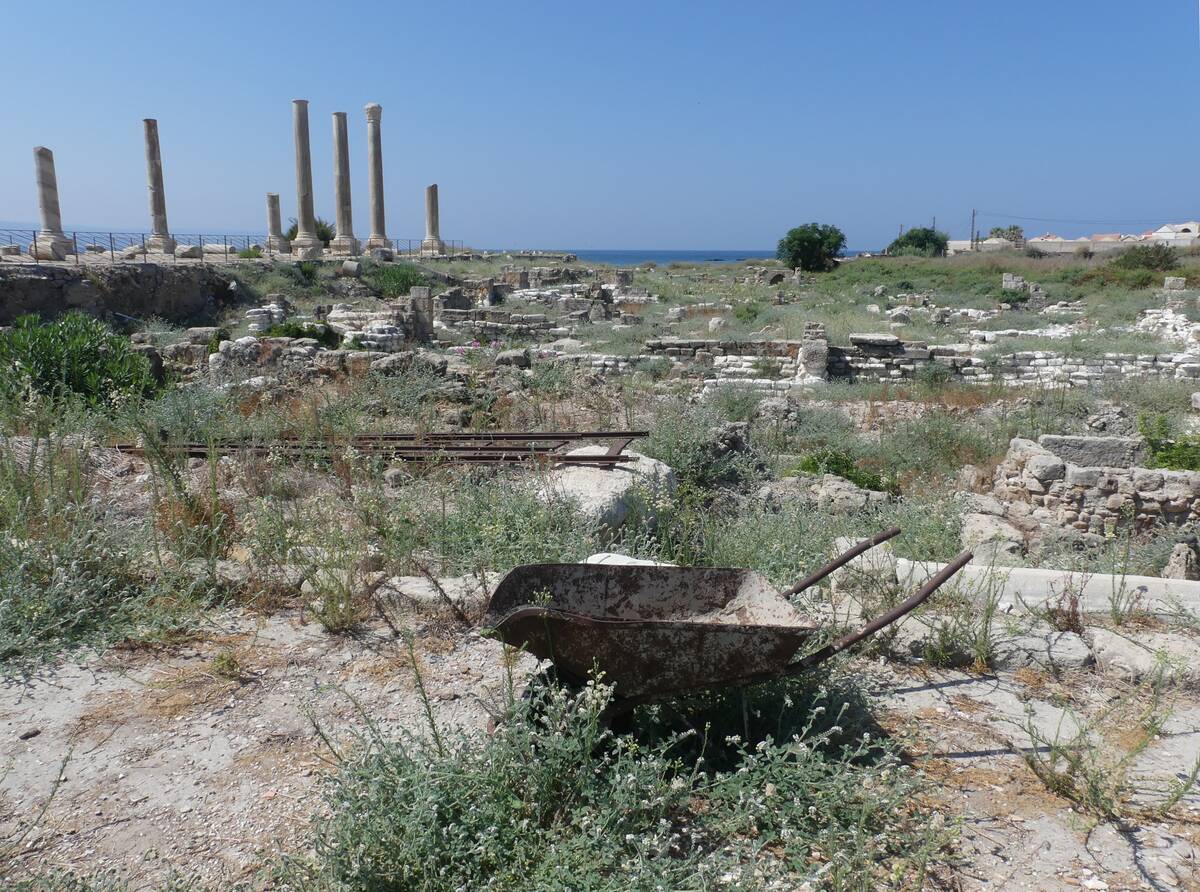
Tyre was a vital Phoenician city known for its seafaring prowess and commercial success. Located on the coast of modern-day Lebanon, it was renowned for producing purple dye, a luxury item in the ancient world.
Tyre’s advanced shipbuilding and navigation skills allowed it to establish colonies across the Mediterranean, spreading Phoenician culture and influence. Though conquered by various empires, Tyre’s legacy in trade and exploration remains influential in maritime history.
Dubrovnik: The Adriatic Jewel That Stood Independent
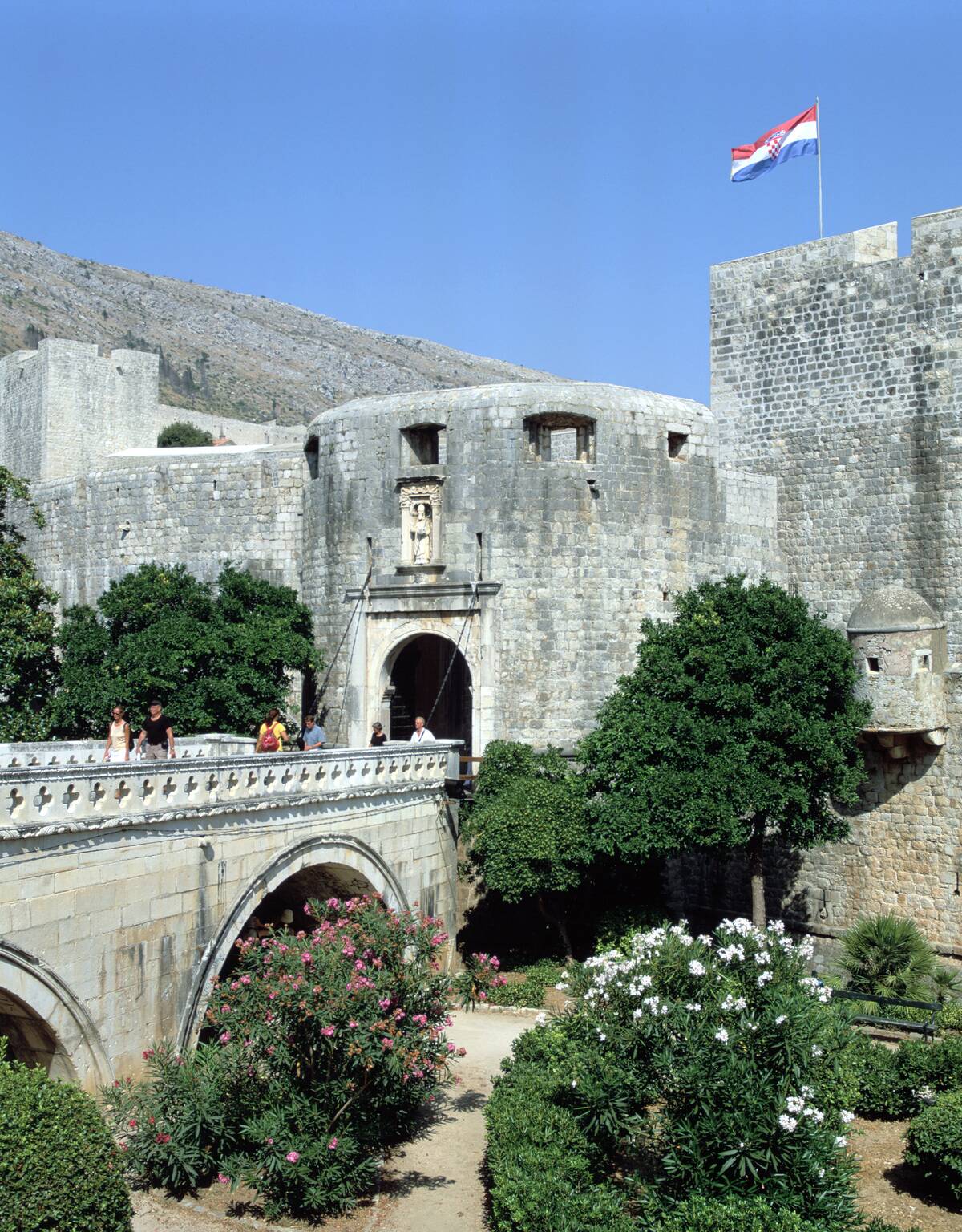
Dubrovnik, often referred to as the ‘Pearl of the Adriatic,’ is a city with a rich history of trade and diplomacy. As a maritime republic, it maintained independence through shrewd diplomacy and strategic alliances, even during turbulent times.
Its well-preserved medieval architecture, including the impressive city walls, has made it a UNESCO World Heritage site. Dubrovnik’s historical fortitude and enchanting beauty continue to captivate visitors, making it a beloved cultural and tourist destination.
Jerusalem: The Spiritual Crossroads and Its Timeless Significance
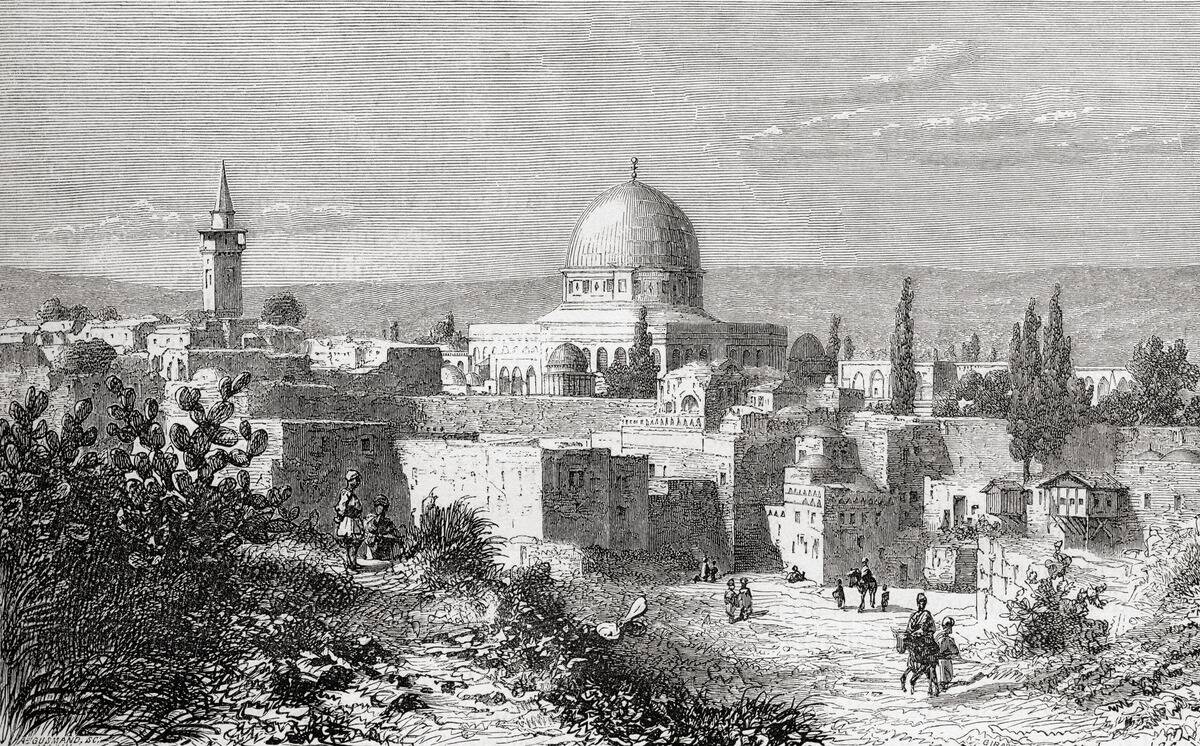
Jerusalem holds profound significance within Judaism, Christianity, and Islam. Its rich tapestry of history includes the ancient temples and the iconic Dome of the Rock.
As a city that has seen empires rise and fall, Jerusalem is a symbol of spiritual and cultural convergence. Despite its tumultuous history, it remains a place of pilgrimage and reflection for countless people, embodying a unique blend of antiquity and living tradition.