14 Forgotten athletic competitions you’ve never heard of
Sporting history is filled with events that have faded from public memory, their stories as intriguing as their competitive nature. From peculiar combinations of skills to the evolution of once-beloved contests, these forgotten athletic competitions offer a glimpse into a time when the playing field was as diverse as it was fascinating.
Let’s take a trip down memory lane to uncover some of these unusual sports and their stories
The Rise and Fall of Barrel Jumping
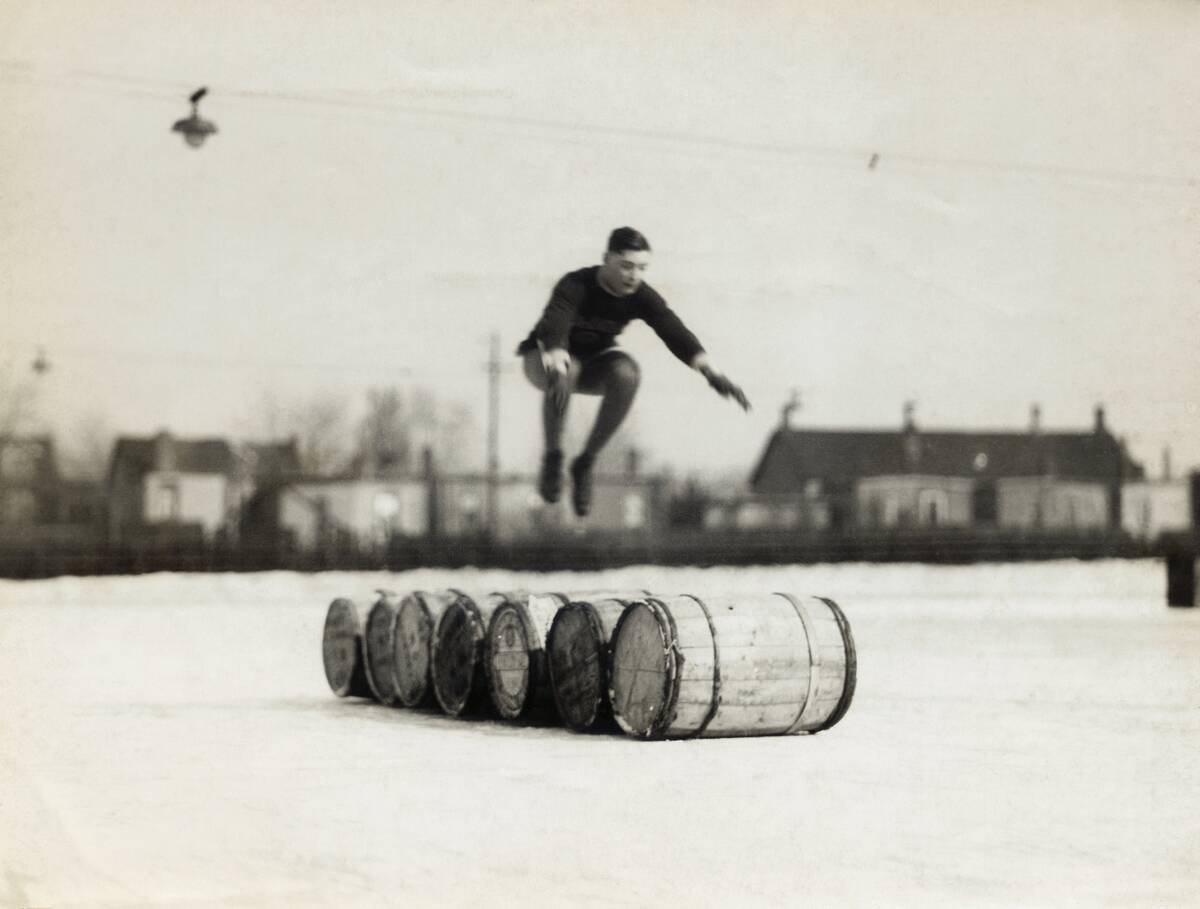
Barrel jumping, a thrilling winter sport, was all about speed and daring. Competitors would skate at high speeds before launching themselves over a series of barrels lined up on the ice.
At its peak in the 1950s and ’60s, barrel jumping was a staple of winter festivals in North America. However, as safety concerns grew and other winter sports gained popularity, barrel jumping slowly slipped into obscurity.
When Tug-of-War Was an Olympic Sport
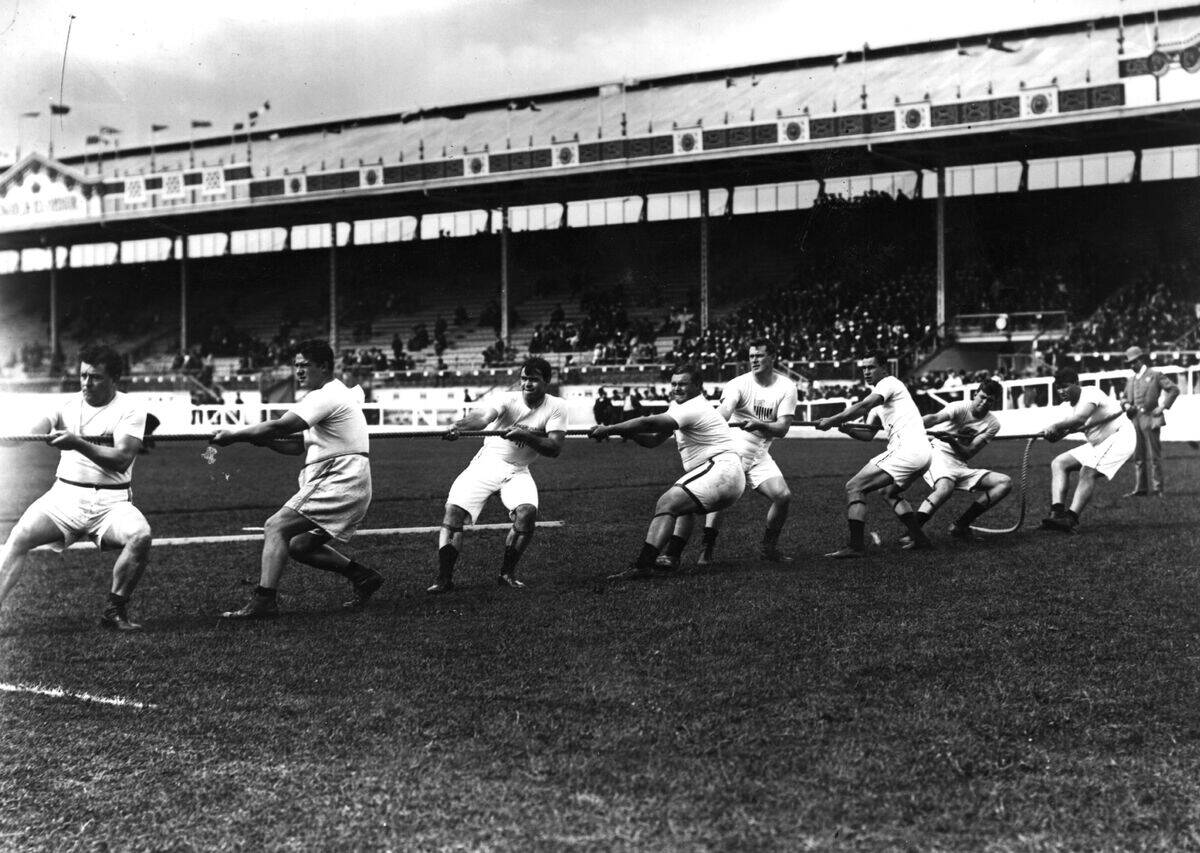
Tug-of-war might seem like a simple backyard game today, but it was once a serious Olympic sport. Featured in the Games from 1900 to 1920, it required not just strength but also strategy and teamwork.
Nations like Great Britain and Sweden dominated the event. Despite its popularity, tug-of-war was eventually removed from the Olympics as the modern Games sought to streamline their events.
The Curious Case of Club Swinging
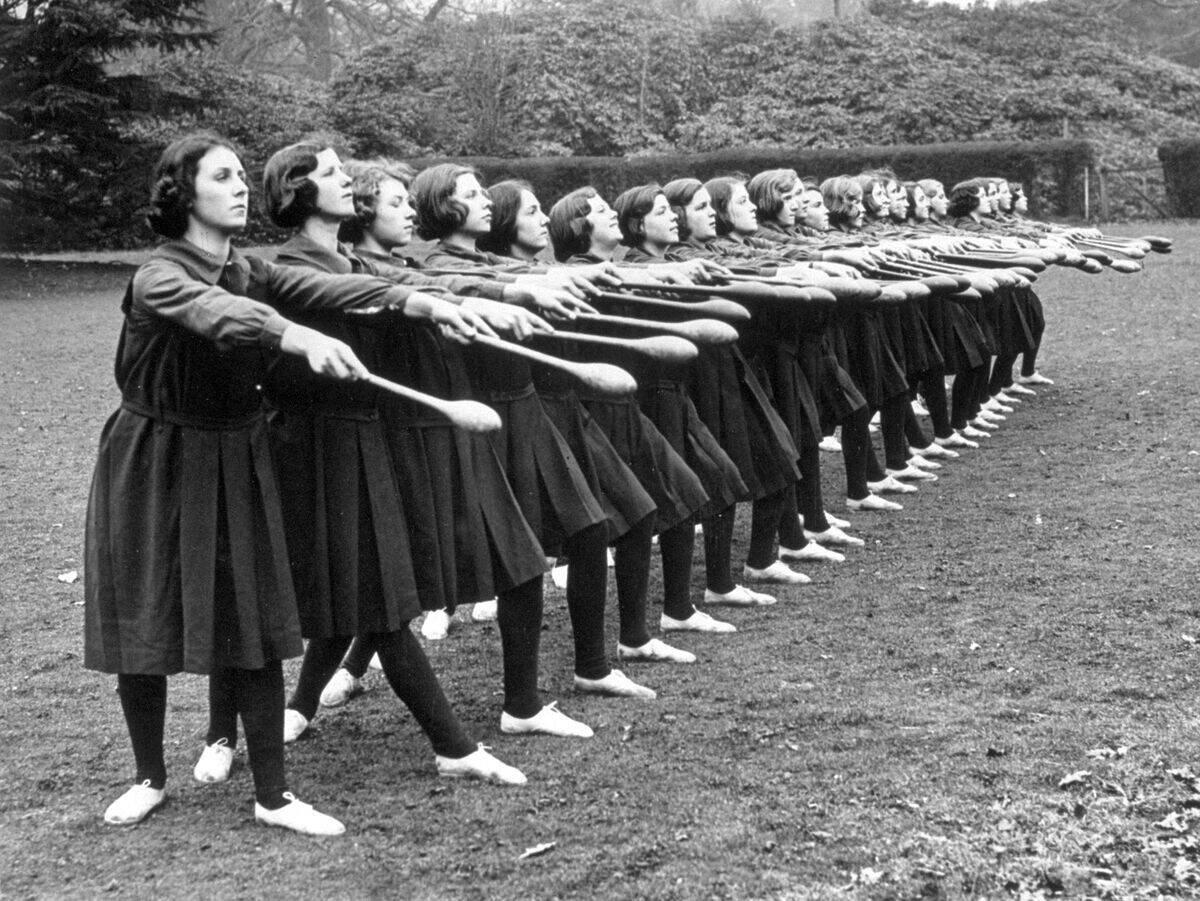
Club swinging, also known as Indian clubs, was an Olympic event that combined elements of gymnastics and juggling. Athletes performed routines while swinging wooden clubs in intricate patterns.
Popular in the early 20th century, it was seen as a way to enhance flexibility and coordination. However, as more dynamic sports emerged, club swinging was dropped from the Olympic roster after 1932.
Plunge for Distance: Diving’s Quirky Cousin

Imagine diving not for acrobatics, but for distance. That’s what plunge for distance, an event in the 1904 Olympics, was all about. Competitors would dive into a pool and glide underwater without any propulsion, aiming to cover the maximum distance.
While it showcased a unique underwater grace, the event was deemed less exciting for spectators and was never featured again in the Olympics.
The Short-Lived Life of Solo Synchronized Swimming
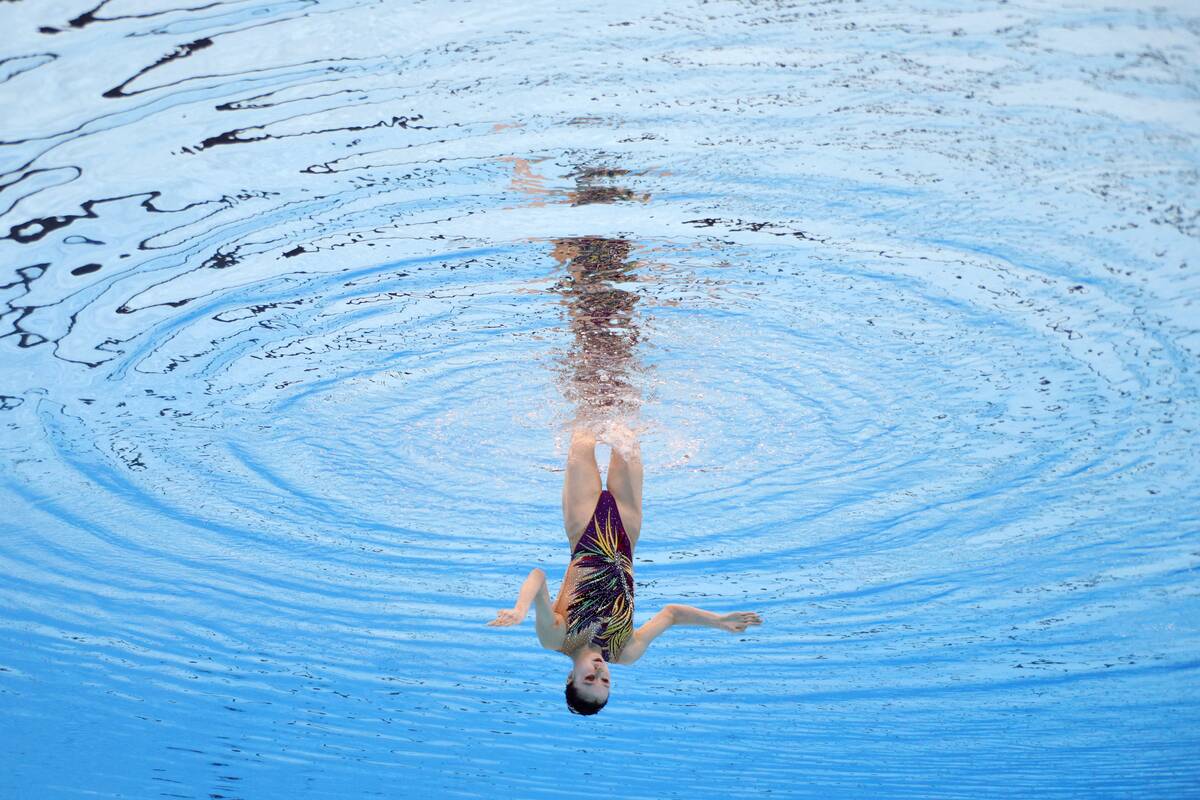
Solo synchronized swimming might sound like a contradiction, but it was part of the Olympic program in 1984, 1988, and 1992. Athletes performed solo routines, synchronizing their movements with the music.
The sport required immense precision and grace, but faced criticism for being less dynamic than team events. Eventually, it was replaced by the more visually engaging duet and team competitions.
The Obscure Appeal of Chess Boxing
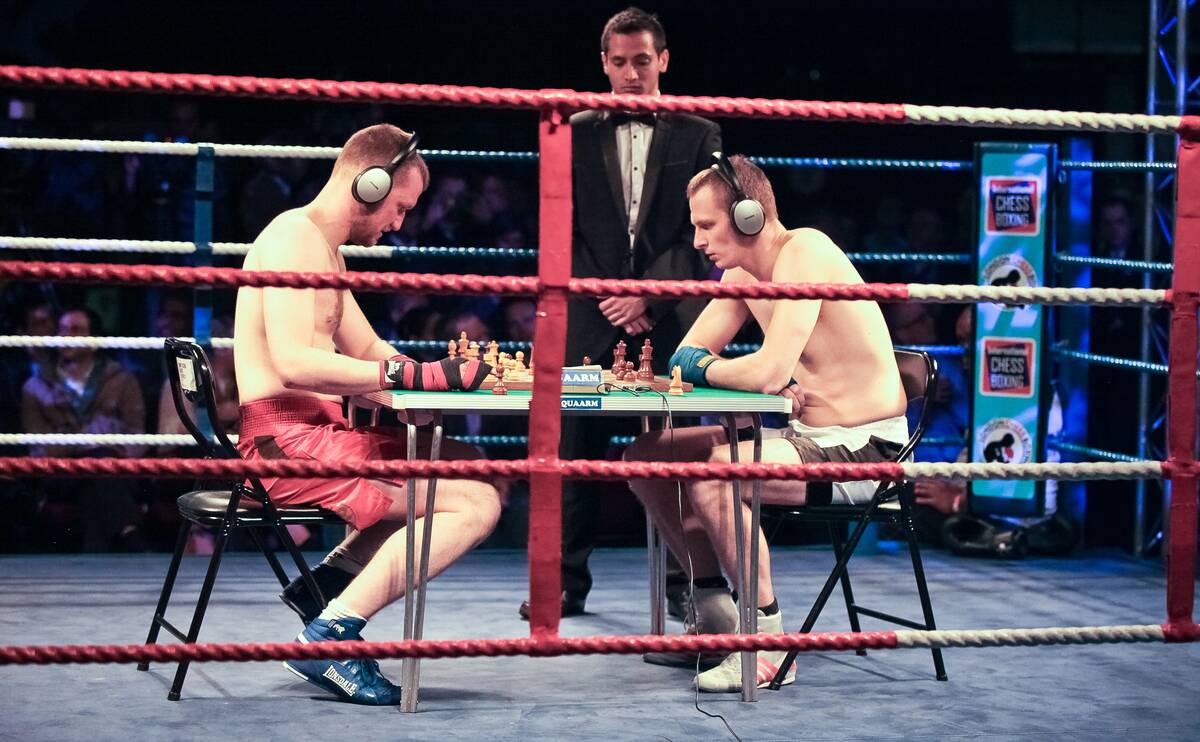
Chess boxing is a sport that fuses the strategic depth of chess with the physical intensity of boxing. Competitors alternate between rounds of chess and boxing, requiring both mental acuity and physical endurance.
Originating from a French comic book, this unusual sport has gained a cult following, with championships held worldwide. Despite its niche appeal, chess boxing continues to captivate those who appreciate its unique blend of brains and brawn.
The Disappearance of Ski Ballet
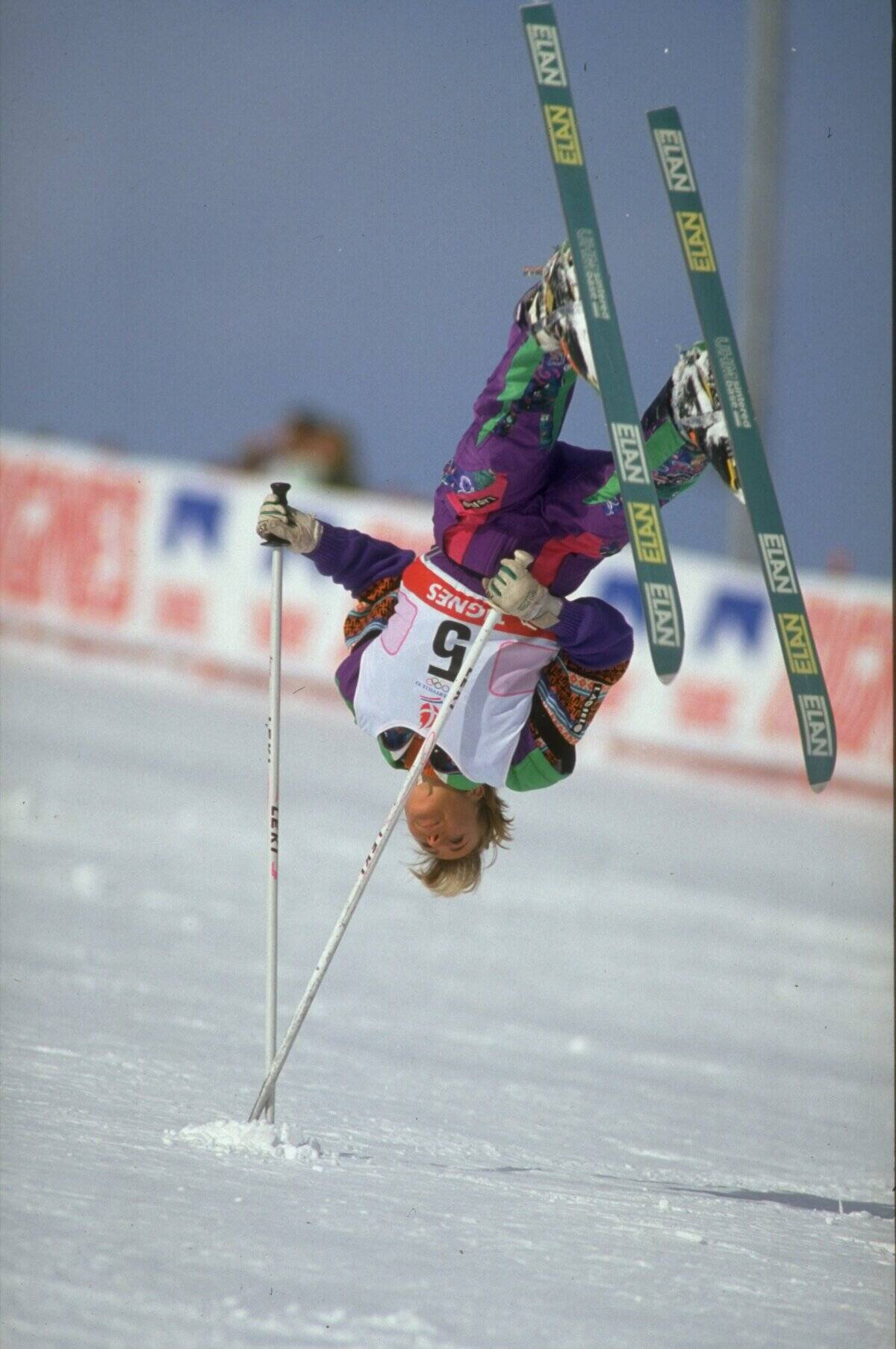
Ski ballet, also known as acroski, was a freestyle skiing discipline that combined gymnastics and dance on skis. Popular in the 1980s and ’90s, athletes performed choreographed routines to music.
Despite its artistry and flair, ski ballet struggled to find an audience and was eventually dropped from international competition in 2000. Its legacy, however, lives on in the creativity of today’s freestyle skiing events.
The Bizarre World of Extreme Ironing

Extreme ironing is the quirky adventure sport where participants take ironing boards to remote locations and iron items of clothing. This unusual blend of performance art and sport began in 1997 in England.
Over the years, enthusiasts have ironed in extreme places like mountain tops and underwater. Despite its eccentric nature, extreme ironing has garnered a global following, proving that even the mundane can be made adventurous.
The Forgotten Sport of Jeu de Paume

Before tennis became the racquet sport we know today, there was jeu de paume, or “game of the palm.” Originating in France, players used their hands to hit a ball, later transitioning to racquets.
It was hugely popular in the 16th and 17th centuries, even played by royalty. However, as lawn tennis evolved, jeu de paume faded, though it still survives in a niche form as “real tennis.”
Ancient Greek Pankration: The Original MMA
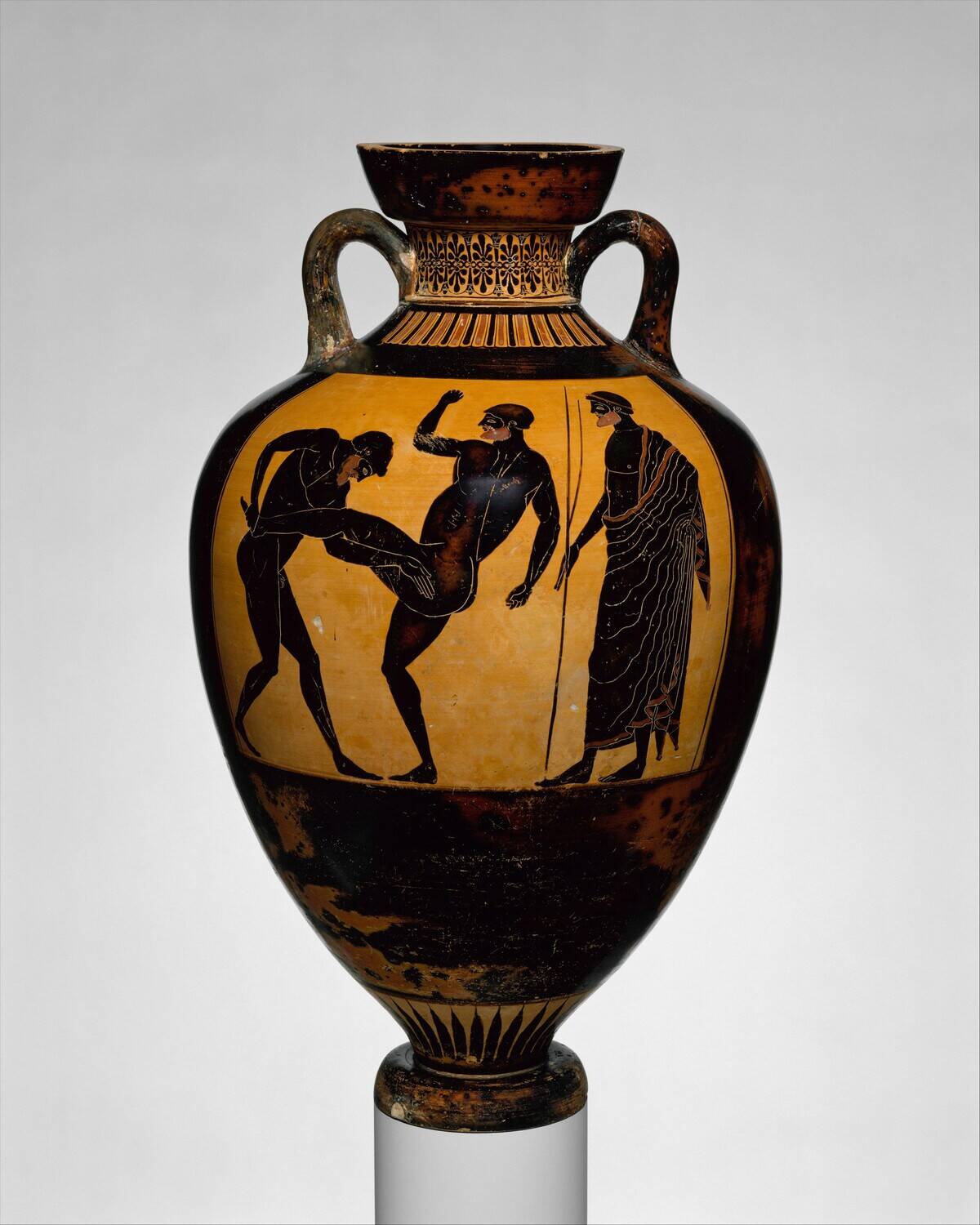
Pankration was an ancient Greek martial art combining boxing and wrestling, regarded as the precursor to modern mixed martial arts (MMA). Introduced in the Olympic Games in 648 BC, it allowed almost all combat techniques except biting and eye-gouging.
Known for its brutality and skill, pankration was immensely popular in ancient times. Though it vanished with the decline of Greek civilization, its legacy endures in today’s MMA.
The Fading Memory of Military Patrol Races
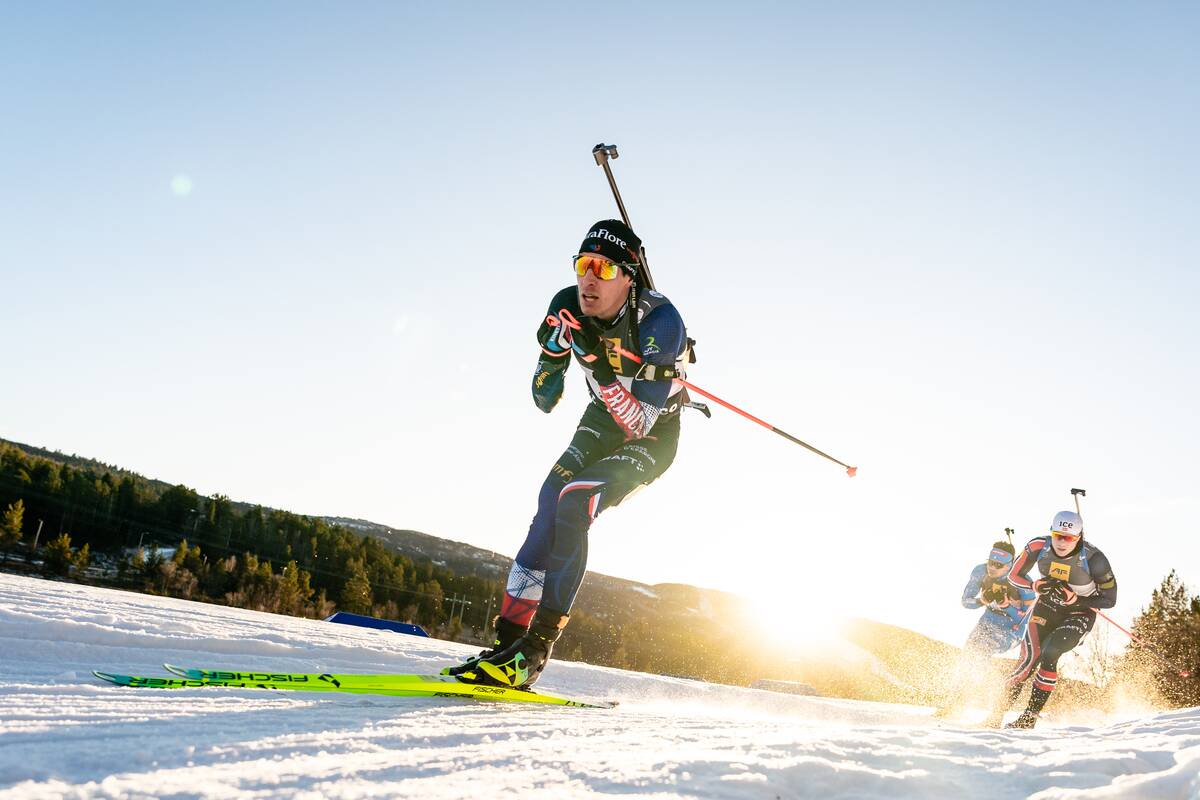
Military patrol races, a precursor to modern biathlon, were once a staple of the Winter Olympics. Combining cross-country skiing, rifle shooting, and military tactics, the event tested both physical and strategic abilities.
It was included in the Winter Games intermittently from 1924 to 1948, primarily featuring military teams. Eventually, it evolved into the biathlon, which remains a popular winter sport today, though the original races have largely been forgotten.
The Strange Saga of Balloon Jumping
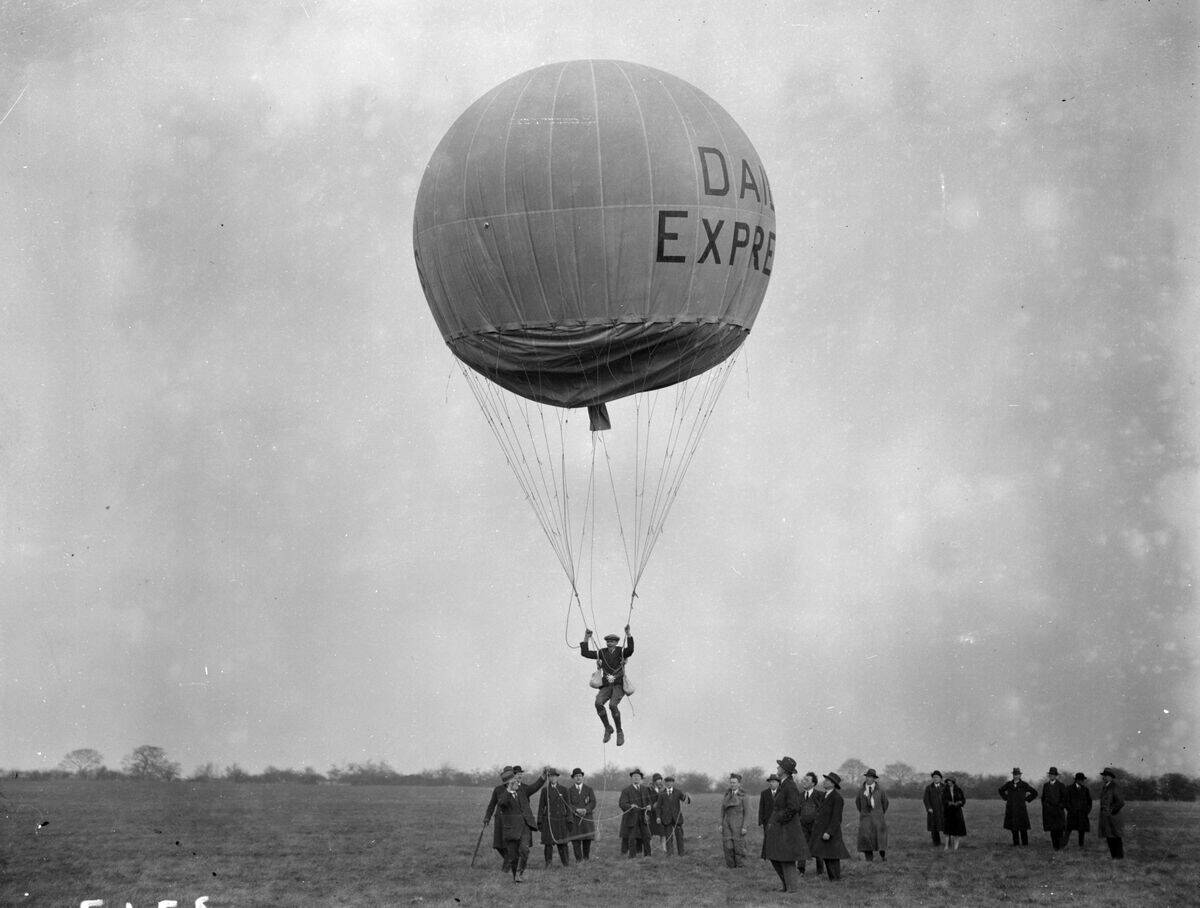
Balloon jumping was an experimental sport in the early 20th century that involved attaching small parachutes to athletes, allowing them to leap great distances. It was an attempt to create a gravity-defying spectacle.
However, safety concerns and the difficulty in standardizing equipment led to its rapid decline. Although balloon jumping never took off as a mainstream sport, it remains a curious footnote in the chronicles of athletic competitions.
The Unlikely Combination of Horseback Jousting
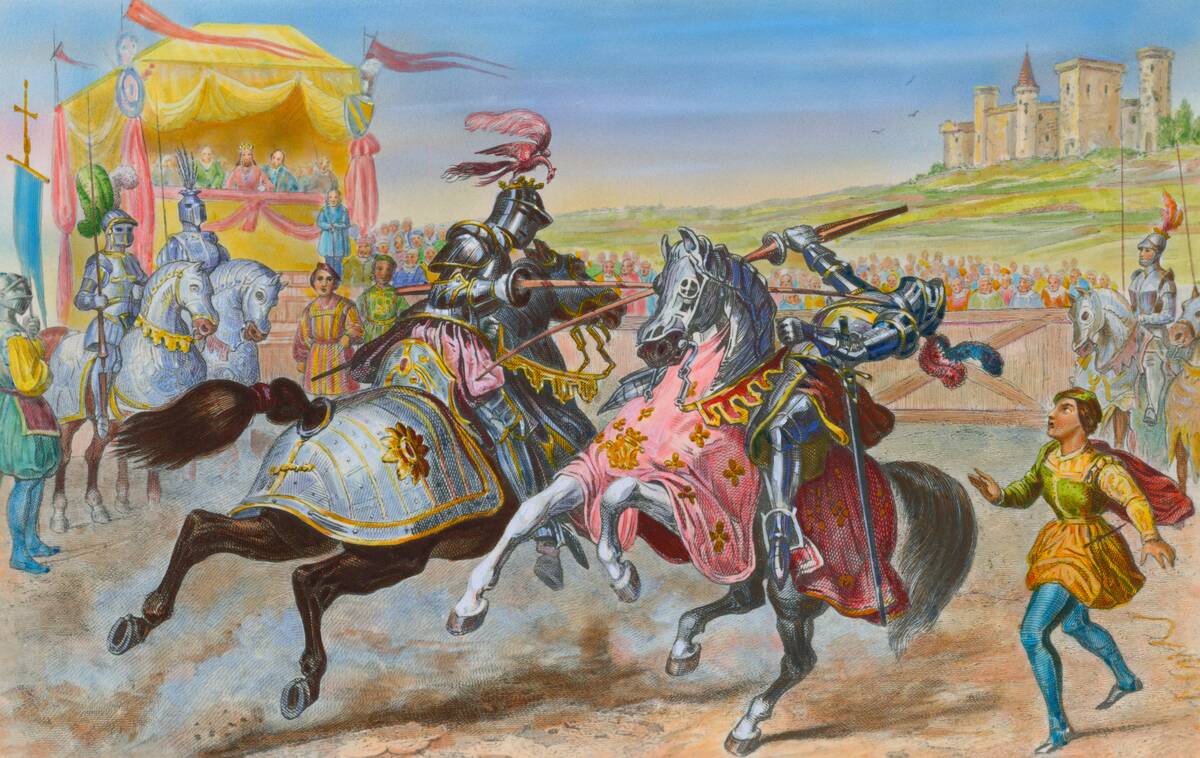
Horseback jousting, a sport with medieval origins, involves knights on horseback charging at each other with lances. Though it might seem like a relic of the past, jousting experienced a brief resurgence as a competitive sport in the 20th century.
Events capitalized on the romanticized notions of chivalry and gallantry. Despite its theatrical appeal, jousting has remained a niche pursuit, celebrated more for its historical significance than as a mainstream sport.
The Rise and Fall of Roller Hockey at the Olympics
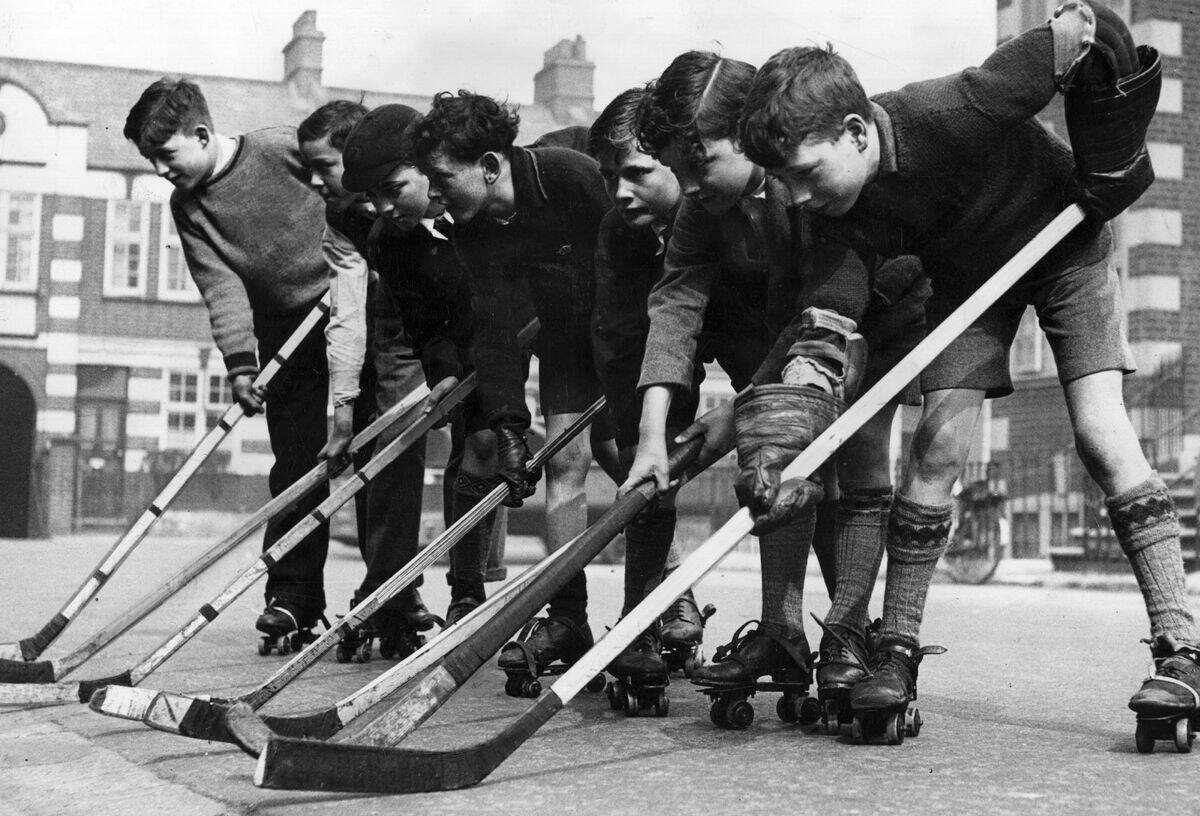
Roller hockey, a fast-paced sport played on roller skates, made its Olympic debut as a demonstration sport in 1992 in Barcelona. Combining elements of ice hockey and traditional roller skating, it was a hit with local fans but failed to secure a permanent spot in the Olympic lineup.
Despite its brief Olympic appearance, roller hockey continues to thrive in regions with strong skating cultures, particularly in Europe and South America.




