Evidence that ancient cultures were more connected
Ancient civilizations were far more interconnected than we often give them credit for. Through trade routes, cultural exchanges, and shared innovations, these societies left traces of their interactions that continue to intrigue us today.
From the desert sands of Egypt to the lush landscapes of Mesoamerica, the evidence of these connections defies the notion that ancient peoples lived in isolated worlds. The surprising links between these cultures are a testament to humanity’s enduring curiosity and desire to explore.
The Enigmatic Antikythera Mechanism: An Ancient Computer
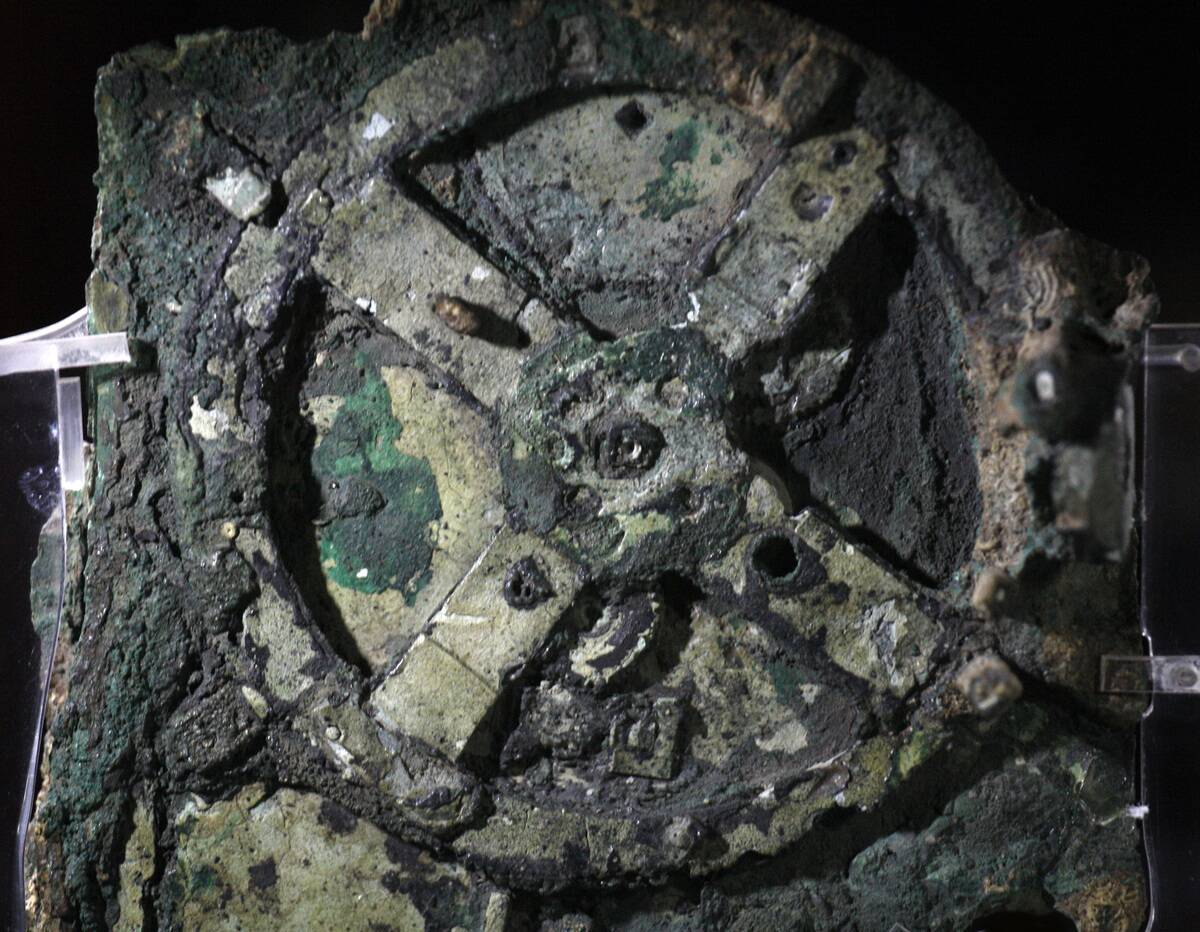
Discovered in a shipwreck off the coast of Greece, the Antikythera Mechanism has puzzled scientists for decades. Dating back to around 100 BC, this intricate device is often referred to as the world’s first analog computer.
With its complex gear systems, it was used to predict astronomical positions and eclipses. The craftsmanship and knowledge required to create such a device suggest that ancient Greek technology was far more advanced than previously thought, offering a glimpse into their impressive scientific capabilities.
Roman Coins Found in Japan: East Meets West
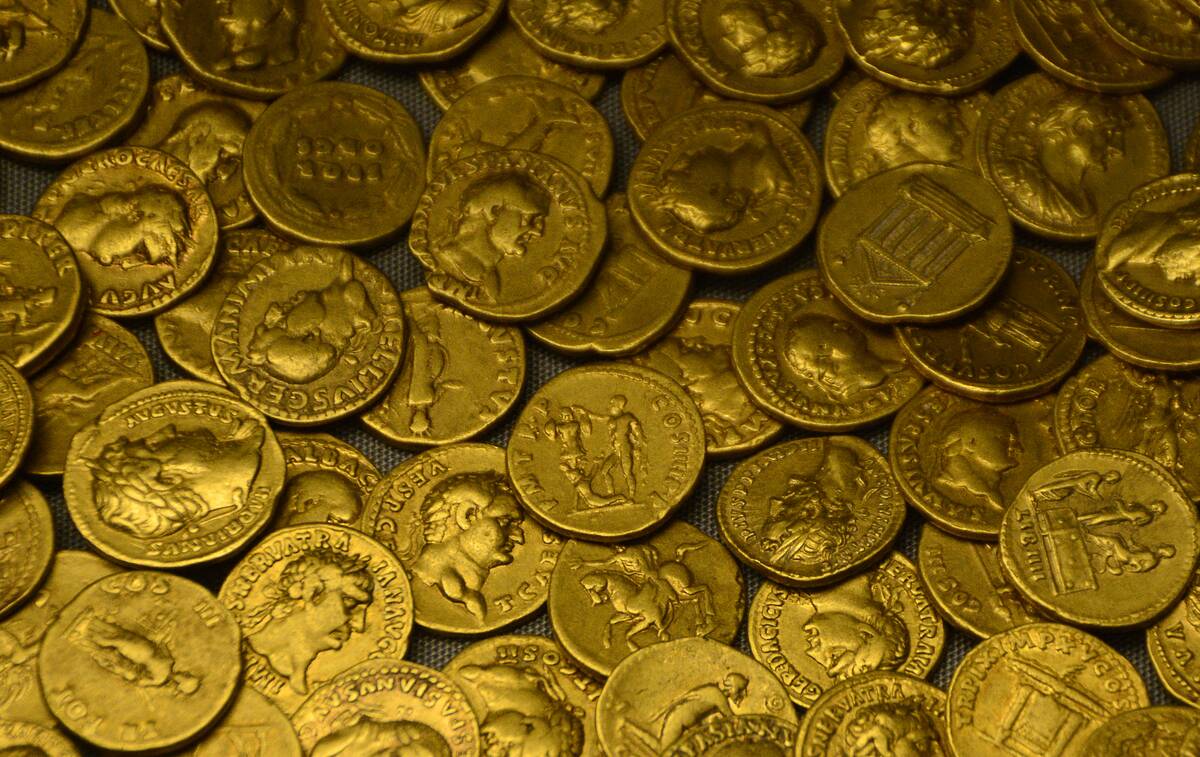
In an archaeological twist, Roman coins dating back to the 3rd and 4th centuries AD were unearthed at a castle site in Okinawa, Japan. This unexpected find has sparked debates about the extent of ancient trade routes between the Roman Empire and Asia.
While some historians argue that these coins could have been brought by later travelers, their presence in Japan raises fascinating questions about the cultural and economic exchanges that might have occurred between these distant civilizations.
Silk Road’s Influence on Cultural Exchange
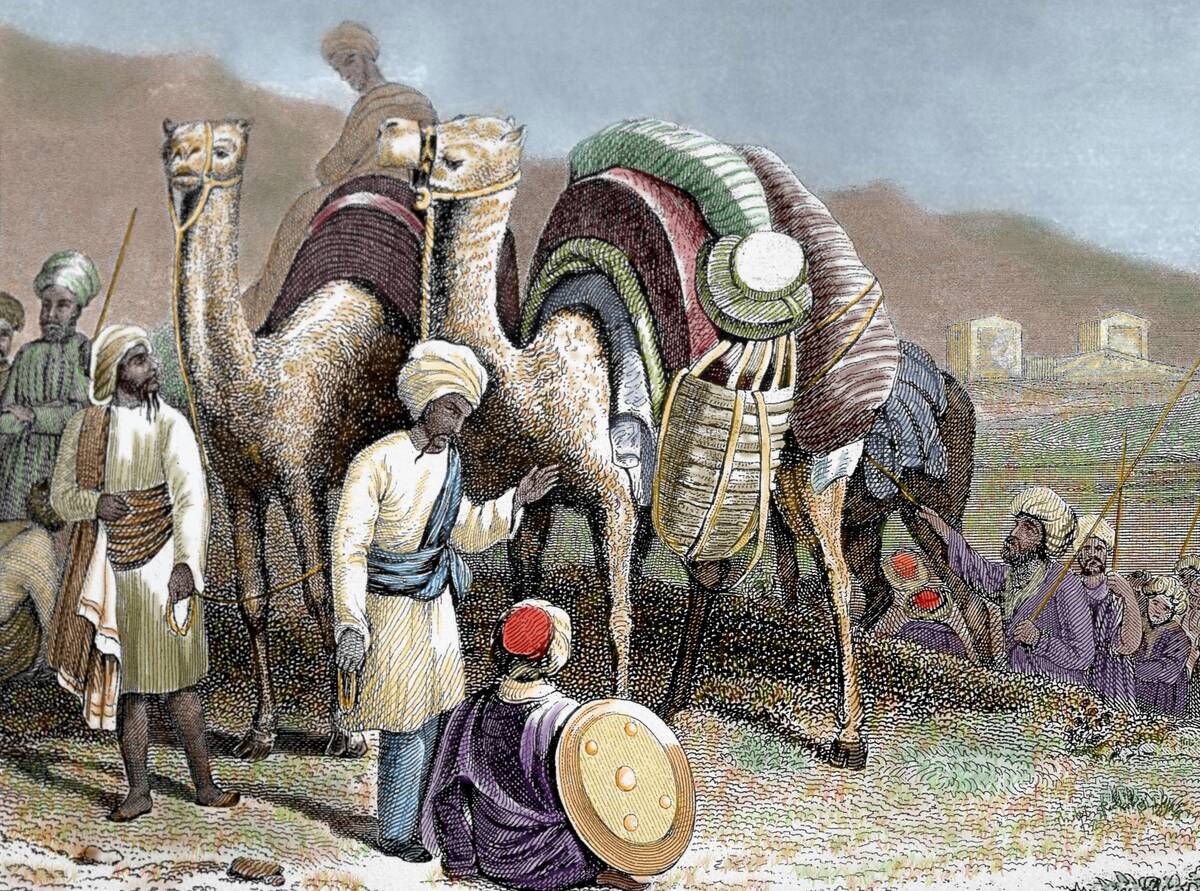
The Silk Road was not just a trade route but a vital channel for cultural exchange between the East and West. Spanning thousands of miles, it connected China with Europe, facilitating the spread of goods, ideas, and technologies.
Along this route, religions like Buddhism traveled, while art and literature flourished in diverse regions. The Silk Road’s legacy endures today, as it laid the groundwork for globalization, making it a crucial piece of our shared history.
Viking Runes in the New World: Fact or Fiction?
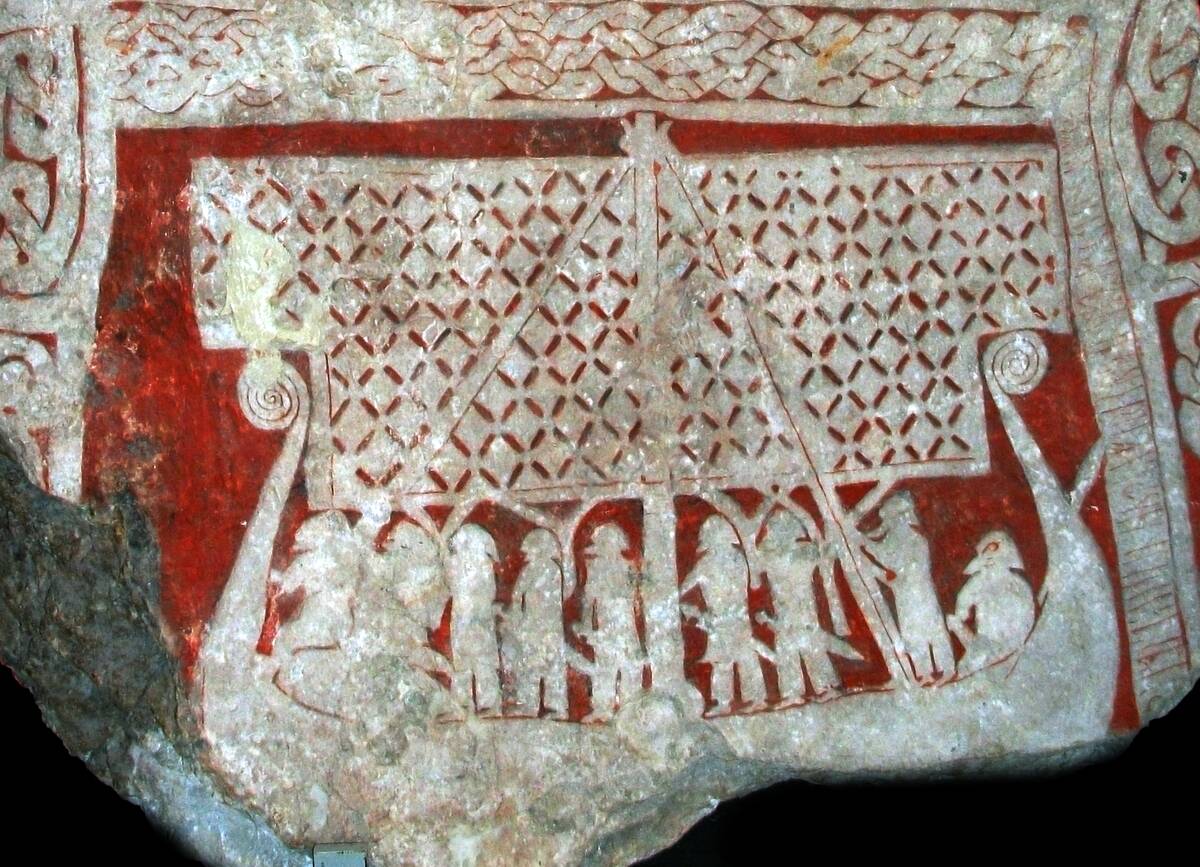
The discovery of alleged Viking runes in North America has sparked debate among historians and archaeologists. While the Norse sagas tell of Vinland, a land to the west of Greenland, evidence remains sparse.
Some inscriptions, like the Kensington Runestone, have been dismissed as hoaxes, but others hint at possible Norse exploration. Whether fact or fiction, these stories capture the imagination, leaving us to wonder about the extent of Viking voyages and their potential impact on the New World.
The Spread of Chess Across Continents
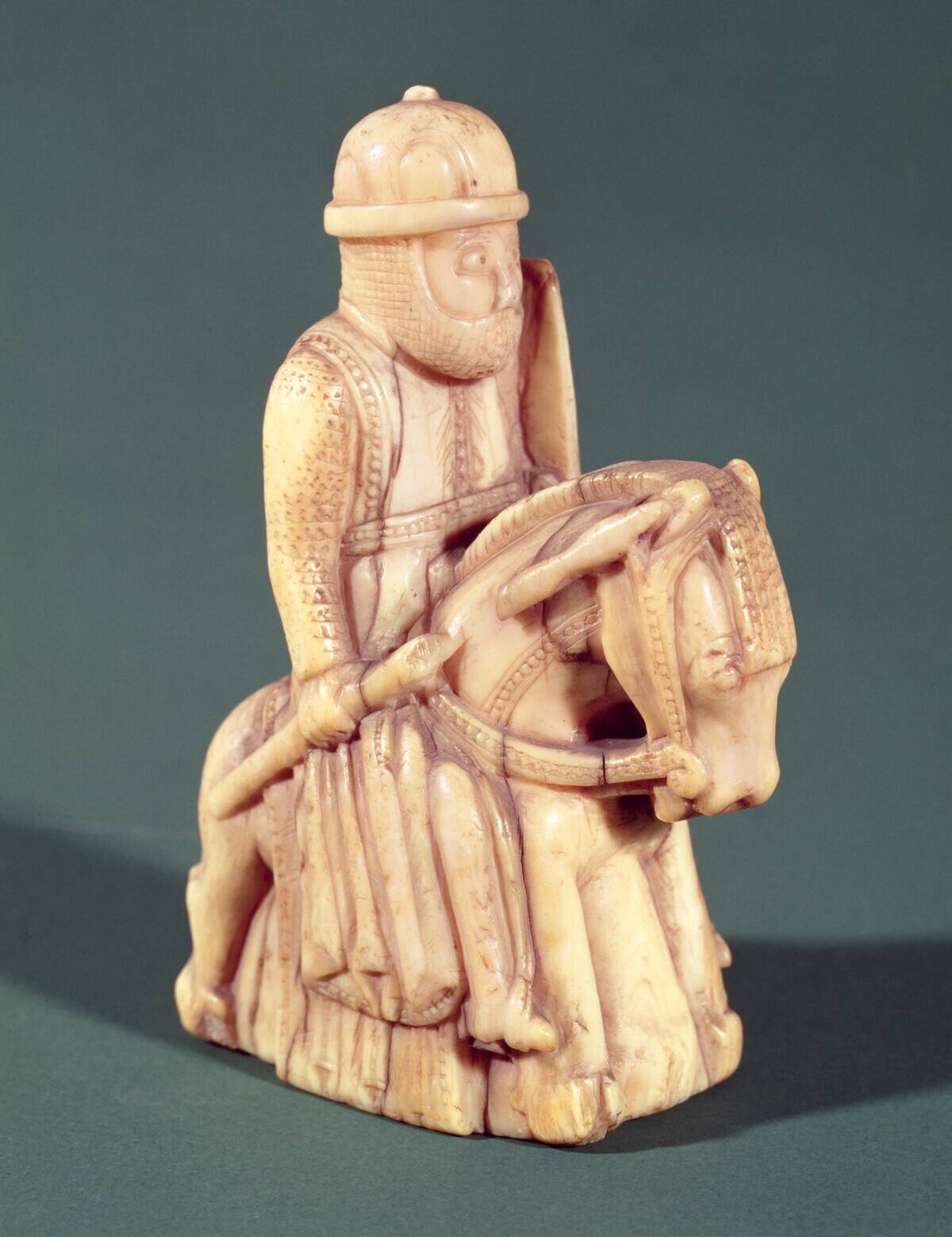
Chess, known as the “game of kings,” has a fascinating history of global dissemination. Originating in India around the 6th century AD, it spread through Persia and into the Islamic world, reaching Europe by the 9th century.
Each culture added its own twists to the rules and pieces, shaping the game into the version we know today. Chess’s journey across continents is a testament to the enduring appeal of strategic thinking and the shared joy of competition.
The Curious Case of the Indian Ivory Figurine in Pompeii
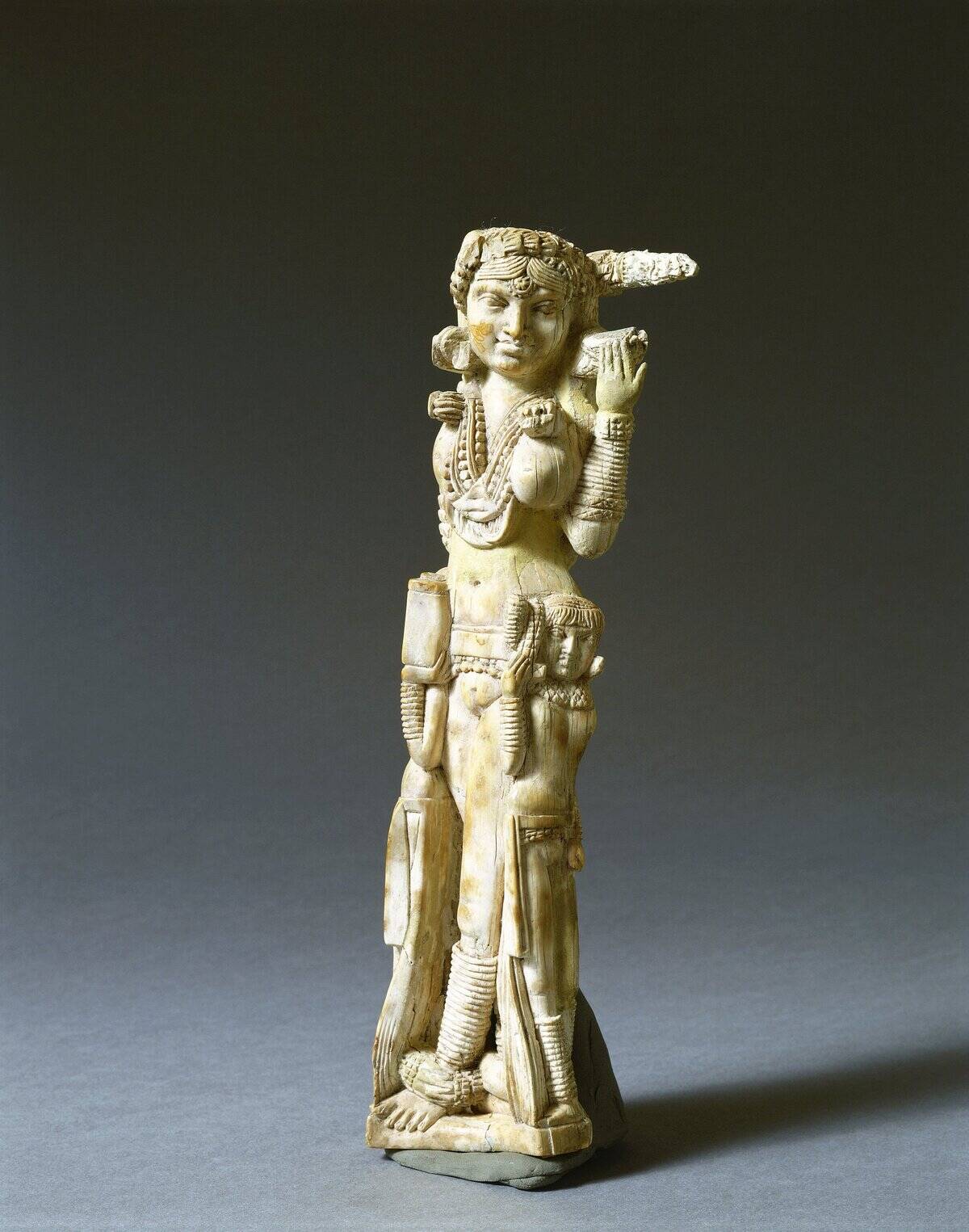
Among the ruins of Pompeii, archaeologists discovered a small ivory figurine believed to have originated from India. This artifact suggests a trade network that extended across vast distances, linking the Roman Empire with the Indian subcontinent.
Such finds challenge the perception of ancient societies as insular, revealing instead a world of interconnected economies and cultures. The figurine’s presence in Pompeii invites us to imagine the diverse stories of trade and exchange that once shaped our world.
The Global Journey of Glassware: From Egypt to Rome
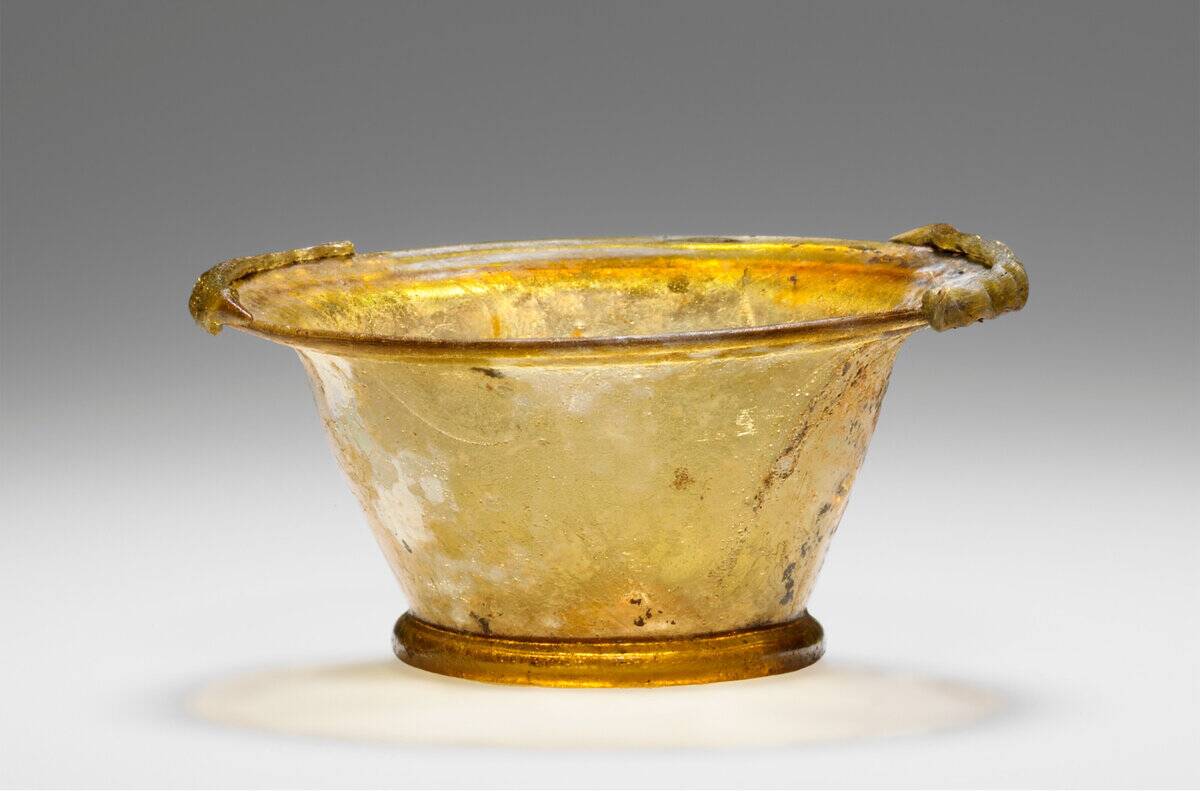
Glassware, a prized commodity in ancient times, showcases the remarkable trade networks of the past. Originating in Egypt and Mesopotamia, glass production spread to the Roman Empire, where it became a symbol of luxury and sophistication.
Roman glassmakers perfected the craft, creating exquisite items that were traded far and wide. The journey of glassware from its origins to its peak under Roman influence is a shining example of ancient technological and cultural exchange.
The Tale of the Turquoise in Mesoamerican Cultures
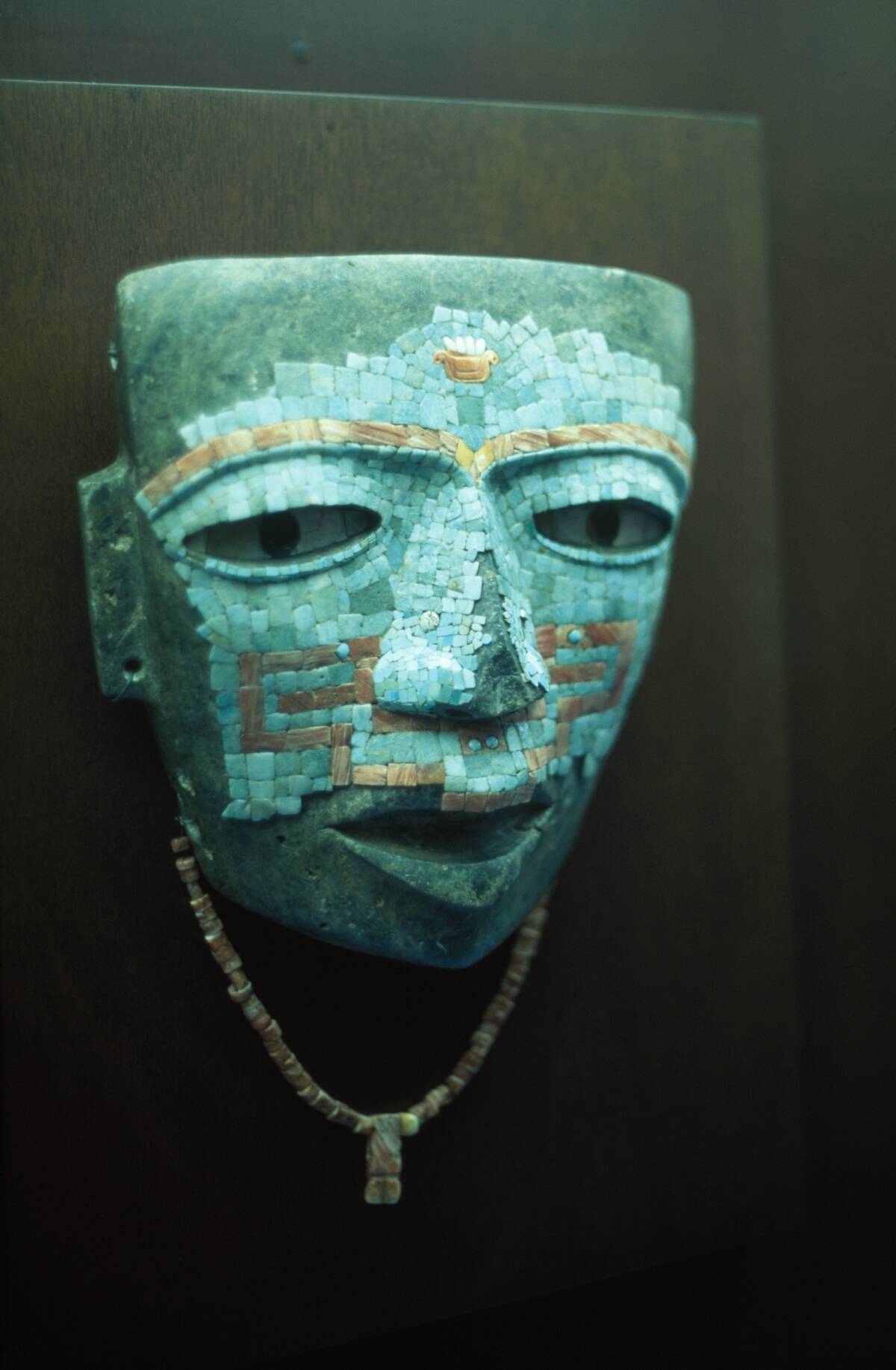
Turquoise held great significance in Mesoamerican cultures, particularly among the Aztecs and the Maya. This vibrant stone symbolized wealth and power, often adorning the elite and used in religious ceremonies.
Interestingly, much of the turquoise used in Mesoamerica originated from mines in the American Southwest, indicating a robust trade network. The stone’s journey from mine to masterpiece illustrates the rich tapestry of cultural exchange that defined ancient Mesoamerican societies.
The Bronze Age Connectivity: The Uluburun Shipwreck

Discovered off the coast of Turkey, the Uluburun shipwreck offers a snapshot of Bronze Age trade. Dating back to the 14th century BC, this vessel carried a diverse cargo, including copper, tin, glass, and exotic goods from across the Mediterranean.
The ship’s contents reveal a complex web of commercial relationships that connected distant lands. The Uluburun shipwreck stands as a testament to the advanced maritime technology and vibrant trade networks of the Bronze Age.
The Ancient Internet: The Trans-Saharan Trade Routes
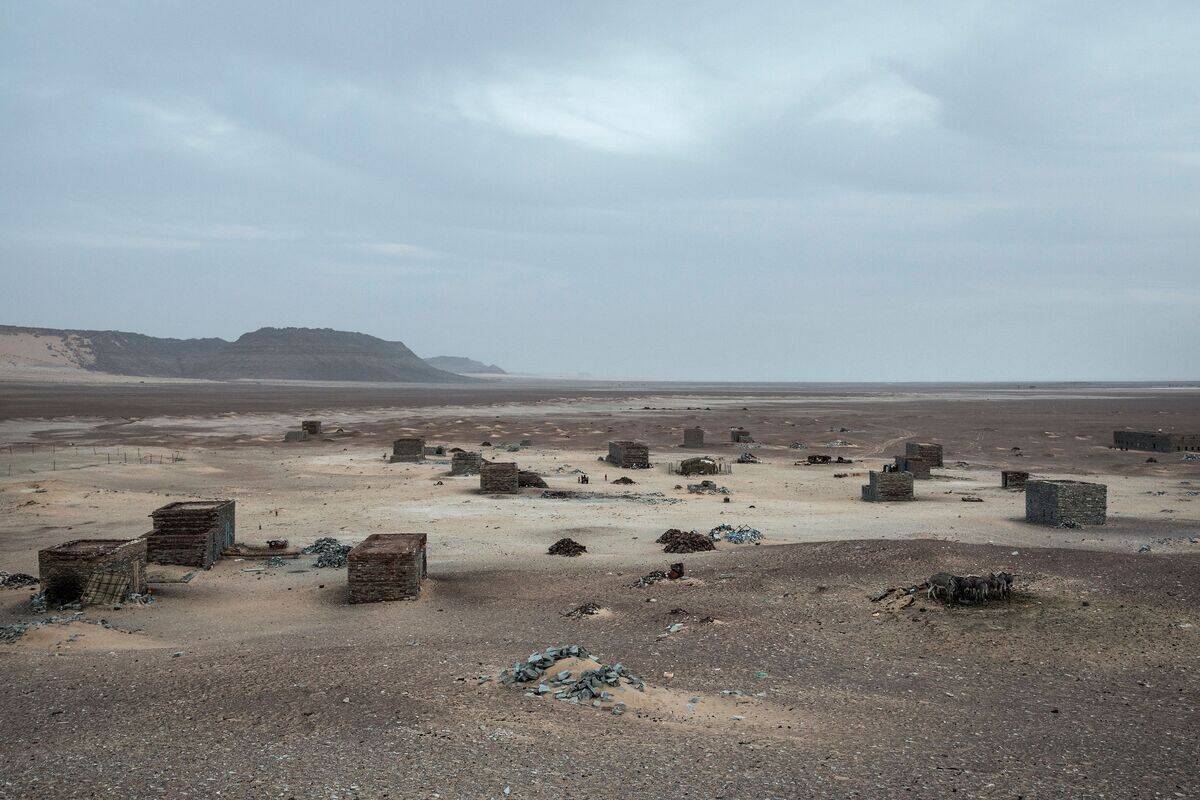
Long before the digital age, the Trans-Saharan trade routes served as the “internet” of ancient Africa. These routes facilitated the exchange of goods, ideas, and cultures across the vast Sahara Desert.
Gold, salt, and other commodities were traded between sub-Saharan Africa and the Mediterranean, enriching societies along the way. The impact of these routes on cultural diffusion and economic development highlights the ways ancient peoples connected and interacted over great distances.
The Surprising Spread of Zoroastrian Influence
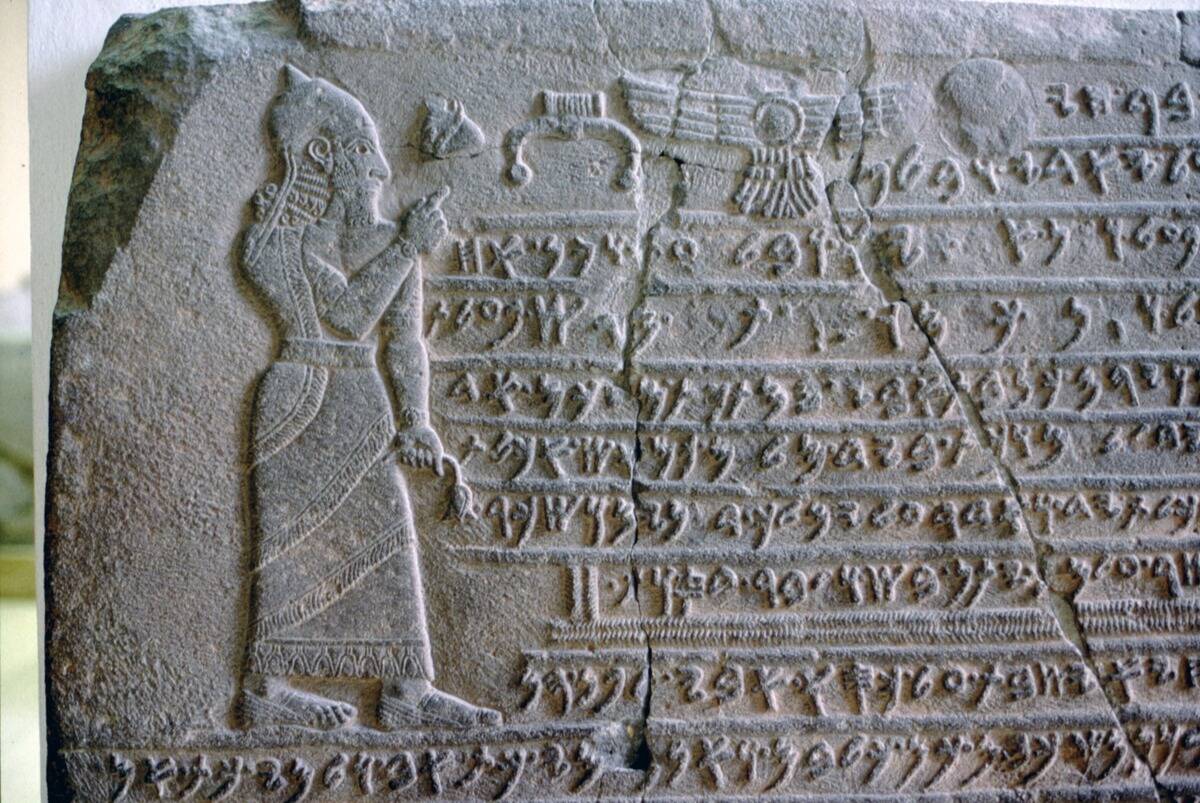
Zoroastrianism, one of the world’s oldest religions, originated in ancient Persia and spread across a vast region, influencing many cultures along the way. Its teachings on dualism and ethics resonated with various societies, leaving a lasting impact that can be seen in later religious traditions.
From the Persian Empire to India and beyond, Zoroastrian ideas traveled along trade routes, demonstrating the profound effect a single belief system can have on a diverse array of cultures.
The Global Impact of Alexander the Great’s Conquests

Alexander the Great’s conquests reshaped the ancient world, creating a cultural melting pot that spanned from Greece to India. His campaigns spread Hellenistic culture, blending Greek ideas with local traditions to create a vibrant, interconnected world.
Cities like Alexandria became centers of learning and cultural exchange, where scholars from different backgrounds shared their knowledge. Alexander’s legacy demonstrates the enduring impact of military and cultural integration on the development of civilizations.
Spices and Their Role in Ancient Global Trade
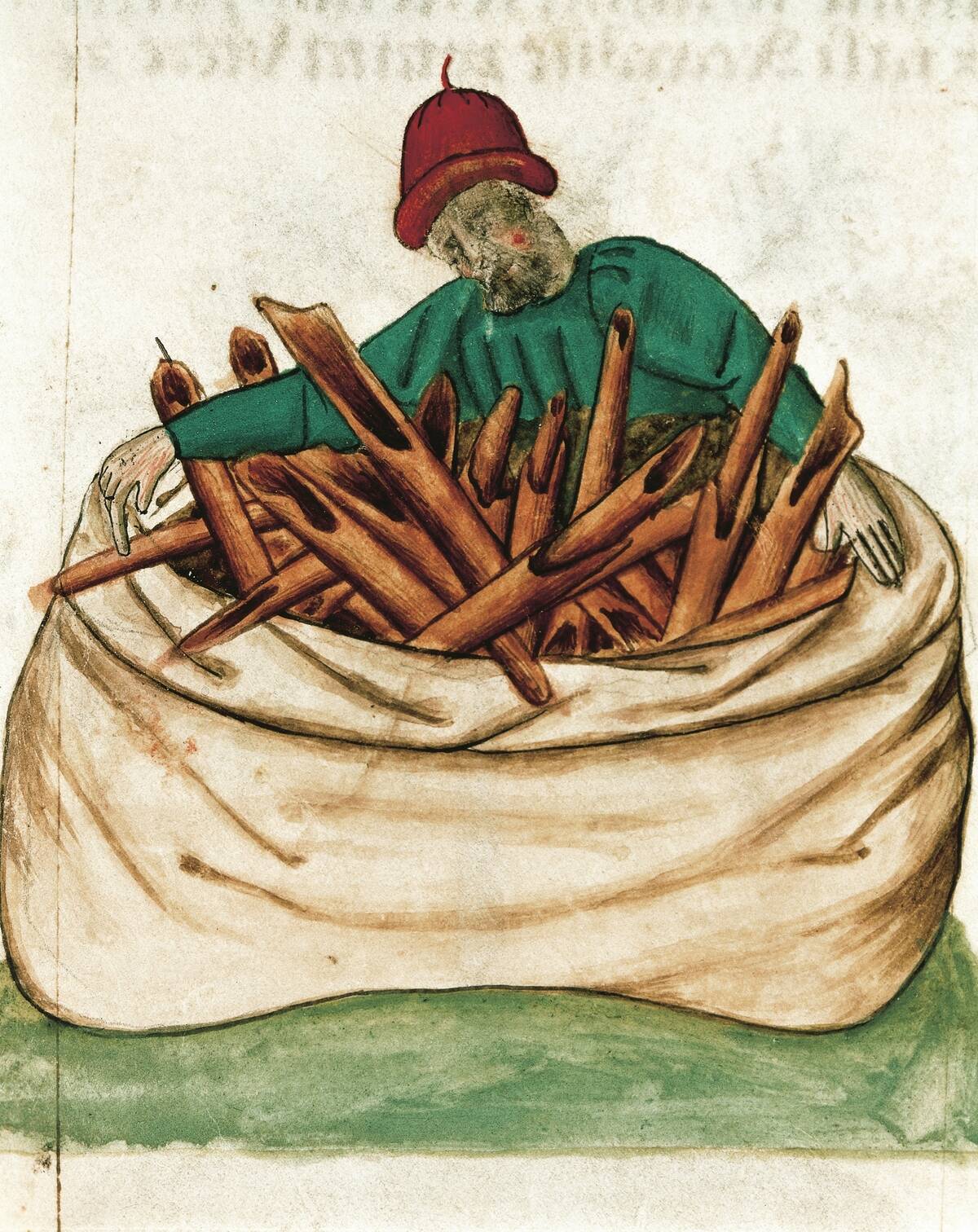
Spices were the driving force behind many ancient trade networks, coveted for their flavor, medicinal properties, and preservative qualities. Routes like the Spice Road connected the East and West, bringing exotic spices such as cinnamon, pepper, and cloves to European markets.
These valuable commodities not only fueled economies but also spurred exploration and cultural exchange. The history of spice trade reflects humanity’s constant quest for new tastes and experiences, shaping the course of global commerce.
The Silk Textiles of Ancient China in Roman Tombs
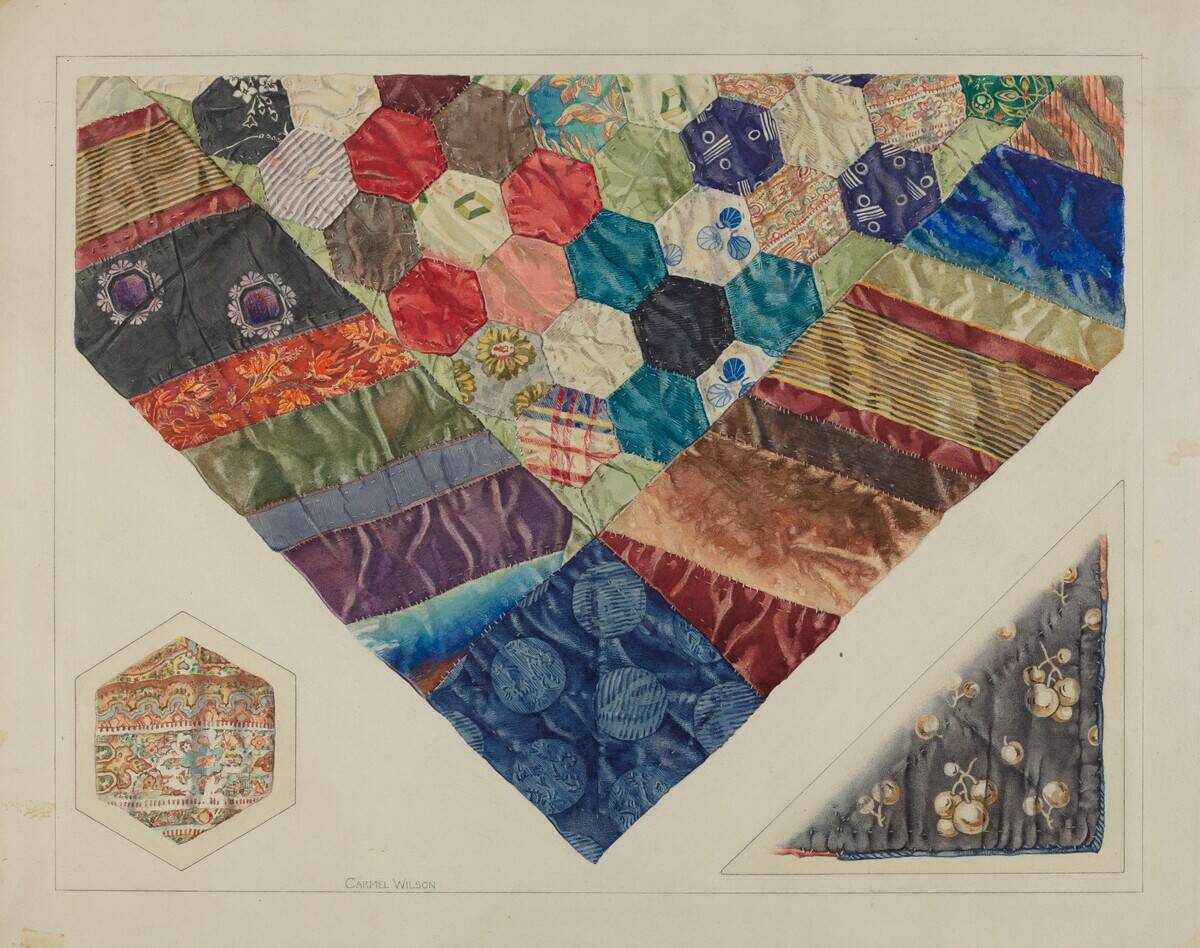
Silk, the luxurious fabric from China, found its way into the Roman Empire, becoming a symbol of wealth and status. Archaeological discoveries have unearthed silk textiles in Roman tombs, highlighting the extensive trade networks that connected these distant civilizations.
The demand for silk was so high that it led to the establishment of entire trade routes, contributing to the cultural and economic exchange between East and West. This exchange left a lasting legacy on both regions, intertwining their histories.
The Linguistic Ties that Bind: Shared Scripts Across Cultures
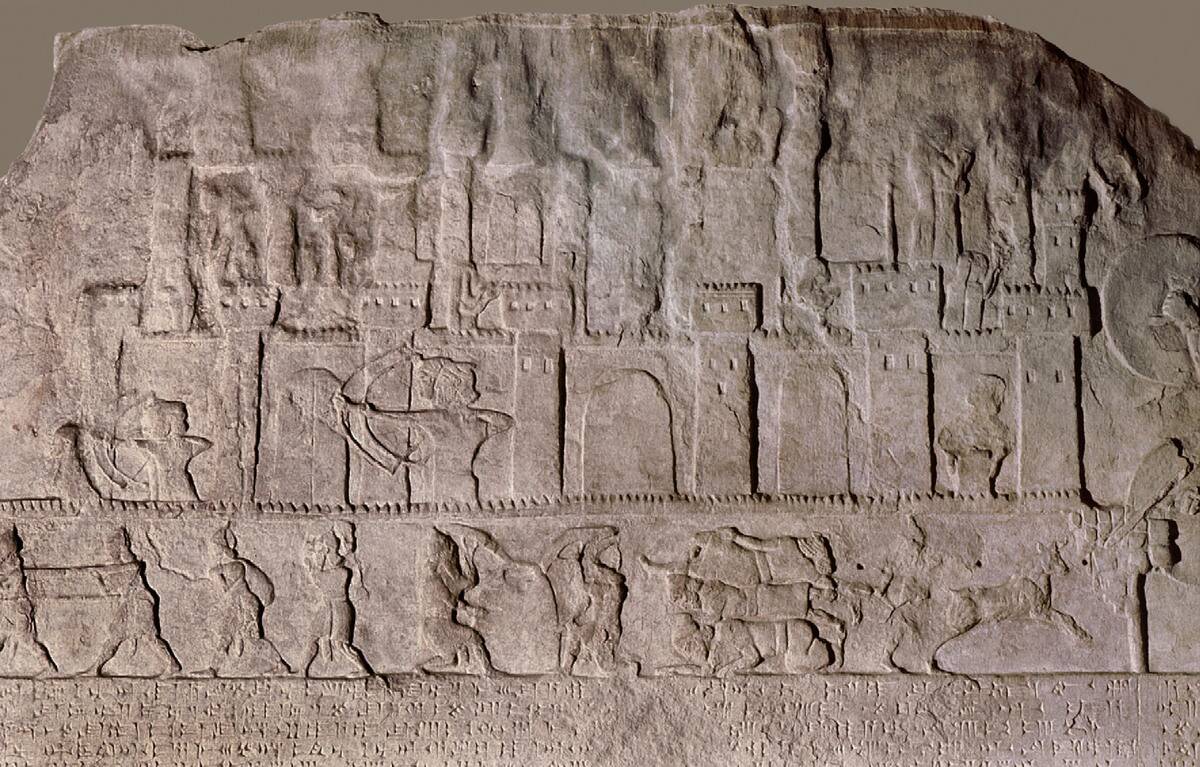
Languages and scripts reveal fascinating connections between ancient cultures. The spread of writing systems like the Phoenician alphabet laid the foundation for many modern scripts, including Greek and Latin. These shared scripts facilitated communication and trade, fostering cultural exchange across regions.
The evolution and adaptation of writing systems reflect the dynamic interactions between civilizations, underscoring the importance of language as a tool for connection and understanding throughout history.
The Legacy of Buddhism’s Spread from India to the Far East

Buddhism’s journey from India to the Far East is a remarkable tale of spiritual and cultural transmission. As it spread along the Silk Road and maritime routes, Buddhism adapted to local customs and traditions, leaving a profound impact on societies from Central Asia to Japan.
Temples, art, and literature flourished under its influence, shaping the cultural landscape of each region it touched. The spread of Buddhism exemplifies how ideas can transcend borders, enriching diverse cultures along the way.




