How natural events inspired ancient myths
Throughout history, humans have sought to understand the world around them, often turning to myths and legends to explain natural phenomena. These stories served not only as early attempts at scientific explanation but also as captivating tales that wove together nature, deities, and the human experience.
From enchanting lights in the sky to the rumbling of the earth beneath, every culture has its unique interpretations, blending wonder with the unknown, creating a tapestry of myth and nature.
The Enchanting Aurora: Northern Lights as Celestial Spirits
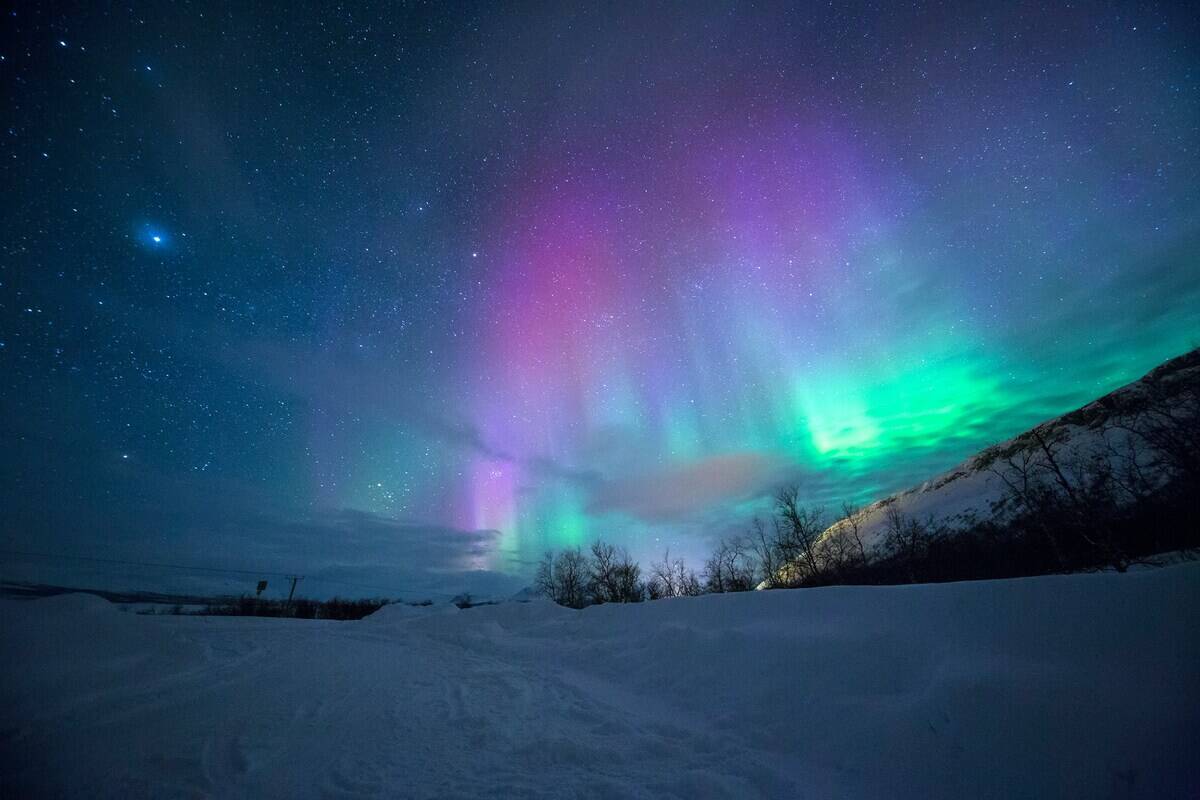
The Northern Lights, or aurora borealis, have long mesmerized those who witness their shimmering dance across the polar skies. Indigenous Sami people of Scandinavia believed these lights were the souls of the departed, playing in the heavens.
Meanwhile, in Finnish folklore, they were said to be caused by a firefox running so quickly across the snow that its tail sent sparks into the night sky. These colorful displays are actually caused by charged particles from the sun colliding with Earth’s atmosphere.
Thunder Gods: Explaining Thunderstorms through Divine Wrath
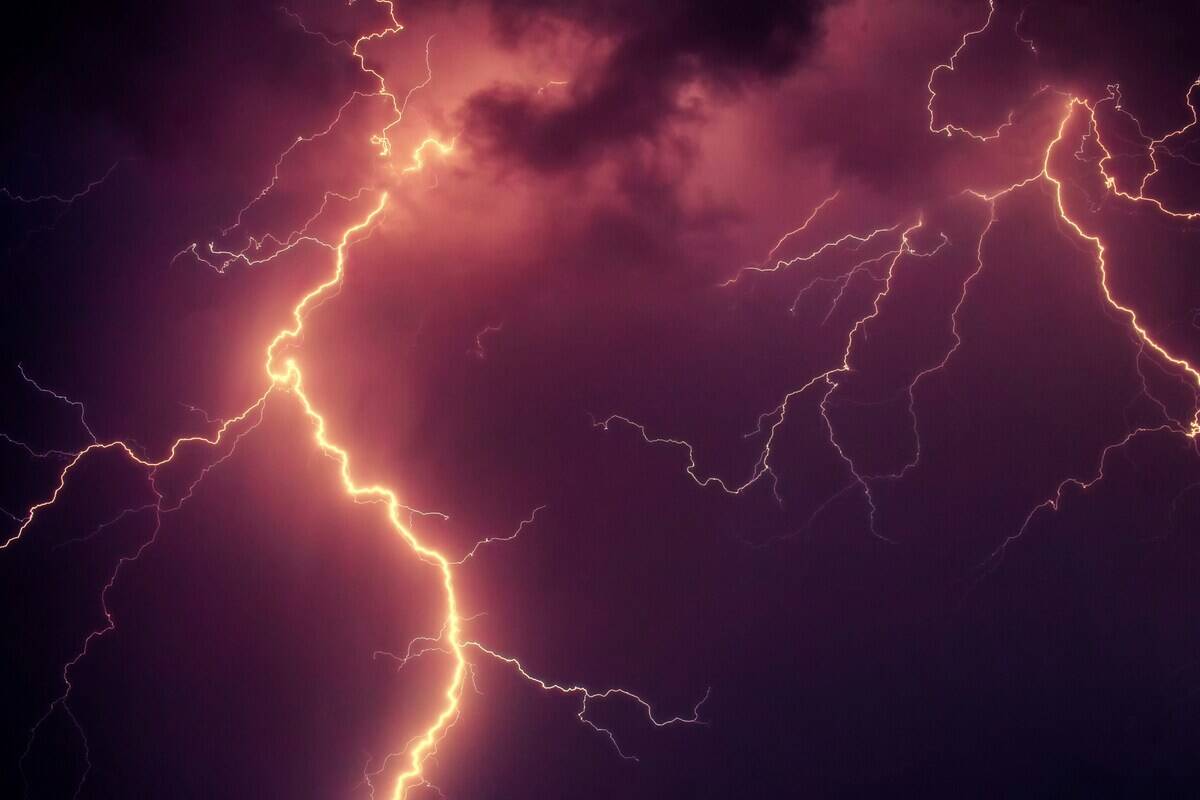
Thunderstorms have been attributed to the anger of gods across various cultures. In Norse mythology, Thor, the god of thunder, wielded his mighty hammer Mjölnir to create storms as he rode his chariot across the sky. Similarly, in Greek mythology, Zeus hurled thunderbolts to show his displeasure.
Scientifically, thunderstorms are caused by the rapid upward movement of warm, moist air that cools and condenses, creating a powerful discharge of electricity known as lightning.
Earthquakes and the Mighty Beasts: Shaking Ground Myths

In ancient Japan, it was believed that a giant catfish named Namazu lived beneath the islands, causing earthquakes when it thrashed about. Similarly, Norse mythology described the trickster god Loki being bound beneath the earth, and his writhing in agony causing the ground to shake.
Today, we understand earthquakes as the result of tectonic plates shifting and releasing energy, a natural process that occurs deep within the earth’s crust.
Solar Eclipses: Supernatural Events or Cosmic Coincidences?
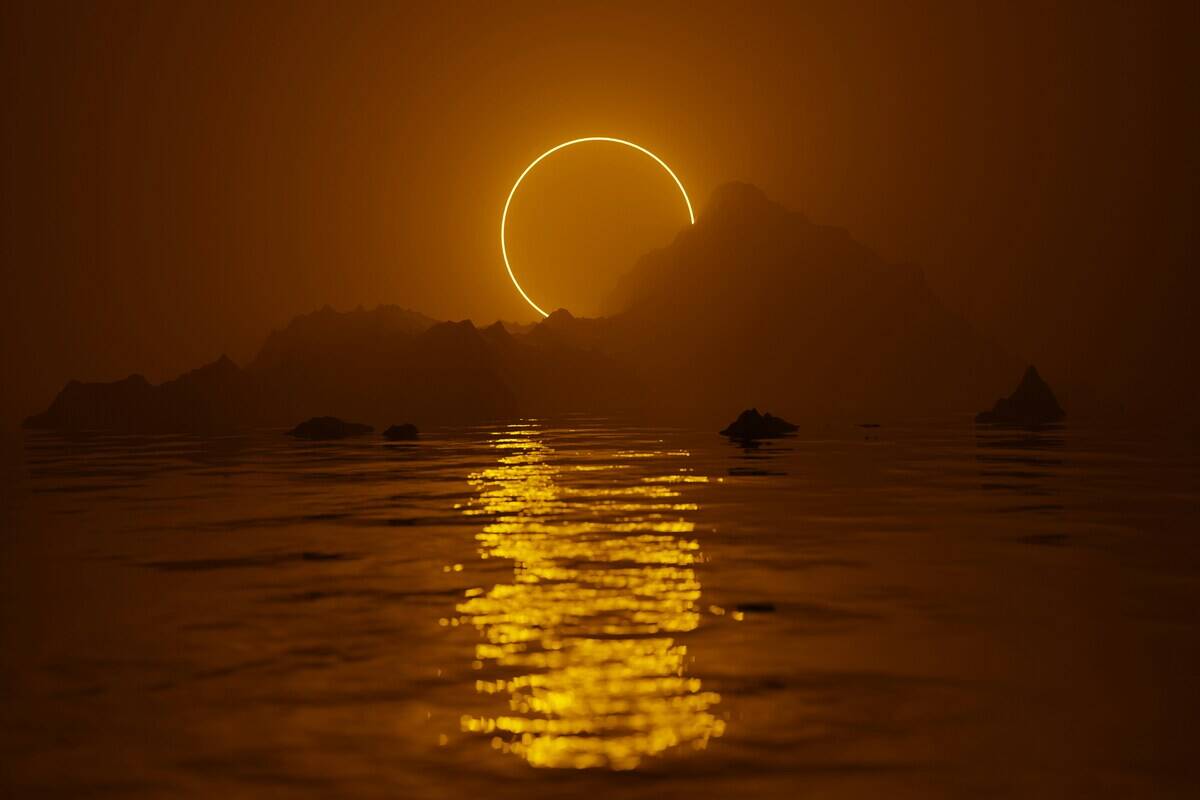
Solar eclipses have inspired awe and fear throughout history, often seen as ominous events. The ancient Chinese believed a dragon devoured the sun during an eclipse, while the Vikings thought wolves chased and consumed it.
These celestial events occur when the moon passes between the Earth and the sun, casting a shadow on Earth. Despite their predictability today, eclipses remain a fascinating spectacle, reminding us of the celestial dance above.
Volcanic Eruptions: The Wrath of Underworld Deities
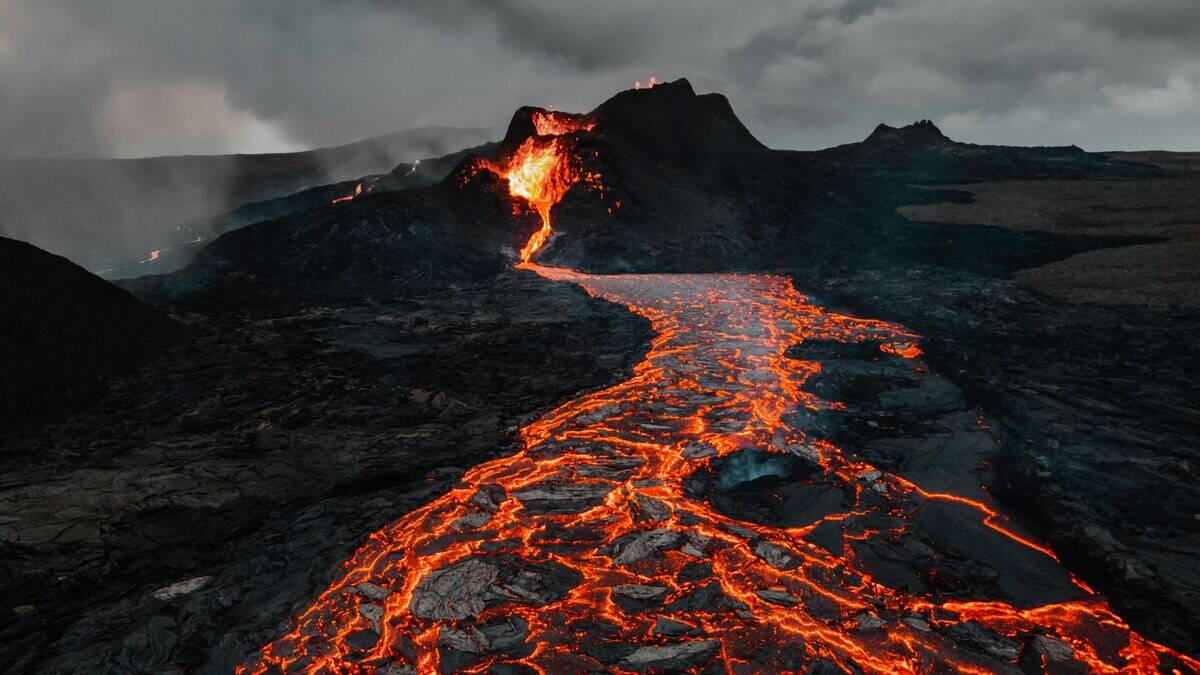
Volcanoes have long been perceived as gateways to the underworld, with their eruptions seen as expressions of divine anger. The Romans associated Mount Vesuvius with Vulcan, the god of fire, while Hawaiian mythology tells of Pele, the goddess of volcanoes, residing in Kilauea.
These fiery displays are caused by magma from the earth’s mantle pushing through the crust, often creating spectacular, albeit destructive, natural events.
Tsunamis: Ocean Gods Unleashed

Tsunamis have been interpreted as the anger of ocean deities in many cultures. In ancient Greek mythology, Poseidon, god of the sea, was believed to cause earthquakes and tsunamis with his trident.
Similarly, Japanese folklore tells of dragon kings who ruled the seas and could stir the waters into chaos. Modern science attributes tsunamis to underwater seismic activity, where tectonic movements displace massive amounts of water, creating powerful waves.
The Wind and the Whirlwinds: Myths of Air and Tempest
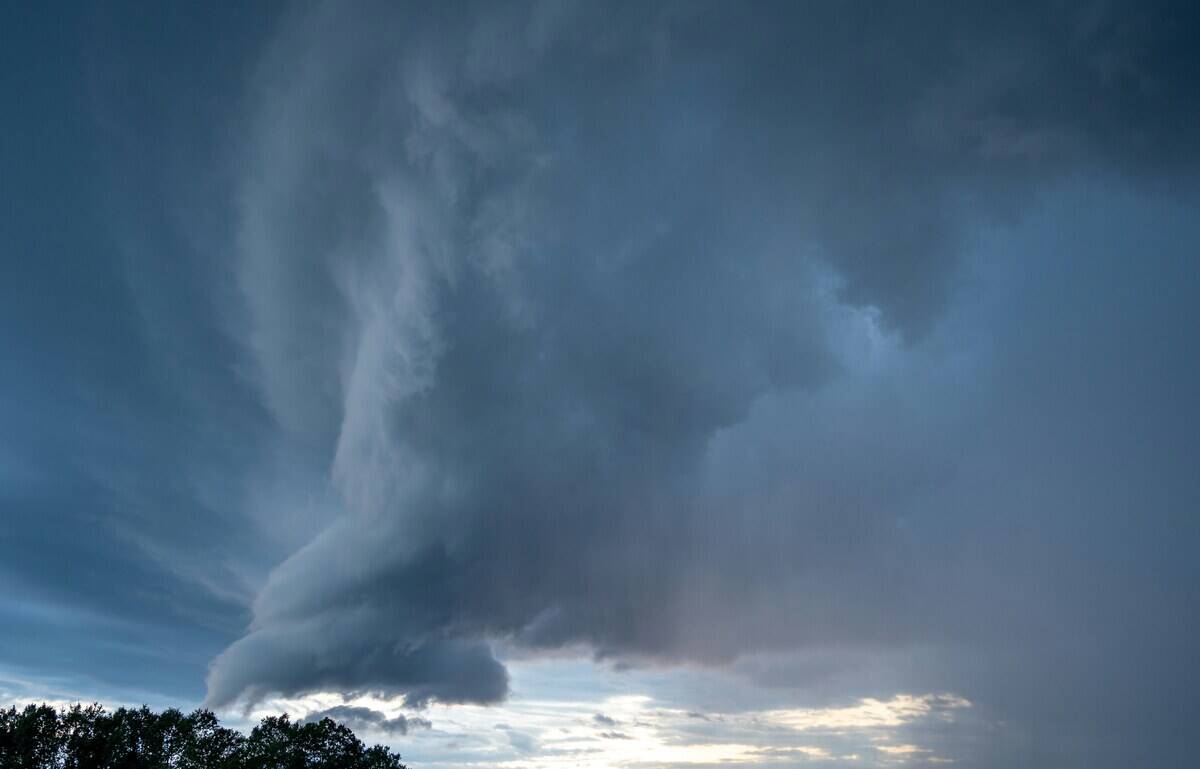
Whirlwinds and gusts of wind have often been personified in myths as powerful, uncontrollable forces. The Greek god Aeolus was said to control the winds, releasing them at his will. Native American tales speak of wind spirits that could shape the landscape.
Scientifically, winds are caused by differences in atmospheric pressure, while whirlwinds, including tornadoes, result from specific weather conditions, yet these explanations do not diminish their mythic allure.
Comets and Meteors: Celestial Omens or Cosmic Visitors?
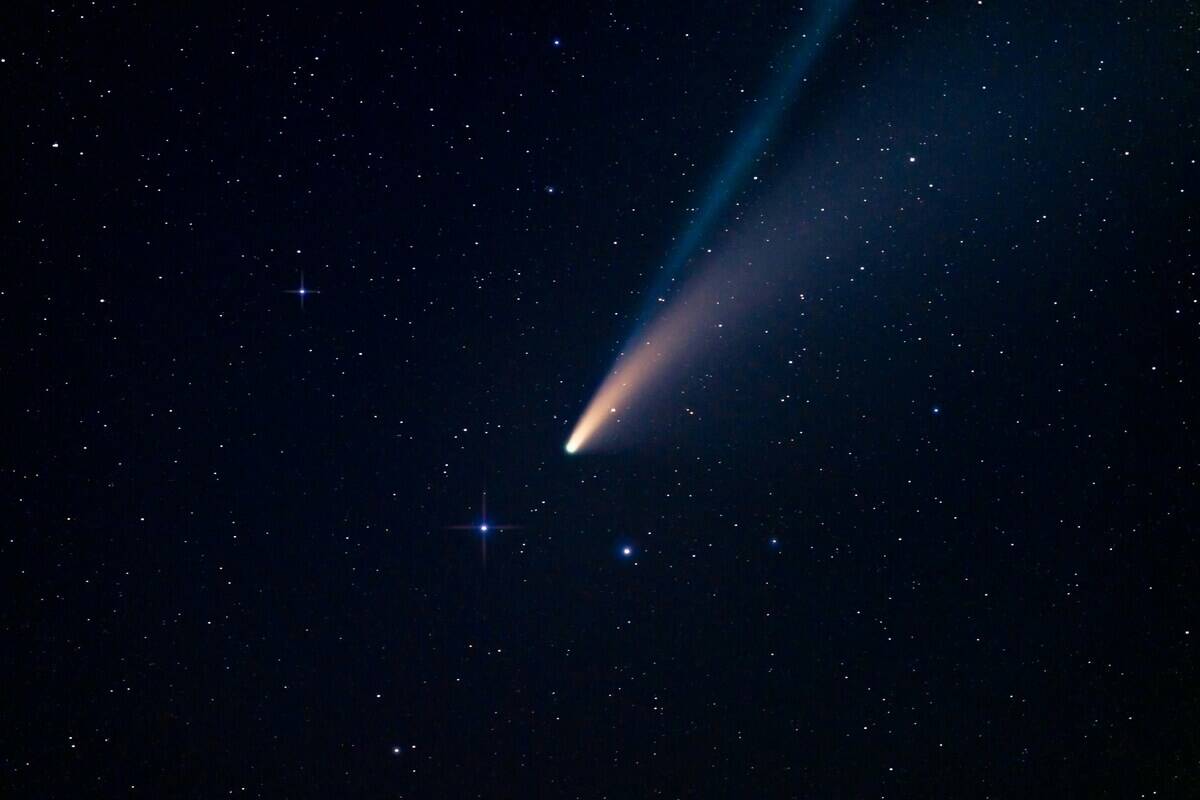
Comets and meteors have been regarded as omens in the sky, heralding change or disaster. In ancient Rome, comets were seen as messages from the gods, and Halley’s Comet was historically linked to significant events, such as the Battle of Hastings.
These celestial bodies are actually remnants from the solar system’s formation, with comets made of ice and dust, and meteors being space debris burning upon entering Earth’s atmosphere, yet their appearances still capture the imagination.
The Dance of the Stars: Constellations and Their Mythological Stories
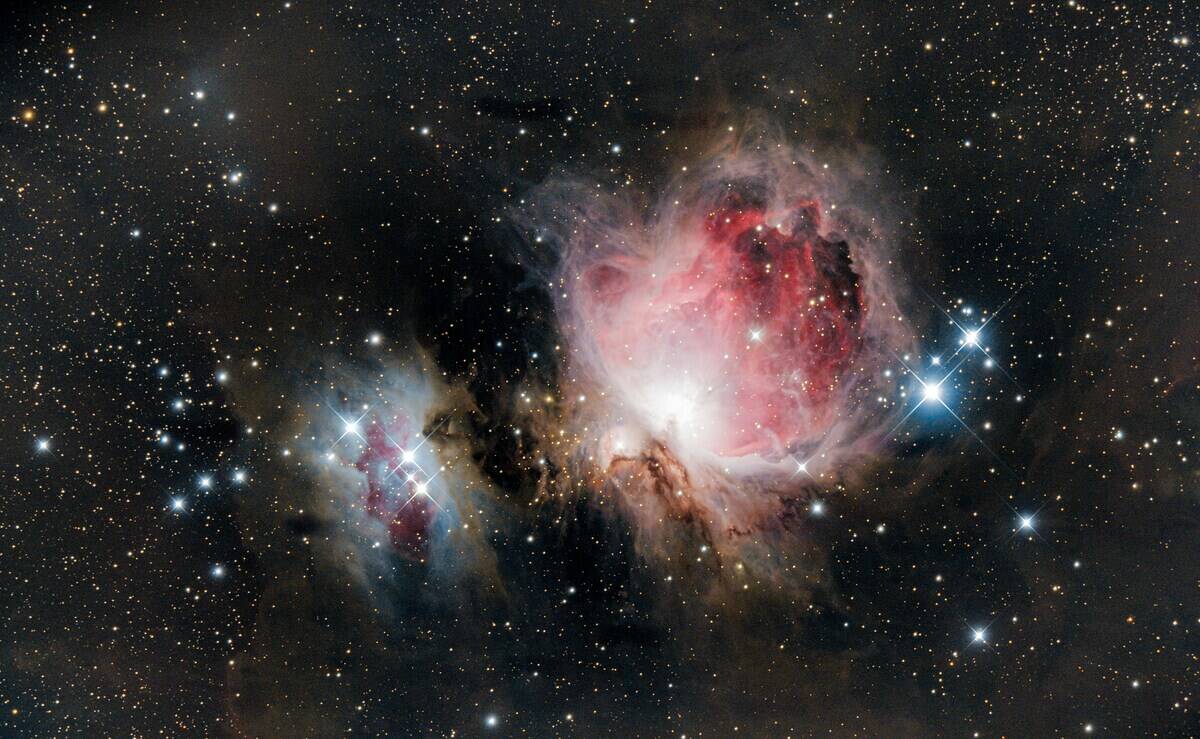
Constellations serve as celestial storytellers, mapping the night sky with tales of gods, heroes, and creatures. The Greeks identified constellations like Orion, a hunter, and Andromeda, a princess saved by Perseus. These star patterns provided navigation and seasonal markers.
Today, while we understand stars as distant suns, the mythological stories behind constellations continue to enrich our cultural heritage, reminding us of humanity’s enduring relationship with the cosmos.
The Ever-Changing Moon: Mystical Stories of Lunar Phases
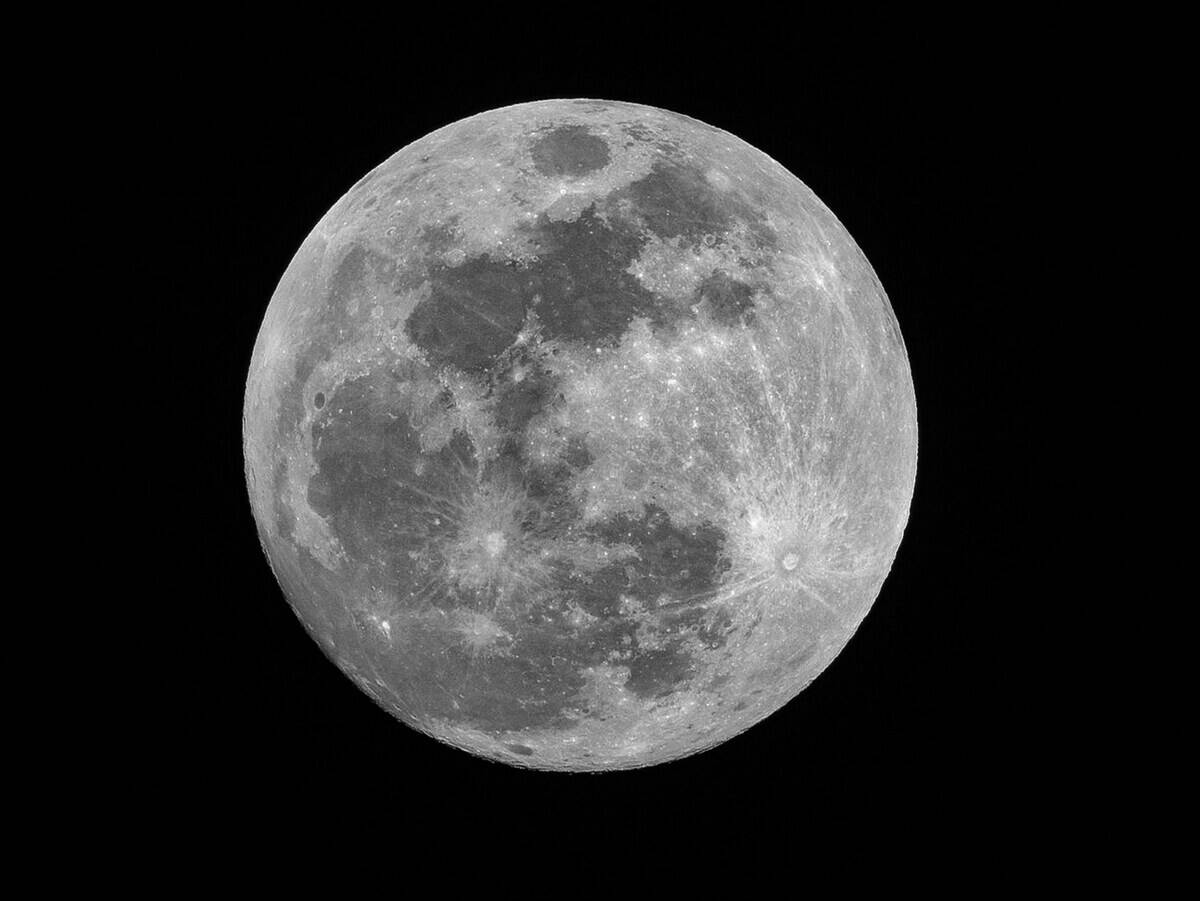
The moon’s phases have inspired numerous myths, often linked to cycles of life and time. In ancient Egypt, the waxing and waning moon represented the life-death-rebirth cycle of Osiris.
The Chinese myth of Chang’e tells of a goddess who lives on the moon, influencing its phases. Scientifically, lunar phases result from the moon’s orbit around Earth, changing the amount of sunlight reflected, yet its mystical allure remains undiminished.
Fabled Floods: Myths of Deluge and Natural Disasters

Flood myths are prevalent across cultures, often symbolizing divine retribution or cleansing. The biblical story of Noah’s Ark and the Mesopotamian Epic of Gilgamesh both describe catastrophic deluges.
These narratives may have roots in ancient experiences of sudden, devastating floods. Today, floods are understood through meteorology and hydrology, yet their mythic interpretations continue to resonate, illustrating humanity’s struggle against nature’s overwhelming force.
The Green Flash: Mythical Moments at Sunset
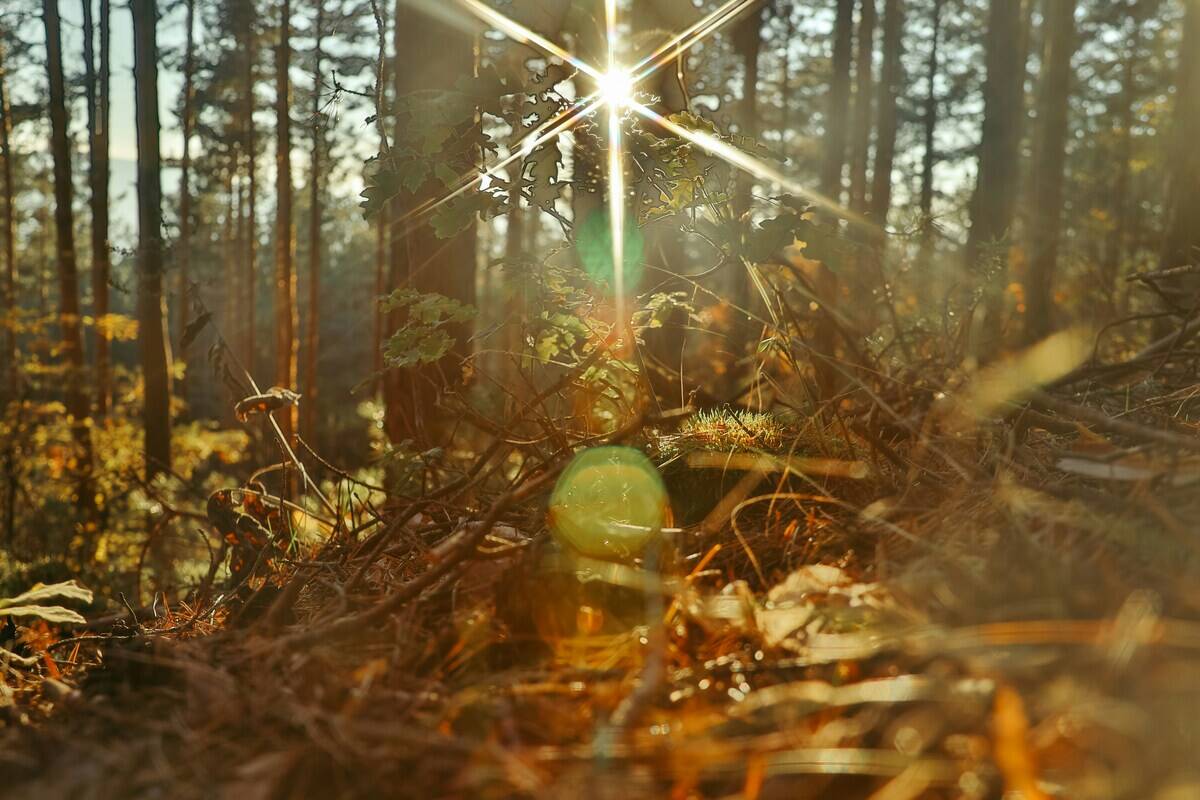
The green flash at sunset is a rare optical phenomenon that has inspired myths of enchantment and mystery. Some say it allows those who witness it to gain special insight or glimpse the soul of a departed loved one.
Scientifically, this fleeting green spot occurs just before sunrise or just after sunset, caused by the refraction of sunlight in the atmosphere. While explanations exist, its elusive nature keeps its mythic allure alive.
Mirages and Optical Illusions: Myths of the Desert and Beyond

Mirages have long been linked to myths of hidden oases and phantom cities in the desert. These optical illusions occur when layers of air at different temperatures bend light rays, creating images of water or distant objects.
Similar phenomena have inspired tales of ghost ships at sea. Despite scientific explanations, mirages continue to captivate, blurring the line between reality and illusion, echoing humanity’s quest for the unattainable.
Sacred Springs and Healing Waters: Myths of Water Phenomena

Sacred springs and healing waters have been revered in myths for their life-giving properties. The Celts believed in magical wells guarded by spirits, while the Greeks spoke of the healing powers of the waters at Delphi.
These myths often reflect the vital role of water in sustaining life. Scientifically, some mineral-rich waters have health benefits, but the mythic reverence for sacred springs highlights humanity’s deep connection to this essential resource.
The Mystical Morning Dew: Myths and Natural Explanations

Morning dew has been woven into myths as a symbol of purity and renewal. In some cultures, it was believed to be the tears of mythological beings or a gift from the gods to nourish the earth.
Scientifically, dew forms when moisture in the air condenses on cool surfaces, a natural process yet enveloped in enchanting folklore. This blend of myth and science underscores the magic found in everyday natural occurrences.
The Whispering Forests: Mythical Interpretations of Nature’s Sounds
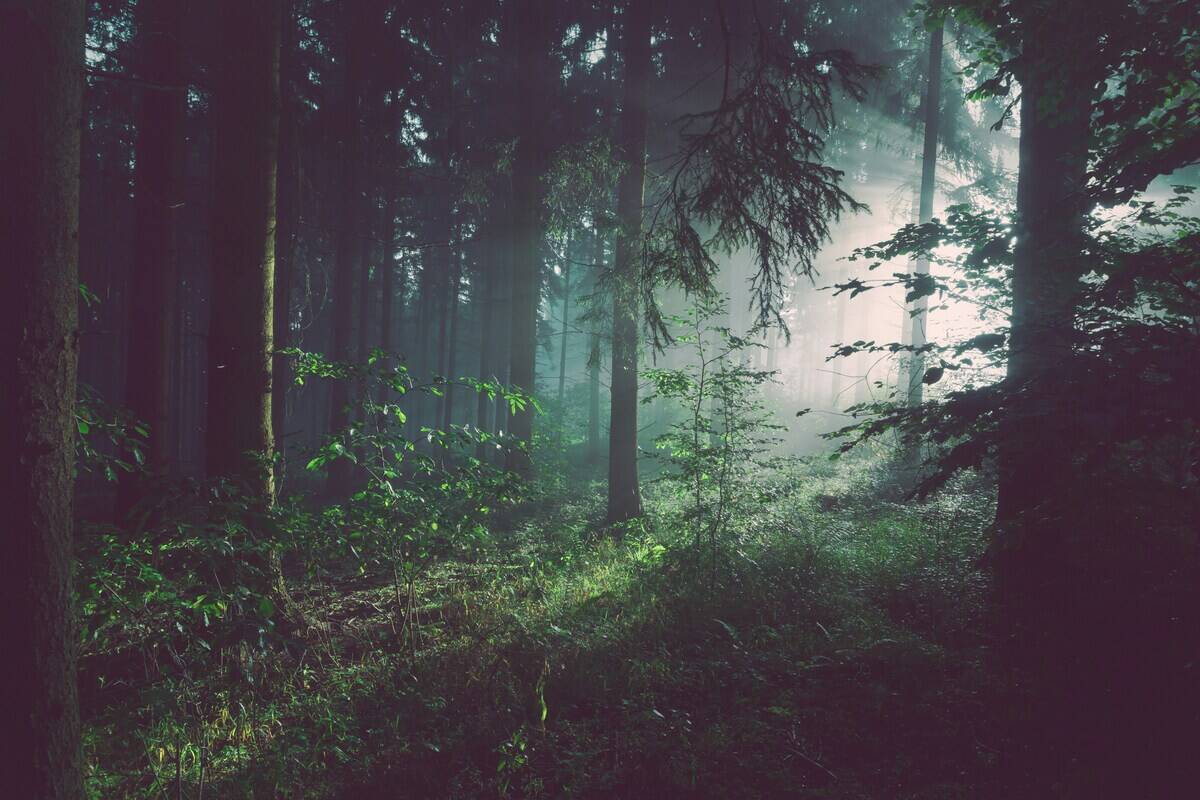
Forests have long been seen as mysterious places full of whispers and secrets. In many cultures, it was believed that the rustling leaves and creaking branches were the voices of spirits or faeries.
Scientifically, these sounds are caused by the wind interacting with trees and the forest environment. Yet, the idea of a living, breathing forest continues to enchant, offering a rich tapestry of myth and nature that remains ever-present.
Fire in the Sky: Explaining Myths of Lightning and Fireballs
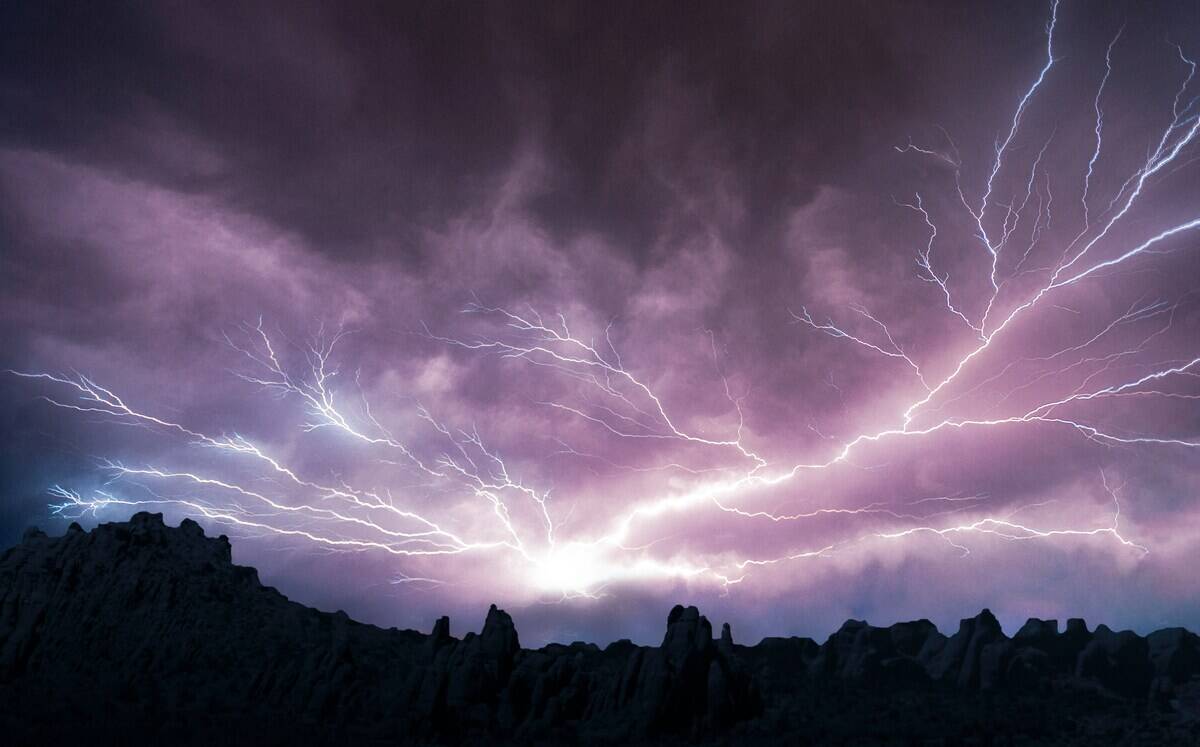
Lightning and fireballs have been interpreted as divine manifestations or celestial battles. In Hindu mythology, Indra, the king of gods, wielded lightning as his weapon. The Greek gods were also depicted wielding lightning bolts.
Scientifically, lightning is a massive electrostatic discharge caused by imbalances between storm clouds and the ground. Fireballs result from meteors entering Earth’s atmosphere. Despite these explanations, their dramatic displays continue to inspire awe and myth.
The Enigma of the Milky Way: Myths of the Night Sky
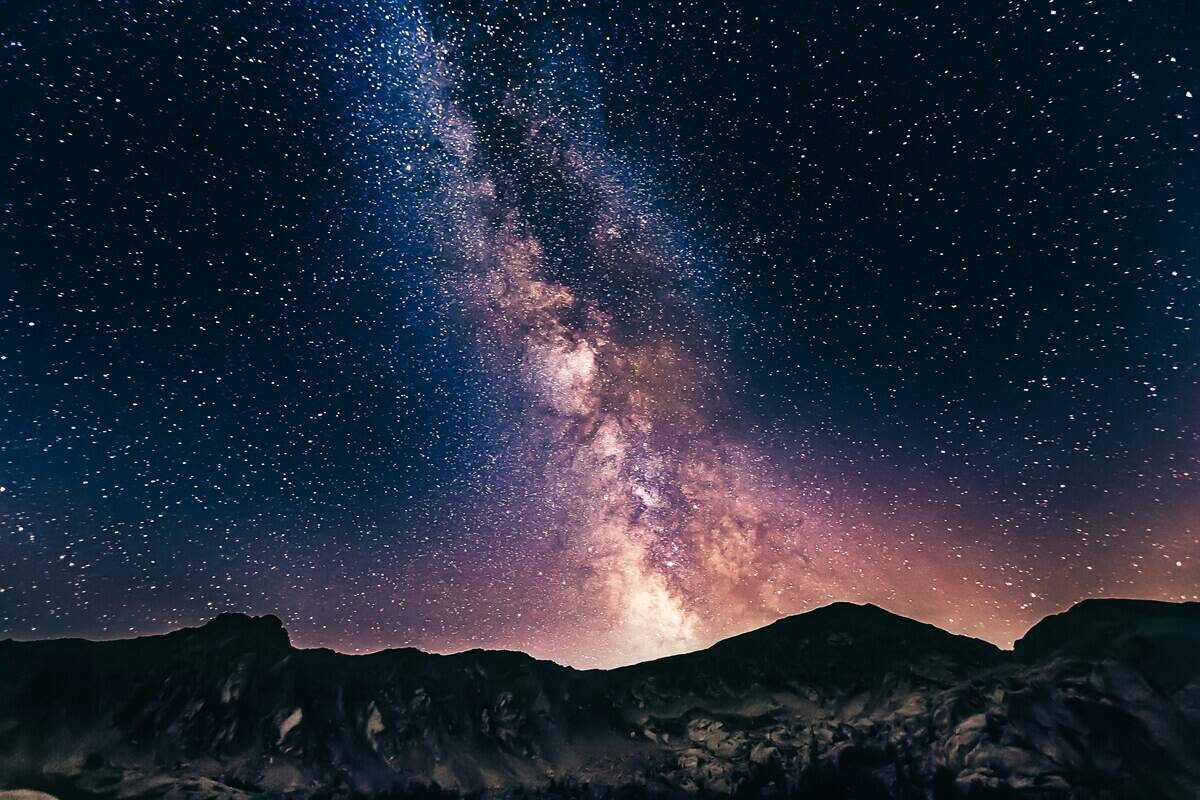
The Milky Way has been the subject of many myths, often seen as a celestial river or path. The Greeks called it Galaxias, after milk, believing it to be milk spilled by the goddess Hera. In other cultures, it was viewed as a road for spirits.
Today, we know it as our galaxy, a collection of billions of stars. However, its luminous band across the sky continues to inspire stories and wonder.
The Creative Power of Nature: How Stories Shaped Early Human Understanding
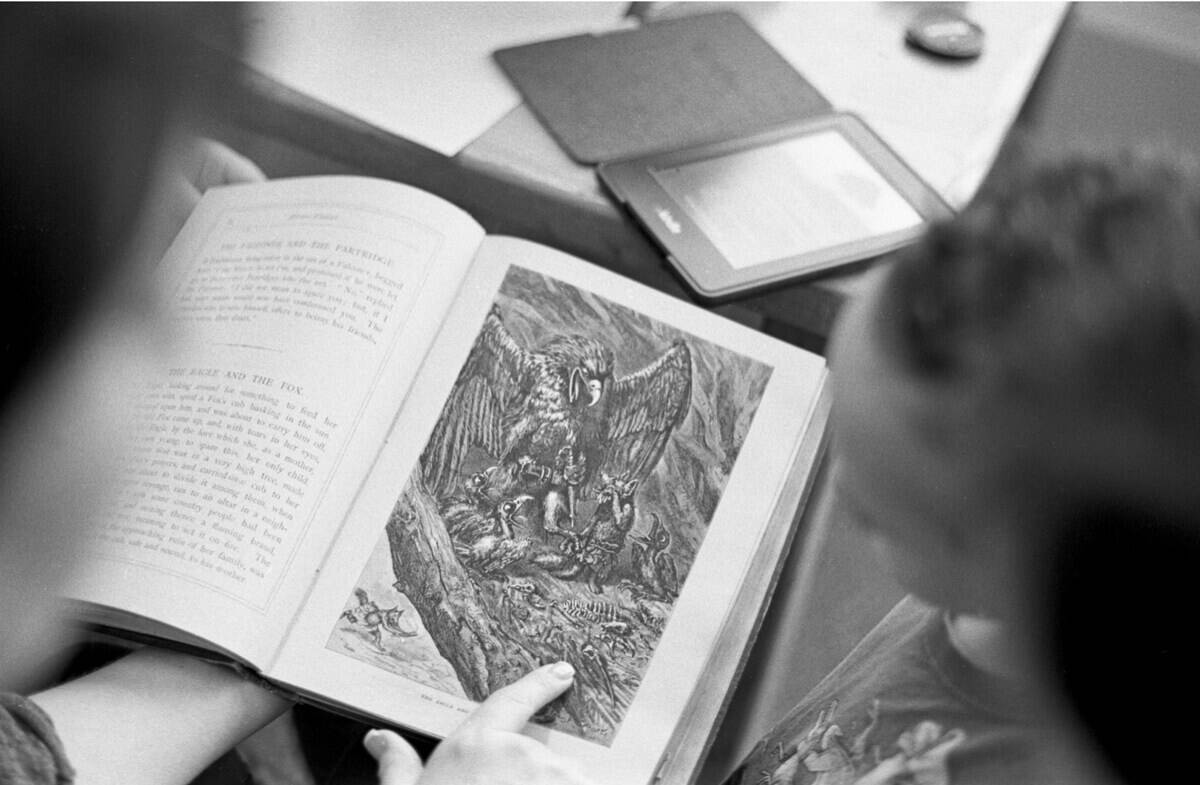
Myths about natural phenomena show the creative power of early humans to explain the unexplainable. These stories provided context and meaning, connecting them to their environment.
Through myth, people made sense of the world, fostering a deeper appreciation and respect for nature’s forces. While science now offers detailed explanations, the mythical narratives endure, reflecting our enduring fascination with the mysteries of the universe and the human imagination.