Laws from antiquity still affecting today’s justice
The story of law is as old as civilization itself, winding through the annals of time to shape the societies we live in today. Each culture contributed unique elements, creating a diverse tapestry of legal traditions.
From ancient Mesopotamia to the courts of medieval Europe, and beyond, these early systems laid the groundwork. Understanding their roots helps us appreciate the legal complexities of our modern world and the multicultural influences that continue to shape it.
The Code of Hammurabi: The Birth of Legal Precedents

Hailing from ancient Babylon around 1754 BC, the Code of Hammurabi is one of the oldest deciphered writings of significant length in the world. Comprised of 282 laws, it established legal precedents that emphasized retribution, famously encapsulated by ‘an eye for an eye.’
This code was groundbreaking because it was one of the first to be inscribed on stone, making the law accessible and immutable. Hammurabi’s code introduced the idea that the state was responsible for enforcing laws, a concept still relevant today.
Roman Law: The Backbone of Western Legal Traditions

Roman law, evolving from the Roman Republic and Empire, formed the foundation of legal systems in the Western world. Its influence is seen in modern civil law systems across Europe, Latin America, and parts of Africa and Asia.
The Romans developed principles of jurisprudence that emphasized equity, fairness, and the rights of individuals. Their legal innovations included the concepts of contracts, torts, and personal property, which remain central to legal systems worldwide.
The Twelve Tables: Foundations of Public and Private Law

The Twelve Tables, created in ancient Rome around 450 BC, were the first attempt to create a code of law that would be binding on both patricians and plebeians. This set of laws covered various aspects of daily life, from family and inheritance to property and crime.
By displaying these laws publicly, it ensured that all citizens were aware of their rights and duties, laying the groundwork for the public legal system. This transparency was a step toward equality and justice.
Greek Legal Innovations: Democracy and Jurisprudence

The ancient Greeks introduced remarkable legal innovations, including the concept of democracy. Athens, in particular, developed a system where citizens could participate directly in decision-making.
This democratic ethos influenced their legal system, which emphasized fairness and the active participation of citizens in trials. Greek philosophers like Aristotle and Plato debated justice and equality, shaping jurisprudential thought that would echo through the ages and influence modern legal and political systems.
Canon Law: Religious Influence on Secular Systems

Canon law, developed by the Catholic Church, has profoundly influenced secular legal systems, especially in the Western world. Emerging in the early centuries of Christianity, it governed the Church’s internal operations and its interaction with broader society.
Canon law introduced concepts such as due process and legal representation, which were adopted into secular systems. Its evolution demonstrated how religious norms could shape societal laws, a dynamic still evident in various legal systems today.
The Justinian Code: A Byzantine Legal Legacy

Emperor Justinian I of the Byzantine Empire commissioned the Corpus Juris Civilis, or the Justinian Code, in the 6th century AD. This comprehensive legal compilation collected, updated, and systematized Roman law.
It served as a vital reference for legal scholars and was instrumental in the development of civil law traditions in Europe. The Justinian Code’s influence extended into the Renaissance and beyond, providing a legal framework that informed modern legal systems.
Magna Carta: The Seed of Constitutional Law

Signed in 1215 by King John of England, the Magna Carta is often heralded as a cornerstone of modern constitutional law. It limited the king’s powers by establishing that the monarch was not above the law.
Key principles related to lawful judgment and limits on arbitrary imprisonment were articulated in this document, laying early foundations for later concepts such as the right to a fair trial and protection from unlawful detention.
The Napoleonic Code: Spreading Civil Law Across Continents
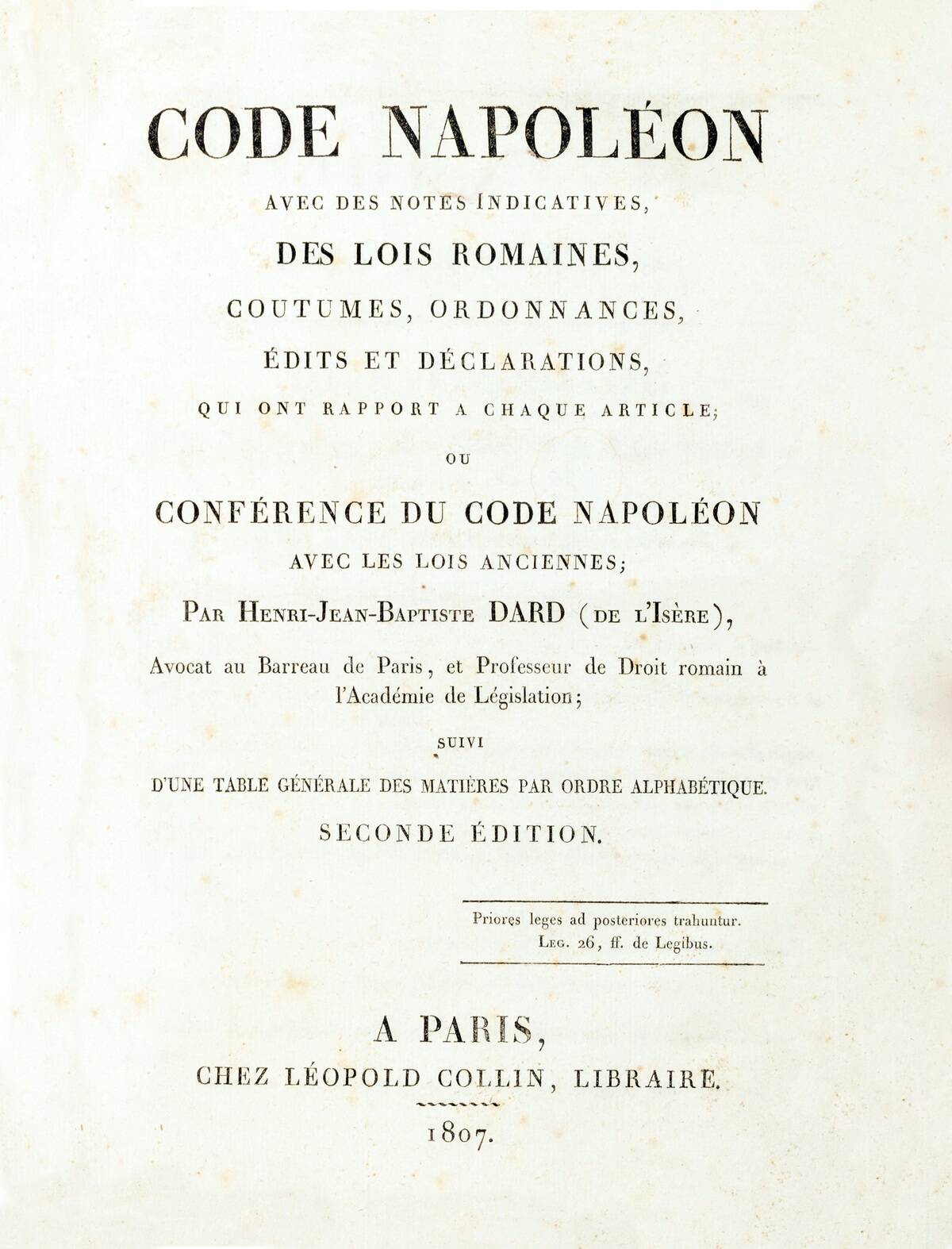
The Napoleonic Code, enacted in 1804 under Napoleon Bonaparte, was a landmark in legal history. It codified French civil law, emphasizing clarity, accessibility, and the protection of individual rights.
This code influenced legal systems in Europe and beyond, including Latin America and parts of the Middle East. Its legacy is the widespread adoption of civil law traditions, which prioritize written statutes and legal codes over judicial precedent, unlike common law systems.
Common Law: The English Contribution to Global Justice

Originating in medieval England, common law is a legal system based on court decisions and precedents rather than codified statutes. It emphasizes the role of judges in interpreting laws and adapting them to new circumstances.
This system has been adopted in many countries, including the United States, Canada, and Australia. Common law’s flexibility and adaptability have allowed it to evolve over time, influencing legal systems worldwide and ensuring justice is responsive to societal changes.
Sharia Law: A Spiritual Framework with Global Impact

Sharia law, derived from the Quran and Hadith, serves as a religious legal framework for Muslims. It encompasses a wide range of legal, moral, and personal conduct aspects, influencing legal systems in many Islamic countries.
While its application varies widely, Sharia law emphasizes justice, equality, and community welfare. Its principles have sparked debate and dialogue about the role of religious law in secular societies, highlighting the intersection of faith and legal practice in diverse cultures.
Confucian Principles: Harmony and Hierarchy in Eastern Laws

Confucianism, a philosophical system founded by Confucius, profoundly influenced legal traditions in East Asia, particularly in China. Confucian principles emphasize social harmony, respect for hierarchy, and moral integrity.
These values were embedded in the legal systems, focusing on mediation and reconciliation rather than punitive measures. Confucianism’s impact is evident in modern legal practices in several Asian countries, where the emphasis on community and collective welfare continues to shape legal norms.
Indigenous Laws: Respecting Ancestral Wisdom

Indigenous laws, rooted in the traditions and customs of native communities, offer unique perspectives on justice and governance. These legal systems prioritize communal relationships, stewardship of the land, and the well-being of future generations.
In recent years, there has been a growing recognition of the importance of integrating indigenous laws into national legal frameworks. This integration respects ancestral wisdom and acknowledges the value of diverse legal traditions in addressing contemporary legal and social challenges.
The Influence of Ancient Chinese Legalism

Legalism, a philosophical belief system from ancient China, emphasized strict laws and centralized control to maintain order. Under rulers like Qin Shi Huang, legalism became a dominant force, shaping the Chinese legal system with its focus on efficiency and authority.
Although often criticized for its rigidity and harsh punishments, legalism’s legacy is seen in the emphasis on law and order in contemporary Chinese governance. It highlights the balance between authority and justice in legal traditions.
The Code of Ur-Nammu: The Earliest Surviving Law Code

The Code of Ur-Nammu, dating back to around 2100-2050 BC in ancient Mesopotamia, is the oldest known surviving law code. This Sumerian code emphasized compensation for offenses, as opposed to the later ‘eye for an eye’ approach of Hammurabi.
It addressed issues like marriage, slavery, and injury, reflecting early attempts to maintain social order through written laws. The Code of Ur-Nammu’s existence underscores the enduring human endeavor to create fair and organized societies.
The Impact of Ancient Egyptian Law on Property Rights

Ancient Egyptian law, with roots stretching back to the Old Kingdom, placed significant emphasis on property rights and contracts. Pharaohs were considered the ultimate legal authority, but local courts handled disputes over land and inheritance.
Legal documents from that era reveal sophisticated legal practices, including written contracts and deeds. These practices influenced later legal systems, demonstrating the ancient Egyptians’ contributions to legal concepts that protect property and contractual agreements.
The Role of Ancient Laws in Modern Human Rights

Ancient legal codes laid the groundwork for modern human rights by establishing principles of justice, equality, and protection. Documents like the Cyrus Cylinder, often regarded as an early human rights charter, set precedents for the protection of individual freedoms and cultural diversity.
These ancient laws have inspired contemporary human rights frameworks, illustrating the timeless pursuit of justice and dignity for all. Understanding these roots helps us appreciate the historical journey toward recognizing universal human rights.
Maritime Laws: Ancient Roots in Modern Seas and Oceans

Maritime laws, governing the use of seas and oceans, trace back to ancient times when seafaring was crucial for trade and exploration. The Rhodian Sea Law, developed by the Greeks, is one of the earliest known maritime codes, addressing issues like shipwrecks and cargo.
These early laws laid the foundation for modern international maritime regulations, ensuring safe and fair navigation. Today, maritime laws continue to evolve, reflecting the dynamic nature of global trade and environmental concerns.




