Ancient bridge and dam engineering that defied limits
The marvels of ancient engineering continue to captivate us, with bridges and dams standing as testament to human ingenuity. These structures not only provided practical solutions to geographical challenges but also showcased the creative spirit of ancient civilizations.
From the earliest days, humans sought ways to connect lands and manage water, leading to incredible innovations that have withstood the test of time.
Materials of the Ancients: Key Ingredients for Durability
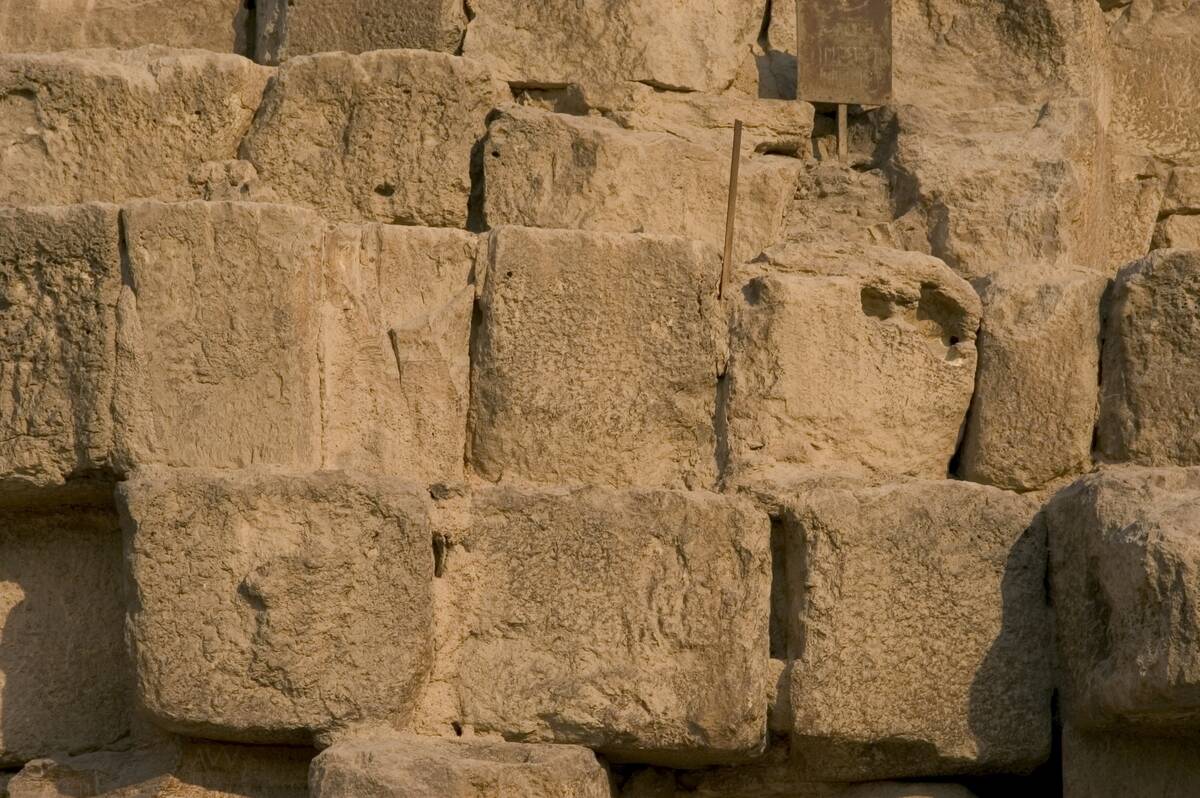
The success of ancient engineering often came down to the materials used. Stone, wood, and clay were the primary resources, chosen for their availability and durability. The use of limestone in Egyptian pyramids and the volcanic ash in Roman concrete are examples of how ancient builders selected materials that would stand the test of time.
These choices not only ensured the longevity of their constructions but also influenced the evolution of engineering materials throughout history.
The Bridge Builders of Mesopotamia: Early Innovations
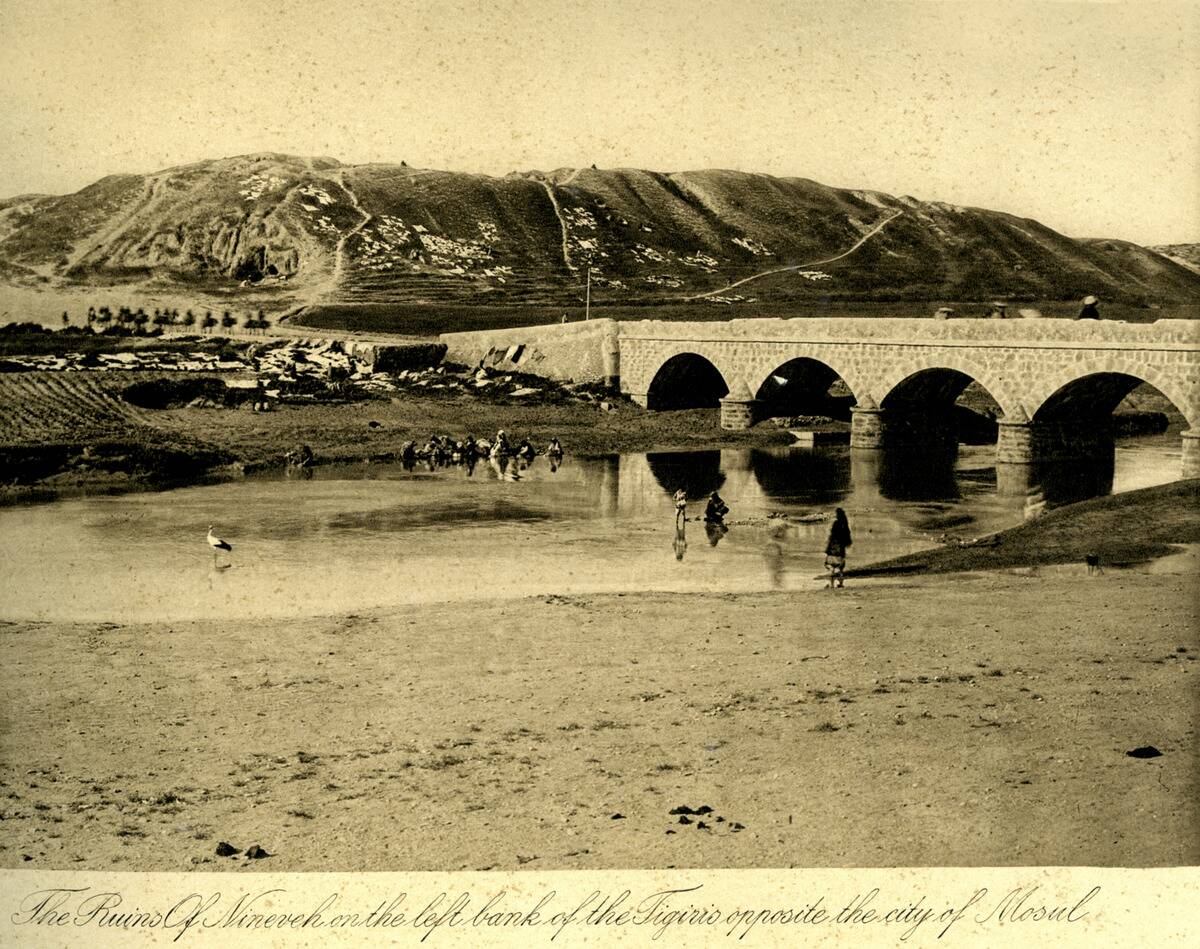
Mesopotamia, known as the cradle of civilization, was home to some of the earliest bridge builders. The use of reed and bitumen allowed them to create simple yet effective bridges over the Tigris and Euphrates rivers.
These early innovations laid the groundwork for more complex designs and demonstrated the Mesopotamians’ ability to adapt to their challenging environment, setting the stage for future advancements in bridge construction.
Roman Aqueducts: Bridging Water and Land
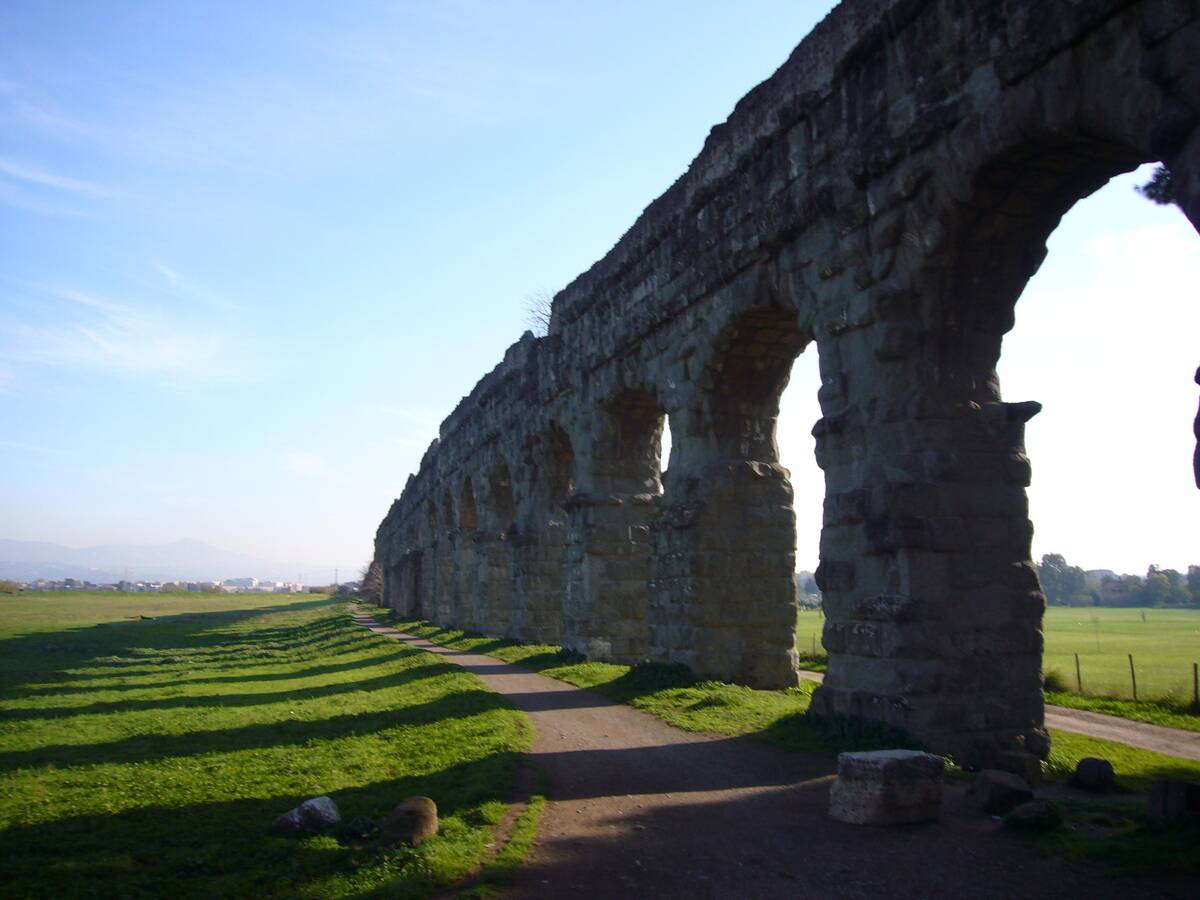
Roman aqueducts are a prime example of ancient engineering brilliance, transporting water over long distances to supply cities and towns. These structures, such as the Aqua Appia, used gravity to move water through a series of arches and channels.
The Romans’ understanding of hydraulics and their ability to blend form with function made aqueducts not only utilitarian but also architectural masterpieces that have influenced infrastructure development for centuries.
The Magnificence of the Pont du Gard
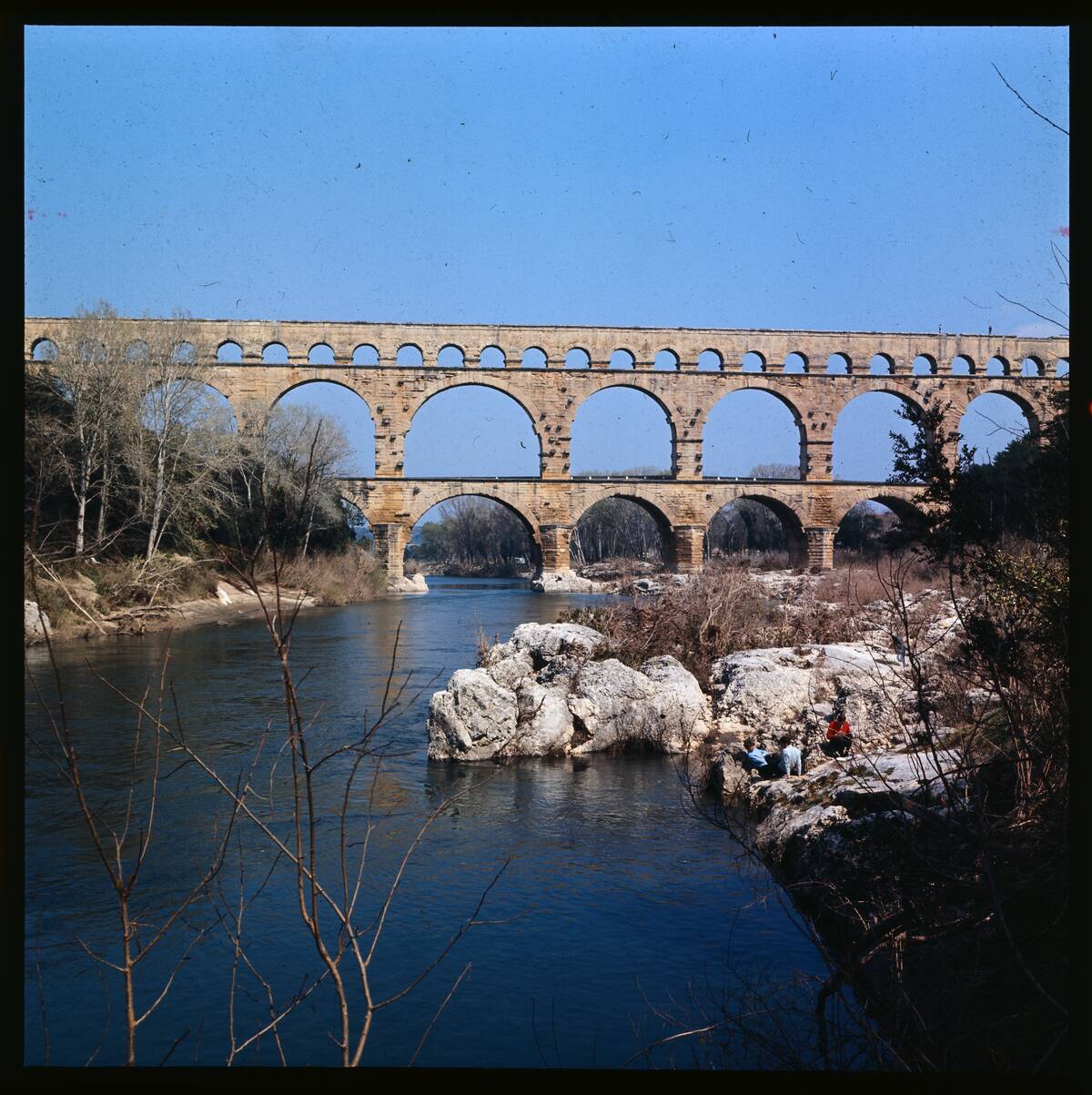
The Pont du Gard in France stands as one of the most impressive examples of Roman aqueduct engineering. This three-tiered structure, built in the first century AD, spans the Gardon River and was part of a 50-kilometer system supplying water to the city of Nîmes.
Its design and construction showcase the Romans’ mastery of stone masonry and their commitment to creating functional yet beautiful structures that have endured for millennia.
The Great Wall’s Hidden Heroes: The Bridges of Ancient China

While the Great Wall of China is often celebrated, the bridges of ancient China are equally noteworthy. The Chinese developed sophisticated suspension and beam bridge designs, utilizing materials like bamboo and iron chains.
These structures enabled efficient transportation and communication across the vast empire, reflecting the strategic importance of bridges in maintaining the connectivity of the sprawling Chinese territories.
The Arch Bridge Revolution: Roman Ingenuity
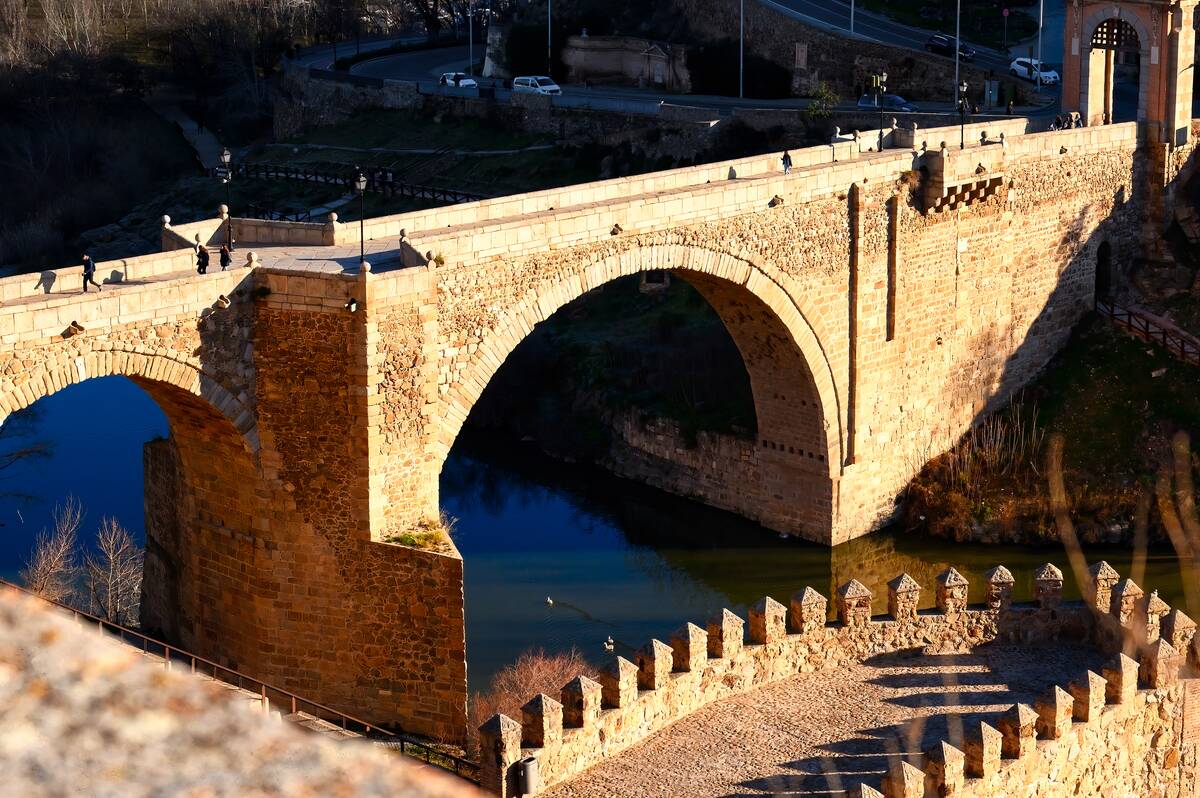
The Romans revolutionized bridge construction with the introduction of the arch bridge. This design allowed for the construction of longer and more stable spans, using the natural compressive strength of stone.
The Pont du Gard and the Alcántara Bridge in Spain are prime examples of this innovation. The use of arches not only provided structural integrity but also inspired future generations of engineers to explore new possibilities in bridge design.
The Mastery of the Truss: Ancient Designs That Lasted
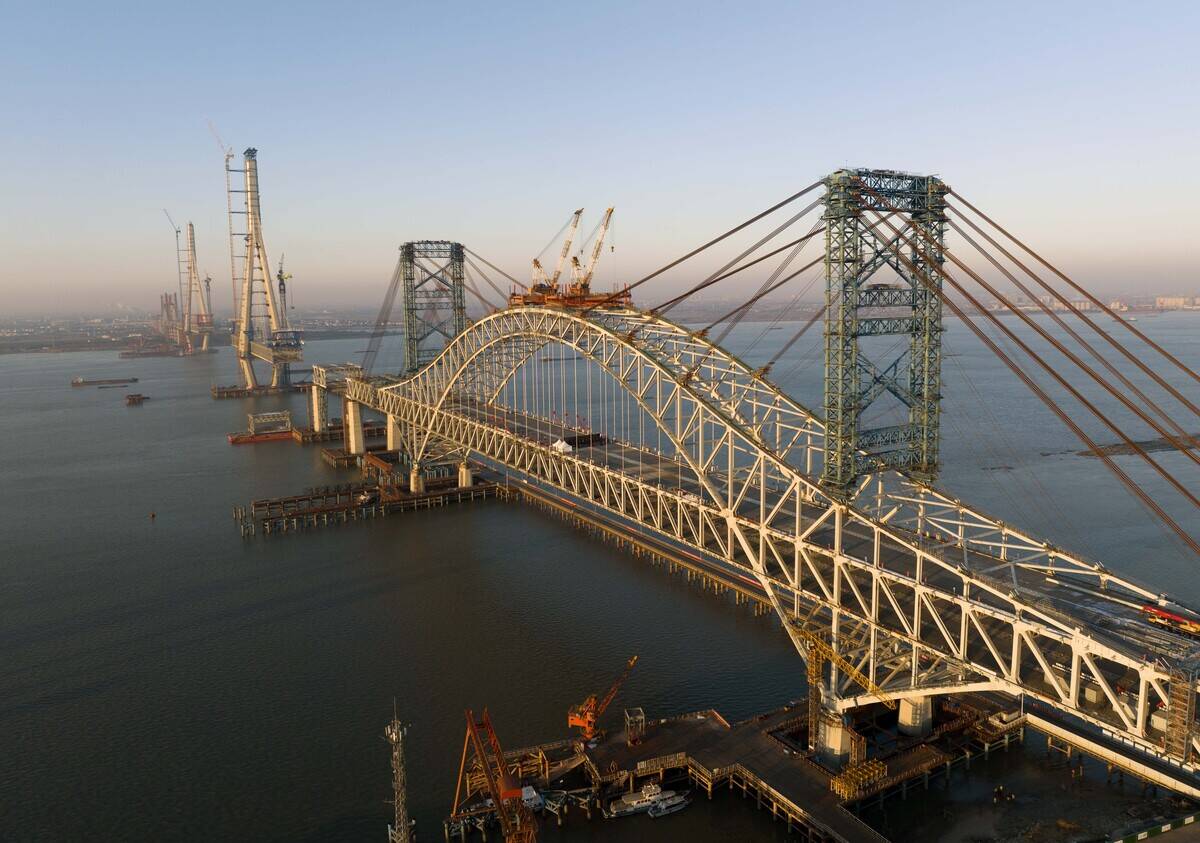
The concept of the truss, a framework of triangular units, can be traced back to ancient Egypt and China. This design provides immense strength and stability, allowing structures to bear heavy loads.
Ancient Chinese bridges often utilized wooden trusses, demonstrating an advanced understanding of geometry and mechanics. The truss design has endured through the ages, forming the backbone of modern engineering in structures like bridges and roofs.
The Daring Designs of Persian Bridge Builders
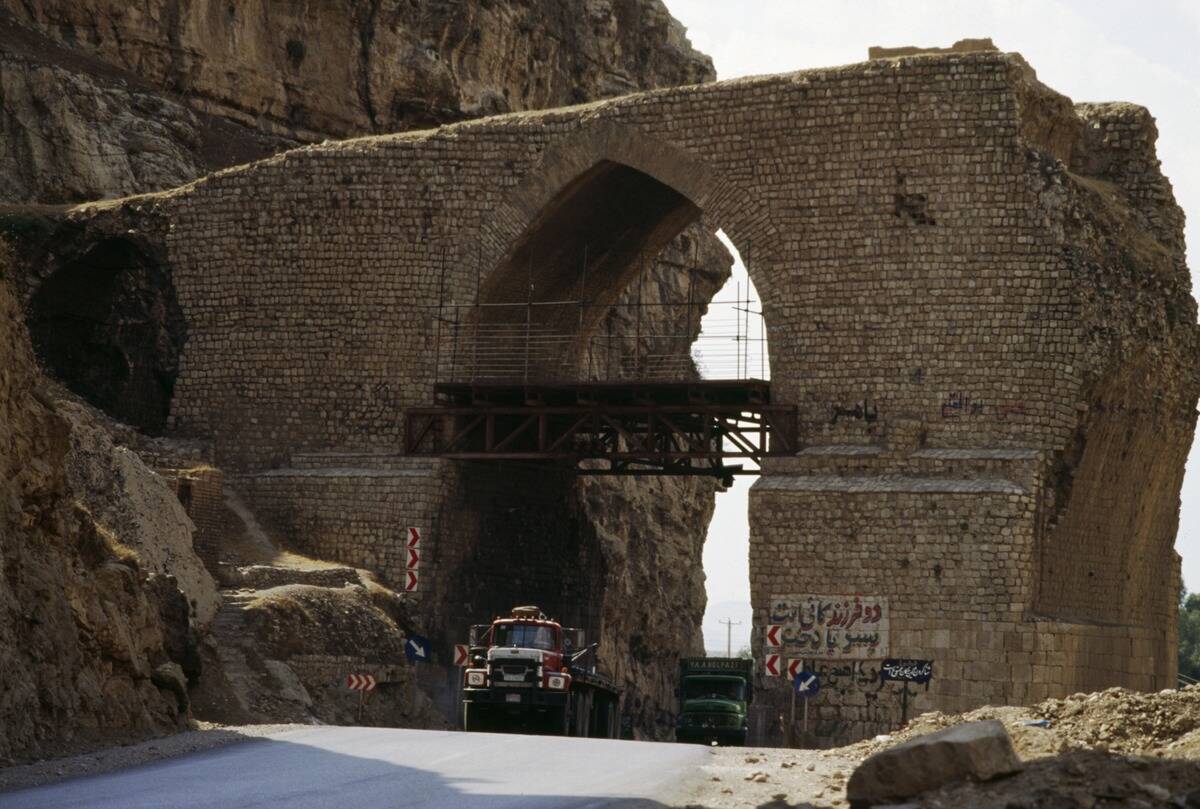
Persian engineers were known for their daring bridge designs, often incorporating advanced techniques and materials. One notable example is the Pol-e Dokhtar, a bridge spanning the Kashkan River, which utilized large stone blocks and mortar.
The Persians’ innovative use of architectural elements and their ability to adapt to diverse landscapes highlight their engineering prowess and their contribution to the evolution of bridge construction techniques.
Dam Building in Ancient Egypt: Harnessing the Nile
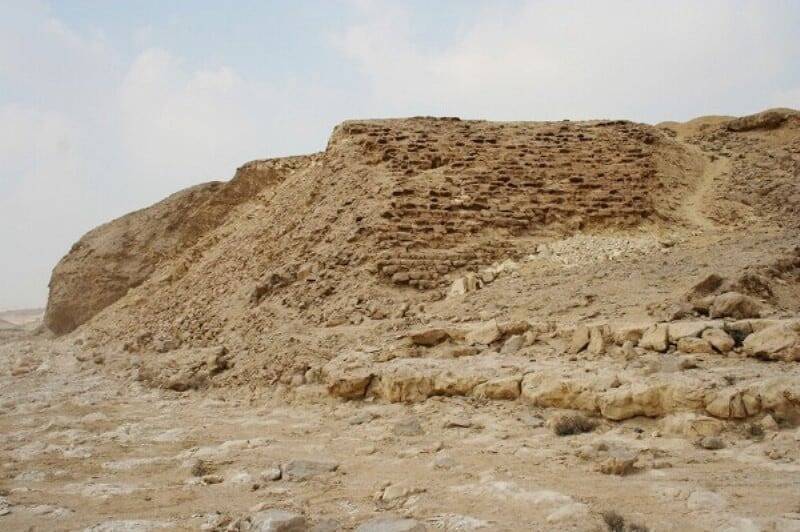
In ancient Egypt, dam construction was essential for regulating the Nile’s seasonal floods. The Sadd-el-Kafara, built around 2600 BC, is considered one of the earliest known dams.
Though it eventually failed, it demonstrated the Egyptians’ understanding of hydraulic engineering and their efforts to harness the river’s power. These early attempts laid the foundation for more sophisticated water management systems in the region.
The Marib Dam: A Testament to Ancient Yemeni Engineering
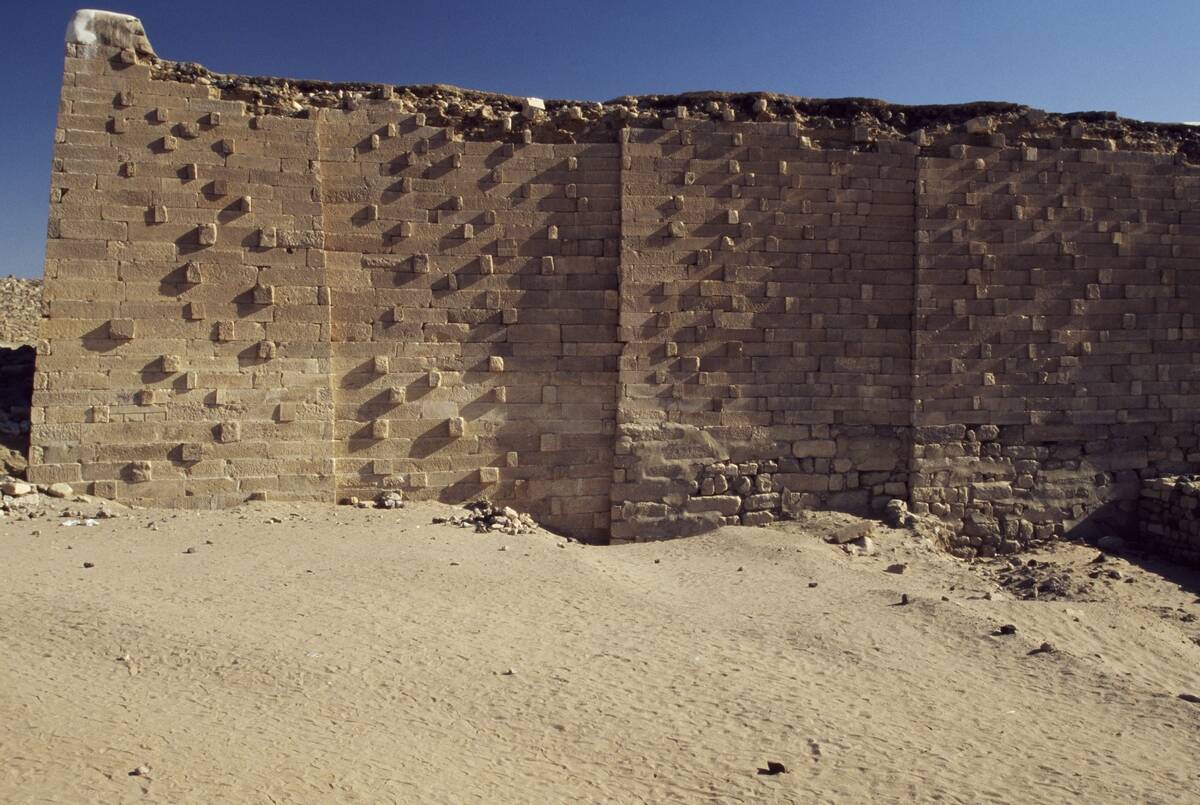
The Marib Dam in Yemen, dating back to the 8th century BC, is a testament to the ingenuity of ancient Arab engineers. This earthen dam controlled water for irrigation in the Sabaean kingdom, transforming the arid landscape into fertile farmland.
Its complex design included spillways and sluice gates, reflecting a sophisticated understanding of water management that remained influential for centuries across the Arabian Peninsula.
The Wonders of the Subak System: Dams in Ancient Bali

The Subak system in Bali is a remarkable example of ancient water management, using a network of dams and channels to irrigate rice terraces. This communal system, overseen by temples, reflects the Balinese philosophy of harmony between humans, nature, and the spiritual world.
The Subak not only ensured agricultural productivity but also maintained ecological balance, illustrating how cultural values were intertwined with engineering practices.
The Resilient Dams of the Inca Empire
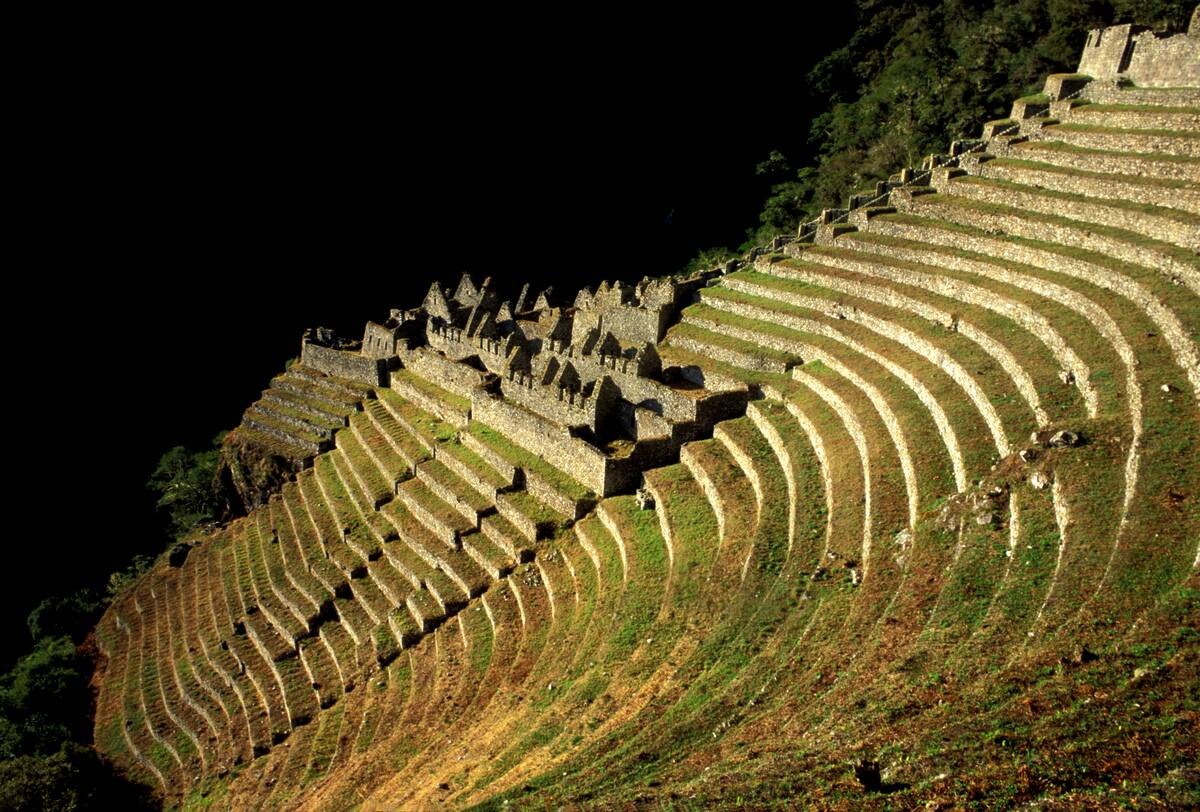
The Inca Empire’s engineering prowess is evident in their sophisticated water-management systems, including terraces, canals, reservoirs, and small retaining or diversion structures that regulated water for agriculture in the Andean region.
The Incas’ ability to adapt their engineering techniques to the challenging mountainous terrain stands as a testament to their innovative spirit and resourcefulness.
Lessons from the Ancients: Sustainability and Environmental Impact

Ancient civilizations offer valuable lessons in sustainability and environmental stewardship. Their engineering practices often emphasized harmony with nature, using local materials and minimizing environmental disruption.
The Subak system and Inca terracing are prime examples of sustainable practices that balanced human needs with ecological considerations. Modern engineers can learn from these approaches, integrating sustainability into contemporary designs to address environmental challenges and promote a more sustainable future.




