Ancient celebrations still alive in modern traditions
Throughout history, humans have celebrated pivotal moments with festivals that mark the passage of time and significant events. Today, these celebrations often carry echoes of ancient rituals, even if their origins are sometimes obscured by centuries of change.
In this exploration, we’ll uncover the roots of some of our most beloved holidays, revealing the ancient customs that continue to shape our modern festivities. Prepare to embark on a journey through time as we unveil the past hidden within our present celebrations.
The Timeless Echoes of Samhain in Halloween Festivities
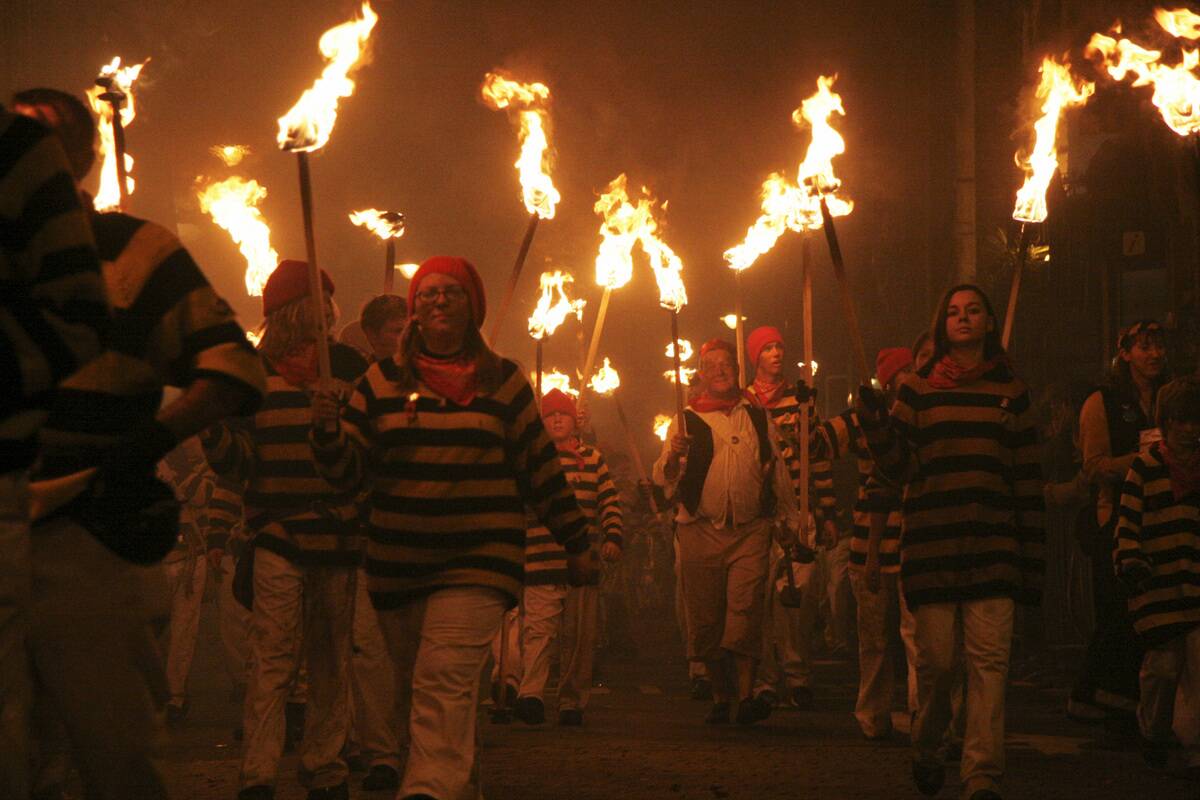
Halloween, with its spooky atmosphere and playful traditions, has deep roots in the ancient Celtic festival of Samhain. Celebrated at the end of the harvest season, Samhain was a time when the boundary between the living and the dead was believed to blur.
People would light bonfires and wear costumes to ward off roaming spirits. Today, donning costumes and carving pumpkins continue to reflect these ancient beliefs, merging past with present in a festive, ghostly celebration.
Saturnalia’s Influence on Christmas Cheer
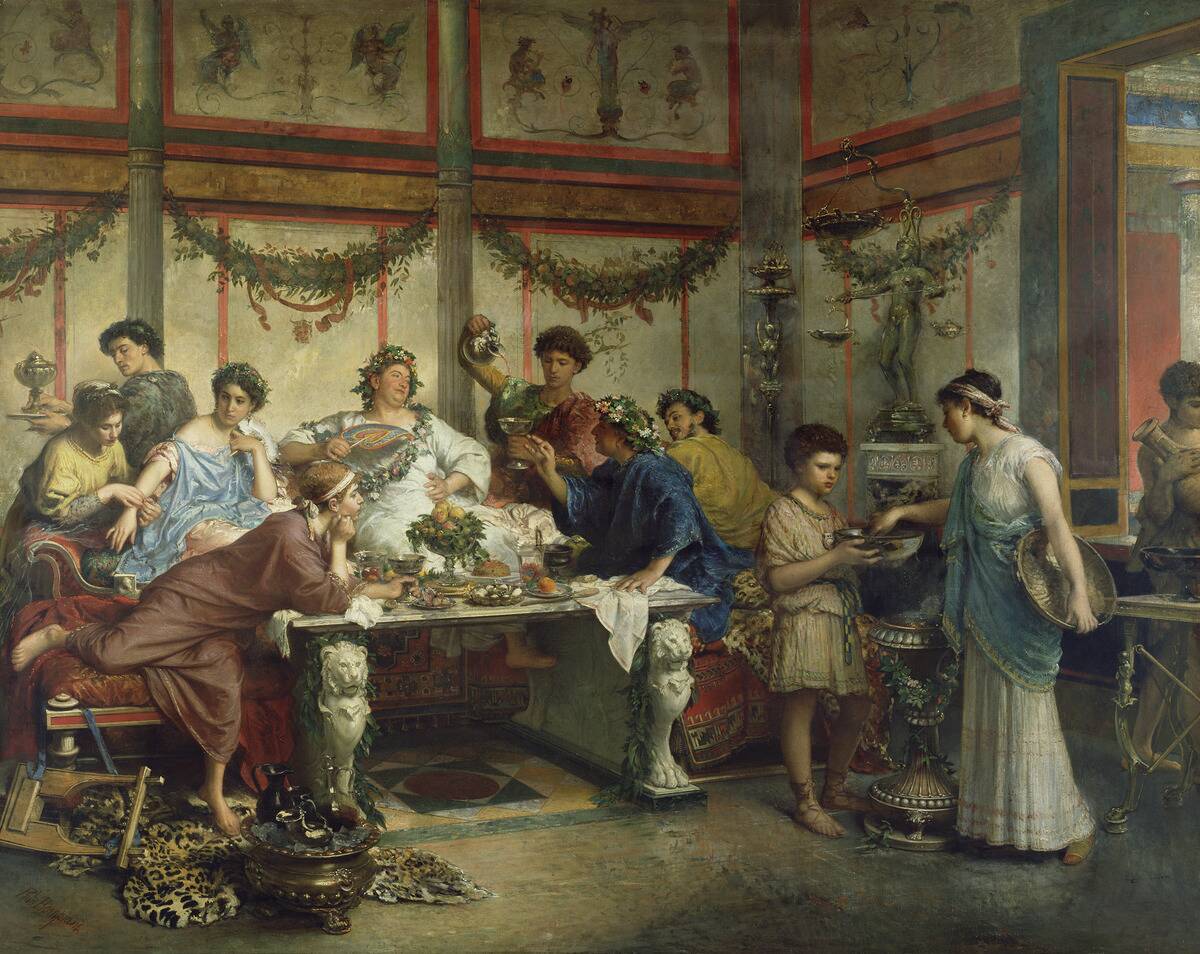
The joyous celebration of Christmas, primarily rooted in the Christian tradition commemorating the birth of Jesus Christ, also carries echoes of the Roman festival Saturnalia, held in honor of the god Saturn. During Saturnalia, social norms were upended as gifts were exchanged, and revelry filled the streets.
These customs of merriment and generosity influenced many Christmas traditions, including gift-giving and festive feasting. Although Saturnalia itself has faded into history, its spirit lives on in the warmth and joy of the Christmas season.
From Lupercalia to Valentine’s Day: A Love Story Through Time
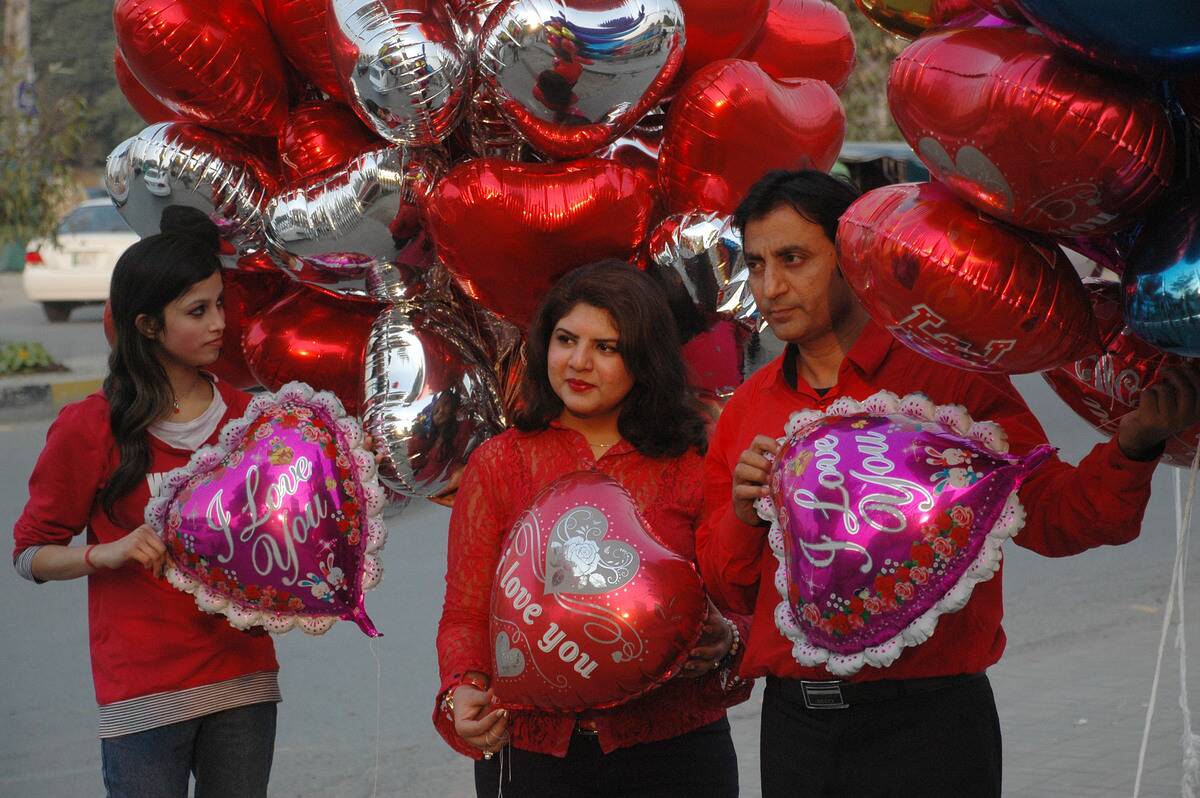
Valentine’s Day, celebrated with roses and heartfelt expressions of love, can trace its roots back to the ancient Roman festival of Lupercalia. Held in mid-February, Lupercalia was a fertility festival dedicated to Faunus, the Roman god of agriculture.
Though the rituals of Lupercalia were quite different, involving animal sacrifices and matchmaking, its emphasis on fertility and love has transcended time, evolving into the romantic holiday we cherish today.
Harvest Home: The Ancient Roots of Thanksgiving Celebrations
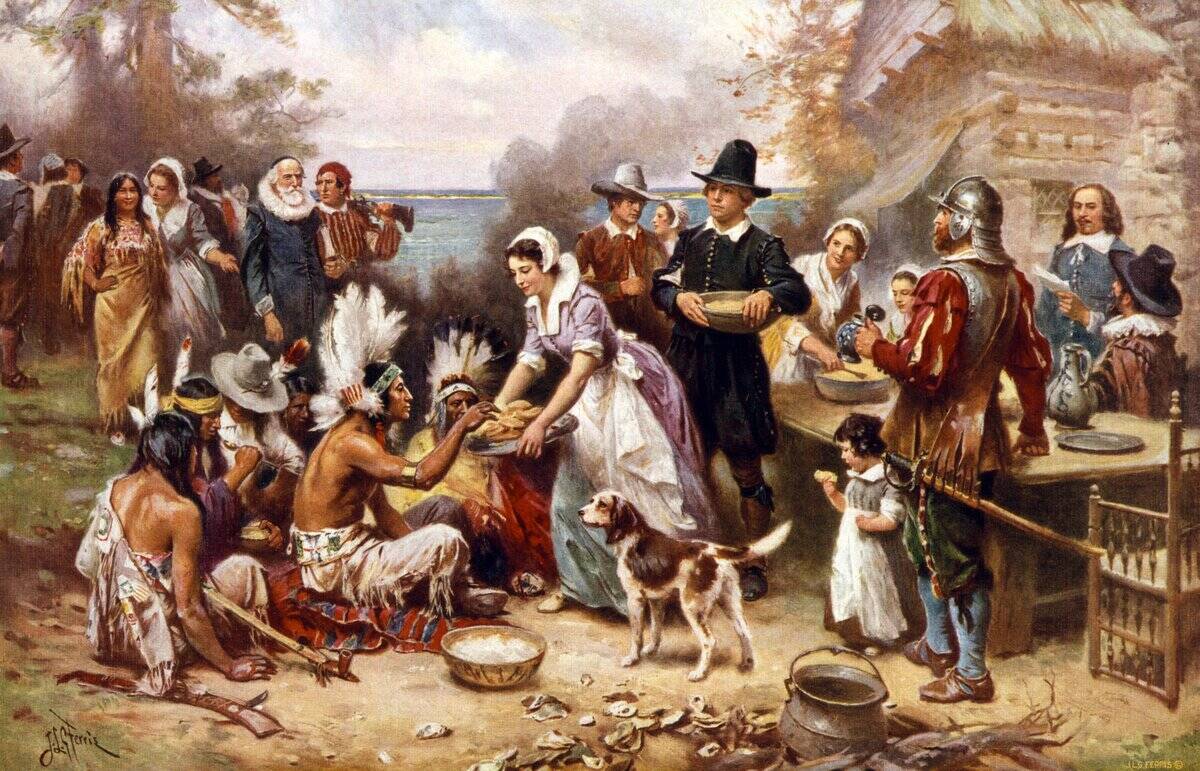
Thanksgiving, synonymous with family gatherings and bountiful feasts, is deeply rooted in ancient harvest festivals. Long before the Pilgrims celebrated their first Thanksgiving, cultures around the world marked the end of the harvest season with festivities to give thanks for the earth’s bounty.
While today’s Thanksgiving is uniquely American, the tradition of expressing gratitude for the harvest is a universal theme that connects us to our agrarian past.
The Festival of Lights: Diwali’s Ancient Origins in Modern Times
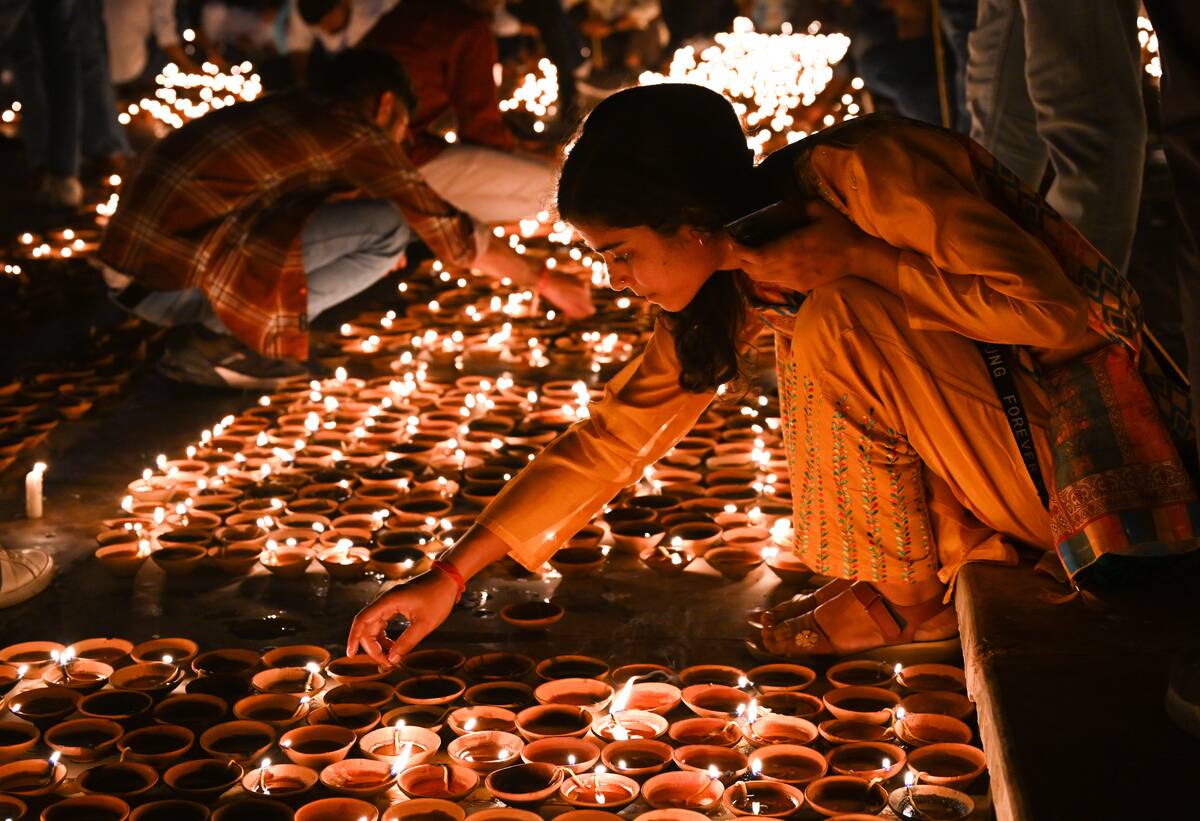
Diwali, known as the Festival of Lights, is celebrated by millions around the world with vibrant displays of light and color. This ancient Hindu festival marks the victory of light over darkness and good over evil.
Rooted in the legend of Lord Rama’s return to Ayodhya after defeating the demon king Ravana, homes are illuminated with oil lamps and bursting fireworks. Today, Diwali brings together communities in a shared celebration of hope and renewal, bridging ancient traditions with contemporary life.
May Day’s Evolution from Beltane Rituals
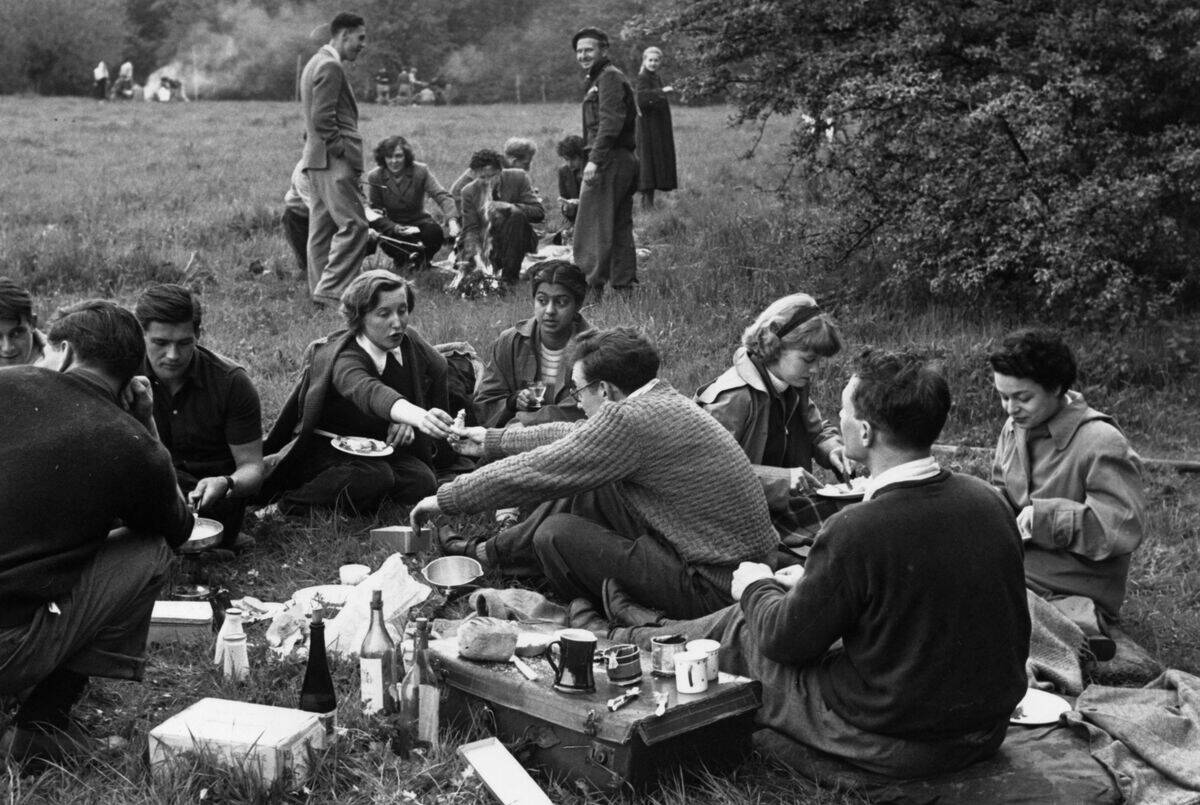
May Day, with its cheerful Maypole dances and floral festivities, harks back to the ancient Celtic festival of Beltane. Celebrated on May 1st, Beltane marked the beginning of summer and was associated with fertility and growth.
Fires were lit on hilltops, and rituals were performed to protect crops and livestock. While modern May Day celebrations focus more on community and fun, the essence of welcoming the season of growth remains a steadfast tradition.
The Springtime Revelry of Holi and Its Ancient Traditions
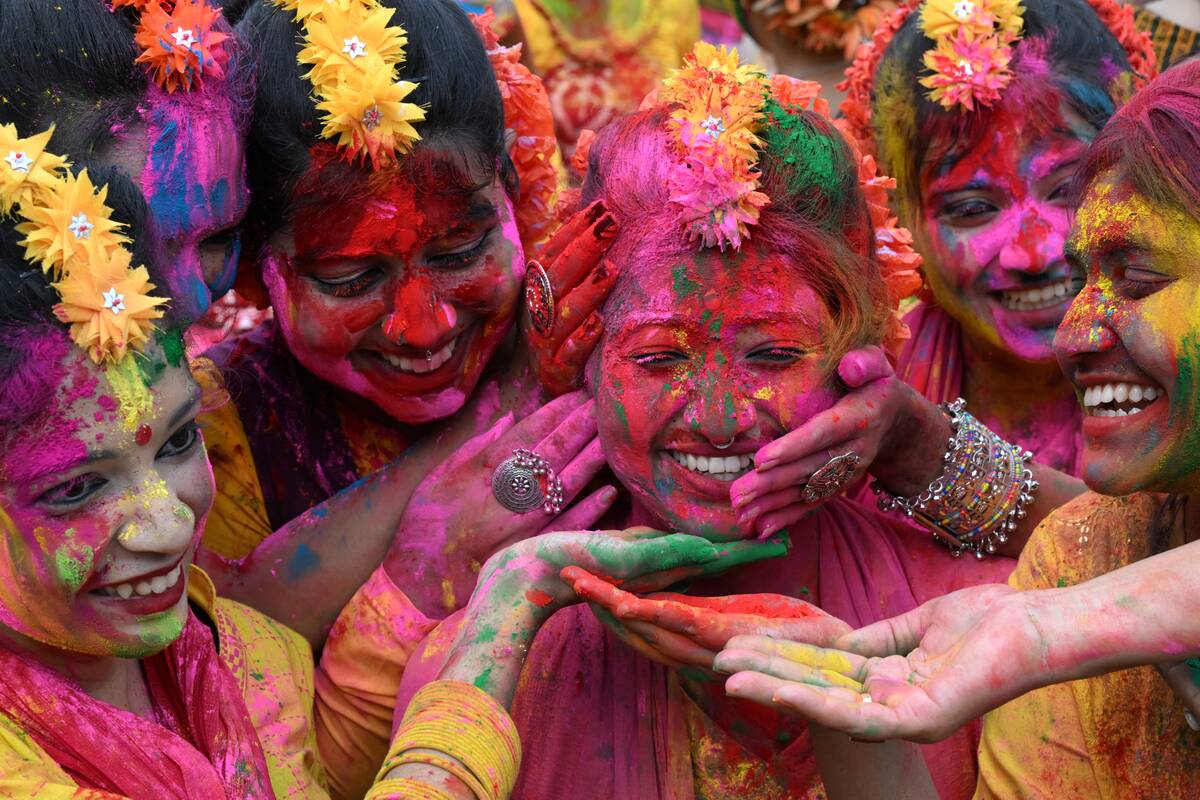
Holi, the vibrant festival of colors, is celebrated with exuberance and joy across India and beyond. This ancient Hindu festival marks the arrival of spring and the victory of good over evil.
Rooted in the legend of Prahlad and Holika, Holi’s festivities involve throwing colored powders and water at one another. Today, Holi continues to foster community spirit and joy, with ancient tales and traditions vividly alive in its kaleidoscopic celebrations.
Bridging the Past with the Present: Hanukkah and the Festival of Lights
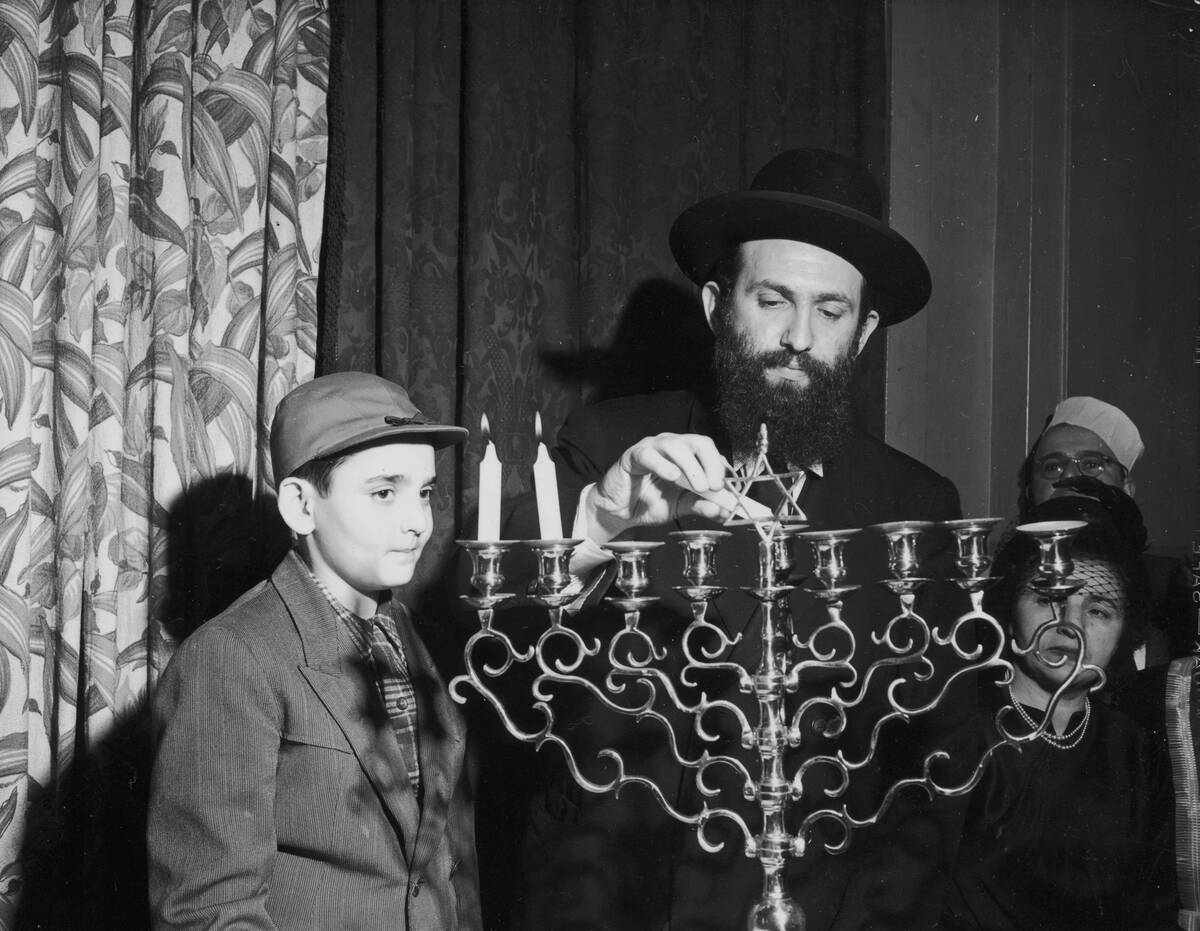
Hanukkah, the Jewish Festival of Lights, is a celebration of miraculous endurance and divine intervention. It commemorates the rededication of the Second Temple in Jerusalem and the miracle of the oil that burned for eight days.
During Hanukkah, menorahs are lit each night, and traditional foods like latkes are enjoyed. This festival beautifully bridges ancient history with modern practices, as Jewish communities around the world honor their heritage and the enduring light of faith.
The Lunar New Year: A Modern Celebration with Ancient Roots
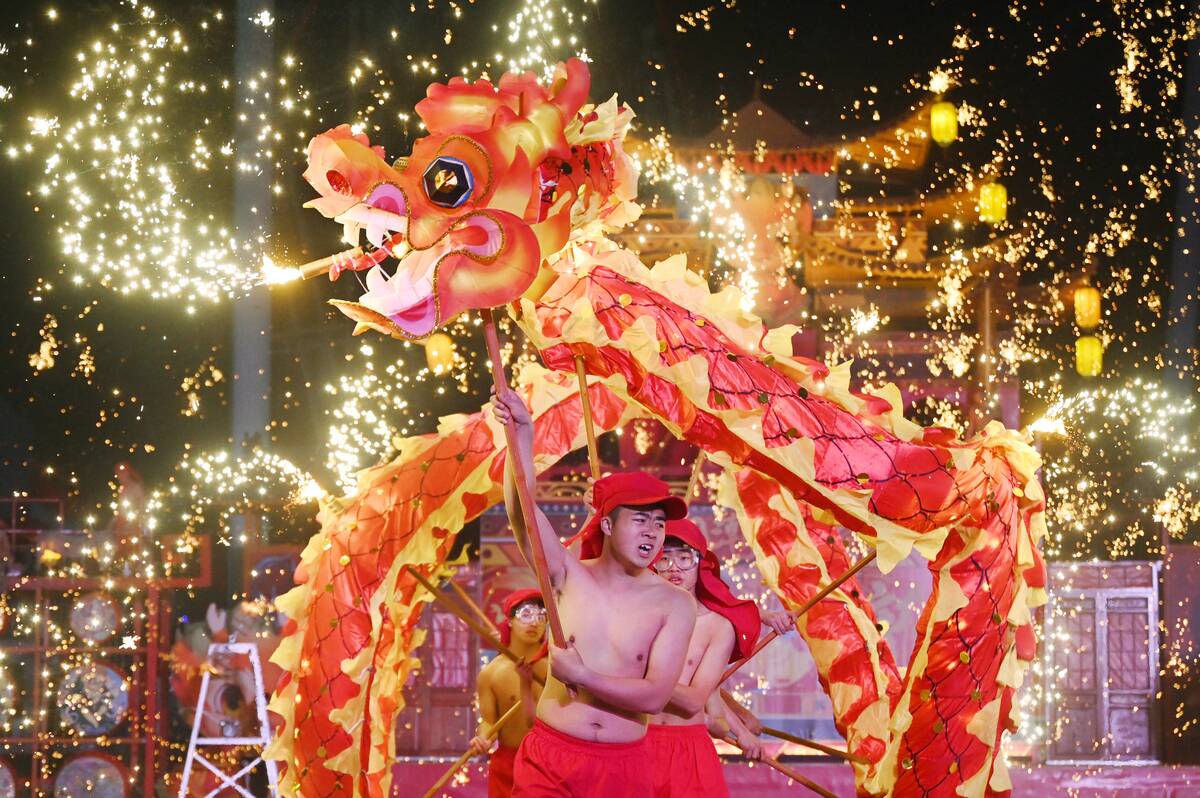
The Lunar New Year, celebrated by millions across Asia, is a time of renewal and family reunions. Its origins date back thousands of years to ancient Chinese agrarian society, where the new year marked the end of winter and the beginning of spring.
Traditions such as cleaning the house, giving red envelopes, and enjoying festive meals reflect ancient customs. Today, the Lunar New Year continues to embody themes of prosperity and happiness, connecting past and present.
From Bacchanalia to Modern Day Festivals: A Toast to History
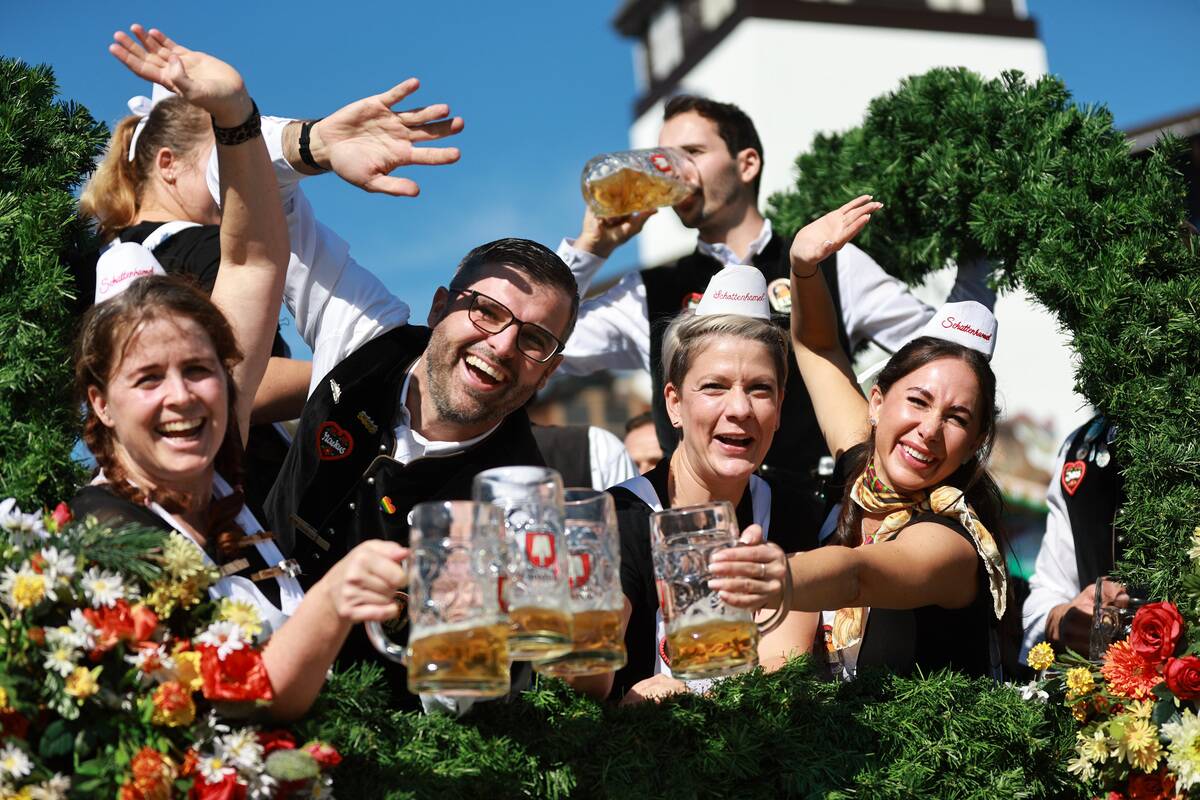
Modern-day festivals filled with music, dance, and revelry share a spirited essence reminiscent of the ancient Roman Bacchanalia. These festivals, dedicated to Bacchus, the god of wine, were notorious for their uninhibited feasting and celebrations.
While contemporary events are typically more organized, the core idea of communal joy remains. Festivals like Coachella and Oktoberfest, though distinct in origin, echo the timeless human desire to come together in jubilant celebration.
The Ancient Origins of Carnival: From Saturn to Samba
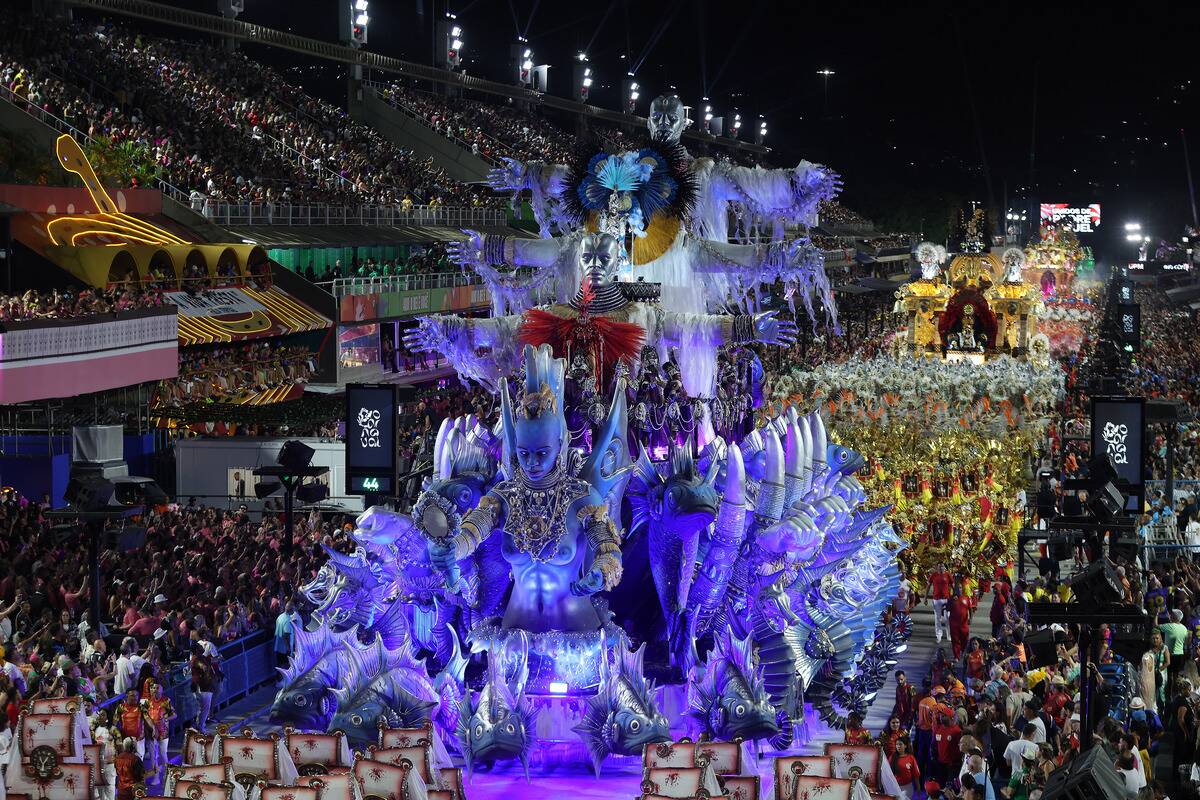
Carnival, known for its vibrant parades and lively music, has roots in ancient Roman festivities like Saturnalia and later European pre-Lenten traditions. It developed as a time of indulgence before the austerity of Lent.
In Brazil, Carnival’s exuberant samba and costumes reflect a rich fusion of African, indigenous, and European influences. Today, Carnival remains a time of joyous celebration, honoring its ancient inspirations while embracing diverse cultural expressions.
The Timeless Tradition of Easter and Its Pagan Connections
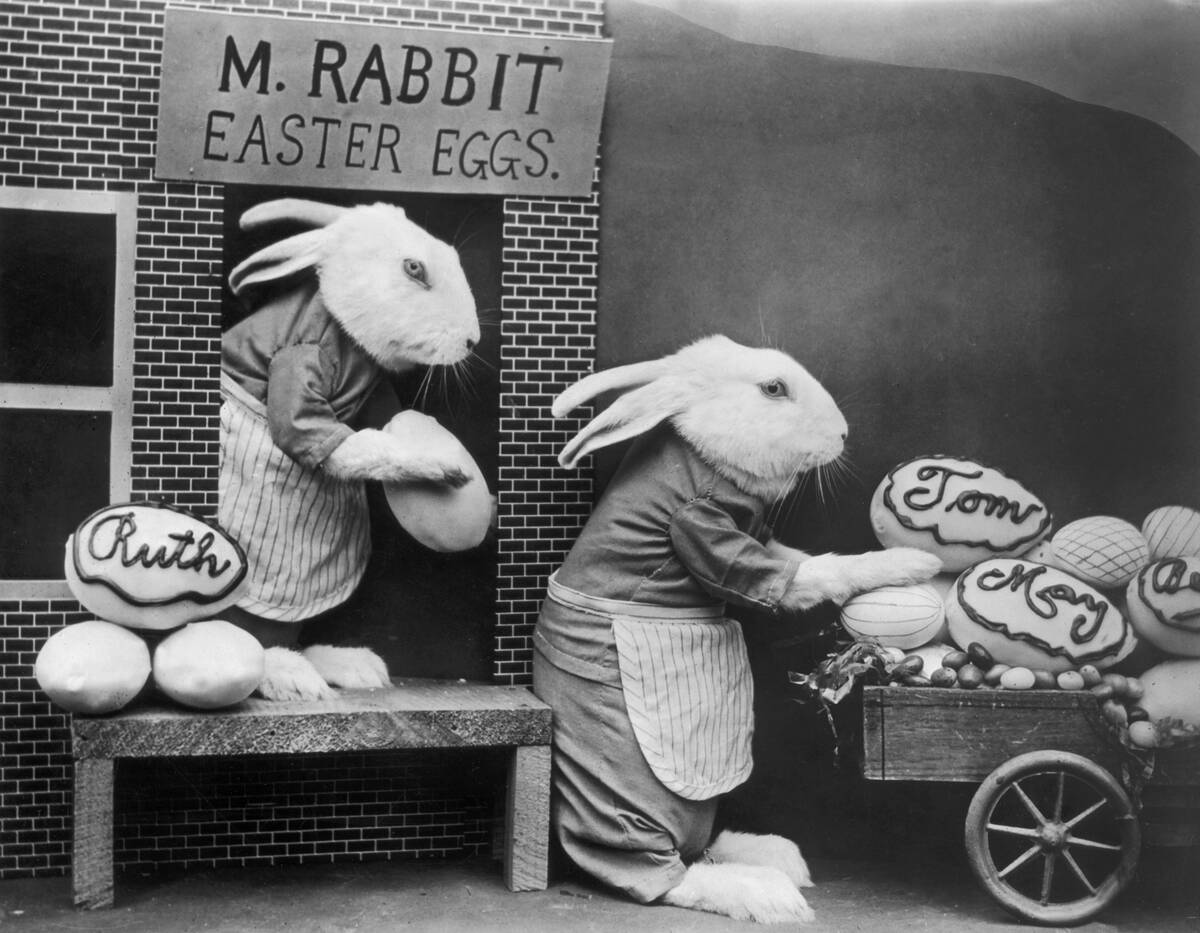
Easter, the celebration of resurrection and renewal, is primarily a Christian holiday with some influences from earlier springtime traditions. The name “Easter” may derive from Eostre, a pagan goddess of spring and fertility, as suggested by early medieval sources, though this is debated.
Ancient symbols such as eggs and rabbits, representing new life, have become part of Christian Easter customs. This blend of traditions highlights timeless themes of rebirth and hope, linking ancient beliefs with contemporary celebrations.
Bonfire Night: A Fiery Tradition with Deep Historical Roots
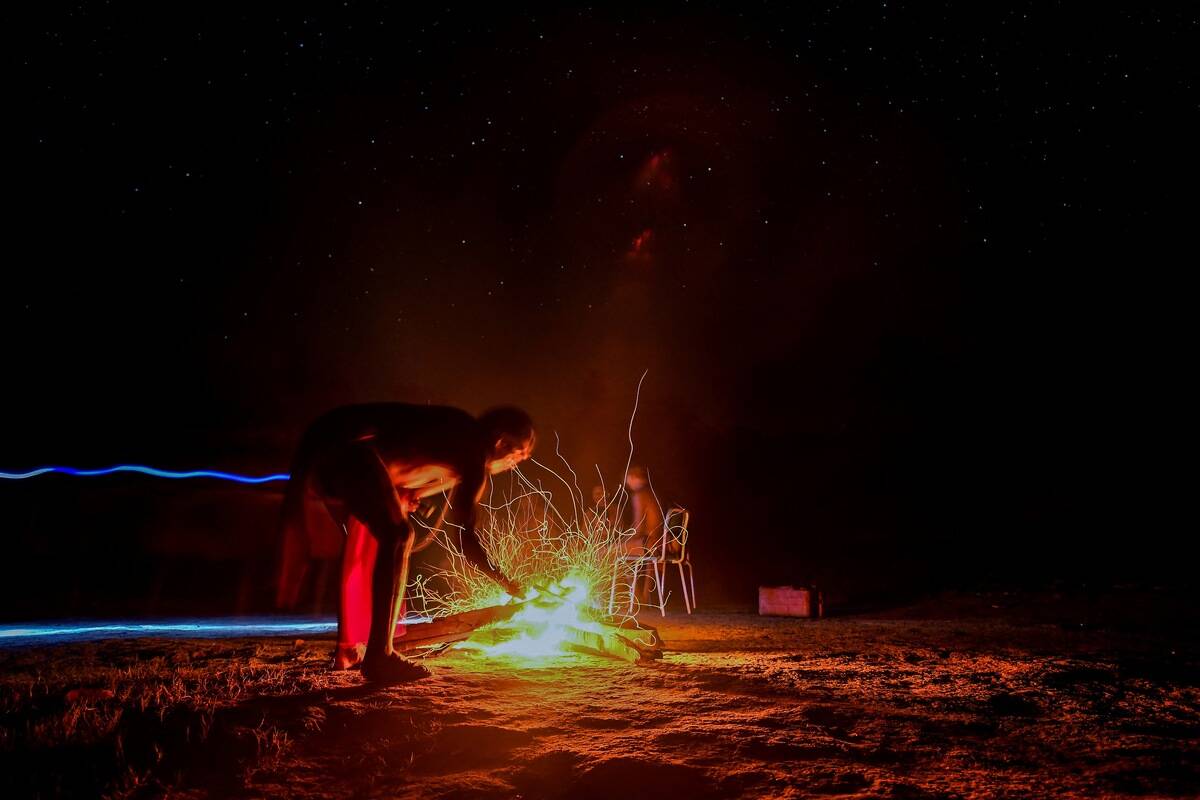
Bonfire Night, also known as Guy Fawkes Night, commemorates the failed Gunpowder Plot of 1605 in England. Although its origins are political, the tradition of lighting bonfires and setting off fireworks echoes broader historical uses of fire in festivals symbolizing purification and protection.
Today, Bonfire Night is a festive occasion featuring community gatherings and pyrotechnic displays, blending historical remembrance with a fascination for fire and spectacle.
The Feast of All Saints: A Continuation of Ancient Ancestral Celebrations
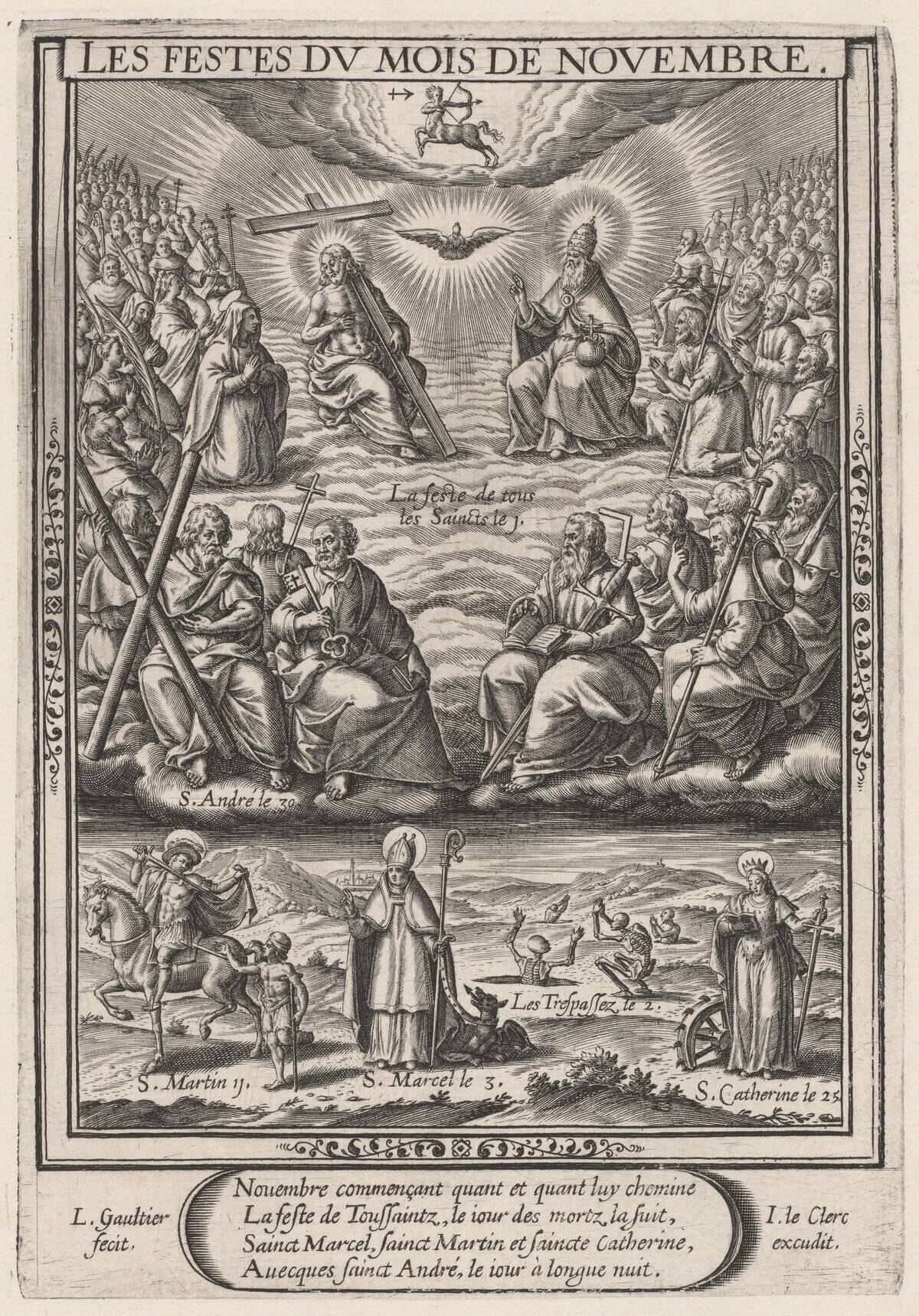
The Feast of All Saints, celebrated on November 1st, honors all saints, known and unknown. Its roots can be traced back to ancient Celtic and Roman traditions of honoring the dead, such as Samhain and Lemuria.
In medieval times, it became a Christian celebration, blending pagan customs with the veneration of saints. Today, it serves as a reminder of the enduring connection between past and present, as communities pay tribute to those who have gone before.
Modern-Day Midsummer: A Solstice Celebration with Ancient Origins
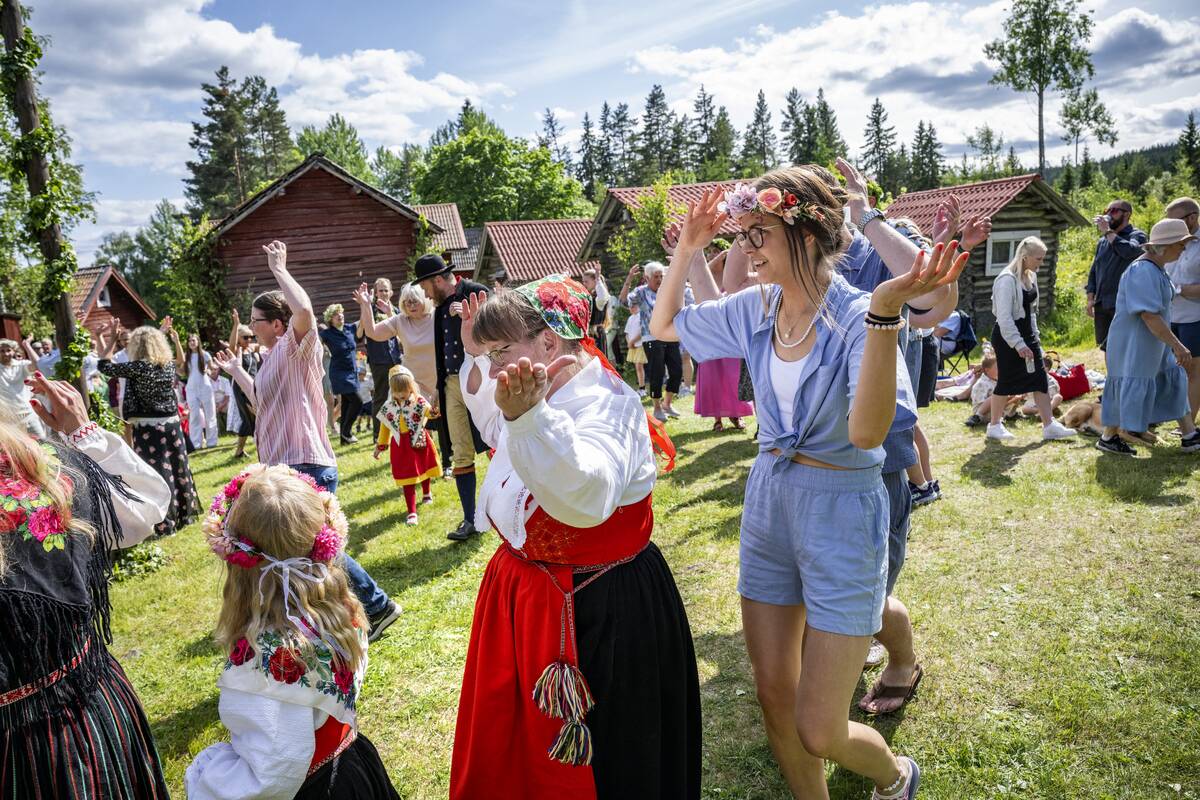
Midsummer, celebrated around the summer solstice, is a time of joy and abundance. Its origins lie in ancient solstice rituals that marked the longest day of the year. In Scandinavia, Midsummer is celebrated with maypole dances, bonfires, and feasting.
This festival of light and growth reflects ancient customs that honored the sun and the earth’s bounty. Today, Midsummer continues to be a vibrant celebration of nature and community spirit, connecting us to our ancestral past.
The Age-Old Rituals of New Year’s Eve Traditions
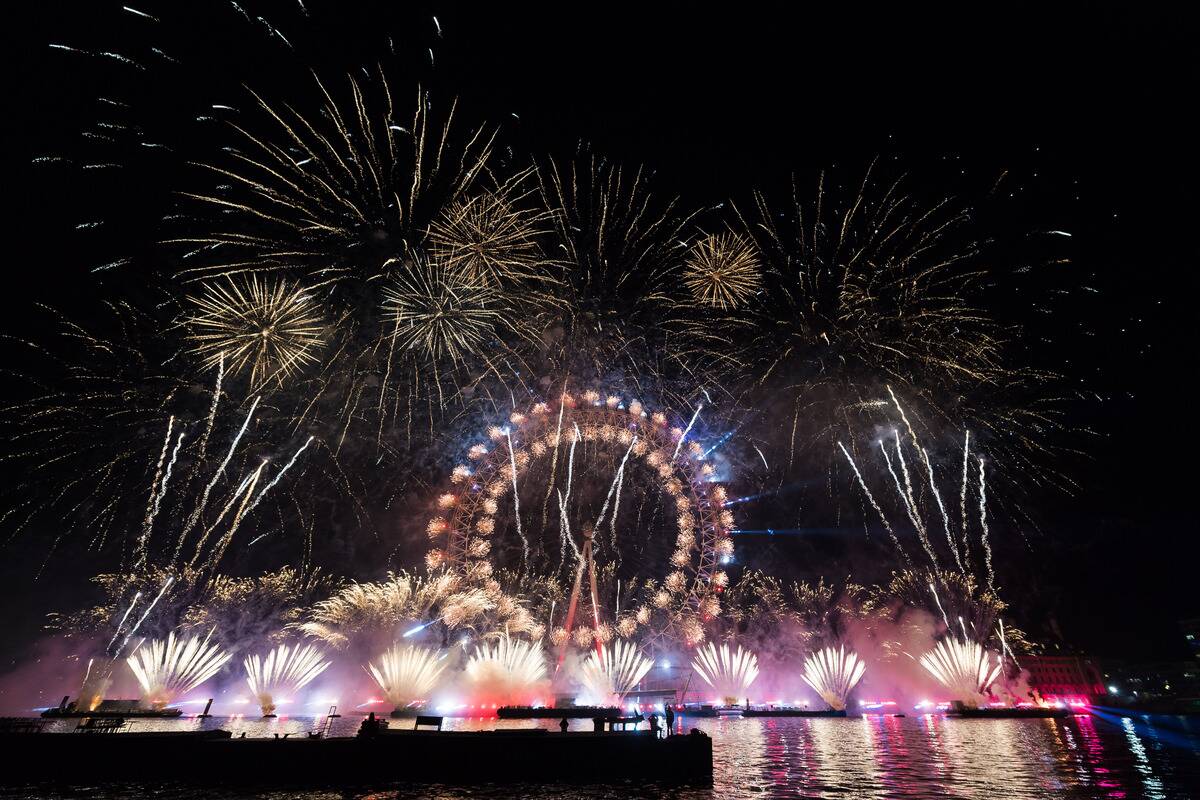
New Year’s Eve, with its countdowns and fireworks, is a celebration of new beginnings. Its origins can be traced back to ancient civilizations such as the Babylonians, who marked the new year with rituals and resolutions.
The tradition of making resolutions continues today, symbolizing a fresh start and the desire for self-improvement. As people around the world gather to welcome the new year, they participate in a timeless ritual that spans cultures and centuries.
Día de los Muertos: Honoring Ancestors in a Modern World
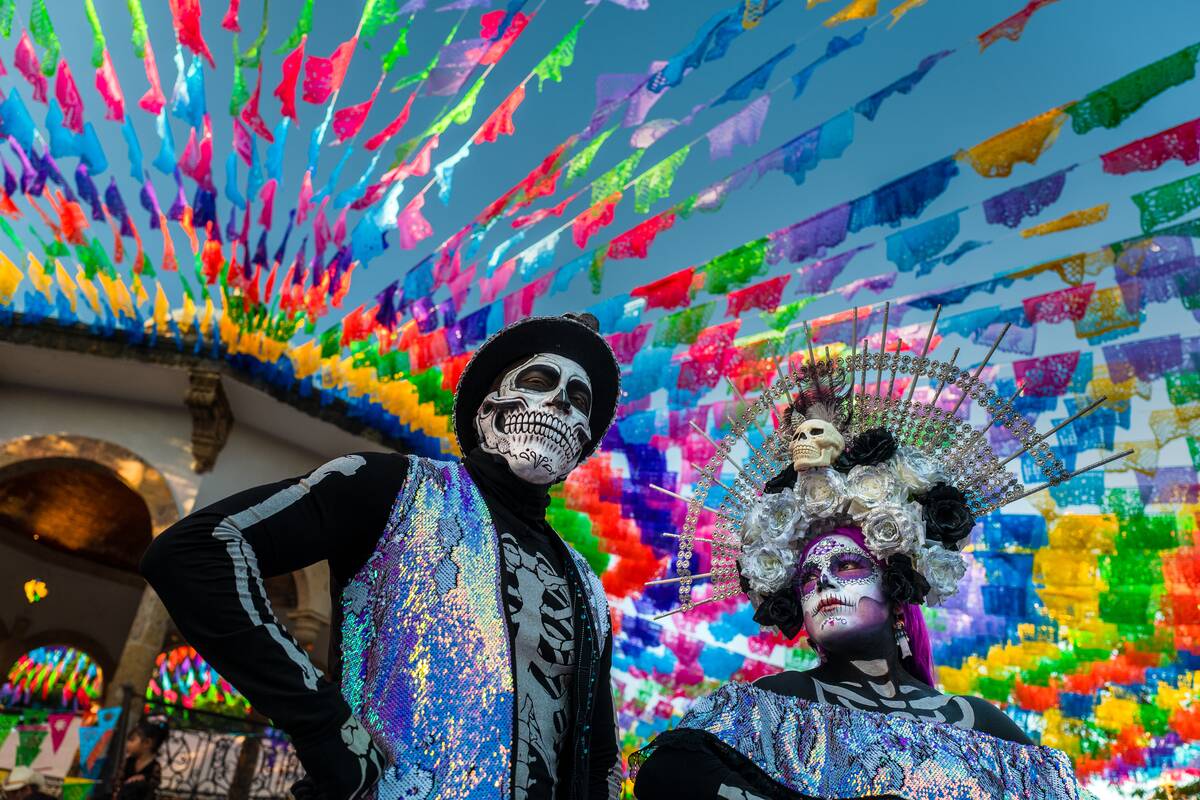
Día de los Muertos, or Day of the Dead, is a vibrant Mexican celebration that honors deceased loved ones. Its origins trace back to ancient indigenous traditions, particularly the Aztec festival dedicated to the goddess Mictecacihuatl.
Today, families create altars adorned with marigolds, candles, and favorite foods to welcome the spirits of the departed. This joyful celebration of life and death bridges ancient customs with modern expressions of remembrance, keeping the connection to ancestors alive.
The Transformation of Ancient Yule into Today’s Holiday Season
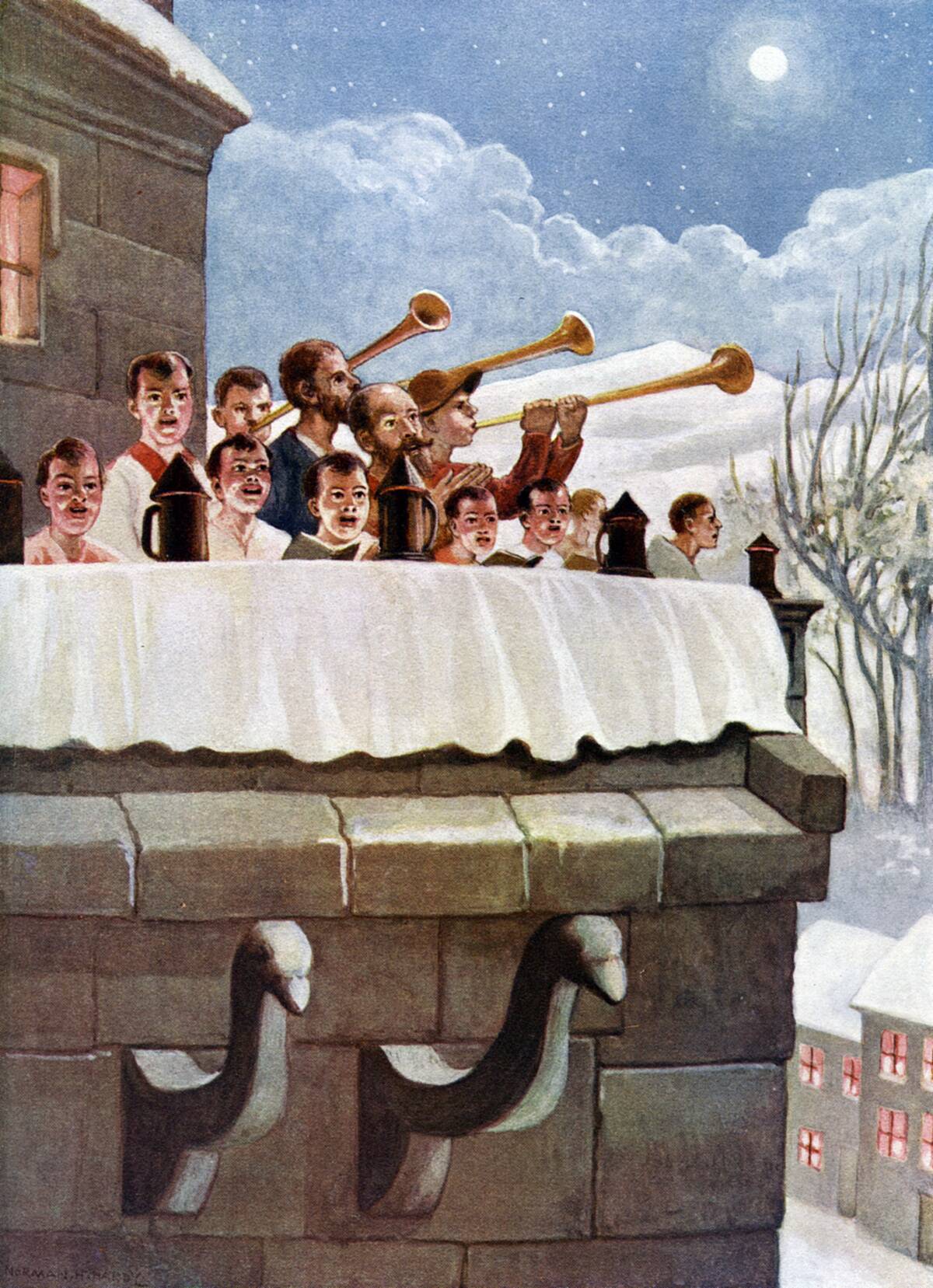
The holiday season, with its warm gatherings and festive cheer, draws from ancient traditions including the Germanic festival of Yule. Celebrated around the winter solstice, Yule featured feasting, singing, and the burning of the Yule log.
Several Yule customs, such as decorating with evergreens and exchanging gifts, have been integrated into modern Christmas celebrations. Today, the holiday season continues to reflect the joy and hope of these ancient festivities, bridging past and present.
The Persistent Presence of Ancient Rites in Modern Weddings
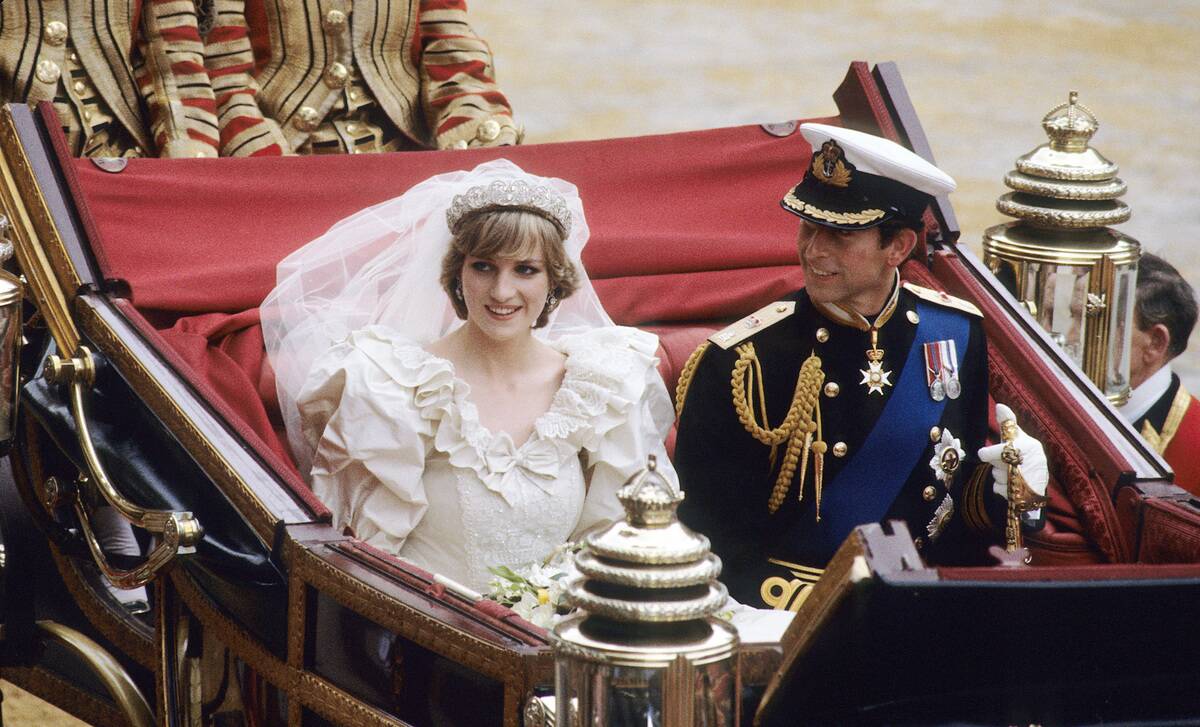
Weddings, with their vows and rituals, are steeped in ancient traditions that have persisted through time. Many customs, such as the exchange of rings and the bridal bouquet, trace back to ancient Roman and Greek ceremonies.
The tradition of wearing “something old, something new, something borrowed, something blue,” while originating in Victorian England, reflects older folk beliefs about good fortune and protection. Today, modern weddings celebrate love and commitment while honoring timeless rituals that connect us to the past.