Unknown explorers behind early world maps
When we think of explorers, images of famous figures like Columbus or Magellan often come to mind. However, history is brimming with countless unsung adventurers who shaped our understanding of the world.
These pioneers, often working behind the scenes, played crucial roles in mapping uncharted territories. Their achievements, though largely unrecognized, laid the groundwork for modern geography. Let’s take a journey through time to uncover the stories of these hidden trailblazers.
The Early Conquerors: Anonymous Navigators of Ancient Times
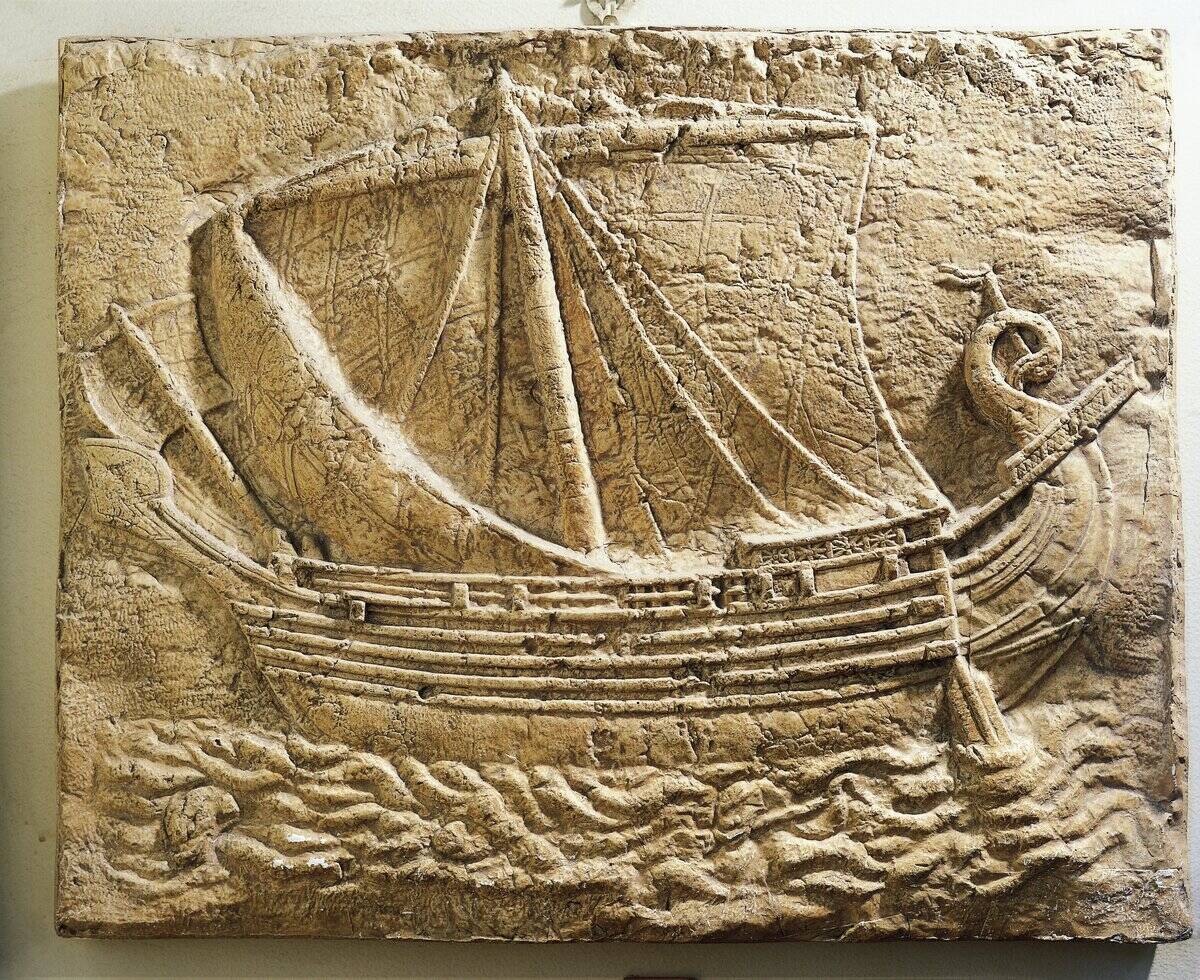
Long before the age of satellite navigation, ancient mariners dared to venture into the unknown. These early navigators, often unnamed, helped establish sea routes that connected distant lands.
For instance, the Phoenicians, skilled seafarers from the Mediterranean, are believed to have circumnavigated Africa as early as 600 BC. Their voyages expanded trade networks and cultural exchanges, yet their stories remain largely unrecorded, overshadowed by more famous explorers.
Women Pioneers: Mapping the World from the Shadows
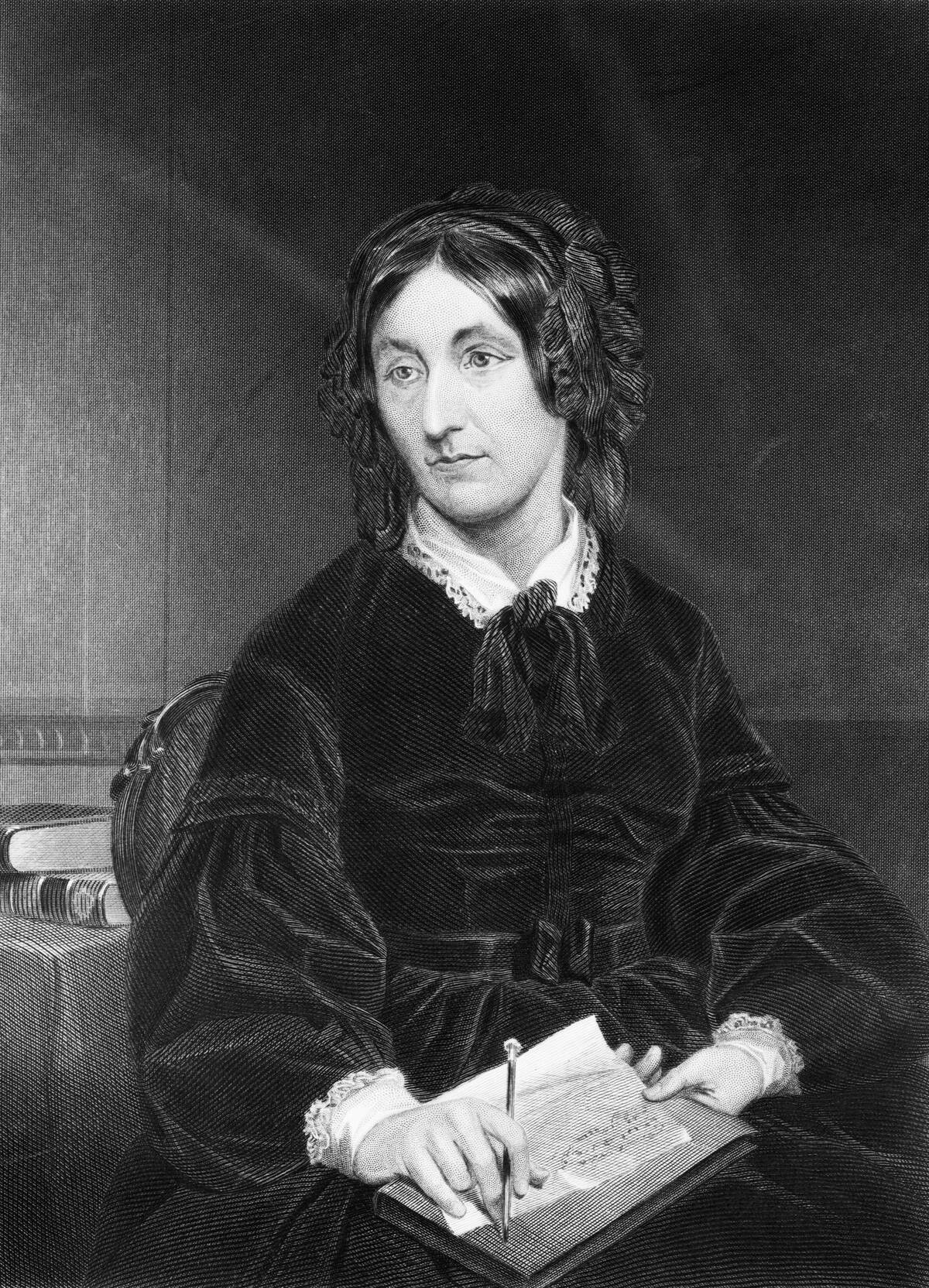
Throughout history, women have quietly contributed to the world of exploration and cartography. In the 19th century, Mary Somerville, a Scottish scientist, translated and interpreted the works of famous astronomers, indirectly influencing global navigation.
Another lesser-known figure is Jeanne Baret, who disguised herself as a man to join a French expedition in the 18th century, becoming the first woman to circumnavigate the globe. Despite their groundbreaking contributions, these women’s stories often remain hidden.
The Silent Cartographers of the Age of Exploration
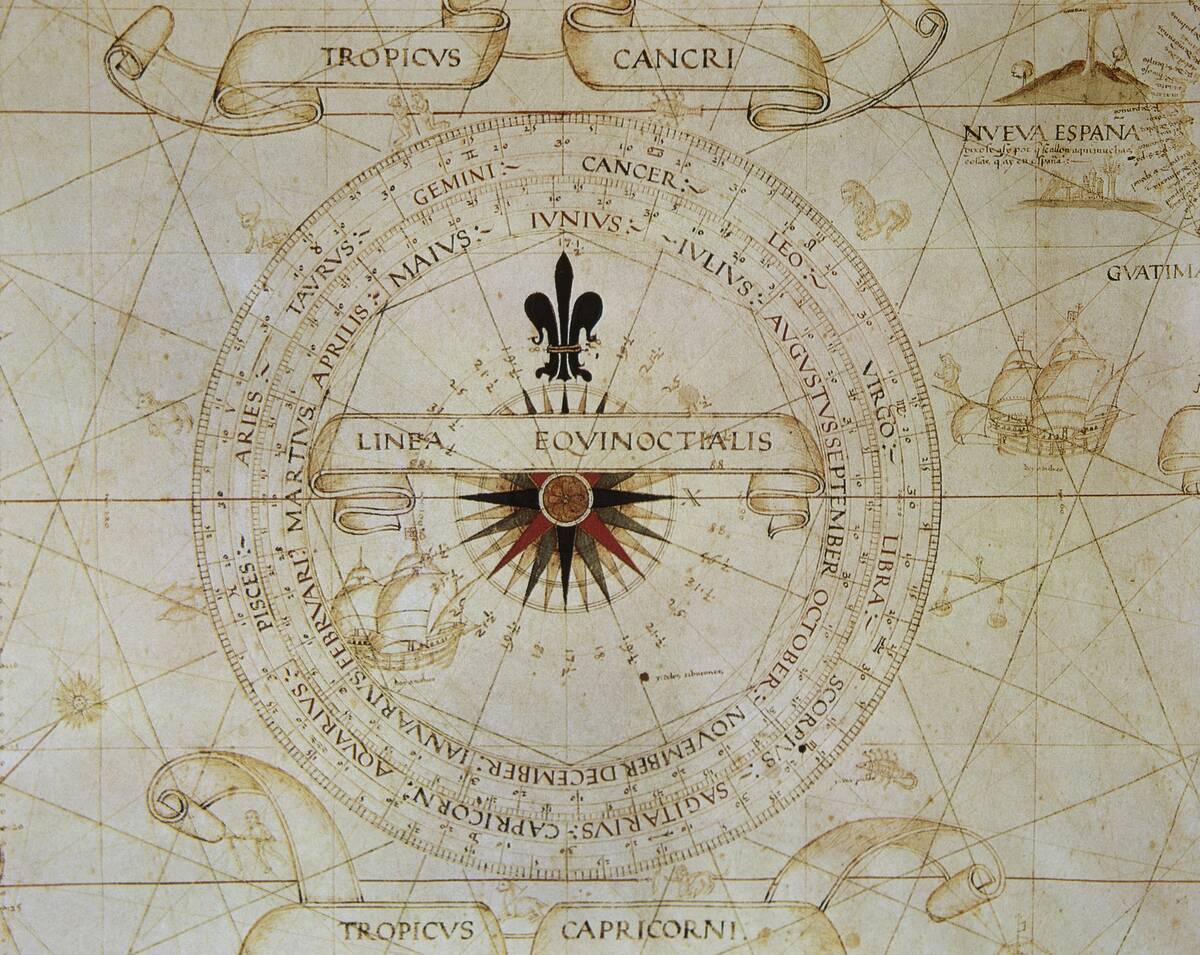
During the Age of Exploration, countless cartographers worked tirelessly to map new territories. These individuals, many of whom remain anonymous, created detailed maps that guided explorers on their ventures.
For instance, Diego Ribero, a Spanish cartographer, produced one of the earliest world maps in the 16th century, incorporating new discoveries from the New World. Yet, even as these maps became essential tools, the cartographers’ names faded into obscurity, overshadowed by the explorers they aided.
African Explorers: Mapping the Continent Without Acknowledgment
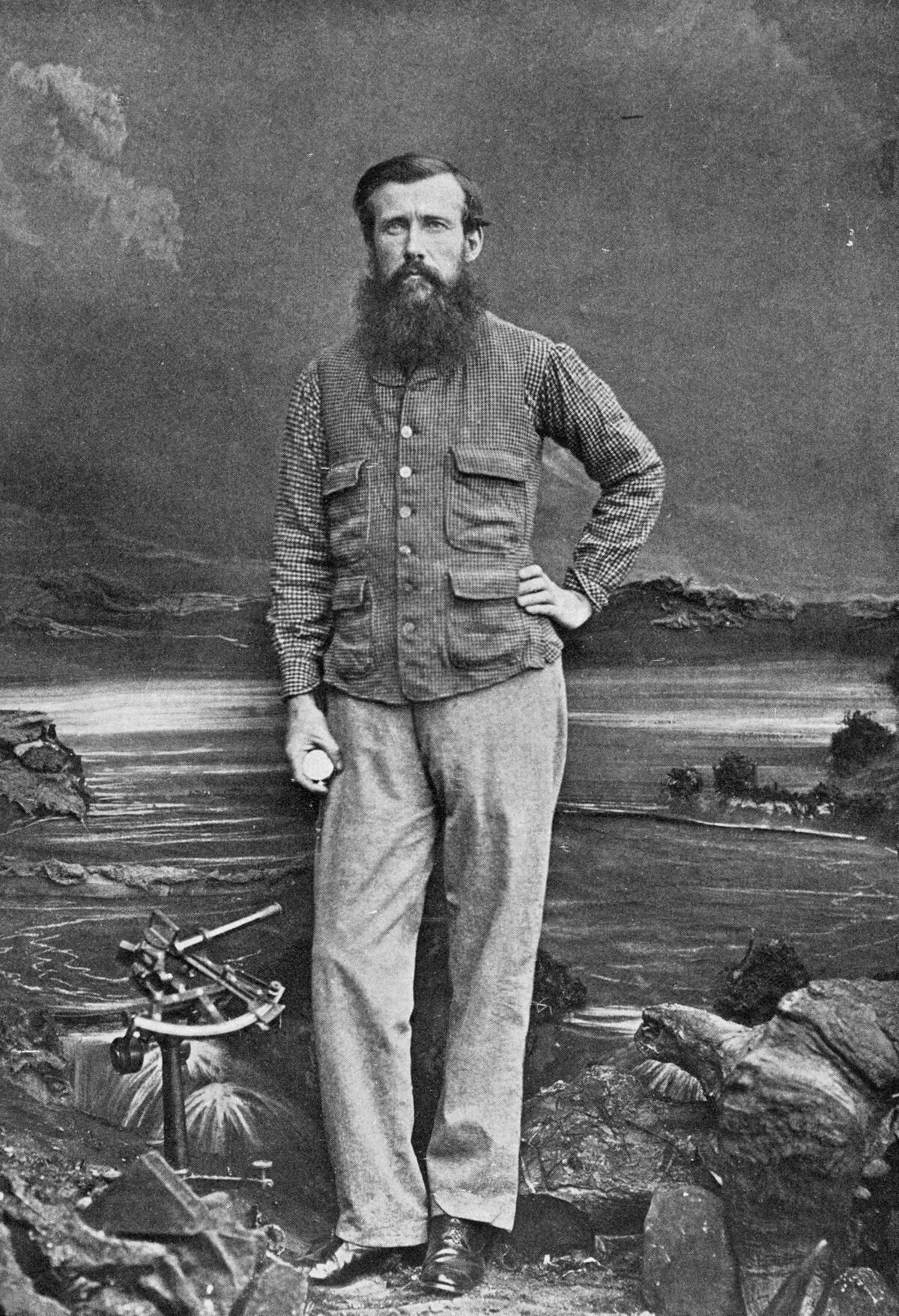
Africa, a land of vast landscapes and diverse cultures, has been explored by many whose names are lost to history.
Indigenous Africans often served as guides for European explorers, charting paths through treacherous terrains. Sidi Mubarak Bombay, an African guide in the 19th century, played a crucial role in the expeditions of British explorers like John Hanning Speke. Despite their indispensable knowledge and contributions, these African explorers rarely received the recognition they deserved.
Indigenous Guides: The Uncredited Pathfinders of New Lands
![[redacted] Guiding the Lewis And Clark Expedition by Alfred Russell](https://media.tellmebest.com/wp-content/uploads/2023/08/sacajawea-guiding-the-lewis-and-clark-expedition-by-alfred-russell-17252.jpeg)
Throughout history, indigenous guides have been vital in leading explorers through unfamiliar territories. In North America, figures like Sacagawea, a Shoshone woman, assisted Lewis and Clark in navigating the vast western lands.
Her knowledge of the terrain and ability to communicate with various tribes were invaluable. Similarly, in Australia, Aboriginal guides helped European settlers explore the harsh Outback. Despite their crucial roles, these guides often remain footnotes in the annals of exploration history.
The Forgotten Surveyors of the American Frontier
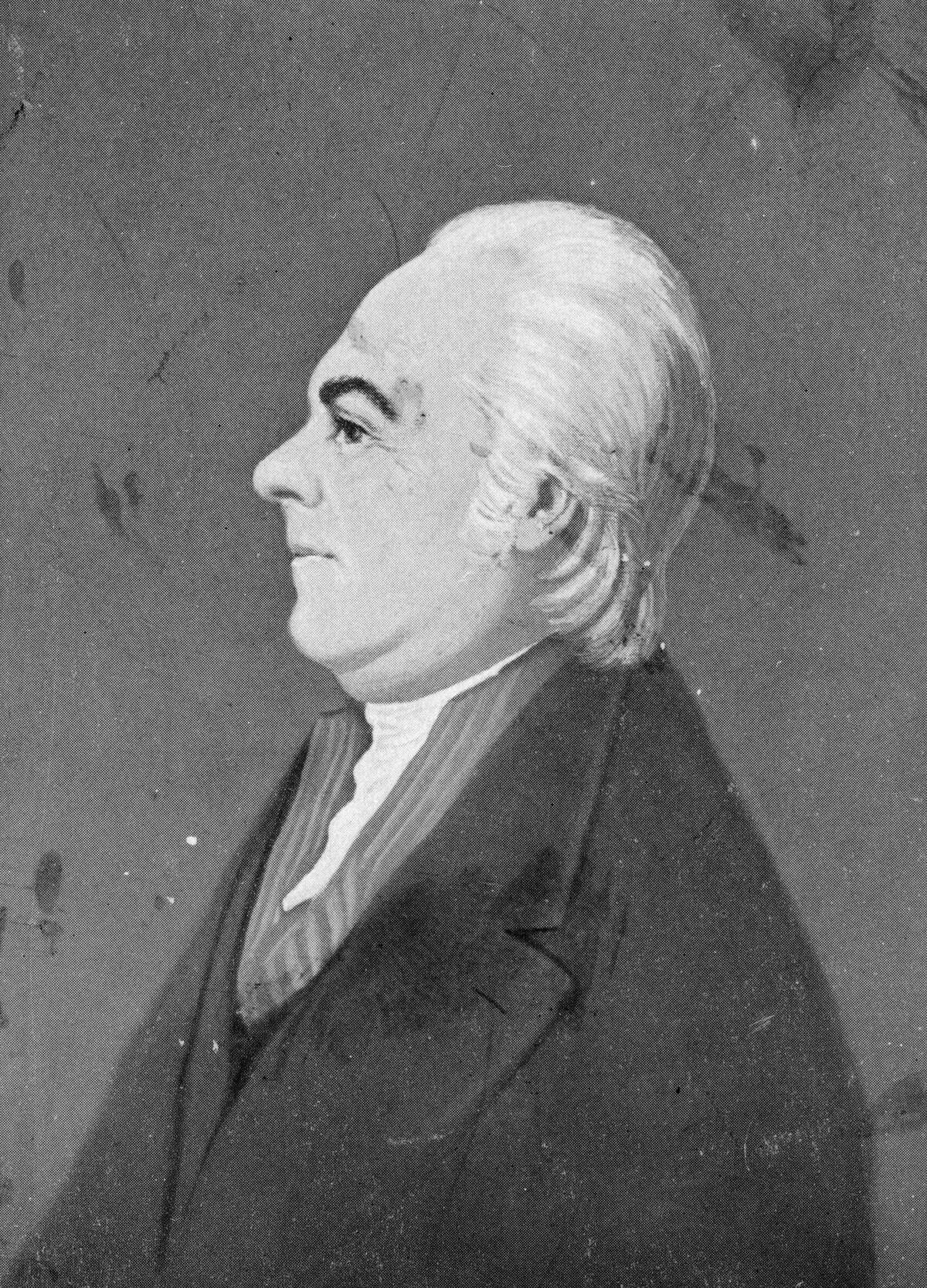
The American frontier is synonymous with exploration and expansion, yet many surveyors who charted these lands remain unsung. Men like Andrew Ellicott, who surveyed the boundaries of the District of Columbia, played pivotal roles in shaping the nation.
Ellicott also mentored Meriwether Lewis, of Lewis and Clark fame, imparting critical skills for the expedition. These surveyors laid the foundation for westward expansion, but their contributions are often eclipsed by more celebrated figures.
Asian Adventurers: Charting the Unknown with Little Recognition
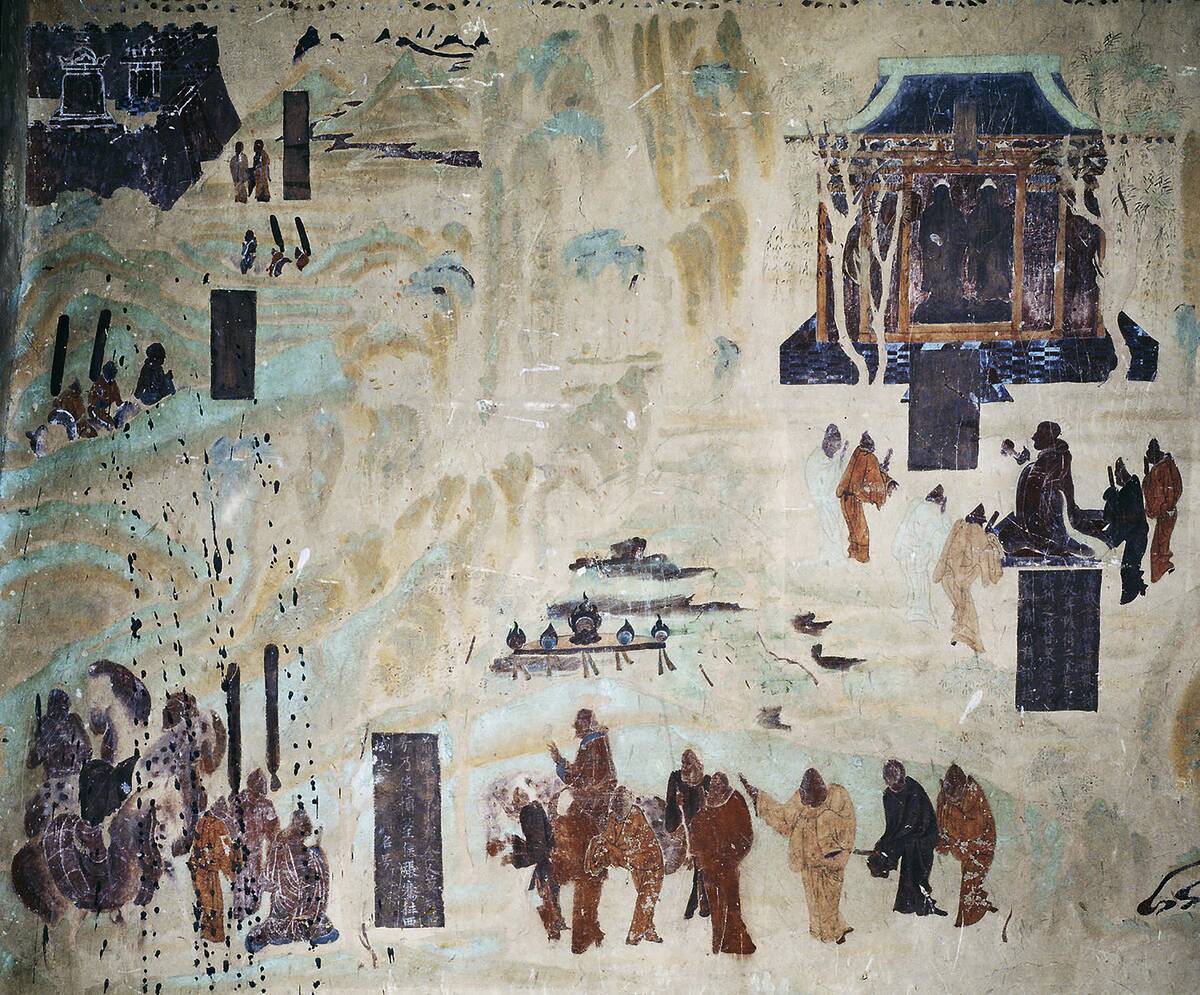
Asia, a continent rich with history, has seen numerous adventurers who explored its vast regions. Chinese explorer Zhang Qian, sent by Emperor Wu of Han in the 2nd century BCE, traveled across Central Asia, paving the way for the Silk Road.
His journeys expanded China’s trade horizons, yet his name is not as widely celebrated as other explorers. Similarly, Ibn Battuta, a Moroccan scholar, traveled extensively through Asia in the 14th century, documenting cultures and geography with remarkable detail.
Ocean Voyagers: Mapping the Seas in Obscurity
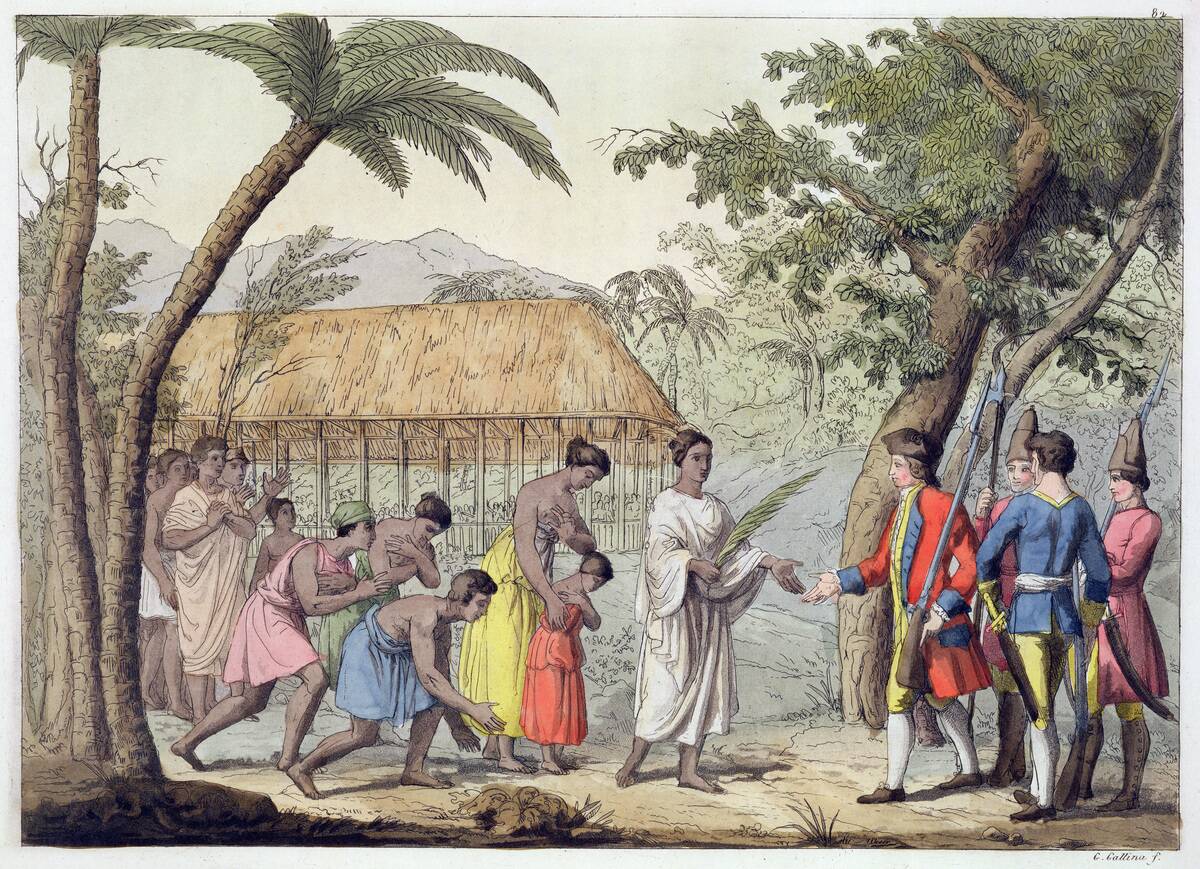
The world’s oceans have long been a frontier for brave souls who dared to map the unknown. Polynesian navigators, for instance, mastered the art of wayfinding, using stars and ocean currents to explore vast stretches of the Pacific.
Their skills enabled them to settle islands across thousands of miles. Despite their expertise, these voyagers are often overlooked in the grand narrative of exploration. Their contributions to maritime navigation are only now beginning to receive the recognition they deserve.
The Secret Lives of Royal Cartographers
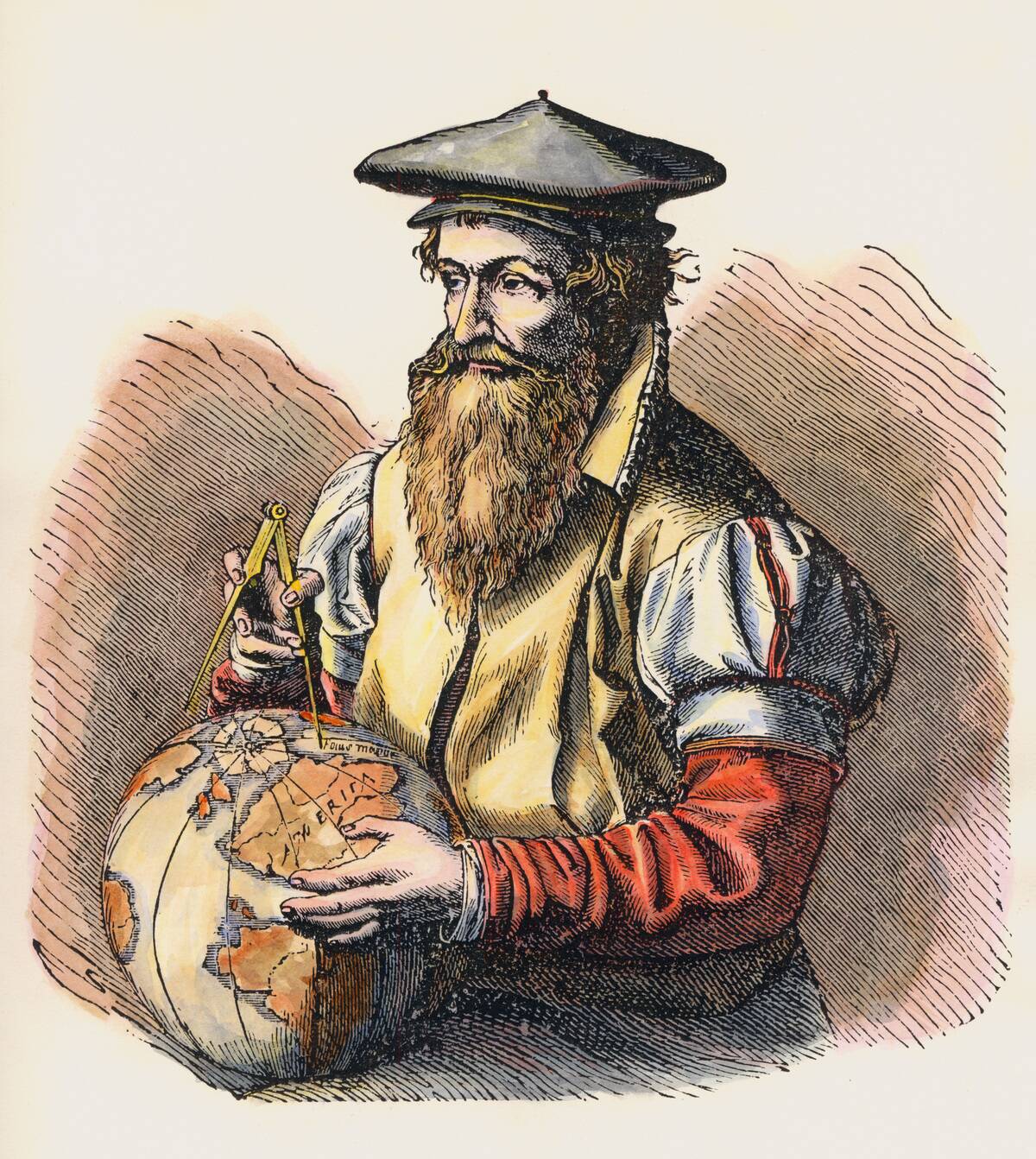
Royal courts have always employed cartographers to map their expanding realms. These cartographers, often working in anonymity, were crucial in shaping the geopolitical landscapes of their times.
Gerardus Mercator, a Flemish cartographer in the 16th century, introduced the Mercator projection, still used in navigation today. Although his work was revolutionary, it was often commissioned under the patronage of royalty, which meant that the credit for these maps often went to the crown rather than the cartographer.
Nameless Innovators: Mapping Technologies and Techniques
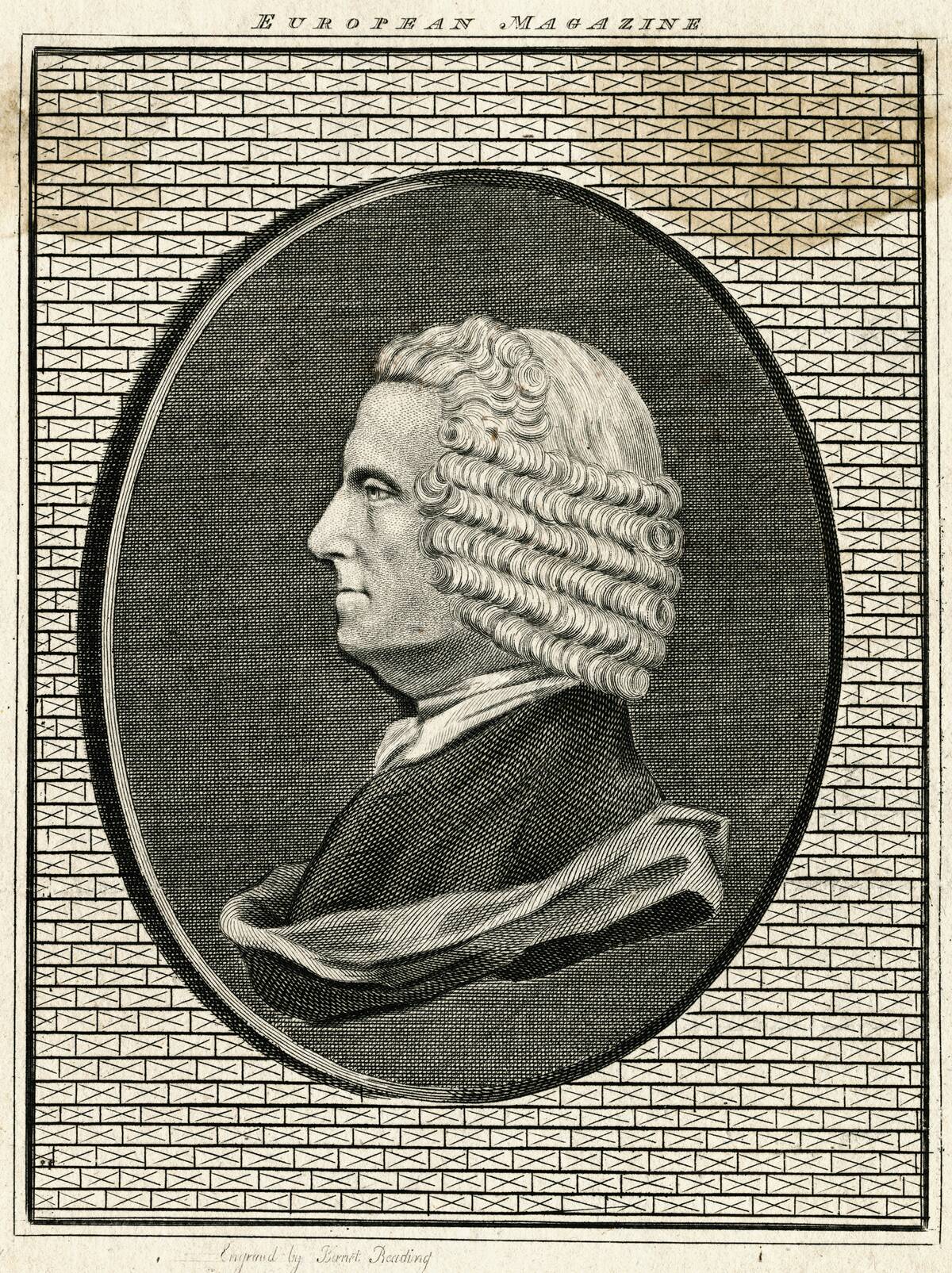
The evolution of cartography owes much to the nameless innovators who developed new technologies and techniques. The invention of the marine chronometer by John Harrison in the 18th century revolutionized sea navigation by providing a reliable means to determine longitude.
Similarly, the development of aerial photography in the early 20th century transformed mapmaking, allowing for more accurate representations of the Earth’s surface. While these innovations were groundbreaking, the individuals behind them often remain in the shadows.
The Hidden Figures of Polar Exploration
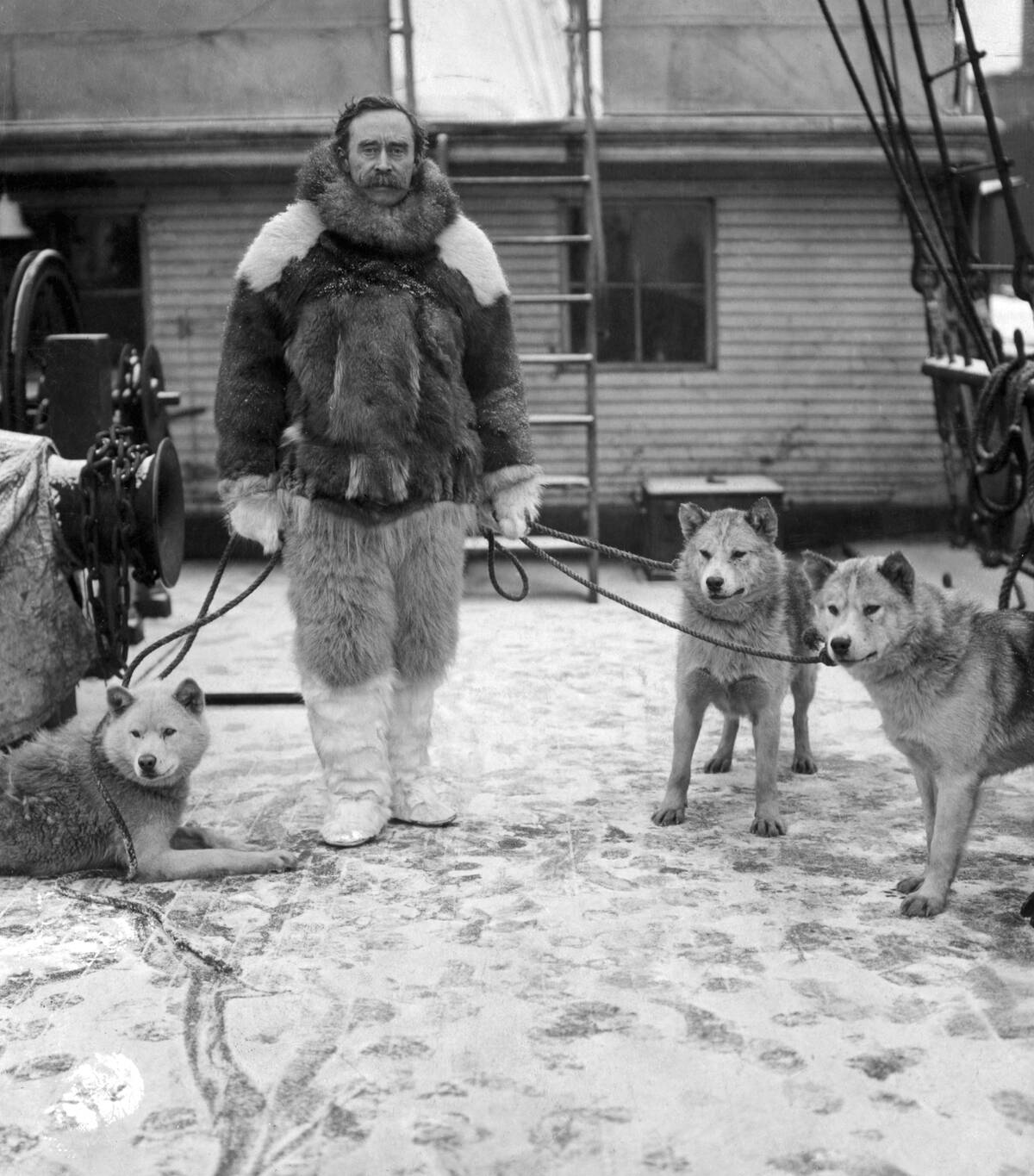
Polar exploration is synonymous with harsh conditions and brave explorers, yet many of the contributions remain unheralded. Figures like Matthew Henson, an African-American explorer, played a pivotal role in Robert Peary’s expedition to the North Pole in 1909.
Despite being one of the first to reach the pole, Henson’s achievements were largely overlooked due to racial prejudice. Similarly, Inuit guides provided essential knowledge and support for numerous Arctic expeditions, yet their contributions are often understated in historical accounts.
The Overlooked Contributors to Modern Mapmaking

Modern mapmaking is a collaborative effort that owes much to overlooked contributors. The development of Geographic Information Systems (GIS) in the 1960s, for instance, transformed how we collect and analyze spatial data. Figures like Roger Tomlinson, known as the ‘father of GIS,’ played a key role in its development.
Meanwhile, the contributions of countless technicians and data analysts, who process and refine this information, remain largely unrecognized, yet their work is crucial in creating the maps we rely on today.
Unsung Heroes of the Silk Road

The Silk Road was a network of trade routes that connected East and West, and its success relied on numerous unsung heroes. Traders and travelers, often unnamed, braved deserts and mountains to facilitate cultural and economic exchanges.
These individuals, including caravan leaders and local guides, ensured the safe passage of goods and ideas. While the Silk Road is celebrated for its historical significance, the personal stories of those who traversed it remain largely untold.
The Anonymous Architects of City Maps and Urban Exploration
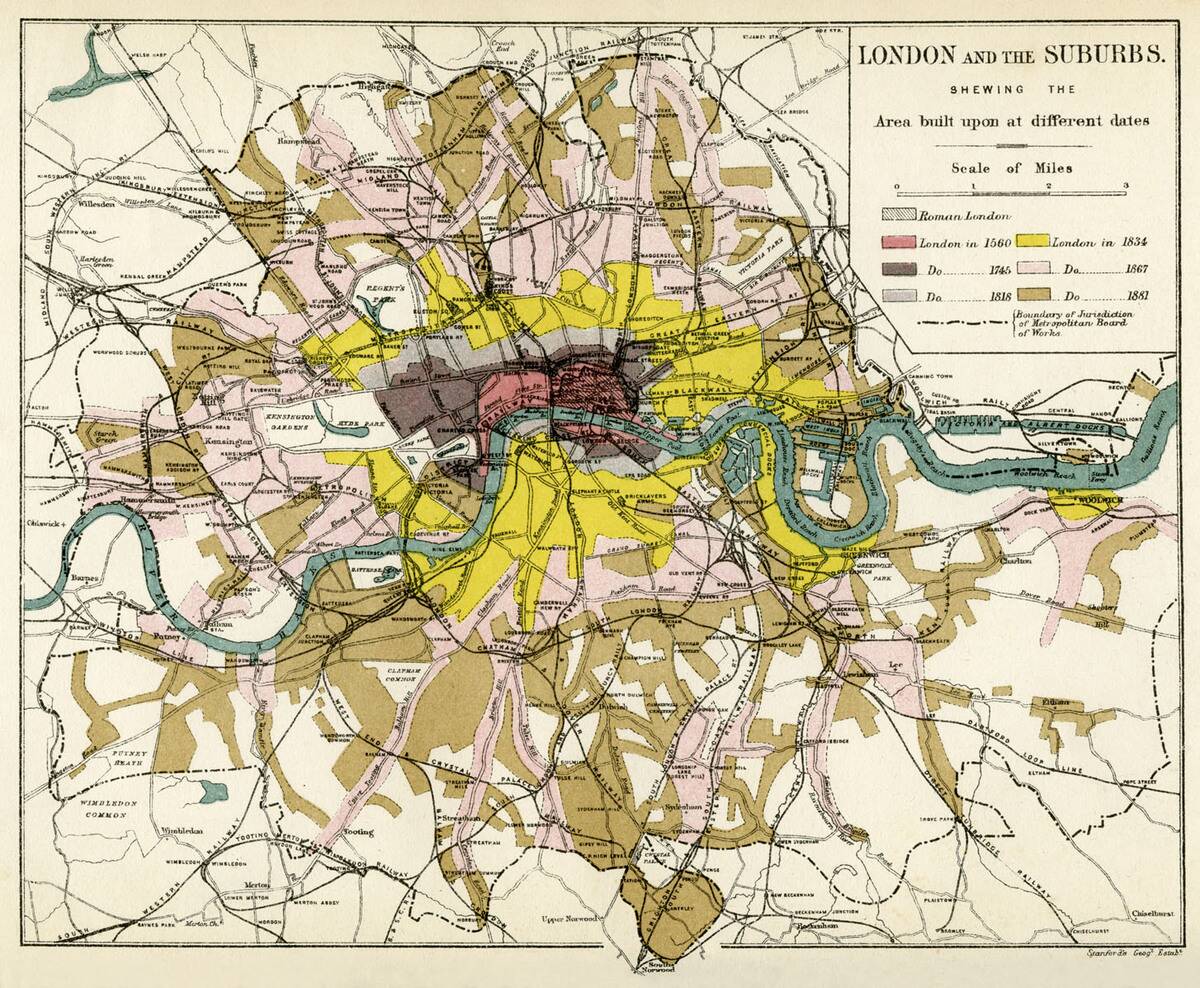
Urban exploration and the development of city maps have been shaped by many anonymous architects. In the 19th century, figures like Charles Booth mapped the social landscape of London, documenting poverty and wealth distribution.
His work laid the groundwork for modern urban planning, yet his name is less recognized than the maps themselves. Similarly, the countless surveyors and planners who design city grids and infrastructure play a vital role in shaping urban environments, often without acknowledgment.
Forgotten Explorers of the Outback: Australia’s Unheralded Mappers
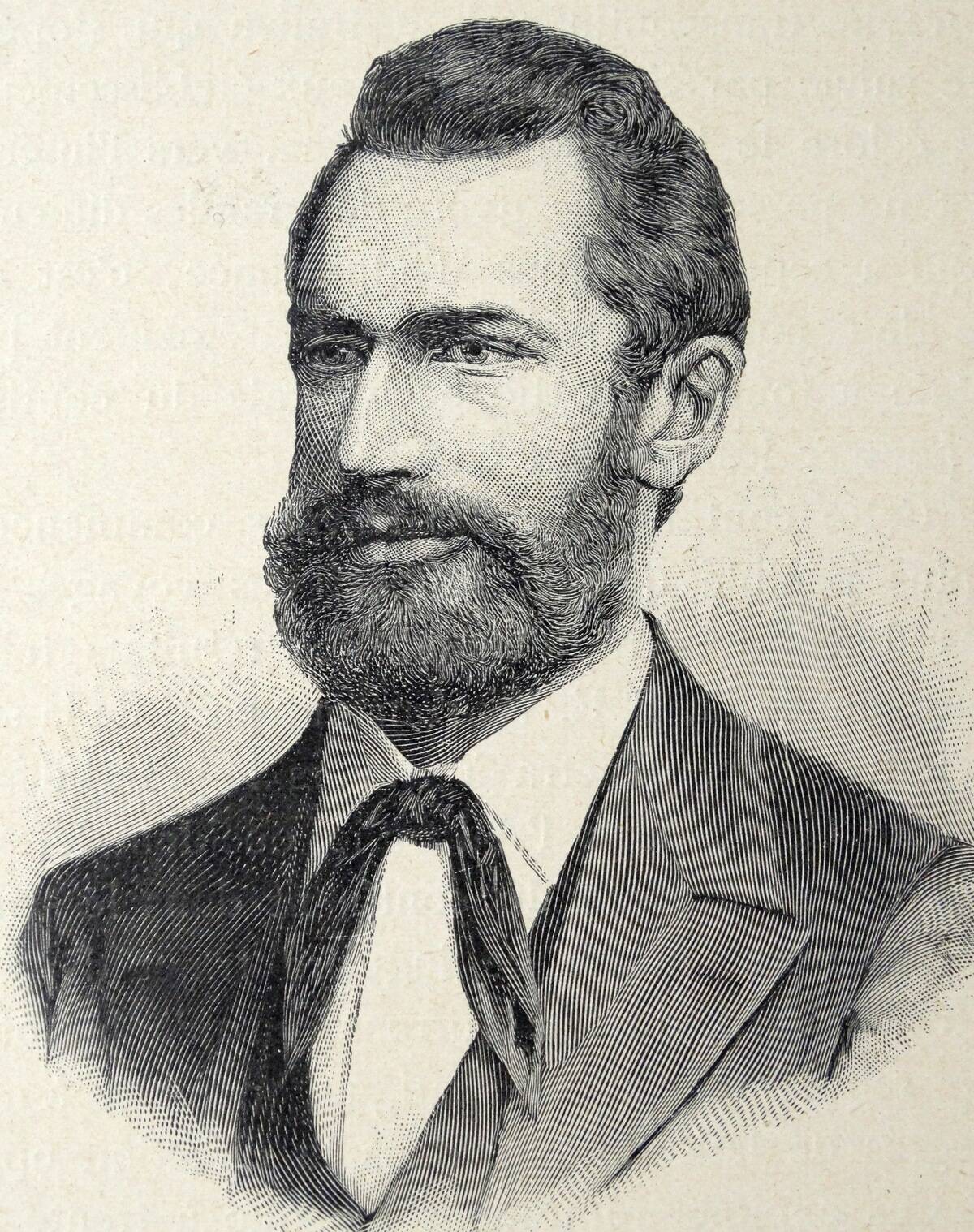
Australia’s vast Outback has been a challenging frontier for explorers and mappers alike. Figures like Ludwig Leichhardt, a Prussian explorer, embarked on expeditions in the 19th century to chart the continent’s interior.
His journeys, often fraught with danger, provided valuable insights into Australia’s geography. Indigenous Australians also played a crucial role, offering knowledge and guidance to explorers. Despite their significant contributions, many of these explorers remain unheralded in the broader narrative of Australian exploration.
The Uncelebrated Naturalists and Their Contributions to Geography
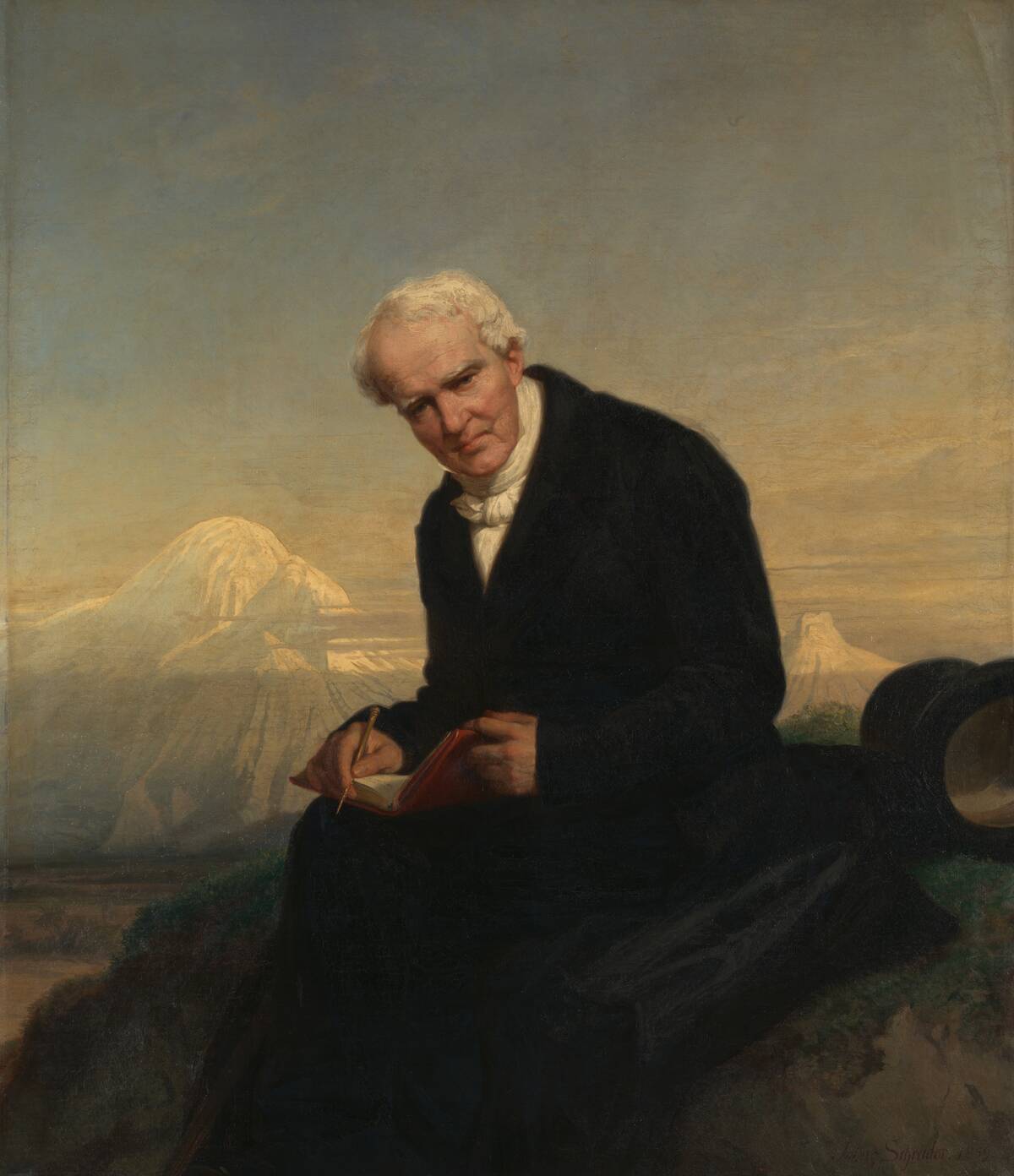
Naturalists have long contributed to our understanding of geography through their studies of flora and fauna. Figures like Alexander von Humboldt, a Prussian polymath, conducted extensive research in South America in the early 19th century, linking ecological and geographical observations.
His work laid the foundation for biogeography, yet he is often overshadowed by explorers who focused solely on charting new lands. Similarly, countless naturalists who meticulously documented ecosystems remain uncelebrated, despite their vital contributions to the field.




