Timeless structures and the secrets to their durability
Architecture has always been a reflection of human ingenuity and cultural values. From ancient wonders to modern marvels, these structures tell stories of their creators and the times they were built in.
Let’s embark on a journey through some of the world’s most iconic architectural wonders, each with its own unique tale to share, showcasing both the artistry and engineering prowess of their eras.
The Great Pyramid of Giza: Ancient Engineering Feats
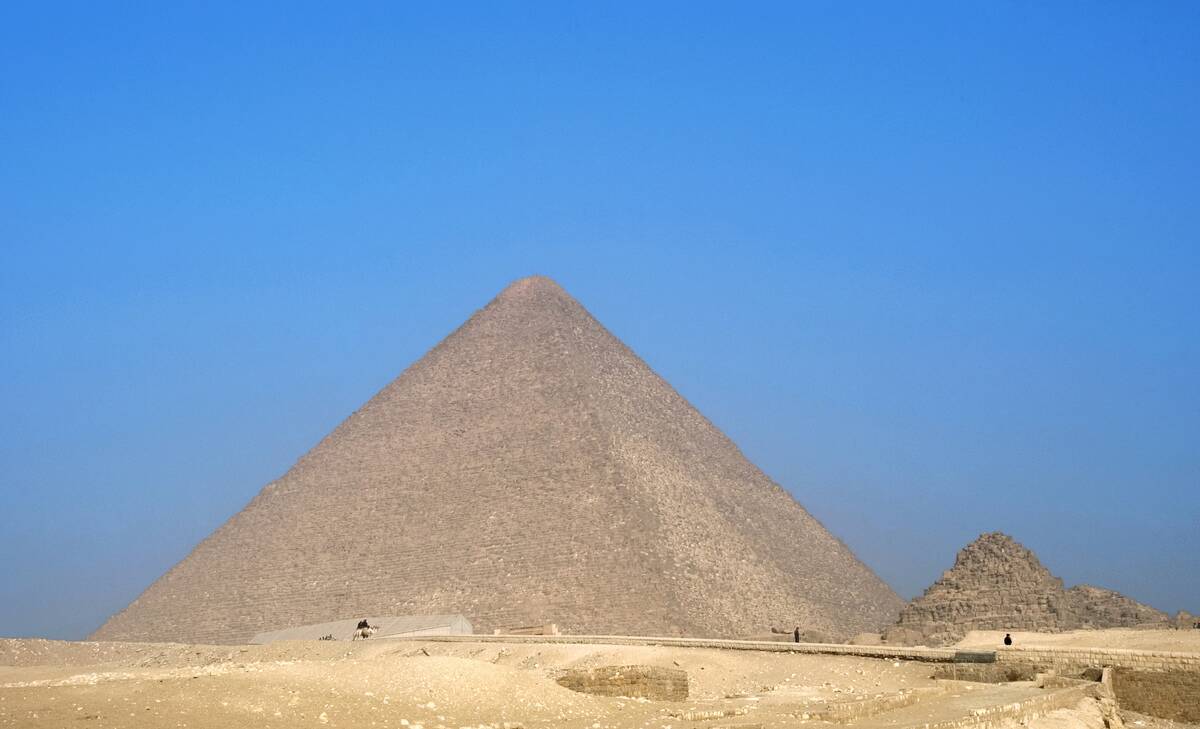
Standing as the last of the Seven Wonders of the Ancient World, the Great Pyramid of Giza is a testament to ancient Egyptian engineering. Built around 2560 BC for Pharaoh Khufu, it was the tallest man-made structure in the world for over 3,800 years.
The precision with which the pyramid was constructed, using massive limestone blocks, continues to baffle historians and engineers alike. How these massive stones were transported and assembled remains one of history’s most enduring mysteries.
The Roman Colosseum: A Testament to Roman Ingenuity
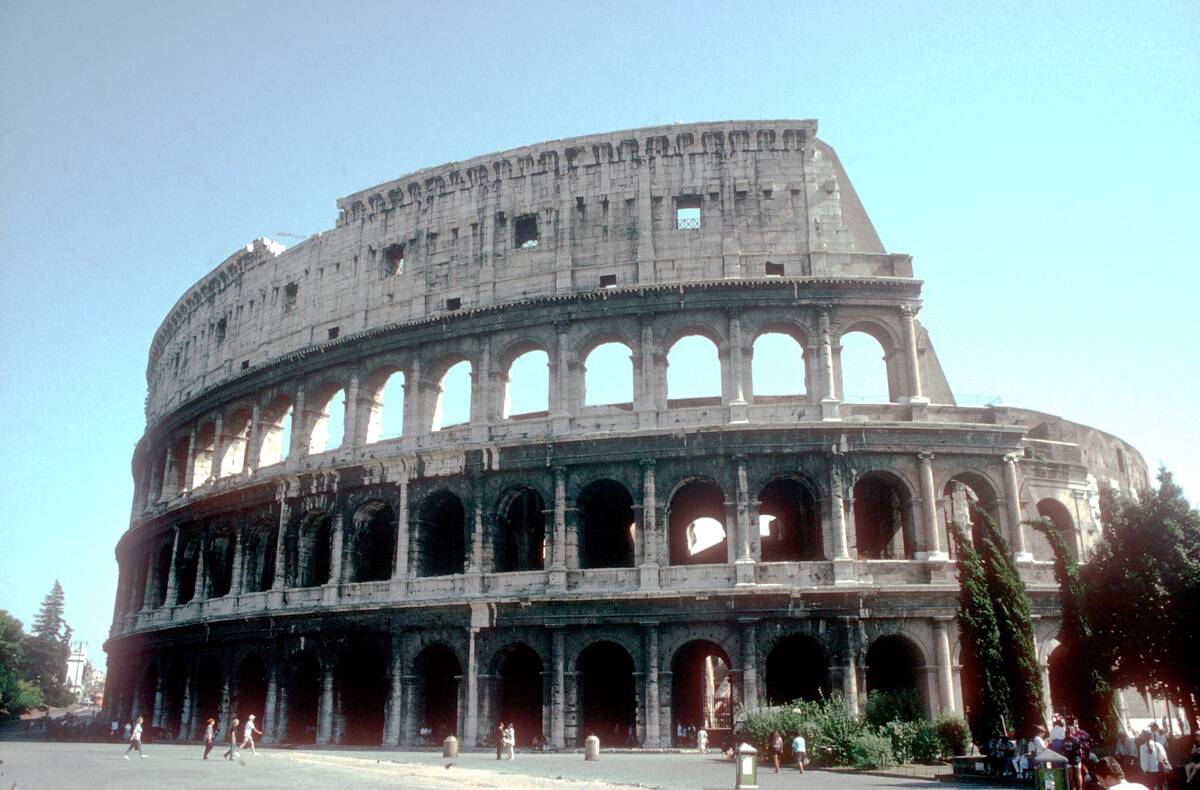
The Roman Colosseum, also known as the Flavian Amphitheater, is an enduring symbol of the ingenuity of Roman engineering. Completed in 80 AD, it could hold up to 80,000 spectators, who flocked to witness gladiatorial contests and public spectacles.
The Colosseum’s complex system of vaults and arches demonstrates Rome’s advanced understanding of architectural principles. Despite suffering damage from earthquakes and stone robbers, it remains a majestic reminder of Rome’s architectural brilliance.
The Great Wall of China: Defensive Masterpiece of the Ages
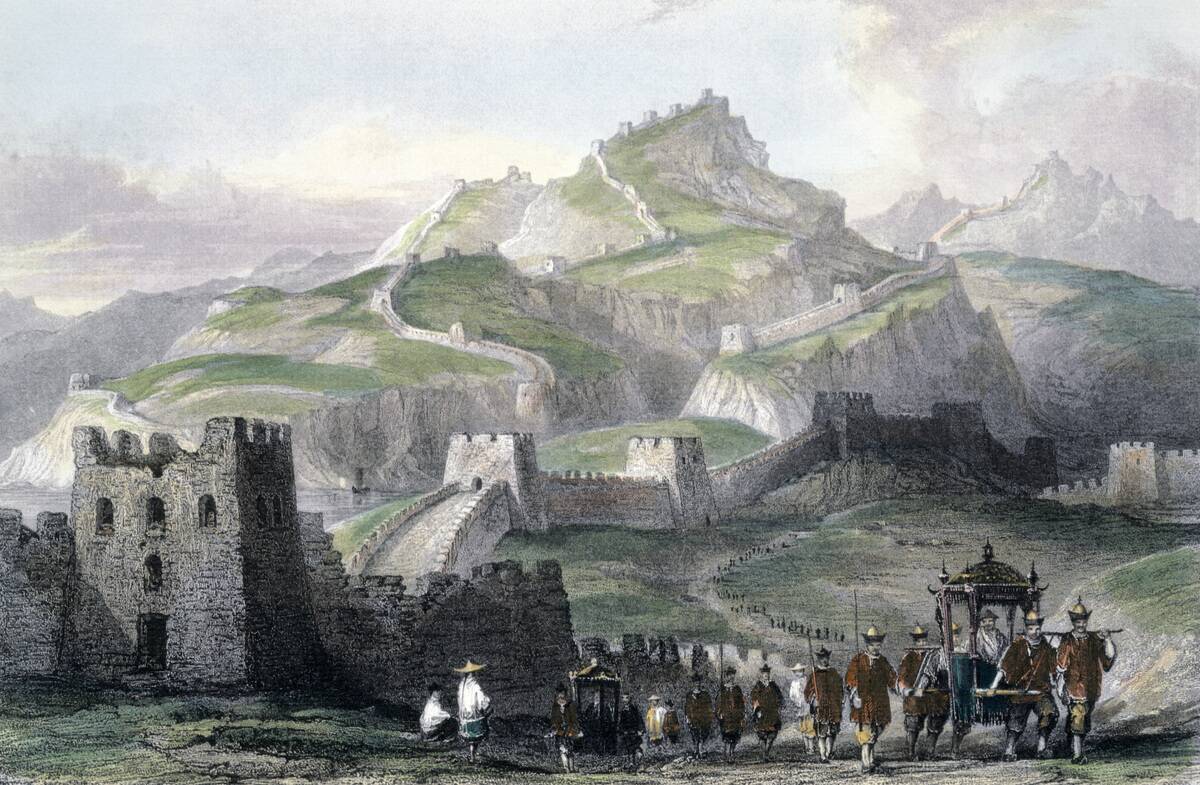
Stretching over 13,000 miles, the Great Wall of China is an awe-inspiring feat of ancient defense. Built over several dynasties, with significant contributions from the Ming Dynasty, its primary purpose was to protect against invasions from nomadic tribes.
The wall’s construction involved the use of various materials, including stone, brick, and tamped earth, showcasing the adaptability of Chinese engineering. Today, it stands as a symbol of perseverance and the lengths to which civilizations will go to protect themselves.
Stonehenge: Mysteries in Standing Stones
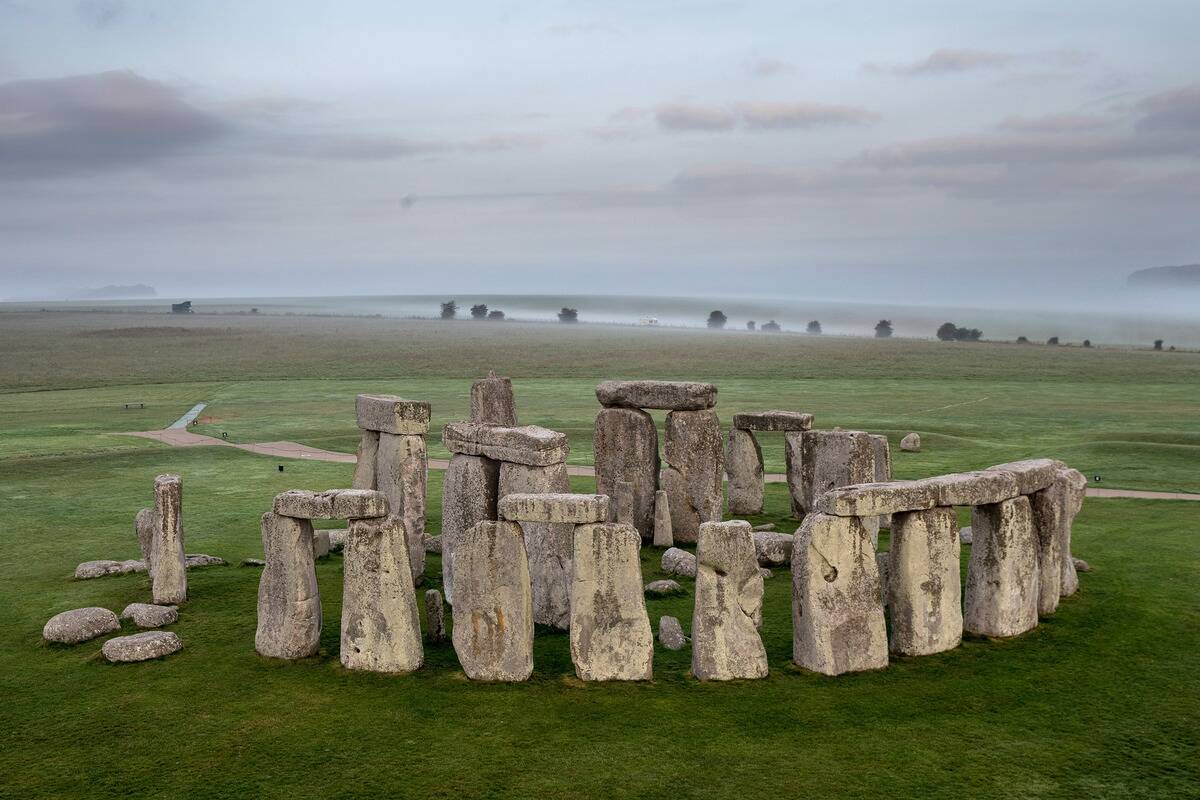
Stonehenge, located in Wiltshire, England, is one of the world’s most enigmatic ancient monuments. Dating back to around 2500 BC, the purpose of this prehistoric stone circle remains a mystery, though theories range from astronomical observation to religious ceremonies.
The massive sarsen stones, some weighing over 25 tons, were transported from miles away, a feat that baffles archaeologists even today. Stonehenge continues to captivate visitors, standing as a silent guardian of ancient secrets.
The Parthenon: Greek Perfection in Architecture
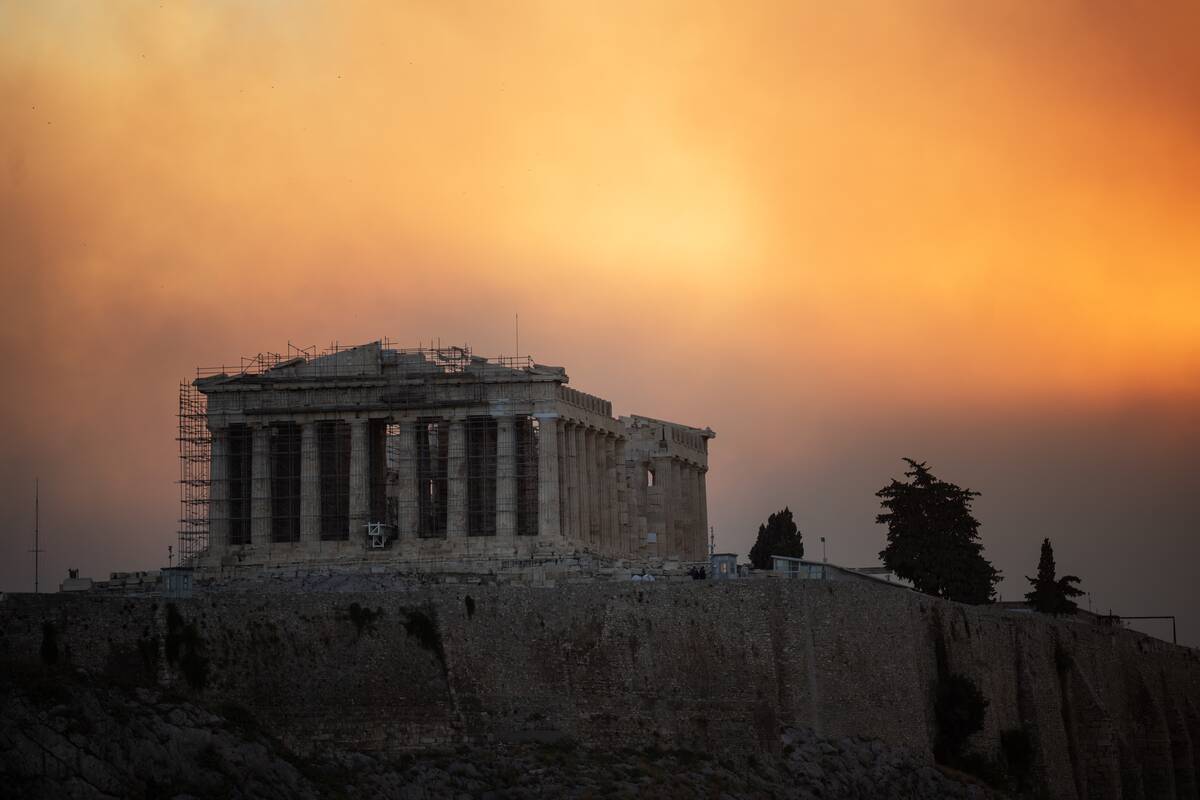
Perched atop the Acropolis of Athens, the Parthenon epitomizes the architectural prowess of ancient Greece. Constructed between 447 and 432 BC, it was dedicated to the goddess Athena, whom the people of Athens considered their patron.
Its Doric columns and intricate sculptures reflect the Greek ideals of harmony and proportion. Despite the ravages of time and conflict, the Parthenon remains a symbol of the cultural and political achievements of ancient Greece.
Machu Picchu: The Resilience of Incan Construction
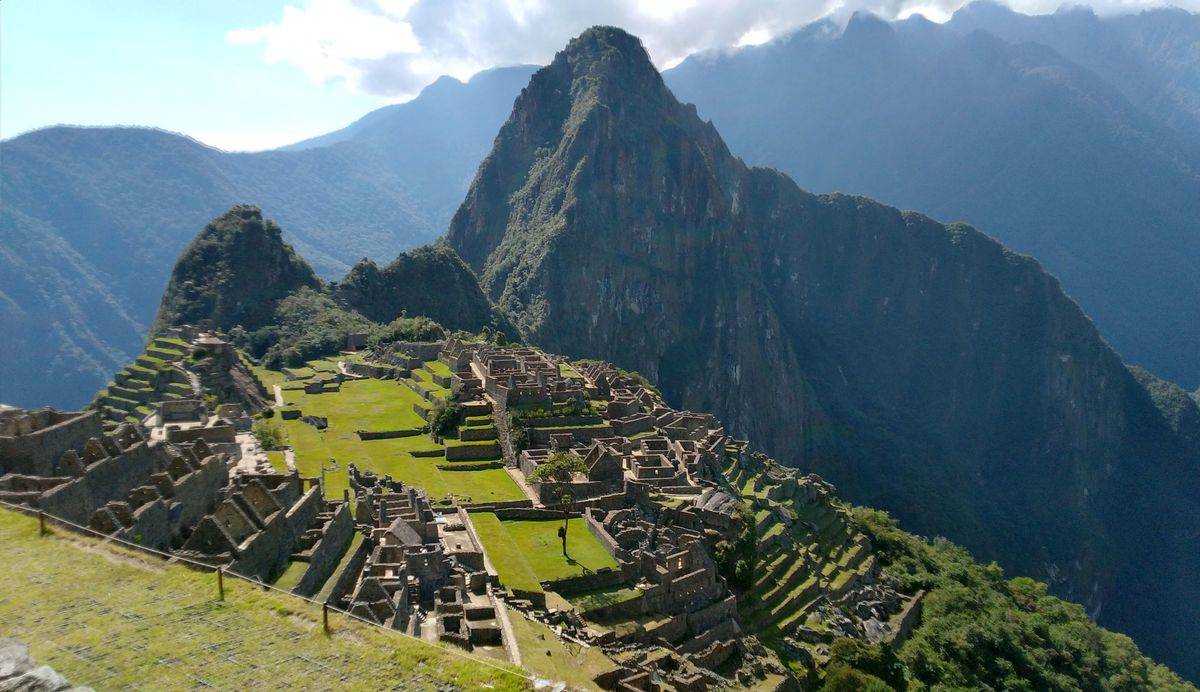
Nestled high in the Andes Mountains, Machu Picchu is a breathtaking example of Incan architecture. Built in the 15th century, it served as a royal estate or religious retreat, showcasing the Incas’ sophisticated knowledge of engineering and agriculture.
The site’s construction utilizes dry-stone walls that fit together without mortar, allowing it to withstand earthquakes. Rediscovered in 1911 by Hiram Bingham, Machu Picchu continues to be a captivating window into the world of the Incas.
The Hagia Sophia: Convergence of Cultures and Styles
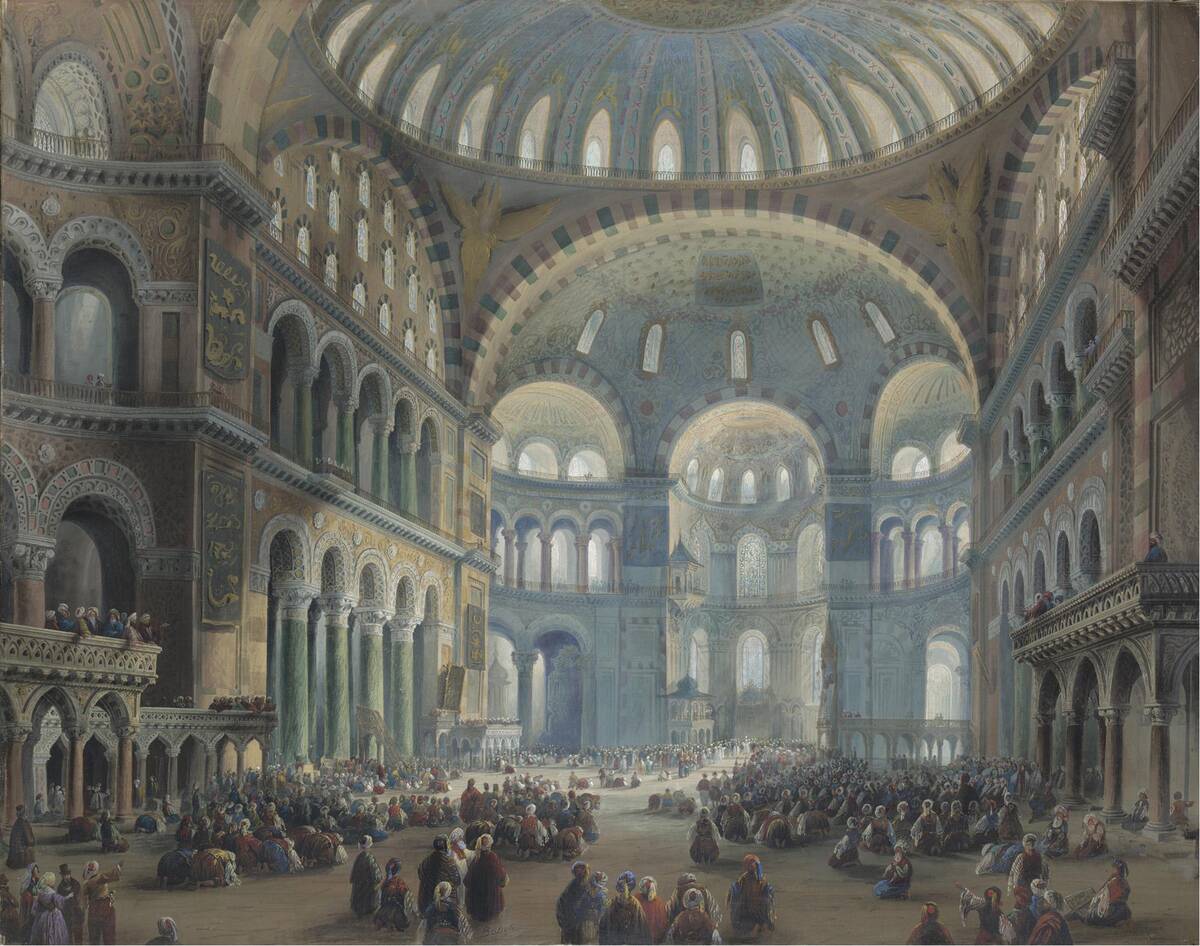
The Hagia Sophia in Istanbul is a stunning example of architectural transformation, reflecting the convergence of Byzantine and Ottoman influences. Originally constructed as a cathedral in 537 AD, it was converted into a mosque in 1453, and later into a museum. In 2020, it was reconverted into a mosque, reflecting its continuing religious and cultural significance
Its massive dome, supported by pendentives, was an engineering marvel of its time, influencing both Eastern and Western architecture. The Hagia Sophia’s rich history and breathtaking mosaics make it a must-see for architecture enthusiasts.
The Taj Mahal: An Eternal Symbol of Love
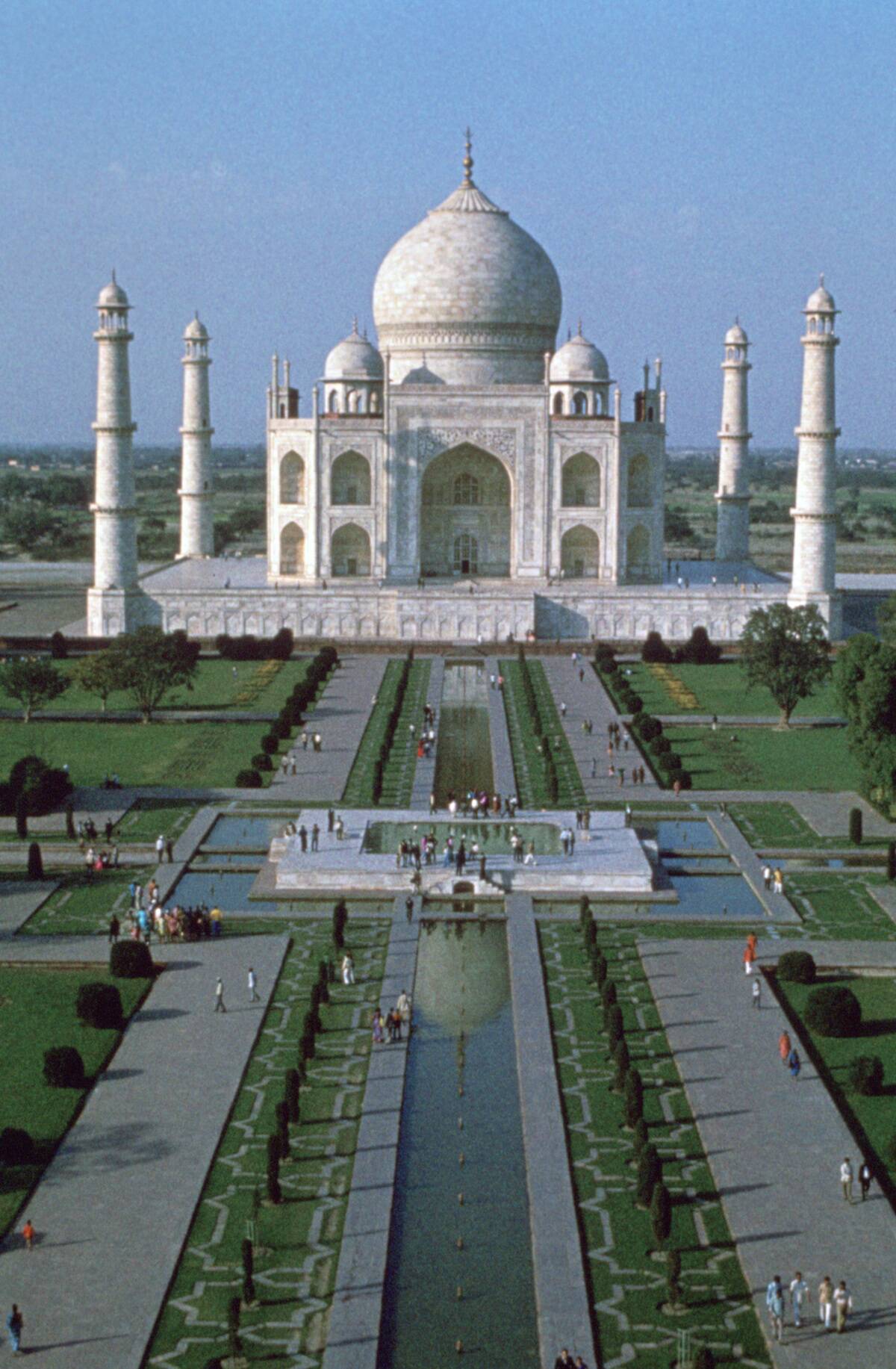
The Taj Mahal, located in Agra, India, is a stunning monument to love, built by Emperor Shah Jahan in memory of his wife Mumtaz Mahal. Completed in 1643, this white marble mausoleum is renowned for its symmetrical beauty and intricate carvings.
The Taj Mahal’s reflection in the surrounding pools creates an ethereal sight, especially at sunrise and sunset. As a UNESCO World Heritage Site, it continues to draw millions of visitors from around the world, captivated by its romantic allure.
The Pont du Gard: Roman Aqueducts and Their Legacy
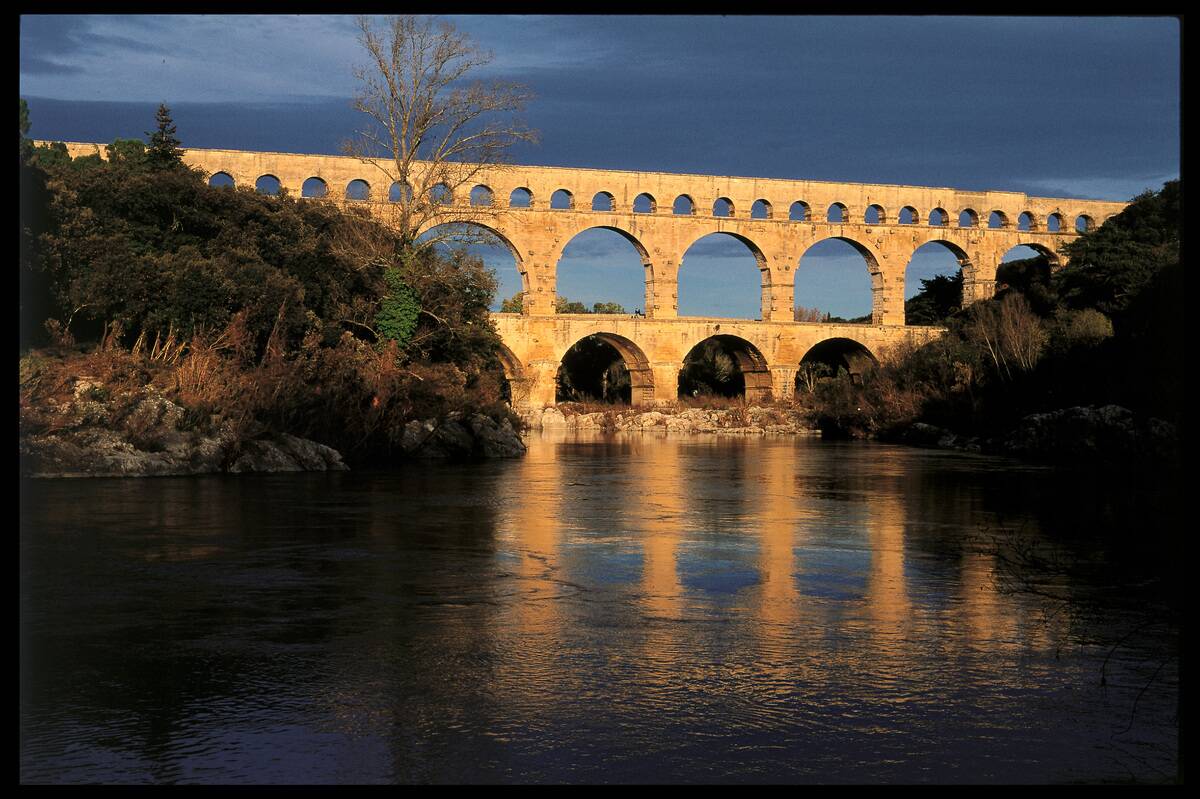
The Pont du Gard in southern France is a remarkable example of Roman engineering, part of a 31-mile aqueduct built in the first century AD to supply water to the city of Nîmes.
Standing at 160 feet tall, the aqueduct’s three tiers of arches showcase the precision and skill of Roman builders. Despite its age, the Pont du Gard remains one of the best-preserved Roman aqueducts, a testament to the durability and ingenuity of Roman architecture.
The Alhambra: Moorish Splendor and Its Preservation
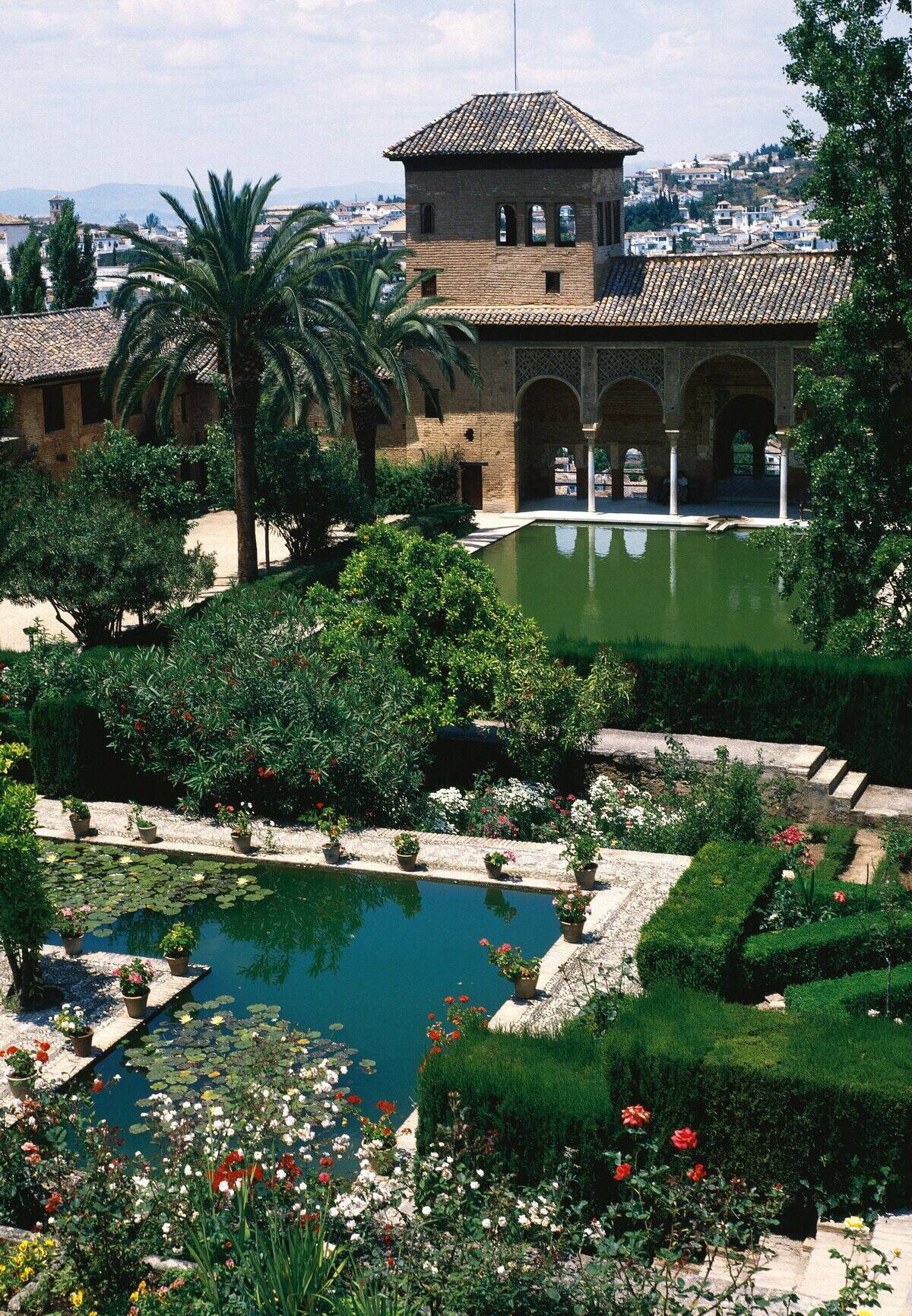
The Alhambra, perched atop the hills of Granada, Spain, is a stunning example of Moorish architecture and artistry. Originally built as a fortress in 889 AD during the early Moorish period, it was transformed into a royal palace complex largely in the mid-13th century by the Nasrid dynasty.
The Alhambra’s intricately carved stucco, serene courtyards, and lush gardens reflect Islamic art’s emphasis on geometric patterns and harmony with nature. Efforts to preserve this UNESCO World Heritage Site ensure that its beauty and history continue to inspire visitors.
The Sphinx: Guardian of the Egyptian Sands
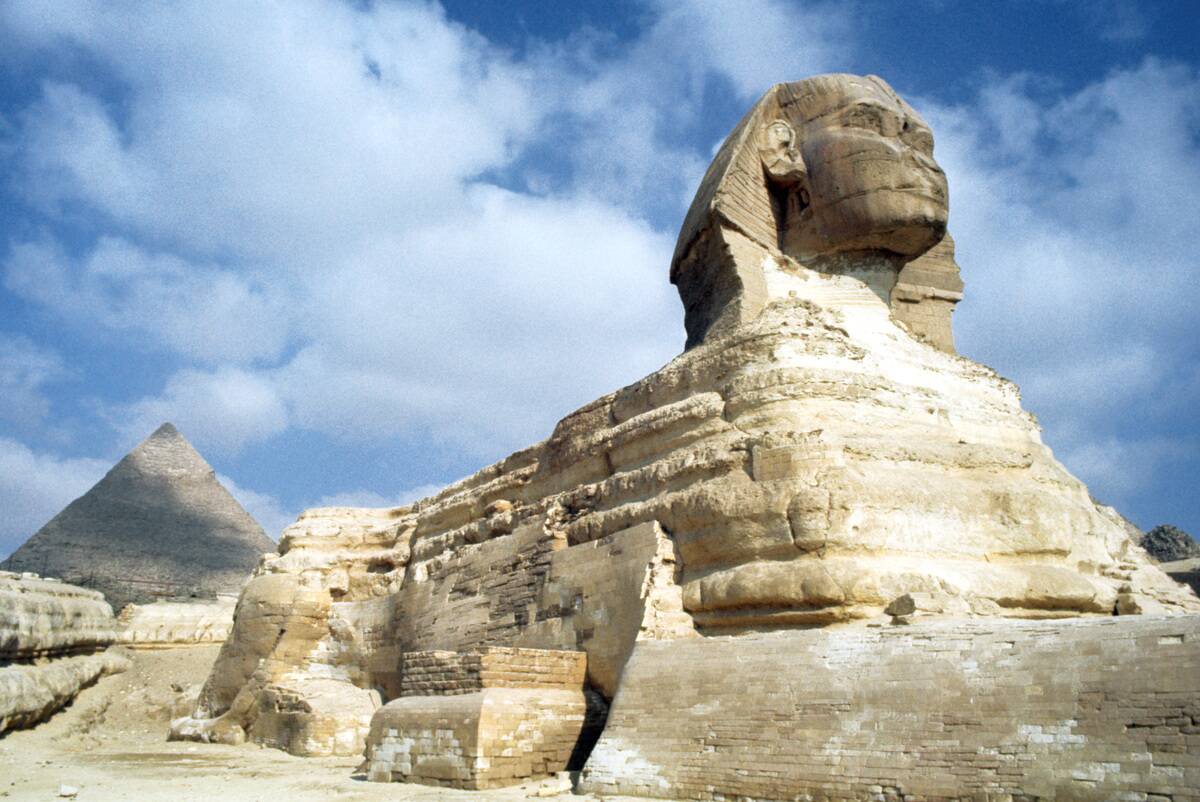
The Great Sphinx of Giza, with its lion’s body and human head, is one of the most iconic symbols of ancient Egypt. Carved from limestone, it is believed to have been constructed around 2500 BC during the reign of Pharaoh Khafre.
The Sphinx’s enigmatic expression has sparked countless legends and theories about its purpose and meaning. Though weathered by time and desert winds, the Sphinx remains a powerful emblem of the mysteries of ancient Egypt.
The Forbidden City: Secrets of China’s Imperial Past
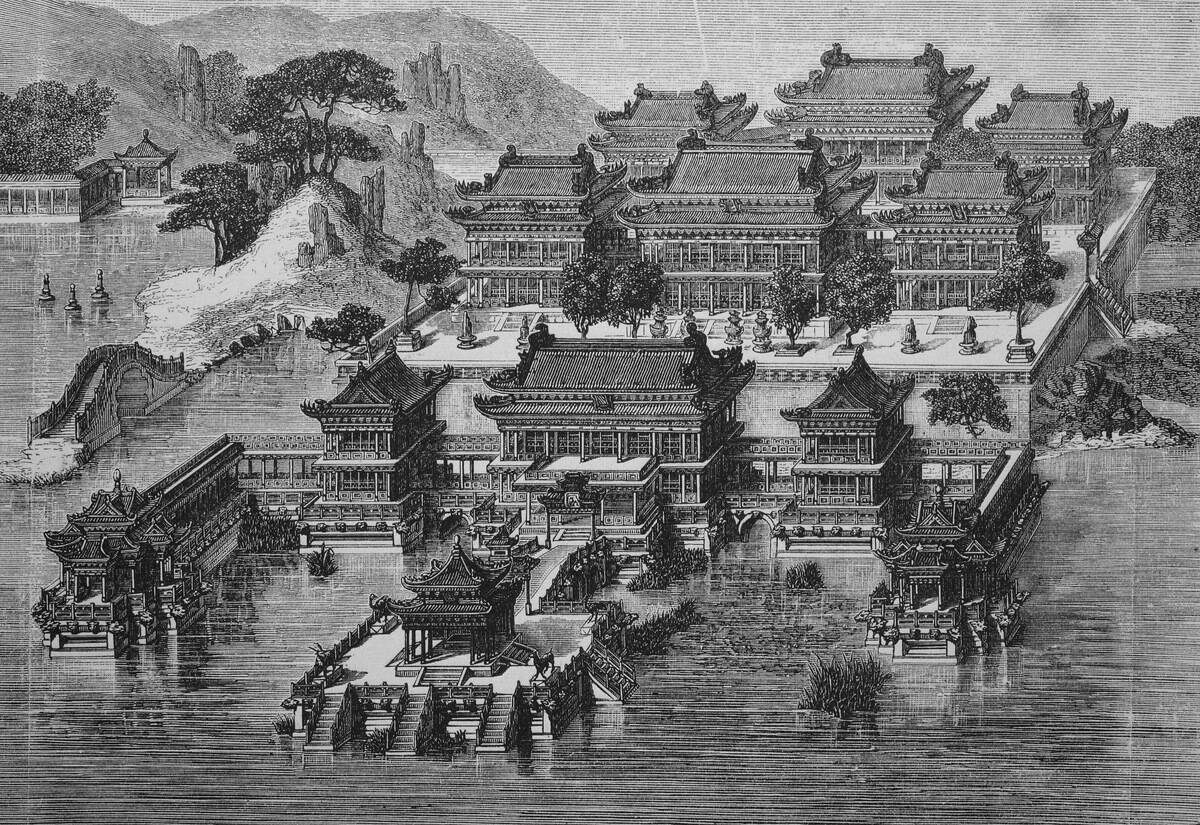
The Forbidden City in Beijing served as the imperial palace of Chinese emperors from the Ming to the Qing dynasties. Constructed between 1406 and 1420, it is a sprawling complex of 980 buildings, reflecting the grandeur and opulence of China’s imperial past.
The city’s layout follows the principles of traditional Chinese architecture, emphasizing balance and harmony. Today, the Forbidden City is a museum, offering a glimpse into the history and culture of China’s dynastic rule.
The Notre Dame Cathedral: Gothic Grandeur and Restoration
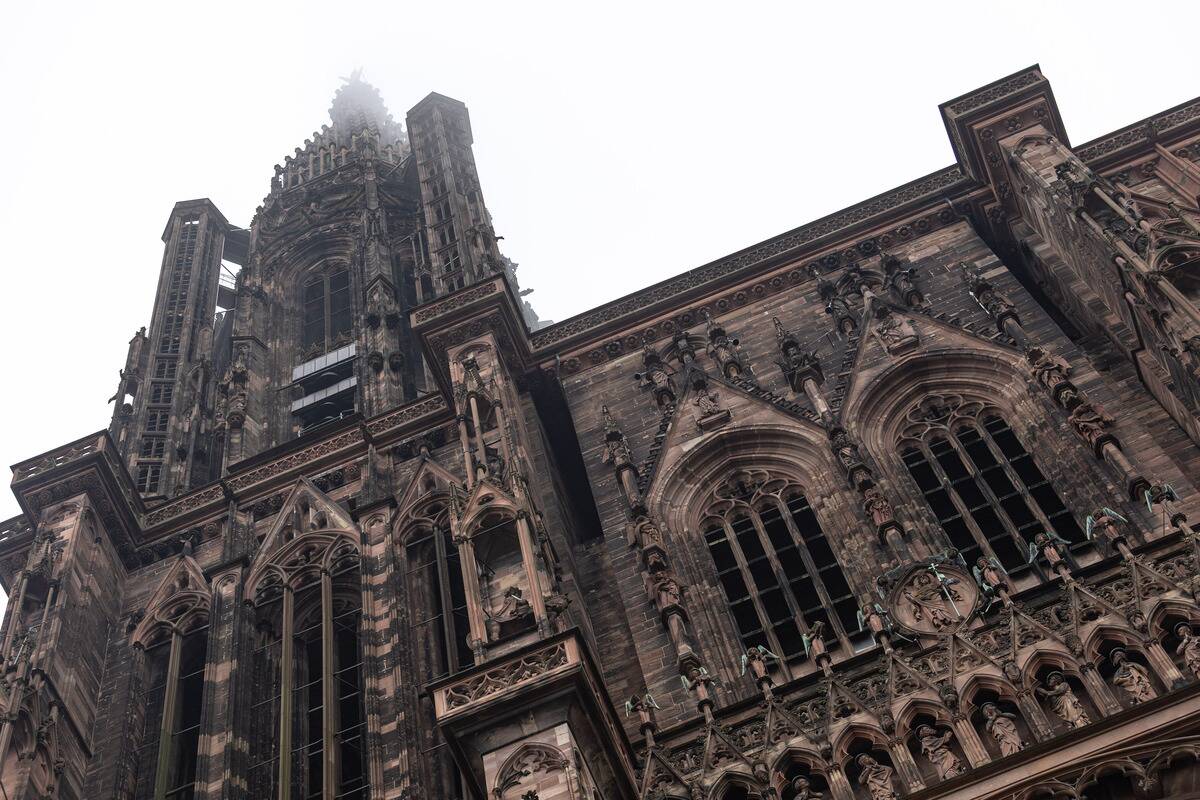
The Notre Dame Cathedral in Paris is a masterpiece of French Gothic architecture, renowned for its flying buttresses, rose windows, and intricate sculptures. Construction began in 1163 and was completed in 1345, becoming a symbol of Paris and a testament to the skill of medieval builders.
Although severely damaged by a fire in 2019, efforts to restore Notre Dame are underway, aiming to preserve its architectural splendor and cultural significance for future generations.
Petra: The Rose-Red City Half as Old as Time
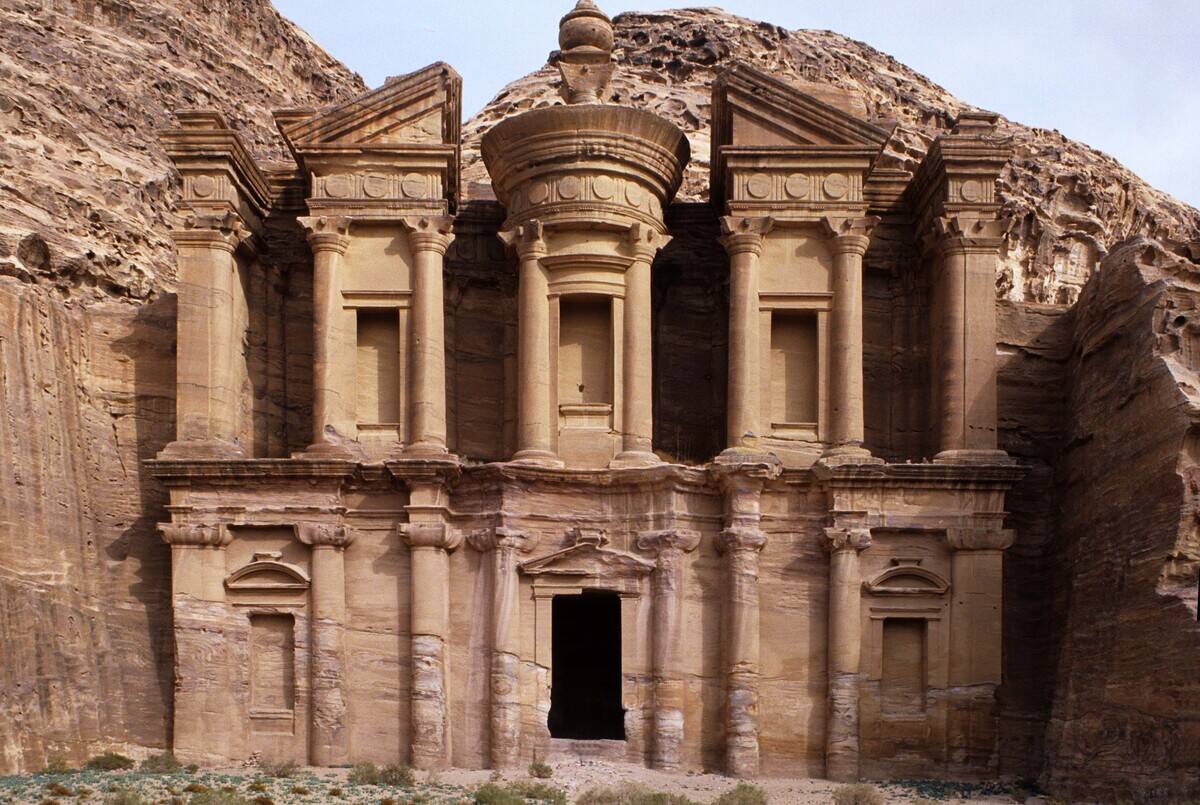
Nestled in the rugged canyons of southern Jordan, Petra is a testament to the architectural prowess of the Nabataeans. Known as the “Rose City” for its pink-hued rock-cut architecture, Petra flourished as a trading hub in the first century AD.
The iconic Treasury and Monastery, carved directly into the sandstone cliffs, showcase the Nabataeans’ skill in blending natural beauty with human craftsmanship. Rediscovered in 1812, Petra remains a captivating archaeological wonder.
Angkor Wat: The Pinnacle of Khmer Architecture
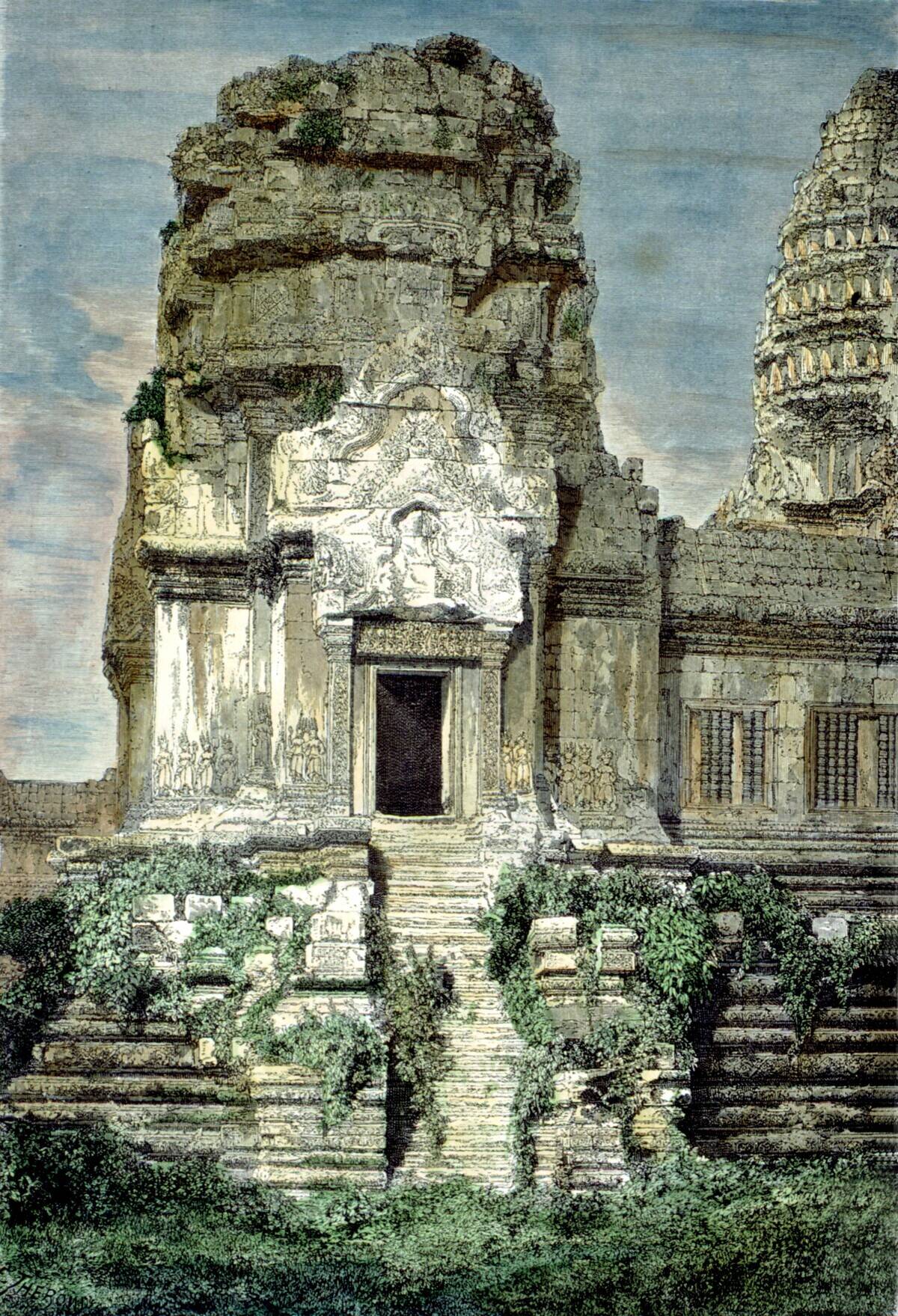
Angkor Wat, the largest religious monument in the world, stands as a pinnacle of Khmer architecture. Built in the early 12th century in Cambodia, it was originally dedicated to the Hindu god Vishnu, later becoming a Buddhist temple.
Its impressive moats, towering spires, and intricate bas-reliefs depicting Hindu epics highlight the sophistication of Khmer construction techniques. As a UNESCO World Heritage Site, Angkor Wat attracts millions of visitors, drawn by its spiritual significance and architectural grandeur.
The Eiffel Tower: Iron Lady of Paris
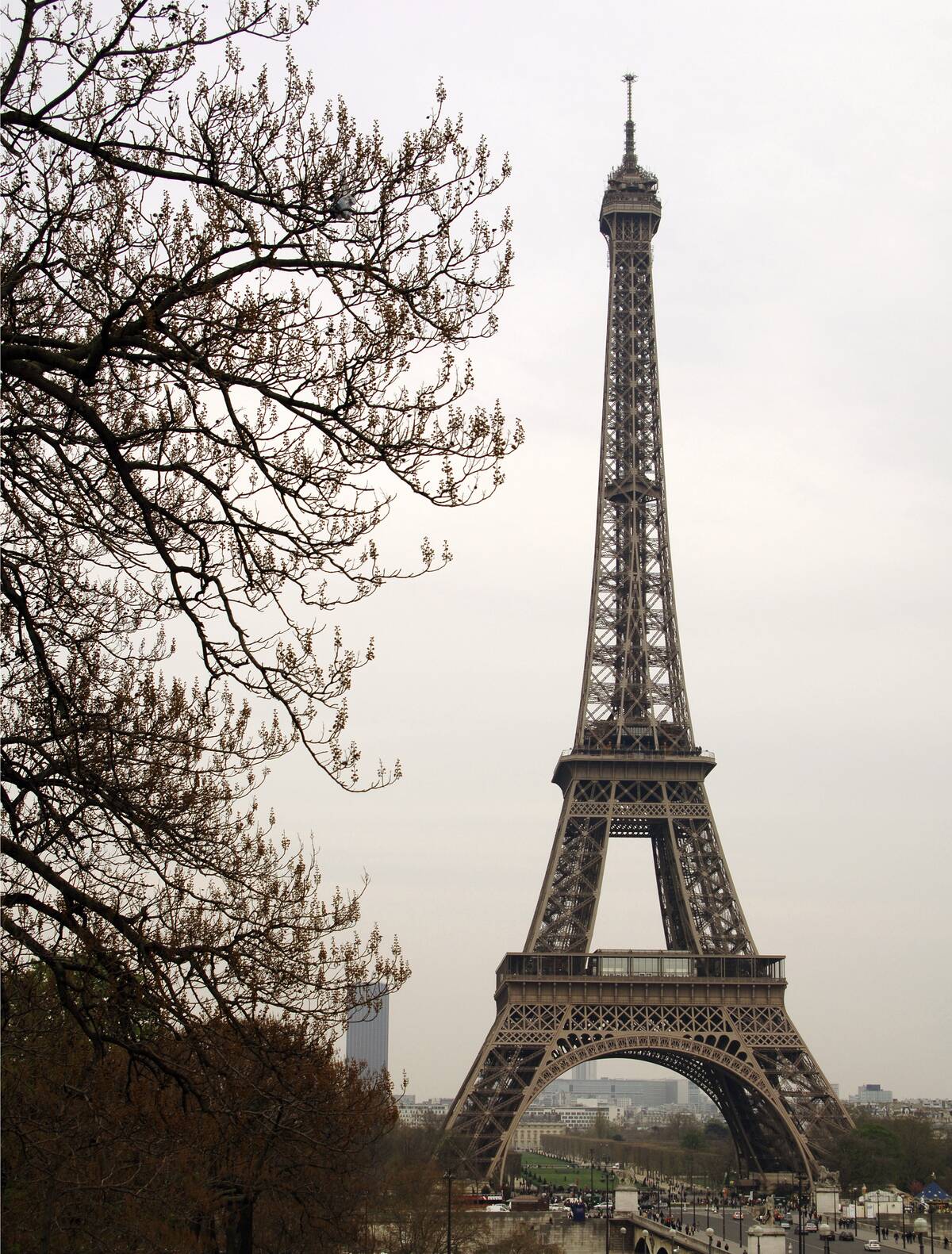
The Eiffel Tower, engineered by Gustave Eiffel’s company, is an enduring symbol of Paris and a marvel of iron architecture. Completed in 1889 for the World’s Fair, it was initially criticized but has become one of the most recognizable structures in the world.
Standing at 1,083 feet tall, the tower offers stunning panoramic views of the city. Its lattice design not only provides strength but also exemplifies the elegance and innovation of 19th-century engineering.
Neuschwanstein Castle: The Fairytale Fortress

Perched on a hill in Bavaria, Neuschwanstein Castle is a fairytale fortress built by King Ludwig II in the 19th century. Inspired by romantic ideals and operas by Richard Wagner, the castle’s whimsical design features towers, turrets, and intricate interiors.
Although never completed, its picturesque setting and fantastical architecture have captivated imaginations worldwide. Neuschwanstein served as the inspiration for Disney’s Sleeping Beauty Castle, further cementing its status as an icon of fantasy and romance.
The Statue of Liberty: Symbol of Freedom and Endurance

The Statue of Liberty, a gift from France to the United States, stands as a symbol of freedom and democracy. Designed by Frédéric Auguste Bartholdi and dedicated in 1886, it welcomes immigrants and visitors to New York Harbor.
The statue’s copper exterior, shaped into a robed figure holding a torch, has become an enduring emblem of hope and opportunity. As a UNESCO World Heritage Site, the Statue of Liberty continues to inspire those who seek liberty and justice.