Fascinating tales from the lives of classical composers
Classical composers are often seen as stoic figures, but behind the scores were vibrant personalities and peculiar stories. From mysterious rivalries to infamous obsessions, their lives were anything but ordinary.
Join us on a journey through the quirky, and sometimes bizarre, tales of these musical geniuses. Whether it’s an unexpected duel or a scandalous premiere, each composer brings a unique story that enriches their musical legacy.
Beethoven’s Battle with Deafness: A Symphony of Silence
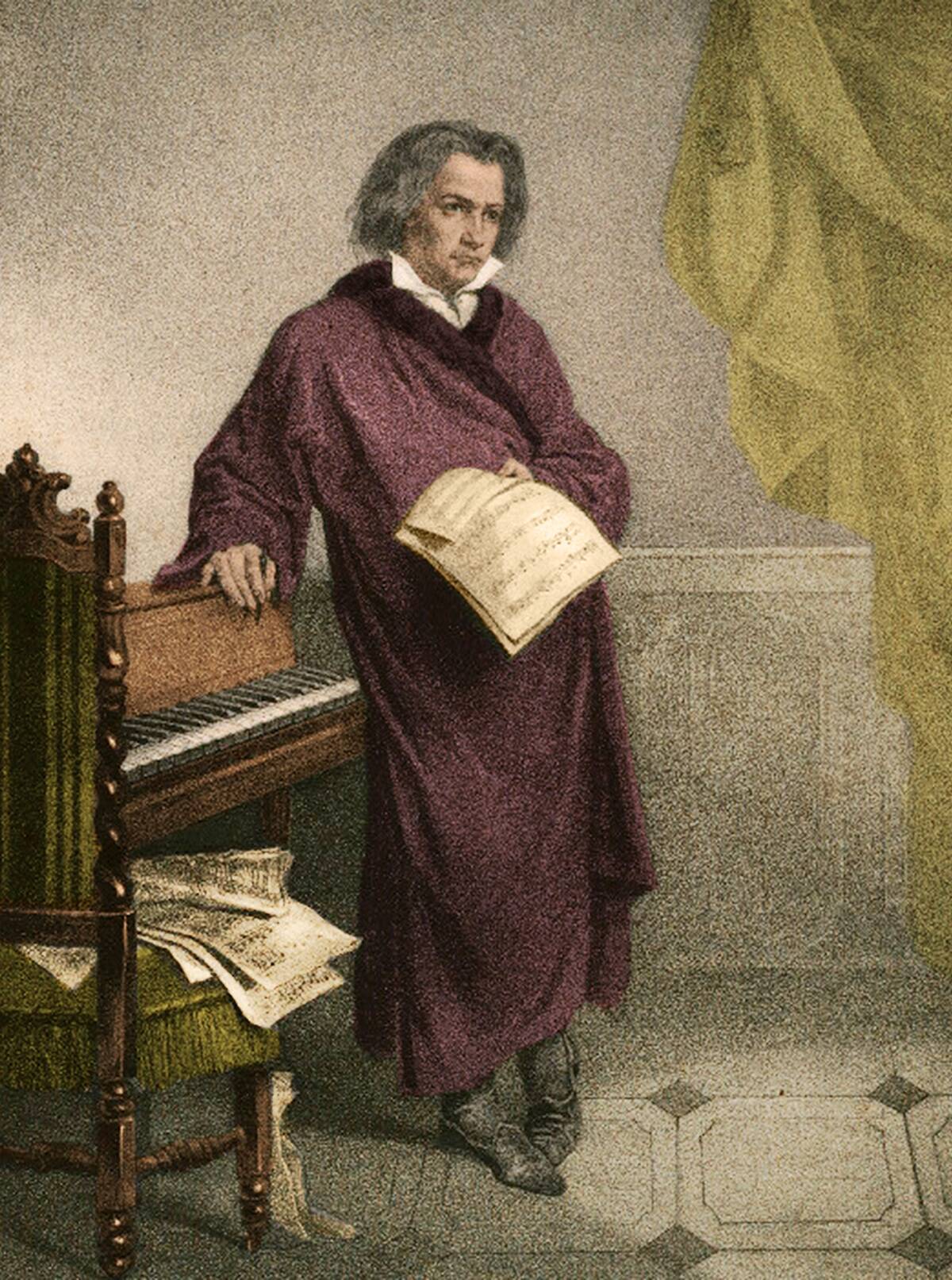
Ludwig van Beethoven is renowned for his symphonies, yet his later works were composed in near-total silence due to progressive hearing loss. This incredible feat of creativity astounds many, as he continued to compose masterpieces like the Ninth Symphony, relying on the vibrations of his piano and his sharp memory.
His triumph over adversity transformed personal struggle into a testament to human resilience, leaving a legacy that inspires countless artists today.
Mozart’s Mysterious Rivalry with Salieri
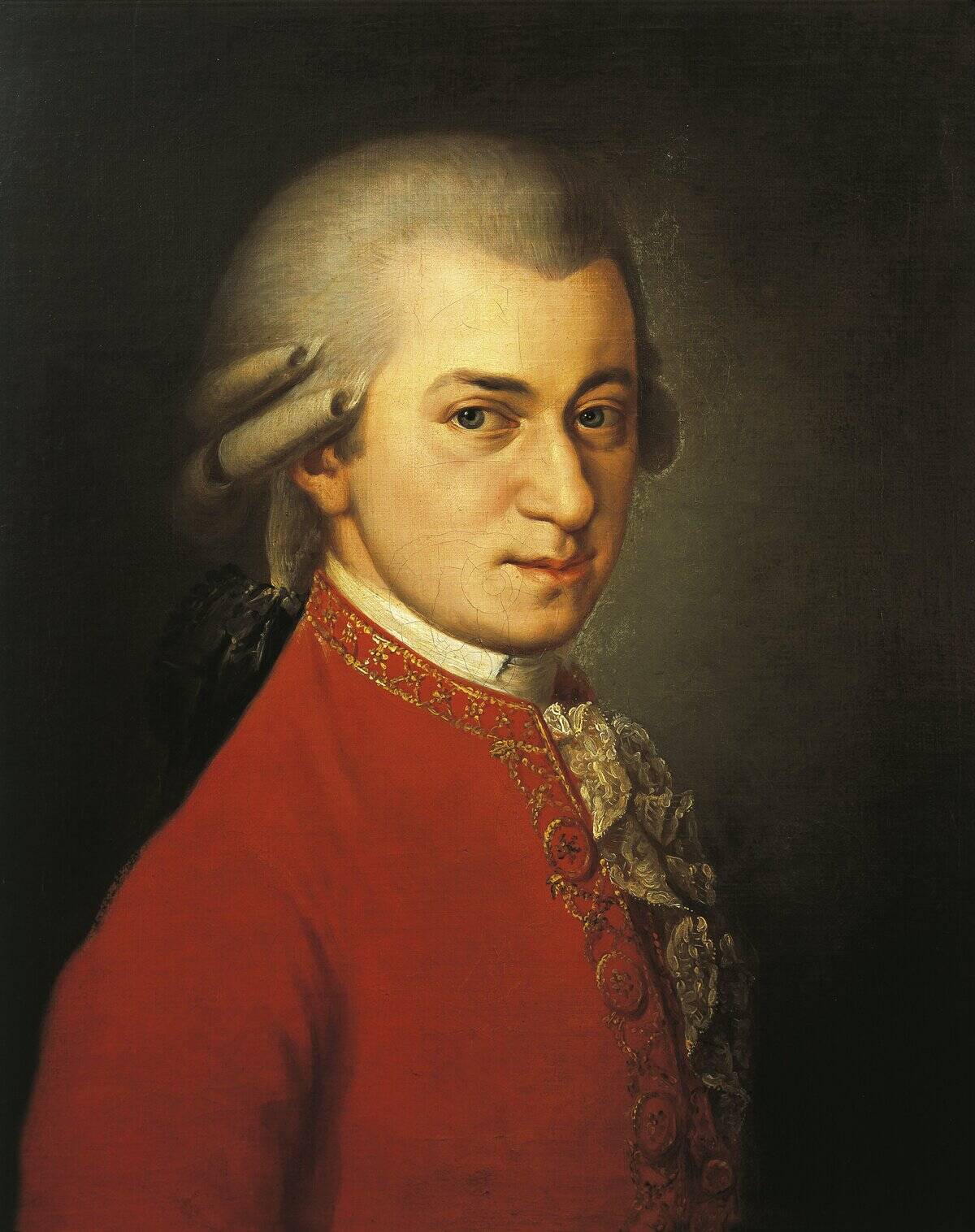
The relationship between Wolfgang Amadeus Mozart and Antonio Salieri has intrigued historians for centuries, with rumors of rivalry fueled by the enigmatic play and film “Amadeus.” While Salieri was a respected composer in his own right, the myth of his jealousy towards Mozart’s prodigious talent has overshadowed his achievements.
Despite dramatic portrayals, evidence suggests that the two composers maintained a professional respect, with Salieri even conducting Mozart’s works.
The Enigmatic Disappearance of Haydn’s Head
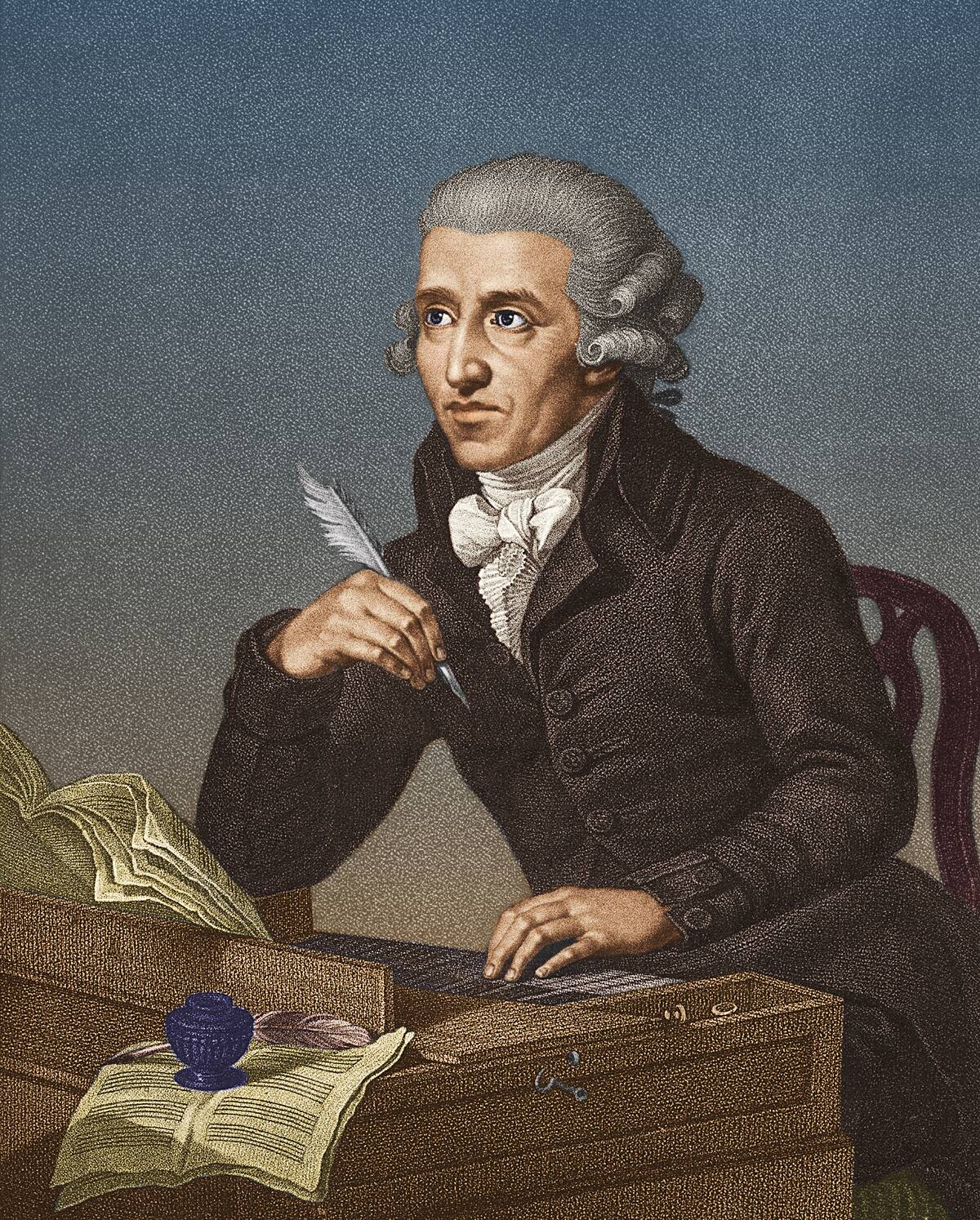
Joseph Haydn’s posthumous journey took a bizarre turn when his head was stolen by phrenologists eager to study his “genius” skull. This macabre episode saw his skull separated from his body for over a hundred years.
It wasn’t until 1954 that Haydn’s head was reunited with his body in Eisenstadt, a peculiar tale that highlights the strange fascination with the physical attributes of creative genius during his era.
Tchaikovsky’s Complicated Romantic Life
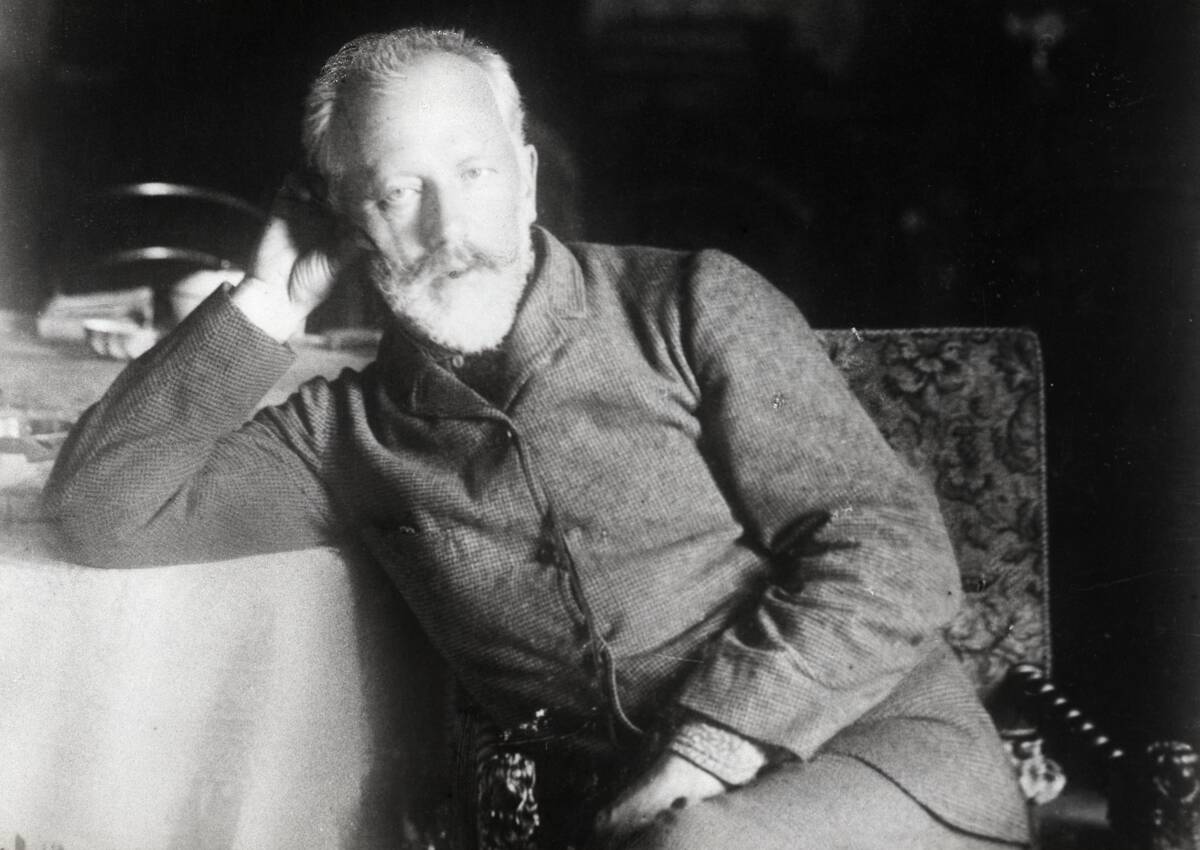
Pyotr Ilyich Tchaikovsky’s music conveys profound emotion, often reflecting his tumultuous romantic life. Married briefly to Antonina Miliukova, their relationship was fraught with difficulty, largely due to Tchaikovsky’s homosexuality in a socially conservative Russia.
Despite personal struggles, he managed to compose some of the most beloved ballets, such as “Swan Lake” and “The Nutcracker,” which remain timeless classics in the world of music and dance.
Paganini: The Virtuoso Violinist with a Devilish Reputation
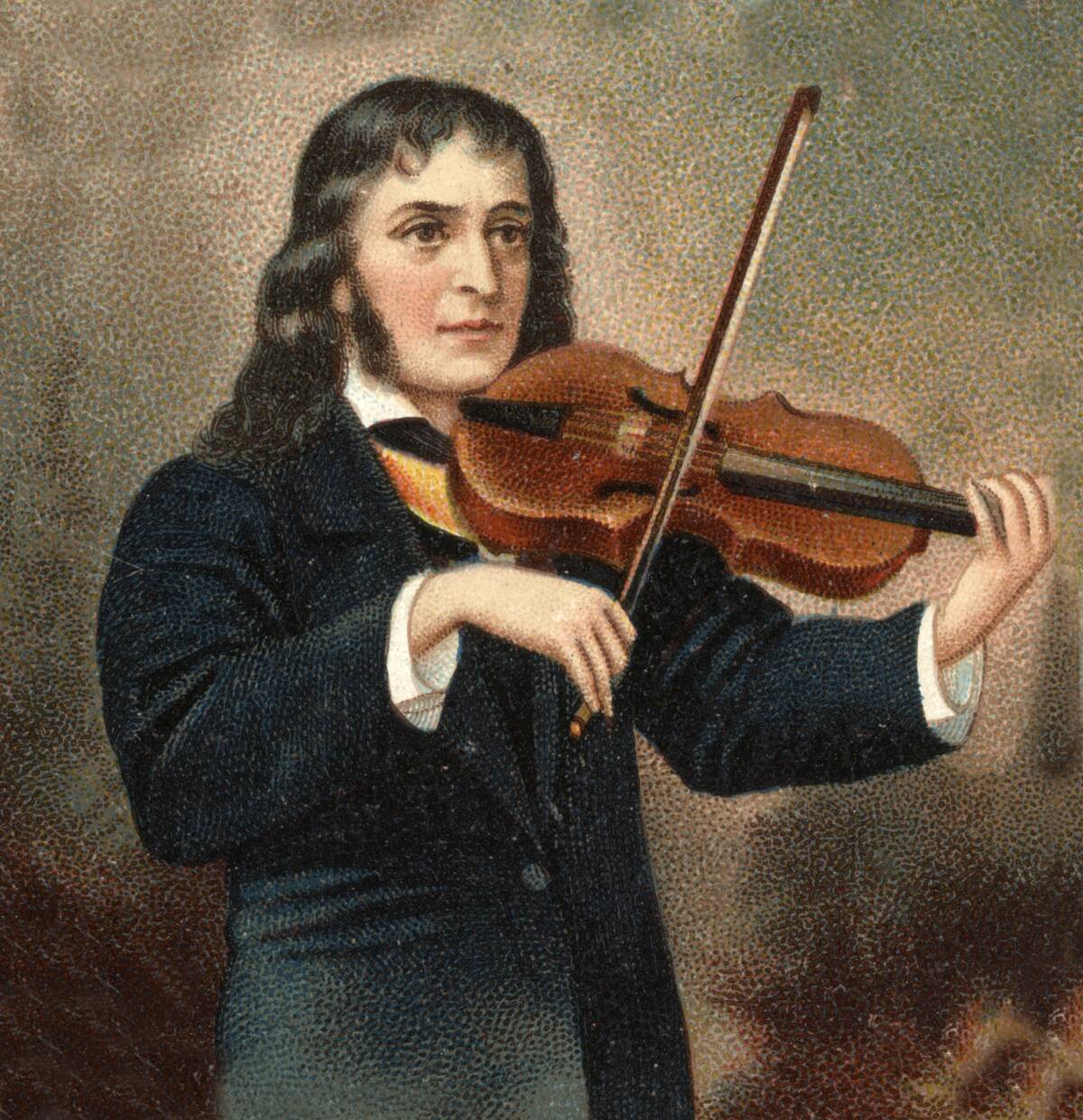
Niccolò Paganini, the legendary violinist, was rumored to have made a pact with the devil for his extraordinary talent. His technical prowess and dramatic performances led to widespread speculation and fascination.
Critics and fans alike were captivated by his seemingly supernatural abilities, which were likely the result of Marfan syndrome, giving him unusually long fingers. Paganini’s legacy endures, inspiring generations of musicians with his groundbreaking techniques.
The Strange Case of Schumann’s Hand Injury
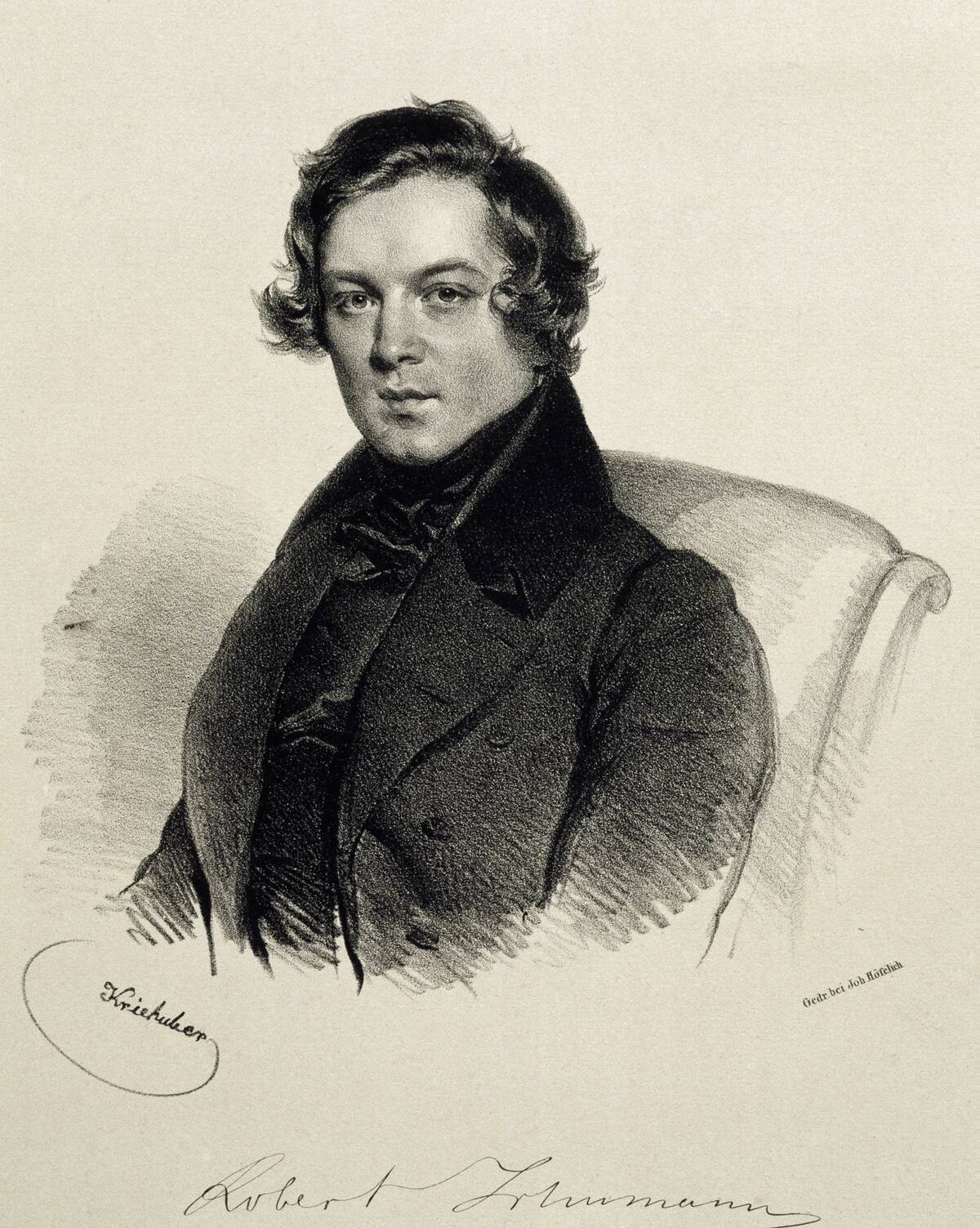
Robert Schumann aspired to be a piano virtuoso, but a hand injury dashed those dreams, redirecting him towards composition. The injury, allegedly caused by a self-invented finger-strengthening device, led to a prolific output of music, including his famed piano concertos and lieder.
Schumann’s shift from performer to composer illustrates how a setback can lead to unexpected paths, significantly contributing to the Romantic era’s music landscape.
Chopin’s Affair with the Notorious George Sand
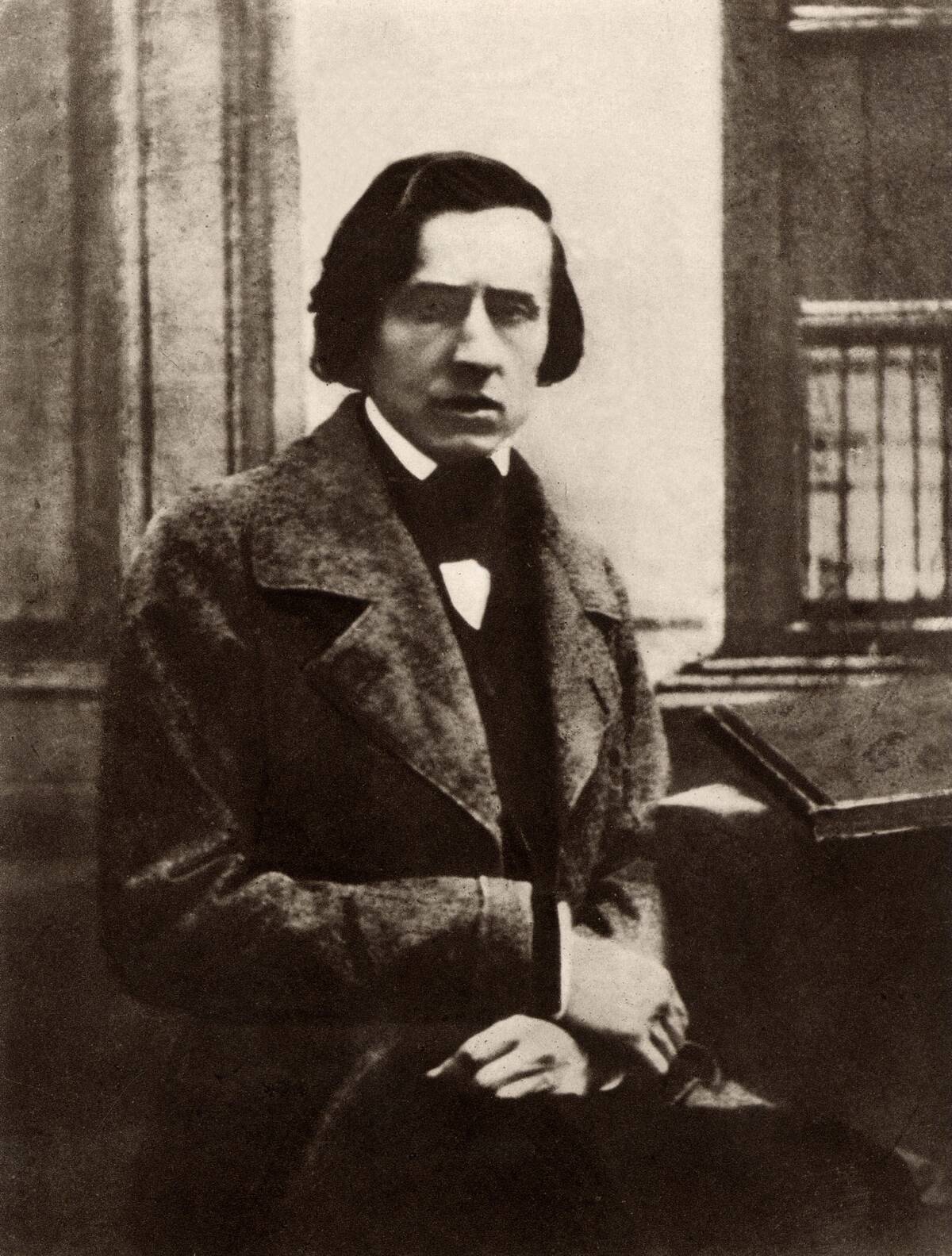
Frédéric Chopin’s romantic involvement with the novelist George Sand was as passionate as it was tumultuous. Sand, known for her unconventional lifestyle and progressive ideals, was a significant influence on Chopin’s life and work.
Their relationship, though fraught with differences, inspired some of Chopin’s most profound compositions. This intriguing pairing of a reserved composer and a bold writer captivated the public and added depth to Chopin’s musical narrative.
Lisztomania: Franz Liszt’s Rock Star Status
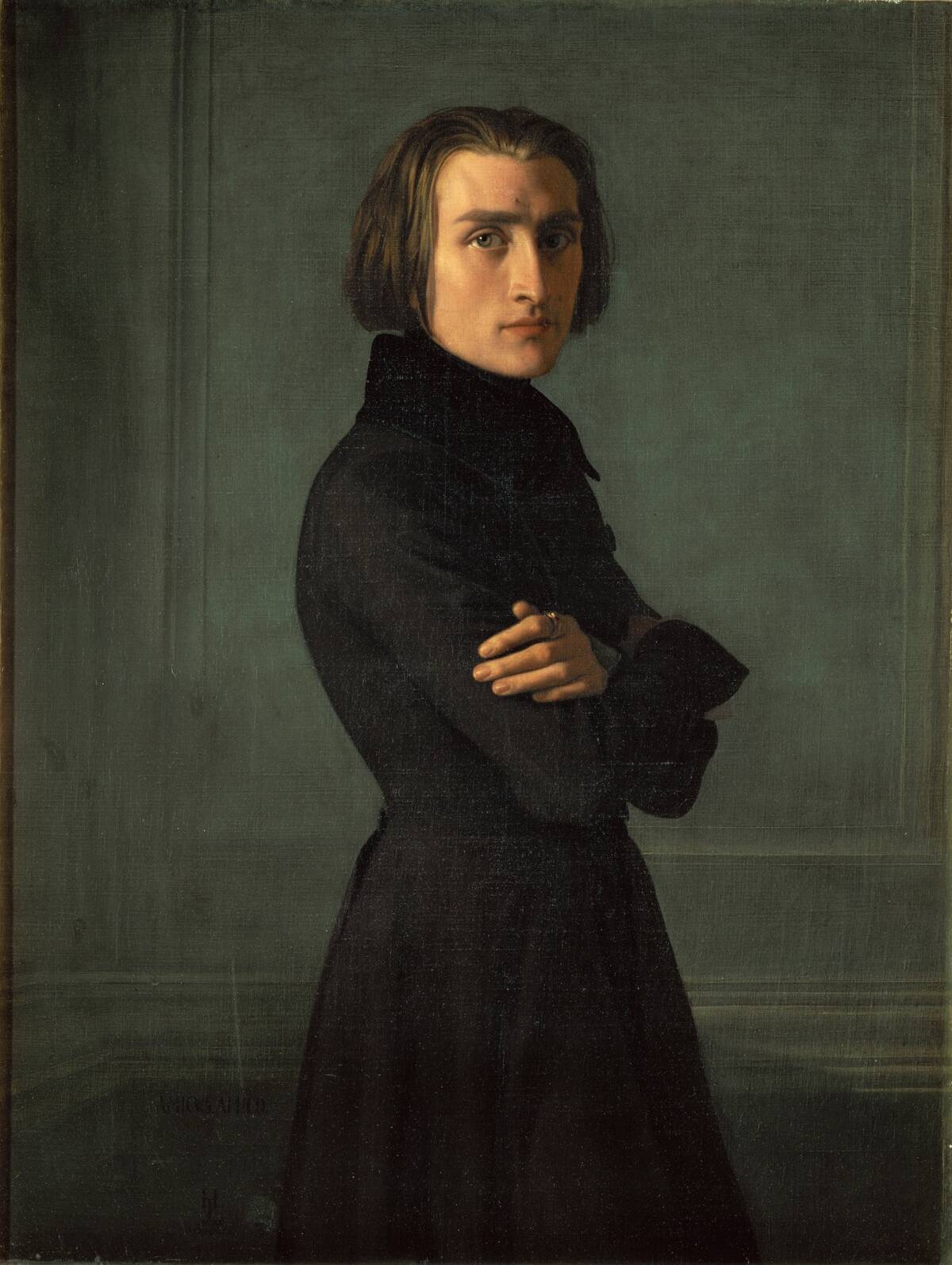
Franz Liszt was the 19th-century equivalent of a rock star, driving audiences into frenzies with his charismatic performances and virtuosic piano skills. This phenomenon, known as “Lisztomania,” saw fans clamoring for his personal items and fainting at concerts.
Liszt’s celebrity status was unprecedented in the classical music world, paving the way for future generations of performers to embrace the spotlight beyond the concert hall.
The Curious Incident of Bach’s Imprisonment
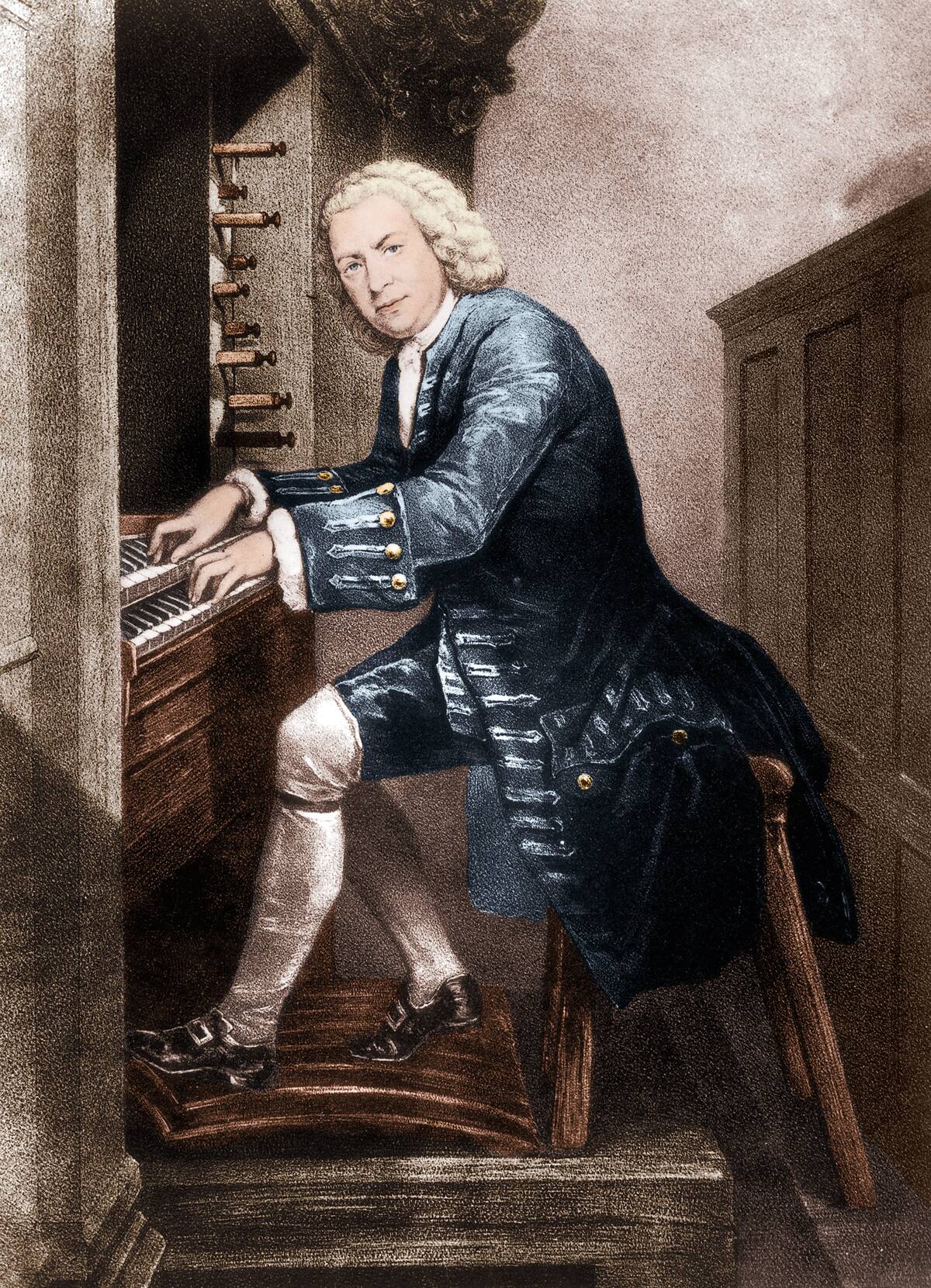
Johann Sebastian Bach’s brief imprisonment in 1717 stemmed from a professional dispute with his employer, Duke Wilhelm Ernst of Weimar. Eager to leave for a better position in Köthen, Bach’s request was denied, leading to a month-long confinement.
This incident, though a mere footnote in his illustrious career, underscores the challenges composers faced in navigating the patronage systems of their time while pursuing personal and artistic growth.
Berlioz and the Infamous Harriet Smithson Obsession
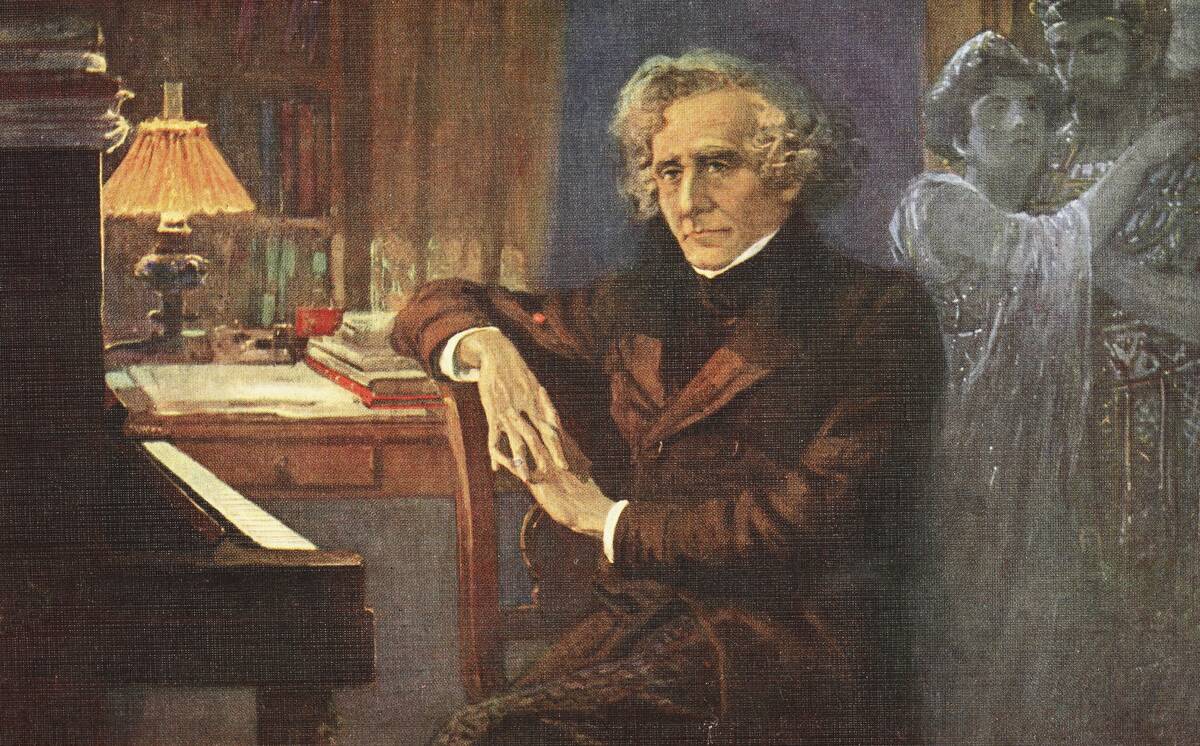
Hector Berlioz’s infatuation with actress Harriet Smithson inspired his groundbreaking “Symphonie Fantastique,” a musical portrayal of unrequited love and passion. Smithson’s performances captivated Berlioz, leading to a tumultuous romance that eventually resulted in marriage.
Despite their eventual separation, the symphony remains a testament to Berlioz’s emotional intensity and innovative orchestration, illustrating how personal experiences can profoundly influence artistic creation.
Mahler’s Superstitious Fear of the “Curse of the Ninth”
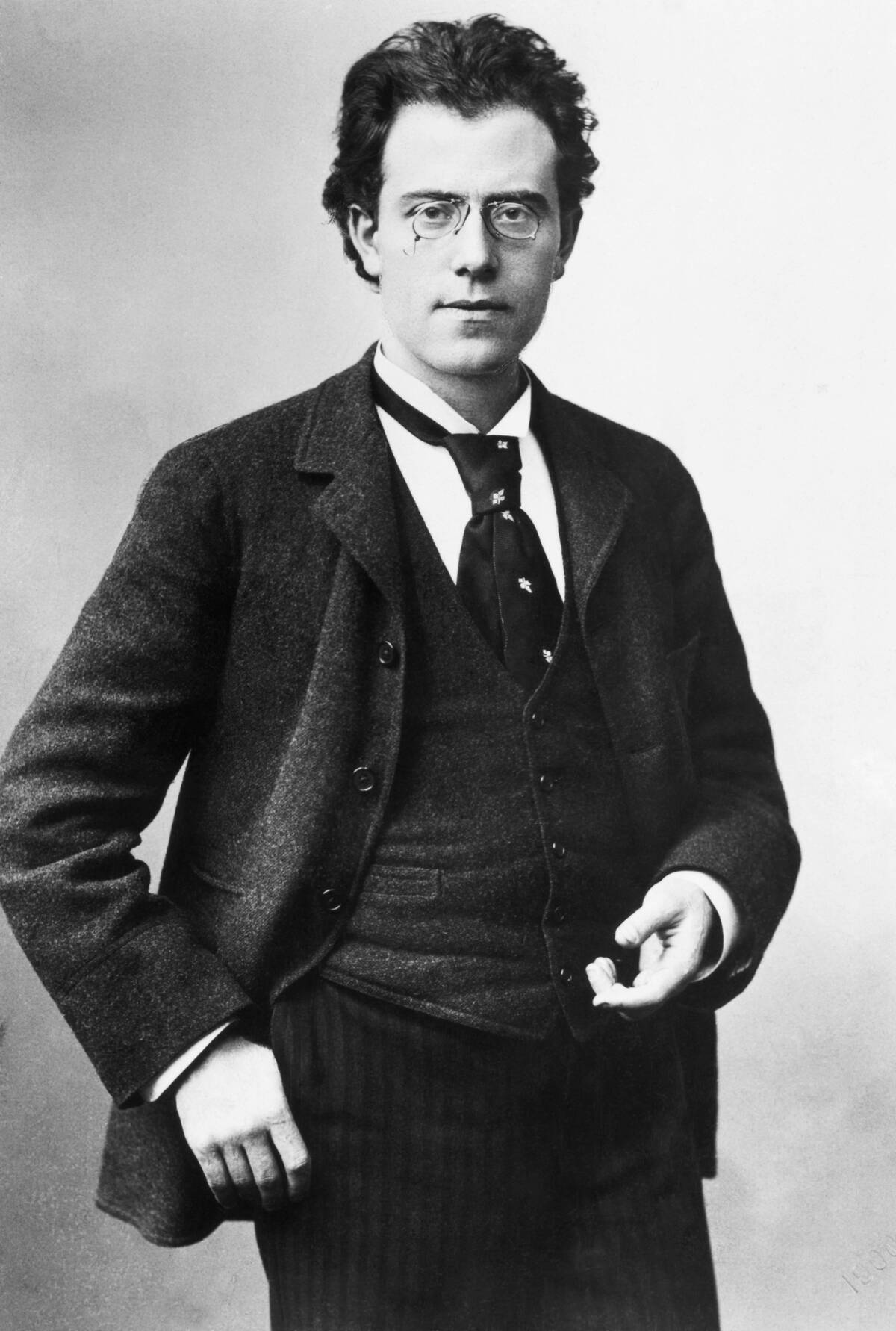
Gustav Mahler was haunted by the “Curse of the Ninth,” a superstition that no composer could survive beyond their ninth symphony. This belief, rooted in the deaths of Beethoven and Schubert after their ninth, weighed heavily on Mahler.
In an attempt to outwit fate, he left his ninth symphony unnamed. Despite completing more compositions, he passed away before fully realizing his tenth, a poignant reminder of the interplay between superstition and creativity.
Handel’s Duel with a Fellow Composer
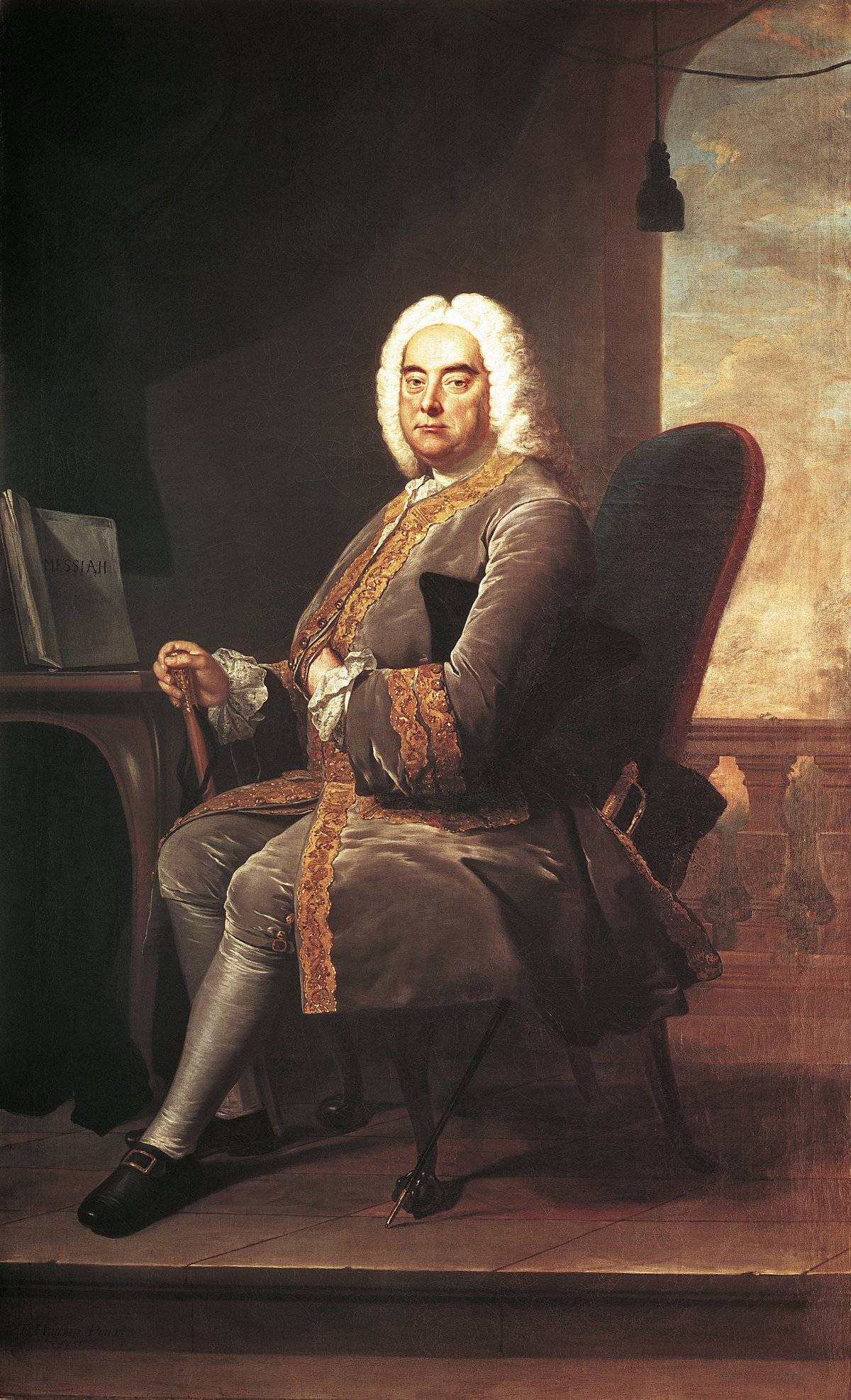
The renowned Baroque composer George Frideric Handel once engaged in a duel with fellow composer Johann Mattheson. The confrontation arose over a disagreement during a performance in Hamburg.
Luckily, the duel ended without injury, as Mattheson’s sword broke on a metal button of Handel’s coat. This dramatic episode highlights the passionate and sometimes volatile nature of artists during this vibrant period in musical history.
Ravel’s Fascination with Mechanical Music
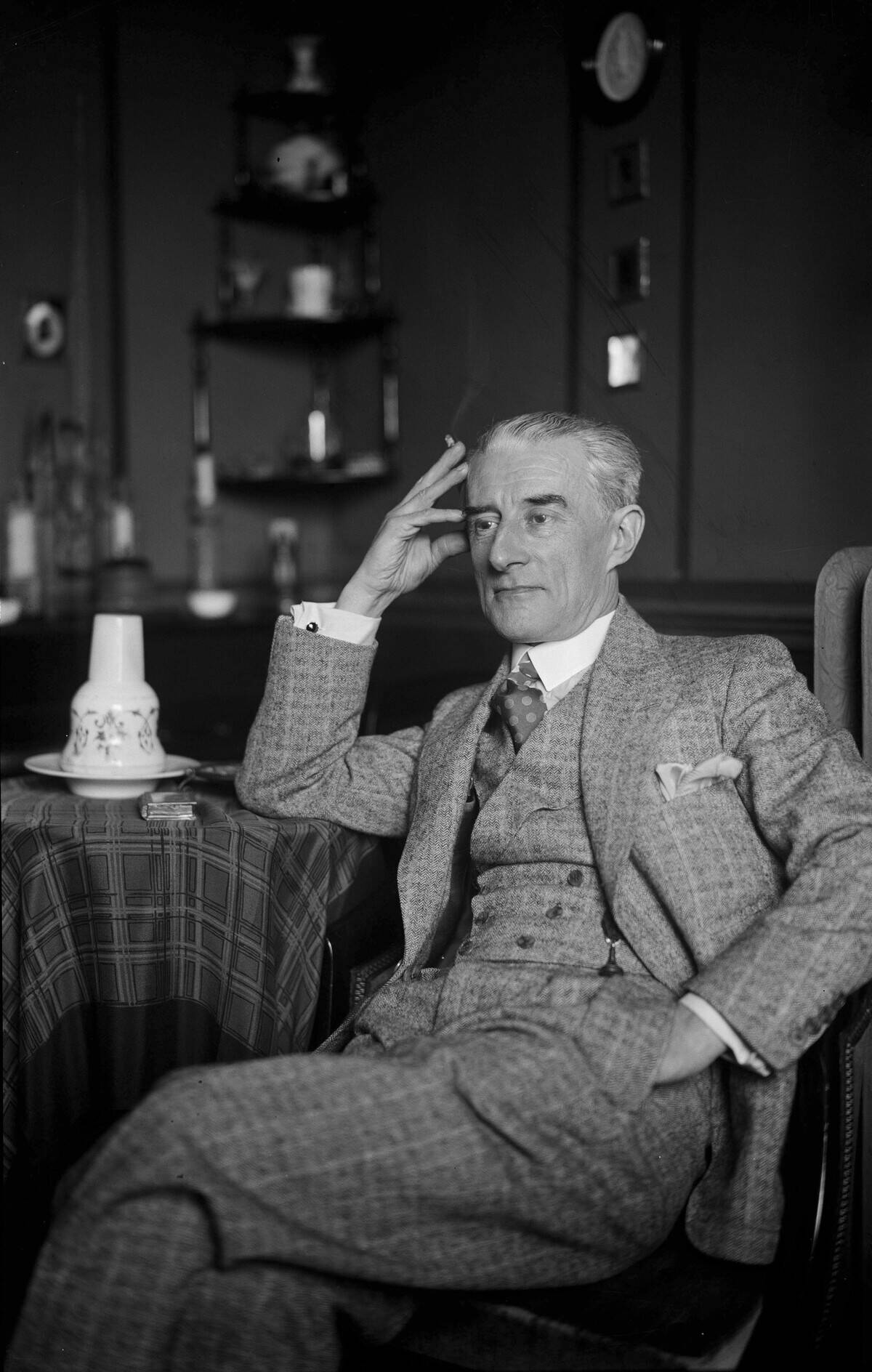
Maurice Ravel’s interest in mechanical music can be heard in his compositions, which often feature precise, clockwork-like structures. His fascination extended to devices like the player piano, influencing works such as “Boléro,” known for its repetitive melody and rhythm.
Ravel’s ability to blend traditional orchestral elements with mechanical inspiration resulted in unique and innovative compositions that continue to challenge and delight audiences.
Stravinsky’s Scandalous “Rite of Spring” Premiere
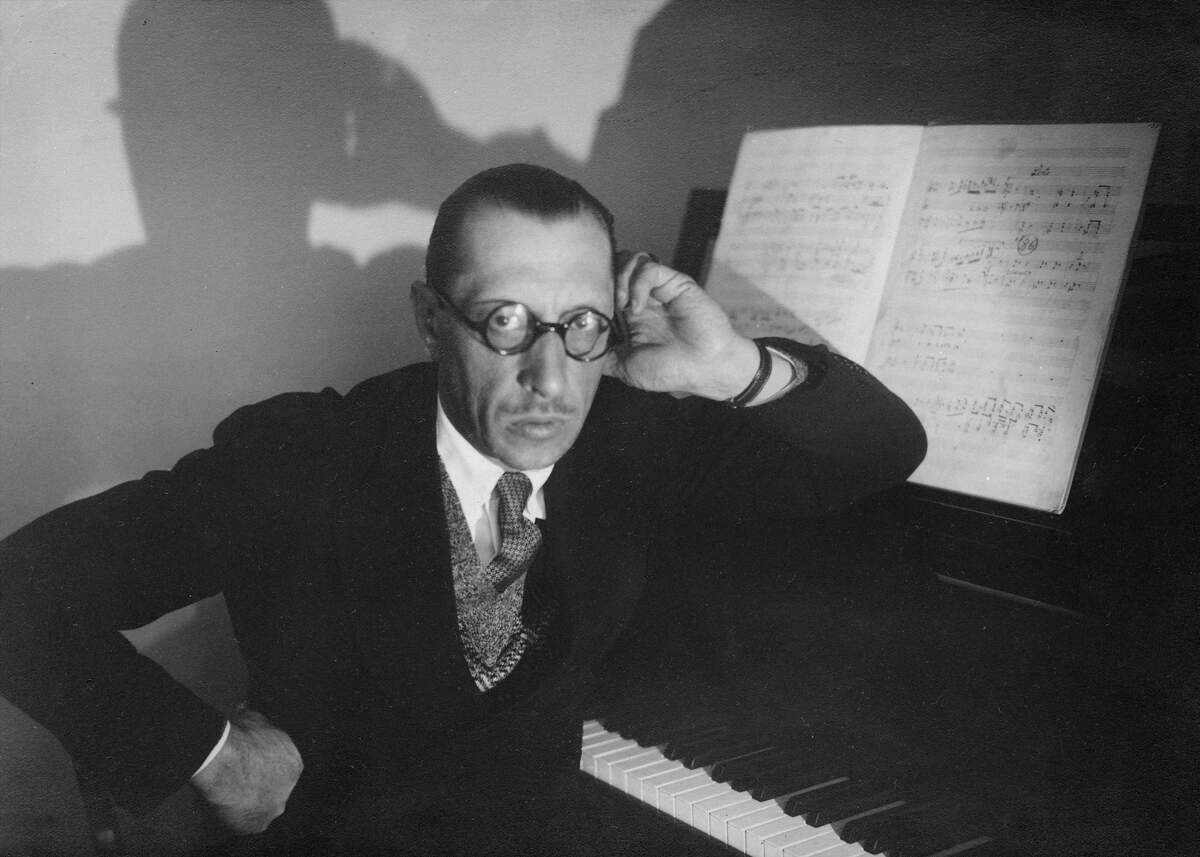
Igor Stravinsky’s “The Rite of Spring” shocked audiences at its 1913 premiere in Paris with its avant-garde music and unconventional choreography. The performance, featuring syncopated rhythms and dissonant harmonies, incited a riot among the audience, who were unprepared for such a radical departure from tradition.
Despite initial controversy, the work has since been hailed as a masterpiece, illustrating the power of innovation in the arts.
The Secretive Personal Life of Brahms
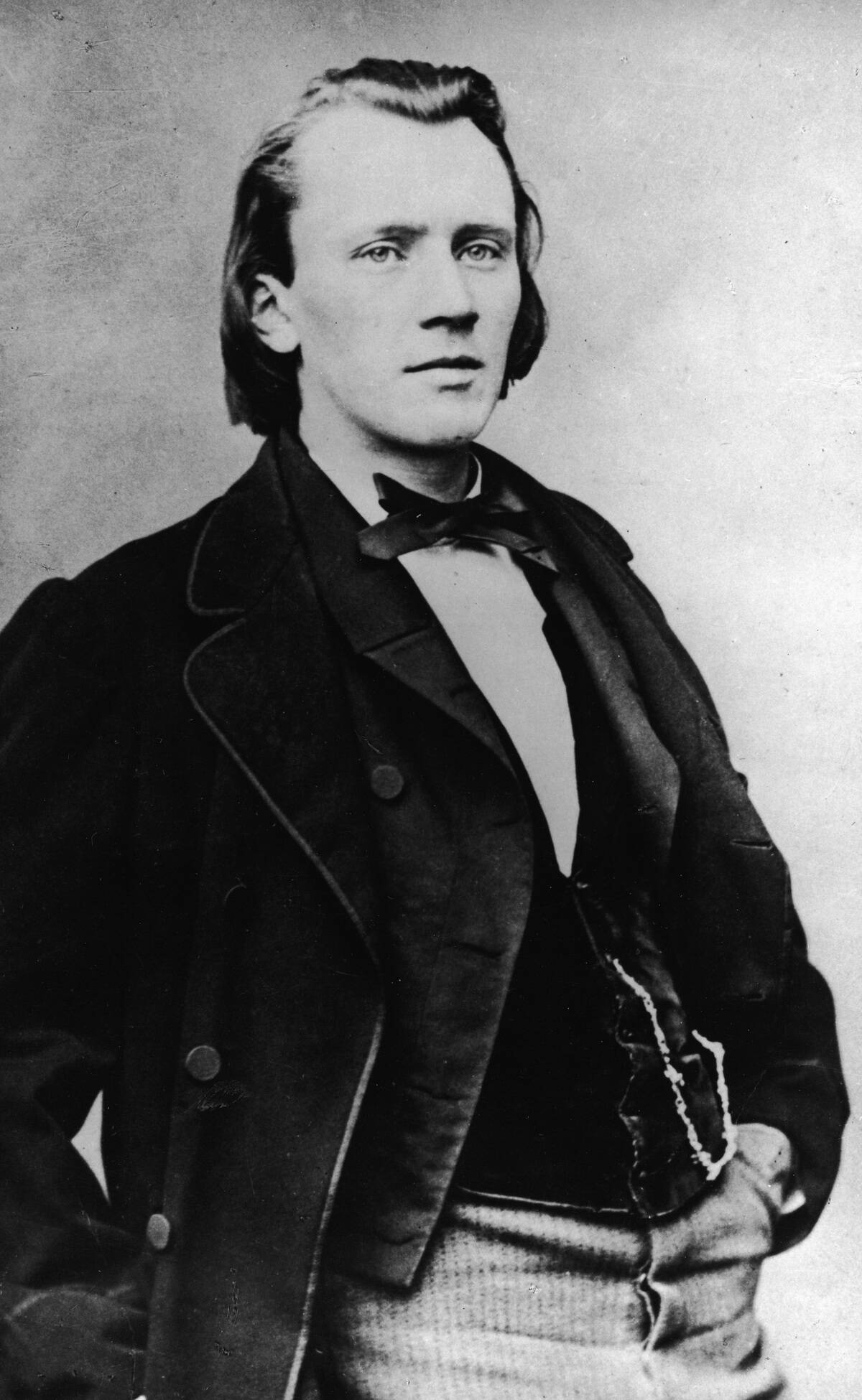
Johannes Brahms was notoriously private, preferring to keep his personal affairs out of the public eye. Despite his reticence, he maintained close relationships with contemporaries like Clara Schumann, fueling speculation about the nature of their bond.
Brahms’s discretion adds an air of mystery to his life, allowing his music, rich with emotion and complexity, to speak volumes about the inner world of this enigmatic composer.
Satie’s Peculiar Lifestyle and Love for the Absurd
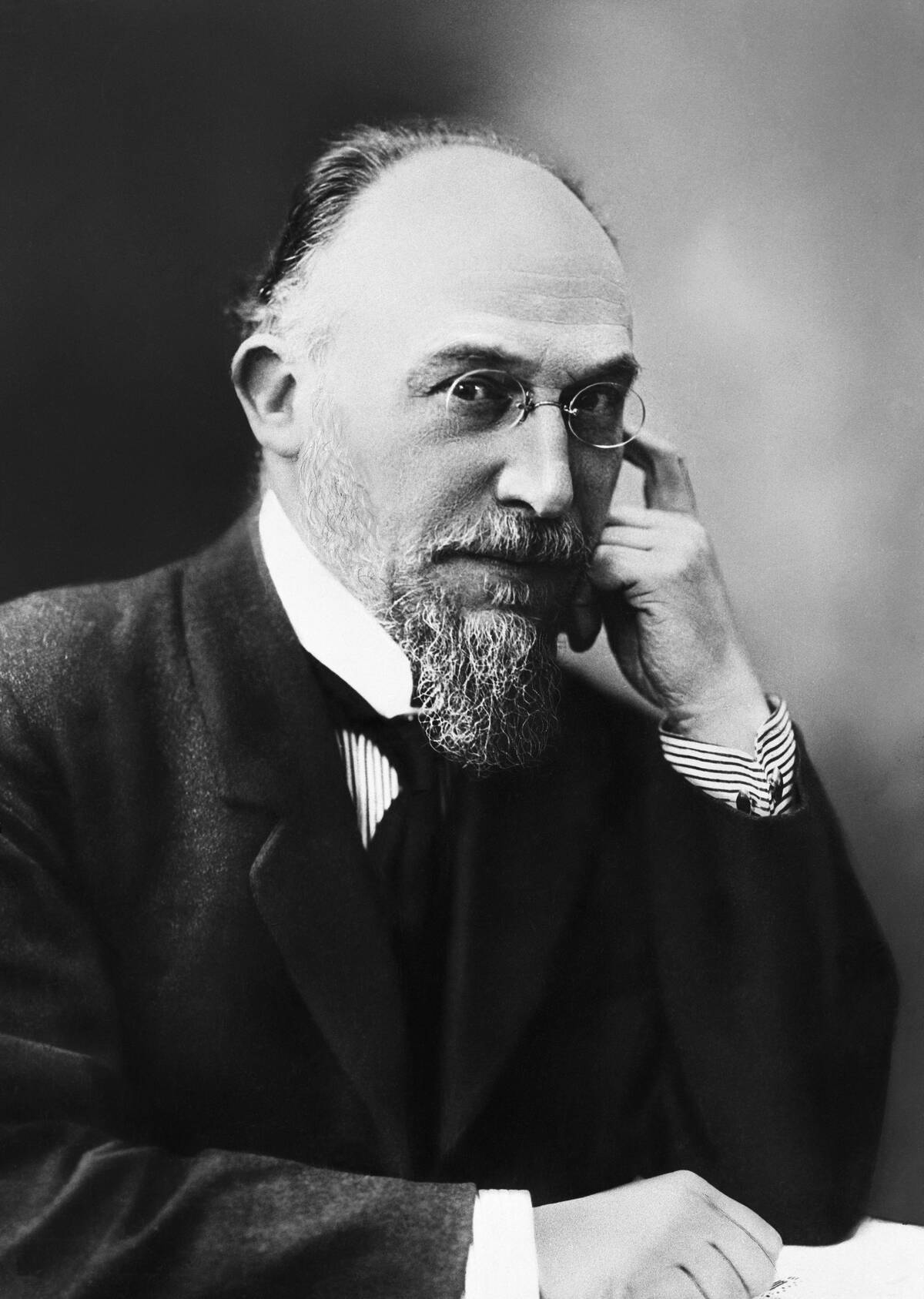
Erik Satie was as unconventional in life as he was in his compositions, known for his eccentric habits and affinity for the absurd. His daily routine included consuming mainly white food and wearing identical velvet suits.
Satie’s whimsical nature extended to his music, with pieces like “Gnossiennes” and “Gymnopédies” challenging traditional structures. His legacy as a composer and visionary is marked by a playful defiance of artistic norms.
Wagner’s Controversial Political Views and Exile
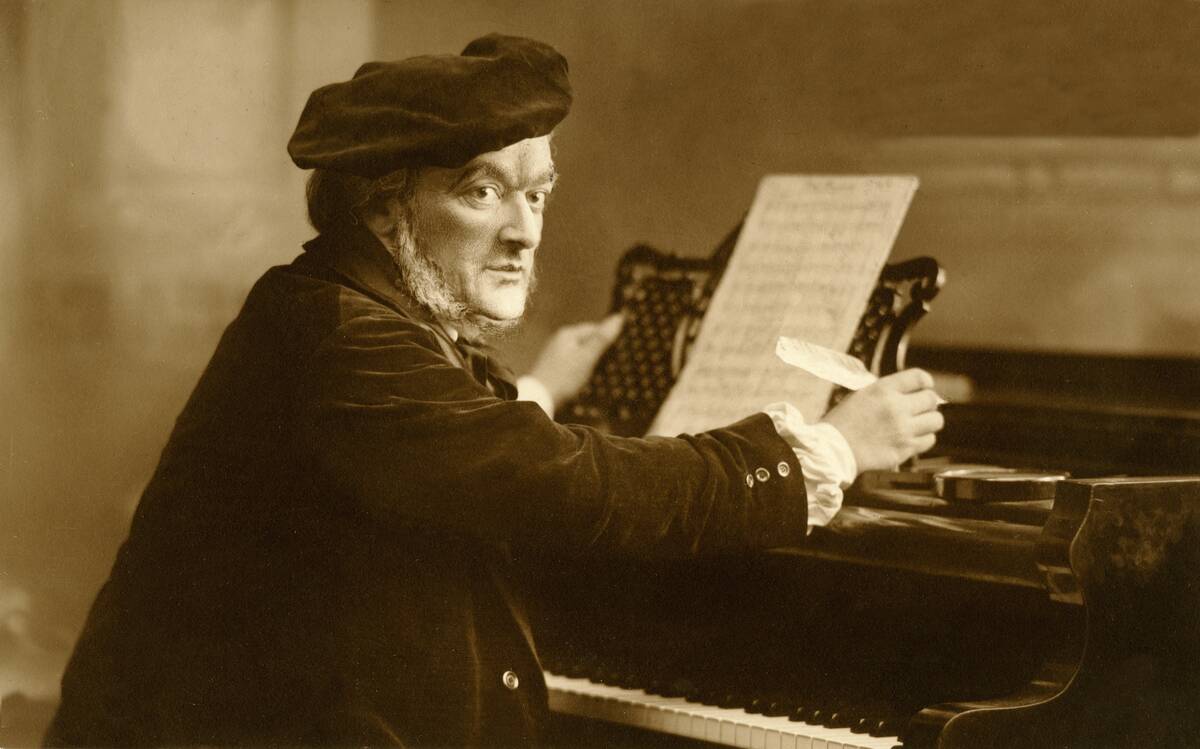
Richard Wagner, a towering figure in opera, faced exile due to his political activities during the 1849 Dresden uprising. His revolutionary ideals, coupled with his outspoken views, earned him both admiration and enmity.
Despite his contentious politics, Wagner’s innovations in musical drama, epitomized by works like “The Ring Cycle,” left an indelible mark on the operatic tradition, showcasing the complex interplay between art and ideology.
The Mysterious Circumstances of Schubert’s Death
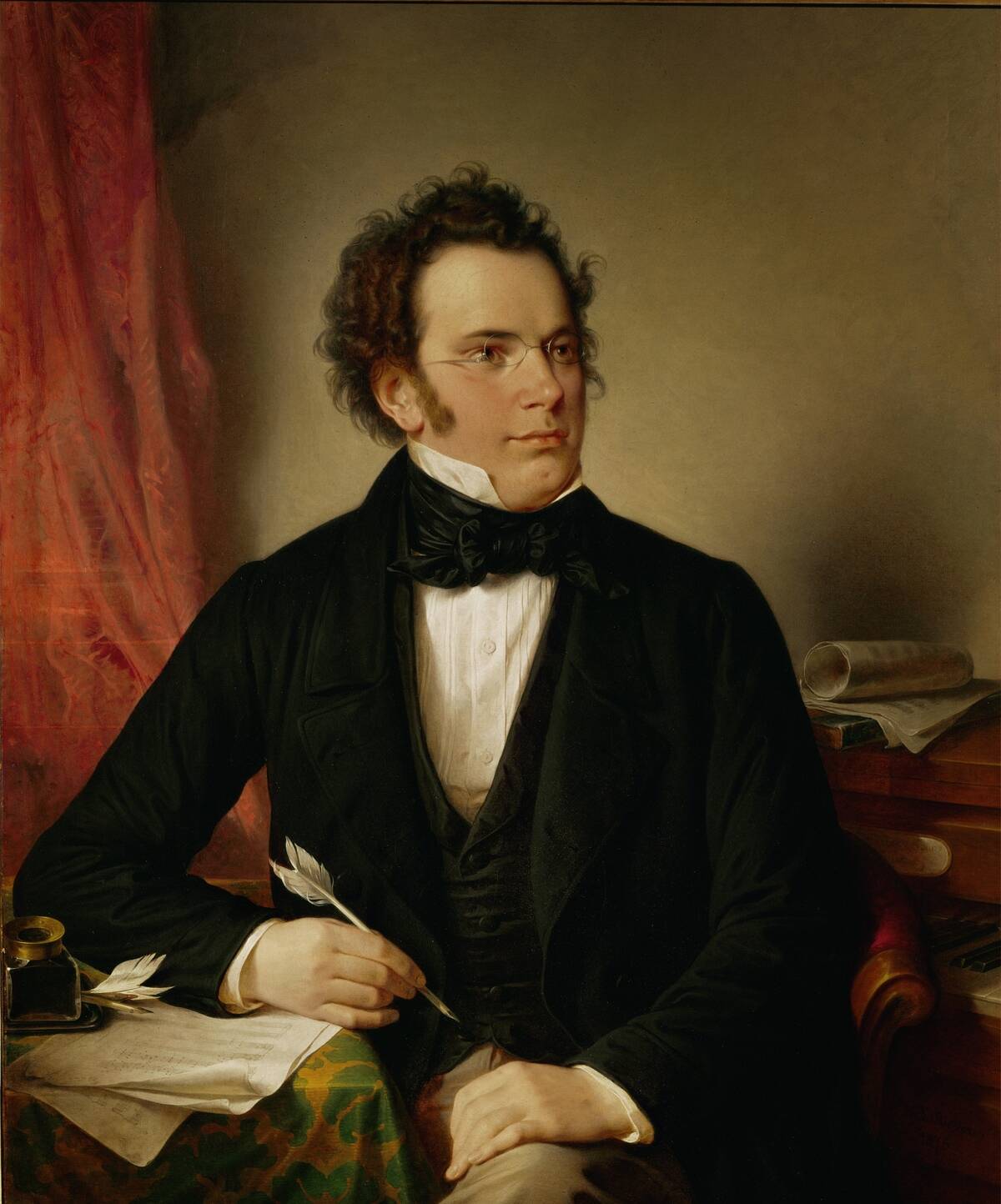
Franz Schubert’s untimely death at 31 remains shrouded in mystery, with syphilis and typhoid fever both suggested as causes. Despite his short life, Schubert was incredibly prolific, creating over 600 lieder, along with symphonies, chamber music, piano works, and sacred compositions.
His poignant melodies and harmonic richness continue to captivate listeners, leaving a legacy that belies the brevity of his earthly existence.
Mendelssohn’s Double Life as a Composer and Painter
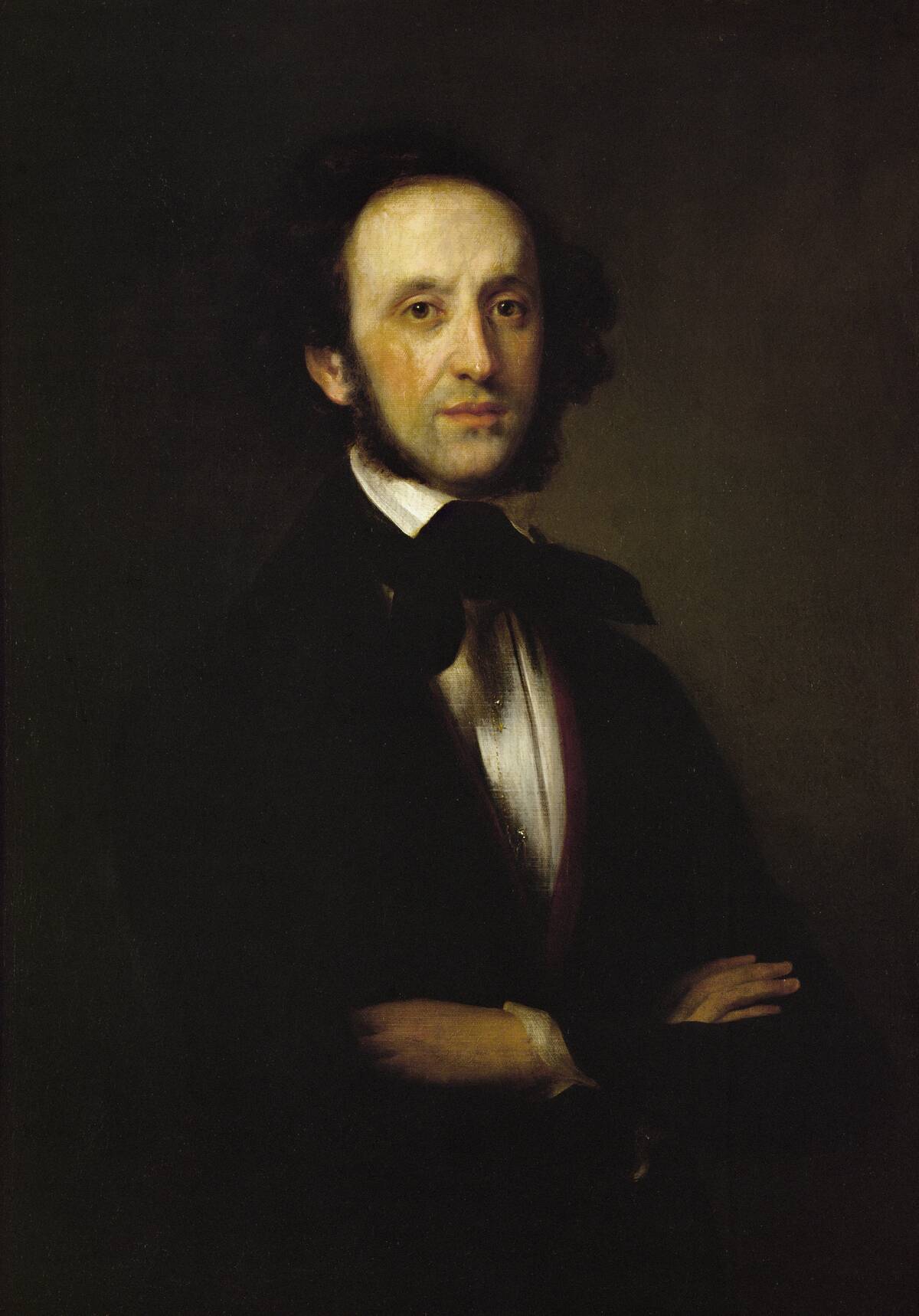
Felix Mendelssohn was not only a celebrated composer but also a talented painter, often sketching landscapes during his travels. This duality of artistic expression is reflected in his music, which frequently draws inspiration from nature.
Works like “Fingal’s Cave” capture the essence of the natural world, demonstrating how Mendelssohn’s visual artistry complemented his musical genius, enriching both his compositions and the broader cultural landscape.