11 photos of isolated tribes with shared visions
Shared visions have long captivated the imagination of cultures around the world. These experiences, often described as collective dreams or spiritual encounters, offer a glimpse into the communal consciousness of isolated tribes.
Understanding these phenomena requires delving into the rich tapestry of history, culture, and belief systems that shape these experiences. By exploring the shared visions of isolated tribes, we can gain insight into the human mind and the power of collective experience.
The Fascination with Isolated Tribes
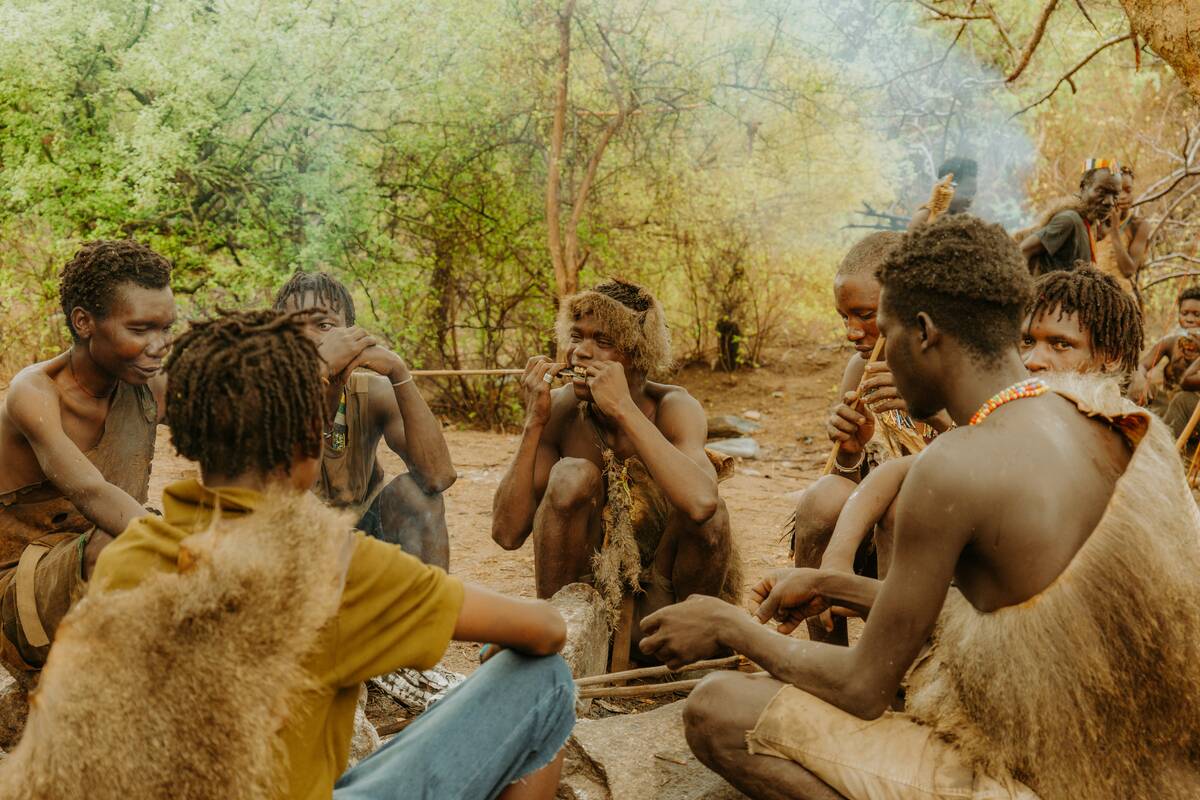
Isolated tribes have always intrigued anthropologists and explorers alike. These communities, which have varying degrees of contact with the outside world, offer insights into cultural traditions that have developed differently from industrialized societies. The allure lies in their unique practices, languages, and, notably, their spiritual beliefs.
Scholars often regard these tribes as living time capsules, preserving traditions and worldviews that have vanished elsewhere. This fascination is fueled by the desire to understand how such isolated groups perceive the world, especially through their shared visions.
A Brief History of Isolated Tribes Around the World
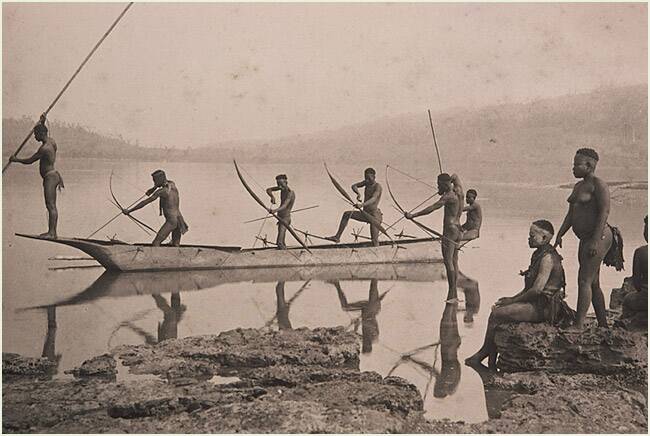
Scattered across the globe, isolated tribes can be found in remote regions of the Amazon, Papua New Guinea, and the Andaman Islands, among others. These groups have remained largely disconnected from global influences, maintaining customs passed down through generations.
For instance, the Sentinelese of North Sentinel Island have resisted contact with outsiders for thousands of years. Such tribes offer a glimpse into pre-modern lifestyles and belief systems, providing a unique context for studying shared visions.
Exploring the Phenomenon of Shared Visions
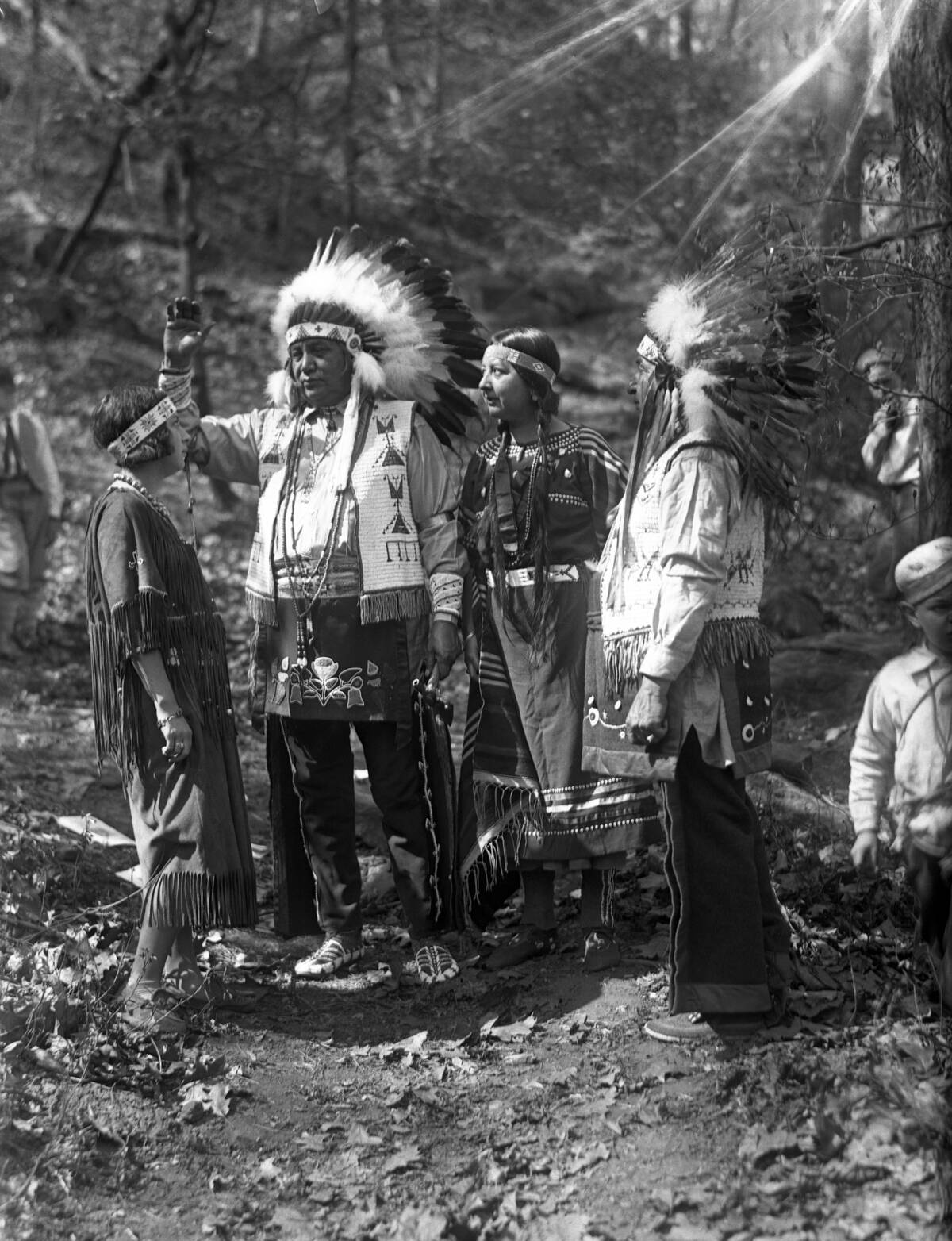
Shared visions are intriguing phenomena where multiple individuals experience similar visions or dreams simultaneously. In tribal societies, these experiences are often seen as communal spiritual events. They might occur during rituals, ceremonies, or even spontaneously.
The shared nature of these visions suggests a deep connection within the tribe, possibly hinting at collective subconscious communication. Understanding these occurrences requires considering both cultural beliefs and psychological factors at play within the community.
Cultural Significance of Visions in Tribal Societies
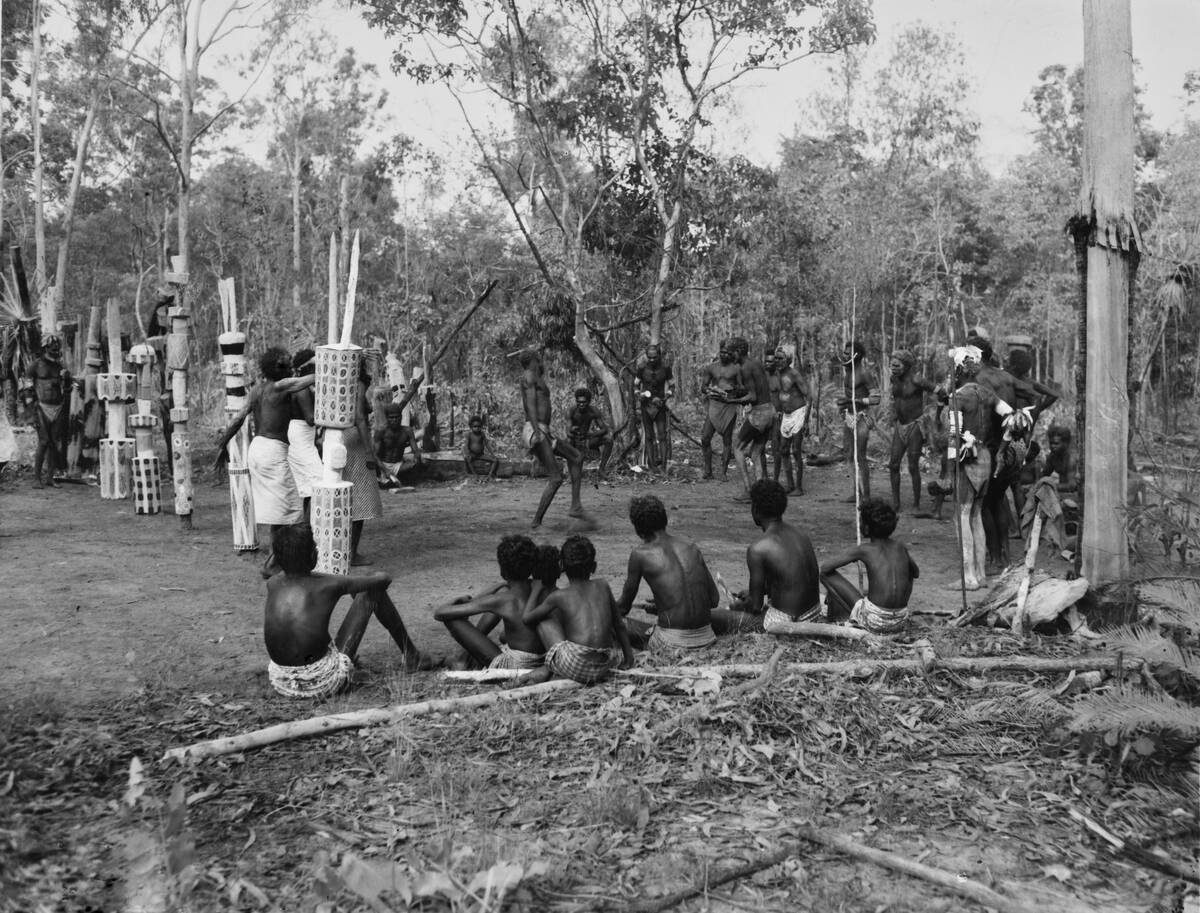
In many tribal societies, visions hold profound cultural significance. They are not merely personal experiences but are woven into the social and spiritual fabric of the community. Visions can guide important decisions, foretell events, or offer insights from ancestors.
For example, in some Amazonian tribes, visions induced by ayahuasca are central to spiritual practices. These experiences are deeply respected and are often seen as a means of connecting with the divine and maintaining cultural continuity.
The Role of Shamans and Spiritual Leaders
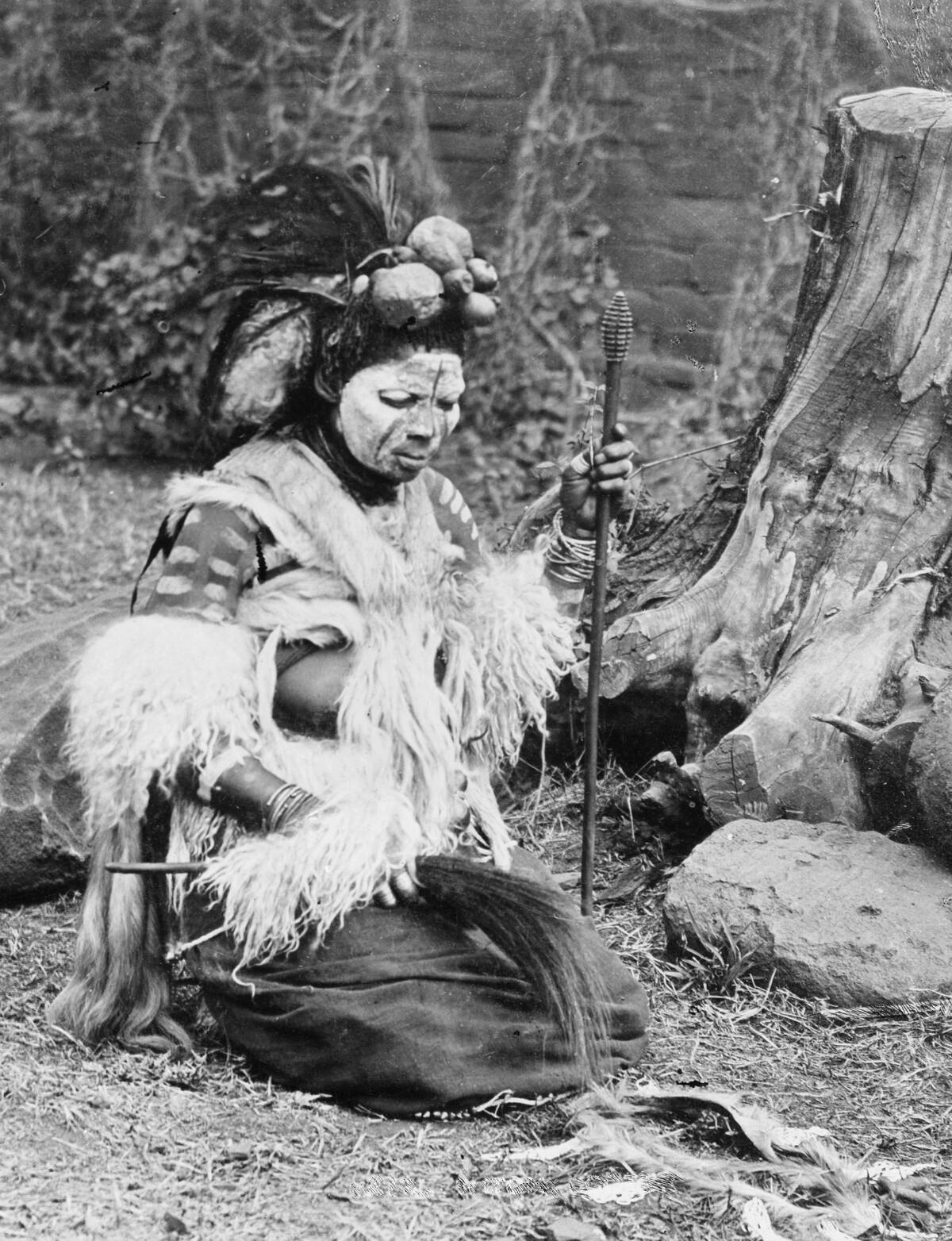
Shamans and spiritual leaders play a pivotal role in interpreting and guiding shared visions within tribal communities. These individuals are often seen as intermediaries between the physical and spiritual worlds. Through rituals and ceremonies, shamans help the tribe make sense of their visions, offering explanations and guidance.
Their understanding of herbal medicines and spiritual practices further enhances their ability to facilitate these experiences, ensuring that they are both meaningful and transformative for the participants.
Documented Cases of Shared Visions
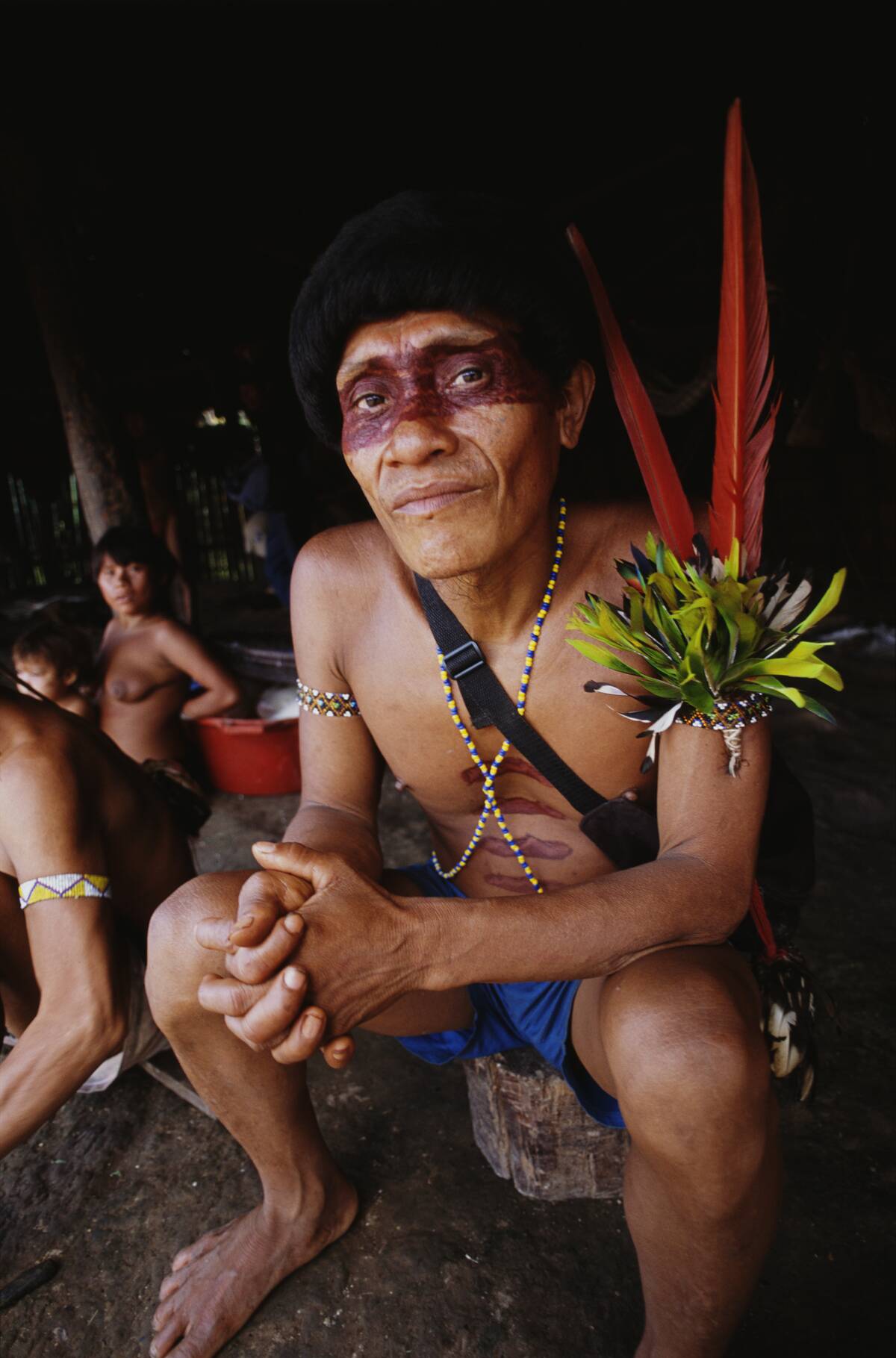
There have been several documented cases of shared visions among isolated tribes. One notable example comes from the Yanomami people of the Amazon, who experience collective visions during their reahu feasts. These gatherings involve ritualistic chanting and the consumption of hallucinogenic substances, leading to shared visionary experiences.
Such cases provide valuable insights for researchers studying the psychological and cultural mechanisms that underpin these phenomena, offering a glimpse into the collective psyche of the tribe.
Scientific Interest and Studies on Shared Visions
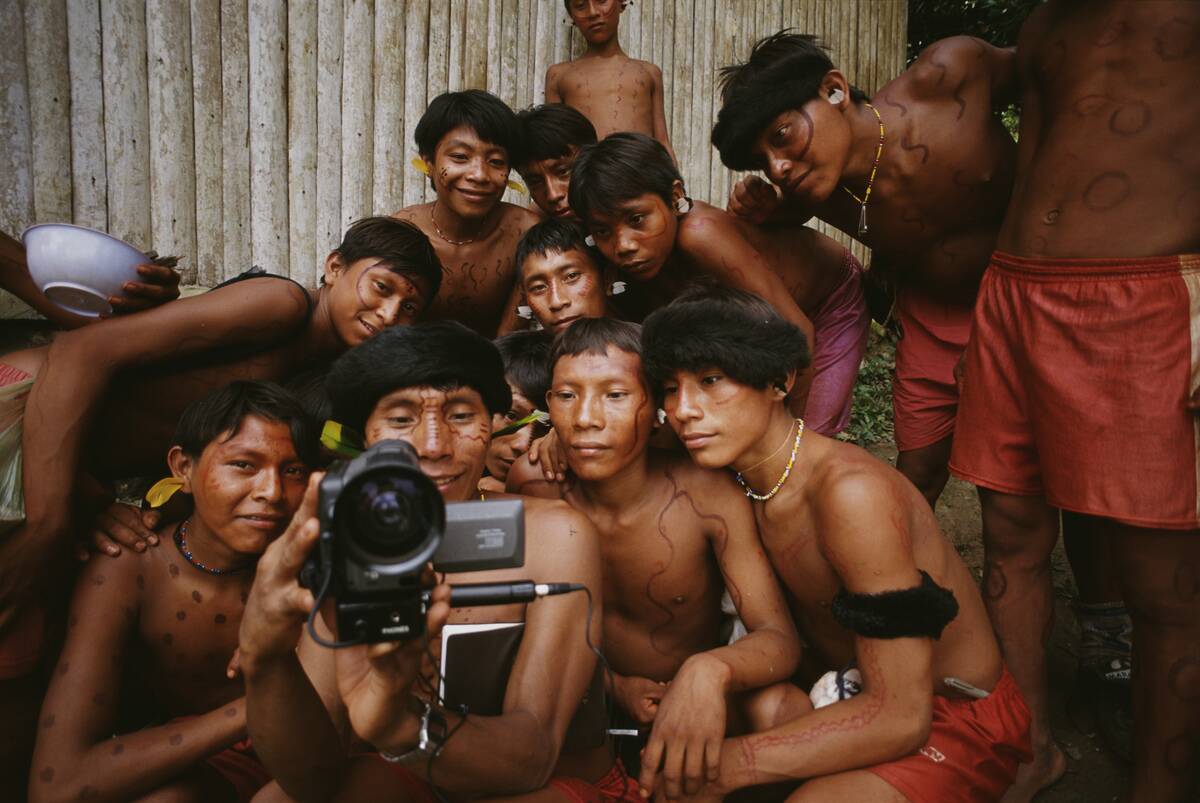
Shared visions have piqued the interest of scientists studying consciousness and group dynamics. Researchers explore the neurological and psychological aspects of these experiences, seeking to understand the mechanisms behind them.
Studies often focus on the role of altered states of consciousness, social cohesion, and the influence of environmental factors. While scientific explanations vary, there is a growing recognition of the complexity and richness of shared visions, prompting further interdisciplinary research into this captivating phenomenon.
Theories Behind the Occurrence of Shared Visions
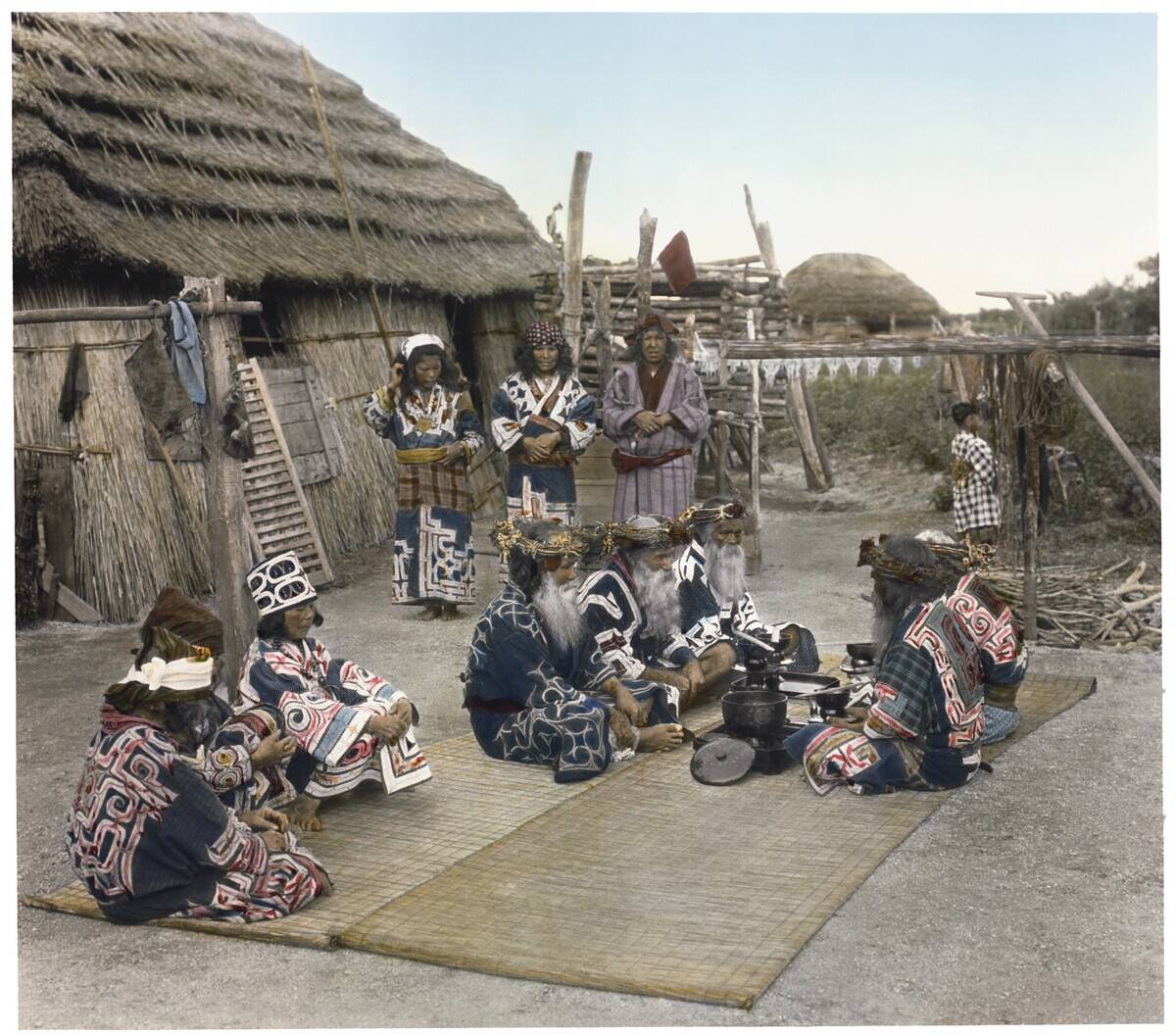
Several theories attempt to explain the occurrence of shared visions in tribal societies. Some suggest a psychological basis, where intense emotional and social connections foster a collective unconscious. Others propose neurobiological factors, such as the influence of psychoactive plants traditionally used in rituals.
Additionally, cultural theories emphasize the role of shared beliefs and collective narratives in shaping these experiences. Each perspective offers valuable insights, contributing to a more comprehensive understanding of shared visions.
Common Themes in Shared Visions Across Different Tribes
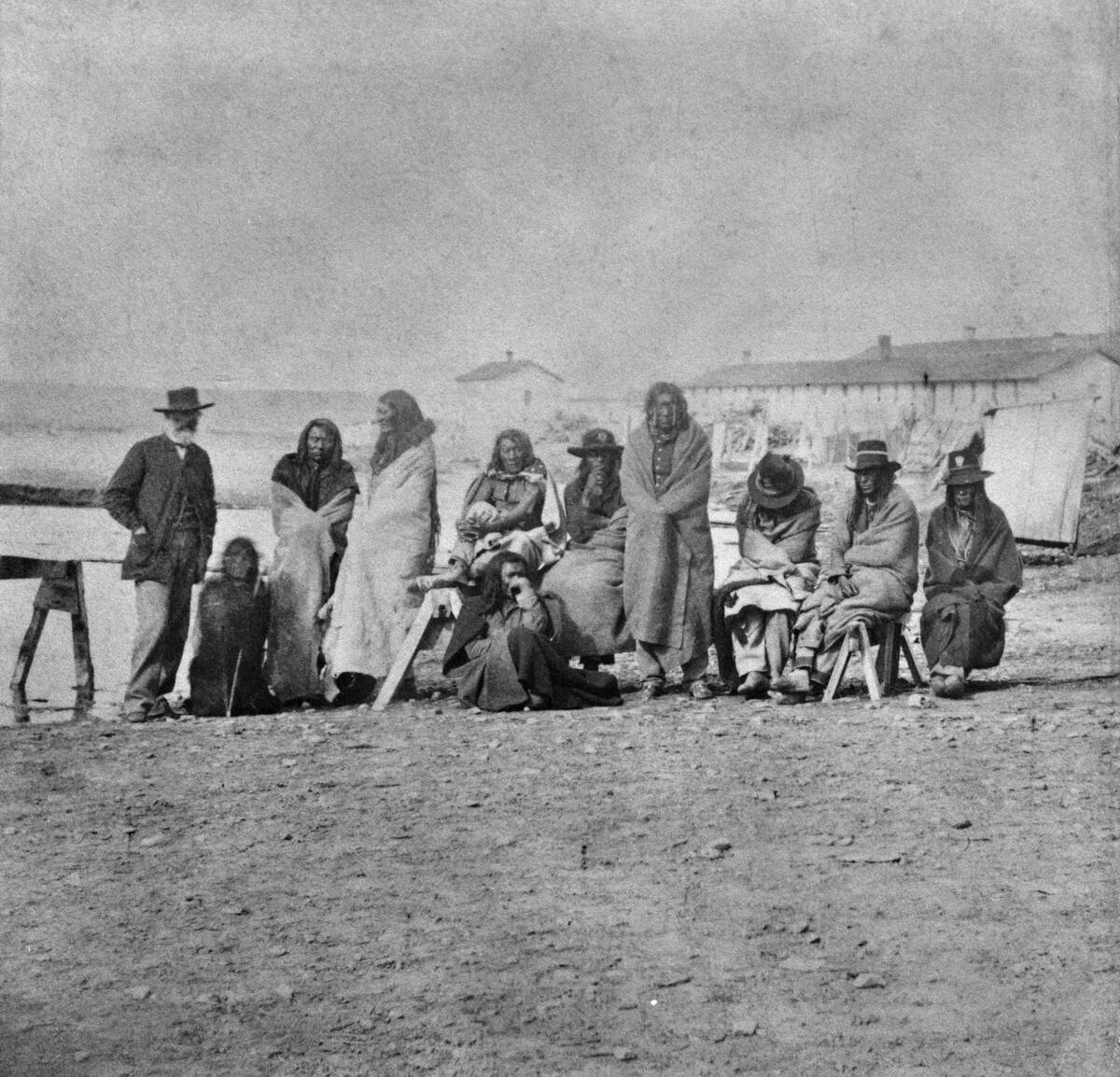
Despite geographical and cultural differences, many tribes report common themes in their shared visions. These often include ancestral spirits, animals, and elements of nature, reflecting the universal aspects of human experience and spirituality.
For instance, water is a recurring motif, symbolizing life and renewal in many tribes. Such themes suggest a shared human consciousness that transcends cultural boundaries, pointing to the fundamental ways in which humans perceive and interpret the world around them.
Western Interpretations and Misinterpretations
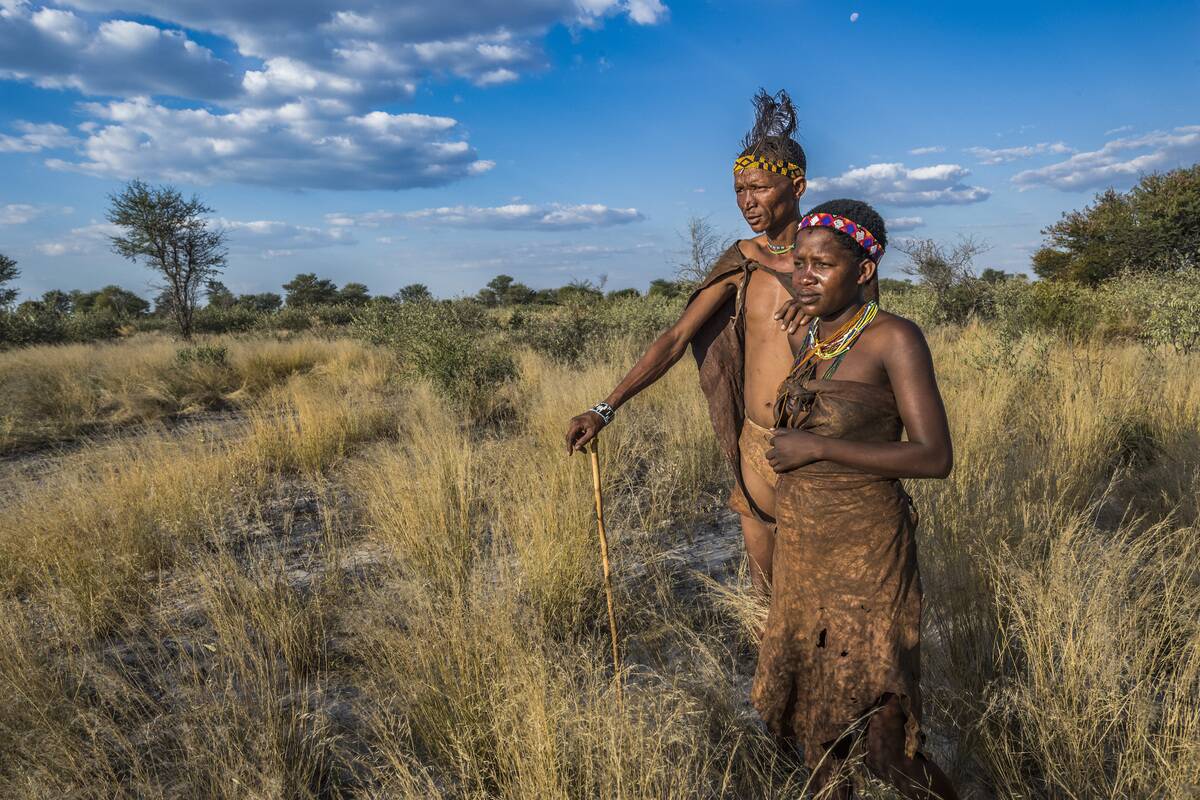
Western interpretations of shared visions in isolated tribes have often been colored by cultural biases and assumptions. Some view these experiences through a lens of skepticism, dismissing them as mere superstition or hallucination. Others romanticize them, attributing mystical significance without understanding their cultural context.
Such misinterpretations can lead to misunderstandings and diminish the richness of these experiences. A more nuanced approach, recognizing the cultural and spiritual significance of shared visions, is essential for genuine appreciation and understanding.
Ethical Considerations in Studying Isolated Tribes
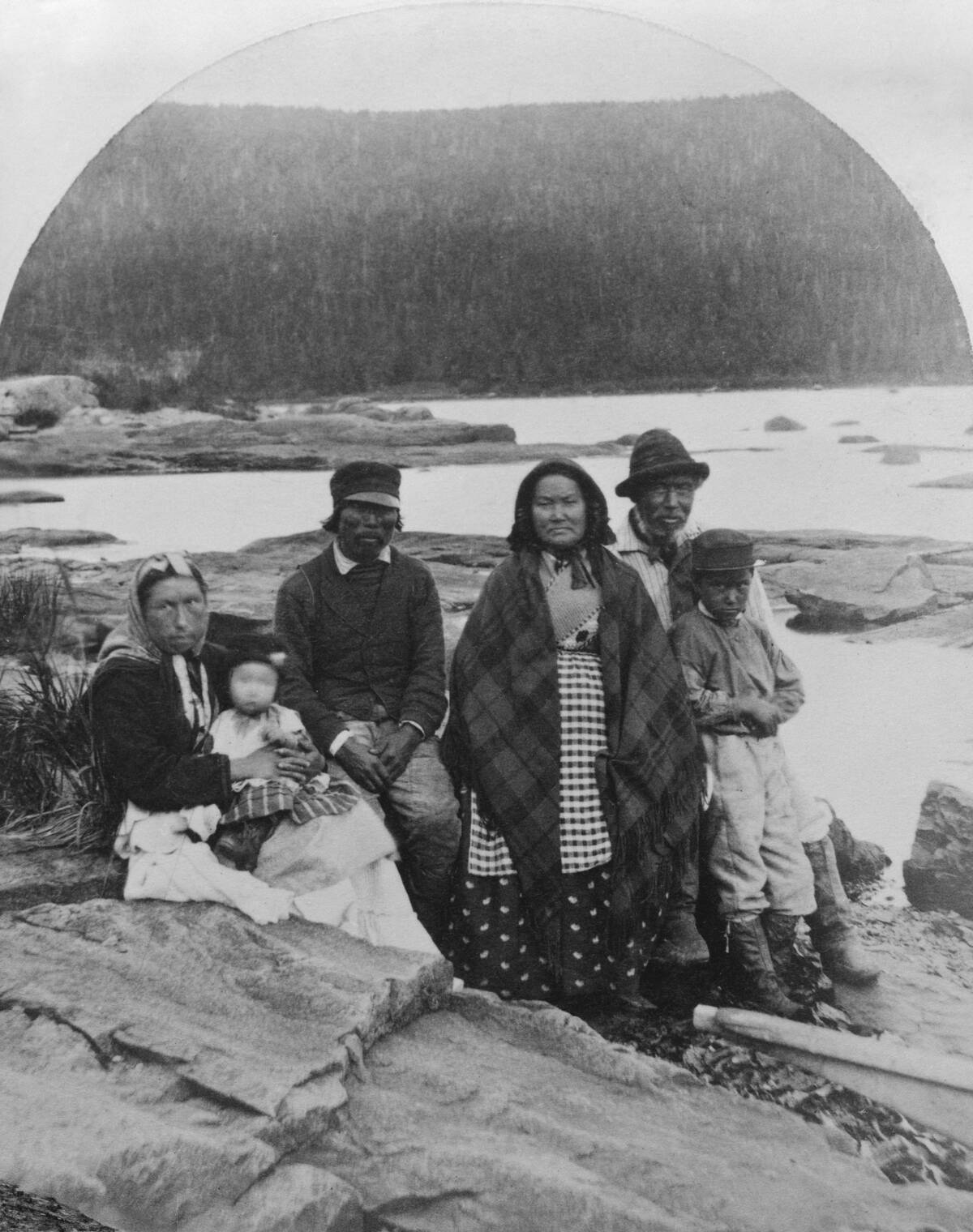
Studying isolated tribes presents significant ethical considerations. Researchers must respect the autonomy and privacy of these communities, ensuring that their work does not disrupt or exploit them. Informed consent and collaboration with tribal leaders are essential to protect the integrity and dignity of the tribe.
Additionally, researchers must be mindful of the potential impact of their presence, avoiding actions that could alter the tribe’s cultural practices or social dynamics. Ethical research prioritizes the well-being and cultural preservation of the tribe.




