Early flight experiments that led to modern aviation
The dream of flight has fascinated humans for centuries, capturing imaginations and inspiring countless stories and innovations. From ancient legends to groundbreaking technological advances, the journey of man’s ascent into the skies is a tale of creativity and determination.
Early inventors and dreamers laid the groundwork for what would become modern aviation, pushing the boundaries of possibility with every new experiment and idea.
The Mythical Beginnings: Icarus and Daedalus

The story of Icarus and Daedalus is one of the earliest tales of human flight, albeit a cautionary one. According to Greek mythology, Daedalus fashioned wings from feathers and wax for himself and his son, Icarus, in their attempt to escape from Crete.
Although Icarus flew too close to the sun, causing his wings to melt, the myth highlights the enduring human desire to soar through the air, a theme echoed in later aviation pursuits.
Ancient Chinese Kite Flying: The First Steps

Long before airplanes graced the skies, ancient Chinese kite flying marked the first human attempts at controlled flight. As early as 500 BC, kites were used for military and meteorological purposes.
These early experiments with wind and lift served as an important precursor to more sophisticated flying machines. The principles of aerodynamics were being tested even then, paving the way for future exploration above the earth.
Leonardo da Vinci’s Flying Machines: Dreams on Paper
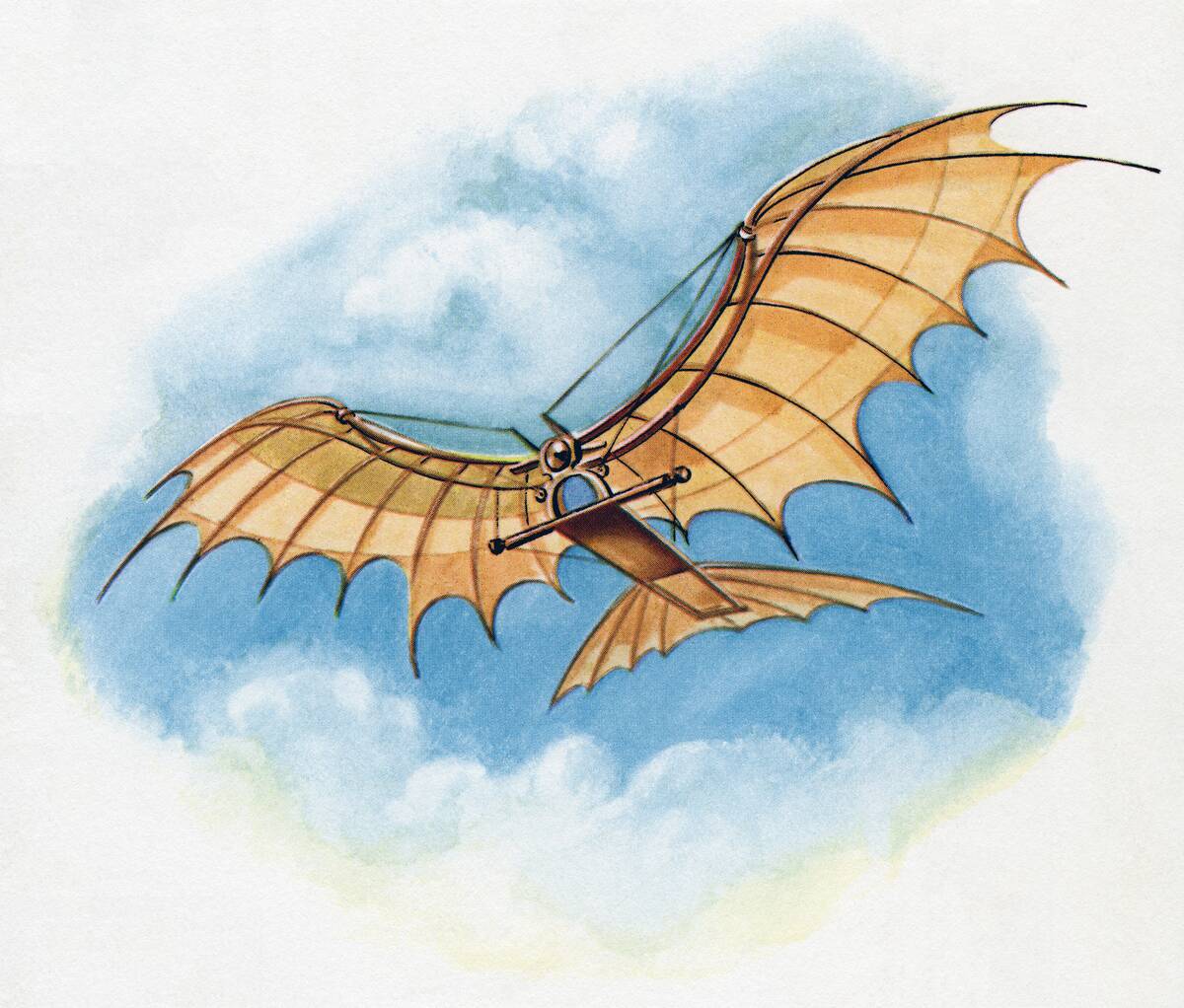
Leonardo da Vinci, the quintessential Renaissance man, turned his genius to the idea of human flight in the late 15th century. His notebooks are filled with designs for various flying machines, including the famous ornithopter, which mimicked the flapping of bird wings.
While these inventions never took to the skies, da Vinci’s detailed sketches and understanding of aerodynamics influenced future inventors and solidified his place as a visionary in the history of aviation.
The Montgolfier Brothers: Lifting Spirits with Hot Air Balloons
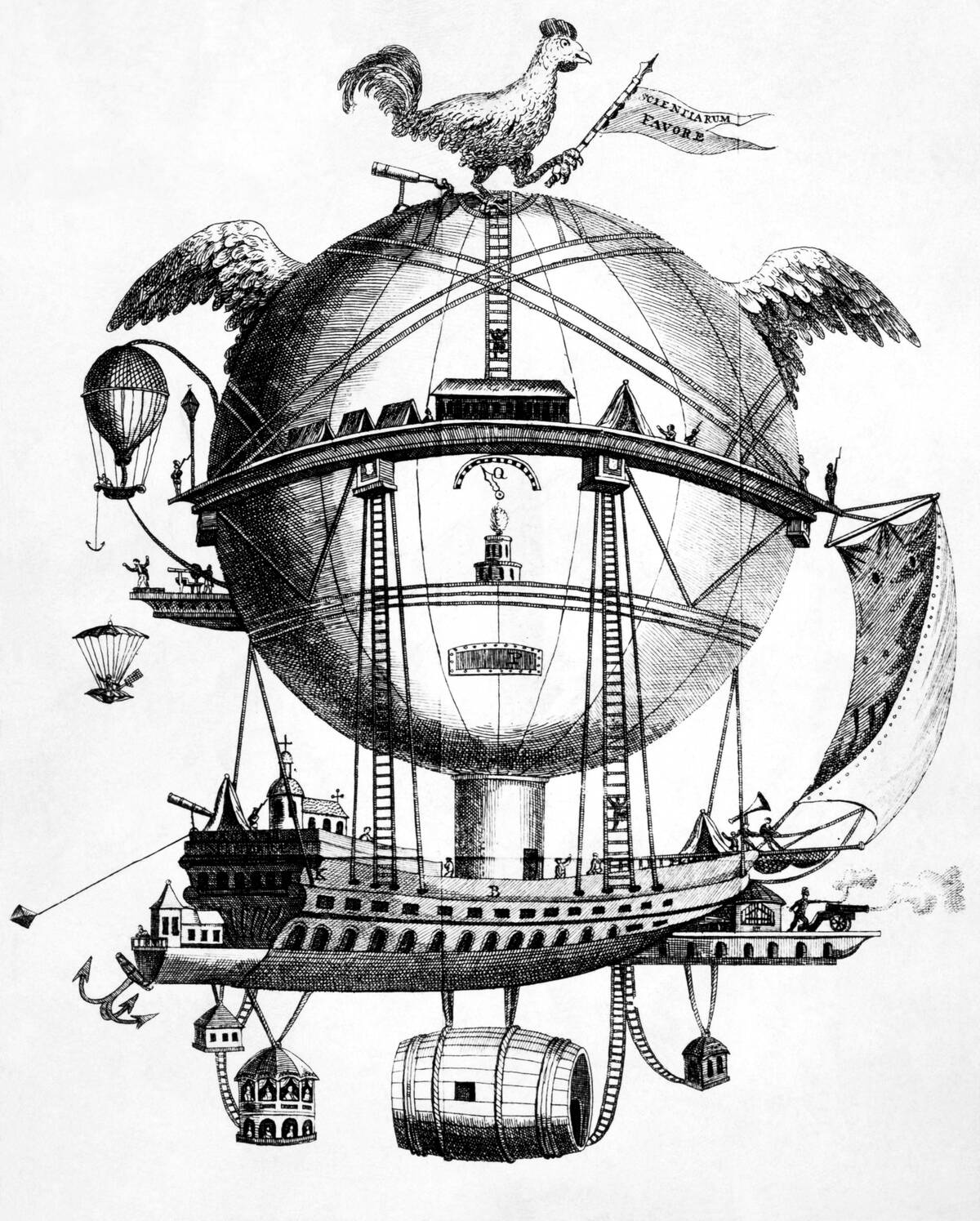
In 1783, the Montgolfier brothers, Joseph-Michel and Jacques-Étienne, achieved the first manned ascent with a hot air balloon in France. Using a simple design that relied on hot air to lift the balloon, they ushered in a new era of flight.
Their success demonstrated that human flight was possible, capturing the attention of Europe and igniting a passion for aeronautics that spread rapidly across the continent.
Sir George Cayley: The Father of Aerodynamics
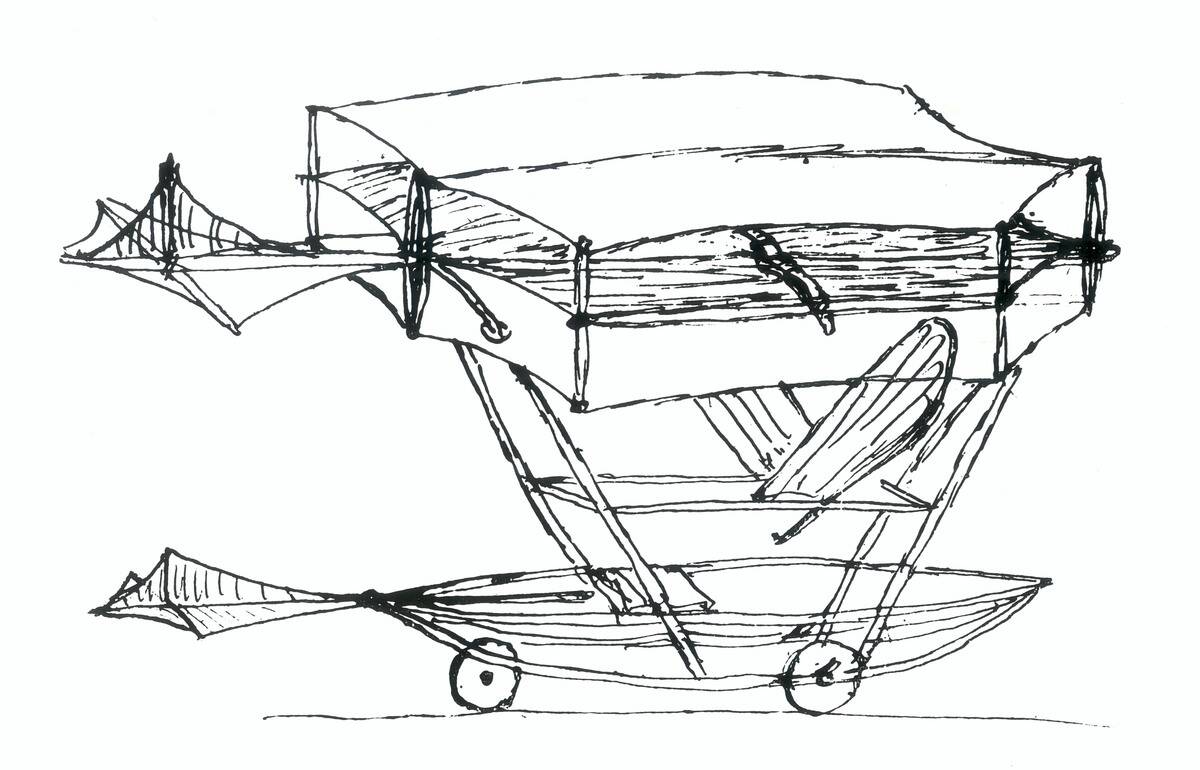
Sir George Cayley is often hailed as the father of modern aerodynamics, thanks to his pioneering work in the early 19th century. He was the first to identify the four aerodynamic forces of flight: weight, lift, drag, and thrust.
Cayley’s glider designs laid the groundwork for the modern airplane, and his insights into the mechanics of flight were instrumental in moving aviation from dream to reality.
William Henson’s Aerial Steam Carriage: A Visionary Design
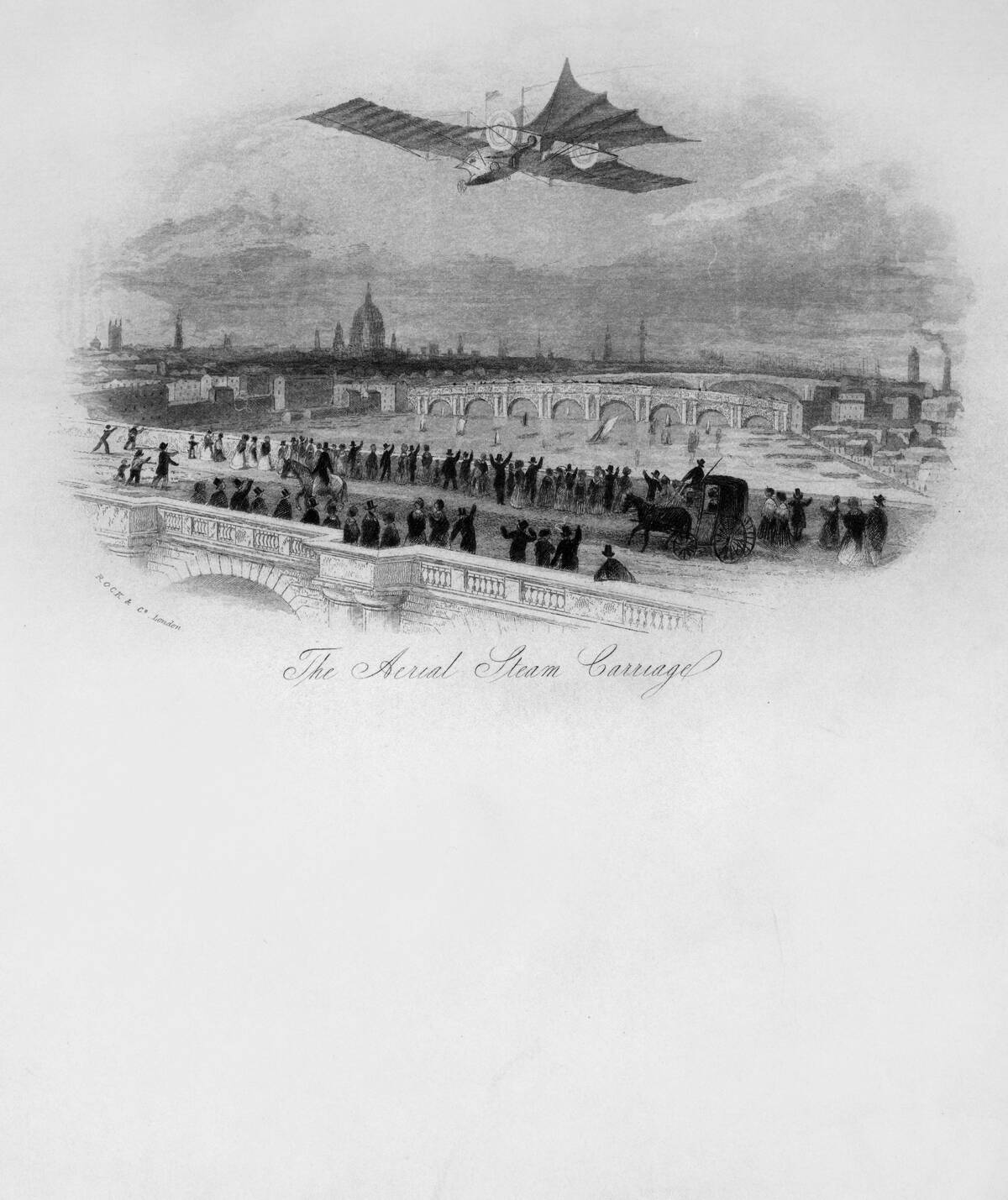
In the mid-1800s, William Henson designed the Aerial Steam Carriage, a revolutionary concept that envisioned a fixed-wing aircraft powered by steam. Although it was never built, Henson’s design included many features of modern airplanes, such as a fuselage and landing gear.
His ambitious plans and public patent inspired others to think big, proving that imagination was a key component in the quest for flight.
Otto Lilienthal: The Glider King
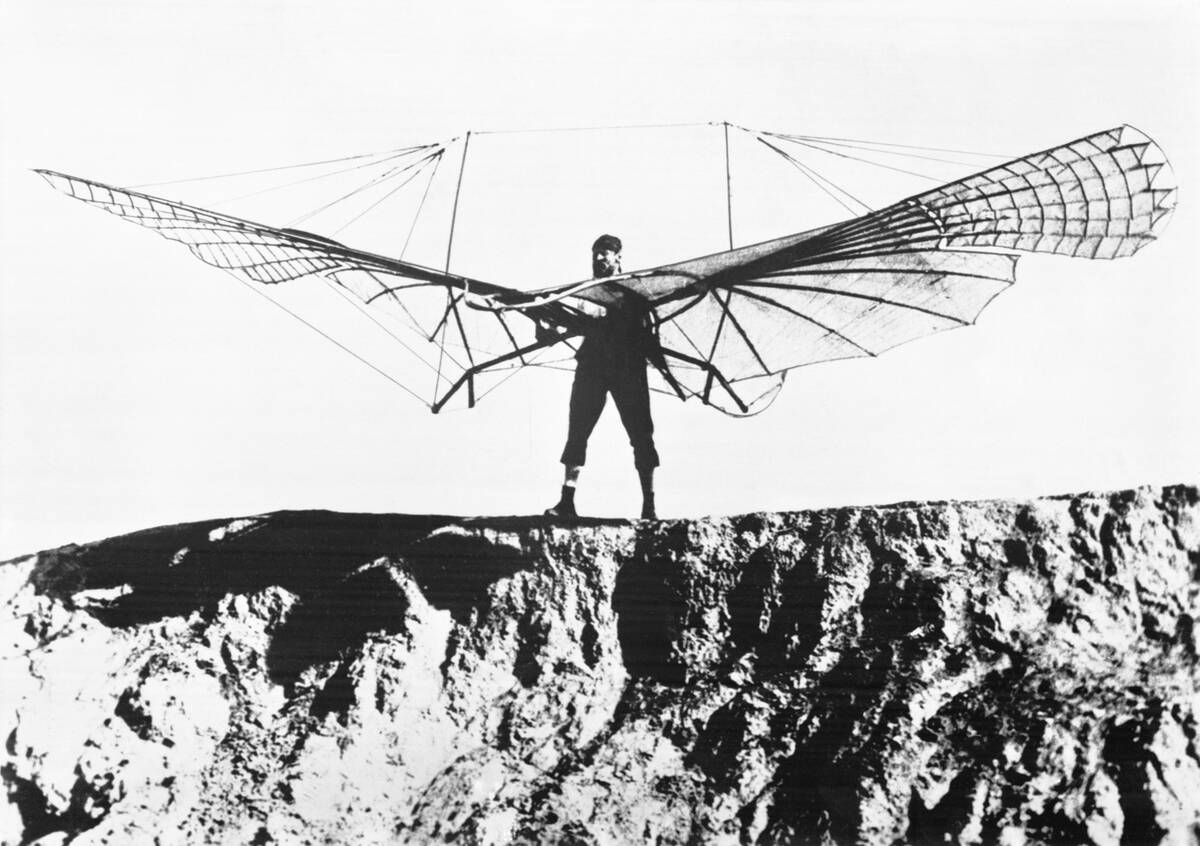
Otto Lilienthal, a German aviation pioneer, earned the nickname ‘The Glider King’ due to his significant contributions to early flight through his glider experiments in the 1890s.
Lilienthal was the first person to make repeated successful flights with unpowered aircraft, meticulously documenting his findings. His work provided crucial data on lift and control, influencing the Wright brothers and other future aviators in their quest to conquer the skies.
Samuel Langley and His Aerodrome: Pushing the Boundaries
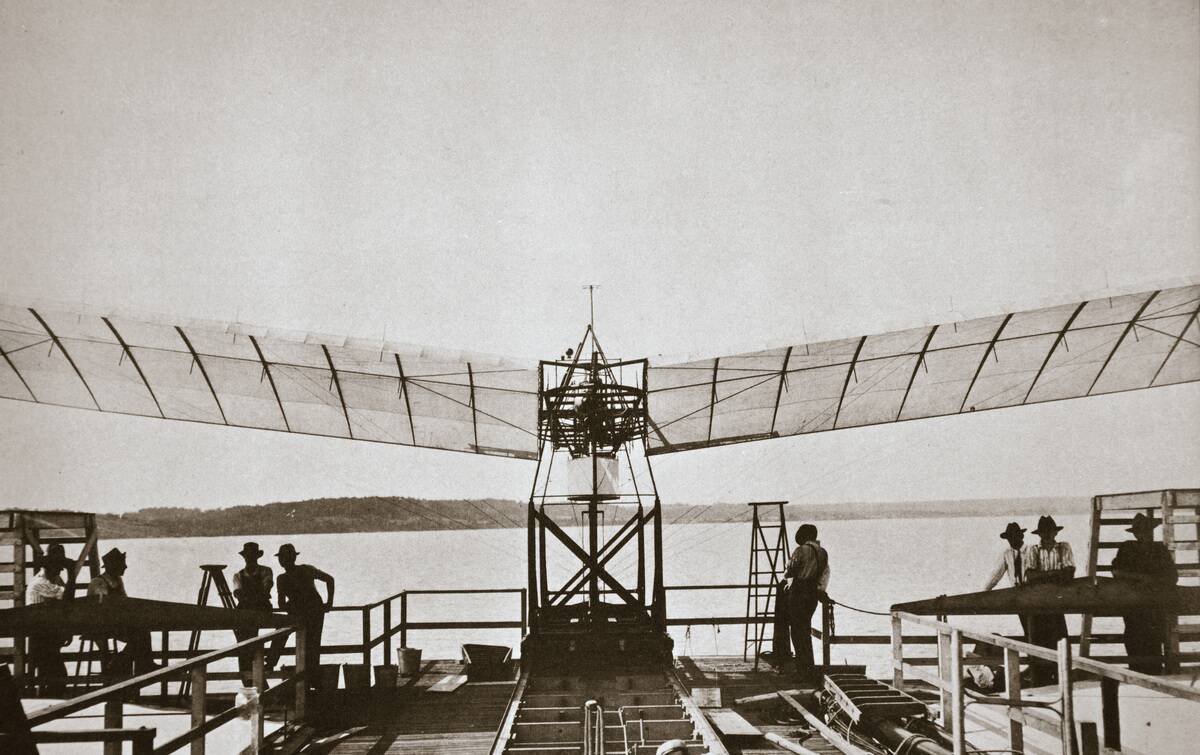
Samuel Langley, an American aviation pioneer, aimed to achieve powered flight with his creation, the Aerodrome. In the 1890s, Langley’s experiments with steam-powered models demonstrated that flight was indeed possible.
Although his full-scale Aerodrome failed in its trials, Langley’s work was instrumental in advancing the understanding of powered aviation, providing valuable lessons for those who followed, including the Wright brothers.
Octave Chanute’s Contributions to Aviation
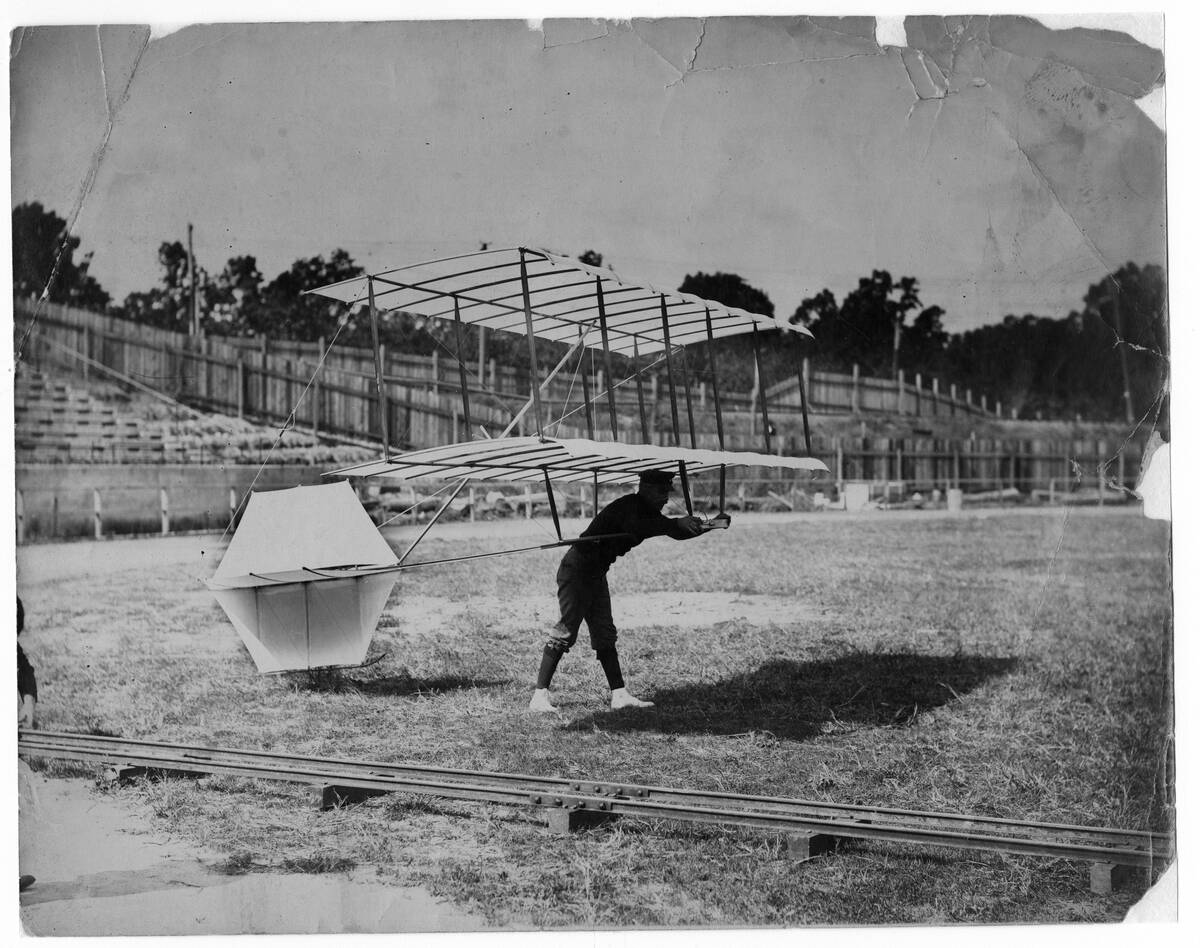
Octave Chanute, a French-American engineer, played a pivotal role in early aviation by sharing his knowledge and expertise. His 1894 publication, "Progress in Flying Machines," compiled worldwide aviation experiments and innovations.
Chanute also provided critical advice and support to the Wright brothers, helping them refine their designs. His work fostered collaboration among early aviation enthusiasts, accelerating the development of practical flying machines.
The Wright Brothers: A Duo Destined for the Skies
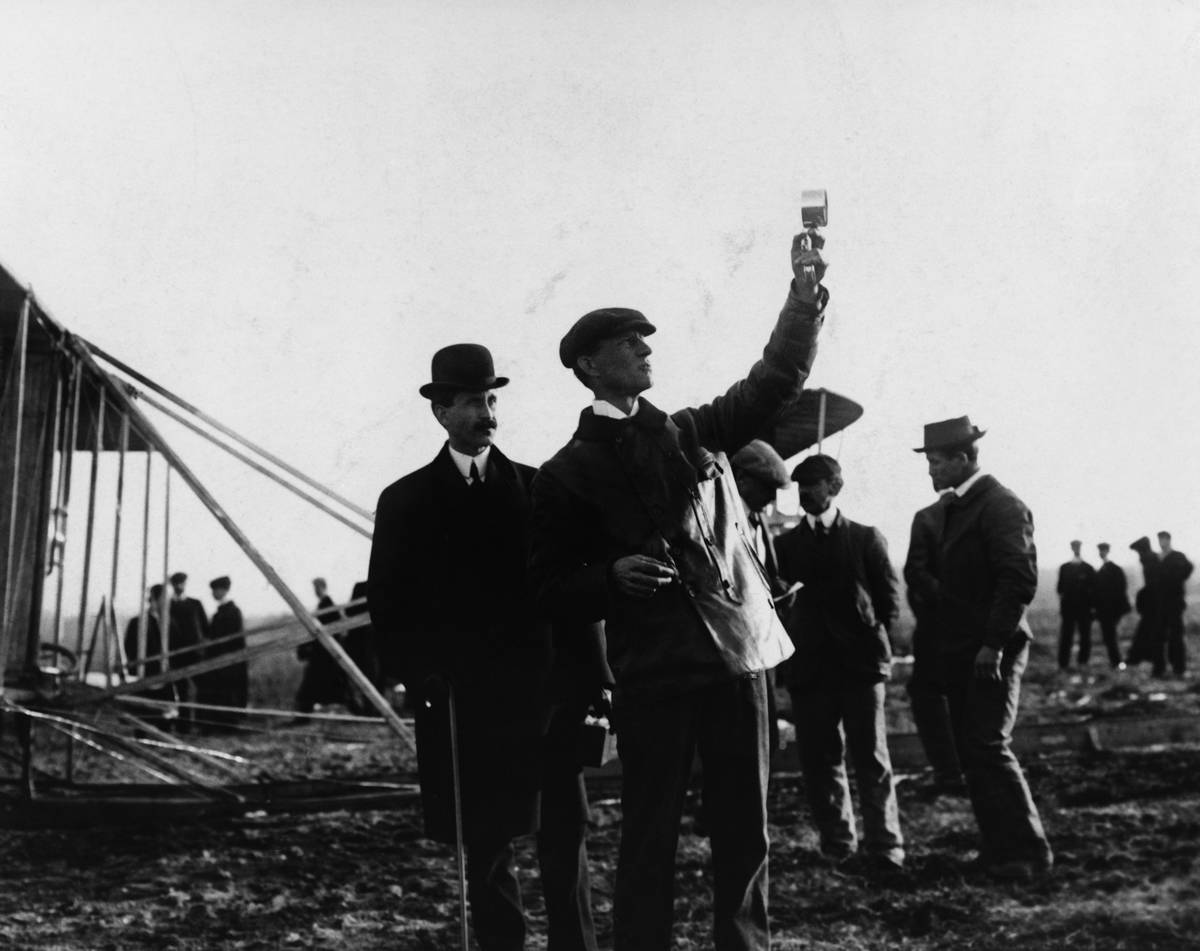
Orville and Wilbur Wright are celebrated for achieving the first powered, controlled flight in 1903 with their aircraft, the Wright Flyer. Through meticulous testing and experimentation, the brothers developed a three-axis control system, which remains the standard for airplanes today.
Their success at Kitty Hawk transformed dreams into reality, marking the beginning of modern aviation and inspiring generations of inventors and aviators to reach for the skies.
Glenn Curtiss: The Speed King of Aviation
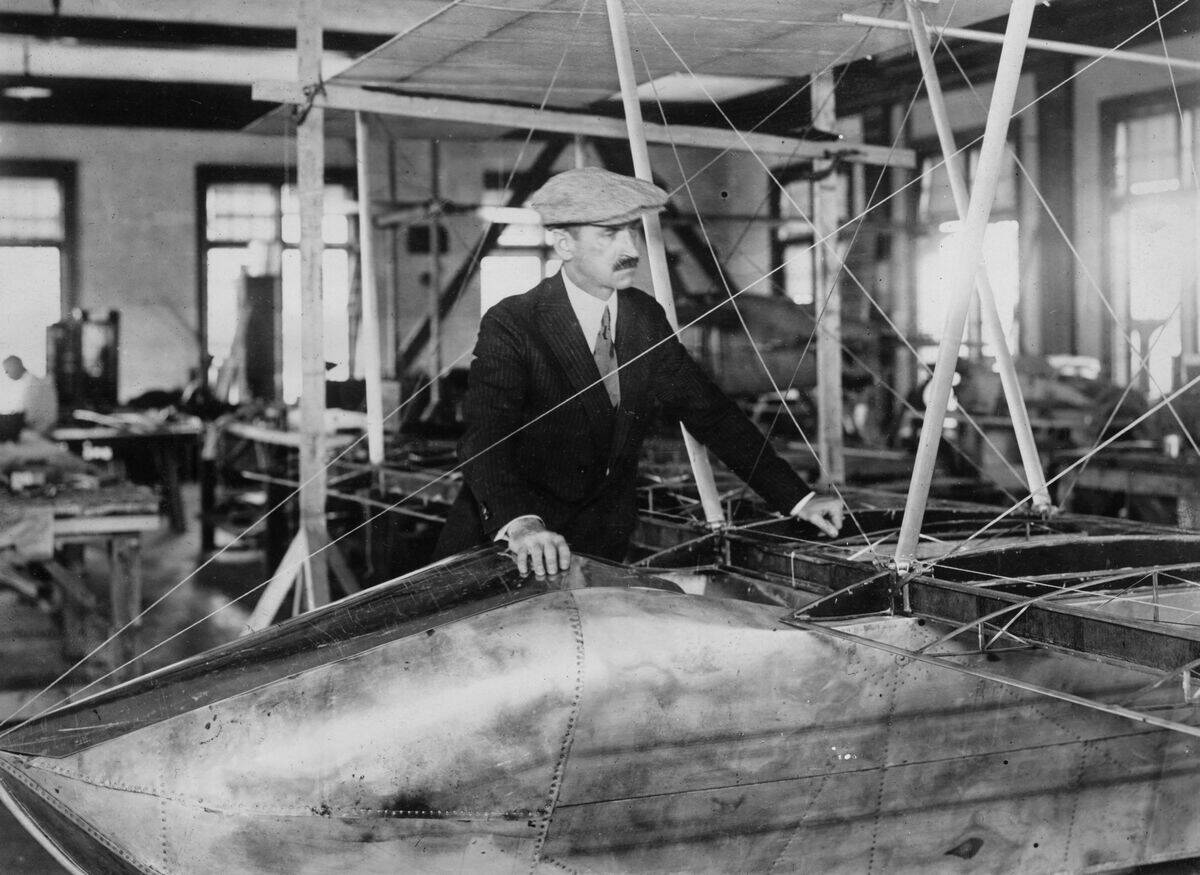
Glenn Curtiss was an American aviation pioneer known for his speed and innovation in early aircraft design. In 1908, Curtiss won the Scientific American Trophy for the first pre-announced, publicly viewed flight of over one kilometer.
He later established the Curtiss Aeroplane and Motor Company, becoming a leading manufacturer in the aviation industry. Curtiss’s contributions to aviation technology and his rivalry with the Wright brothers spurred rapid advancements in aircraft performance and design.
The Role of World War I in Advancing Flight Technology
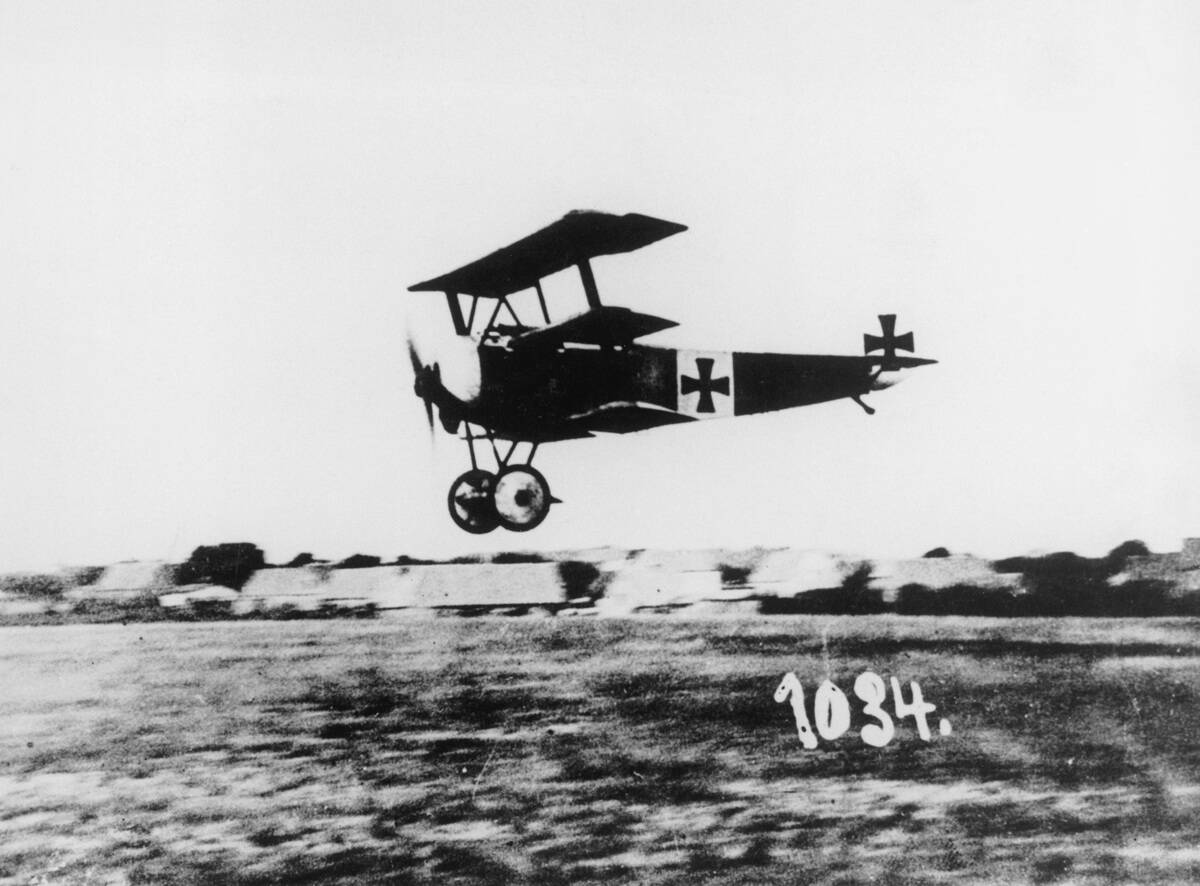
World War I significantly accelerated the advancement of aviation technology as nations invested heavily in aircraft for reconnaissance and combat. Innovations like synchronized machine guns, more powerful engines, and faster airframes emerged during this period, transforming aircraft from experimental machines to effective tools of war.
The end of the war saw a surplus of trained pilots and planes, fueling the growth of commercial aviation and setting the stage for future developments in air travel.
Early Female Aviators: Breaking Barriers in the Skies
![[redacted]](https://media.tellmebest.com/wp-content/uploads/2023/08/amelia-earhart-21374.jpeg)
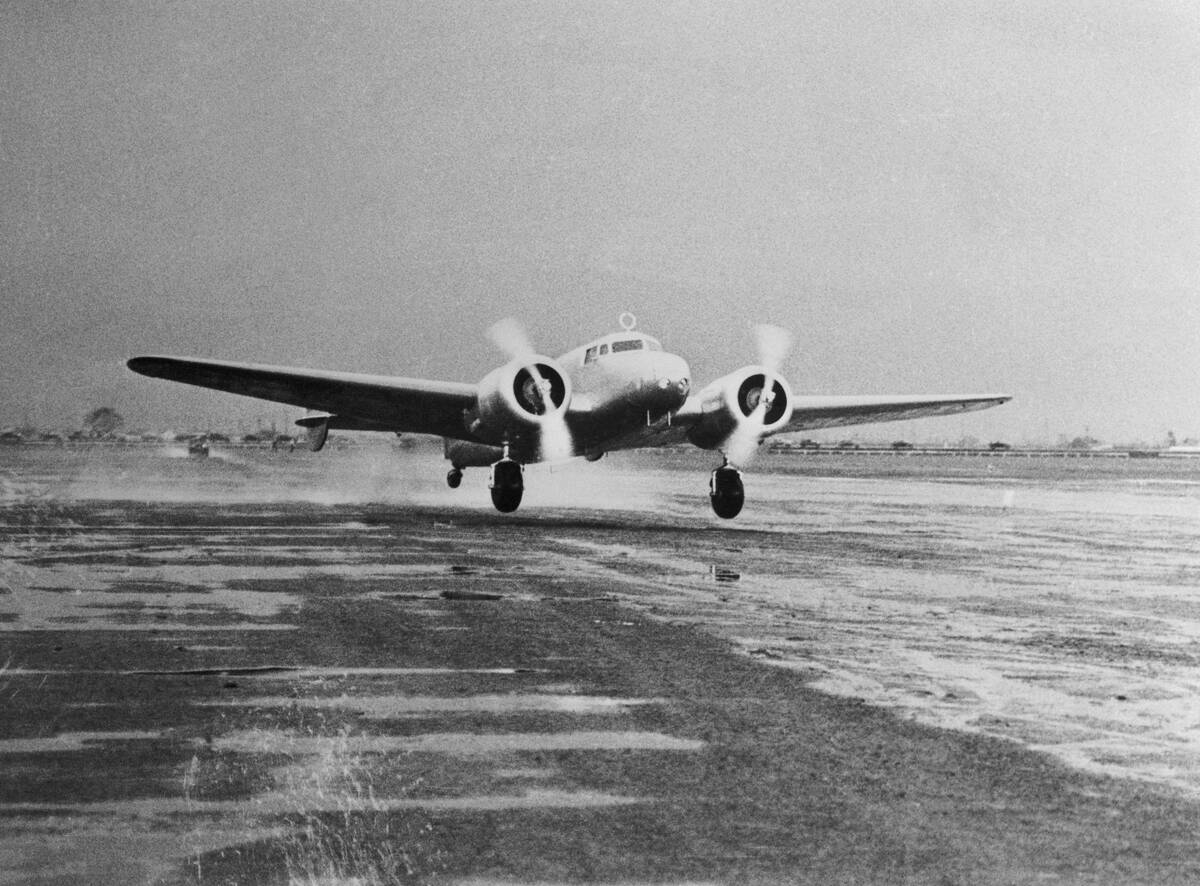
Early female aviators like Amelia Earhart and Bessie Coleman broke significant barriers in a male-dominated field, inspiring countless women to pursue aviation. Earhart became the first woman to fly solo across the Atlantic in 1932, while Coleman, the first African American woman to earn a pilot’s license, captivated audiences with her daring airshows.
These trailblazers challenged societal norms, proving that the skies were open to all who dared to dream.
How These Early Pioneers Influenced Modern Flight Technologies
The contributions of early aviation pioneers laid the groundwork for today’s sophisticated flight technologies. Their experiments with aerodynamics, control systems, and propulsion paved the way for modern aircraft design and engineering.
By pushing the boundaries of what was possible, these trailblazers not only realized humanity’s age-old dream of flight but also set in motion a technological revolution that continues to shape the world of aviation today.