Wars that ended without battles
Throughout history, conflict has often been resolved not through war, but with the power of diplomacy. These peaceful resolutions have shaped our world in ways that are both fascinating and inspiring.
From ancient assemblies to modern accords, each agreement carries a story of negotiation, compromise, and the human spirit’s capacity for peace. Let’s embark on a journey through some of history’s most intriguing peaceful resolutions, where dialogue prevailed over discord.
The Althingi: Iceland’s Ancient Assembly of Consensus
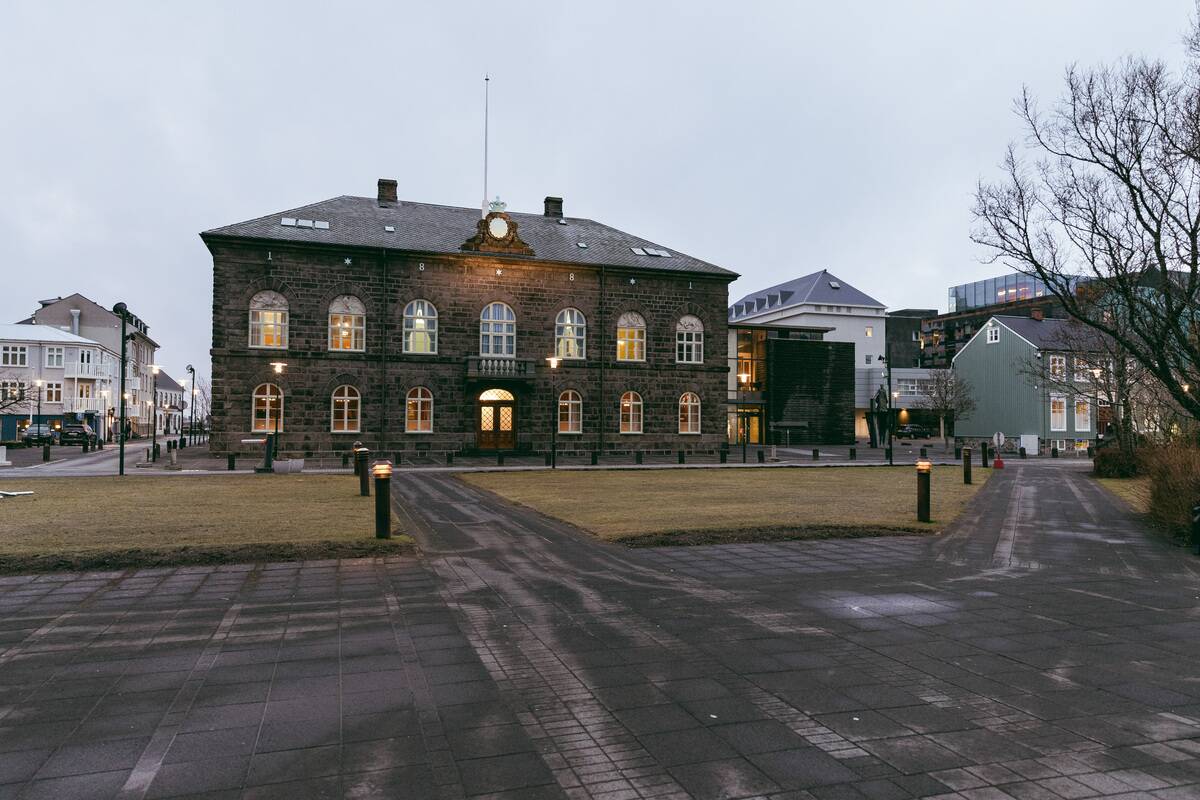
Dating back to 930 AD, the Althingi is one of the world’s oldest parliaments, where Icelanders gathered at Thingvellir to discuss and decide matters of law and governance. This assembly emphasized consensus and harmony, with chieftains working together to resolve disputes without resorting to violence.
It’s a testament to how early societies valued discussion and agreement, laying the groundwork for modern democratic practices. Imagine the open-air meetings amidst Iceland’s stunning landscapes, where decisions were made through dialogue, not dominance.
The Treaty of Tordesillas: Dividing the New World Without a Fight
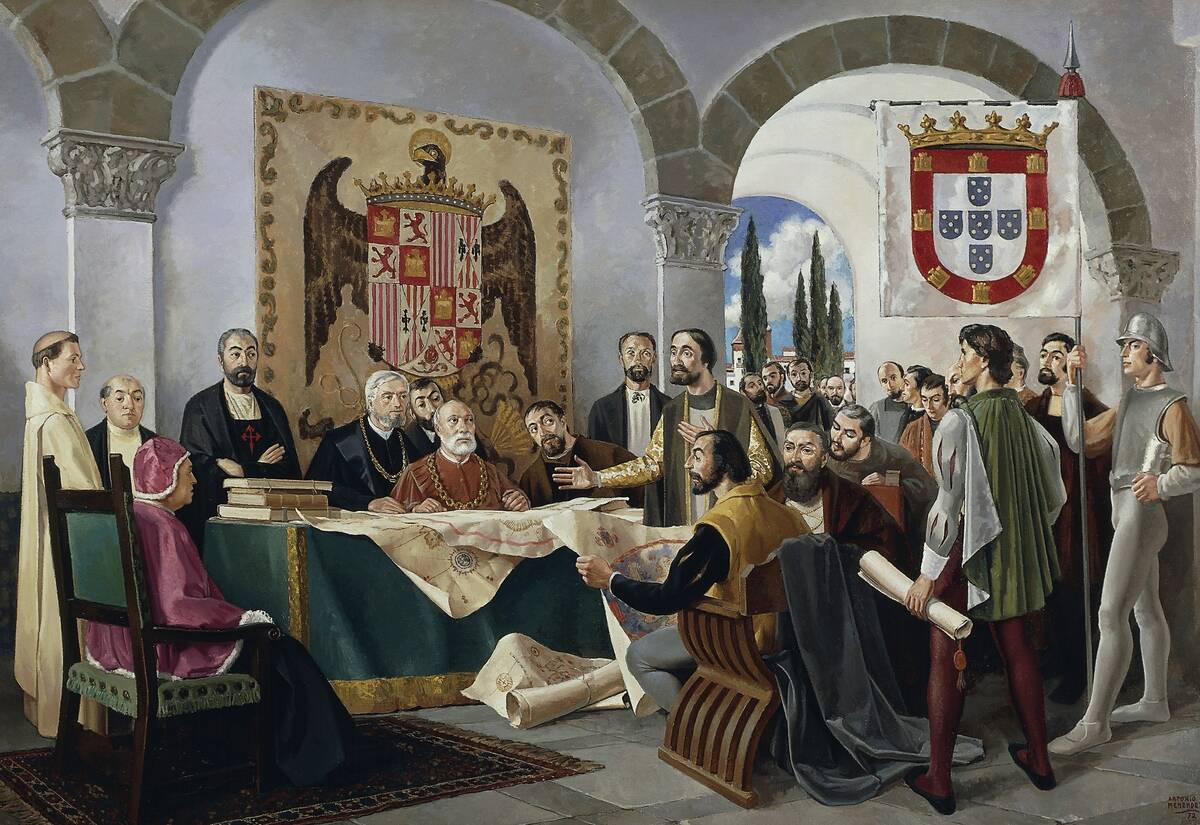
In 1494, the Treaty of Tordesillas was signed between Spain and Portugal, dividing the newly discovered lands outside Europe. The line of demarcation was set at 370 leagues west of the Cape Verde islands, giving Spain control of lands to the west and Portugal to the east.
This treaty helped avoid conflict between the two seafaring nations and was sanctioned by the Pope, showcasing the power of negotiation even amidst the age of exploration. It’s a fascinating example of diplomacy shaping the course of history.
The Compromise of 1850: Averting American Civil War (Temporarily)
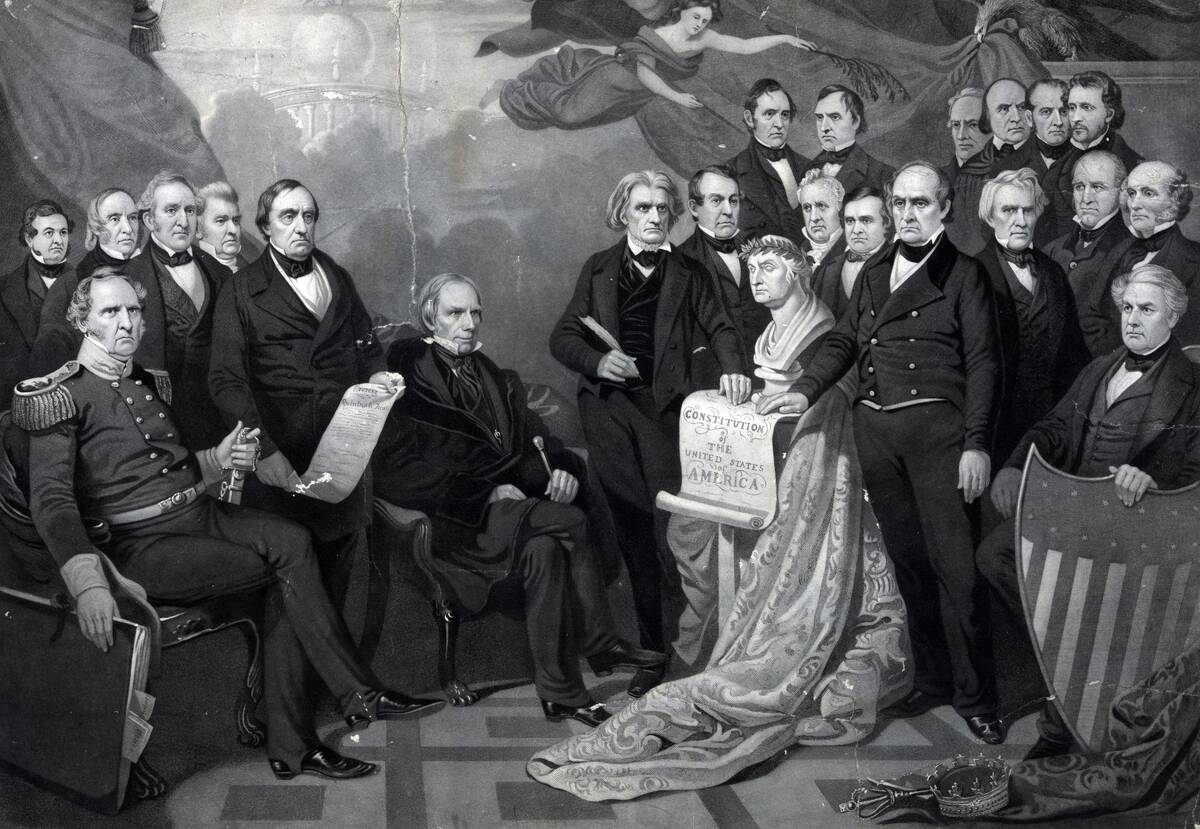
The Compromise of 1850 was a series of legislative measures aimed at defusing tensions between free and slave states in America. Key provisions included admitting California as a free state and enacting a stricter Fugitive Slave Law.
While it temporarily postponed the Civil War, it highlighted the deep divisions within the country. This compromise was a delicate balancing act of political interests, illustrating how negotiation can sometimes only delay inevitable conflict. Yet, it remains a crucial chapter in America’s tumultuous history.
The Congress of Vienna: Redrawing Europe’s Map Peacefully
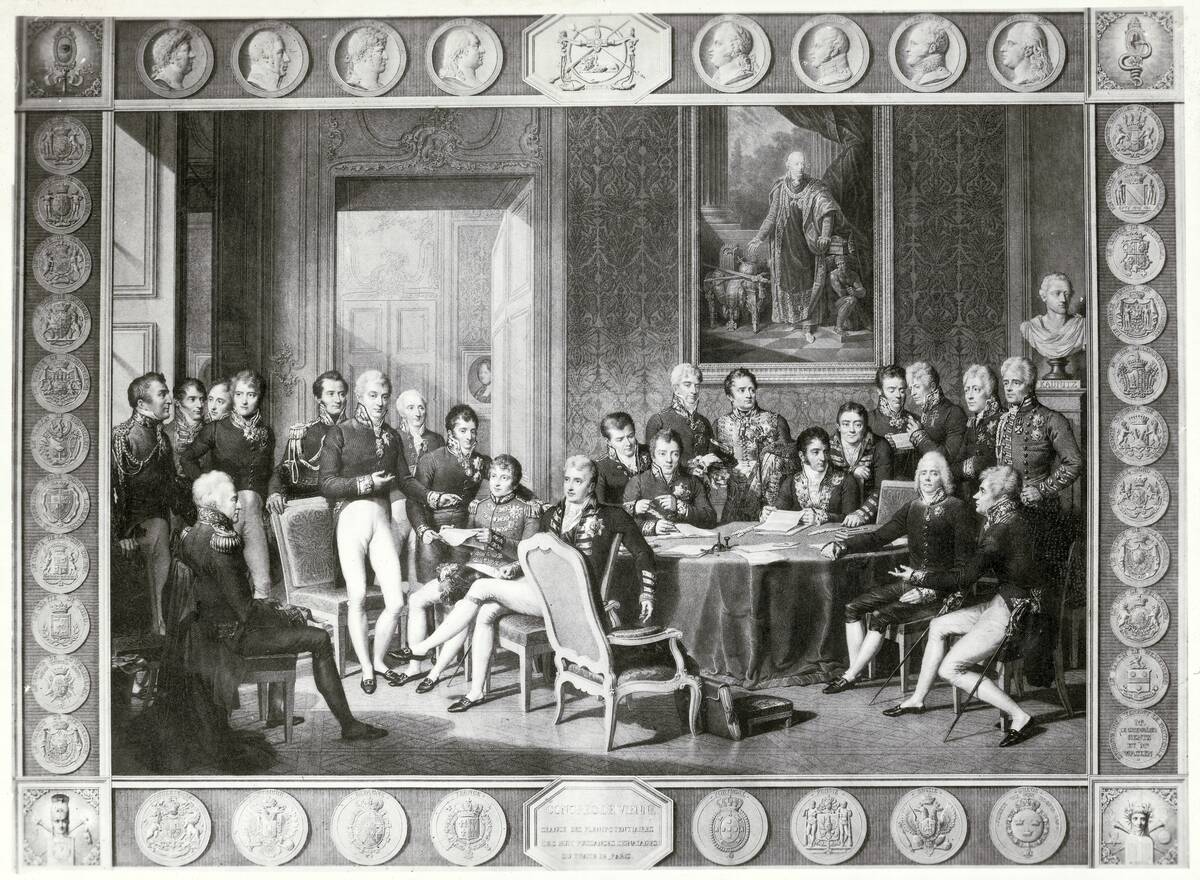
After the Napoleonic Wars, the Congress of Vienna in 1814-1815 sought to restore peace in Europe. Representatives from major powers gathered to redraw borders and establish a balance of power that would prevent future conflicts.
The congress led to nearly a century of relative peace in Europe, known as the Concert of Europe. It’s an impressive example of how diplomacy and dialogue can stabilize a continent and prevent war through collective decision-making and cooperation.
The Ashburton-Webster Treaty: Settling the Maine Boundary Dispute
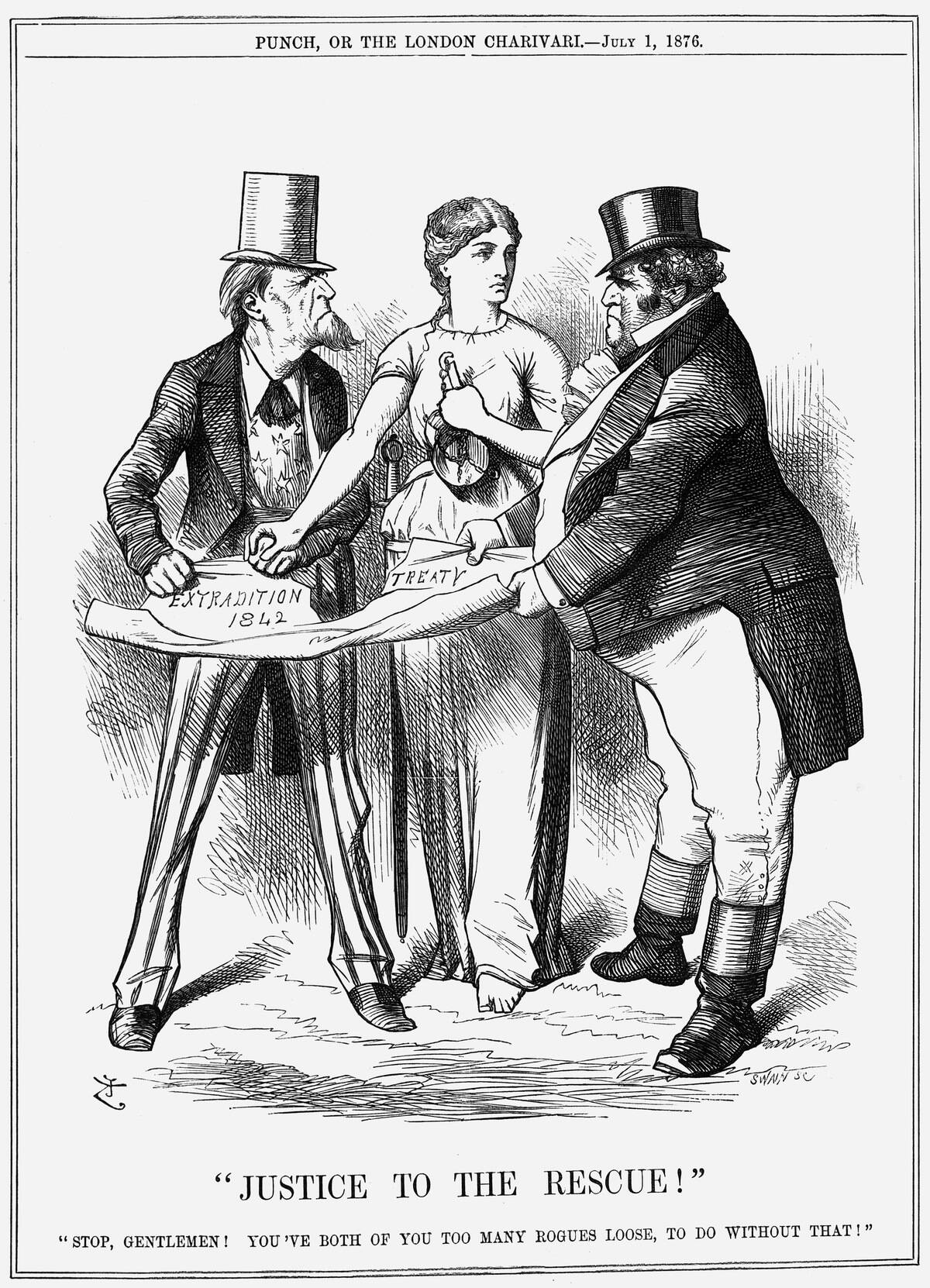
In 1842, the Ashburton-Webster Treaty resolved a long-standing boundary dispute between the United States and British North America (now Canada) over the northeastern border of Maine.
The treaty, negotiated by U.S. Secretary of State Daniel Webster and British diplomat Lord Ashburton, clarified borders without resorting to military conflict. This agreement not only settled territorial issues but also improved U.S.-British relations, showing how diplomacy can resolve seemingly intractable disputes amicably.
The Alaska Boundary Dispute: Diplomacy Over Land
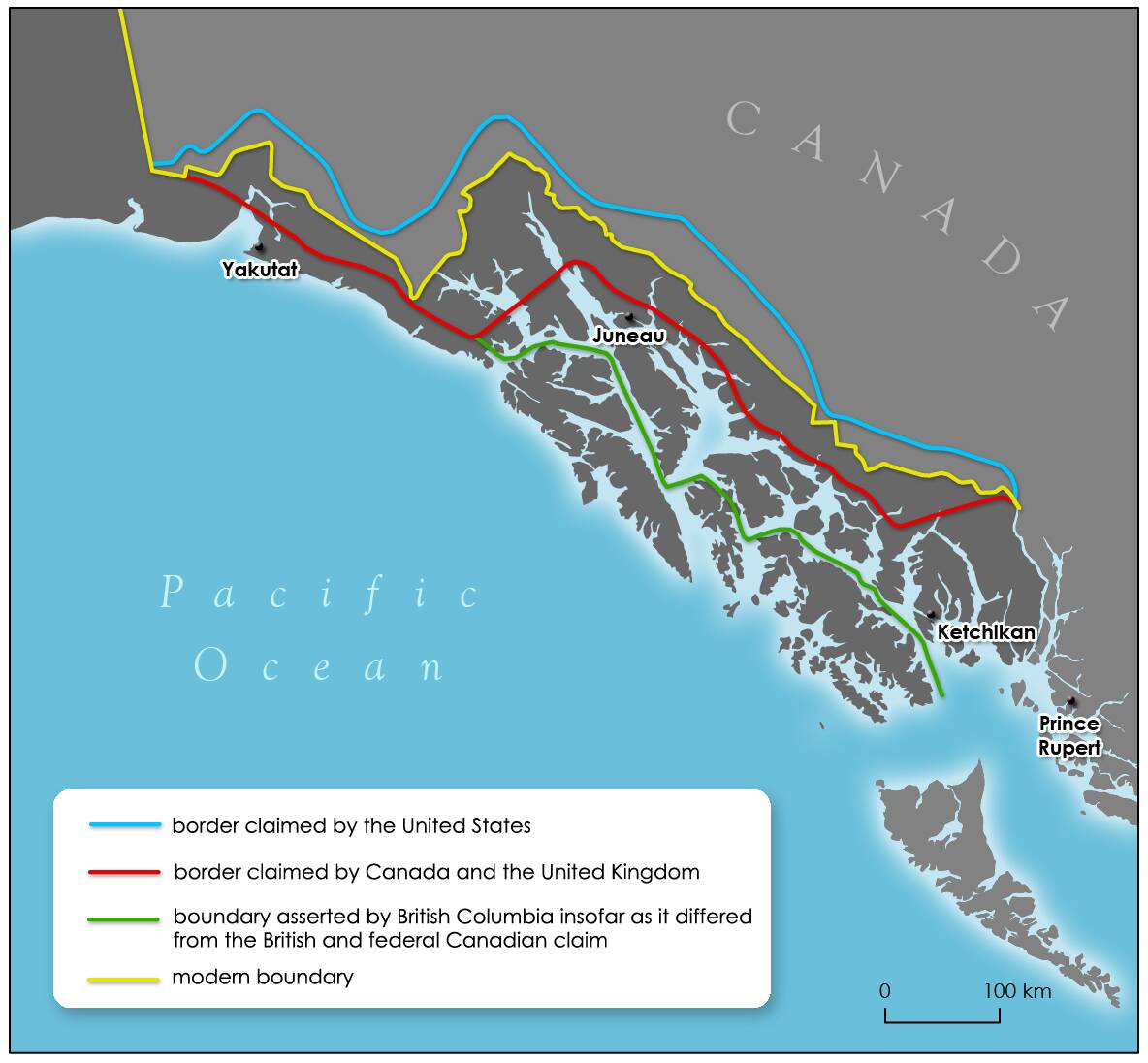
The Alaska Boundary Dispute between the United States and Canada was amicably resolved in 1903 through arbitration. The dispute concerned the border between Alaska and British Columbia, and a tribunal was established to settle the matter.
The decision largely favored the U.S., and the peaceful resolution highlighted the effectiveness of international arbitration in resolving territorial disputes. It was a significant moment for diplomacy, demonstrating the value of dialogue over discord between nations.
The Oregon Treaty: Agreeing on the 49th Parallel
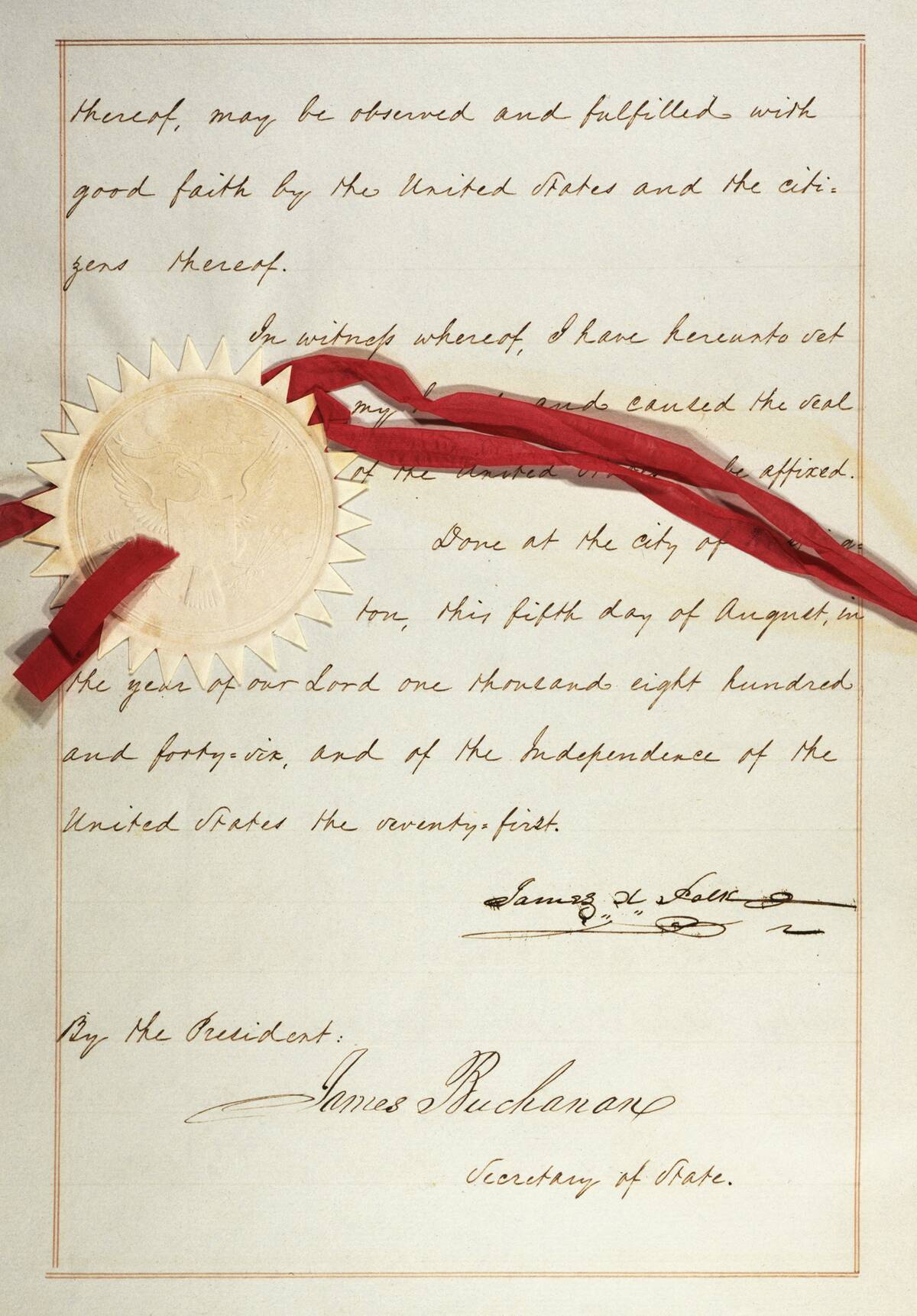
In 1846, the Oregon Treaty between the United States and Britain established the 49th parallel as the boundary between U.S. and British territories in the Pacific Northwest. This peaceful resolution avoided further conflict in the region, as both nations were eager to focus on other pressing matters.
It was a pragmatic decision that helped define the map of North America, showing that sometimes, compromise is the best path forward. This treaty exemplifies how diplomacy can create clear, lasting solutions.
The Treaty of Guadalupe Hidalgo: Ending the Mexican-American War
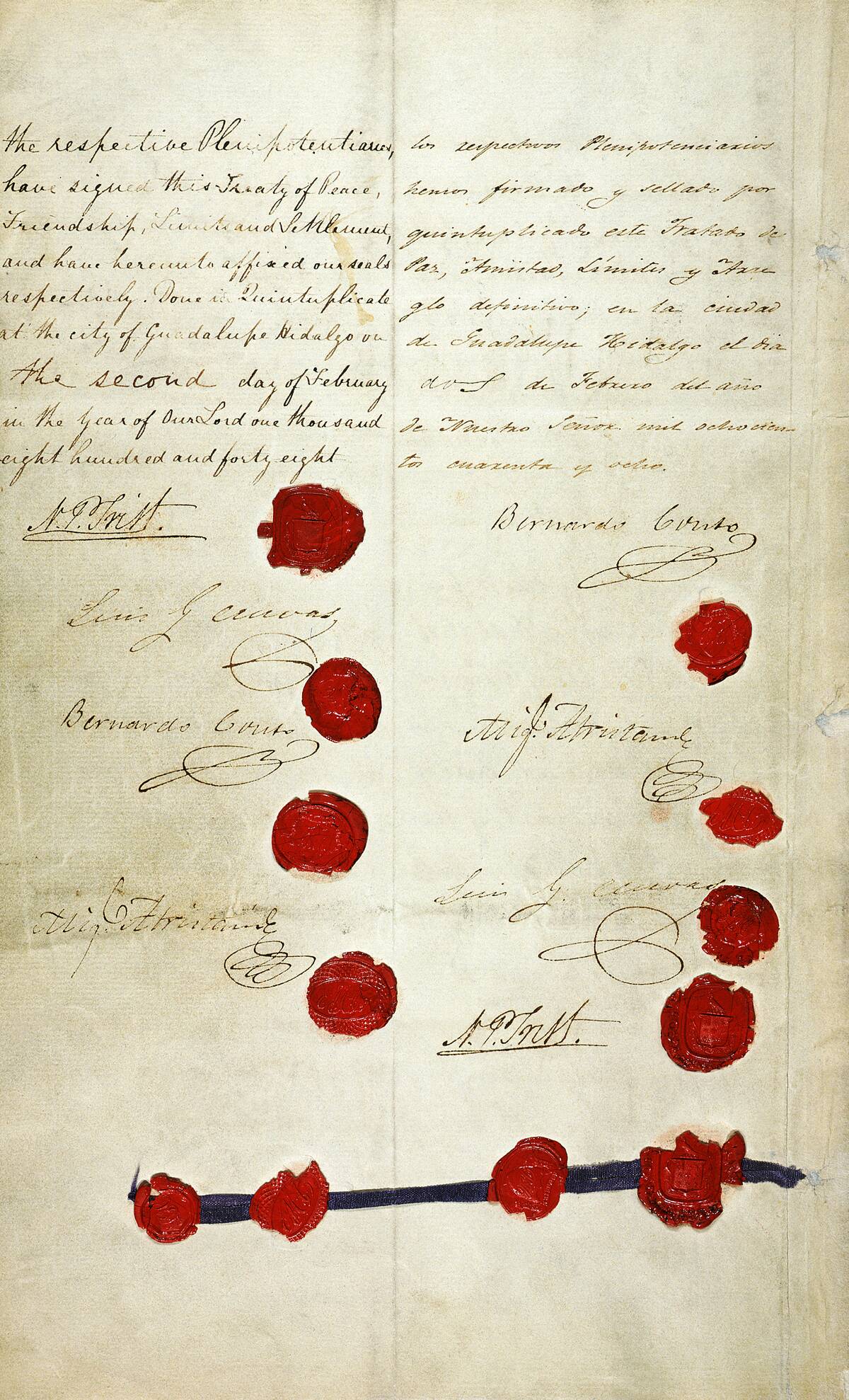
Signed in 1848, the Treaty of Guadalupe Hidalgo ended the Mexican-American War and resulted in the U.S. acquiring territories including California and New Mexico. The treaty expanded U.S. territory significantly, while Mexico received financial compensation.
Despite the war’s contentious nature, the treaty laid the groundwork for future relations between the neighbors. It serves as a reminder of how treaties can both end conflict and reshape nations, setting the stage for new beginnings.
The Compromise of 1877: Resolving a Presidential Election Standoff
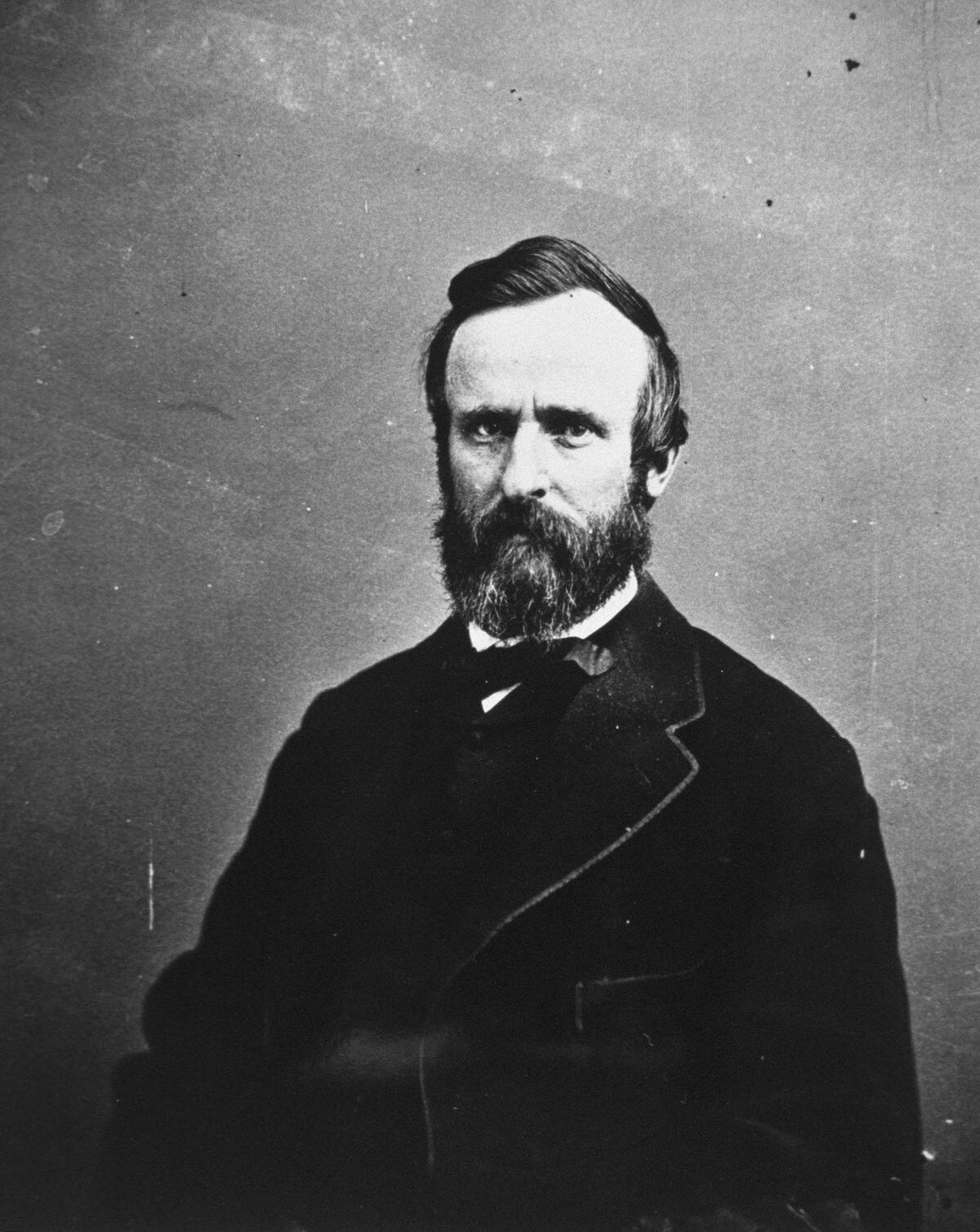
The Compromise of 1877 effectively ended the Reconstruction era by resolving the disputed 1876 U.S. presidential election. Rutherford B. Hayes was awarded the presidency in exchange for withdrawing federal troops from the South, effectively ending Reconstruction.
This compromise was a pivotal moment in American history, as it marked a shift in federal policies towards the Southern states. It underscores how political maneuvering and negotiation can lead to resolutions, albeit with complex and long-lasting consequences.
The Rush-Bagot Agreement: Demilitarizing the Great Lakes
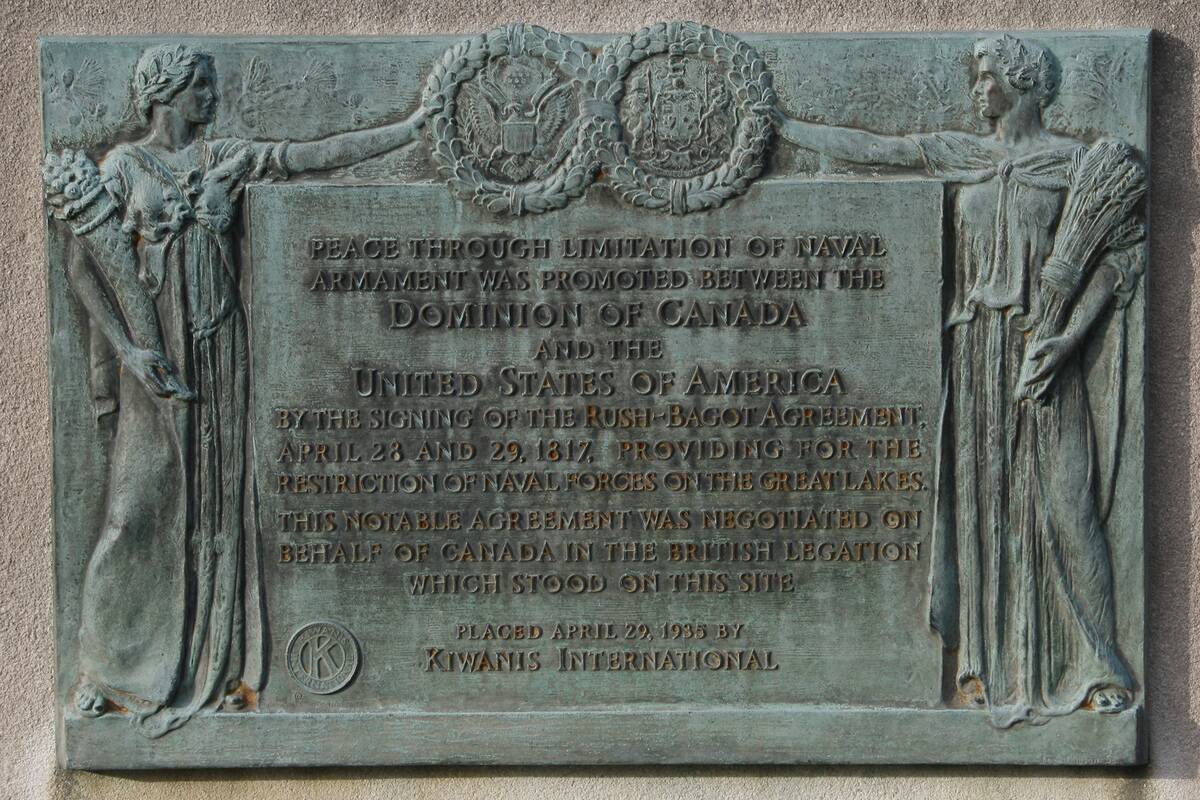
The Rush-Bagot Agreement of 1817 was a landmark treaty between the United States and Britain that led to the demilitarization of the Great Lakes. It was one of the first arms control agreements in history, limiting naval forces on the lakes and fostering peaceful relations between the U.S. and Canada.
The agreement remains in effect today, a testament to its success in promoting peace and setting a precedent for future disarmament initiatives. It’s a shining example of diplomacy leading to lasting peace.
The Treaty of Portsmouth: Negotiating Peace in the Russo-Japanese War
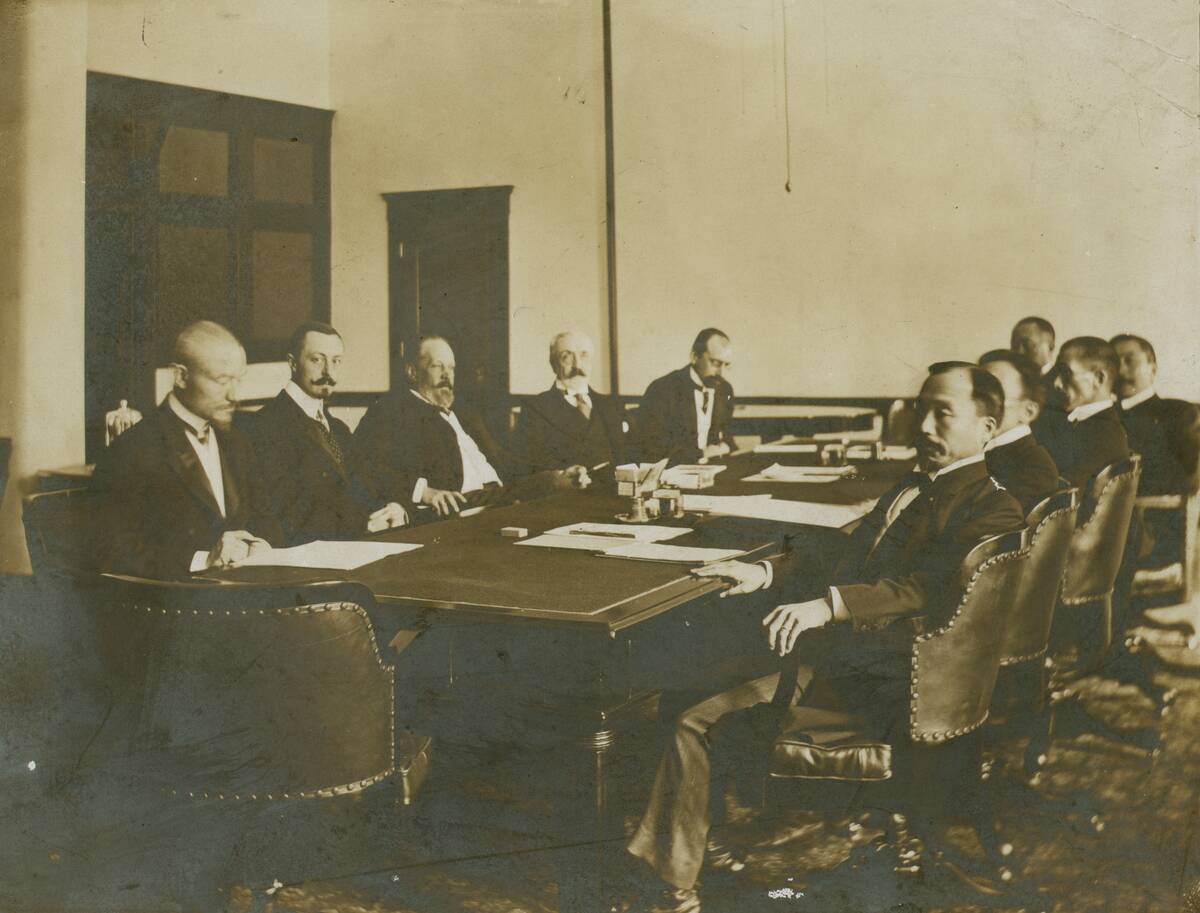
The Treaty of Portsmouth, brokered by U.S. President Theodore Roosevelt in 1905, ended the Russo-Japanese War. This treaty was significant as it marked Japan’s emergence as a major world power while maintaining peace in Asia.
Roosevelt’s mediation efforts earned him the Nobel Peace Prize, highlighting the importance of neutral parties in resolving international conflicts. The treaty demonstrated the potential of diplomacy to not only end wars but also alter the global balance of power.
The Camp David Accords: Paving the Path to Middle East Peace
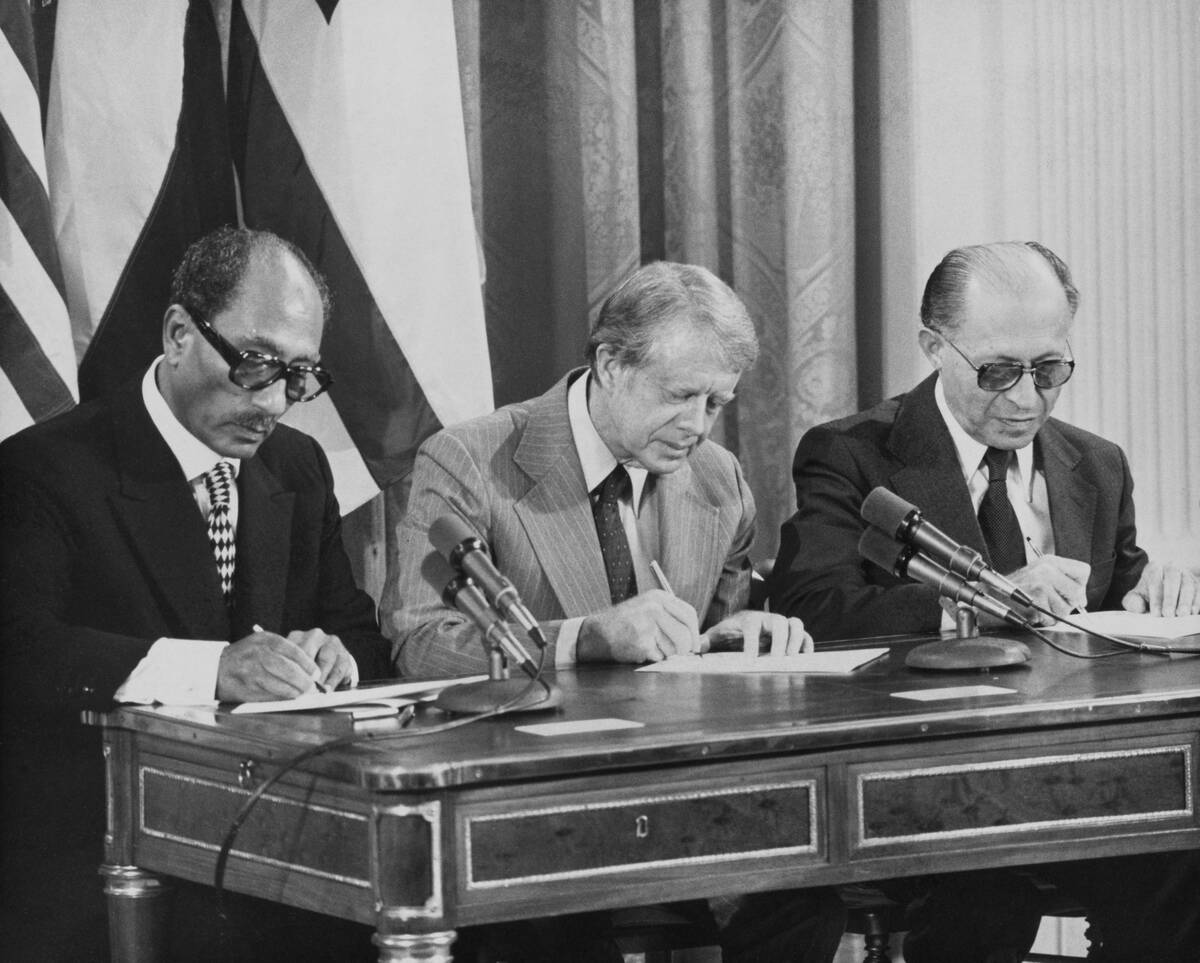
The Camp David Accords of 1978 were a monumental step towards peace in the Middle East, brokered by U.S. President Jimmy Carter between Egypt and Israel. The accords led to the Egypt-Israel Peace Treaty in 1979, marking the first time an Arab country recognized Israel.
This groundbreaking agreement showed how sustained dialogue and negotiation could break long-standing hostilities, paving the way for future peace efforts in the region. It remains a compelling example of diplomacy in action.
The Norway Mediation: Resolving the Sri Lankan Civil Conflict
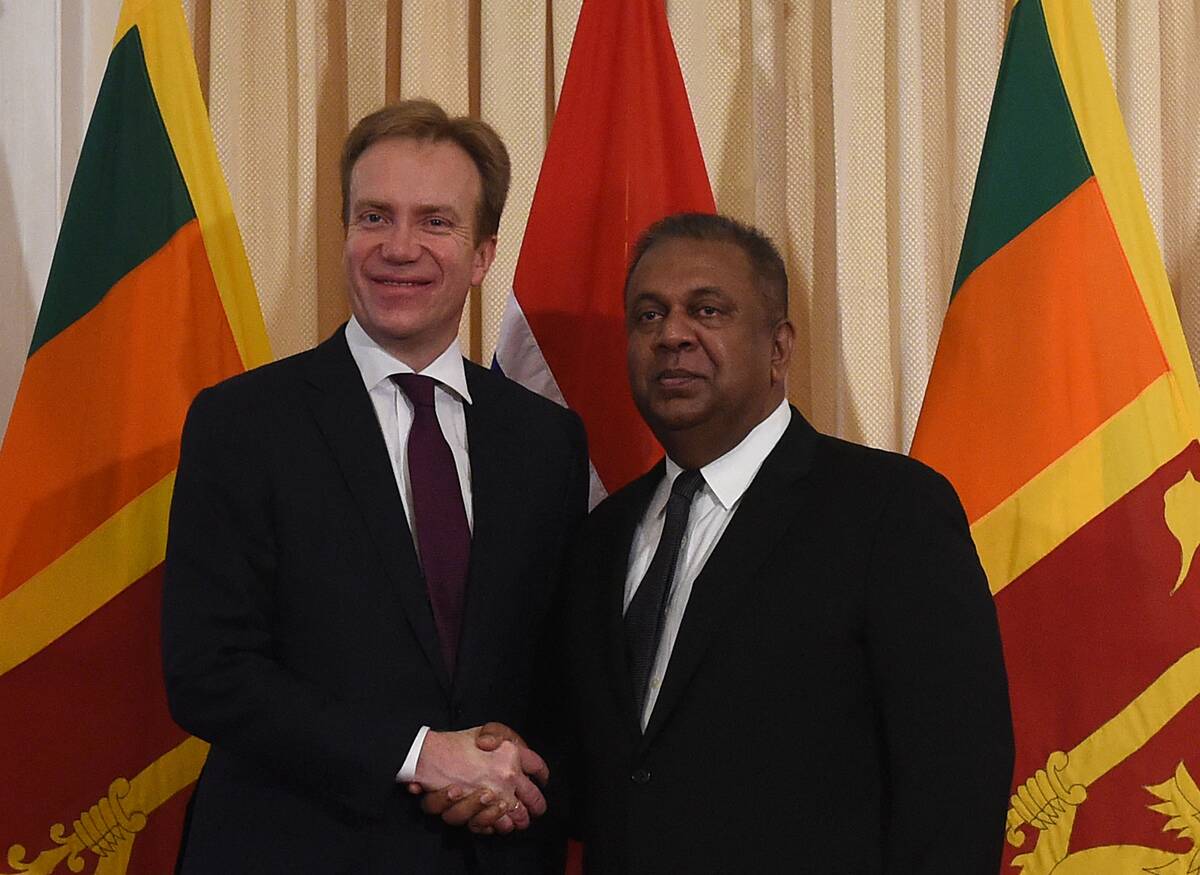
Norway played a key role as a mediator in the Sri Lankan Civil War, which raged from 1983 to 2009. Norwegian diplomats facilitated talks between the Sri Lankan government and the Tamil Tigers, leading to a ceasefire agreement in 2002.
Although the ceasefire eventually broke down, Norway’s involvement showcased the critical role of neutral parties in conflict resolution. This mediation effort highlighted the complexity of peace processes and the ongoing need for international support in resolving internal conflicts.
The Good Friday Agreement: A New Era for Northern Ireland

Signed in 1998, the Good Friday Agreement was a landmark peace deal that brought an end to decades of conflict in Northern Ireland, known as the Troubles. The agreement established a devolved government and created mechanisms for cooperation between Northern Ireland, Ireland, and the UK.
It was a triumph of diplomacy, involving multiple parties and international input, notably from the U.S. The agreement underscored the power of negotiation in achieving peace and has been pivotal in maintaining stability in the region.
The Antarctic Treaty: A Continent of Peace and Science
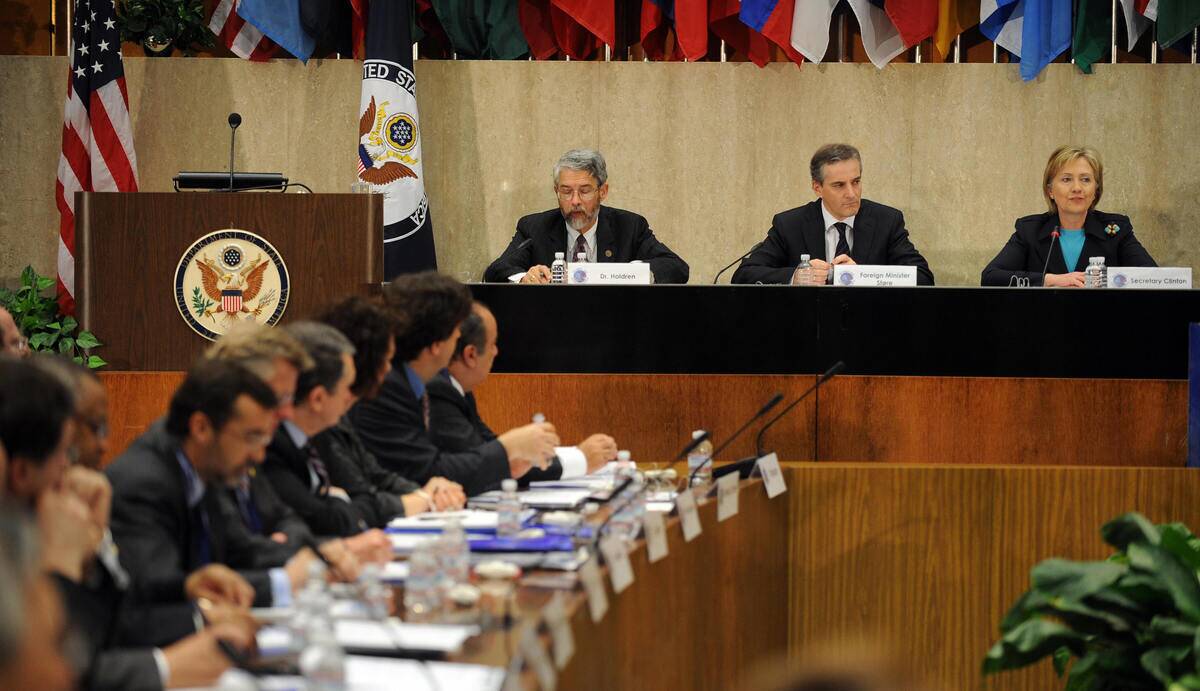
The Antarctic Treaty, signed in 1959, established Antarctica as a region dedicated to peace and scientific exploration. It prohibits military activity, mineral mining, and nuclear testing, while promoting international cooperation in scientific research.
With 58 parties today, the treaty exemplifies how nations can come together to preserve a continent for peaceful purposes. It’s a unique example of global governance, demonstrating how shared interests can transcend national boundaries for the greater good of humanity and the planet.
The Treaty of Amity and Cooperation: ASEAN’s Path to Peaceful Coexistence
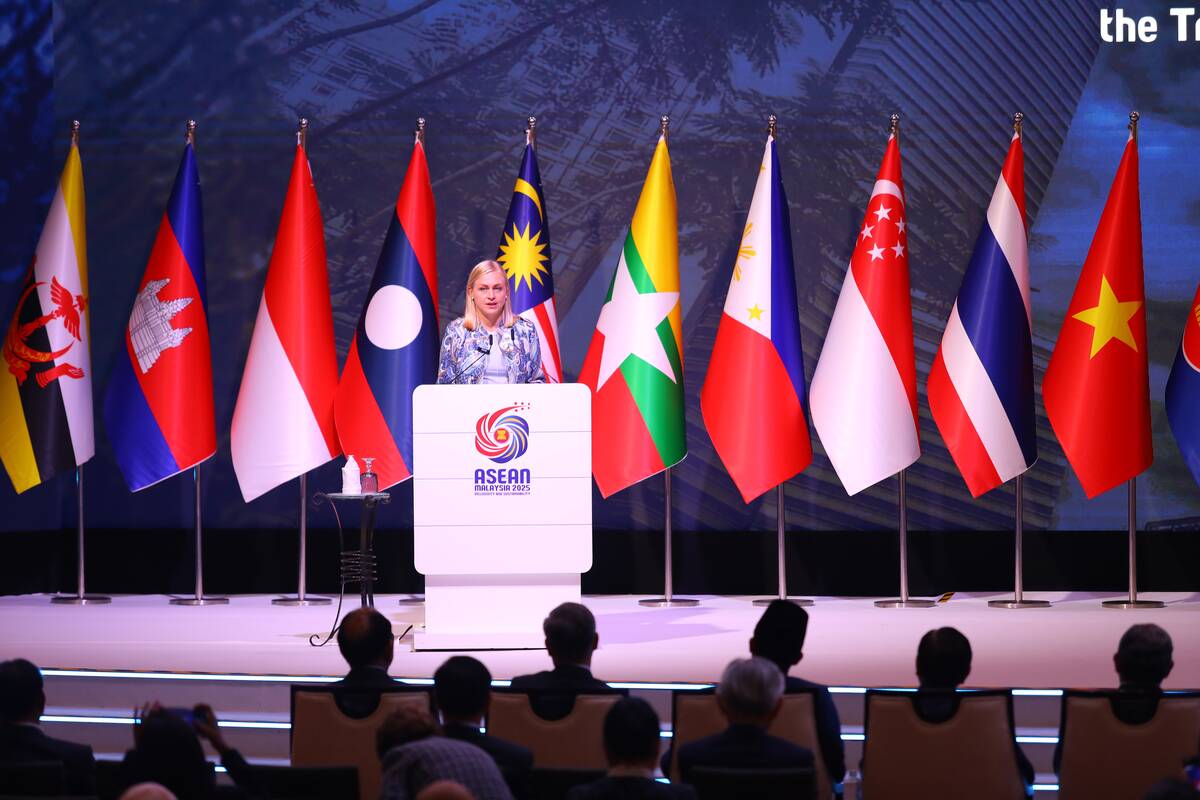
The Treaty of Amity and Cooperation in Southeast Asia, signed in 1976, is a foundational document for ASEAN members, promoting peace, stability, and cooperation. It emphasizes mutual respect for sovereignty, non-interference, and peaceful conflict resolution.
This treaty has been instrumental in fostering regional harmony and collaboration, serving as a model for other regions seeking to enhance their diplomatic relations. It’s a remarkable example of how regional organizations can play a critical role in maintaining peace and stability.




