Rivalries that changed national histories
Feuds have a way of shaping the course of history, often deciding the fate of empires and nations. From ancient times to modern-day, conflicts have acted as catalysts for change, sometimes leading to the rise of new powers or the downfall of old ones.
The stories behind these renowned feuds are not just tales of battle but are intricate narratives woven with cultural, political, and personal threads.
The Hundred Years’ War: England vs. France
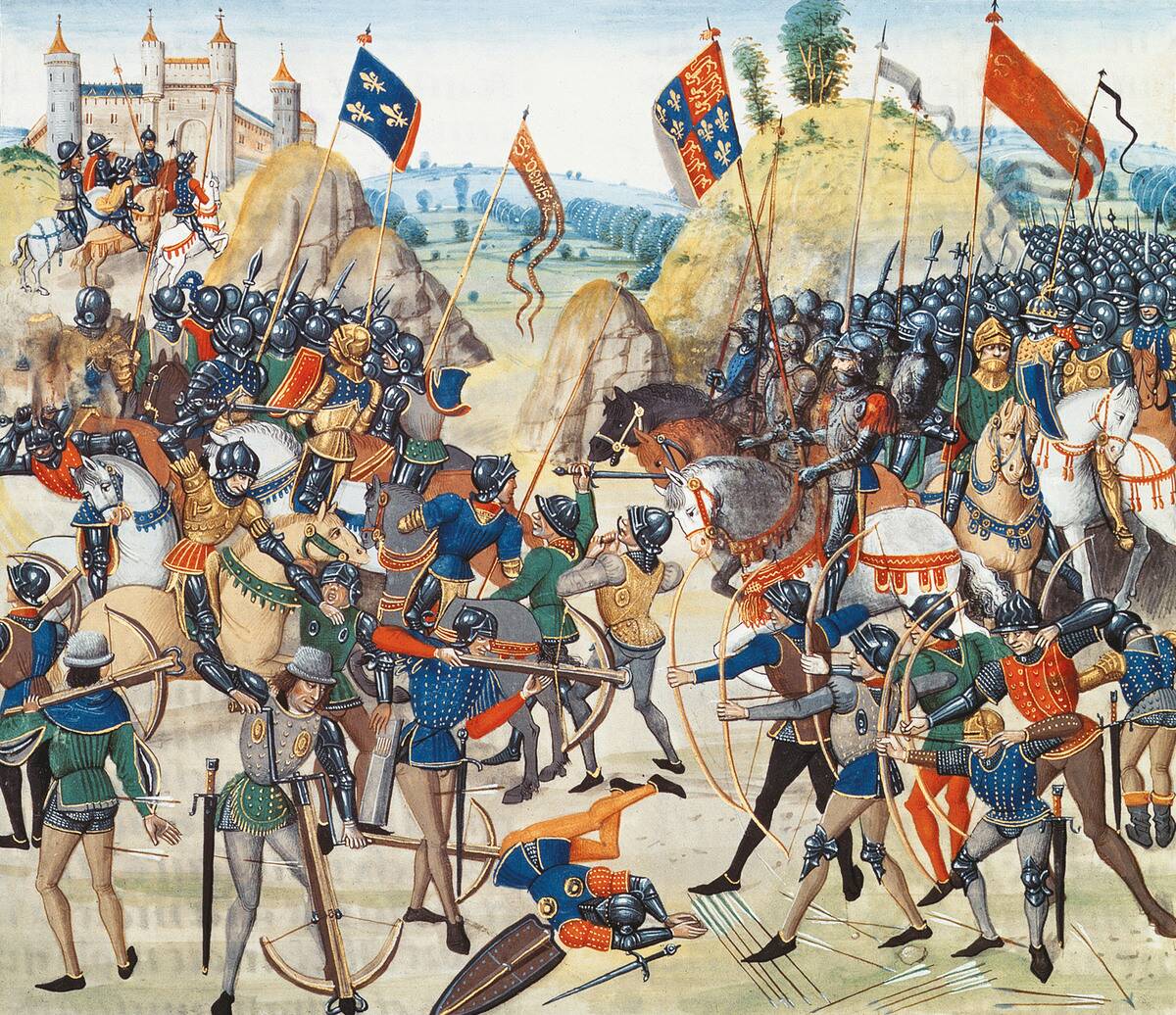
The Hundred Years’ War, lasting from 1337 to 1453, was a series of conflicts waged between the Kingdom of England and the Kingdom of France. This prolonged struggle was essentially a battle over who should rightfully inherit the French throne.
Notably, the war saw the rise of significant figures such as Joan of Arc, who played a crucial role in leading French forces to victory at Orléans, altering the course of the war.
The Wars of the Roses: A Tale of Two Royal Houses
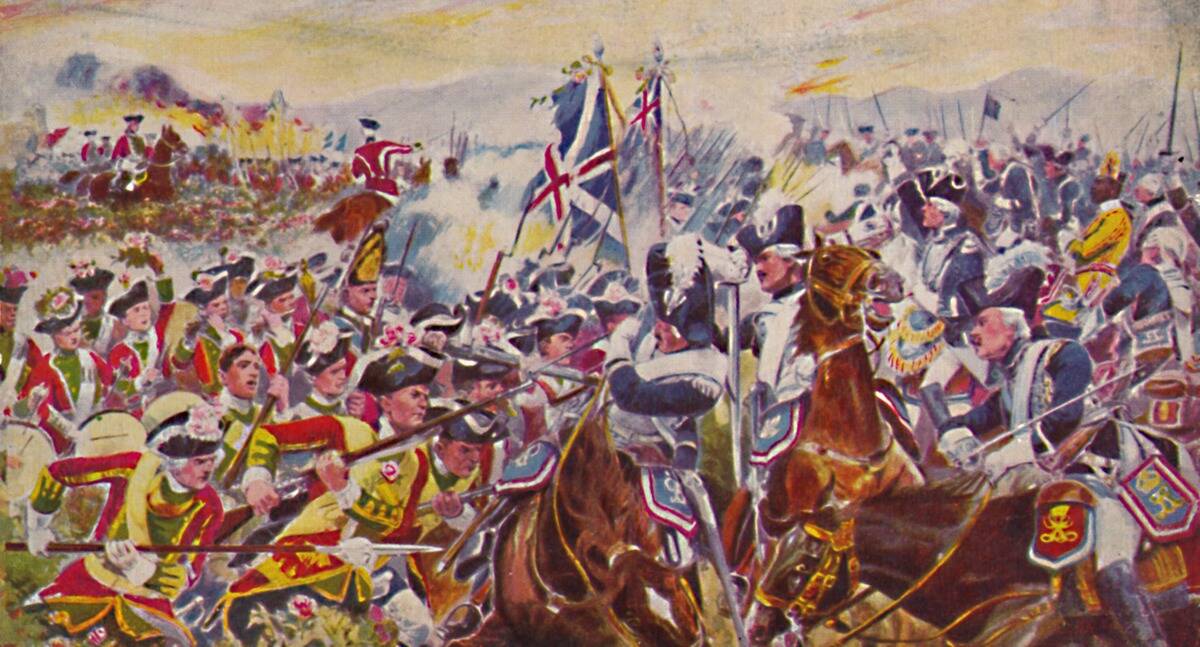
The Wars of the Roses were a series of English civil wars fought between the rival houses of Lancaster and York from 1455 to 1487. This dynastic struggle for the English crown was marked by several key battles, including the Battle of Towton, which is considered one of the largest and bloodiest battles ever fought on English soil.
Ultimately, the conflict ended with the rise of the Tudor dynasty, ushering in a new era in English history.
The Hatfields vs. The McCoys: A Legendary American Feud
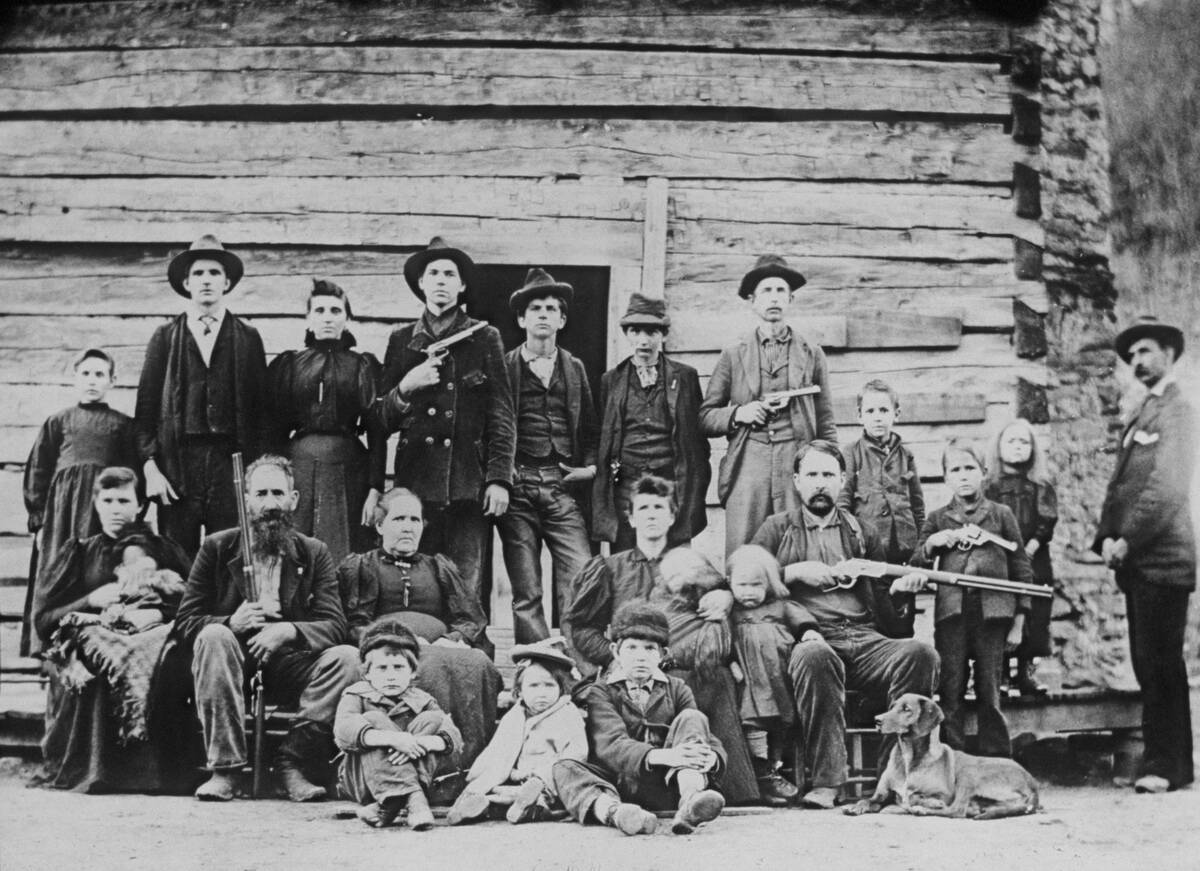
The Hatfield-McCoy feud became one of America’s most infamous family disputes, lasting from the late 19th century into the early 20th century. This Appalachian rivalry was characterized by violence and retribution, fueled by differing allegiances during the Civil War and land disputes.
Despite its violent nature, the feud eventually ended in reconciliation, and today, the story serves as a cultural symbol of American folklore.
The Rivalry of Athens and Sparta: Ancient Greek Power Struggle
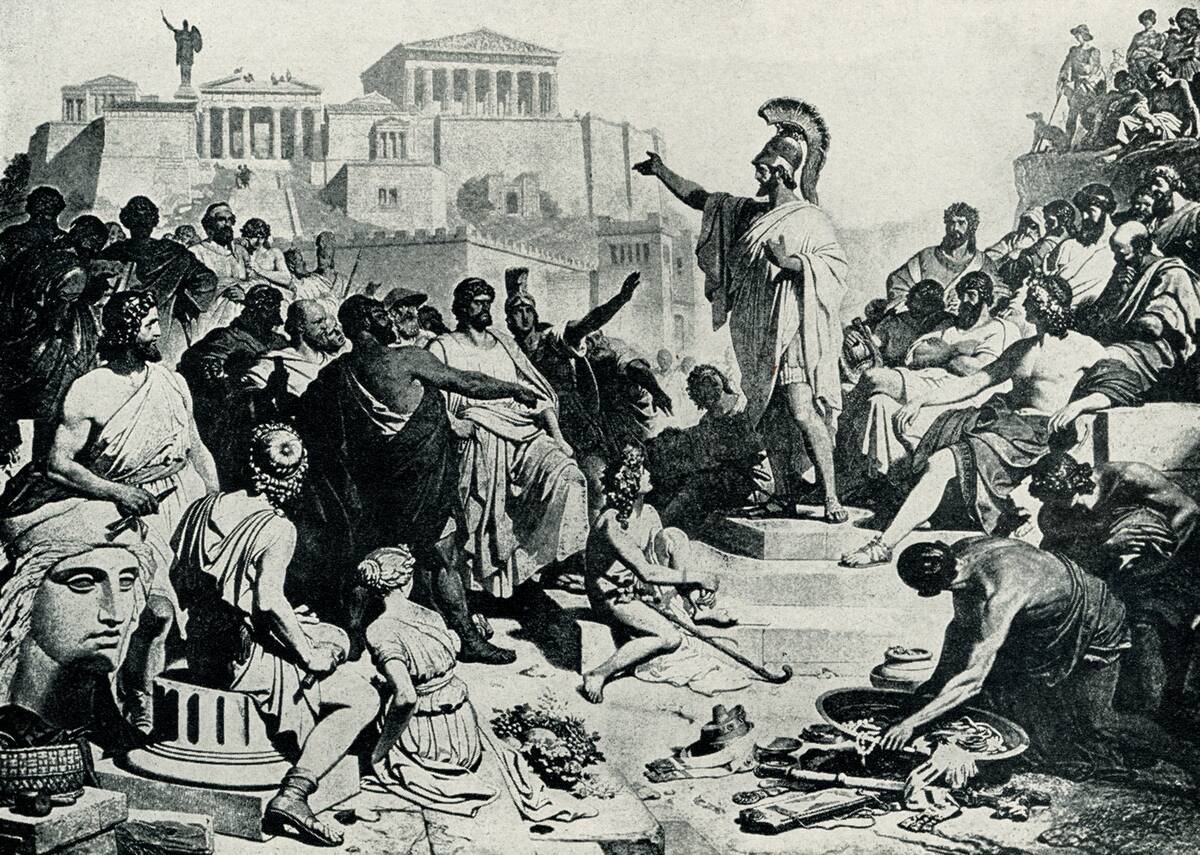
The Peloponnesian War, fought between Athens and Sparta from 431 to 404 BC, was a defining conflict in ancient Greek history. These two city-states, representing democracy and oligarchy, respectively, clashed over supremacy in Greece.
The war’s conclusion saw the downfall of Athens and the emergence of Sparta as the dominant power, although this dominance was short-lived, leading to further instability in the region.
The Cold War: USA vs. USSR – Ideologies at Odds
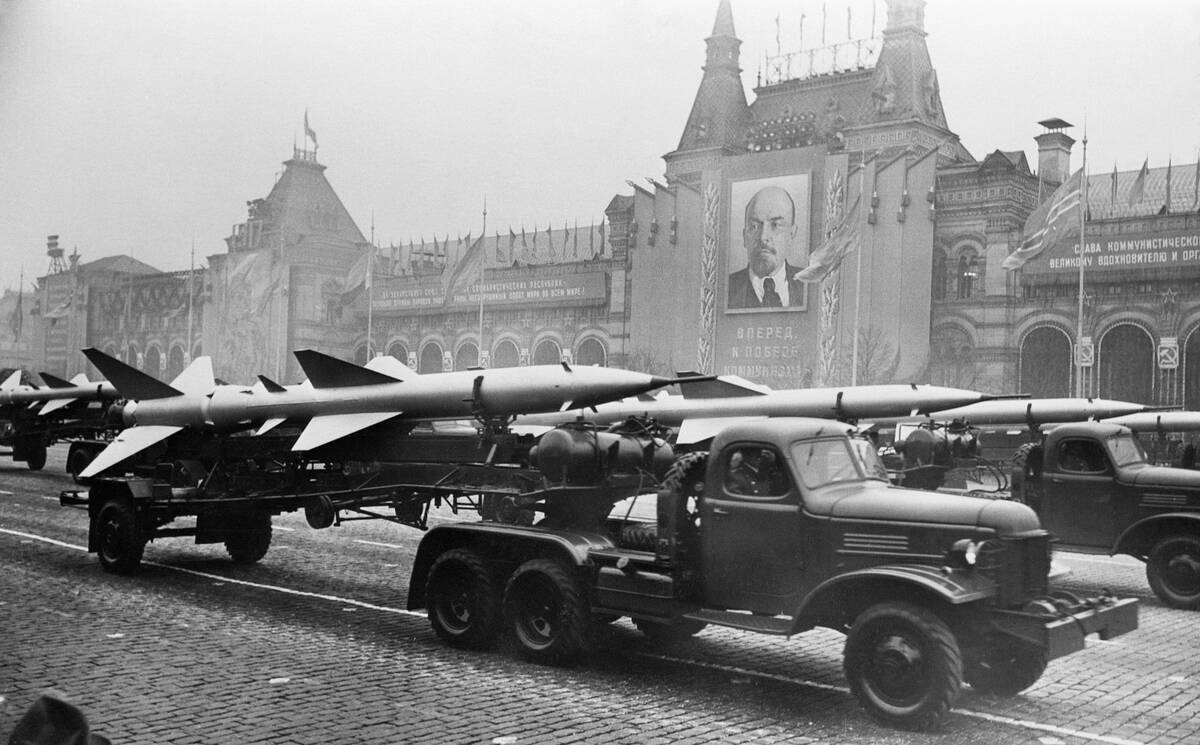
The Cold War was a period of intense geopolitical tension between the United States and the Soviet Union and their respective allies after World War II. Lasting from 1947 to 1991, this conflict was marked by political and military standoffs, espionage, and a nuclear arms race, with notable events such as the Cuban
Missile Crisis bringing the world to the brink of nuclear war. Ultimately, the Cold War ended with the dissolution of the Soviet Union.
The Franco-Prussian War: The Seeds of European Conflict
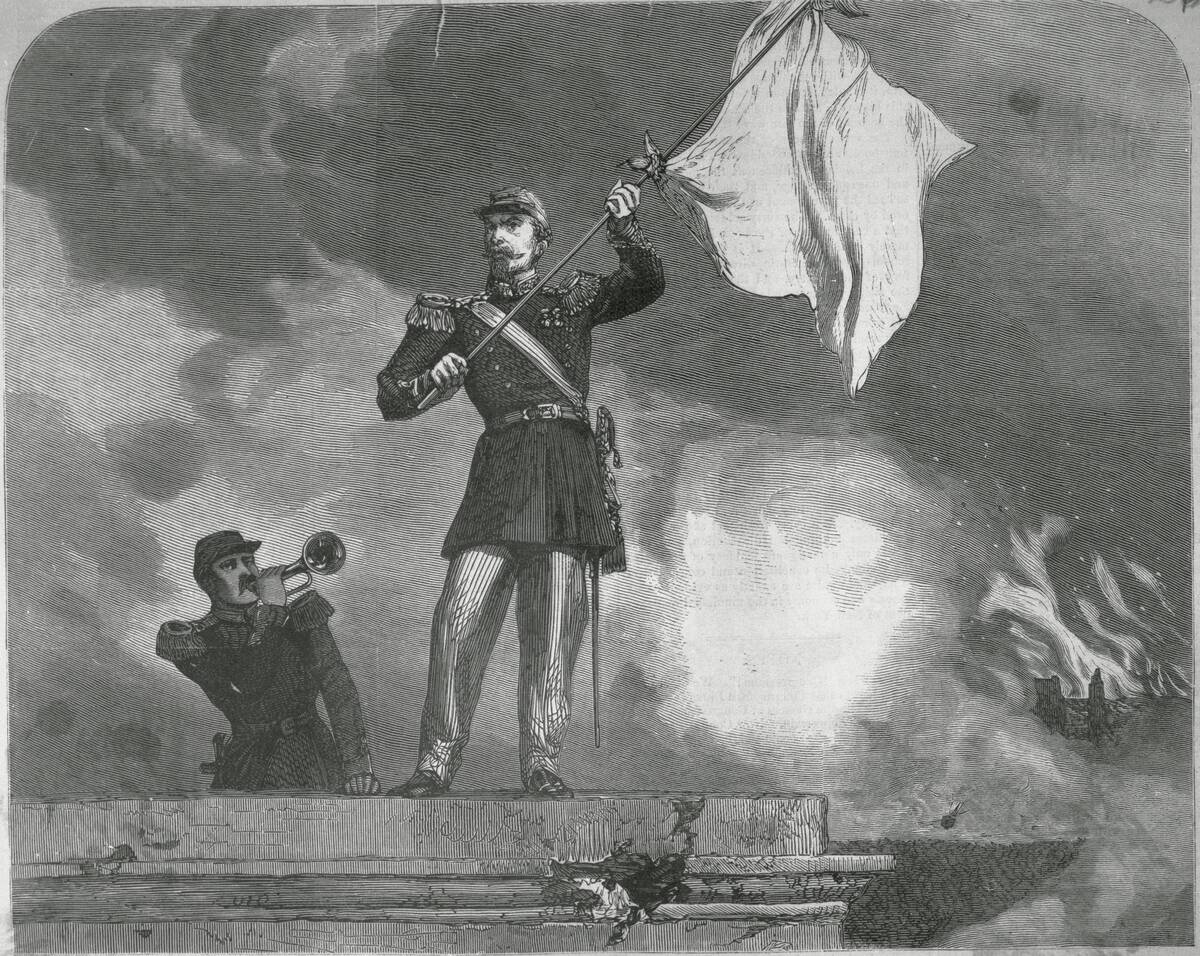
The Franco-Prussian War, fought between 1870 and 1871, was a pivotal conflict that led to the unification of Germany under Prussian leadership. This war not only shifted the balance of power in Europe but also sowed the seeds for World War I.
The Treaty of Frankfurt, which concluded the war, resulted in significant territorial changes and a lingering animosity between France and Germany, setting the stage for future conflicts in the region.
The Scottish Wars of Independence: A Fight for Freedom
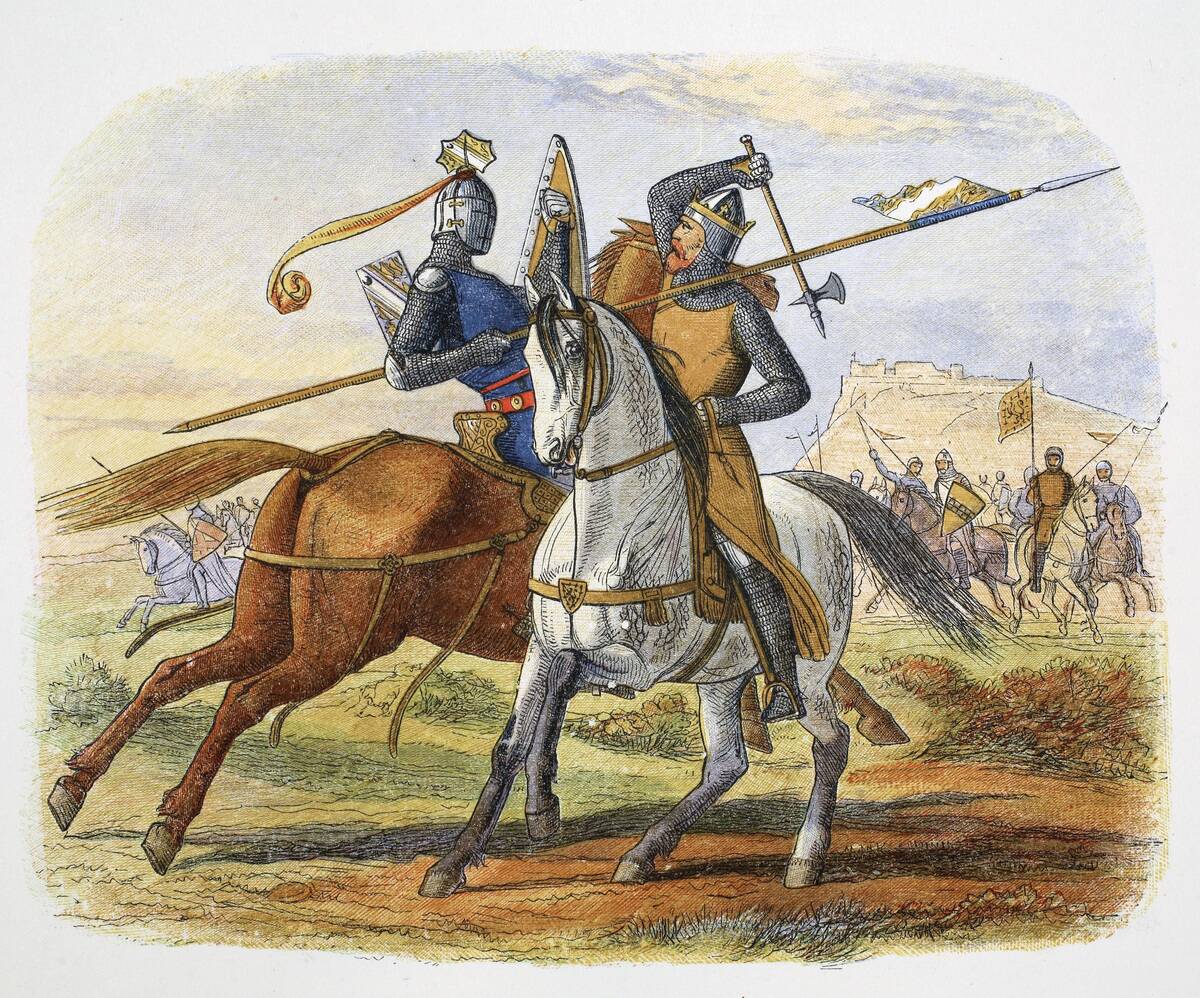
The Scottish Wars of Independence, which took place in the late 13th and early 14th centuries, were a series of military campaigns by Scotland to gain independence from English rule.
Figures such as William Wallace and Robert the Bruce became national heroes, with Wallace’s victory at the Battle of Stirling Bridge and Bruce’s triumph at Bannockburn being pivotal moments. These wars ultimately led to the recognition of Scotland’s sovereignty with the Treaty of Edinburgh-Northampton in 1328.
The Sino-Japanese Conflicts: A Clash in the East
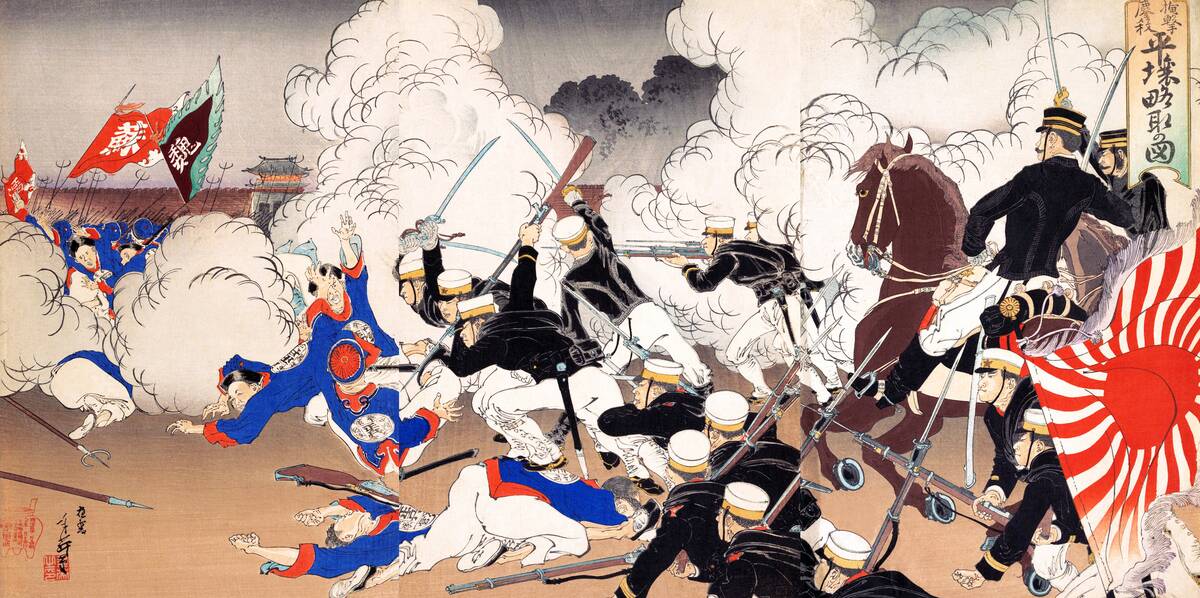
The Sino-Japanese conflicts, including the First Sino-Japanese War (1894-1895) and the Second Sino-Japanese War (1937-1945), were significant in shaping East Asian geopolitics. The first conflict marked Japan’s emergence as a major world power, following its victory over China, while the second was part of the broader conflicts of World War II.
The latter war caused immense suffering and played a crucial role in the history of modern China and Japan, influencing their post-war trajectories.
The Boer Wars: British Empire vs. South African Settlers
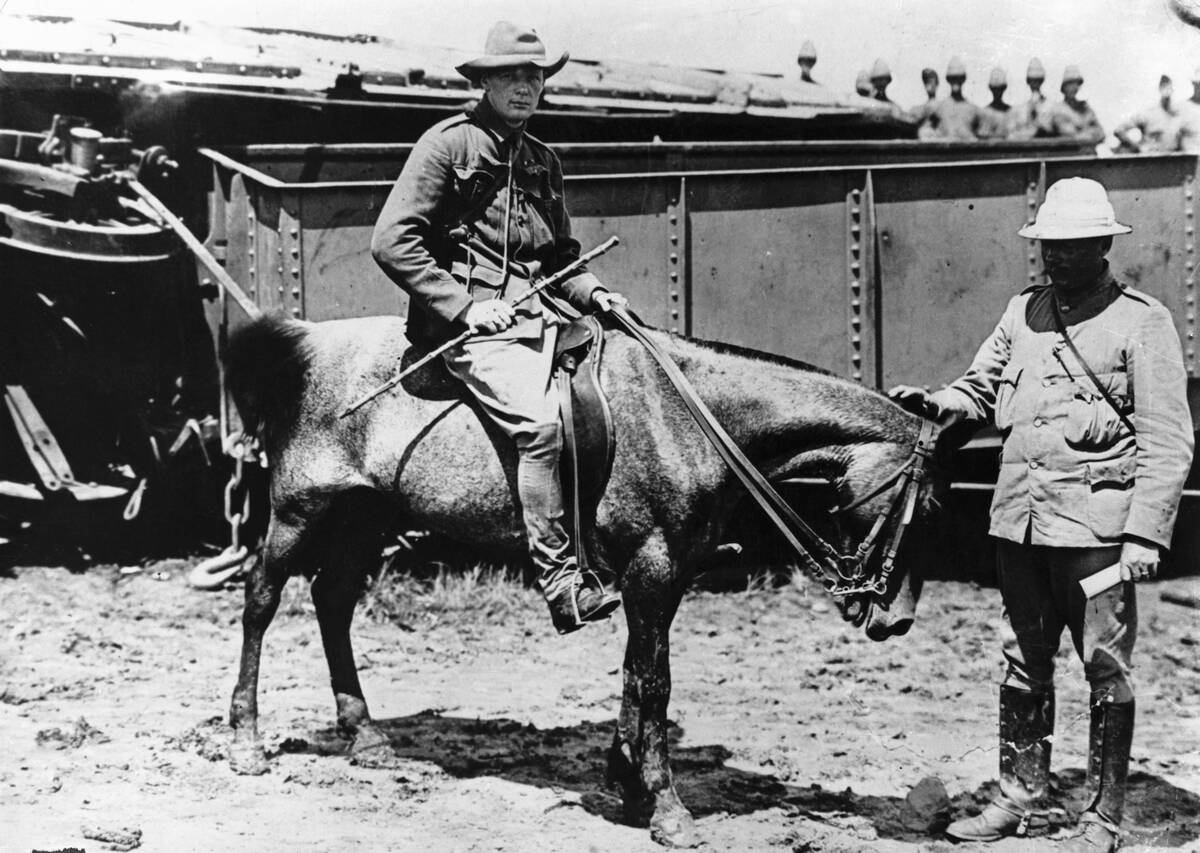
The Boer Wars, consisting of two conflicts between the British Empire and the Boer settlers of the South African Republic and the Orange Free State, occurred between 1880-1881 and 1899-1902. These wars were driven by the discovery of gold and diamonds in the Boer territories and British imperial ambitions.
The second war, in particular, is noted for its use of guerrilla tactics and the British implementation of concentration camps, which had lasting impacts on the region’s history.
The Irish War of Independence: Striving for Sovereignty
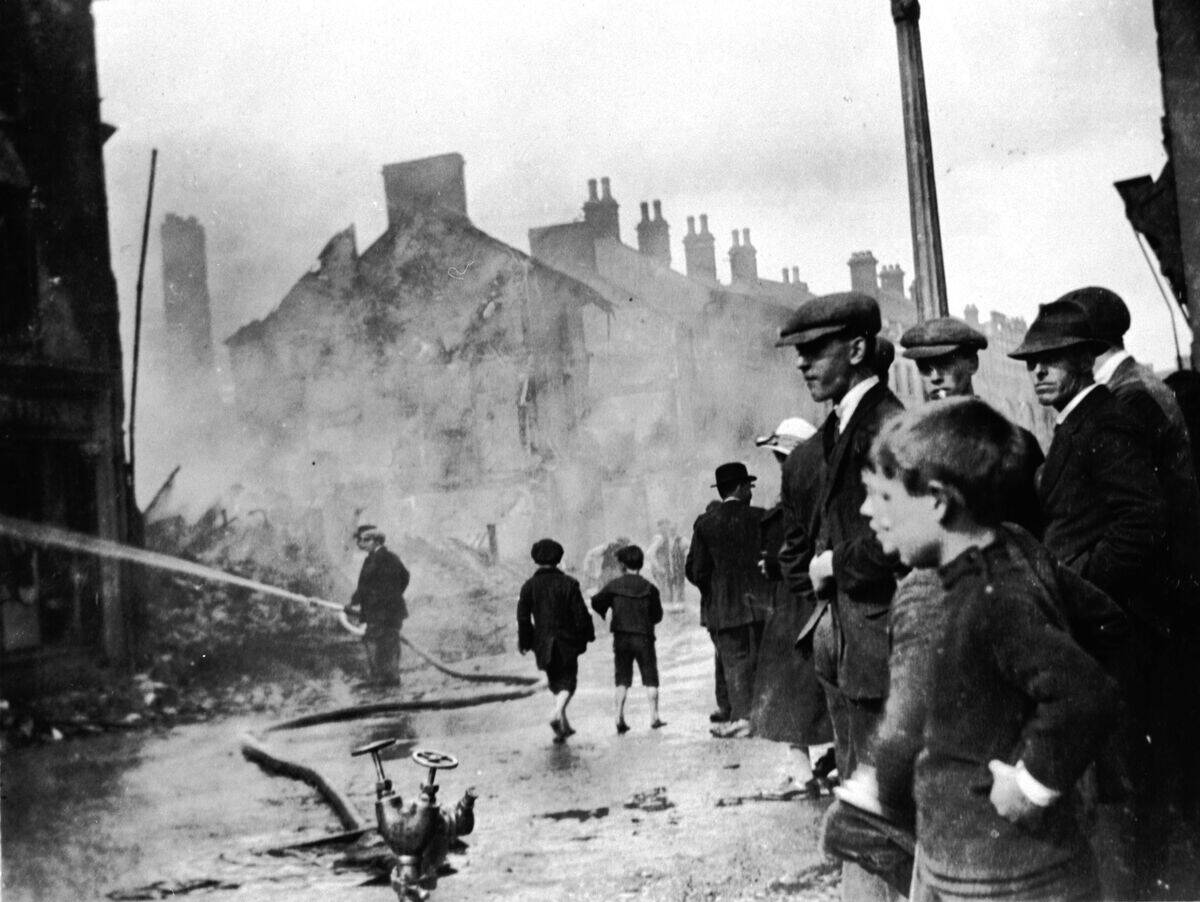
The Irish War of Independence, fought from 1919 to 1921, was a guerrilla war between the Irish Republican Army (IRA) and British forces. The conflict was fueled by a desire for Irish sovereignty and ended with the signing of the Anglo-Irish Treaty.
This treaty led to the creation of the Irish Free State, marking a significant step towards full independence, although it also sparked the Irish Civil War due to divisions over the treaty’s terms.
The Korean War: A Nation Divided
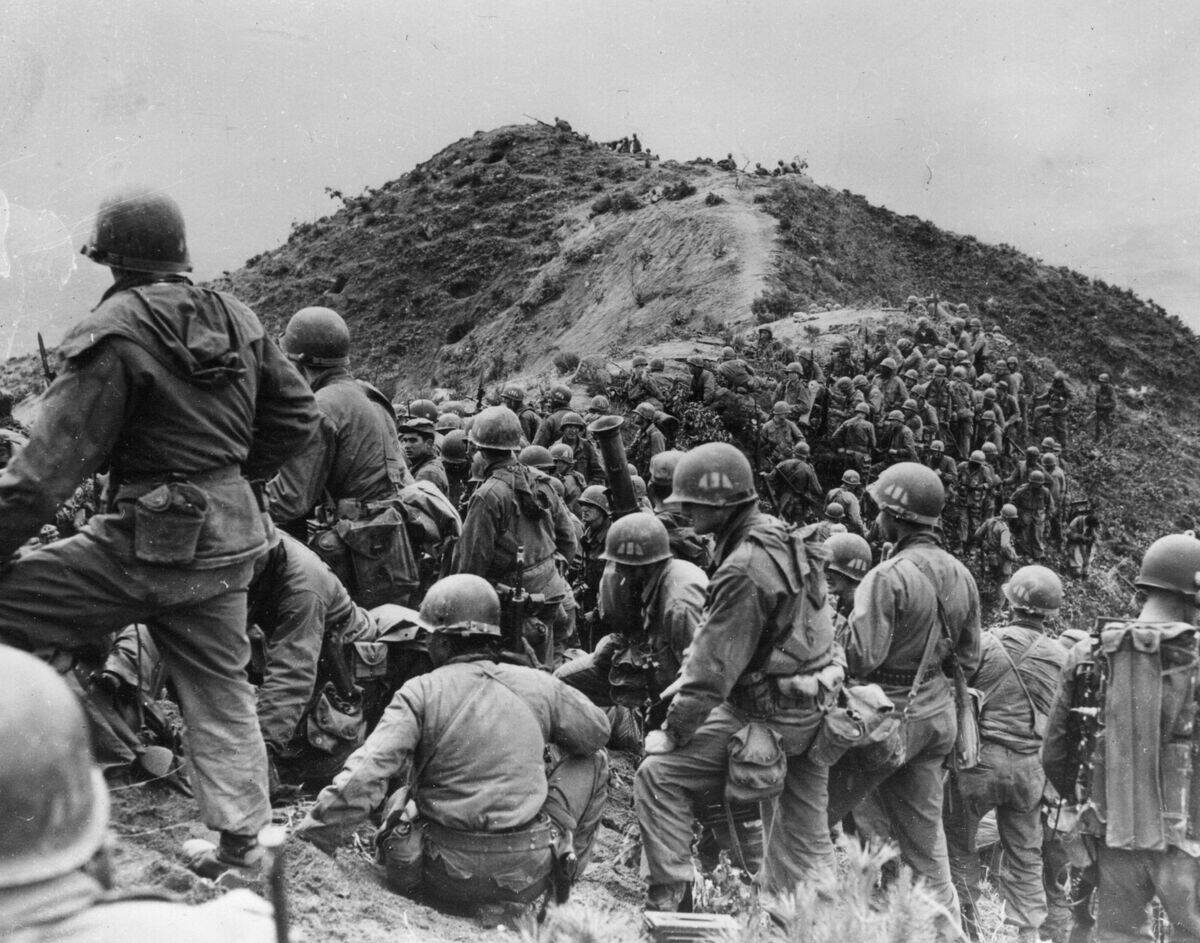
The Korean War, which lasted from 1950 to 1953, was a conflict between North Korea, supported by China and the Soviet Union, and South Korea, backed by United Nations forces led by the United States.
The war began when North Korean forces invaded South Korea, and it ended in a stalemate with an armistice agreement. The Korean Peninsula remains divided along the Demilitarized Zone (DMZ), with tensions continuing to affect international relations.
The Indo-Pakistani Conflicts: A Subcontinental Struggle
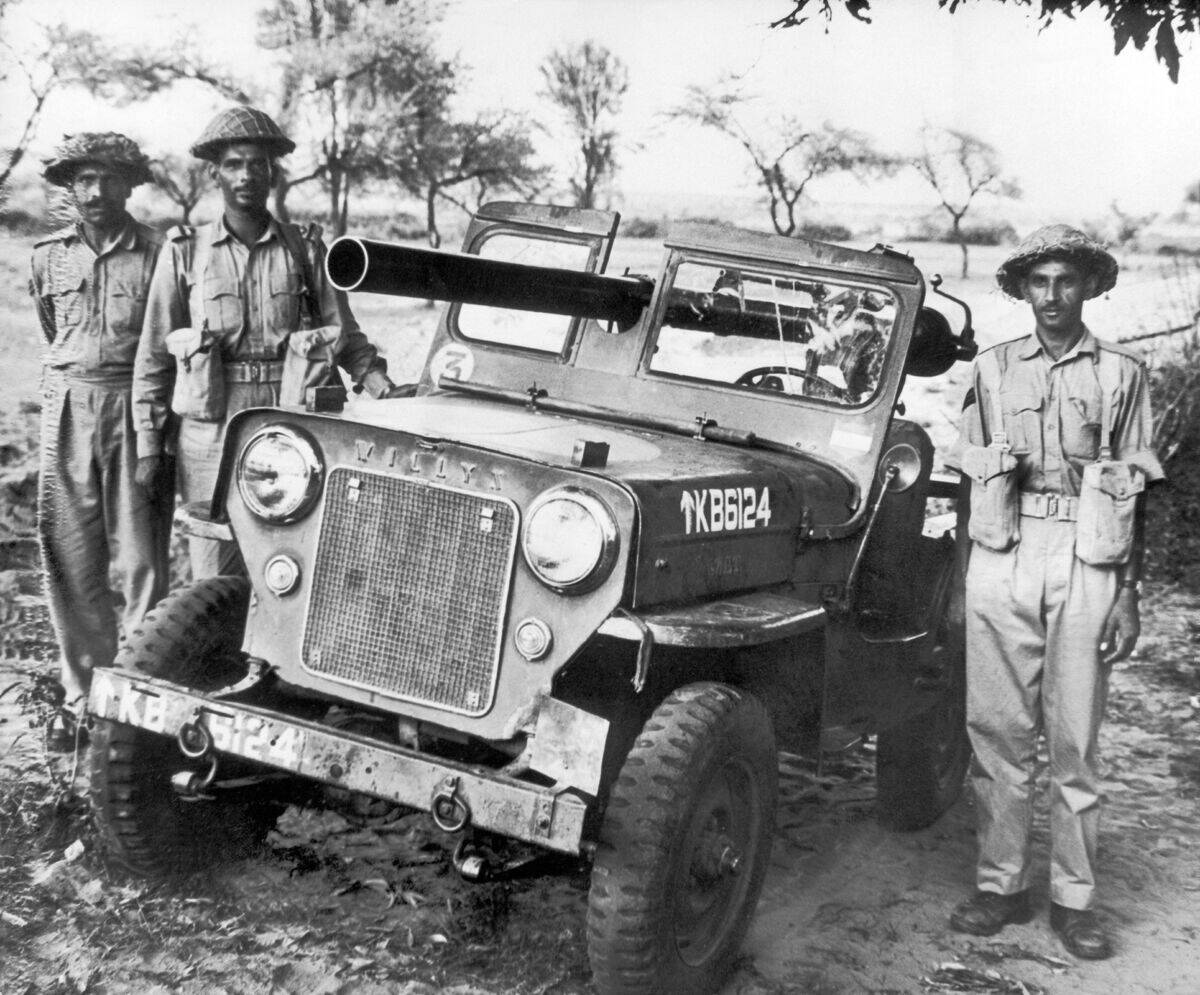
The Indo-Pakistani conflicts, beginning with the partition of British India in 1947, have been marked by several wars and ongoing tensions over the disputed region of Kashmir. The first war occurred in 1947-1948, followed by subsequent conflicts in 1965 and 1971, the latter leading to the creation of Bangladesh.
These conflicts continue to shape the geopolitical landscape of South Asia, with both nations possessing nuclear capabilities, adding a layer of complexity to their relations.
The Cuban Missile Crisis: A Nuclear Standoff
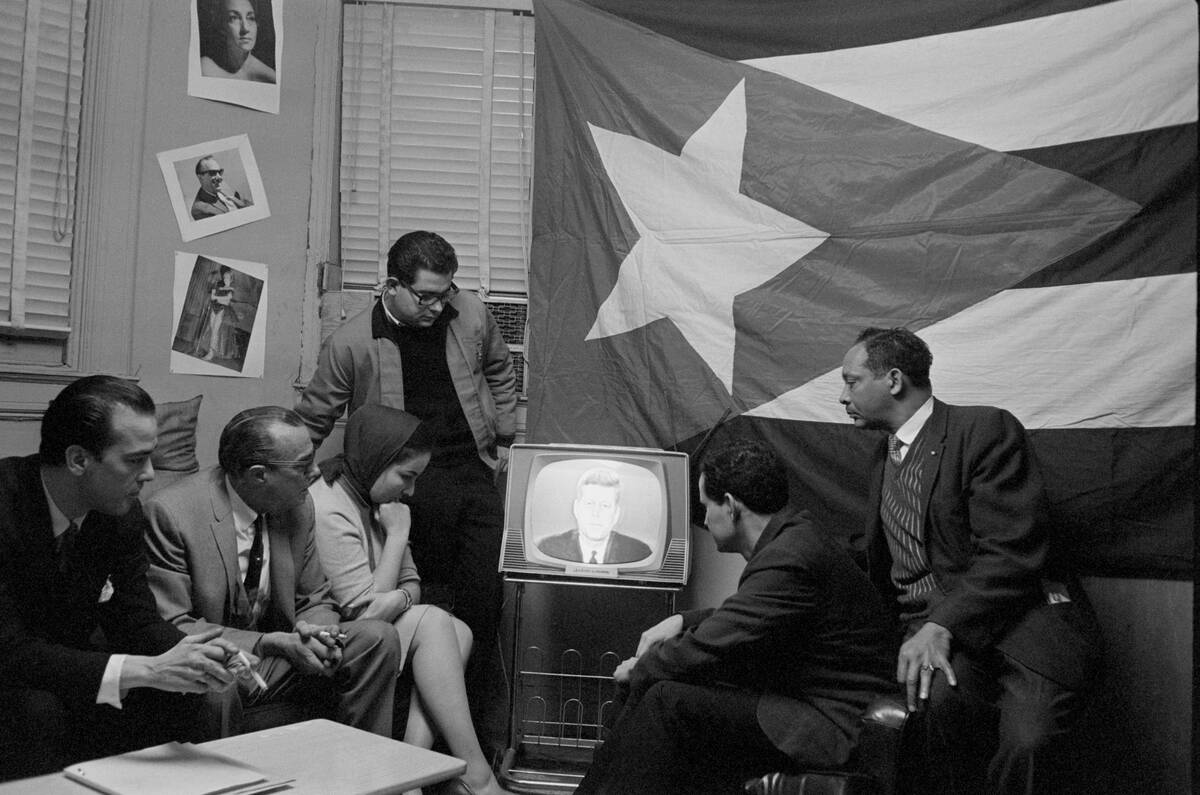
The Cuban Missile Crisis of October 1962 was a tense 13-day confrontation between the United States and the Soviet Union over Soviet ballistic missiles deployed in Cuba. President John F. Kennedy and Soviet Premier Nikita Khrushchev engaged in intense negotiations, bringing the world to the brink of nuclear war.
The crisis ended with an agreement to dismantle the missiles in exchange for the US not invading Cuba and secretly removing missiles from Turkey, highlighting the fragility of Cold War peace.
The Battle of Kosovo: A Balkan Legacy
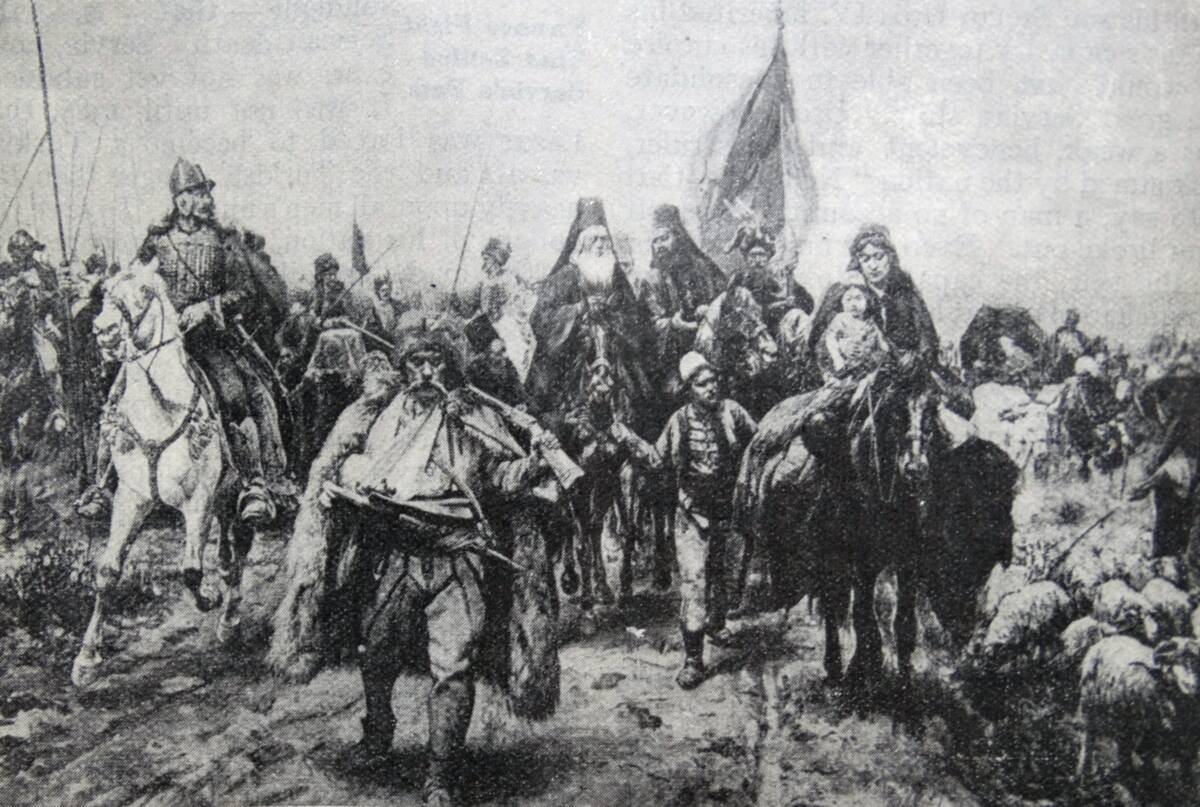
The Battle of Kosovo, fought on June 28, 1389, between the Serbian army led by Prince Lazar and the Ottoman forces under Sultan Murad I, holds significant historical and cultural importance in the Balkans.
Though the battle ended in a stalemate, it marked the beginning of Ottoman dominance in the region. The legacy of the battle continues to influence Serbian national identity and is commemorated annually, underscoring its enduring impact on Balkan history.
The Vietnam War: A Nation’s Battle for Unity
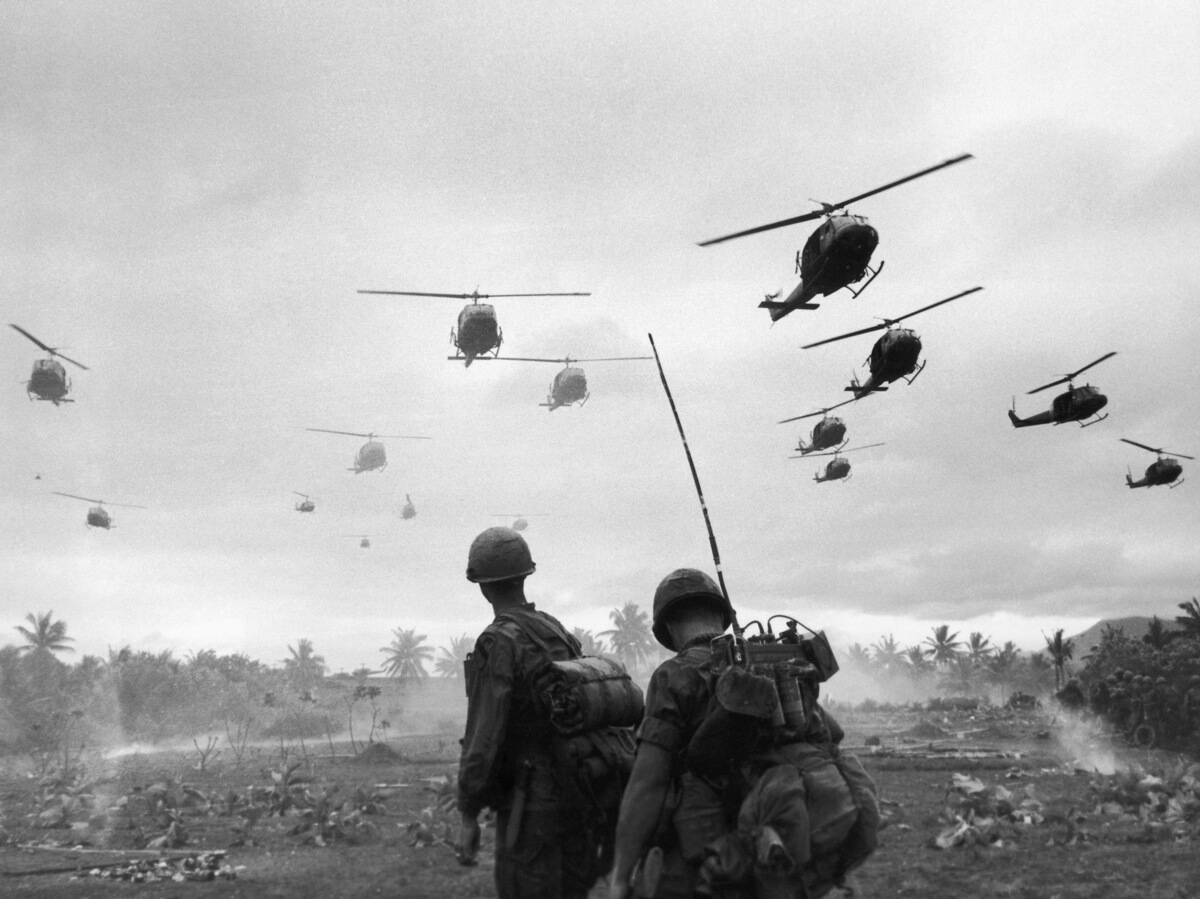
The Vietnam War, lasting from 1955 to 1975, was a protracted conflict between North Vietnam, supported by communist allies, and South Vietnam, backed by the United States and other anti-communist nations.
The war, characterized by guerrilla warfare and significant civilian casualties, ended with the fall of Saigon and the reunification of Vietnam under communist control. It remains one of the most controversial and impactful conflicts in modern history, shaping US foreign policy and Vietnamese society.
The Falklands War: Britain vs. Argentina in the South Atlantic
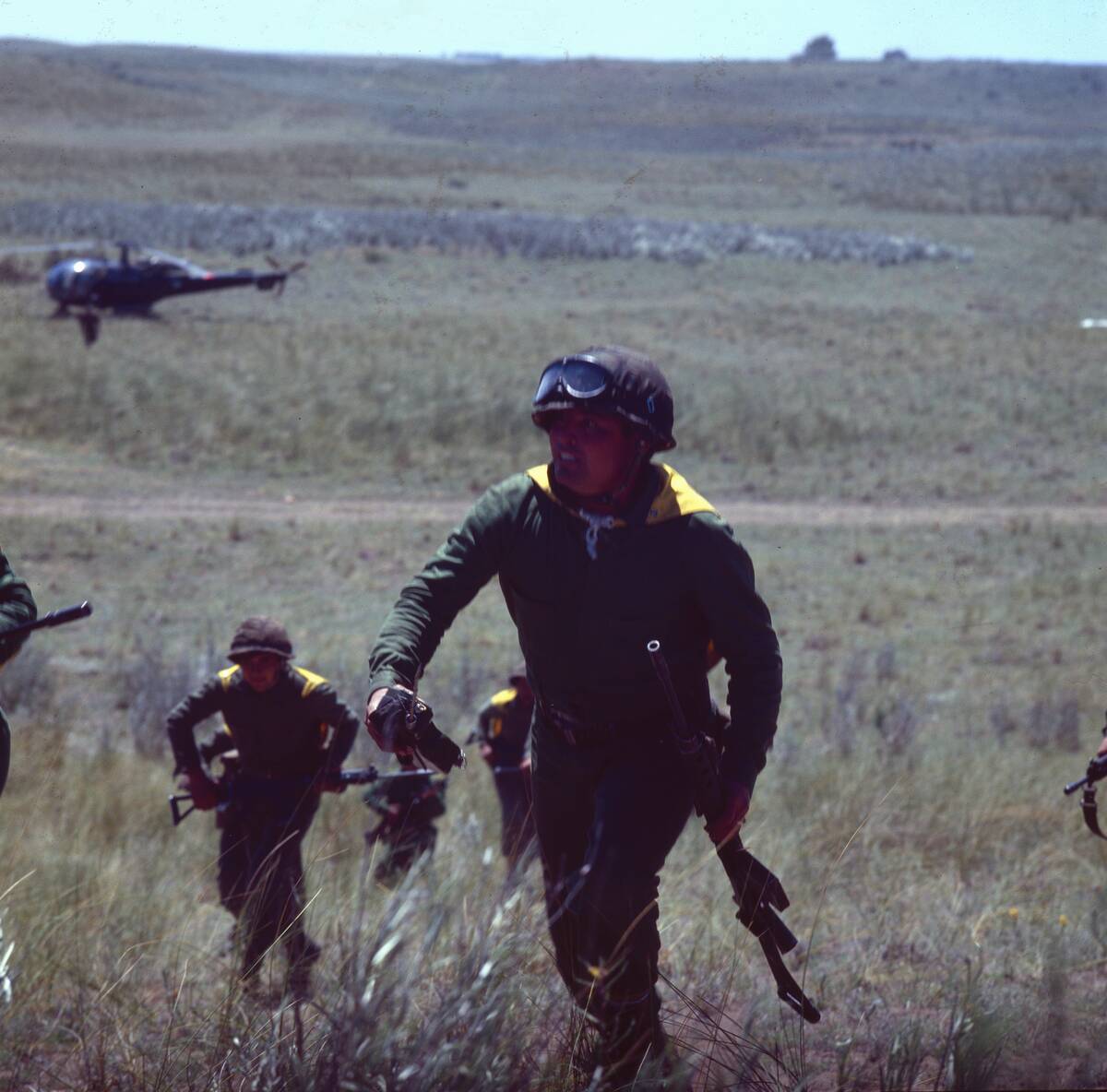
The Falklands War was a 10-week conflict in 1982 between Argentina and the United Kingdom over the disputed Falkland Islands. The war began when Argentina invaded the islands, prompting a British military response.
Despite logistical challenges, the British forces managed to recapture the islands, leading to Argentina’s surrender. The conflict had significant political repercussions in both countries, strengthening British resolve and leading to political changes in Argentina.
The Rwandan Genocide: Tribal Tensions and Tragedy
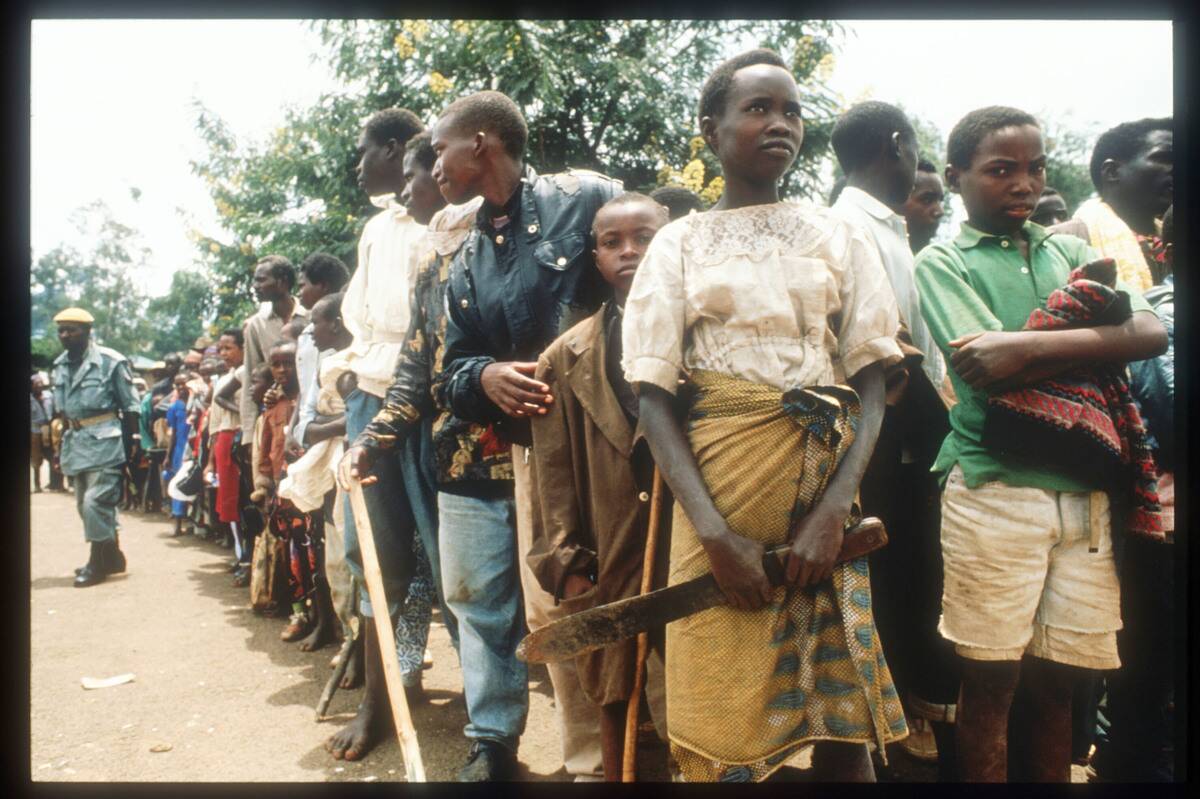
The Rwandan Genocide of 1994 was a horrific event in which approximately 800,000 Tutsi and moderate Hutu were killed by extremist Hutu forces over a span of 100 days. This tragedy was the culmination of longstanding ethnic tensions between the Hutu and Tutsi communities, exacerbated by colonial history and political instability.
The genocide ended with the military victory of the Rwandan Patriotic Front, but its legacy continues to affect Rwanda and the international community’s approach to humanitarian intervention.
The Yugoslav Wars: Ethnic Strife in Southeast Europe
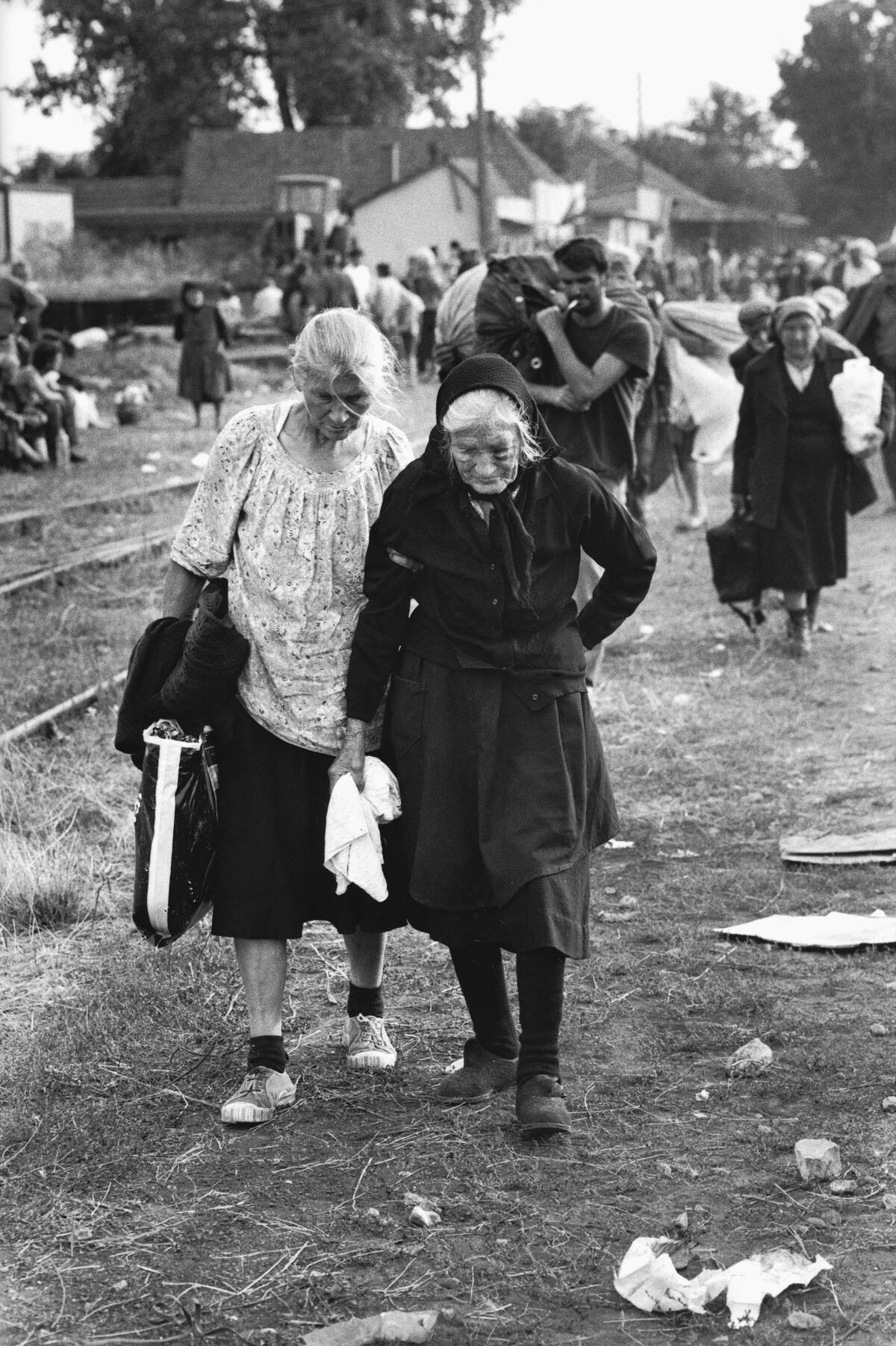
The Yugoslav Wars, occurring throughout the 1990s, were a series of ethnically-based conflicts following the breakup of Yugoslavia. These wars included the Bosnian War, the Croatian War of Independence, and the Kosovo War, among others.
They were marked by brutal ethnic cleansing and widespread atrocities, with significant international intervention. The conflicts resulted in the formation of several independent states and highlighted the challenges of nationalist and ethnic tensions in the post-Cold War era.




