12 child monarchs who ruled empires
Throughout history, the intrigue of child monarchs has captured the imagination of many. These young rulers ascended to the throne before they could walk, talk, or even understand the weight of the crown they were destined to wear.
A fascinating blend of innocence and responsibility, child monarchs have often found themselves at the center of political intrigue and historical milestones. Their stories offer a glimpse into how youthful innocence intersected with the harsh realities of leadership.
The Phenomenon of Child Monarchs: A Historical Overview
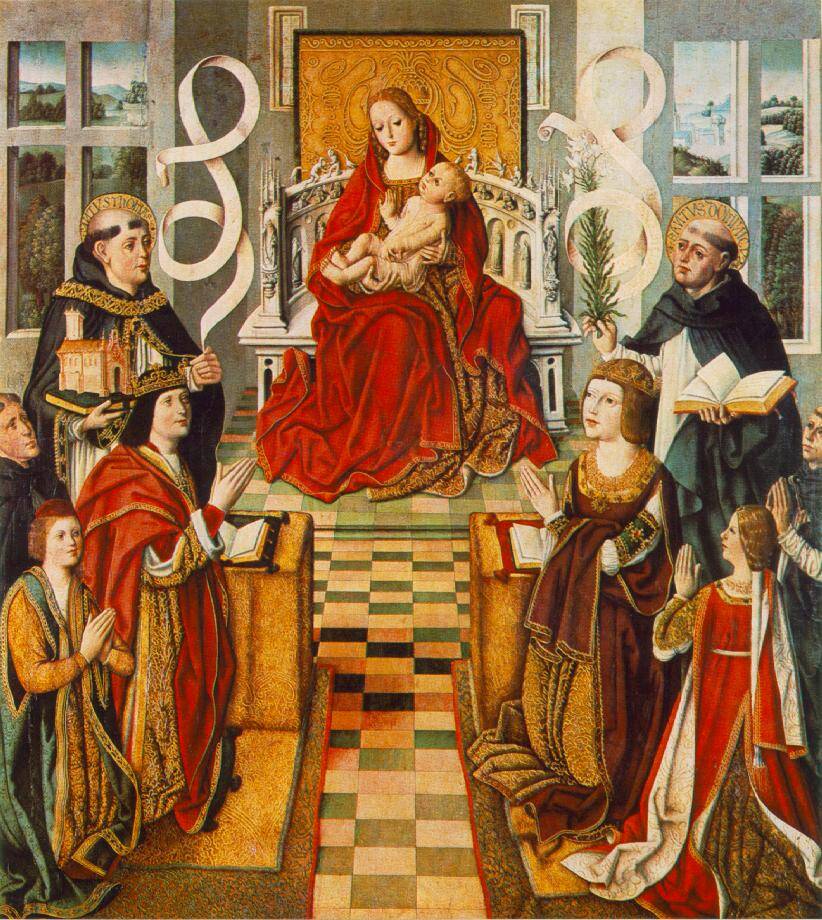
Child monarchs have been a recurring theme throughout history, their reigns spanning continents and centuries. From ancient Egypt to medieval Europe, these young rulers have often been thrust into power due to their birthright, regardless of their ability to govern.
Historical records show that the circumstances surrounding their ascension were often fraught with political machinations and familial ambitions, setting the stage for dramatic leadership stories that have stood the test of time.
Why Were Children Crowned as Kings and Queens?
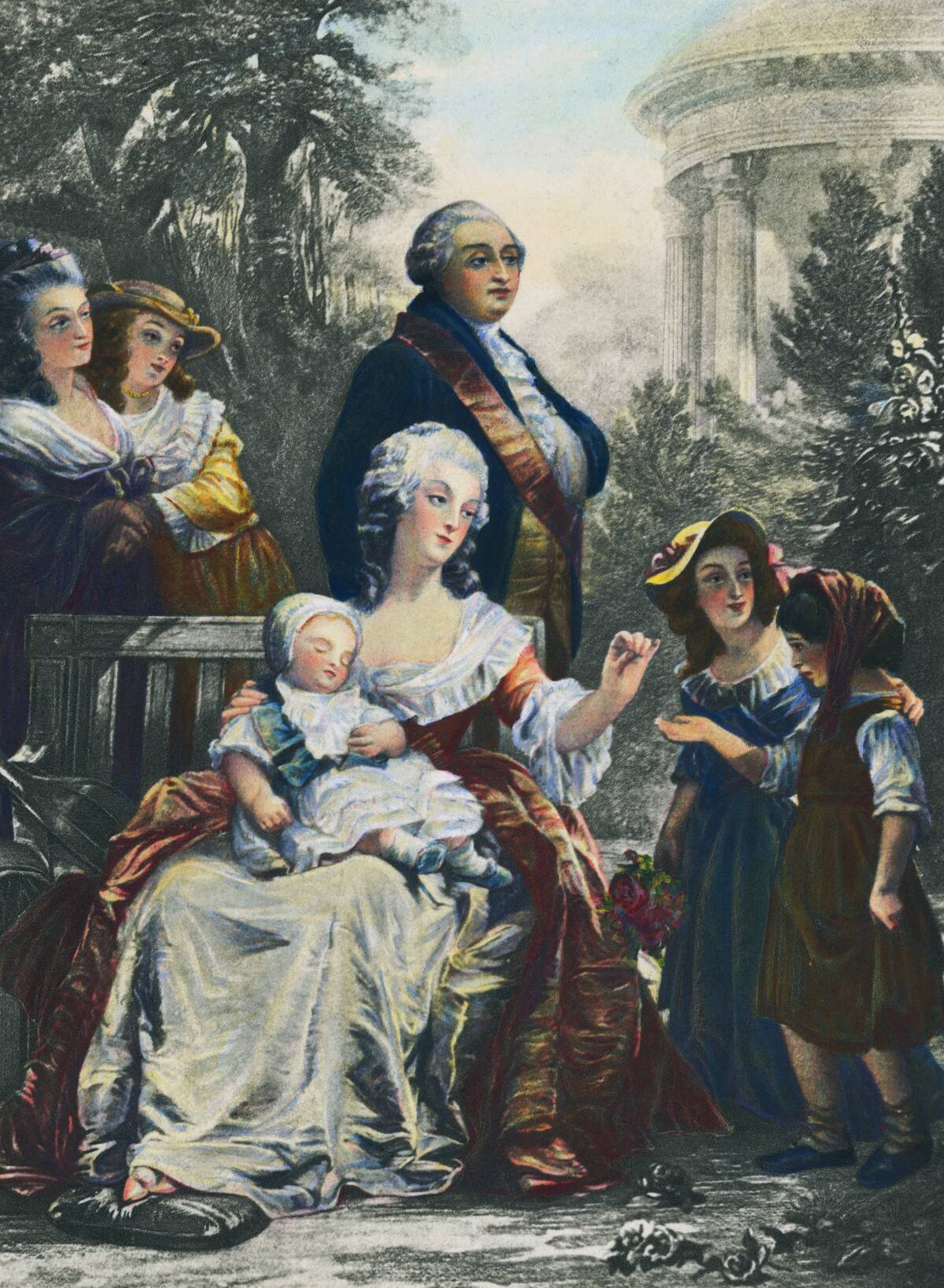
The crowning of children as monarchs was often a result of dynastic necessity. In many cases, the death of a reigning monarch left no suitable adult heir, leading to the enthronement of the next in line, regardless of age.
This practice ensured the continuity of the royal lineage and the stability of the realm, albeit with the potential for regency complications. It was a delicate balance between preserving tradition and managing the realities of governance in a child’s name.
The Role of Regents: Governing on Behalf of Young Rulers

When a child ascended to the throne, a regent often stepped in to rule in their stead. Regents were usually trusted family members or high-ranking nobles entrusted with maintaining the kingdom’s stability.
Their influence was significant, as they had the authority to make critical decisions until the young monarch came of age. This could lead to power struggles, as regents navigated the fine line between guidance and control, often leaving a lasting impact on the young ruler’s reign.
Tutoring Royalty: Education for Child Kings and Queens
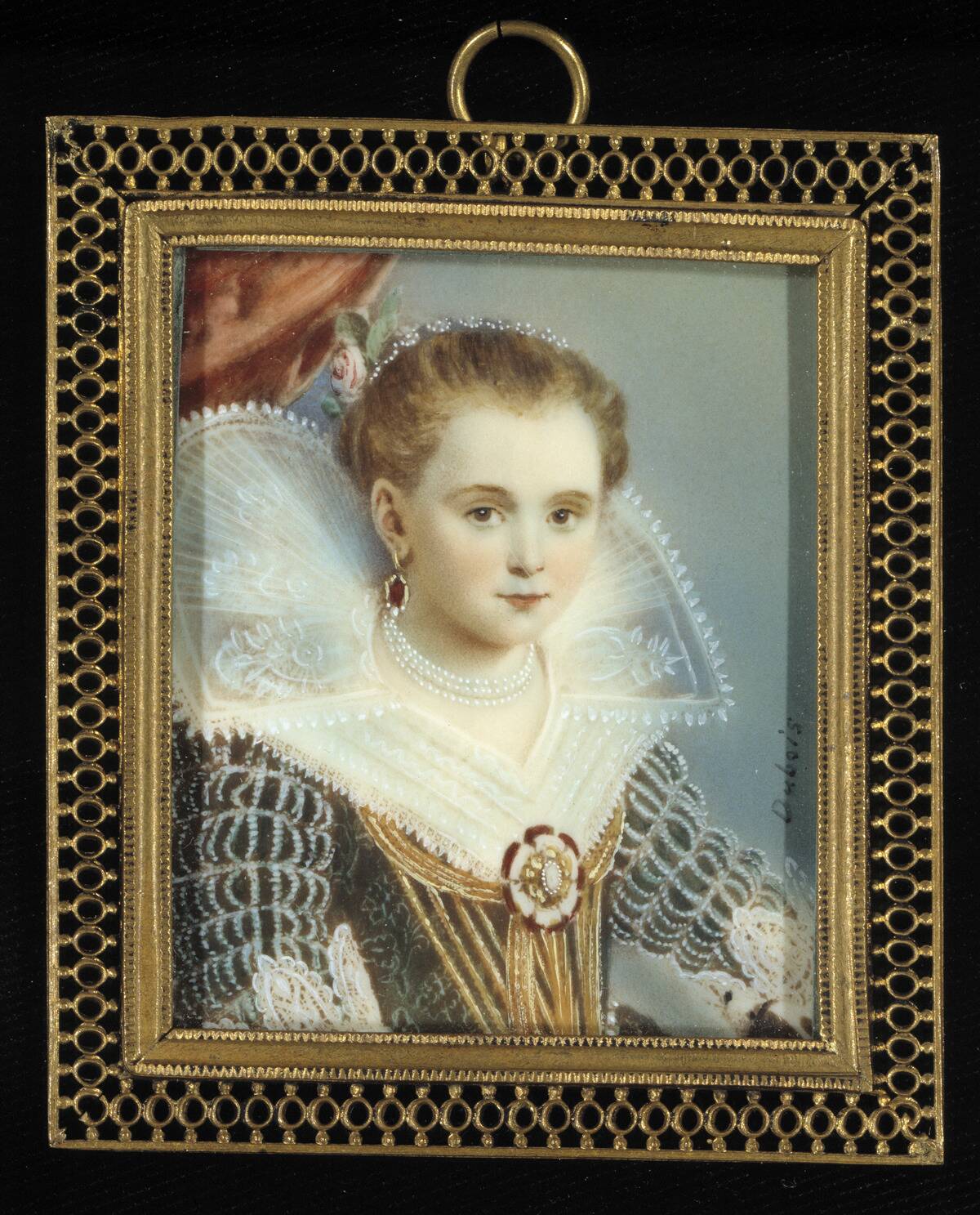
Education played a crucial role in preparing child monarchs for their future responsibilities. Tutors were carefully selected to provide a comprehensive education that spanned governance, diplomacy, and military strategy.
For instance, Queen Elizabeth I of England, who was tutored by the renowned scholar Roger Ascham, received an education that rivaled that of any male heir. These lessons were vital in shaping the abilities of young rulers, equipping them with the knowledge needed to lead effectively.
The Youngest King in History: King Alfonso XIII of Spain
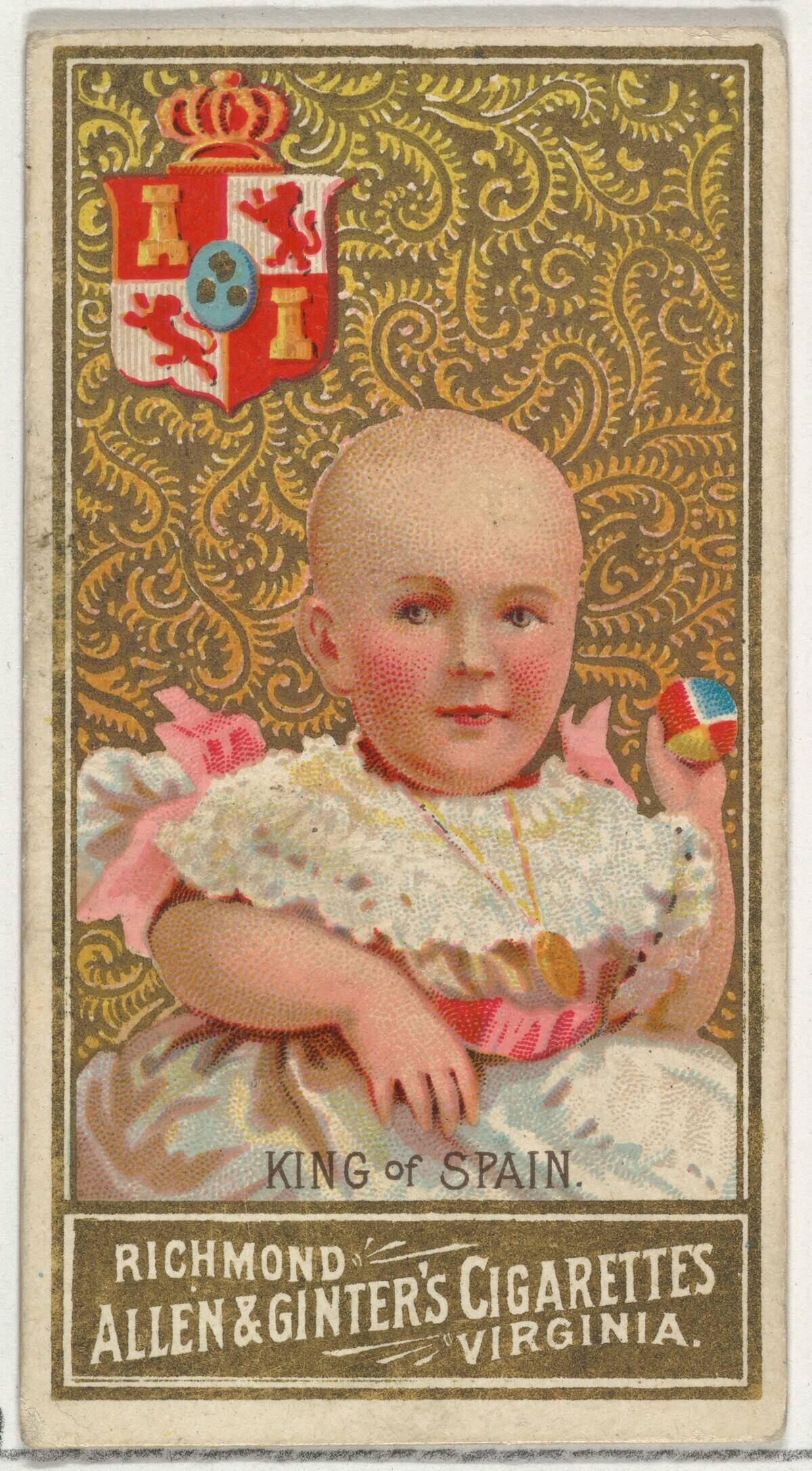
King Alfonso XIII of Spain holds the title of the youngest monarch in history, as he was declared king at birth in 1886. His father, King Alfonso XII, had passed away before his birth, leaving the newborn to inherit the throne.
Alfonso’s mother, Maria Christina, served as regent until he came of age. His reign faced challenges, including political instability and social upheaval, but his early start in life as a monarch is a testament to the complexities of hereditary rule.
Queen Mary, Queen of Scots: A Crown at Six Days Old
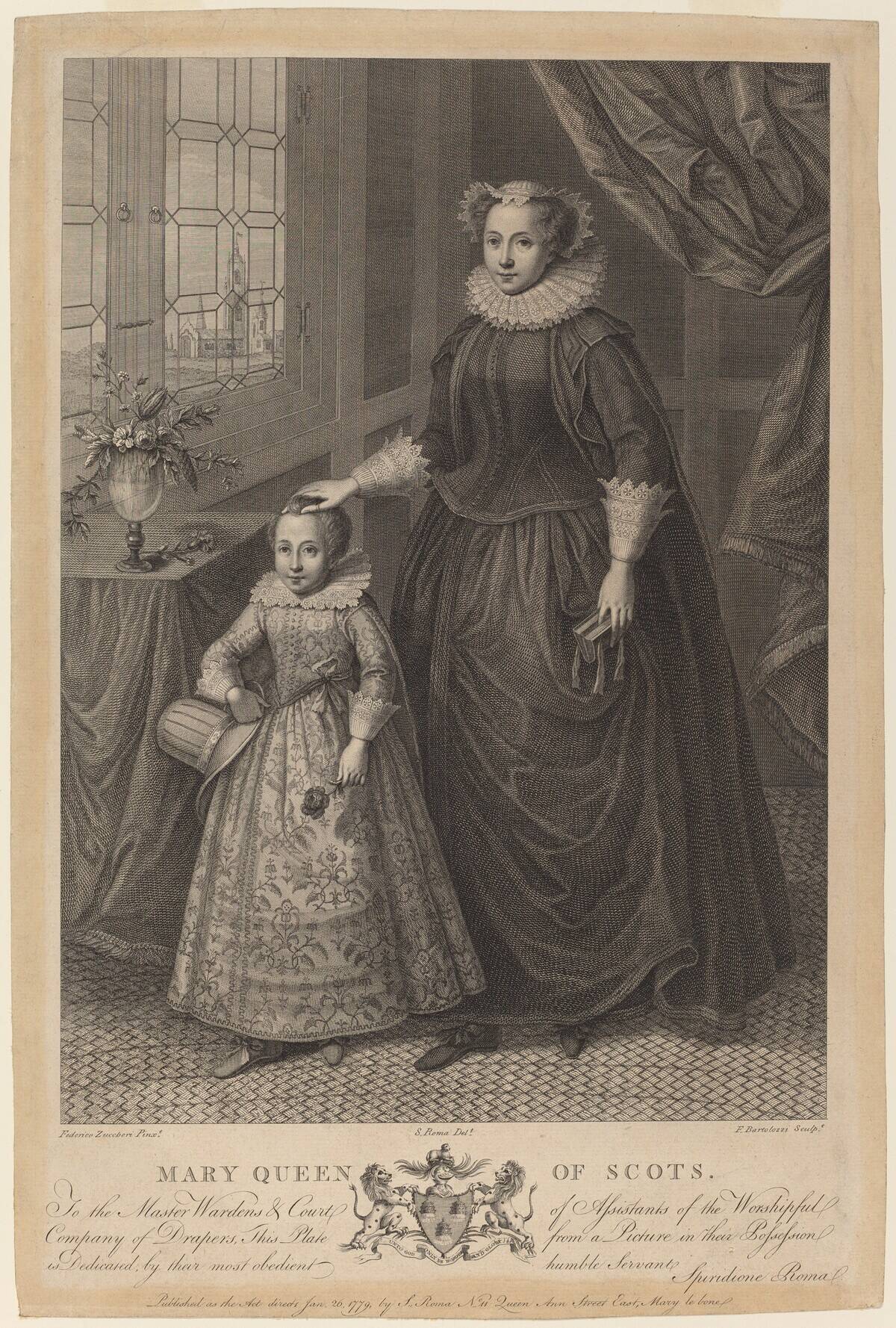
Queen Mary of Scotland’s life was marked by drama and tragedy from the very start. Crowned at just six days old after the death of her father, King James V, her reign was immediately fraught with challenges.
Her mother, Mary of Guise, acted as regent, navigating the turbulent political landscape of 16th-century Scotland. Mary’s early life as a monarch set the stage for her eventual imprisonment and execution, a fate that has been immortalized in countless historical accounts.
King Tutankhamun: The Boy Pharaoh of Egypt
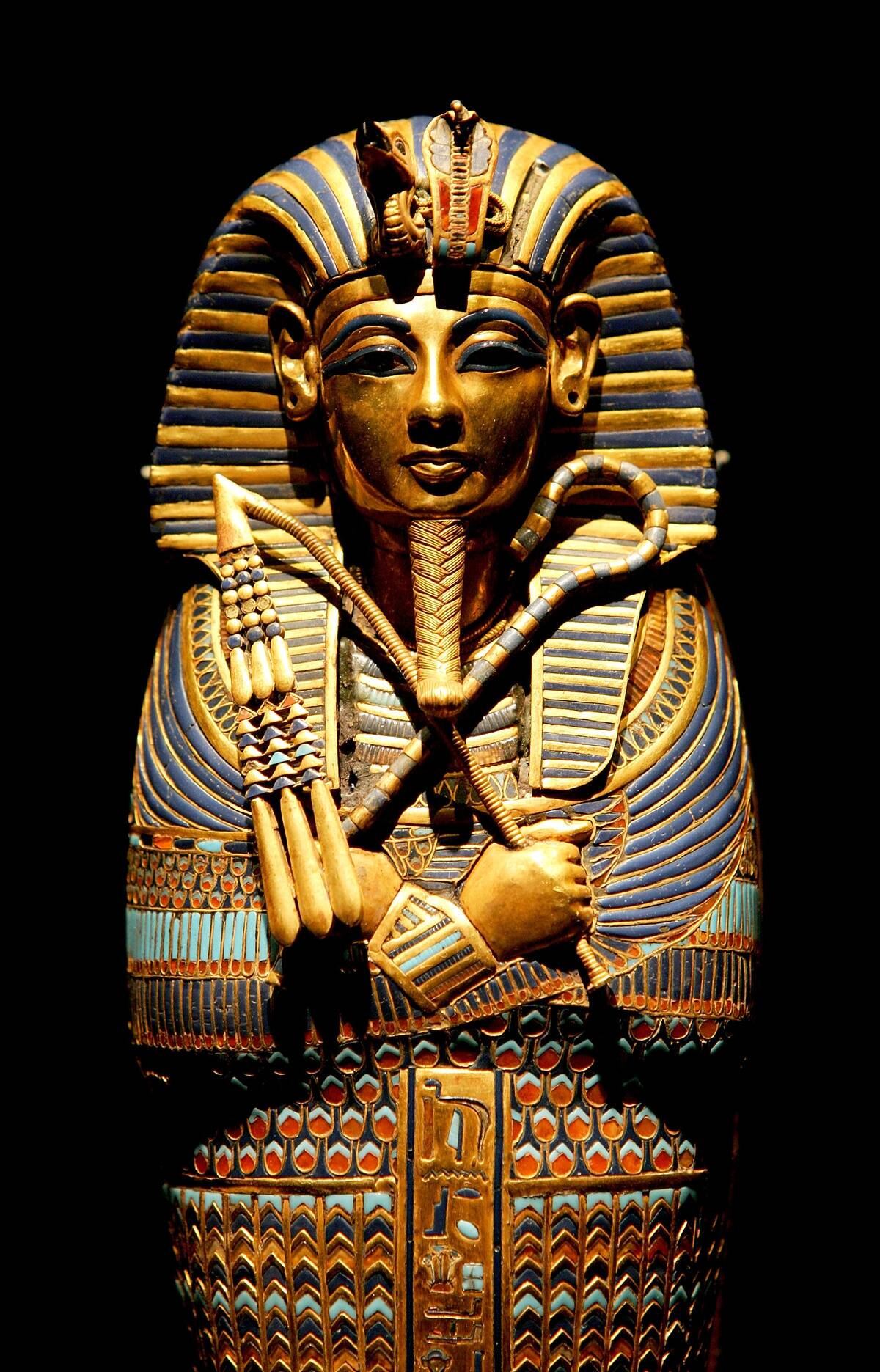
King Tutankhamun, often referred to as King Tut, ascended the throne of Egypt at around nine years old. His reign, though short, left a lasting legacy, primarily due to the discovery of his nearly intact tomb in 1922.
Tutankhamun’s rule was characterized by efforts to restore traditional religious practices, following his father Akhenaten’s monotheistic reforms. The young pharaoh’s life and death continue to captivate historians and archaeologists, with his tomb’s treasures offering a window into ancient Egyptian civilization.
King Henry VI of England: A Crown at Nine Months
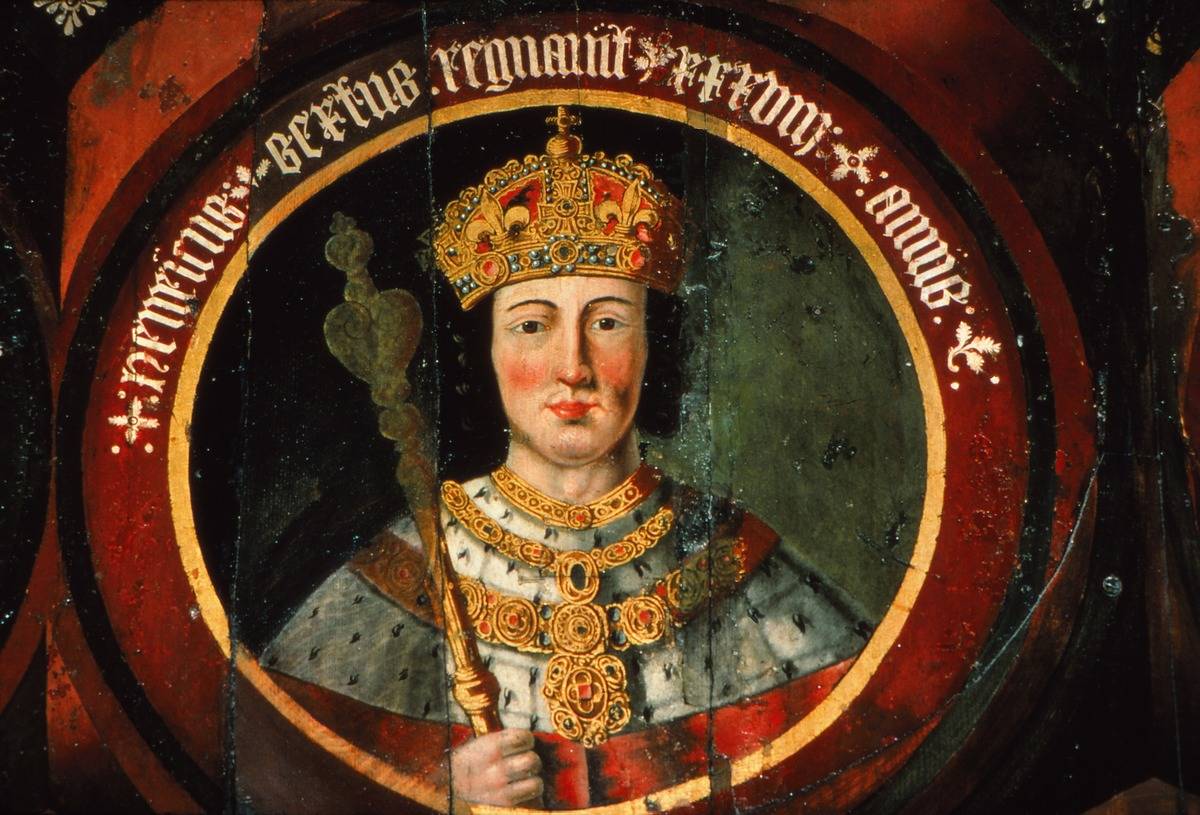
King Henry VI of England became king at just nine months old, following his father Henry V’s death in 1422. His early reign was marked by the regency of his uncles, who governed during his minority.
Henry’s life was marred by mental health issues and political turmoil, leading to the Wars of the Roses, a series of conflicts over the English throne. Despite the challenges, Henry’s reign is remembered for the founding of educational institutions like Eton College and King’s College, Cambridge.
Queen Christina of Sweden: A Child Ruler with a Passion for Learning
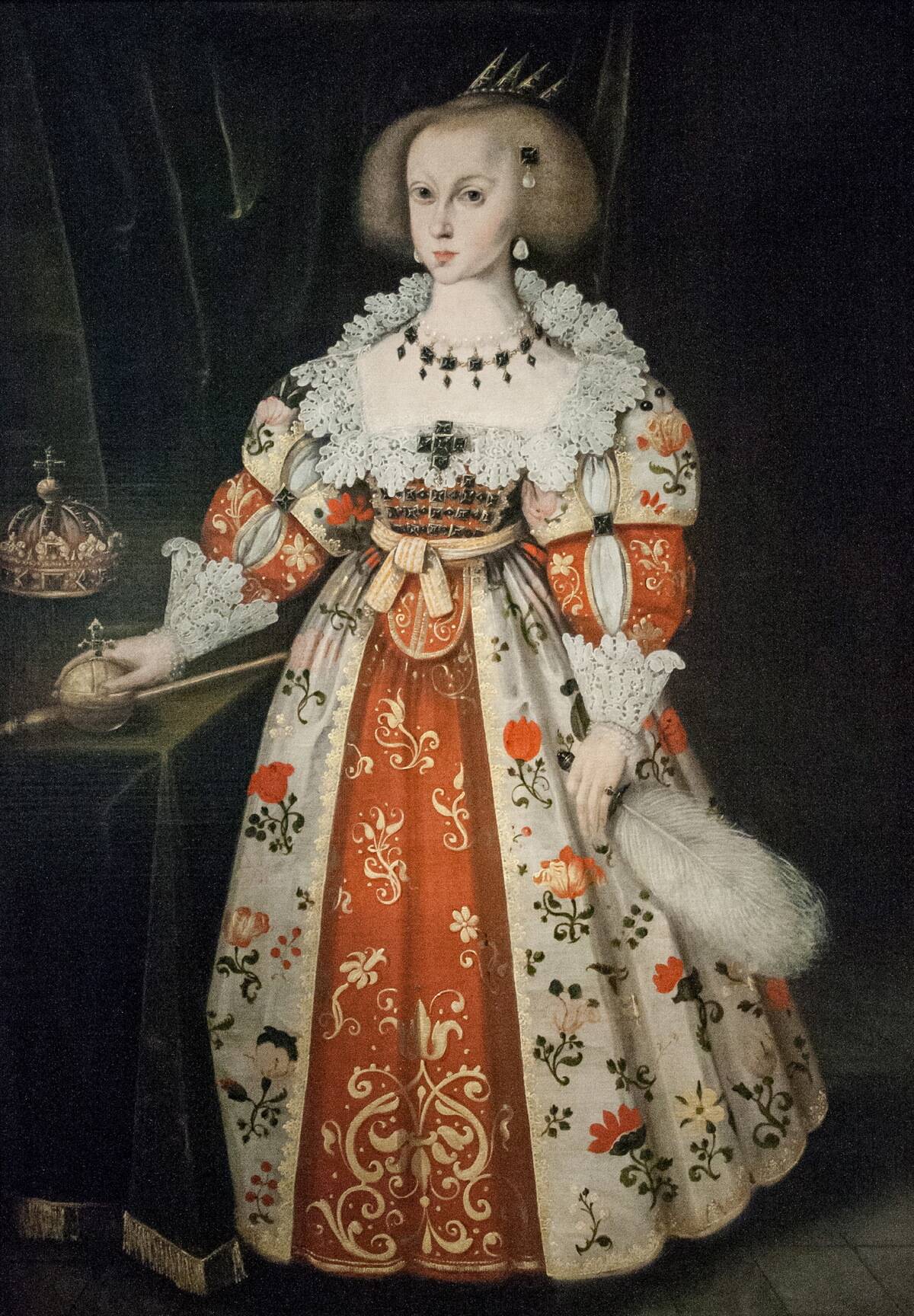
Queen Christina of Sweden ascended the throne at the age of six, following the death of her father, King Gustavus Adolphus. Known for her intellect and unconventional lifestyle, Christina was passionate about learning and the arts.
She corresponded with leading philosophers of her time, including René Descartes. Her reign saw Sweden emerge as a European power, though she eventually abdicated the throne in 1654. Christina’s legacy lives on as a monarch who valued knowledge and cultural advancement above all.
King Oyo of Toro: The Youngest Monarch in the World Today
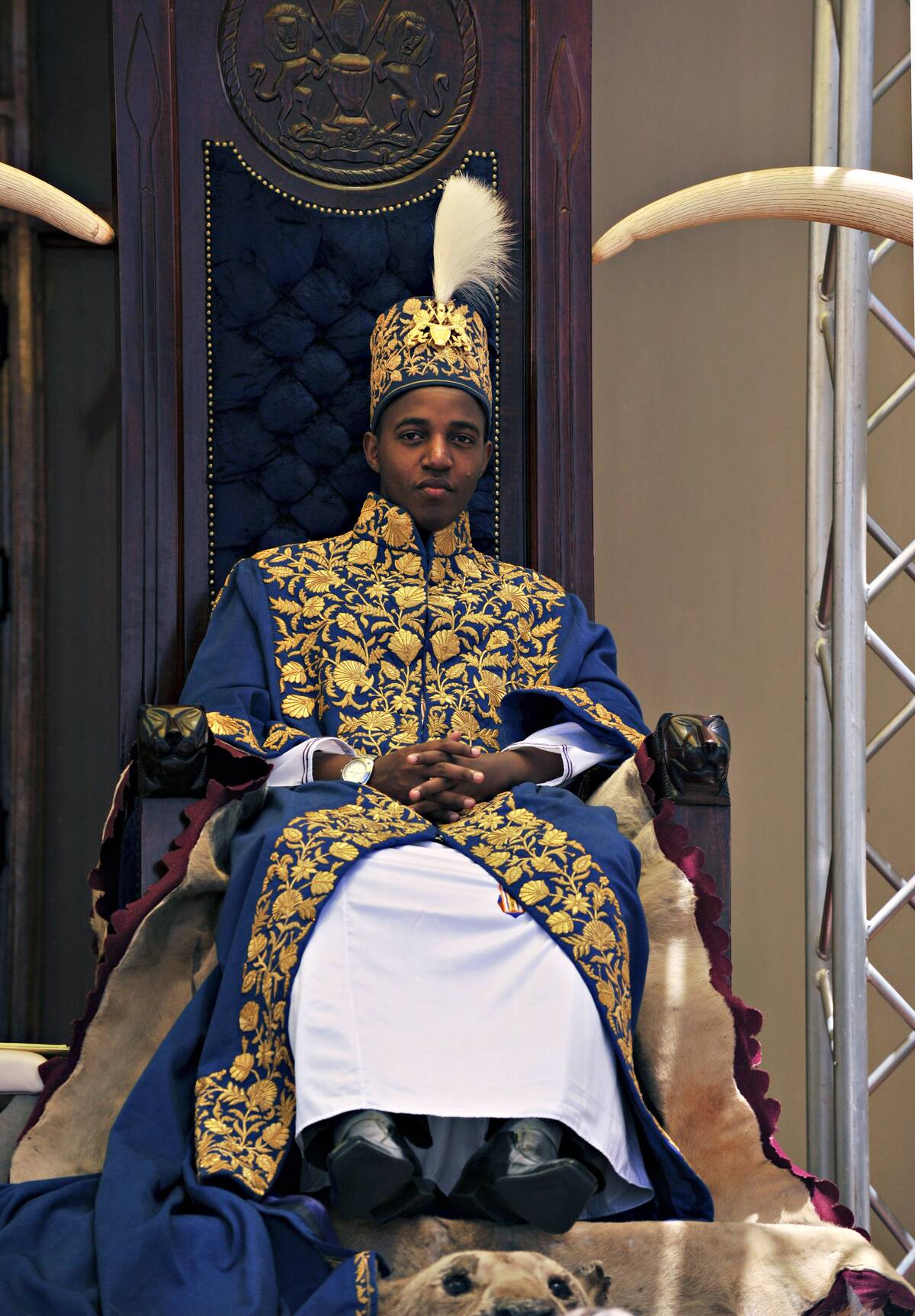
King Oyo of Toro became the youngest reigning monarch in the world when he ascended the throne of the Toro Kingdom in Uganda at just three years old. Born in 1992, he has grown up balancing his traditional responsibilities with modern education.
King Oyo has pursued higher education in the UK, and his reign is a testament to the unique challenges faced by a young king in a contemporary world. His story illustrates the ongoing evolution of monarchy in the 21st century.
The Challenges Faced by Child Monarchs: Politics and Power Plays
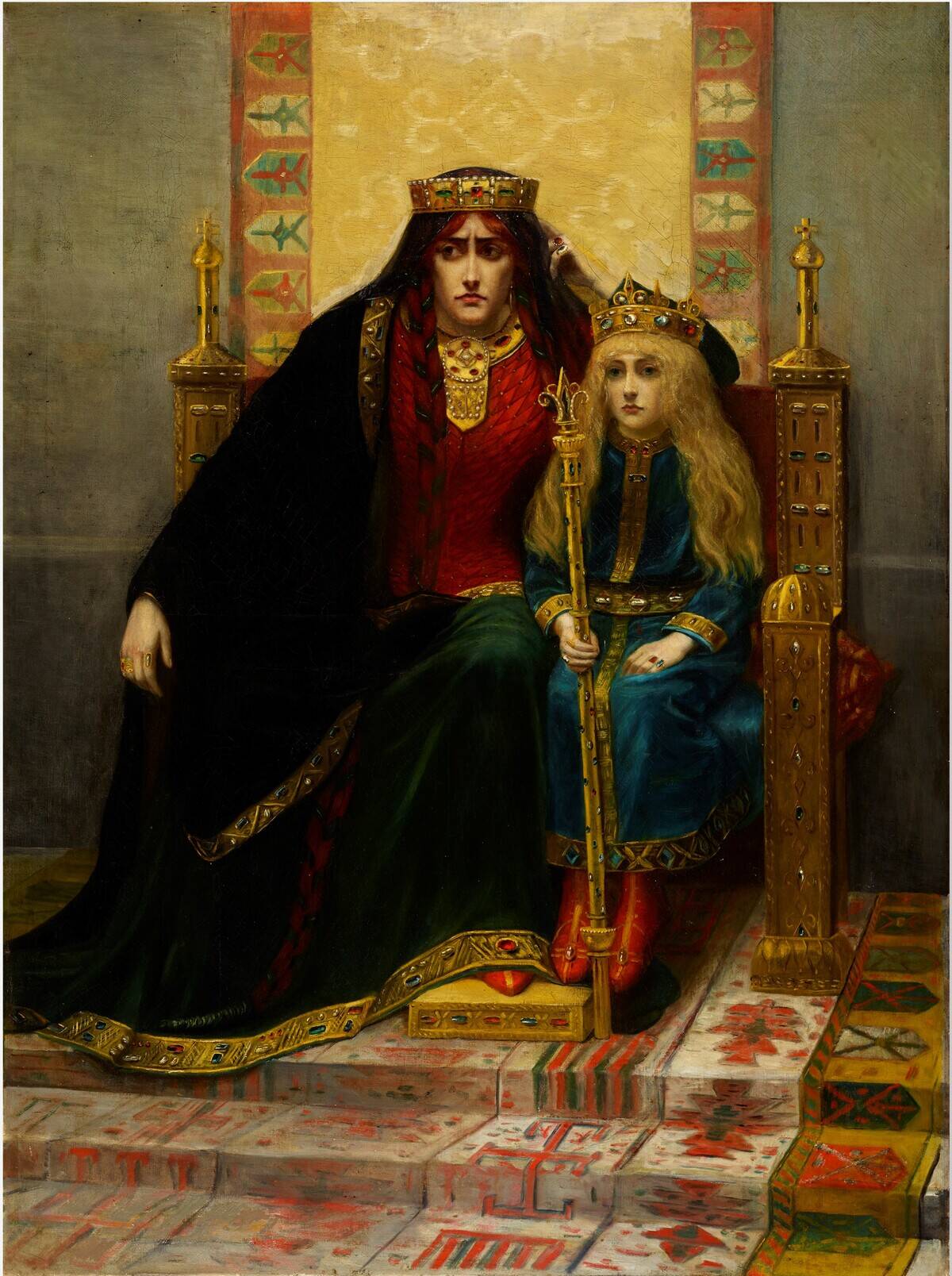
Child monarchs often found themselves at the center of political power struggles, with regents and advisors vying for influence. These young rulers had to navigate complex court dynamics, often with limited understanding of the political games being played around them.
The pressure to conform to expectations and the manipulation by those seeking power could be overwhelming. Despite these challenges, many child monarchs managed to leave their mark on history, albeit sometimes at great personal cost.
The Influence of Child Monarchs on Cultural and Social Norms
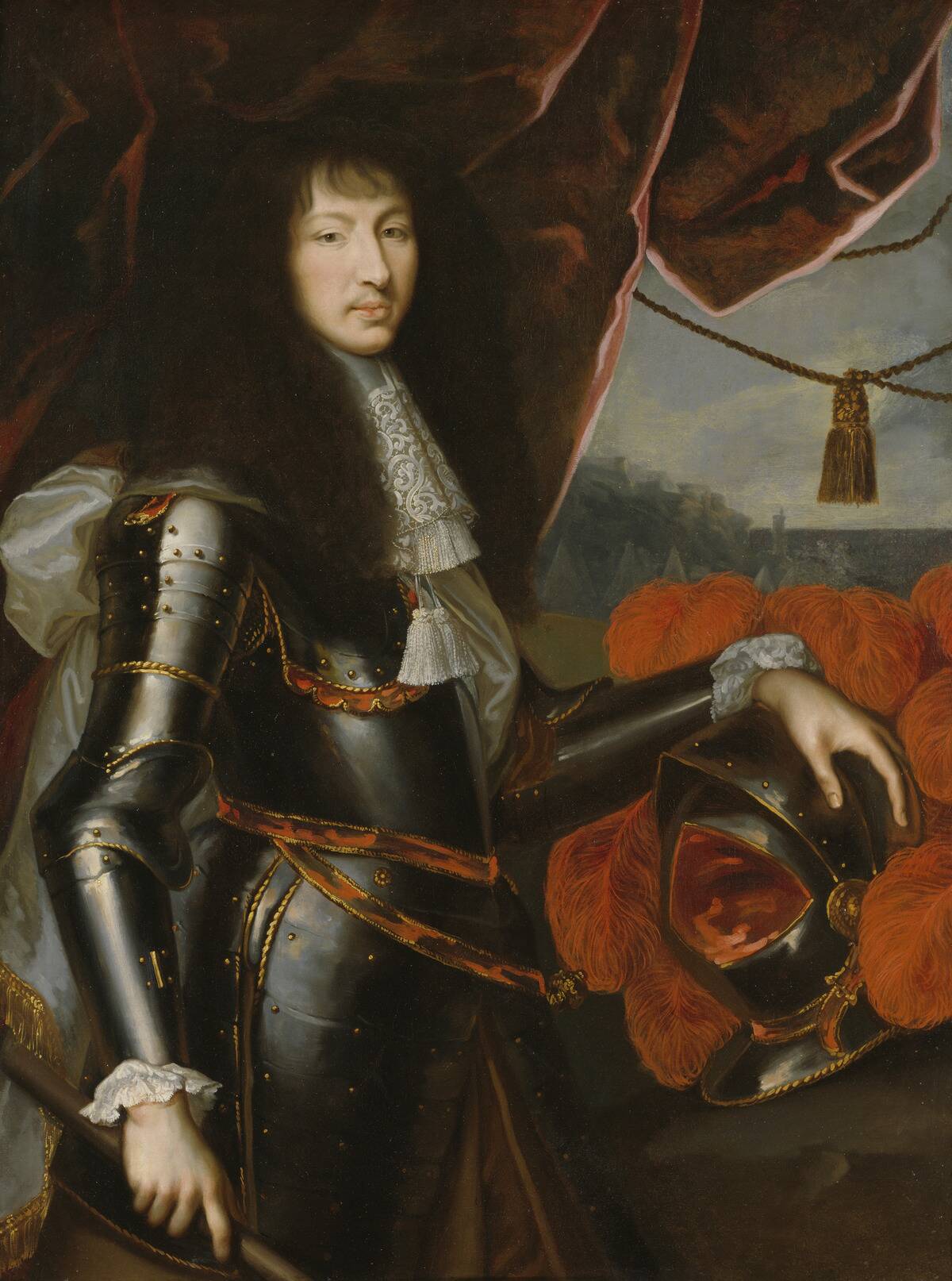
Child monarchs have had a profound impact on cultural and social norms across different eras and regions. Their unique positions allowed them to influence art, fashion, and even religious practices.
For example, the reign of King Louis XIV of France, who became king at age four, ushered in an era of opulence and culture that defined the French monarchy. The presence of child monarchs often inspired a sense of continuity and tradition, reinforcing the divine right of kings in the public consciousness.




