14 inventors killed by their own inventions
Creativity is often celebrated for its potential to change the world, but sometimes, it takes a perilous path. In the quest for innovation, inventors and pioneers have occasionally put their lives on the line.
The annals of history are peppered with tales of brilliant minds whose inventions led to unforeseen consequences, often with tragic results. Let’s delve into some of these cautionary tales where creativity collided with danger.
The Tale of Thomas Midgley Jr. and His Deadly Inventions
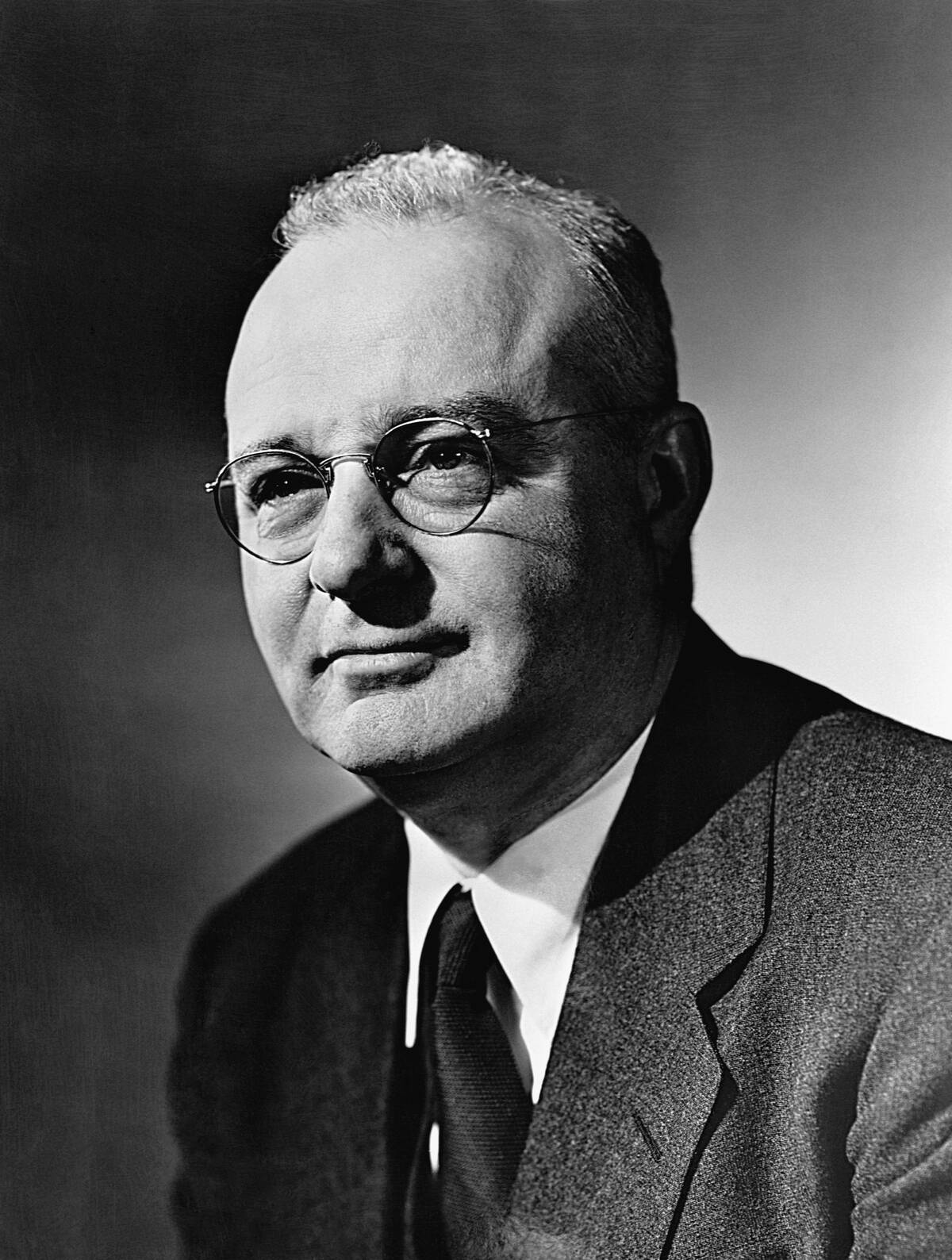
Thomas Midgley Jr. was an American mechanical and chemical engineer known for his role in developing tetraethyl lead as a gasoline additive and early chlorofluorocarbon (CFC) refrigerants, both of which later proved environmentally harmful. His work with leaded gasoline contributed to widespread environmental contamination, and CFCs were later linked to depletion of the ozone layer.
After contracting polio in 1940, Midgley devised a system of ropes and pulleys to help him out of bed; in 1944 he was found dead as a result of that device, with the death officially ruled a suicide. Midgley’s legacy is often cited in discussions of the unintended consequences of technological innovation.
The Unfortunate Demise of Franz Reichelt: The Flying Tailor
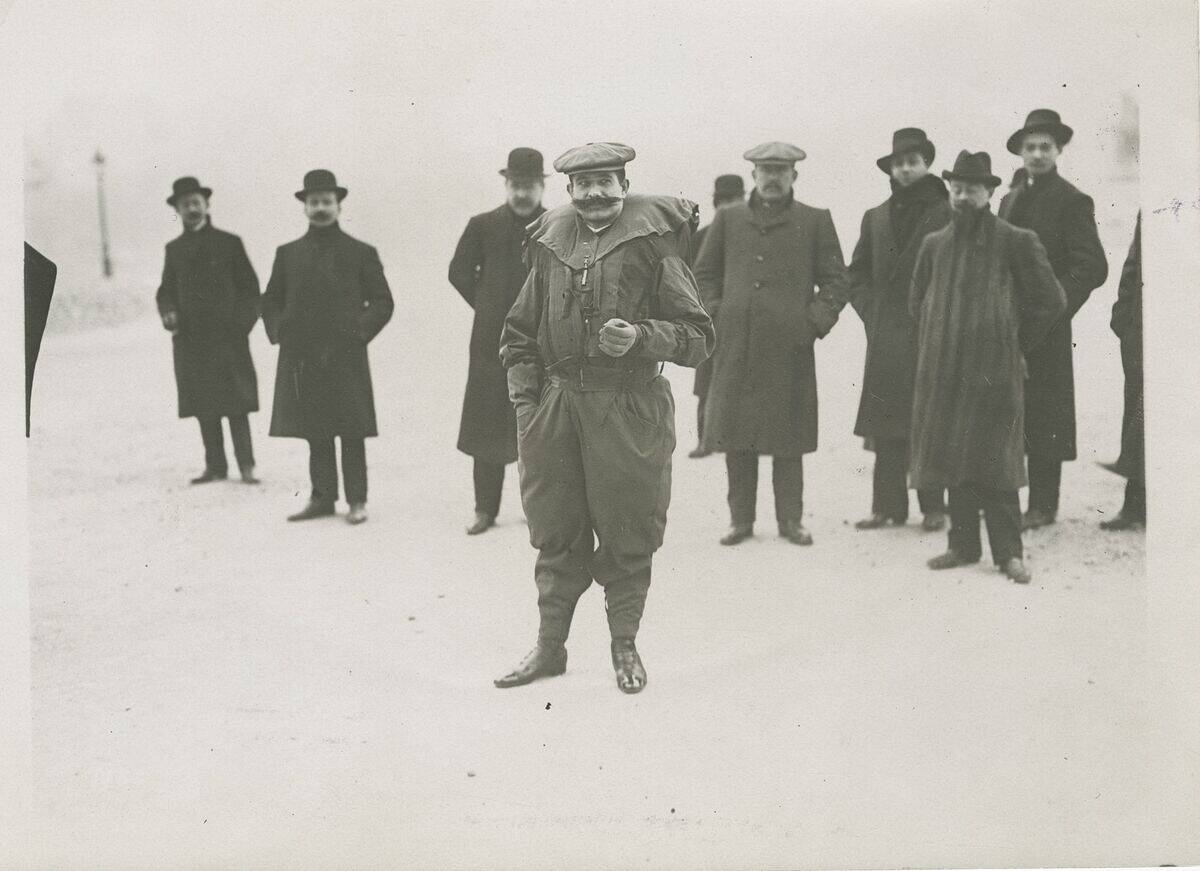
Franz Reichelt, known as “The Flying Tailor,” was a French tailor with a passion for aviation. He invented a wearable parachute suit, believing it could save pilots during emergencies. In 1912, to demonstrate its effectiveness, he jumped from the Eiffel Tower.
Tragically, the suit failed to deploy, and Reichelt fell to his death. His story highlights both the courage and peril involved in testing new inventions without proper safety measures.
The Tragic Story of Valerian Abakovsky and the Aerowagon
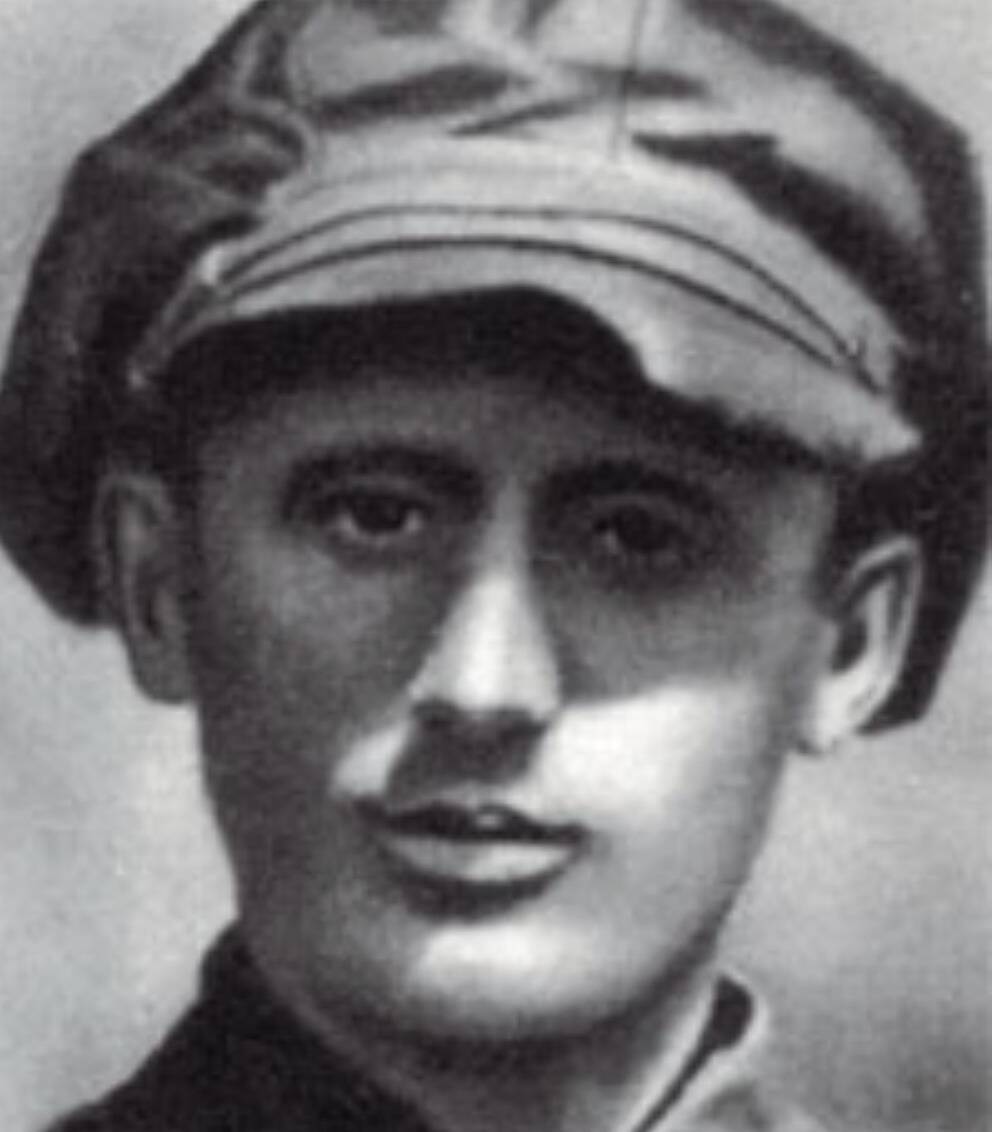
Valerian Abakovsky was a Russian inventor best known for the Aerowagon, an experimental high‑speed railcar powered by an aircraft engine and propeller. In 1921, during a demonstration run from Moscow to Tula with several delegates on board, the Aerowagon successfully reached its destination.
On the return trip, it derailed at high speed near Serpukhov, killing Abakovsky and six others out of the 22 passengers. This tragic event highlights the risks of pushing technological limits without thorough testing.
Marie Curie: The Price of Pioneering Radioactivity

Marie Curie is celebrated for her pioneering research on radioactivity, earning two Nobel Prizes in Physics and Chemistry. However, her work came at a high personal cost. At the time, the dangers of prolonged radiation exposure were not fully understood, and she handled radioactive materials such as radium without adequate protection.
She later died of aplastic anemia, which is widely attributed to prolonged radiation exposure. Curie’s legacy remains profound, illustrating both the promise and the risks of early scientific research.
The Perilous Experiment of Horace Lawson Hunley
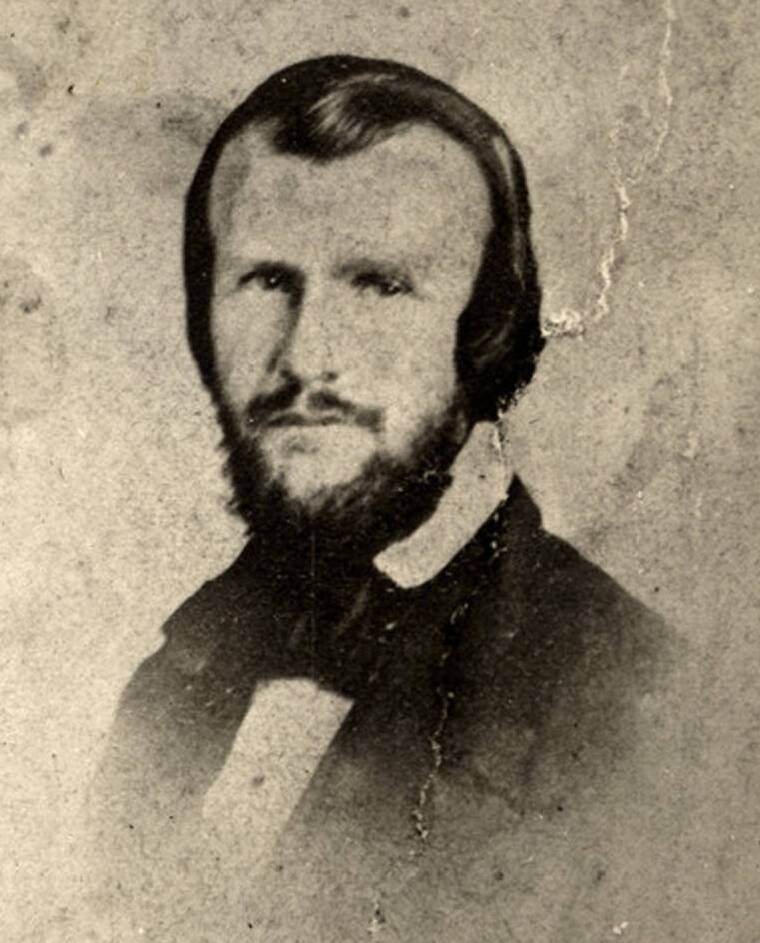
Horace Lawson Hunley was a Confederate marine engineer associated with the development of early submarines during the American Civil War. In 1863, during a test dive of the submarine later known as the H. L. Hunley, the vessel sank, killing Hunley and seven crew members.
The submarine was later recovered and returned to service, and in 1864 it became the first combat submarine to sink an enemy warship, the USS Housatonic. Hunley’s story reflects the significant dangers faced by early innovators in naval technology.
The Fatal Flaw in Karel Soucek’s Water Stunt

Karel Soucek was a Canadian stuntman known for his daring barrel stunts over Niagara Falls. In 1985, he attempted to replicate the feat by dropping from the Houston Astrodome into a water tank.
Unfortunately, the barrel hit the rim of the tank, resulting in fatal injuries. Soucek’s tragic accident highlights the thin line between spectacle and safety, where even the most meticulous planning can falter under real-world conditions.
Alexander Bogdanov: Sacrificed for Science
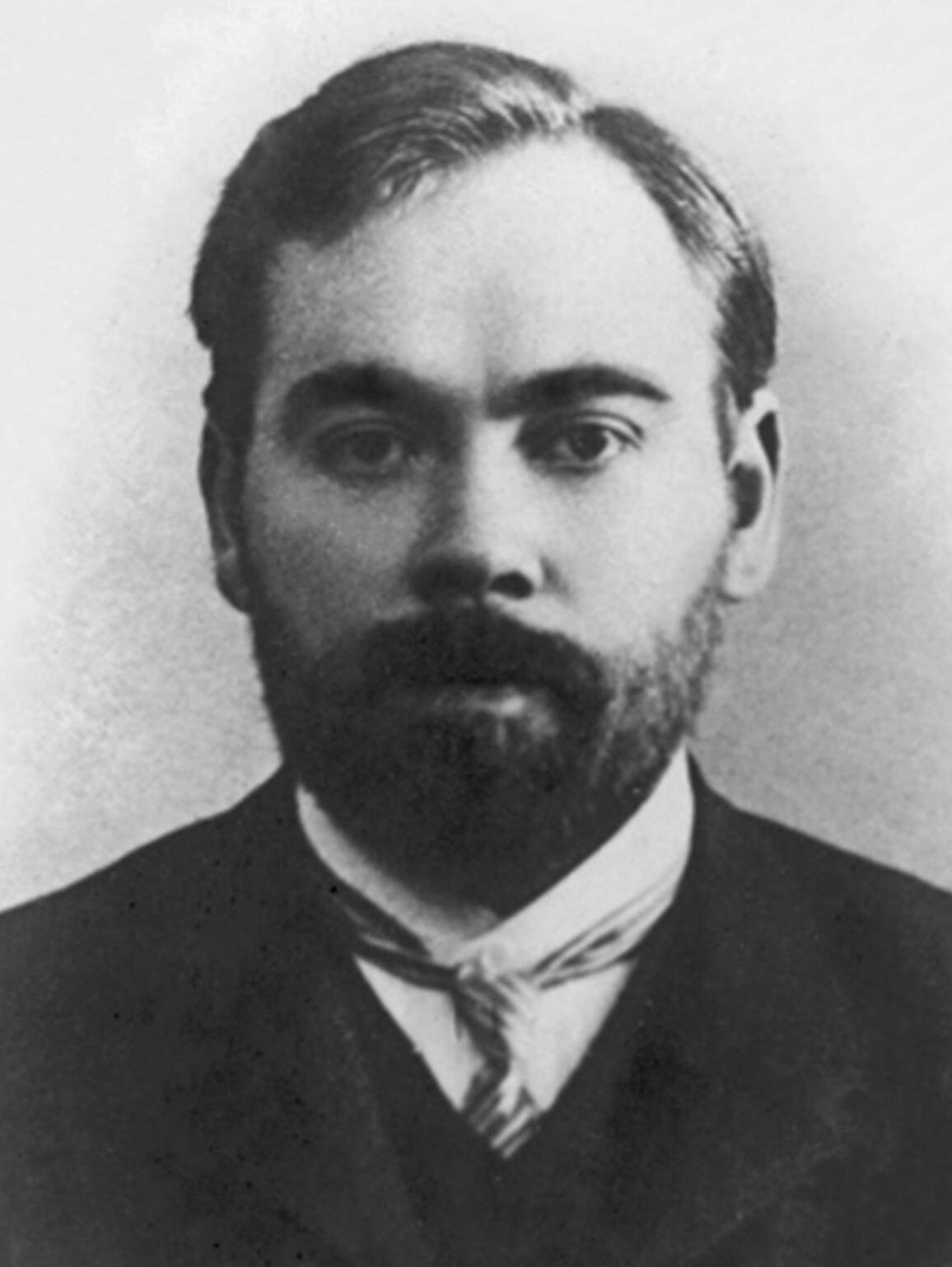
Alexander Bogdanov was a Russian physician, philosopher, and revolutionary who conducted early research on blood transfusion. He believed transfusions could improve health and possibly prolong life, and he actively promoted their rejuvenating potential.
In 1928, Bogdanov performed a blood transfusion on himself using blood from a student who had malaria and tuberculosis; he soon became ill and died. Although his death is widely attributed to the transfusion, the precise medical cause has been debated. His story reflects the considerable risks involved in early experimental medicine.
William Bullock and the Printing Press Mishap
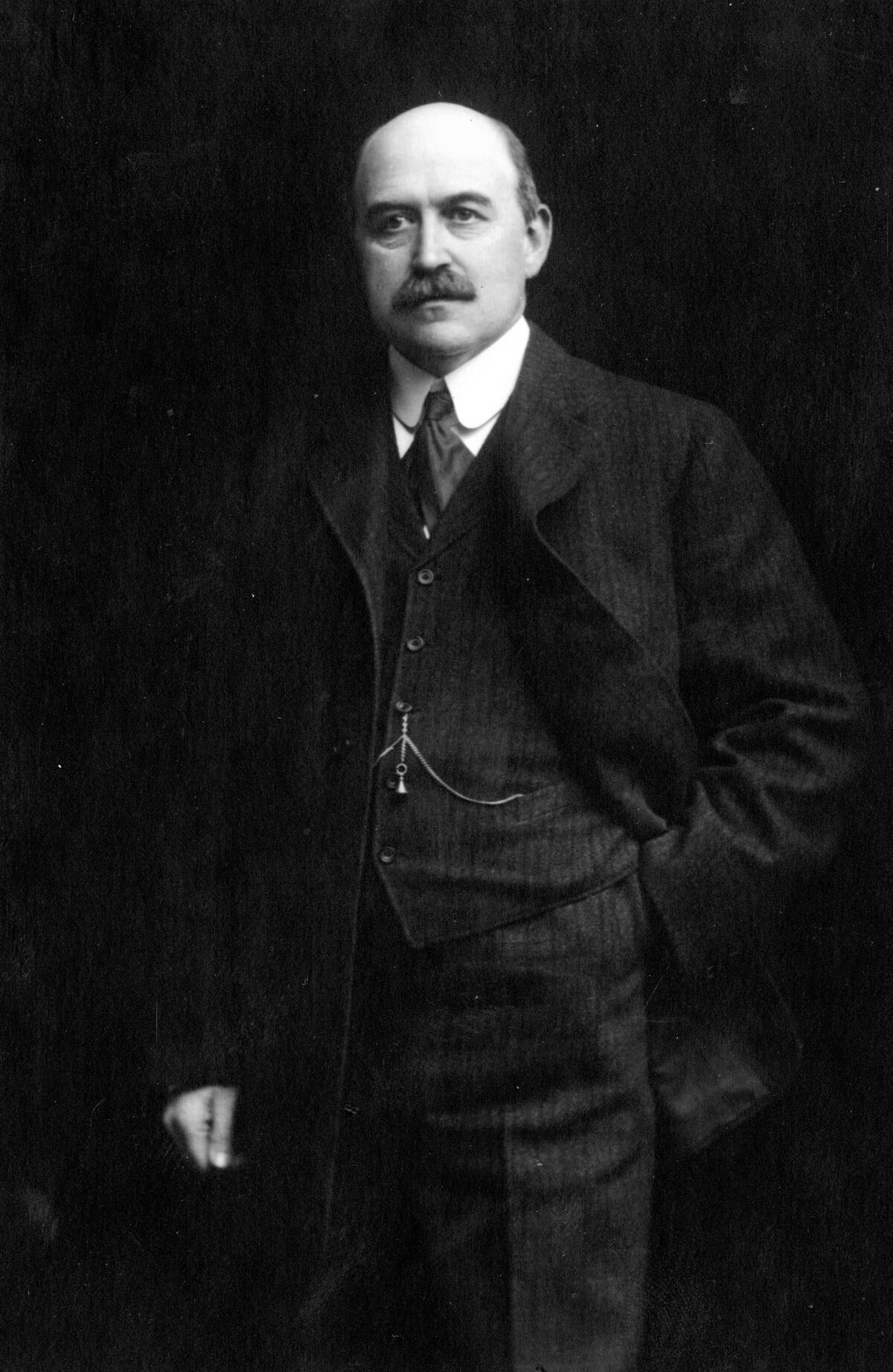
William Bullock was an American inventor who revolutionized the printing industry with the web rotary press. His invention allowed for faster and more efficient printing, significantly impacting the newspaper industry.
Tragically, during a demonstration in 1867, Bullock’s leg was crushed by the machine. The injury led to gangrene, and he died during an amputation. Bullock’s legacy lives on in every printed page, a stark reminder of the dangers inventors face in pursuit of progress.
The Misadventure of Otto Lilienthal, the Glider King
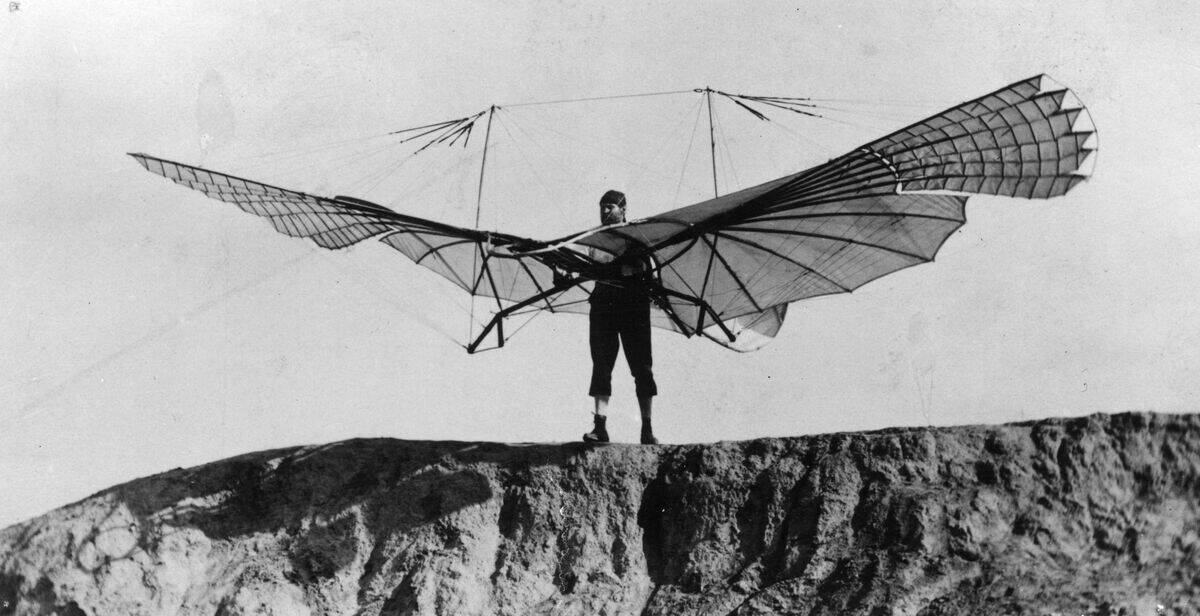
Otto Lilienthal was a German aviation pioneer known as the “Glider King” for his successful gliding experiments in the late 1800s. His detailed research on aerodynamics laid the groundwork for modern aviation.
Unfortunately, in 1896, during a flight, his glider stalled, and he fell to his death. Lilienthal’s passion for flight was unmatched, and his tragic end emphasizes the inherent risks faced by visionaries pushing the boundaries of human flight.
Henry Smolinski’s Unfortunate Skycar Accident

Henry Smolinski was an American engineer who sought to develop a practical flying car. In the early 1970s, he co-founded Advanced Vehicle Engineers (AVE) and worked on the AVE Mizar, a prototype that combined a Ford Pinto with components from a Cessna Skymaster.
In 1973, during a test flight, structural failure caused the aircraft section to detach, and the crash killed Smolinski and his business partner, Harold Blake. The accident highlighted the technical challenges involved in merging automotive and aviation design.
Jimi Heselden’s Segway Tragedy

Jimi Heselden was a British entrepreneur and owner of the Segway company. In an ironic twist of fate, he died in 2010 after accidentally riding a Segway off a cliff near his home.
Heselden had acquired the company with hopes of expanding its innovative transportation solutions. His untimely death serves as a stark reminder of the unpredictability of life and the sometimes ironic twists of fate that accompany technological advances.
The Explosive End of Perillos of Athens
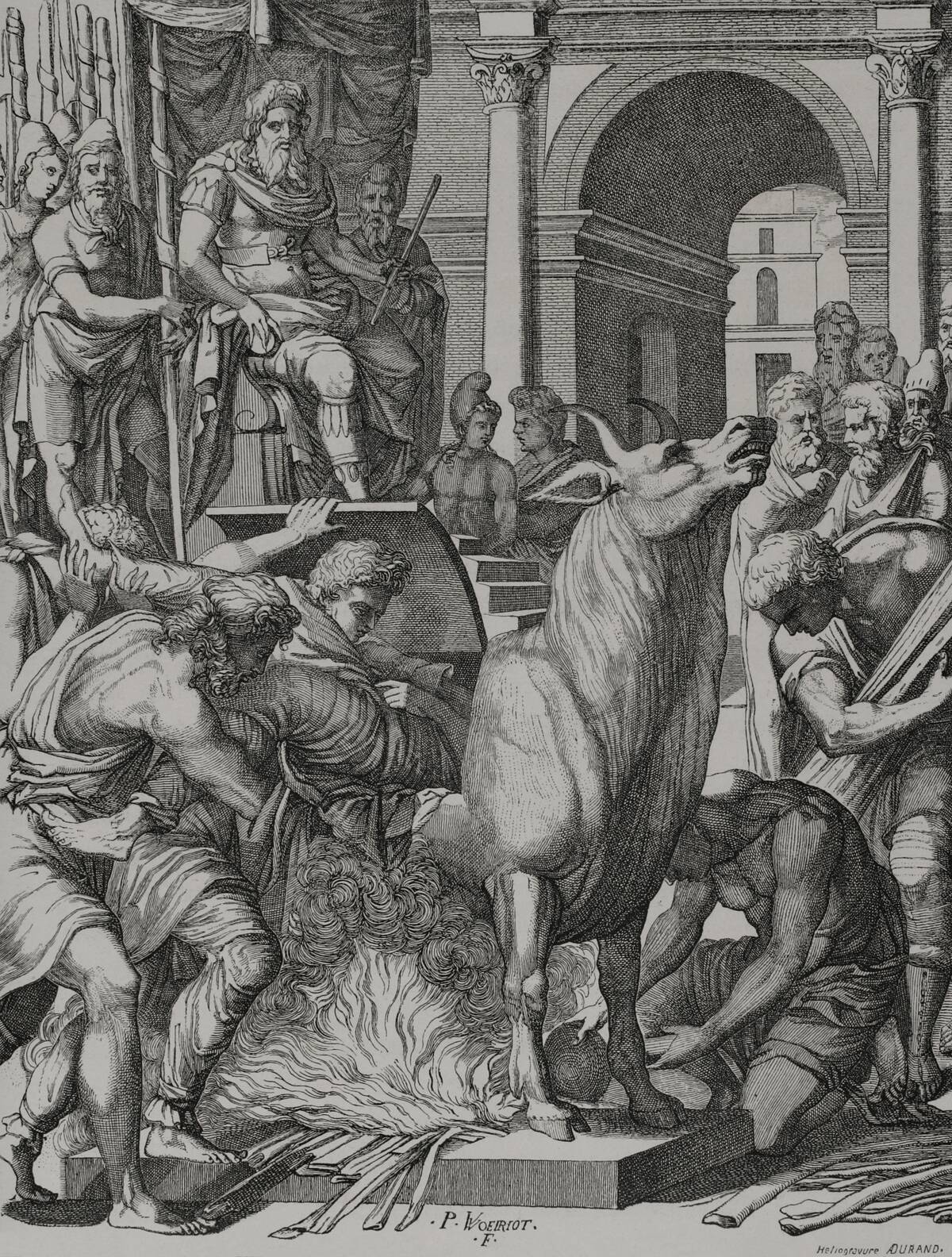
Perillos (also called Perilaus) of Athens is traditionally credited in ancient sources with creating the Brazen Bull, a hollow bronze execution device in which victims were allegedly roasted alive as fire heated the metal and their screams were made to sound like a bull’s bellow.
According to legend, he presented the design to Phalaris, the tyrant of Akragas in Sicily, and was compelled to demonstrate it by entering it himself; various accounts say he was later thrown from a height by Phalaris. This grisly story survives in Greek historical tradition and illustrates how the inventors of notorious devices can become enmeshed in the very horrors they devised.
Jean-François Pilâtre de Rozier’s Ballooning Blunder
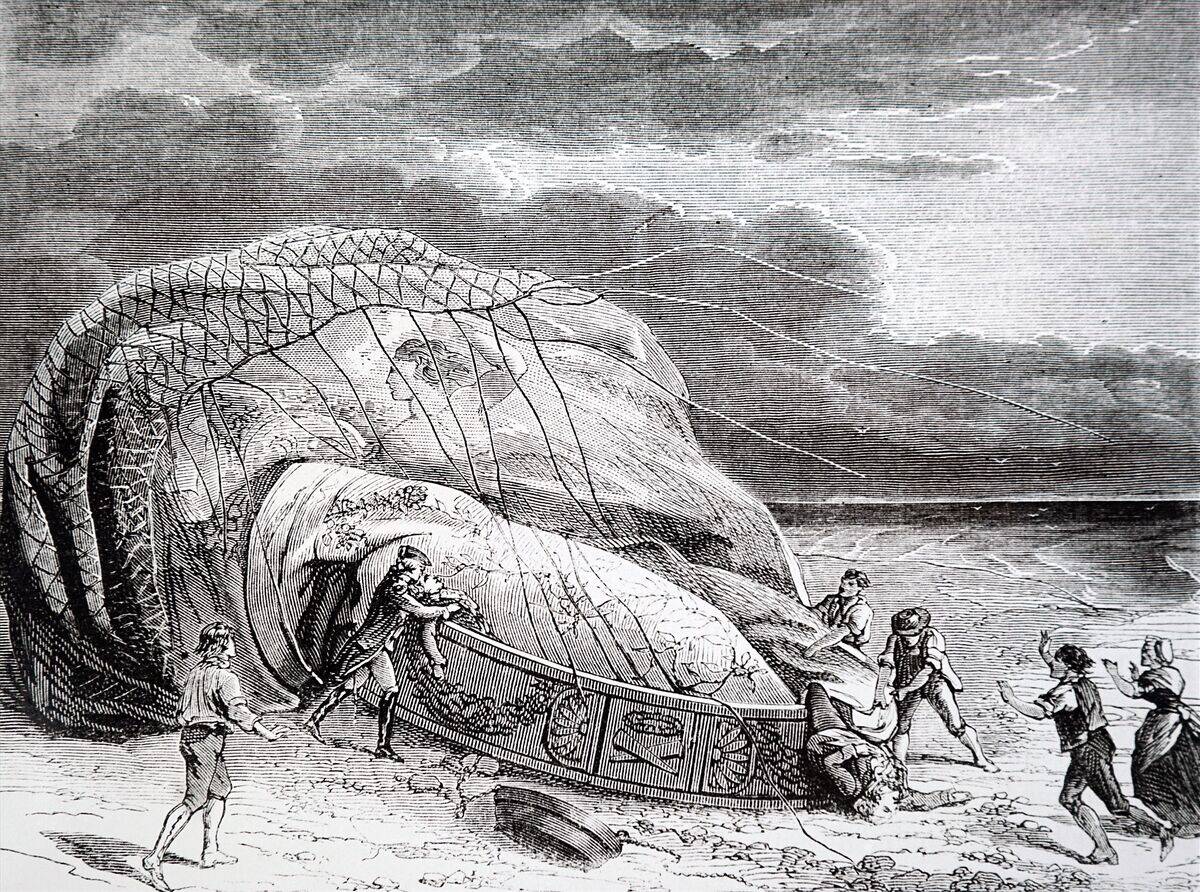
Jean-François Pilâtre de Rozier was a French aviation pioneer who co-piloted the first manned free flight in a hot air balloon in 1783. In a subsequent attempt to cross the English Channel in 1785, his balloon caught fire, causing a fatal crash.
Rozier’s adventurous spirit was instrumental in early aviation history, yet his unfortunate end highlights the precariousness of testing the limits of human achievement in the skies.
The Ill-Fated Voyage of Donald Campbell and His Speed Record Attempt
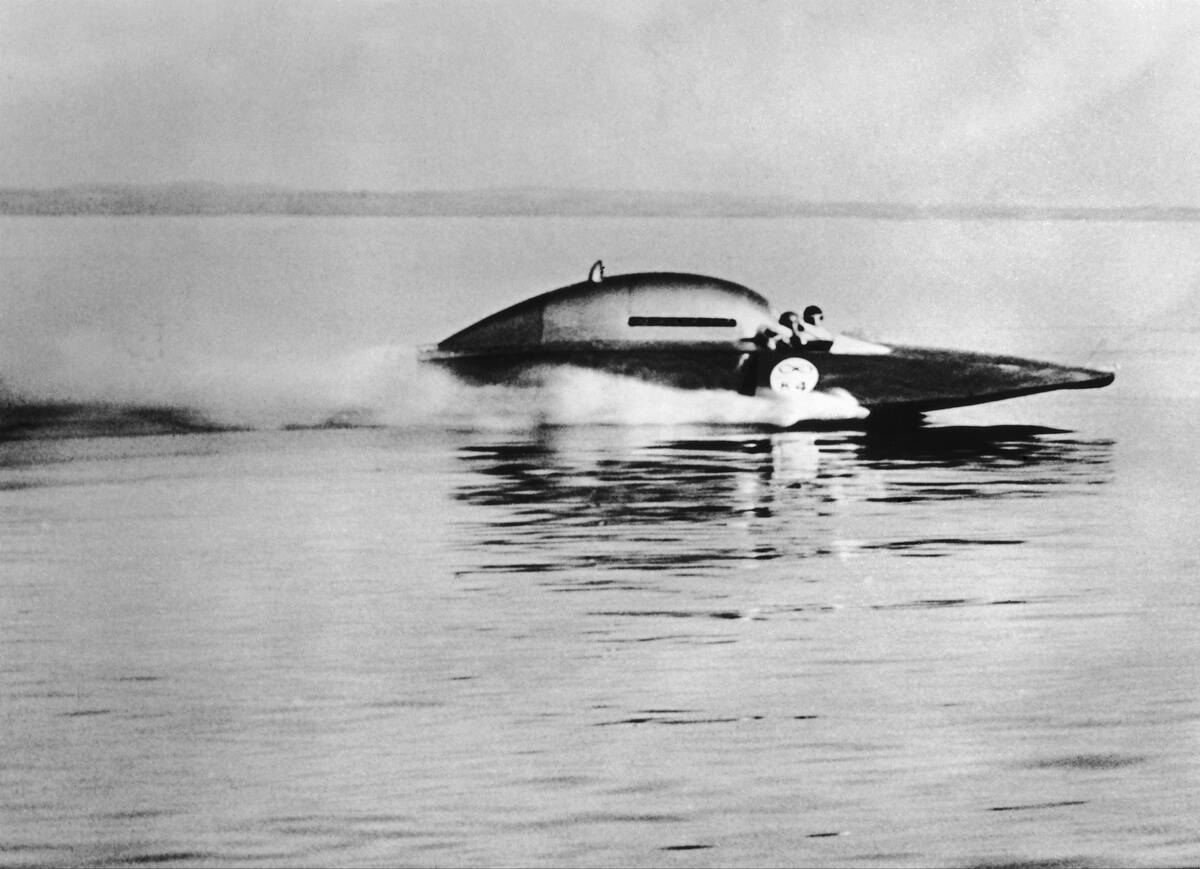
Donald Campbell was a British speed record breaker known for his attempts on both land and water. In 1967, while trying to set a new water speed record on Coniston Water in his jet-powered boat, Bluebird K7, the craft flipped at high speed, resulting in Campbell’s death.
His relentless pursuit of speed was unparalleled, yet his tragic fate underscores the inherent dangers in the quest for breaking boundaries, where even the smallest miscalculation can lead to disaster.




