Facts about deserts that naturally preserve mummies
Natural mummification is a fascinating process where environmental conditions preserve bodies without human intervention. This phenomenon captures the imagination, revealing stories of the past and providing insights into ancient cultures.
While mummification often conjures images of Egyptian tombs, nature itself can be a meticulous preserver. Deserts, with their extreme climates, serve as unique landscapes where time seems to stand still, preserving not only human remains but also the artifacts of bygone eras.
The Role of Deserts in Preservation: Nature’s Drying Machine
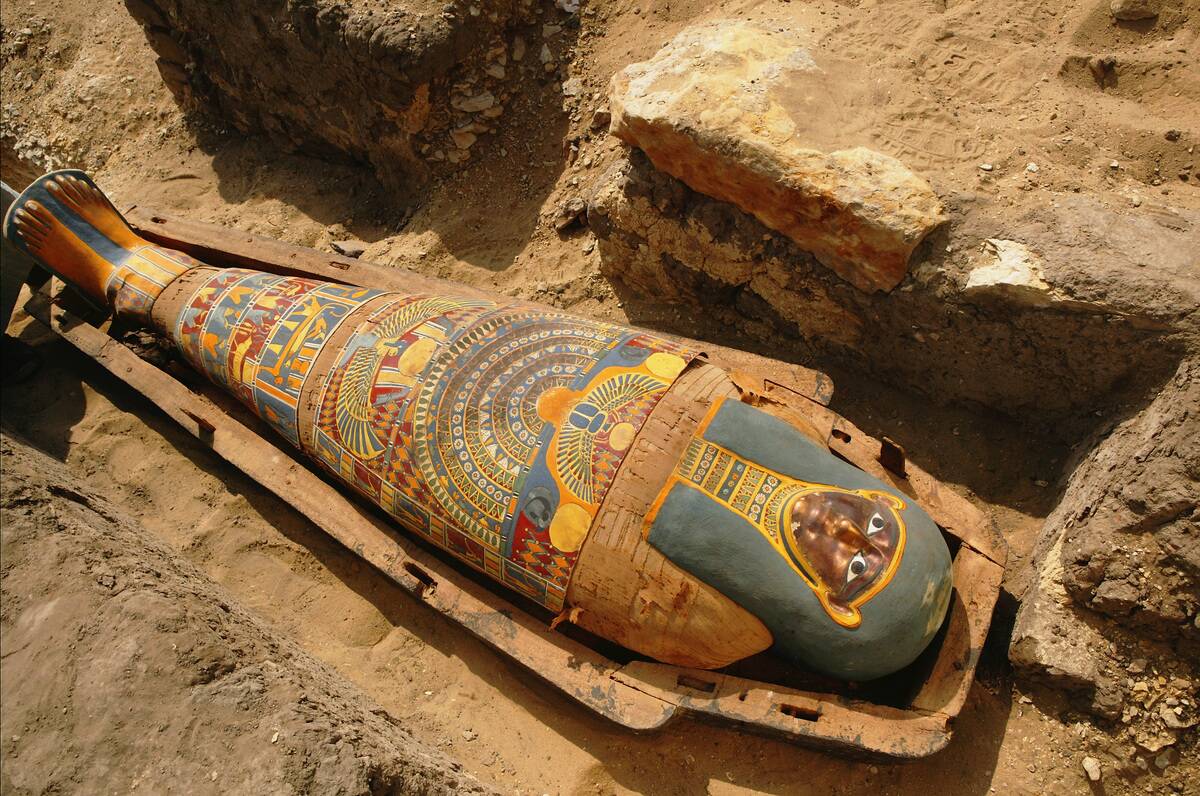
Deserts play a crucial role in natural mummification due to their incredibly dry conditions. The lack of moisture in these arid regions inhibits the microbial activity that typically leads to decomposition.
With little to no rainfall, deserts become vast drying machines, where organic matter can be preserved for millennia. These landscapes often appear barren, yet they hold a surprising capacity to safeguard the past, turning them into natural archives of history.
How Arid Environments Affect Decomposition
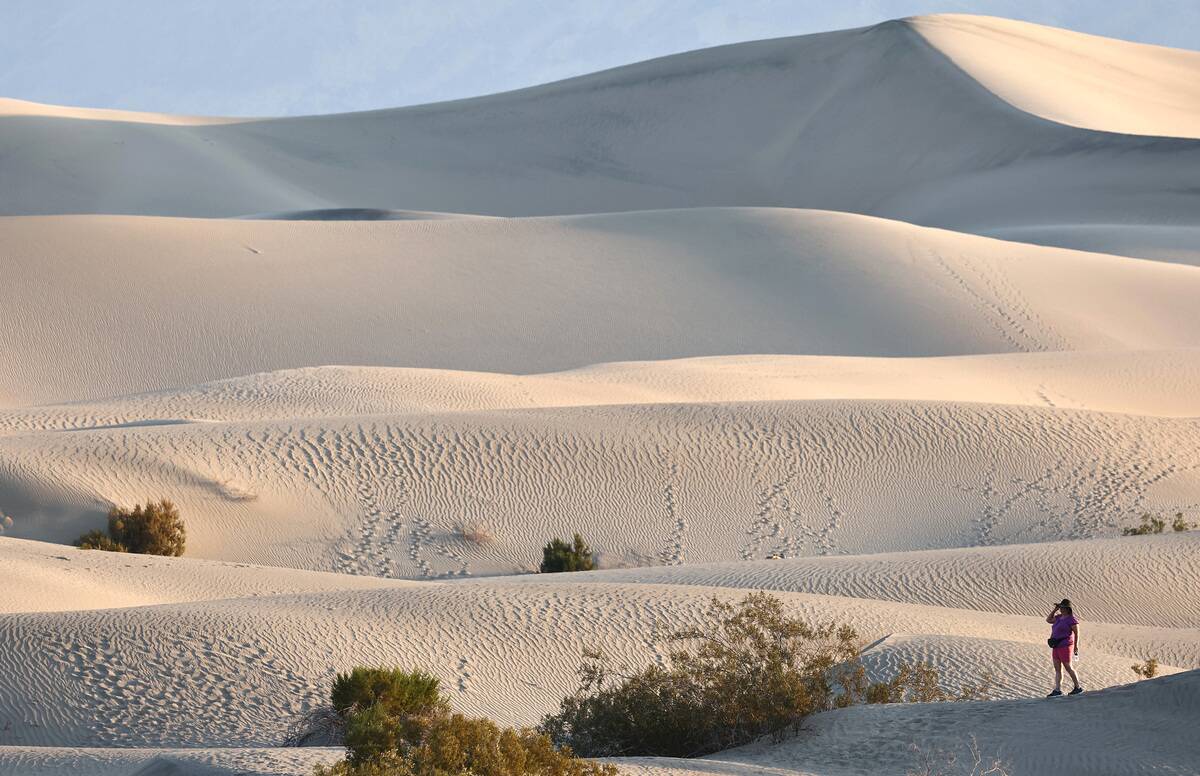
In arid environments, the decomposition process is significantly slowed down. The lack of moisture means that bacteria and fungi, which thrive in damp conditions, cannot proliferate as they would in more humid climates.
This absence of microbial life is a key factor in the preservation of organic materials, allowing for the remarkable longevity of mummified remains. The dry air also prevents the growth of mold, further aiding in the preservation of the dead.
Famous Desert Mummies: Tales from the Sand
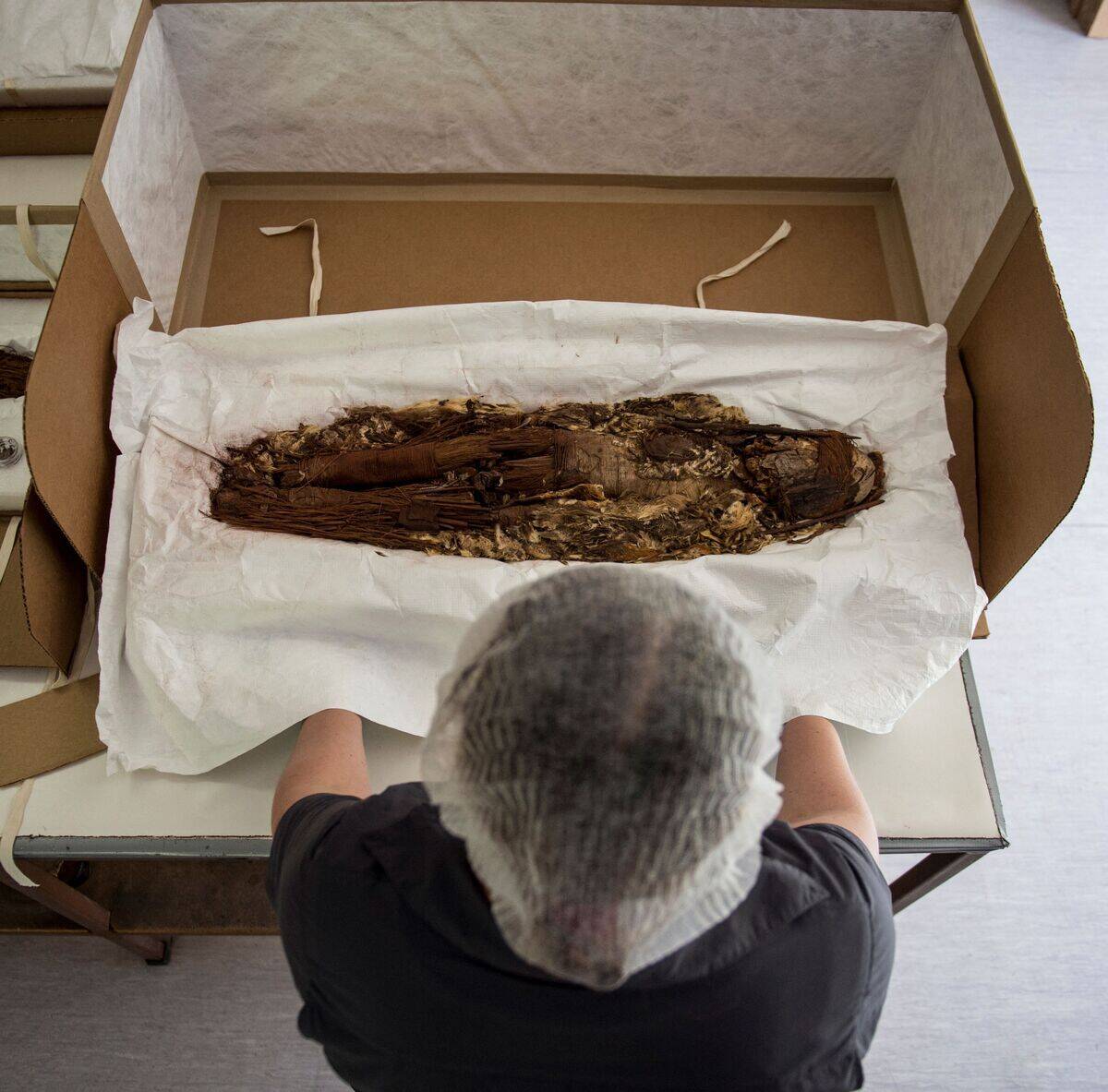
Some of the most famous naturally mummified bodies have been found in desert regions around the world. The Chinchorro mummies of the Atacama Desert in Chile date back to 5000 BCE, predating Egyptian mummies by thousands of years.
These mummies provide a glimpse into the lives of ancient peoples, with well-preserved skin, hair, and even clothing. Their discovery offers a narrative on how life and death were intricately woven into the harsh desert environment.
The Atacama Desert: A Natural Mummy Haven
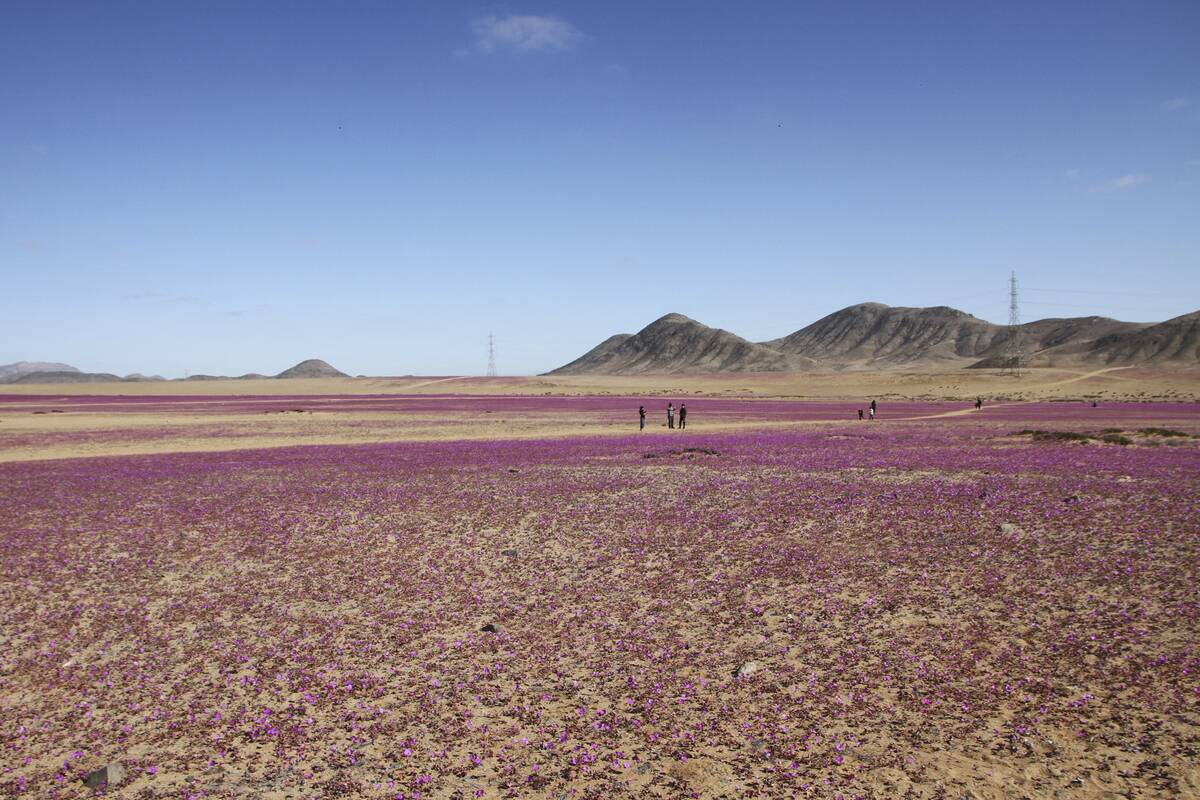
The Atacama Desert is one of the driest places on Earth, making it an ideal location for natural mummification. Its hyper-arid climate ensures that bodies buried there are desiccated rapidly, halting decomposition.
This unique environment has preserved not only human remains but also textiles, tools, and other artifacts, offering a window into ancient cultures. The Atacama’s conditions are so extreme that they are often compared to those found on Mars, emphasizing their harsh yet preservative nature.
Why Low Humidity is Crucial for Preservation
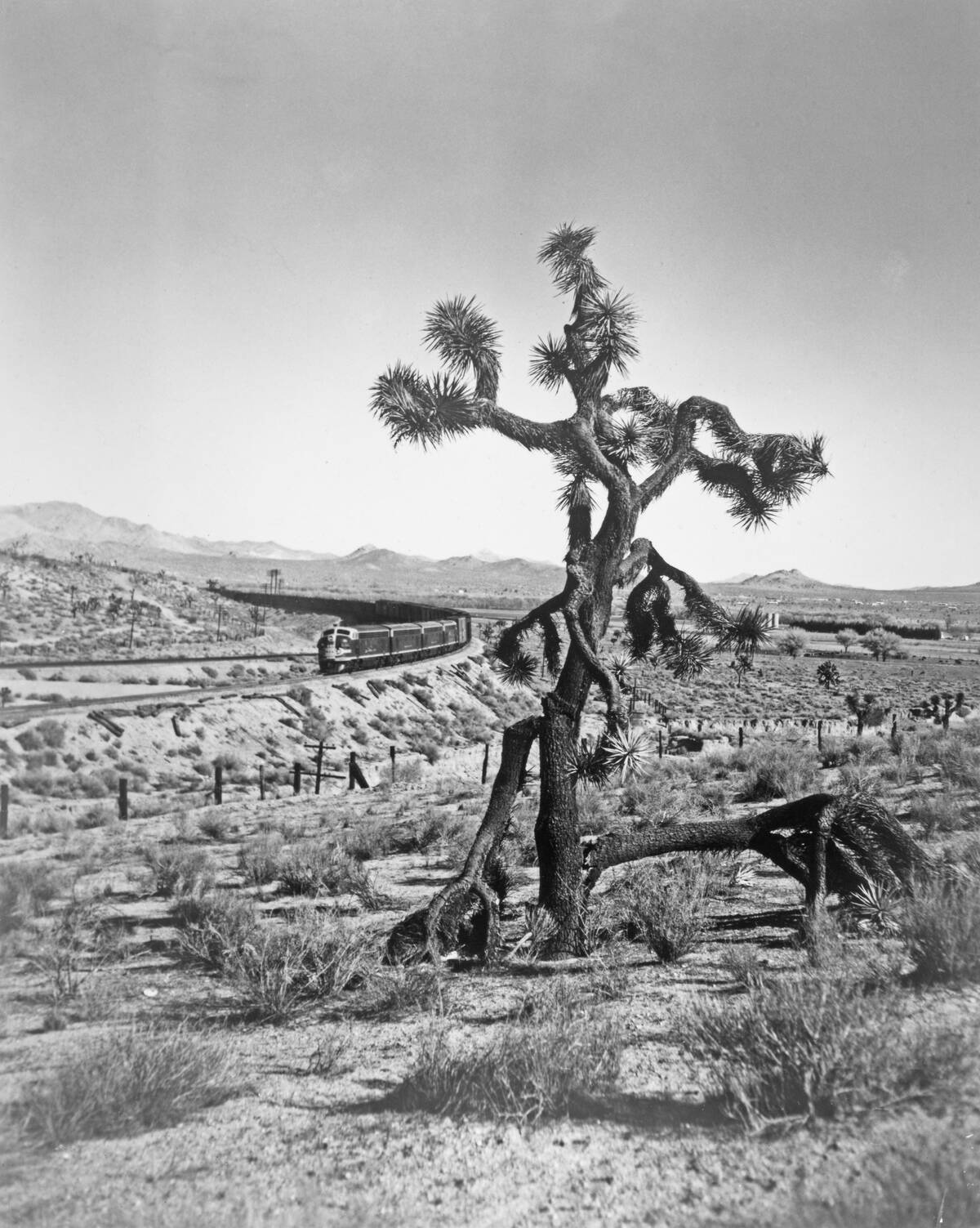
Low humidity is a critical factor in the preservation process, as it prevents the growth of bacteria and fungi that cause decay. In desert climates, humidity levels are often less than 20%, creating an inhospitable environment for these microorganisms.
This dryness leads to the desiccation of organic material, effectively halting the decomposition process. The absence of moisture ensures that remains are preserved in a state that can last for centuries or even millennia.
The Science Behind Desiccation and Mummification
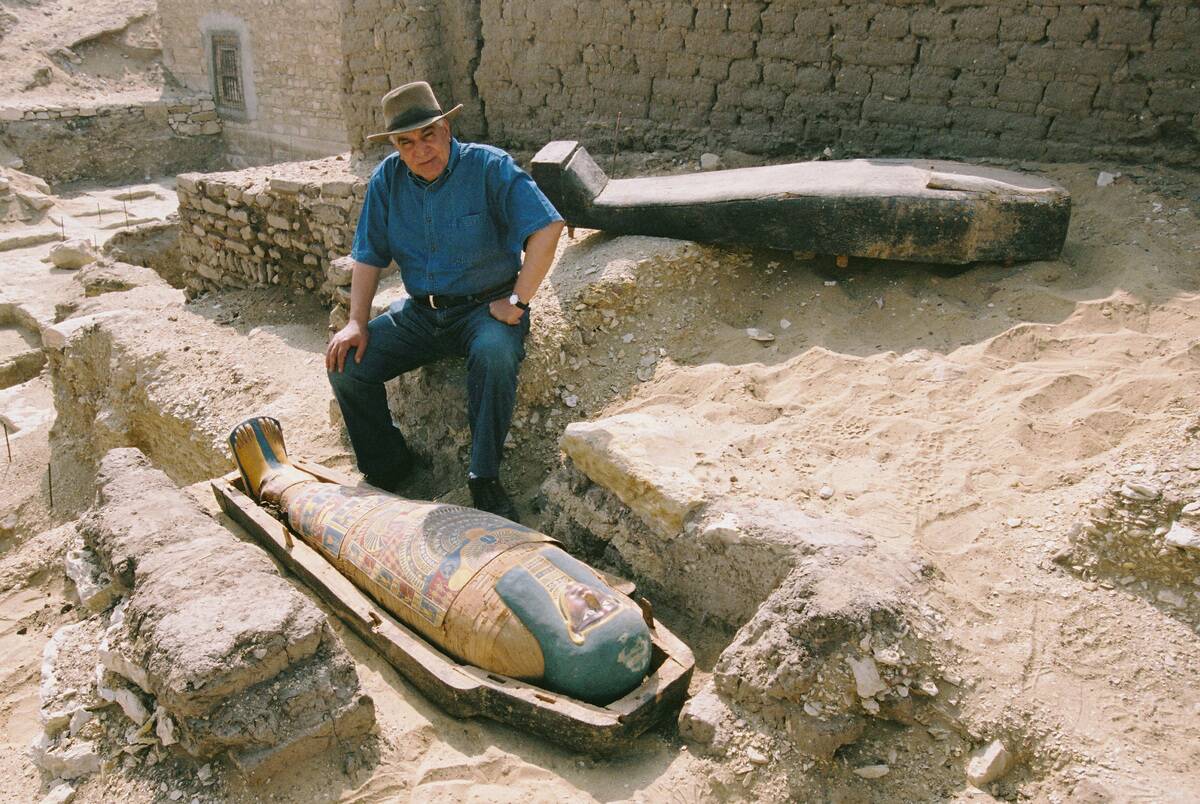
Desiccation is the process by which moisture is removed from organic material, a key step in natural mummification. In deserts, the intense heat and low humidity cause rapid evaporation, leading to the drying out of bodies.
This process halts decomposition and preserves tissues, creating mummies with skin and hair intact. Understanding the science behind desiccation helps explain how these ancient remains have survived the ravages of time, offering a glimpse into the past.
The Role of Temperature Extremes in Natural Mummification
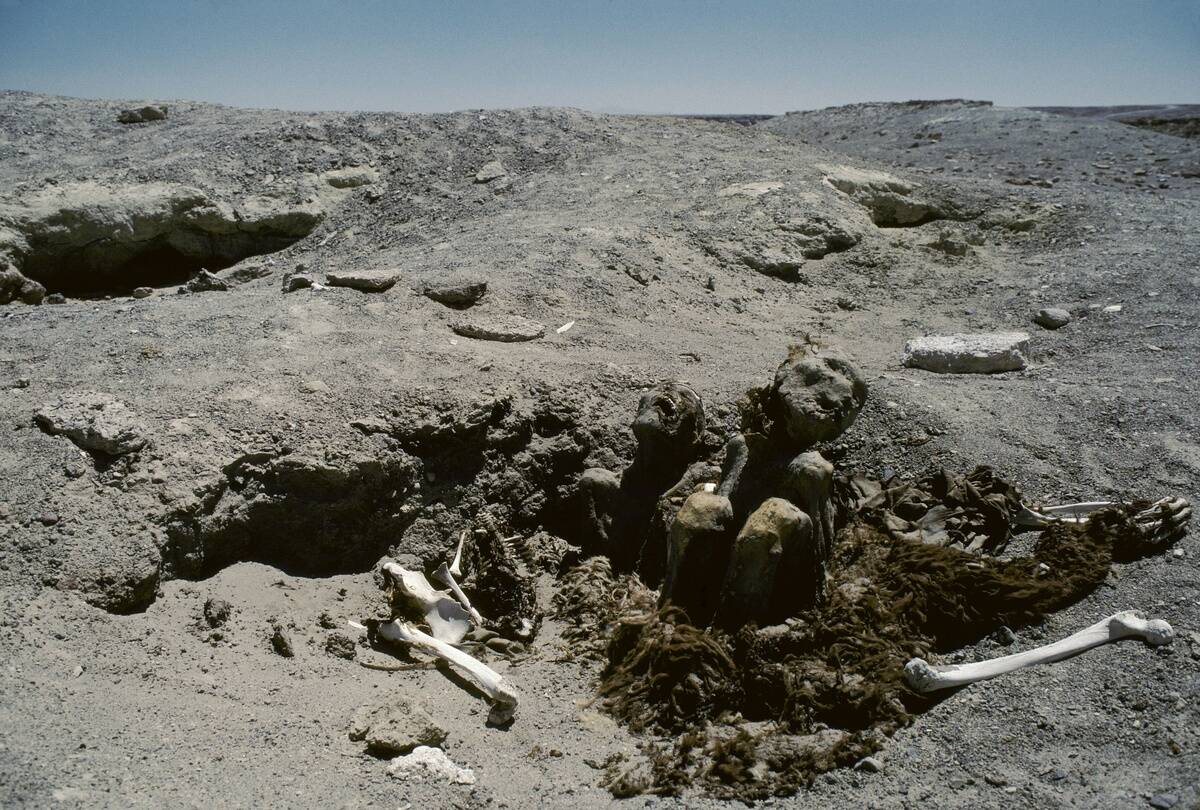
Temperature extremes in deserts play a significant role in the preservation of mummies. Daytime heat accelerates the drying process, while cooler nights prevent the rapid spread of bacteria.
This fluctuation creates an environment where organic materials are naturally preserved. In some cases, the intense sunlight bleaches bones and textiles, adding to their preservation. These harsh conditions, while challenging for living organisms, are perfect for keeping the dead remarkably intact.
Mummies of the Taklamakan Desert: Secrets of the Silk Road
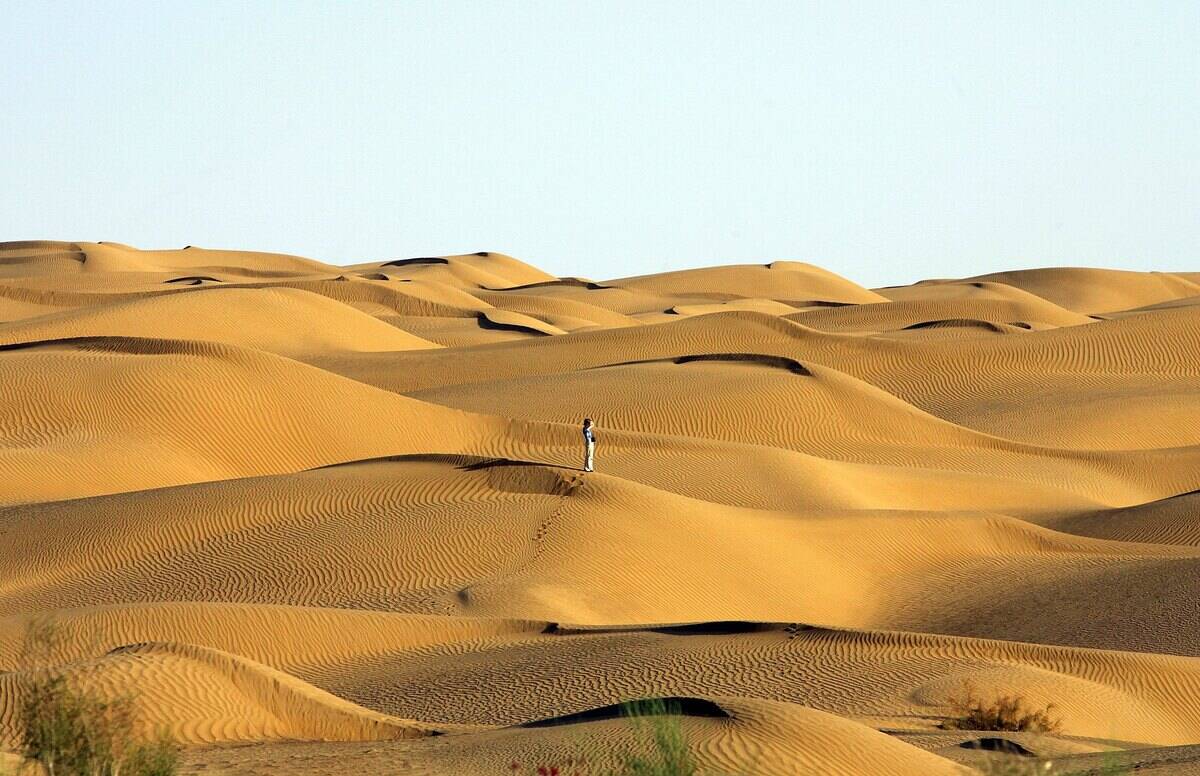
The Taklamakan Desert, part of the Silk Road, is home to some of the most intriguing mummies in the world. These mummies, often found in ancient burial sites, are astonishingly well-preserved, with features and clothing still visible.
Dating back over 4,000 years, they provide a fascinating insight into the lives of ancient traders and settlers. The dry desert conditions ensured their preservation, allowing archaeologists to study the cultural exchanges that occurred along this historic trade route.
Desert Plants and Their Role in Preservation
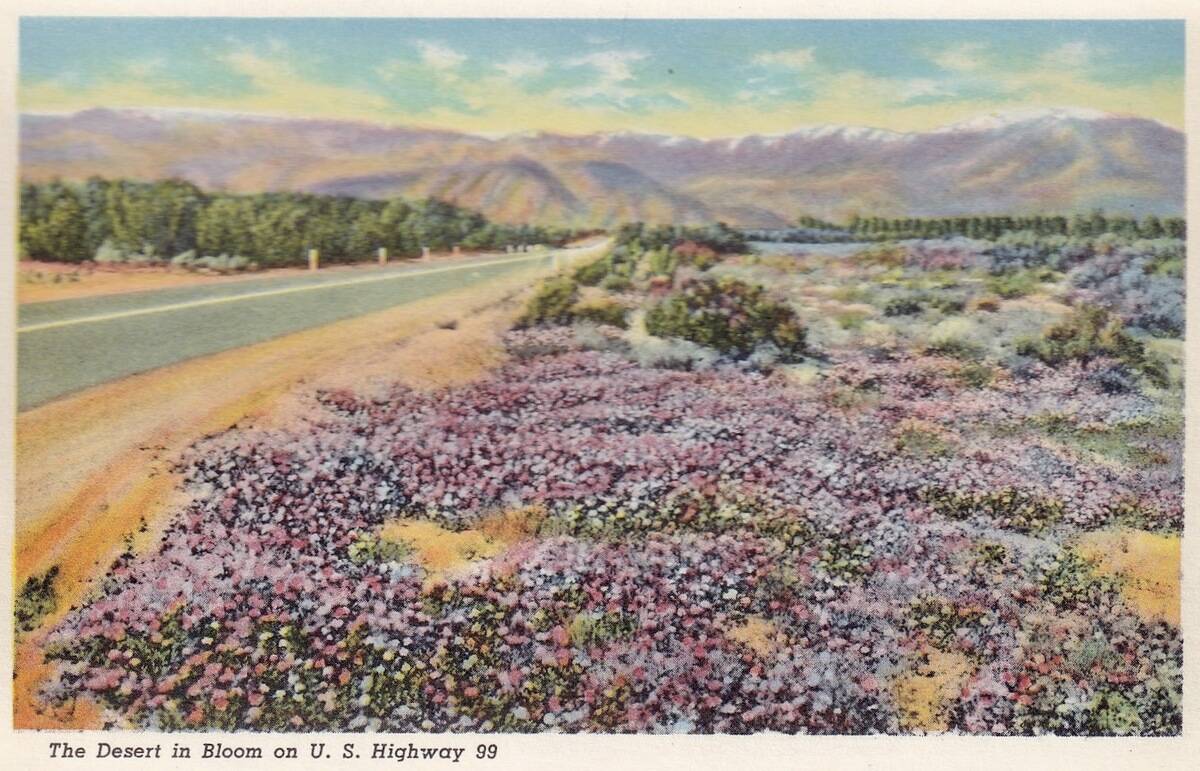
Desert plants contribute to the preservation process by stabilizing the soil and reducing erosion around burial sites. Their deep root systems prevent sand from shifting, protecting mummies from exposure.
Moreover, certain plants have natural antimicrobial properties, which can inhibit the growth of decay-causing bacteria. The presence of these hardy plants in desert ecosystems adds an extra layer of protection, helping to maintain the integrity of mummified remains over time.
The Importance of Salt and Alkaline Soils
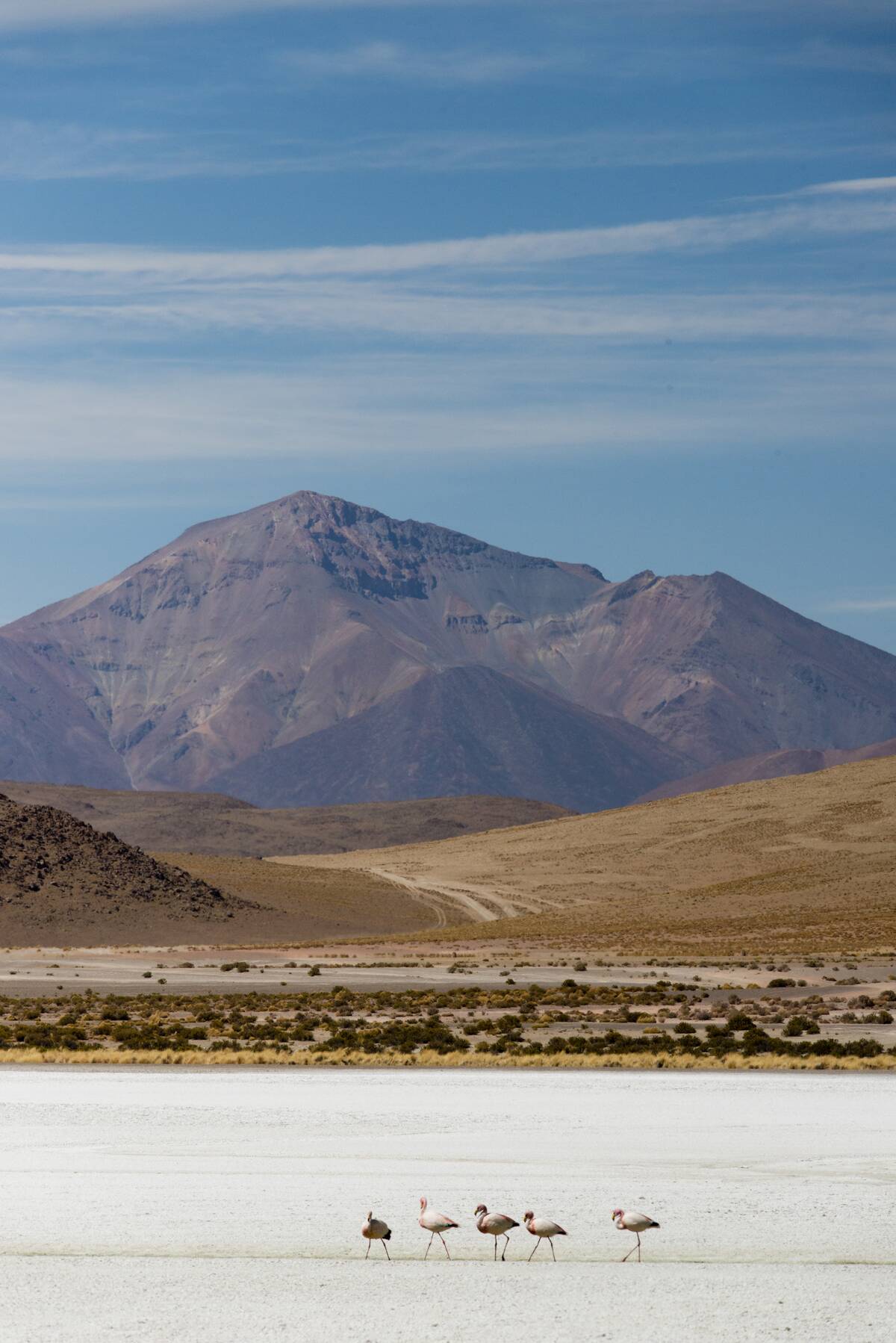
Salt and alkaline soils found in many desert regions play a crucial role in the natural mummification process. These soils draw moisture away from buried bodies, accelerating desiccation. The high salt content also creates an inhospitable environment for bacteria, further aiding in preservation.
This unique soil composition is essential for the creation of natural mummies, as it ensures that organic material remains intact long after burial, offering a glimpse into ancient civilizations.
Cultural Practices vs. Natural Phenomena: A Comparative Look
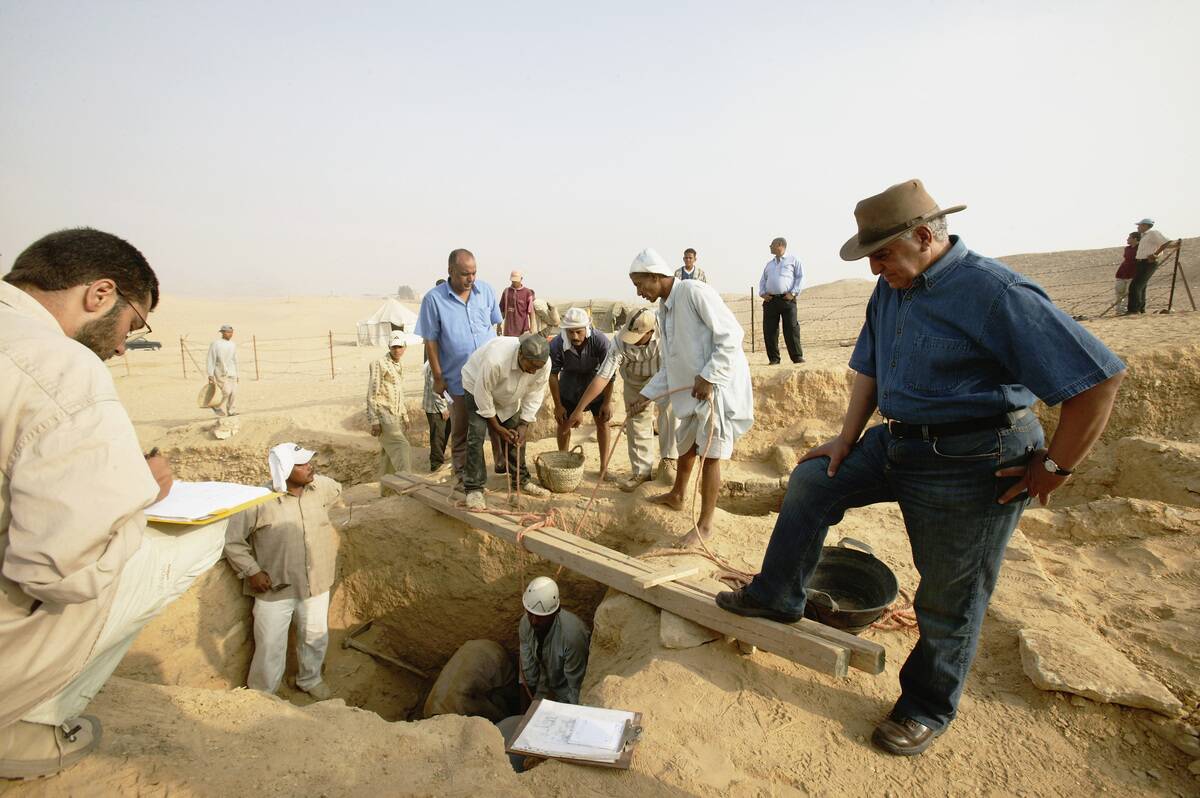
Natural mummification in deserts differs significantly from cultural mummification practices like those of ancient Egypt. While cultural mummification involves intentional preservation techniques, such as embalming, natural mummification relies solely on environmental conditions.
This contrast highlights the diverse ways in which human remains can be preserved, whether through human intervention or nature’s own methods. Both approaches offer valuable insights into past societies and their interactions with the environment.
The Influence of Wind on Sand Burial and Preservation
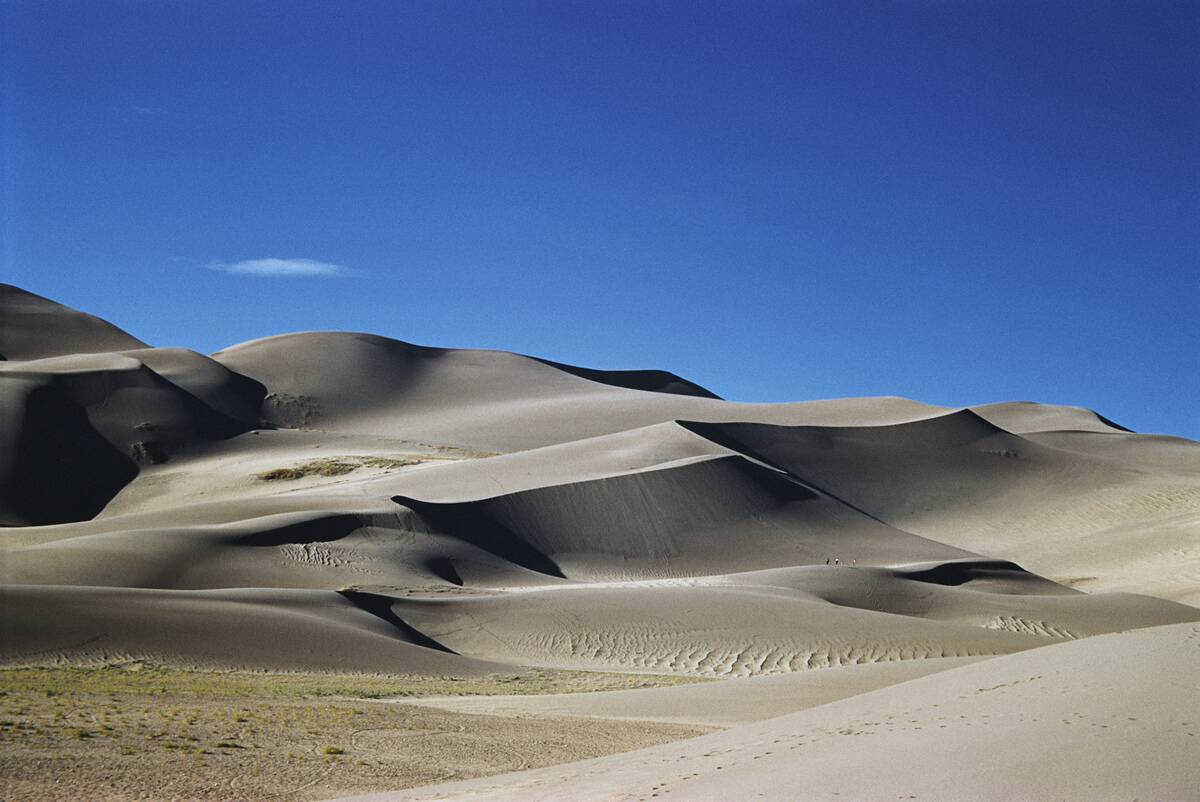
Wind is a powerful force in desert environments, shaping the landscape and influencing the burial and preservation of mummified remains. It can rapidly cover bodies with sand, protecting them from exposure and scavengers.
Over time, this natural sand burial acts like a protective cocoon, shielding mummies from the elements. The constant movement of sand by wind also aids in the desiccation process, further contributing to the preservation of organic material in these harsh environments.
The Egyptian Desert: More Than Just Pyramids and Pharaohs
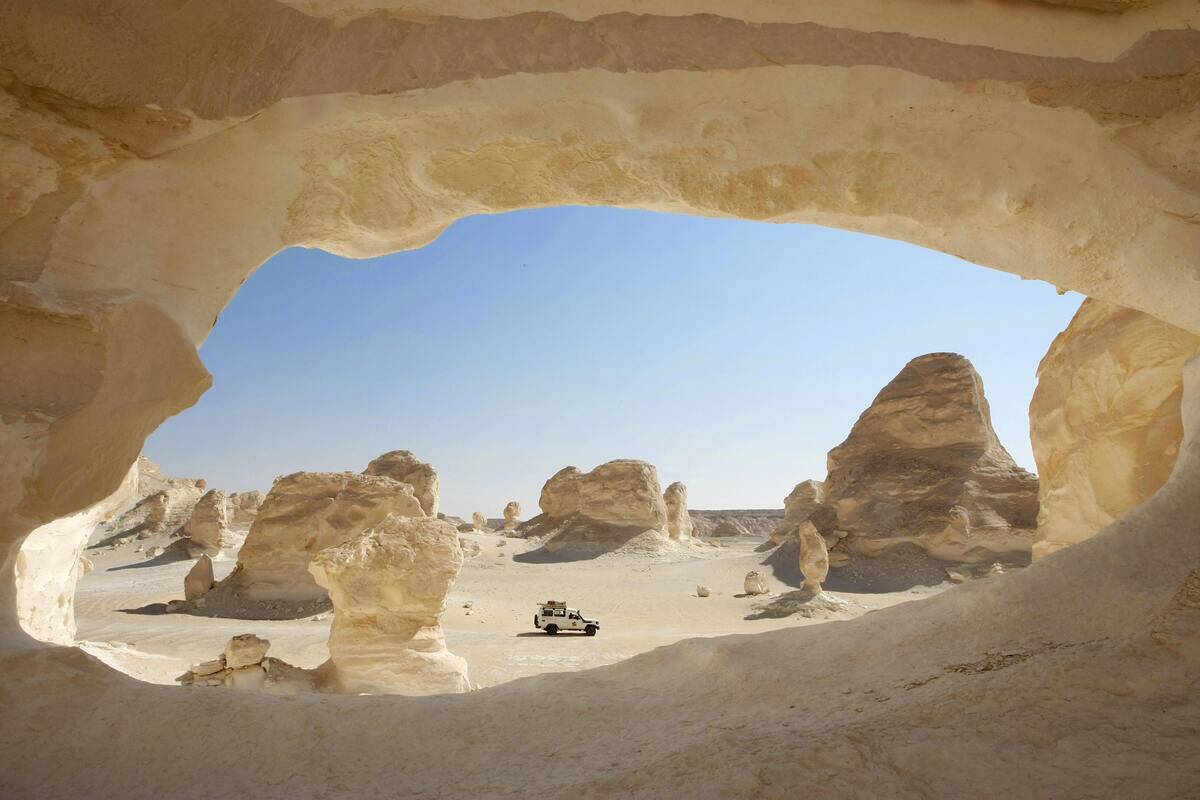
The Egyptian Desert is famous for its pyramids, but it also holds naturally mummified remains that tell a different story. Beyond the grandeur of pharaohs’ tombs, the desert’s arid climate has preserved countless bodies throughout history.
These natural mummies provide insights into the lives of ordinary people, offering a more comprehensive understanding of ancient Egyptian society. The desert’s unique conditions have ensured the survival of not just the elite, but also those who lived in their shadow.
How Bacteria and Insects Are Kept at Bay in Desert Climates
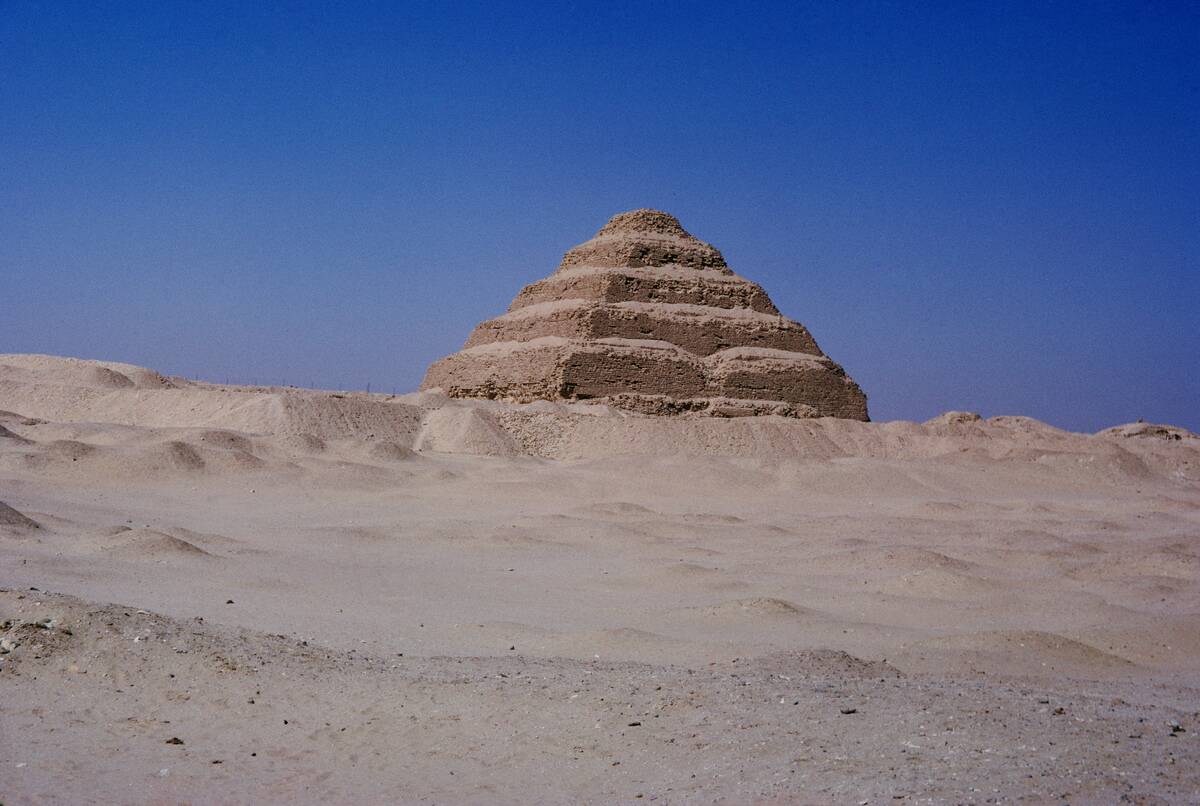
Desert climates are inhospitable to the bacteria and insects that typically cause decomposition. The extreme dryness and lack of organic material limit the survival of these organisms. Without moisture, bacteria cannot thrive, and the harsh conditions deter insects from settling.
This natural deterrent is crucial for the preservation of mummified remains, ensuring that they remain undisturbed over time. The desert acts as a natural barrier, protecting the dead from the usual agents of decay.
The Amazing Preservation of Textiles and Artifacts
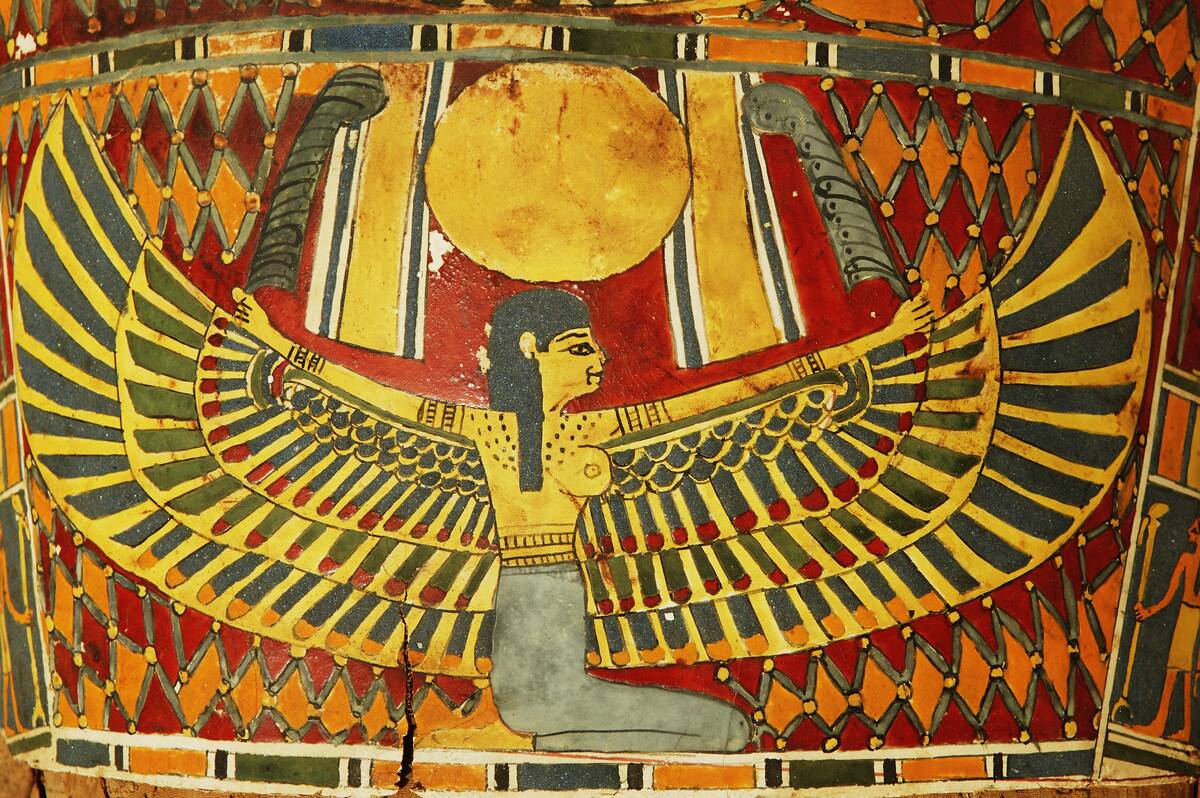
In addition to preserving human remains, deserts are adept at preserving textiles and artifacts. The dry climate prevents the decay of delicate materials, keeping them in pristine condition for thousands of years.
From woven fabrics to leather goods, these artifacts provide a wealth of information about ancient cultures, including their fashion, technology, and daily life. The preservation of these items alongside mummies offers a more complete picture of historical societies and their interactions with their environment.
Deserts Around the World: A Global Perspective on Natural Mummification
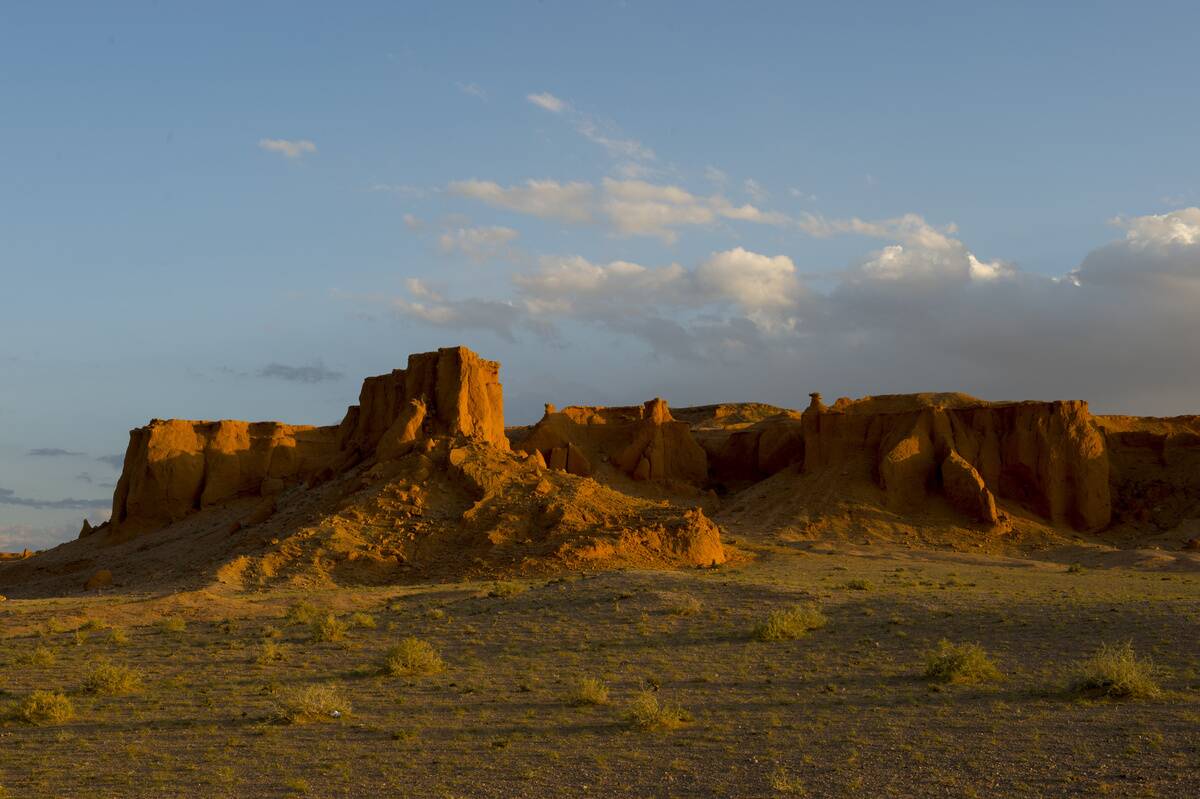
Natural mummification is not limited to one region, as deserts around the world offer similar preservation conditions. From the Atacama in South America to the Sahara in Africa and the Gobi in Asia, each desert has its own unique mummies and artifacts.
This global perspective highlights the universality of natural mummification and the diverse stories it tells. These preserved remains provide a rich tapestry of human history, showcasing the adaptability and resilience of people throughout the ages.




