11 photos of ancient maps showing mythical beasts as real
Ancient maps hold a special allure, often more fantastical than factual, presenting a world where mythical beasts roamed freely alongside familiar landscapes. These cartographic marvels were not just tools for navigation but windows into the minds of their creators, blending reality with rich folklore.
The enigmatic creatures depicted on these maps continue to captivate our imagination, inviting us to explore a time when the boundaries between the known and unknown were thrillingly blurred.
The Age of Exploration: When Maps Were More Fantasy Than Fact
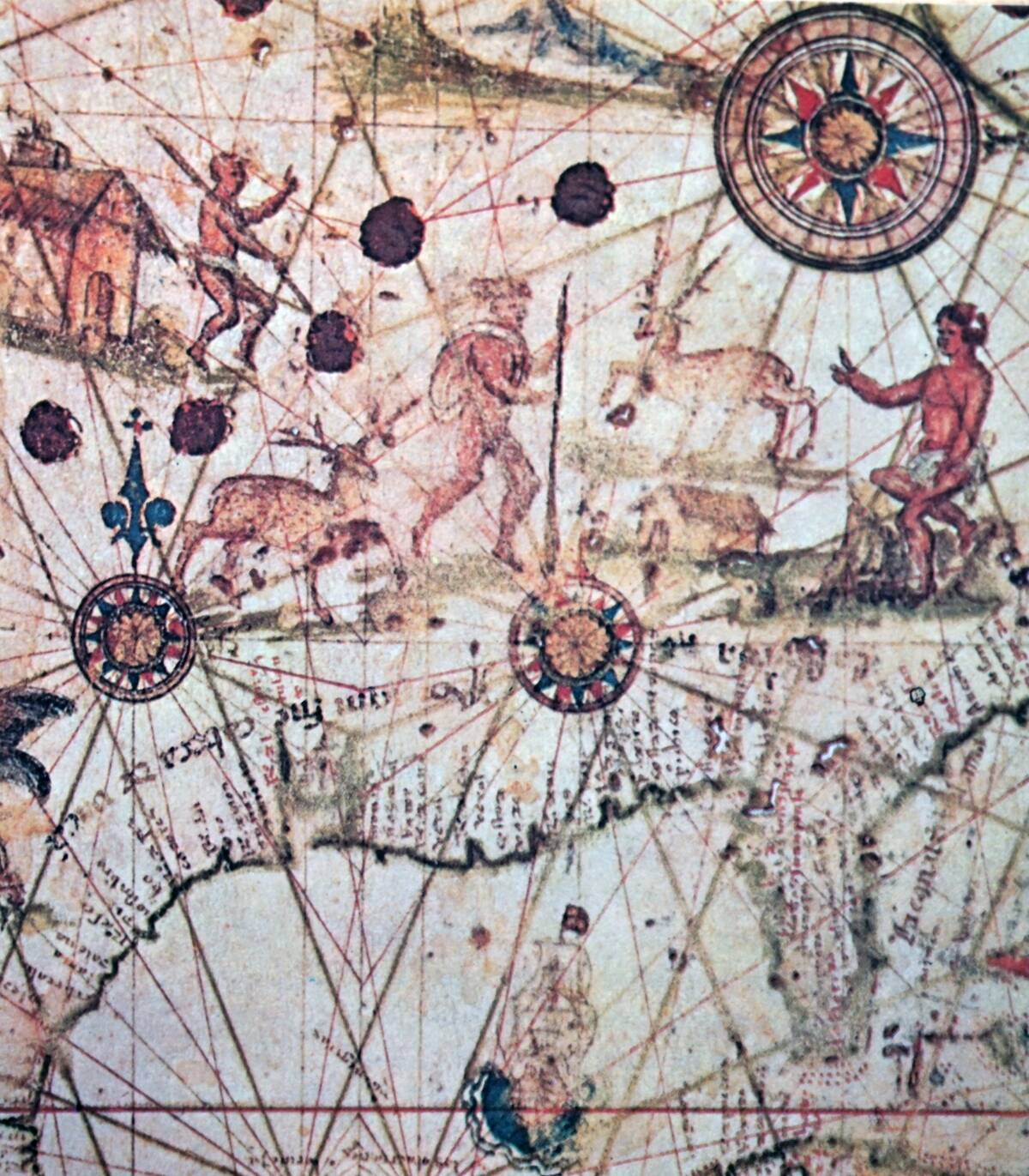
During the Age of Exploration, maps were as much about imagination as they were about geography. Explorers and cartographers filled the blank spaces with fantastical beasts and mythical lands to make sense of the uncharted world.
This practice wasn’t just artistic; it reflected the limited knowledge of the time, where hearsay and legend filled the gaps of understanding. Such maps were intriguing guides, a testament to human curiosity and the desire to chart the mysterious.
The Enigmatic Creators: Who Drew These Mythical Maps?
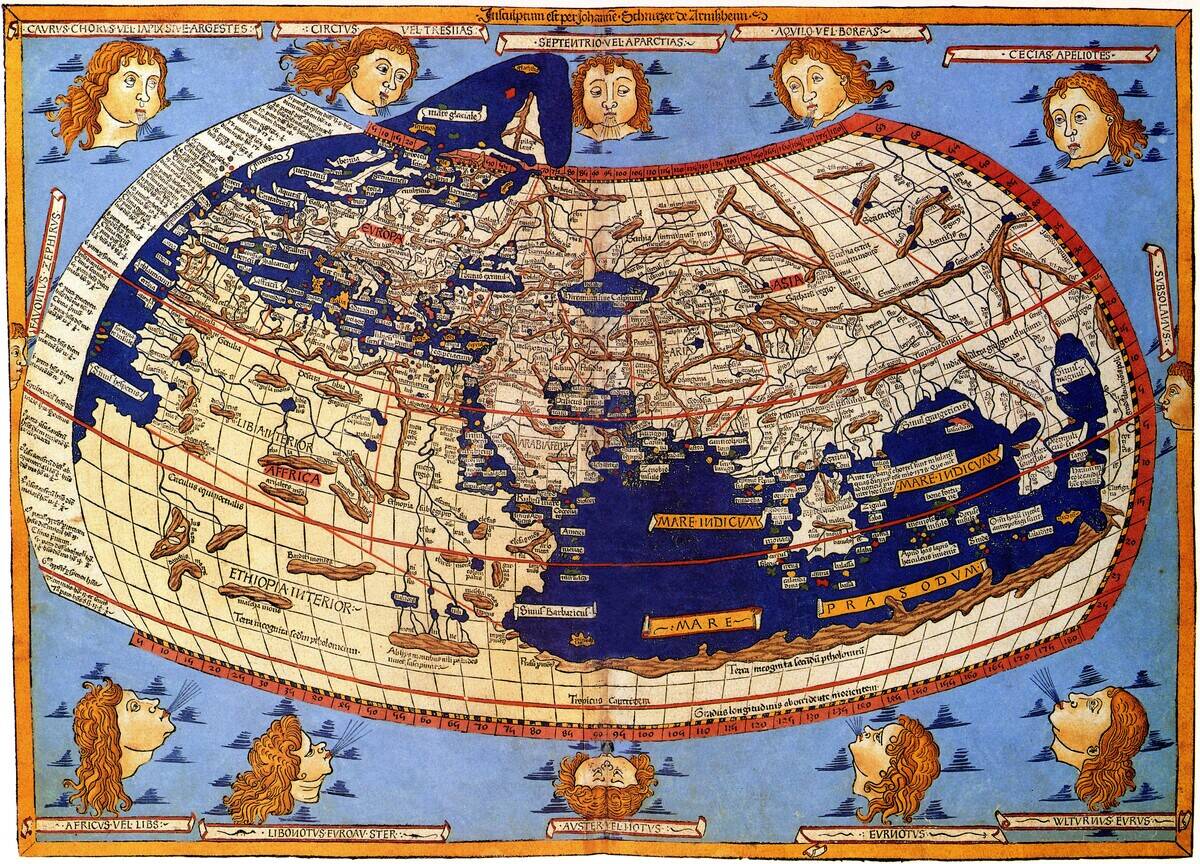
The creators of these mythical maps were skilled artisans and cartographers who often worked under the patronage of wealthy explorers or ruling elites. They combined artistic flair with limited geographical knowledge, resulting in maps that were both informative and decorative.
These mapmakers had to rely on travelers’ tales and ancient texts, infusing them with their interpretations and imaginations. Their work was not just craftsmanship but a reflection of cultural exchanges and the mystical lore of their times.
Beasts of Legend: Common Mythical Creatures Found on Ancient Maps

Common mythical creatures on ancient maps included fierce dragons, majestic unicorns, and monstrous sea serpents. These creatures were not randomly chosen; they represented the fears and hopes of the cultures that created them.
Dragons symbolized power and mystery, while unicorns often represented purity and grace. Sea serpents, lurking at the map’s edges, warned sailors of the dangers lurking in uncharted waters. These beasts served as both warnings and cultural symbols, reflecting deep-seated beliefs.
Dragons Across the Lands: A Look at the Most Popular Map Monsters
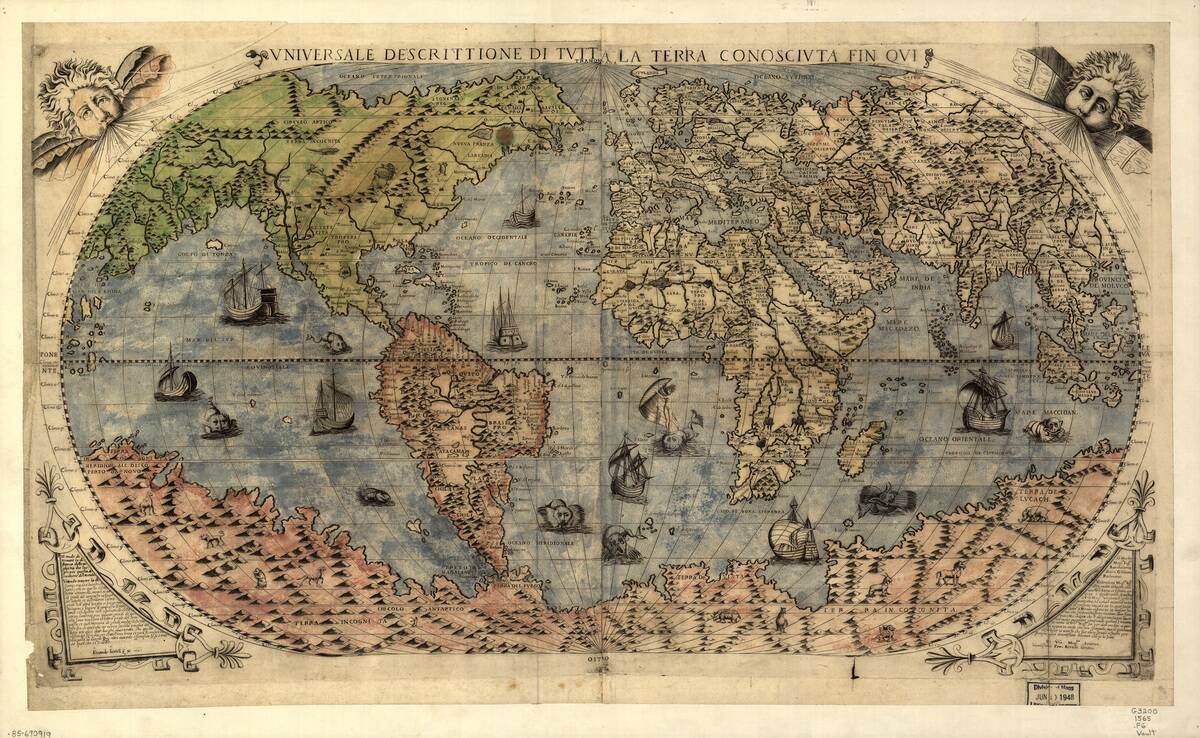
Dragons were ubiquitous on ancient maps, appearing in various forms across different cultures. In Europe, they were often depicted as fearsome fire-breathing beasts guarding treasure or sacred lands.
Asian dragons, by contrast, were seen as benevolent creatures, symbolizing wisdom and strength. The presence of dragons on maps was not just for dramatic effect; they marked regions of mystery and power. Their enduring popularity illustrates the universal allure of these majestic creatures across cultures.
Sea Serpents and Oceanic Oddities: Navigating the High Seas with Monsters

Sea serpents were a staple of ancient maritime maps, embodying the perils of the unknown oceans. These serpentine figures slithered along coastlines, warning sailors of treacherous waters ahead.
Tales of krakens and leviathans added to the mystique of the high seas, fueling both fear and fascination. These creatures were as much a part of seafaring lore as they were a cartographic device, a reminder of the ocean’s untamed power and the mysteries that lay beneath the waves.
The Influence of Folklore on Cartography: How Stories Shaped Maps
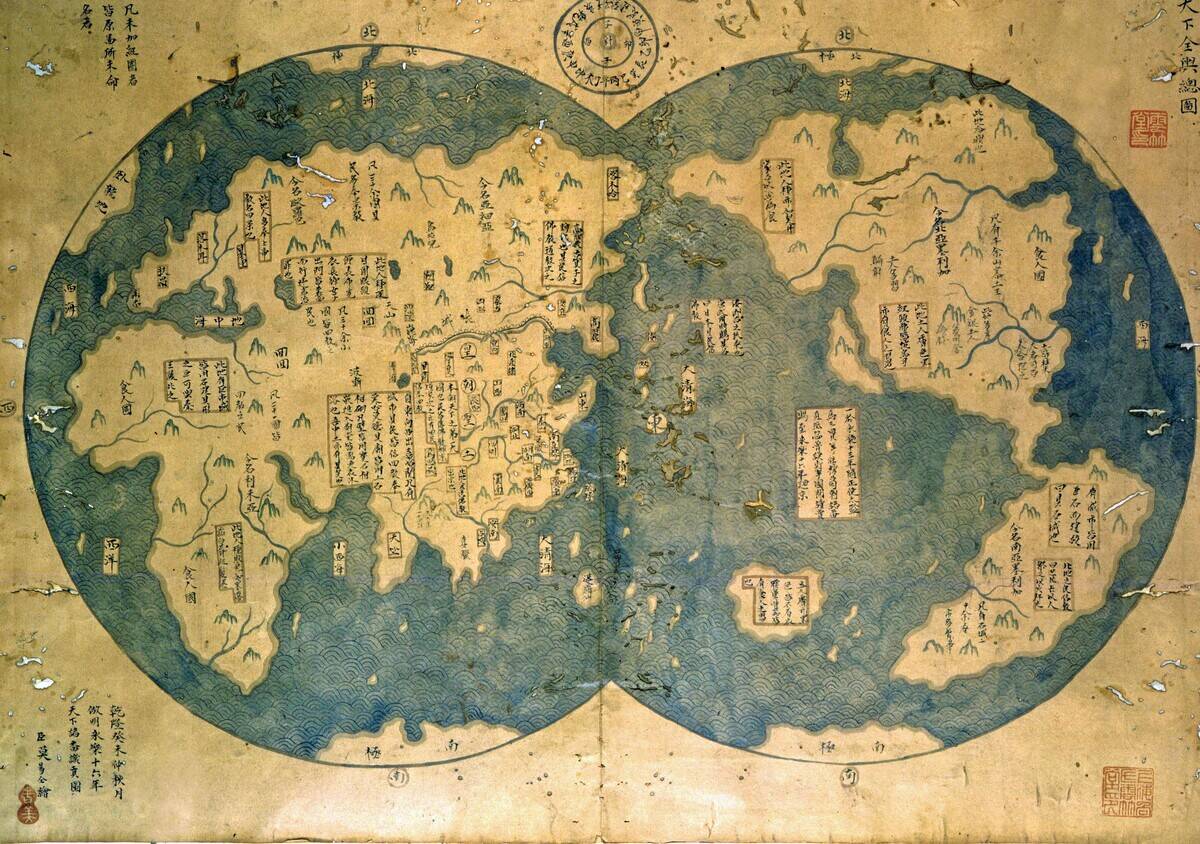
Folklore played a significant role in shaping the maps of old, with mythical beasts and legendary tales filling the voids of uncharted territories. Cartographers relied on stories passed down through generations to guide their pens, transforming oral traditions into visual landscapes.
These narratives provided rich, imaginative content that blurred the lines between reality and myth. The fusion of folklore and cartography gave maps a dual purpose: They were both practical tools and cultural documents.
Mythical Beasts as Markers: What Creatures Signified on Ancient Maps

Mythical beasts on ancient maps often served as markers of unknown regions, signaling areas beyond the reach of contemporary understanding. These creatures were not mere embellishments but coded messages about the dangers and wonders that awaited explorers.
Dragons and sea monsters were strategically placed to denote mysterious lands or treacherous waters. In this way, mapmakers communicated both caution and intrigue, inviting adventurers to explore the uncharted realms marked by these legendary beasts.
The Mappa Mundi: A Medieval Map with a Menagerie of Monsters

The Mappa Mundi is one of the most famous medieval maps, renowned for its intricate illustrations of mythical beasts. Housed in Hereford Cathedral, this map is a fascinating blend of geography, history, and mythology.
It features a myriad of creatures, from griffins to centaurs, each telling a story of the medieval worldview. The Mappa Mundi not only served as a geographical guide but also as an educational tool, depicting the known world and its perceived mysteries through vivid imagery.
Of Lions and Unicorns: Land Beasts and Their Cultural Significance

Land beasts like lions and unicorns were prominent on ancient maps, each carrying cultural significance. Lions, often associated with royalty and courage, marked regions of power and influence.
Unicorns, symbols of purity and enchantment, were placed in lands associated with mystery and magic. These creatures were more than artistic flourishes; they embodied the values and beliefs of the cultures that depicted them. Through these symbols, maps conveyed a deeper understanding of both place and people.
The Role of Religion and Mythology in Map-Making Practices

Religion and mythology were integral to the map-making practices of ancient times, influencing both the content and style of cartography. Maps often depicted biblical and mythological scenes, integrating spiritual beliefs into the geographical framework.
These elements served to educate and inform viewers about both the physical and moral landscapes. By embedding religious and mythological narratives, maps transformed into holistic representations of the world, reflecting the intertwined nature of faith, myth, and geography.
A Cartographic Evolution: From Mythical Beasts to Accurate Geography
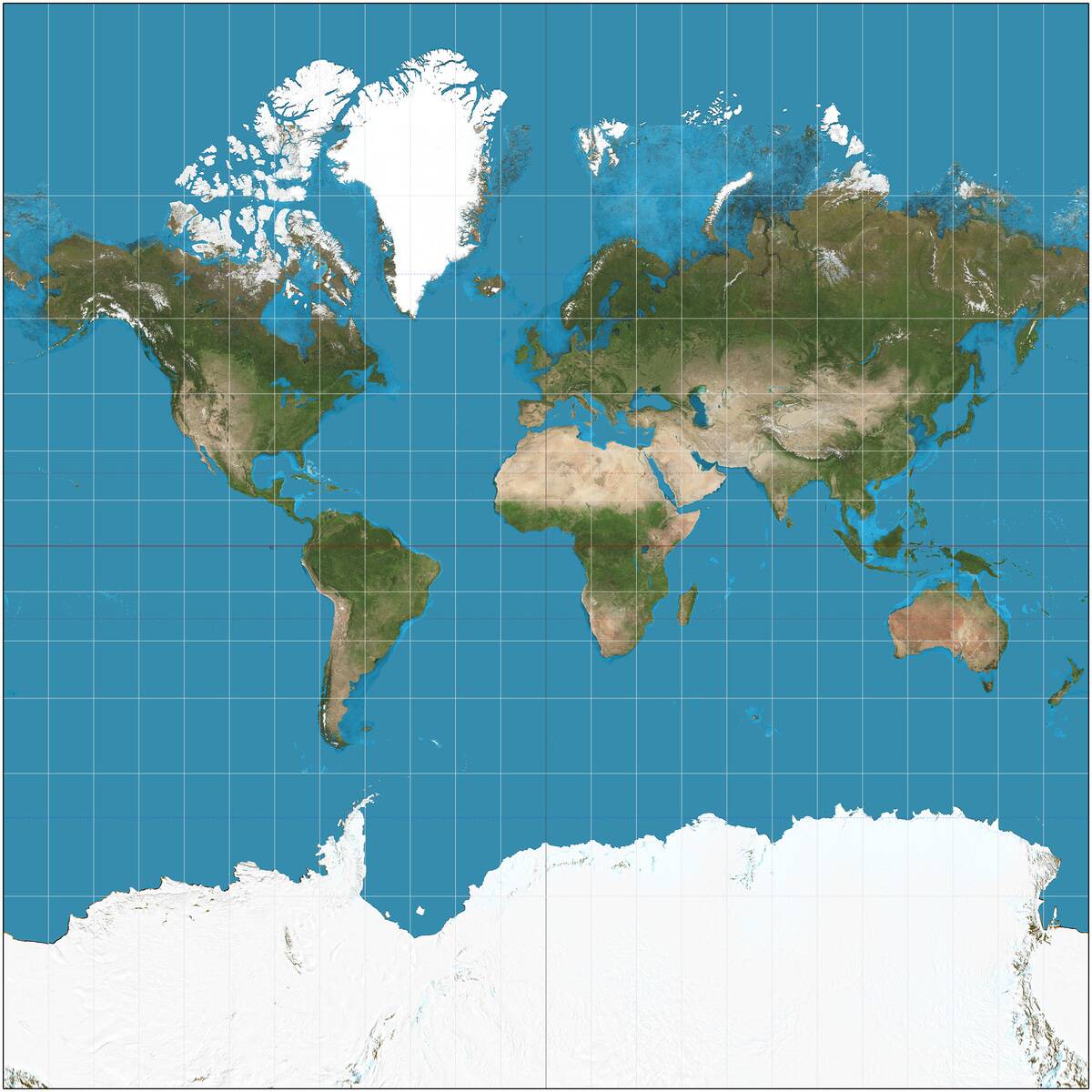
The evolution of cartography saw a gradual shift from mythical beasts to more accurate geographical representations. As exploration expanded knowledge and understanding of the world, the reliance on fantastical creatures diminished.
Maps became more scientific, focusing on precision and detail. However, the legacy of mythical maps endures, reminding us of a time when the world was a place of wonder and mystery. This transition reflects humanity’s journey from imagination to empirical observation in charting the unknown.




