Historic board games still played worldwide
Games have always been a part of human culture, evolving alongside civilizations. Some ancient games have survived through the ages, captivating players with their simple yet engaging mechanics.
These games offer a fascinating glimpse into the past, revealing the leisure activities of our ancestors. Despite their age, many of these games remain popular today, highlighting the universal appeal of strategic and social play. Let’s explore some of these timeless games and understand their enduring allure.
The Allure of Nostalgia: Why Ancient Games Are Still Popular
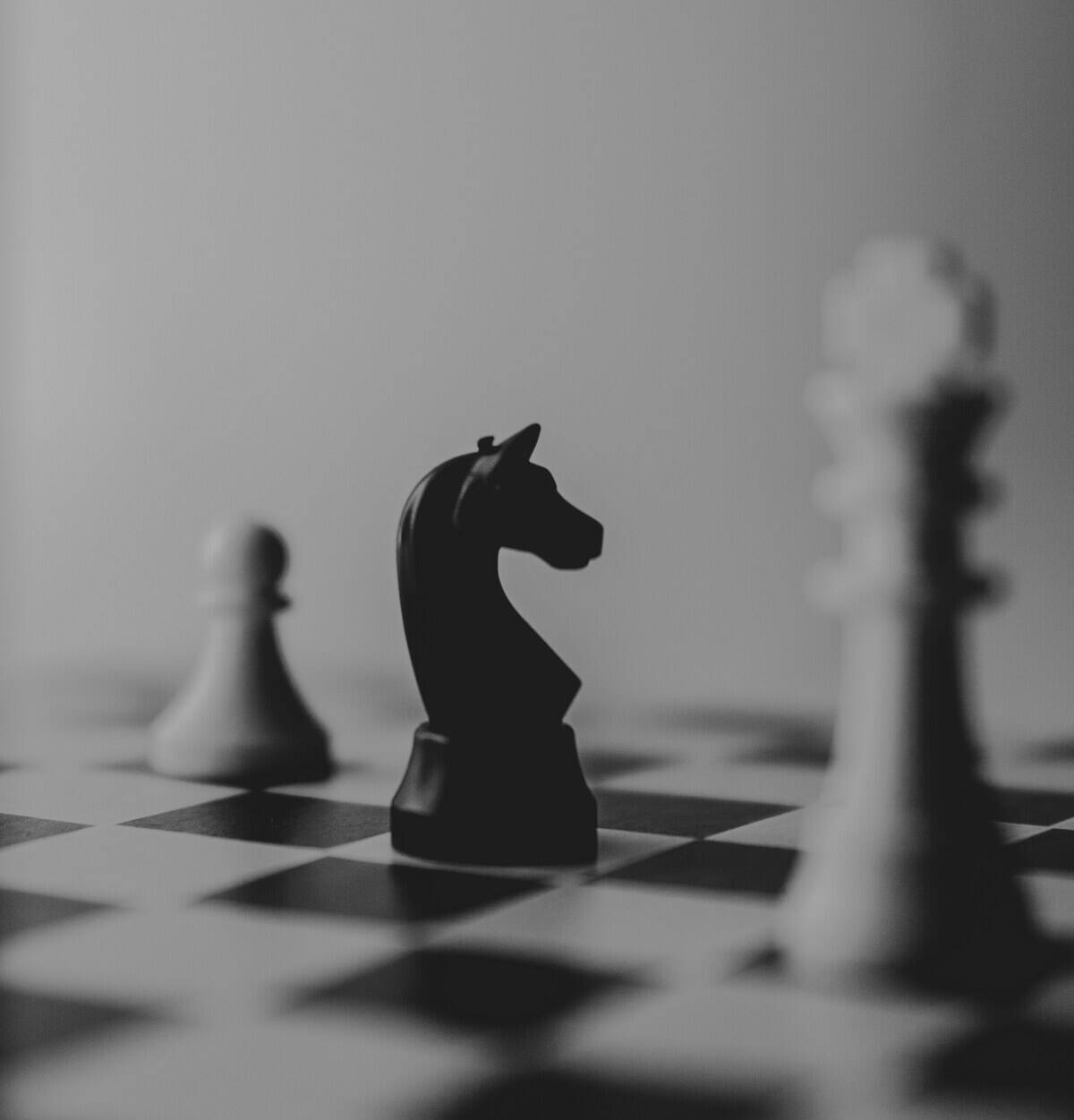
Nostalgia plays a powerful role in the enduring popularity of ancient games. These games connect us to our past, offering a sense of continuity and tradition. They also provide a break from the fast-paced, technology-driven world we live in today.
Playing these games allows us to slow down and engage in a more tactile and social experience. Moreover, the strategic depth and simplicity of these games continue to challenge and entertain players of all ages.
Senet: The Game of Passing Through the Afterlife
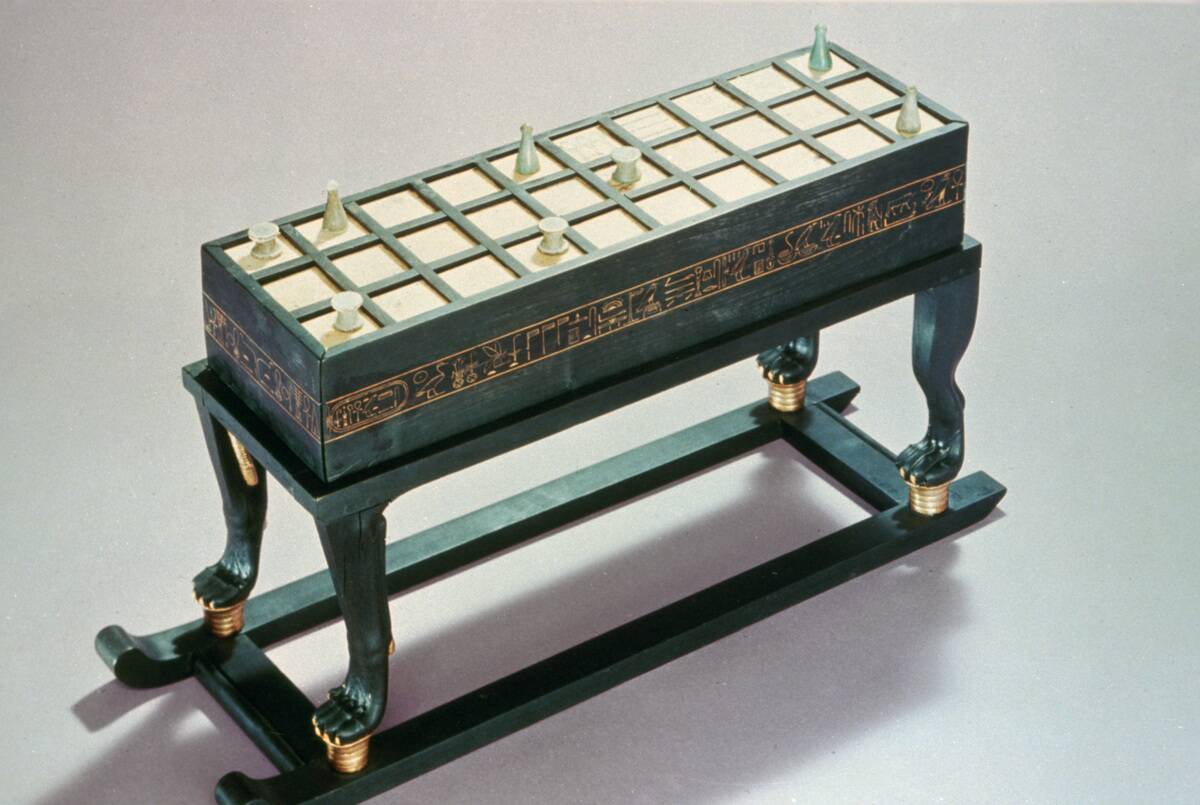
Senet is considered one of the oldest known board games, dating back to ancient Egypt around 3100 BC. The game was played on a grid of 30 squares, with players racing to move their pieces off the board.
It was believed to represent the journey to the afterlife, and winning was seen as a symbol of success in the next world. Senet boards have been found in tombs, indicating their importance in Egyptian culture and religion.
The Royal Game of Ur: A Journey to Mesopotamia
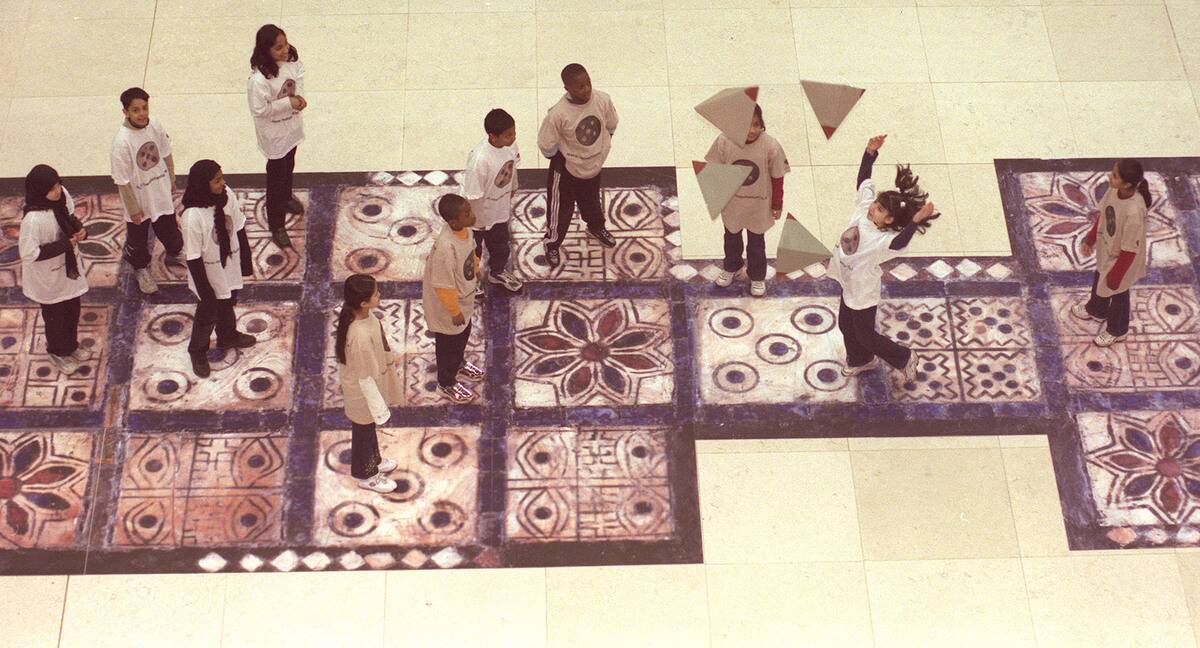
The Royal Game of Ur is another ancient board game, originating from Mesopotamia around 2600 BC. This race game was played on a beautifully decorated board with two sets of seven pieces. The aim was to navigate one’s pieces to the end of a path while avoiding capture by the opponent.
The game was popular among Mesopotamian royalty, as evidenced by the exquisite game boards found in royal tombs, showcasing the artistry and craftsmanship of the time.
Chess: From Ancient India to Global Fame

Chess has its origins in the 6th century in India, where it was known as ‘chaturanga.’ The game spread to Persia and later to the Islamic world, where it evolved into the modern game we know today.
Chess has been embraced globally, becoming a symbol of strategic thinking and intellectual challenge. Its ability to adapt and evolve has contributed to its lasting popularity, with international tournaments and online platforms keeping the game relevant in the digital age.
Go: The Strategy Game That Conquered Asia
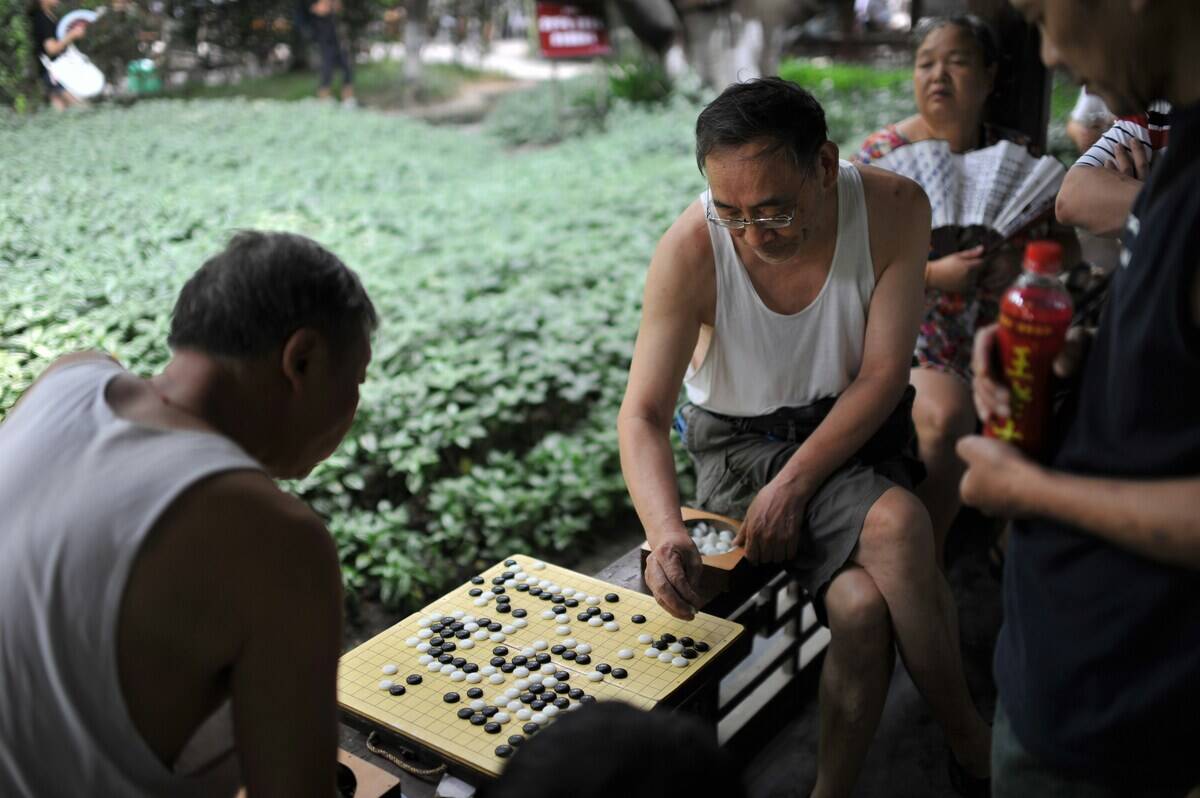
Go, known as ‘Weiqi’ in China, originated over 2,500 years ago, making it one of the oldest board games still played today. The game’s objective is to control the largest territory on the board using black and white stones.
Go has been revered for its deep strategic complexity, with more possible game configurations than atoms in the universe. It was popularized in Japan, Korea, and China, where it became a staple of intellectual and cultural life.
Backgammon: The Timeless Race Game

Backgammon is one of the oldest known board games, with origins tracing back to Mesopotamia around 5,000 years ago. It combines elements of luck and strategy, as players race to bear off all their pieces first.
The game has been played in various forms across cultures and continues to be a favorite due to its blend of chance and skill. Backgammon’s enduring appeal lies in its quick pace and the constant interaction between players.
Mancala: A Stone Age Game of Strategy and Calculation

Mancala is a family of board games played worldwide, believed to have originated in Africa over 1,000 years ago. The game involves moving stones or seeds around a series of pits, with the aim of capturing more than the opponent.
Mancala’s simple materials and rules disguise its deep strategic potential, making it a favorite among players. Its adaptability to different cultures and environments has ensured its survival through the ages.
Pachisi: The National Game of India
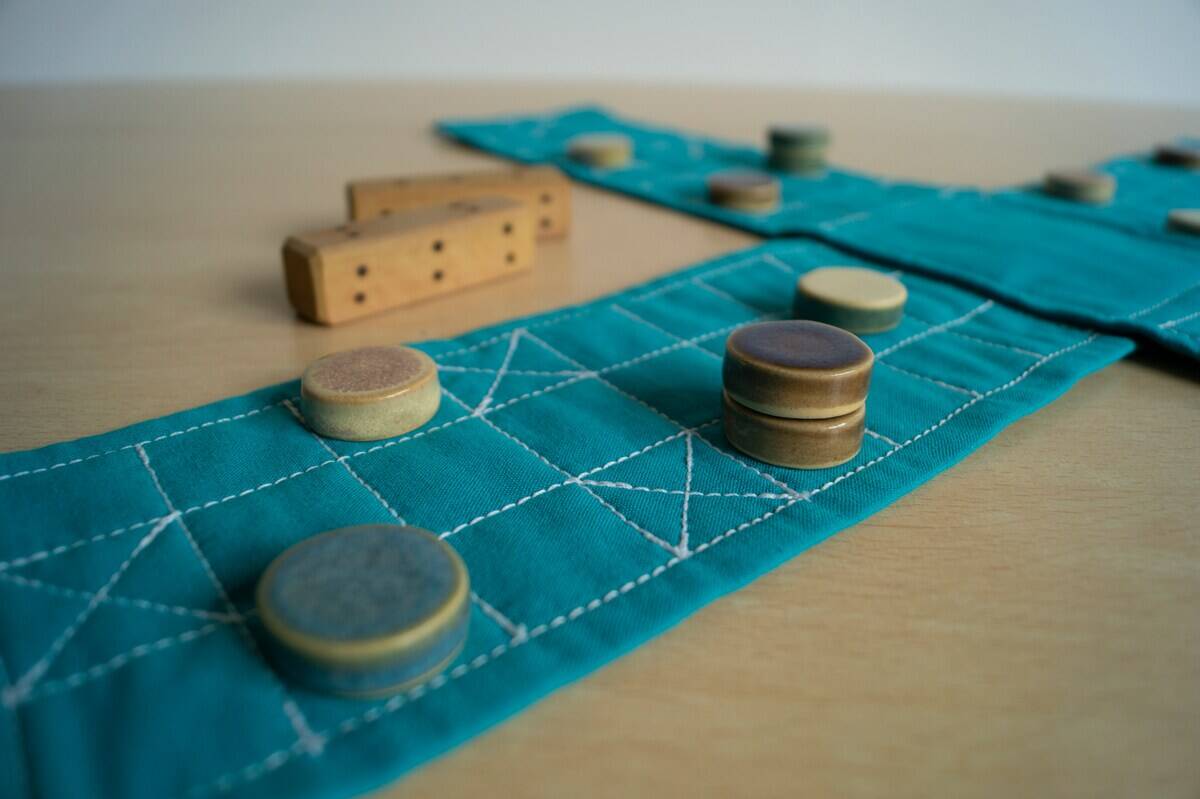
Pachisi, often referred to as the national game of India, dates back to the 6th century. Played on a cross-shaped board, players move pieces based on dice rolls, aiming to complete a circuit.
The game, which inspired modern Ludo, was a favorite pastime of Indian royalty. Its social nature and strategic depth make it a beloved classic, and its influence can be seen in various adaptations worldwide.
Dominoes: From Chinese Origins to Western Pastime
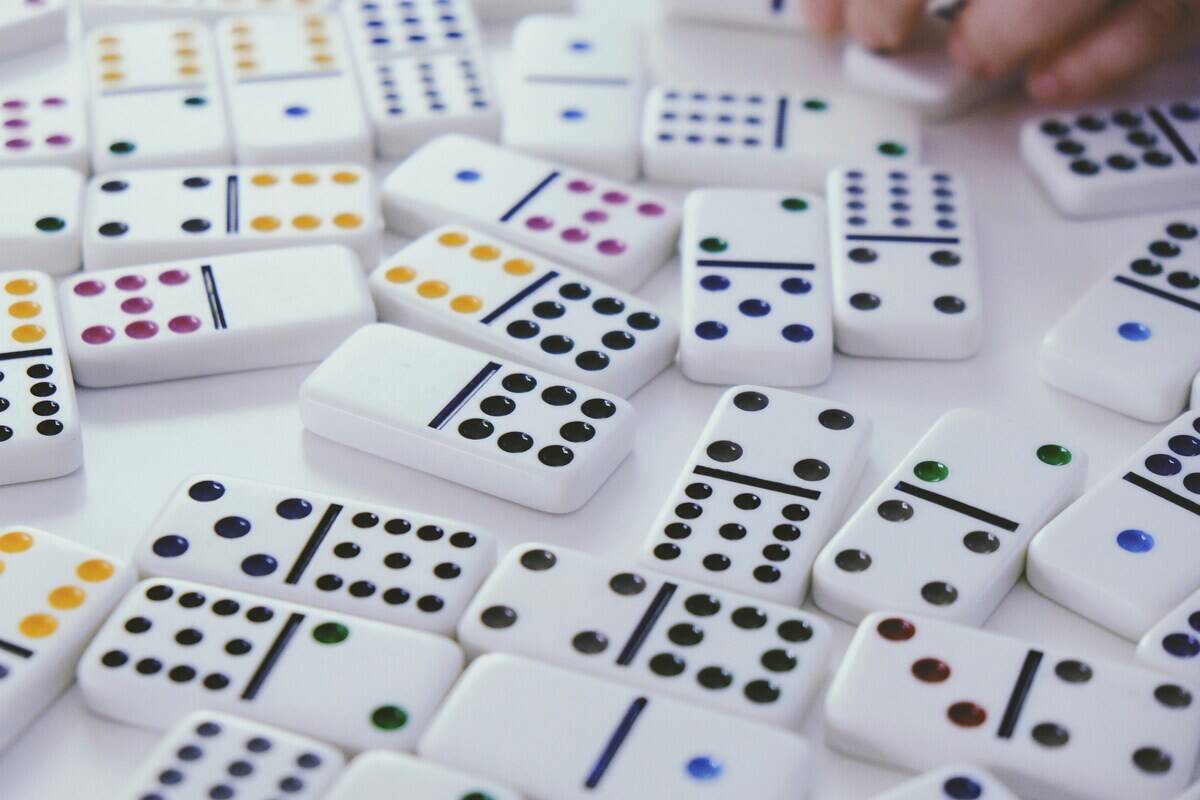
Dominoes originated in China during the 12th century and later spread to Europe in the 18th century. The game involves matching tiles with the same number of pips, and it has countless variations.
Dominoes are known for their versatility, as they can be used for both simple and complex games. Their tactile nature and ease of play make them a popular choice for social gatherings, bridging cultural gaps across the globe.
The Evolution of Draughts: From Alquerque to Checkers
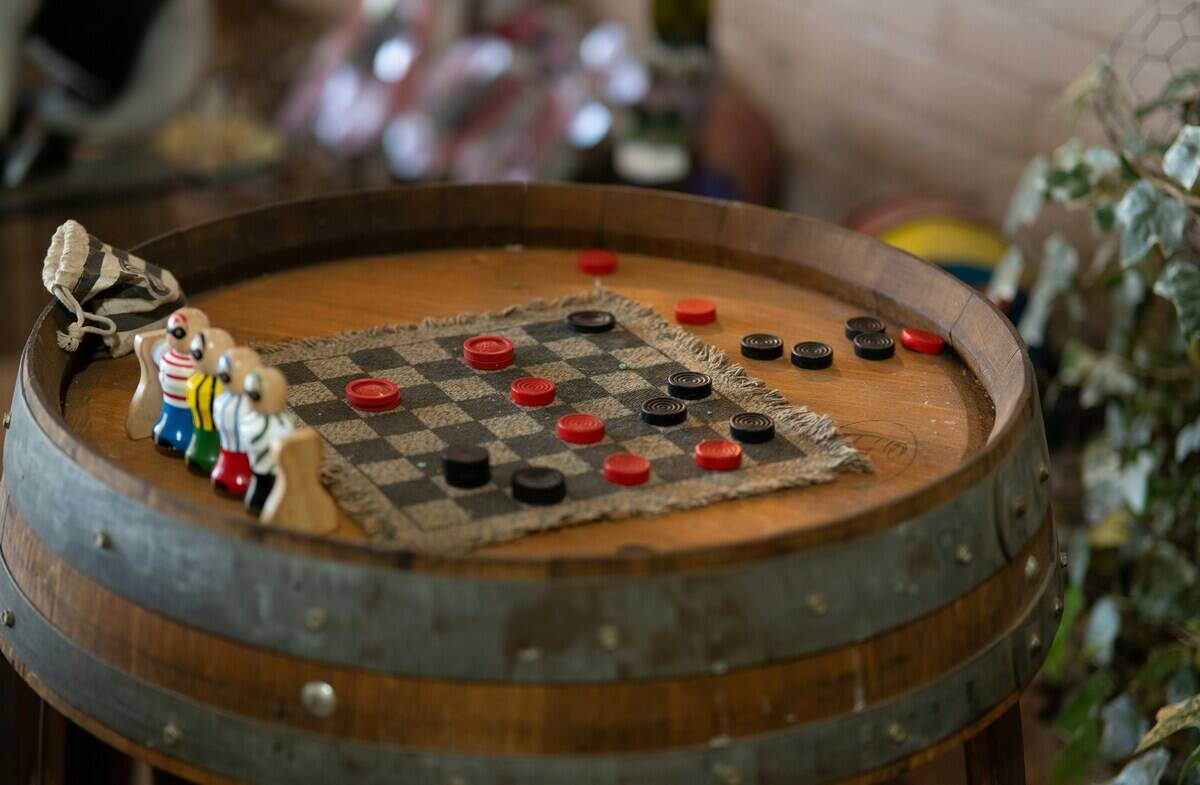
Draughts, known as checkers in the United States, evolved from the ancient game Alquerque, which dates back to 1400. The modern game, played on an 8×8 board, emerged in the 12th century in France.
Draughts is celebrated for its accessibility and strategic depth, enjoyed by players of all ages. Its straightforward rules and engaging gameplay have ensured its continued popularity, making it a staple in households worldwide.
Nine Men’s Morris: Medieval Europe’s Favorite Pastime
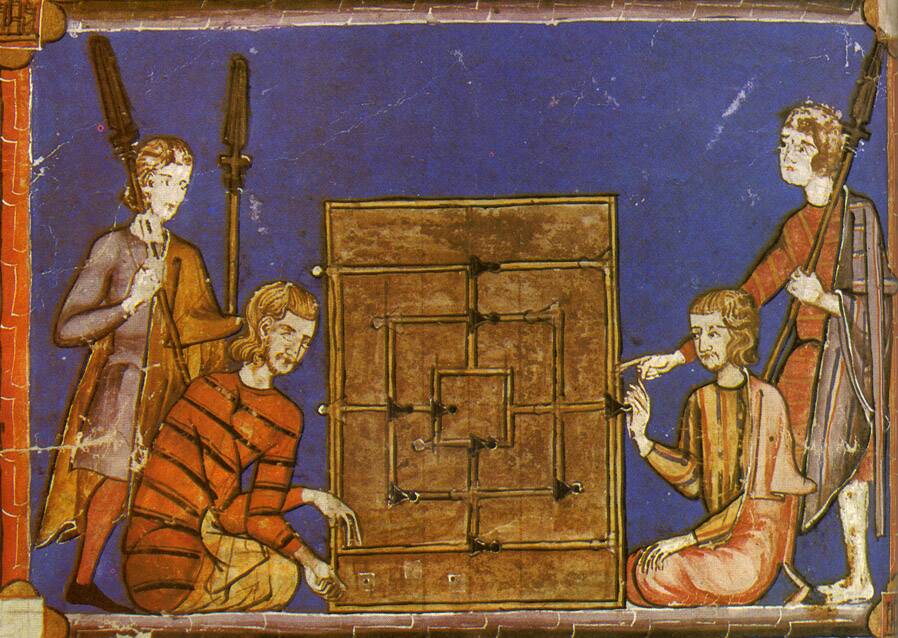
Nine Men’s Morris is a strategy board game dating back to the Roman Empire, with peak popularity during the medieval period in Europe. The game is played on a grid with three concentric squares, and players aim to form ‘mills’ by aligning three pieces in a row.
Its simple yet deep strategy made it a favorite among medieval Europeans, and its ease of learning continues to attract players looking for a quick and engaging challenge.
Patolli: The Aztec Game of Chance and Strategy
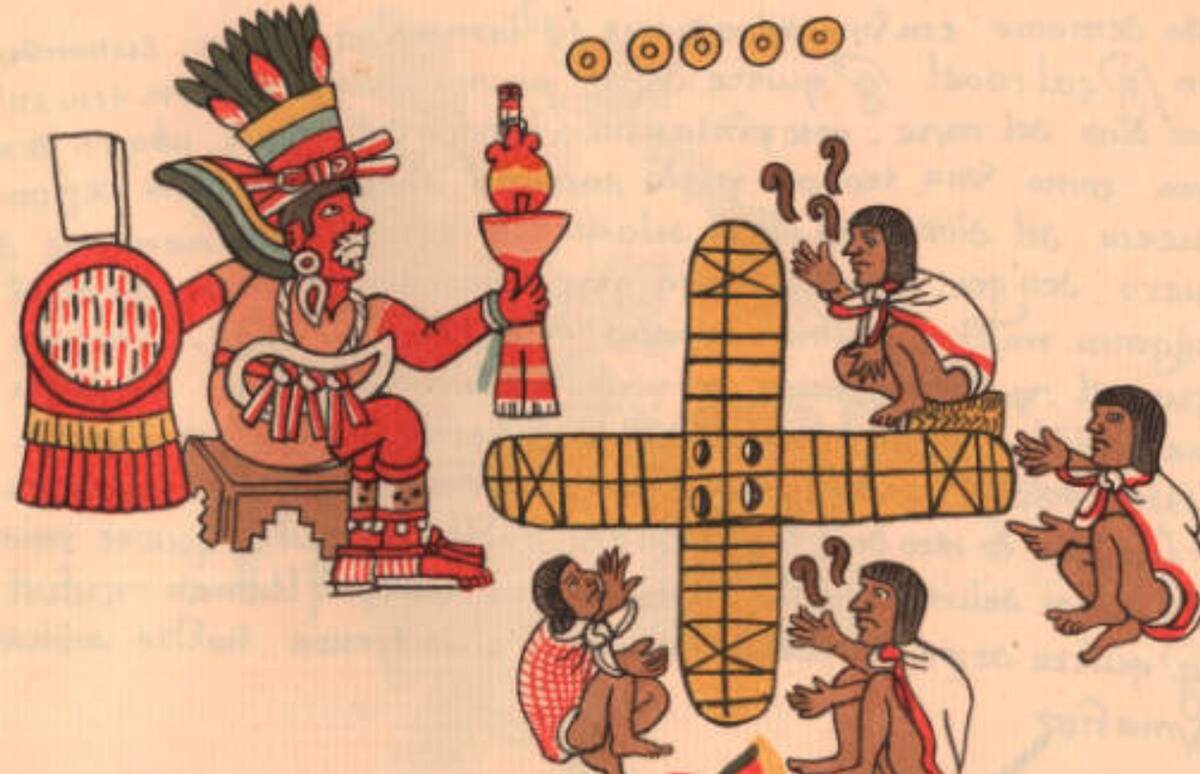
Patolli was a popular game in pre-Columbian Mesoamerica, particularly among the Aztecs. Played on a cross-shaped board, players used beans marked with dots as dice to move their pieces.
The game involved both chance and strategy, with players betting on the outcome. Patolli was more than just a game; it was a cultural event, often played at festivals and celebrations, reflecting the Aztecs’ love for betting and social interaction.
Hnefatafl: The Viking Game of War and Conquest
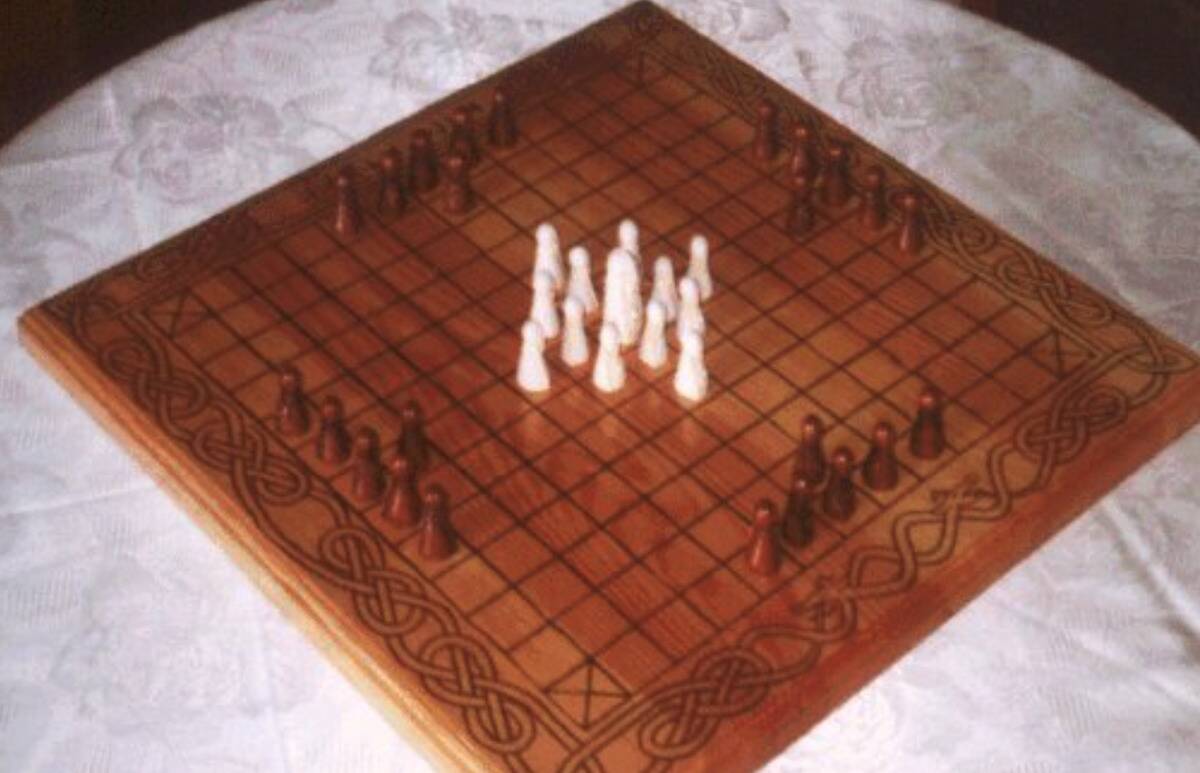
Hnefatafl, a traditional Viking board game, simulates a battle between two unequal forces. The game board features a king’s piece and defenders against a larger army of attackers.
The objective is for the king to escape to the board’s edge while the attackers try to capture him. Hnefatafl was not just a pastime but also a way for Vikings to hone their strategic thinking, reflecting their warrior culture and fascination with tactics and conquest.
Shogi: The Japanese Chess That Captured a Nation
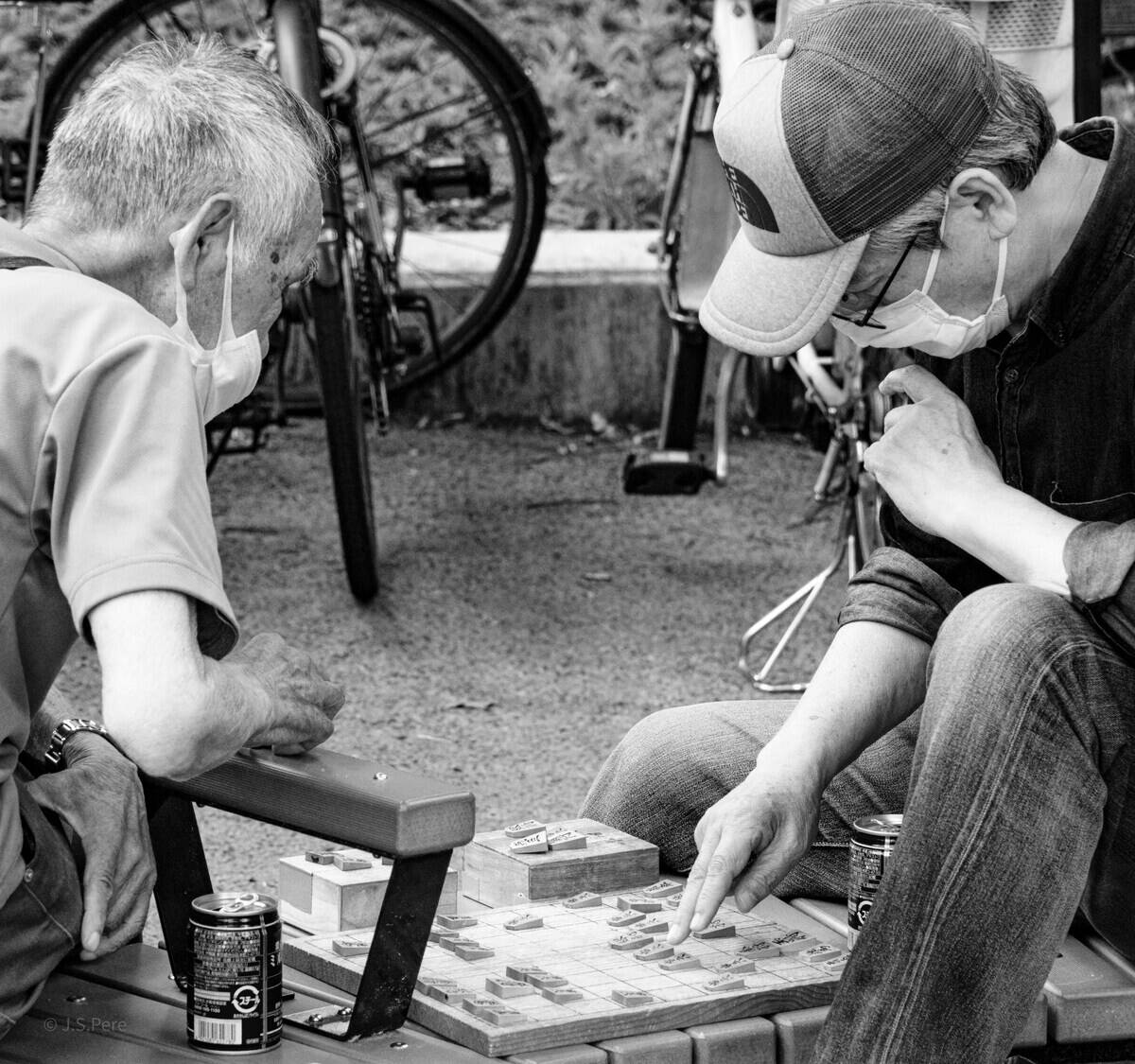
Shogi, often called Japanese chess, has captivated players in Japan since the 16th century. Similar to international chess, Shogi is played on a 9×9 board, but with unique rules such as piece promotion and the ability to drop captured pieces back into play.
This dynamic aspect adds layers of strategy and complexity. Shogi’s popularity in Japan is immense, with professional leagues and televised matches, showcasing its deep cultural significance.
Xiangqi: Chinese Chess and Its Unique Twists
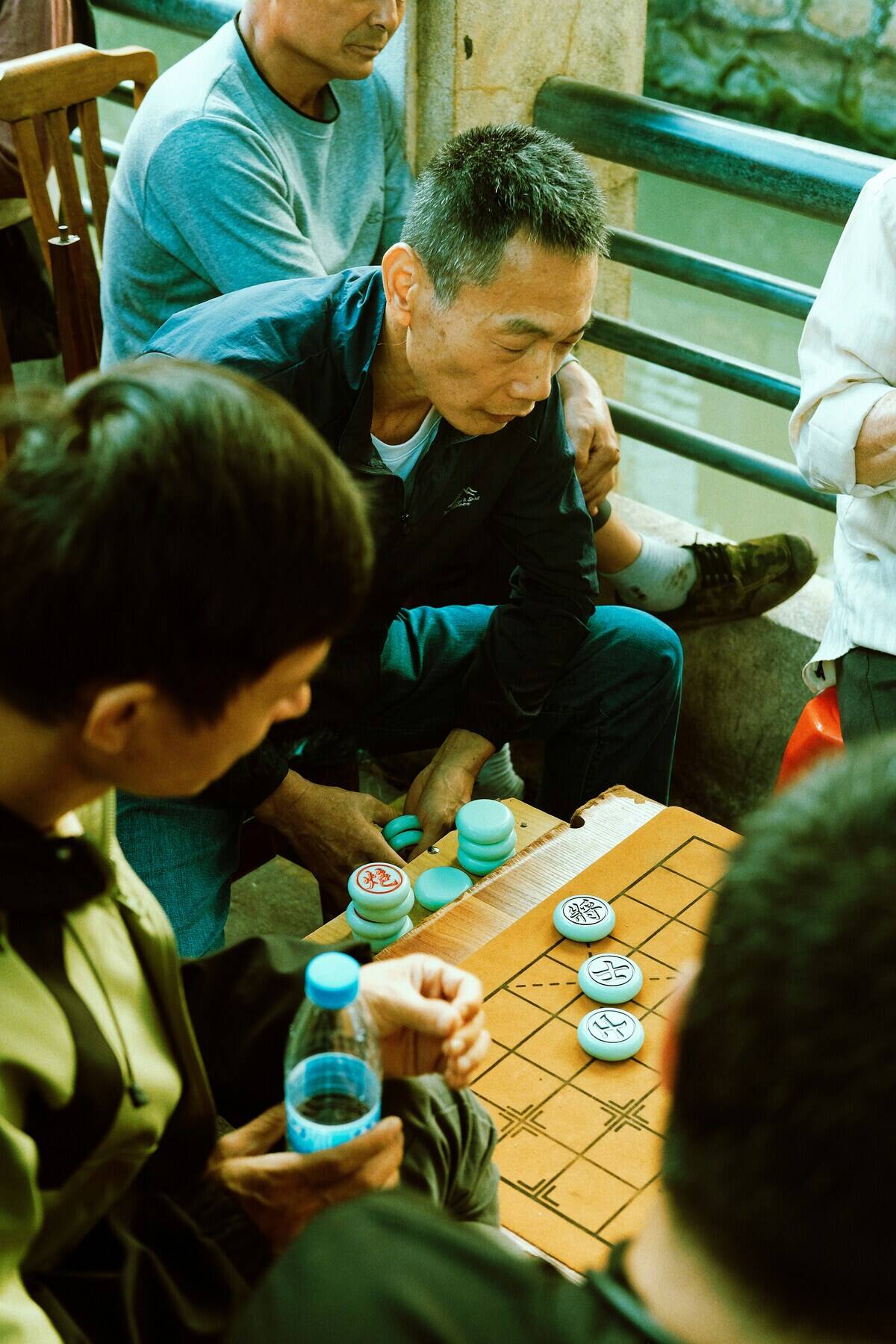
Xiangqi, or Chinese chess, is a widely played strategy game in China with origins dating back to the Warring States period. The game is played on a board representing a battlefield, with pieces like generals, chariots, and elephants.
Unlike Western chess, Xiangqi features a river in the center and palaces for each player’s general. These unique twists add to the game’s strategic depth, making it a beloved pastime throughout China.
Ludo: The Simplified Pachisi That Became a Household Name
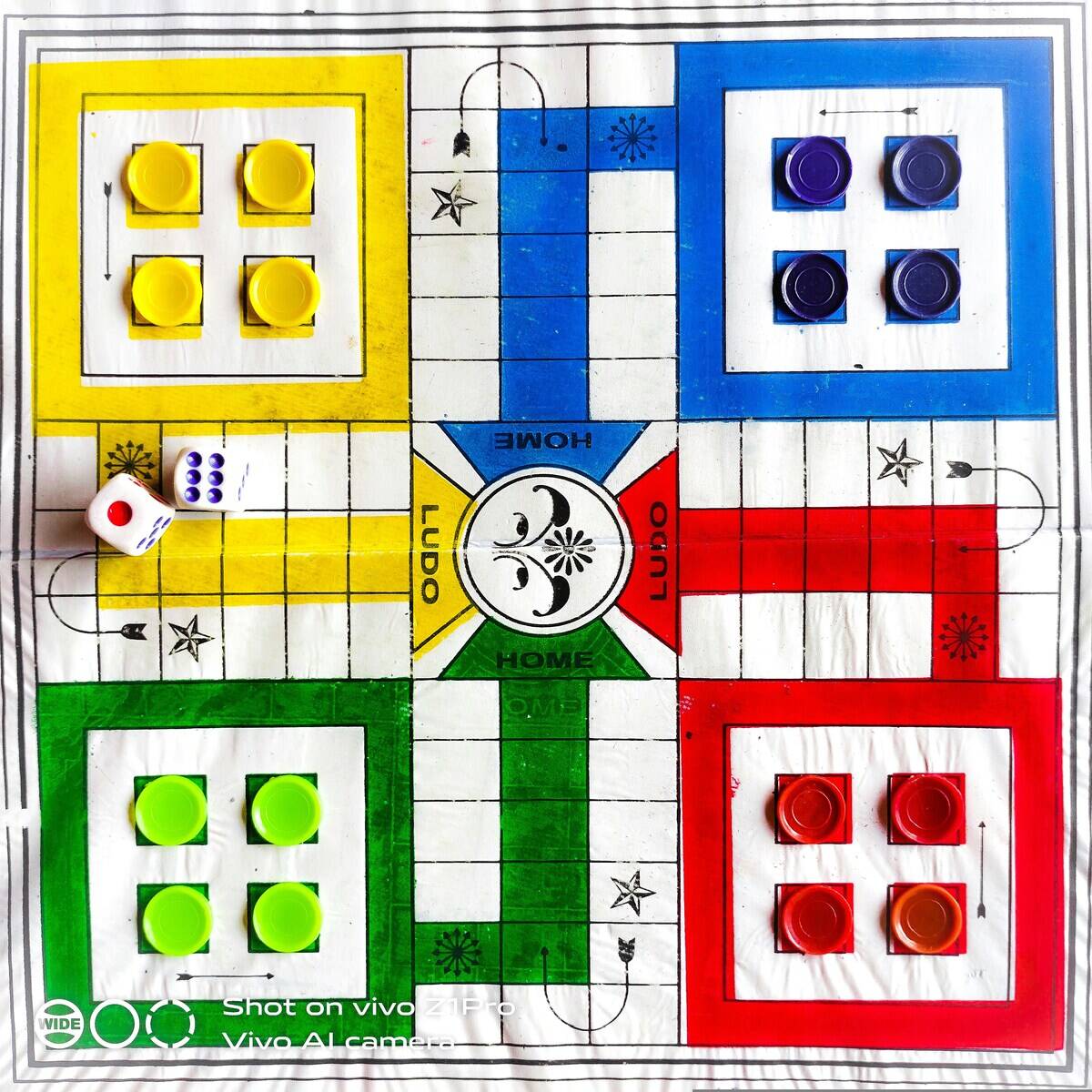
Ludo is a simplified version of the ancient Indian game Pachisi, introduced to the Western world in the late 19th century. Played on a cross-shaped board, Ludo retains the basic mechanics of Pachisi but with simplified rules.
Its straightforward gameplay and colorful design have made it a favorite family game worldwide. Ludo’s ability to bring people together for a fun and competitive experience has cemented its place in game collections everywhere.
The Cultural Impact of Ancient Games Today
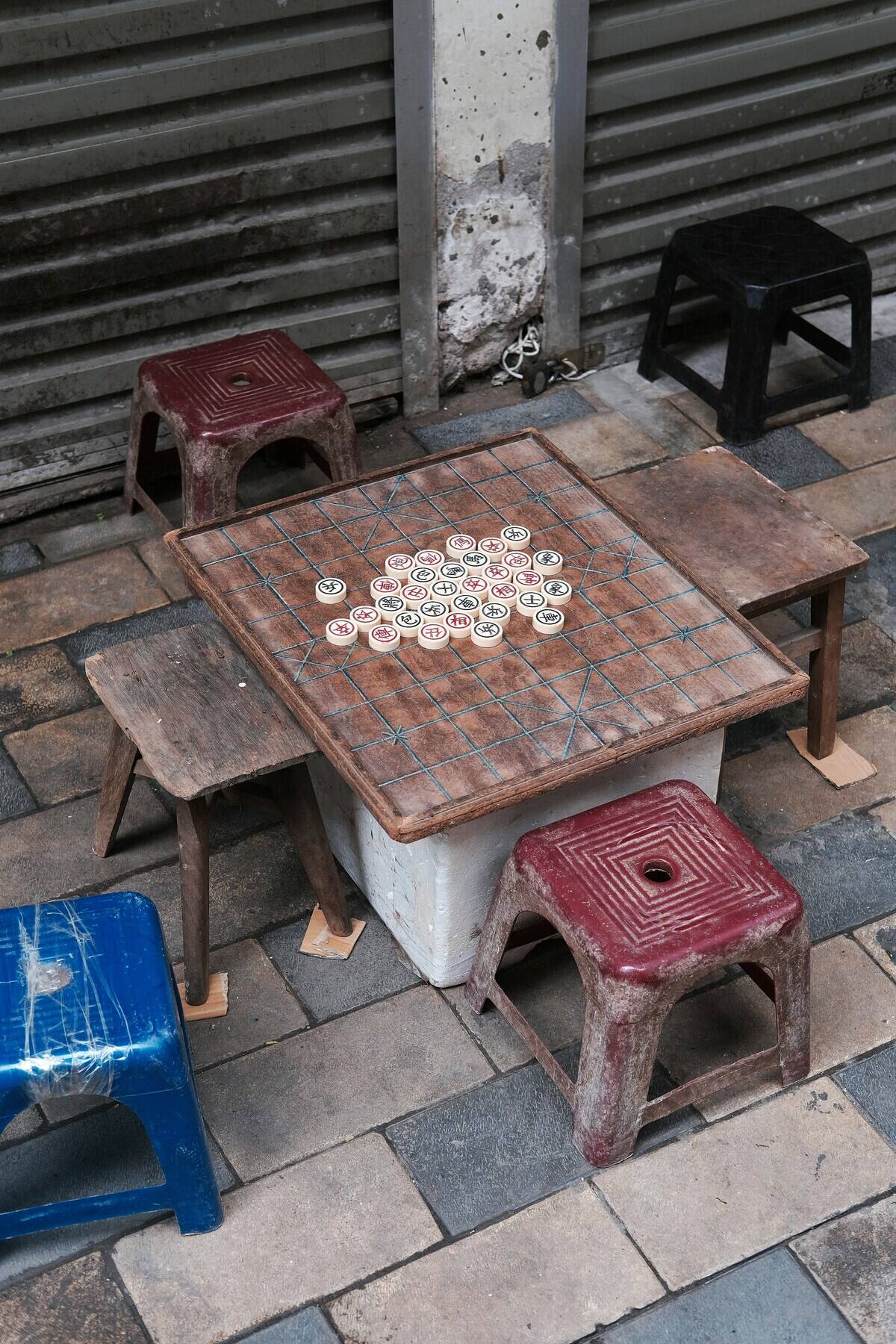
Ancient games continue to influence modern culture, fostering social interaction, strategic thinking, and cultural exchange. These games have transcended their origins, becoming a part of global heritage.
They are taught in schools, played at cultural festivals, and adapted into digital forms, preserving their legacy. By engaging with these games, people around the world can connect with traditions, learn from history, and enjoy timeless entertainment.
How Ancient Games Inspire Modern Game Design
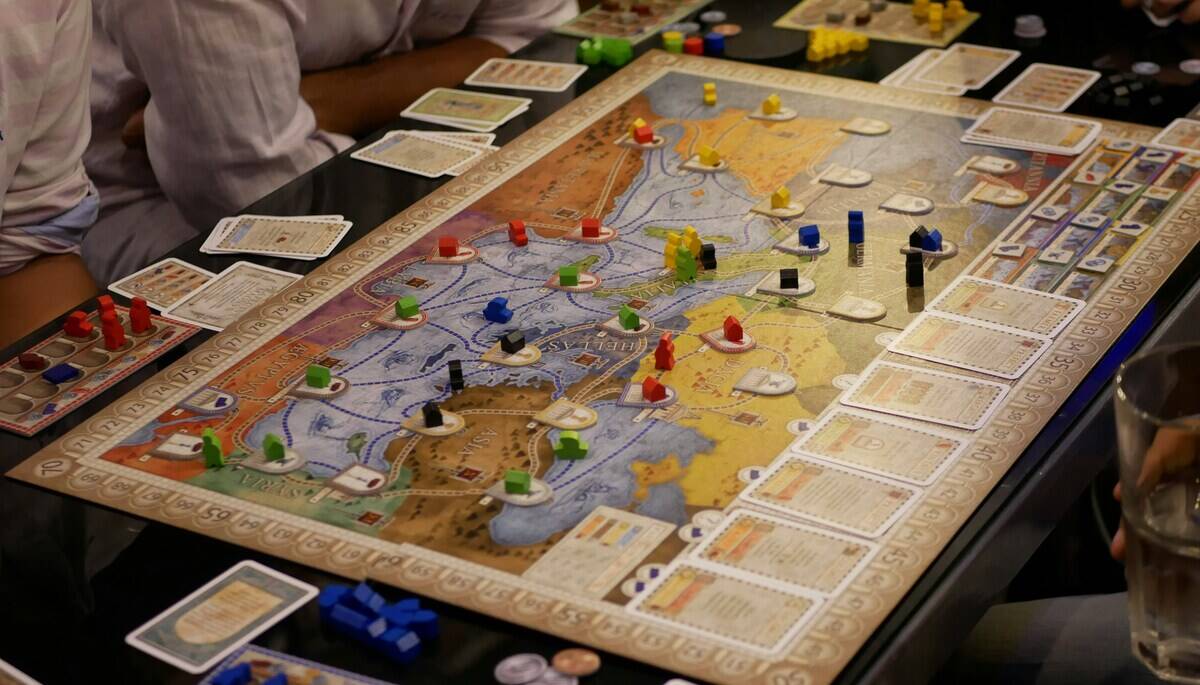
Many modern games draw inspiration from ancient counterparts, incorporating time-tested mechanics and themes. Game designers often look to the past for ideas on strategy, balance, and player interaction.
Elements from games like Chess, Mancala, and Go find their way into new board and video games, showcasing their lasting influence. The timeless appeal of ancient games ensures they will continue to inspire innovation in the gaming world for generations to come.